
Build-to-Print CNC Machined Parts, Drawing to Inspection
SUUXIANG reviews critical dimensions, datums, process routes, and inspection needs for build-to-print CNC machined parts before production planning begins.
Representative Build-to-Print Components




Related Product Catalogue and Quotation


Engineering Advantages for Drawing-Driven Parts
Build-to-print CNC machined parts are planned from the drawing, critical dimensions, process constraints, and inspection requirements before production commitments are made.
DFM Before Quotation
Review drawing clarity, machining access, datum choices, and process risks before quoting so requirements can be resolved early.
Critical Dimension Planning
Identify critical-to-quality features, tolerance relationships, and inspection methods to align machining priorities with functional requirements.
Coordinated Process Routes
Plan CNC machining, EDM, grinding, and fitting in sequence, accounting for stock allowance, electrode strategy, and heat-treatment timing.
Inspection Plan Alignment
Define measurement priorities and reporting expectations from approved requirements, with final documentation matched to the verified inspection plan.
Revision-Controlled Communication
Keep drawing revisions, technical decisions, and delivery information visible throughout the project to support traceable, informed coordination.
Drawing-Based Production
Translate supplied specifications into build-to-print CNC machined parts through disciplined process planning, controlled execution, and final verification.
Precision Product and Tooling Families
Configure the process route around your drawing, critical dimensions, material requirements, inspection needs, and planned production quantity.

CNC Machining Services
Precision CNC machining services for drawing-based parts requiring coordinated milling, turning, EDM, grinding, fitting, and inspection. Production planning begins with DFM review, critical dimensions, datums, material requirements, surface expectations, and the evidence needed before a manufacturing commitment.
Upload a Drawing
CNC Milling
Custom CNC milling services for prismatic, contoured, and feature-rich components. Review focuses on tool access, datum references, wall geometry, internal corners, machining allowance, fixture strategy, and the dimensional priorities that determine an appropriate inspection method.
Upload a Drawing
CNC Turning
Precision CNC turning services for shafts, pins, bushings, sleeves, and rotational components. Drawing review addresses concentricity, runout, thread requirements, shoulder geometry, surface condition, material state, and secondary operations such as milling, grinding, or EDM where needed.
Upload a Drawing
5-Axis Machining
5-axis CNC machining supports complex geometry that benefits from multi-angle tool access and fewer setups. Process planning evaluates reachable features, workholding, datum transfer, tool length, collision risk, finishing strategy, and inspection access before quotation.
Upload a Drawing
Swiss & Micro Machining
Swiss machining and micro machining support small, slender, and detail-intensive parts where material control and feature sequence matter. Review includes stock form, length-to-diameter relationship, cross features, concentricity, burr control, tolerance priorities, and measurement feasibility.
Upload a Drawing
Wire & Sinker EDM
Wire EDM and sinker EDM services address hardened materials, narrow slots, sharp internal geometry, deep cavities, and features beyond conventional tool access. Planning considers wire path, start holes, electrode design, spark allowance, recast-layer requirements, and finishing expectations.
Upload a Drawing
Precision Grinding
Precision surface and profile grinding supports controlled flatness, parallelism, profile accuracy, and finished dimensions after machining or heat treatment. The process route considers grinding stock, material condition, datum strategy, wheel access, surface requirements, and inspection criteria.
Upload a Drawing
Mold Core & Cavity Inserts
Precision mold core and cavity inserts are produced from customer drawings and models for injection-molding tool assemblies. Review covers parting surfaces, shutoffs, cooling interfaces, steel selection, heat-treatment sequence, EDM strategy, fitting requirements, and critical molding dimensions.
Upload a Drawing
Ejector & Ejection Components
Ejector pins, sleeves, and ejection components are configured around the mold layout, stroke, guiding requirements, and wear conditions. Drawings should identify mating fits, hardness or surface treatment requirements, critical diameters, head geometry, and applicable inspection needs.
Upload a Drawing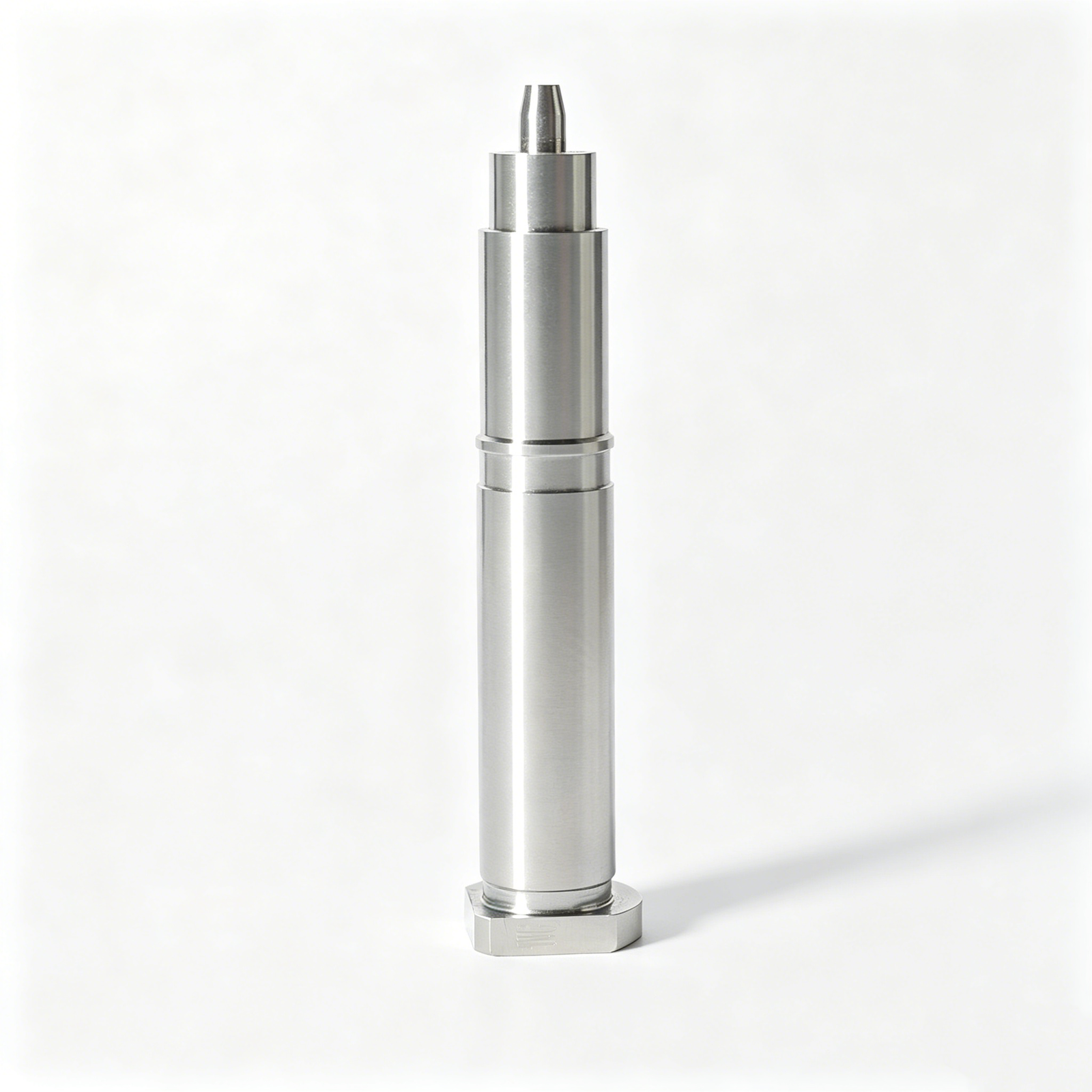
Core Pins, Guide & Locating Components
Core pins, guide pins, bushings, and locating components support repeatable alignment and feature formation in mold assemblies. Manufacturing review examines fit classes, concentricity, datum relationships, hardened condition, lubrication or clearance needs, and mating-component interfaces.
Upload a Drawing
Slides, Lifters, Gates & Mold Accessories
Mold slides, lifters, gates, and accessories are made to drawing-defined geometry and assembly requirements. Evaluation includes travel and clearance relationships, wear interfaces, parting-line conditions, heat treatment, sliding surfaces, fitting stock, and critical dimensions affecting mold function.
Upload a Drawing
Connector Mold Components
Precision connector mold components address fine-pitch, multi-cavity, and alignment-sensitive tooling features. Drawing review considers insert geometry, pin and cavity relationships, EDM requirements, grinding sequence, wear areas, material condition, and inspection points tied to connector performance.
Upload a Drawing
Stamping Die Components
Precision stamping die components are produced for drawing-defined forming, cutting, guiding, and locating functions. Process planning considers tool steel condition, clearance-sensitive features, profile geometry, heat treatment, grinding stock, EDM access, fitting requirements, and dimensional verification.
Upload a Drawing
Injection, MIM, CIM & Overmolding Tooling
Injection, MIM, CIM, and overmolding tooling components are evaluated within verified production scope. Early review identifies molding-critical geometry, inserts, shutoffs, gates, material and thermal requirements, finishing needs, assembly interfaces, and the manufacturing evidence required for the project.
Upload a Drawing
Machining Materials
CNC machining materials are selected against function, machinability, heat treatment, wear, corrosion exposure, conductivity, and inspection requirements. Submit the specified material grade, condition, approved substitute rules, and relevant certificates or traceability expectations with the RFQ.
Upload a Drawing
Surface Finishes & Heat Treatment
Surface finishing and heat treatment are planned as part of the dimensional process route, not as an afterthought. Specify the required finish, hardness range, coating or treatment, masking needs, cosmetic limits, post-treatment grinding allowance, and verification method.
Upload a Drawing
Quality, Metrology & Documentation
Precision inspection, metrology, and quality documentation are aligned with the drawing and agreed inspection plan. Identify critical-to-quality dimensions, datum scheme, measurement method, reporting format, material records, revision status, and any customer-specific traceability requirements before production.
Upload a Drawing
Prototyping & Low-Volume Production
Rapid prototyping and low-volume manufacturing support drawing-based evaluation, bridge quantities, tooling trials, and controlled repeat orders. A useful RFQ defines quantity, material, critical features, finishing, inspection expectations, target date, and any application context affecting manufacturability.
Upload a DrawingMaterials for Build-to-Print CNC Machined Parts

Tool Steels
Considered for mold cores, cavity inserts, slides, and wear-critical tooling details. Grade, supplied condition, heat-treatment sequence, EDM strategy, and grinding stock should be reviewed against drawing requirements.

Stainless Steels
Considered where corrosion resistance, durability, or clean-service conditions influence the part design. The drawing should define the grade, heat treatment if applicable, surface requirement, and inspection priorities.

Carbon Alloy Steels
Commonly evaluated for structural custom parts, die components, pins, and locating features. Material selection depends on strength, hardness, wear exposure, machining allowance, and any specified heat-treatment route.

Aluminum Alloys
Considered for lightweight fixtures, prototype parts, housings, and components requiring efficient machining. Alloy designation, temper, datum features, surface finish, and functional interfaces should be clear in the RFQ.

Copper Alloys
Considered for electrical, thermal, or specialized tooling applications where conductivity matters. Confirm the specific alloy, part geometry, finishing needs, and dimensional controls so the machining and inspection plan can be assessed.
Process Routes for Build-to-Print CNC Machined Parts

CNC Milling
CNC milling establishes prismatic features, pockets, profiles and datums from the approved drawing. Fixture planning and tool access are reviewed early to support stable feature relationships and a controlled machining sequence.

CNC Turning
CNC turning produces concentric diameters, bores, threads and rotational features. The route is evaluated against datum requirements, runout priorities, material condition and any follow-on milling, EDM or inspection operations.

Wire EDM
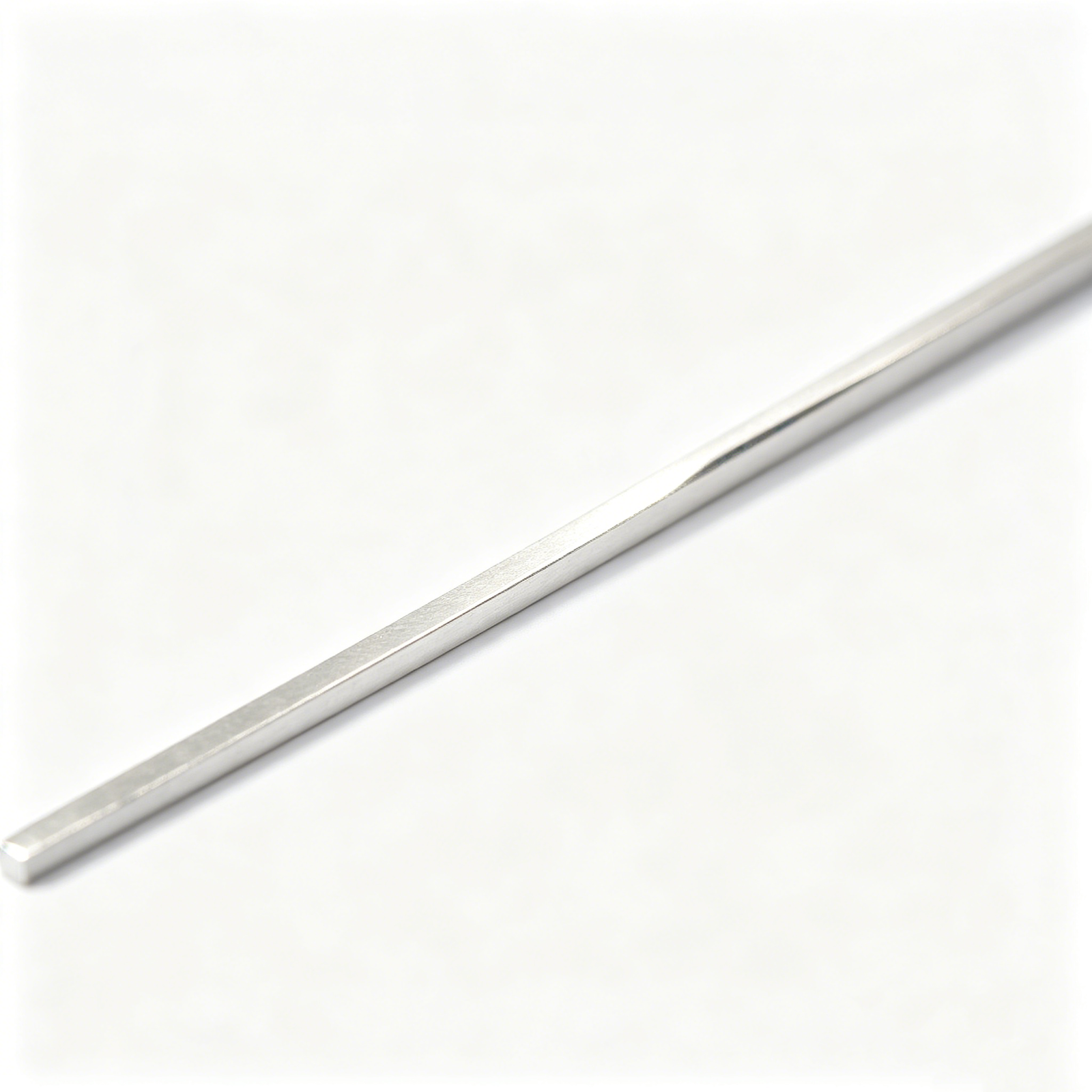
Wire EDM is considered for precise profiles, narrow slots, hardened material and features where conventional tool access is limited. Wire path, start-hole requirements, datum transfer and finishing allowance are reviewed with the drawing.
Sinker EDM
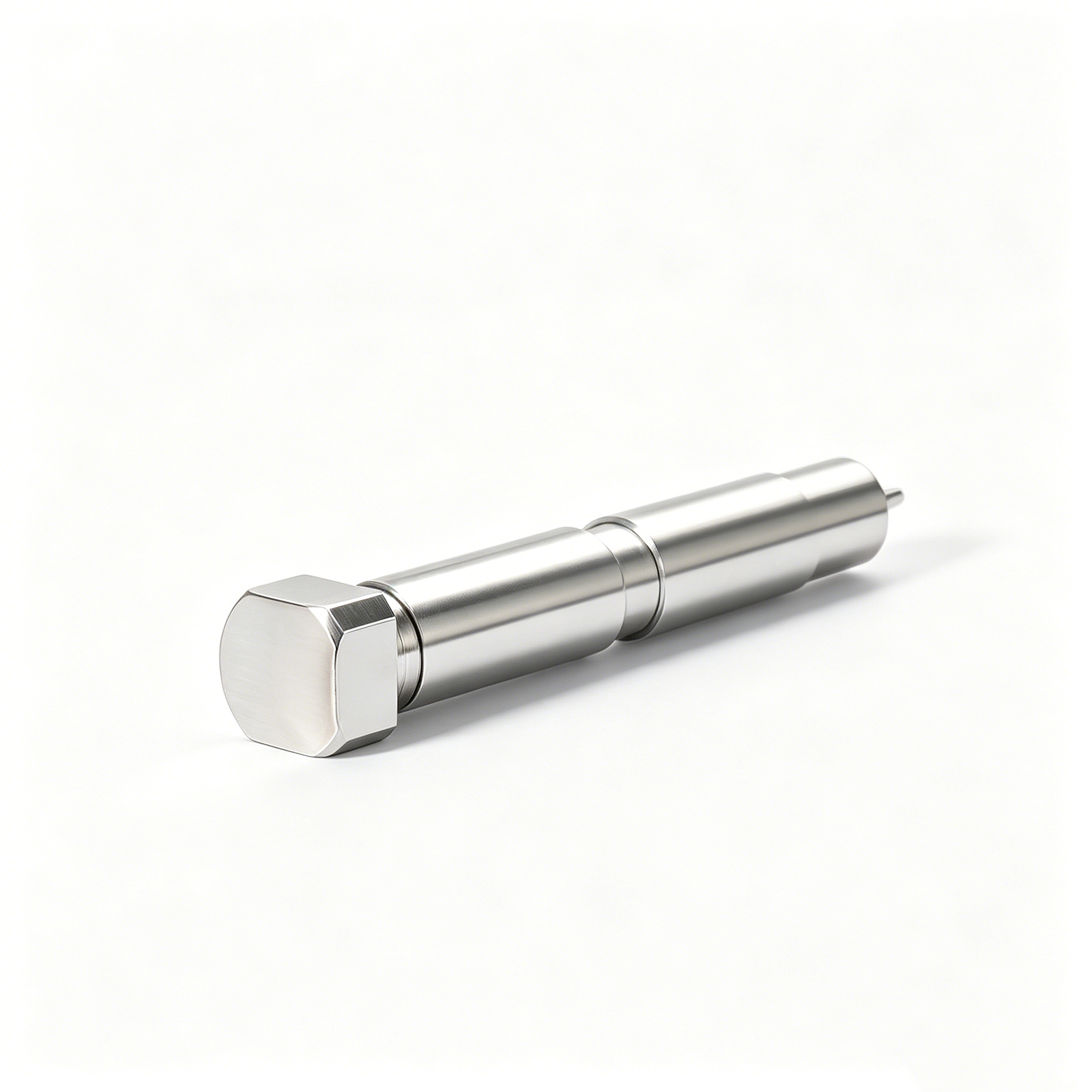
Sinker EDM supports internal forms, deep details and cavity features that require electrode-based machining. Electrode strategy, burn sequence, surface expectations and downstream polishing or fitting needs are defined before release.

Precision Grinding
Precision grinding refines critical faces, diameters and mating surfaces after the appropriate prior operations. Grinding stock, heat-treatment sequence, datum references and inspection method are aligned to the project’s verified requirements.
Build-to-Print CNC Machined Parts: Accessories and Mold-Component Details

Guide Components
Guide pins, bushings, and related alignment elements help control repeatable mold movement. Define mating fits, datum relationships, material condition, lubrication considerations, and wear-sensitive surfaces during drawing review.

Locating Elements
Locating pins, blocks, keys, and stops establish repeatable positioning between mold plates or tooling features. Clear datum references and assembly interfaces help determine machining sequence, grinding needs, and inspection points.
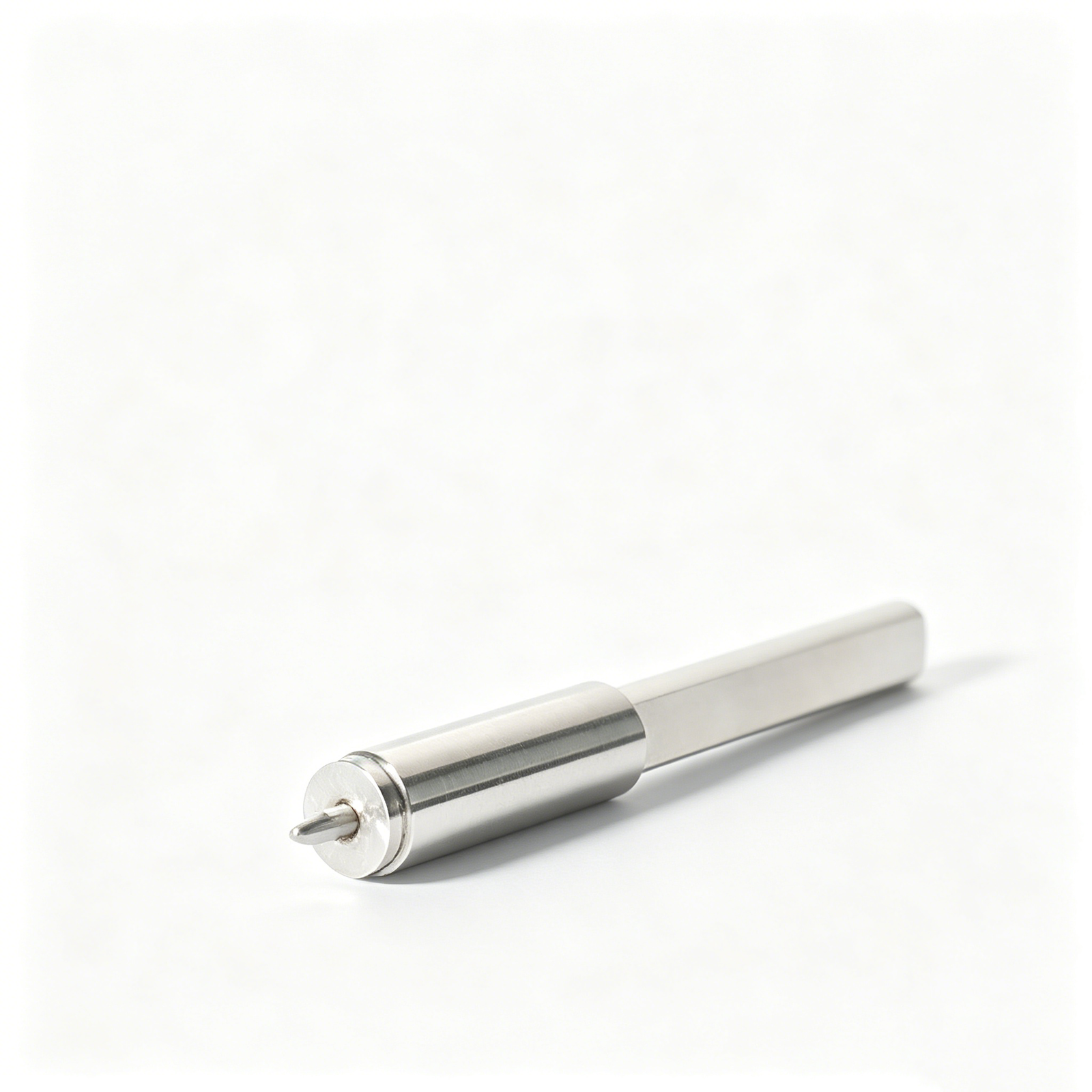
Gate Details
Gate inserts and related flow-control details can be produced to the approved drawing for injection or overmolding tooling. Review parting-line relationships, EDM access, polish requirements, and any critical interface dimensions before production.

Slides and Lifters
Slides, lifters, wear elements, and mating components support moving mold actions where geometry requires them. Their build-to-print route should address travel interfaces, clearances, heat-treatment sequence, fitting allowance, and verification requirements.

Ejection Components
Ejector pins, sleeves, retainers, and related ejection details are configured around the specified mold assembly. Confirm working lengths, locating features, surface condition, mating relationships, and critical dimensions for an appropriate process plan.
About SUUXIANG Precision Manufacturing
SUUXIANG is the sole public-facing brand of Dongguan SuuXiang Precision Mold Co., Ltd., established in 2010 in Chang’an Town, Dongguan, Guangdong, China. XiaoCheng Huang is the founder and legal representative. We help international engineering, sourcing, and quality teams translate controlled drawings and specifications into inspected custom machined parts, precision mold components, and connector-tooling components.
Our work is planned around the requirements that determine whether a part can be made and verified: critical dimensions, datums, tolerance stack, material and heat-treatment needs, surface requirements, tool access, EDM strategy, grinding allowance and inspection method. CNC machining, EDM, grinding, fitting and inspection are coordinated to suit the approved process route.
For build-to-print CNC machined parts, SUUXIANG begins with a practical drawing review rather than an assumption. We keep revision, quality and delivery requirements visible throughout project coordination, so buyers can align manufacturing evidence and final documentation with the order before production commitments are made.
How Build-to-Print CNC Machined Parts Are Planned
DFM and Datum Review
Before quoting build-to-print CNC machined parts, SUUXIANG reviews the drawing, model, datums, critical dimensions, tolerance stack, material requirements, and functional interfaces. The objective is to identify manufacturing questions early and align the process route with the part’s inspection priorities.
- Confirm drawing revision and model alignment
- Identify critical-to-quality dimensions and datum relationships
- Review tool access, wall geometry, and feature risk
- Clarify material, heat treatment, and surface requirements
Process Route Planning
A drawing may require more than a milling or turning operation. SUUXIANG plans the appropriate sequence across CNC machining, multi-axis work, fitting, EDM, grinding, and inspection, considering machining allowance, workholding, feature accessibility, and the condition in which each critical dimension should be controlled.
- Match operations to geometry and tolerance requirements
- Plan workholding around functional datums
- Sequence heat treatment and finish operations carefully
- Define machining allowances before precision finishing

EDM and Grinding Strategy
For hardened, narrow, deep, or difficult-to-access features, the process plan evaluates wire EDM, sinker EDM, and precision grinding alongside CNC machining. Electrode design, wire path, finish requirements, recast-layer considerations, and grinding stock are reviewed against the drawing and application context.
- Assess EDM suitability for inaccessible profiles
- Plan electrode strategy for formed cavities
- Protect critical geometry with appropriate grinding stock
- Review finish and edge requirements before release

Inspection and Revision Control
Inspection planning begins with the dimensions that govern fit, function, and acceptance. SUUXIANG aligns measurement methods, reporting expectations, and document control with the approved drawing revision, then keeps production and delivery communication focused on the evidence required for the specific order.
- Link inspection points to critical drawing dimensions
- Define requested reports before production starts
- Maintain visible revision and change control
- Confirm final documentation against the inspection plan

Build-to-Print CNC Machined Parts Need a Disciplined Workflow
Compare a drawing-led review and inspection plan with a quote-only supplier process before releasing production.
← Swipe left or right to view →
Build-to-Print CNC Machined Parts: Drawing to Delivery
A controlled workflow aligns drawing requirements, process decisions, inspection planning, and delivery coordination before parts move into production.
Review RFQ Requirements
We review drawings, models, materials, quantities, critical dimensions, surface requirements, datums, application context, and requested inspection or delivery documentation before quotation.
Plan Process Route
The team confirms manufacturability, machining access, fixturing approach, heat-treatment sequence, grinding stock, and where EDM electrodes or wire paths may be required.
Prepare Material and Setup
Material requirements and revision-controlled production information are aligned with the approved order, then machining setups are prepared around the specified datum strategy.
Machine Critical Features
CNC milling, turning, multi-axis work, EDM, and precision grinding are combined as the part geometry requires, with fitting considered for applicable tooling components.
Inspect Pack and Coordinate
Finished parts are inspected against the defined plan, documentation is matched to the order, and packing and delivery coordination proceed with revision visibility.
How to Work With SUUXIANG
Provide complete drawing and project requirements so the quotation discussion can focus on manufacturability, inspection planning, and delivery coordination.
Submit Your Drawing Package
Send the 2D drawing and available 3D model for your build-to-print CNC machined parts, including revision level, material, and application context.
Define Critical Requirements
Identify critical dimensions, datums, tolerances, surface requirements, heat treatment, quantity, inspection documentation, and any mating-component constraints that affect production planning.
Review DFM Feedback
Discuss machining access, EDM or grinding needs, process sequence, and inspection approach before SUUXIANG prepares a quotation or production commitment.
Confirm Delivery Priorities
Provide the target delivery date and quality expectations. Align revision control, reporting needs, and delivery coordination before releasing the order for manufacturing.
Case-Study Evidence Published After Verification
Build-to-Print CNC Machined Parts: Future Project Examples
Future case study: document how a drawing review identified critical datums, machining access, and a revision change before release, with the approved revision and resulting inspection evidence recorded against the order.
Future case study: show how a connector-tooling project coordinated 2D and 3D revision control, including the number of revised features and the inspection method agreed for critical dimensions.
Future case study: describe a low-volume mold-component order from RFQ through final inspection, identifying the process route, agreed reporting needs, and delivery documentation without claiming unverified results.
Complete Buyer’s Guide to Build-to-Print CNC Machined Parts
Practical answers for engineering and sourcing teams preparing drawing-based CNC part, mold-component, connector-tooling, and die-component RFQs.
What files should I send for build-to-print CNC machined parts?
Can you quote build-to-print CNC machined parts without a 3D model?
What minimum order quantity applies to build-to-print CNC machined parts?
How do you review tolerances before production?
What inspection documents can be provided with build-to-print CNC machined parts?
How are samples, lead time, and delivery dates handled?
How do payment and international shipping work?
How is drawing confidentiality and revision control handled for build-to-print CNC machined parts?
Complete Buyer’s Guide to build-to-print cnc machined parts
Use this decision framework to define drawing requirements, compare capable suppliers, control quality and cost, and avoid the documentation, tolerance, material, and sourcing mistakes that delay precision CNC programs.
1. What Are build-to-print cnc machined parts?
2010 is the founding year of Dongguan SuuXiang Precision Mold Co., Ltd.; build-to-print cnc machined parts are produced against the buyer’s released 2D drawing, 3D model, material callouts, tolerances, surface requirements, and approved revision. The manufacturer converts that defined requirement into a controlled process route and verifies the agreed characteristics.
2 parties retain distinct responsibilities: the design owner defines function, interfaces, datums, acceptance criteria, and any application-specific requirements; the manufacturer reviews manufacturability, tool access, workholding, EDM or grinding needs, and inspection practicality. DFM feedback identifies risks or alternatives, but no geometry, tolerance, material, or process requirement should change without documented customer approval.
1 sourcing model fits parts whose design authority remains with the buyer: mold cores, cavity inserts, pins, guides, connector-tooling components, stamping-die details, prototypes, and low-volume custom parts. It works best when the RFQ provides enough controlled information to plan machining and inspection before release.
2. How Build-to-Print CNC Manufacturing Evolved
2010 marked SUUXIANG’s establishment in Dongguan, but the broader workflow was already moving from controlled paper prints and hand-recorded measurements to CAD models, CAM programs, and digital inspection records. The practical change was not that drawings became optional: the released 2D drawing remained the contractual definition, while the model and program improved machining communication.
3-axis CNC established repeatable coordinate-based cutting; 4- and 5-axis strategies later reduced some refixturing and expanded tool access on complex geometry. For a buyer, that makes setup datums, clamping assumptions, inaccessible features, and machining sequence topics to resolve during drawing review rather than after parts arrive.
1 controlled revision should now connect the purchase order, drawing, 3D model, program release, inspection plan, and shipment documentation. Documented quality systems make supplier coordination more reliable when they identify the revision used, critical dimensions measured, inspection method applied, and any approved deviation or change before production proceeds.
3. Types of build-to-print cnc machined parts
Build-to-print cnc machined parts divide first by geometry, then by the process sequence needed to protect critical datums. Each family changes the buyer’s questions about access, workholding, finishing, and inspection evidence.
Turned Components
Cylindrical shafts, pins, bushings, and threaded features favor turning, with milling added for flats or cross-holes. Ask whether concentricity, runout, thread gauging, or a mating diameter is critical.
Prismatic Milled Parts
Flat plates, housings, brackets, and blocks typically use CNC milling, drilling, and tapping from datum faces. Ask which pockets require tool access and which hole positions need datum-based inspection.
Multi-Axis Complex Parts
Five-sided or contoured geometry may require multi-axis machining to reduce refixturing and protect positional relationships. Ask whether all critical features can be reached in one orientation.
Mold And Die Inserts
Core inserts, cavity inserts, slides, and punches often combine milling, EDM, grinding, heat treatment, and fitting. Ask which shutoff surfaces, spark allowances, and post-treatment dimensions govern acceptance.
Connector Tooling Components
Connector molds use fine pins, narrow slots, and locating features that demand controlled datum strategy and inspection access. Ask whether pin pitch, cavity alignment, or mating-tool interfaces set the functional tolerance.
Prototype And Low-Volume Assemblies
Small batches may combine machined components, purchased hardware, fitting, and documented revision control. Ask which interfaces must be trial-fitted and whether inspection records are required per part or assembly.
4. Materials for build-to-print cnc machined parts
Material selection establishes the achievable process route before an RFQ is priced. For build-to-print cnc machined parts, specify functional requirements alongside a controlled, purchasable material designation.
| Material Family | Selection Trade-Off | Drawing Record |
|---|---|---|
| Aluminum | Machinable, conductive, thermally responsive | Alloy and temper |
| Carbon/alloy steels | Strong; heat treatable; protect from corrosion | Grade, condition, heat-treatment record |
| Stainless steels | Corrosion resistant; machinability varies | Grade, condition, certificate |
| Tool steels | Wear resistant after heat treatment | Grade, annealed or hardened state |
| Copper alloys | High conductivity; softer grades can deform | Alloy and temper |
| Titanium | High strength-to-weight; difficult machining | Grade and mill condition |
| Engineering plastics | Lightweight, insulating, thermally variable | Resin grade and filler content |
Match Material To Function
A material choice must balance machining behavior with service demands; hardness, corrosion, conductivity, and thermal expansion can change the process route and inspection plan.
Control The Drawing Callout
A complete callout identifies the recognized grade, product form, condition or temper, required heat treatment, and permitted substitute policy. Request material certification when traceability, chemistry, mechanical properties, or lot control is required.
- Name the governing material standard.
- State pre- or post-machining heat treatment.
- Require written approval for substitutions.
5. Secondary Operations and Specification Options
Secondary operations determine whether a machined feature performs in service or merely looks complete. For build-to-print cnc machined parts, specify each operation, sequence, and acceptance evidence before release.
| Operation | Functional Control | Acceptance Location |
|---|---|---|
| Heat treatment | Hardness and distortion | Drawing or controlled specification |
| Grinding or EDM | Final geometry and surface | Drawing with datum references |
| Coating or finish | Coverage, masking, appearance | Purchase order and finish specification |
| Cleaning and packaging | Contamination and transit protection | Purchase order and packaging instruction |
Define Functional Requirements
Heat treatment, grinding, EDM, and thread inserts are functional requirements when they control hardness, fit, wear, electrical clearance, or load path. Put the governing standard, applicable features, sequence, and inspection method on the drawing or controlled specification.
- Identify critical surfaces and datums
- State insert type, size, and installation condition
- Define EDM and grinding surfaces separately
Separate Cosmetic Requirements
Deburring, anodizing, plating, marking, cleaning, and packaging require explicit acceptance criteria because visual preferences are not measurable by default. State permitted edge condition, finish or coating specification, marking content and location, cleanliness level, and protective packing method.
- Use approved samples for appearance
- Specify masked or no-coating zones
- Define label and traceability content
Control Operation Sequence
Grinding after heat treatment may establish final size, while EDM, coating, or plating can change a functional surface condition. SUUXIANG should review sequence dependencies against tool access, allowance, mating requirements, and the inspection plan before production.
- Freeze revision before outside processing
- Record required certificates with the order
- Inspect final condition, not only pre-finish dimensions
6. Critical Quality Elements in Precision Machining
Two datum schemes can produce different functional results from identical nominal dimensions. For build-to-print cnc machined parts, the drawing must identify the surfaces and axes that establish assembly location and inspection setup.
Datums And Functional Tolerances
Three mutually related datums typically control a part’s location, orientation, and rotational reference. Apply GD&T to critical-to-function features—such as locating bores, sealing faces, and mating axes—rather than placing tight bilateral limits on every dimension.
A tolerance stack should be reviewed across the assembled interfaces, not feature by feature. Flatness and concentricity requirements need a stated functional datum and a measurement method before release.
Surface And Edge Requirements
Ra values, lay direction, and contact area should be specified where friction, sealing, sliding, or electrical mating depends on them. A finish callout without the relevant surface boundary can create unnecessary machining or inspection work.
Thread class, engagement length, edge-break size, and burr acceptance should be explicit on functional features. Deburring must protect adjacent edges, threads, and datum surfaces rather than merely improve appearance.
Inspection Evidence And Control
One first-article review can confirm the agreed datum setup, critical dimensions, and report format before repeat production. In-process checks should target features that become inaccessible or costly to correct after later operations.
Final inspection should follow the approved plan and retain revision, lot, measurement, and disposition records. This evidence reduces sourcing risk while allowing noncritical features to use practical general tolerances.
7. Choosing a build-to-print cnc machined parts Supplier
One drawing is insufficient for supplier selection; compare the proposed process route against each critical feature. Two evidence sets matter: current project records and clear answers on ownership, revisions, and export communication.
| Evaluation Area | Request | Decision Signal |
|---|---|---|
| Process capability | Route by feature | Matches drawing risks |
| Quality traceability | Material and inspection records | Links to revision |
| Delivery control | Milestone plan | Names accountable contact |
Verify Process Fit
Three capabilities should connect: CNC, EDM, and grinding where the drawing requires them.
Ask which machine, fixture, datum scheme, and inspection method support each critical dimension.
- Tooling: electrode, wire path, fitting
- Connector: pin geometry and mating context
- Die: wear surfaces and heat-treatment sequence
Test DFM Communication
One DFM review should identify inaccessible features, tolerance-stack risks, machining allowance, and unresolved notes.
Two-way revision control is essential: require written assumptions, drawing revision, and approval status before release.
- Prototype: sample plan and feedback loop
- Repeat production: control plan and change notice
Request Production Evidence
Three records are more useful than capability claims: material certificates, inspection reports, and shipment documentation.
Ask how subcontracted heat treatment or finishing is approved, tracked, and linked to the part revision.
- Capacity: planned load and contingency
- Lead time: milestone-based schedule
- Exports: packing, documents, and contact
8. Common Build-to-Print Sourcing Mistakes
A released purchase order locks cost, schedule, and accountability. For build-to-print cnc machined parts, preventable ambiguity usually becomes rework, delay, or disputed acceptance after material is committed.
Control The Technical Package
A 2D drawing without revision status, datums, finish callouts, or mating context forces assumptions. Issue one controlled drawing-and-model package, identify governing documents, and resolve conflicts before PO release.
Make Tolerances Manufacturable
A ±0.01 mm requirement applied to every feature can add grinding, EDM, or inspection effort without improving function. Mark critical dimensions, define datum-based GD&T where needed, and obtain a documented process review.
Prevent Uncontrolled Changes
A substituted material, heat treatment, coating, or late geometry change can invalidate fit, hardness, corrosion, or delivery assumptions. Require written approval for substitutions and issue a revised, traceable purchase-order package before work proceeds.
Buy Evidence, Not Unit Price
A low unit quote may exclude first-article inspection, material evidence, measurement reporting, or revision coordination. State the inspection plan and acceptance records, then use a prototype or first-article gate before repeating production.
9. Steps to Launch a CNC Parts Program
One controlled launch sequence prevents drawings, inspection expectations, and commercial assumptions from diverging before chips are cut. For build-to-print cnc machined parts, assign one buyer owner and one supplier project owner at RFQ release.
Prepare The RFQ Package
At RFQ release, provide the revision-controlled 2D drawing, 3D model when available, material, quantity, application context, and requested delivery date.
Each critical feature should identify its datum, tolerance, surface requirement, heat treatment, and required inspection evidence.
- Buyer owns approved drawing revision
- Quality owner defines report requirements
- Engineering identifies mating-function risks
Close DFM And Quote
During DFM review, resolve tool access, datum setup, EDM or grinding needs, machining allowance, and ambiguous callouts before purchase-order release.
Before approval, align the quoted process route, included inspection, lead-time assumptions, packaging, and exceptions against the drawing.
- Supplier records clarification decisions
- Buyer approves accepted deviations
- Both parties freeze the released revision
Approve First Article
For prototypes or first articles, inspect agreed critical dimensions against the released revision and compare results with the inspection plan.
After written approval, release production; a rejection requires disposition, corrective action where applicable, and a defined reinspection decision.
- Quality approves first-article evidence
- Project owner communicates disposition
- Engineering authorizes design changes
Control Shipment And Changes
At shipment, match part identification, quantity, inspection report, and revision status to the order and agreed documentation.
For recurring orders, route every drawing, material, process, or inspection change through written change control before production resumes.
- Supplier confirms shipment contents
- Buyer records receiving feedback
- Both teams review repeat-order risks
10. Pricing build-to-print cnc machined parts
Three cost layers govern a quotation: one-time setup, recurring machining, and order-specific finishing. Programming, fixturing, tool access, material form, cycle time, part complexity, tolerances, secondary operations, inspection, packaging, and requested lead time should be visible rather than buried in a unit price.
1 complete RFQ should provide the revision-controlled 2D drawing, 3D model when available, quantity, material and heat-treatment callouts, critical dimensions, surface requirements, inspection reports, packaging needs, and required delivery date. That lets buyers compare equivalent process routes for build-to-print cnc machined parts.
2 practical savings routes are relaxing nonfunctional tolerances and finishes, combining features accessible in one setup, accepting a standard material size, and consolidating demand into a repeatable release. Do not remove datum, mating, hardness, traceability, or critical inspection requirements without engineering approval.
| Cost driver | Lower-cost condition | Cost increases when |
|---|---|---|
| Quantity tier | Setup spreads across repeat pieces | Prototype or very small batch |
| Machining route | Simple access and short cycle | Multi-axis work, EDM, grinding, or complex fixturing |
| Quality and delivery | Focused inspection and normal schedule | Tight tolerances, added reports, special packaging, or expedited lead time |
Build-to-Print CNC Machined Parts Start With Your Drawing
Submit your drawing, material, quantity, critical dimensions, inspection requirements, and target delivery date for a focused technical review.