
Titanium Alloys CNC Machining, Reviewed Before Production
Send your drawing for DFM, critical-dimension review, and an inspection-focused process plan for titanium alloy parts.
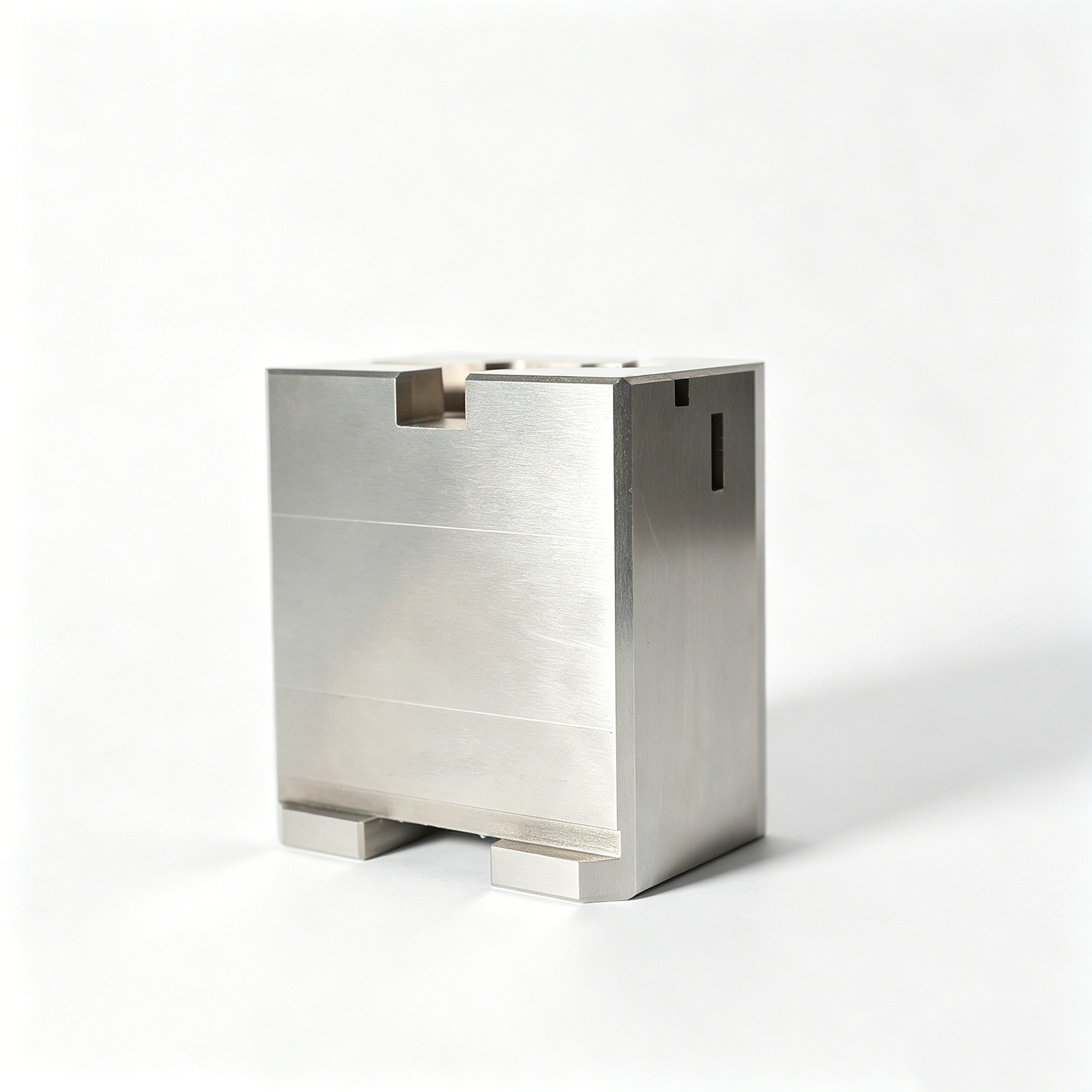
Representative Precision Component Geometries




Related Configurable Component Families




Titanium Alloys Process Controls
Drawing-led planning for complex titanium parts, with critical requirements reviewed before production commitments.
Drawing-Led DFM
Review critical dimensions, datums, tool access, wall conditions, and surface requirements before establishing a manufacturable route for titanium alloys parts.
Process Route Planning
Coordinate milling, turning, multi-axis work, and sequencing around part geometry, material condition, machining allowance, and quality priorities.
EDM Strategy
Assess wire paths, electrode access, burn sequence, and finishing requirements where complex titanium alloys features need EDM support.
Grinding Coordination
Plan grinding stock and finishing sequence around hardened or precision surfaces, protecting critical dimensions and mating relationships.
Inspection Planning
Define measurement methods, critical features, reporting expectations, and traceability needs against the drawing before final inspection is scheduled.
Revision Visibility
Keep drawing revisions, manufacturing decisions, inspection requirements, and delivery coordination visible throughout the controlled project workflow.
Titanium Alloy Parts and Tooling Categories
Drawing-driven process routes for titanium alloy components, precision tooling, and inspected low-volume manufacturing work.

CNC Machining Services
Precision CNC machining services for drawing-based titanium alloy parts, with DFM review of critical dimensions, datum strategy, tool access, material condition, and inspection requirements before a production route is proposed.
Upload a Drawing
CNC Milling
Custom CNC milling services for titanium alloy geometries requiring controlled cutting access, fixture planning, machining allowances, and attention to thin walls, pockets, complex profiles, and critical mating features.
Upload a Drawing
CNC Turning
Precision CNC turning services for titanium alloy shafts, pins, sleeves, rings, and rotational features. Drawing review should define datums, concentricity priorities, surface requirements, thread details, and inspection methods.
Upload a Drawing
5-Axis Machining
5-axis CNC machining for titanium alloy parts with multi-face features, contoured surfaces, or restricted tool access. Process planning evaluates clamping, tool reach, feature sequence, and the dimensions requiring controlled verification.
Upload a Drawing
Swiss & Micro Machining
Swiss machining and micro machining for small titanium alloy pins, shafts, and connector-related features where geometry, support strategy, runout, burr control, and inspection practicality require early review.
Upload a Drawing
Wire & Sinker EDM
Wire EDM and sinker EDM services for precision features that are impractical to mill directly, including narrow profiles, internal corners, and hardened tooling details. Electrode design, wire path, finishing allowance, and recast-layer expectations should be specified.
Upload a Drawing
Precision Grinding
Precision surface and profile grinding for titanium alloy and tooling components requiring controlled flatness, parallelism, profile form, or finishing stock removal. The process route must account for material condition, heat treatment, and measurable tolerances.
Upload a Drawing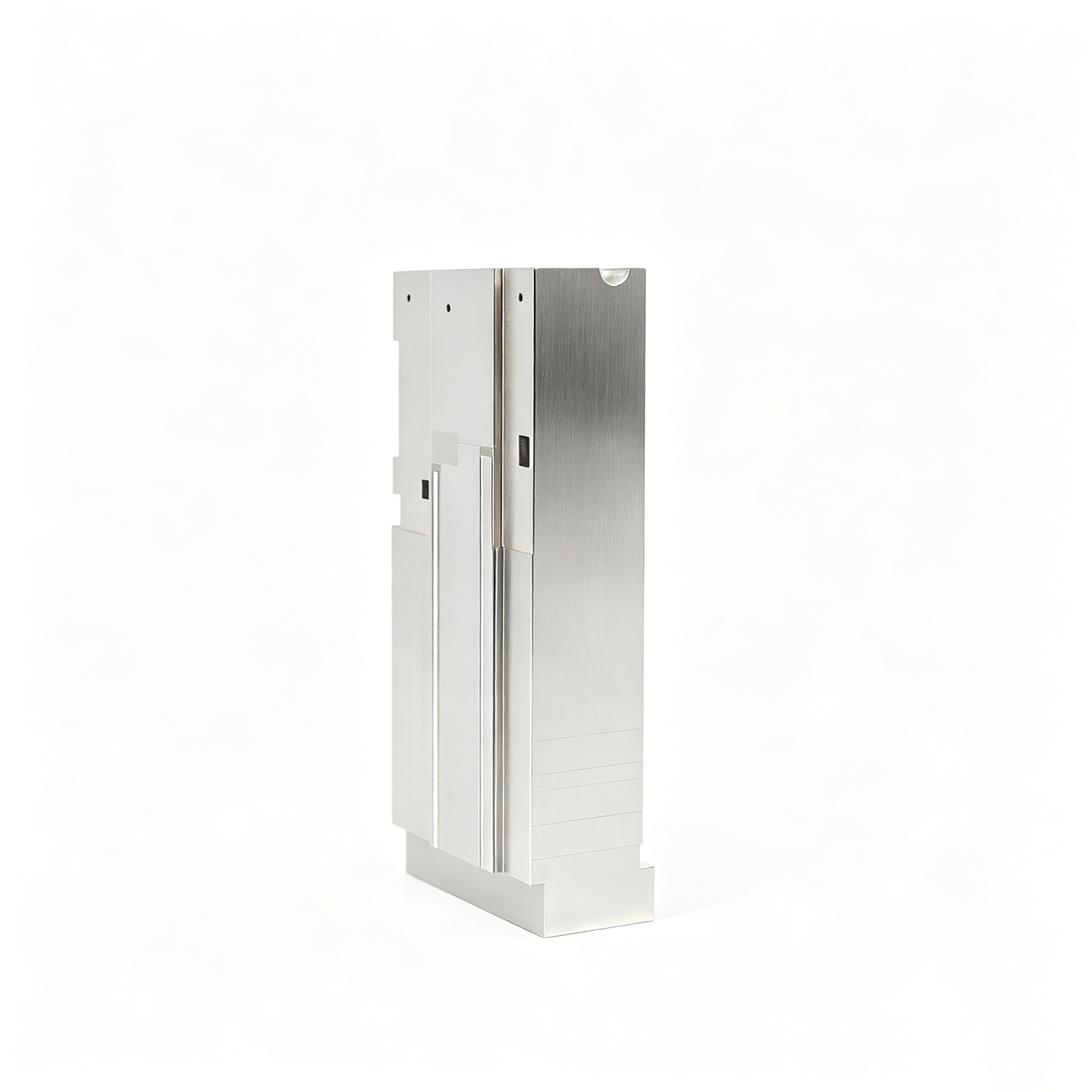
Mold Core Inserts & Mold Cavity Inserts
Precision mold core and cavity inserts configured from drawings for titanium alloy-related molding applications. Review covers parting geometry, cooling or vent features, machining access, EDM needs, fitting interfaces, and inspection priorities.
Upload a Drawing
Ejector & Ejection Components
Ejector pins, sleeves, and ejection components produced to drawing-defined dimensions and interfaces. Specify material, heat-treatment condition, clearance relationships, surface requirements, and any mating-core or plate context needed for manufacture.
Upload a Drawing
Core Pins, Guide & Locating Components
Core pins, guide pins, and locating components for molding tools and precision assemblies. Manufacturing review addresses datum relationships, wear interfaces, concentricity, fitting allowance, material condition, and the inspection evidence required for release.
Upload a Drawing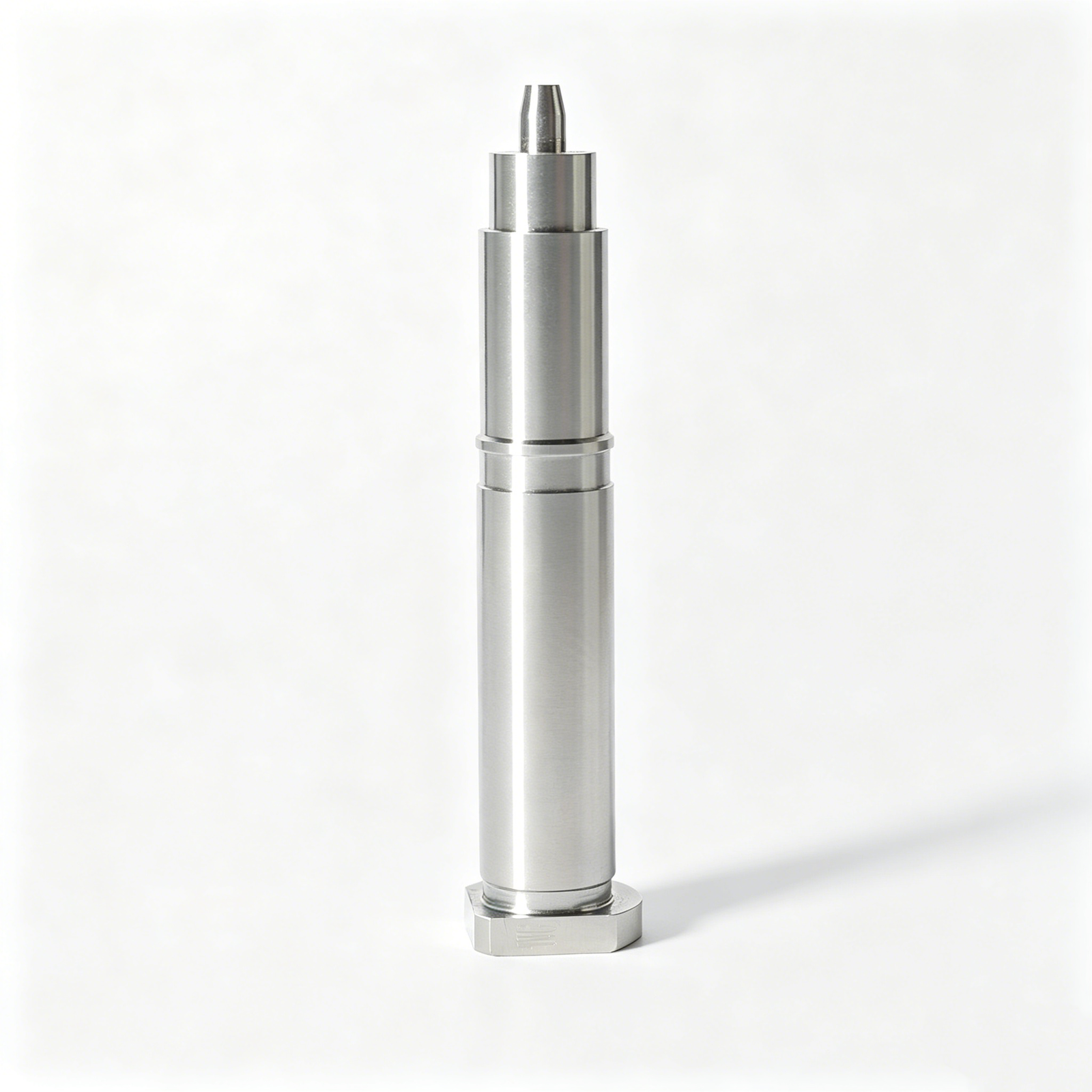
Slides, Lifters, Gates & Mold Accessories
Mold slides, lifters, gates, and accessories manufactured as configurable tooling components. Drawings should identify travel or mating relationships, wear surfaces, gate geometry, fitting requirements, and any heat-treatment or finishing sequence.
Upload a Drawing
Connector Mold Components
Precision connector mold components for drawing-based connector tooling, including inserts, pins, cavities, and alignment features. Critical details commonly include pitch, positional tolerances, micro features, EDM strategy, and controlled inspection planning.
Upload a Drawing
Stamping Die Components
Precision stamping die components for forming, cutting, and progressive-die applications. A viable review considers material and hardness requirements, clearance relationships, cutting-edge geometry, grinding stock, assembly interfaces, and inspection criteria.
Upload a Drawing
Injection, MIM, CIM & Overmolding Tooling
Tooling components for injection molding, metal injection molding, ceramic injection molding, and overmolding when the requirement fits verified production scope. Submit molding context, part geometry, material requirements, critical interfaces, and quality expectations.
Upload a Drawing
Machining Materials
Materials for custom machined parts are selected against the drawing, application, and process route. For titanium alloy projects, confirm alloy grade, supply condition, material certification needs, heat-treatment requirements, and any restrictions before production planning.
Upload a Drawing
Surface Finishes & Heat Treatment
Surface finishing and heat treatment coordinated against the component’s functional requirements, dimensions, and inspection plan. Define finish specification, masking or edge requirements, sequence relative to machining, and documentation expected with the order.
Upload a Drawing
Quality, Metrology & Documentation
Precision inspection, metrology, and quality documentation planned around drawing-defined critical dimensions and acceptance criteria. RFQs should state report needs, datum references, sampling expectations, revision level, and any traceability requirements.
Upload a Drawing
Prototyping & Low-Volume Production
Rapid prototyping and low-volume manufacturing for titanium alloy parts and tooling components, subject to drawing, quantity, delivery-target, material, and inspection review before commitment.
Upload a DrawingTitanium Alloys for Project Review

Grade 5 Titanium
A widely specified alpha-beta titanium option for drawing-based parts where strength, corrosion resistance and weight matter. Review stock form, heat treatment, machining allowance and critical-dimension inspection requirements before quotation.

Grade 23 Titanium
A lower-interstitial Ti-6Al-4V variant considered when application requirements call for defined material documentation and controlled machining. Confirm material standard, traceability, surface condition and any application-specific acceptance criteria during drawing review.

Grade 2 Titanium
Commercially pure titanium may suit corrosion-focused components with different strength expectations from alloy grades. SUUXIANG reviews section geometry, forming or machining access, surface requirements and the inspection plan against the supplied drawing.

Grade 7 Titanium
A corrosion-resistant titanium grade for applications requiring material selection to be assessed alongside service environment and documentation needs. Availability, specification, machining route and verification criteria require project-specific confirmation before production planning.

Grade 12 Titanium
A titanium alloy candidate for projects where corrosion performance and fabrication considerations must be balanced. Provide the applicable material specification, part function, heat-treatment needs, quantity and critical features for a responsible DFM review.
Precision Process Routes for Titanium Alloys

CNC Milling Turning
CNC milling and turning establish prismatic, contoured and rotational features in titanium alloys. Tool access, heat generation, datum locations and machining allowance are reviewed to support stable cutting and controlled critical dimensions.


Wire EDM Cutting
Wire EDM cuts precise profiles, narrow slots and hardened features where conventional tool access is limited. Wire path, start-hole location, corner requirements and finish expectations should be defined from the drawing before release.

Sinker EDM Forming
Sinker EDM forms detailed cavities, sharp internal geometry and features that require an electrode-based approach. Electrode strategy, spark allowance, surface requirement and downstream finishing are coordinated with the specified part function.
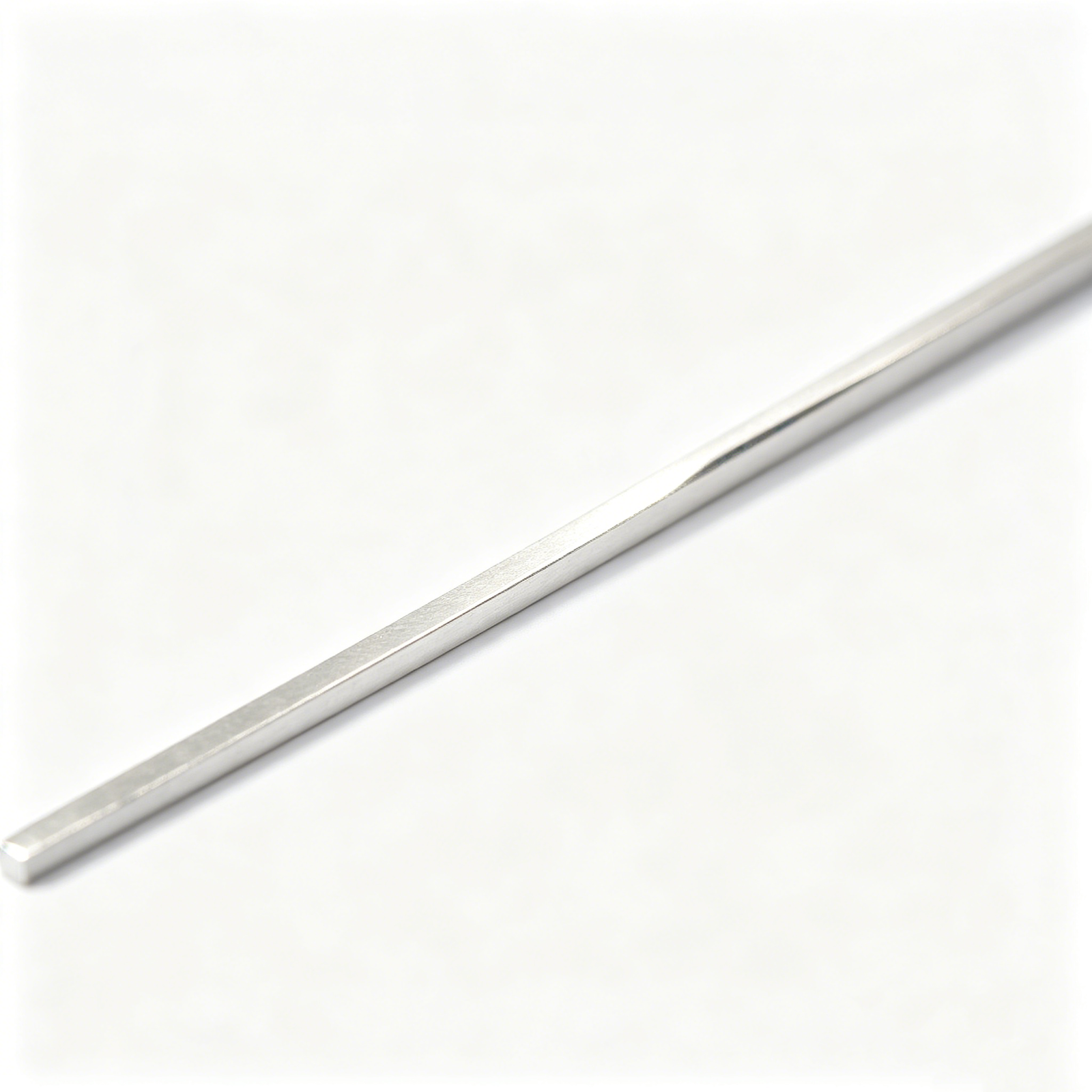
Precision Grinding
Precision grinding refines critical surfaces, diameters and flatness-sensitive features after the appropriate machining or heat-treatment sequence. Grinding stock, datum control, surface specification and inspection method should be agreed during DFM review.

Fitting Inspection
Fitting and inspection verify functional relationships between mating features and documented dimensional requirements. SUUXIANG aligns measurement points, revision status and reporting expectations with the order-specific inspection plan before final delivery.
Titanium Alloys Tooling Accessories
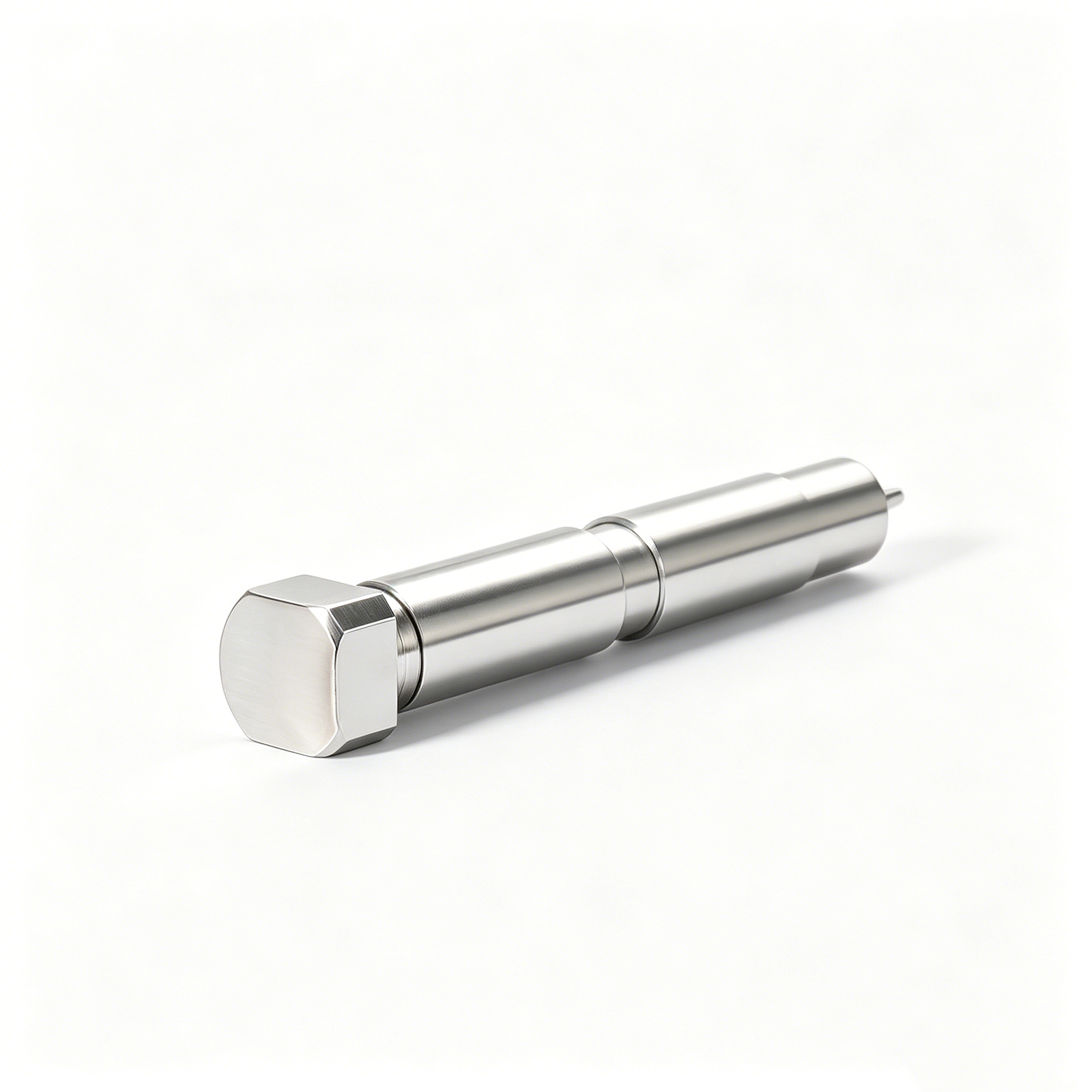
Core Pins
Custom core pins can support mold and connector-tooling assemblies where diameter, concentricity, surface condition, and fit affect molded features. SUUXIANG reviews unsupported length, heat-treatment sequence, grinding stock, and inspection requirements from the drawing.

Guide Elements
Guide pins, bushings, and related guiding elements help control repeatable tool alignment. Drawing review should define datum relationships, mating clearances, wear expectations, material condition, and whether grinding or EDM is required for the specified geometry.

Locating Components
Locating pins, blocks, and stops establish controlled positions between inserts, plates, or mating tooling sections. SUUXIANG evaluates tolerance stack, assembly access, contact surfaces, and critical dimensions so the proposed process route matches functional requirements.

Slides and Lifters
Slides and lifters may be produced for tooling mechanisms with drawing-defined interfaces and travel constraints. Machining access, electrode strategy, EDM details, fitting allowance, surface requirements, and inspection points require review before a manufacturable scope is confirmed.
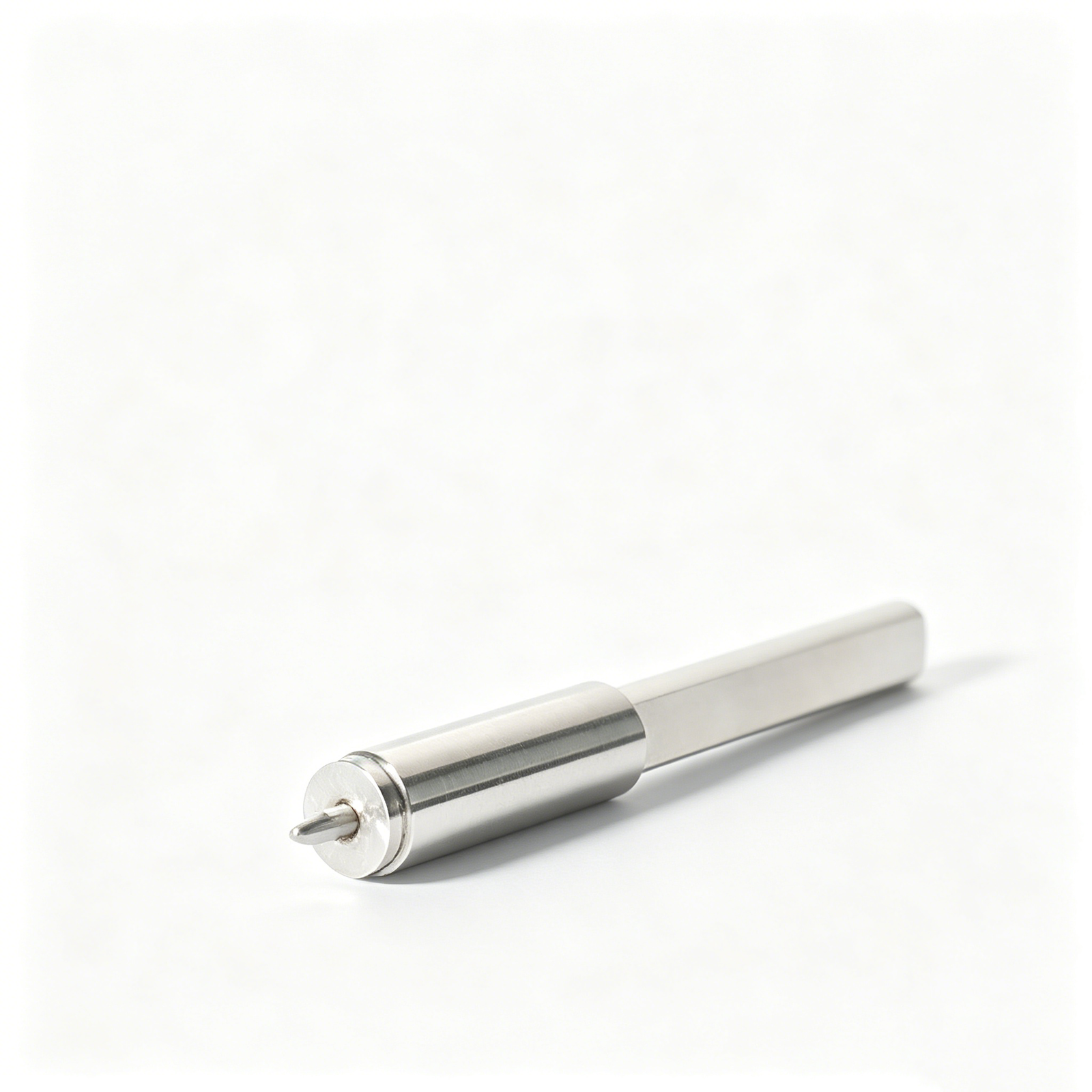
Gate Inserts
Gate inserts and related flow-control details can be reviewed for precision mold applications. The RFQ should identify material, cavity interface, surface finish, edge condition, heat treatment, and any molding context that influences machining, EDM, fitting, or inspection planning.
Titanium Alloys Precision Manufacturing
SUUXIANG is the sole public-facing brand of Dongguan SuuXiang Precision Mold Co., Ltd., established in 2010 in Chang’an Town, Dongguan, Guangdong, China. XiaoCheng Huang is the founder and legal representative. We help international teams translate drawings, models, material requirements, and quality expectations into inspected custom machined parts, precision mold components, connector tooling, and die components.
Our work combines CNC milling and turning, multi-axis machining, EDM, precision grinding, fitting, and inspection. For titanium alloys and other project materials, the production route is defined around part geometry, critical dimensions, datum strategy, machining access, heat-treatment sequence, and the inspection evidence required for the order.
What differentiates SUUXIANG is disciplined engineering communication before commitment. We review DFM, tolerance stacks, grinding stock, electrode or wire path needs, revision status, and delivery requirements before quotation and production planning. This gives buyers a clearer basis for evaluating manufacturability, controlling risk, and preparing a complete RFQ.

From DFM to Inspected Titanium Alloys Parts
Drawing Review Before Commitment
SUUXIANG reviews titanium alloys drawings, models, material condition, quantity, datums and critical dimensions before quoting. The review identifies tolerance-stack risks, tool access constraints, surface priorities and inspection expectations so the proposed route reflects the actual part requirement.
- Confirm critical-to-quality dimensions and datum references
- Assess machining access, wall geometry and feature sequence
- Identify material, heat-treatment and surface requirements
- Define inspection evidence needed for the order

Machining and EDM Strategy
Titanium alloys work benefits from process planning that considers feature geometry, thermal behavior and finishing access. SUUXIANG evaluates CNC milling, turning, multi-axis machining, wire EDM or sinker EDM as appropriate, then plans allowances between operations rather than treating every feature as a single setup.
- Select CNC, wire EDM or sinker EDM by feature need
- Plan setups around datum retention and access
- Allow stock for downstream grinding or finishing
- Review electrode and wire-path requirements early
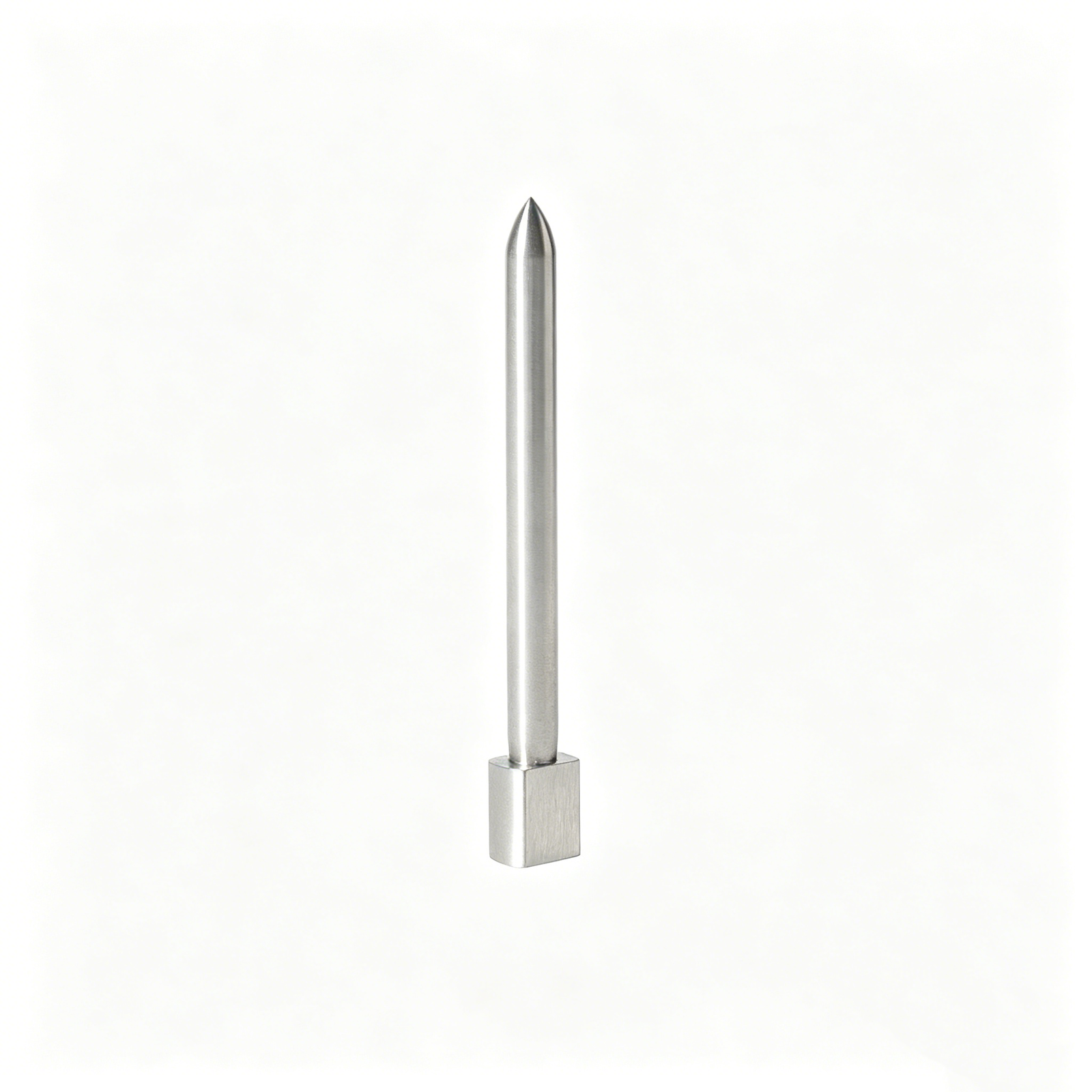
Grinding and Controlled Fitting
Where dimensions, surfaces or mating relationships call for it, grinding and fitting are planned as controlled finishing operations. The team reviews grinding stock, reference surfaces and assembly context to help prevent a finished feature from losing its intended functional relationship during later processing.
- Set practical grinding allowances before prior operations
- Protect functional datums through the process route
- Review mating-part context for fitted features
- Align finishing sequence with dimensional priorities
Inspection and Revision Control
Final acceptance depends on the agreed drawing revision and inspection plan. SUUXIANG keeps revision, dimensional and delivery information visible through production coordination, then provides documentation aligned with the order and verified inspection requirements rather than relying on generic quality statements.
- Control production against the approved drawing revision
- Match inspection methods to critical feature needs
- Record agreed reporting and documentation requirements
- Maintain traceable communication through delivery

Why Engineering Teams Choose SUUXIANG for Titanium Alloys
Compare a controlled, drawing-based workflow with generic quote-only sourcing routes.
← Swipe left or right to view →
Titanium Alloys Production Workflow
From drawing review through inspection and delivery coordination, each phase is aligned to the approved requirements and revision record.
Review Drawings and Requirements
We review 2D drawings, 3D models, material, quantity, critical dimensions, datums, surface requirements, inspection needs, application context, and requested delivery timing before quotation.
Plan the Process Route
The team evaluates DFM, tool access, workholding, machining allowances, heat-treatment sequence, electrode strategy, wire paths, grinding stock, and measurement approach for the approved design.
Machine Critical Features
CNC milling, turning, multi-axis, Swiss, or micro-machining operations are selected as appropriate to create controlled geometry while maintaining revision visibility throughout production.
Apply EDM and Grinding
Where the part requires it, wire EDM, sinker EDM, precision grinding, and fitting are coordinated around access, feature condition, remaining stock, and critical interfaces.
Inspect Pack and Coordinate
Finished parts are inspected against the agreed plan, matched with required documentation, protected for shipment, and coordinated with the customer against the confirmed delivery requirements.
How to Work With SUUXIANG
Move titanium alloys parts from drawing review to controlled production with clear technical inputs, revision alignment, and inspection expectations.
Submit Your Drawing Package
Provide 2D drawings, 3D models when available, alloy specification, quantity, application context, critical dimensions, surface requirements, delivery target, and required inspection documentation.
Review DFM and Quotation
Align on datum strategy, machining access, tool reach, heat-treatment sequence, EDM or grinding needs, tolerance priorities, inspection method, revision status, and quotation assumptions.
Approve the Production Plan
Confirm the agreed drawing revision, material requirements, quality plan, sample or first-article requirements where applicable, reporting scope, and delivery coordination before release.
Proceed With Controlled Production
SUUXIANG coordinates machining, EDM, grinding, fitting, and inspection according to the confirmed route, keeping order documentation and revision information aligned through delivery.
Certification and Documentation Evidence
Titanium Alloys Customer Feedback and Project Outcomes
Customer testimonial evidence for titanium alloys machining is pending project approval. SUUXIANG will publish only verified outcomes supported by agreed documentation, including drawing revision, inspection scope, delivery record, and customer authorization.
Verified customer feedback will be added after approval from the relevant engineering and sourcing team. Each published case will identify the measured outcome, such as critical-dimension conformance, documented inspection results, or delivery performance.
No customer quote, rating, or project metric is published without substantiated evidence and permission. For a titanium alloys RFQ, SUUXIANG can review the drawing, material requirement, critical dimensions, inspection needs, and target delivery date.
Titanium Alloys CNC Machining FAQ
Practical answers for drawing-based sourcing, quality planning and project-specific manufacturing review.
What should I include in an RFQ for titanium alloys CNC machining?
Can SUUXIANG machine titanium alloys for prototype and low-volume orders?
Is there a minimum order quantity for titanium alloys CNC parts?
How long does titanium alloys CNC machining take?
Can I request a first article or sample before production?
What inspection reports can be provided with titanium alloys parts?
How are drawings, revisions, and intellectual property handled?
Can SUUXIANG confirm payment, shipping, and export arrangements before I order?
The Complete Buyer’s Guide to titanium alloys
Use this decision framework to match titanium alloy grades, material forms, machining requirements, and verification needs to your drawing-based project—while comparing supplier capabilities and avoiding costly specification, sourcing, and DFM mistakes.
1. What Are titanium alloys?
Titanium, chemical symbol Ti, is the base metal in titanium alloys; controlled additions such as aluminum, vanadium, molybdenum, iron, or zirconium alter its response to processing and service. Composition and thermal history govern the balance of alpha and beta crystal phases, which in turn affects strength, ductility, hardenability, and formability. https://www.facturee.de/en/titanium-titanium-alloys-applications-properties
4.5 g/cm³ is the approximate density commonly cited for titanium, making high strength-to-weight performance relevant where mass, fatigue loading, or structural stiffness drive the design. Its protective oxide film supports corrosion resistance, while grade-specific microstructure determines useful temperature behavior; those properties must be matched to the actual medium, temperature, and load case. https://www.weerg.com/guides/titanium
Grades 1 through 4 are commercially pure titanium grades, distinguished principally by impurity content and resulting strength rather than purposeful multi-element alloy design. Engineered grades such as Ti-6Al-4V use specified alloy additions to achieve a different property window; biocompatibility may matter for validated medical applications, but it does not replace application-specific material, traceability, and compliance requirements. https://www.facturee.de/en/titanium-titanium-alloys-applications-properties
2. Evolution of titanium alloys
1940s aerospace programs accelerated industrial demand for titanium alloys because designers needed lower mass alongside useful strength and corrosion resistance. Ti-6Al-4V became a widely specified alpha-beta alloy as aerospace development established composition, mill-product, and heat-treatment practices.
1950s onward, the same material families moved into marine and chemical-processing equipment, while medical use expanded for selected biocompatible grades and implant forms. Application history does not make grades interchangeable: product form, condition, and governing ASTM or ISO specification remain part of the requirement.
2026 buyers increasingly apply titanium alloys to compact, lightweight components with demanding interfaces, fatigue loads, and inspection needs. A drawing package should therefore identify the exact grade or permitted equivalent, material certificate expectations, heat-treatment condition, critical datums, and traceability needed from raw stock through final inspection.
3. Types of titanium alloys
Titanium alloy families are selected by alpha and beta phase balance, not by strength alone. The phase-stabilizing additions determine forming, welding and heat-treatment options.
| Family | Structure and additions | Relative processing response | Typical use |
|---|---|---|---|
| Commercially pure | Alpha; titanium with oxygen | Low strength; excellent forming and welding; not precipitation hardened | Corrosion-resistant equipment |
| Alpha | Alpha; Al, Sn | Moderate strength; good welding; limited heat treatment | Hot airframe parts |
| Near-alpha | Mostly alpha; Al, Sn, Zr | Higher-temperature strength; limited heat treatment | Engine components |
| Alpha-beta | Mixed alpha-beta; Al, V | High strength; forgeable; heat treatable | Grade 5 structures; Grade 23 medical applications |
| Beta | Beta; Mo, V, Cr, Fe | Very high strength; cold-formable; age hardenable | Springs and fasteners |
Commercially Pure And Alpha
Grades 1–4 are commercially pure alpha titanium; oxygen raises strength while reducing formability.
Ti-5Al-2.5Sn is alpha titanium: aluminum strengthens it, weldability is good, and heat treatment gives little strengthening.
Near-Alpha And Alpha-Beta
Near-alpha alloys use aluminum plus tin or zirconium for elevated-temperature strength and creep resistance.
Ti-6Al-4V, Grade 5, is alpha-beta: aluminum stabilizes alpha and vanadium beta; it responds to heat treatment and suits high-strength structural parts.
Beta Titanium Alloys
Beta alloys retain more body-centered-cubic beta phase through molybdenum, vanadium, chromium, or iron additions.
Beta grades offer highest heat-treatable strength and useful cold formability, but weld procedure qualification remains material- and section-dependent.
4. Titanium alloys: grades and forms
Grade and starting form belong on the RFQ line: Ti-6Al-4V Grade 5, ASTM B348 bar, annealed, with heat and material certificates. A grade alone does not establish chemistry, condition, section size, or traceability.
| Form | Best Fit | Key Trade-Off |
|---|---|---|
| Bar | Pins and turned parts | Low setup waste; limited section shape |
| Plate | Inserts and prismatic parts | Stable datum faces; higher chip volume |
| Tube | Hollow components | Less boring; wall tolerance must be verified |
| Forging or preform | High-removal parts | Grain-flow benefit; allowance and cost require review |
Specify The Complete Callout
ASTM B348 covers bar and billet; ASTM B265 covers plate and sheet. State AMS, ASTM, EN, or customer specification revision, condition, dimensions, permissible substitutions, and certificate level.
Grade 23 is not interchangeable with Grade 5 when low-interstitial chemistry or application controls apply. Identify heat treatment before machining and whether post-machining stress relief is required.
Match Form To Geometry
Bar favors turned shafts, pins, and rotational parts; plate favors prismatic cavities and inserts. Tube can reduce bored-out waste, while wire suits EDM stock or formed products rather than bulk machining.
Forgings and near-net preforms can preserve directional grain flow and reduce chip volume, but require verified allowance, datum access, and machining envelope.
Form Selection Comparison
Material availability changes with grade, diameter, thickness, and certification demand. Confirm mill lead time and actual stock size before freezing a costed route.
5. Finishes and marking options
2D drawings should distinguish functional finish requirements from cosmetic appearance before machining begins. For titanium alloys, specify the surface, protected zones, cleanliness condition, and acceptance method rather than requesting a generic premium finish.
| Option | Typical Purpose | Drawing Control |
|---|---|---|
| As-machined | Dimensional function | Texture and critical faces |
| Bead blast | Uniform nonreflective appearance | Media, masked areas, acceptance sample |
| Polish | Low roughness or appearance | Ra target and protected surfaces |
| Laser mark | Identification and serialization | Content, location, legibility |
| Protective packaging | Surface preservation | Separation, label, revision link |
Select The Surface Route
Three common routes are as-machined, bead-blasted, and polished. Each can change appearance, handling, and mating behavior, so call out the applicable faces and surface-texture requirement.
Critical bores, datums, threads, and sealing faces need masking or a defined post-finish operation when fit is affected.
Mark For Traceability
Laser marking can identify part number, revision, lot, or serial number without treating the mark as decoration. Define content, location, character height, contrast expectation, and prohibited surfaces on the drawing.
Anodic color may aid visual identification, but its suitability requires validation against corrosion, cleanliness, fit, and application-specific regulatory requirements.
Protect Finished Parts
Protective packaging should prevent metal-to-metal contact, abrasion, and mix-ups during shipment. Request individual separation for cosmetic or critical surfaces and link labels to the purchase-order revision and inspection records.
Cleaning or passivation requests should name the governing specification, residue limits, and verification evidence required for the application.
6. Machining quality for titanium alloys
Titanium alloys require a process plan that protects geometry as cutting loads and local heat accumulate. At drawing review, SUUXIANG should identify access, clamping, datums, thin sections, threaded features, and inspection priorities before machining begins.
Access And Rigidity
Three-axis reach, tool overhang, and workholding stiffness should be reviewed together; deep pockets and long slender walls can deflect during cutting. Specify minimum wall thickness only after the part geometry, stock condition, and fixture approach are assessed.
Internal radii should suit available cutter diameters, while inaccessible corners may require EDM or a design change. Critical mating faces need a datum scheme that supports both machining setup and measurement.
Heat, Chips, And Edges
Continuous engagement can concentrate heat at the cutting edge, so toolpath strategy, coolant delivery, and chip evacuation belong in the manufacturing review. Thin webs and asymmetric stock removal deserve attention because released stress can move the part.
Threads, cross-holes, sharp intersections, and small slots require explicit deburr requirements. State whether edge breaks are permitted, their size range, and any surfaces where burrs cannot remain.
Inspection Evidence
100% inspection is not automatically necessary; the drawing should identify critical dimensions, datums, surface-roughness limits, and reporting requirements. Request the inspection method and sampling plan before release, especially for features measured after unclamping.
First-article records should link measured results to the current drawing revision and material documentation required by the order. For distortion-sensitive parts, discuss inspection state, support method, and any post-machining stress-relief sequence early.
- Current drawing revision and ballooned report
- Material and heat-treatment documentation, when specified
- Dimensional results tied to declared datums
- Surface-finish and thread verification method
7. Choosing a titanium alloys manufacturer
A capable supplier evaluates the drawing before promising a route. For titanium alloys, match documented material, process access, and inspection evidence to the application.
Verify Material Evidence
One heat or lot number should link incoming stock to the part traveler and final records.
Two documents matter at minimum: the material certificate and the revision-controlled purchase specification.
- Confirm grade, product form, and heat-treatment condition.
- Define required traceability before cutting stock.
Test The Process Route
Three questions expose useful scope: can tools reach critical features, is EDM necessary, and is grinding stock defined?
One DFM response should identify datum conflicts, thin-wall risk, workholding, and inspection access before release.
- Request comparable geometry, not generic capability lists.
- Review CNC, EDM, grinding, and fitting as one route.
Control Approval And Delivery
First-article approval should state ballooned dimensions, measurement methods, acceptance criteria, and approved revision.
Each shipment needs protected packaging, visible part identification, and documents matched to the purchase order.
- Set report format and sampling plan.
- Agree change notification and lead-time milestones.
- Confirm packaging for surface-sensitive features.
8. Common titanium sourcing mistakes
Most titanium sourcing failures begin before machining: the purchase order leaves critical engineering assumptions unstated. A drawing review should convert those assumptions into controlled material, process, inspection, and commercial requirements.
Specify Material Completely
Grade 5 alone is incomplete: require the applicable ASTM or AMS standard, mill form, condition, and heat-treatment state.
Grade 23 is not interchangeable with Grade 5: chemistry limits, application requirements, and documentation can differ. Provide approved material substitutions and required traceability.
Match Tolerances To Function
0.01 mm on every dimension can add grinding, inspection, and cost without improving assembly performance. Identify CTQ dimensions, datums, mating interfaces, and allowable geometric variation.
Ra values and cosmetic expectations need definition before routing. State surface roughness, finish direction, edge-break limits, and areas where tooling marks are unacceptable.
Align Interfaces And Evidence
Two dissimilar metals in a wet assembly can create galvanic-corrosion risk. Supply mating materials, environment, isolation method, fastening load, and coating restrictions.
Day 1 is the correct time to request certificates and reports. Compare quotations only after confirming equivalent material evidence, machining route, inspection scope, quantity, packaging, and delivery terms.
9. From drawing to first article
One controlled launch package prevents titanium-alloy requirements from being interpreted differently by engineering, purchasing, and production. Start with the function, mating context, quantity, delivery target, and inspection evidence required.
Release The Technical Package
Two files should travel together: a dimensioned 2D drawing and the matching native or neutral 3D CAD model. Identify material grade, product form, governing specification, heat treatment, and any acceptable equivalent.
Each revision should carry a unique revision identifier and release date. Mark datums, threads, edge breaks, surface finish, and features that cannot be changed without written approval.
Define Critical Requirements
Three requirement groups deserve explicit callouts: critical-to-quality dimensions, functional surfaces, and inspection method. State the allowable tolerance, datum reference, surface condition, and whether a report is required.
For titanium alloys, distinguish cosmetic finish from contact, sealing, or fatigue-relevant surfaces. Include mating-part information where fit or tolerance stack depends on it.
Close The First-Article Loop
Before ordering, request DFM feedback covering tool access, workholding, machining allowance, EDM or grinding needs, and inspection approach. Align the quotation with those assumptions, quantity, supplied material condition, and delivery milestone.
After first-article approval, freeze the drawing revision, CAD model, material evidence, and acceptance record. Route every later change through written revision control before repeat production.
10. Titanium alloys pricing and cost
1-piece prototype quotations concentrate programming, fixturing, and material procurement into few parts; complex multi-axis geometry, thin walls, EDM, and extended cycle time increase unit cost. Titanium alloys should be specified by grade, condition, and mill-product form because traceable bar and plate availability can change price and schedule.
3 quote comparisons are comparable only when certification, finishing, yield and scrap assumptions, setup allocation, tolerances, inspection reports, packaging, and Incoterms are normalized. An accurate quotation requires project-specific 2D drawings, a 3D model where available, quantity, material and heat-treatment requirements, and delivery target.
| Quantity tier | Material grade/form | Part complexity and machining time | Inspection level | Typical lead-time influence |
|---|---|---|---|---|
| 1–10 | Specified bar or plate | High; setup dominates | Critical dimensions reported | Material procurement and programming drive timing |
| 11–50 | Specified bar or plate | Medium; repeat setups reduced | Dimensional report as required | Scheduling and inspection capacity matter |
| 51–250 | Released production form | Moderate; fixture reuse possible | Sampling plan defined | Batch planning can reduce unit cost |
Upload Your Drawing for a Titanium Alloys RFQ
Include your 2D drawing, 3D model where available, material, quantity, quality requirements, and target delivery date for a disciplined DFM review.