
CNC Machining PPS for Precision Parts
Submit your drawing for cnc machining pps with DFM review, critical-dimension planning, and inspection requirements aligned before production.
Representative PPS Machined Components
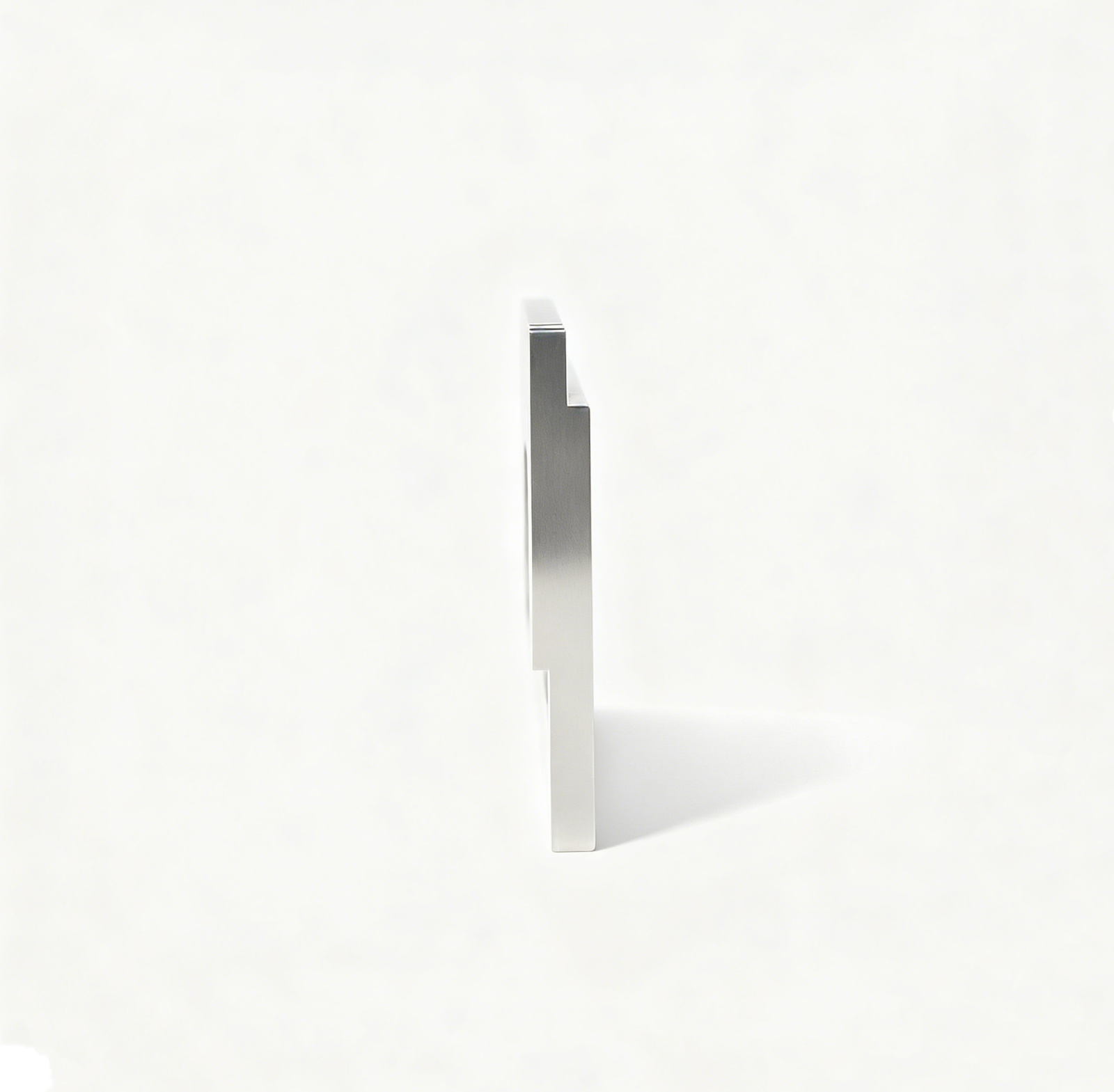


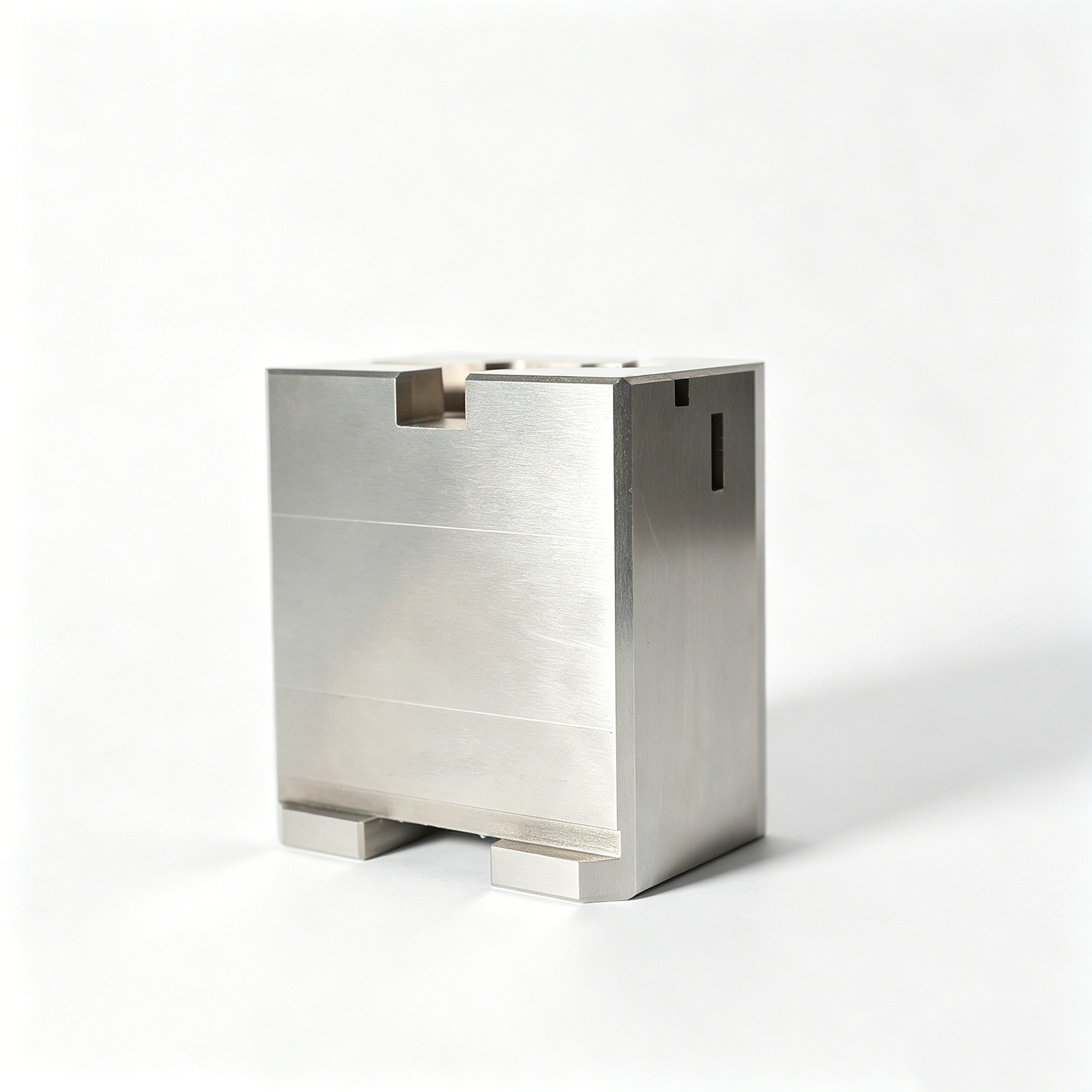

Drawing-Configured Parts and RFQ Review




Why Choose CNC Machining PPS for Demanding Components
Evaluate PPS against thermal exposure, chemical contact, dimensional priorities, and the drawing details that shape a practical machining and inspection plan.
Thermal Stability
PPS may suit components exposed to elevated temperatures when the drawing defines operating conditions, mating interfaces, and dimensional priorities.
Chemical Resistance
For chemically exposed applications, material selection should consider the specific media, concentration, temperature, exposure duration, and any cleaning process.
Dimensional Behavior
Critical dimensions, datums, wall sections, and tolerance stacks should be reviewed together to plan CNC machining PPS parts responsibly.
Drawing-Led DFM
A drawing review helps identify tool access, unsupported features, thread details, surface requirements, and inspection points before quotation.
Inspection Planning
Agreeing critical-to-quality dimensions and measurement methods early aligns machining, inspection records, revision control, and delivery expectations.
CNC Applications and Component Families
Drawing-driven process routes for precision parts, mold components, connector tooling, and die components—reviewed against material, critical dimensions, inspection requirements, and delivery needs.

CNC Machining Services
Precision CNC machining services for drawing-based custom parts requiring coordinated milling, turning, EDM, grinding, fitting, and inspection. Process selection is reviewed against material, geometry, critical dimensions, datum strategy, surface requirements, quantity, and the evidence needed before production commitment.
Upload a Drawing
CNC Milling
Custom CNC milling services for prismatic, contoured, and feature-rich parts. Drawing review considers machining access, fixture strategy, internal corners, wall conditions, datum relationships, tolerances, and remaining stock needed for EDM or precision grinding where applicable.
Upload a Drawing
CNC Turning
Precision CNC turning services for rotational parts, shafts, bushings, pins, threaded features, and concentric diameters. RFQs should identify material, critical runout or coaxiality requirements, surface priorities, mating conditions, quantity, and any secondary milling, grinding, or inspection needs.
Upload a Drawing
5-Axis Machining
5-axis CNC machining supports complex surfaces, angled features, and multi-face work where tool orientation affects access and setup control. Evaluation includes reach, collision clearance, clamping, datum transfer, feature tolerances, surface requirements, and the appropriate inspection approach.
Upload a Drawing
Swiss & Micro Machining
Swiss machining and micro machining support small, slender, and detail-intensive components where workholding, tool deflection, burr control, and concentricity require careful planning. Provide complete dimensions, material, quantity, surface expectations, and any mating or functional context for review.
Upload a Drawing
Wire & Sinker EDM
Wire EDM and sinker EDM services address hardened materials, narrow slots, sharp internal profiles, fine details, and features with limited conventional tool access. Planning considers wire path or electrode strategy, corner requirements, flushing, recast-layer expectations, finishing passes, and downstream fitting or inspection.
Upload a Drawing
Precision Grinding
Precision surface and profile grinding is used to establish controlled flatness, parallelism, profile, size, and surface conditions. Review includes datum selection, heat-treatment sequence, machining allowance, grinding stock, wheel access, critical dimensions, and the method used to verify the finished feature.
Upload a Drawing
Mold Core & Cavity Inserts
Precision mold core and cavity inserts are manufactured from customer drawings and verified requirements. Process planning considers steel selection, heat treatment, parting and shutoff geometry, cooling or detail features, EDM access, grinding allowances, fitting interfaces, critical dimensions, and inspection expectations.
Upload a Drawing
Ejector & Ejection Components
Ejector pins, sleeves, and ejection components are supplied as drawing-configured mold parts rather than assumed stock items. Define diameters, fits, working lengths, head or sleeve details, hardness requirements, surface condition, mating features, and inspection priorities before manufacturing.
Upload a Drawing
Core Pins, Guide & Locating Components
Core pins, guide pins, and locating components support repeatable mold alignment and feature formation. Drawing review focuses on functional datums, fit classes, straightness, concentricity, hardness, surface requirements, wear interfaces, and the dimensions that affect assembly and molded-part performance.
Upload a Drawing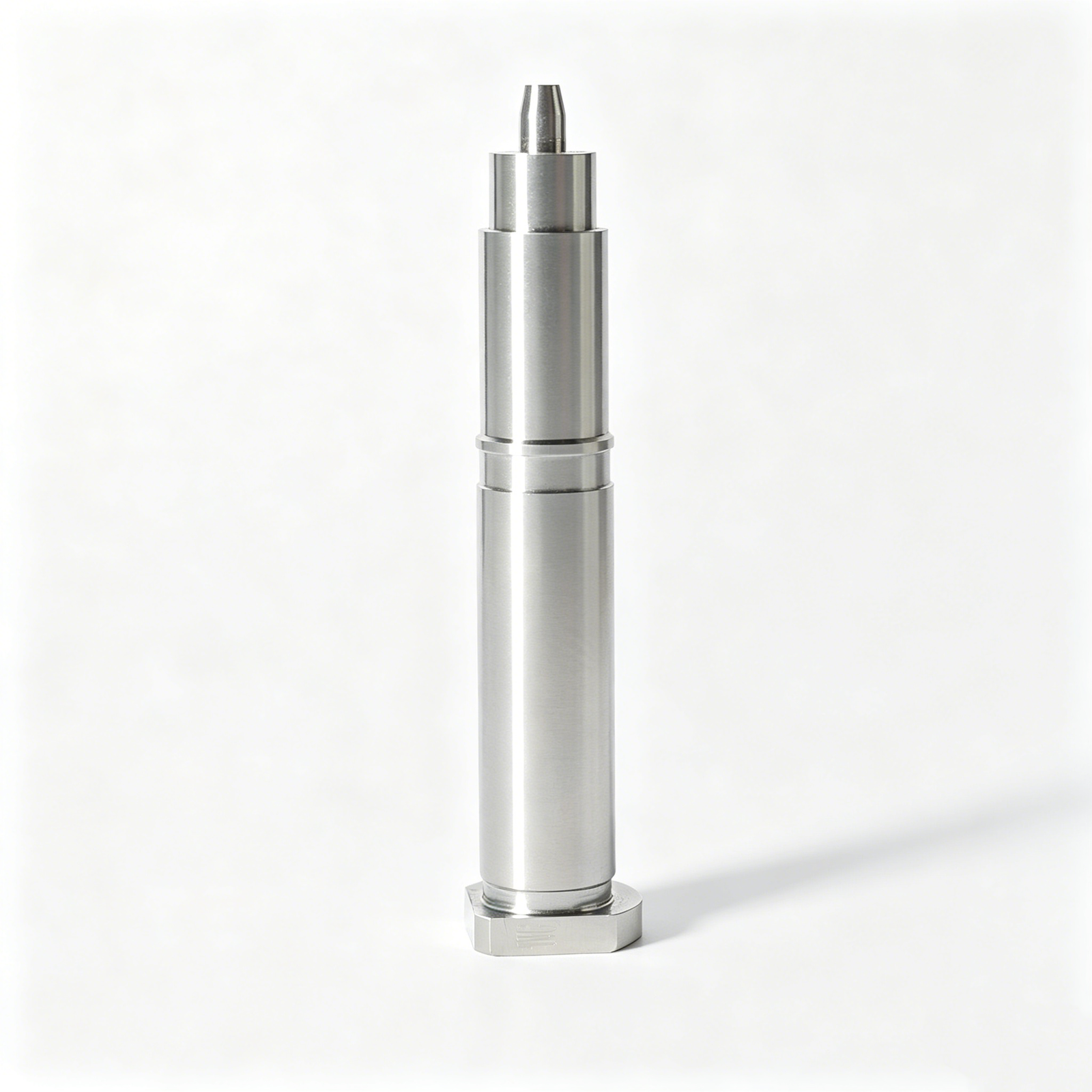
Slides, Lifters, Gates & Mold Accessories
Mold slides, lifters, gates, and accessories are planned around motion, shutoff, mold-base interfaces, material flow, and fitting requirements. Submit assembly context when available so travel, clearances, lubrication features, critical geometry, heat treatment, and inspection needs can be evaluated.
Upload a Drawing
Connector Mold Components
Precision connector mold components are produced for drawing-defined tooling features where pitch, alignment, cavity detail, insert interfaces, EDM strategy, and wear conditions matter. Provide mating-component context, critical dimensions, material and treatment requirements, quantity, and reporting expectations.
Upload a Drawing
Stamping Die Components
Precision stamping die components support drawing-based punches, dies, inserts, guides, and related forming-tool details. Review addresses material, hardness, cutting-edge geometry, clearance relationships, grinding sequence, wire-EDM path, surface needs, and critical dimensions affecting die assembly and performance.
Upload a Drawing
Injection, MIM, CIM & Overmolding Tooling
Injection, MIM, CIM, and overmolding tooling work is evaluated within verified production scope. Useful inputs include resin or feedstock context, molded-part geometry, inserts, gates, shutoffs, venting considerations, tolerance priorities, material and heat-treatment requirements, and inspection needs.
Upload a Drawing
Machining Materials
CNC machining materials are selected from the drawing and application requirements, not a generic catalog promise. Identify the specified grade, material condition, certificate needs, corrosion or wear considerations, heat-treatment route, and any functional or mating constraints before quotation.
Upload a Drawing
Surface Finishes & Heat Treatment
Surface finishing and heat treatment are planned as part of the dimensional route because they can affect size, hardness, distortion, wear, corrosion behavior, and surface condition. Specify finish callouts, treatment requirements, masking or post-process grinding needs, and verification expectations.
Upload a Drawing
Quality, Metrology & Documentation
Precision inspection, metrology, and quality documentation are aligned to the order and verified inspection plan. Identify critical-to-quality dimensions, datums, measurement method expectations, report format, material or treatment records, revision level, traceability needs, and any customer-specific documentation requirements.
Upload a Drawing
Prototyping & Low-Volume Production
Rapid prototyping and low-volume manufacturing support drawing-driven validation, tooling development, replacement parts, and controlled production runs. Early review clarifies design maturity, material, quantity, critical dimensions, process route, inspection scope, revision control, and target delivery requirements.
Upload a DrawingCNC Machining PPS Material Considerations

Unfilled PPS
A baseline engineering grade for electrically insulating components, chemical-contact fixtures, and precision housings. Its relatively uniform structure supports predictable machining, but drawing review should confirm wall thickness, datum locations, and stress-sensitive features.

Glass-Filled PPS
A reinforced option often considered for rigid brackets, structural electrical parts, and dimensionally demanding components. Glass content changes cutting behavior and edge response, so tool access, burr-control expectations, and the specified grade require review.

Mineral-Filled PPS
A formulation considered where stability, controlled movement, and consistent geometry matter in industrial components. Filler selection can affect machining allowances, surface appearance, and thin-feature behavior; confirm the exact compound and functional requirements with the drawing.

Carbon-Filled PPS
A specialized PPS option for applications where conductivity or enhanced stiffness may be relevant. Carbon-filled grades can differ materially in machining response and inspection needs, making grade verification, critical dimensions, and mating-part context essential.

Fitting and Inspection
A project-specific material category for connector, tooling, or process-equipment parts requiring defined performance beyond base resin. Review the approved datasheet, fiber orientation considerations, surface requirements, and machining route before production commitments.
CNC Machining PPS Process Routes

CNC Milling
CNC milling forms PPS features such as pockets, contours, holes and interfaces. Tool access, wall geometry and heat management are reviewed to support stable machining and the specified dimensional priorities.

CNC Turning
CNC turning produces rotational PPS features including diameters, bores, shoulders and threaded interfaces where applicable. Datum selection, workholding and concentricity requirements guide the turning strategy before production begins.

EDM Support
Wire or sinker EDM may support related precision tooling components when geometry, hardened materials or internal profiles require an EDM route. Electrode strategy, wire path and finishing requirements are confirmed from the drawing.
Precision Grinding
Precision grinding supports controlled flatness, parallelism and fine dimensional adjustment on applicable components. Grinding stock, datum references and surface requirements must be defined so the process complements the planned machining sequence.

Fitting Inspection
Fitting and inspection verify functional relationships, critical dimensions and documented requirements against the agreed inspection plan. Measurement methods, reporting needs and revision status are aligned before final delivery coordination.
CNC Machining PPS: Component Features and Finishing Options
Threaded Features
Internal or external threads can be considered for PPS components where wall thickness, engagement length, datum references, and machining access support the specified function. Identify thread standard, class, mating material, and inspection requirement in the RFQ.

Locating Datums
Dowel holes, shoulders, slots, and reference faces can establish repeatable location within an assembly or tool. Define the functional datum scheme and critical positional relationships so the machining and inspection approach can be reviewed before production.

Surface Requirements
Surface finish expectations should be linked to sealing, sliding, cosmetic, electrical, or mating requirements. Call out the required surface condition, applicable areas, and measurement method; SUUXIANG reviews whether the specified finish is practical for the geometry.

Identification Marking
Part numbers, revision marks, cavity identifiers, or orientation references may be added when geometry and material condition allow. Provide character size, location, permanence expectation, and traceability purpose so the marking method can be evaluated during drawing review.
Assembly Interfaces
Bosses, counterbores, reliefs, press-fit areas, and mating profiles require attention to tolerance stack, local wall thickness, and assembly loads. Share mating-part context and critical dimensions to support a practical CNC machining PPS process route.
About SUUXIANG Precision Manufacturing
SUUXIANG is the public-facing brand of Dongguan SuuXiang Precision Mold Co., Ltd., established in 2010 in Chang’an Town, Dongguan, Guangdong, China. We help international engineering, sourcing and quality teams turn drawings, models and specifications into inspected custom parts, precision mold components, connector tooling and die components.
Our practical workflow combines CNC milling and turning, multi-axis machining, EDM, precision grinding, fitting and inspection. For CNC machining PPS and other drawing-led projects, we review critical dimensions, datums, machining access, material requirements, surface priorities and inspection expectations before production commitments are made.
What differentiates SUUXIANG is disciplined project coordination around the evidence that affects part acceptance: DFM feedback, process planning, revision control, inspection methods and delivery information. We discuss feasible routes and documentation requirements openly, so buyers can submit an RFQ with the detail needed for a responsible technical review.

CNC Machining PPS: Review a Drawing-Led Quotation
Review Critical Dimensions First
For CNC machining PPS, SUUXIANG reviews drawing callouts, functional datums, mating relationships, and tolerance stacks before production planning. This early discussion helps identify dimensions that need focused process control, practical measurement access, or clarification before the quotation is finalized.
- Identify critical-to-quality dimensions and functional datums
- Review mating, sealing, locating, and assembly relationships
- Clarify tolerances, surface requirements, and revision status
- Align inspection expectations with drawing priorities

Plan Tool Access and EDM
Complex PPS geometries should be evaluated for cutter reach, internal corners, wall support, and feature accessibility. Where an electrical-discharge machining route may be relevant, SUUXIANG discusses wire path, electrode strategy, and downstream finishing needs against the approved drawing and component function.
- Check milling access for pockets, ribs, and deep features
- Evaluate internal-corner and feature-definition constraints
- Discuss wire EDM or electrode needs when geometry requires it
- Keep process-route decisions tied to approved revisions
Protect Grinding Allowance
When a component requires grinding after other operations, the process sequence needs enough controlled stock for the finishing step. SUUXIANG reviews grinding allowance, datum transfer, heat-treatment sequence, and handling risk so final dimensions can be planned around the actual inspection method.
- Define stock allowance for applicable grinding operations
- Plan datum transfer between machining and finishing stages
- Review heat-treatment timing before final-size operations
- Consider handling risk on thin or precision features
Build Inspection Around Function
Inspection planning for CNC machining PPS begins with the dimensions that affect fit, location, and performance rather than a generic checklist. SUUXIANG aligns measurement methods, reporting expectations, traceability needs, and delivery documentation with the order requirements before manufacturing proceeds.
- Prioritize dimensions that control fit and assembly
- Match measurement methods to geometry and tolerances
- Confirm requested reports and documentation before production
- Maintain visible revision and delivery information

CNC Machining PPS: Choose a Drawing-Led Supplier
Compare the engineering evidence that should support a PPS machining quotation before production begins.
← Swipe left or right to view →
CNC Machining PPS Project Workflow
A controlled workflow that keeps drawing requirements, process decisions, inspection expectations, and delivery coordination visible from RFQ through shipment.
Review RFQ Package
Submit 2D drawings, 3D models, PPS grade, quantity, application context, delivery target, and inspection requirements so the team can identify complete RFQ inputs.
Confirm DFM Priorities
Review critical dimensions, datums, tolerance stack, surface requirements, tool access, and revision status before process planning or production commitments are made.
Plan Material Route
Confirm specified material and applicable heat-treatment or conditioning requirements, then define machining allowance, workholding approach, and the planned process sequence.
Machine Critical Features
Produce parts through the appropriate CNC machining route, adding EDM, precision grinding, or fitting when drawing geometry, access, or finish requirements call for them.
Inspect and Coordinate Delivery
Inspect against the agreed plan, prepare order-matched documentation, protect finished components for packing, and coordinate shipment details with revision and delivery information visible.
How to Work With SUUXIANG
A drawing-led engagement path for cnc machining pps parts, from DFM review through inspection and coordinated delivery.
Submit Your Drawing Package
Send 2D drawings, available 3D models, PPS grade, quantity, target date, critical dimensions, surface requirements, and inspection expectations so SUUXIANG can begin a disciplined review.
Review DFM and Quote
Review the proposed cnc machining pps process route, machining access, datum strategy, EDM or grinding needs, sampling approach, inspection scope, commercial terms, and delivery assumptions.
Approve Production Details
Confirm revision-controlled drawings, material and heat-treatment requirements, critical dimensions, finishing priorities, inspection documentation, and approved changes before SUUXIANG releases the job to production.
Track Delivery and Receive Parts
Receive coordinated production and delivery updates while final inspection follows the agreed plan; review supplied documentation against the order and communicate any receiving feedback.
Certifications and Quality Documentation
Customer Results and Project Evidence
Approved, attributable customer evidence for a CNC machining PPS project is not yet available for publication. SUUXIANG does not publish anonymous results, unverified performance statements, or borrowed case-study claims.
Project outcomes, including dimensional results, inspection findings, delivery performance, and application context, require customer approval and traceable supporting records before they can be presented as a testimonial.
For a drawing-led PPS RFQ, SUUXIANG can discuss the proposed DFM review, critical dimensions, material requirements, inspection needs, and delivery expectations using documentation specific to the submitted project.
cnc machining pps FAQ for RFQ Preparation
Practical answers for teams preparing drawings, material requirements, inspection needs and delivery expectations.
What information do you need for cnc machining pps quotation?
What PPS grade should I specify for cnc machining pps parts?
What tolerances are realistic for cnc machining pps?
Is there a minimum order quantity for custom PPS machined parts?
Can SUUXIANG make a PPS sample before a larger order?
How long does cnc machining pps take?
How are payment and international shipping handled for custom PPS orders?
How does SUUXIANG protect drawings and revision-controlled PPS designs?
The Complete Buyer’s Guide to cnc machining pps
Use a practical decision framework to assess PPS part fit, drawing-readiness, machining risks, supplier controls, cost drivers, and sourcing mistakes before selecting a manufacturing partner for precision low-volume production.
1. What Is cnc machining pps?
PPS—polyphenylene sulfide—is a high-performance thermoplastic machined by removing material from plate, rod, or other stock with programmed milling, turning, drilling, or related CNC operations. The process lets a supplier make drawing-defined plastic parts where heat resistance, chemical resistance, and dimensional control matter; PPS is commonly described for demanding industrial environments (https://www.beeplastic.com/blogs/plastic-insights/precision-and-durability-exploring-pps-cnc-machining-for-industrial-tools-and-parts).
2D drawings and 3D models can define machined PPS components such as insulating fixtures, electrical housings, seals, spacers, wear parts, connector-related elements, and prototype tooling details. Buyers should identify functional datums, critical dimensions, mating conditions, material grade, and any temperature or chemical exposure before selecting the process route.
Molded PPS forms parts by filling a dedicated mold, making it suited to repeatable production once tooling is justified. Machined PPS starts from stock and removes material, which is often the more practical route for prototypes, low-volume requirements, design changes, or geometries that do not justify a molding tool.
2. Evolution of cnc machining pps
Polyphenylene sulfide (PPS) emerged as a high-performance engineering polymer for components exposed to demanding thermal and chemical conditions. Its broader industrial adoption made it a practical candidate where conventional plastics could be unsuitable, while material selection still depends on the application, grade, geometry, and validation plan (https://www.beeplastic.com/blogs/plastic-insights/precision-and-durability-exploring-pps-cnc-machining-for-industrial-tools-and-parts).
CNC machining changed the early-stage route for PPS parts by allowing drawing-controlled prototypes and low-volume components without first committing to production molding tooling. For procurement teams, this can shorten the iteration loop: revise the model, assess tool access and tolerances, machine samples, then document results before releasing a mold decision.
3D models and 2D drawings now support a more controlled qualification sequence for cnc machining pps. Buyers should define critical dimensions, mating conditions, material grade, surface requirements, quantity, and inspection evidence so prototype results can be compared meaningfully with the intended molded-part requirement.
3. Types of cnc machining pps Parts
PPS drawings commonly fall into five functional families rather than a single generic part type. Match the required environment, mating features, and inspection datums before selecting cnc machining pps.
Electrical Insulators
Electrical insulators use plates, terminal blocks, coil bobbins, and standoffs with drilled holes or milled slots. PPS suits applications needing electrical isolation alongside heat and chemical resistance.
Fluid-Handling Components
Fluid-handling parts include valve seats, pump spacers, manifolds, and sealing-support rings. Their bores, ports, and sealing faces should be reviewed against the medium, temperature, and chemical-resistance requirement.
Precision Spacers And Bushings
Precision spacers and bushings are typically turned sleeves, flanged rings, or shouldered washers. PPS is relevant where dimensional stability and corrosion resistance matter, while load and wear conditions remain application-specific.
Tooling And Connector Components
Connector and mold-tooling components may use locating blocks, insulating inserts, nests, and fixture details. Complex pockets, fine holes, and datum-controlled faces require a drawing review for tool access and inspection strategy.
4. Materials for cnc machining pps
PPS grade selection determines whether cnc machining pps delivers the intended heat, chemical, electrical, and dimensional performance. Review the resin supplier’s current data sheet against the actual fluid, temperature, load, and tolerance stack before release.
| Material | Heat/Chemical | Stiffness | Electrical/Wear | Machining Behavior |
|---|---|---|---|---|
| Unfilled PPS | High / strong | Moderate | Insulating | Uniform baseline |
| Glass PPS | High / strong | High | Insulating / abrasive | Filler-sensitive |
| Carbon PPS | High / strong | High | Conductive option | Grade-dependent |
| PEEK | Very high / strong | High | Insulating | Clean cutting |
| PTFE | Moderate / excellent | Low | Low friction | Creep-prone |
| Nylon | Moderate / variable | Moderate | Insulating | Moisture-sensitive |
| Acetal | Moderate / good | Moderate | Insulating / low friction | Easy machining |
Unfilled And Reinforced PPS
Unfilled PPS is usually the safer starting point when electrical insulation, lower abrasive-tool wear, and more uniform machining behavior matter. Glass- or mineral-filled grades increase stiffness and reduce thermal movement, but can be more abrasive and directionally sensitive.
Carbon-filled PPS can add conductivity or stiffness where specified, yet it is not interchangeable with insulating grades. Confirm filler type, percentage, fiber orientation, molding history, and the supplied stock form.
Alternative Materials
PEEK may suit higher-temperature or demanding mechanical service, while PTFE favors low friction and broad chemical resistance but is comparatively soft and prone to creep. Nylon can absorb moisture; acetal is often easier to machine for stable, lower-temperature precision parts.
Wear, mating material, and electrical requirements should drive the comparison, not polymer family alone. Source context: https://www.beeplastic.com/blogs/plastic-insights/precision-and-durability-exploring-pps-cnc-machining-for-industrial-tools-and-parts
5. PPS Finishing and Identification Options
For cnc machining pps, finish is a functional drawing requirement, not decoration. Specify the surface condition, edge condition, cleanliness, and identification method wherever they affect sealing, assembly, measurement, or traceability.
| Option | Primary Use | Drawing Control | PPS Limitation |
|---|---|---|---|
| As-machined | General surfaces | Ra only when critical | Visible tool marks remain |
| Deburring | Safe assembly edges | Edge-break range | May alter small features |
| Laser marking | Traceability | Location and code | Contrast varies by grade |
| Engraving | Permanent orientation | Depth and characters | Removes material |
Surface Condition And Edges
As-machined PPS normally presents a smooth matte surface; cutter marks remain unless a roughness limit is called out. Define the measured area, Ra target, cutoff, and inspection method for functional faces.
0.05 mm of edge break can materially change a small locating feature. State deburring limits, protected datums, and whether sharp edges, burr-free holes, or controlled chamfers are required.
Cleaning And Part Identification
100% cleaning requirements should name the contaminant concern, such as chips, coolant residue, or handling debris. Avoid solvent or thermal cleaning assumptions until compatibility and acceptance criteria are agreed.
Laser marking and engraved codes can support lot, revision, cavity, or assembly orientation traceability, but both remove material. Put location, character height, depth limit, contrast expectation, and readable-after-assembly requirement on the drawing.
6. Critical Quality Elements for PPS Parts
PPS part acceptance begins with a drawing that identifies functional datums, critical features, and the inspection method. For connectors, tooling, and industrial assemblies, unclear requirements can conceal fit, sealing, alignment, or assembly risk.
Datums And Tolerance Stack
Three mutually related datums should locate features that mate, guide, or seal; avoid measuring each feature from an unrelated edge.
Critical tolerances need a stated datum reference, feature size, and applicable geometric control. A tolerance without functional context can drive unnecessary machining effort or permit assembly failure.
Geometry And Edge Control
Thin walls, deep pockets, and sharp internal corners require review for tool access, deflection, and remaining wall strength. Specify practical internal radii or identify an EDM route where a sharp corner is functionally necessary.
Thread callouts should state size, pitch, class, depth, and whether a mating fastener or insert controls acceptance. Burr limits matter at connector interfaces, sliding tooling features, and sealing edges.
Finish And Measurement Planning
Flatness and surface-finish requirements should be assigned only to functional faces, with measurement conditions defined when they affect fit. Identify grinding stock, contact areas, and cosmetic exclusions on the drawing.
PPS parts should be kept clean and dry before inspection and assembly to prevent contamination from masking surfaces or mating behavior. SUUXIANG can align first-article and final inspection evidence with the agreed revision and inspection plan.
7. How to Choose a PPS Machining Manufacturer
One PPS RFQ should be evaluated as a controlled manufacturing plan, not a unit-price comparison. For cnc machining pps, award the supplier that can connect grade, datum, process route, inspection, and revision evidence.
| Evidence | What It Confirms | Quote Comparison Use |
|---|---|---|
| Grade record | Specified PPS material | Avoids unspecified substitution |
| DFM response | Process understanding | Tests manufacturability support |
| Inspection sample | Measurement discipline | Tests quality evidence |
| Revision workflow | Change control | Tests schedule resilience |
Request DFM Evidence
Two pre-award deliverables matter: marked-up drawing feedback and a process-specific DFM note. Ask how tool access, workholding, thin features, burr control, and critical datums will be managed.
- Marked-up 2D drawing
- Material grade and supplier traceability
- Proposed machining and inspection route
Verify Quality Planning
One first-article or sample plan should identify critical dimensions, measurement method, acceptance criteria, and report format. Request a representative inspection record, calibration status where relevant, and the method for retaining revision-linked records.
- First-article approval point
- Critical-dimension inspection plan
- Nonconformance escalation route
Compare Delivery Control
Three quote questions expose operational risk: which machine process fits the geometry, what capacity is allocated, and what changes when the drawing revises. Compare stated lead time with material availability, inspection time, sample approval, and revision communication.
- Named revision-control process
- Lead-time assumptions
- Capacity and scheduling constraints
8. Common cnc machining pps Sourcing Mistakes
Most cnc machining pps sourcing failures begin before the RFQ: the drawing leaves material, functional risk, or acceptance evidence open to interpretation. Close these gaps during drawing review, before suppliers select stock or plan machining.
Define the PPS Grade
PPS is not a complete material callout; filled, unfilled, and supplier-specific grades can machine and perform differently. Prevent substitution risk by naming grade, resin producer if required, and approved alternates.
Ask: Which exact grade will you purchase, and what material traceability will accompany the lot?
Adapt Molded Geometry
Molded-part geometry may retain draft, thin transitions, or inaccessible features that add CNC setups without functional benefit. Prevent avoidable cost by requesting a machining-specific DFM review and revising only approved features.
Ask: Which features require special tool access, extra setups, or a revised datum scheme?
Control Dimensions and Exposure
Critical dimensions without datums cannot be inspected consistently, while blanket tight tolerances raise cost without improving function. Prevent both errors by marking CTQs, mating interfaces, inspection methods, and realistic tolerances.
Environmental exposure matters: document temperature, chemicals, moisture, load, and electrical requirements before material release. Ask: Which requirements remain unverified for this grade and application?
Align Quote Scope
Quote comparisons fail when one price excludes inspection, marking, cleaning, protective packaging, or revision control. Prevent false comparisons with one RFQ package listing deliverables and acceptance criteria.
Ask: Does your quote include material evidence, inspection report, identification method, packaging, and every drawing revision?
9. Steps to Launch a PPS CNC Program
A PPS CNC program should begin with a controlled technical package, not a generic material request. Define the part function, mating conditions, critical dimensions, surface needs, quantity, and required delivery evidence before quotation.
Lock Material And Files
One released material callout should identify the PPS grade, reinforcement status, color or identification requirement, and any conditioning or compliance needs. Supply a revision-controlled 2D drawing, 3D model, datum scheme, and notes; the drawing governs acceptance where files differ.
Review DFM And Quote
A documented DFM review should confirm tool access, wall geometry, fixturing, datum pickup, deburring, and inspection access. Align the quotation to stated assumptions for material supply, tolerances, finish, quantity, reporting, packaging, and lead time before releasing a purchase order.
Qualify And Control Production
A first article or prototype lot should verify critical dimensions, fit, and agreed inspection records before low-volume release. Establish the inspection plan, acceptance criteria, sample size, and document revision; any drawing, material, process, or quantity change requires written impact review and approval.
10. cnc machining pps Pricing and Cost
1 drawing package can change the quoted route before any material is cut: PPS grade, part geometry, tolerance zones, finishing, inspection evidence, and delivery date must be reviewed together. cnc machining pps cost is driven primarily by non-recurring programming and setups at low quantity, then by cycle time, yield, and inspection labor as volume rises.
2 cost-reduction actions usually matter more than chasing a nominal unit price: consolidate machinable features into fewer orientations, apply tight tolerances only to functional dimensions, and specify surface finish by mating need. A complete RFQ should include revision-controlled 2D and 3D files, material grade, quantity, CTQs, inspection requirements, and the required delivery window.
| Quantity tier | Setup and complexity | Material, tolerance, and finish | Inspection and urgency | Cost effect |
|---|---|---|---|---|
| 1–5 pieces | Programming and multiple setups dominate | Specified PPS grade; deep pockets or thin walls add cycle time | First-article evidence or expedited scheduling | Highest cost per unit |
| 6–25 pieces | Setup cost spreads across parts | Tight CTQs, special finish, or deburring add labor | Dimensional report as required | Lower unit cost; route remains critical |
| 26–100 pieces | Repeatable fixturing becomes practical | Realistic tolerances and accessible tools reduce cycle time | Sampling plan must match risk | Setup cost is better absorbed |
| 100+ pieces | Process stability and batch planning matter | Approved grade and simplified geometry support repeatability | Planned delivery and agreed reporting | Evaluate with a project-specific quote |
Start Your CNC Machining PPS Drawing Review
Upload drawings with PPS grade, material condition, quantity, critical dimensions, inspection requirements, and target delivery date for a focused RFQ review.