
5-axis CNC Machining for Drawing-Based Precision Parts
Move from drawing review to inspected parts with 5-axis CNC machining planned around critical dimensions, material requirements, and quality documentation.
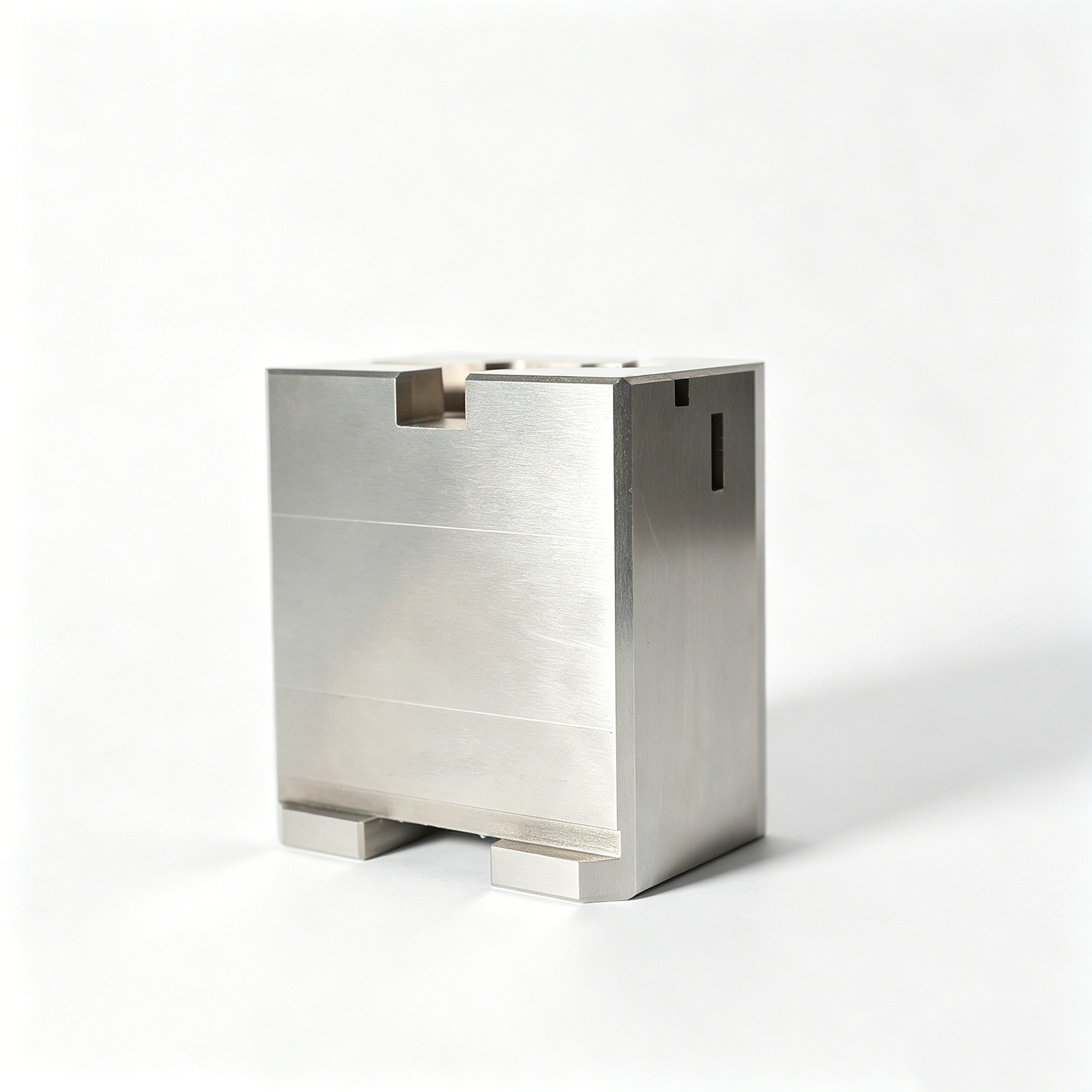
Representative Components for 5-Axis CNC Machining



Related Configurable Component Families and Quotation




Why Engineering Teams Choose SUUXIANG
5-Axis CNC machining projects are planned from drawing review through inspection, with manufacturing decisions kept visible throughout the order.
Drawing-Led DFM Review
We review critical dimensions, datums, tool access, surface requirements, and machining allowances before quotation or production commitments.
Coordinated Process Routes
CNC milling, turning, EDM, grinding, and fitting are planned together when complex geometry or finishing requirements demand controlled handoffs.
Critical Feature Planning
Manufacturing discussions identify tolerance-sensitive features, electrode needs, wire paths, heat-treatment sequence, and grinding stock before machining begins.
Inspection Plan Alignment
Inspection methods and reporting expectations are clarified against the drawing, quality priorities, and agreed verification requirements for each order.
Revision-Controlled Communication
Drawing revisions, production questions, and delivery information remain visible so engineering, sourcing, and quality stakeholders can coordinate decisions.
Traceable Project Handoffs
From RFQ inputs to final inspection documentation, project information is organized to support clear handoffs and order-specific traceability.
Precision Part and Tooling Families
Drawing-driven process routes for custom parts and tooling, organized around critical dimensions, functional interfaces, and inspection requirements.

CNC Machining Services
Precision CNC machining services for drawing-based parts requiring defined materials, critical dimensions, surface requirements, and inspection expectations. Each RFQ is reviewed for manufacturability, datum strategy, machining access, and an appropriate route through machining, EDM, grinding, fitting, and verification.
Upload a Drawing
CNC Milling
Custom CNC milling services for prismatic, contoured, and feature-rich components. Drawing review considers tool access, internal corners, wall geometry, datum relationships, tolerances, and finishing requirements before machining plans are confirmed.
Upload a Drawing
CNC Turning
Precision CNC turning services for shafts, pins, sleeves, bushings, threaded forms, and rotational features. Quotations should define material, diameters, runout or concentricity needs, surface requirements, mating interfaces, quantity, and inspection priorities.
Upload a Drawing
5-Axis Machining
5-axis CNC machining supports complex geometry, multi-face features, angled holes, and surfaces where reduced repositioning can protect datum relationships. Feasibility depends on part geometry, tool reach, fixture strategy, material condition, tolerance requirements, and inspection access.
Upload a Drawing
Swiss & Micro Machining
Swiss machining and micro machining support small, slender, and precision-formed parts where concentric features, fine details, and controlled handling matter. Submit drawings with material, critical dimensions, surface requirements, quantity, and any mating or assembly context.
Upload a Drawing
Wire & Sinker EDM
Wire EDM and sinker EDM services address hardened materials, precise internal profiles, narrow slots, sharp internal geometry, and features with limited conventional tool access. Process planning evaluates wire paths, electrode strategy, recast-layer considerations, finish requirements, and downstream grinding or fitting.
Upload a Drawing
Precision Grinding
Precision surface and profile grinding supports controlled flatness, parallelism, profile accuracy, and finished dimensions on hardened or precision components. Grinding plans require clear datums, stock allowance, heat-treatment sequence, surface requirements, and appropriate inspection methods.
Upload a Drawing
Mold Core & Cavity Inserts
Precision mold core and cavity inserts are produced from drawings and models with attention to shutoff geometry, cooling or feature access, material condition, heat treatment, EDM requirements, grinding stock, and critical molding surfaces.
Upload a Drawing
Ejector & Ejection Components
Ejector pins, sleeves, and ejection components are reviewed for fit, travel, guide relationships, wear conditions, surface needs, and mating-component dimensions. Define material, hardness or heat-treatment requirements, critical diameters, tolerances, and required inspection evidence.
Upload a Drawing
Core Pins, Guide & Locating Components
Core pins, guide pins, bushings, and locating components support repeatable mold alignment and controlled functional interfaces. Drawing review focuses on fit classes, datum relationships, concentricity, bearing lengths, material and heat treatment, surface finish, and mating-part requirements.
Upload a Drawing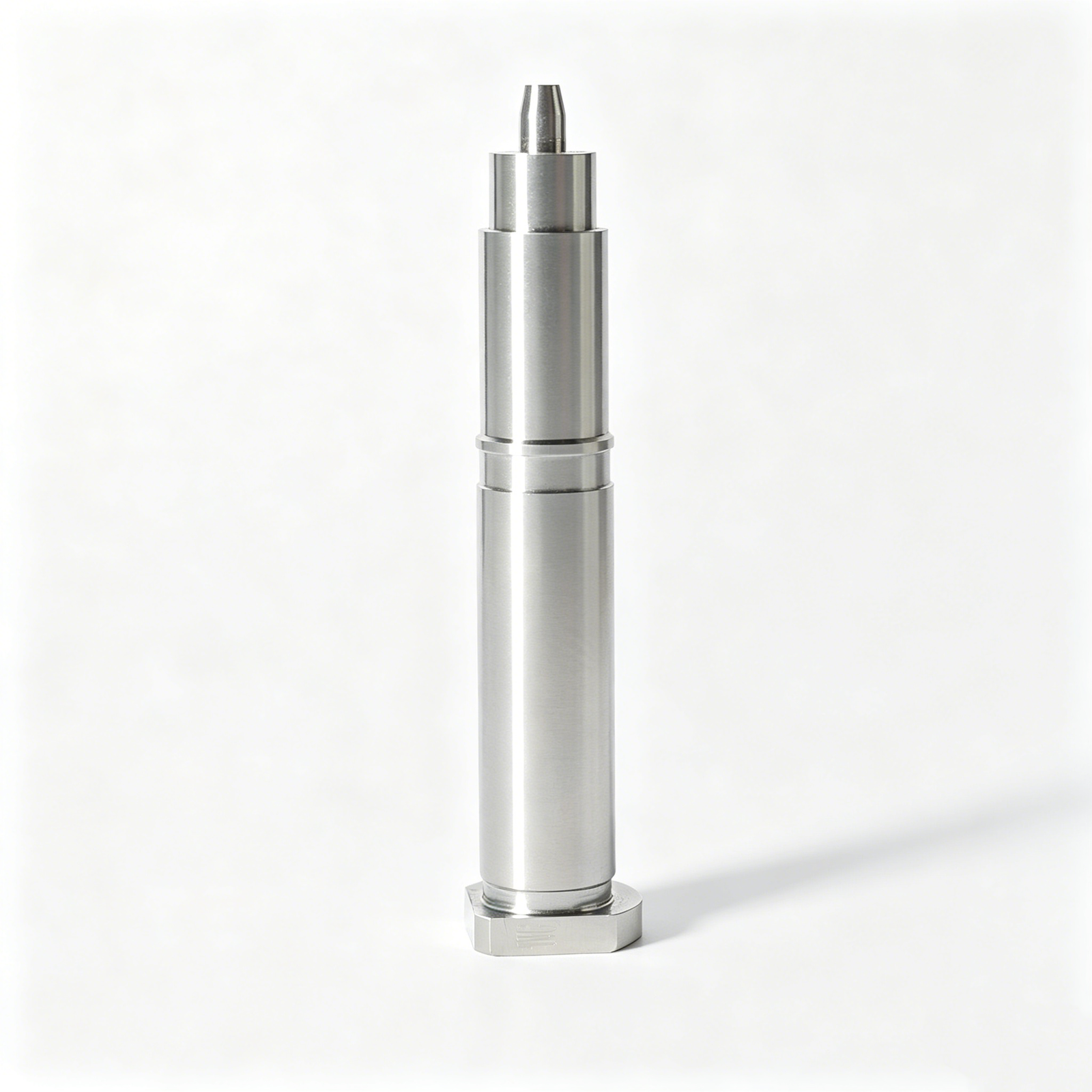
Slides, Lifters, Gates & Mold Accessories
Mold slides, lifters, gates, and accessories are configurable tooling components requiring clear assembly context. Provide movement, shutoff, wear, gate, interface, material, heat-treatment, and critical-dimension requirements so machining, EDM, grinding, fitting, and inspection can be planned appropriately.
Upload a Drawing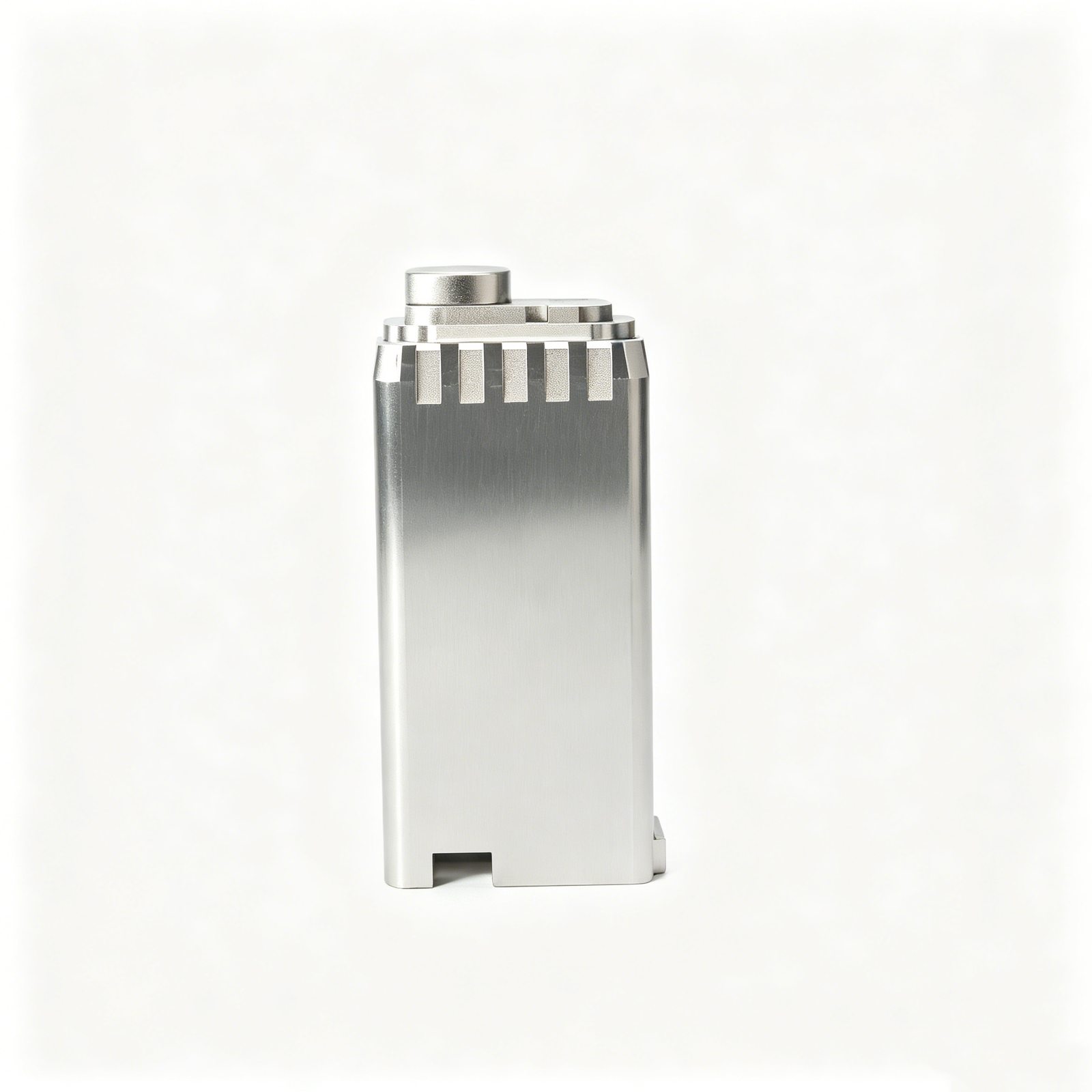
Connector Mold Components
Precision connector mold components support high-density, fine-feature, and alignment-sensitive connector tooling. Manufacturing review considers pin and cavity geometry, pitch relationships, material and heat treatment, EDM access, polishing or grinding needs, inspection strategy, and revision control.
Upload a Drawing
Stamping Die Components
Precision stamping die components are produced for drawing-defined cutting, forming, guiding, and locating functions. Process planning considers tool steel condition, clearance-related geometry, heat-treatment sequence, EDM and grinding requirements, wear surfaces, mating interfaces, and dimensional verification.
Upload a Drawing
Injection, MIM, CIM & Overmolding Tooling
Injection, MIM, CIM, and overmolding tooling components are assessed within verified production scope. Useful RFQs identify molding process, material behavior, parting and shutoff requirements, inserts, critical interfaces, surface needs, expected quantity, and inspection documentation.
Upload a Drawing
Machining Materials
CNC machining materials are selected against functional load, corrosion environment, machinability, dimensional stability, surface requirements, and heat-treatment needs. Specify the required grade or approved equivalent, material documentation expectations, and any application constraints before production planning.
Upload a Drawing
Surface Finishes & Heat Treatment
Surface finishing and heat treatment are planned as part of the manufacturing route, not as an afterthought. Define required finish, hardness or treatment specification, masking or critical surfaces, dimensional effects, corrosion needs, and post-treatment inspection requirements.
Upload a Drawing
Quality, Metrology & Documentation
Precision inspection, metrology, and quality documentation are aligned to the order’s critical characteristics. Define dimensions requiring reports, datums, measurement method expectations, material or treatment records, revision level, sampling needs, and any customer-specific documentation format.
Upload a Drawing
Prototyping & Low-Volume Production
Rapid prototyping and low-volume manufacturing support drawing-driven validation, bridge requirements, tooling development, and controlled repeat production. Provide quantity, target delivery date, revision status, material, critical dimensions, quality requirements, and intended application to evaluate a practical process route.
Upload a DrawingMaterials for 5-Axis CNC Machining Projects

Aluminum Alloys
Lightweight and responsive to cutting, aluminum suits housings, fixtures, and prototype components. Alloy grade, temper, wall thickness, thread engagement, and surface-finish requirements should be confirmed before programming and inspection planning.

Tool Steels
Rigid and wear-oriented, tool steels are used for mold cores, cavity inserts, punches, and die components. Verify grade, delivery condition, heat-treatment sequence, machining allowance, and grinding stock during RFQ review.

Stainless Steels
Corrosion-resistant stainless steel supports connector tooling, precision components, and application-exposed parts. Machining behavior varies by grade and condition, so material certification, heat treatment, surface requirement, and critical-feature strategy require confirmation.

Carbon Steels
A practical choice for structural tooling, locating elements, and custom machined parts, carbon steel offers familiar cutting behavior. Confirm grade, hardness condition, corrosion protection, dimensional priorities, and any post-machining treatment before production.

Engineering Plastics
Lightweight engineering plastics can suit fixtures, insulating features, prototype parts, and non-load-critical components. Grade selection must account for rigidity, moisture response, temperature exposure, tolerance stability, and the required inspection approach.
5-Axis CNC Machining and Finishing Processes

Multi-Axis Milling
5-axis CNC machining supports angled features, contoured surfaces, and multi-face access where tool reach and datum control justify the route. The programming strategy is reviewed against fixture design, collision risk, and critical dimensions.

CNC Milling
CNC milling removes material from prismatic forms, pockets, bores, and mold-component features. Tool access, wall condition, corner geometry, machining allowance, and required surface condition are reviewed before the milling sequence is defined.

CNC Turning
CNC turning is considered for rotational features such as shafts, pins, sleeves, and concentric diameters. The process route accounts for datum relationships, runout-sensitive features, material condition, and any secondary milling or EDM operations.

Wire EDM
Wire EDM is applied when narrow slots, sharp internal profiles, hardened materials, or low-force cutting make conventional tool access unsuitable. Wire path, start-hole requirements, cut sequence, and inspection references are agreed from the drawing.
Sinker EDM
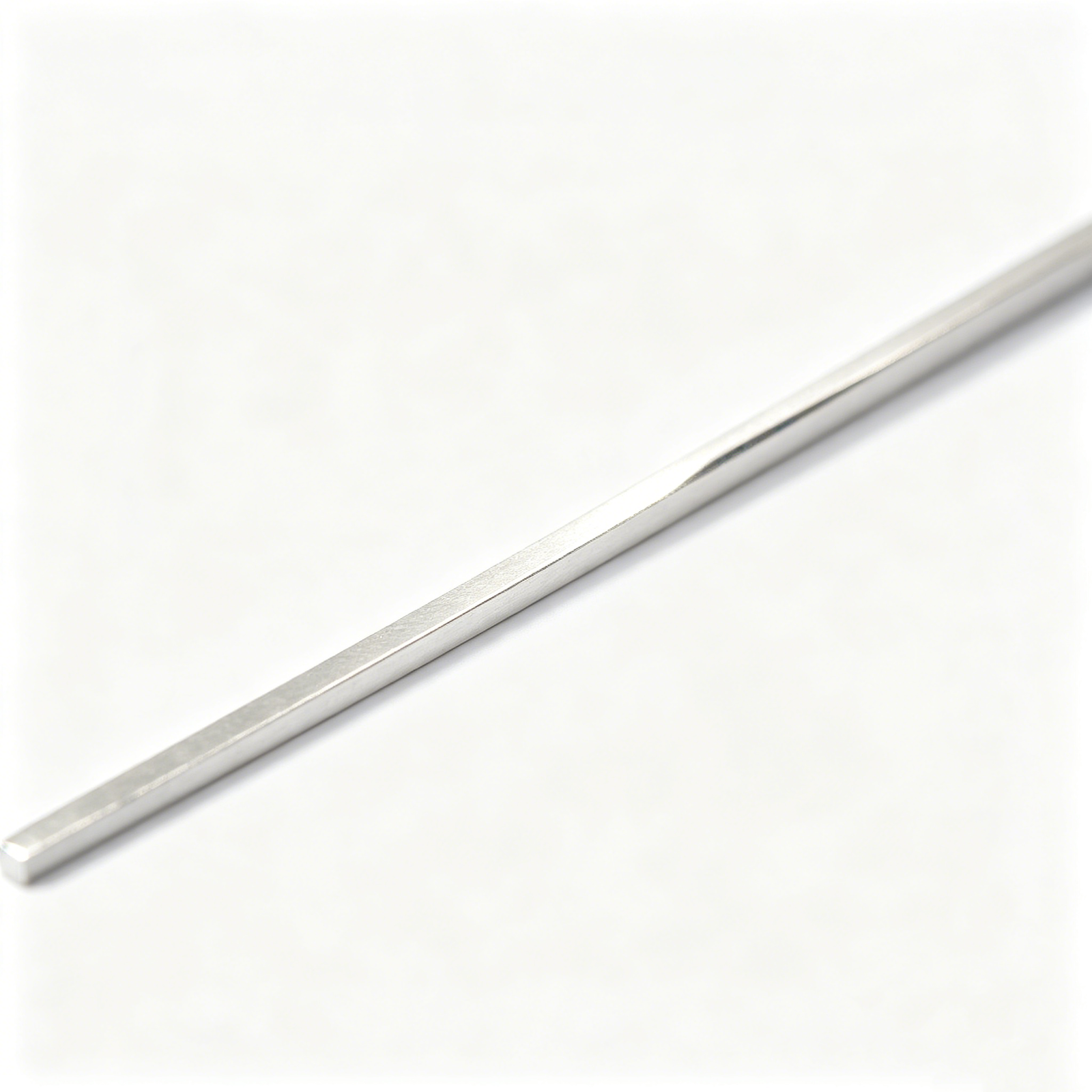
Sinker EDM supports cavities, deep ribs, and feature geometry that cannot be reached effectively with cutting tools. Electrode design, wear allowance, surface requirement, and subsequent finishing needs are evaluated during process planning.

Precision Grinding
Precision grinding and fitting are used where flatness, parallelism, size control, surface condition, or mating relationships require a controlled finishing step. Grinding stock, heat-treatment sequence, and inspection method are confirmed before release.
5-Axis CNC Machining Features for Tooling Components
Guide Elements
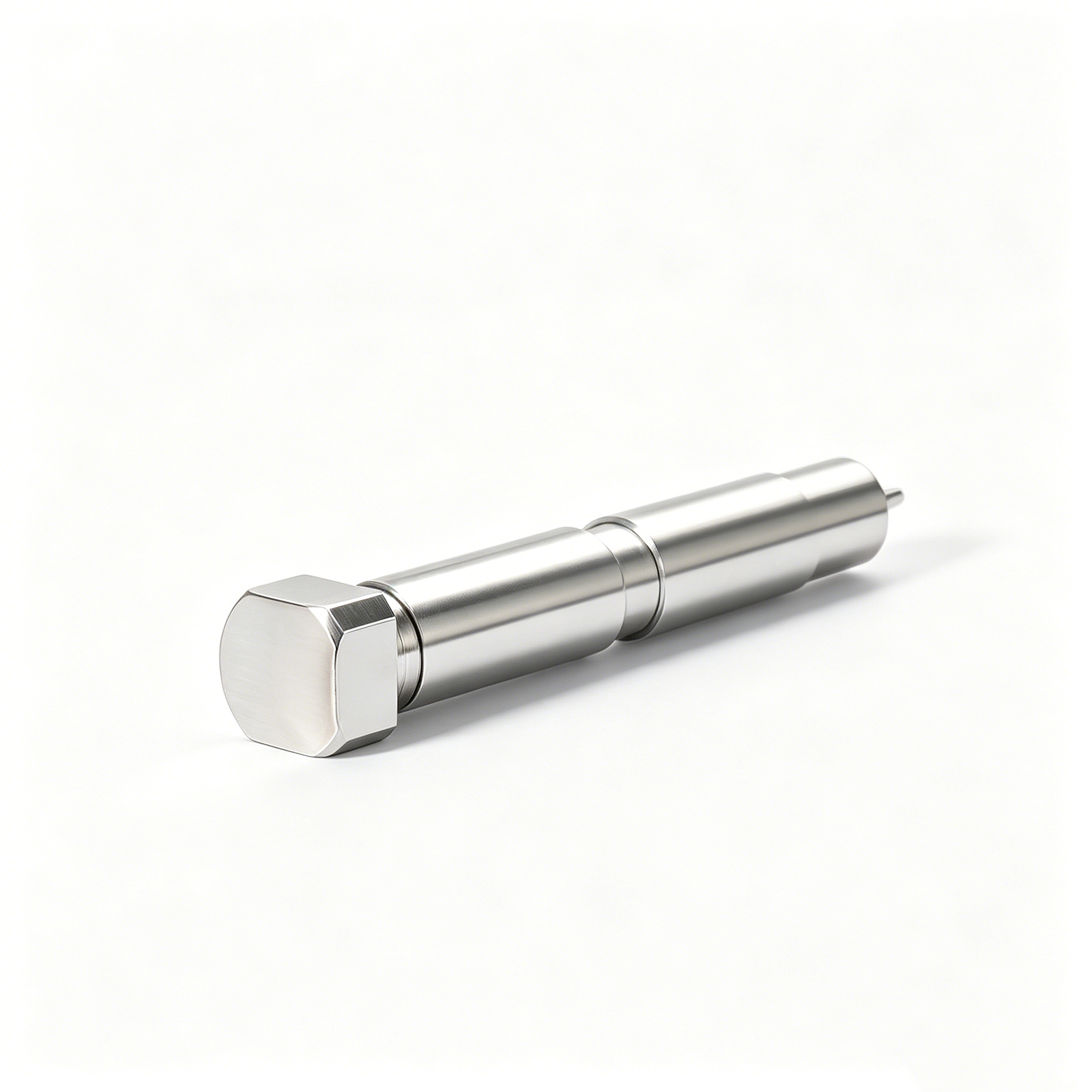
Guide pins, bushes, and alignment features can be specified for mold and die assemblies where repeatable motion and mating-component fit depend on controlled location and surface requirements.

Locating Features
Datums, dowel locations, shoulders, and reference faces help establish a clear inspection strategy and assembly relationship for precision components with critical positional or alignment requirements.

Gate Details
Gate inserts and related flow-path features can be reviewed as drawing-driven requirements, including geometry, material condition, finish expectations, and any downstream fitting or EDM considerations.

Slide Components
Slides and wear-related features can be configured for tooling assemblies when travel interfaces, clearances, guide surfaces, and critical dimensions are defined before process planning begins.
Lifter Features
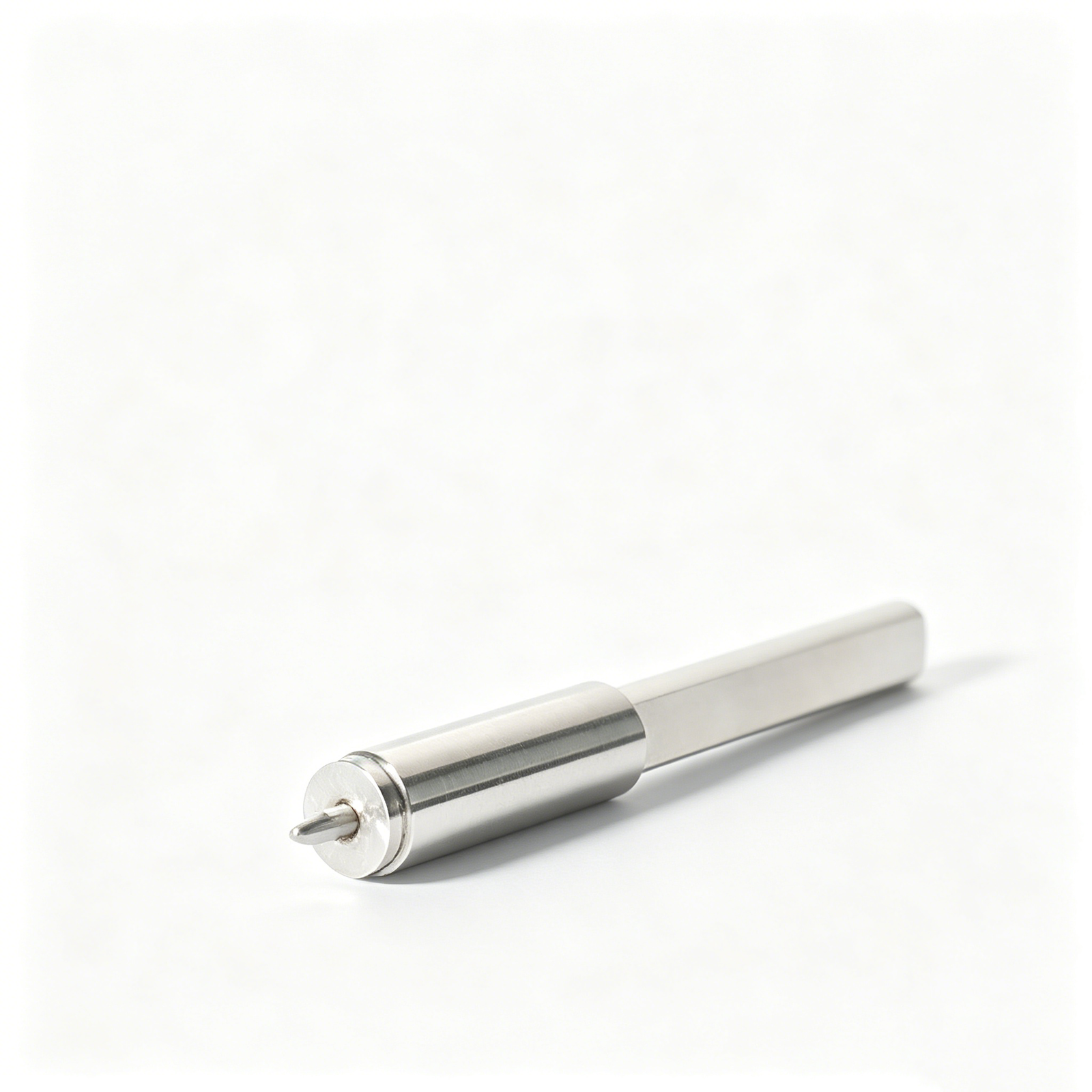
Lifters, angled interfaces, and associated locating details require attention to machining access, heat-treatment sequence, grinding allowance, and fitting expectations across the completed assembly.

Ejection Elements
Ejector pins, sleeves, and ejection-related components can be planned around mating fit, surface condition, datum references, and the inspection evidence required for the specified application.
About SUUXIANG Precision Manufacturing
SUUXIANG is the international-facing brand of Dongguan SuuXiang Precision Mold Co., Ltd., established in 2010 and based in Chang’an Town, Dongguan, Guangdong, China. Founded and legally represented by XiaoCheng Huang, the company helps global engineering, sourcing, and quality teams convert controlled drawings and specifications into inspected custom parts, precision mold components, connector tooling, and die components.
Our drawing-driven workflow combines DFM review with CNC milling and turning, multi-axis machining, EDM, precision grinding, fitting, and inspection. For 5-Axis CNC machining requirements, we assess critical dimensions, datums, tool access, machining allowances, and inspection needs before a process route or production commitment is defined.
What differentiates SUUXIANG is disciplined coordination around the details that affect part acceptance: revision control, material and heat-treatment requirements, electrode or wire-path strategy, grinding stock, and inspection documentation. Share your drawing, quantity, application context, and delivery requirements so the right manufacturing path can be reviewed.

5-Axis CNC Machining Planned Around Critical Features
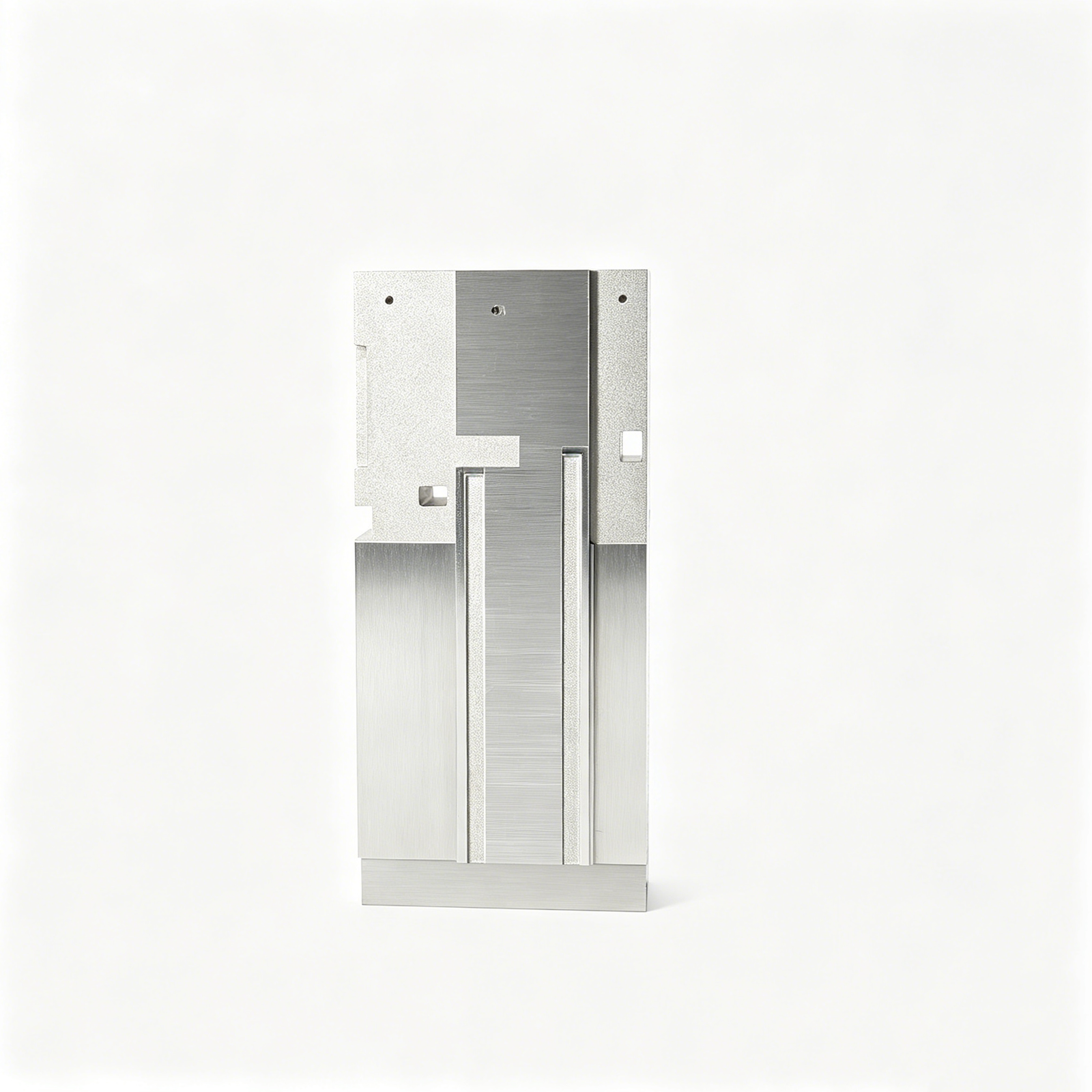
DFM Starts With Datums
Before quotation, SUUXIANG reviews the drawing, model, critical dimensions, datum scheme, tolerance stack, tool access, material, and application context. This establishes whether 5-Axis CNC machining is appropriate and identifies features that need an alternative process route or customer clarification.
- Identify critical-to-quality dimensions and reference datums
- Check tool reach, wall conditions and fixture access
- Review revision status before production planning
Choose the Right Axis Strategy
Multi-axis capability is evaluated against the geometry rather than applied by default. Indexed positioning can suit angled features and multi-face access, while continuous toolpaths may be considered for complex surfaces. The proposed route should balance feature access, surface requirements, setup control and inspection needs.
- Compare indexed and continuous machining requirements
- Reduce avoidable re-clamping where geometry permits
- Plan fixture orientation around critical feature relationships
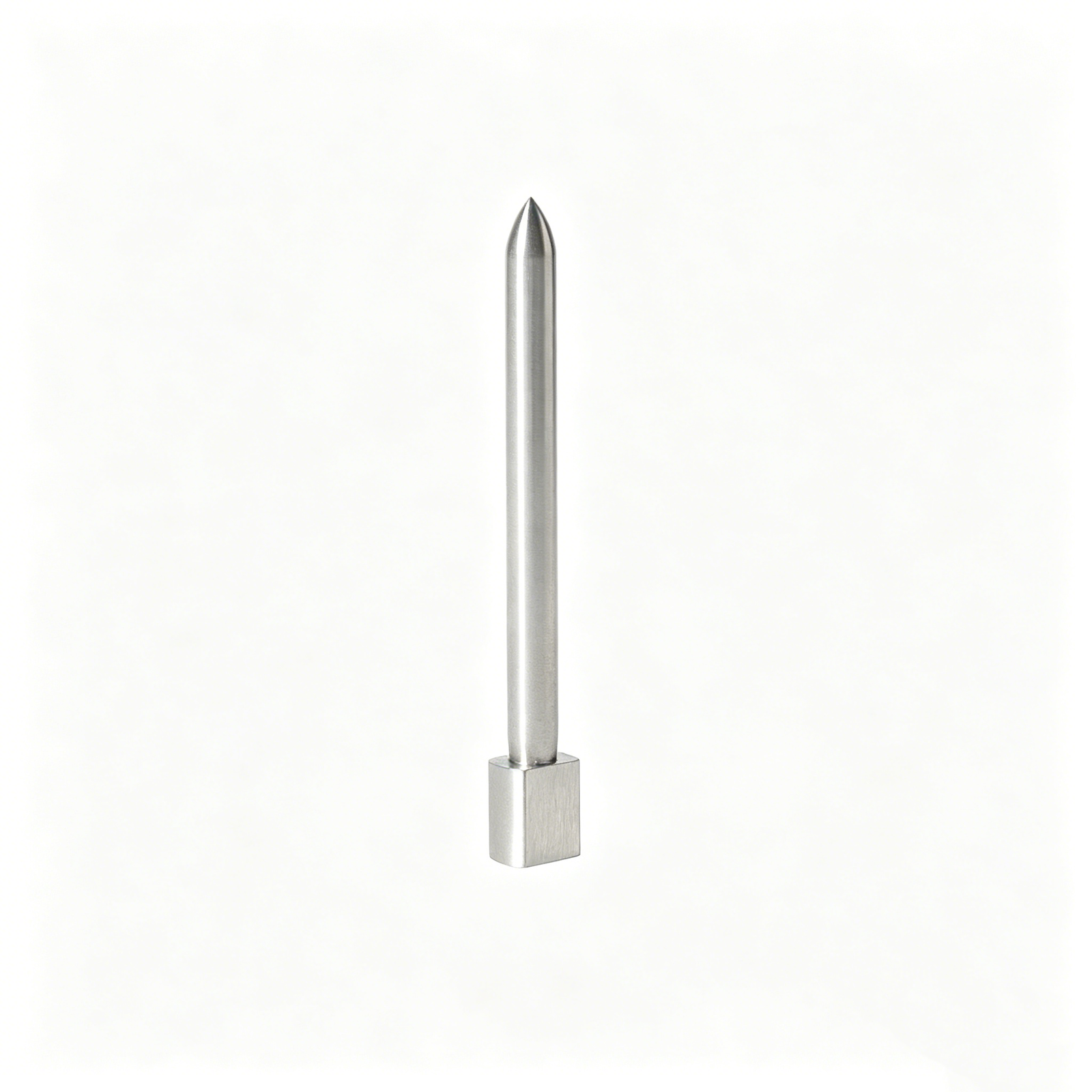
Coordinate EDM and Grinding
Complex tooling components often require more than milling alone. SUUXIANG plans CNC, wire EDM, sinker EDM and precision grinding as connected operations, considering electrode strategy, wire path, heat-treatment sequence and grinding stock so final features can be approached with controlled allowances.
- Define EDM access for narrow slots and internal profiles
- Reserve grinding allowance for finished precision surfaces
- Review heat treatment before final machining operations
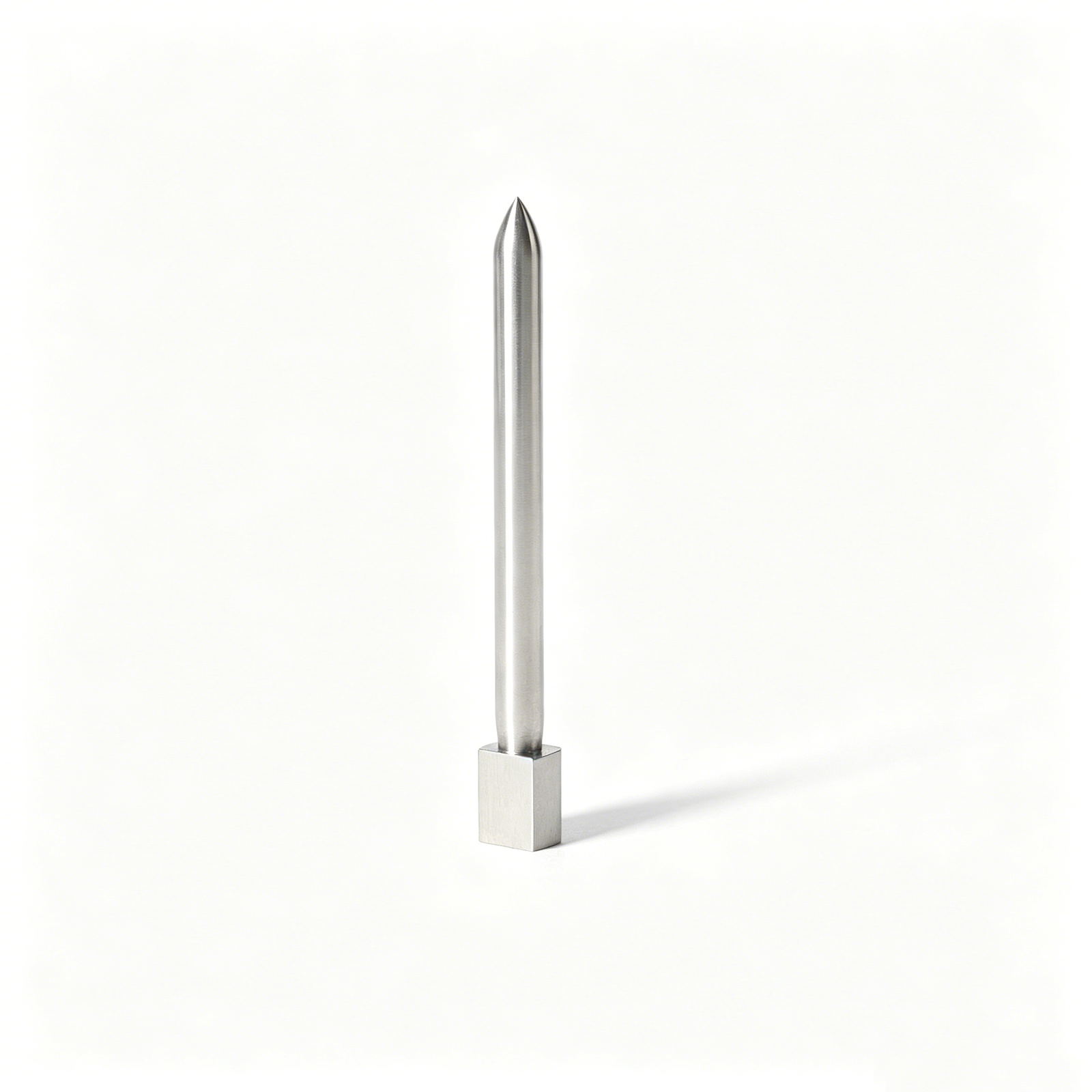
Inspect to the Agreed Plan
Inspection is planned from the drawing and quality requirements, not added after machining. SUUXIANG aligns measurement methods, report expectations and revision records with the order. Project-specific capability, tolerance, material and delivery commitments are confirmed only after the relevant evidence is reviewed.
- Match inspection points to critical dimensions and datums
- Confirm required reports before production release
- Maintain visible revision and delivery coordination

5-Axis CNC Machining: Drawing Review vs. Generic Quotes
Compare the project controls that help align complex part requirements before production begins.
← Swipe left or right to view →
5-Axis CNC Machining: Drawing Review to Inspected Delivery
A controlled route from RFQ review through process planning, precision production, inspection, and delivery coordination.
RFQ and Drawing Review
Submit the 2D drawing, model, material, quantity, delivery target, and inspection needs so SUUXIANG can identify critical dimensions, datums, and missing manufacturing inputs.
DFM and Route Planning
Engineering review evaluates tool access, tolerance stack, setup strategy, heat-treatment sequence, and whether 5-axis CNC machining, EDM, or grinding is appropriate for each feature.
CNC Machining Execution
Approved plans move into CNC milling, turning, or multi-axis machining, with machining allowances and revision-controlled requirements carried through the planned production route.
EDM, Grinding and Fitting
Where needed, wire EDM, sinker EDM, precision grinding, and fitting address fine features, hardened conditions, mating relationships, and specified surface or dimensional priorities.
Inspection Against Requirements
Parts are inspected against the agreed drawing revision and inspection plan, focusing on critical features, documented measurement requirements, and order-specific quality evidence.
Packing and Delivery Coordination
After inspection, packing and shipment coordination follow the confirmed order requirements, with delivery information and relevant documentation kept visible throughout final handoff.
Start Your 5-Axis CNC Machining RFQ
Give our team the technical context needed to review manufacturability, plan inspection, and prepare a responsible production discussion.
Send Your Drawing Package
Upload the 2D drawing and, when available, the 3D model. Include revision status, datum references, and any mating-component context affecting the part.
Define Material and Quantity
Specify material, heat-treatment requirements, quantity, and intended application. This lets the team assess an appropriate machining route, stock condition, and production planning needs.
Identify Critical Requirements
Mark critical dimensions, tolerances, surface requirements, and requested inspection reports. Clarify functional priorities so DFM, machining allowance, EDM, and grinding decisions follow the drawing intent.
Share Your Target Date
Provide the required delivery date and any quality or documentation expectations. SUUXIANG reviews the complete requirement set before discussing quotation and production commitments.
Certifications and Quality Documentation
Customer Reference Policy and Project Evidence
Customer references and project examples are shared only when approval, confidentiality terms, and project relevance have been confirmed.
For a drawing-driven RFQ, request documented DFM feedback on tool access, datum control, and critical features before production release.
For complex tooling work, agree the process route, drawing revision, inspection plan, and delivery documentation before production begins.
5-axis CNC Machining FAQ for RFQ Preparation
Practical answers for drawing-based sourcing, from quotation inputs and inspection evidence to shipping and revision control.
What should I include when requesting a 5-axis CNC machining quote?
Is there a minimum order quantity for 5-axis CNC machining?
How long does 5-axis CNC machining take after I submit drawings?
Can SUUXIANG provide a prototype or first-article sample before production?
How is pricing for 5-axis CNC machining determined?
What inspection reports can be requested with the order?
How are revisions and confidential drawings handled?
What payment and shipping information should I provide for an RFQ?
Complete Buyer’s Guide to 5-axis cnc machining
Use this practical framework to determine when 5-axis machining is justified, compare process and material options, assess supplier capability, control cost drivers, and avoid drawing, tolerance, and sourcing mistakes before production.
1. What Is 5-axis cnc machining?
Three linear axes—X, Y and Z—move the cutter through the work envelope; two rotary axes orient the tool, the workpiece, or both. In 5-axis cnc machining, the process remains subtractive: programmed toolpaths remove material from a blank rather than build the part. Source: https://www.datron.com/resources/blog/what-is-a-5-axis-cnc-machine
Two rotary motions let a shop present several faces and angled features without repeatedly unclamping and refixturing the part. That access can simplify machining of compound contours, deep angled pockets, and features near adjacent walls, while reducing setup-related datum transfer risk. Source: https://www.fictiv.com/articles/articles-5-axis-cnc-machining
One machine with five controlled axes does not, by itself, guarantee a finished-part tolerance. Accuracy depends on machine condition, fixturing, tool reach, material behavior, CAM strategy, inspection datums, and the process route; the buyer should ask whether multi-face access creates measurable value over simpler milling for this drawing.
2. Evolution of Multi-Axis Machining
During the 1940s, aerospace demand for turbine blades and other compound contours helped drive early five-axis development (https://gimbelautomation.com/a/blog/mastering-five-axis-machining-techniques-and-advantages-explained). These systems were specialized, costly, and dependent on highly skilled operators.
By the CNC era, numerical control, servo-driven rotary motion, CAD models, and CAM-generated toolpaths made coordinated machining practical in more shop environments. Table-table, swivel-head, and indexed configurations extended use beyond turbine-style parts to mold inserts, connector tooling, angled features, and complex custom components.
For a 5-axis cnc machining RFQ, the useful question is not whether five axes are available, but whether the drawing needs the proposed access and orientation strategy. Skilled programming still determines tool reach, collision avoidance, stock allowance, datum protection, and how the CAM plan is translated into an inspectable process route.
3. Types of 5-axis cnc machining
Two rotary axes may index between cuts or move while cutting. Select 5-axis cnc machining from required tool access, geometry, fixture clearance, and CAM verification—not axis count alone.
| Route | Axis Behavior | Best Fit | Key Constraint |
|---|---|---|---|
| Indexed 3+2 | Rotaries lock before cutting | Angled faces, holes | Moderate CAM |
| Simultaneous | All axes interpolate | Freeform surfaces | High CAM |
| Trunnion/table-table | Workpiece tilts and rotates | Compact multi-face parts | Envelope clearance |
| Swivel-head | Spindle head pivots | Deep cavities, tall parts | Head collision |
| Mill-turn | C-axis rotation plus milling | Rotational features | Chuck access |
Indexed And Continuous
3+2 machining locks the rotary axes at each angle, fitting angled faces and holes while reducing re-fixturing.
Five-axis continuous machining changes tool orientation during cutting, fitting freeform surfaces but requiring collision-aware toolpaths.
Architecture And Rotational Parts
Trunnion machines rotate the workpiece and favor compact multi-face parts; rotary clearance can limit the envelope.
Swivel-head machines improve deep-cavity access, while mill-turn suits shafts with turned and milled features; head or chuck clearance remains decisive.
4. Materials for 5-axis cnc machining
Six material families dominate drawing-based 5-axis cnc machining decisions: aluminum, stainless, tool steel, titanium, copper alloys, and engineering plastics. Material condition and traceability should be confirmed before CAM release.
| Material family | Suitable uses | Machining considerations | Buyer documentation |
|---|---|---|---|
| Aluminum alloys | Fixtures, housings | Chip control; thin-wall rigidity | Grade and temper |
| Stainless steels | Corrosion-resistant parts | Heat and work-hardening | Grade, condition, certificate |
| Tool steels | Mold inserts, dies | Hardness; EDM and grinding route | Steel grade, heat treatment |
| Titanium and copper alloys | High-strength or conductive parts | Low heat transfer; burr control | Grade and conductivity needs |
| Engineering plastics | Insulators, prototypes | Deflection and thermal expansion | Resin grade and condition |
Toolpath And Heat Control
Aluminum evacuates chips readily, while stainless, titanium, and tool steels retain heat or work-harden; tool engagement, coolant access, and cycle time must reflect this.
Two factors—section rigidity and residual stress—can shift thin-wall dimensions after roughing. Reserve finishing stock and sequence machining around heat treatment when specified.
Documentation Before Release
One material callout should state grade, condition, heat treatment, approved substitution rule, and required mill certificate. Customer-specified materials need availability and traceability review before committing lead time.
Final finishing can alter functional dimensions or mating behavior. Identify coating, polish, passivation, or plating requirements and the inspection datum before production.
5. Part Specifications and Finish Options
2D drawings define acceptance criteria; 3D CAD defines geometry for CAM review. For 5-axis cnc machining, submit both when available and resolve ambiguities before release.
| Finish | Primary Function | Dimensional Or Inspection Concern |
|---|---|---|
| Anodizing | Aluminum corrosion and appearance | Mask threads; inspect after coating |
| Plating | Corrosion, conductivity, appearance | Control buildup on fits and bores |
| Passivation | Stainless corrosion resistance | Confirm material and cleaning method |
| Heat Treatment | Hardness and wear resistance | Plan grinding allowance and hardness verification |
Drawing Requirements
Datums, basic dimensions, GD&T, thread standards, radii, undercuts, and cosmetic boundaries belong on the controlled drawing. Material, hardness, critical surfaces, marking content, and inspection-report requirements should be revision-controlled.
Quotation discussions should confirm CAD format, tool access, edge-break convention, allowable witness marks, and any unspecified finish. A note such as ‘deburr’ is insufficient where mating edges or cosmetic faces differ.
Finish Selection
Coatings change more than appearance: they may add thickness, require masking, alter electrical contact, or complicate measurement. Specify the finished condition for critical dimensions and identify masked threads, bores, datums, and contact zones.
6. Quality Elements in Precision Machining
Quality is built through controlled references, stable cutting, and recorded verification. For 5-axis cnc machining, acceptance criteria should identify datums, dimensions, finish limits, and inspection methods before release.
Fixturing And Machine Stability
Datum A, B, and C should locate the part consistently; an uncontrolled re-clamp can shift cavity inserts, connector features, and die details.
Rigid support, balanced stock removal, and defined clamping zones reduce vibration risk on thin OEM walls and long mold cores.
Cutting Access And Finish
Tool reach-to-diameter ratio, cutter type, and measured runout affect deflection, corner form, and cutter marks. Specify inaccessible radii, permitted tool witness areas, and required surface roughness on the drawing.
0.01 mm matters only when its datum, feature, instrument, and sampling requirement are stated. Burr limits should cover edges near slides, pins, terminals, and mating faces.
Checks And Final Evidence
First-piece and in-process checks should target critical dimensions after the relevant machining, EDM, grinding, or heat-treatment stage.
Final inspection should compare the released revision against the agreed plan, recording measured results, instruments, datum setup, and any nonconformance disposition.
7. Choosing a 5-axis cnc machining Supplier
Two suppliers can quote the same model yet differ materially in DFM depth, fixture control, and inspection evidence. For 5-axis cnc machining, select the process owner, not the lowest initial unit price.
| Evaluation Area | Evidence To Request | Decision Signal |
|---|---|---|
| DFM and CAM | Marked-up drawing, fixture plan | Risks identified before release |
| Materials | Mill or material documents | Lot traceability is defined |
| First Article | Sample report and inspection plan | Methods match critical callouts |
| Capacity | Machine and schedule confirmation | Prototype-to-low-volume path is credible |
Review Engineering Response
Two review outputs should arrive before release: tolerance-feasibility feedback and a process plan identifying datum sequence, tool access, CAM approach, and fixture locations.
One unresolved critical dimension warrants a written disposition before machining; assumptions must be revision-controlled.
- Request a marked-up drawing
- Ask which configuration fits the geometry
- Confirm prototype and low-volume routing
Verify Quality Evidence
Three evidence sets matter: material documents, a sample inspection report, and the first-article plan. Match report methods and measurement points to drawing callouts.
One supplier should explain how heat treatment, EDM, grinding, and final inspection preserve the datum strategy.
- Material traceability record
- Calibration status for inspection equipment
- Relevant mold or connector references
Assess Execution Discipline
Two operational controls expose supplier fit: realistic capacity visibility and revision communication. Ask who confirms machine availability, lead-time changes, packaging requirements, and shipment readiness.
One corrective-action workflow should document containment, root cause, corrective action, and effectiveness for a nonconformance.
- Confirm protective packaging by feature risk
- Request named communication checkpoints
- Define change approval before production
8. Common 5-axis cnc machining Buying Mistakes
Before release, a drawing review should test whether 5-axis cnc machining solves a real access, orientation, or setup-control problem. Unchecked assumptions become cost, delay, or inspection disputes after programming begins.
Specify Geometry, Not Axis Count
Angled features, deep side access, and compound contours can justify five-axis routing; a generic five-axis request may add CAM and machine time. Mark the feature driving access, then ask the supplier to compare indexed and simultaneous routes.
Control Tolerances And Datums
Critical dimensions without datum references or an inspection method invite conflicting setups and reports. Apply tight tolerances only to functional features, identify datum scheme and gage or CMM expectation before release.
Design For Tool And Finish Access
Internal sharp corners and omitted grinding or finishing stock can leave unreachable geometry or undersize finished features. Specify allowable corner radii, surface process, heat-treatment sequence, and stock allowance on the drawing.
Align Revision And Quote Scope
Revision-controlled files, material condition, quantity, reporting, and delivery assumptions must match every quotation. Issue one controlled drawing package and compare like-for-like scope, including inspection, EDM, grinding, finishing, and freight terms.
9. From RFQ to Production Launch
Two controlled files—the released 2D drawing and matching 3D model—should anchor the RFQ. For 5-axis cnc machining, the launch record must connect design intent, quote assumptions, inspection, and later revisions.
Release The Technical Package
Revision identifiers, units, datums, critical dimensions, material, heat treatment, finish, quantity, and delivery target belong in the RFQ.
One application note should identify mating features, cosmetic surfaces, and prohibited datum changes before DFM starts.
Close DFM And Quote Gaps
Three approvals—engineering, procurement, and quality—should reconcile the DFM response with the quotation.
Each exception needs an owner: tool access, workholding, machining allowance, EDM strategy, inspection method, or excluded requirement.
Gate Prototype To Production
One prototype approval should verify fit, function, finish, and agreed deviations before repeat production.
First-article results, pilot-run findings, packaging requirements, and the approved revision form the production-release package.
- Freeze material and finish certificates required
- Approve inspection report format and sampling plan
- Route every drawing change through written revision control
10. 5-axis cnc machining Pricing and Cost
One complete RFQ package—2D drawing, 3D model, quantity, material, heat treatment, and inspection requirements—lets SUUXIANG separate fixed engineering work from recurring machining cost. For 5-axis cnc machining, part envelope, stock form, tool access, simultaneous toolpaths, setup, fixturing, and cycle time typically dominate the route.
Three DFM actions usually lower total cost: apply tight tolerances only to functional features, specify practical internal radii and accessible depths, and combine compatible datums where function permits. Keep surface finish, grinding, EDM, inspection reporting, revision status, and target delivery date explicit; expedite requests may change scheduling and cost.
| Cost driver | Illustrative quote effect | Question to resolve |
|---|---|---|
| Large or inefficient stock | More material removal and machine time | Can stock form or blank size change? |
| Restricted tool access | Longer tools, additional orientations, or EDM | Which features require continuous five-axis motion? |
| Tight tolerances and inspection | More finishing, measurement, and documentation | Which dimensions are critical to function? |
| Low quantity or expedited delivery | Fixed programming and scheduling spread across fewer parts | What quantity tier and delivery date apply? |
Start Your 5-Axis CNC Machining Drawing Review
Send your drawing, material, quantity, critical dimensions, quality expectations, and target delivery date for a technically grounded RFQ discussion.