
Hardened Steel CNC Machining for Precision Parts
Move from drawing review to inspected hardened-steel components through coordinated CNC machining, EDM, grinding and documented quality planning.
Representative Components for Hardened-Steel Machining Review
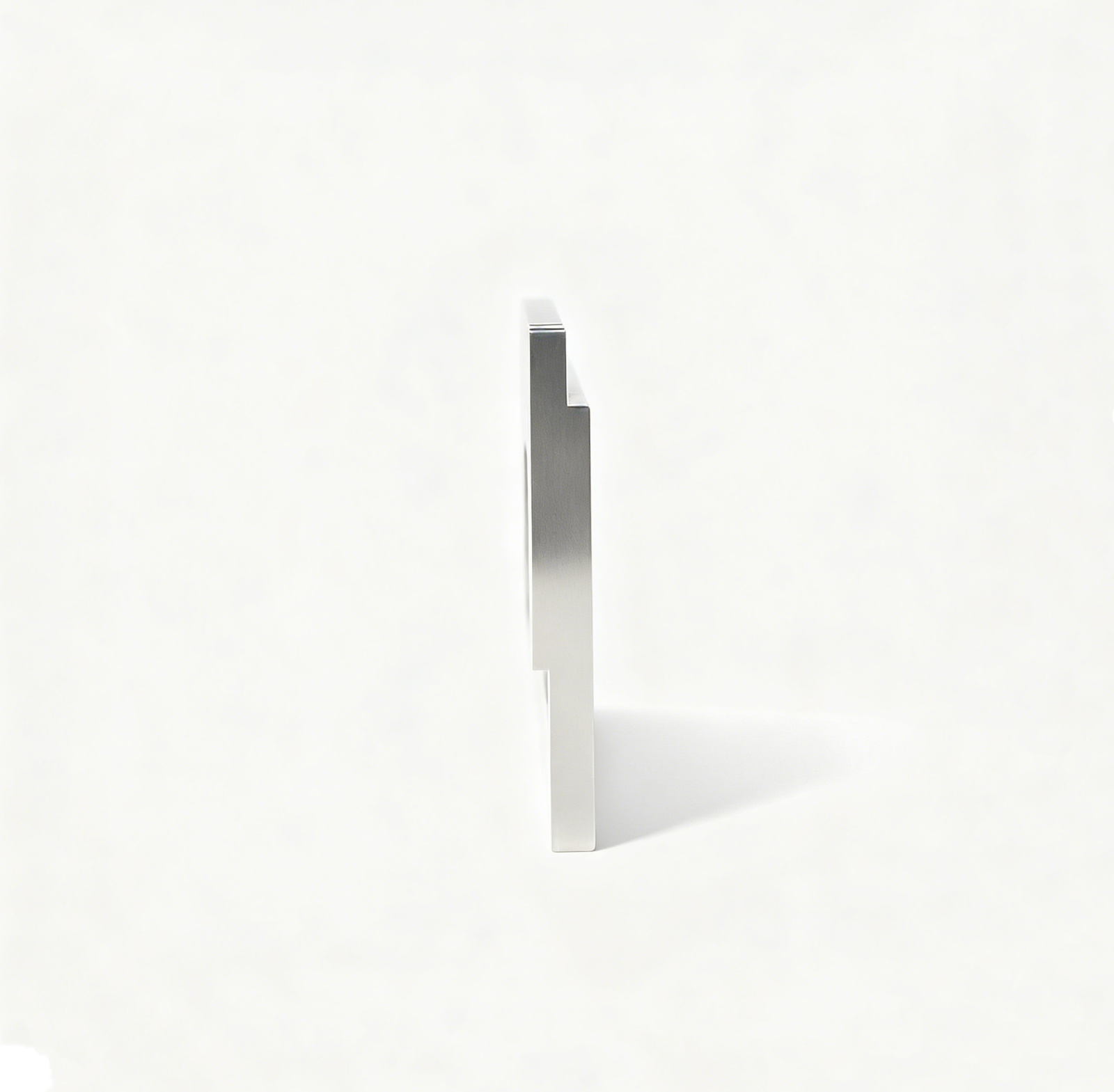


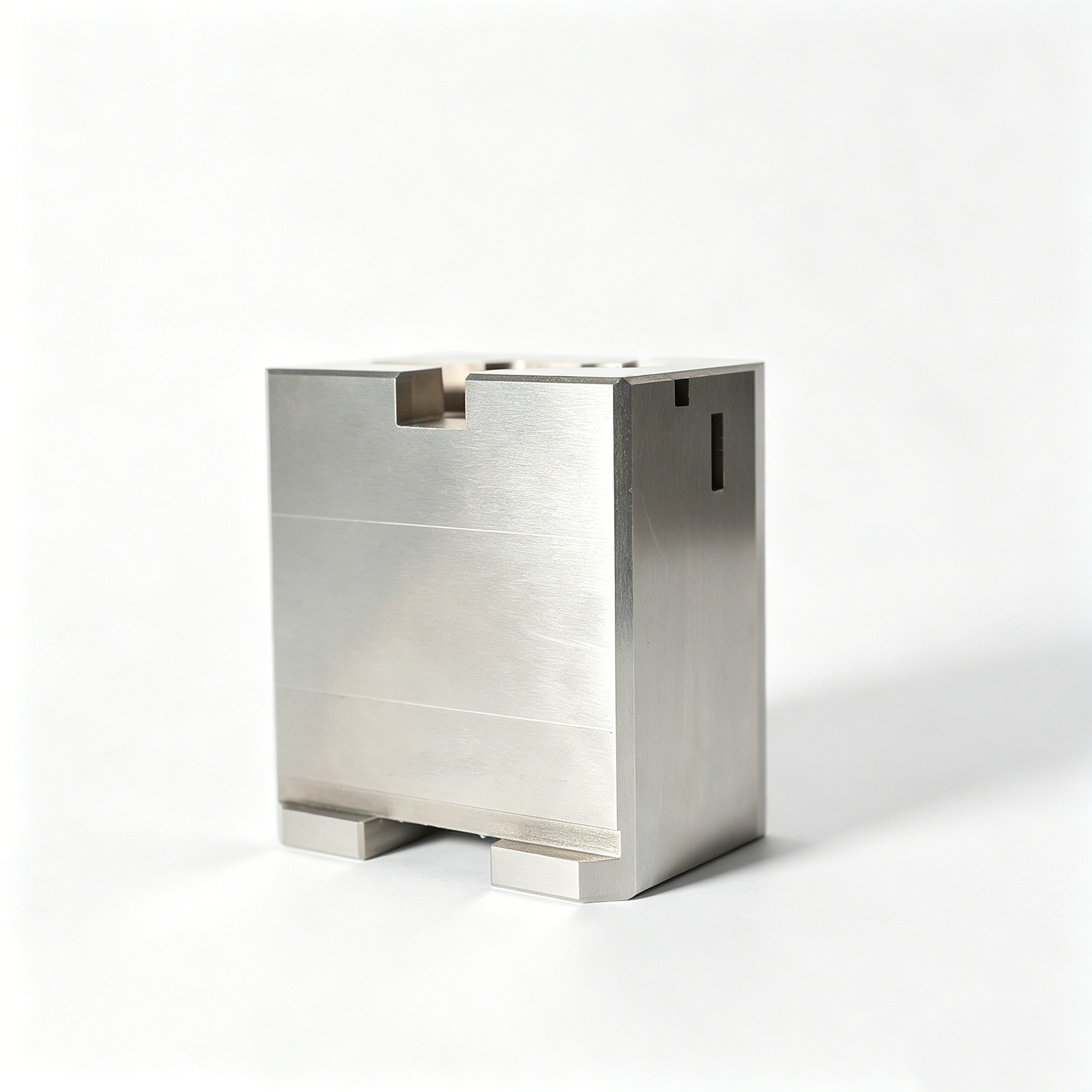

Related Drawing-Based Components for RFQ Review


Why Hardened Steel CNC Machining Needs Process Control
A drawing-led workflow keeps manufacturability, critical features, finishing routes and inspection expectations aligned before production begins.
DFM Before Commitment
Drawing review identifies tool access, datum logic, heat-treatment sequence and likely manufacturing risks before quotation or production commitments are made.
Critical Dimensions Planned
Critical-to-quality dimensions are prioritized with their tolerance relationships, measurement approach and process sequence considered before machining starts.
Coordinated Process Routes
CNC machining, EDM, grinding and fitting are planned together when geometry, hardness and surface requirements require complementary manufacturing methods.
Inspection Matched to Drawings
Inspection planning follows the approved drawing, critical features and reporting needs so final documentation matches the verified order requirements.
Visible Revision Control
Revision status, drawing changes and manufacturing decisions remain traceable, helping teams avoid producing against outdated requirements or assumptions.
Clear Project Communication
Material, quantity, delivery priorities and quality expectations are kept visible throughout coordination, supporting practical decisions when requirements change.
Precision Components for Mold, Die and Connector Tooling
Configurable production families matched to critical dimensions, hardened-steel process routes, inspection requirements and controlled drawing revisions.

CNC Machining Services
Precision CNC machining services for drawing-based parts requiring planned milling, turning, EDM, grinding, fitting and inspection. Submit critical dimensions, datums, material condition, quantity and reporting requirements so the process route can be reviewed before quotation.
Upload a Drawing
CNC Milling
Custom CNC milling services for prismatic mold, die and tooling components with controlled features, pockets, channels and datum surfaces. Drawing review considers tool access, machining allowance, hardness condition, surface requirements and dimensions that may require subsequent EDM or grinding.
Upload a Drawing
CNC Turning
Precision CNC turning services for rotational parts such as pins, sleeves, bushings, shafts and locating elements. Provide diameter tolerances, concentricity or runout requirements, material and heat-treatment condition, plus mating-part context for an appropriate machining and inspection plan.
Upload a Drawing
5-Axis Machining
5-axis CNC machining supports complex contours, angled features and multi-face geometry where fewer setups can improve datum control. Feasibility depends on part size, tool reach, workholding, material condition and the inspection strategy defined from the drawing.
Upload a Drawing
Swiss & Micro Machining
Swiss machining and micro machining support small, slender or detail-intensive components where handling, tool deflection and measurement method matter. Include dimensional priorities, material, quantity, surface needs and any functional relationship to mating connector or mold components.
Upload a Drawing
Wire & Sinker EDM
Wire EDM and sinker EDM services address hardened materials, fine internal profiles, sharp geometry, narrow slots and features with limited cutting-tool access. Electrode design, wire path, flushing, recast-layer considerations and finishing allowance should be reviewed against the drawing.
Upload a Drawing
Precision Grinding
Precision surface and profile grinding is used to establish controlled flatness, parallelism, profiles and final-size features after machining or heat treatment. Define datums, grinding stock, material condition, surface expectations and inspection method before the route is confirmed.
Upload a Drawing
Mold Core & Cavity Inserts
Precision mold core and cavity inserts are produced from drawings and 3D models with attention to shutoff geometry, cooling or venting interfaces, steel condition and critical molding surfaces. CNC, EDM, grinding and fitting are selected according to verified project requirements.
Upload a Drawing
Ejector & Ejection Components
Ejector pins, sleeves and ejection components are configured around fit, clearance, stroke, hardness and wear considerations. Provide the mold drawing, mating dimensions, material or heat-treatment requirements and surface expectations to assess manufacturability and inspection needs.
Upload a Drawing
Core Pins, Guide & Locating Components
Core pins, guide pins and locating components require controlled diameters, positions, engagement geometry and mating relationships. SUUXIANG reviews the datum scheme, tolerance stack, material condition and wear-critical surfaces before selecting machining, grinding and inspection steps.
Upload a Drawing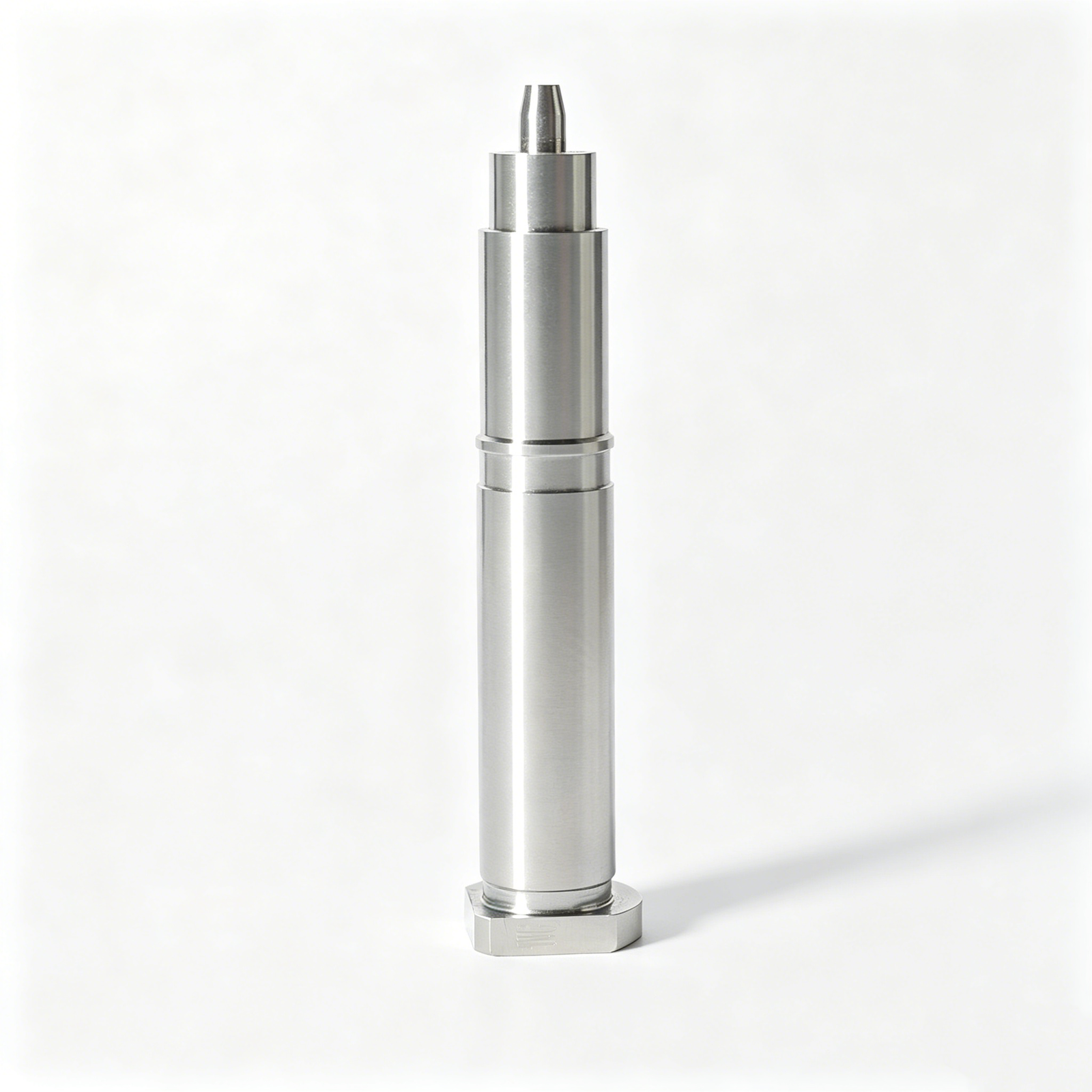
Slides, Lifters, Gates & Mold Accessories
Mold slides, lifters, gates and accessories are drawing-driven components for movement, guiding, shutoff and material-flow functions. Review requires interface dimensions, travel or clearance conditions, steel specification, heat-treatment sequence and any EDM or fitting requirements.
Upload a Drawing
Connector Mold Components
Precision connector mold components support fine-pitch, multi-cavity and mating-feature tooling where positional control and repeatable interfaces are critical. Share part drawings, component relationships, material requirements, critical dimensions, finish needs and planned inspection evidence.
Upload a Drawing
Stamping Die Components
Precision stamping die components include punches, dies, inserts, guide elements and custom wear parts manufactured to drawing-defined geometry. Process planning considers tool steel condition, cutting-edge requirements, clearance relationships, EDM needs, grinding stock and dimensional inspection.
Upload a Drawing
Injection, MIM, CIM & Overmolding Tooling
Injection, MIM, CIM and overmolding tooling components are evaluated as manufacturing work within verified scope, not as a standard catalog. Drawings should identify material, molding interfaces, shrinkage assumptions, critical surfaces, heat treatment, quantity and quality expectations.
Upload a Drawing
Machining Materials
CNC machining materials are selected against drawing requirements, function, machinability, hardness condition, corrosion exposure and downstream processes. Specify material grade, approved substitution rules, certification needs and heat-treatment condition so the quotation reflects the intended production route.
Upload a Drawing
Surface Finishes & Heat Treatment
Surface finishing and heat treatment are planned around function, wear, corrosion resistance, dimensional change and post-treatment finishing needs. State the required process, final hardness or surface condition, masking needs and critical dimensions that require grinding or inspection afterward.
Upload a Drawing
Quality, Metrology & Documentation
Precision inspection, metrology and quality documentation are aligned to the drawing’s critical dimensions, datums, tolerances and agreed reporting plan. Define required measurements, sampling expectations, revision level, material documentation and any first-article or traceability requirements with the RFQ.
Upload a Drawing
Prototyping & Low-Volume Production
Rapid prototyping and low-volume manufacturing support drawing revisions, functional evaluation and controlled pre-production quantities. Provide the 2D drawing, 3D model where available, material, quantity, delivery target, critical dimensions and inspection requirements for a practical feasibility review.
Upload a DrawingHardened Steel CNC Machining Materials Considered During RFQ Review

Prehardened Tool Steel
Often specified for mold plates, inserts and tooling elements needing a practical balance of strength and machinability. The supplied hardness condition, critical dimensions and finishing allowance should be reviewed before committing to milling, EDM or grinding.

Through-Hardening Tool Steel
Considered for wear-focused cores, punches and forming components where heat treatment follows rough machining. Hardening response, distortion risk, datum locations and grinding stock are important inputs for planning the final dimensional route.

Cold-Work Tool Steel
Commonly evaluated for stamping-die and high-wear tooling features exposed to repeated contact. Carbide content and heat-treatment condition can affect cutting strategy, electrode wear and finishing requirements, so the drawing should identify functional surfaces clearly.

Hot-Work Tool Steel
Reviewed for tooling components exposed to elevated temperatures or cyclic thermal loading. Grade selection, hardness target, cooling-feature geometry and surface requirements influence whether machining, EDM and precision grinding can be sequenced appropriately.

Martensitic Stainless Steel
May suit precision components requiring a combination of corrosion resistance and heat-treatable strength. The exact grade, final condition, mating environment and inspection priorities should be defined because machinability and finishing behavior vary by specification.
Hardened Steel CNC Machining, EDM and Grinding Routes

CNC Milling
CNC milling shapes accessible profiles, pockets, contours and multi-axis features before or after heat treatment. The route is considered when tool access, rigidity, stock allowance and critical datums support a controlled cutting strategy.

CNC Turning
CNC turning produces concentric diameters, shoulders, threads and rotational features on pins, sleeves and tooling components. It is considered where datum control depends on rotational geometry and subsequent EDM or grinding allowances must remain available.

Wire EDM
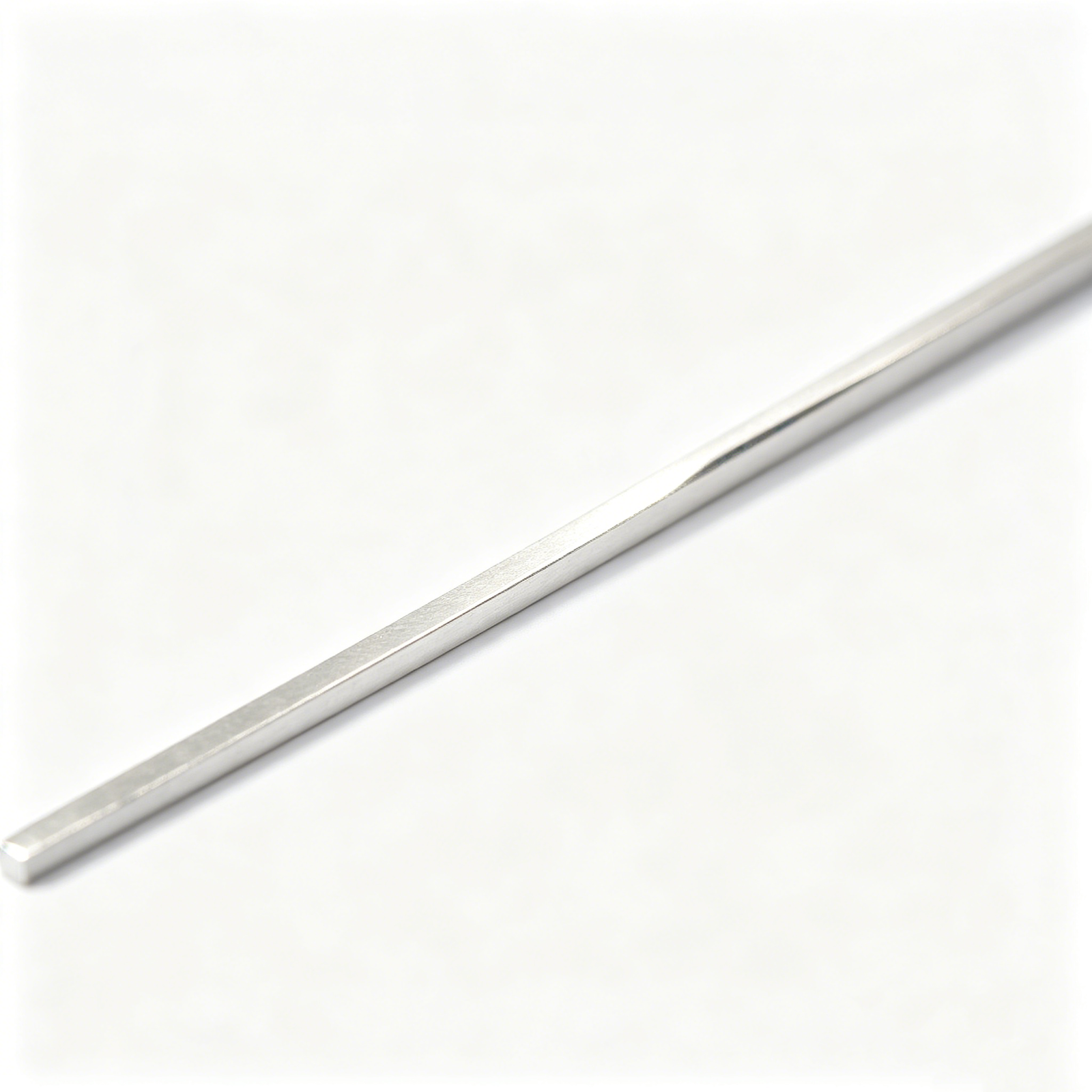
Wire EDM cuts precise profiles, narrow slots and internal contours without conventional cutting forces. It may be considered for hardened steel features where tool reach is limited, corner geometry is critical or a programmed wire path offers better control.
Sinker EDM
Sinker EDM forms deep cavities, sharp internal details and inaccessible geometry using a planned electrode strategy. It is considered when milling cannot reach the feature, while electrode design, finishing allowance and surface requirements are reviewed.

Precision Grinding
Precision grinding refines critical faces, diameters and mating surfaces after machining or heat treatment. This route may be considered where dimensional correction, surface finish, parallelism or controlled grinding stock is necessary for the application.
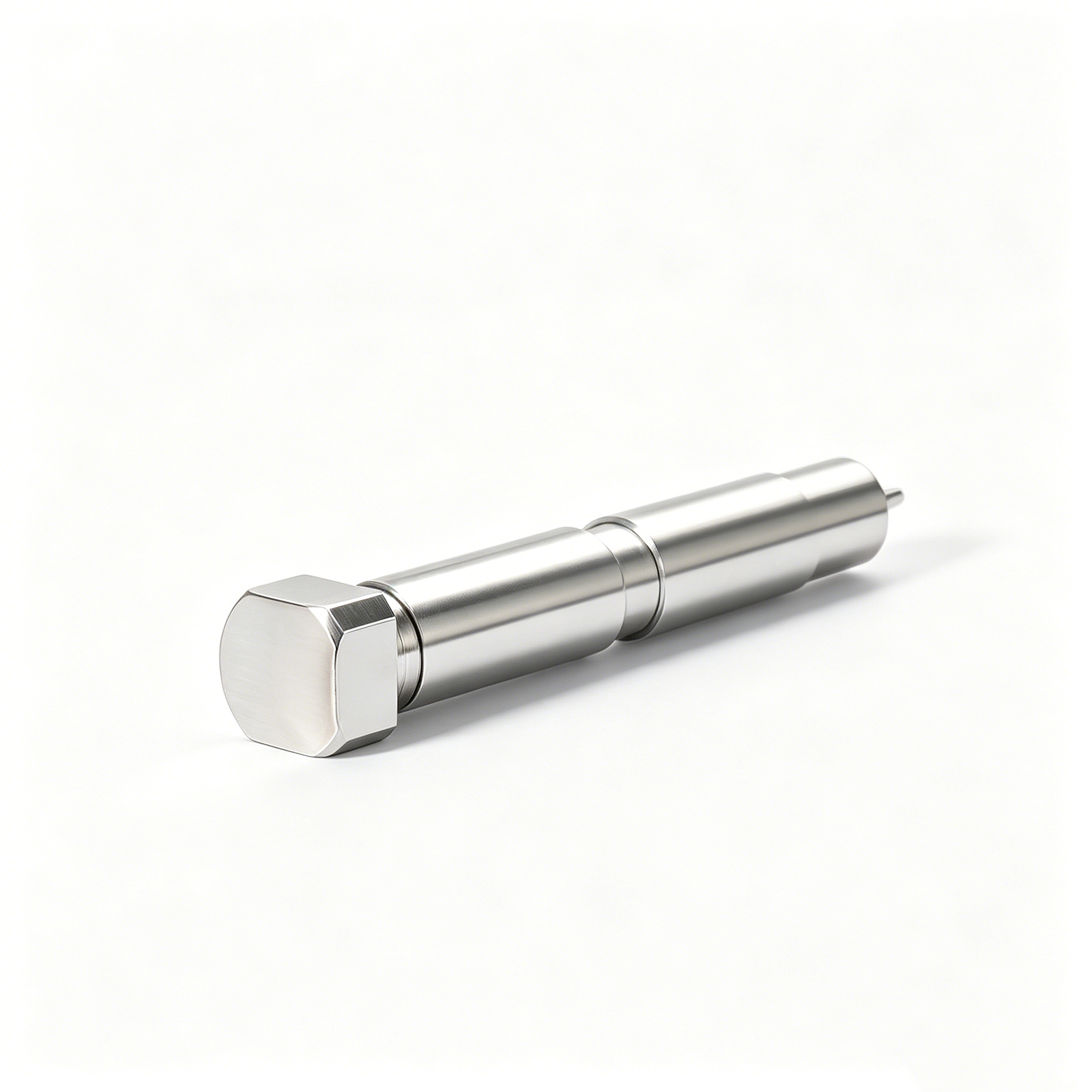
Fitting Inspection
Fitting and inspection verify functional relationships, critical dimensions and documented requirements before delivery. The work is planned around the drawing, datum scheme, mating context and agreed inspection method so revision status remains traceable.
Hardened Steel CNC Machining Accessories We Can Review

Core Pins
Configurable core pins for mold and connector tooling can be reviewed against diameter, working length, tip geometry, material condition, surface requirement and mating-component details before selecting machining, EDM or grinding steps.

Guide Components
Guide and locating components help establish repeatable alignment between tooling elements. Provide datum references, fit requirements, engagement length and wear-critical surfaces so the process route and inspection method can be discussed.

Slides Lifters
Slides and lifters require attention to travel geometry, contact faces, clearance, lubrication context and hardened-condition machining access. SUUXIANG reviews these drawing-defined relationships to identify EDM, grinding and fitting considerations.
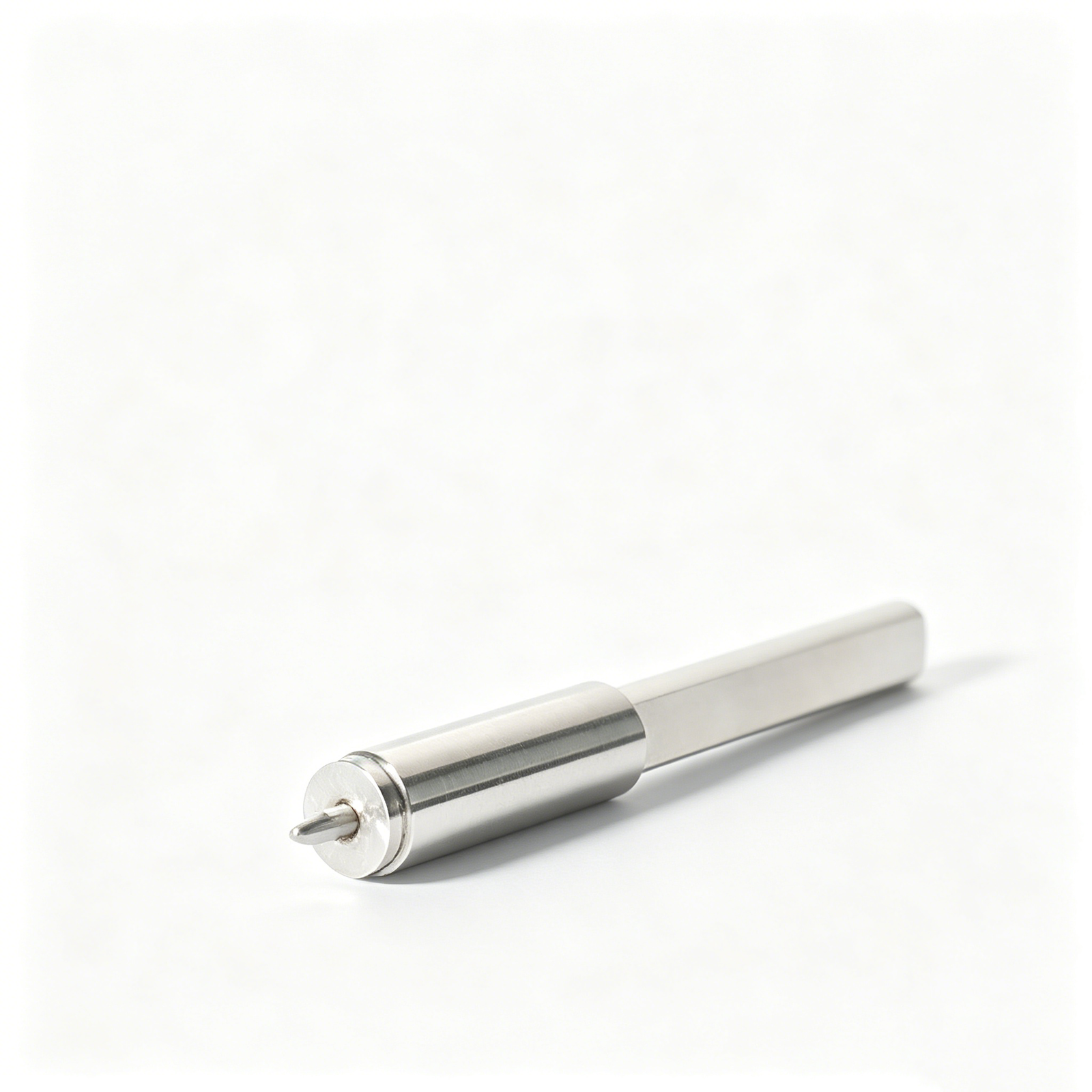
Gates Inserts
Gates and related inserts can be specified around flow-facing geometry, edge condition, surface finish and replacement interfaces. Include application context and critical dimensions to support a practical DFM and inspection discussion.

Ejection Parts
Ejector and ejection parts are reviewed as configurable components, including head form, stem diameter, working surfaces, fit zones and hardness requirements. Clear drawing revisions help maintain traceability through machining and final inspection.
About SUUXIANG Precision Manufacturing
SUUXIANG is the sole public-facing brand of Dongguan SuuXiang Precision Mold Co., Ltd., established in 2010 in Chang’an Town, Dongguan, Guangdong, China. Founder and legal representative XiaoCheng Huang leads the company. We help international engineering, sourcing and quality teams translate drawings and specifications into inspected custom CNC parts, precision mold components, connector tooling and stamping-die components.
Our practical workflow combines CNC milling and turning, multi-axis machining, wire EDM, sinker EDM, precision grinding, fitting and inspection. For hardened steel CNC machining and other drawing-based work, we review material condition, critical dimensions, datum strategy, tool access, EDM needs, grinding allowance and inspection expectations before production commitments.
What differentiates SUUXIANG is disciplined project communication around the details that affect fit, function and delivery. We keep DFM discussion, revision control, process planning and inspection requirements visible, so buyers can evaluate the manufacturing route and provide the evidence needed for a responsible RFQ.

Hardened Steel CNC Machining: From DFM to Inspection
DFM Before Process Commitment
Each hardened steel CNC machining review begins with the drawing, model, material condition, quantity, and functional context. SUUXIANG identifies critical dimensions, datums, access limits, surface priorities, and heat-treatment sequence before proposing a manufacturable process route.
- Confirm material and required heat-treatment condition
- Identify critical-to-quality dimensions and datum relationships
- Review tool access, internal corners, and feature depth
- Align inspection expectations before quotation
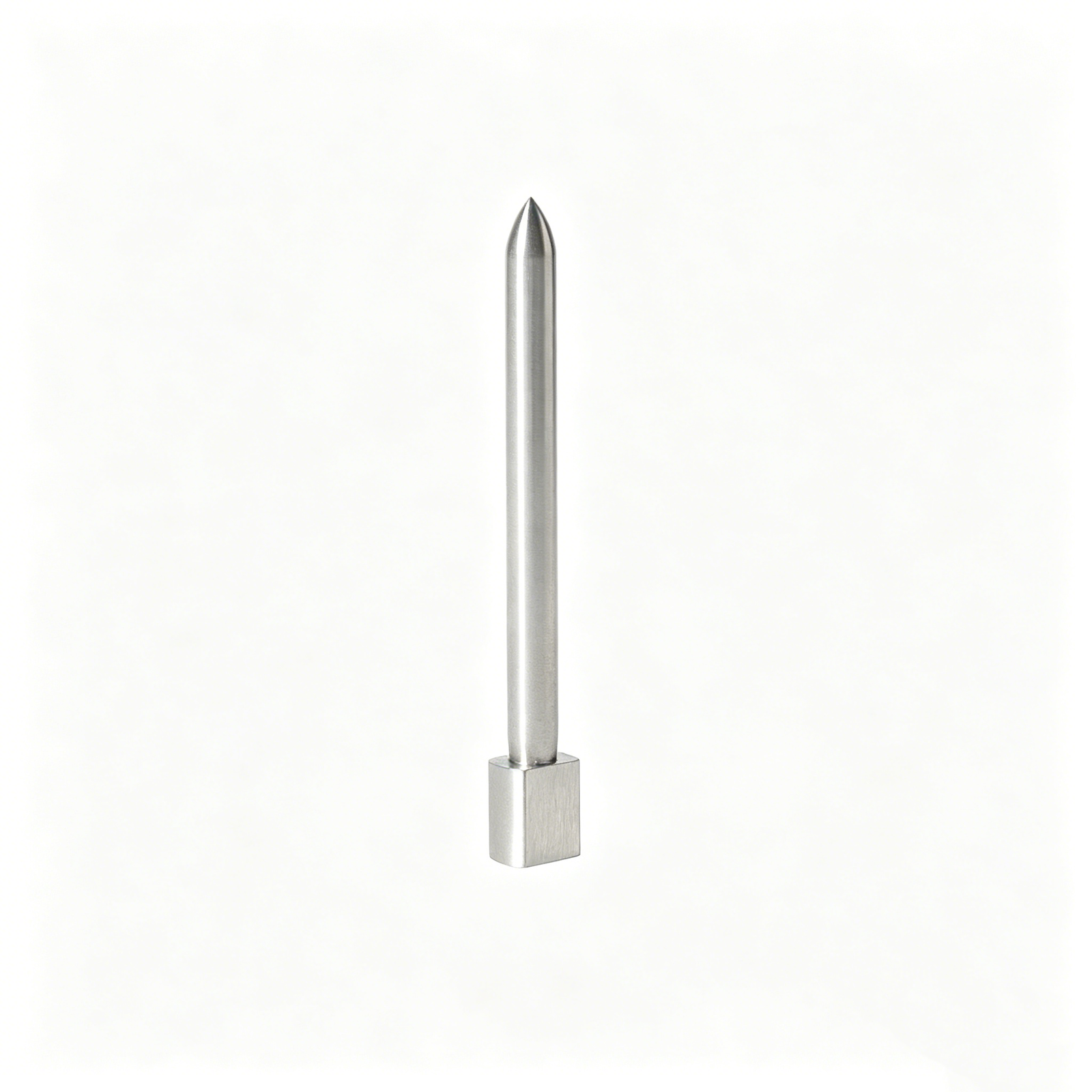
Machining and EDM Strategy
Hard material geometry may require more than a milling program. SUUXIANG reviews where CNC machining, wire EDM, sinker EDM, or a combined route best supports the specified profile, corner condition, access constraint, and dimensional priority.
- Separate milled features from EDM-dependent geometry
- Plan electrode strategy for blind or complex details
- Review wire path and start-hole requirements
- Keep process choices tied to drawing requirements
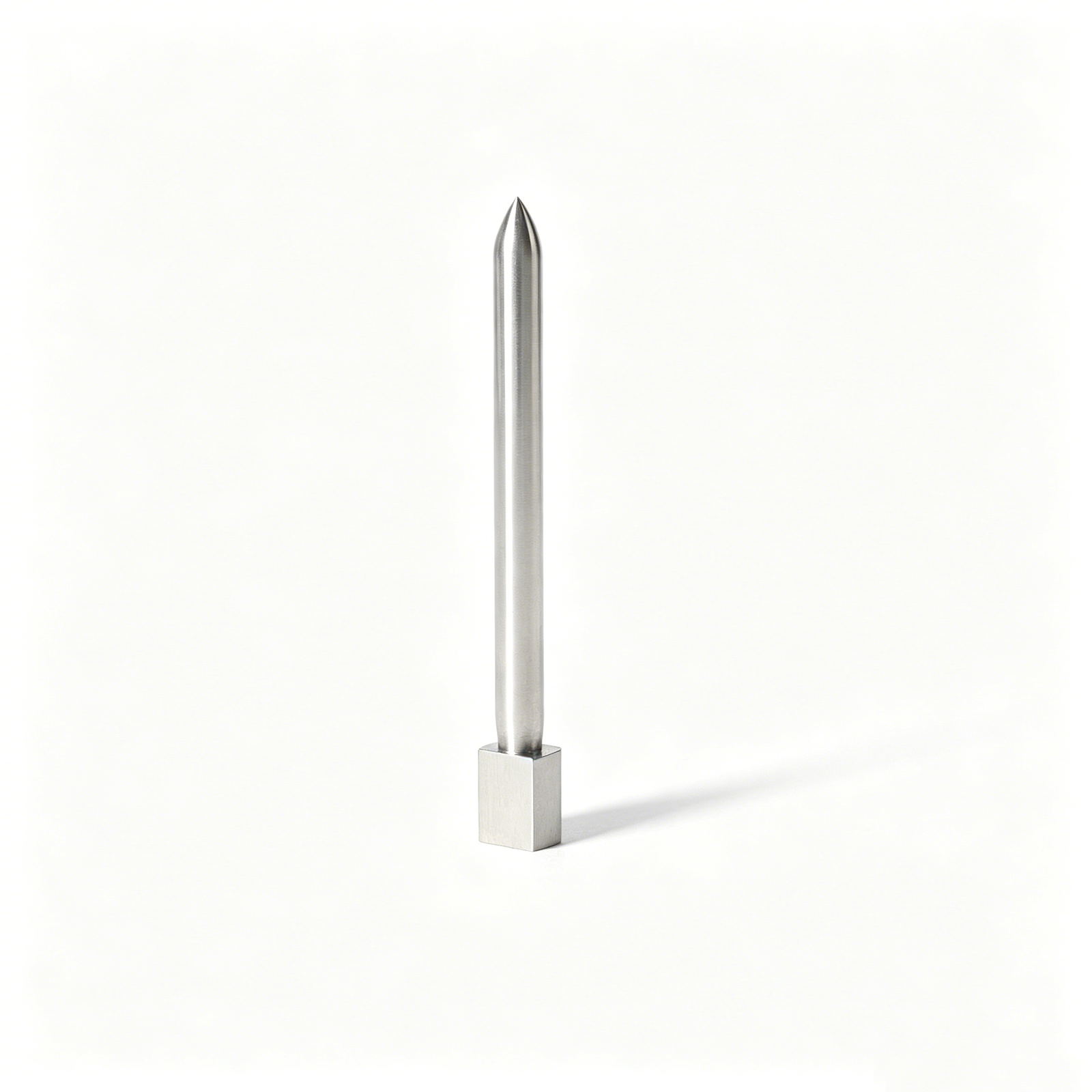
Grinding Stock and Fitting
For hardened steel CNC machining parts with precision interfaces, the process plan must preserve appropriate stock for grinding and fitting. SUUXIANG reviews mating surfaces, locating features, and sequence-dependent dimensions so later operations do not compromise functional relationships.
- Define grinding allowance on critical faces and diameters
- Review mating, locating, and sliding interfaces
- Consider heat-treatment effects in operation sequencing
- Clarify fitting requirements and acceptance criteria

Inspection and Revision Control
Inspection planning should follow the part’s functional risks, not simply list dimensions. SUUXIANG coordinates measurement priorities, reporting needs, drawing revisions, and delivery information so the final documentation corresponds to the agreed order and verified inspection plan.
- Prioritize critical dimensions and measurement methods
- Confirm report format and traceability needs
- Control drawing revisions throughout production
- Match final records to the agreed inspection plan

Hardened Steel CNC Machining for Drawing-Based Tooling Components
Compare an engineering-led review workflow with a generic quote-first approach before releasing hardened steel parts to production.
← Swipe left or right to view →
Hardened Steel CNC Machining Workflow
A drawing-led workflow for planning, producing, inspecting, and coordinating precision steel components.
Drawing and Requirement Review
We review 2D drawings, models, material and heat-treatment requirements, quantities, critical dimensions, datums, surface priorities, inspection expectations, and delivery targets before committing to a route.
DFM and Process Planning
We evaluate tool access, machining allowance, setup strategy, electrode and wire paths, grinding stock, heat-treatment sequence, and revision risks to define a controlled production plan.
Machining, EDM, and Grinding
Teams apply the planned combination of CNC milling, turning, EDM, precision grinding, and fitting, keeping critical features aligned with the approved drawing revision through each operation.
In-Process Verification and Control
Inspection methods follow the agreed plan, with dimensional checks focused on critical features, datum relationships, surface requirements, and any project-specific reporting or traceability needs.
Final Inspection and Delivery
Final documentation is matched to the verified inspection plan, then parts are prepared for packing and delivery coordination according to approved quantities, revision status, and customer requirements.
How Hardened Steel CNC Machining Projects Move Forward
A controlled engagement path for drawing-based precision parts, from requirements review through inspection documentation and delivery coordination.
Submit Your Drawing Package
Send 2D drawings, 3D models when available, material and heat-treatment requirements, quantity, critical dimensions, surface priorities, inspection needs, application context, and target delivery date.
Review DFM and Quotation
SUUXIANG reviews datum strategy, machining access, tolerance risks, EDM or grinding needs, and heat-treatment sequence before defining a practical process route and quotation.
Approve Production Details
Confirm the agreed drawing revision, material condition, critical-to-quality features, sampling requirements, inspection plan, and delivery expectations before production commitments are released.
Coordinate Delivery and Documentation
Production follows the approved route through machining, EDM, grinding, fitting, and inspection, with revision visibility and order-matched documentation coordinated for shipment.
Certifications and Quality Documentation
Hardened Steel CNC Machining: Customer Project Feedback
Approved customer testimonial pending. Publish only after the customer confirms project scope, measurable outcome, attribution, and permission to reference SUUXIANG’s hardened steel CNC machining work.
Approved case study pending. Include the verified material condition, critical dimensions, process route, inspection evidence, delivery result, and a customer-approved numerical outcome before publication.
Approved customer feedback pending. Use only a permissioned statement that identifies the application context and verified results without disclosing confidential tooling geometry, commercial terms, or unsupported performance claims.
Hardened Steel CNC Machining FAQ
Practical answers for drawing-based tooling and precision-component inquiries.
What should I include in an RFQ for hardened steel CNC machining?
Can you quote hardened steel CNC machining before heat treatment is finalized?
What is the MOQ for hardened steel CNC machining parts?
Can SUUXIANG provide samples before a larger production order?
How is lead time evaluated for hardened steel components?
Which materials and heat-treatment details should I specify?
What inspection reports are available for hardened steel CNC machining?
How are shipping, payment, and IP protection handled for custom drawings?
The Complete Buyer’s Guide to Hardened Steel CNC Machining
Use a practical decision framework to specify hardened steel parts, compare capable suppliers, control quality and cost, and avoid sourcing mistakes that cause rework, delays, or premature tooling failure.
1. What Is Hardened Steel CNC Machining?
Hardened steel CNC machining removes material after heat treatment from components such as mold inserts, cores, punches and wear parts. The drawing’s specified material condition—not a generic label—defines the job; the process route must reflect actual hardness, geometry and critical dimensions.
Two production routes are fundamentally different: machine soft stock, leave grinding stock, heat treat, then finish; or machine steel already at final hardness. The second route can avoid distortion introduced after soft machining, but higher cutting forces, cutting-zone heat and abrasive wear require rigid workholding, suitable tools, conservative engagement and a defined finishing strategy.
For drawing-based work, begin with the function of the hardened surface and the risk of post-heat-treatment movement. Specify hardness, datums, tolerances, surface requirements and inspection expectations so the route can be reviewed before production commitments.
2. Evolution of Hardened Steel CNC Machining
Before CNC hard milling, grinding and EDM commonly carried the finishing burden after heat treatment: grinding controlled flat, round, and datum-critical faces, while wire and sinker EDM created narrow slots, sharp internal corners, and inaccessible cavities. That route remains appropriate where geometry demands it, but each transfer and re-clamping can add handling, alignment, and queue time.
Modern hardened steel cnc machining combines rigid machines, stable toolpaths, and heat-resistant coated carbide or CBN tooling to remove material directly in the hardened condition. Three- and five-axis strategies can reach blended surfaces and angled features in fewer setups, provided tool reach, holder clearance, deflection, and residual stock are reviewed from the model and datums.
Inspection-led control now determines whether hard milling replaces, precedes, or complements EDM and grinding. A practical route assigns each critical feature to the process that best controls its form, surface, and access, then verifies it against the agreed inspection method; hybrid planning often protects lead time better than forcing one process across the entire part.
3. Types of Hardened Steel CNC Machining
Six operations are commonly combined in hardened steel cnc machining. Geometry, hardness condition, critical tolerances, and surface requirements determine the route—not a single machine label.
| Operation | Best-Fit Features | Typical Limitation | Likely Follow-Up |
|---|---|---|---|
| Hard milling | Pockets, contours | Tool reach | Grinding or EDM |
| Turning | Shafts, diameters | Rotational geometry | Grinding |
| Drilling/threading | Holes, threads | Deep reach | EDM or tapping |
| Grinding | Flats, diameters | Limited shape freedom | Fitting |
| EDM | Slots, corners, cavities | Electrode or wire path | Polish or grind |
| Multi-axis | Compound faces | Collision planning | EDM or grinding |
Hard Milling And Multi-Axis Access
Three-axis hard milling suits accessible pockets, contours, and mold inserts. Five-axis positioning improves tool access on compound faces, but deep narrow walls may still require EDM.
Turning, Drilling, And Threads
Rotational parts favor precision turning for diameters, shoulders, and concentric features. Small holes and threads need tool reach, engagement, and post-heat-treatment requirements reviewed before release.
Grinding And EDM Finishing
Two finishing routes address features cutting tools cannot reliably finish. Grinding favors datum-critical flats and diameters; wire or sinker EDM favors narrow slots, internal corners, and complex cavities.
4. Hardened Steel CNC Machining Materials
Material selection for hardened steel CNC machining should begin with the part’s failure mode, then be confirmed against the supplied condition and heat-treatment route before tolerances are finalized.
| Grade | Typical Condition | Key Balance | Typical Use |
|---|---|---|---|
| D2 | Hardened | High wear; lower toughness | Die inserts |
| H13 | Hardened | Hot strength; toughness | Cores, cavities |
| A2 | Hardened | Wear; dimensional stability | Punches, gauges |
| O1 | Hardened | Fine edge; oil quench | Small tools |
| 4140/4340 | Quenched-tempered | Strength; toughness | Slides, shafts |
| 52100 | Hardened | Very high wear | Bearing features |
| 17-4PH | Aged | Corrosion; strength | Corrosive-service parts |
Material Comparison
D2 and 52100 prioritize abrasive-wear resistance; H13 and 4340 better tolerate shock loading.
17-4PH is appropriate when corrosion resistance and strength matter, subject to the specified aging condition.
Selection By Failure Mode
D2, A2, and O1 suit cutting, forming, and precision tool details; their heat-treatment distortion risk requires allowance planning.
H13 suits hot-work tooling, while 4140/4340 suit loaded shafts, slides, and machine components where toughness is important.
Drawing And Order Data
Each purchase order should state a recognized material standard, mill condition, required final hardness, and heat-treatment responsibility.
Critical drawings should identify datums, hardness-test location, corrosion environment, grinding stock, distortion limits, and inspection-report requirements.
5. Surface Finishes and Functional Customization
Surface treatment for hardened steel cnc machining is a functional specification, not decoration. Define the surface, edge, and protected area against the part’s datum scheme and mating condition.
| Method | Functional Effect | Drawing Or Inspection Focus |
|---|---|---|
| Grinding | Fit, geometry, friction | Ra, datum, stock |
| Polishing | Release, appearance, friction | Ra, direction, area |
| Coating | Wear or corrosion protection | Type, thickness, masked faces |
| Deburring | Safe edges, assembly fit | Edge limit, burr location |
| Laser marking | Traceability | Content, location, legibility |
Specify Surface Function
Ra values should be assigned to the functional face, not broadly to every surface. Grinding can improve fit and geometry; polishing may reduce friction or aid mold release, subject to the mating material and inspection method.
- Identify the controlled face and datum.
- State Ra, lay direction, and measurement location.
- Mask threads, fits, and sealing lands when required.
Control Edges And Marks
0.05 mm or similar edge-break limits need a defined location and whether sharp edges are retained. Deburring prevents handling damage; controlled radii can protect assemblies, while laser marks must avoid stressed, sealing, or sliding surfaces.
- Call out burr direction on critical holes.
- Define marking content, location, and permanence.
- Protect functional surfaces during finishing and packing.
Select Protection By Exposure
Coating and corrosion protection require the intended environment, thickness allowance, and any post-treatment inspection requirement. Texturing should state the pattern area and release objective because it can change appearance, friction, and fit.
6. Quality Elements in Hardened Steel CNC Machining
Two controls protect hard-part function before final inspection: a datum plan tied to mating features and a process route that preserves it. In hardened steel CNC machining, quality is built through setup, heat, finishing, and measurement decisions.
Datum And Setup Control
One primary datum scheme should identify locating faces, critical axes, and features measured from each setup. Rigid fixturing and planned tool access reduce deflection, repositioning error, and inaccessible geometry.
Two-stage machining should reserve appropriate stock for grinding or EDM where those processes establish final functional surfaces. The drawing review should also flag thin walls, deep pockets, and features vulnerable to residual-stress movement.
Surface And Thermal Discipline
Three process risks require explicit review: heat accumulation, burrs at intersecting features, and surface damage from unstable cutting. Tool engagement, coolant approach, deburring method, and finish requirements should be linked to the critical surfaces.
One post-heat-treatment plan should confirm whether machining, EDM, or grinding can alter a sealing, sliding, or mating interface.
Inspection Evidence To Request
Five evidence items make acceptance criteria traceable: material certificate, hardness-verification result, first-article record, CMM report, and gauge plan. Each record should identify the drawing revision, measured datums, instrument or gauge, sampling basis, and any disposition of out-of-tolerance results.
One gauge strategy should distinguish functional plug, pin, thread, or profile checks from CMM measurement, especially where the mating part defines performance.
7. How to Choose a Hardened Steel CNC Machining Supplier
2D drawings alone are insufficient to qualify a hardened steel cnc machining supplier. Compare how each candidate converts critical features, hardness condition, and datum scheme into a documented process and inspection plan.
| Area | RFQ Question | Evidence |
|---|---|---|
| Engineering | How are CTQs linked to datums? | Review plan |
| Process | What changes after heat treatment? | Route and allowances |
| Quality | How are revisions controlled? | Traceable records |
Test Engineering Understanding
Three RFQ questions expose engineering depth: Which datums govern critical features, which operations occur before and after heat treatment, and where is grinding stock reserved? Ask for comparable material, hardness-condition, and geometry evidence—not a generic capability list.
Verify Process And Measurement Fit
Four controls should align before award: machine rigidity and tool access, CNC/EDM/grinding route, heat-treatment handoff, and metrology method. Require the supplier to identify risks for thin walls, deep cavities, small radii, and post-hardening distortion.
Control Delivery And Revisions
One controlled revision record should connect drawing version, inspection report, deviation approval, and shipment label. Confirm capacity assumptions, milestone communication, protective packaging, and the quality documents supplied with each lot.
8. Common Hardened Steel CNC Machining Mistakes
7 release errors repeatedly create avoidable rework in hardened steel cnc machining. Resolve them during drawing review, before material purchase, heat treatment, and programming are committed.
Specify Material And Hardness
1 material callout must state grade, delivery condition, target hardness, and heat-treatment sequence. Omitting these can produce mismatched toughness, distortion risk, tool selection, and inspection criteria.
2 actions prevent this: tie the grade and hardness range to the functional load, wear, corrosion, and mating-part requirements; then request material and heat-treatment evidence where required.
Make Tolerances Manufacturable
3 drawing controls need functional datums, realistic tolerance zones, and accessible internal radii. Blanket tight tolerances, undefined datum relationships, or sharp unreachable corners increase setups, EDM dependence, and inspection ambiguity.
4 buyers should identify CTQ features, relax nonfunctional dimensions, define datum precedence, and confirm cutter access and minimum radii during DFM review.
Validate Process And Function
5 feature types rarely share one optimum route: hard milling, wire EDM, sinker EDM, grinding, and fitting address different geometry and finish needs. Assuming one process fits every feature can leave poor access, residual stock, or an unsuitable surface.
6 sample approval should include functional mating checks, not dimensions alone. Verify assembly, motion, contact pattern, critical measurements, revision status, and the agreed inspection record before release.
9. Steps to Launch a Precision Part Program
One controlled launch aligns the drawing, material condition, process route, and acceptance evidence before volume commitment. For hardened steel cnc machining, each gate should close with a recorded owner and revision.
Define Functional Requirements
Gate 1: Engineering defines application loads, mating interfaces, datums, critical dimensions, and permissible surface condition.
Gate 2: SUUXIANG reviews tool access, EDM or grinding needs, heat-treatment sequence, and manufacturability risks.
- Engineering owns released models and drawings
- Program management owns timing and change decisions
Approve The Technical Package
Gate 3: Quality agrees inspection methods, sampling expectations, reporting format, and traceability requirements.
Gate 4: Procurement confirms quantity, commercial terms, delivery target, and the approved material and heat-treatment specification.
- Include 2D drawing and 3D model
- Identify revision level and critical features
Qualify Before Production Release
Gate 5: A prototype or first article verifies dimensions, functional interfaces, and documented deviations before pilot quantity.
Gate 6: Program management releases production only after pilot-lot acceptance; later changes require a new revision review.
- Retain approved inspection records
- Communicate revision changes before machining
10. Hardened Steel CNC Machining Pricing and Lead Time
One hardened steel cnc machining quotation should be request-specific: the drawing defines machining time more reliably than a catalog rate. Steel grade and delivered hardness, geometry, tolerance zones, surface finish, and required inspection each change the route.
Two process decisions often reset both price and schedule: heat treatment before versus after machining, and whether wire EDM, sinker EDM, grinding, fitting, or coating is required. Quantity can amortize setup, but it does not remove critical-feature inspection.
Three buyer actions protect function while reducing cost: mark CTQ dimensions and datums, permit broader nonfunctional tolerances, and consolidate revisions before release. SUUXIANG can quote after reviewing the drawing, material condition, quantity, delivery target, and documentation request.
| Request band | Typical route | Cost and lead-time effect |
|---|---|---|
| Simple | Accessible milling; limited finishing | Lower setup and cycle-time burden |
| Moderate | Multiple setups; selective grinding or EDM | More programming and inspection planning |
| Complex | Deep features; tight interfaces; EDM, grinding, fitting | Highest coordination and verification burden |
Start Your Hardened Steel CNC Machining Review
Upload your drawing with material, quantity, critical dimensions, quality expectations and target delivery date for a focused project review.