
High-Speed CNC Machining for Precision Parts
Send your drawing for high-speed CNC machining planned around critical dimensions, process access, and inspection requirements.
Representative High-Speed CNC Machining Components
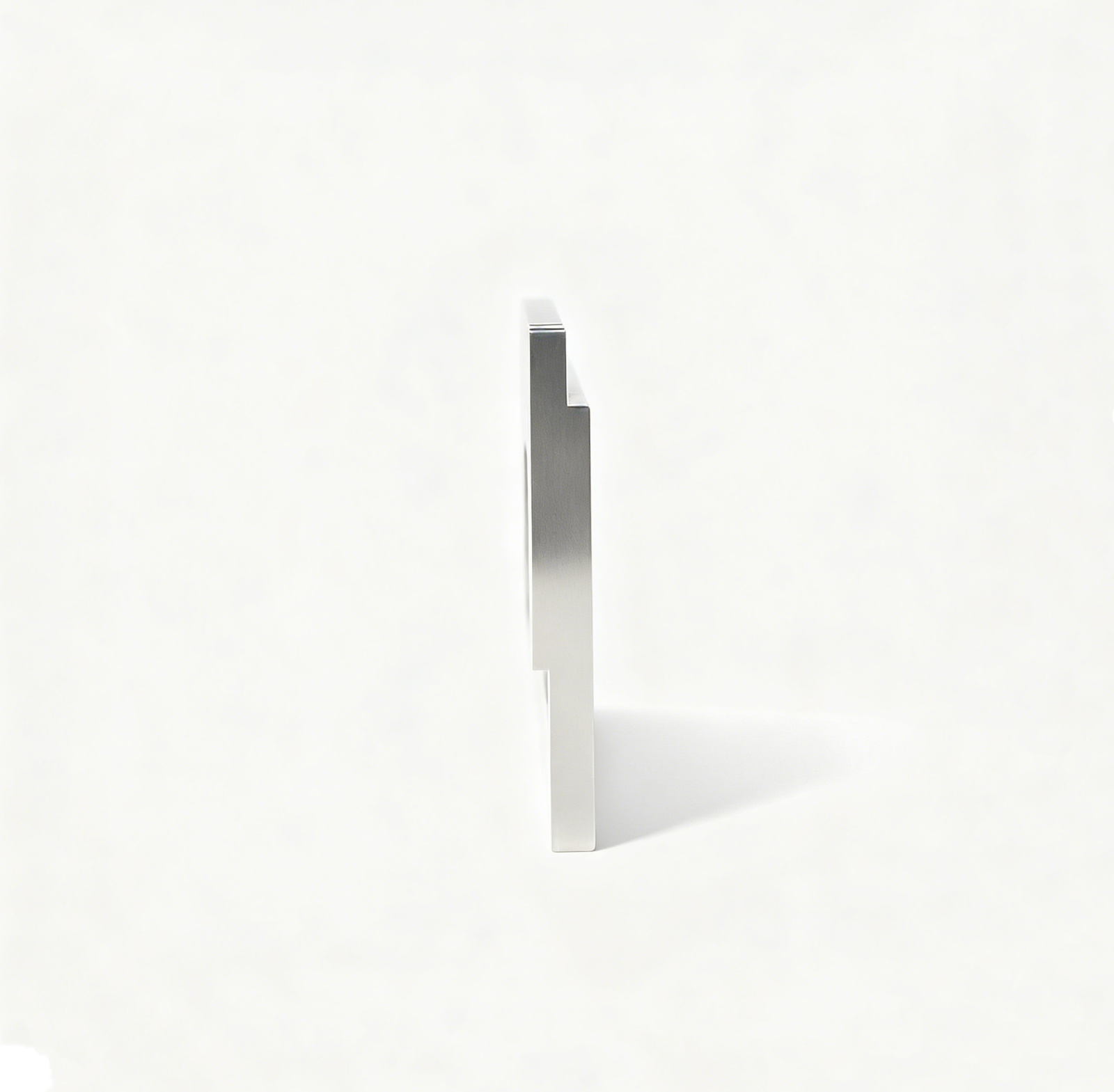


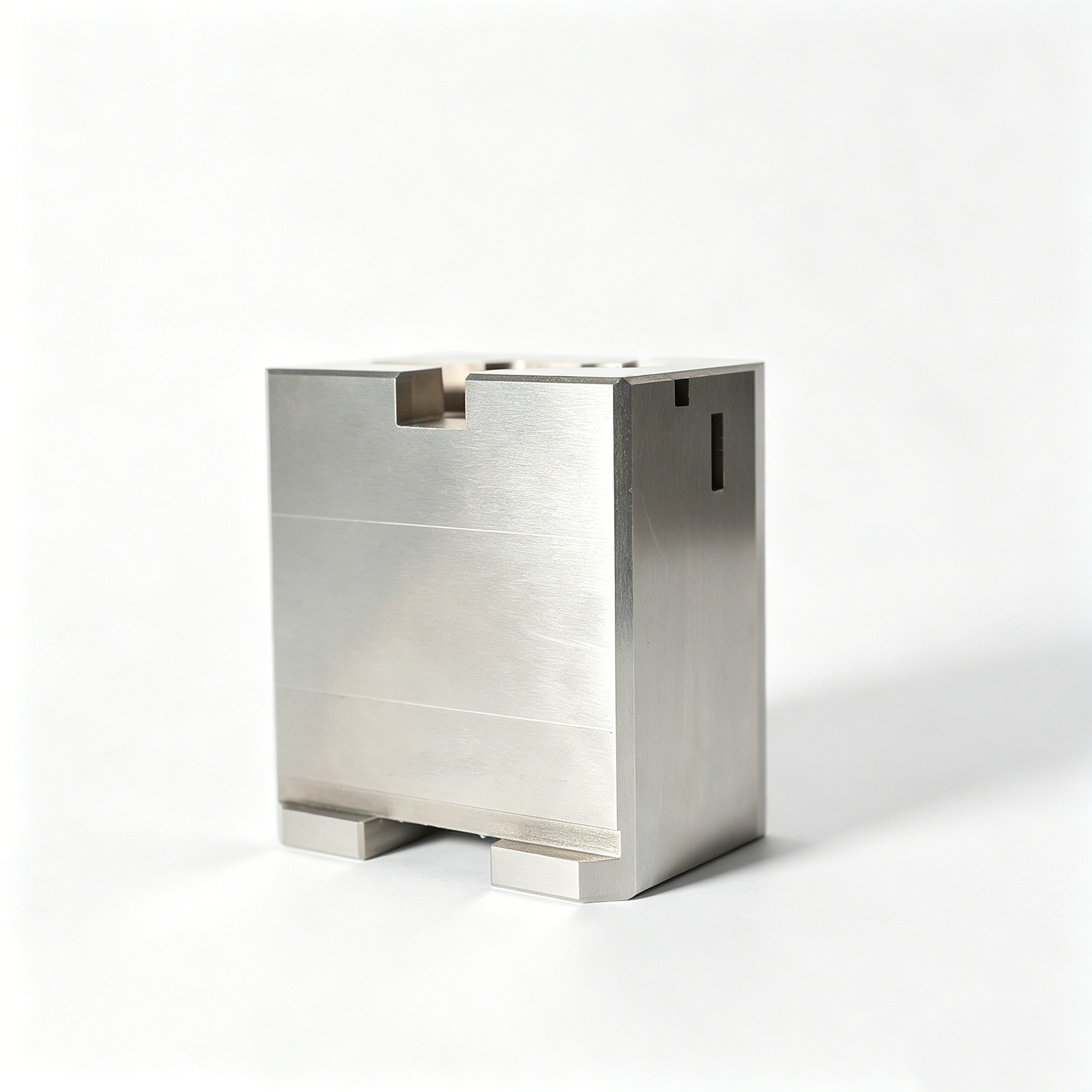

Related Components and Drawing-Based Quotations


High-Speed CNC Machining Controls for Critical Dimensions
SUUXIANG reviews the drawing, routes the process, and aligns inspection evidence before production commitments are made.
Drawing Review First
We identify critical dimensions, datums, surface requirements, and machining-access constraints before quotation or production planning begins.
DFM Risk Checks
DFM discussion addresses tolerance stack, tool access, workholding, and feature geometry so manufacturability questions are visible early.
Process Route Planning
High-speed CNC machining is assessed alongside EDM, grinding, fitting, and heat-treatment sequence according to drawing requirements.
Inspection Planning
Critical features are linked to suitable inspection methods, reporting expectations, and order-specific documentation before final acceptance.
Revision Control
Drawing revisions, manufacturing changes, and delivery information remain visible throughout the project to reduce avoidable ambiguity.
Traceable Communication
Technical decisions are documented around material, quantity, quality requirements, and delivery priorities for clearer cross-border coordination.
Drawing-Driven Precision Part Families
Select the process route and component family that fit your drawing, then align critical dimensions, material, inspection, quantity, and delivery requirements before production.

CNC Machining Services
Precision CNC machining services for drawing-based custom parts, planned around material, datums, critical dimensions, tool access, surface requirements, and inspection needs. Suitable process routes are confirmed through DFM review before quotation or production commitment.
Upload a Drawing
CNC Milling
Custom CNC milling services for prismatic, contoured, and feature-rich parts requiring controlled machining access. Drawing review addresses datum definition, pocket depth, wall geometry, corner conditions, fixture strategy, machining allowance, and inspection approach.
Upload a Drawing
CNC Turning
Precision CNC turning services for rotational parts with controlled diameters, shoulders, threads, grooves, bores, and concentric features. SUUXIANG reviews datum selection, turning access, material condition, tolerances, surface priorities, and any secondary machining requirements.
Upload a Drawing
5-Axis Machining
5-axis CNC machining supports complex surfaces and multi-face features that benefit from reduced setups and improved tool approach. Feasibility depends on geometry, material, tolerance stack, fixture access, tool reach, surface requirements, and the agreed inspection plan.
Upload a Drawing
Swiss & Micro Machining
Swiss machining and micro machining support small, slender, and detail-intensive components where feature stability and handling matter. Each drawing is reviewed for diameter-to-length relationship, material behavior, tool access, critical dimensions, deburring needs, and measurement method.
Upload a Drawing
Wire & Sinker EDM
Wire EDM and sinker EDM services address intricate profiles, narrow slots, sharp internal geometry, hardened materials, and features with limited conventional tool access. Process planning considers wire path or electrode strategy, flushing, recast-layer requirements, finishing allowance, and inspection criteria.
Upload a Drawing
Precision Grinding
Precision surface and profile grinding supports controlled flatness, parallelism, profile accuracy, and finished dimensions on appropriate parts. The planned route considers heat-treatment sequence, grinding stock, datum strategy, wheel access, surface requirement, and measurement method.
Upload a Drawing
Mold Core & Cavity Inserts
Precision mold core and cavity inserts are manufactured from customer drawings and models with attention to parting geometry, cooling or feature access, material and heat-treatment requirements, EDM strategy, grinding allowance, fitting interfaces, and critical inspection dimensions.
Upload a Drawing
Ejector & Ejection Components
Ejector pins, sleeves, and ejection components are configurable drawing-based parts for mold ejection systems. Review focuses on running fit, concentricity, hardness and surface requirements, engagement length, mating components, lubrication considerations, and inspection of functional dimensions.
Upload a Drawing
Core Pins, Guide & Locating Components
Core pins, guide pins, bushings, and locating components are planned around their mating relationships and datum scheme. SUUXIANG reviews fit class, alignment function, wear surfaces, material and heat-treatment requirements, grinding needs, and critical dimensional verification.
Upload a Drawing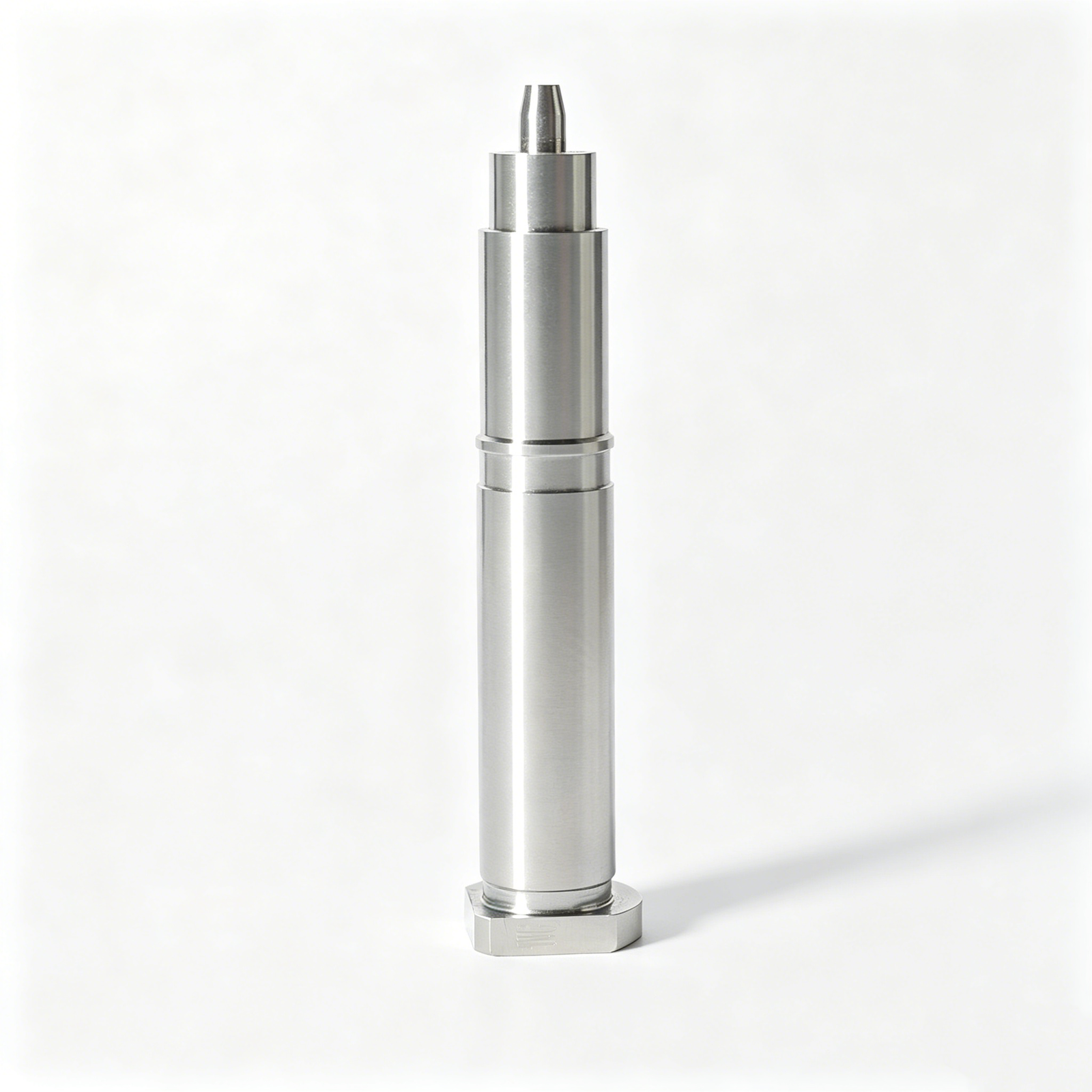
Slides, Lifters, Gates & Mold Accessories
Mold slides, lifters, gates, and accessories are produced as configurable components rather than assumed stock items. Production planning considers travel and interface geometry, wear and contact surfaces, machining access, EDM features, fitting requirements, and assembly-critical dimensions.
Upload a Drawing
Connector Mold Components
Precision connector mold components support drawings with fine-pitch, multi-cavity, insert, or mating-feature requirements. Review covers material selection, feature accessibility, pin and cavity relationships, EDM or grinding needs, dimensional control, inspection expectations, and revision traceability.
Upload a Drawing
Stamping Die Components
Precision stamping die components are made to drawing-defined geometry and functional interfaces. Planning considers material and heat treatment, punch or die profile, clearance-related features, wear surfaces, grinding stock, EDM requirements, assembly fit, and inspection documentation.
Upload a Drawing
Injection Mold Components, MIM, CIM & Overmolding Tooling
Injection, MIM, CIM, and overmolding tooling components are evaluated within verified production scope. A responsible review examines molding function, material and heat-treatment requirements, core and cavity geometry, venting or gate-related features, EDM access, fitting, and inspection priorities.
Upload a Drawing
Machining Materials
CNC machining materials are selected from the customer’s specified grade, condition, and application requirements where supported by project evidence. RFQs should identify material standard, heat-treatment state, traceability needs, corrosion or wear conditions, and any required material documentation.
Upload a Drawing
Surface Finishes & Heat Treatment
Surface finishing and heat treatment are planned as part of the dimensional route, not added after machining without review. Specify required finish, hardness, coating or treatment standard, cosmetic boundaries, masking needs, post-treatment grinding allowance, and verification requirements.
Upload a Drawing
Quality, Metrology & Documentation
Precision inspection, metrology, and quality documentation are aligned to the drawing and agreed inspection plan. Define critical dimensions, datums, sampling or full-inspection expectations, report format, revision status, material records, and any customer-specific traceability requirements before release.
Upload a Drawing
Prototyping & Low-Volume Production
Rapid prototyping and low-volume manufacturing support controlled drawing-to-part work when quantities, revisions, and delivery priorities are clearly defined. Provide models, drawings, material, critical dimensions, quality expectations, target date, and application context for an informed feasibility review.
Upload a DrawingMaterials for High-Speed CNC Machining

Tool Steels
Used for mold cores, cavity inserts, slides, and wear-focused tooling components. Tool steel selection affects machinability, heat-treatment sequence, EDM strategy, and grinding stock; specify the required grade, hardness condition, and critical surfaces in the RFQ.

Stainless Steels
Often selected for corrosion-resistant components, connector tooling, and precision assemblies exposed to moisture or process media. Grade, material condition, surface requirement, and any passivation need should be reviewed alongside feature geometry and tolerance priorities.

Aluminum Alloys
A practical option for lightweight fixtures, prototype parts, housings, and selected mold-related components. Alloy and temper influence cutting behavior, thread strength, finishing choices, and dimensional stability, so confirm the intended application before process planning begins.

Copper Alloys
Used where thermal or electrical performance matters, including selected electrodes, inserts, and connector-related parts. Copper alloy grade influences tool wear, burr control, surface condition, and inspection method; provide conductivity, hardness, and mating-part requirements where relevant.

Engineering Plastics
Suitable for selected prototypes, fixtures, insulating components, and low-load functional parts. Polymer grade affects stiffness, moisture response, burr formation, and dimensional behavior; identify the operating environment, critical dimensions, and any material-certification requirement during quotation review.
High-Speed CNC Machining and Supporting Processes

CNC Milling
CNC milling establishes prismatic features, pockets, contours and datum relationships using programmed toolpaths. High-speed CNC machining may be evaluated where geometry, material condition, workholding and finish requirements support a controlled cutting strategy.

CNC Turning
CNC turning produces rotational diameters, shoulders, bores and threaded features with controlled concentricity to the specified datum scheme. It can be paired with downstream milling, EDM or grinding when the drawing requires additional precision features.

Wire EDM
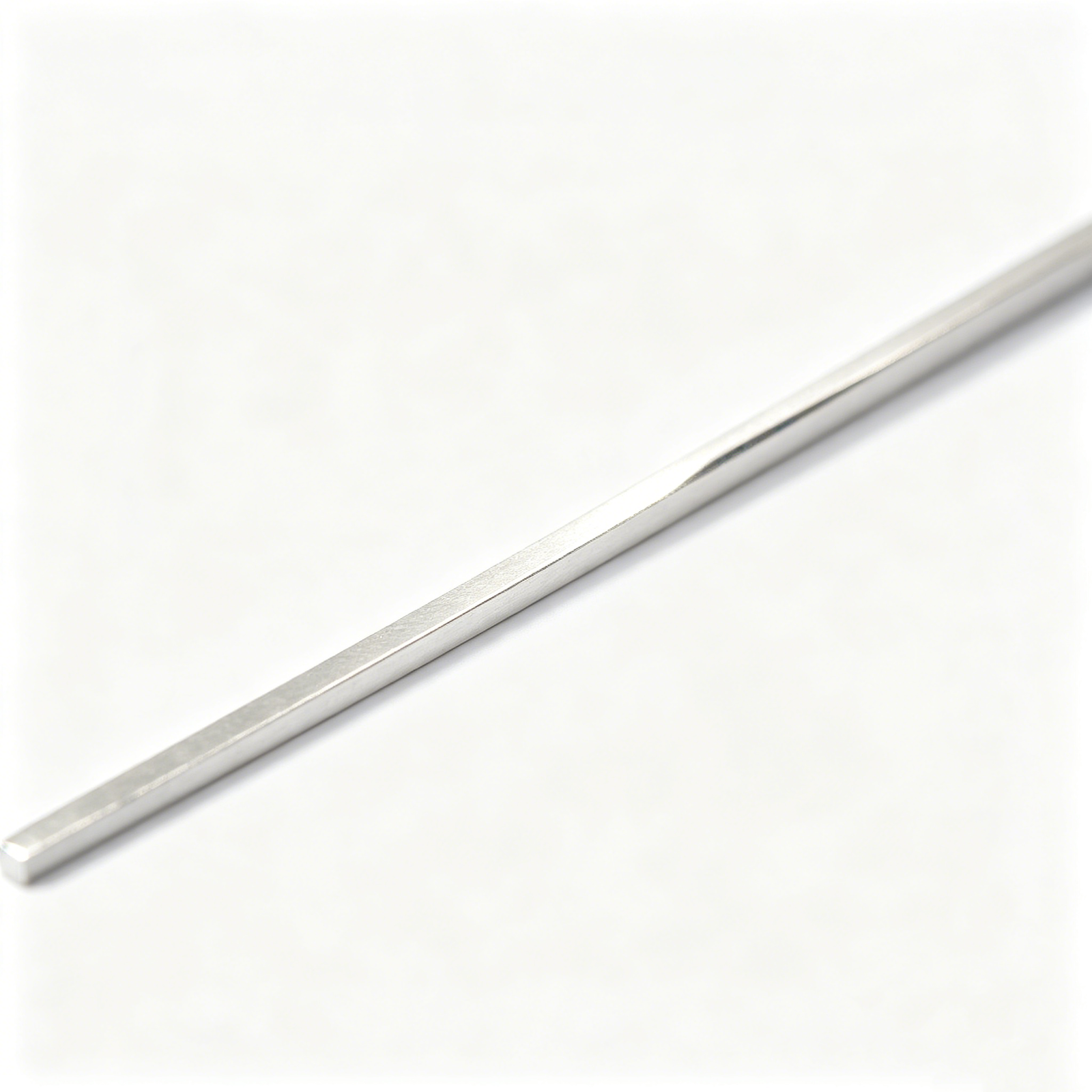
Wire EDM cuts precise profiles, narrow slots and hardened features without conventional cutting forces. The programmed wire path, start-hole location, finish passes and datum references are reviewed against drawing geometry and the required inspection method.

Sinker EDM
Sinker EDM forms deep ribs, sharp internal details and cavity features using a planned electrode strategy. Electrode design, spark clearance, surface requirement and subsequent polishing or fitting needs are considered as part of the production route.
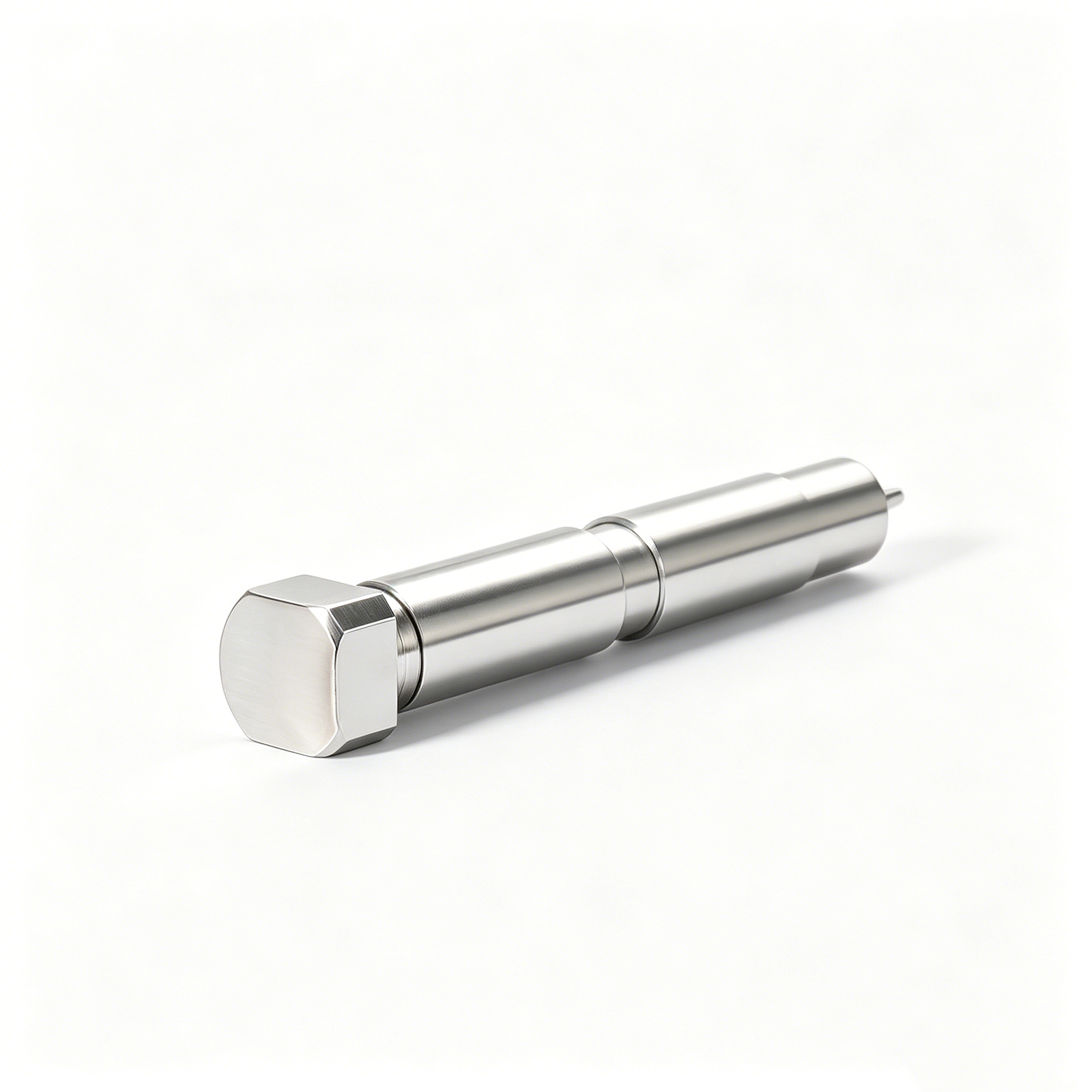
Grinding and Fitting
Precision grinding refines flatness, parallelism, diameter and critical surface conditions after suitable stock allowance and heat-treatment sequencing. Controlled fitting then verifies functional relationships between components where mating geometry requires practical assembly attention.
High-Speed CNC Machining Component Features

Guide Elements
Guide pins, bushings and related alignment elements can be machined or fitted when their dimensions, datum relationship, material and clearance requirements are defined on the approved drawing.

Locating Features
Dowel locations, register faces, keyways and locating pockets help establish repeatable assembly position. Their function depends on tolerance stack, mating-part condition and the specified inspection datum strategy.

Precision Inserts
Core, cavity and wear inserts can be planned as configurable component features. SUUXIANG reviews machining access, EDM requirements, grinding allowance, heat-treatment sequence and replacement interface before production.
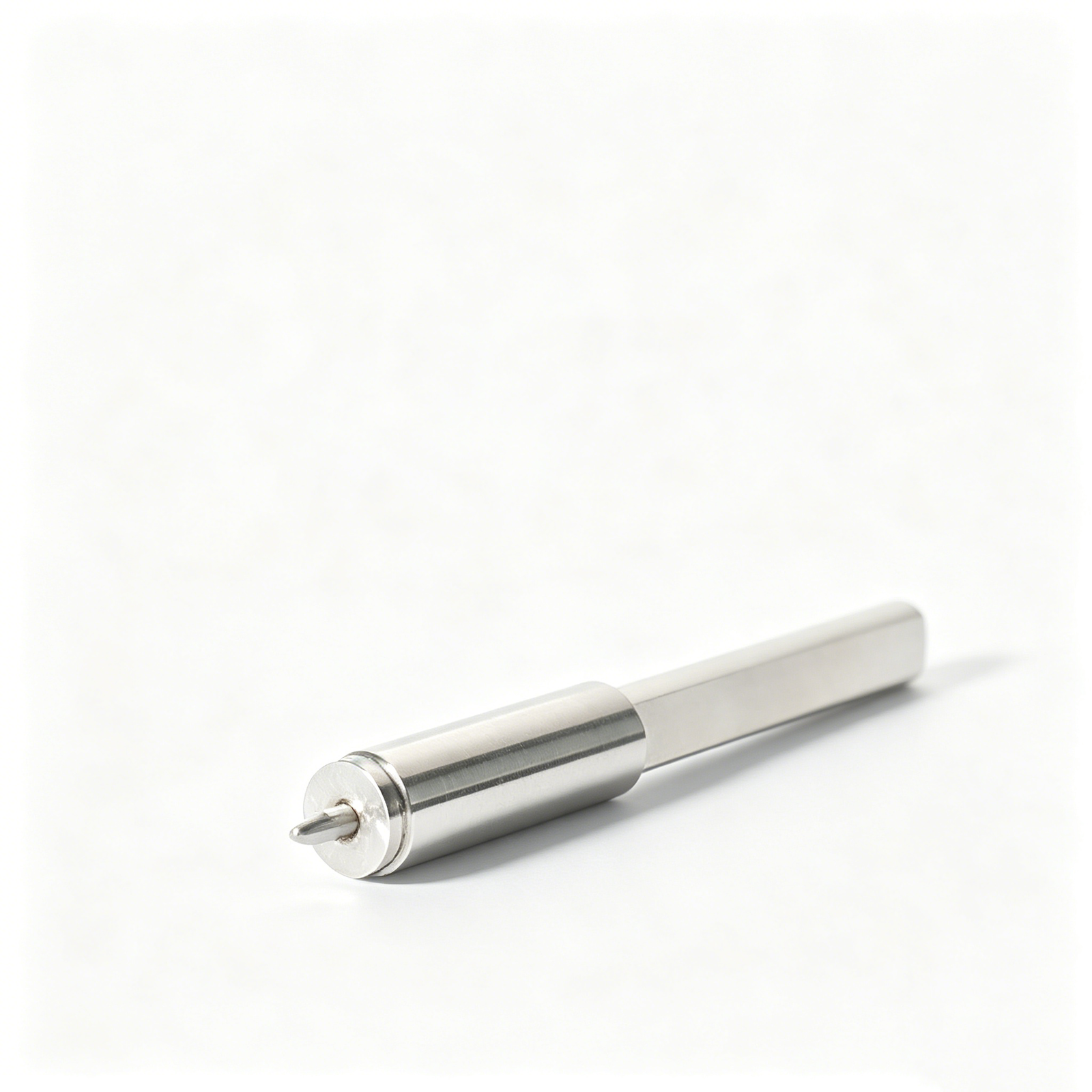
Core Pins
Core pins and ejector-related pins require drawing-confirmed diameter, working length, surface condition and fit requirements. The process route is selected with attention to rigidity, grinding stock and measurement access.

Part Identification
Part numbers, revision marks, orientation indicators and other identification details may be added where specified. Placement, marking method and legibility criteria should be confirmed without compromising critical surfaces.
High-Speed CNC Machining, Drawing-Driven
SUUXIANG is the sole public-facing brand of Dongguan SuuXiang Precision Mold Co., Ltd., established in 2010 in Chang’an Town, Dongguan, Guangdong, China. XiaoCheng Huang is the founder and legal representative. Our mission is precise and practical: turn customer drawings, models, and specifications into inspected CNC-machined parts, precision mold components, connector tooling, and die components.
Our drawing-driven workflow brings together high-speed CNC machining, milling, turning, multi-axis machining, EDM, precision grinding, fitting, and inspection. Before quotation and production commitments, we review critical dimensions, datums, material and heat-treatment requirements, machining access, surface priorities, and inspection expectations with the project team.
What differentiates SUUXIANG is disciplined manufacturing coordination rather than a generic machining quote. We help international buyers evaluate DFM risks, select a suitable process route, control revisions, and align final documentation with the agreed inspection plan. Each project is assessed against its specific drawing, quantity, quality requirements, and delivery target.

High-Speed CNC Machining, From DFM to Inspection
Plan Critical Dimensions First
SUUXIANG reviews drawings, models, datums, tolerance stacks, surfaces, and mating relationships before proposing a high-speed CNC machining route. The discussion identifies which dimensions need direct process control, where tool access constrains geometry, and what evidence should accompany the finished order.
- Define critical-to-quality dimensions and datum references
- Check wall thickness, corner access and feature reach
- Align material, heat-treatment and surface requirements
- Clarify inspection priorities before quotation
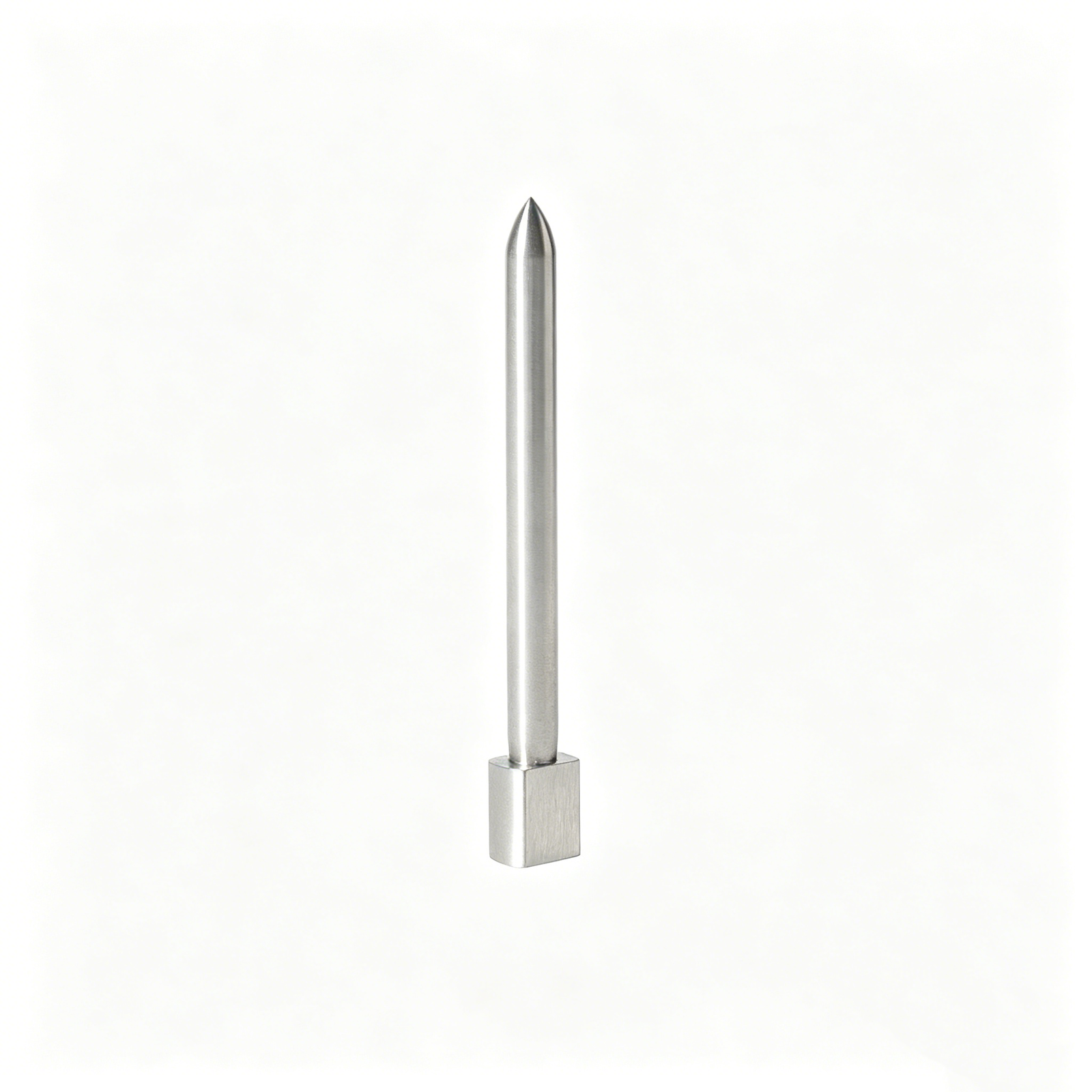
Match EDM to Geometry
Where milling access or internal geometry makes direct cutting unsuitable, the route may include wire EDM or sinker EDM. Electrode strategy, wire path, stock condition and follow-up finishing are reviewed against the drawing so the selected process supports the required form and functional interfaces.
- Assess internal corners and inaccessible profiles
- Review electrode needs for complex cavity features
- Plan wire paths around datum and clamping strategy
- Confirm finishing needs after EDM
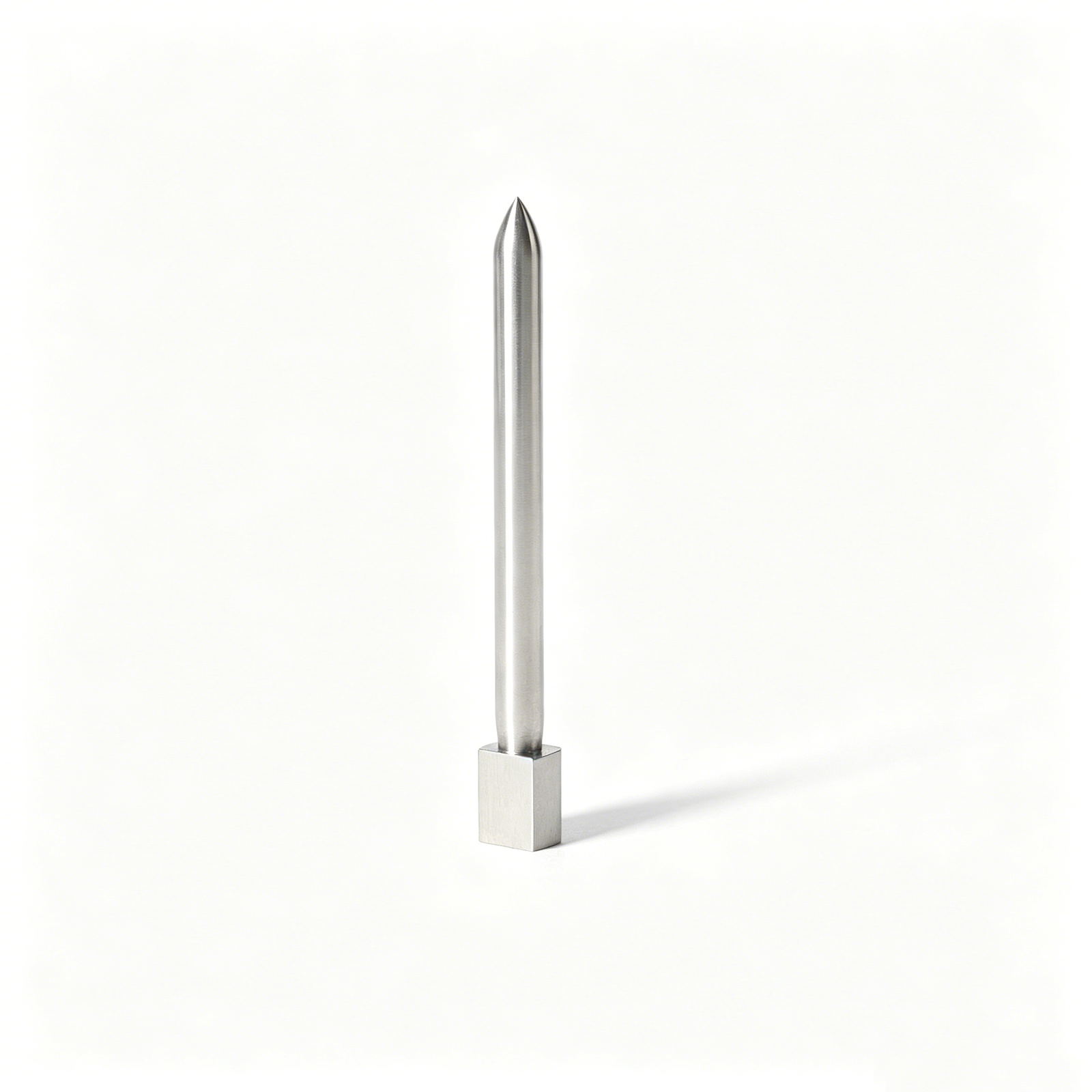
Protect Grinding Allowance
Grinding is planned as a controlled finishing step when a drawing calls for precise size, flatness, parallelism or surface requirements. SUUXIANG considers machining allowance, heat-treatment sequence, fixturing and measurement method so upstream operations leave appropriate stock for the final condition.
- Reserve stock for the intended grinding operation
- Review distortion risk after heat treatment
- Use stable datum relationships through finishing
- Specify the required inspection method

Keep Revisions Traceable
High-speed CNC machining depends on more than a fast toolpath when dimensions are critical. SUUXIANG keeps drawing revisions, inspection expectations, and delivery information visible through the project, helping teams compare produced parts against the agreed order requirements and verified inspection plan.
- Confirm the current drawing and revision level
- Link inspection records to agreed requirements
- Flag changes affecting process or delivery
- Prepare documentation to match the order

High-Speed CNC Machining with Drawing-Driven Control
Compare SUUXIANG’s review-led workflow with quotation-first sourcing approaches before committing critical parts.
← Swipe left or right to view →
High-Speed CNC Machining Production Workflow
A drawing-driven path that aligns process planning, critical dimensions and inspection expectations before release.
Review Drawings and Requirements
We review 2D drawings, available models, material, quantity, datums, critical dimensions, surface requirements, inspection needs and target delivery date before quoting.
Confirm Process and Material
The team defines the feasible route for high-speed CNC machining, heat-treatment sequence, tool access, machining allowance, workholding and revision-controlled production requirements.
Machine Critical Part Features
CNC milling, turning or multi-axis operations are planned around feature geometry, material condition, datum relationships and stable toolpaths for the specified part.
Apply EDM and Grinding
Where the drawing requires it, wire EDM, sinker EDM and precision grinding address inaccessible details, hardened features, finish requirements and controlled grinding stock.
Fit Inspect and Document
Parts are fitted when applicable, then inspected against the agreed plan. Inspection records and order documentation are prepared according to verified project requirements.
Pack and Coordinate Delivery
Accepted parts are packed for the component condition and shipment requirements, while delivery coordination and revision information remain visible through project closeout.
Quality Documentation and Evidence Controls
Move from drawing review to controlled production with clear technical inputs, documented decisions and revision visibility.
Submit Your Drawing Package
Provide 2D drawings, 3D models when available, material, quantity, delivery target, inspection requirements, and application context for the high-speed CNC machining request.
Review Manufacturability Together
Confirm critical dimensions, datums, surface requirements, tool access, machining allowance, heat-treatment sequence, EDM or grinding needs, and an appropriate process route before quotation.
Approve Technical Requirements
Review the quotation, agreed manufacturing scope, inspection plan, revision status, and first-article or sample approach when applicable before releasing work for production.
Coordinate Production and Inspection
SUUXIANG coordinates machining, EDM, grinding, fitting and inspection against the approved order, maintaining visible revision and delivery information through final documentation.
Customer Evidence Publication Controls
Customer Feedback and Project Outcomes
Approved, attributable customer testimonial pending publication. SUUXIANG does not publish project outcomes, quantities, or performance figures without customer authorization and supporting records.
Approved, attributable customer testimonial pending publication. Drawing-review findings, inspection results, and delivery outcomes are shared only when the customer and project documentation permit publication.
Approved, attributable customer testimonial pending publication. For a relevant reference discussion, submit your drawing, material, quantity, critical dimensions, and reporting requirements for review.
The Complete Buyer’s Guide to High-Speed CNC Machining
Practical RFQ, quality, delivery, and project-confirmation questions for drawing-based precision parts.
What files should I send for a high-speed CNC machining RFQ?
Can high-speed CNC machining be quoted from a drawing with tight tolerances?
What is the minimum order quantity for high-speed CNC machining?
Can I request a sample before placing a larger order?
How long does a high-speed CNC machining project take?
Will SUUXIANG provide inspection reports with the parts?
How are drawings, revisions, and IP handled during high-speed CNC machining?
Can SUUXIANG confirm payment, shipping, and capability before I order?
The Complete Buyer’s Guide to high-speed cnc machining
Use this decision framework to evaluate process fit, material and tolerance risks, supplier capabilities, validation evidence, and cost drivers—while avoiding sourcing mistakes that delay precision parts, molds, and low-volume programs.
1. What Is high-speed cnc machining?
60,000 rpm alone does not define high-speed cnc machining; it is a coordinated strategy that combines spindle speed, feed rate, light radial engagement, and a chip load suited to the tool and material. The objective is controlled material removal, not the highest possible RPM (https://www.datron.com/applications/high-speed-machining).
1 consistent-engagement toolpath matters because sharp corner engagement can abruptly raise cutting force, deflection, heat, and vibration. Adaptive or trochoidal paths, machine acceleration capability, tool balance, workholding stiffness, and chip evacuation must therefore be assessed together (https://www.peakedm.com/WhatIsHighSpeedMachining.html).
2D drawing review is the right time to request an HSM evaluation when small cutters, tight internal radii, thin walls, hardened mold details, or complex 3D surfaces make heat and tool load critical. Provide material condition, critical dimensions, datum scheme, surface requirements, stock condition, quantity, and inspection priorities so SUUXIANG can judge whether the proposed route is appropriate.
2. Evolution of high-speed cnc machining
1920s experiments established the early high-speed-cutting question: could higher cutting velocity change heat, chip formation and tool life? Around 1930, Carl Salomon proposed that cutting temperatures could decline beyond a sufficiently high speed, a concept later associated with the Salomon curve. Source: https://www.peakedm.com/WhatIsHighSpeedMachining.html
1950s research and 1980s aerospace adoption turned that theory into usable production practice as machine structures, spindles and CNC controls improved. Controls made it practical to regulate feed motion through corners, while CAM evolved toward constant-engagement paths that reduce abrupt changes in cutter load.
Today, balanced toolholders, low-runout small tools and multi-axis milling extend high-speed cnc machining to detailed mold cavities, connector features and prototype geometry. For a buyer, the result is potentially shorter lead time and a more consistent machined surface—but only when the drawing, tool access, stock condition, workholding and inspection plan support the chosen route.
3. Types of high-speed cnc machining
High-speed cnc machining is selected by tool access and geometry, not spindle speed alone. A drawing review should separate prismatic features, wrapped features, and deep or sharp internal details before CAM planning.
Three-Axis Milling
3-axis milling suits open pockets, plates, cores, and cavity faces reachable from one direction. It produces finish-ready planes and shallow contours, but deep walls increase tool-length and deflection risk.
For large stock removal or broad flat faces, conventional milling may be more economical than small-tool high-speed paths.
Four- And Five-Axis Access
4-axis indexing suits features around a cylindrical or multiple-side component; continuous 4-axis suits wrapped geometry. 5-axis positioning or simultaneous motion improves access to compound contours and reduces setups.
For line-of-sight-blocked ribs, sharp internal corners, or narrow deep slots, wire EDM or sinker EDM may be the more controllable route.
Roughing Through Finishing
High-speed roughing uses controlled engagement to remove stock while retaining a stable allowance. Semi-finishing evens that remaining stock so finishing tools see predictable load.
Finishing uses smaller stepovers to establish the specified surface role; grinding is preferable for flatness, hardened precision faces, or surface requirements beyond milling evidence.
4. Materials for high-speed cnc machining
Material selection changes cutting heat, chip control, and inspection risk in high-speed cnc machining. Quote only after the alloy or grade, supply condition, hardness, and material certificate requirements are defined.
| Material family | Machining behavior | Key control |
|---|---|---|
| Aluminum alloys | Low cutting load; burr risk | Support thin walls |
| Stainless steels | Heat and work-hardening risk | Maintain chip load |
| Tool steels | Moderate-to-high wear | Confirm condition |
| Hardened mold steels | High wear; fine finish possible | Verify hardness |
| Titanium | Heat at cutting edge | Use rigid workholding |
| Copper alloys | Gummy burrs possible | Use sharp tools |
| Engineering plastics | Heat-sensitive distortion | Use low clamp force |
| Carbide | Extremely abrasive | Consider EDM or grinding |
Cutting Response By Family
Aluminum alloys cut readily but may leave burrs; stainless steels retain heat and can work-harden. Tool steels and hardened mold steels increase tool wear, so finishing strategy depends on verified hardness.
Difficult Materials Need Controls
Titanium concentrates heat and needs rigid engagement control; copper alloys demand sharp tools and burr management. Engineering plastics require low-clamp workholding to limit distortion, while carbide normally requires grinding or EDM rather than conventional milling.
Condition Drives The Quote
Mill-annealed, prehardened, and heat-treated stock of the same grade machine differently. Confirm certificate, hardness range, stock form, coating, and traceability before SUUXIANG selects tooling, allowance, inspection method, or process route.
5. Surface Finish and Customization Options
Two finish decisions must be frozen before release: the functional surface requirement and the cosmetic acceptance standard. For high-speed cnc machining parts, post-process allowances belong on the drawing, not in an email after production starts.
| Option | Dimensional Or Edge Effect | Buyer Control |
|---|---|---|
| As-machined | Preserves machined condition | Define roughness and tool marks |
| Polishing or blasting | May soften edges or alter appearance | Approve sample standard |
| Anodizing, plating, passivation | May add treatment effect or protection | Specify masking and evidence |
| Laser or inspection marking | Can affect cosmetic zones | Define location and record |
Select The Functional Finish
One as-machined surface preserves nominal dimensions most directly; polishing can round sharp edges and change fine details. Bead blasting creates a uniform matte appearance but can complicate cosmetic comparison.
Specify Protective Treatments
One coating callout should state material, mask areas, thickness range, color, and corrosion requirement. Anodizing, plating, and passivation require approved external-process routing when applicable, plus confirmation of dimensional impact and added lead time.
Control Edges And Records
Two drawing notes often prevent disputes: define allowable burr condition and identify marking location. Laser marking, deburring, and inspection marks must not obscure datums, mating faces, or critical dimensions; include them in the inspection plan and revision-controlled documentation.
6. Quality Elements That Control Results
Reliable high-speed cnc machining depends on the complete cutting system, not spindle speed alone. SUUXIANG should confirm control points during drawing review and link evidence to the agreed inspection plan.
Spindle And Tooling Control
0.003 mm of avoidable tool-tip runout can disproportionately load a micro-tool cutting edge. Spindle condition, balanced holders, and measured runout protect finish, micro-features, and repeatable size.
Datum And Fixturing Stability
Two or more stable locating faces should establish the machining datum before finishing critical features. Rigid support and sensible clamp sequence limit thin-wall movement and preserve mold-component fit after release.
Process Verification And Evidence
100% verification of critical dimensions may be appropriate when the drawing, application, or inspection plan requires it. CAM simulation, coolant-driven chip evacuation, thermal control, in-process checks, and final reporting should be matched to revision-controlled requirements.
7. Choosing a high-speed cnc machining Supplier
One award decision should follow a drawing-based review, not a spindle-speed claim. For high-speed cnc machining, compare evidence for the actual geometry, material, tolerance, and inspection requirement.
| Evaluation Area | Evidence To Request | Award Question |
|---|---|---|
| DFM | Marked drawing | Are risks resolved? |
| Process | Fixture and tool plan | Is access proven? |
| Quality | First-article report | Are CTQs traceable? |
| Delivery | Milestone schedule | Is capacity confirmed? |
Drawing And Process Review
One review should identify CTQ dimensions, datums, tool access, thin walls, machining allowance, and any EDM or grinding handoff.
Two questions matter: Can the supplier explain its DFM changes and preserve revision control?
- Request comparable-part sample evidence.
- Confirm material and heat-treatment experience.
- Ask for multi-axis, tooling, and fixturing plans.
Quality And First Article
One first article should be measured against the released drawing and agreed inspection plan.
Two quality questions are essential: Which instruments verify each CTQ, and what report, material record, and revision trace accompany shipment?
- Confirm inspection-method suitability.
- Define nonconformance escalation.
- Review sample reports before award.
Capacity And Communication
One realistic schedule separates programming, fixturing, machining, inspection, and shipping rather than quoting a single optimistic date.
Two operating questions remain: Who reports status, and how often are risks, changes, and capacity constraints communicated?
- Set a communication cadence.
- Validate available production capacity.
- Agree milestone-based delivery commitments.
8. Common high-speed cnc machining Buying Mistakes
High-speed cnc machining is bought as a process package, not an RPM number. Missing functional requirements move risk from drawing review to first-article inspection.
Specify Function, Not Spindle Speed
RPM alone does not define chip load, toolpath engagement, runout, or finish. Provide material, temper, wall stiffness, target cycle objective, and the surfaces that matter.
2D drawings should identify functional datums and mating relationships. Attach a 3D model and state which dimensions are critical-to-quality.
Make Geometry Manufacturable
Corner radii smaller than the available cutter radius require EDM, relief, or a design change. Identify internal radii, tool-access directions, deep-feature limits, and permitted witness areas.
±0.01 mm is not a universal requirement; assign it only where function requires it. Define surface roughness, burr limits, grinding stock, and datum-based measurement expectations.
Control The Delivered Condition
Material callouts must include alloy, temper or heat-treatment condition, and hardness when applicable. Finishing can add thickness or alter edges, so state coating type, masked areas, and final-size requirements.
Quote approval should name the inspection scope, report format, sampling expectation, and revision. Treat a prototype as process evidence, then re-review tooling, workholding, yield, and control needs before production.
9. From Drawing Review to First Article
A controlled launch begins with one released drawing package, not an email thread. For high-speed cnc machining, the buyer and supplier should assign revision ownership and written acceptance criteria before programming.
Release The Technical Package
One RFQ package should contain the 2D drawing, 3D model, material, heat treatment, quantity, target date, and inspection requirements. Identify CTQ dimensions, datums, surface callouts, mating context, and the governing revision.
Close DFM And Quote Gaps
Two reviews should precede award: manufacturability and commercial scope. Resolve tool access, machining allowance, EDM or grinding needs, inspection method, packaging, exclusions, and lead-time assumptions; compare quotations against the same controlled package.
Approve First Article Handoff
First-article approval should compare measured results with the released acceptance plan, including CTQs and any agreed deviation. After approval, freeze program, inspection, packaging, and revision records; repeat orders must reference that baseline and formally authorize changes.
10. high-speed cnc machining Pricing and Cost
1-off parts concentrate programming, fixturing, CAM verification and first-piece inspection into few units; repeat orders can distribute those costs across more parts. Material grade, hardened condition, small-tool time, multi-axis access, tight tolerances, surface finish and reporting can change the quote more than spindle speed alone.
2D drawings, 3D models, quantity breaks, material and heat-treatment requirements let SUUXIANG compare process routes on the same basis. Identify CTQ dimensions, datums, finish, inspection records and required delivery date so quoted lead time includes realistic setup, machining and verification work.
| Representative order tier | Quotation cost pattern | Typical planning lead-time range | Quote inputs that matter most |
|---|---|---|---|
| 1–5 pieces | Highest setup share per part | 5–15 working days | Program complexity, fixture approach, inspection plan |
| 6–50 pieces | Setup spread across units | 10–20 working days | Tool life, multi-axis cycle time, tolerance and finish |
| 51–200 pieces | Lower setup share; repeatability matters | 15–30 working days | Material availability, dedicated workholding, sampling |
| 200+ pieces | Requires capacity and process review | Project-specific | Lot size, inspection frequency, finishing and delivery schedule |
Upload Your Drawing for High-Speed CNC Machining Review
Send your 2D drawing, 3D model where available, material, quantity, quality requirements, and target delivery date for a technical quotation review.