
Low-Volume CNC Production for Precision Parts
Move from drawing review to inspected parts with low-volume CNC production planned around critical dimensions, process access, and revision control.
Featured Component Families for Low-Volume CNC Production


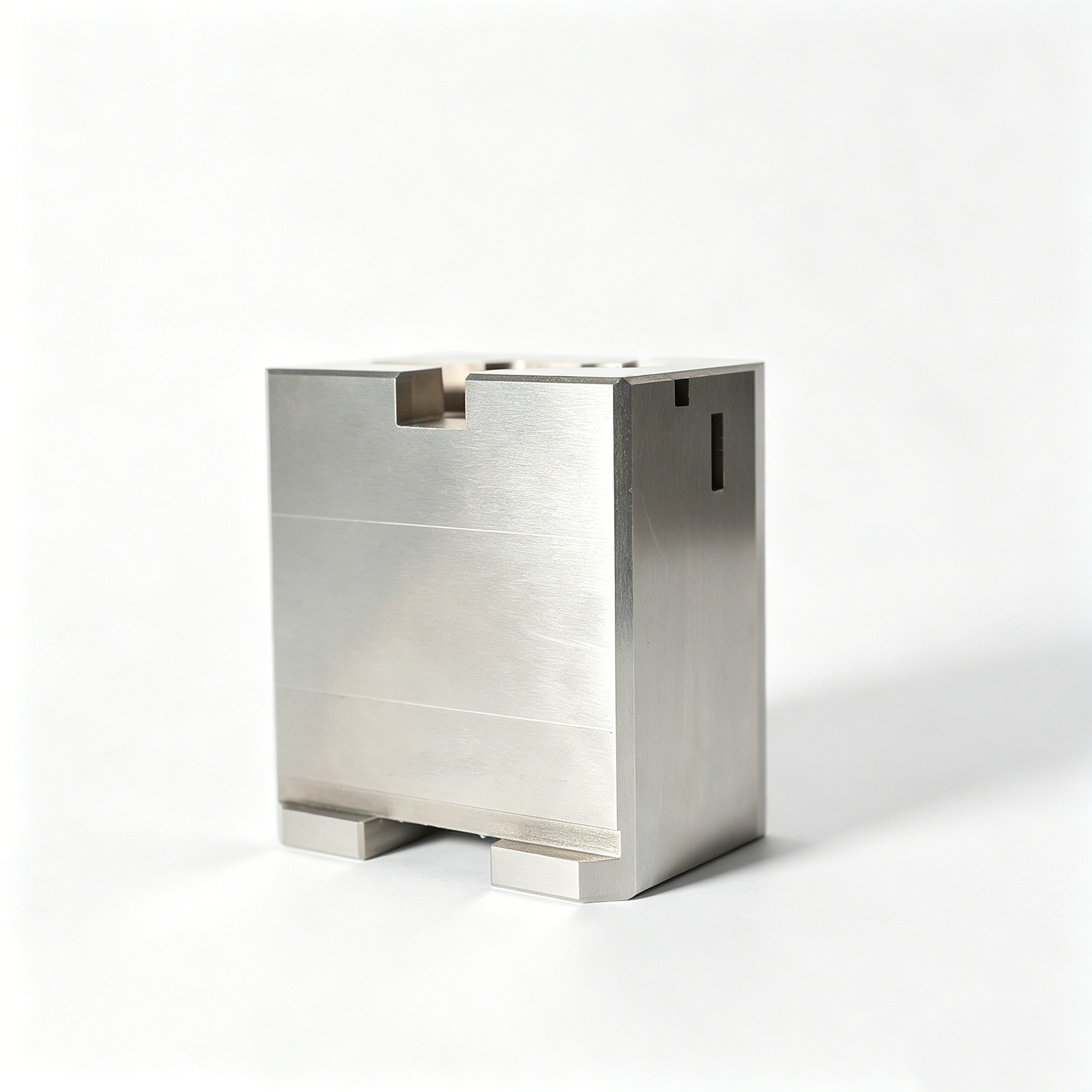


Low-Volume CNC Production Component Families and Quotation




Why Choose SUUXIANG for Low-Volume CNC Production
A controlled drawing-to-inspection workflow for precision parts, mold components and connector tooling.
Drawing-First DFM Review
Review critical dimensions, datums, tool access, material requirements and surface priorities before quotation or production commitments.
Coordinated Process Routes
Plan CNC machining, wire or sinker EDM, grinding and fitting around geometry, hardness, access constraints and functional requirements.
Inspection Planning
Align inspection methods and reporting needs with critical features, tolerances and the verified requirements of each order.
Revision Control
Keep drawing revisions, manufacturing decisions and delivery information visible so approved changes do not become production ambiguity.
Traceable Communication
Provide disciplined project coordination for drawing-based parts, connecting engineering questions, process decisions, inspection expectations and delivery requirements.
Precision Part Families for Low-Volume Work
Drawing-driven process routes for custom parts, mold tooling, connector components, and die work—planned around critical dimensions, material requirements, and inspection needs.
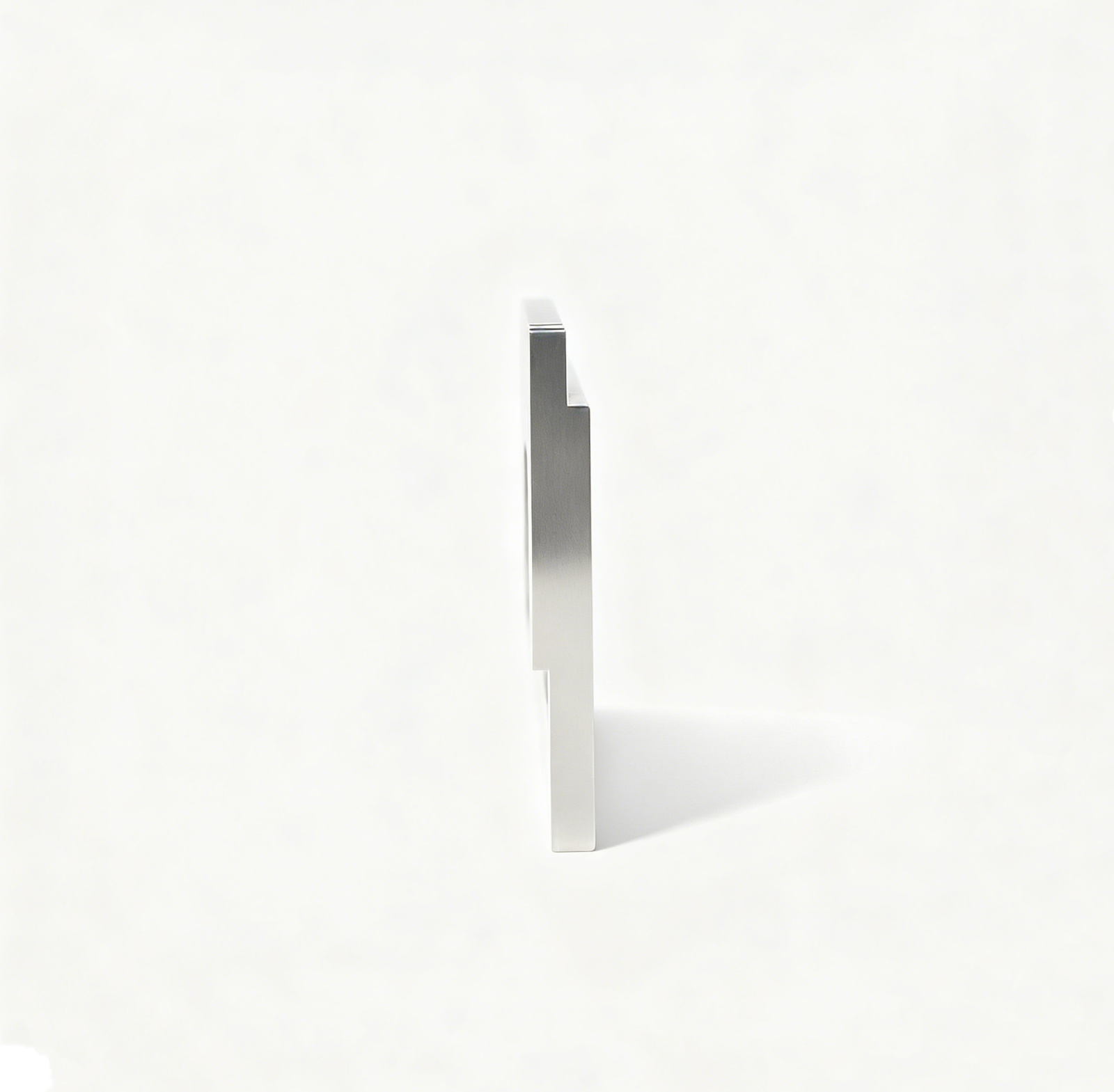
CNC Machining Services
Precision CNC machining services for drawing-based custom parts requiring coordinated milling, turning, EDM, grinding, fitting, and inspection. RFQ review focuses on material, datums, critical dimensions, surface requirements, quantity, and the evidence needed before a process route is confirmed.
Upload a Drawing
CNC Milling
Custom CNC milling services for prismatic parts, plates, inserts, housings, and features requiring controlled tool access. Drawing review identifies datum relationships, pocket geometry, wall conditions, tolerances, machining allowance, and inspection points before machining is scheduled.
Upload a Drawing
CNC Turning
Precision CNC turning services for shafts, pins, sleeves, bushings, cylindrical features, and rotational components. Process planning considers concentricity, runout, threads, groove geometry, material condition, secondary operations, and the appropriate inspection method for critical features.
Upload a Drawing
5-Axis Machining
5-axis CNC machining supports multi-face geometries, angled features, contoured surfaces, and complex component access with fewer setups where suitable. A drawing review evaluates tool reach, fixture strategy, datum control, collision risk, material, and inspection requirements before committing to the route.
Upload a Drawing
Swiss & Micro Machining
Swiss machining and micro machining support small-diameter, elongated, and detail-intensive components where geometry, workholding, and feature access require close review. Submit tolerances, material, lengths, cross holes, threads, surface requirements, quantity, and any mating-part context with the RFQ.
Upload a Drawing
Wire & Sinker EDM
Wire EDM and sinker EDM services address hardened materials, intricate profiles, narrow slots, sharp internal geometry, and features inaccessible to conventional cutting. Planning accounts for wire path or electrode strategy, flushing, recast-layer considerations, EDM allowance, finish requirements, and post-EDM inspection.
Upload a Drawing
Precision Grinding
Precision surface and profile grinding supports flatness, parallelism, profile control, and finish-critical surfaces on suitable components. The process route considers heat-treatment sequence, grinding stock, datum strategy, wheel access, distortion risk, and the measurement approach for final acceptance.
Upload a Drawing
Mold Core & Cavity Inserts
Precision mold core and cavity inserts are manufactured from customer drawings and specifications for tooling applications. Review covers steel grade, heat treatment, shutoff geometry, cooling or feature access, EDM and grinding sequence, critical surfaces, fit requirements, and inspection documentation.
Upload a Drawing
Ejector & Ejection Components
Ejector pins, sleeves, and ejection components are configured around mold geometry, stroke conditions, guidance, material, hardness, and fit requirements. Drawings should identify critical diameters, shoulders, flats, lubrication needs, surface expectations, and any mating components affecting assembly.
Upload a Drawing
Core Pins, Guide & Locating Components
Core pins, guide pins, and locating components are produced to drawing-defined relationships with the surrounding mold assembly. Manufacturing review addresses material and heat treatment, concentric features, engagement lengths, mating clearances, grinding needs, datum references, and inspection priorities.
Upload a Drawing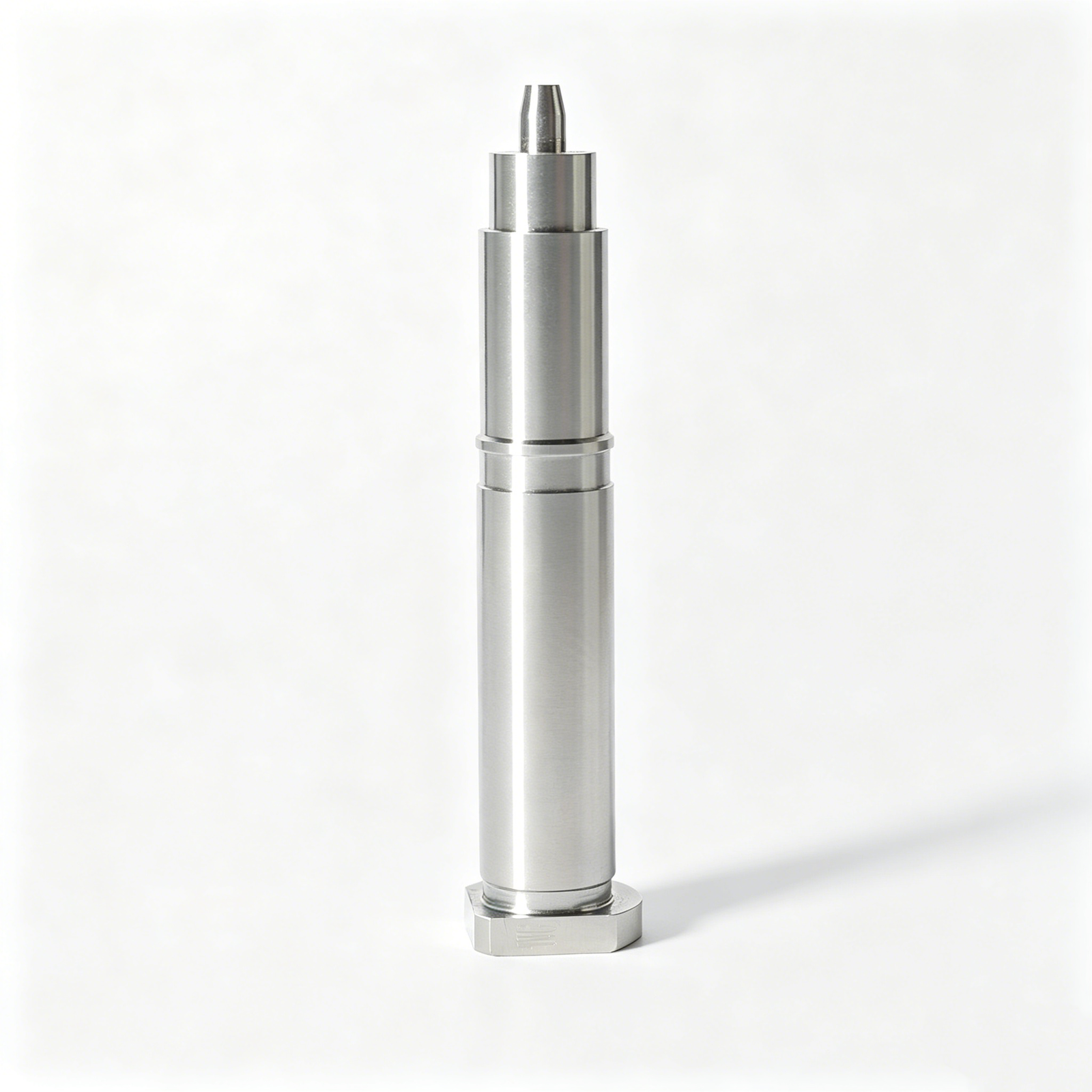
Slides, Lifters, Gates & Mold Accessories
Mold slides, lifters, gates, and accessories are drawing-based components requiring attention to motion, shutoff, wear surfaces, and assembly interfaces. SUUXIANG reviews machining access, EDM needs, heat-treatment sequence, grinding stock, fit conditions, and dimensions that govern mold function.
Upload a Drawing
Connector Mold Components
Precision connector mold components support connector-tooling features where small geometry, pin alignment, cavities, and repeatable mating relationships are central. Provide the component drawing, material, tolerance priorities, surface requirements, mating context, quantity, and inspection or reporting expectations.
Upload a Drawing
Stamping Die Components
Precision stamping die components are manufactured for drawing-defined die assemblies, including inserts, punches, guides, and wear-related parts within verified scope. Process planning considers material, hardness, cutting-edge geometry, clearance relationships, EDM or grinding requirements, critical dimensions, and inspection evidence.
Upload a Drawing
Injection, MIM, CIM & Overmolding Tooling
Injection, MIM, CIM, and overmolding tooling components are evaluated as manufacturing work tied to the specific drawing and application. Review considers material behavior, molding interfaces, feature access, surface requirements, heat treatment, dimensional priorities, and the selected CNC, EDM, grinding, and fitting route.
Upload a Drawing
Machining Materials
CNC machining materials are selected against the drawing, functional environment, strength, wear, corrosion, thermal behavior, machinability, and heat-treatment requirements. Specify the required material standard, condition, approved alternatives if any, certification needs, and application constraints before quotation.
Upload a Drawing
Surface Finishes & Heat Treatment
Surface finishing and heat treatment are planned as controlled requirements, not default add-ons. Identify the specified finish or treatment, hardness range, masking or cosmetic areas, post-treatment machining or grinding needs, dimensional risk, applicable standards, and required documentation with the RFQ.
Upload a Drawing
Quality, Metrology & Documentation
Precision inspection, metrology, and quality documentation are aligned to the drawing’s critical dimensions, datums, tolerances, and order requirements. Before production, define inspection methods, sampling or reporting expectations, revision status, material traceability needs, and any customer-specific acceptance criteria.
Upload a Drawing
Prototyping & Low-Volume Production
Rapid prototyping and low-volume manufacturing support drawing-based evaluation, tooling development, bridge quantities, and controlled repeat work. Provide models and drawings, quantity, material, quality priorities, target delivery date, revision status, and application context so manufacturability and process risks can be reviewed.
Upload a DrawingMaterials for Low-Volume CNC Production

Aluminum Alloys
A practical choice for lightweight housings, brackets, fixtures, and connector-related components. Alloy grade, temper, finish requirement, thread engagement, and datum-sensitive features should be confirmed during drawing review before machining begins.

Stainless Steels
Used where corrosion resistance, strength, or durable functional surfaces matter in precision components and tooling support parts. Grade, condition, machining allowance, surface requirement, and any passivation or heat-treatment expectations require project-specific verification.

Tool Steels
Often specified for mold inserts, cores, pins, slides, and die components requiring wear resistance or hardness. The process route should account for material condition, heat-treatment sequence, EDM strategy, grinding stock, and final inspection requirements.

Copper Alloys
Suitable for selected electrodes, thermal-management details, and specialized tooling applications where conductivity is relevant. Alloy selection, machining behavior, electrode geometry, handling needs, and surface condition should be aligned with the approved drawing package.

Engineering Plastics
Useful for fixtures, insulation elements, prototype parts, and nonmetallic functional components where weight or electrical behavior matters. Resin grade, moisture sensitivity, wall geometry, dimensional stability, and application conditions should be reviewed before quotation.
Low-Volume CNC Production Process Routes

CNC Milling
CNC milling produces prismatic features, pockets, profiles and complex machined geometry from the approved drawing and model. Setup planning considers datum access, tool reach and the surface condition required before downstream EDM or grinding.

CNC Turning
CNC turning supports rotational components such as pins, sleeves, bushings and locating features. Process planning focuses on concentricity, datum relationships, thread requirements and any secondary milling or finishing operations needed for the part.
Wire EDM
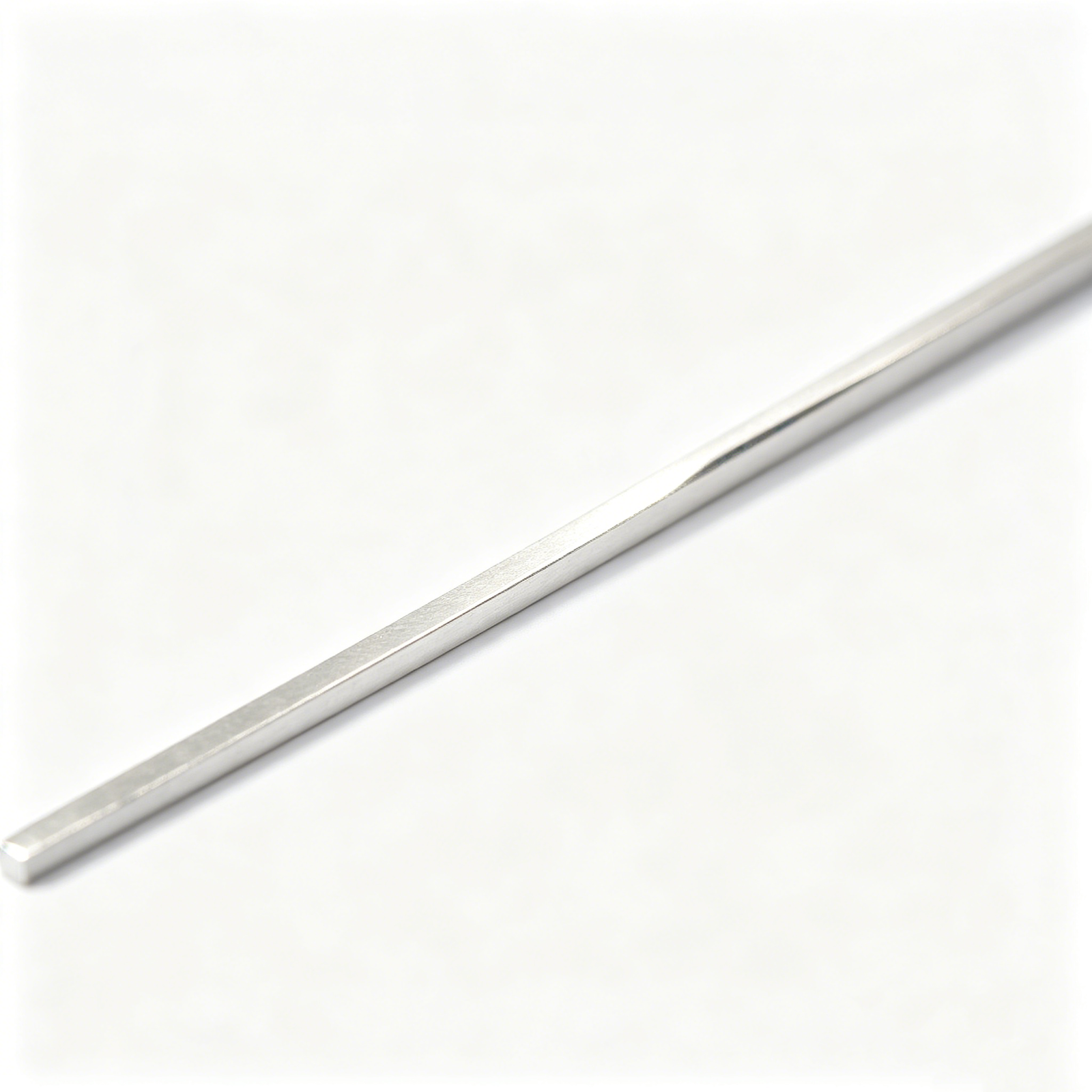
Wire EDM cuts precise profiles, slots and internal geometry where conventional tool access is limited. The wire path, start-hole strategy and finishing passes are reviewed against drawing datums, corner requirements and subsequent fitting needs.

Sinker EDM
Sinker EDM forms detailed cavities, sharp internal features and difficult-access geometry using planned electrodes. Electrode strategy, spark allowance and surface requirements are evaluated with the machining sequence to protect critical mold-component features.
Precision Grinding
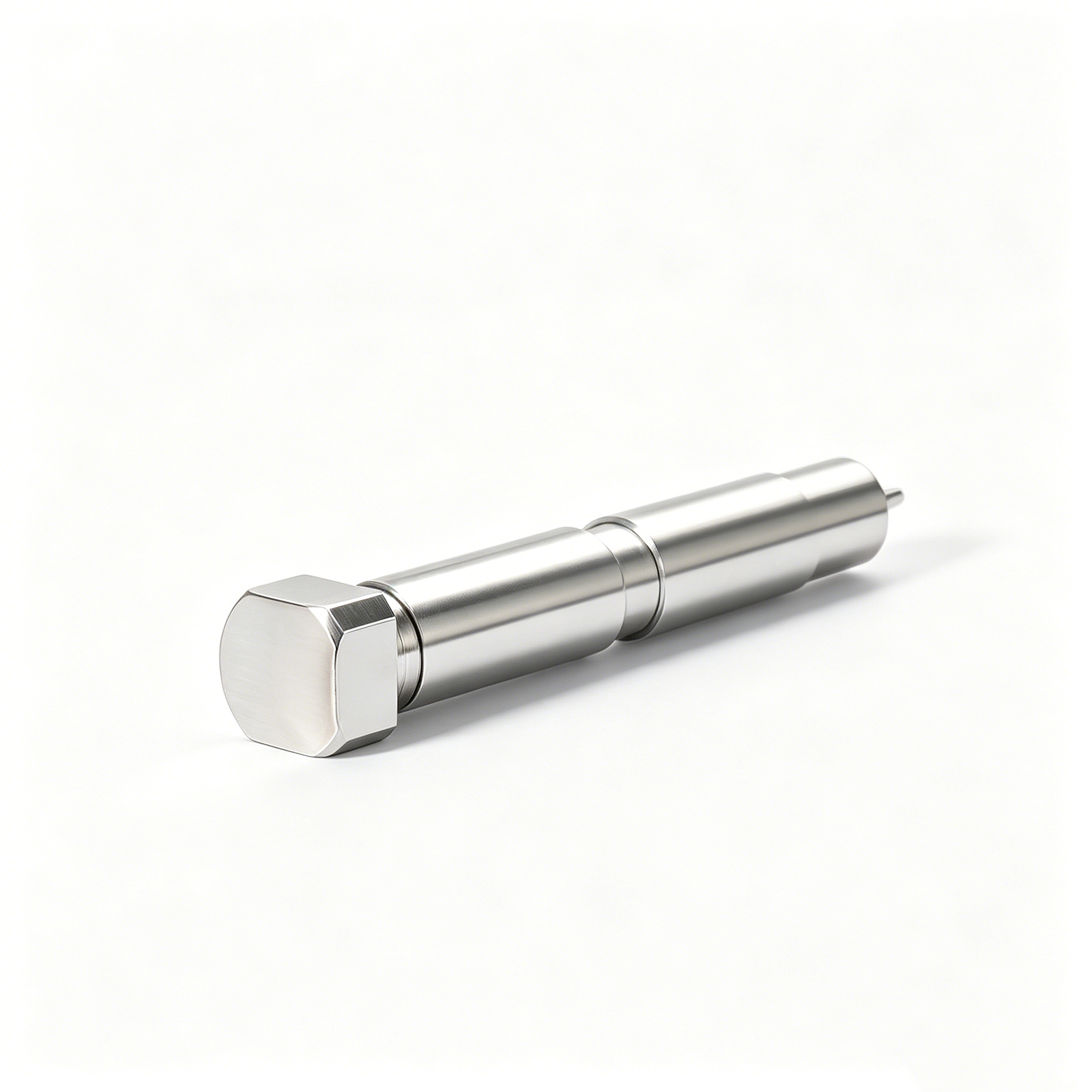
Precision grinding refines functional surfaces after machining or heat treatment when the drawing calls for controlled size, flatness or surface condition. Grinding stock, datum protection and inspection method should be agreed before production.

Fitting And Inspection
Fitting and inspection confirm the relationship between mating features, critical dimensions and the approved revision. The inspection approach is aligned to the order requirements so measurement records and delivery information remain traceable.
Low-Volume CNC Production Features and Applied Accessories

Threaded Features
Internal and external threads for custom CNC parts, mold components and tooling are reviewed for standard size selection, engagement depth, access, material condition and inspection method before a machining route is confirmed.

Threaded Inserts
Thread inserts can support repeated assembly or strengthen threads in suitable base materials. Drawing review clarifies insert specification, installation sequence, clearance requirements and whether post-installation verification is required.
Guide Elements
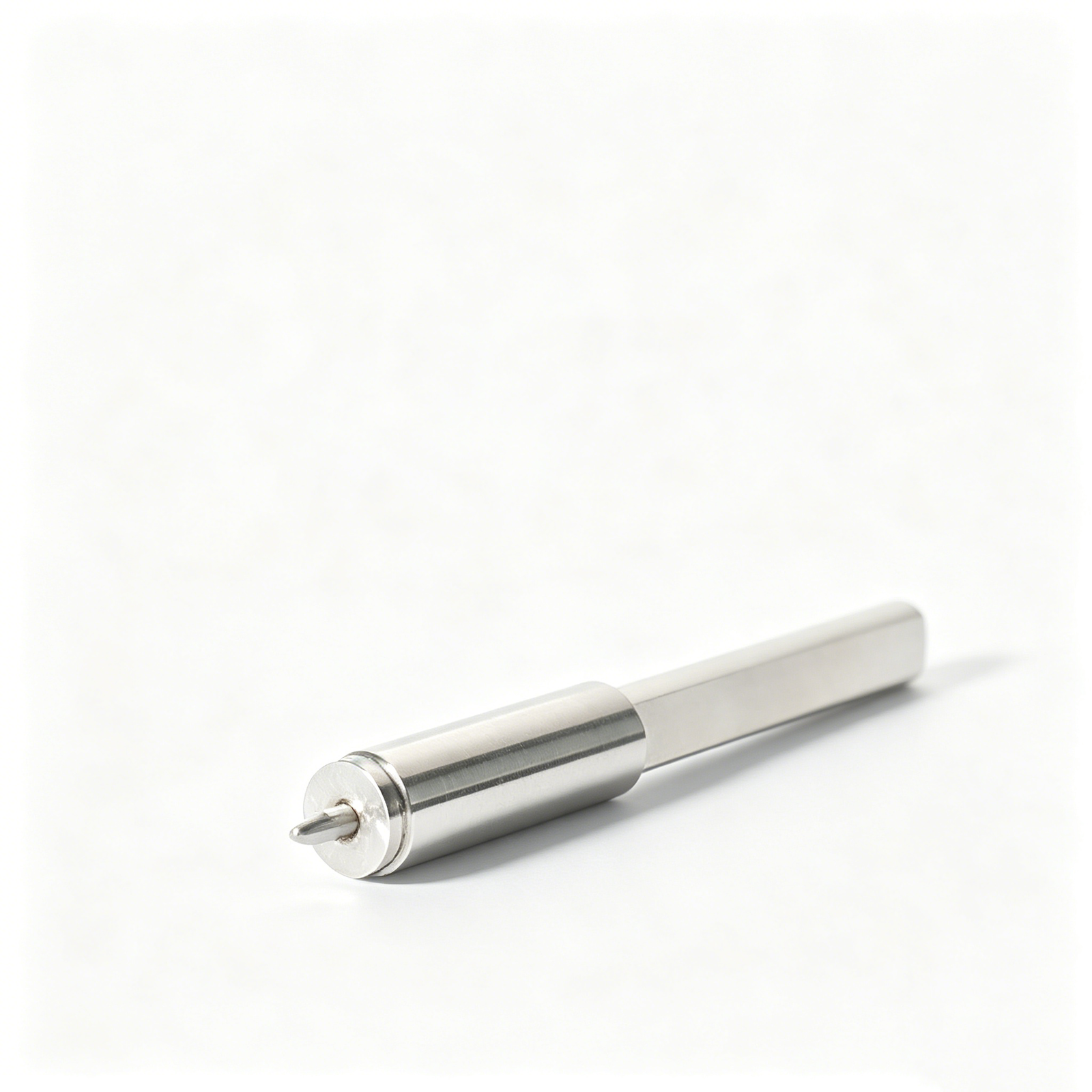
Guide pins, bushings and related guiding features require coordinated fits, datum references and surface requirements. SUUXIANG reviews mating relationships, grinding needs and inspection points to support controlled component interaction.

Gate Features
Gates and gate-related mold details are evaluated for geometry, tool access, EDM or milling strategy, surface condition and relationship to the surrounding cavity or insert before the process plan is defined.

Slides And Lifters
Slides, lifters and associated moving details depend on clearances, locating surfaces, wear considerations and assembly context. Provide mating-component information so machining, EDM, grinding and fitting requirements can be reviewed together.
Locating Features
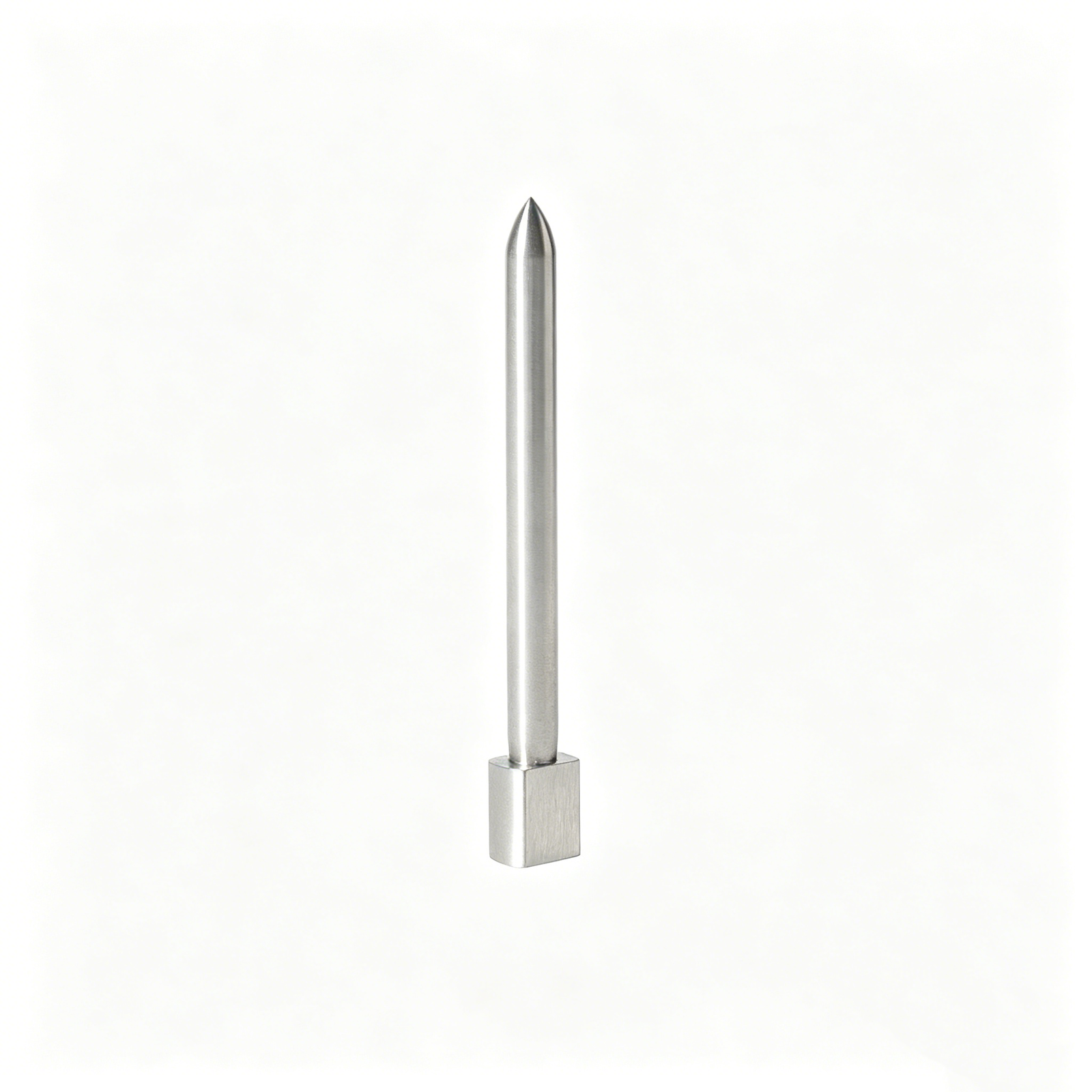
Dowel holes, keys, shoulders and other locating features establish repeatable part position. Their function is reviewed with datum structure, tolerance stack, assembly sequence and the inspection method specified for critical dimensions.
About SUUXIANG Precision Manufacturing
SUUXIANG is the public-facing brand of Dongguan SuuXiang Precision Mold Co., Ltd., established in 2010 in Chang’an Town, Dongguan, Guangdong, China. We help international teams convert drawings, models and specifications into inspected custom CNC parts, precision mold components, connector tooling and stamping-die components.
Our low-volume CNC production workflow combines DFM review with CNC milling and turning, multi-axis machining, EDM, precision grinding, fitting and inspection. Before quotation or production commitments, we review critical dimensions, datums, material requirements, machining access, process sequence and reporting expectations.
What distinguishes SUUXIANG is disciplined project coordination around the details that determine whether a part works: revision control, machining allowances, electrode or wire-path strategy, inspection methods and delivery requirements. Share the drawing, quantity, quality priorities and target date so the appropriate process route can be assessed.
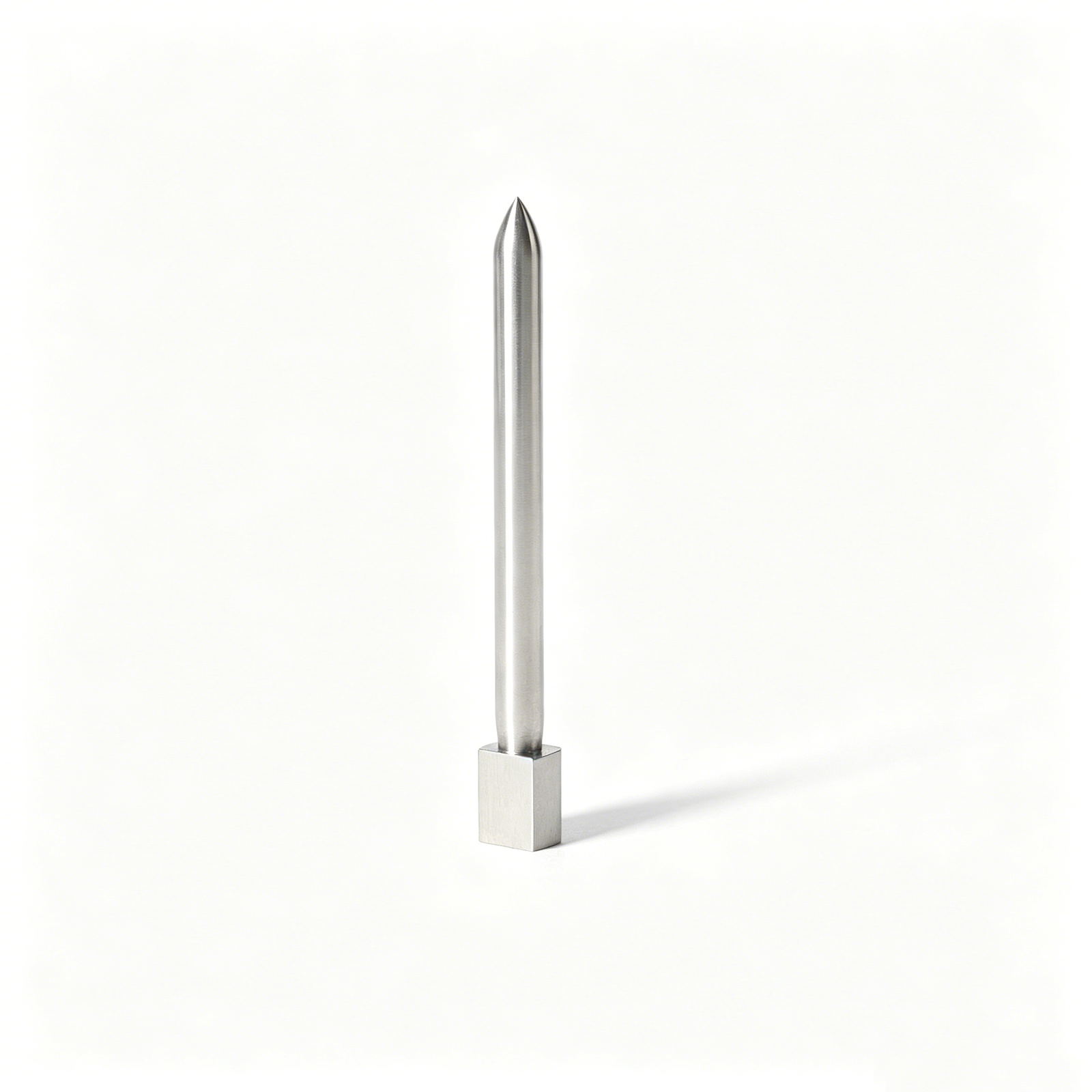
Low-Volume CNC Production Planned Around Critical Dimensions
DFM and Datum Review
Before quotation, SUUXIANG reviews the drawing, model, functional datums, critical dimensions, surface requirements and machining access. The discussion identifies features that may need a tolerance change, revised radius, alternative setup or clearer inspection definition before production commitments are made.
- Confirm drawing revision, 3D model and application context
- Identify critical-to-quality features and datum relationships
- Review tool access, wall conditions and setup constraints
- Clarify material, heat treatment and surface requirements

Sequenced CNC, EDM and Grinding
Low-volume CNC production is planned as a process route rather than a single machining operation. CNC removal, wire or sinker EDM, heat treatment, grinding and fitting are sequenced around geometry, hardness, access and required finishing stock to protect functional features.
- Select milling, turning or multi-axis access by geometry
- Plan electrode and wire paths for inaccessible features
- Reserve grinding stock where precision finishing is required
- Review heat-treatment sequence before final machining

Inspection Planned From the Drawing
Inspection planning begins with the dimensions that affect fit, motion, sealing, location or mating performance. SUUXIANG aligns measurement methods, datum references, sampling expectations and requested reporting with the verified order requirements, so inspection evidence is relevant to the part’s function.
- Prioritize dimensions tied to assembly and performance
- Define datum-based measurement references
- Align inspection records with customer requirements
- Keep final documentation matched to the inspection plan

Controlled Revision Coordination
Short runs can change quickly, but revisions require disciplined control. SUUXIANG keeps drawing changes, clarified notes, production questions and delivery information visible through project coordination, reducing the risk of machining against an outdated requirement or undocumented assumption.
- Confirm the applicable drawing and revision level
- Record manufacturing questions before release
- Coordinate approved changes across process stages
- Keep delivery and inspection information traceable

Low-Volume CNC Production Beyond Generic Quoting
Compare drawing-led planning, process visibility, and inspection preparation before committing a low-volume CNC production order.
← Swipe left or right to view →
Low-Volume CNC Production: From Drawing Review to Delivery
A drawing-driven workflow that keeps process decisions, inspection expectations, revisions and delivery coordination visible before production commitments are made.
Review RFQ Inputs
Review the 2D drawing, 3D model, material, quantity, application context, delivery target and reporting requirements to establish a workable quotation basis.
Plan Critical Features
Identify critical dimensions, datums, surface requirements, machining access, heat-treatment sequence, machining allowance and the appropriate CNC, EDM or grinding process route.
Machine Core Geometry
Produce the part through the planned milling, turning, multi-axis, Swiss or micro-machining operations, maintaining revision control and visibility on relevant production decisions.
Apply EDM And Grinding
Use wire EDM, sinker EDM, precision grinding and fitting where geometry, hardness, finish or functional interfaces require controlled secondary operations beyond primary machining.
Inspect Pack Coordinate
Inspect against the agreed plan, match documentation to the order, protect finished parts for packing, and coordinate shipment details with the confirmed delivery requirements.
How to Start Low-Volume CNC Production
Provide the technical inputs needed to review manufacturability, align inspection expectations, and release a controlled production plan.
Upload Your Drawing Package
Send the 2D drawing, available 3D model, application context, revision status, and any mating-part information needed to understand geometry and functional intent.
Define Production Requirements
Specify material, heat treatment, quantity, target delivery date, surface requirements, critical dimensions, and the inspection records or reporting your order requires.
Review the Manufacturing Plan
SUUXIANG reviews DFM, datum strategy, tool access, machining allowances, EDM or grinding needs, and inspection approach before confirming a quotation or sampling path.
Approve Before Production Begins
Confirm the agreed drawing revision, commercial scope, inspection expectations, and sample requirements; production proceeds through the planned CNC, EDM, grinding, fitting, and inspection workflow.
Quality Documentation for Low-Volume CNC Production
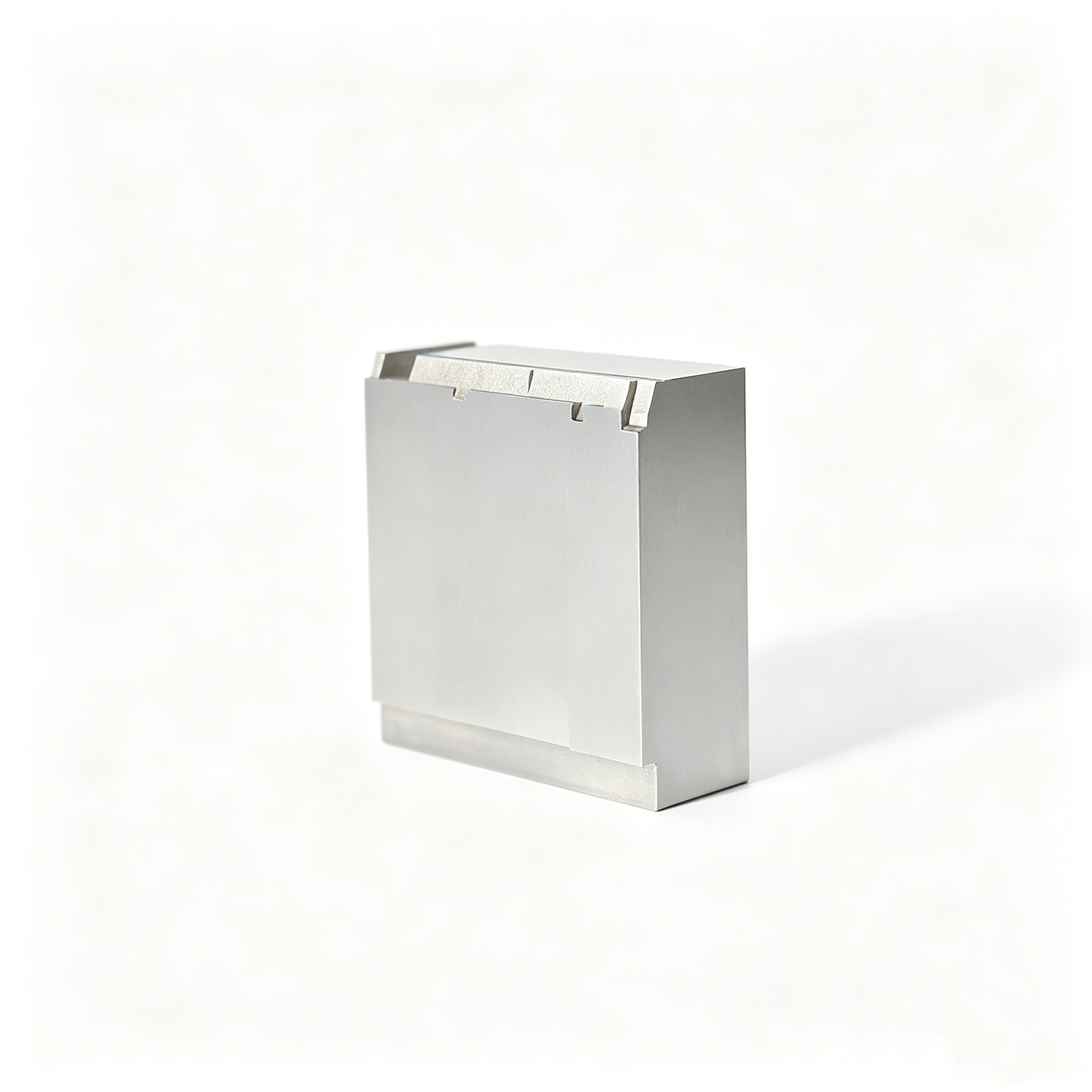
Low-Volume CNC Production: Verified Customer Outcomes and Project Cases
Approved customer testimonial pending. Publish only after the customer confirms the project scope, measurable outcome, quote wording, attribution, and permission to associate the statement with SUUXIANG.
Documented project case pending. Add a customer-approved statement describing the drawing revision, inspected result, quantity, delivery context, and any verified measurement or process outcome before publication.
Customer reference pending verification. Use this space only for an attributable account of low-volume CNC production, supported by approved evidence and a confirmed company, role, project result, and publication consent.
Low-Volume CNC Production FAQ
Practical answers for teams sourcing custom precision parts, mold components, connector tooling and die components from drawings.
What is the minimum order quantity for low-volume CNC production?
What should I send for a low-volume CNC production quote?
How does SUUXIANG review drawings before low-volume CNC production?
Can I order samples or a first article before the full batch?
How should I plan lead time for a low-volume CNC order?
Which materials and tolerances can you support?
Can I request inspection reports for CNC-machined parts?
How are payment, shipping, IP and drawing revisions handled?
The Complete Buyer’s Guide to Low-Volume CNC Production
Use this decision framework to select processes, materials, quality controls, and supplier capabilities for drawing-based parts—while avoiding costly DFM, quoting, inspection, and lead-time mistakes.
1. What Is low-volume cnc production?
Low-volume CNC production is drawing-based small-batch manufacturing using CNC milling, turning, or multi-axis machining, typically without dedicated high-volume production tooling. Practical quantities depend on part complexity, setup requirements, and inspection scope rather than a fixed threshold.
It often follows functional prototyping and can bridge to, or replace, tooling-dependent volume production. CNC uses the specified production material, allowing fit, strength, thermal behavior, and critical dimensions to be assessed on parts closer to intended use.
Use this route when material realism, precision, revision flexibility, and limited inventory risk matter more than the lowest per-part price. Submit the 2D drawing, model, quantity, critical datums, material, and inspection expectations so the supplier can assess the process route.
2. How Low-Volume CNC Production Evolved
2010 marks SUUXIANG’s establishment, but the purchasing shift relevant to short runs is broader: digitally programmed CNC replaced much of the manual setup-to-cutting knowledge with repeatable programs, defined datums and recorded toolpaths. A buyer can now review the same drawing logic across a first article, a replacement part and a controlled repeat batch.
3-, 4- and multi-axis machining expanded practical access to angled faces, compound geometry and features that otherwise require repeated refixturing. CAD/CAM workflows link the released model, machining strategy and revision identifier, so an engineering change can be assessed for new access, tooling, EDM or grinding requirements before material is committed.
1 bridge-production batch can support functional assemblies while dedicated production tooling is still under review or being built. For low-volume cnc production, request the program revision, datum and inspection plan with the RFQ; that evidence matters more than treating a small quantity as informal prototype work.
3. Types of low-volume cnc production
Route selection starts with geometry, datum access, and planned demand—not a universal batch-size rule. In low-volume cnc production, each additional setup should earn its cost through function or repeatability.
| Route | Best Geometry | Setup Benefit | Inefficient When |
|---|---|---|---|
| Milling | Prismatic parts | Accessible faces | Many wraparound features |
| Turning | Concentric parts | Single-axis datum | Off-axis features |
| Multi-axis | Complex cavities | Fewer reclamps | Simple flat work |
CNC Milling
3-axis milling suits prismatic plates, pockets, holes, and mold inserts. Two or more orientations require fixture datums; it is inefficient for deep wraparound features.
CNC Turning
1 spindle turning suits concentric shafts, pins, bushes, and stepped diameters. Bar holding protects runout control; it is inefficient when extensive off-axis features dominate.
Mill-Turn Work
1 mill-turn setup combines rotational profiles with cross-holes, flats, or slots. Common datums remain in one clamping; simple turned parts may not justify its programming.
Multi-Axis Machining
5-axis machining suits compound angles, contoured cavities, and features around several faces. Fewer reclamps protect datum relationships; open, single-face work may cost less on 3-axis equipment.
Bridge And Repeat Batches
10–100 pieces often justify documented fixtures, tool lists, and first-article inspection planning. Repeat demand supports stable routing; uncertain revisions favor flexible setups over dedicated tooling.
4. Materials for low-volume cnc production
Material choice sets the process route before programming begins. For low-volume cnc production, compare functional requirements with available stock, machining time, finishing, and inspection needs.
| Material | Mechanical Need | Corrosion/Electrical | Machining/Stock | Finish/Cost |
|---|---|---|---|---|
| Aluminum | Lightweight parts | Moderate corrosion | Generally machinable; common stock | Anodizing; moderate |
| Stainless steel | Strength or durability | Corrosion resistant | Slower machining; verify stock | Passivation; higher |
| Carbon/alloy steel | Structural components | Protective finish may matter | Condition affects machining | Coating; variable |
| Brass/copper alloys | Connector details | Conductive | Verify grade availability | Plating; variable |
| Engineering plastics | Insulating parts | Corrosion resistant | Grade-dependent stock | Limited finishes; variable |
| Tool steel | Mold tooling | Wear-focused | Heat treatment affects route | Grinding; higher |
Match Material To Function
Aluminum suits weight-sensitive precision parts where anodizing is specified.
Stainless steel is considered when corrosion exposure or cleanable surfaces drive the requirement.
Plan Tooling Materials Early
Tool steel is commonly reviewed for mold cores, inserts, pins, and wear-sensitive tooling.
Carbon and alloy steels require the drawing to define condition, heat-treatment sequence, and grinding allowance.
Confirm Electrical And Polymer Needs
Brass and copper alloys are evaluated for conductive connector-related components.
Engineering plastics need grade, temperature exposure, mating requirements, and dimensional priorities stated in the RFQ.
5. Secondary Operations and Finishes
Secondary operations convert a machined part into an installable, identifiable component. In low-volume cnc production, each added process changes routing, acceptance evidence, and often delivery risk.
| Operation | Primary Effect | Inspection Focus |
|---|---|---|
| Deburring | Safer handling and fit | Edge break and residual burr |
| Bead blasting | Matte appearance | Coverage and cosmetic zones |
| Anodizing or plating | Appearance and corrosion resistance | Masking, color, thickness |
| Passivation | Stainless corrosion resistance | Material and process record |
| Heat treatment | Hardness and wear resistance | Hardness and post-process dimensions |
Finish Selection Matrix
Deburring removes hazardous edges but does not provide corrosion protection; define allowable edge break and burr limits. Bead blasting creates a uniform matte appearance, while anodizing, plating, and passivation require material-compatible specifications and cosmetic-zone control.
Process Effects And Controls
Heat treatment can improve hardness and wear resistance but may require post-treatment grinding or dimensional verification. Laser marking and engraving add traceability; specify content, location, contrast, depth limits, and whether marks are allowed in cosmetic or sealing areas.
RFQ Definition
Assembly support requires a bill of materials, mating-part information, torque or fit requirements, and an inspection plan. On the drawing or RFQ, identify cosmetic zones, masking boundaries, finish standard, sample or visual comparator, corrosion expectations, and acceptance criteria before release.
6. Quality Elements That Protect Fit
One datum scheme should locate every critical feature from functional mating surfaces, not from convenient stock edges. Clear drawing requirements turn assembly fit into measurable acceptance criteria before low-volume cnc production starts.
Datums And Critical Dimensions
Three mutually related datums can control location, orientation, and inspection setup. Identify critical-to-quality dimensions, applicable GD&T, and the measurement method so a tolerance stack is evaluated against the mating condition, not isolated features.
Threads, Surfaces, And Edges
Each threaded feature needs size, pitch, class, depth, and whether gauges or mating hardware govern acceptance. Specify Ra where function requires it, plus burr limits and edge-break requirements; unspecified sharp edges invite inconsistent handling.
Traceability And Inspection Records
Each material callout should state grade, condition, heat treatment, and required traceability. Define the inspection record, sampled dimensions, revision level, and report format; inaccessible features may require alternate probing, EDM strategy, or agreed verification before release.
7. Choosing a CNC Manufacturing Partner
A low-volume cnc production supplier should be selected from project evidence, not a capability list. Compare the proposed route against the drawing’s critical dimensions, datums, material condition, and delivery risks.
| Selection Area | Evidence to Request | RFQ Question |
|---|---|---|
| Process capability | Route explanation | Which setups control each datum? |
| Metrology | Sample report | Which method verifies critical features? |
| Change control | Revision procedure | How is a drawing change released? |
Match Process to Geometry
Request a route explaining CNC access, multi-axis setups, wire EDM, sinker EDM, grinding stock, and fitting where applicable.
Ask whether the supplier has made comparable mold inserts, core pins, connector-tooling, or stamping-die components.
Test DFM and Quality Planning
A useful RFQ response identifies tolerance conflicts, inaccessible features, electrode needs, heat-treatment sequence, and inspection datums before release.
Request a sample inspection report and a part-specific inspection plan naming instruments, sampling, critical features, and acceptance criteria.
Verify Control Through Delivery
Material control should link material certificates, heat-treatment requirements, and final part identification to the order.
Ask how revisions are acknowledged, nonconformities communicated, packing defined, and shipment milestones reported.
8. Common Low-Volume CNC Production Mistakes
A 2D drawing alone rarely defines every acceptance condition for low-volume cnc production. Resolve functional priorities, process route, and evidence requirements before a purchase order releases machining.
Complete The Technical Package
Missing datums, revision status, or mating context can produce a part that measures correctly but does not assemble. Submit the controlled 2D drawing, 3D model, quantity, material, heat treatment, and critical features for review.
Specify What Matters
Blanket tight tolerances and unspecified cosmetic expectations raise cost and invite subjective rejection. Mark CTQ dimensions, surface zones, allowable defects, Ra where required, and the inspection method tied to each requirement.
Align Process And Acceptance
Each extra orientation may add a setup, fixture risk, and schedule exposure; unavailable stock can do the same. Review access, setup count, and material availability before finalizing the design.
Quoted prices are comparable only when scope matches. Approve first articles or batches against a documented inspection plan stating datums, sample quantity, instruments, report format, and revision.
9. From RFQ to Repeat Batch
A controlled RFQ prevents quotation assumptions from becoming batch defects. For low-volume cnc production, engineering, quality, and procurement should agree on evidence and decision gates before release.
Prepare The Release Package
2D drawings, current 3D models, material, quantity, and required delivery date form the release package.
Each file should carry a revision identifier; procurement should not release drawings received only by email.
- Engineering: datums and interfaces
- Quality: inspection requirements
- Procurement: quantity and delivery
Define CTQ And DFM
CTQ features should identify dimensions, geometric controls, surface requirements, and mating conditions that determine function.
DFM feedback should address tool access, setup count, EDM or grinding needs, and measurement method before the quote is accepted.
Close Scope And First Article
1 written quote should state material condition, included operations, inspection documentation, exclusions, and shipping assumptions.
1 first article or agreed sample creates the approval gate; quality records deviations and engineering authorizes disposition.
Control Repeat Orders
Every repeat PO should cite the approved revision, first-article reference, quantity, and any changed packaging or delivery requirement.
One named contact path for engineering changes prevents procurement from accidentally reordering an obsolete configuration.
10. Low-Volume CNC Production Pricing
Three cost pools determine low-volume cnc production pricing: non-recurring setup and programming, per-part material and machining time, and order-specific verification and logistics. Their relative weight changes sharply as quantity increases.
Two matching files—a controlled 2D drawing and 3D model when available—are the starting point for a valid quote. SUUXIANG must align material, datums, critical tolerances, surface requirements, inspection evidence, secondary operations, packing and freight destination before confirming scope.
One tolerance callout can add tool changes, slower passes, EDM or grinding, and additional measurement. Request separate line items for inspection reports, heat treatment, finishing, export packing and freight so purchasing can compare like-for-like offers.
| Illustrative quantity tier | Main unit-price driver | Likely lead-time drivers |
|---|---|---|
| 1–5 parts | Programming and setups | Material availability; first-article inspection; freight |
| 10–50 parts | Machining cycle time | Setup reuse; inspection sampling; secondary operations |
| 51–500 parts | Material use and cycle stability | Batch inspection; finishing capacity; packing and shipment |
Start Your Low-Volume CNC Production Drawing Review
Upload your 2D drawing, 3D model, material, quantity, quality priorities, delivery target, and inspection requirements for a practical manufacturing review.