
Precision CNC Milling Services for Drawing-Driven Parts
SUUXIANG reviews critical dimensions, process routes, and inspection needs before producing drawing-based precision-milled parts.
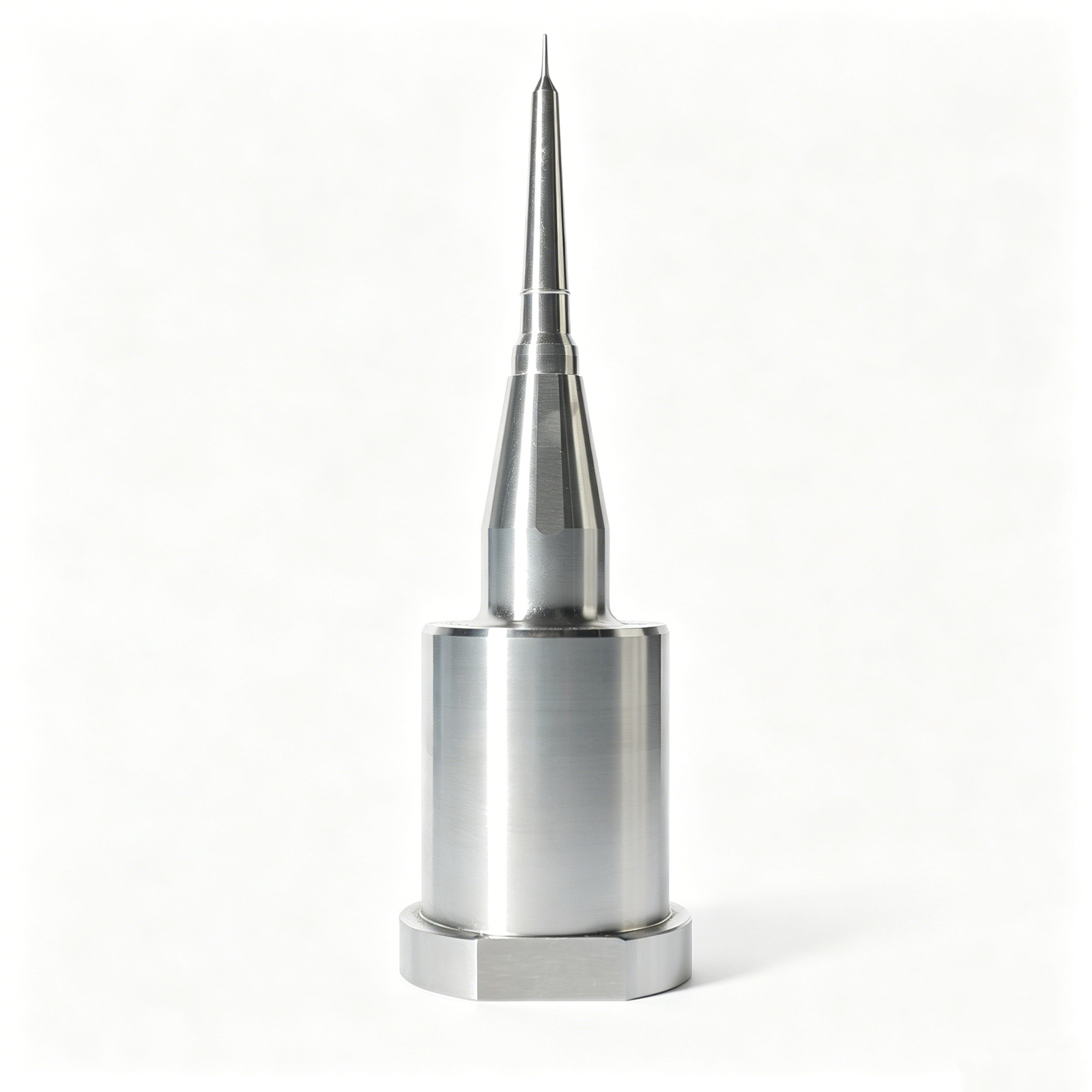
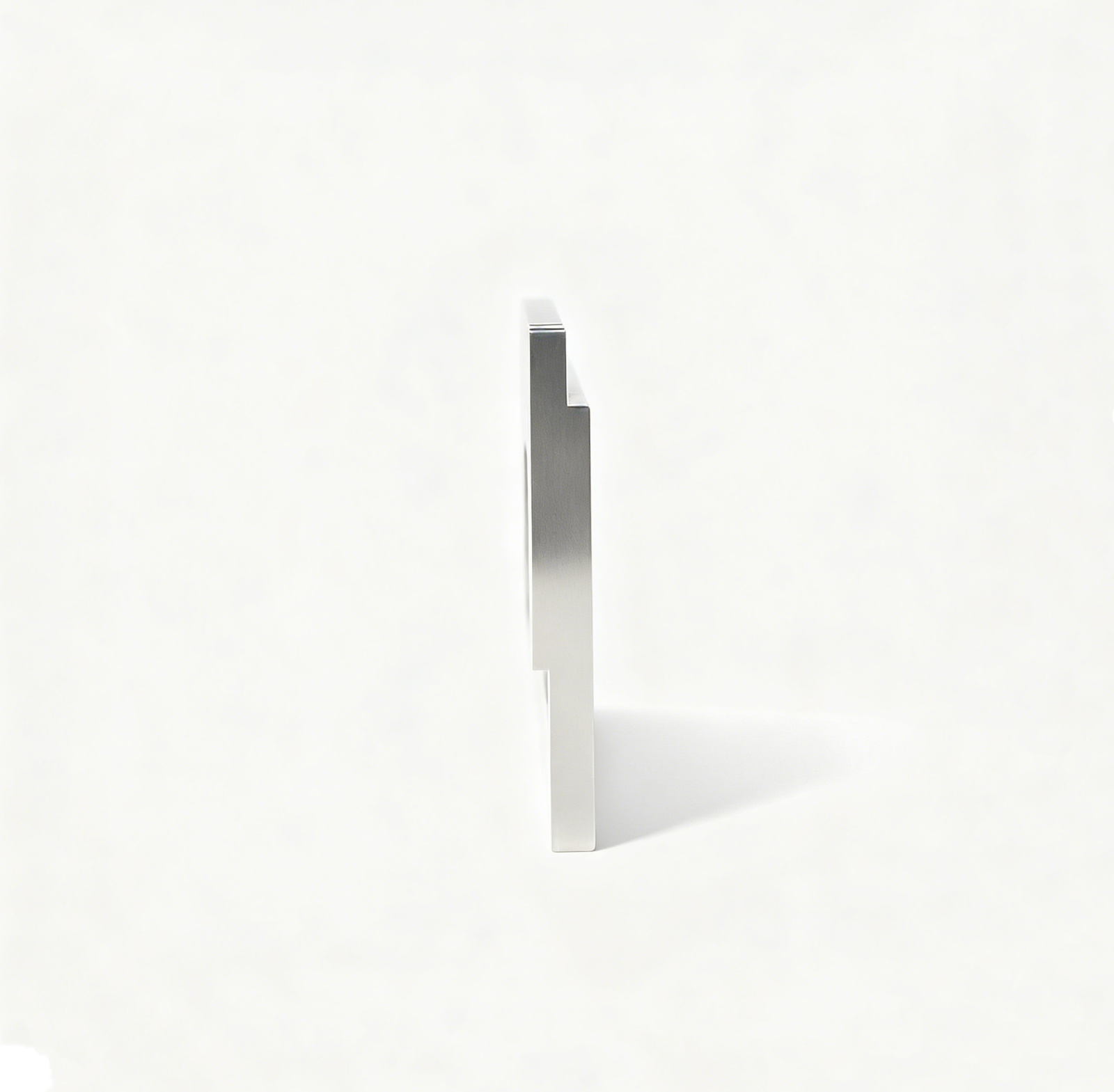
Representative Components for Precision CNC Milling Projects




Related Drawing-Based Component Families and Quotation


Precision CNC Milling Services, Engineered for Control
SUUXIANG aligns drawing review, process decisions, inspection planning, and revision visibility before production commitments.
Drawing-Led Review
We review drawings, models, materials, quantities, and application context to clarify manufacturability questions before quotation and production planning.
DFM Before Commitment
DFM discussions address tool access, datum strategy, tolerance stack risks, and feature priorities while design changes remain practical.
Integrated Process Planning
CNC milling, EDM, grinding, fitting, and inspection are considered together when the drawing requires a coordinated manufacturing route.
Critical Dimension Focus
Critical-to-quality dimensions, surface requirements, and functional interfaces guide machining priorities and the inspection approach for each order.
Inspection Plan Alignment
Inspection methods and reporting expectations are discussed against drawing requirements, helping documentation match the agreed verification plan.
Revision Visibility
Revision and delivery information remain visible through project coordination, supporting traceable communication when drawing requirements change.
Precision Machining for Critical Component Families
Drawing-driven process planning for custom parts, mold components, connector tooling, and die components—reviewed against critical dimensions, materials, inspection needs, and delivery requirements.

CNC Machining Services
Precision CNC machining services for drawing-based parts requiring coordinated milling, turning, EDM, grinding, fitting, and inspection. We review material, critical dimensions, datum references, surface requirements, quantity, and application context before confirming a practical manufacturing route.
Upload a Drawing
CNC Milling
Custom CNC milling services for prismatic, contoured, and feature-rich components. Tool access, clamping strategy, machining allowance, internal corners, and critical tolerances are evaluated from the drawing and model so the process plan supports inspection and downstream assembly.
Upload a Drawing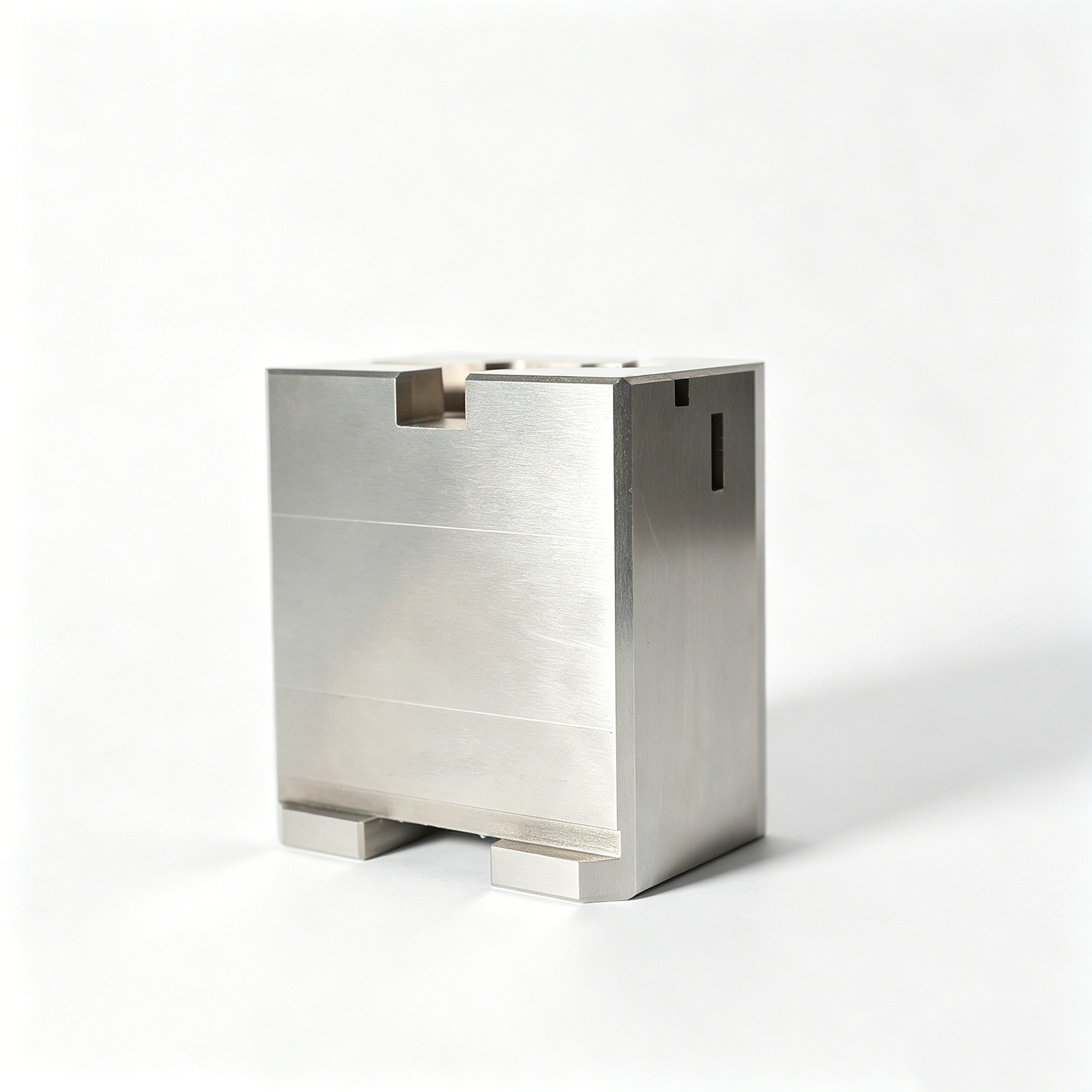
CNC Turning
Precision CNC turning services for shafts, pins, sleeves, bushings, threaded features, and other rotational parts. We assess concentricity, runout, datum selection, wall thickness, material condition, and secondary machining needs before production planning.
Upload a Drawing
5-Axis Machining
5-axis CNC machining supports complex surfaces and multi-face features where fewer setups can improve positional control. Manufacturing review considers tool reach, fixture access, datum transfer, feature orientation, material removal strategy, and inspection access for the specified geometry.
Upload a Drawing
Swiss & Micro Machining
Swiss machining and micro machining support small, slender, and detailed components where stability and feature control matter. Drawing review addresses diameter-to-length ratio, cross holes, threads, burr risk, material behavior, and measurement methods appropriate to critical features.
Upload a Drawing
Wire & Sinker EDM
Wire EDM and sinker EDM services address hardened materials, sharp internal geometry, narrow slots, intricate cavities, and features with limited milling access. Electrode strategy, wire path, flushing, recast-layer considerations, finishing allowance, and post-EDM inspection requirements are reviewed.
Upload a Drawing
Precision Grinding
Precision surface and profile grinding supports controlled flatness, parallelism, profiles, and finishing dimensions after machining or heat treatment. We plan grinding stock, workholding, wheel access, datum relationships, thermal effects, and the inspection method for each critical requirement.
Upload a Drawing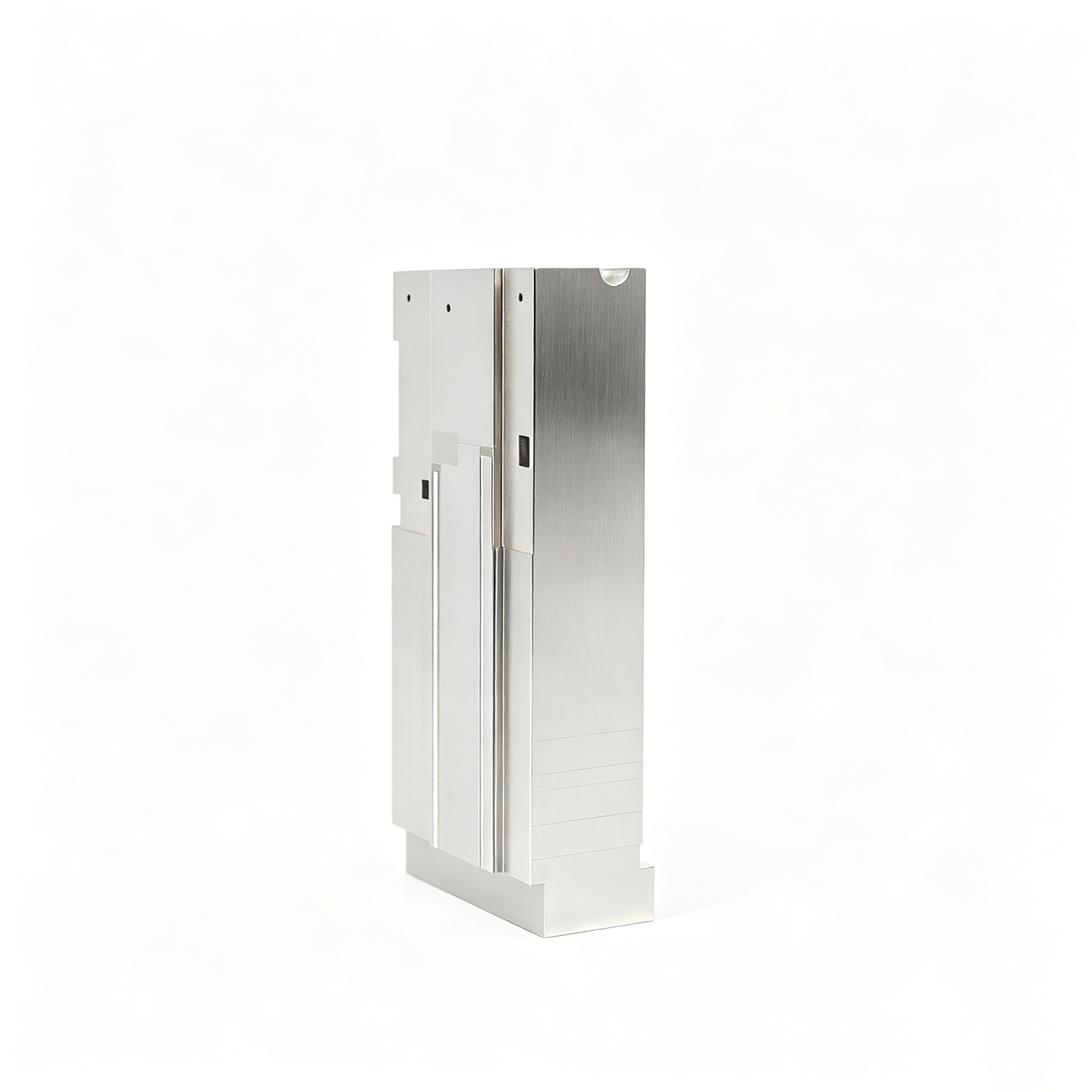
Mold Core & Cavity Inserts
Precision mold core and cavity inserts are manufactured from customer drawings and specifications for injection-mold tooling applications. Process planning aligns material and heat-treatment requirements with machining, EDM, grinding, fitting interfaces, cooling details, critical shutoffs, and inspection priorities.
Upload a Drawing
Ejector & Ejection Components
Ejector pins, sleeves, and ejection components are reviewed for fit, clearance, guidance, material condition, surface requirements, and wear-sensitive interfaces. Production planning considers the relationship to mating mold components, heat treatment, grinding, and functional movement.
Upload a Drawing
Core Pins, Guide & Locating Components
Core pins, guide pins, bushings, and locating components require controlled mating relationships and datum discipline. We review functional diameters, engagement lengths, concentricity, hardness requirements, surface finish, replacement compatibility, and inspection points before machining.
Upload a Drawing
Slides, Lifters, Gates & Mold Accessories
Mold slides, lifters, gates, and accessories are configurable tooling components planned around movement, shutoff geometry, mating faces, cooling or venting details, and assembly interfaces. Drawings should identify critical travel, fit, material, heat-treatment, and surface requirements.
Upload a Drawing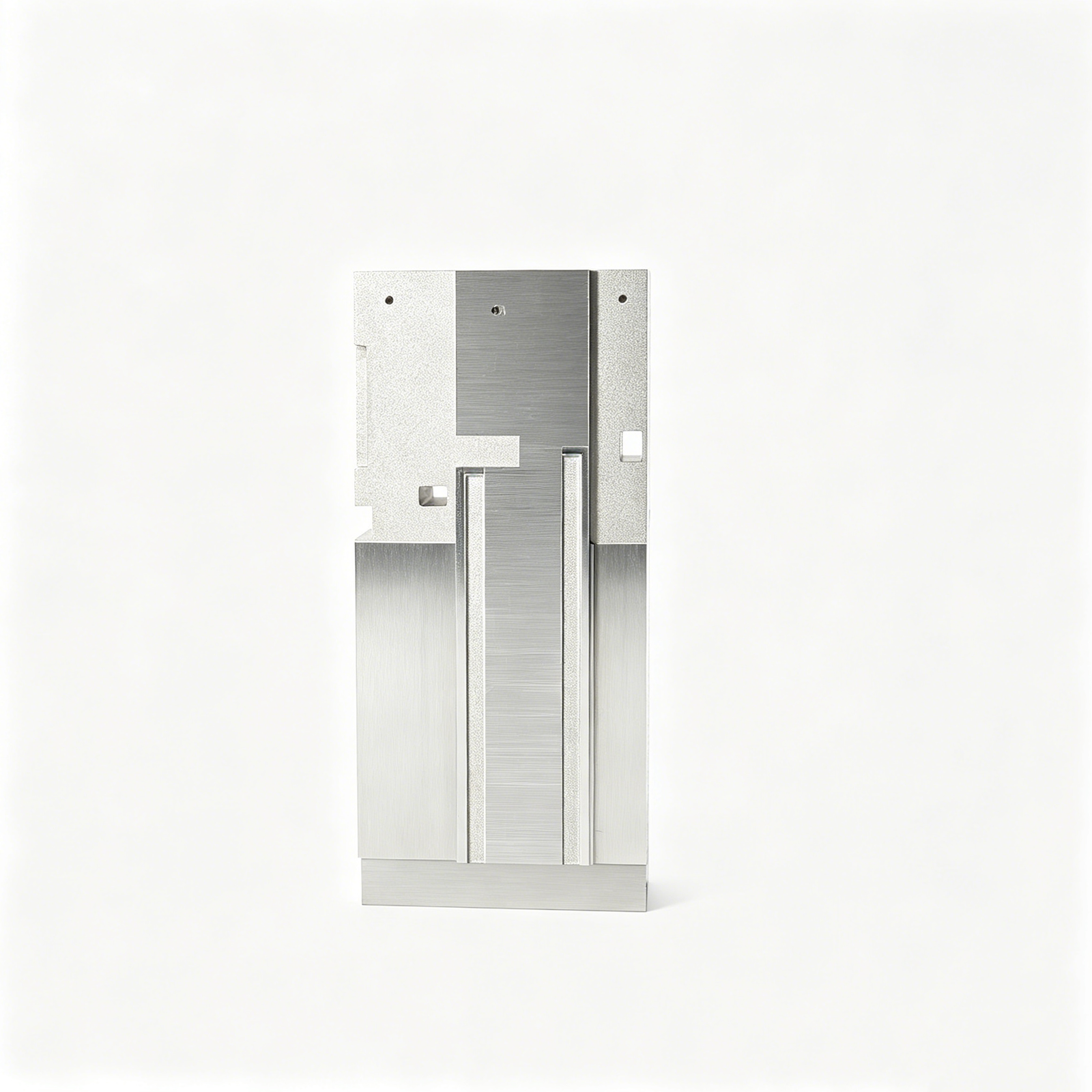
Connector Mold Components
Precision connector mold components support detailed connector-tooling features where pitch, cavity alignment, pin geometry, inserts, and repeatable location are important. We review fine-feature manufacturability, EDM needs, material condition, datum strategy, mating requirements, and inspection expectations.
Upload a Drawing
Stamping Die Components
Precision stamping die components are produced to drawings for forming, blanking, piercing, guiding, and locating functions. Manufacturing review considers die steel, heat-treatment sequence, grinding stock, EDM geometry, working clearances, wear surfaces, and dimensional evidence required for assembly.
Upload a Drawing
Injection, MIM, CIM & Overmolding Tooling
Injection, MIM, CIM, and overmolding tooling work is evaluated within verified production scope. Requirements are reviewed for material behavior, parting and shutoff features, insert interfaces, gating context, cavity details, cooling access, finishing, and inspection planning.
Upload a Drawing
Machining Materials
CNC machining materials are selected against the drawing, functional loads, corrosion exposure, wear conditions, machinability, heat-treatment needs, and mating parts. Provide the required material grade, specification, condition, and any traceability or certification documentation needed with the RFQ.
Upload a Drawing
Surface Finishes & Heat Treatment
Surface finishing and heat treatment are planned around functional requirements such as wear resistance, corrosion resistance, hardness, appearance, friction, and dimensional stability. Specify the finish or treatment, applicable standard, target condition, masking needs, and dimensions affected by processing.
Upload a Drawing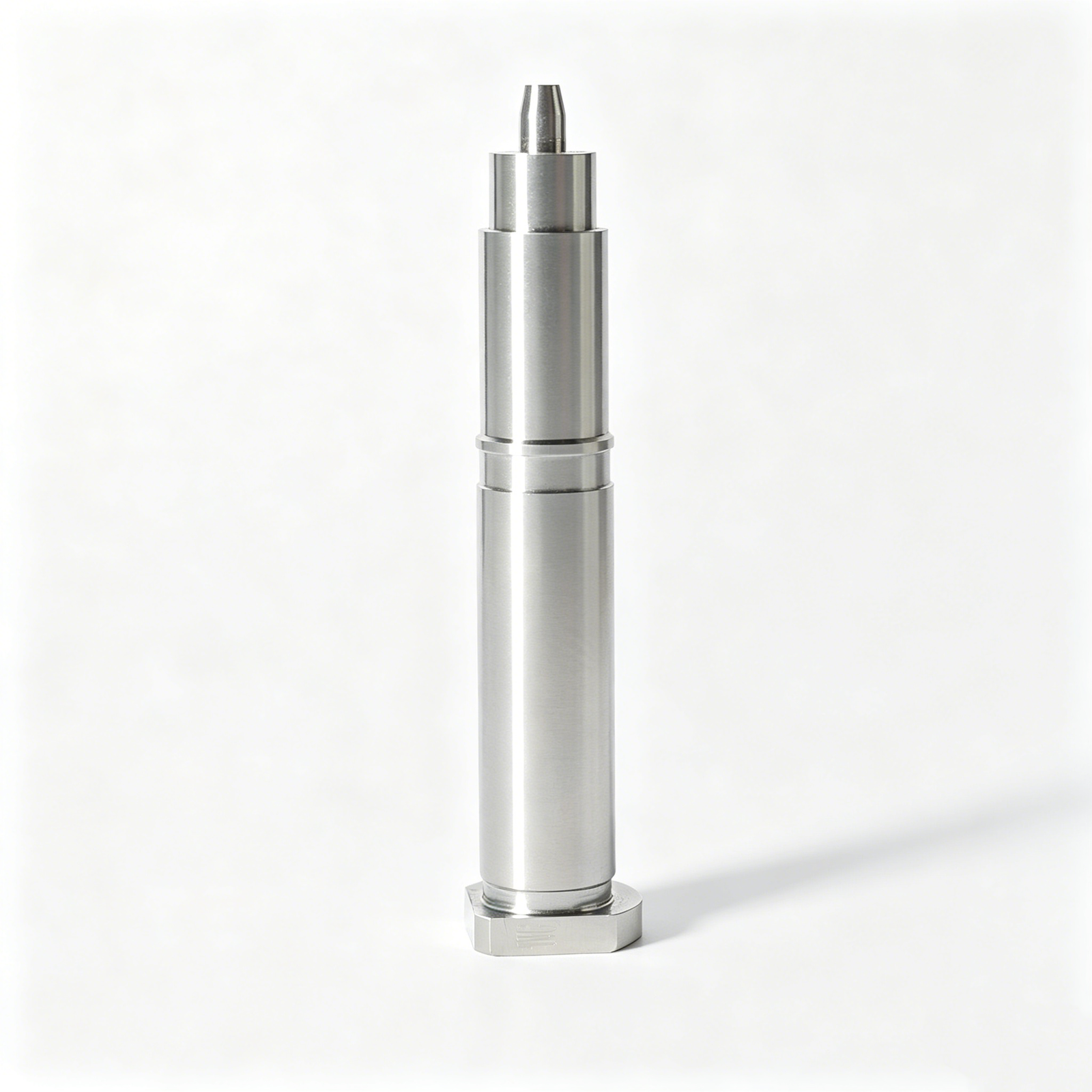
Quality, Metrology & Documentation
Precision inspection, metrology, and quality documentation are defined from the order and verified inspection plan. Critical dimensions, datums, sampling expectations, measuring methods, material records, revision status, and report format should be agreed before production begins.
Upload a Drawing
Prototyping & Low-Volume Production
Rapid prototyping and low-volume manufacturing support drawing-based evaluation, bridge needs, and controlled production quantities. Early DFM review helps identify practical process routes, material availability, critical dimensions, inspection scope, revision timing, and delivery requirements before commitments are made.
Upload a DrawingMaterials Considered for Drawing-Based Projects

CNC Milling and Turning
Often specified for mold cores, cavity inserts, slides, and die components where wear resistance, hardness, and heat-treatment sequence affect machining allowance, EDM strategy, grinding stock, and final inspection planning.

Stainless Steels
Used for components needing corrosion resistance or stable service performance, including selected mold and connector-tooling applications. Grade selection should account for machinability, heat treatment, surface condition, and critical datum features.

Aluminum Alloys
A practical choice for lightweight fixtures, prototype parts, and selected tooling components. Alloy grade, wall geometry, thread engagement, surface finish, and clamping strategy should be reviewed to protect functional dimensions during milling.

Copper Alloys
Considered for tooling features where thermal conductivity or electrical performance influences the design. Material grade, electrode use, burr control, feature access, and finishing requirements should be defined clearly in the drawing package.

Engineering Plastics
Suitable for selected low-load, insulating, wear, or prototype applications when the material matches operating conditions. Review thermal movement, moisture response, wall thickness, fastening method, surface expectations, and inspection datums before machining.
Precision CNC Milling Services and Supporting Processes

CNC Milling Turning
CNC milling and turning establish primary geometry, faces, bores and rotational features. The route is considered when a drawing requires controlled datums, efficient stock removal and coordinated features across prismatic and cylindrical surfaces.


Wire EDM
Wire EDM is considered for narrow slots, precise profiles and hardened-workpiece features where a defined wire path is appropriate. The process supports intricate internal or external contours while the drawing establishes critical dimensions and inspection priorities.

Sinker EDM
Sinker EDM is considered for deep cavities, sharp internal geometry or details with restricted conventional tool access. Electrode strategy, finish expectations and downstream fitting requirements are reviewed before the route is committed.

Precision Grinding
Precision grinding is considered when surface condition, flatness, parallelism or final-size control requires a dedicated finishing step. Grinding stock and heat-treatment sequence must be defined so the final operation supports the drawing datum strategy.

Fitting Inspection
Fitting and inspection confirm functional relationships after machining and finishing. Inspection methods, reporting needs, revision status and critical dimensions are aligned with the order so documentation matches the agreed quality plan.
Supporting Tooling Features and Components

Core Pins
Core pins support formed holes, internal details, and localized mold features. Material, hardness, diameter, seating geometry, and critical dimensions should be defined on the drawing so machining, grinding, EDM, and inspection can be planned appropriately.

Guide Components
Guide pins, bushes, and related guiding elements help control repeatable alignment between tooling halves or moving sections. Specify datum relationships, fit requirements, lubrication provisions, wear considerations, and mating-component details for meaningful manufacturing review.

Locating Elements
Locating pins, keys, blocks, and stop features establish repeatable component position during assembly and operation. Their function depends on tolerance stack, contact surfaces, assembly sequence, and inspection datums, which should be visible in the supplied drawing package.
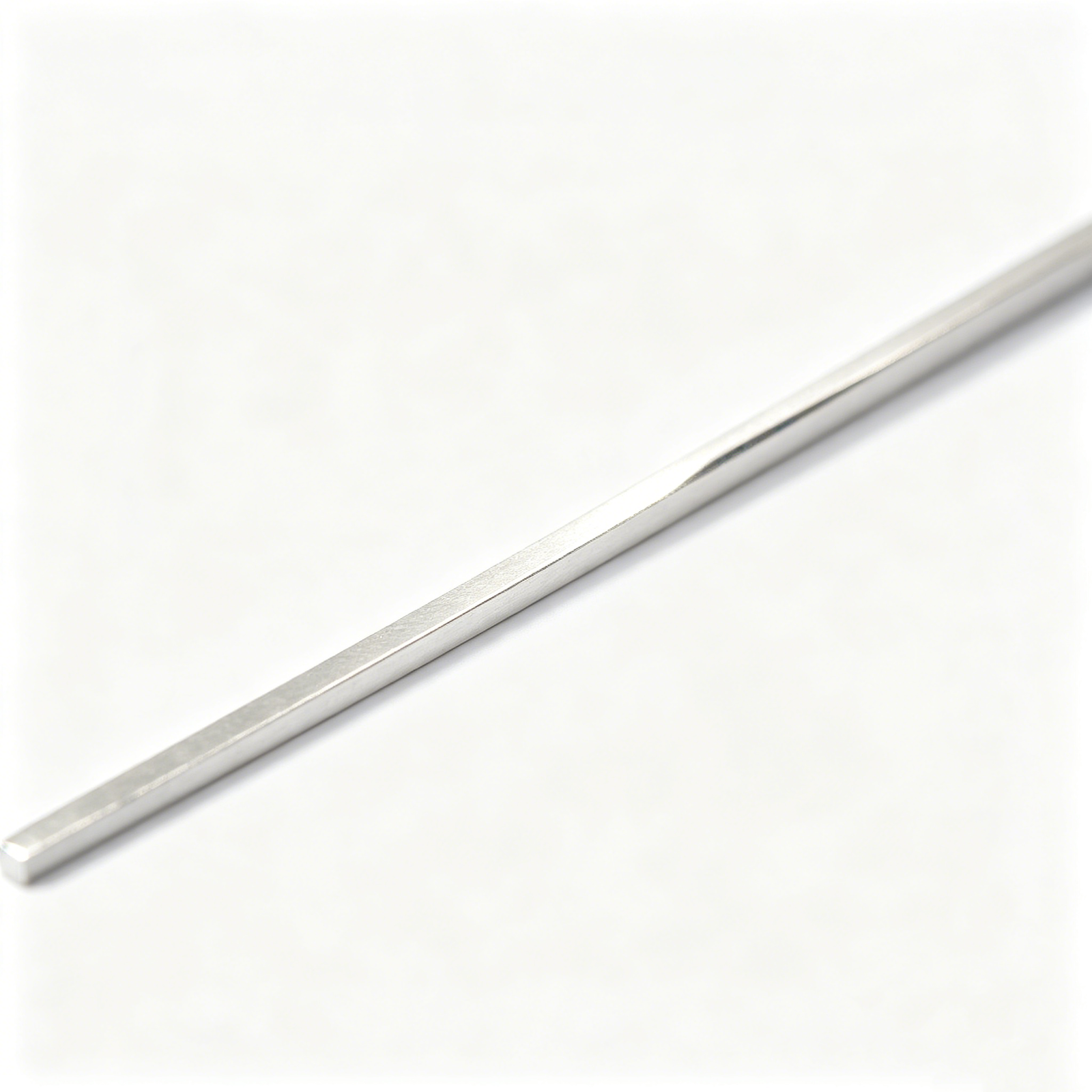
Slides And Lifters
Slides and lifters support side actions, undercuts, and controlled movement in mold assemblies. Review should address travel, clearance, locking surfaces, wear zones, tool access, heat-treatment sequence, and whether EDM or grinding is required after machining.

Gates And Inserts
Gate inserts, cavity inserts, and related replaceable features can concentrate wear-sensitive or geometry-critical tooling details. Provide resin or application context, surface requirements, gate geometry, mating interfaces, and revision-controlled models to guide the process route.
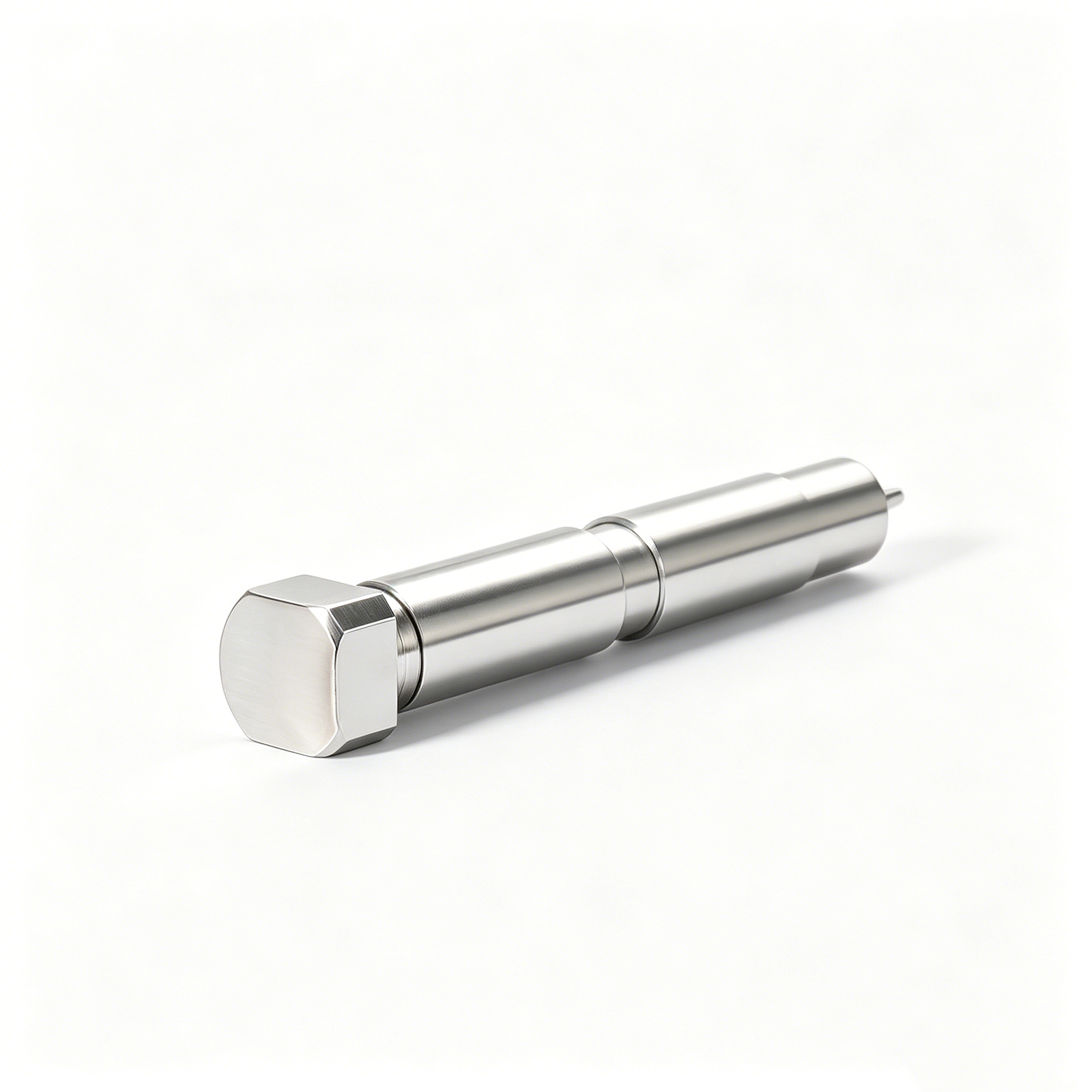
Die Tool Accessories
Stamping-die accessories may include punches, stripper-related elements, guide features, and custom locating components. Drawing review should clarify material, working faces, clearance relationships, heat-treatment requirements, grinding stock, and inspection priorities before production planning.
About SUUXIANG Precision CNC Milling Services
SUUXIANG is the sole international-facing public brand of Dongguan SuuXiang Precision Mold Co., Ltd., established in 2010 in Chang’an Town, Dongguan, Guangdong, China. XiaoCheng Huang is the founder and legal representative. We help global engineering, sourcing, and quality teams translate drawings and specifications into inspected custom machined parts, precision mold components, and connector-tooling components.
Our production planning combines CNC milling and turning, multi-axis machining, EDM, precision grinding, fitting and inspection when the drawing requires those process routes. Before quotation or production commitment, we review critical dimensions, datum strategy, material and heat-treatment requirements, machining access, grinding allowance and inspection expectations.
What distinguishes SUUXIANG is a disciplined, drawing-driven workflow. We keep DFM findings, revision details, quality requirements and delivery coordination visible throughout the project, so buyers can make informed manufacturing decisions rather than rely on generic machining assumptions.

Precision CNC Milling Services Planned Around Critical Features
DFM and Datum Review
Before routing work, SUUXIANG reviews the drawing, model, datums, critical dimensions, surface requirements, tool access, and tolerance stack. This early discussion identifies features that need a different setup, machining allowance, or inspection approach before quotation and production commitments.
- Confirm functional datums and critical-to-quality dimensions
- Review tool reach, wall geometry, and workholding assumptions
- Identify tolerance-stack and surface-finish risks
- Align material, heat treatment, and quantity requirements

Process Routes by Feature
Precision CNC milling services are planned around the geometry and condition of each feature, not treated as a single operation. CNC milling may be combined with turning, wire EDM, sinker EDM, precision grinding, and fitting where the drawing and verified project requirements call for it.
- Match machining access to the required geometry
- Evaluate EDM for narrow, internal, or difficult-to-cut features
- Plan grinding stock for precision surfaces and final condition
- Sequence heat treatment and finishing around dimensional priorities

Inspection Planned Upfront
Inspection requirements are considered while the process route is being defined. SUUXIANG aligns measurement methods with drawing datums, critical dimensions, and requested reporting so that the final documentation corresponds to the order and the agreed inspection plan.
- Define measurement priorities from critical drawing features
- Use datums consistently in machining and verification
- Clarify requested reports before production begins
- Keep inspection evidence aligned with the order requirements
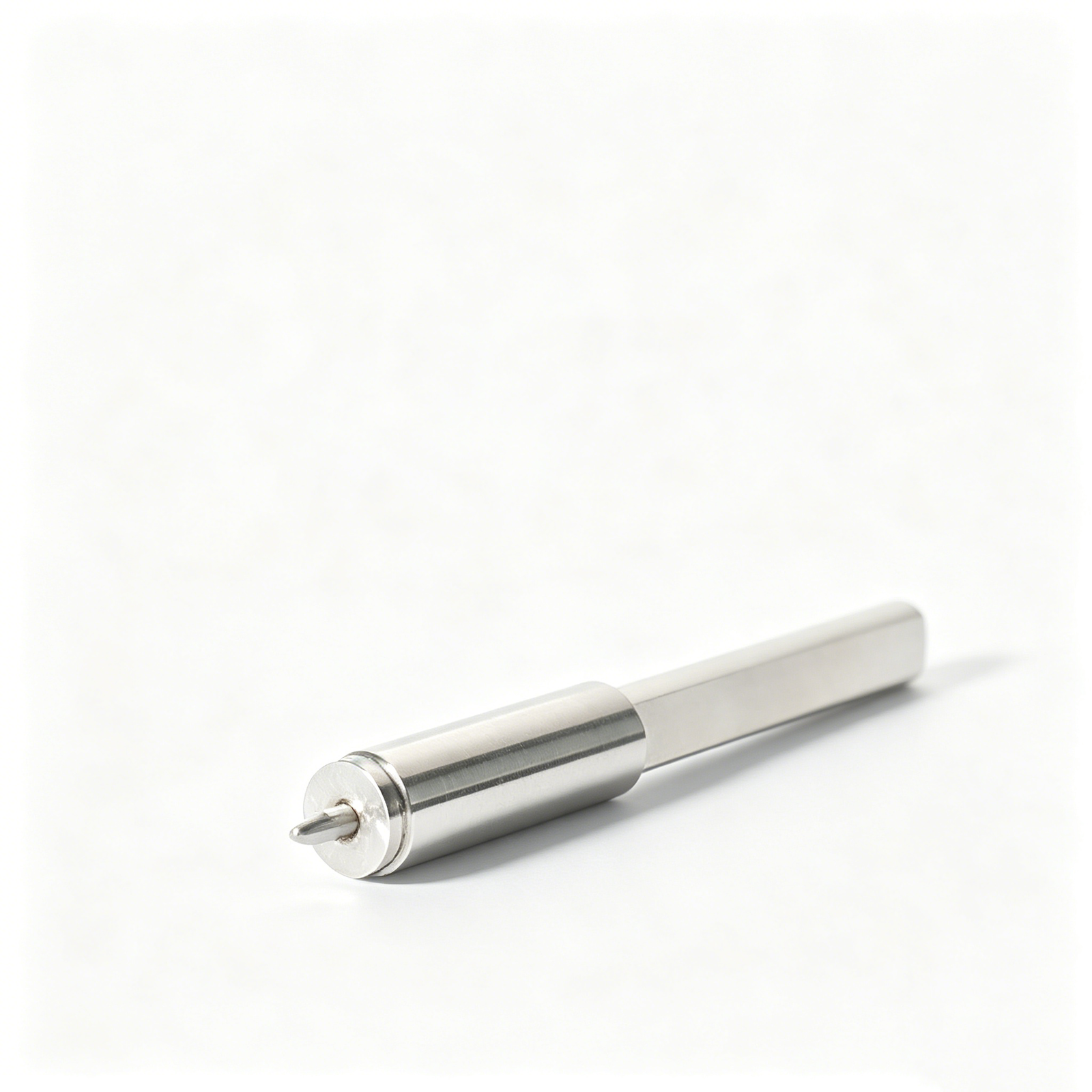
Revision-Controlled Coordination
Drawing-based projects need visible communication when revisions, clarifications, or delivery requirements change. SUUXIANG keeps revision information connected to process discussion, production planning, and inspection expectations, helping engineering, purchasing, and quality teams maintain a shared understanding of the current requirement.
- Confirm the current drawing and model revision
- Record clarified requirements before release to production
- Coordinate delivery expectations with the approved scope
- Maintain traceable communication through project changes

A Drawing-Review Framework for Comparing Machining Suppliers
Use these criteria to evaluate whether a supplier can address drawing comprehension, process planning, and inspection expectations beyond a generic price quotation.
← Swipe left or right to view →
Precision CNC Milling Services: Drawing-to-Inspection Workflow
A controlled route for drawing-driven parts, with manufacturing decisions, inspection requirements and revision information kept visible throughout the project.
Review the RFQ Package
We assess the 2D drawing, 3D model, material, quantity, application context, delivery target and requested inspection documentation before defining a quotation route.
Confirm DFM and Priorities
Critical dimensions, datums, tolerance stack, surface requirements, machining access, heat-treatment sequence and inspection method are reviewed to identify manufacturability questions early.
Plan the Process Route
SUUXIANG selects the appropriate combination of CNC milling, turning, multi-axis machining, EDM, grinding and fitting based on verified project requirements and feature geometry.
Machine Critical Features
Production follows the approved drawing revision, with machining allowances, electrode strategy, wire paths and grinding stock managed according to the planned process route.
Inspect and Document Parts
Parts are checked against the agreed inspection plan, focusing on critical dimensions, datum references, surface requirements and any order-specific reporting or traceability needs.
Coordinate Packing and Delivery
Final documentation, packing requirements and delivery coordination are aligned with the order so engineering and sourcing teams receive clear revision and shipment information.
Start Precision CNC Milling Services With a Drawing Review
Align technical requirements, production controls, and delivery documentation before machining begins.
Submit Your Technical Package
Provide 2D drawings, available 3D models, material and heat-treatment requirements, quantity, target date, critical dimensions, surface priorities, and inspection or reporting expectations.
Review DFM and Quotation
Align on manufacturability, datums, tool access, machining allowances, EDM or grinding needs, sampling expectations, process route, and quotation assumptions before committing the order.
Approve Production Details
Confirm the controlled revision, agreed technical scope, quality plan, and delivery requirements so machining, fitting, and inspection proceed against the same documented requirements.
Receive Coordinated Delivery
SUUXIANG coordinates final inspection, order-matched documentation, revision visibility, and delivery information, helping your team verify received parts against the approved inspection plan.
Customer Evidence Is Published Only When Verified
Precision CNC Milling Services: Verified Customer Results
Reserved for an approved customer testimonial documenting the application, drawing revision, inspection requirement, delivered quantity, and measurable project outcome. Publish only after the customer has authorized the wording and result.
Reserved for an approved case summary covering the component family, critical dimensions, process route, inspection evidence, and verified result. Add numeric outcomes only when supported by the project record and customer approval.
Reserved for an approved customer statement about drawing review, DFM feedback, revision control, delivery coordination, and part acceptance. Include the actual quantity, date, and measurable outcome only after verification and publication permission.
Complete Buyer’s Guide to Precision CNC Milling Services
Practical answers for teams sourcing drawing-based parts, mold components, and connector tooling.
What should I send for a precision CNC milling services quote?
Do precision CNC milling services have a minimum order quantity?
Can you make a sample before a larger production order?
How long do precision CNC milling services take?
Can precision CNC milling services include heat treatment and surface finishing?
What inspection reports can be provided with CNC-milled parts?
Can SUUXIANG ship CNC-machined parts internationally?
How are payment terms and drawing confidentiality handled?
Complete Buyer’s Guide to precision cnc milling services
Use this practical framework to compare machining approaches, materials, quality controls, supplier qualifications, and cost drivers—so your team can source drawing-based parts confidently and avoid expensive specification, inspection, and handoff mistakes.
1. What Are precision cnc milling services?
3-axis CNC milling programs rotating cutters to remove material from a clamped workpiece along controlled X, Y, and Z motions. Precision cnc milling services create faces, profiles, pockets, bores, slots, and datum-related features from a drawing and model rather than from a fixed product catalog.
4 common companion processes address features milling does not efficiently make: turning favors rotational parts, grinding refines selected surfaces, and wire or sinker EDM reaches hardened or inaccessible geometry. Stamping forms repeated sheet-metal shapes, while molding produces formed parts; milling is often used for their tools, inserts, and low-volume machined components.
2 drawing inputs—a dimensioned 2D drawing and a 3D model when available—usually establish whether a part is a milling candidate. Suitable work has accessible cutter paths, defined datums and tolerances, practical workholding, and a material condition compatible with the planned milling, EDM, grinding, heat-treatment, and inspection sequence.
2. How Precision Milling Evolved
3-axis CNC controls replaced much of the manual handwheel work by executing programmed toolpaths from defined coordinates. The buyer benefit was repeatability across a batch, provided fixturing, datum selection, tool offsets, and program revision were controlled.
CAD/CAM programming connected model geometry to machining strategy, making a drawing revision easier to translate into revised toolpaths and setup instructions. Four- and 5-axis positioning then reduced refixturing for contoured mold cores, cavity inserts, and connector-tooling features with difficult tool access.
Probe-based setup and digital inspection added closed-loop evidence: work offsets can be verified before cutting, while measured results can be compared with critical dimensions and the released revision. Machine age alone is therefore a weak purchasing criterion; for precision cnc milling services, ask how the supplier controls programs, datums, in-process checks, inspection records, and change communication.
3. Types of precision cnc milling services
Six service routes cover most drawing-based milling RFQs. Select the route from feature access and datum control first; machine count alone does not establish tolerance capability.
| Service Type | Accessible Geometry | Setup Implication | Typical Use |
|---|---|---|---|
| 3-axis | Top-face pockets and holes | Multiple orientations | Fixtures, simple inserts |
| 4-axis | Indexed side features | Fewer side re-clamps | Connector tooling |
| 5-axis | Compound multi-face forms | Reduced datum transfers | Complex inserts |
| High-speed | Fine details and shallow forms | Toolpath control required | Electrodes, detailed cavities |
| Prototype | Revision-sensitive geometry | Flexible planning | First articles |
| Low-volume Repeat | Approved recurring parts | Controlled setup release | Die components |
Axis Configuration
3-axis milling suits planar pockets, holes, and accessible mold inserts; each re-clamp can add datum-transfer risk.
4-axis indexing exposes side features, while simultaneous 5-axis access supports compound faces, deep connector-tooling details, and fewer setups.
Speed And Development
High-speed milling favors fine toolpaths and thin-wall or detailed electrode work, but tool deflection and heat must be reviewed.
Prototype machining prioritizes drawing feedback and revision visibility; low-volume repeats prioritize locked setup, inspection points, and controlled revision release.
Route The Drawing
Critical datums should remain reachable in as few setups as practical. Quote mold inserts, stamping-die components, fixtures, and custom machine parts with mating context and inspection requirements.
4. Materials for CNC-Milled Parts
Material choice sets the process window before programming begins. In precision cnc milling services, specify the grade, condition, heat treatment, and required certification with the drawing.
| Material Group | Machinability | Key Risk | RFQ Evidence |
|---|---|---|---|
| Aluminum | High | Clamping distortion | Alloy and temper |
| Steel and stainless | Moderate | Heat, tool wear | Grade and heat treatment |
| Tool steel | Low when hardened | Grinding allowance | Hardness and condition |
| Brass and copper alloys | High to moderate | Burrs, deformation | Alloy designation |
| Titanium | Low | Heat and cycle time | Grade and certification |
| POM, nylon, PEEK, PC | Moderate | Thermal or moisture movement | Grade, color, service environment |
Metal Selection Trade-Offs
Aluminum machines readily and dissipates heat, but lower stiffness can expose clamping distortion.
Carbon and alloy steels provide strength; stainless adds corrosion resistance but may work-harden at poor cutting conditions.
Hard And Conductive Alloys
Tool steels need planned machining and heat-treatment sequence; hardened stock raises tool wear, grinding needs, and inspection risk.
Brass machines cleanly, while copper alloys conduct heat and can burr. Titanium retains strength at temperature but commonly needs conservative tooling and cycle planning.
Engineering Plastic Limits
POM offers low-friction, stable machining; nylon absorbs moisture, affecting dimensions.
PEEK tolerates higher service temperatures, while PC offers impact resistance but needs care against stress and cosmetic damage.
5. Finishes and Secondary Operations
Post-machining choices change fit, corrosion behavior, appearance, and assembly readiness. For precision cnc milling services, specify the finish route during drawing review because later treatments can alter measured surfaces.
| Operation | Primary Purpose | Drawing Control |
|---|---|---|
| Bead blasting | Cosmetic texture | Mask datums and sealing faces |
| Anodizing or plating | Functional protection | State thickness and no-coat areas |
| Laser marking | Identification | Define location, content, and contrast |
| Assembly | Delivery readiness | Specify torque, orientation, and records |
Select The Treatment Purpose
Deburring, bead blasting, and polishing primarily manage edges, texture, or appearance; acceptance criteria should state permitted burrs, texture reference, and visible-face boundaries.
Anodizing, plating, passivation, and heat treatment serve functional purposes such as corrosion response, wear, or hardness. Confirm material compatibility and sequence before machining starts.
Protect Critical Features
Coating thickness can reduce hole size and shift mating fits. Mark critical dimensions as before-finish or after-finish, state the required inspection condition, and identify no-coat surfaces.
Threads, reamed bores, datum faces, and sealing lands need explicit masking or protection notes. Specify tapping and reaming after coating when the functional requirement permits it.
Assign One Accountable Route
One accountable supplier can coordinate machining, treatment, laser marking, and assembly against a single revision and inspection plan. The purchase order should identify each handoff, packaging protection, and final-record owner.
Multiple suppliers require a controlled traveler, approved finish sample, and incoming checks after every transfer. Release assembly only after mating features, markings, and protected threads are verified.
6. Quality Elements in Precision Parts
Two drawings can describe the same geometry yet produce different assemblies when datums, functional relationships, and inspection rules are unstated. For precision cnc milling services, define acceptance criteria before the machining route is released.
Datums And Geometric Controls
Three datum features should establish the functional setup whenever practical: a primary seating face, secondary locating feature, and tertiary clocking feature. Apply GD&T to control flatness, perpendicularity, position, and profile against those datums rather than relying on coordinate dimensions alone.
One tolerance stack must include mating parts, fasteners, clearance, and thermal or process effects where relevant. Identify critical-to-quality dimensions separately so the supplier can align fixturing and measurement.
Edges, Threads, And Material State
A drawing should state surface-finish limits by functional surface, edge-break requirements, and whether burrs are unacceptable on sealing, sliding, or connector-mating features. Specify thread standard, size, class, depth, gauge method, and any masking or post-treatment sequence.
Hardness requirements need the material condition, heat-treatment stage, hardness scale, and test location. These details prevent a finished part from being measured or machined in the wrong state.
Inspection And Traceability
First-article inspection should confirm critical features and agreed datums before repeat production proceeds. In-process checks should target features that become inaccessible after EDM, grinding, fitting, or heat treatment.
Final reports should identify the revision, lot, measured characteristic, actual result, acceptance limit, instrument or method, and inspector record. Align CMM, height-gauge, pin-gauge, thread-gauge, and surface-measurement methods with the drawing before release.
7. Choosing precision cnc milling services
Two RFQ stages reveal more than a capability list: drawing review before quotation, then documented control before release. For precision cnc milling services, evaluate evidence against your part’s datums, material, volume, delivery, and export needs.
| Evaluation Area | Credible Proof | Warning Sign |
|---|---|---|
| Equipment fit | Part-specific route and fixture approach | Machine list only |
| Material experience | Comparable process discussion | Unlimited material claim |
| Capacity planning | Dated production and shipment plan | Uncommitted lead-time promise |
| Quality control | Sample report and inspection plan | Generic quality statement |
Test Drawing Review
Three clarification questions are more valuable than a generic acceptance: ask about datum conflicts, inaccessible features, and heat-treatment sequence.
One credible response identifies CTQ dimensions, proposes tool access or EDM strategy, and records assumptions for approval.
Verify Production Evidence
One sample inspection report should show part identification, revision, measured characteristics, instruments, acceptance limits, and disposition.
One process plan should connect material receipt, machining, grinding or EDM, inspection, preservation, and final packing to the drawing.
Compare Program Controls
Two named contacts—engineering and project coordination—reduce ambiguity during revision, capacity, shipment, and nonconformance discussions.
One change-control route should require written revision confirmation before production; verify packaging protection, export documents, and delivery communication for each order.
8. Common Buyer Mistakes to Avoid
Before release, a drawing package must define the part’s functional intent, not only nominal geometry. Most costly escapes originate where requirements, inspection evidence, or revision ownership are left open to interpretation.
Define Critical Features
A 2D drawing without CTQ callouts can leave fit-driving bores, pin locations, and sealing faces treated as ordinary dimensions. Identify critical features, GD&T, material condition, and measurable acceptance limits before machining.
A tolerance applied uniformly to every dimension increases cost without protecting function. Tie tight limits to mating risk, specify realistic datum references, and review stack-up with the supplier.
Specify Process-Dependent Requirements
A finish note omitted from a drawing can produce an acceptable size but unacceptable friction, corrosion behavior, appearance, or EDM surface condition. State finish, roughness where functional, edge-break expectations, and masking or post-treatment sequence.
A low unit-price comparison can conceal missing grinding, EDM, inspection, packaging, or heat-treatment controls. Compare like-for-like process routes and documentation rather than quoted price alone.
Control Release And Acceptance
A first article skipped on a new or changed part can repeat an incorrect interpretation across the lot. Approve a representative part or agreed inspection results before authorizing production.
A revision label without controlled files invites mixed versions and disputed acceptance. Release one dated drawing and model set, define the inspection method and report requirements, and record who accepts deviations.
9. Launching a CNC Milling RFQ
Two source files—an approved 2D drawing and 3D model—anchor a usable RFQ. For precision cnc milling services, start with DFM before requesting price or delivery.
Review The Design
One DFM review should confirm datums, critical dimensions, tool access, and tolerances.
Two parties should resolve unclear notes, material callouts, finish, and heat-treatment sequence before quotation.
Build The Quote Package
Eight inputs make scope comparable: 2D drawing, 3D model, material, finish, quantity, annual forecast, target date, and inspection needs.
One packaging specification should state protection, labeling, lot separation, and any mating-part handling requirements.
Approve And Release
One prototype approval should record accepted revision, deviations, and required corrective actions.
First-article verification precedes a pilot order; production release follows agreed results, then feedback updates drawings, inspection plans, and revision control.
10. precision cnc milling services Pricing
1-piece prototypes carry the full programming, fixture, tool-selection and first-article burden; 25-piece and 100-piece orders spread those costs across more parts. Material grade, stock size and removal volume also affect both material yield and machine time.
3-axis work can reduce access-related cost when all critical faces remain reachable; 4- or 5-axis machining may reduce setups but adds machine-hour cost. Tight tolerances, long cycle times, multiple datums, 100% inspection, heat treatment and finishing should be priced as defined operations, not assumed inclusions.
2 practical cost controls are to apply the tightest tolerance only to functional features and specify inspection only for critical dimensions. Standardize stock sizes, use generous nonfunctional radii, combine compatible parts into one release, and provide the 2D drawing, model, quantity and finishing requirements before quotation.
| Illustrative quantity | Main quoted-cost pattern | Typical planning lead time |
|---|---|---|
| 1–5 pieces | Setup and programming dominate | 5–15 working days |
| 25–100 pieces | Setup cost is distributed | 10–25 working days |
| 100+ pieces | Cycle time and inspection efficiency dominate | Project-specific review |
Start Your Precision CNC Milling Services Review
Upload your 2D drawing, 3D model where available, material, quantity, quality expectations, and target delivery date for a quotation review.