
Precision Grinding Basics for Drawing-Driven Decisions
Use precision grinding basics to evaluate geometry, tolerances, grinding allowance, and inspection requirements before selecting a manufacturing route.
Precision Grinding Basics: Drawing to Inspection
SUUXIANG is the public-facing brand of Dongguan SuuXiang Precision Mold Co., Ltd., established in 2010 in Chang’an Town, Dongguan, China. Founded and legally represented by XiaoCheng Huang, we help international engineering and sourcing teams turn drawings, models, and specifications into inspected custom CNC parts, precision mold components, connector tooling, and die components.
Our work connects drawing review and DFM with the practical process route: CNC machining, EDM, precision grinding, fitting, and inspection. For precision grinding basics, the important question is not simply whether a surface can be ground, but how datum strategy, machining allowance, heat-treatment sequence, tool access, and inspection requirements affect the result.
What differentiates SUUXIANG is a drawing-driven approach to production decisions. Before quotation or commitment, we review critical dimensions, surface priorities, revision status, material requirements, and reporting needs. This creates a clearer basis for selecting the process, planning verification, and communicating the information needed for an accountable project handoff.

Precision Grinding Basics: Choose the Process for the Geometry
Match the grinding route to functional geometry, material condition, datum strategy, and the inspection evidence required on the drawing.
Surface Grinding
Use for flat faces, plate thickness, parallelism, and mating surfaces where controlled stock removal supports functional flatness and finish requirements.
Cylindrical Grinding
Specify for external diameters, journals, pins, and concentric features when roundness, diameter control, and datum relationships govern fit.
Internal Grinding
Consider for bores and internal profiles when mating function depends on controlled diameter, surface condition, and alignment to external datums.
Wire EDM Plus Grinding
Combine processes when hardened profiles need wire-cut geometry first, followed by grinding stock removal on defined functional surfaces.
Grinding After Heat Treatment
Plan sequence around heat treatment, distortion risk, remaining allowance, and inspection points so critical dimensions are finished from stable datums.
Drawing-Driven Precision Manufacturing
Process routes and configurable component families planned around critical dimensions, material requirements, inspection needs, and controlled revision information.
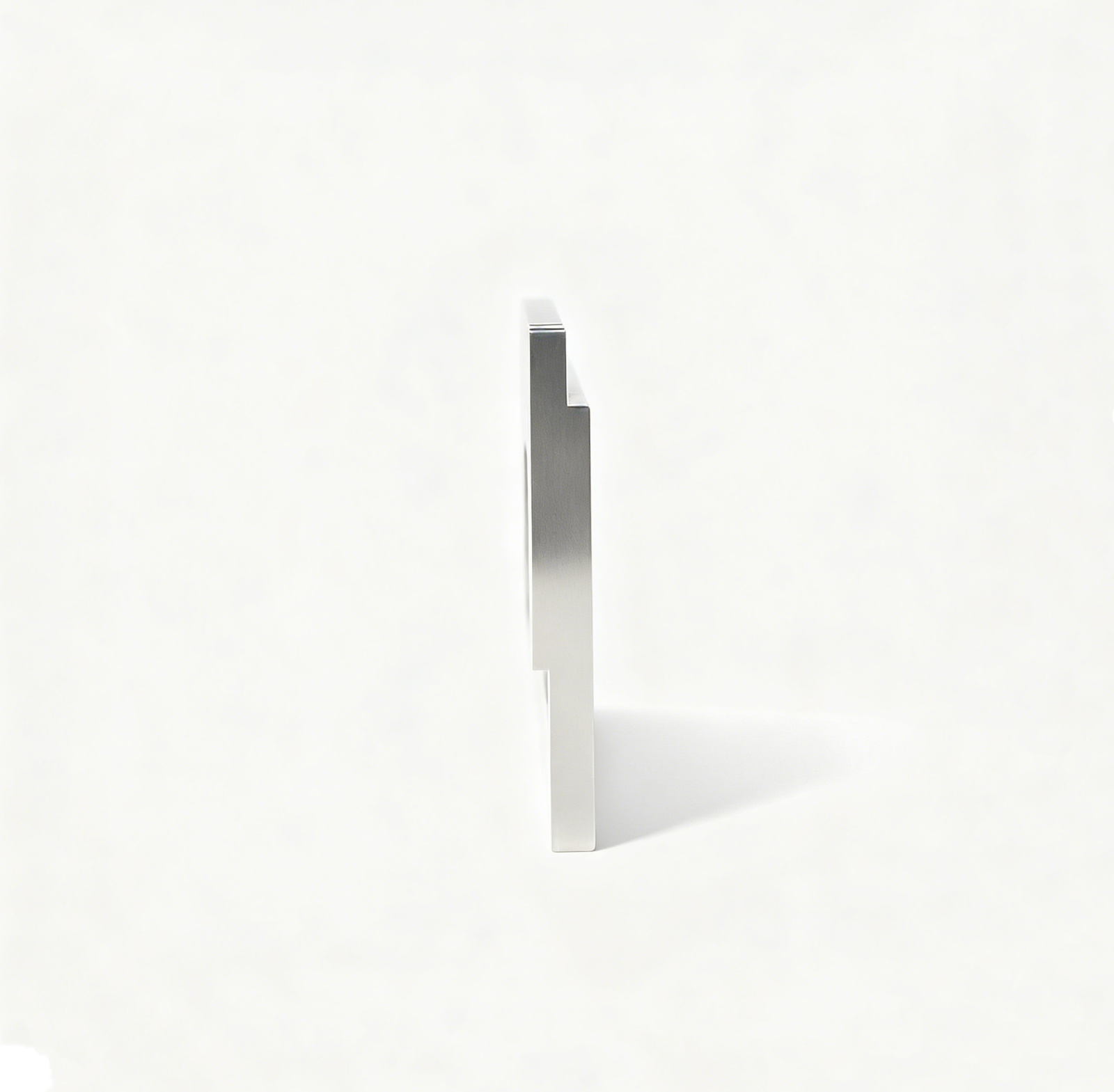
CNC Machining Services
Precision CNC machining services for drawing-based custom parts, combining milling, turning, EDM, grinding, fitting, and inspection as the part geometry, critical dimensions, material condition, and quality requirements require.
Upload a Drawing
CNC Milling
Custom CNC milling services for prismatic parts, plates, inserts, pockets, and complex features. Drawing review considers datum selection, cutter access, wall geometry, machining allowance, surface requirements, and inspection points before a route is confirmed.
Upload a Drawing
CNC Turning
Precision CNC turning services for shafts, pins, sleeves, bushings, and rotational components. Requirements are reviewed for concentricity, runout, thread detail, material condition, gripping strategy, secondary features, and the dimensions that require inspection.
Upload a Drawing
5-Axis Machining
5-axis CNC machining for parts requiring multi-angle access, compound geometry, and reduced re-clamping. Process planning evaluates tool reach, fixture strategy, datum retention, surface transitions, tolerance relationships, and whether five-axis access improves the proposed route.
Upload a Drawing
Swiss & Micro Machining
Swiss machining and micro machining for small-diameter pins, shafts, contacts, sleeves, and other detailed components. Feasibility depends on drawing geometry, material behavior, length-to-diameter ratio, feature accessibility, critical dimensions, and inspection method.
Upload a Drawing
Wire & Sinker EDM
Wire EDM and sinker EDM services for hardened features, narrow slots, sharp internal geometry, intricate profiles, and mold details beyond practical cutting-tool access. Electrode strategy, wire path, flushing, recast-layer considerations, finishing requirements, and inspection criteria are reviewed.
Upload a Drawing
Precision Grinding
Precision surface and profile grinding for controlled flatness, parallelism, profile accuracy, and finishing stock on mold and die components. The route considers heat-treatment sequence, grinding allowance, datum control, surface requirements, and critical measurement locations.
Upload a Drawing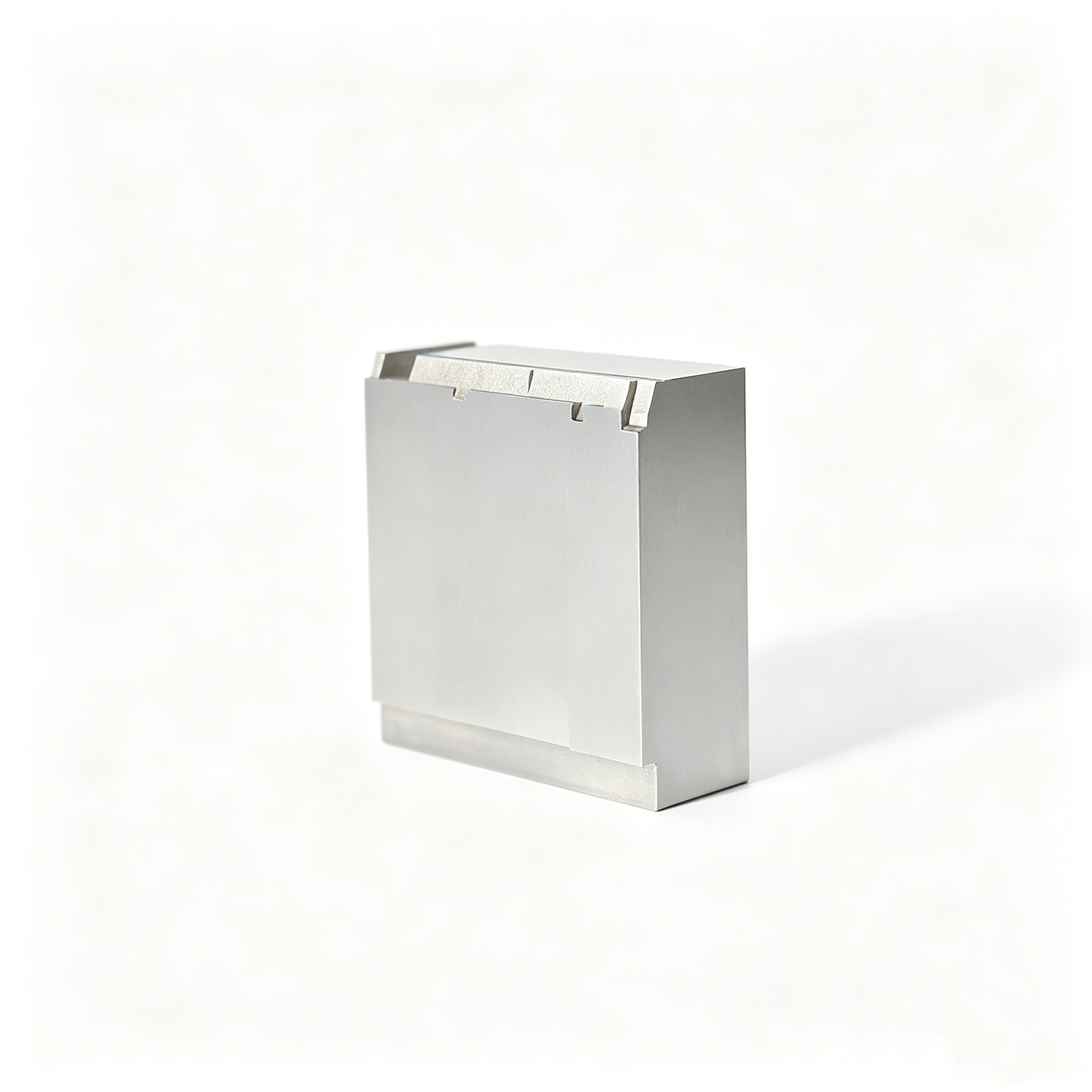
Mold Core & Cavity Inserts
Precision mold core and cavity inserts manufactured from customer drawings and specifications. Review addresses parting geometry, cooling or feature access where applicable, material and heat-treatment requirements, EDM and grinding needs, fitting interfaces, and inspection priorities.
Upload a Drawing
Ejector & Ejection Components
Ejector pins, sleeves, and ejection components produced for configurable mold assemblies. Evaluation focuses on fit, clearance, hardness requirements, working surfaces, concentricity, mating interfaces, lubrication considerations, and the dimensions that affect reliable ejection.
Upload a Drawing
Core Pins, Guide & Locating Components
Core pins, guide pins, and locating components made to drawing-defined geometry and mating conditions. Planning considers datum relationships, alignment function, fit class, wear surfaces, material and heat treatment, grinding requirements, and inspection of functional dimensions.
Upload a Drawing
Slides, Lifters, Gates & Mold Accessories
Mold slides, lifters, gates, and accessories manufactured as drawing-driven components rather than assumed catalog items. Process review covers travel and mating geometry, angled surfaces, wear areas, cooling or gating details, fitting requirements, material condition, and inspection strategy.
Upload a Drawing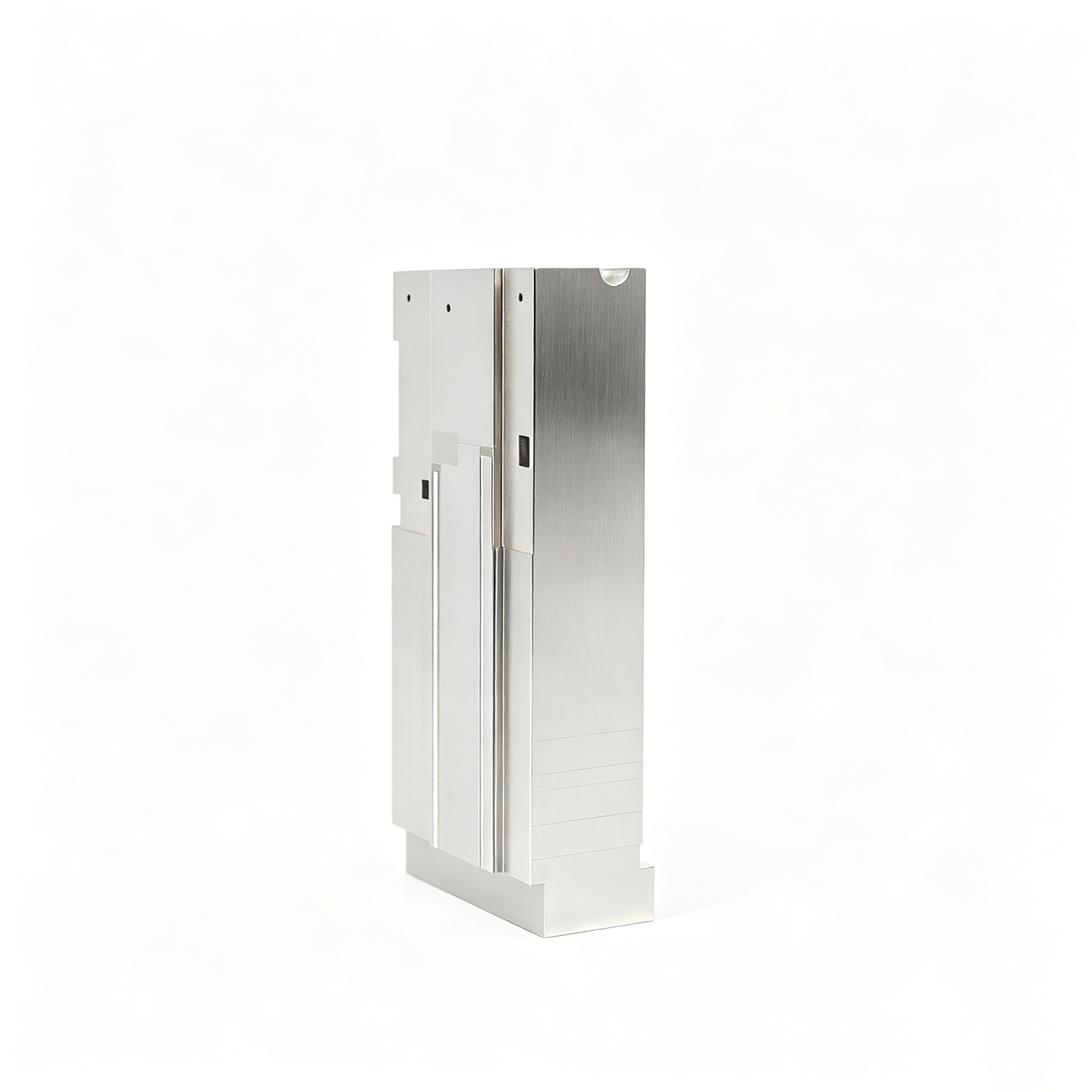
Connector Mold Components
Precision connector mold components for tooling that forms high-detail connector features. Drawing review considers pin and cavity geometry, pitch-related dimensions, insert interfaces, EDM requirements, material and heat treatment, surface condition, and traceable revision control.
Upload a Drawing
Stamping Die Components
Precision stamping die components for punch, die, guide, forming, and locating functions. Manufacturing planning evaluates material and heat-treatment requirements, cutting or forming edges, grinding stock, fit relationships, wire-EDM access, and inspection of critical geometry.
Upload a Drawing
Injection, MIM, CIM & Overmolding Tooling
Tooling and component work for injection molding, metal injection molding, ceramic injection molding, and overmolding applications within verified production scope. RFQ review should define material, tooling geometry, molding context, mating components, critical dimensions, and quality expectations.
Upload a Drawing
Machining Materials
CNC machining materials selected against the drawing, application, dimensional priorities, and downstream treatments. Specify material grade, condition, traceability needs, corrosion or wear requirements, and any restrictions affecting machining, EDM, grinding, heat treatment, or inspection.
Upload a Drawing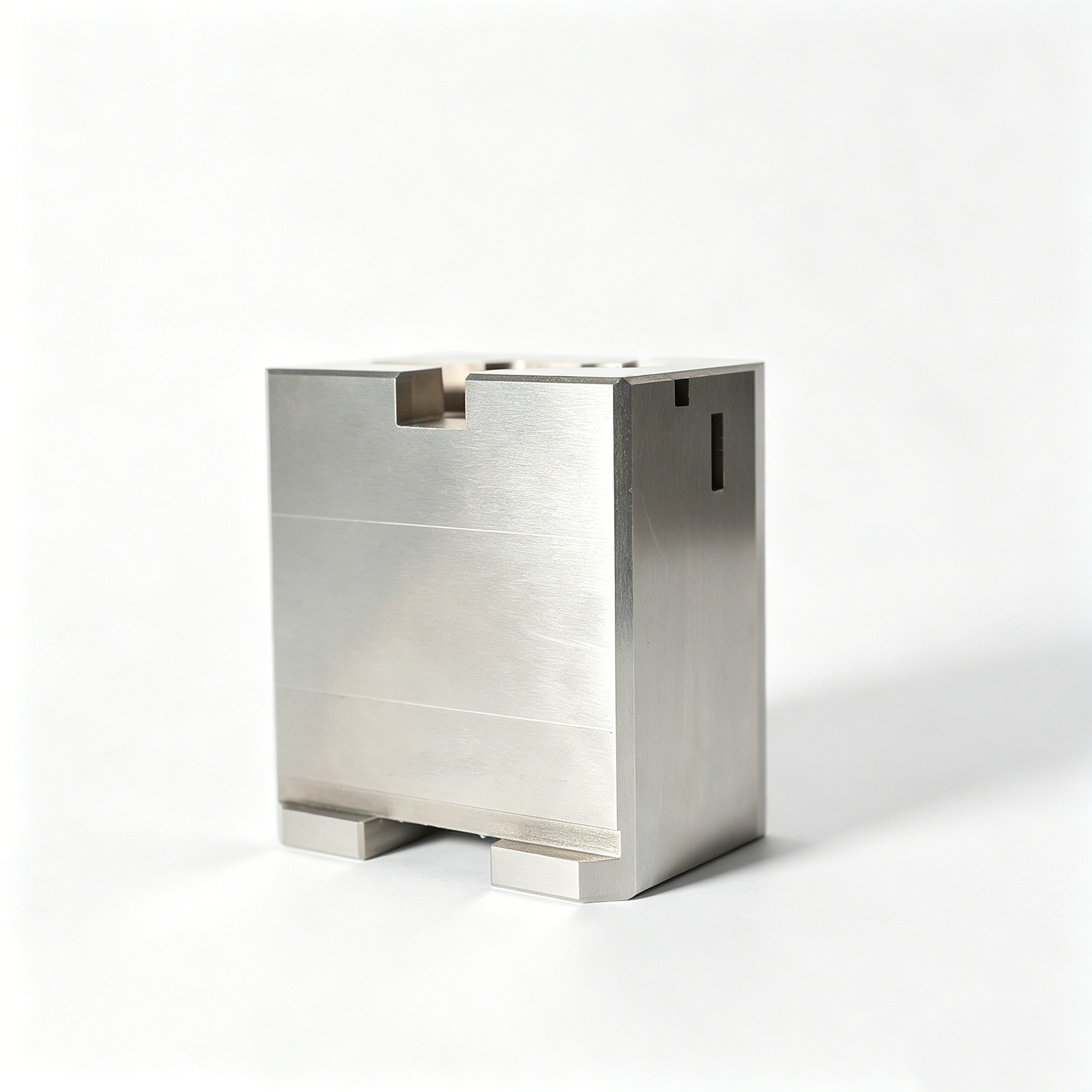
Surface Finishes & Heat Treatment
Surface finishing and heat treatment requirements are planned as part of the manufacturing route, not appended after machining. Define finish type, target surface condition, hardness or treatment specification, masking needs, dimensional impact, and post-process inspection requirements.
Upload a Drawing
Quality, Metrology & Documentation
Precision inspection, metrology, and quality documentation aligned to the order and verified inspection plan. Customers should identify critical dimensions, datums, reporting format, sampling expectations, material records, and any traceability or revision-control requirements before production.
Upload a Drawing
Prototyping & Low-Volume Production
Rapid prototyping and low-volume manufacturing for drawing-based parts and tooling components where process discipline still matters. Submit the 2D drawing, 3D model when available, quantity, material, quality priorities, target date, and application context for a practical review.
Upload a DrawingWhat Determines a Repeatable Precision-Ground Result
Define Grinding Stock Early
Precision grinding basics begin with planned stock, not a last-minute finish callout. The drawing review should identify material left after machining, likely heat-treatment movement, accessible surfaces, and the dimensions that must be protected during the final grinding pass.
- Identify surfaces reserved for final grinding
- Account for heat-treatment sequence and distortion risk
- Keep sufficient stock for cleanup without extending cycle time
- Confirm where machining ends and grinding begins

Build From Functional Datums
A ground feature is only useful when its location is controlled from the datums that govern assembly. Establish the primary, secondary, and tertiary references before setup so flatness, parallelism, position, and fit requirements can be inspected against the intended function.
- Relate critical ground faces to drawing datums
- Avoid using unstable or unfinished surfaces as references
- Review tolerance stack effects on mating components
- Align the inspection method with the datum scheme

Sequence Heat Treatment Carefully
Heat treatment can change size, form, and residual stress, so it must be considered before committing to final dimensions. SUUXIANG reviews the intended sequence to determine whether machining, EDM, grinding, fitting, and inspection should occur before or after thermal processing.
- State required material and heat-treatment condition
- Flag dimensions affected by post-treatment movement
- Reserve grinding stock where final correction is needed
- Clarify hardness and surface requirements for review

Specify the Surface Function
Surface requirements should communicate function rather than simply request a smooth finish. For precision-ground surfaces, define the applicable roughness, geometry, contact condition, and mating relationship so the process route and inspection plan address the feature that matters to the assembly.
- Call out roughness on the relevant surface
- Specify flatness, parallelism, or diameter where required
- Describe sealing, sliding, locating, or mating function
- Include reporting needs with the RFQ

Precision Grinding Basics: Prepare Your RFQ for Review
Give the review team the drawing, functional priorities and verification requirements needed to select a controlled grinding route before production commitments.
Send Controlled Drawing Files
Provide the current 2D drawing, 3D model when available, revision level, quantity, application context, and target delivery date for an accurate initial review.
Identify Critical Features
Mark critical dimensions, datums, surface-finish callouts, mating interfaces, and tolerance relationships so the review can distinguish functional requirements from general dimensions.
Define Material Condition
State material grade, heat-treatment condition, hardness requirement, coating status, and any approved alternatives, because these conditions affect machining allowance, wheel strategy, and process sequence.
Align Inspection Expectations
Specify required measurement methods, reporting format, sampling expectations, traceability needs, and acceptance criteria before SUUXIANG plans grinding, fitting, final inspection, and delivery documentation.
Precision Grinding Basics: Questions to Settle Before Quotation
Practical guidance for specifying ground features, planning stock, and aligning inspection evidence before a drawing-driven review.
What should a new RFQ include for precision grinding?
When should I choose grinding instead of CNC milling or turning?
Which grinding process fits flat, round, or internal features?
How should I specify a grinding tolerance on a drawing?
How much grinding allowance should be left before heat treatment?
How does heat treatment change the grinding process?
What inspection documentation should I request for a ground part?
Precision Grinding Basics: Upload Your Drawing
Send your drawing, material, quantity, critical dimensions, surface requirements, and inspection needs for a responsible grinding process review.