
Injection Molding Industry Components Built From Your Drawings
Move injection molding industry components from DFM review to inspected CNC machining, EDM, grinding, and controlled delivery.
Featured Components for Injection Molding Tooling


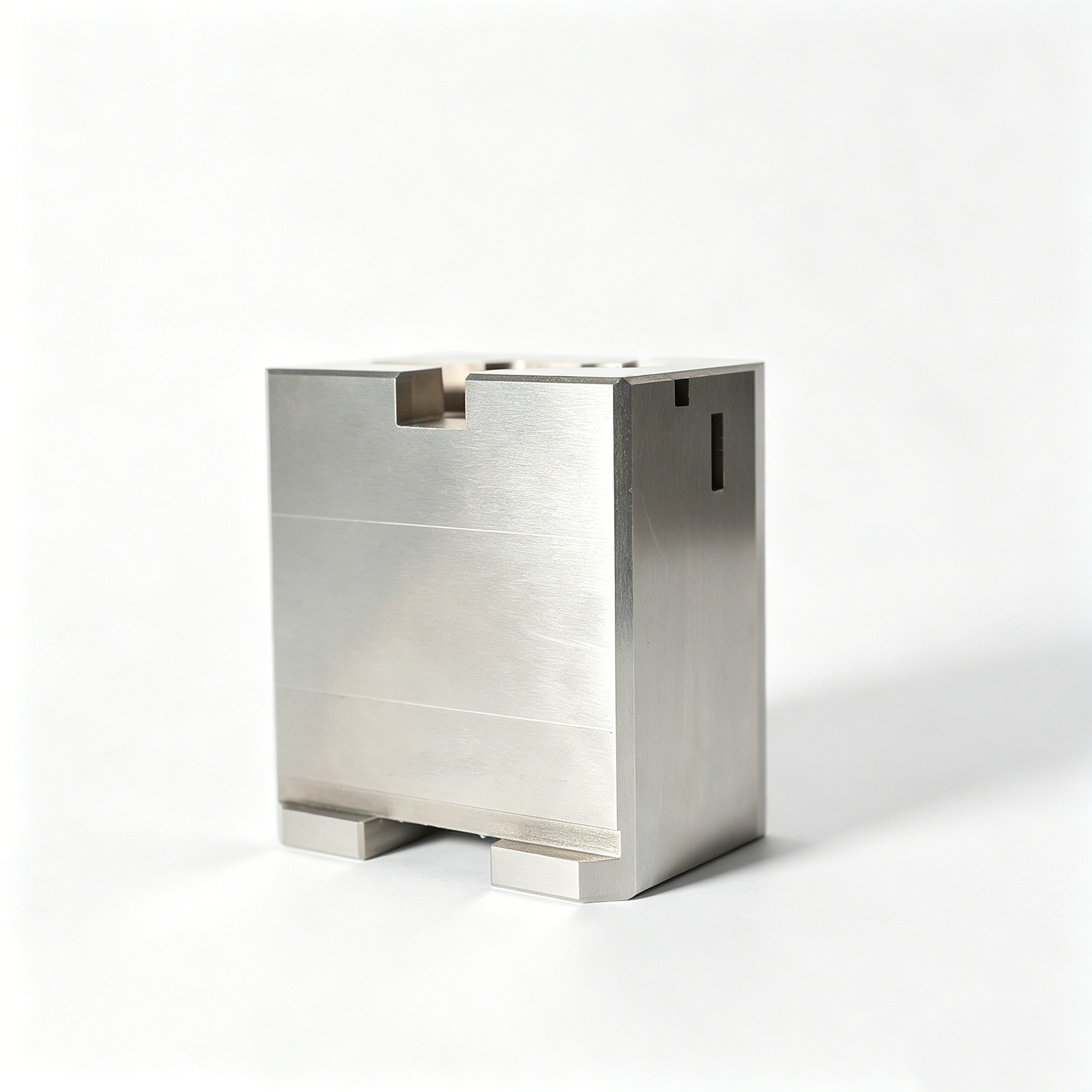


Related Product Catalogue and Quotation


Injection Molding Industry Components: Critical-Dimension Advantages
Drawing-led review and controlled process planning help align component requirements, manufacturing decisions, and inspection expectations before production begins.
Drawing Review First
We review drawings, models, material requirements, quantities, and application context to identify open questions before quotation or production commitments.
DFM Before Commitment
DFM discussion considers tool access, feature geometry, machining sequence, and practical risks that can affect manufacturability, cost, or inspection.
Datum-Led Planning
Critical dimensions are discussed against drawing datums and tolerance relationships, supporting a clearer machining and inspection approach for functional features.
Integrated Process Routes
CNC machining, EDM, grinding, fitting, and inspection are planned as connected operations when the verified project scope requires them.
Inspection Plan Alignment
Inspection expectations, reporting needs, and critical features are clarified early so final documentation can correspond to the agreed order requirements.
Revision Visibility
Revision information and delivery coordination remain visible through the project, helping teams manage approved changes without losing drawing traceability.
Core Component Families for Tooling and Production
Configurable manufacturing families planned around drawings, critical dimensions, process constraints, inspection requirements, and controlled revision information.

CNC Machining Services
Precision CNC machining services for drawing-based custom parts, with process planning that considers material, datums, critical dimensions, tool access, surface requirements, inspection needs, and delivery priorities before production is committed.
Upload a Drawing
CNC Milling
Custom CNC milling services for prismatic, plate-based, and contoured components. Drawing review addresses workholding, feature access, machining sequence, remaining stock for downstream operations, and dimensions requiring planned inspection.
Upload a Drawing
CNC Turning
Precision CNC turning services for shafts, pins, sleeves, bushings, and rotational features. The process route is reviewed against concentricity, runout, threads, shoulder geometry, material condition, and inspection-datum requirements.
Upload a Drawing
5-Axis Machining
5-axis CNC machining for complex geometries where multiple angled features, compound surfaces, or restricted tool access affect the manufacturing route. Feasibility depends on part geometry, setup strategy, tooling clearance, material, and required verification.
Upload a Drawing
Swiss & Micro Machining
Swiss machining and micro machining for small-diameter, detail-intensive parts such as pins, connector elements, and compact rotational components. Reviews focus on feature scale, material behavior, tolerances, burr control, handling, and inspection practicality.
Upload a Drawing
Wire & Sinker EDM
Wire EDM services and sinker EDM services for hardened features, narrow slots, sharp internal geometry, difficult-access cavities, and precision profiles. Electrode design, wire path, flushing, recast-layer considerations, finishing allowance, and inspection criteria are reviewed by application.
Upload a Drawing
Precision Grinding
Precision surface and profile grinding for flatness, parallelism, profile control, and controlled finishing after machining or heat treatment. Grinding stock, datum sequence, material condition, and measurement method should be agreed before release.
Upload a Drawing
Mold Core & Cavity Inserts
Precision mold core and cavity inserts manufactured from approved drawings and specifications. Process planning coordinates machining, EDM, grinding, fitting interfaces, heat-treatment sequence where applicable, and inspection of cavity-forming or mating features.
Upload a Drawing
Ejector & Ejection Components
Ejector pins, sleeves, and ejection components produced to drawing requirements for movement, alignment, and fit within the mold assembly. Critical considerations include diameter relationships, bearing surfaces, head geometry, material condition, and mating-component context.
Upload a Drawing
Core Pins, Guide & Locating Components
Core pins, guide pins, bushings, and locating components that establish repeatable mold alignment and feature position. Drawing review examines datum relationships, fit classes, hardness requirements where specified, wear interfaces, and inspection points.
Upload a Drawing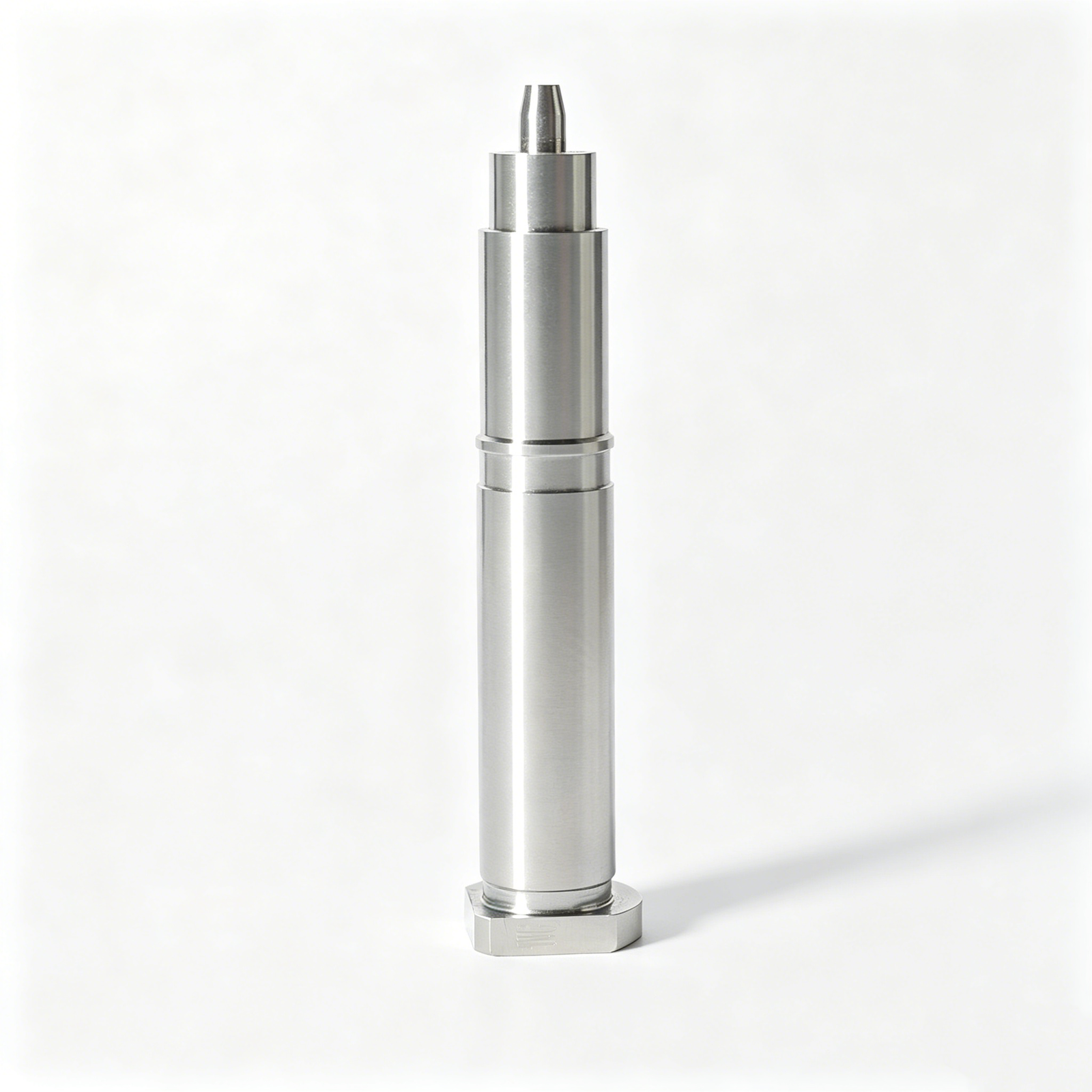
Slides, Lifters, Gates & Mold Accessories
Mold slides, lifters, gates, and related accessories for configurable tooling assemblies. Manufacturing planning considers travel interfaces, angled or guided features, contact surfaces, machining access, EDM needs, grinding allowance, and fitting requirements.
Upload a Drawing
Connector Mold Components
Precision connector mold components for detailed connector-tooling applications, including inserts, pins, cavities, and mating features. Reviews prioritize fine geometry, positional relationships, material and heat-treatment requirements, surface condition, and inspection strategy.
Upload a Drawing
Stamping Die Components
Precision stamping die components for drawing-based die assemblies, including punches, inserts, guides, plates, and forming-related parts. Process selection depends on profile geometry, material condition, wear surfaces, heat treatment, grinding needs, and assembly interfaces.
Upload a Drawing
Injection, MIM, CIM & Overmolding Tooling
Tooling and component work for injection molding, metal injection molding, ceramic injection molding, and overmolding applications within verified production scope. RFQs should define the molding context, material, critical geometry, expected interfaces, and quality requirements.
Upload a Drawing
Machining Materials
CNC machining materials selected from customer specifications and the demands of the intended application. Material choice should be reviewed alongside machinability, heat-treatment requirements, corrosion or wear conditions, dimensional stability, and available material documentation.
Upload a Drawing
Surface Finishes & Heat Treatment
Surface finishing and heat treatment coordinated to drawing and application requirements where supported by current project evidence. The review covers finish intent, masking or critical surfaces, process sequence, post-treatment stock, distortion risk, and verification requirements.
Upload a Drawing
Quality, Metrology & Documentation
Precision inspection, metrology, and quality documentation planned around order-specific critical dimensions and acceptance criteria. Requirements may include inspection methods, report format, datum reference, traceability expectations, revision identification, and final-document alignment.
Upload a Drawing
Prototyping & Low-Volume Production
Rapid prototyping and low-volume manufacturing for teams validating design intent, tooling components, or production-ready revisions. A useful RFQ identifies quantity, material, critical dimensions, finishing needs, inspection scope, revision status, and target delivery date.
Upload a DrawingMaterials for Injection Molding Industry Components

Pre-Hardened Tool Steel
A practical option for mold bases, support parts, and moderate-wear inserts when stable machining and predictable assembly matter. Its supplied hardness can reduce downstream treatment steps, but final suitability depends on load, finish, and dimensional requirements.

Hardenable Tool Steel
Often considered for cores, cavity inserts, pins, and wear-focused tooling details requiring a planned heat-treatment route. Machining allowance, distortion risk, EDM strategy, and post-treatment grinding requirements should be reviewed against critical dimensions.

Stainless Tool Steel
Considered for components exposed to moisture, corrosive molding environments, or cleanliness-sensitive applications. Material grade, heat treatment, polish requirement, and corrosion exposure must be confirmed because these factors affect machining, finishing, and inspection planning.

Carbide Material Options
Used selectively for high-wear, small-feature, or demanding production interfaces such as core pins and inserts. Carbide needs appropriate grinding and EDM planning, careful handling, and clear mating-part information before a manufacturable route is defined.

Aluminum Alloy Options
Suitable for selected prototype tooling, fixtures, and lower-load components where machining speed and reduced weight are useful. Alloy choice, surface treatment, stiffness, wear expectations, and production intent should be established before quotation.
Manufacturing Processes for Precision Mold Components

CNC Milling
CNC milling establishes pockets, profiles, cooling-related features and datum surfaces for injection molding industry components, with tool access, stock allowance and critical dimensions reviewed before the machining route is released.

Precision Turning
Turning supports concentric cylindrical features such as core pins, sleeves, bushings and locating elements. The route is planned around material condition, datum relationships, runout priorities and any downstream grinding requirement.


Wire EDM
Wire EDM is considered for precise through profiles, narrow slots, hardened features and difficult internal contours. Wire path, start-hole access, corner conditions and finishing requirements are aligned with the specified geometry.
Sinker EDM
Sinker EDM supports cavity details, deep ribs, sharp internal forms and features beyond practical cutter reach. Electrode strategy, spark allowances, surface requirement and subsequent fitting needs are evaluated before production.

Grinding and Inspection
Precision grinding, fitting and inspection complete routes where flatness, parallelism, mating behavior or controlled dimensional evidence matter. Inspection methods and reporting requirements are defined from the order’s critical-to-quality characteristics.
Functional Add-Ons for Injection Molding Industry Components
Guide Elements
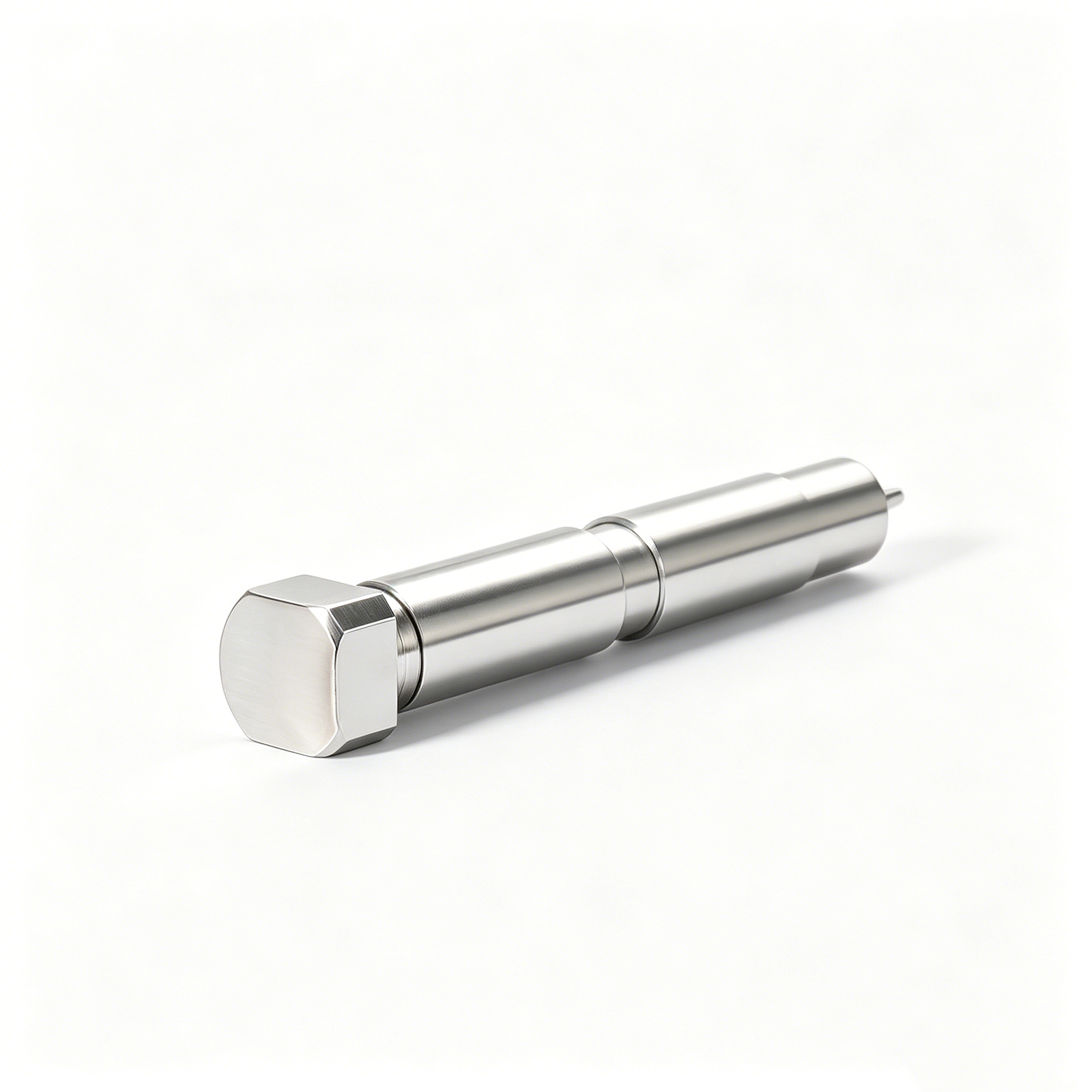
Guide pillars, bushings, and locating features help control repeatable mold-half alignment. Define datum relationships, material, hardness, clearance, and mating conditions so the selected configuration can be assessed against the tooling design.

Locating Components
Dowel-based and custom locating elements support positional repeatability between plates, inserts, and assemblies. Include critical coordinates, fit requirements, and assembly sequence to guide machining, grinding, and inspection planning.

Ejection Parts
Ejector pins, sleeves, blades, and related return features can be considered for the specified ejection layout. Share contact geometry, stroke context, surface requirements, and wear concerns for a practical manufacturing review.

Gate Inserts
Gate inserts and feed-related details may require careful machining access, EDM strategy, polishing, and replacement consideration. Provide gate geometry, resin context, thermal expectations, and surface criteria with the drawing.
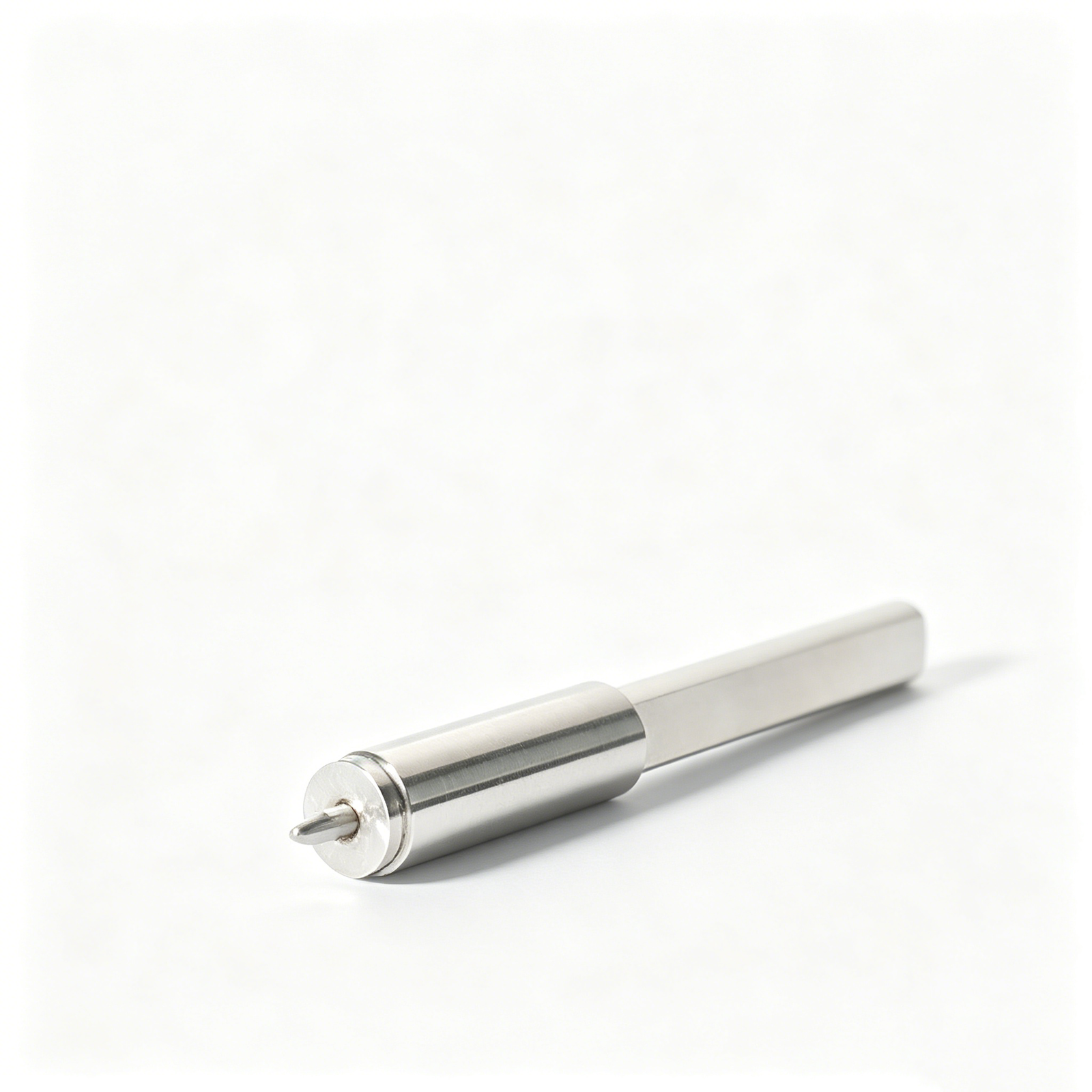
Mold Accessories
Custom accessories such as stop blocks, wear plates, support elements, and retention details can complement a drawing-driven assembly. Their suitability depends on load paths, interface dimensions, material requirements, and required inspection evidence.
About SUUXIANG Injection Molding Industry Components
SUUXIANG is the sole public-facing brand of Dongguan SuuXiang Precision Mold Co., Ltd., established in 2010 in Chang’an Town, Dongguan, Guangdong, China. Founded and legally represented by XiaoCheng Huang, we support global engineering and sourcing teams with drawing-driven manufacturing for precision mold components, connector tooling, die components, and custom machined parts.
Our work combines CNC milling and turning, multi-axis machining, EDM, precision grinding, fitting and inspection. For injection molding industry components, the production route is selected against the drawing, material requirement, critical dimensions, datum strategy, surface expectations and quantity rather than treated as a standard catalog order.
What differentiates SUUXIANG is disciplined project coordination before production commitments. We begin with DFM and critical-dimension review, then align machining access, electrode or wire path, grinding allowance, heat-treatment sequence and inspection method. Revision control and order-matched documentation keep technical decisions visible from RFQ through delivery.

Injection Molding Industry Components: From DFM to Inspection
DFM Before Commitment
SUUXIANG reviews the drawing, model, material, quantity, datums, critical dimensions, surface requirements, and application context before quoting. This early discussion identifies tolerance-stack, tool-access, heat-treatment, and inspection questions that can affect the manufacturing route.
- Confirm critical-to-quality dimensions and datum references
- Identify machining access and realistic feature strategy
- Clarify material, heat treatment, surface, and quantity requirements
- Define inspection and reporting expectations early

CNC and EDM Route Selection
Injection molding industry components often combine machined geometry with difficult corners, narrow slots, or hardened features. SUUXIANG plans the practical balance of CNC milling or turning, wire EDM, sinker EDM, and intermediate operations around the drawing’s functional requirements.
- Match CNC access to geometry and feature orientation
- Assess wire paths, electrode needs, and corner conditions
- Sequence machining around heat treatment where required
- Keep process choices tied to functional dimensions
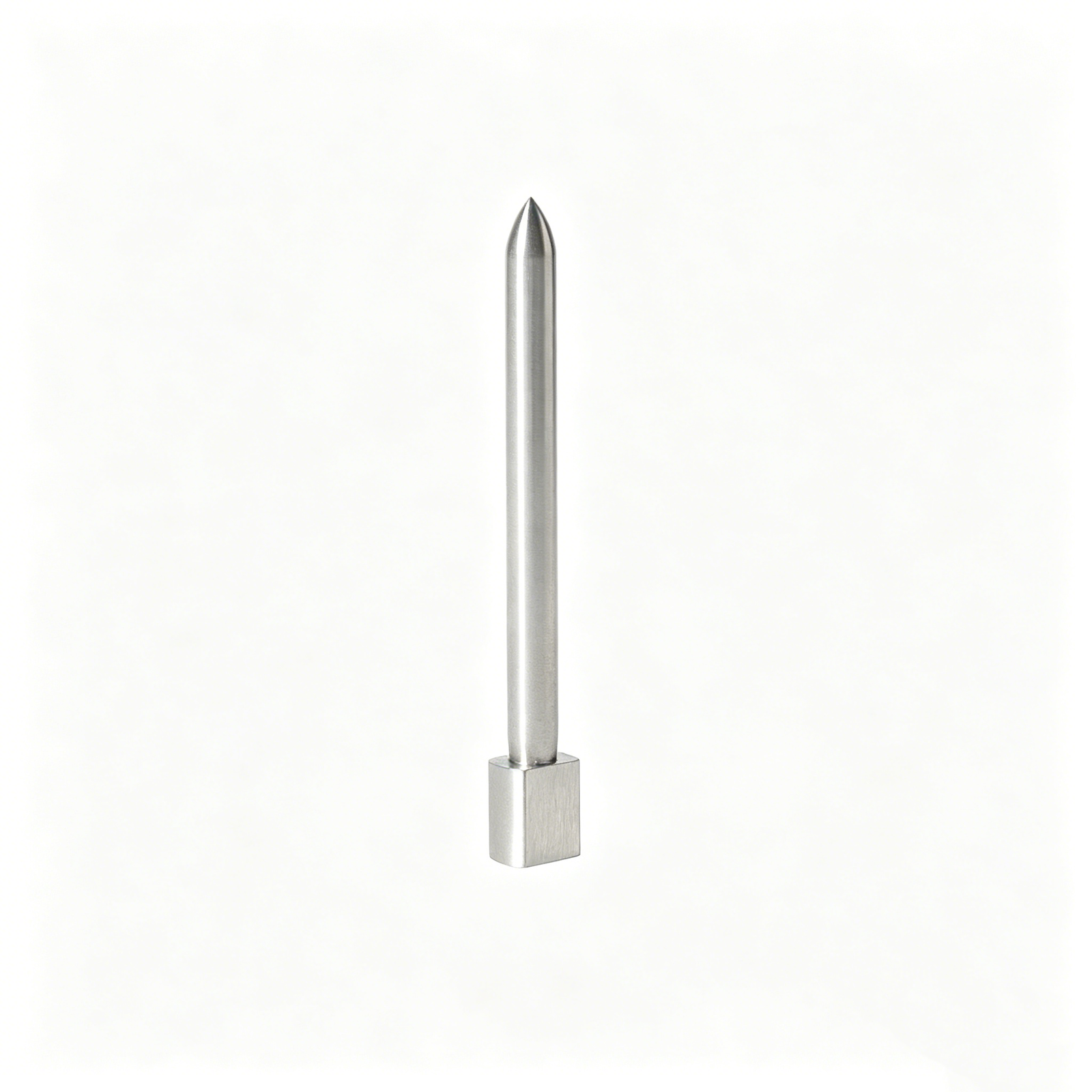
Grinding and Fitting Strategy
Where mating performance depends on flatness, alignment, sliding behavior, or controlled clearance, grinding stock and fitting requirements need to be established before production. SUUXIANG considers allowance, datum continuity, and assembly interfaces so finishing work supports the intended mold function.
- Reserve appropriate stock for precision grinding
- Protect datum relationships through operation sequencing
- Review sliding, locating, and mating interfaces
- Align fitting work with drawing-defined functional needs
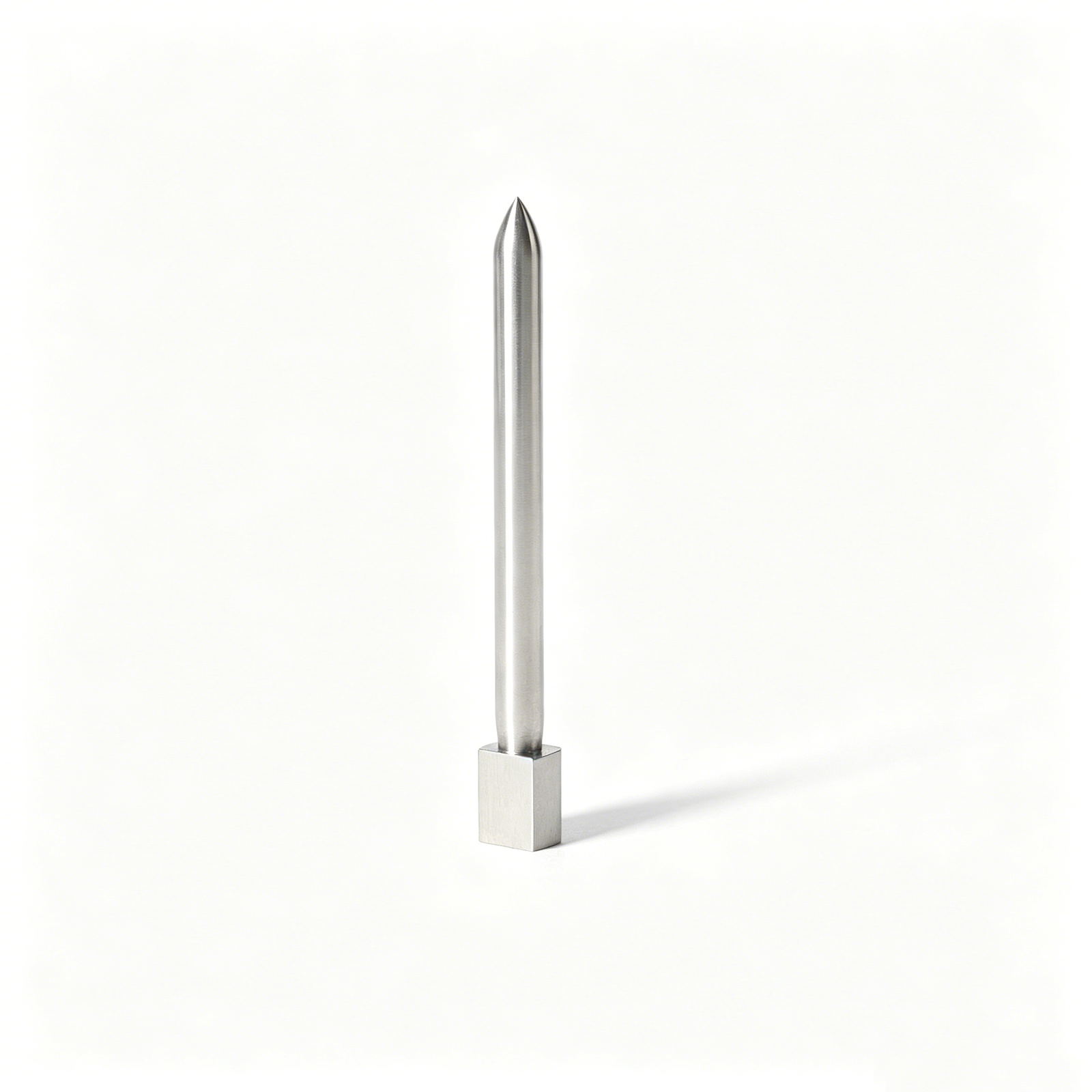
Inspection With Revision Control
Final inspection should reflect the approved drawing revision and agreed measurement plan, not an assumed standard. SUUXIANG keeps revision and delivery information visible throughout the project, then aligns documentation with the order requirements and verified inspection scope.
- Control production against the approved drawing revision
- Plan measurement around critical features and datums
- Match inspection records to agreed order requirements
- Maintain traceable communication through delivery

Injection Molding Industry Components: Drawing-Driven Decisions
Compare an evidence-led component workflow with quote-only sourcing approaches before releasing critical tooling parts.
← Swipe left or right to view →
Injection Molding Industry Components: Controlled Workflow
A disciplined path from requirement review through inspected, traceable delivery coordination.
Receive Drawing and Requirements
We review drawings, models, material, quantity, delivery targets, and quality expectations for injection molding industry components before defining the quotation path.
Confirm DFM and Datums
Critical dimensions, datum strategy, tool access, heat-treatment sequence, surface requirements, and EDM or grinding needs are clarified before production commitments are made.
Plan Process Route
The team assigns CNC machining, wire or sinker EDM, grinding, and fitting operations, considering machining allowance, electrode strategy, and inspection access.
Machine Critical Features
Parts proceed through the selected operations with revision information visible, while critical features receive process attention appropriate to the approved drawing and plan.
Inspect Pack and Coordinate
Final inspection follows the verified order requirements, then parts are packed and delivery coordination is communicated with applicable inspection documentation and revision traceability.
How to Source Injection Molding Industry Components
Move from drawing review to inspected component delivery with clear technical inputs, controlled revisions, and documented quality expectations.
Submit Your Drawings
Provide the 2D drawing and available 3D model, then identify the application, quantity, material requirement, target delivery date, and relevant mating-component context.
Confirm Critical Requirements
Review critical dimensions, datums, surface requirements, heat-treatment sequence, machining access, EDM or grinding needs, and the inspection evidence required before production planning.
Review the Production Plan
Evaluate the quotation, DFM feedback, proposed process route, sampling needs, revision status, and inspection approach so technical assumptions are visible before release.
Coordinate Manufacturing and Delivery
Proceed through the agreed machining, EDM, grinding, fitting, and inspection stages while keeping revision information, quality documentation, and delivery coordination aligned with the order.
Project Documentation Review
Customer Evidence
Customer testimonials and case summaries are published only when approved, attributable evidence and verifiable project outcomes are available.
Injection Molding Industry Components FAQ
Practical answers for teams sourcing drawing-based mold, connector, die, and custom machined components.
What files should I submit for injection molding industry components?
Is there a minimum order quantity for injection molding industry components?
Can SUUXIANG provide samples before production of injection molding industry components?
How should I evaluate lead time for precision mold components?
What inspection report can be requested with an RFQ?
How does SUUXIANG protect drawing confidentiality and IP?
What payment and shipping information should be confirmed before ordering?
How do I know whether my component requirement fits SUUXIANG’s scope?
Buyer’s Guide to injection molding industry components
Use this practical framework to define DFM-ready requirements, compare critical mold-component choices, evaluate suppliers, control tooling risk, and avoid sourcing mistakes that delay validation, production, and quality approval.
1. What Are injection molding industry components?
Two categories are often confused: precision mold components are the replaceable or purpose-built parts inside a mold, whereas molded plastic parts are the products made by that mold. They are also distinct from injection-machine components such as the barrel, screw, clamp, and controls.
Seven functional systems typically depend on these components: forming surfaces create the part geometry; runners and gates feed melt; guides locate mold halves; cooling and vents manage heat and trapped air. Ejectors release the molded part, while wear plates, locks, and related hardware protect alignment and service life.
SUUXIANG uses the term injection molding industry components here for drawing-based mold inserts, cores, cavities, pins, guide and locating parts, slides, lifters, ejection parts, gates, and accessories. This guide focuses on replacement, prototype, and low-volume tooling components where the drawing, datum scheme, critical dimensions, material condition, and inspection requirements govern the manufacturing route.
2. Evolution of injection molding industry components
Two-plate mold layouts established a practical baseline: standardized bases carried manually machined cores, cavities, guide elements, and ejector hardware. That approach made repair possible, but hand fitting and local rework could make replacement inserts dependent on the original moldmaker’s interpretation.
CNC milling, wire EDM, sinker EDM, and precision grinding made controlled geometry and repeatable datum relationships more achievable across separate operations. Mold construction still relies on coordinated cavity, feed, ejection, cooling, venting, and guiding systems.
Modular inserts and replaceable wear parts now shift the buyer’s question from “Can this feature be made?” to “Can it be remade, inspected, and installed without changing the mold function?” A drawing-led RFQ should therefore define datums, critical dimensions, material and heat-treatment sequence, EDM or grinding allowances, mating context, revision status, and the required inspection record before machining starts.
3. Types of injection molding industry components
Six functional families cover most injection molding industry components on a tooling RFQ. Classify each by its molding, motion, feeding, or support job before comparing machining routes.
Core And Cavity Inserts

Core and cavity inserts form the part geometry. Drawings should define datums, shutoffs, parting-line conditions, surface finish, and critical dimensions; mismatch, flash, or poor venting are common risks.
Custom machining is appropriate when geometry, replaceability, or localized wear cannot be served by a standard insert.
Structure And Guidance
Mold bases, plates, guide pins, bushes, and locating elements carry and align the mold. Specify plate interfaces, hole coordinates, fits, dowel strategy, and stack height; misalignment can cause wear, witness marks, or binding.
Custom parts suit nonstandard layouts, cavity spacing, or controlled datum relationships.
Ejection Feeding And Motion
Ejector systems release parts; runners and gates deliver melt; slides, lifters, and wear elements form undercuts and resist sliding contact. Define stroke, clearance, gate location, flow interface, and wear surfaces; sticking, gate damage, galling, or collision can result.
Custom machining is justified where the part geometry or machine sequence dictates a unique mechanism.
4. Materials for injection molding industry components
Five material families cover most injection molding industry components: selection must match resin, cycle demand, cooling layout, finish, and planned maintenance. Drawing review should identify the wear and corrosion drivers before a grade is specified.
| Material Family | Wear/Hardness | Corrosion/Polish | Best Environment |
|---|---|---|---|
| Tool steel | High | Low corrosion; high polish | Glass-filled, long runs |
| Stainless steel | Medium-high | High corrosion; high polish | Humid or corrosive resins |
| Aluminum alloy | Low-medium | Low corrosion; fair polish | Prototype, low volume |
| Copper alloy | Low | Low corrosion; limited polish | Cooling inserts |
| Engineered polymer | Low | Application-dependent | Wear pads, nonmolding fixtures |
Match Resin And Wear
Glass-filled resins accelerate wear at gates, cores, and sliding fits; specify hardened tool steel where abrasion governs.
PVC and other corrosive molding environments favor stainless grades when corrosion control outweighs easier machining.
Balance Cooling And Finish
Aluminum shortens prototype machining time and transfers heat well, but has lower wear resistance for demanding production.
Copper alloys improve local heat removal near hot spots; protect soft inserts from mechanical damage and define replacement access.
Specify The Maintenance Route
Two drawing items prevent avoidable rework: required cavity finish and expected service interval. State polish direction, coating compatibility, heat treatment, and which inserts are replaceable.
5. Custom options for injection molding industry components
Customization should begin with the controlled drawing revision, not a generic tolerance note. For injection molding industry components, each added requirement should be tied to function, datum strategy, wear exposure, or a mating interface.
| Option | Specify On Drawing | Review Before Release | Typical Effect |
|---|---|---|---|
| Tolerance and datum | Yes | Mating interface | Inspection effort |
| Finish or polish | Yes | Texture sample | Polishing time |
| Heat treatment or coating | Yes | Material and fit | Sequence risk |
| Cooling feature | Yes | Flow and tool access | Machining complexity |
| Laser marking | Yes | Location sample | Setup time |
Define On The Drawing
Critical dimensions, geometric tolerances, thread callouts, surface finish, texture, polishing area, material condition, heat treatment, coating, and marking location belong on the drawing. Identify inspection points and reporting requirements beside the relevant features.
Review With Mating Parts
Mating-part samples or models are needed when shutoff contact, insert fit, connector alignment, thread engagement, or ejection clearance drives function. A sample review can expose interference that nominal dimensions alone do not show.
Plan Process Effects
EDM, grinding, polishing, nitriding, coatings, laser marking, and optimized cooling features require a route-specific review. Deep cooling passages, fine polishing, hard coatings, and additional inspection commonly add machining stages, verification effort, lead time, or cost.
6. Quality elements in mold-component construction
Three construction controls determine whether a mold component repeats its intended relationship: datum definition, functional tolerances, and an inspection plan tied to the drawing. For injection molding industry components, a dimension is meaningful only when its reference surfaces and mating function are explicit.
Datums And Functional Fits
A primary datum should locate the feature that controls assembly, not merely the easiest surface to machine. GD&T callouts, mating clearances, and concentricity must be reviewed as a functional stack; ambiguous references can create flash, sticking, or uneven shutoff wear.
Edges, Vents, And Cooling
A specified edge break prevents handling damage and unintended interference, while an uncontrolled break can open a shutoff line. Vent interfaces need protected flatness and cleanliness; damage or poor contact can cause flash and inconsistent part appearance.
A cooling channel requires verified routing, sealing interfaces, and leak testing appropriate to the order. Restricted flow, cross-drilling debris, or leakage can destabilize mold temperature and cycle-to-cycle appearance.
Heat Treatment And Verification
A heat-treatment sequence can distort thin, asymmetric, or highly stressed features, so grinding stock and post-treatment datums should be agreed before machining. Surface condition also affects release, sliding friction, and premature wear.
An inspection plan should identify critical dimensions, datum setup, measurement method, sampling requirement, and revision status. SUUXIANG can align CNC, EDM, grinding, fitting, and final records to the verified drawing and order requirements.
7. Choosing a manufacturer for injection molding industry components
Three quotation checks reveal more than unit price: drawing-review questions, a stated process route, and a dated delivery plan. For injection molding industry components, assess evidence that protects fit, function, and revision timing.
DFM And Process Route
Before release, require a DFM response that identifies datums, critical dimensions, tool access, grinding stock, and EDM needs. A capable supplier explains whether CNC, wire EDM, sinker EDM, grinding, and fitting are sequenced around heat treatment.
Traceability And Inspection
Each order should link the drawing revision, material requirement, heat-treatment record when specified, and inspection plan. Ask which dimensions receive reportable measurements, what gauges or CMM methods apply, and how nonconforming results are contained.
Launch And Delivery Controls
First articles or samples should be approved against defined acceptance criteria before repeat production. Confirm revision acknowledgment, packaging protection for edges and pins, shipment milestones, and an escalation path for changes; a lower quote without these controls can shift cost into rework or delay.
8. Common sourcing mistakes buyers make
A release package is a control document, not a request for a generic machining price. Eight recurring gaps in injection molding industry components create avoidable rework, inspection disputes, and schedule risk.
Incomplete Drawing Packages
2D drawings without revision, datums, surface finish, or critical dimensions force assumptions; omitted mating parts can make a correct component unusable. Ask: Which dimensions, interfaces, finishes, and revision-controlled models govern release?
Material And Process Assumptions
Steel selection made before resin, annual volume, wear mechanism, and heat-treatment sequence are defined can misalign hardness, machining allowance, and service life. Ask: What resin, shot count, operating conditions, heat treatment, and final grinding stock apply?
Unaligned Quality And Quotations
3 unclear tolerance zones, absent inspection requirements, and unlike quote scopes hide cost and acceptance differences. Ask: Which CTQs require what method and report, and do all quotations include material, EDM, grinding, fitting, heat treatment, and delivery terms?
9. Launching a component sourcing program
A controlled launch turns a drawing package into a traceable sourcing baseline. For injection molding industry components, ownership must pass visibly among engineering, quality, procurement, and program management.
Capture The Requirement
At RFQ release, engineering supplies 2D drawings, 3D models, material, heat treatment, quantity, datums, and mating context.
Before quotation, quality identifies critical dimensions, surface requirements, inspection methods, and reporting needs; program management records target dates and revision status.
Close DFM And Quote
During drawing review, the supplier returns DFM feedback covering tool access, EDM or grinding allowance, datum conflicts, and inspection risk.
Before award, procurement normalizes quotations against the same revision, scope, lead-time assumption, documentation, packaging, and tooling or sample conditions.
Approve And Control Release
For prototypes, engineering approves fit and function while quality reviews the first-article inspection against the agreed drawing revision.
After release, procurement confirms schedule and incoming-inspection criteria; program management controls change notices, approved samples, delivery status, and spare-part quantities.
10. Pricing injection molding industry components
Two drawings with identical envelope sizes can quote very differently: material grade and stock size establish the starting cost, while deep pockets, thin walls, tight positional tolerances, and difficult tool access add machining time. EDM, grinding, heat treatment, surface finish, inspection scope, revision control, urgency, and protective packaging should be stated as separate requirements.
One released drawing package reduces avoidable quotation risk when it identifies datums, critical dimensions, mating context, material condition, quantity, and required report. SUUXIANG should review the specified route—CNC, wire or sinker EDM, grinding, fitting, and inspection—against the actual geometry before confirming price or delivery.
| Representative scenario | Quantity effect | Likely lead-time implication |
|---|---|---|
| Simple CNC pin; standard stock; general inspection | 1 to 5 pieces carry setup cost; 50 pieces may distribute it | Usually shortest route if material is available |
| Hardened core insert; EDM and grinding; critical report | Small lots remain process-intensive; repeat lots may reduce setup burden | Heat treatment, EDM, grinding, and inspection add scheduling steps |
| Urgent multi-part revision; custom packaging | Quantity savings can be offset by expedited coordination | Confirm capacity, revision release, inspection, and shipment timing first |
Upload Drawings for Injection Molding Industry Components Review
Share drawings, material, quantity, dimensional priorities, inspection needs, and target delivery date for a disciplined DFM and manufacturability review.