
CNC Machining 1.2083 Mold Steel for Tooling Parts
SUUXIANG reviews critical dimensions, process routes, and inspection needs for 1.2083 mold-steel tooling components built to your drawing.
Representative 1.2083 Mold-Steel Tooling Components


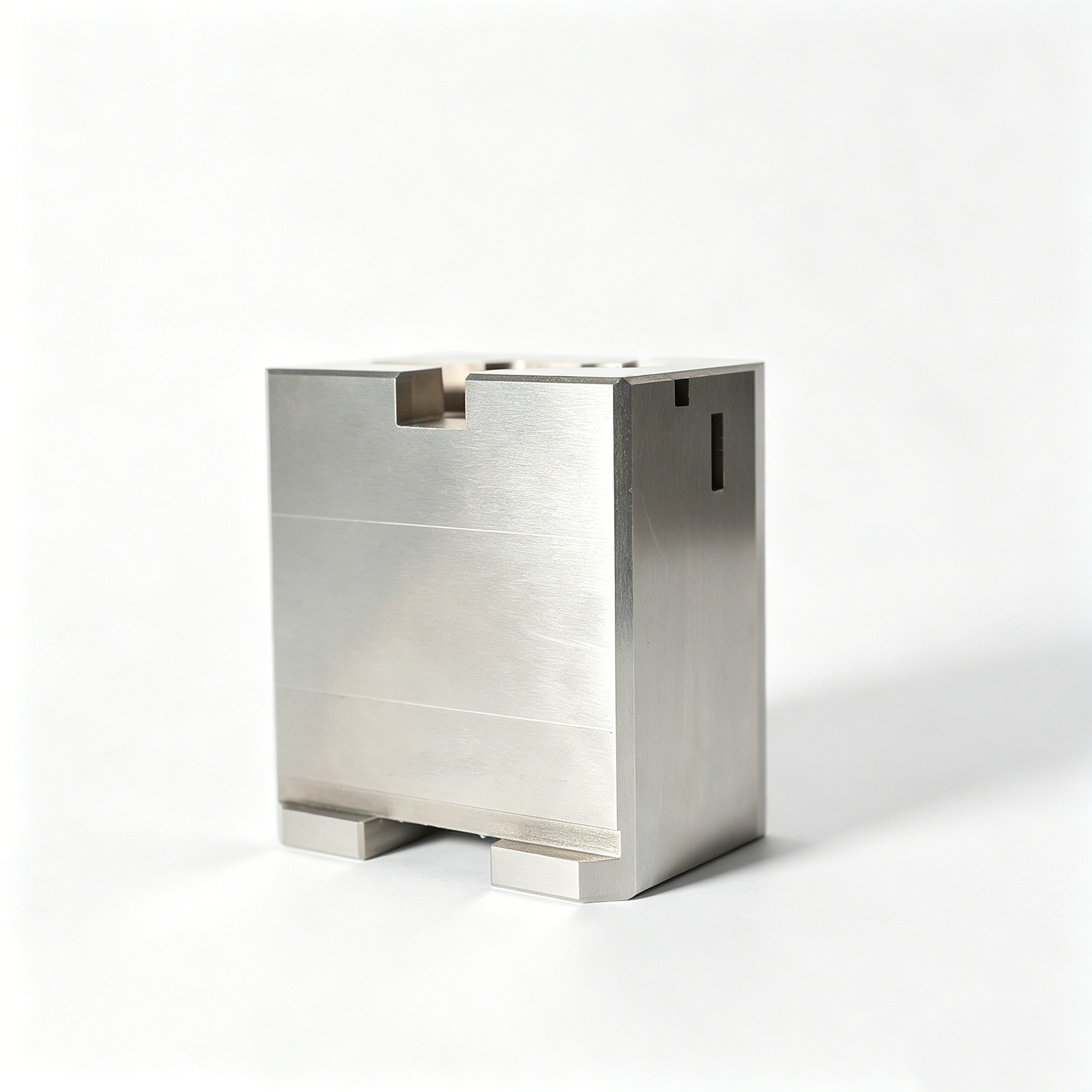


Related Drawing-Based Components and Quotation


Why Choose SUUXIANG for cnc machining 1.2083 mold steel
Drawing-led planning connects DFM, process selection, critical dimensions, inspection requirements and revision visibility before production commitments are made.
Drawing-First DFM Review
We review geometry, datums, machining access, surface requirements and critical dimensions before quoting the proposed manufacturing route.
Integrated Process Planning
CNC machining, EDM, precision grinding and fitting are planned together when features, hardness or finish requirements call for coordinated operations.
Critical Dimension Strategy
Inspection planning focuses on drawing-defined critical features, datum relationships, tolerance stack considerations and the measurement method required for acceptance.
Controlled EDM and Grinding
Electrode strategy, wire paths, grinding stock and sequence are reviewed to support functional geometry and realistic finishing operations.
Revision Visibility
Drawing revisions, quality expectations and delivery information remain visible through project coordination, helping teams align production with the current order.
CNC Machining Applications and Component Families
Drawing-driven process routes for mold, connector and die components, reviewed against critical dimensions, material requirements and inspection expectations before production.

CNC Machining Services
Precision CNC machining services for drawing-based parts that require coordinated milling, turning, EDM, grinding and inspection. Reviews focus on datums, critical dimensions, material condition, machining access and the documentation needed for quotation and release.
Upload a Drawing
CNC Milling
Custom CNC milling services for prismatic parts, inserts, plates and complex machined features. Tool access, wall geometry, corner radii, fixture strategy and finishing allowance are reviewed to establish a practical machining route.
Upload a Drawing
CNC Turning
Precision CNC turning services for rotational parts such as pins, sleeves, bushings, shafts and locating features. Requirements are assessed around concentricity, runout, datum definition, thread details, surface condition and inspection method.
Upload a Drawing
5-Axis Machining
5-axis CNC machining supports multi-face geometry, angled features and complex profiles where fewer setups can help protect positional relationships. Feasibility depends on tool reach, workholding, material condition, tolerance requirements and the verified inspection plan.
Upload a Drawing
Swiss & Micro Machining
Swiss machining and micro machining support small-diameter, slender and detail-intensive components where deflection, concentricity and handling require attention. Drawings should identify critical dimensions, material, heat treatment, surface requirements and mating-part function.
Upload a Drawing
Wire & Sinker EDM
Wire EDM and sinker EDM services address narrow slots, sharp internal geometry, hardened materials and features with limited conventional tool access. Electrode strategy, wire path, flushing, recast-layer considerations and finishing requirements are reviewed before routing.
Upload a Drawing
Precision Grinding
Precision surface and profile grinding is used when flatness, parallelism, profile control or final stock removal needs a controlled approach. Grinding allowance, heat-treatment sequence, datum condition and measurement method should be defined in the drawing review.
Upload a Drawing
Mold Core & Cavity Inserts
Precision mold core and cavity inserts are produced as configurable, drawing-based components for mold tooling. Process planning considers steel grade, heat treatment, cavity geometry, cooling interfaces, EDM access, polishing requirements and critical shutoff or forming dimensions.
Upload a Drawing
Ejector & Ejection Components
Ejector pins, sleeves and ejection components are evaluated for fit, guidance, bearing surfaces, hardness and movement within the mold assembly. The RFQ should clarify dimensions, material, surface condition, tolerance priorities and mating-component relationships.
Upload a Drawing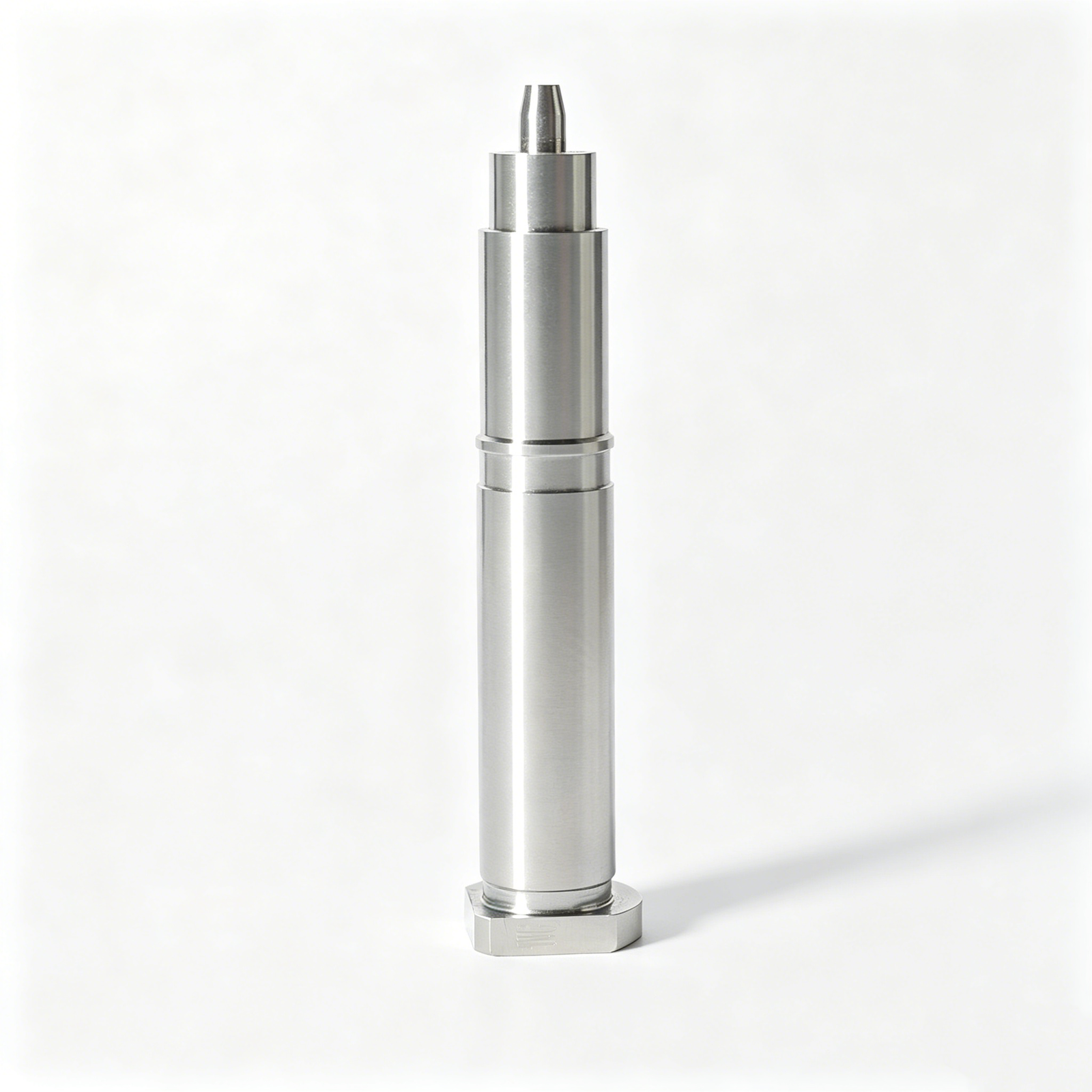
Core Pins, Guide & Locating Components
Core pins, guide pins and locating components require careful control of reference surfaces, fit class and positional relationships. SUUXIANG reviews diameter, length, shoulder geometry, hardness, grinding needs and the inspection criteria tied to assembly function.
Upload a Drawing
Slides, Lifters, Gates & Mold Accessories
Mold slides, lifters, gates and accessories are manufactured from approved drawings rather than assumed catalog configurations. Reviews address travel interfaces, wear surfaces, shutoffs, angles, lubrication features, machining access and required fitting or inspection evidence.
Upload a Drawing
Connector Mold Components
Precision connector mold components support fine-pitch, high-density and alignment-sensitive tooling applications. Component planning considers pin geometry, cavity detail, datum strategy, EDM and grinding requirements, material condition and interfaces with mating tooling elements.
Upload a Drawing
Stamping Die Components
Precision stamping die components include drawing-based punches, dies, guide elements, inserts and wear parts. Manufacturing discussions should cover material, heat treatment, clearance-related geometry, edge condition, grinding stock, surface requirements and inspection priorities.
Upload a Drawing
Injection, MIM, CIM & Overmolding Tooling
Injection, MIM, CIM and overmolding tooling components are planned around the specific molding process and verified production scope. Buyers should provide part geometry, material behavior considerations, critical surfaces, tooling interfaces, quantities and required inspection records.
Upload a Drawing
Machining Materials
CNC machining materials are selected from the drawing and application requirements, not from a generic availability list. RFQs should specify material grade, condition, traceability needs, heat-treatment requirements and any corrosion, wear or strength considerations.
Upload a Drawing
Surface Finishes & Heat Treatment
Surface finishing and heat treatment are defined by functional requirements such as wear resistance, corrosion behavior, release, friction or appearance. Sequence matters: machining allowance, post-treatment distortion risk, grinding or EDM finishing and verification requirements should be agreed first.
Upload a Drawing
Quality, Metrology & Documentation
Precision inspection, metrology and quality documentation are aligned with the order’s critical dimensions and inspection plan. Requirements may include datum-based measurement, dimensional reports, material or treatment records, revision identification and traceable delivery documentation.
Upload a Drawing
Prototyping & Low-Volume Production
Rapid prototyping and low-volume manufacturing support controlled evaluation, design iteration and limited production runs. A usable RFQ includes drawings or models, quantity, material, critical dimensions, surface needs, delivery target and any required inspection documentation.
Upload a DrawingMaterials for CNC Machining 1.2083 Mold Steel Tooling

1.2083 Mold Steel
Specified for corrosion-conscious mold inserts, cores, and cavity details where polishability matters. Review the supplied grade condition, target hardness, EDM plan, and final surface requirement before selecting a machining and finishing route.

P20 Pre-Hardened Steel
A practical option for many mold bases, larger inserts, and tooling structures. Its pre-hardened supply condition can simplify sequencing, but critical dimensions, machining allowance, and any finishing requirements still need drawing-based review.

H13 Hot-Work Steel
Often considered for tooling exposed to elevated thermal cycling or demanding service conditions. Confirm heat-treatment condition, hardness requirement, feature geometry, and grinding or EDM allowances so the process route supports the intended application.

420 Stainless Steel
Suitable for selected corrosion-resistant tooling details and precision components where the material specification calls for it. Grade equivalency, material certificate requirements, heat treatment, polish target, and inspection criteria should be agreed before release.

Custom Tool Steels
Other mold and die steel grades can be assessed when the drawing identifies the material and application context. SUUXIANG reviews availability, machinability, heat-treatment sequence, critical dimensions, and verification needs before committing to production.
CNC Machining 1.2083 Mold Steel: Process Routes

CNC Milling
CNC milling establishes pockets, contours, cooling features, and datum faces on 1.2083 mold steel. Tool access, wall geometry, and retained grinding stock are reviewed early to support stable machining and downstream finishing.

Precision Turning
Turning produces concentric diameters, shoulders, threads, and axial features for round tooling parts. The process route considers workholding, runout relative to functional datums, heat-treatment condition, and any subsequent grinding requirement.
Wire EDM
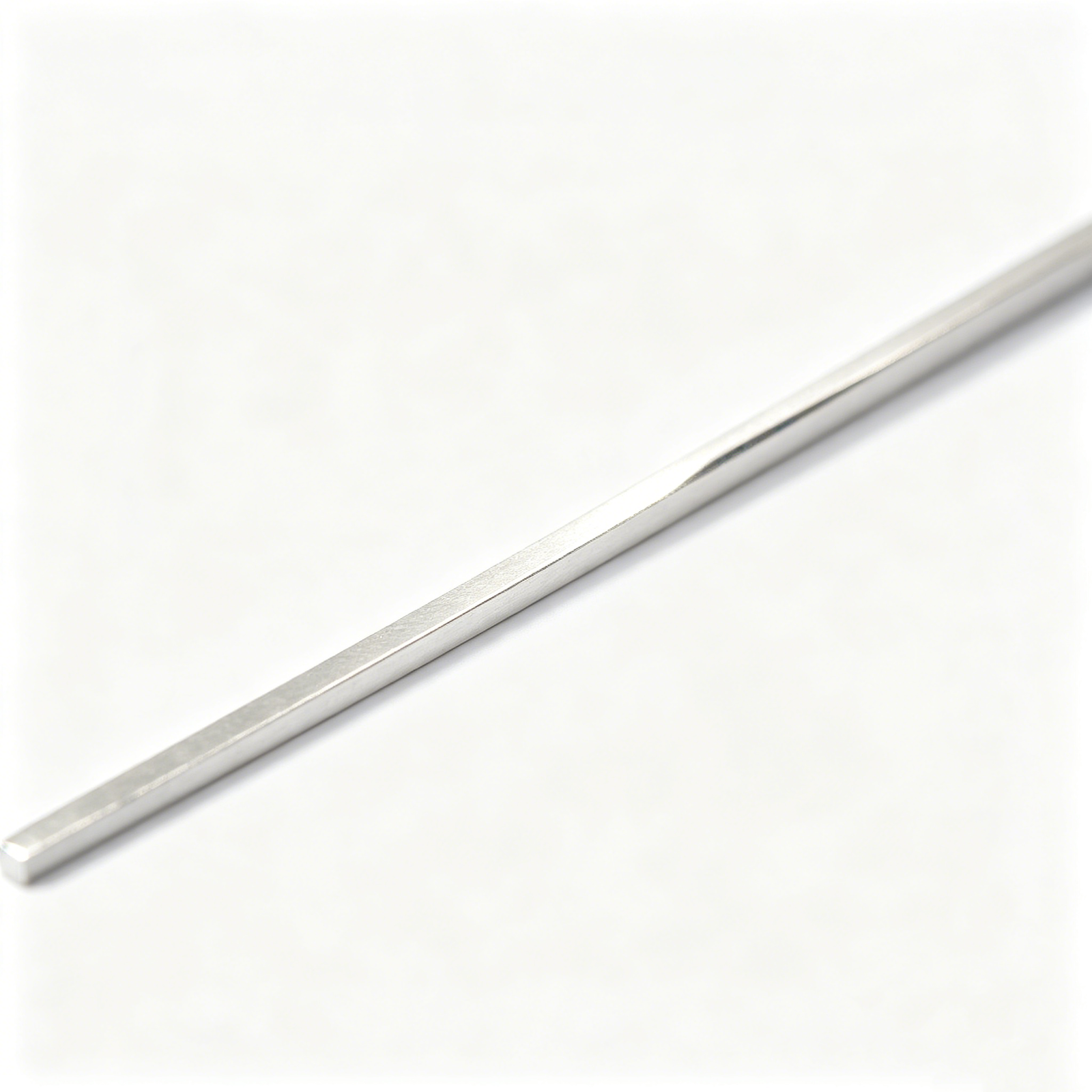
Wire EDM cuts through-profiles, narrow slots, sharp internal geometry, and hardened sections where milling access is limited. Wire path, start-hole location, corner requirements, and datum references should be defined in the drawing review.

Sinker EDM
Sinker EDM forms deep cavities, detailed ribs, and inaccessible internal features using planned electrodes. Electrode strategy, spark clearance, surface requirements, and any finishing allowance are coordinated with the machining and inspection plan.
Precision Grinding
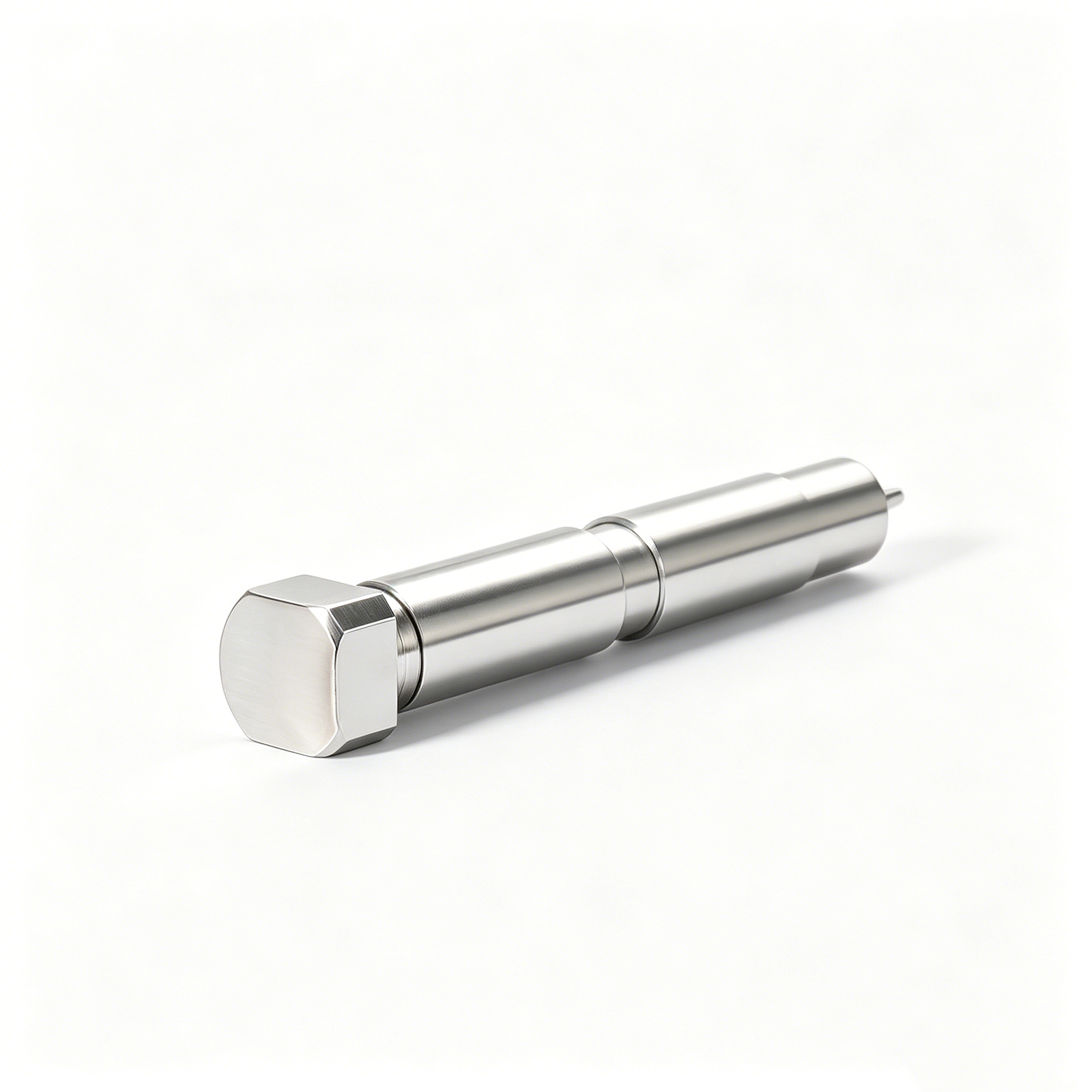
Precision grinding controls flatness, parallelism, size, and surface condition on critical mold components. Grinding stock, datum sequence, hardness condition, and measurement method are agreed before material removal is finalized.

Fitting Inspection
Fitting and inspection verify functional relationships between mating components after the selected process route. Critical dimensions, contact areas, assembly context, and required reporting are checked against the approved drawing revision and inspection plan.
CNC Machining 1.2083 Mold Steel Accessories

Guide Components
Guide pillars, bushes and related alignment pieces can be machined to the drawing-defined fits, surfaces and datum relationships needed to support repeatable mold movement and assembly.

Locating Elements
Locating pins, blocks and interlocking details are produced as configurable components, with mating geometry, tolerance stack and assembly references reviewed before the machining route is confirmed.
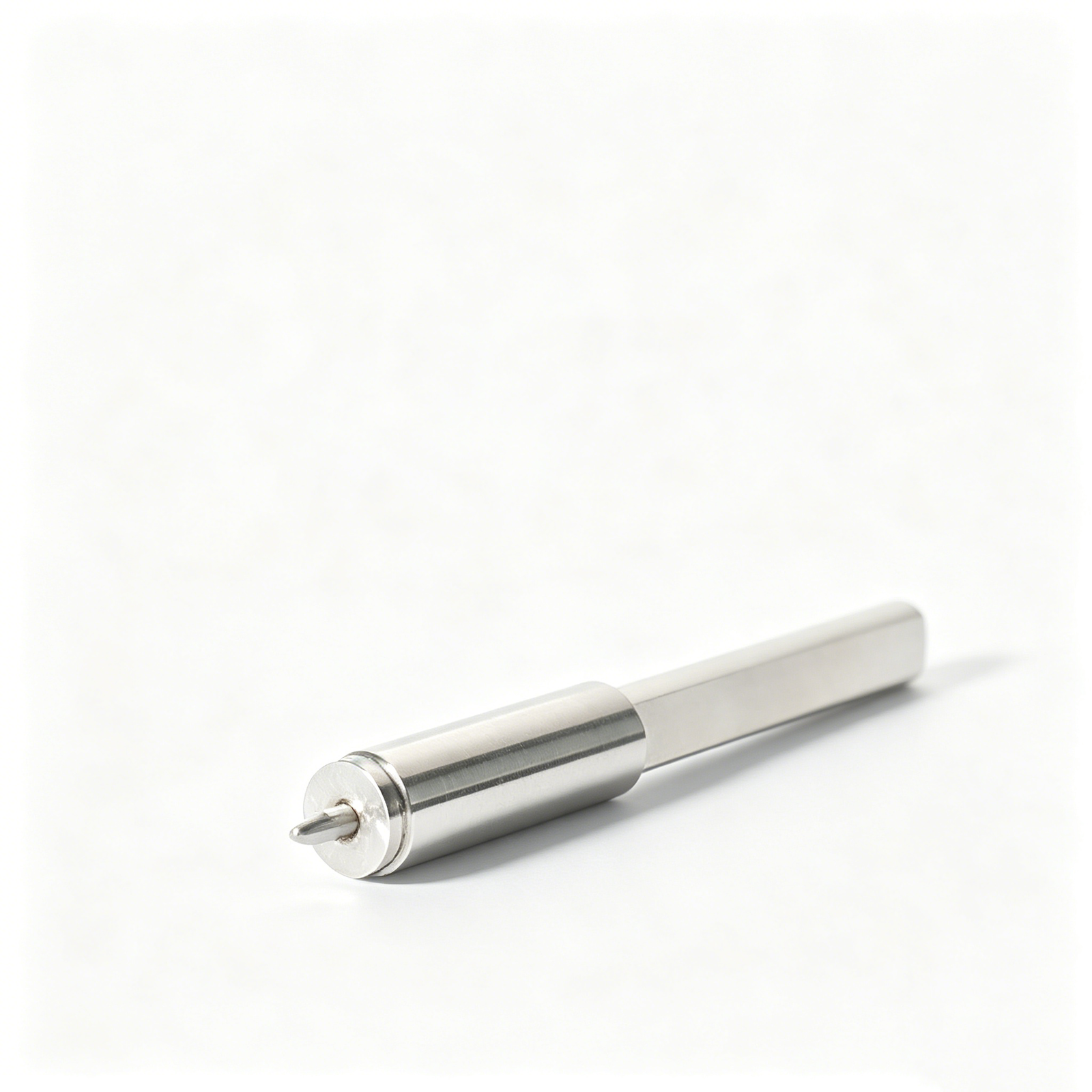
Ejection Parts
Ejector pins, sleeves, retainers and custom ejection details can be planned with working diameters, clearance needs, heat-treatment sequence and finishing requirements identified from the supplied drawing.

Gate Inserts
Gate inserts and runner-related tooling details are evaluated for material condition, tool access, EDM requirements and critical surfaces so the selected process supports the specified molding function.

Wear Components
Wear plates, support blocks, slides and lifter-related details can be supplied as drawing-driven work, with contact areas, grinding stock and inspection methods agreed for the individual component.
About SUUXIANG CNC Machining 1.2083 Mold Steel
SUUXIANG is the sole public-facing brand of Dongguan SuuXiang Precision Mold Co., Ltd., established in 2010 in Chang’an Town, Dongguan, Guangdong, China. Founded by XiaoCheng Huang, the company helps global engineering, sourcing, and quality teams translate drawings and specifications into inspected custom components for tooling and precision-manufacturing projects.
For cnc machining 1.2083 mold steel and related tooling work, our planning brings CNC milling and turning, multi-axis machining, EDM, precision grinding, fitting, and inspection into one controlled manufacturing route. Each project begins by reviewing material requirements, critical dimensions, datums, surface needs, machining access, and inspection expectations.
Our difference is disciplined project communication before production commitments. We use DFM discussion, process planning, revision control, and inspection planning to make technical risks visible early, then coordinate the appropriate machining and verification steps against the approved drawing and order requirements.
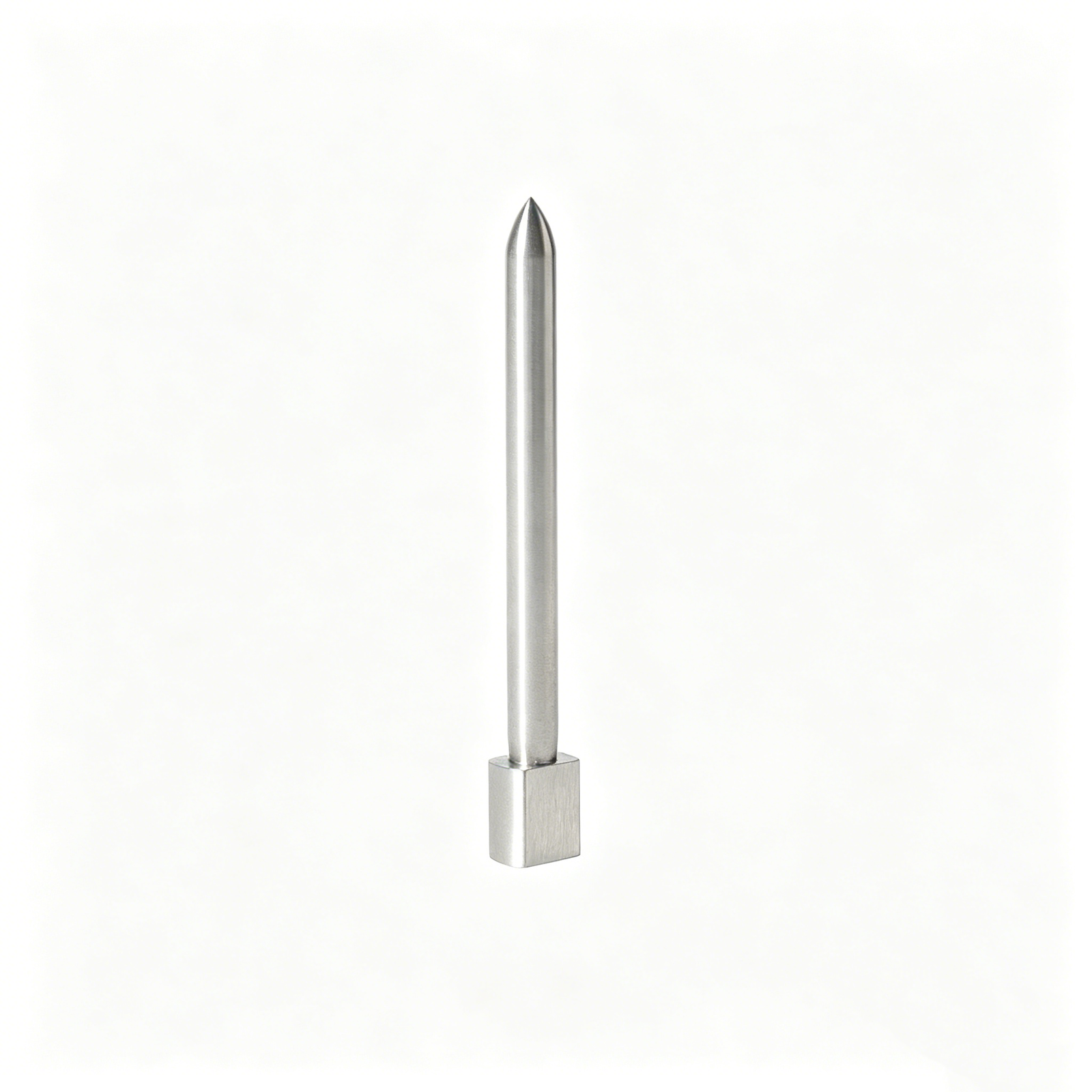
Engineering Controls for CNC Machining 1.2083 Mold Steel
DFM Starts With Datums
For 1.2083 mold-steel machining, SUUXIANG reviews functional datums, critical interfaces, tool access, wall conditions, and tolerance relationships before committing to a process route. This helps identify where machining sequence or drawing clarification can reduce avoidable risk.
- Confirm primary, secondary, and tertiary datum logic
- Flag restricted cutter access and deep-feature risks
- Review tolerance stack at mating interfaces
- Align material condition with the proposed route
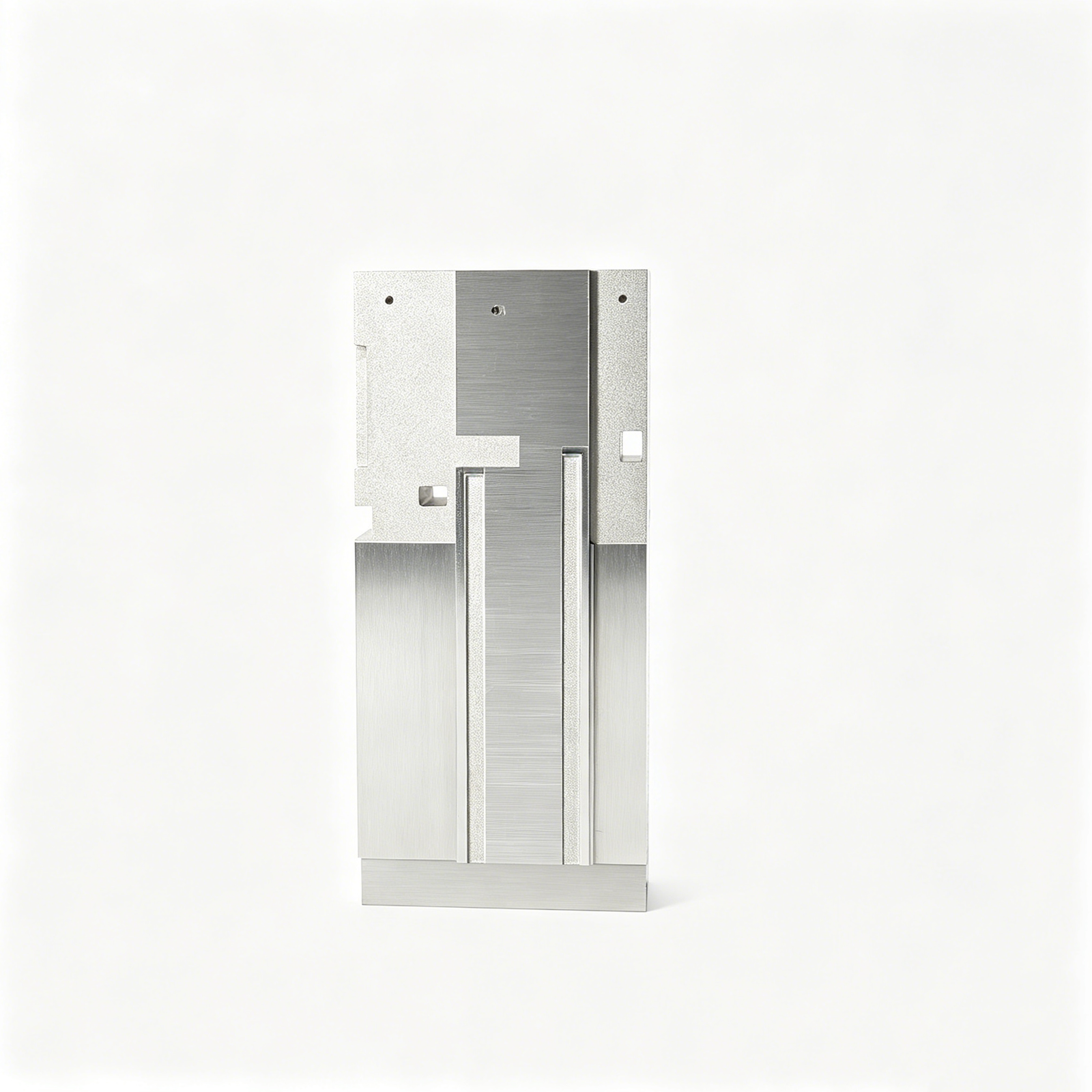
EDM and Grinding Strategy
Fine features, sharp internal geometry, hardened conditions, and finish-sensitive surfaces may require a planned combination of CNC machining, wire EDM, sinker EDM, and precision grinding. The route should define machining allowance, electrode or wire path, and finishing sequence before production begins.
- Identify features suited to wire EDM or sinker EDM
- Reserve appropriate stock for grinding operations
- Plan electrode access for blind or detailed cavities
- Sequence heat treatment and finish operations deliberately
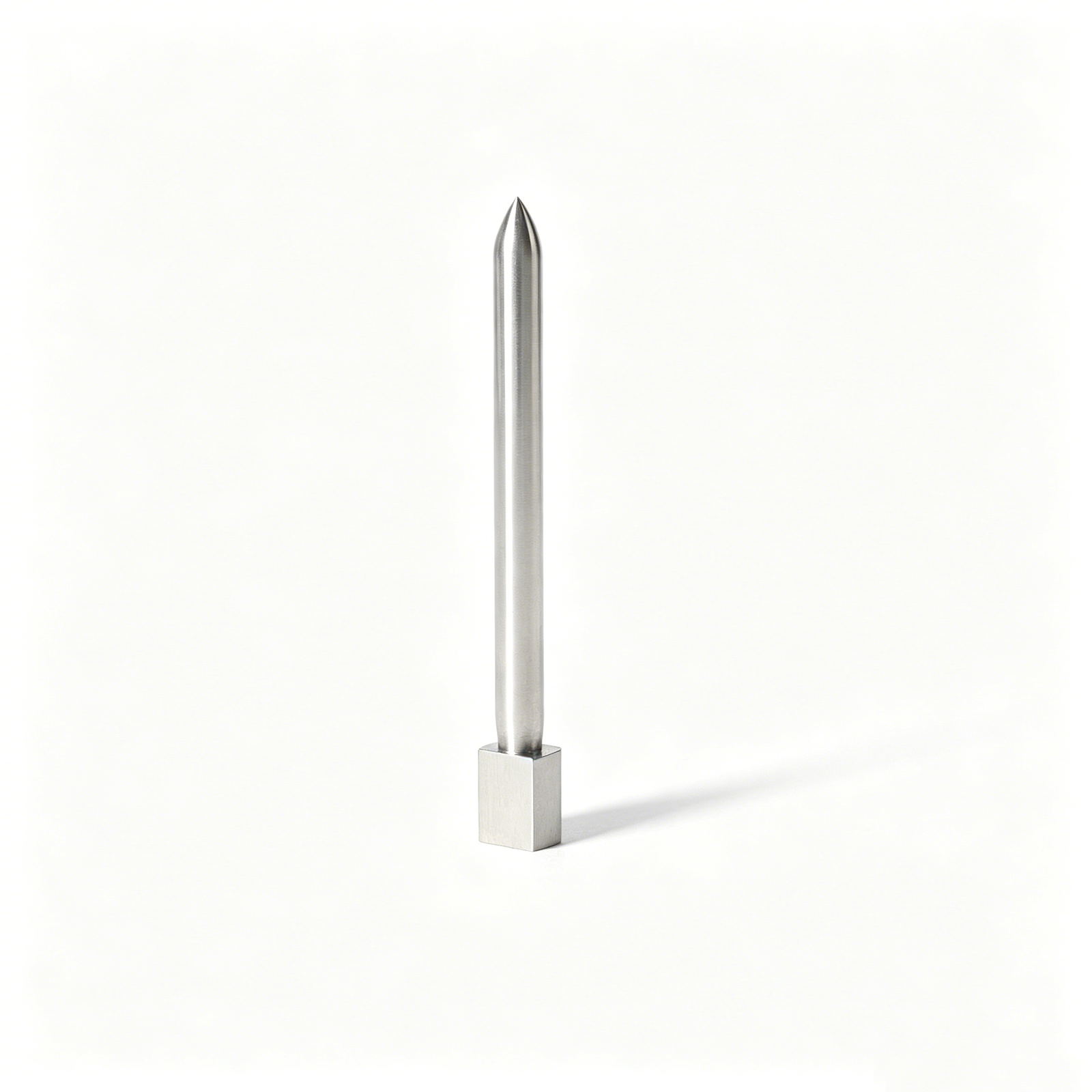
Inspect Critical Dimensions First
Inspection planning focuses on the dimensions that control assembly, sealing, motion, or product-forming performance. For cnc machining 1.2083 mold steel components, the drawing, datum scheme, measurement method, and reporting expectation should be aligned so inspection evidence matches the order requirement.
- Classify critical-to-quality dimensions before release
- Match measurement methods to feature geometry
- Record applicable datum references on inspection results
- Clarify surface and form requirements early

Keep Revisions Visible
Drawing revisions can change a feature, a datum relationship, or the required manufacturing route. SUUXIANG maintains controlled project communication around the current drawing package, open technical questions, inspection expectations, and delivery coordination so the production team works from visible requirements.
- Confirm the active revision before manufacturing
- Track drawing questions and technical decisions
- Keep quality documentation aligned to the order
- Coordinate delivery against confirmed project information

CNC Machining 1.2083 Mold Steel With More Control
Compare the drawing-review and inspection controls to request from any supplier before releasing tooling components to production.
← Swipe left or right to view →
CNC Machining 1.2083 Mold Steel: Production Workflow
A controlled route from technical review through documented inspection and delivery coordination.
Review the RFQ
Review drawings, models, material condition, heat-treatment requirements, quantities, datums, critical dimensions, surface targets, and inspection documentation before quotation or production commitments.
Plan Material and Process
Confirm material traceability needs and map the machining sequence, tool access, EDM strategy, grinding stock, fitting requirements, and inspection checkpoints for the component.
Machine Critical Features
Produce applicable features through CNC milling, turning, multi-axis machining, wire EDM, sinker EDM, and grinding according to the approved drawing revision and process plan.
Inspect and Document
Verify defined critical dimensions, datums, surfaces, and functional interfaces using the agreed inspection method, then align final records with the order requirements.
Pack and Coordinate Delivery
Protect finished parts for shipment and keep revision, documentation, packing, and delivery coordination visible so receiving teams can match parts to project requirements.
How to Start CNC Machining 1.2083 Mold Steel
Provide complete project inputs early so SUUXIANG can align process planning, inspection expectations, and delivery coordination before production commitments.
Submit Your Drawing Package
Upload the 2D drawing and available 3D model, then specify 1.2083 material condition, quantity, application, target date, and required inspection documentation.
Confirm Critical Requirements
Identify critical dimensions, datums, surface requirements, heat-treatment sequence, mating conditions, and reporting needs so the proposed manufacturing route addresses functional risks.
Review DFM and Quotation
SUUXIANG reviews tool access, machining allowance, EDM or grinding requirements, and inspection approach before issuing a quotation aligned with the supplied revision.
Approve Samples and Production
For projects requiring validation, confirm sample requirements and acceptance criteria; approved work progresses through controlled machining, EDM, grinding, fitting, and inspection.
Receive Verified Order Records
Final parts are released with documentation matched to the order and verified inspection plan, while revision and delivery information remain visible throughout coordination.
Certificates and Quality Documentation for CNC Machining 1.2083 Mold Steel
Customer References Available Only With Verified Approval
Customer references are published only after the customer verifies the project scope, technical outcome, delivery evidence, and permission to publish.
Any published reference should describe the drawing-review outcome, inspection evidence, and measurable result without disclosing confidential tooling details.
Project references require customer-approved wording, confirmed outcomes, and authorization to identify the company or role.
cnc machining 1.2083 mold steel FAQ
Practical answers for drawing-based mold components, from material control and sampling to inspection, delivery, and revision handling.
What files should I send for cnc machining 1.2083 mold steel?
Can cnc machining 1.2083 mold steel be quoted for low quantities or prototype parts?
How do you control material and heat treatment for cnc machining 1.2083 mold steel?
Can I order a first article or sample before production?
How should I plan lead time for a 1.2083 mold component?
What inspection reports can I request with my order?
Can cnc machining 1.2083 mold steel include EDM and precision grinding?
How are shipping, drawing revisions, and IP handled during an RFQ?
Complete Buyer’s Guide to cnc machining 1.2083 mold steel
Use a practical decision framework to specify 1.2083 parts, compare material and heat-treatment routes, assess CNC suppliers, control quality risks, and avoid costly mistakes in mold, connector, and low-volume tooling programs.
1. What Is cnc machining 1.2083 mold steel?
DIN/EN 1.2083, also designated X40Cr14, is a chromium-bearing mold steel used for CNC-produced plastic-mold components rather than a machining process itself. Its nominal 12.5–14.5% chromium range supports corrosion resistance, while its carbon content permits hardening; verify the mill certificate and specified delivery condition for each order. Source: https://www.fushunspecialsteel.com/1-2083-s136-x40cr14-stainless-tool-steel
50–54 HRC is a commonly cited hardened-and-tempered range, but the drawing must state the required hardness, heat-treatment sequence, and any post-treatment grinding allowance. In suitable moisture-, corrosive-resin-, or high-polish molding conditions, cnc machining 1.2083 mold steel can cover inserts, cores, cavities, core pins, and precision tooling where polishability and wear behavior matter. SUUXIANG should review datum access, thin-wall risk, EDM features, surface target, and inspection criteria before confirming a process route.
2. 1.2083 Mold Steel Development and Equivalents
1.2083 is the German material number commonly paired with X40Cr14 in EN/DIN-style designation. The name identifies a standardized grade family; it does not, by itself, identify bar source, remelting route, cleanliness level, section size, or supply condition.
X40Cr14 is often cross-referenced to 420-family martensitic stainless grades, but a cross-reference is a starting point for review, not a blanket substitution approval. AISI 420 variants, regional standards, and producer specifications can differ in permitted chemistry, residual controls, and heat-treatment response; see https://www.hubs.com/cnc-machining/metal/tool-steel and https://www.fushunspecialsteel.com/1-2083-s136-x40cr14-stainless-tool-steel.
S136 is a commercial name rather than an automatic synonym for every 1.2083 purchase. Before cnc machining 1.2083 mold steel, request the supplier material certificate and confirm grade standard, actual heat chemistry, melt or remelt route, delivery hardness, heat number, and any required condition; match these records to the drawing and inspection plan.
3. Types of cnc machining 1.2083 mold steel Parts
1.2083 drawings should be classified by molding function before a process route is quoted. SUUXIANG reviews load direction, polish target, datums, and inaccessible geometry against the inspection plan.
Cavity And Core Inserts
Cavity and core inserts carry forming pressure and define cosmetic faces. CNC milling establishes bulk geometry; EDM reaches deep ribs, while grinding protects datum faces.
Core Pins And Sleeves
Core pins and sleeves see bending, sliding, and concentrated wear. Turning forms round geometry; grinding controls fits, and EDM resolves small internal or non-round details.
Sliders And Wear Components
Sliders and wear components experience side load and repeated rubbing. Milling creates bodies and pockets; wire EDM cuts profiles, with grinding used on bearing faces.
Connector Tooling Features
Connector-tooling features demand positional accuracy across fine-pitch cavities and shutoffs. Milling handles accessible forms; EDM or wire EDM serves narrow slots and sharp internal geometry.
Prototype Mold Blocks
Prototype or low-volume mold blocks prioritize revision access and defined datum structure. Milling removes stock; EDM, wire EDM, and grinding apply only where geometry or surfaces require.
4. Materials, Melt Quality, and Delivery Conditions
Material route and delivery condition determine both the machining plan and the finished cavity’s polish response. Specify the steel designation, melt route, starting condition, final hardness target, and traceability before CNC machining 1.2083 mold steel begins.
| Condition | Typical Buyer Use | Machining Implications | Finishing Potential | Documentation To Request |
|---|---|---|---|---|
| Annealed | Complex roughing | Machine, heat treat, grind | High after controlled finishing | Mill certificate; heat-treatment plan |
| Pre-hardened | Stable low-volume inserts | Higher tool wear; avoid distortion cycle | Good, route dependent | Certificate; delivered HRC; batch ID |
| Hardened and tempered | Final wear-resistant components | EDM and grinding often dominate | High with correct stock | Certificate; final HRC; inspection report |
Cleanliness And Melt Route
ESR or other remelted material can reduce inclusion-related polishing risk where optical or mirror surfaces matter.
Standard mill steel may suit general inserts when the drawing does not require exceptional polish or homogeneous appearance.
- Name the approved mill and melt route.
- Link each block to heat or batch identity.
- Request the mill certificate before release.
Hardness Must Be Agreed
Annealed stock supports heavier rough machining, then leaves heat treatment, distortion allowance, and finish grinding to the route.
Pre-hardened stock shortens the sequence but raises cutting-load and tool-wear considerations. Hardened-and-tempered parts require an agreed HRC range and inspection location.
- State target hardness and acceptable range.
- Identify hardness-test method and location.
- Reserve grinding stock after heat treatment.
5. cnc machining 1.2083 mold steel Surface Options
Surface selection for cnc machining 1.2083 mold steel is a functional decision set by the molded surface, shutoff duty, release direction, and mating condition. Lock the finish before machining allowances and EDM strategy are released.
| Option | Typical Use | Drawing Requirement |
|---|---|---|
| Machining finish | Non-critical faces | Ra value and excluded faces |
| Precision grinding | Mating or shutoff faces | Flatness, datum, roughness |
| Polishing | Optical or release surfaces | SPI grade and boundary |
| EDM texture | Specified cavity areas | Texture code, location, draft |
| Packaging | Corrosion protection | Protected faces and duration |
Choose The Functional Finish
Ra 0.8–1.6 μm machining finish suits non-cosmetic faces; precision grinding is preferred where flatness, fit, or parting-line contact controls performance.
Polish And Texture Sequence
SPI polish grade and texture location must be called out by cavity face, not by a general note. Optical surfaces need protected polishing stock, while EDM texture transfer follows the final approved geometry and must not cross shutoffs.
Drawing And Shipment Notes
Laser marks belong on a nonfunctional face with location, character height, and depth defined. Identify protected critical surfaces and require clean, dry corrosion-protection packaging after final inspection.
- State roughness and polish standard
- Mark texture boundaries and draft direction
- Identify mating and parting-line faces
6. Critical Quality Elements in 1.2083 Components
Two datum features should locate every critical measurement: a functional mounting face and a stable bore, rail, or edge. For cnc machining 1.2083 mold steel, the drawing review must connect each tolerance to assembly function and a stated inspection method.
Establish Functional Datums
Three mutually perpendicular datums are often needed for inserts with shutoff faces, pockets, and guide features. Identify primary, secondary, and tertiary datums before machining so coordinate dimensions, GD&T, and inspection setup do not conflict.
- Locate cavity geometry from functional mold references
- Apply position controls to holes, not chained dimensions
- Specify datum targets where full surfaces are impractical
Control Holes And Mating Fits
0.01 mm-level requirements can be meaningless without defining the gauge, datum setup, and temperature condition. Call out concentricity or runout where rotation matters, hole straightness for long cores, and the intended clearance or interference with the mating component.
- State pin, bushing, or insert mating condition
- Define bore measurement method and depth
- Require edge breaks without altering functional corners
Protect Surface Integrity
Heat treatment can distort thin walls, asymmetrical sections, and closely spaced bores, so leave grinding stock and inspect after the final thermal route. Burrs, EDM recast, sharp edges, and damaged shutoff surfaces can prevent seating even when measured dimensions pass.
- Name critical surfaces and permitted edge condition
- Confirm post-heat-treatment inspection points
- Review fit with mating parts or verified gauges
7. Choosing a cnc machining 1.2083 mold steel Supplier
A capable cnc machining 1.2083 mold steel supplier proves control at every handoff, not merely machine availability. Compare the evidence against your drawing’s datums, mating interfaces, hardness condition, and release path.
Request Pre-PO Evidence
Before PO release, request the material certificate, heat-treatment plan, process route, inspection plan, sample report, revision procedure, and packing specification.
For 1.2083, confirm the certificate heat or batch is traceable to each part lot and that the stated delivery condition matches the drawing.
Test Interface Understanding
Ask how the supplier will protect shutoff faces, pin-to-bore fits, datum relationships, and polishing-critical surfaces through CNC, EDM, grinding, and fitting.
Ask which dimensions are inspected before and after heat treatment, and how EDM recast-layer removal or polishing allowance is controlled. Specific answers should reference your drawing features.
Control Approval And Changes
Require first-article approval before repeating production, with measured results tied to drawing revision and inspection method. Define who may approve deviations, material substitutions, process changes, or revised models.
Specify rust prevention, edge protection, cavity-face protection, part identification, and shipment documents before dispatch. SUUXIANG should confirm these controls against the project’s verified scope.
8. Common 1.2083 Mold Steel Sourcing Mistakes
Most cnc machining 1.2083 mold steel failures begin in the RFQ, before toolpaths or electrodes are planned. A drawing review should convert material, surface, datum, heat-treatment, and inspection assumptions into controlled requirements.
Define Material Completely
1.2083 alone is not a complete material callout; trade names and nominal equivalents can differ in melt route, cleanliness, delivery condition, and polish response. Add the governing standard, approved mill or equivalent criteria, material certificate requirement, and annealed, pre-hardened, or hardened-and-tempered condition.
Control Surface And Heat Treatment
Ra values do not define a polished cavity surface or its permitted defect level. State the required roughness, polish grade or reference standard, polishing direction, critical faces, and acceptance method.
Heat treatment changes size and can consume finishing stock. Identify target hardness, heat-treatment sequence, distortion risk, grinding or EDM allowance, and which dimensions are final after heat treatment.
Tie Tolerances To Verification
±0.01 mm without functional datums invites inconsistent measurement and unnecessary machining risk. Put datum references, mating context, critical dimensions, geometric tolerances, and inspection method directly on the drawing.
100% inspection is incomplete when the report omits actual values and traceability. Require part number, revision, material and hardness evidence, measured critical features, instrument identification, acceptance criteria, and lot linkage in the quality plan.
9. Launching a 1.2083 Component Program
1.2083 component launches move faster when the RFQ is a controlled technical package, not a parts list. Separate prototype, replacement, and repeat-order requirements before machining begins.
Release The Technical Package
2D drawings should identify revision, datums, critical dimensions, GD&T, and interface references; attach native or neutral 3D CAD. Specify 1.2083 delivery condition, target hardness, finishing, quantity, and required reports.
Multi-part tooling assemblies need an interface map for shutoffs, locating features, mating inserts, and assembly sequence. Mark schedule-critical interfaces so SUUXIANG can review machining access, EDM strategy, grinding stock, and risk before release.
Close The DFM Loop
1 DFM response should resolve ambiguous tolerances, inaccessible features, heat-treatment distortion risk, and measurement approach before a purchase order is released. Record each accepted deviation in the controlled revision.
Prototype parts may prioritize learning speed, while low-volume parts require a repeatable route. Replacement components require the mating-component condition, wear evidence, and legacy drawing status.
Approve And Replenish
First articles should be approved against an agreed inspection plan covering critical dimensions, datums, surface condition, and documentation. Do not treat an informal sample as production approval.
Every engineering change needs a new revision, disposition of work in progress, and confirmed effectivity date. Repeat orders should reference the approved route, inspection criteria, packing method, and replenishment trigger.
10. cnc machining 1.2083 mold steel Pricing
1. Prototype pricing is driven by setup, stock purchased against the finished envelope, and programming for each unique feature. For cnc machining 1.2083 mold steel, annealed versus pre-hardened condition changes cutting strategy, while EDM, polishing, heat treatment, and inspection add separately planned operations.
2. Low-volume pricing can distribute programming across parts, but deep ribs, narrow slots, complex datums, and tight geometric tolerances still increase machine, electrode, wire-cut, and grinding time. Specify whether polish quality is functional, cosmetic, or optical because its acceptance method changes labor and inspection scope.
3. Repeat production can reduce unit cost through stable fixtures, proven programs, and planned material yield; it does not eliminate revision-control or final-verification work. SUUXIANG should quote from the current drawing revision, material and condition, quantity, target date, critical dimensions, and required report.
| Scenario | Major cost drivers | Lead-time drivers | Quote inputs needed |
|---|---|---|---|
| Prototype | Setup, stock size, complex features, EDM | Material availability; heat treatment; first article | 2D/3D files, condition, finish, CTQs |
| Low-volume | Cycle time, electrodes, grinding, polishing | Batch routing; inspection extent | Quantity, datums, tolerance plan, report |
| Repeat production | Fixtures, yield, inspection frequency | Release schedule; revision stability | Forecast, revision, delivery plan, acceptance criteria |
Upload Your CNC Machining 1.2083 Mold Steel Drawing
Send your drawing, material, quantity, critical dimensions, quality expectations, and target delivery date for a disciplined technical review.