
CNC Machining 17-4 PH Stainless Steel for Precision Parts
SUUXIANG reviews DFM, critical dimensions, datums, and inspection requirements before machining 17-4 PH stainless steel parts from your drawing.
Representative 17-4 PH Stainless Steel Component Features


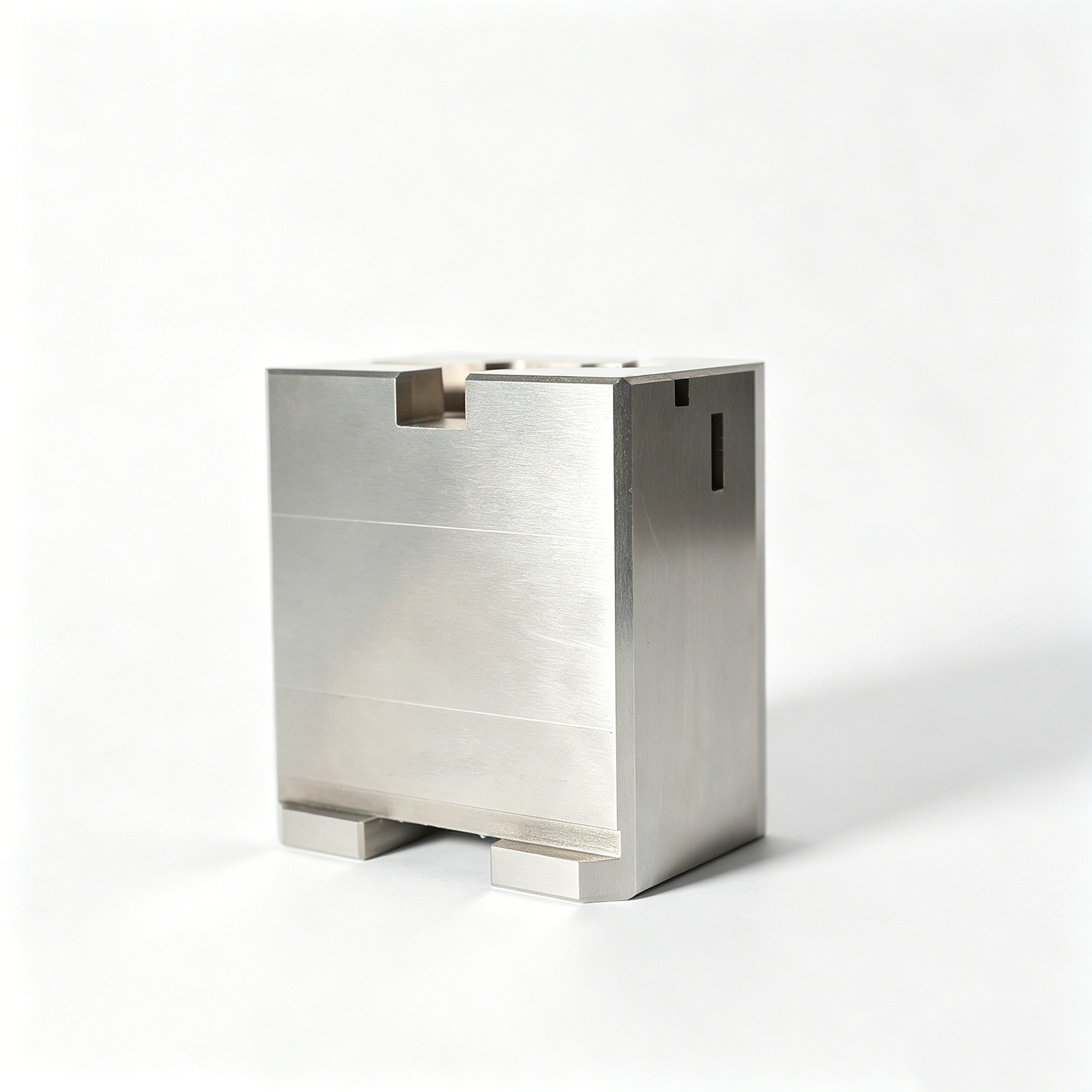


Related Drawing-Based Components and Quotation


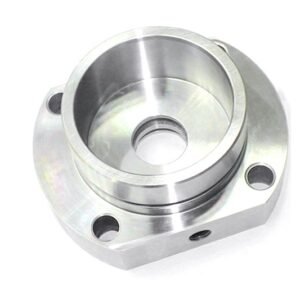


Why Engineering Teams Source CNC Machining 17-4 PH Stainless Steel Parts from SUUXIANG
Drawing-led planning keeps critical requirements, process decisions, and inspection expectations visible before production commitments are made.
Drawing-Led DFM Review
Review drawings, models, datums, critical dimensions, material condition, and machining access before quotation or production planning begins.
Process-Route Planning
Plan CNC milling, turning, multi-axis work, and appropriate sequencing around geometry, tolerance priorities, and heat-treatment requirements.
EDM and Grinding Coordination
Identify wire EDM, sinker EDM, and grinding needs early, including electrode strategy, wire paths, and finishing allowance.
Inspection Plan Alignment
Define inspection methods and reporting expectations around critical-to-quality features, datums, surface requirements, and the approved drawing revision.
Revision Visibility
Maintain visible drawing and delivery information so manufacturing, inspection, and project communication remain aligned with the current revision.
RFQ-Ready Communication
Use material, quantity, quality, delivery, and application details to support a more informed CNC machining 17-4 PH stainless steel review.
Precision Part Families for Drawing-Driven Programs
Configure the process route around critical dimensions, materials, inspection requirements and delivery priorities before production commitments are made.

CNC Milling Services
Precision CNC machining services for custom parts requiring a documented route from drawing review through milling, turning, EDM, grinding, fitting and inspection. We assess critical dimensions, material condition, tool access and reporting needs before quoting.
Upload a Drawing
CNC Turning Services
Custom CNC milling services for prismatic parts, mold plates, inserts and complex features. Drawing review considers datums, pocket accessibility, wall geometry, machining allowance, surface requirements and the dimensions that require controlled inspection.
Upload a Drawing
CNC Turning
Precision CNC turning services for shafts, pins, sleeves, bushings and rotational components. Provide diameter tolerances, concentricity or runout requirements, material condition, surface expectations and mating-part context so the process route can be reviewed.
Upload a Drawing
5-Axis Machining
5-axis CNC machining supports parts with compound angles, contoured forms and features requiring multi-face access. Feasibility depends on fixture strategy, tool reach, datum control, material, tolerance stack and the inspection approach defined for the drawing.
Upload a Drawing
Swiss & Micro Machining
Swiss machining and micro machining support small, slender and detailed precision components where feature access and handling matter. Submit the drawing, material, quantity and critical dimensions for review of process stability, inspection method and production suitability.
Upload a Drawing
Wire & Sinker EDM
Wire EDM and sinker EDM services address narrow slots, hardened features, intricate profiles, sharp internal geometry and cavity details that conventional cutting may not reach. Electrode strategy, wire path, finish requirement and downstream polishing or grinding must be defined.
Upload a Drawing
Precision Grinding
Precision surface and profile grinding supports controlled flatness, parallelism, profiles and finish on mold and die components. Grinding stock, heat-treatment sequence, datum references and measurement criteria should be established before machining begins.
Upload a Drawing
Mold Core & Cavity Inserts
Precision mold core inserts and mold cavity inserts are produced from customer drawings for the specified molding application. Review includes steel grade, heat-treatment condition, parting and shutoff geometry, cooling or feature access, critical cavity dimensions, and inspection expectations.
Upload a Drawing
Ejector & Ejection Components
Ejector pins, sleeves and ejection components are configurable to the drawing and mold design. Material, hardness, diameter control, tip geometry, sliding fit, surface condition and mating-component details guide the selected machining and inspection route.
Upload a Drawing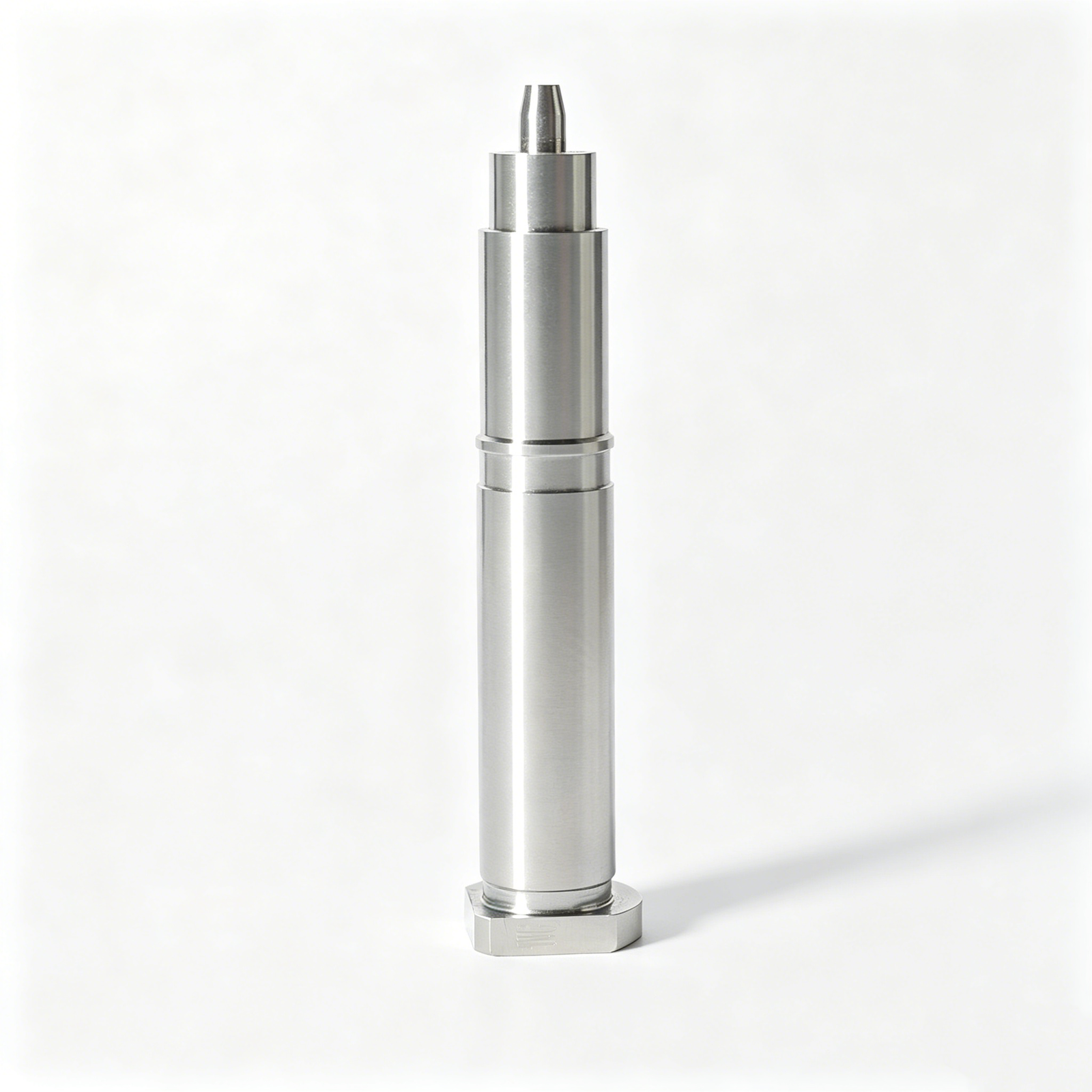
Core Pins, Guide & Locating Components
Core pins, guide pins and locating components require reliable relationships to their mating features. Supply positional datums, fit class, material and heat-treatment requirements, working length, surface needs and any assembly context affecting tolerance decisions.
Upload a Drawing
Slides, Lifters, Gates & Mold Accessories
Mold slides, lifters, gates and accessories are manufactured as drawing-defined components rather than fixed catalog items. Geometry, travel interfaces, wear surfaces, material condition, fitting requirements and tolerance relationships should be reviewed with the mold assembly context.
Upload a Drawing
Connector Mold Components
Precision connector mold components support tooling features where pitch, terminal geometry, alignment and repeatable mating relationships are central. Drawings should identify critical dimensions, material and hardness requirements, EDM features, finish expectations and inspection evidence.
Upload a Drawing
Stamping Die Components
Precision stamping die components are planned around the die function, material condition and mating interfaces. Punch or die geometry, clearance relationships, wear surfaces, heat treatment, grinding allowance and required measurements should be visible before quotation.
Upload a Drawing
Injection, MIM, CIM & Overmolding Tooling
Injection mold components and related tooling work for MIM, CIM, and overmolding are evaluated within verified production scope. Provide resin or feedstock context, part geometry, insert interfaces, molding requirements, and drawing-defined quality priorities for a practical review.
Upload a Drawing
Machining Materials
CNC machining materials are selected against strength, wear, corrosion resistance, machinability, heat-treatment response and application needs. Identify the required grade, approved equivalent policy, material condition and traceability expectations with the RFQ.
Upload a Drawing
Surface Finishes & Heat Treatment
Surface finishing and heat treatment are coordinated with dimensional priorities and functional surfaces. State the required process, coating or treatment, hardness range where applicable, masking needs, cosmetic limits and whether final dimensions are measured before or after treatment.
Upload a Drawing
Quality, Metrology & Documentation
Precision inspection, metrology and quality documentation are aligned to the drawing’s critical dimensions and agreed inspection plan. Clarify datums, measurement method, sampling expectations, report format, material records and revision-controlled documentation required for the order.
Upload a Drawing
Prototyping & Low-Volume Production
Rapid prototyping and low-volume manufacturing support drawing-driven validation, tooling development and controlled production needs. Early review focuses on material availability, process route, critical dimensions, inspection level, revision status and target delivery date.
Upload a DrawingCNC Machining 17-4 PH Stainless Steel and Tooling Material Options

17-4 PH Stainless
A high-strength, precipitation-hardening stainless option for precision parts requiring corrosion resistance and controlled mechanical performance. Review the required condition, machining sequence, heat treatment, and critical dimensions before confirming a CNC machining route.

420 Stainless Steel
A hardenable stainless option often considered for mold and wear components where corrosion resistance and surface condition matter. Material condition, hardness target, grinding stock, and EDM requirements should be defined from the drawing.

D2 Tool Steel
A high-wear tool steel suited to dies, punches, and forming components where abrasive service is a concern. Confirm heat treatment, machining allowance, wire-EDM path, and finish requirements before selecting the process sequence.

H13 Tool Steel
A hot-work tool steel commonly evaluated for tooling exposed to repeated thermal cycling and mechanical load. The project review should establish material condition, heat-treatment sequence, EDM strategy, and dimensional inspection priorities.

P20 Tool Steel
A pre-hardened mold steel option for cores, cavities, and structural tooling components where machinability and stable finishing are important. Confirm the supplied condition, polishing needs, tolerance stack, and any surface-treatment requirement.
Processes for CNC Machining 17-4 PH Stainless Steel

CNC Milling
CNC milling creates prismatic features, pockets, bores, and datum surfaces from the approved drawing. Tool access, clamping strategy, and machining allowance are reviewed to support stable geometry and a controlled surface condition.

CNC Turning
CNC turning produces concentric diameters, threads, faces, and shaft-style features. The process route considers stock condition, workholding, runout-sensitive dimensions, and any subsequent milling, grinding, or inspection requirements.
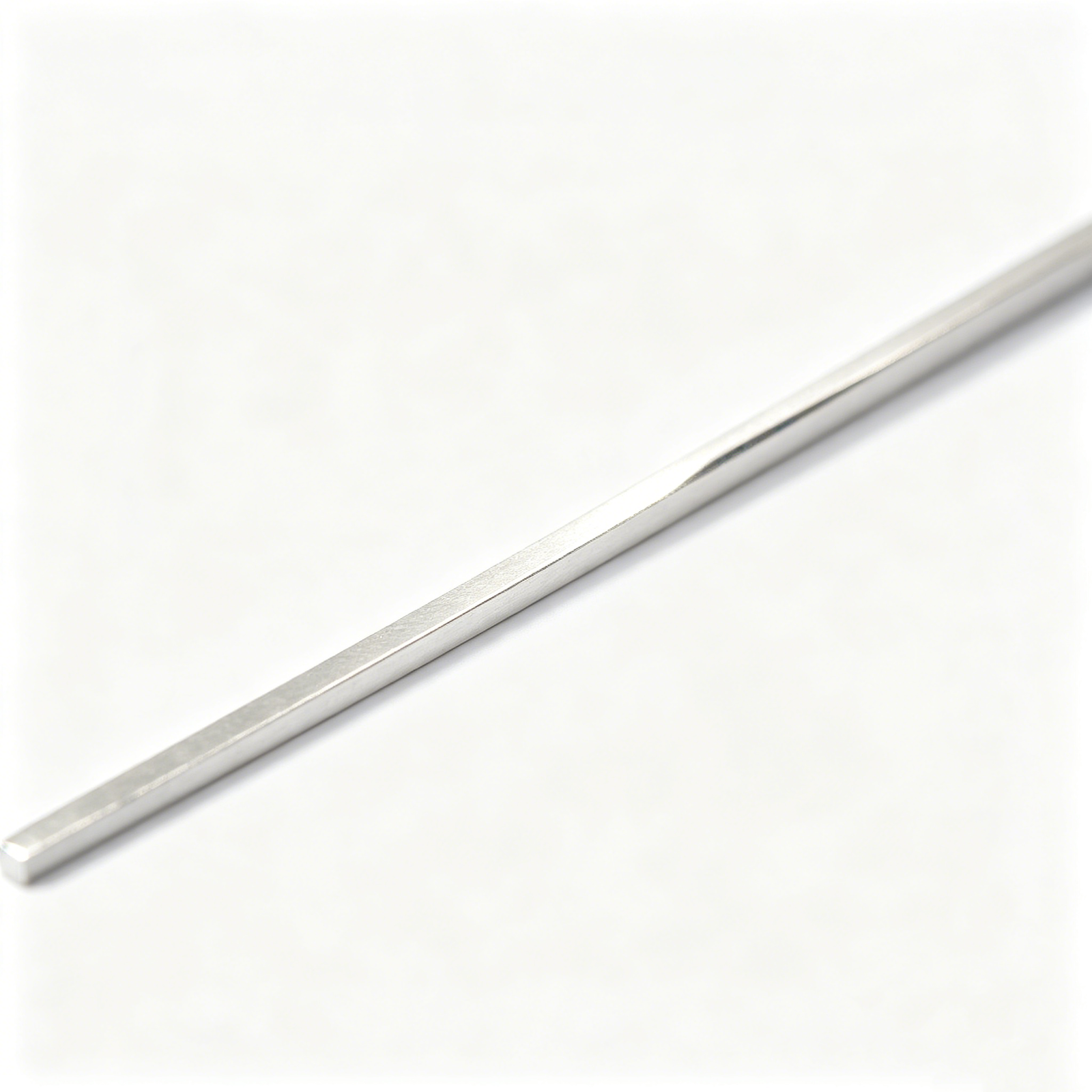

Precision Grinding
Precision grinding refines critical diameters, flats, and mating surfaces after the appropriate machining or heat-treatment sequence. Grinding stock, datum control, and measurement method are reviewed to protect functional relationships on the finished part.
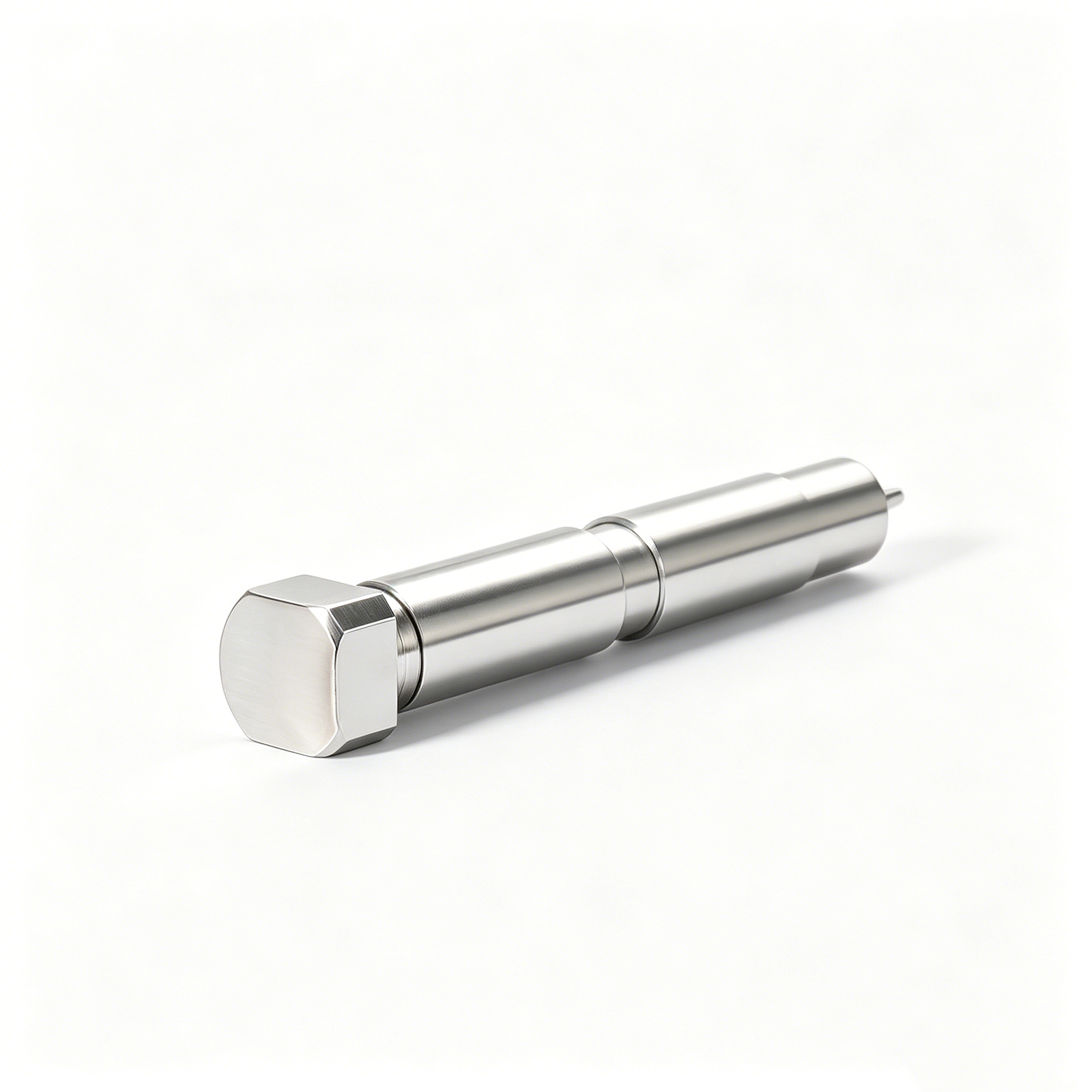
Fitting and Inspection
For CNC machining 17-4 PH stainless steel, fitting and inspection confirm critical dimensions, mating relationships, and specified reporting needs. Results are documented according to the approved inspection plan, drawing revision, and order requirements.
CNC Machining 17-4 PH Stainless Steel: Component Features and Finishing Options

Threads and Tapped Holes
Internal or external threads can be machined to the drawing, with thread callouts, engagement requirements, datum relationships, and gauge or inspection expectations reviewed before production planning.

Installed Thread Inserts
Thread inserts may be specified where repeated assembly, wear resistance, or mating-part requirements call for them. Provide the insert type, installation condition, locking requirement, and inspection criteria with the RFQ.

Part Marking
Part numbers, revision identifiers, lot references, or orientation marks can be considered when defined by the drawing. Marking method, location, legibility, and any surface-integrity restrictions require project review.
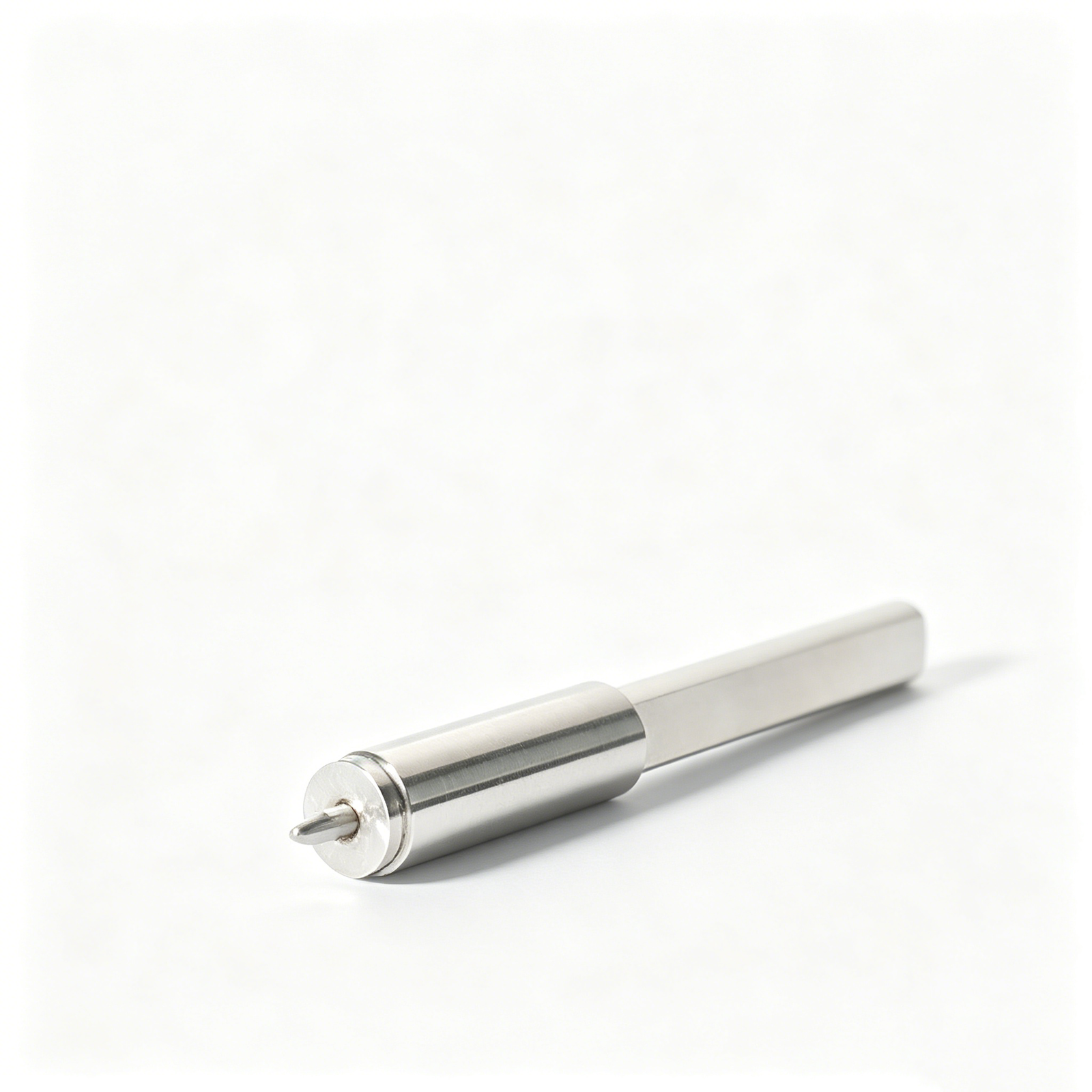
Protective Packaging
Project-defined packaging helps protect machined edges, critical surfaces, and matched components during handling and shipment. Identify corrosion protection, individual wrapping, tray needs, labeling, and delivery-condition expectations in advance.

Surface Finish Requirements
Surface finish requirements should identify the functional area, texture target, cosmetic priority, and post-machining sequence. Grinding, EDM, machining, heat treatment, and any secondary finish must be planned around critical dimensions.
CNC Machining 17-4 PH Stainless Steel
SUUXIANG is the sole public-facing brand of Dongguan SuuXiang Precision Mold Co., Ltd., established in 2010 in Chang’an Town, Dongguan, Guangdong, China. Founded by and legally represented by XiaoCheng Huang, the company helps international engineering, sourcing, and quality teams turn drawings into inspected custom CNC parts, precision mold components, connector tooling, and die components.
Our project approach combines CNC milling and turning, multi-axis machining, EDM, precision grinding, fitting, and inspection as the drawing requires. Before quotation or production commitments, we review critical dimensions, datums, material and heat-treatment requirements, machining access, surface priorities, and the appropriate inspection method.
For cnc machining 17-4 ph stainless steel and other drawing-based work, the difference is disciplined coordination rather than a quote alone. We make revision control, process decisions, inspection expectations, and delivery requirements visible early, so teams can evaluate manufacturability with the evidence needed for a controlled production release.

CNC Machining 17-4 PH Stainless Steel: From Drawing to Inspection
DFM Before Commitment
SUUXIANG reviews the drawing, model, material condition, datums, critical dimensions, and surface requirements before production commitments. For CNC machining 17-4 PH stainless steel, this early review helps identify tolerance-stack, tool-access, and heat-treatment questions that can affect the process route.
- Confirm part revision, material condition, quantity, and application context
- Identify critical-to-quality dimensions and functional datums
- Review thin walls, deep features, internal corners, and clamping needs
- Align inspection expectations before quotation and release
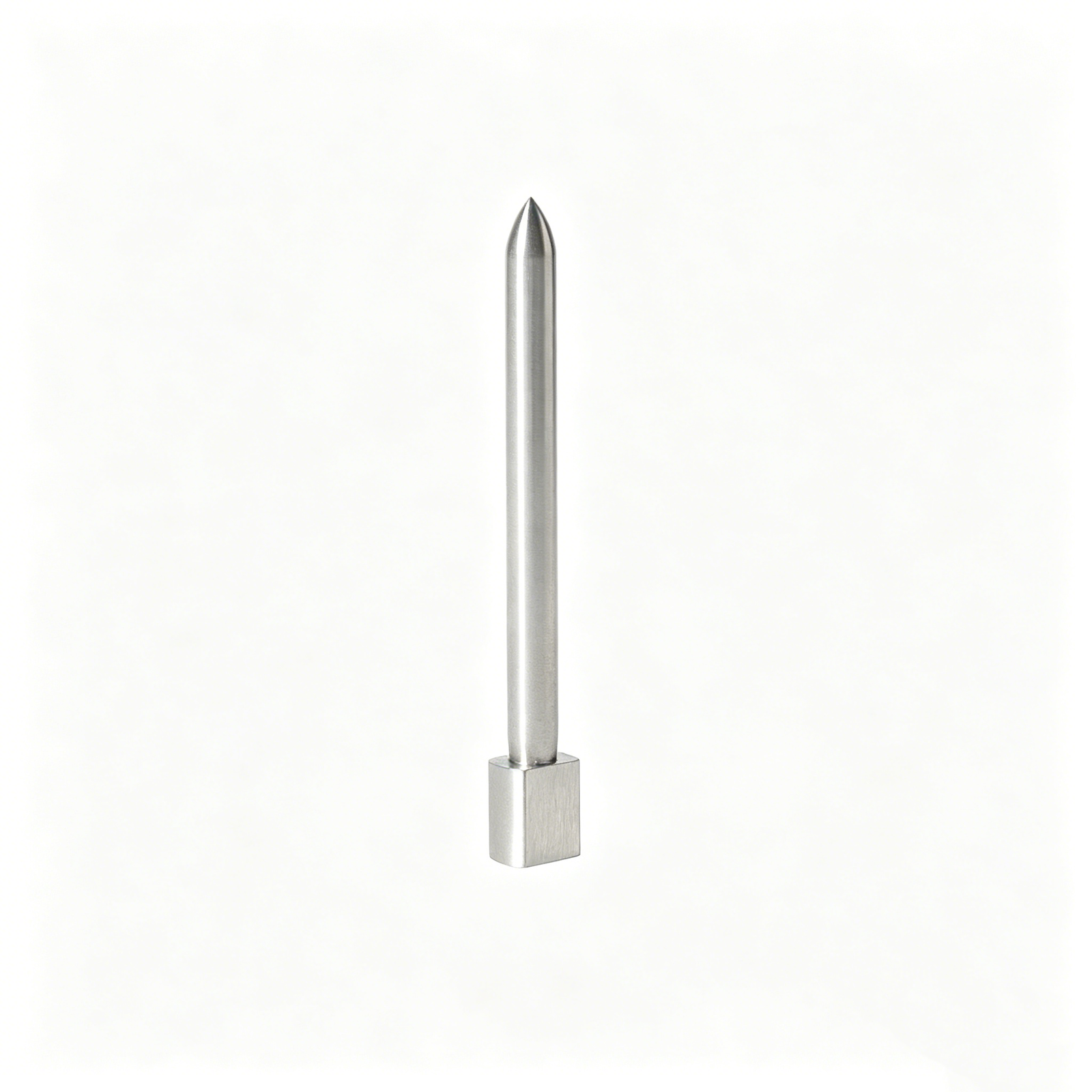
Machining Access and EDM Strategy
Complex 17-4 PH details may require more than a milling-only plan. SUUXIANG evaluates cutter reach, corner geometry, feature depth, wire path, and electrode access to determine where CNC machining, wire EDM, or sinker EDM should be sequenced for the drawing requirement.
- Check cutter reach and rigidity for deep or narrow features
- Assess wire-EDM start-hole and path requirements
- Define electrode access for blind corners or formed details
- Keep datum references visible through machining transitions
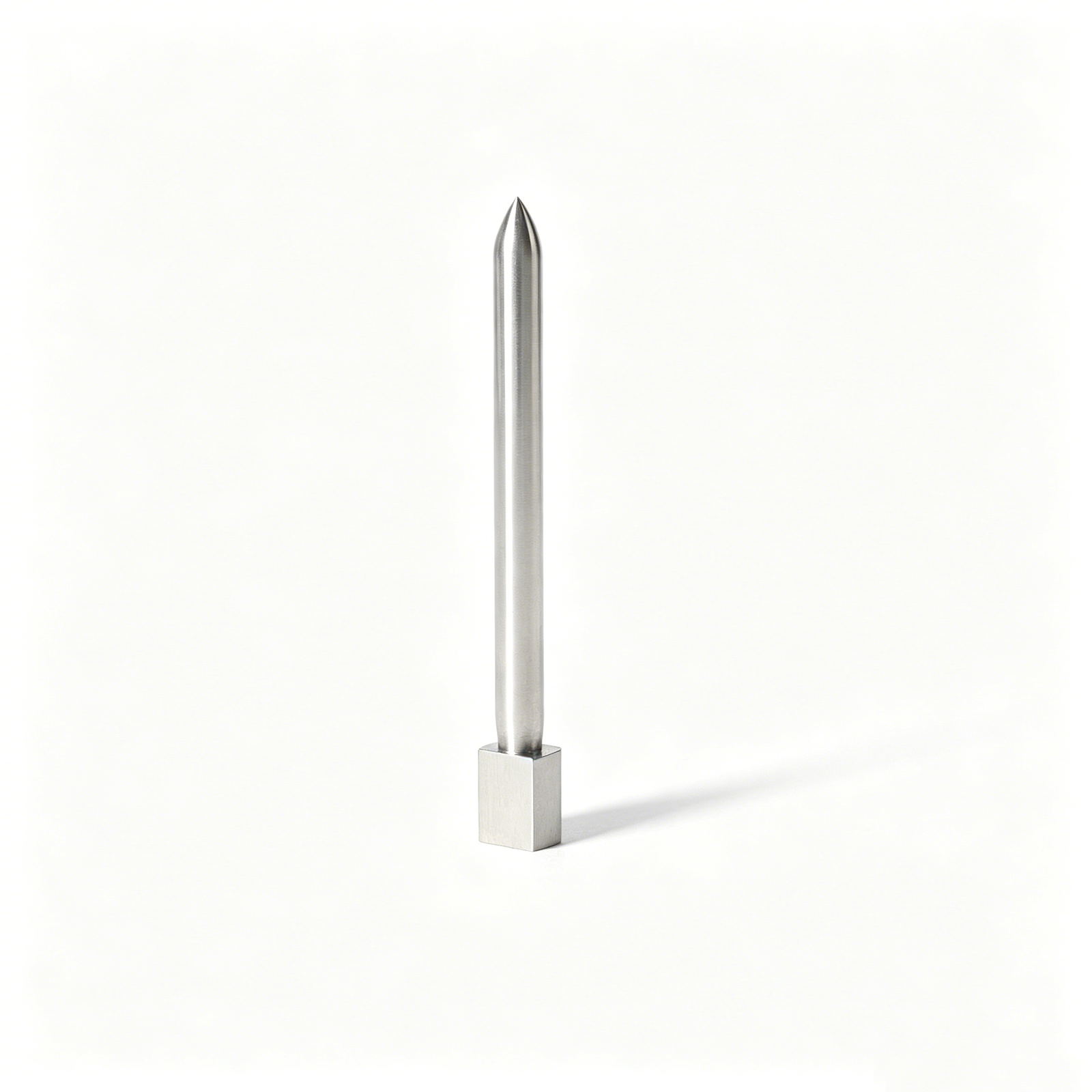
Grinding Allowance Planning
Grinding is planned as a controlled finishing operation when the drawing calls for tight geometric relationships or critical bearing surfaces. The process discussion considers machining stock, heat-treatment sequence, distortion risk, and accessible grinding faces so final dimensions are not treated as an afterthought.
- Reserve practical stock for finish grinding where required
- Review heat-treatment timing against final-size requirements
- Identify surfaces requiring flatness, parallelism, or fit control
- Maintain datum continuity between machining and grinding

Inspection Matched to Function
Inspection planning begins with the dimensions that govern assembly, mating, sealing, motion, or tool performance. SUUXIANG can align the inspection method and requested reporting with the approved drawing revision, rather than relying on a generic end-of-process check for every feature.
- Prioritize critical dimensions, datums, and geometric controls
- Clarify measurement methods for accessible and complex features
- Define required records before production begins
- Maintain revision control across production and final documentation

CNC Machining 17-4 PH Stainless Steel: Engineering Review Beyond the Quote
Compare the drawing-based controls that help teams align machining, EDM, grinding, inspection, and delivery requirements before production.
← Swipe left or right to view →
CNC Machining 17-4 PH Stainless Steel: Controlled Production Workflow
SUUXIANG aligns drawing review, process planning, machining, inspection, and shipment coordination around the requirements documented for your order.
Review RFQ Package
We review the 2D drawing, available 3D model, material condition, quantity, critical dimensions, surface requirements, delivery target, and requested inspection documentation.
Plan Process Route
The team confirms datum strategy, machining access, heat-treatment sequence, machining allowance, EDM or grinding needs, and inspection approach before production commitments are finalized.
Machine Critical Features
CNC milling, turning, multi-axis machining, wire EDM, sinker EDM, and precision grinding are combined as required by the approved process route and part geometry.
Inspect and Document
Finished features are checked against the drawing and inspection plan, with measurement records and revision information prepared to match the agreed order requirements.
Pack and Coordinate Shipment
After final release, parts are packed for the component geometry and shipment coordination follows the confirmed delivery requirements, destination details, and project communication plan.
Start CNC Machining 17-4 PH Stainless Steel with a Controlled Review
Share the technical inputs needed to align DFM, inspection planning, sampling, and production release before commitments are made.
Submit Your Drawing Package
Provide a 2D drawing and, when available, a 3D model, including revision status, application context, critical dimensions, datums, and surface requirements.
Define Material Requirements
Specify 17-4 PH material condition, heat-treatment requirement, quantity, target delivery date, and any mating-part or functional details that affect process planning.
Align Quality Expectations
Identify inspection methods, reporting needs, acceptance criteria, traceability expectations, and dimensions requiring focused control so the review can establish a suitable inspection plan.
Approve Sampling and Release
Review the quotation, DFM feedback, process route, and sampling requirements; after technical details are confirmed, release the order for controlled production and inspection.
CNC Machining 17-4 PH Stainless Steel: Certifications and Quality Documentation
Testimonial Publication Policy
Approved customer feedback will be published here after the project scope, drawing revision, inspection documentation, and customer-approved outcome details have been verified for public use.
This position is reserved for an approved case-study comment covering the machining route, critical dimensions, inspection requirements, and documented outcome for a 17-4 PH stainless steel component project.
SUUXIANG will publish this testimonial only when the customer has approved the wording and the stated project results can be supported by the relevant order and inspection records.
CNC Machining 17-4 PH Stainless Steel FAQ
Practical RFQ, quality, and project-control questions for drawing-based precision parts.
What is the MOQ for cnc machining 17-4 ph stainless steel parts?
How long does cnc machining 17-4 ph stainless steel usually take?
Can I order a sample before cnc machining 17-4 ph stainless steel production?
Should 17-4 PH heat treatment happen before or after machining?
Can SUUXIANG provide inspection reports for 17-4 PH components?
Do you ship international CNC-machined parts?
What payment terms are available for a custom machining order?
How are drawings kept confidential and how is IP handled?
Buyer’s Guide to cnc machining 17-4 ph stainless steel
Use this decision framework to specify 17-4 PH parts, compare heat-treatment and finishing requirements, qualify capable suppliers, control cost and lead time, and avoid drawing, inspection, and sourcing mistakes.
1. What Is cnc machining 17-4 ph stainless steel?
17-4 PH is a precipitation-hardening stainless steel machined into precision components through CNC milling, turning, Swiss machining, and, where the drawing requires it, EDM, grinding, deburring, and inspection. The PH designation indicates that controlled heat treatment is integral to developing its mechanical properties; stainless steels contain at least 10.5% chromium, which supports corrosion resistance (https://www.xometry.com/capabilities/cnc-machining-service/cnc-stainless-steel).
CNC machining 17-4 PH stainless steel is selected when a component needs a practical balance of strength, corrosion resistance, and a heat-treat response that can be specified rather than assumed. Milling suits prismatic geometry, turning suits rotational features, and Swiss machining can be evaluated for small, slender parts; the chosen route must preserve datum relationships and critical surfaces.
H900, H1025, and other condition designations are not interchangeable material labels: final hardness, strength, distortion risk, and machining sequence depend on the supplied condition and the approved heat-treatment cycle. The buyer’s question is therefore whether the part’s loads, environment, tolerances, geometry, and verification plan justify 17-4 PH over an alternative alloy.
2. 17-4 PH Development and Industry Use
1940s precipitation-hardening stainless steels were developed to combine corrosion resistance with heat-treatable strength, creating a practical option between softer austenitic grades and many conventional alloy steels. 17-4 PH became useful where a drawing required both mechanical performance and controlled dimensional change after processing.
17-4 PH now appears in mold components, shafts, fixtures, connector-tooling details, aerospace-style hardware, and industrial mechanisms when the specified condition and application environment support its use. For cnc machining 17-4 ph stainless steel, the relevant sourcing question is not the part label but the required material condition, datums, functional interfaces, and post-machining process route.
0.01 mm-level dimensions, common on precision tooling drawings, have shifted purchasing toward documented process control rather than a simple material callout. Buyers should define mill documentation, heat-treatment evidence when required, critical-feature inspection methods, report format, lot identification, and revision status before production; these records let receiving and quality teams compare the delivered part with the approved drawing and inspection plan.
3. Types of cnc machining 17-4 ph stainless steel
17-4 PH orders should be routed by geometry, feature access, and inspection-critical datums before a machine is selected. A drawing review should separate rotational, prismatic, micro, EDM, threaded, and repeat-production requirements.
Turned Rotational Parts
2-axis turning suits shafts, bushings, and stepped diameters. Supply diameter tolerances, runout datum, bore details, and cross-hole orientation.
Milled Prismatic Parts
3-axis or multi-axis milling suits plates, brackets, and complex pockets. Define datums, tool-access limits, internal radii, and flatness requirements.
Swiss-Type Small Parts
1 small-diameter part with long length-to-diameter geometry may favor Swiss machining. Specify stock diameter, concentric features, burr limits, and cut-off face requirements.
Mold And Die Components
2 process routes often combine milling, EDM, and grinding for inserts, cores, or punches. Identify shutoff surfaces, EDM regions, grinding stock, and mating datums.
Threaded And Sealing Features
3 details govern functional threads and sealing lands: thread standard, class, gauge method, and surface requirement. Show port geometry, chamfers, and the sealing datum.
Prototype Versus Repeat Production
1 prototype may prioritize flexible setups and drawing feedback; repeat orders need stable fixtures and revision control. State quantity, forecast, approved revision, and inspection-report expectations.
4. Material Conditions for 17-4 PH Parts
17-4 PH is not a complete material callout until its delivery and final condition are defined. For cnc machining 17-4 ph stainless steel, condition controls cutting load, heat-treatment distortion risk, and inspection timing.
| Condition | Machining Implication | Dimensional Risk | Suitable Use |
|---|---|---|---|
| Solution-treated | Rough and complex machining | Aging movement must be allowed | Parts needing later hardening |
| Precipitation-hardened | Higher cutting load and tool wear | Avoid unnecessary rework | Stable final-condition features |
| 304/316 | No precipitation-hardening route | Lower heat-treatment movement | Corrosion-led applications |
| 15-5 PH or tool steel | Route depends on grade | Heat treatment must be planned | Alternative strength or wear needs |
Specify The Complete Callout
A drawing should state the applicable material standard, starting condition, final condition, and required hardness or strength target. It should also identify whether final machining occurs before or after precipitation hardening.
- Material standard and traceability requirement
- Solution-treated or named aged condition
- Hardness or mechanical-property acceptance basis
- Pre-heat-treatment stock allowance
Plan The Process Sequence
Solution-treated stock usually permits more efficient roughing and complex feature generation before aging. Finish grinding, EDM, or critical-dimension machining may be scheduled afterward when the tolerance plan requires it.
- Define datum transfer before heat treatment
- Reserve grinding stock where required
- Inspect critical features at final condition
Choose By Service Need
304 and 316 are selection references when corrosion resistance and non-hardenable austenitic behavior matter more than high strength. 15-5 PH and tool steels require separate evaluation for property balance, heat treatment, wear, and corrosion exposure.
5. Finishing cnc machining 17-4 ph stainless steel
Finish requirements for cnc machining 17-4 ph stainless steel should follow function: assembly safety, corrosion exposure, sliding contact, or traceable identification. Name the process and acceptance criteria instead of requesting a generic ‘finished’ appearance.
| Process | Primary Purpose | Drawing Control |
|---|---|---|
| Deburr / edge break | Assembly safety | Edge size and exclusions |
| Bead blast | Uniform matte surface | Media, areas, masking |
| Passivation | Specified corrosion support | Method and excluded areas |
| Marking | Identification and traceability | Location, method, exclusion zones |
Functional Finish Selection
0.2–0.5 mm edge breaks are common drawing callouts where sharp-edge removal protects handling and mating parts; specify exceptions on sealing or datum edges.
Ra targets should be assigned only to surfaces that need fit, friction control, or appearance. Bead blasting creates a uniform matte texture, while polishing supports low-friction or cosmetic surfaces.
Corrosion And Heat Treatment
Passivation should be specified when the application, cleaning standard, or corrosion environment requires it; identify any areas that must remain untreated.
Electropolishing is appropriate only when its material removal and smoothing effect suit the geometry and critical dimensions. Heat-treatment condition, sequence, and post-treatment grinding allowance belong on the drawing or order specification.
Drawing Callouts And Marking
2D drawings should state finish location, Ra value, masking boundaries, and thread-protection requirements using clear leaders or notes.
Part numbers, revision codes, and lot identifiers need a defined marking method, location, depth or contrast requirement, and exclusion zones. Industrial marking must not compromise threads, sealing faces, or fatigue-sensitive features.
6. Quality Controls for 17-4 PH Machined Parts
17-4 PH quality control begins before stock is cut: the drawing, inspection plan, and certificate request must identify the condition, datums, and acceptance evidence. CNC machining 17-4 PH stainless steel also requires controls for distortion and surface damage.
Material And Process Records
17-4 PH material should be traceable to the received lot, material certificate, and specified starting condition. Heat-treatment records should identify the cycle, batch, and resulting condition required by the order.
Machining heat can affect surface integrity, while heat treatment can shift dimensions or flatness. Define machining allowances and require post-treatment verification for features affected by distortion.
- Material certificate and lot traceability
- Heat-treatment batch and condition record
- Post-treatment dimensional verification
Drawing And Inspection Controls
Primary datums should govern setup, measurement, and reporting so critical features are evaluated from the intended functional references. Tolerance feasibility, bore size, thread form, and surface-finish limits belong on the controlled drawing.
First-article inspection should report critical dimensions, threads, bores, and measured finish using stated methods. Burr limits, edge-break requirements, clean packaging, and feature protection should be defined before release.
- Datum-based first-article report
- Thread and bore gauge method
- Surface-finish measurement method
- Burr and edge-break criteria
- Protected packaging requirements
7. Choosing a cnc machining 17-4 ph stainless steel Supplier
Two documented records matter more than a capability statement: prior 17-4 PH work and the specified heat-treatment route. For cnc machining 17-4 ph stainless steel, qualify evidence against the actual drawing, not a brochure.
| Qualification Area | Evidence To Request | Buyer Question |
|---|---|---|
| Material | Lot and heat-treatment records | Can records follow each shipment? |
| Process | DFM and routing plan | Does equipment fit this geometry? |
| Quality | Inspection plan and sample report | How are critical dimensions verified? |
| Delivery | Capacity and communication plan | Who owns schedule changes? |
Verify Material And Heat Treatment
Two records should be reviewed: material certificates tied to the lot and heat-treatment documentation tied to the specified condition. Ask how hardness, distortion risk, and final-machining sequence are controlled for comparable parts.
- Can the supplier show redacted records?
- Who controls heat-treatment release?
- How is lot identity retained?
Match Machines To Geometry
Three drawing features drive process fit: deepest cavity, smallest internal radius, and datum-related tolerance. Request DFM feedback identifying tool access, clamping, EDM or grinding needs, and the planned inspection method before order release.
- Which dimensions require CMM inspection?
- What datum setup is proposed?
- What first-article evidence is supplied?
Qualify International Project Control
One pilot lot or first article reduces uncertainty before a larger release. Confirm revision acknowledgement, response ownership, reporting format, shipping responsibilities, and escalation timing in writing.
- Who approves drawing revisions?
- When are deviations reported?
- What capacity evidence supports the schedule?
8. Common 17-4 PH Sourcing Mistakes
17-4 PH failures usually begin before release: a drawing leaves a material condition, datum chain, or acceptance method open to interpretation. Close those gaps at DFM, sample, and production-approval gates to reduce rework, delay, and nonconformance risk.
Lock Material Condition
17-4 PH is not a generic stainless callout: specify the required supply and heat-treatment condition, applicable standard, and any hardness requirement on the drawing. Require material documentation review before procurement and approve the route before machining.
Complete The Tolerance Stack
Critical features need datums, geometric controls, and mating context; isolated plus-minus dimensions can conceal stack-up risk. Review the 2D drawing and model together during DFM, then approve a first-article plan for interfaces and functional dimensions.
Match Tolerances To Function
Tight tolerances on nonfunctional faces add grinding, inspection, and schedule exposure without improving performance. Mark critical-to-quality dimensions, allow practical machining tolerances elsewhere, and use a sample or first article to confirm the functional fit.
Clarify Fragile Features
Thin walls, threads, and finished surfaces require explicit requirements because distortion, thread fit, and handling damage are process-sensitive. State minimum wall intent, thread standard and class, finish limits, masking needs, and approval criteria before production release.
- Do not substitute 304 or 316 without written engineering approval.
- Define inspection reports and sampling before the purchase order.
- Use a controlled drawing revision as the approval gate.
9. Launching a 17-4 PH CNC Project
Step 1 begins with a controlled 2D drawing and matching 3D model. For cnc machining 17-4 ph stainless steel, identify the part number, revision, quantity, application, and required delivery date before quotation.
Define The Technical Package
Step 2 defines 17-4 PH material condition, heat-treatment requirement, and any approved material standard.
Step 3 marks CTQ dimensions, datums, GD&T, thread callouts, surface finish, and mating-part interfaces.
- 2D drawing with revision block
- Native or neutral 3D model
- Material and heat-treatment callout
- Application and annual quantity
Close DFM And Quality
Step 4 requests DFM feedback on tool access, workholding, heat-treatment sequence, EDM needs, and grinding stock.
Step 5 agrees the inspection plan before the purchase order, including measuring methods, sampling, records, and finish acceptance criteria.
- Quoted process route and assumptions
- CTQ inspection method
- Surface-finish reference
- Required inspection report
Approve And Release Production
Step 6 approves a prototype or first article against the released drawing and agreed inspection evidence.
Revision control then links the purchase order, model, drawing, deviation approvals, packaging instructions, and shipment documents to one current revision.
- First-article acceptance decision
- Written deviation disposition
- PO revision identifier
- Delivery and documentation requirements
10. cnc machining 17-4 ph stainless steel Cost
Three quantity tiers change the cost structure of cnc machining 17-4 ph stainless steel: setup is concentrated in prototypes, while repeat orders can spread programming, fixturing, and first-article effort across more parts. The ranges below are planning assumptions, not SUUXIANG prices or delivery commitments.
Eight quote inputs require review: geometry, stock form, machining time, tolerance, heat treatment, finish, inspection, setup, and logistics. DFM that improves tool access and consolidating compatible part numbers into one release can reduce total cost without relaxing critical requirements.
| Quantity tier | Illustrative cost pattern | Expected lead-time range | Main cost drivers |
|---|---|---|---|
| 1–5 prototype parts | Highest unit cost | 1–4 weeks | Programming, setup, material cut-off, inspection |
| 6–50 low-volume parts | Setup shared across parts | 2–6 weeks | Cycle time, tolerance, heat treatment, finish |
| 51+ repeat-production parts | Lower unit cost when process is stable | 3–8 weeks | Fixturing, batch size, inspection frequency, logistics |
Start CNC Machining 17-4 PH Stainless Steel Review
Send your drawing, material condition, quantity, critical dimensions, delivery target, and inspection requirements for a disciplined manufacturability review.