
CNC Machining 304 Stainless Steel for Precision Parts
SUUXIANG reviews your drawing, critical dimensions, machining access, and inspection needs before machining 304 stainless steel parts.
Representative 304 Stainless Steel Component Families


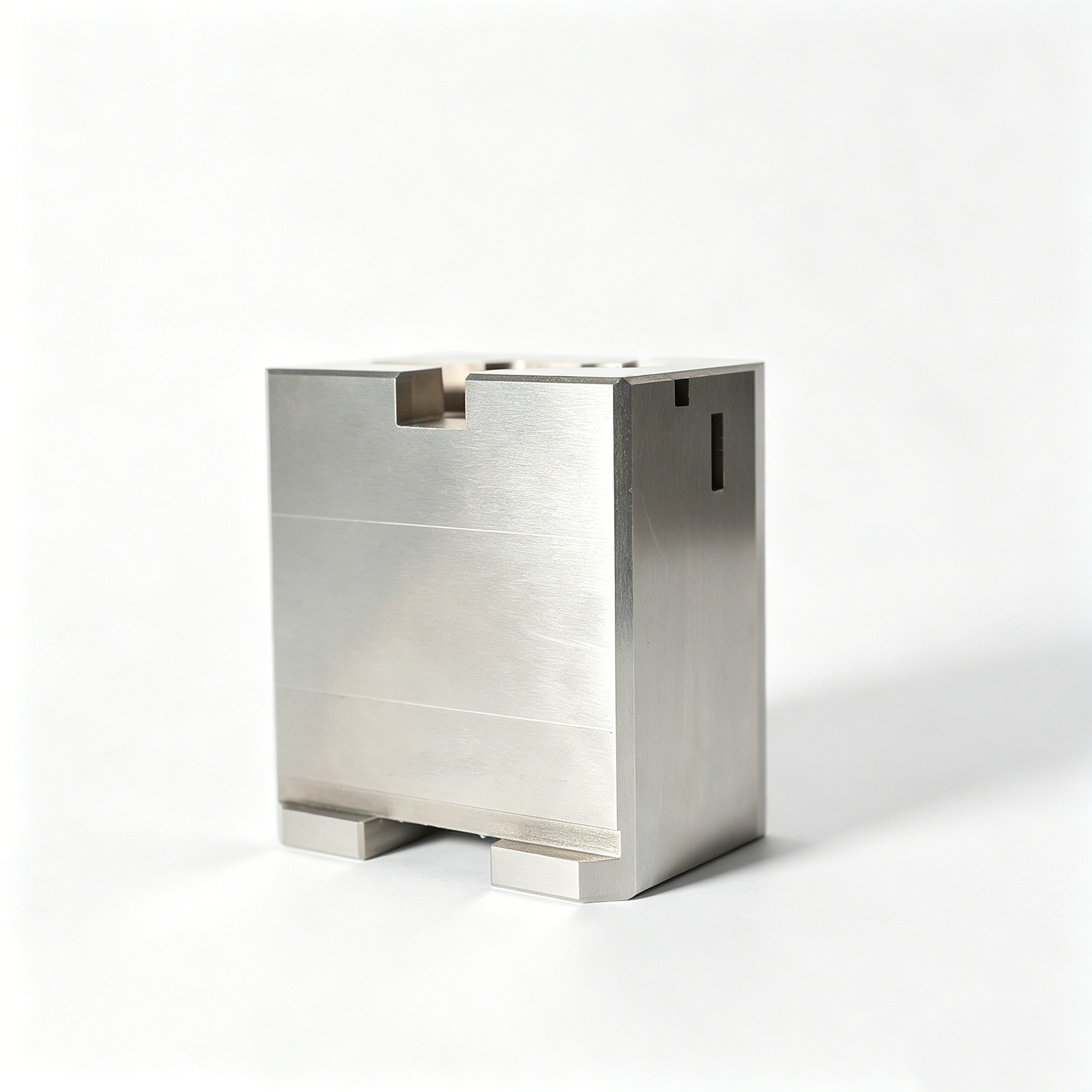


Representative Component Families and Quotation


Why Choose Our CNC Machining 304 Stainless Steel Workflow
SUUXIANG aligns DFM, critical dimensions, process routing, inspection planning, and revision control before production commitments are made.
DFM Before Quotation
We review drawing clarity, tool access, datum strategy, and machining risks before preparing a process-aligned quotation.
Critical Dimension Review
Critical-to-quality features are identified with their measurement approach, tolerance priorities, and relevant mating-component context for informed production planning.
Coordinated Process Routing
CNC machining, EDM, grinding, and fitting are matched to geometry, access constraints, surface requirements, and machining allowance.
Inspection Planning
Inspection expectations are discussed early so documentation, measurement methods, and reporting requirements align with the verified order plan.
Revision Visibility
Drawing revisions, production information, and delivery coordination remain visible throughout the project to support traceable communication and decisions.
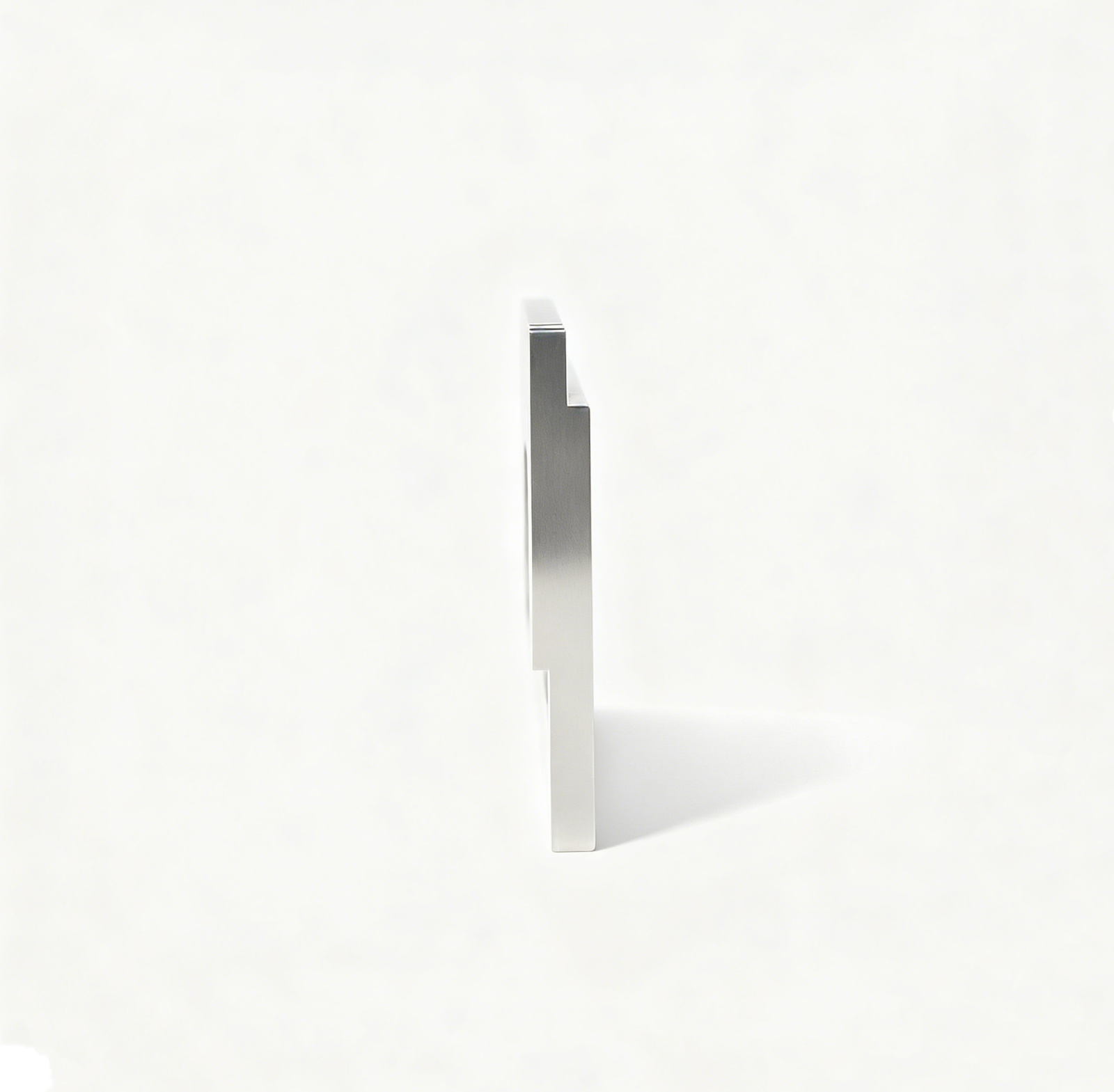
304 Stainless Steel Part Families
Drawing-driven machining and tooling categories for 304 stainless parts, with process planning, critical-dimension review, and inspection requirements aligned before production.
CNC Machining Services
Precision CNC machining services for custom 304 stainless steel parts begin with drawing review, material condition, critical dimensions, datums, surface requirements, quantity, and inspection expectations. Process routing is selected around accessible features, tolerances, and the verified requirements of the order.
Upload a Drawing
CNC Milling
Custom CNC milling services support 304 stainless steel plates, blocks, housings, inserts, and prismatic components. Tool access, wall rigidity, internal-corner radii, fixture strategy, and machining allowance should be reviewed against the drawing before committing to a route.
Upload a Drawing
CNC Turning
Precision CNC turning services produce rotational 304 stainless steel features such as shafts, bushings, sleeves, pins, threaded details, and concentric diameters. Quote review should identify datum relationships, runout requirements, thin-wall risk, finishing allowances, and inspection methods.
Upload a Drawing
5-Axis Machining
5-axis CNC machining supports complex 304 stainless steel geometry where multi-angle access can reduce setups or enable difficult features. Fixture access, tool reach, feature orientation, surface requirements, and critical dimension relationships require drawing-led review before production planning.
Upload a Drawing
Swiss & Micro Machining
Swiss machining and micro machining support small 304 stainless steel pins, sleeves, terminals, miniature shafts, and precision cylindrical features. Part geometry, length-to-diameter ratio, burr control, concentricity, handling, and inspection approach should be defined in the RFQ.
Upload a Drawing
Wire & Sinker EDM
Wire EDM and sinker EDM services address hardened or difficult-to-access details, sharp internal geometry, narrow slots, precision profiles, and formed cavities. The production plan should establish wire paths, electrode strategy, flushing access, EDM allowances, and any finishing or polishing requirements.
Upload a Drawing
Precision Grinding
Precision surface and profile grinding supports flatness, parallelism, thickness control, formed profiles, and final-size requirements on suitable 304 stainless components. Grinding stock, heat-treatment sequence where applicable, datum control, and inspection points should be confirmed before release.
Upload a Drawing
Mold Core & Cavity Inserts
Precision mold core and cavity inserts are configurable components manufactured to customer drawings for molding tools. Design review should consider parting-line geometry, cooling or feature access, mating interfaces, material condition, machining and EDM sequence, and critical cavity dimensions.
Upload a Drawing
Ejector & Ejection Components
Ejector pins, sleeves, and ejection components are made to drawing-specific dimensions and fit requirements for mold assemblies. Relevant inputs include moving clearance, bearing lengths, head geometry, surface condition, mating parts, and inspection requirements for functional fit.
Upload a Drawing
Core Pins, Guide & Locating Components
Core pins, guide pins, and locating components support repeatable alignment and forming geometry in tooling assemblies. Drawing review should define functional datums, mating bores, fit class, concentricity, retention method, material requirement, and any grinding or EDM finishing needs.
Upload a Drawing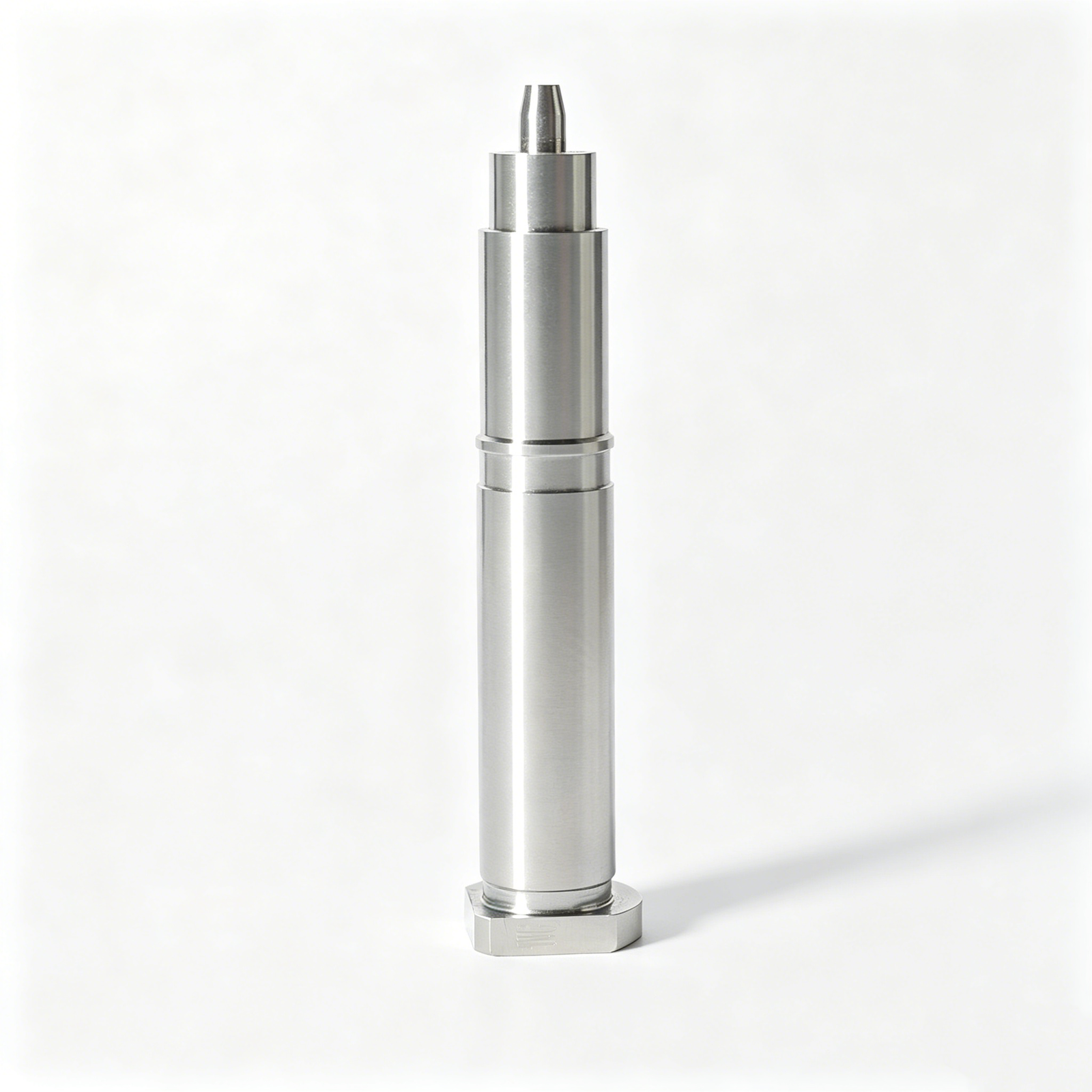
Slides, Lifters, Gates & Mold Accessories
Mold slides, lifters, gates, and accessories are configured around the tool’s motion, molding geometry, and mating interfaces. Engineering review should address travel and clearance, wear surfaces, locking or guiding features, gate geometry, assembly relationships, and critical inspection dimensions.
Upload a Drawing
Connector Mold Components
Precision connector mold components support connector-tooling features such as fine pins, inserts, cavities, terminal-forming details, and alignment elements. The RFQ should include mating geometry, critical pitch or positional requirements, burr limits, material condition, and inspection expectations.
Upload a Drawing
Stamping Die Components
Precision stamping die components are manufactured from customer drawings for die assemblies, including punches, dies, guide elements, inserts, and formed profiles. Process planning should consider cutting-edge geometry, clearance, material and heat-treatment requirements, grinding stock, and assembly datums.
Upload a Drawing
Injection, MIM, CIM & Overmolding Tooling
Injection, MIM, CIM, and overmolding tooling components are supplied within verified production scope for drawing-defined tools and inserts. Reviews should cover molding interfaces, steel condition, parting and shutoff features, machining access, EDM needs, and dimensional priorities.
Upload a Drawing
Machining Materials
CNC machining materials are selected from the drawing and application requirements rather than a fixed catalog. For 304 stainless steel, provide material specification, condition, traceability needs, corrosion environment, mating materials, and any required certification or test documentation.
Upload a Drawing
Surface Finishes & Heat Treatment
Surface finishing and heat treatment requirements must be defined against function, corrosion exposure, wear, appearance, and dimensional tolerance. Specify finish type, roughness targets, treatment sequence, masking or protected areas, post-process inspection needs, and any applicable standard.
Upload a Drawing
Quality, Metrology & Documentation
Precision inspection, metrology, and quality documentation are planned around drawing-defined critical dimensions, datums, tolerances, and reporting needs. State the required inspection method, sample or full inspection expectation, report format, material evidence, revision level, and traceability requirements.
Upload a Drawing
Prototyping & Low-Volume Production
Rapid prototyping and low-volume manufacturing support drawing-driven 304 stainless parts and tooling components when requirements are clearly defined. Submit the 2D drawing, 3D model when available, material, quantity, critical features, quality documentation needs, and target delivery date.
Upload a DrawingCNC Machining 304 Stainless Steel and Conditional Material Options

304 Stainless Steel
A baseline option for corrosion-conscious components and general industrial assemblies. Its ductile, work-hardening behavior makes stable tool engagement, heat control, and critical-dimension inspection important for CNC machining 304 stainless steel parts.

316 Stainless Steel
Considered when the application calls for enhanced corrosion resistance in fluid-contact or chemically exposed assemblies. Machining route, stock condition, surface requirement, and mating environment should be reviewed with the RFQ.

17-4 PH Stainless
A conditional choice for components needing higher strength after a specified heat-treatment route. Suitable applications may include structural, locating, or tooling-related parts; final hardness, machining sequence, and inspection criteria require confirmation.

Tool Steel Grades
Often evaluated for mold cores, cavity inserts, wear features, and die components. Grade selection depends on service wear, required hardness, EDM strategy, grinding stock, and the approved heat-treatment sequence.

Aluminum Alloy Grades
A lightweight option for fixtures, prototypes, housings, and selected tooling elements. Alloy and temper affect machining response, dimensional stability, surface finish, and whether protective finishing is needed for the application.
CNC Machining 304 Stainless Steel: Processes Matched to Part Requirements

CNC Milling
CNC milling creates prismatic features, pockets, faces and profiles in 304 stainless steel. Tool access, chip evacuation and work-hardening risk are reviewed early to support stable cutting and surfaces suited to the drawing.

CNC Turning
CNC turning supports rotational features such as shafts, sleeves, threaded forms and concentric diameters. The route is planned around datum control, workholding, turning allowances and inspection of critical diameters and runout requirements.

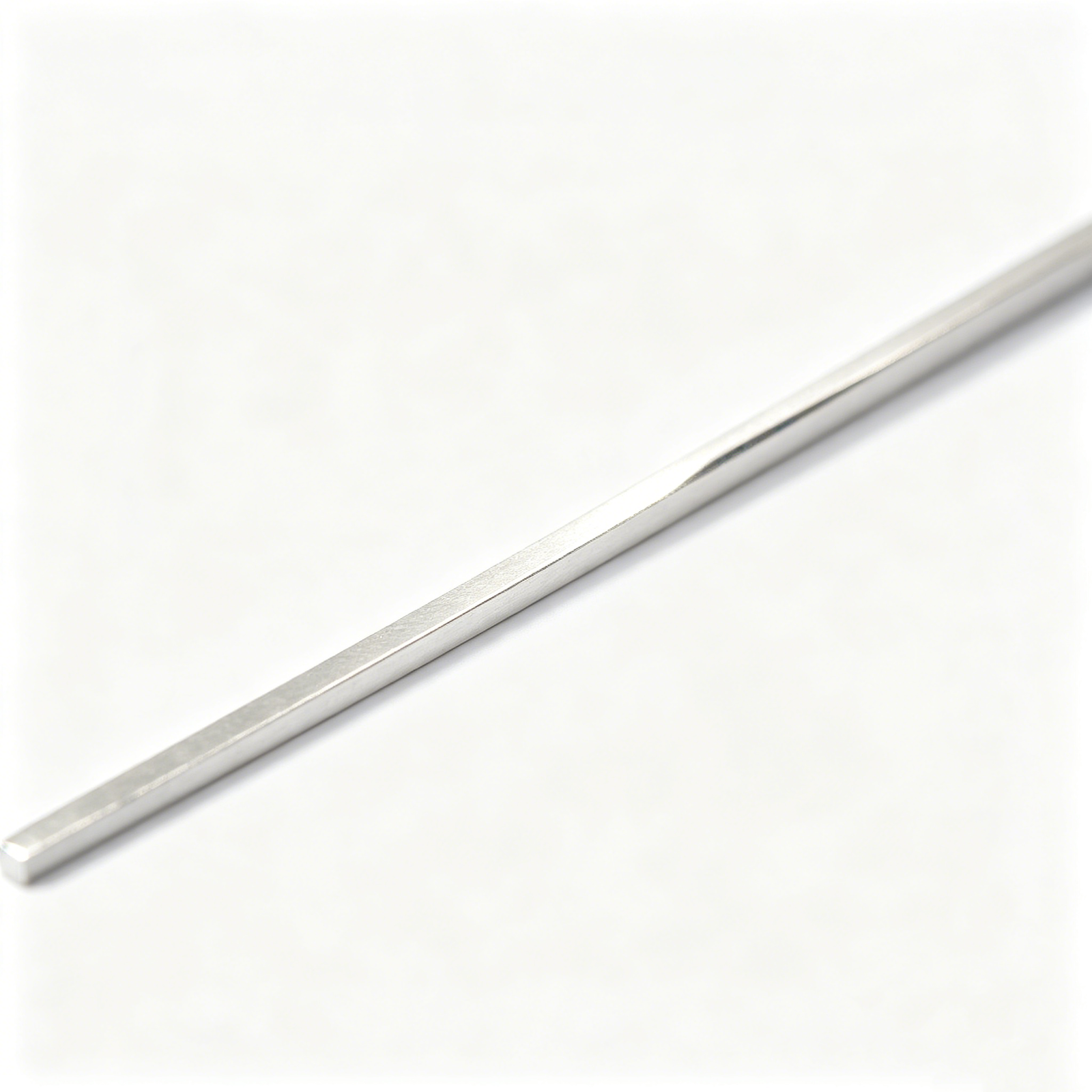
Wire EDM
Wire EDM is considered for narrow slots, intricate profiles and hardened or difficult-access features where a wire path is practical. The review addresses start holes, datum transfer, cut strategy and any finish or inspection requirements.

Sinker EDM
Sinker EDM supports cavity details, deep internal forms and geometry requiring a shaped electrode. Electrode design, spark access, material condition and downstream finishing are evaluated against the drawing before this process is assigned.
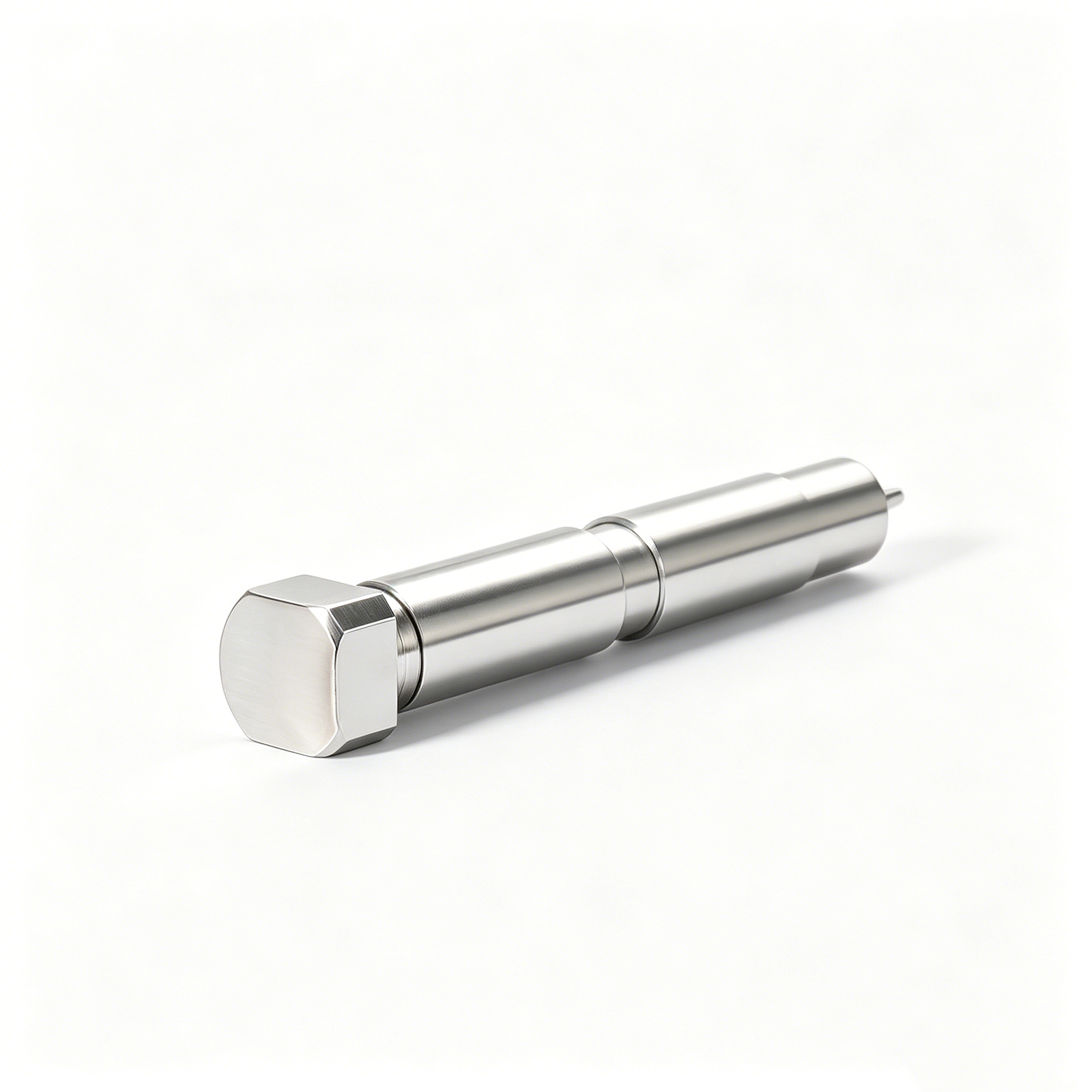
Precision Grinding
Precision grinding refines selected faces, diameters and functional fits after appropriate machining stages. Grinding stock, heat-treatment sequence, datum strategy and the required inspection method are confirmed to protect critical dimensions and surface requirements.
Component Features and Finishing Options

Threaded Features
Internal or external threads can be planned around thread callouts, engagement depth, tool access, burr control, and inspection method. Include mating-part context where fit, sealing, or repeated assembly affects the requirement.

Locating Details
Dowel bores, datum faces, slots, shoulders, and locating diameters establish repeatable assembly relationships. Identify critical datums and tolerance stacks early so CNC, EDM, grinding, and inspection can be sequenced appropriately.

Surface Finishes
Specify the functional surface condition, roughness target, cosmetic priority, and areas requiring machining, grinding, or polishing. Finish selection should account for tool access, corrosion environment, handling, and the drawing-defined acceptance criteria.
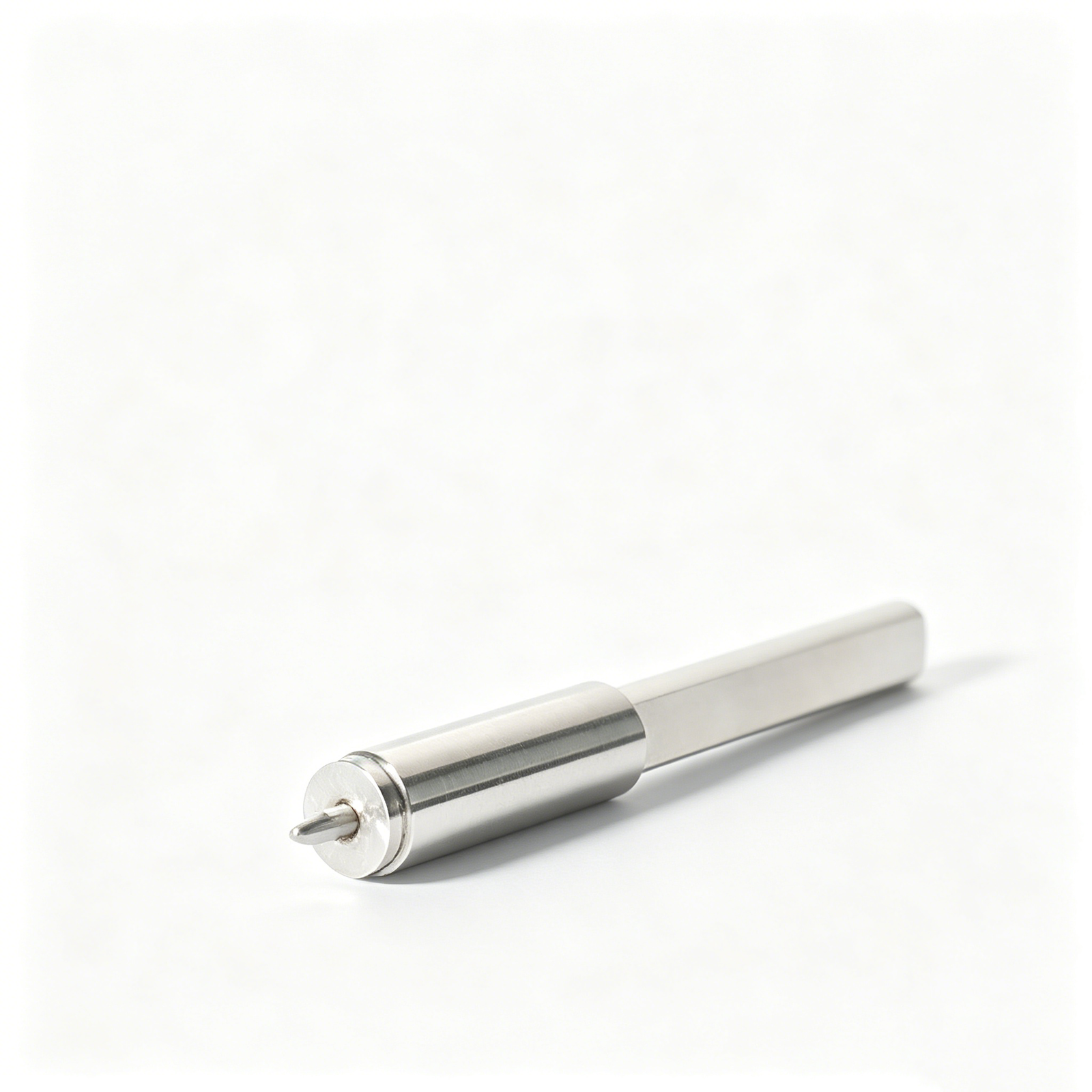
Part Markings
Part numbers, revision identifiers, batch references, or orientation marks may be added where the drawing permits. Define location, method, legibility, and depth limits to avoid affecting sealing faces, critical dimensions, or cosmetic surfaces.

Protective Packaging
Packaging can be matched to surface sensitivity, edge protection, part count, traceability needs, and transport risk. State any cleanliness, separation, labeling, or corrosion-protection requirements with the RFQ for review.
About SUUXIANG Precision Manufacturing
SUUXIANG is the sole public-facing brand of Dongguan SuuXiang Precision Mold Co., Ltd., established in 2010 in Chang’an Town, Dongguan, Guangdong, China. XiaoCheng Huang is the founder and legal representative. We help international engineering, sourcing, and quality teams turn drawings and specifications into inspected custom CNC parts, precision mold components, connector tooling, and die components.
Our drawing-driven workflow combines CNC milling and turning, multi-axis machining, EDM, precision grinding, fitting, and inspection. For cnc machining 304 stainless steel and other project-specific requirements, the process begins with a practical review of critical dimensions, datums, tool access, surface requirements, material conditions, and inspection expectations.
What distinguishes SUUXIANG is disciplined project communication before commitments are made. We use DFM discussion, process-route planning, revision control, and inspection planning to identify manufacturing questions early. Send the 2D drawing, available 3D model, material, quantity, quality requirements, and target delivery date for a technically grounded review.

CNC Machining 304 Stainless Steel: DFM to Inspection
DFM Before Commitment
Each 304 stainless steel machining review begins with the drawing, model, material condition, quantity, and functional context. SUUXIANG identifies access constraints, critical dimensions, datum relationships, and process risks before quotation or production commitments are made.
- Review 2D drawings and available 3D models
- Identify critical-to-quality features and datums
- Check tool access, wall geometry, and workholding needs
- Clarify material, surface, and delivery requirements
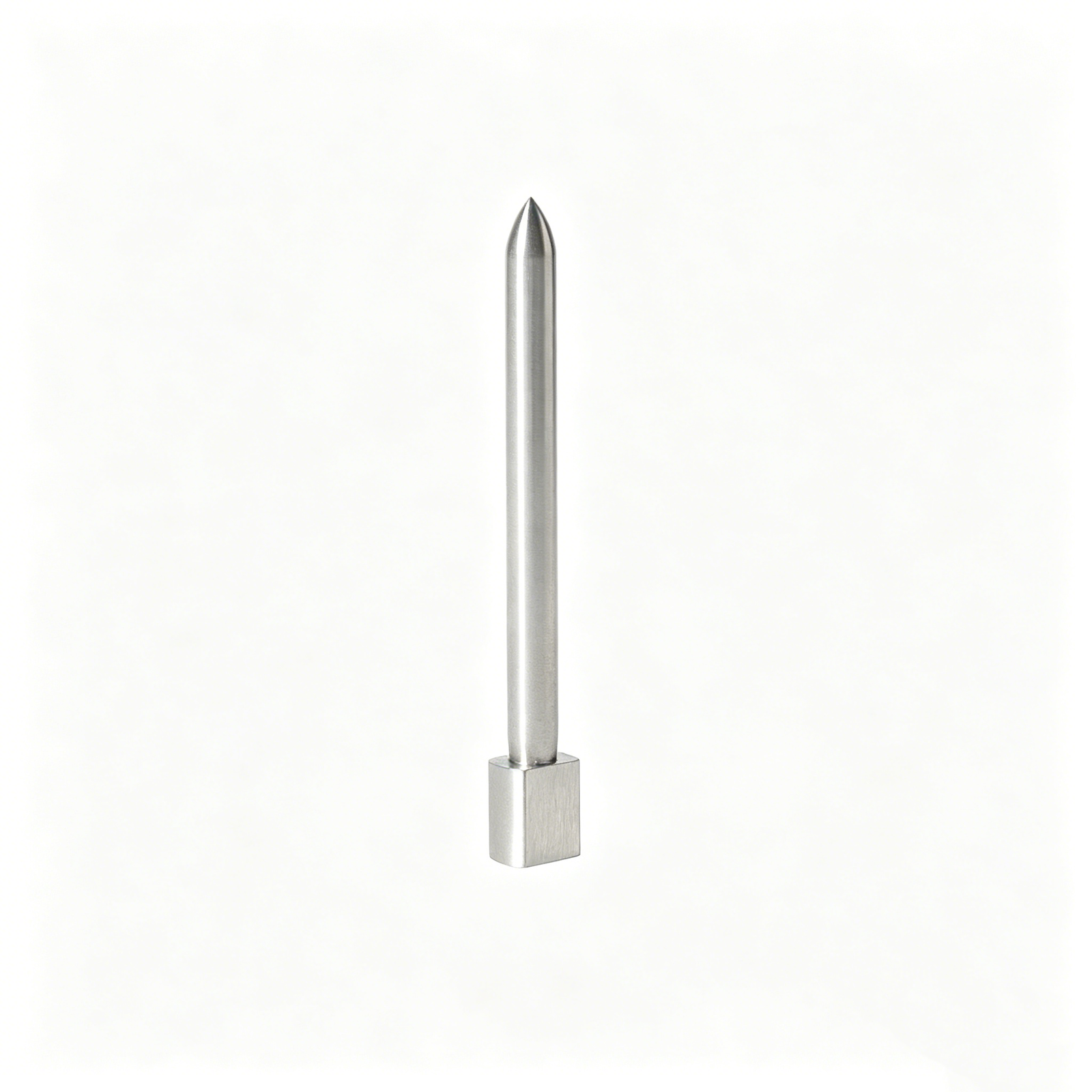
Datum Strategy That Transfers
A useful datum plan connects setup, machining, inspection, and mating function. For stainless components with positional or profile requirements, SUUXIANG reviews how features are located so dimensions can be machined and verified against the drawing’s intended reference scheme.
- Relate setup references to drawing datums
- Assess tolerance-stack effects on mating features
- Plan feature sequence around stable location surfaces
- Define inspection references before production
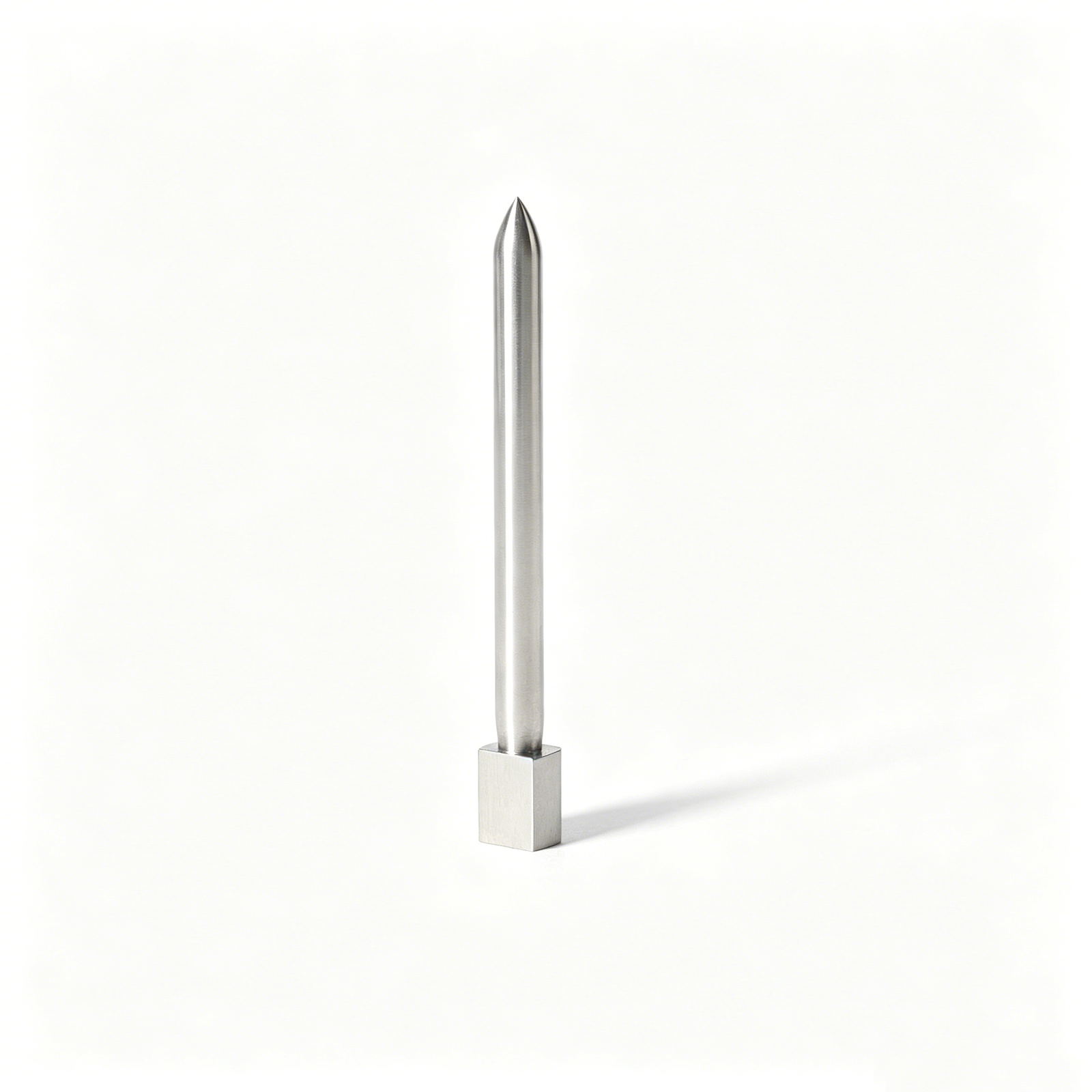
Coordinated Process Routes
Complex parts may require more than milling or turning alone. SUUXIANG evaluates where CNC machining, EDM, precision grinding, and fitting should contribute, accounting for internal geometry, corner conditions, finishing allowance, and the sequence needed to protect critical features.
- Match CNC operations to accessible geometry
- Evaluate wire EDM or sinker EDM requirements
- Reserve grinding stock where finished surfaces require it
- Sequence operations around distortion and feature protection

Inspection Evidence Aligned
Inspection planning for 304 stainless steel parts should follow the order’s verified requirements, not a generic checklist. SUUXIANG aligns measurement methods, critical-feature reporting, revision identification, and final documentation with the agreed drawing and inspection plan.
- Confirm report requirements with the RFQ
- Select measurement methods for critical features
- Maintain revision visibility through production
- Match final records to the verified inspection plan

CNC Machining 304 Stainless Steel: SUUXIANG vs. a Generic Quote
Compare the drawing-led controls that help align the process route, critical dimensions, inspection plan, and revision status before production.
← Swipe left or right to view →
CNC Machining 304 Stainless Steel: From Drawing to Delivery
A drawing-led workflow that aligns DFM, critical dimensions, process routing, inspection planning, and delivery requirements before production commitments.
Review RFQ Package
We review the 2D drawing, 3D model, material, quantity, application context, delivery target, and inspection requirements to clarify the production scope.
Confirm DFM Priorities
Our team identifies critical dimensions, datum strategy, tolerance stack concerns, tool access, surface requirements, and potential work-hardening risks before quotation or release.
Plan Manufacturing Route
The project route matches CNC milling or turning with EDM, grinding, fitting, and heat-treatment sequencing when those operations are required by the drawing.
Machine Critical Features
CNC machining 304 stainless steel proceeds against the approved revision, with process attention directed to accessible geometry, machining allowance, chip control, and specified surfaces.
Inspect, Pack, and Coordinate Delivery
Parts are inspected to the agreed plan, documented as required by the order, protected for shipment, and coordinated with visible revision and delivery information.
How to Work With SUUXIANG
Move from drawing review to controlled production with requirements, critical dimensions, and inspection expectations aligned before machining begins.
Submit Your Drawing Package
Provide 2D drawings, 3D models when available, 304 material requirements, quantity, target date, critical dimensions, surface requirements, and required inspection documentation.
Align DFM and Quotation
Review datum strategy, machining access, tolerance stack, toolpath considerations, heat-treatment sequence, and inspection scope before SUUXIANG confirms a process route and quotation.
Approve Samples When Needed
For projects requiring validation, align sample quantity, measurement points, reporting format, and revision status so feedback is recorded before controlled production proceeds.
Release Controlled Production
SUUXIANG coordinates CNC machining 304 stainless steel with applicable EDM, grinding, fitting, and inspection steps, keeping revision and delivery information visible throughout the order.
Certifications and Quality Documentation
Customer Results From CNC Machining 304 Stainless Steel
Verified customer reference pending: reserve this card for a documented project outcome covering drawing clarification, critical-dimension control, and the agreed inspection evidence before publication.
Verified customer reference pending: publish only after the customer approves a documented result, such as dimensional acceptance, a completed inspection report, or a delivery milestone.
Verified customer reference pending: reserve for an approved account describing how revision control, machining coordination, and inspection documentation supported a drawing-based 304 stainless steel order.
FAQ: CNC Machining 304 Stainless Steel
Practical answers for drawing-based sourcing, quality planning, delivery coordination, and confidential project handling.
What files should I send for cnc machining 304 stainless steel?
Is there an MOQ for cnc machining 304 stainless steel parts?
Can I order a sample before full production for cnc machining 304 stainless steel?
How is lead time quoted for custom stainless steel components?
Can SUUXIANG machine customer-specified 304 stainless steel and heat-treated parts?
What inspection reports can be requested with a CNC order?
How are parts packed and shipped internationally?
How are payment terms and intellectual property handled for custom drawings?
The Complete Buyer’s Guide to cnc machining 304 stainless steel
Send 2D/3D files, material, quantity, critical dimensions, quality expectations, and target date for a disciplined DFM and inspection review.
1. What Is cnc machining 304 stainless steel?
304 stainless steel is an austenitic grade commonly selected where corrosion resistance, cleanability, and drawing-defined precision matter. cnc machining 304 stainless steel removes material from bar, plate, or pre-cut stock through CNC milling, turning, drilling, tapping, and, where geometry requires it, EDM or grinding.
2D drawings and 3D models govern the purchased result: geometry, datums, tolerances, thread callouts, surface requirements, material condition, quantity, and inspection expectations. Buyers are purchasing a controlled manufacturing route and verified part output—not merely machine time or a nominal alloy label.
304 is often a practical fit for corrosion-resistant precision components, selected mold parts, and connector-tooling details when its material behavior suits the application. Material selection answers whether 304 meets service, mating, and finish needs; process selection answers how tool access, critical dimensions, stock allowance, and inspection method will produce the specified part.
2. How 304 Machining Became a Precision Standard
1913 marked the commercial breakthrough of stainless steel, and Type 304 later became a common general-purpose grade because corrosion resistance, formability, and broad availability made it practical for engineered equipment and components. Its adoption shifted buyer attention from merely obtaining stainless stock to controlling the finished geometry.
1952 saw numerically controlled machine tools enter production use; CNC subsequently made programmed toolpaths repeatable across prototype and low-volume batches. For cnc machining 304 stainless steel, the drawing should now define datums, critical features, surface requirements, and revision status—not rely on operator interpretation.
5-axis positioning, CAM-generated cutter engagement, carbide tooling, controlled coolant delivery, and in-process or final metrology allow complex features to be produced through a planned route. Buyers should ask the supplier to review tool access, chip evacuation, work-hardening risk, fixture strategy, and the inspection method before releasing the order. https://www.tormach.com/articles/developing-cut-strategies-for-304-stainless-steel-on-the-tormach-1500mx-cnc-mill
3. Types of cnc machining 304 stainless steel
304 stainless steel geometry, datum access, and batch size should select the route before quotation. A drawing review should identify rotational features, deep bores, cross-holes, undercuts, and finish-critical faces.
| Route | Best Geometry | Drawing Trigger |
|---|---|---|
| Milling | Prismatic cavities | Tool access |
| Turning | Rotational parts | Concentric datums |
| Mill-turn | Turned parts with features | Radial holes |
| Swiss | Slender small parts | Length-to-diameter ratio |
| EDM | Sharp internal forms | Blind or narrow features |
CNC Milling
304 plate, blocks, and prismatic inserts suit milling. Select it when pocket access, clamping faces, and tool-reach limits are clear on the drawing.
CNC Turning
304 shafts, bushings, and concentric bores suit turning. Diameter steps, runout datums, bore depth, and bar or chuck stock determine setup.
Mill-Turn And Swiss
2-axis turning plus live tools reduces handling for radial holes and flats. Swiss-type machining suits slender small-diameter parts when support length and cutoff requirements are defined.
Multi-Axis Machining
5-axis positioning improves access to angled faces and compound profiles. Specify datum scheme, inaccessible corners, and inspection approach before choosing fewer setups.
EDM And Secondary Processes
Wire EDM suits through-profiles and narrow internal corners; sinker EDM addresses blind cavities. Grinding or polishing should follow explicit stock, surface, and critical-dimension requirements.
4. Material Choices for cnc machining 304 stainless steel
304 and 304L are not interchangeable labels on a purchase order: specify the grade, governing standard, product form, and delivery condition. For cnc machining 304 stainless steel, require mill test reports when chemistry or material traceability is critical.
| Grade | Machinability | Corrosion/Welding | Strength And Cost |
|---|---|---|---|
| 304/304L | Moderate; work-hardens | General; 304L favors welding | Baseline strength; mid cost |
| 303 | Easier | Lower resistance; avoid welding | Similar class; machining savings |
| 316/316L | Moderate | Better chloride resistance; 316L welds | Similar class; higher cost |
| 17-4 PH | More demanding by condition | Use per environment and heat-treatment plan | Higher strength; higher processing cost |
Choose Grade By Function
304 suits general atmospheric or indoor corrosion exposure. 304L is the safer callout when welding follows machining or weld-corrosion risk matters.
303 machines more freely but is a deliberate trade against corrosion and weld performance. 316/316L merits review for chloride or more aggressive chemical exposure.
Define Stock And Evidence
Bar, plate, tube, or near-net stock changes grain direction, available dimensions, machining allowance, and cost. State annealed, cold-worked, or other required condition on the drawing.
EN, ASTM, customer material specifications, heat number, and MTR requirements should be named before quotation. Tie traceability scope to each finished part or lot.
5. Finishes and Marking for 304 Parts
304 finish callouts should identify both appearance and functional surfaces before release. On cnc machining 304 stainless steel parts, post-processing can change edge condition, measured size, corrosion behavior, and mating contact.
| Finish | Appearance | Functional Consideration |
|---|---|---|
| As-machined | Visible tool paths | Preserves nominal geometry |
| Polished | Bright, directional | May soften edges |
| Bead blasted | Uniform matte | Mask critical mating faces |
As-Machined And Edge Break
304 as-machined surfaces retain tool marks and are suitable where appearance is secondary. Specify deburring and an edge-break range where sharp edges affect handling, seals, or assembly.
Polishing, Blasting, Passivation
Polishing can improve reflectivity but may round edges and alter small features. Bead blasting creates a uniform matte appearance; passivation should be specified only with the required process and acceptance evidence.
Marking And Protection
Laser marking needs a location, content, contrast expectation, and exclusion zones on mating faces. Protective packaging should prevent part-to-part abrasion, contamination, and mixed revisions during shipment.
Cosmetic Acceptance Criteria
100% cosmetic requirements need an approved boundary sample or measurable limits for texture, direction, scratches, and visible areas. Inspection should distinguish cosmetic faces from datum and functional surfaces.
6. Quality Controls in 304 CNC Parts
Quality begins with the drawing’s measurement logic, not a generic tolerance note. For cnc machining 304 stainless steel, agree acceptance criteria before fixtures, cutting parameters, and inspection records are planned.
Set Datums And Stacks
One primary, secondary, and tertiary datum scheme should locate every critical feature.
Each chained dimension should be reviewed for worst-case tolerance stack-up and functional mating risk.
- Identify CTQ dimensions and their datum references
- Separate profile, position, and size requirements
Specify Finish And Edges
One surface callout should name the applicable faces, roughness value, and measurement direction.
All edges should state a defined break, radius, or burr condition; ‘deburr’ alone is often ambiguous.
- Flag sealing, sliding, and cosmetic surfaces
- Define thread class, depth, and gaging method
Review Thin And Internal Features
One thin-wall or deep internal feature needs a feasible tool-access and workholding review.
304 can work-harden when tools rub, so the route should address rigid fixturing, coolant reach, chip evacuation, and finishing passes.
- Show minimum wall thickness and unsupported length
- Identify blind-hole bottoms and internal radii
Build The Inspection Plan
100% inspection is appropriate only where the drawing, risk, or order requires it.
Each quality plan should link CTQs to instrument, sampling scope, datum setup, record format, and revision-controlled drawing.
- Confirm first-piece and final-report expectations
- Define thread, roughness, and burr verification
7. Choosing a cnc machining 304 stainless steel Supplier
304 stainless steel sourcing should begin with the drawing, not the unit price. A credible supplier translates critical dimensions, datums, finish, and quantity into a documented process route.
| Evaluation Point | RFQ Evidence | Risk If Missing |
|---|---|---|
| Relevant parts | Comparable part-family route | Generic quotation |
| Material control | Certificate and lot linkage | Unverified grade |
| Inspection | First-article and final plan | Late discovery |
| Change control | Revision cutover method | Mixed revisions |
Review The DFM Response
First, request a DFM response identifying tool access, workholding, burr risk, machining sequence, and inspection datums. For mold components, ask about EDM or grinding allowance; for connector tooling, ask how fine features and mating interfaces will be protected.
Verify Process Evidence
Second, match the machine and process route to the part family rather than accepting a generic capability list. Request material certificates, heat or lot linkage, first-article checkpoints, in-process records, and final-report format.
Control Low-Volume Changes
Third, low-volume programs need explicit communication on available capacity, batch size, revision cutover, and delivery risk. Ask who approves drawing changes, how existing work is quarantined, and what evidence accompanies the revised shipment.
8. Common 304 Machining Sourcing Mistakes
Most avoidable 304 delays begin before release, when the drawing leaves key manufacturing and acceptance decisions open. Close those gaps during RFQ review, before material is cut or inspection plans are fixed.
Complete The Drawing Package
Two files—a controlled 2D drawing and current 3D model—prevent conflicting geometry. Missing datums, revision status, or critical dimensions can cause rework; identify CTQs and approve the revision before release.
Define Stock And Finish
304 stock form and finish affect machining allowance, appearance, and cost. Unspecified bar, plate, or surface condition invites assumptions; state material grade, starting form, finish, and permitted finishing processes.
Right-Size Tolerances And Access
Every unnecessarily tight tolerance can add setups, grinding, or inspection time. Deep pockets, sharp internal corners, and hidden faces may restrict tool access; assign functional limits and redesign inaccessible features before quotation.
Call Out Threads And Cosmetics
Thread callouts need standard, size, pitch, class, depth, and blind-hole condition. Undefined cosmetic zones or scratch limits create subjective acceptance; mark visible surfaces and agree on reference samples or measurable criteria.
Compare Evidence, Not Unit Price
One unit price cannot reveal inspection scope, material traceability, setup risk, or revision control. Require an inspection plan, report requirements, lead-time assumptions, and exclusions; compare like-for-like quote packages before award.
9. Launching a Drawing-Based 304 Part Program
A drawing-based 304 program should move through controlled release gates, not a single quote-to-order handoff. Each gate fixes the technical evidence, commercial assumption, and accountable owner before the next commitment.
Lock The Technical Package
Stage 1 starts with native CAD, a revision-controlled 2D drawing, material callout, quantity, and mating context.
Stage 2 records DFM feedback: datums, CTQ dimensions, tool access, burr limits, surface finish, and any milling, turning, EDM, or grinding route.
Align Quote And Approval
Stage 3 converts the accepted DFM into a quotation revision, lead-time assumption, Incoterm, packaging method, and named buyer and supplier contacts.
Stage 4 approves a prototype against the drawing revision and agreed inspection plan; deviations require written disposition before first article release.
Release With Change Control
Stage 5 uses first-article results to confirm measurement methods, report format, sample quantity, and acceptance criteria before a pilot batch.
Stage 6 releases production only after pilot approval. Every later change needs a revision number, effective lot, impact review, delivery update, and communication owner.
10. cnc machining 304 stainless steel Pricing
304 bar, plate, or near-net stock changes both purchase cost and yield: deep pockets, thin walls, and large chips leave more paid material in the bin. Work-hardening risk can also lengthen cycle time through conservative cutting, tool changes, and finishing passes.
2 or more setups add fixturing, datum transfers, programming, and handling; 5-axis access may reduce setups but not automatically total cost. Tight tolerances, small internal radii, threads, surface finishing, and inspection reporting should be priced against their actual functional requirement.
1 complete RFQ should include the revision-controlled 2D drawing, 3D model, 304 specification and material form, quantity, critical dimensions, finish, inspection plan, packaging, destination, and requested delivery date. This lets SUUXIANG compare process routes and state assumptions rather than burying them in a unit price.
| Quote-dependent driver | Typical cost behavior | Lead-time effect |
|---|---|---|
| Material yield | Complex blanks increase scrap | Stock availability |
| Setups and tooling | Fixed cost spreads with quantity | Fixture or tool preparation |
| Inspection and packing | Added for defined requirements | Report review and shipment |
Submit Your CNC Machining 304 Stainless Steel Drawing
Send 2D/3D files, material, quantity, critical dimensions, quality expectations, and target date for a disciplined DFM and inspection review.