
CNC Machining 4140 Alloy Steel for Precision Parts
SUUXIANG reviews drawings, critical dimensions, material conditions, and inspection needs for cnc machining 4140 alloy steel parts.
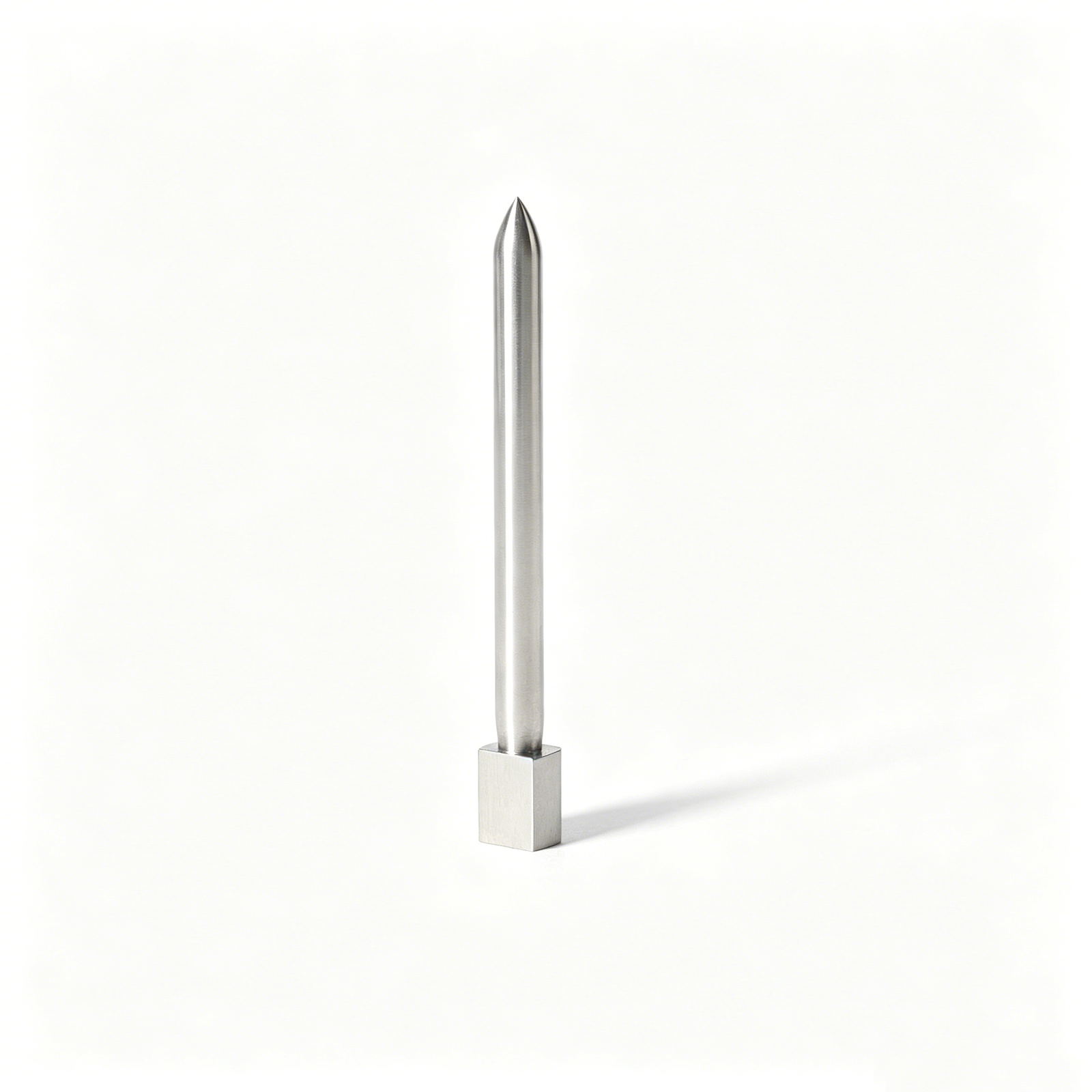
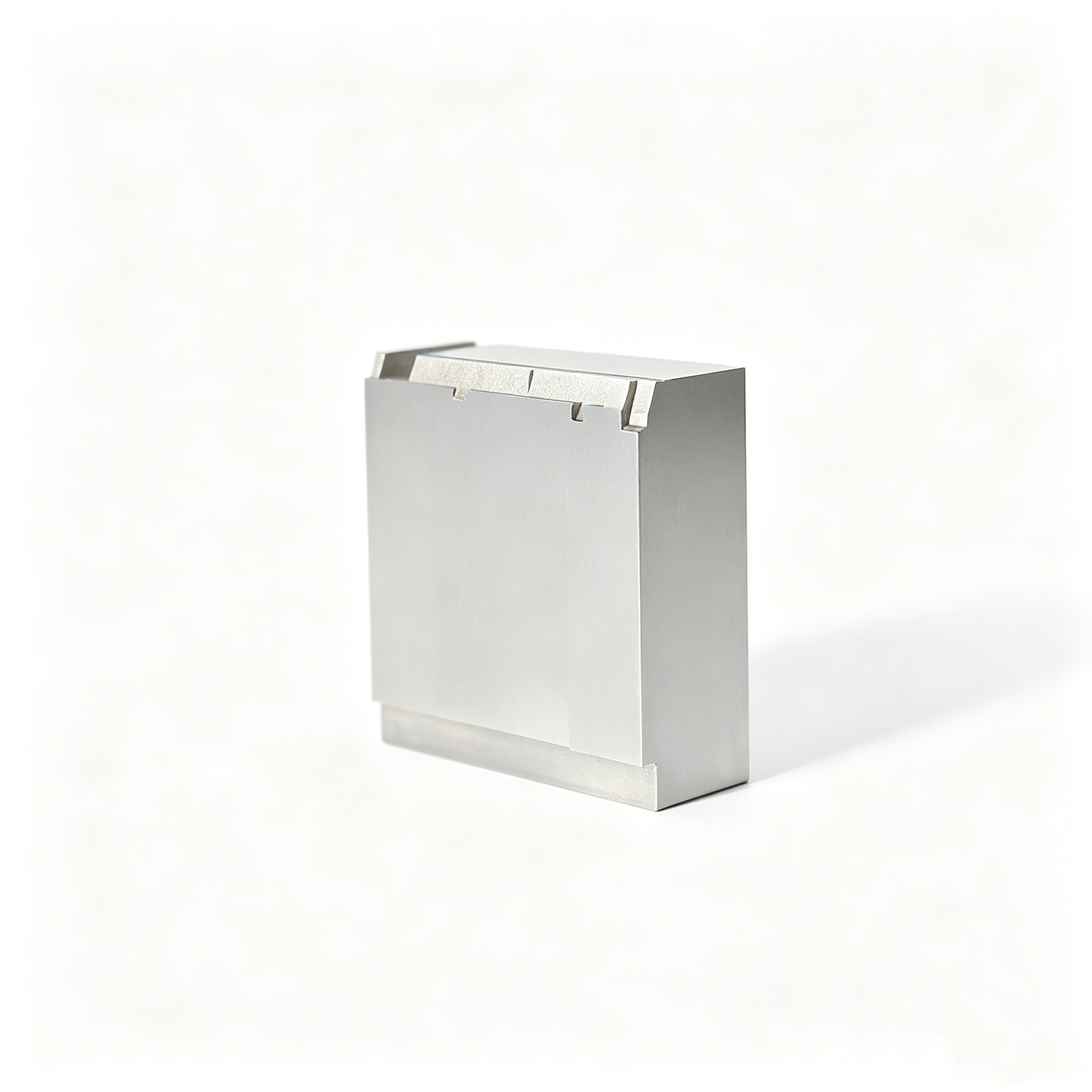
Representative 4140 Alloy Steel Components and Tooling Details


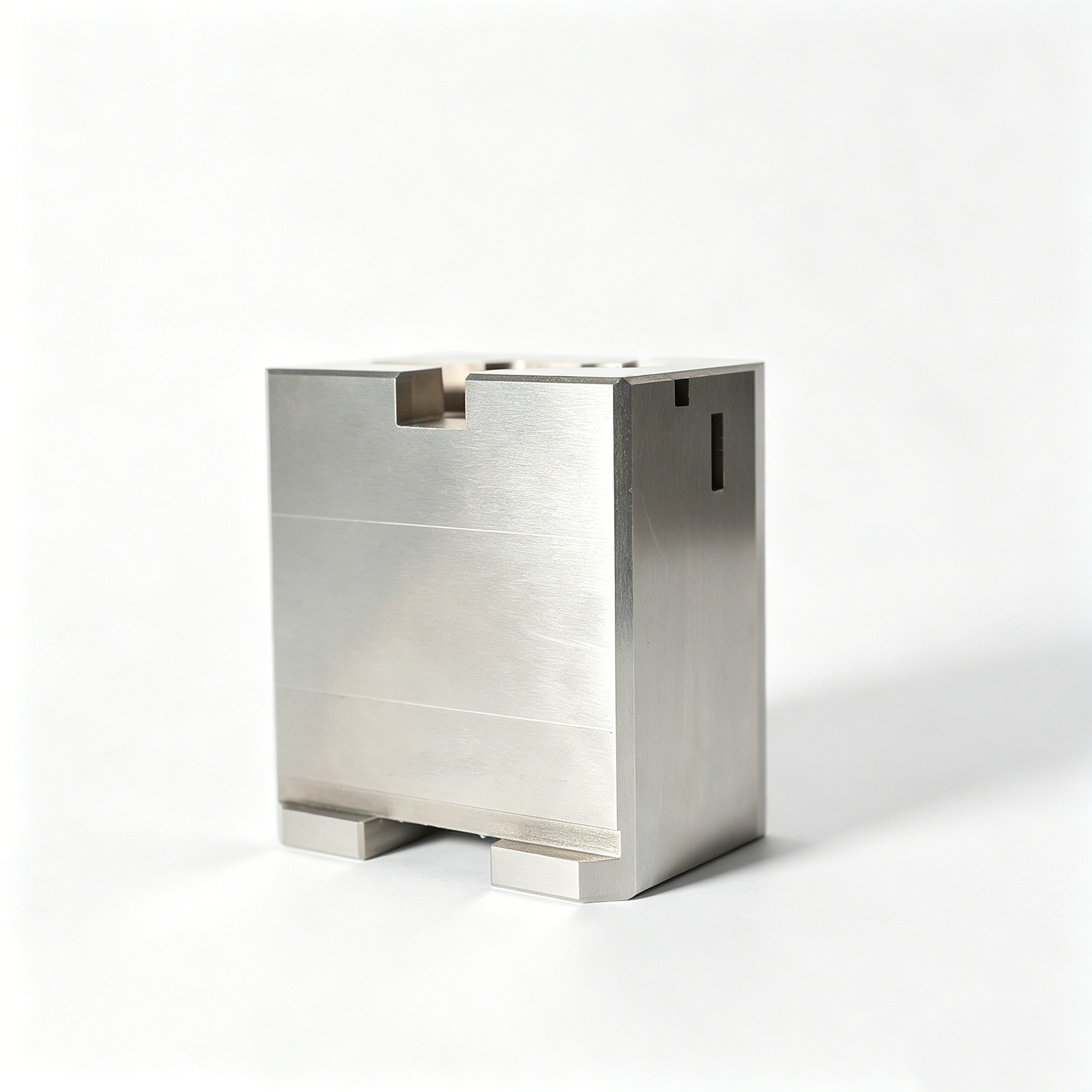


Related 4140 Alloy Steel Component Families and RFQ Support



CNC Machining 4140 Alloy Steel Needs a Controlled Process Route
SUUXIANG reviews the drawing, process sequence, and inspection requirements before production commitments are made.
Drawing-First DFM Review
Review drawings, datums, material condition, and heat-treatment sequence before selecting operations or committing to quotation assumptions.
Machining Access Planning
Confirm tool reach, clamping surfaces, wall geometry, and feature access early to reduce avoidable setups and machining risk.
EDM Strategy Defined
Plan wire or sinker EDM around hardness, internal geometry, corner requirements, electrode strategy, and finishing allowances.
Grinding Stock Controlled
Reserve appropriate grinding stock and sequence finishing operations around critical surfaces, fit requirements, and dimensional stability.
Inspection and Revisions Visible
Align critical dimensions, inspection methods, reporting needs, and revision status so production evidence matches the approved order.
Parts and Tooling Families We Support
Drawing-driven manufacturing routes for 4140 alloy steel parts and related tooling, planned around critical dimensions, heat treatment, finish, and inspection requirements.

CNC Machining Services
Precision CNC machining services for custom 4140 alloy steel parts and tooling components. Drawing review identifies critical dimensions, datum relationships, machining access, heat-treatment sequence, and inspection requirements before a process route is proposed.
Upload a Drawing
CNC Milling
Custom CNC milling services support prismatic 4140 parts, plates, inserts, and tooling details with controlled datum setup. Tool access, stock allowance, hole features, surface requirements, and post-machining operations should be reviewed from the drawing.
Upload a Drawing
CNC Turning
Precision CNC turning services for rotational 4140 components such as shafts, sleeves, bushings, pins, and stepped tooling details. Diameter tolerances, concentricity, thread requirements, mating interfaces, and heat-treatment effects need clear definition before production.
Upload a Drawing
5-Axis Machining
5-axis CNC machining helps reach compound surfaces, angled features, and multi-face details while reducing unnecessary re-clamping. For 4140 tooling components, the machining strategy should account for fixture stability, tool reach, remaining stock, and downstream finishing.
Upload a Drawing
Swiss & Micro Machining
Swiss machining and micro machining support small-diameter 4140 pins, shafts, sleeves, and connector-related details where feature scale and handling matter. The drawing should define critical diameters, runout, edge condition, straightness, material state, and inspection method.
Upload a Drawing
Wire & Sinker EDM
Wire EDM and sinker EDM services address hardened 4140 details, narrow slots, sharp internal profiles, deep ribs, and features with limited cutting-tool access. Electrode design, wire path, flushing, recast-layer considerations, and finishing allowance require project-specific review.
Upload a Drawing
Precision Grinding
Precision surface and profile grinding establishes controlled flatness, parallelism, profile, and final-size relationships on 4140 components. Grinding stock, heat-treatment distortion, datum sequence, surface requirements, and measurement conditions should be agreed before processing.
Upload a Drawing
Mold Core Inserts & Mold Cavity Inserts
Precision mold core and cavity inserts are produced from drawings and 3D data with attention to shutoffs, parting lines, cooling interfaces, texture allowances, and critical mold dimensions. CNC, EDM, grinding, fitting, and inspection are selected according to the verified design requirements.
Upload a Drawing
Ejector & Ejection Components
Ejector pins, sleeves, and ejection components require reliable fit within the mold assembly. Diameter, clearance, bearing length, head configuration, hardness condition, surface finish, and mating-hole requirements should be specified to support manufacturability and inspection.
Upload a Drawing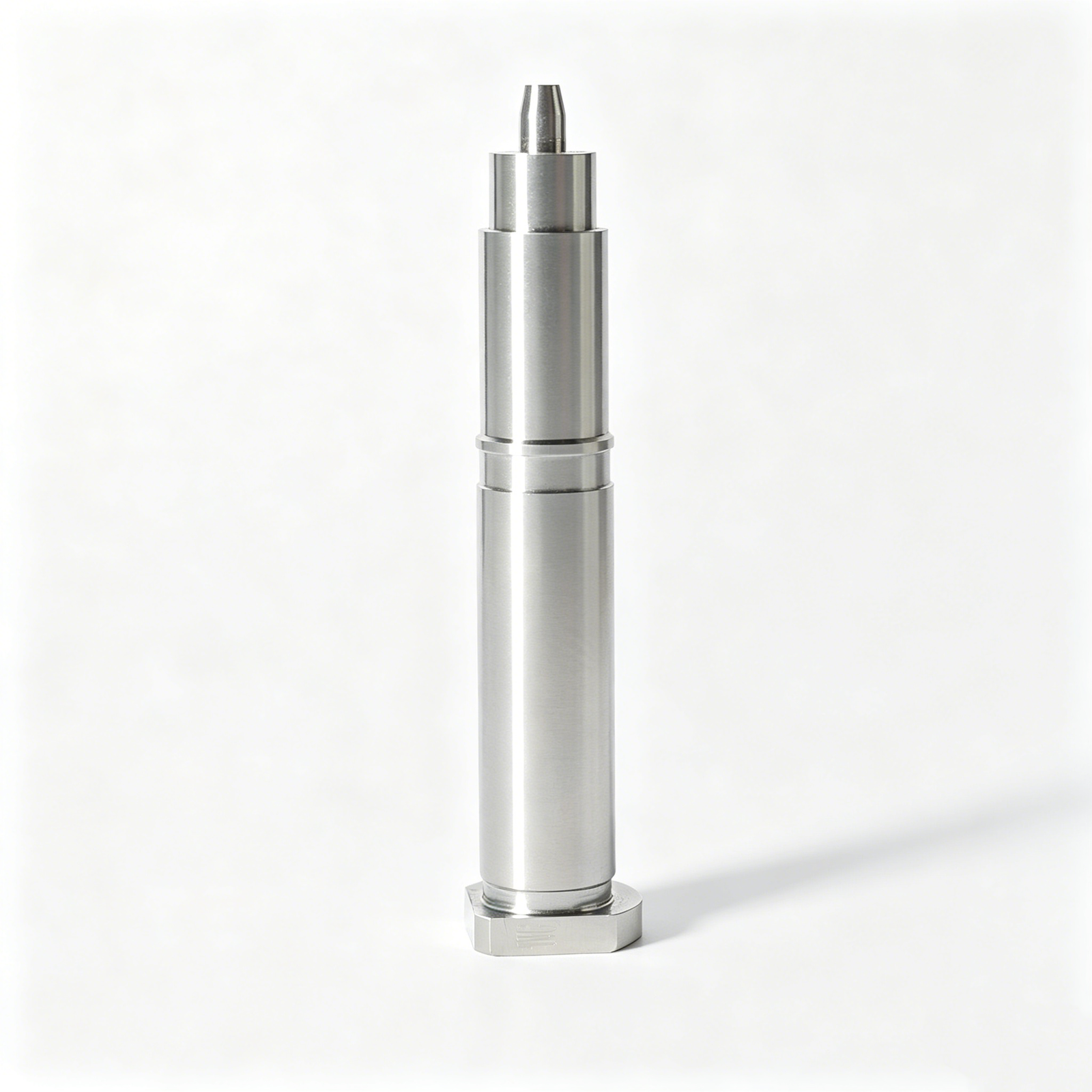
Core Pins, Guide & Locating Components
Core pins, guide pins, and locating components establish repeatable mold alignment and feature position. SUUXIANG reviews fit class, datum relationships, wear surfaces, engagement length, material and heat-treatment needs, and the inspection criteria required for the assembled tooling.
Upload a Drawing
Slides, Lifters, Gates & Mold Accessories
Mold slides, lifters, gates, and accessories are configurable tooling families rather than stock assumptions. Their manufacture depends on travel geometry, bearing surfaces, shutoffs, actuation interfaces, material condition, fitting requirements, and verification of critical assembled positions.
Upload a Drawing
Connector Mold Components
Precision connector mold components support fine-pitch connector tooling where cavity detail, pin location, alignment, and wear behavior are central concerns. Drawings should clarify mating geometry, critical dimensions, material and hardness requirements, EDM needs, and inspection expectations.
Upload a Drawing
Stamping Die Components
Precision stamping die components include punches, dies, plates, guides, and custom forming details made to drawing-defined interfaces. Process planning considers cutting edges, clearance relationships, heat treatment, grinding stock, wire-EDM paths, surface condition, and assembly datums.
Upload a Drawing
Injection Mold Components for MIM, CIM & Overmolding
Injection, MIM, CIM, and overmolding tooling components are evaluated within SUUXIANG’s verified production scope. A responsible review considers material flow interfaces, shutoffs, inserts, parting and gating details, thermal requirements, material selection, and required inspection evidence.
Upload a Drawing
Machining Materials
CNC machining materials are selected from drawing and application requirements, not from an assumed catalog. Specify the material grade, condition, material certificate needs, hardness range, corrosion or wear exposure, heat-treatment sequence, and any restrictions affecting machining or EDM.
Upload a Drawing
Surface Finishes & Heat Treatment
Surface finishing and heat treatment are planned as part of the dimensional process route. Define functional surfaces, finish targets, coating or treatment requirements, hardness expectations, masking needs, grinding allowance, and post-treatment inspection priorities before release.
Upload a Drawing
Quality, Metrology & Documentation
Precision inspection, metrology, and quality documentation are aligned with the drawing’s critical-to-quality features. Relevant plans may address datum-based measurement, dimensional reports, material or treatment records, revision control, and documentation required by the purchase order.
Upload a Drawing
Prototyping & Low-Volume Production
Rapid prototyping and low-volume manufacturing support drawing-based validation parts, replacement tooling details, and controlled production quantities. An RFQ should include quantity, material state, critical dimensions, finish, quality documentation, target date, and application context that affects process planning.
Upload a DrawingCNC Machining 4140 Alloy Steel: Material and Condition Considerations

Specified 4140 Grade
Provide the governing material designation and mill documentation for the 4140 alloy steel supplied. Grade identity affects material traceability, purchasing review, and the engineering basis for shafts, tooling elements, and high-load precision parts.

Annealed 4140 Stock
Annealed 4140 is commonly considered when machining access, dimensional stability, and later heat treatment must be planned together. Confirm the required final condition, critical dimensions, and allowance before production routing is established.

Normalized 4140 Stock
Normalized stock may be specified where a controlled starting condition is important before finish machining or downstream treatment. Share the drawing, hardness expectation, and application loads so machinability and inspection planning can be reviewed.

Quenched Tempered 4140
Quenched and tempered 4140 requires confirmation of the specified hardness range, machining stage, and surface requirements. These details influence tool access, grinding allowance, EDM strategy, and the sequence used for functional components.

Customer-Supplied 4140 Material
For customer-supplied material, identify the specification, condition, available stock size, certification records, and intended end use. SUUXIANG reviews these inputs with the drawing to assess a practical CNC machining route and inspection method.
CNC Machining 4140 Alloy Steel: Process Routes

CNC Milling
CNC milling forms prismatic features, pockets, profiles and datum surfaces in 4140 components. Tool access, stock condition and critical-feature sequencing are reviewed before machining to help protect functional geometry and provide suitable allowances for later operations.

CNC Turning
CNC turning produces concentric diameters, shoulders, bores and threaded features for rotational 4140 alloy steel parts. The process route considers datum control, workholding, runout requirements and any subsequent grinding or heat-treatment effects on finished dimensions.
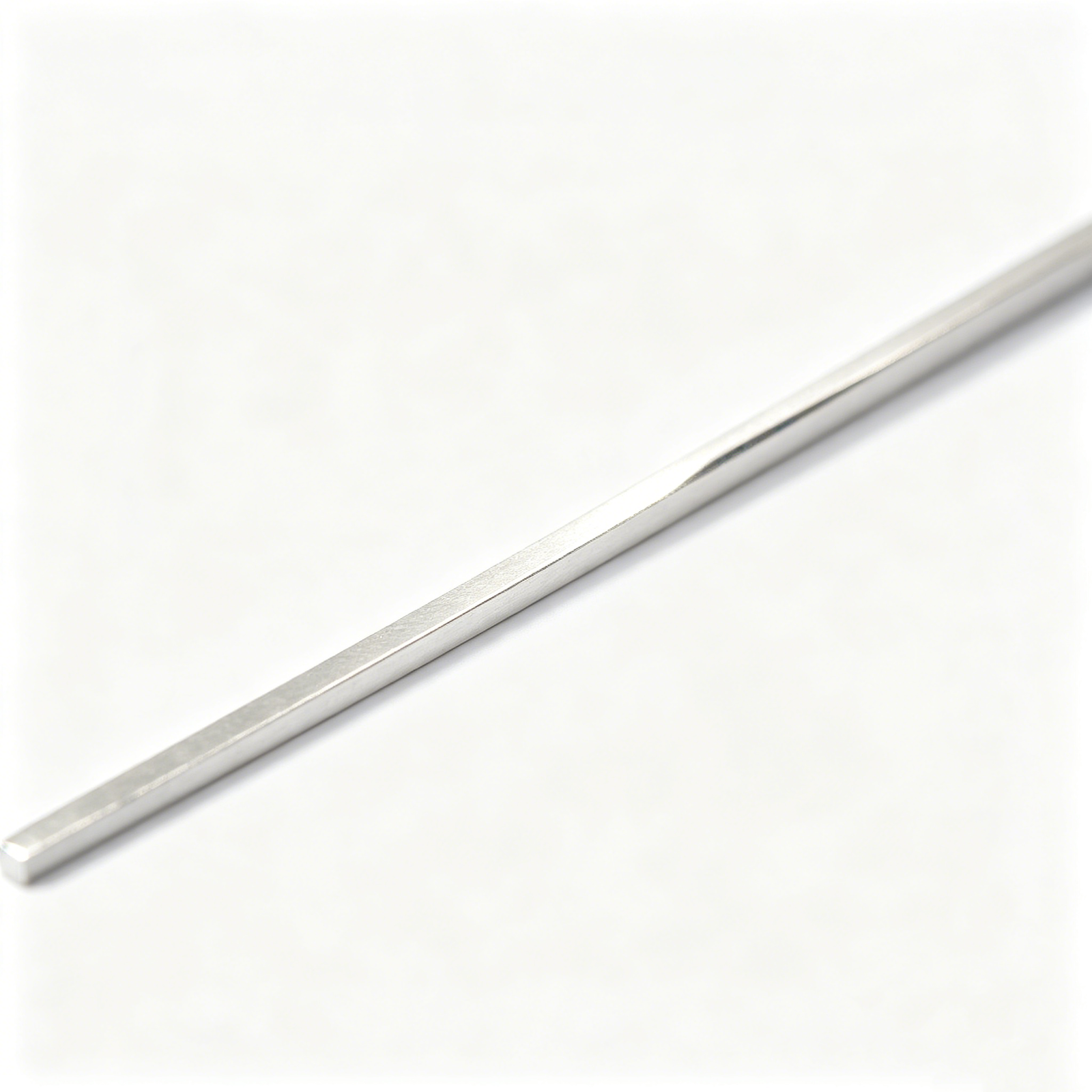
Wire EDM
Wire EDM supports narrow slots, internal profiles, sharp-corner requirements and hardened 4140 features where conventional tool access is limited. Wire path, start-hole location, datum references and required finish are planned against the drawing and inspection method.

Sinker EDM
Sinker EDM creates deep cavities, detailed forms and inaccessible internal features using a planned electrode strategy. Electrode design, spark allowance, surface requirement and post-EDM finishing needs are evaluated before the route is committed.
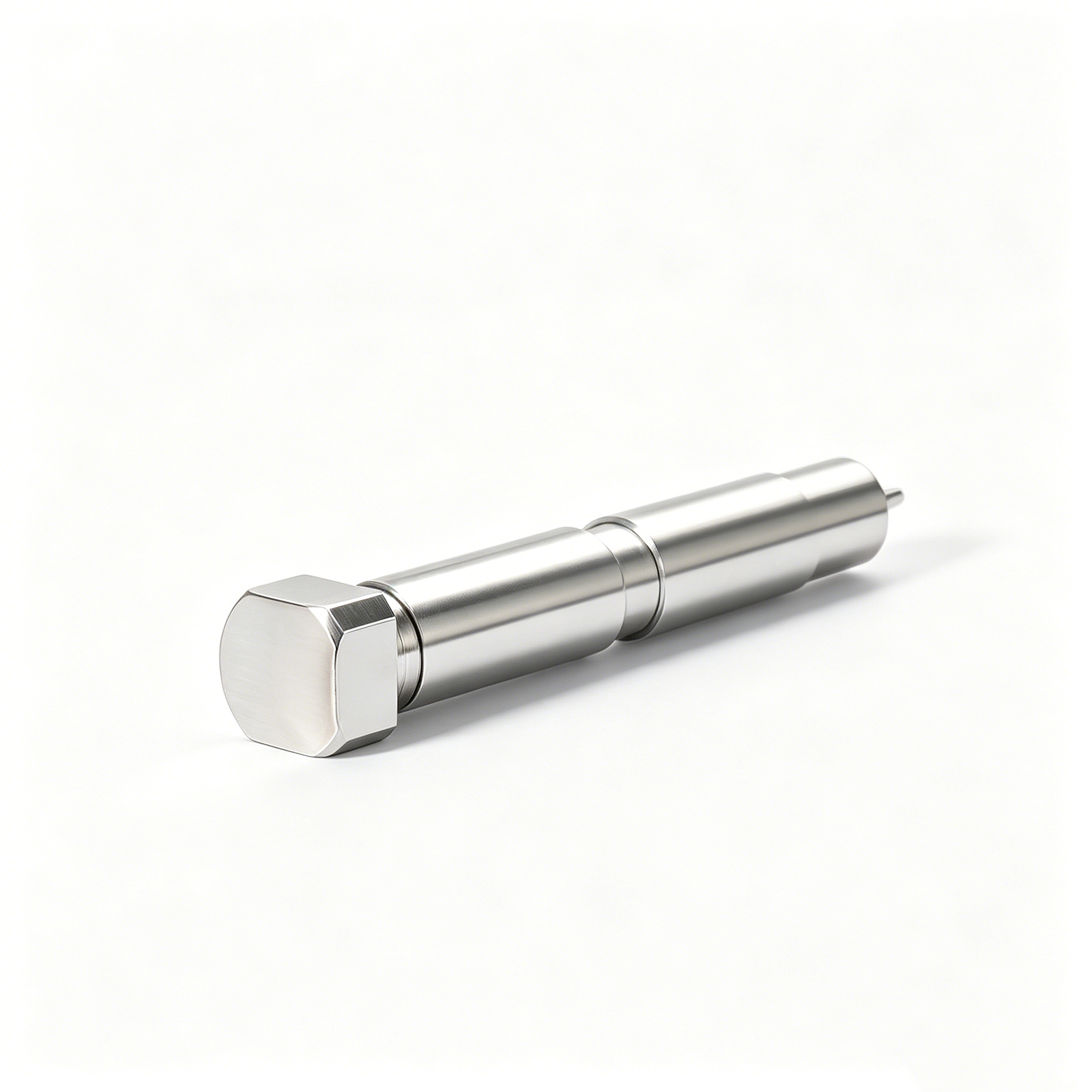
Precision Grinding
Precision grinding refines critical flats, diameters and bearing surfaces after appropriate machining or heat-treatment stages. Grinding stock, datum strategy, surface expectations and inspection points are defined to support controlled final dimensions on 4140 components.

Fitting Inspection
Fitting and inspection confirm how manufactured features relate to mating parts, assembly requirements and drawing-defined critical dimensions. The inspection plan follows the order requirements, with revision information and requested documentation aligned to the verified production route.
CNC Machining 4140 Alloy Steel: Component Features and Supporting Hardware

Threaded Features
Internal or external threads can be machined where the drawing defines size, pitch, class, engagement length, and inspection needs. Early review helps confirm tool access, datum relationships, and post-treatment sequencing.

Locating Pins
Dowel, core, and locating pins support repeatable alignment between mating parts, fixtures, or tooling elements. Pin diameter, fit condition, insertion depth, and hole-position tolerances should be defined against functional datums.
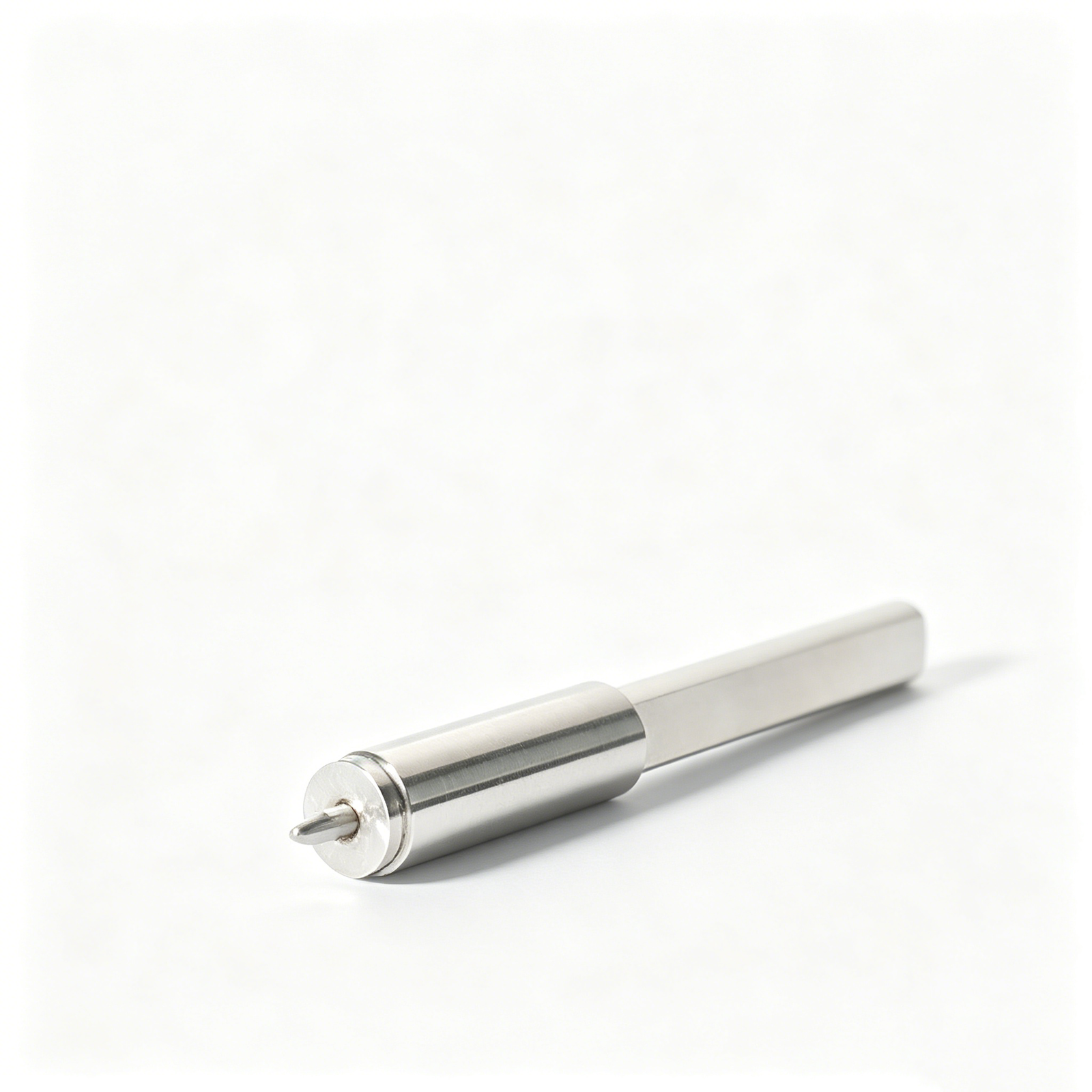
Fastener Interfaces
Counterbores, countersinks, clearance holes, and tapped mounting points can be incorporated for assembly. Provide fastener specification, head style, torque-sensitive requirements, and mating-part context to evaluate access and wall thickness.

Guide Elements
Guide bores, bush seats, wear surfaces, and alignment features can be planned for mold or die assemblies. Their performance depends on fit, hardness condition, lubrication provisions, and the relationship to critical assembly datums.

Replaceable Inserts
Replaceable inserts allow high-wear or revision-sensitive areas to be serviced without remaking the full component. Define retention method, split-line or interface requirements, grinding stock, and any EDM detail before the process route is set.
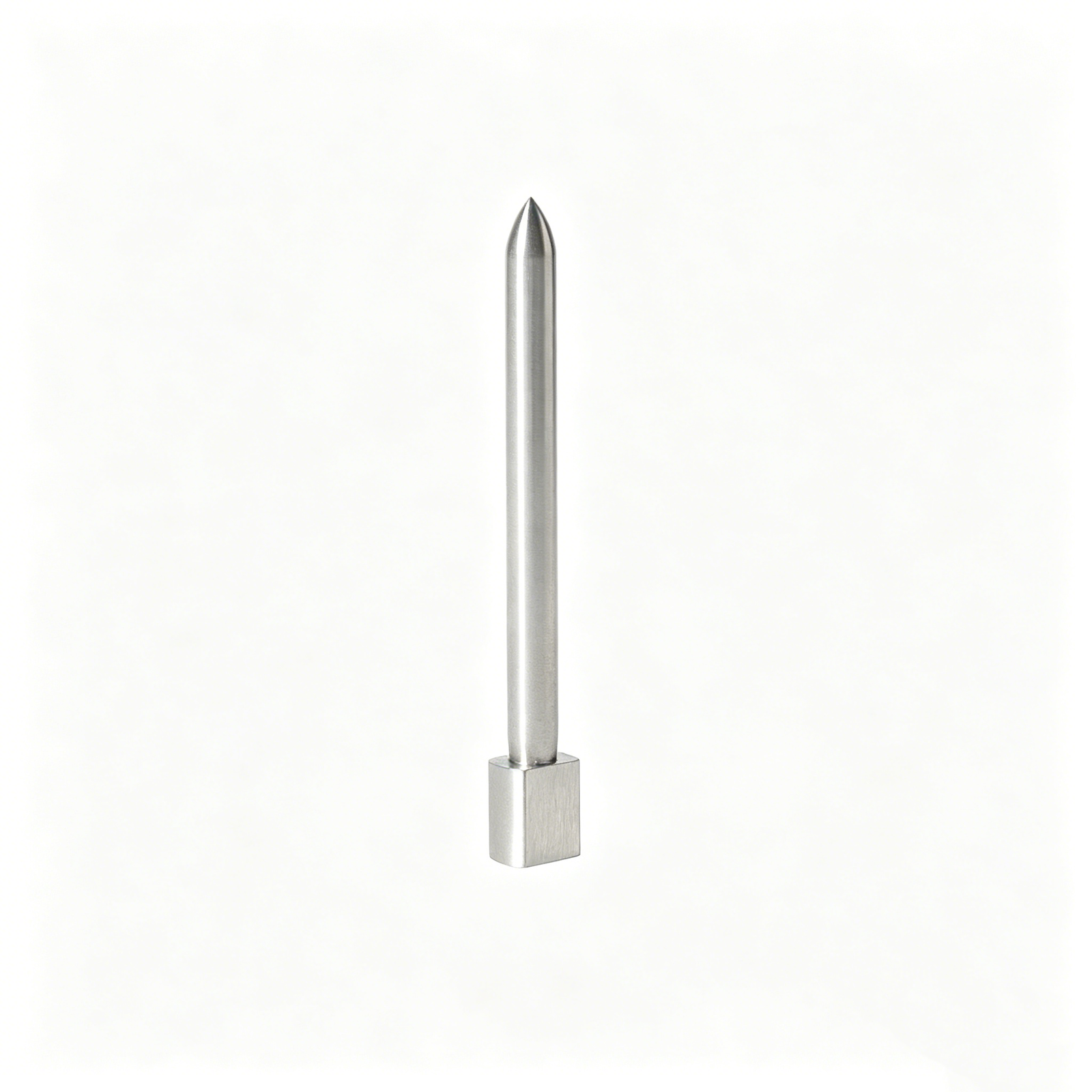
Part Identification
Laser marking, engraving, or controlled identification locations can support assembly, revision recognition, and traceability when approved for the application. Specify content, character size, location, contrast expectations, and any surface-finish restrictions.
About SUUXIANG Precision Manufacturing
SUUXIANG is the sole public-facing brand of Dongguan SuuXiang Precision Mold Co., Ltd., established in 2010 in Chang’an Town, Dongguan, Guangdong, China. Founded and legally represented by XiaoCheng Huang, we support international engineering, sourcing and quality teams by turning drawings, models and specifications into inspected custom parts, precision mold components, connector tooling and die components.
Our work brings CNC milling and turning, multi-axis machining, EDM, precision grinding, fitting and inspection into a coordinated process route. For cnc machining 4140 alloy steel and other drawing-driven projects, the route is selected around material condition, critical dimensions, tool access, heat-treatment sequence, machining allowance and the required inspection evidence.
What differentiates SUUXIANG is disciplined project control before production begins. We review DFM, datums, tolerance priorities, surface requirements and revision status before quotation commitments, then keep manufacturing and delivery information visible. Buyers can submit an RFQ with drawings, material requirements, quantity, quality expectations and target delivery needs for a responsible review.
CNC Machining 4140 Alloy Steel: Core Capabilities
DFM Before Commitment
SUUXIANG reviews the drawing, model, material condition, critical dimensions, datums, surface requirements, and quantity before confirming a cnc machining 4140 alloy steel process route. This early review identifies access limits, tolerance risks, and requirements that need clarification before production planning.
- Identify critical-to-quality dimensions and datum relationships
- Review tool access, wall geometry, and feature sequencing
- Confirm material and heat-treatment requirements in the RFQ
- Flag unresolved drawing or revision questions early

Process Route Planning
4140 parts may require more than a milling or turning setup. SUUXIANG plans the appropriate sequence across CNC machining, EDM, precision grinding, fitting, and inspection according to geometry, stock condition, hardened features, and drawing-defined functional surfaces.
- Select machining stages around geometry and stock allowance
- Assess EDM needs for inaccessible or intricate features
- Plan grinding stock for critical flatness, size, or finish
- Coordinate process sequence with heat-treatment requirements

Inspection Built Into Planning
For cnc machining 4140 alloy steel, inspection planning begins with the drawing rather than at final release. SUUXIANG aligns measurement methods and reporting expectations with critical dimensions, datum strategy, surface requirements, and the documentation requested for the order.
- Define inspection focus from critical dimensions and datums
- Match measurement methods to specified feature requirements
- Clarify report, traceability, and acceptance expectations
- Keep final documentation aligned with the verified inspection plan

Revision-Controlled Communication
Drawing-based work depends on clear revision visibility from review through delivery. SUUXIANG keeps manufacturing discussions focused on the current drawing, approved clarifications, material requirements, inspection expectations, and delivery context so project decisions remain traceable across the production workflow.
- Verify the current drawing and model revision
- Record approved technical clarifications before production
- Maintain visibility of quality and delivery requirements
- Align production records with order-specific documentation

Supplier Review Checklist for CNC Machining 4140 Alloy Steel
Compare the review and control points that matter before a drawing-based 4140 alloy steel project moves into production.
← Swipe left or right to view →
CNC Machining 4140 Alloy Steel Production Workflow
Each route is confirmed against the approved drawing, material condition, critical dimensions, inspection requirements, quantity, and delivery priorities.
Review RFQ Package
We review the 2D drawing, available 3D model, quantity, application context, critical dimensions, surface requirements, inspection needs, and requested delivery date.
Confirm Material Route
Material grade, supplied condition, heat-treatment sequence, and traceability expectations are clarified before process planning, since these choices affect machining allowance and inspection strategy.
Plan DFM Process
The team evaluates datums, tolerance stack, tool access, workholding, machining sequence, EDM needs, wire paths, and grinding stock before quotation and production release.
Machine or EDM Components
Approved parts proceed through the applicable CNC milling, turning, multi-axis machining, wire EDM, or sinker EDM operations, with revision information kept visible.
Grind Fit and Inspect
Where required, components receive controlled grinding and fitting, followed by inspection against the agreed drawing, critical features, datum scheme, and reporting plan.
Pack Coordinate Delivery
Verified parts are packed according to order requirements, with final documentation, revision status, shipment details, and delivery coordination aligned to the approved project plan.
How CNC Machining 4140 Alloy Steel Projects Move Forward
A drawing-led path from technical review through controlled production and delivery.
Submit Your Requirements
Send 2D drawings, 3D models, material condition, quantity, critical dimensions, surface requirements, inspection expectations, and target delivery date so the review begins with usable production inputs.
Review DFM and Quotation
We assess datum strategy, tool access, machining sequence, grinding or EDM needs, heat-treatment timing, and inspection approach, then align the quotation with documented assumptions and revision status.
Approve First Articles
For projects requiring samples or first articles, confirm the agreed inspection evidence and acceptance criteria before release, especially when mating interfaces or critical dimensions drive risk.
Coordinate Production and Delivery
After approval, SUUXIANG coordinates the planned process route, revision-controlled production, final inspection documentation, and delivery communication against the requirements confirmed for the order.
Certifications and Quality Documentation
Customer Feedback: Publication Pending Verification
Approved customer testimonial pending. Publish a drawing-review outcome only after the customer confirms the quoted wording, project scope, measurable result, and permission to attribute the statement.
Approved customer testimonial pending. Add verified inspection or quality documentation results after the customer approves the exact figures, component context, and attribution for this CNC machining 4140 alloy steel project.
Approved customer testimonial pending. Add a confirmed delivery or revision-control outcome when the customer has approved the final wording, measurable project result, and public use of their name and company.
CNC Machining 4140 Alloy Steel FAQ
Practical RFQ, material, quality, and delivery questions for drawing-based 4140 alloy steel parts.
What is the minimum order quantity for cnc machining 4140 alloy steel parts?
What files should I provide for cnc machining 4140 alloy steel?
Can SUUXIANG machine 4140 in annealed, pre-hardened, or heat-treated condition?
How should heat treatment be planned for a 4140 alloy steel component?
Can I order a prototype or first-article sample before production?
How is lead time evaluated for cnc machining 4140 alloy steel orders?
What inspection reports can be requested with 4140 alloy steel parts?
How are shipping, payment, and intellectual-property requirements handled?
Buyer’s Guide to cnc machining 4140 alloy steel
Use a practical decision framework to specify 4140 parts, compare material conditions and finishing options, qualify capable suppliers, control cost, and avoid the sourcing mistakes that jeopardize fit, performance, and delivery.
1. What Is cnc machining 4140 alloy steel?
4140 is a chromium-molybdenum alloy steel specified as the work material; CNC machining of 4140 alloy steel is the drawing-controlled milling, turning, EDM, grinding, and inspection used to convert that material into a defined component. It is not a machining process or an automatic tolerance claim.
4140 is commonly selected where a part needs a practical balance of strength, toughness, fatigue resistance, and wear performance after the specified heat-treatment condition is established. Typical drawing-based parts include shafts, pins, gears, fixtures, mold-tooling elements, and load-bearing machine components; the drawing must state material form, condition, hardness requirement, and critical datums.
Before material release, confirm whether the application requires through-section toughness and fatigue performance and whether the planned heat treatment, machining allowance, and inspection method support the final requirements. Choose another grade when corrosion resistance, case hardening, free-machining behavior, weldability, or a verified hardness profile is the governing need.
2. 4140 Alloy Steel: Development and Standards
AISI/SAE 4140 identifies a chromium-molybdenum alloy-steel grade whose chemistry and delivery condition must both be specified. The designation is useful for communication, but it is not a complete purchase requirement.
UNS G41400 is commonly associated with 4140, yet a buyer should not assume that a regional designation is interchangeable. Confirm the heat analysis, product form, governing specification, mechanical-test condition, and certificate traceability on the material certificate before release.
4140 bar stock became widely used for shafts, tooling elements, and other loaded mechanical parts because it can be machined, heat treated, and finished through controlled routes. For cnc machining 4140 alloy steel, the drawing should state whether stock is annealed, normalized, or prehardened, since that condition affects machining strategy, distortion risk, and inspection planning.
3. Types of cnc machining 4140 alloy steel
Five purchasable 4140 conditions can produce different cutting behavior and dimensional movement from the same nominal chemistry. On the drawing, specify delivery condition, heat-treatment state, and required hardness range rather than assuming ‘4140’ defines them.
| Condition | Machining And Distortion | Typical Use |
|---|---|---|
| Annealed | Easiest cutting; high post-heat-treatment movement | Complex machined blanks |
| Normalized | Moderate cutting; moderate movement | General shafts and blocks |
| Quenched-and-tempered | Slower cutting; low later movement | Pins and wear parts |
| Cold-drawn | Residual-stress risk | Small bar-turned parts |
| Forged | Extra cleanup allowance; variable movement | High-load component blanks |
Annealed And Normalized
Annealed stock favors rough-to-finish machining and later hardening, but final heat treatment can move critical features. Normalized stock offers a more uniform starting structure for general shafts, blocks, and mold-support parts.
Quenched And Tempered
Quenched-and-tempered or pre-hardened stock supports higher service strength with slower cutting and greater tool wear. Use it for pins, shafts, and wear-loaded components when post-machining heat-treatment distortion is unacceptable.
Cold-Drawn And Forged
Cold-drawn bar improves size availability but may retain residual stress; remove stock symmetrically for stable slender parts. Forgings suit high-load blanks, although machining allowance and internal soundness review can extend release time.
4. Materials for cnc machining 4140 alloy steel
4140 input form determines stock removal, distortion risk, and documentation needs before programming begins. For cnc machining 4140 alloy steel, specify the purchased condition rather than assuming all 4140 arrives equivalent.
| Material | Strength/Toughness | Hardenability | Corrosion | Cost Driver |
|---|---|---|---|---|
| 4140 | Balanced | Good | Low | Condition, form |
| 4130 | Lower strength | Moderate | Low | Lower alloy |
| 4340 | Higher toughness | High | Low | Alloy, heat treatment |
| 1045 | Moderate | Limited | Low | Lower material cost |
| Stainless | Application dependent | Grade dependent | Higher | Alloy grade, machining |
Choose The Starting Form
4140 bar suits turned shafts and prismatic parts cut from standard sections; plate suits broad, flat geometries. Forgings and near-net blanks can reduce removal for high-volume or load-oriented shapes, but require agreed machining allowance and datum access.
Request Traceable Material Evidence
4140 chemistry certificates should identify the heat or lot, product form, and supplied condition. SUUXIANG should match that evidence to the order, while the buyer identifies required standard, heat treatment, and any retest or marking requirement.
Verify Condition Before Release
4140 condition verification should check certificate identity, blank dimensions, visible defects, and hardness when specified. Machined, annealed, normalized, and pre-hardened inputs need different tooling, allowance, and inspection planning.
5. Finishes and Custom Features for 4140 Parts
4140 parts need finishes defined as functional requirements, not cosmetic options. For cnc machining 4140 alloy steel, specify treatment sequence before toleranced features are released.
| Finish | Primary Purpose | Drawing Control |
|---|---|---|
| Protective oil | Temporary corrosion protection | Coverage and packaging |
| Black oxide | Appearance and mild protection | Masking and oil seal |
| Nitriding | Wear resistance | Case-depth and post-check |
Feature Callouts Before Finish
0.01 mm-level functional features need a datum, finish boundary, and clear statement of whether size applies before or after treatment. Threads, precision bores, gear-like profiles, and markings also need access, depth, and location callouts.
Match Finish To Service
Black oxide, phosphate, plating, nitriding, and protective oil solve different corrosion or wear conditions. Mask threads, bores, bearing seats, and electrical contacts where added thickness or chemical exposure can affect fit or function.
Approve And Inspect Treatment
ISO or customer finish standards should be named with coating class, color, coverage, and any salt-spray requirement. First-article samples should confirm appearance, masking, dimensional checks, hardness where relevant, and marking legibility after treatment.
6. Critical Quality Elements in 4140 Machining
One datum scheme should locate every critical feature from functional mating surfaces, not from convenient stock edges. For cnc machining 4140 alloy steel, acceptance must connect dimensions, heat-treatment condition, and inspection evidence.
Datum And Geometry Control
Three datum features should establish part orientation before position, runout, flatness, or concentricity are evaluated.
One tight concentricity callout may require a single setup, controlled re-chucking, or post-treatment grinding; specify the functional datum and measurement method.
DFM Access And Distortion
Thin walls, deep holes, and restricted tool paths raise deflection, chip-evacuation, and inspection risk.
The heat-treatment sequence should state machining allowance, target hardness condition, distortion review, and whether finish grinding follows treatment.
Acceptance Evidence
100% inspection is appropriate only where the drawing, PO, or control plan identifies critical characteristics and sampling requirements.
One inspection plan should define surface-finish verification, burr acceptance, thread gauge type, hardness test location, datum setup, revision, and report format.
- Drawing: datums, GD&T, finish, threads, and critical dimensions
- PO: material condition, heat treatment, quantity, and documentation
- Inspection plan: method, gauge, sampling, and acceptance limits
7. Choosing a cnc machining 4140 alloy steel Supplier
4140 condition, not alloy name alone, determines the process route a supplier must prove. Qualify the review method and production controls before comparing quotations.
Review The DFM Response
2D drawings and 3D models should trigger a documented DFM review identifying datums, critical dimensions, tool access, grinding stock, and EDM needs. Ask how the supplier will resolve tolerance conflicts before release.
- Request annotated drawing feedback
- Confirm critical-to-quality dimensions
- Define revision approval route
Verify Material And Process Control
4140 annealed, normalized, pre-hardened, and quenched-and-tempered conditions require different machining, heat-treatment, and finishing plans. Request material certificates, heat or lot identification, process sequence, and confirmation of any outsourced operation.
- Material grade and condition
- Heat-treatment evidence
- Finish acceptance criteria
Audit Release And Communication
First-article inspection should compare agreed critical features against the drawing and inspection plan before broader production. Ask for metrology methods, report format, capacity assumptions, delivery milestones, and written change-control records.
- First-article approval point
- Inspection-report samples
- Revision and deviation log
8. Common 4140 Sourcing Mistakes
4140 sourcing errors usually begin before machining: cnc machining 4140 alloy steel requires a defined material state, functional requirements, and aligned commercial scope. Procurement can prevent late changes by making those inputs reviewable at RFQ.
Define Material Condition
4140 alone does not define supply condition, hardness, or heat-treatment state; suppliers may quote unlike starting stock.
The purchase order should state annealed, normalized, or quenched-and-tempered condition, target hardness, and required mill-certificate evidence.
AISI 4140 substitutions can change hardenability and machining response. Require written approval and traceability before any alternative is released.
Tie Tolerances To Function
0.01 mm tolerances without datum and mating-function rationale can force unnecessary grinding, inspection, and cost.
Heat treatment can move dimensions and alter straightness. Define the heat-treatment sequence, machining allowance, critical datums, and final inspection method before release.
Align Drawings And Quotes
2D drawings missing revision, surface finish, corrosion requirement, or complete CAD create interpretation gaps after ordering.
RFQs should include controlled drawings, models, quantity, finish, inspection reports, and mating context.
Three quotes are comparable only when material condition, process route, documentation, exclusions, and delivery assumptions match. Use a scope checklist before selecting price.
9. From RFQ to Production Release
A production release for cnc machining 4140 alloy steel should begin with the part’s function, mating conditions, and prototype, lot, and annual demand. Those inputs set the right drawing-review, inspection, and delivery controls.
Build The RFQ Package
Two files—a controlled 2D drawing and matching 3D model—should identify revision, datums, critical dimensions, threads, surfaces, material condition, heat treatment, quantity, and required date.
One engineering owner should state functional priorities; procurement should provide lot demand and commercial constraints. Program management should record the application context and approval milestones.
Close DFM Before Cutting
Before machining, SUUXIANG should review tool access, stock condition, heat-treatment sequence, machining allowance, EDM or grinding needs, and measurable datum strategy.
One documented DFM response should resolve drawing questions before release. Engineering approves functional changes, while procurement confirms that cost or lead-time changes remain acceptable.
Approve Evidence And Revisions
First-article approval should compare agreed critical dimensions and reporting requirements against the released revision before a repeat order proceeds.
Each packaging trial should protect corrosion-sensitive and finished surfaces through the expected transport route. Quality approves inspection evidence; program management controls revision notices, disposition, and the effective production date.
10. cnc machining 4140 alloy steel Pricing
Three inputs—released drawing, material condition, and inspection scope—are needed before cnc machining 4140 alloy steel can be quoted responsibly. A unit price without part geometry, quantity, and heat-treatment sequence conceals setup, yield, and verification risk.
Two stock conditions commonly change the route: annealed bar may favor machining before heat treatment, while pre-hardened material can extend cutting time and tool wear. SUUXIANG should confirm the specified condition, required certificates, critical datums, finish, and delivery target against the drawing before release.
Three cost groups deserve separate review: one-time programming and fixturing, recurring material and machine time, and conditional secondary operations. Tighter tolerances, thin-wall stability controls, grinding, EDM, heat treatment, finishing, and dimensional reports should be itemized rather than absorbed into an unexplained price.
| Illustrative quantity tier | Likely planning lead time | Pricing emphasis |
|---|---|---|
| 1–5 pieces | Project-specific schedule after drawing review | Setup, material yield, programming, inspection planning |
| 6–50 pieces | Project-specific schedule after drawing review | Cycle time, tool access, repeatable fixturing |
| 51+ pieces | Project-specific schedule after drawing review | Batch strategy, heat-treatment logistics, sampling reports |
CNC Machining 4140 Alloy Steel: Upload Your Drawing
Share material condition, quantity, critical dimensions, inspection needs, and target delivery date for a scoped drawing-review and quotation discussion.