
CNC Machining 4340 Alloy Steel for Precision Parts
Send your drawing for CNC machining 4340 alloy steel with DFM review, process planning, and inspection requirements aligned before production.
Representative Components for 4340 Alloy Steel Development


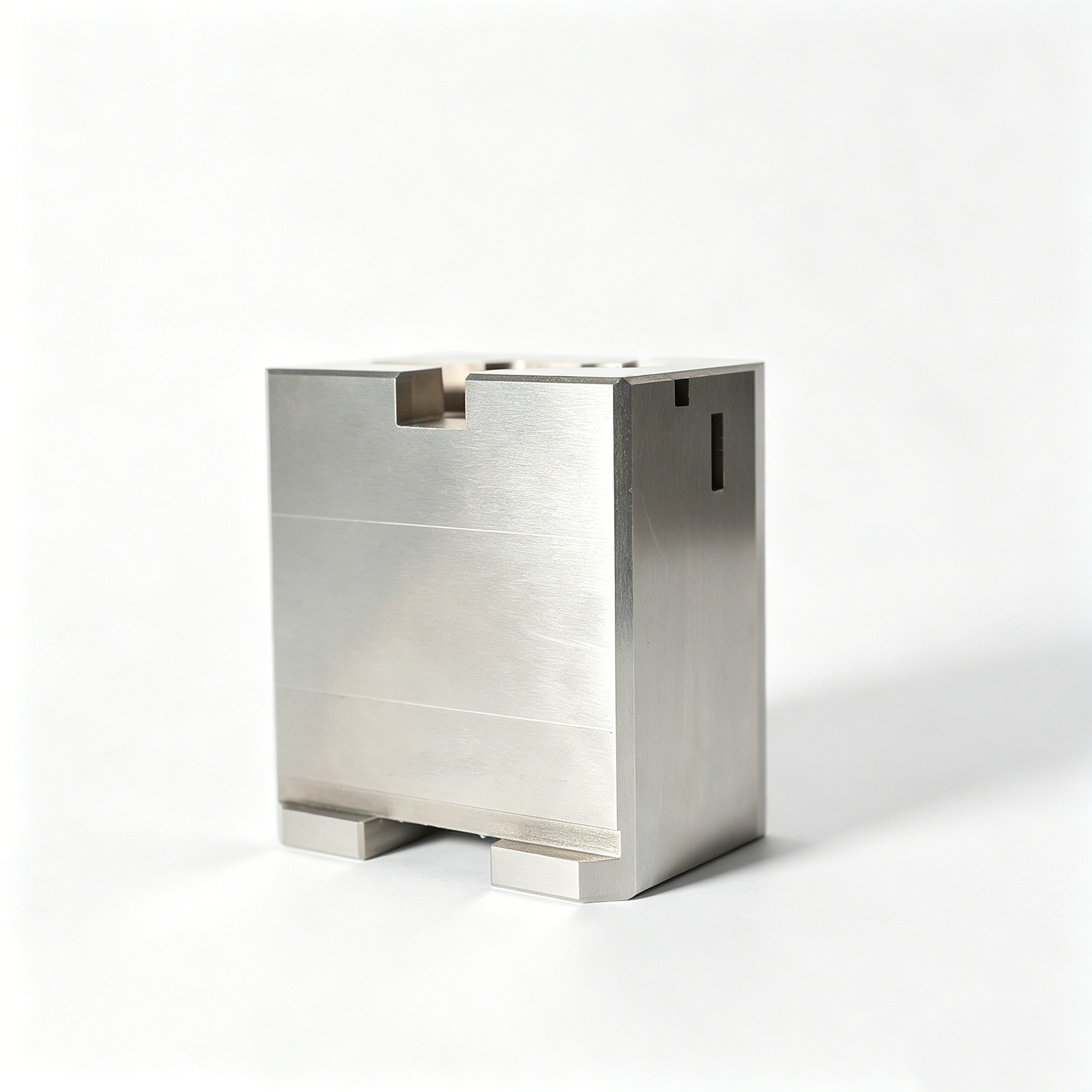


Related Drawing-Based Components and RFQ Options


CNC Machining 4340 Alloy Steel: Engineering Advantages
A drawing-led route for planning critical features, process sequence, inspection, and controlled revisions before production commitments.
DFM Before Commitment
Review drawing clarity, tool access, datums, material condition, and heat-treatment sequence before quotation or production planning begins.
Critical Dimensions Mapped
Identify critical-to-quality features, tolerance relationships, and inspection points so manufacturing decisions follow the functional drawing intent.
Coordinated Process Routes
Plan CNC machining, EDM, grinding, and fitting around geometry, hardness condition, machining allowance, and surface requirements.
Inspection Plan Alignment
Define suitable measurement methods, reporting needs, and acceptance priorities against the order requirements and verified inspection plan.
Revision Control Visibility
Keep drawing revisions, manufacturing changes, and delivery information visible to support traceable communication throughout the project.
RFQ-Ready Technical Review
Submit drawings, quantity, material, quality expectations, and delivery targets for a more informed 4340 alloy steel machining discussion.
CNC Machining Component Families
Custom component families planned from drawings, critical dimensions, material requirements, and inspection expectations before production commitments.
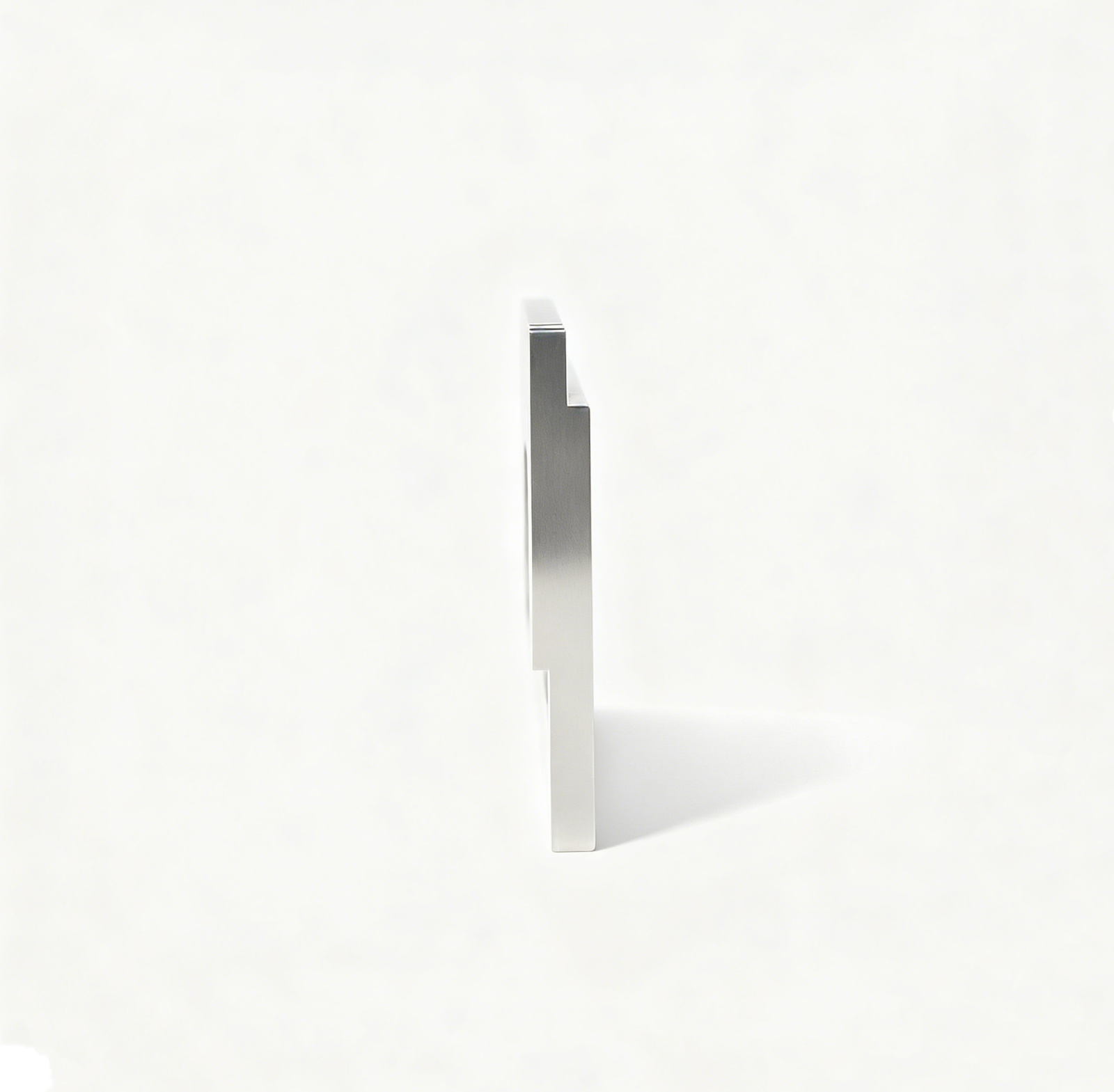
CNC Machining Services
Precision CNC machining services for drawing-based parts requiring coordinated milling, turning, EDM, grinding, fitting, and inspection. Process selection is reviewed against material, geometry, critical dimensions, surface requirements, quantity, and delivery priorities.
Upload a Drawing
CNC Milling
Custom CNC milling services for prismatic parts, plates, inserts, cavities, and features requiring controlled datum setup and tool access. Drawing review identifies machining sequence, fixture considerations, remaining stock, and dimensions requiring inspection.
Upload a Drawing
CNC Turning
Precision CNC turning services for rotational components, stepped diameters, threads, bores, and mating features. Quotations should define material condition, datum references, concentricity or runout priorities, surface requirements, quantity, and inspection expectations.
Upload a Drawing
5-Axis Machining
5-axis CNC machining for complex contours, angled features, deep-access geometry, and multi-face parts where setup reduction or tool orientation affects results. Feasibility depends on geometry, material, tolerance requirements, tool reach, and inspection strategy.
Upload a Drawing
Swiss & Micro Machining
Swiss machining and micro machining for small, slender, or detail-intensive components where support, cutoff, feature access, and handling influence process planning. Drawings should identify critical diameters, threads, finishes, material condition, quantity, and measurement requirements.
Upload a Drawing
Wire & Sinker EDM
Wire EDM and sinker EDM services for hardened materials, sharp internal geometry, narrow slots, intricate profiles, deep ribs, and features unsuitable for conventional tool access. Electrode strategy, wire path, spark allowances, and finish requirements are reviewed before manufacture.
Upload a Drawing
Precision Grinding
Precision surface and profile grinding for controlled flatness, parallelism, profile accuracy, and finish on components requiring final stock removal. Plans should account for heat-treatment condition, grinding allowance, datum sequence, surface targets, and inspection method.
Upload a Drawing
Mold Core & Cavity Inserts
Precision mold core and cavity inserts produced from drawings and models with attention to shutoff geometry, cooling interfaces, mating conditions, heat-treatment sequence, EDM requirements, and critical mold dimensions. These are configurable custom components, not catalog SKUs.
Upload a Drawing
Ejector & Ejection Components
Ejector pins, sleeves, and ejection components manufactured to the specified fit, travel, bearing, and surface requirements. Review should clarify mating holes, hardness or coating needs, clearance strategy, tip geometry, and dimensions that control ejection performance.
Upload a Drawing
Core Pins, Guide & Locating Components
Core pins, guide pins, bushings, and locating components made to drawing-defined interfaces and fit requirements. Material, heat treatment, surface condition, concentricity, datum selection, and mating-component context should be confirmed before production.
Upload a Drawing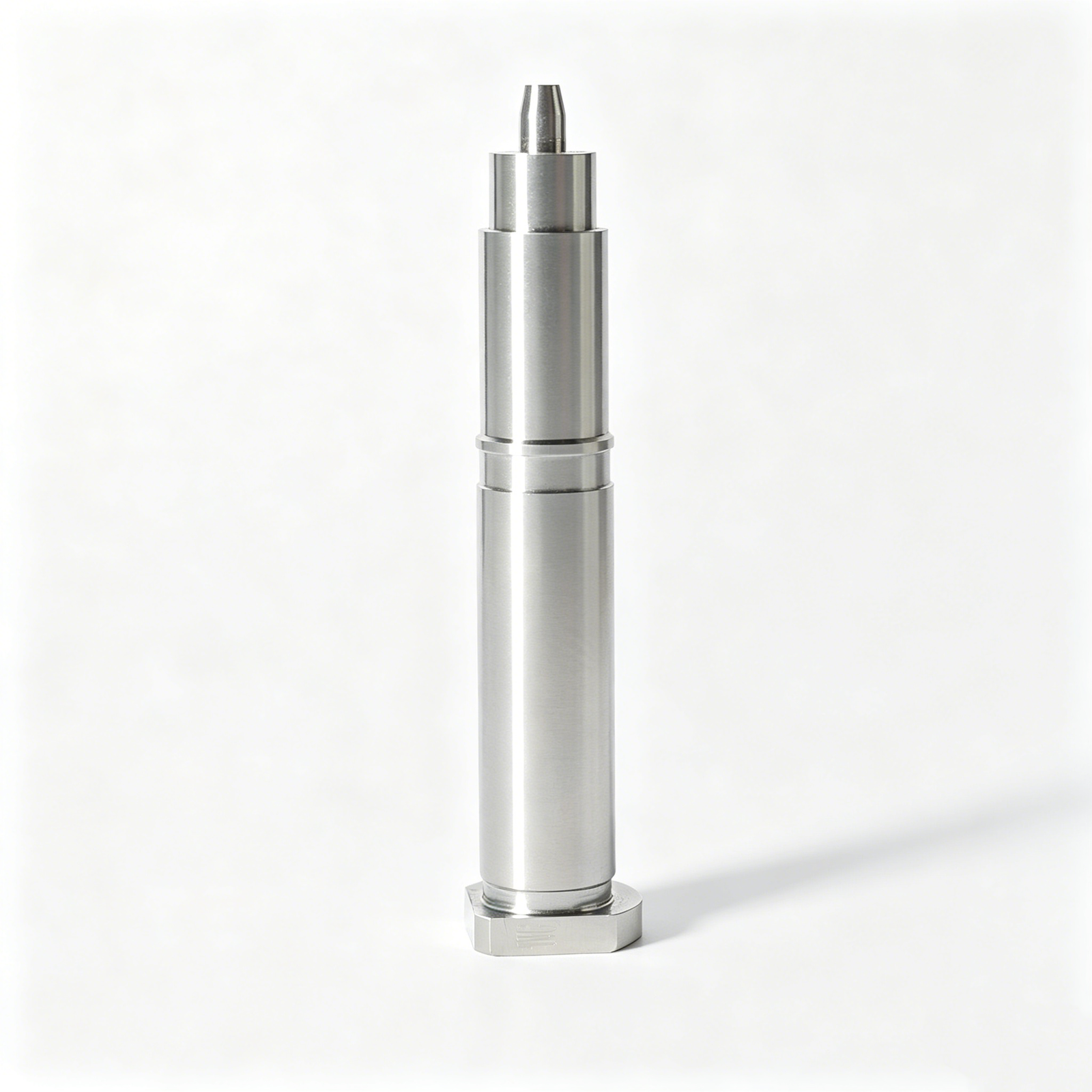
Slides, Lifters, Gates & Mold Accessories
Mold slides, lifters, gates, and accessories for drawing-based tooling assemblies. Manufacturability review considers travel geometry, shutoffs, wear surfaces, lubrication or cooling features, mating fits, tool access, heat-treatment sequence, and final fitting needs.
Upload a Drawing
Connector Mold Components
Precision connector mold components for high-density, fine-feature, and mating-critical tooling applications. Production planning addresses pin or cavity geometry, datum relationships, EDM and grinding needs, material condition, surface requirements, and inspection of critical features.
Upload a Drawing
Stamping Die Components
Precision stamping die components including punches, dies, plates, guide elements, and custom wear parts. Drawing review considers strip interaction, cutting geometry, clearance, material and heat-treatment requirements, grinding stock, surface finish, and assembly interfaces.
Upload a Drawing
Injection, MIM, CIM & Overmolding Tooling
Tooling and component work associated with injection molding, metal injection molding, ceramic injection molding, and overmolding, within verified production scope. Feasibility is assessed from part geometry, material, molding interfaces, shutoffs, wear conditions, and inspection needs.
Upload a Drawing
Machining Materials
CNC machining materials are selected from drawing requirements, functional conditions, machinability, heat-treatment sequence, corrosion needs, and inspection criteria. Material availability and certification requirements should be confirmed for the specific RFQ before commitment.
Upload a Drawing
Surface Finishes & Heat Treatment
Surface finishing and heat treatment are planned around functional surfaces, hardness requirements, corrosion protection, dimensional change, and post-treatment grinding or inspection. Specify finish targets, treatment standard, masking needs, and critical dimensions affected by processing.
Upload a Drawing
Quality, Metrology & Documentation
Precision inspection, metrology, and quality documentation aligned to the drawing and agreed inspection plan. Define critical dimensions, datums, measurement methods, reporting requirements, revision level, material documentation, and any traceability expectations before production.
Upload a Drawing
Prototyping & Low-Volume Production
Rapid prototyping and low-volume manufacturing for drawing-driven parts, mold components, connector tooling, and die components. Early review helps balance process route, setup approach, material condition, critical dimensions, inspection scope, revision control, and target delivery date.
Upload a DrawingMaterials for CNC Machining 4340 Alloy Steel

4340 Alloy Steel
A nickel-chromium-molybdenum steel considered for high-strength shafts, load-bearing tooling, and demanding mechanical parts. Heat-treatment condition, machining allowance, and post-treatment grinding requirements should be defined from the drawing.

4140 Alloy Steel
A chromium-molybdenum steel often reviewed for pins, fixtures, and mechanical components requiring strength and wear resistance. Section size, target hardness, and dimensional movement after heat treatment affect the machining route.

D2 Tool Steel
A high-carbon, high-chromium tool steel considered for wear-focused die and mold components. Its hardening condition, EDM strategy, and grinding stock require review when sharp edges or critical mating surfaces are specified.

H13 Tool Steel
A hot-work tool steel commonly specified for mold inserts, cores, and die components exposed to thermal cycling. Material condition, cooling-feature access, and finishing sequence should be aligned with the functional drawing.

Stainless Steel
Corrosion-resistant grades may suit connector tooling, fixtures, and custom components used in controlled or humid environments. Grade selection, machinability, surface requirement, and any passivation expectation should accompany the RFQ.
CNC Machining 4340 Alloy Steel: Process Routes

CNC Milling
CNC milling forms prismatic features, pockets, faces and complex profiles from drawing-controlled 4340 stock. Tool access, clamping strategy and machining allowance are reviewed to support stable geometry before any later heat treatment or finishing.

CNC Turning
CNC turning produces concentric diameters, shoulders, threads and rotational details for 4340 components. Datum selection and runout requirements guide the setup plan, helping preserve functional relationships between turned features and secondary machining operations.

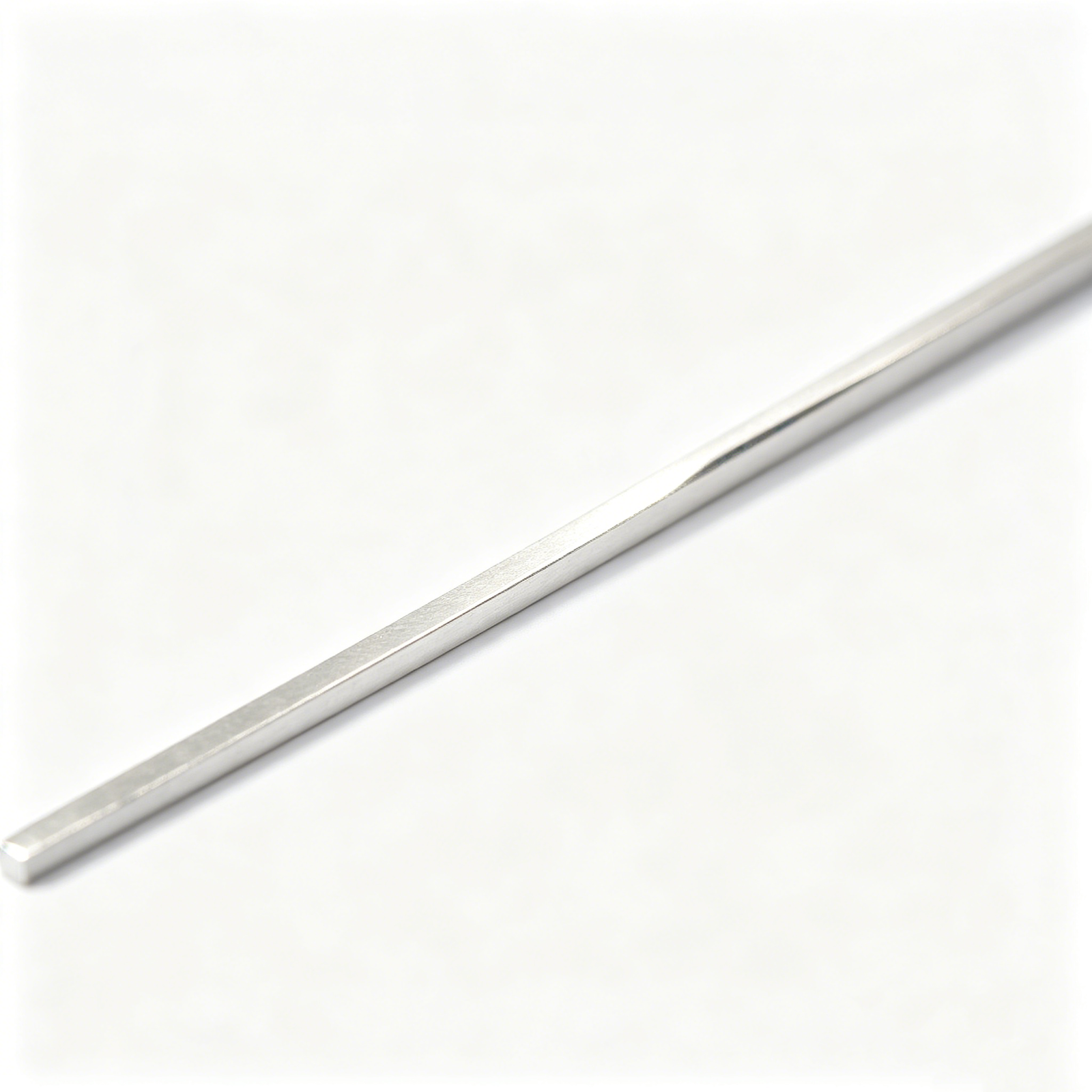
Wire EDM
Wire EDM supports conductive 4340 components with narrow slots, intricate profiles and hard-to-reach internal contours. Wire-path planning, start-hole access and finish requirements are considered alongside datum strategy and the specified material condition.

Sinker EDM
Sinker EDM is evaluated for deep ribs, sharp internal details and cavity geometry where cutting-tool access is limited. Electrode strategy, spark allowance and subsequent finishing requirements are defined from the drawing and agreed inspection plan.
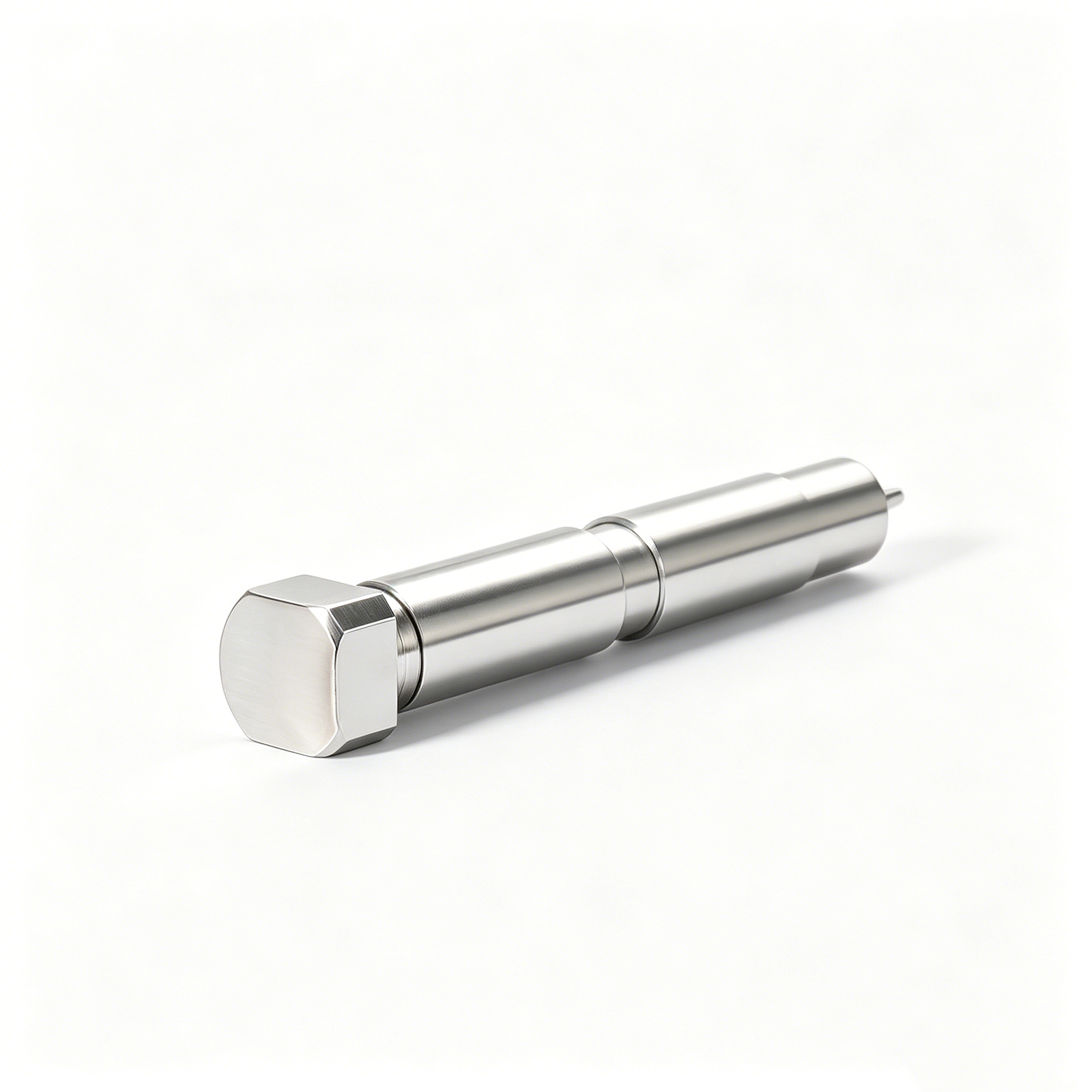
Grinding Inspection
Precision grinding addresses controlled surfaces after the applicable machining and heat-treatment stages, while inspection verifies agreed critical dimensions and documentation requirements. Grinding stock, measurement method and traceability expectations should be clarified with the RFQ.
Tooling Features for CNC Machining 4340 Alloy Steel

Core Pins
Custom core pins can be machined to drawing-defined diameters, shoulders, radii, and mating interfaces. For cnc machining 4340 alloy steel, confirm working hardness, polishing needs, retention method, and inspection datums before production.

Guide Elements
Guide pins, bushings, and alignment elements help control repeatable mold or die movement. Review fit class, lubrication provisions, assembly clearance, and wear expectations alongside the specified material and heat-treatment condition.

Locating Features
Locating pins, keys, dowels, and datum pads establish repeatable component position during assembly and service. Their geometry should be evaluated against tolerance stack, mating-part condition, installation access, and inspection method.
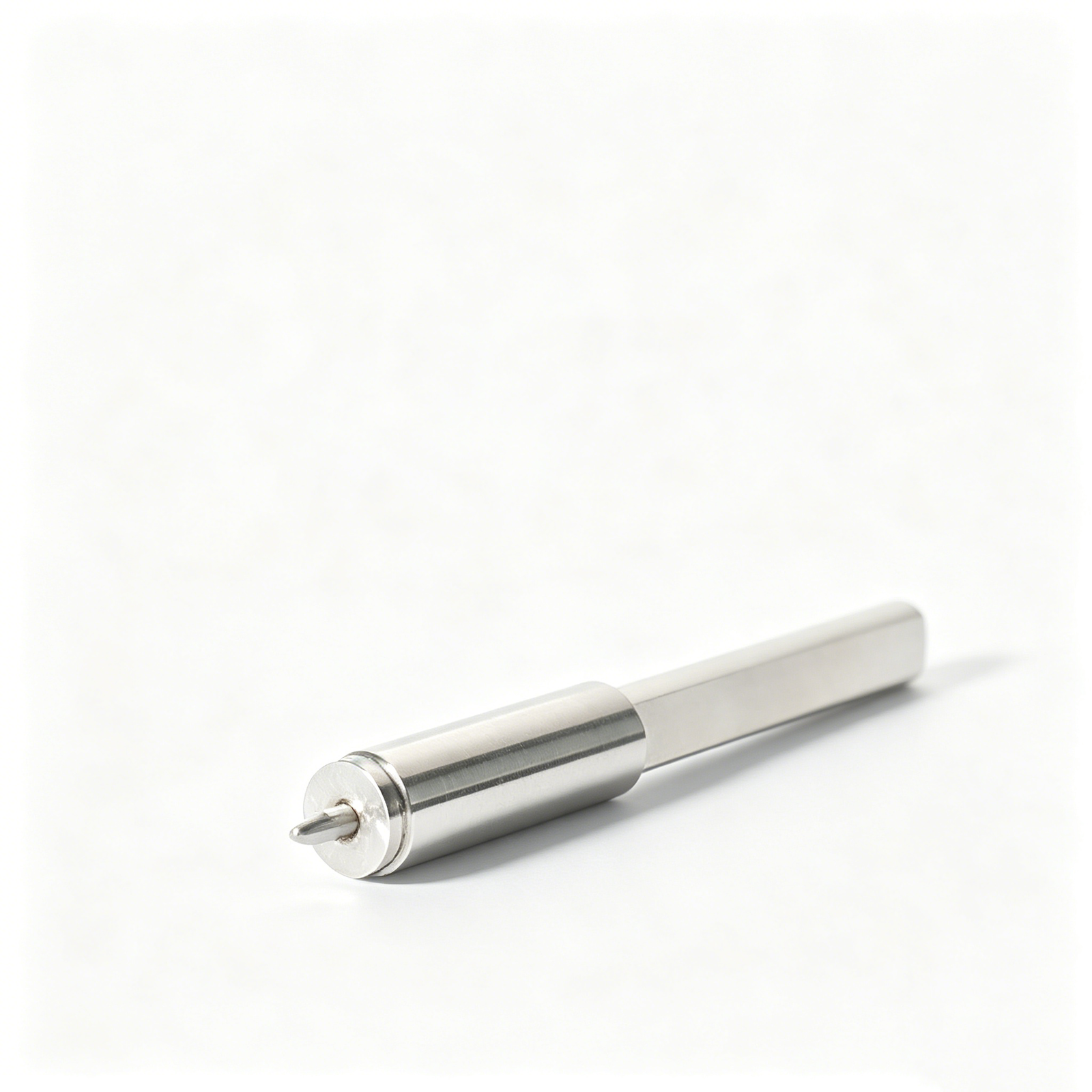
Slides And Lifters
Slides and lifters may combine machined profiles, bearing faces, travel interfaces, and fitted relationships. SUUXIANG reviews tool access, EDM requirements, grinding stock, heat-treatment sequence, and critical contact surfaces from the drawing.

Gate Details
Gate inserts and related flow-control details require careful review of profile geometry, surface condition, mating interfaces, and maintenance access. The appropriate CNC, EDM, grinding, and inspection route depends on the approved design.

Die Accessories
Stamping-die accessories can include guides, stops, retainers, and locating components configured to the drawing. Discuss load direction, critical dimensions, surface requirements, assembly relationships, and requested documentation before quotation.
About SUUXIANG Precision Manufacturing
SUUXIANG is the public-facing brand of Dongguan SuuXiang Precision Mold Co., Ltd., established in 2010 in Chang’an Town, Dongguan, Guangdong, China. We help international engineering, sourcing, and quality teams turn drawings and specifications into inspected custom parts, precision mold components, connector tooling, and die components.
For cnc machining 4340 alloy steel and other drawing-based work, our project planning coordinates CNC milling and turning, multi-axis machining, EDM, precision grinding, fitting, and inspection as the part geometry and requirements demand. Drawing review addresses critical dimensions, datums, tool access, heat-treatment sequence, machining allowance, and inspection expectations before production commitments.
What distinguishes SUUXIANG is disciplined coordination around the evidence that matters to a buyer: clear revision control, process-aware DFM, documented inspection planning, and delivery communication. We assess each inquiry against its drawing, material, quantity, application, and quality requirements rather than treating custom manufacturing as a fixed catalog.
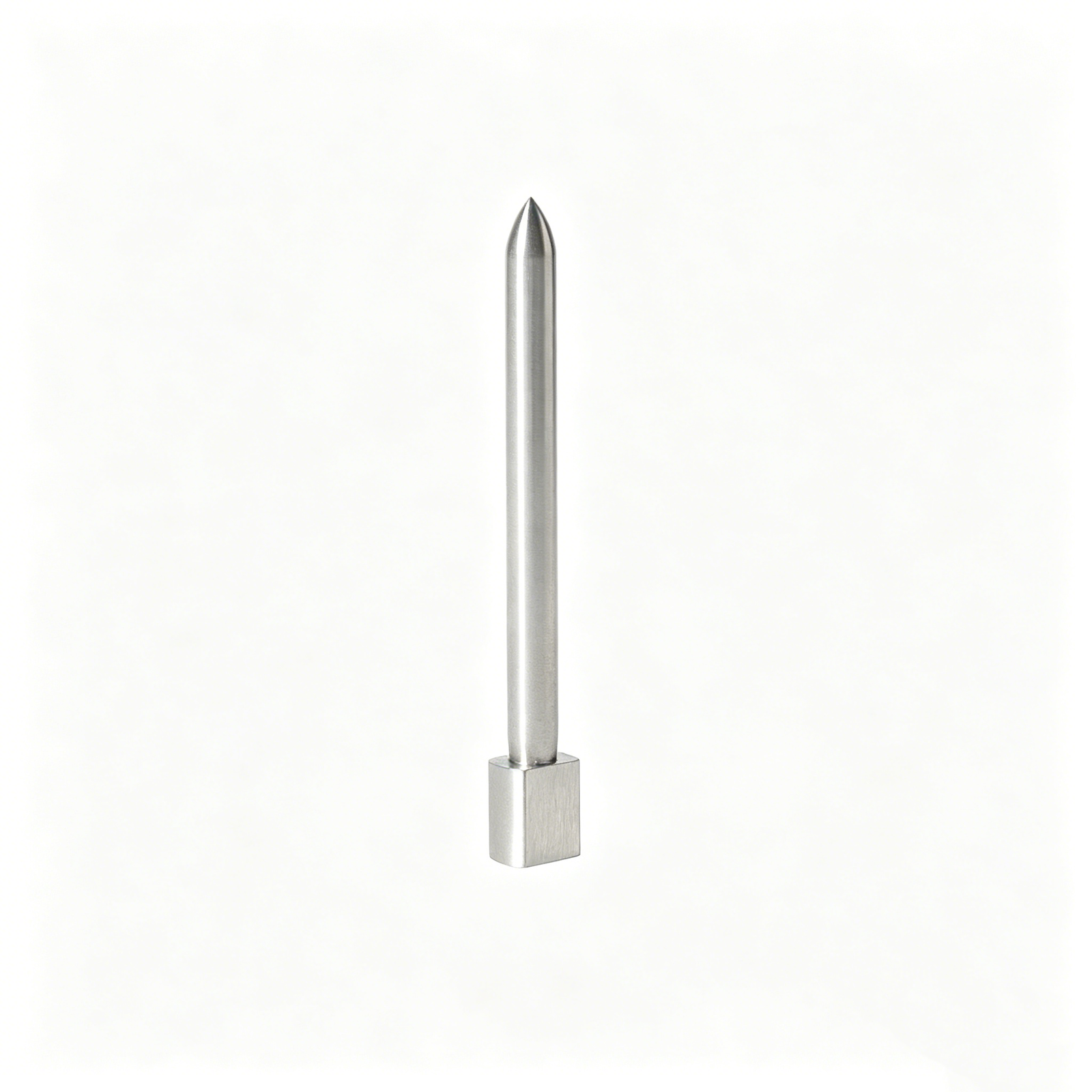
CNC Machining 4340 Alloy Steel: Drawing Review to Inspection
Drawing-Led DFM Review
Before quotation, SUUXIANG reviews the 2D drawing, 3D model, material condition, quantity and application context for cnc machining 4340 alloy steel. The discussion identifies critical dimensions, datums, tool access, tolerance-stack risks and the process information needed to plan a responsible route.
- Confirm drawing revision and model-to-print alignment
- Identify critical-to-quality dimensions and datum relationships
- Review wall geometry, internal access and clamping needs
- Clarify heat treatment, surface and delivery requirements
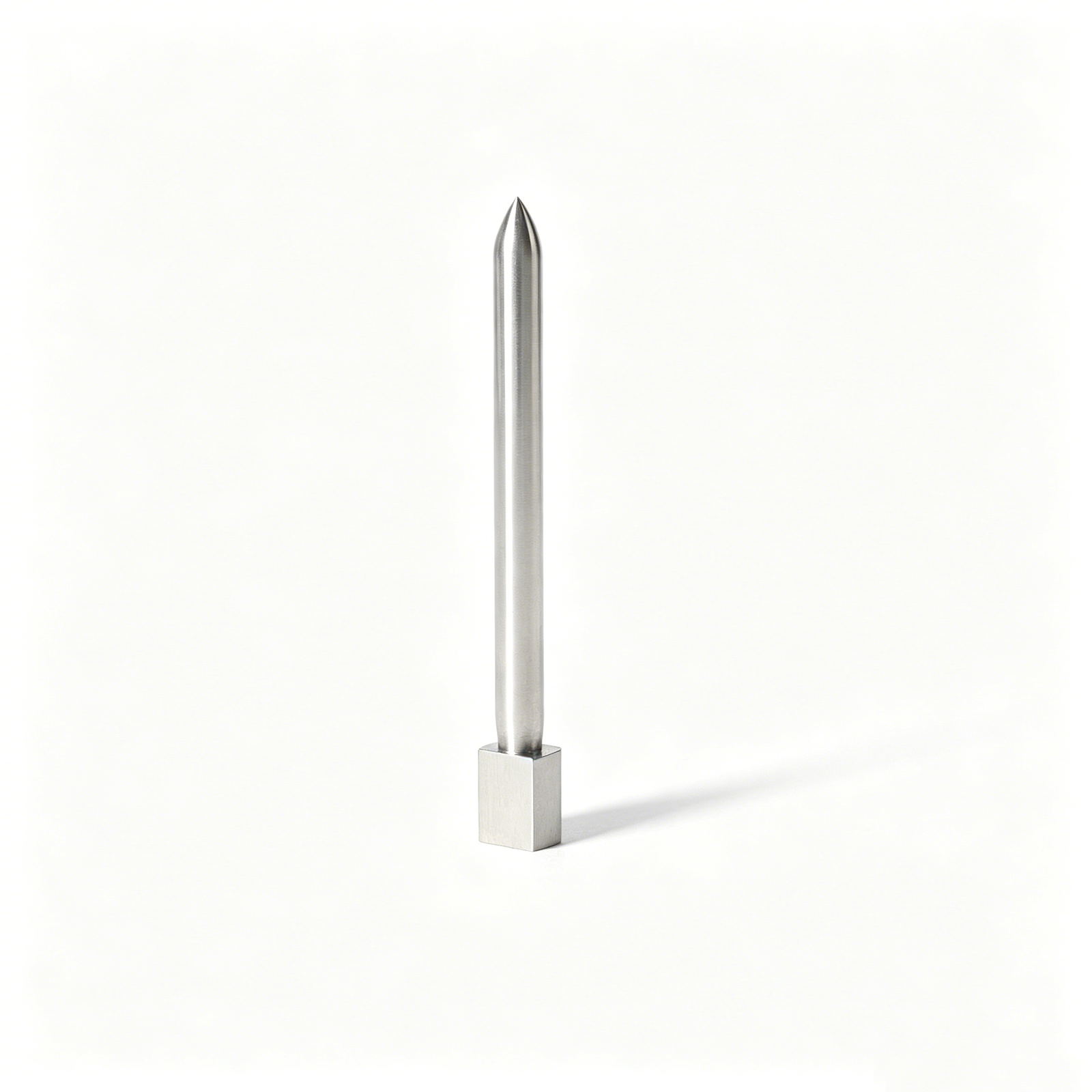
Heat Treatment Process Planning
4340 parts require a process sequence that considers the specified material condition and any heat-treatment requirement. SUUXIANG evaluates where machining allowance should remain, which features should be completed before treatment, and whether subsequent grinding, EDM or finishing is needed to protect functional geometry.
- Define pre- and post-treatment machining stages
- Reserve stock on dimensions requiring final finishing
- Assess distortion-sensitive features and datum recovery
- Align the route with approved material requirements

EDM and Grinding Strategy
Where hardened material, fine internal geometry or final-size surfaces limit conventional cutting access, SUUXIANG plans EDM and grinding as controlled follow-on operations. Electrode strategy, wire path, corner conditions and grinding stock are reviewed against the drawing rather than assumed from nominal geometry alone.
- Evaluate wire EDM access for slots and profile details
- Plan electrodes for inaccessible cavity or feature geometry
- Set grinding allowance before final-size operations
- Review surface and corner requirements with the part function

Inspection Evidence by Revision
Inspection planning begins with the approved drawing and its critical features. SUUXIANG aligns measurement methods, reporting expectations and revision control before production, then provides documentation consistent with the order and verified inspection plan so engineering, sourcing and quality teams can review the delivered result clearly.
- Link inspection points to the released drawing revision
- Agree reporting scope for critical dimensions
- Select practical measurement methods before production
- Maintain visible revision and delivery communication

Why Choose SUUXIANG for Drawing-Based CNC Work
For cnc machining 4340 alloy steel, compare the drawing review, process decisions, and inspection evidence behind the quotation.
← Swipe left or right to view →
CNC Machining 4340 Alloy Steel: Production Workflow
A controlled project flow from RFQ review through inspection, packing, and delivery coordination.
RFQ and Drawing Review
Share the 2D drawing, model, material condition, quantity, delivery target, and inspection requirements so the team can identify critical dimensions, datums, and manufacturing questions.
Material and Route Planning
Review 4340 grade documentation, heat-treatment sequence, machining allowance, tool access, and tolerance stack before selecting CNC, EDM, grinding, and fitting operations.
CNC Rough and Finish
Machine features according to the approved route, retaining planned stock where EDM or grinding follows and maintaining revision visibility throughout programmed operations.
EDM and Grinding Control
Use wire or sinker EDM where geometry requires it, then apply controlled grinding to critical surfaces with allowances and datum relationships reviewed.
Inspection and Documentation
Inspect critical dimensions and agreed characteristics against the verified plan, then assemble order-matched reports, traceability records, and revision information before release.
Pack and Coordinate Delivery
Protect completed parts for shipment, confirm packing and delivery details, and keep project communication aligned with the approved order and documentation.
How to Start CNC Machining 4340 Alloy Steel
Give SUUXIANG the technical context needed to review manufacturability, align inspection expectations, and plan a controlled production route.
Submit Your Drawing Package
Provide the 2D drawing, available 3D model, revision level, application context, and mating-part information so the team can understand functional requirements before quotation.
Define Material Requirements
Specify the required 4340 material condition, heat-treatment requirement, quantity, surface priorities, and target delivery date to support an appropriate machining and process review.
Identify Critical Features
Mark critical dimensions, datums, tolerances, surface requirements, and inspection needs. This helps SUUXIANG assess tool access, machining allowance, EDM strategy, and grinding requirements.
Review the Manufacturing Plan
Discuss DFM findings, revision questions, process sequence, inspection method, and delivery coordination before production commitments are made for your cnc machining 4340 alloy steel project.
Project Evidence and Reference Policy
CNC Machining 4340 Alloy Steel Customer Outcomes
SUUXIANG does not publish customer comments, project results, or quantified outcomes for cnc machining 4340 alloy steel unless the customer has approved the attribution and the supporting project record has been verified.
A published case must identify the applicable drawing revision, material and heat-treatment requirements, inspection scope, and the specific sourcing or engineering outcome before SUUXIANG presents it as customer evidence.
For a comparable drawing-based project, submit your requirements for review. SUUXIANG can discuss the proposed machining route, critical dimensions, grinding or EDM needs, and inspection documentation before production commitments are made.
Complete Buyer’s Guide to 4340 Alloy Steel Machining
Practical answers for drawing-based sourcing, from review and sampling through inspection, delivery, and confidential project handling.
What is the MOQ for cnc machining 4340 alloy steel parts?
Can you review my drawing before quoting cnc machining 4340 alloy steel?
Can SUUXIANG provide samples before a production order?
How long does cnc machining 4340 alloy steel usually take?
Can you machine 4340 before or after heat treatment?
What inspection reports can be supplied with 4340 machined parts?
Do you ship international CNC-machined 4340 parts?
How are payment terms and intellectual property handled?
Complete Buyer’s Guide to cnc machining 4340 alloy steel
Use this decision framework to specify 4340 components, evaluate heat-treatment and machining routes, compare qualified suppliers, control cost and lead time, and avoid material-condition, tolerance, corrosion, and inspection mistakes.
1. What Is cnc machining 4340 alloy steel?
4340 is an AISI/SAE nickel-chromium-molybdenum alloy steel commonly selected for CNC-machined parts that must combine high strength, toughness, fatigue resistance, and deep hardenability. Its alloying system makes it relevant where a component sees repeated shock, bending, torque, or contact loading rather than simple static service; reference: https://craftcloud3d.com/en/material-guide/cnc-steel-4340
AISI/SAE 4340 is an alloy designation, not a complete performance specification. The delivered chemistry certificate, starting condition, heat-treatment route, section size, and required hardness or mechanical-property range determine the properties a finished part can credibly claim.
4340 therefore appears in aerospace, automotive, tooling, and heavy industrial work when the loading case justifies its cost and processing control. For a drawing-based RFQ, identify the application load path, material standard, heat-treatment state, critical dimensions, and inspection evidence before selecting a machining route.
2. 4340 Steel: Development and Industry Use
4340 emerged in the SAE/AISI nickel-chromium-molybdenum alloy-steel series as engineers needed a steel that could be quenched and tempered to high strength while retaining useful toughness. Its alloy balance provides deeper hardenability than plain-carbon grades, so larger stressed sections can obtain a more consistent heat-treated structure.
In aerospace, power transmission, heavy equipment and tooling support applications, that characteristic has made 4340 a recurring choice for shafts, gears, fasteners and other fatigue- or impact-loaded parts. The designation alone does not define performance: section size, melt practice, heat-treatment condition and specified mechanical properties all affect the delivered result.
AISI 4340, SAE 4340, ASTM references, EN designations and customer material callouts must be reconciled during drawing review rather than assumed interchangeable. Request the governing specification, supply condition, heat-treatment requirement, chemistry and mechanical-test evidence, plus any traceability or nondestructive-test requirements, before releasing cnc machining 4340 alloy steel for production.
3. Types of cnc machining 4340 alloy steel
4340 should be ordered as a supply form and heat-treatment condition, not as a machining type. Geometry, production quantity, removable stock, distortion exposure, and required properties establish the workable route before quoting cnc machining 4340 alloy steel.
| Orderable Form | Typical Geometry | Route Consideration |
|---|---|---|
| Bar | Rotational parts | Turn, then mill features |
| Plate | Blocks and inserts | Mill; grind critical faces |
| Forging | Large sections | Machine datum and allowance |
| Rough blank | Stable reference geometry | Finish after treatment |
Bar And Plate Stock
Round bar favors turned shafts, pins, and concentric features; plate favors prismatic inserts and blocks.
4340 annealed or normalized stock permits heavier stock removal before final heat treatment, but the drawing should identify test, traceability, and property requirements.
Forgings And Rough Blanks
Forgings become practical when volume, section size, or directional grain requirements justify reduced chip removal.
Rough-machined blanks can establish datums early and reserve machining allowance for post-treatment correction; distortion risk should be reviewed before finishing.
Complementary Process Routes
Pre-hardened stock can shorten the route when its verified condition meets the application, while increasing cutting and finishing demands.
Milling shapes prismatic features; turning creates rotational geometry; multi-axis machining improves access. Grinding and EDM finish features where cutting tools or surface requirements impose limits.
4. Material Specifications and Heat-Treat States
A 4340 callout should identify the governing specification and product form, not merely the grade name. For cnc machining 4340 alloy steel, confirm the required delivery condition before approving the process route.
| Condition | Machinability | Performance And Distortion | Typical Buying Use |
|---|---|---|---|
| Annealed | Highest | Low strength; stable starting condition | Complex rough-machined blanks |
| Normalized | Moderate | More uniform structure; moderate movement | General-purpose pre-machining stock |
| Quenched and tempered | Lower | Specified strength; distortion risk | Load-bearing finished components |
| Stress-relieved | Condition-dependent | Reduces residual-stress movement | Parts requiring finish grinding |
Drawing And PO Callout
Specify the applicable material document, chemistry standard, bar, plate, or forging form, and permitted substitutions.
Require mill test reports tied to heat or lot numbers, plus the certification format and revision.
Property Targets
State hardness as a range and scale, or specify tensile, yield, impact, and test direction where applicable.
Identify the test location, decarburization limits, and whether results apply before or after finish machining.
Distortion And Inspection
Quenched-and-tempered stock can move during roughing and finish machining; reserve grinding stock where critical features require it.
Stress relief after rough machining should be explicitly authorized, with post-treatment datum and inspection requirements defined.
5. Machining and Surface-Finish Options
4340 components commonly combine prismatic and rotational features, so process selection should follow datums, access, and the final heat-treatment state. For cnc machining 4340 alloy steel, specify finish and edge requirements on the drawing.
| Operation | Best Use | Planning Point |
|---|---|---|
| Milling | Prismatic features | Confirm cutter access |
| Turning | Concentric geometry | Control datum setup |
| Grinding | Final critical surfaces | Allow finishing stock |
| Wire EDM | Tight internal profiles | Define wire path and skim cuts |
Select The Primary Process
Multi-axis milling suits pockets, contours, and angled faces; turning suits concentric diameters. Drilling and threading need defined thread class, depth, and runout requirements.
Reserve Finishing Operations
Grinding controls critical bores, flats, and bearing surfaces after heat treatment; wire EDM produces internal profiles where cutters cannot enter. Leave grinding stock and identify EDM surfaces before routing.
Specify Protection And Edges
4340 is not stainless, so black oxide, plating, oil, or another corrosion-control system must match storage and service exposure. Plated high-strength parts may require documented post-plate hydrogen-embrittlement relief; confirm timing with the plating specification.
0.2–0.5 mm edge breaks are common drawing callouts, but functional edges may need a specific radius or deburr direction.
6. DFM for cnc machining 4340 alloy steel
For cnc machining 4340 alloy steel, the drawing should define datums and which dimensions govern function after the final heat-treatment state. Assigning every feature a tight finished tolerance increases grinding, setup and distortion risk without improving performance.
Datums And Tolerance Strategy
Three mutually perpendicular datums should locate mating faces, bores and profiles; avoid dimension chains that obscure the functional origin.
0.02 mm is a sensible starting discussion point for many finish-machined features, but critical fits need tolerance, geometry, measurement method and final-condition agreement.
Stiffness, Radii And Access
2:1 unsupported wall-height-to-thickness ratios deserve review because thin webs can deflect during milling and heat treatment.
3 mm internal radii or larger often improve cutter access; specify a smaller radius only where its mating function justifies EDM or a reduced tool.
Sequence Hardening And Grinding
0.10–0.30 mm controlled stock per finish-ground surface is commonly planned before hardening, subject to geometry, stock condition and distortion risk.
Post-hardening dimensions should control bearing, sealing and locating features; machine noncritical bulk features beforehand, then finish grind from protected datums. Specify thread engagement by the mating design rather than a generic deep-thread requirement.
7. Quality Controls for 4340 Components
4340 controls should follow the drawing’s critical characteristics, heat-treatment state, and failure risk. A generic inspection request can miss the dimensions, hardness zones, and documentation that affect fit and service performance.
Material And Lot Traceability
Each material lot should retain its mill certificate, received-lot identity, and linkage to the work order. Buyers should confirm whether remnant material is segregated and how traceability survives cutting, heat treatment, and final packing.
Hardness And Heat Treatment
Hardness results should identify the test method, test location, scale, and acceptance range specified by the drawing or material requirement. Buyers should ask whether the heat-treatment certificate identifies the lot, process provider, and applicable cycle or condition.
Inspection Records By Risk
First-article records should report critical dimensions against stated datums, using measurement methods suited to the tolerance and feature access. Surface-finish checks, magnetic-particle testing, ultrasonic testing, or metallurgical examination should be requested only where the part risk and specification justify them.
100% measurement is most useful for defined critical features; sampling may suit lower-risk characteristics when an agreed plan permits it. Confirm report format, revision level, measurement units, and any required raw data before release.
8. Choosing a cnc machining 4340 alloy steel Supplier
One supplier review should begin with the released 2D drawing, 3D model, revision, quantity, and delivery target. Two comparable quotations can differ materially when heat treatment, grinding stock, and inspection responsibilities are unspecified.
Request Technical Evidence
One credible quote identifies datums, critical dimensions, tool access, and the proposed process route. Ask for written DFM feedback before releasing a prototype.
Two useful records are a sample inspection report and a part-specific process plan. Marketing phrases such as precision machining do not replace measured evidence.
- Sample first-article inspection report
- Material certificate and heat-treatment record
- Revision-controlled DFM response
Verify Process Control
4340 requires the supplier to define material condition and heat-treatment sequence before final machining. Confirm who controls subcontract heat treatment and how lot identity follows the part.
One process route may combine CNC machining, EDM, grinding, and fitting. Request the planned inspection method for each critical feature.
Match Sourcing Stage
One prototype order should test drawing comprehension, communication speed, packaging, and report quality. Require approval of deviations before shipment.
Repeat production needs a controlled revision record, agreed inspection frequency, and delivery communication. Low-volume work still benefits from lot labeling and protective packaging for finished surfaces.
9. Common Buyer Mistakes and Prevention
4340 purchase orders fail most often when the drawing leaves material condition, inspection, or handoff assumptions unstated. Resolve each ambiguity before quoting so comparable process routes and acceptance evidence are defined.
Define Material Condition
4340 alone does not define supplied condition, hardness, or required mechanical properties. Add: ‘Provide material standard, condition, heat-treatment route, and required property evidence.’
Specify Corrosion Protection
4340 is not a corrosion-resistance requirement. State the service environment and required coating, oiling, packaging, or approved alternative material.
Control Functional Geometry
0.01 mm tolerances on nonfunctional features can add grinding or inspection cost without improving assembly. Identify CTQ dimensions, datums, surface finish, and allowable general tolerances on the drawing.
Align Heat Treatment And Inspection
4340 heat treatment can change size and form; reserve finish-grinding stock and define the post-treatment acceptance condition. Compare quotations against the same inspection plan, report format, units, revision, material certificate, and certification expectation.
10. CNC Machining 4340 Alloy Steel Pricing
1 accurate quote for cnc machining 4340 alloy steel starts with the drawing, 3D model, quantity, material specification, starting condition, and required heat-treatment state. Bar, plate, forging, or customer-supplied stock changes material utilization, setup strategy, and incoming-material risk.
2 major cost blocks are material, machine time, secondary operations, inspection, finishing, packaging, and shipment. Hard machining, heat treatment, wire EDM, grinding, and tighter reporting requirements can add operations, handling, and lead-time dependencies.
3 quantity tiers distribute programming, fixturing, first-article inspection, and setup differently; repeat orders may benefit when the revision and process route remain controlled. SUUXIANG should confirm critical dimensions, datum scheme, certification needs, destination, and delivery target before issuing a project-specific quotation.
| Quantity tier | Primary pricing drivers | Lead-time influences | Buyer action |
|---|---|---|---|
| 1–5 parts | Setup, stock yield, inspection | Material sourcing, heat treatment | Provide complete models and CTQs |
| 6–50 parts | Cycle time, fixture reuse | Grinding and EDM queue | Standardize stock and finishes |
| 51+ parts | Repeatability, utilization, packaging | Batch size and shipment plan | Freeze revision and forecast releases |
Start Your CNC Machining 4340 Alloy Steel Review
Upload drawings and share material, quantity, critical dimensions, inspection requirements, and target delivery date for a disciplined manufacturing review.