
CNC Machining 5083 Aluminum for Drawing-Based Precision Parts
Submit your drawing for CNC machining of 5083 aluminum, with DFM review, critical-dimension planning, and inspection requirements aligned before production.
Representative Components for 5083 Aluminum Machining Projects
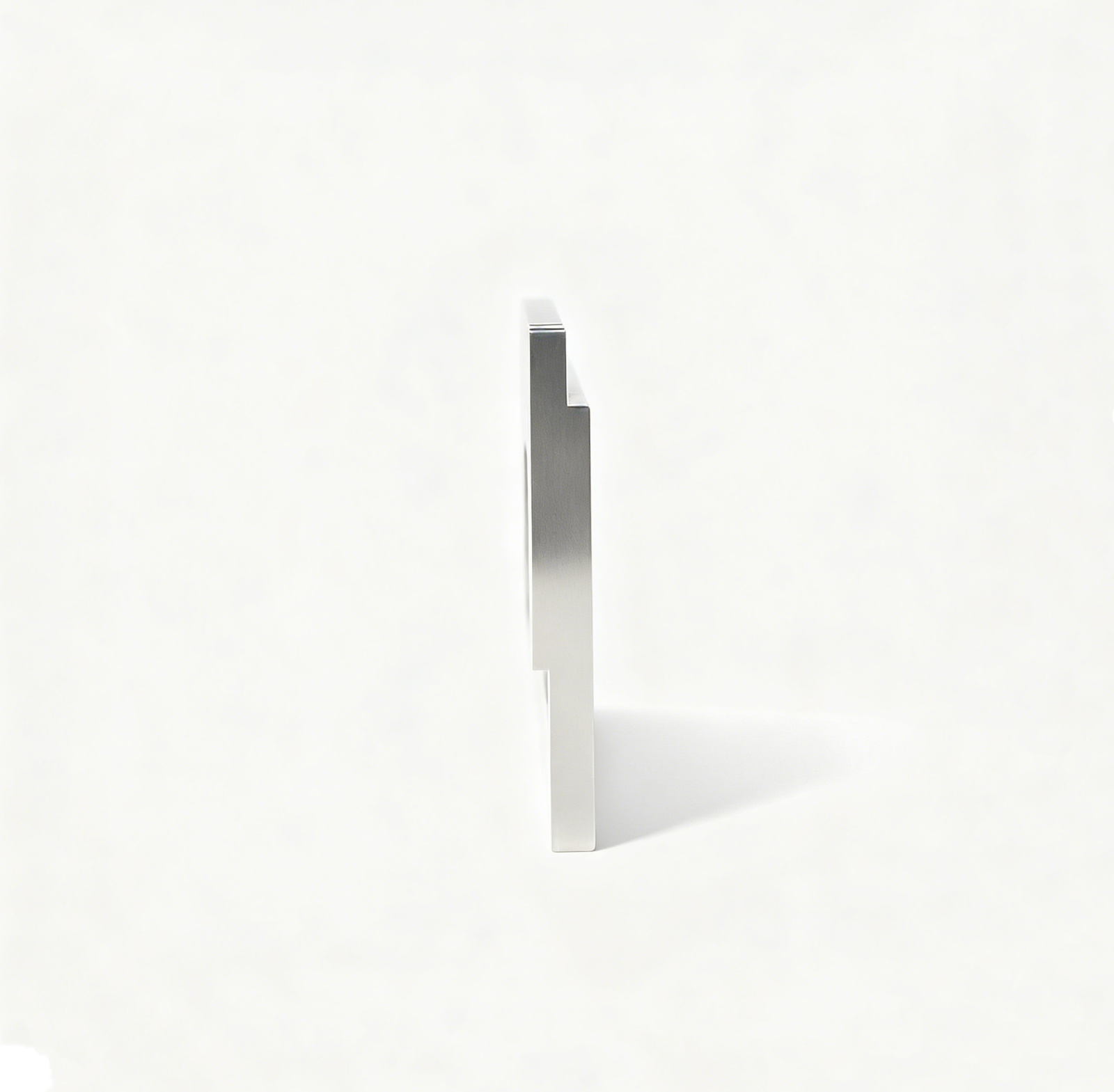


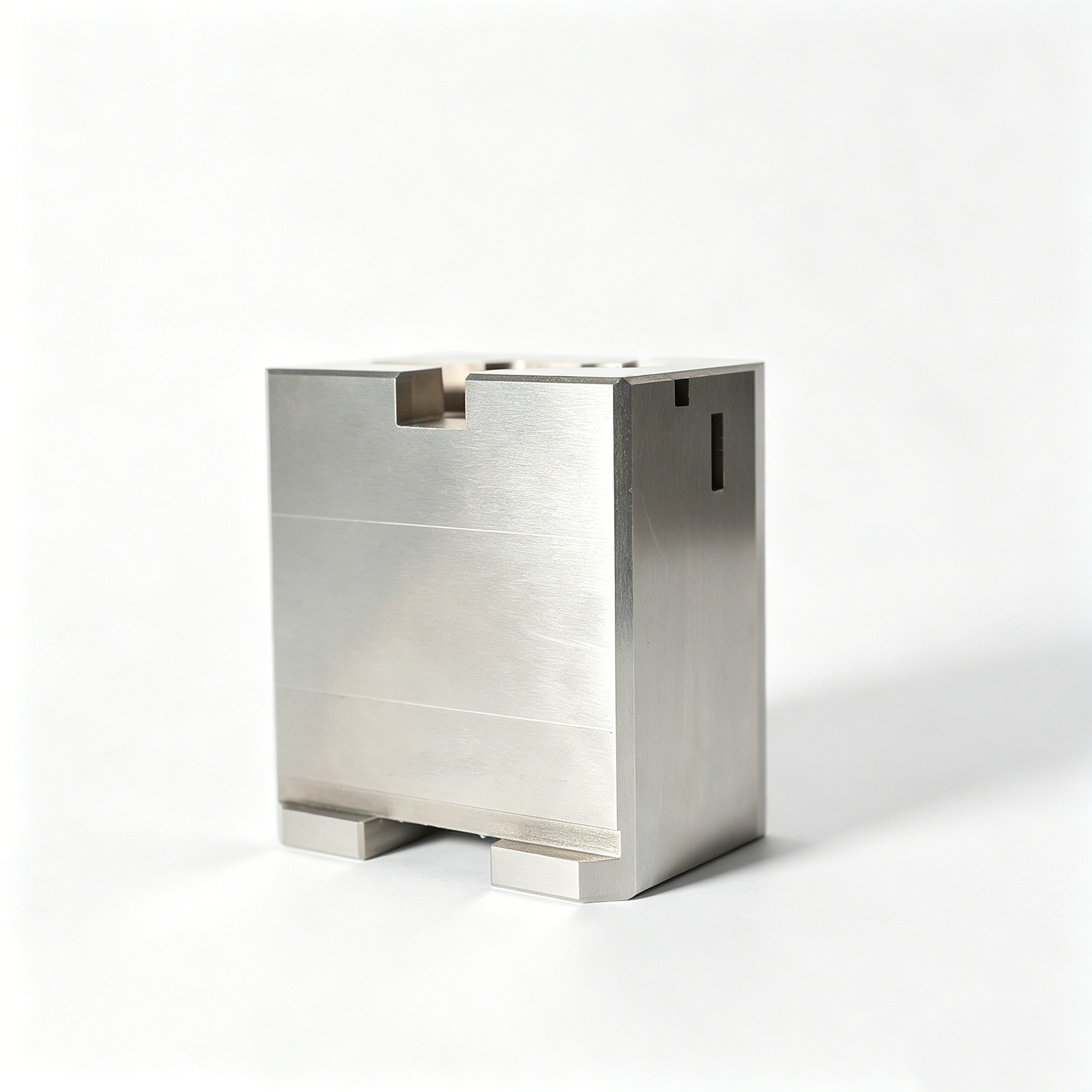

Representative Components and Drawing-Based Quotation




Why CNC Machining 5083 Aluminum Needs Discipline
Convert material, geometry, and quality requirements into a controlled production route before committing to manufacture.
Drawing-First DFM
Review geometry, wall conditions, tool access, and datums early to identify manufacturability questions before quotation or production planning.
Critical Dimensions Planned
Define critical dimensions, tolerance relationships, and inspection methods from the drawing so measurement priorities remain visible throughout manufacturing.
Integrated Process Routing
Coordinate CNC machining, EDM, grinding, fitting, and inspection when the part specification requires more than a single machining operation.
Material Requirements Reviewed
Confirm specified 5083 aluminum condition, surface requirements, and any downstream treatment needs against the drawing and application context.
Revision Control Visible
Keep drawing revisions, clarified requirements, and delivery information traceable, helping engineering and procurement teams avoid manufacturing against obsolete data.
Inspection Expectations Aligned
Agree reporting needs, acceptance criteria, and inspection evidence before production, matching final documentation to the confirmed order requirements.
Drawing-Driven CNC Parts and Tooling
Configurable manufacturing routes for precision parts, mold components, connector tooling, die components, and controlled prototype or low-volume requirements.

CNC Machining Services
Precision CNC machining services for drawing-based custom machined parts requiring coordinated milling, turning, EDM, grinding, fitting, and inspection. We review critical dimensions, datums, material requirements, and manufacturability before confirming an appropriate process route.
Upload a Drawing
CNC Milling
Custom CNC milling services for prismatic, plate, pocketed, and contoured components. Drawing review considers tool access, fixture strategy, datum selection, tolerance relationships, surface requirements, and machining allowance before production planning.
Upload a Drawing
CNC Turning
Precision CNC turning services for shafts, sleeves, pins, bushings, threaded features, and rotational components. Requirements are assessed for concentricity, runout, datum references, material condition, surface finish, and any secondary milling or grinding needs.
Upload a Drawing
5-Axis Machining
5-axis CNC machining for complex contoured parts, angled features, deep cavities, and multi-face geometry where repositioning may introduce risk. Process planning considers tool reach, workholding, collision clearance, tolerances, and inspection access.
Upload a Drawing
Swiss & Micro Machining
Swiss machining and micro machining for small-diameter pins, contacts, shafts, sleeves, and other compact precision components. Quote review focuses on feature scale, material behavior, tolerances, surface requirements, handling risk, and measurement method.
Upload a Drawing
Wire & Sinker EDM
Wire EDM and sinker EDM services for hardened details, narrow slots, sharp internal geometry, intricate cavities, and features with limited cutting-tool access. Electrode strategy, wire path, recast-layer considerations, finishing allowance, and inspection requirements are reviewed.
Upload a Drawing
Precision Grinding
Precision surface and profile grinding for flatness, parallelism, profile accuracy, and finish-critical features on mold and die components. Planning accounts for heat-treatment condition, grinding stock, datum control, burn risk, and final measurement requirements.
Upload a Drawing
Mold Core & Cavity Inserts
Precision mold core inserts, mold cavity inserts, and injection mold components manufactured from customer drawings. Review addresses shutoff geometry, cooling or venting interfaces where specified, heat-treatment sequence, EDM access, fitting relationships, and critical cavity dimensions.
Upload a Drawing
Ejector & Ejection Components
Ejector pins, sleeves, and ejection components produced to drawing-defined fit and motion requirements. We evaluate diameters, clearances, shoulder details, hardness requirements, surface condition, mating locations, and inspection criteria before manufacture.
Upload a Drawing
Core Pins, Guide & Locating Components
Core pins, guide pins, bushings, and locating components for controlled mold alignment and repeatable positioning. Production planning considers mating fits, concentricity, hardness, wear surfaces, datum relationships, and coordination with related mold plates or inserts.
Upload a Drawing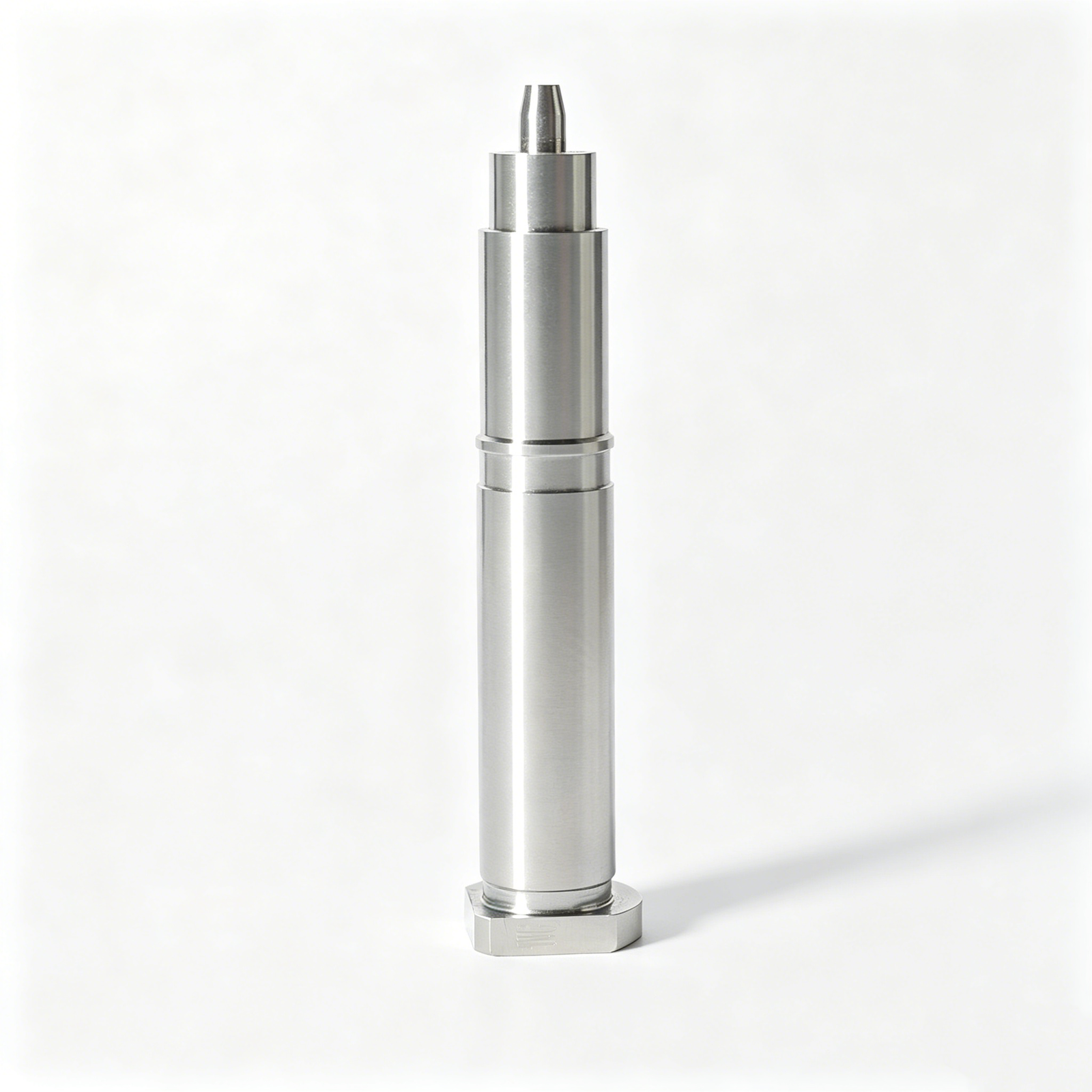
Slides, Lifters, Gates & Mold Accessories
Mold slides, lifters, gates, and accessories manufactured as configurable components rather than assumed catalog items. Drawing review considers travel geometry, shutoffs, wear interfaces, angle relationships, material treatment, fitting needs, and assembly context.
Upload a Drawing
Connector Mold Components
Precision connector mold components for fine-pitch, high-repeatability tooling requirements. Reviews focus on pin and cavity geometry, datum control, EDM or grinding strategy, material and heat treatment, mating relationships, and inspection methods for critical features.
Upload a Drawing
Stamping Die Components
Precision stamping die components for forming, cutting, guiding, and locating operations. Manufacturing planning considers tool steel condition, clearance relationships, punch and die geometry, grinding requirements, heat-treatment sequence, and evidence needed for acceptance.
Upload a Drawing
Injection, MIM, CIM & Overmolding Tooling
Tooling and component work supporting injection molding, metal injection molding, ceramic injection molding, and overmolding within verified production scope. A drawing review establishes material, feature complexity, molding interfaces, critical dimensions, and required process controls.
Upload a Drawing
Machining Materials
CNC machining materials selected from the drawing, functional application, material specification, and required condition. RFQs should identify grade, material source requirements, heat-treatment state, corrosion expectations, and any documentation needed for the order.
Upload a Drawing
Surface Finishes & Heat Treatment
Surface finishing and heat treatment planned around function, tolerance, wear, corrosion, appearance, and subsequent machining or grinding. Specify finish type, target condition, masking needs, hardness requirements, and which dimensions remain critical after treatment.
Upload a Drawing
Quality, Metrology & Documentation
Precision inspection, metrology, and quality documentation aligned with the drawing and agreed inspection plan. Define critical dimensions, datums, sampling expectations, report format, revision level, material or treatment evidence, and traceability requirements before production.
Upload a Drawing
Prototyping & Low-Volume Production
Rapid prototyping and low-volume manufacturing for drawing-based parts that need practical DFM review before repeat production. Include quantity, revision status, material, critical features, inspection needs, delivery target, and application context in the RFQ.
Upload a DrawingSupported Materials for Drawing-Based Manufacturing

5083 Aluminum Alloy
Specified for corrosion-exposed structural and marine-related components where weldability and strength matter. CNC machining 5083 aluminum requires review of temper, tool access, chip control, surface requirements, and inspection priorities before confirming the process route.

6061 Aluminum Alloy
A versatile choice for machined housings, brackets, fixtures, and prototype parts. Its balanced machinability and corrosion resistance support efficient milling and turning, but required temper, anodizing, critical datums, and cosmetic surface expectations should be defined on the drawing.

7075 Aluminum Alloy
Used when higher-strength aluminum is needed for precision structural components, fixtures, or performance-oriented assemblies. Material condition, wall geometry, machining allowance, and distortion risk require review, especially where tight tolerances follow stock removal or finishing operations.

Stainless Steel Grades
Considered for corrosion-resistant pins, inserts, wear components, and assemblies requiring durable surfaces. Grade, hardness condition, thread details, surface finish, and grinding or EDM requirements must be reviewed because they directly affect tooling strategy and inspection planning.

Tool Steel Grades
Common for mold cores, cavity inserts, punches, guides, and stamping-die components requiring wear resistance. Grade selection, heat-treatment sequence, grinding stock, EDM recast-layer considerations, and final hardness requirements should be aligned before manufacturing is committed.
CNC Machining 5083 Aluminum Process Routes

CNC Milling
CNC milling forms pockets, profiles, holes, and datum features in 5083 aluminum parts. Tool access, chip evacuation, clamping, and surface requirements are reviewed to support stable machining and a controlled finish.

CNC Turning
CNC turning supports rotational features such as shafts, collars, bores, and threaded details. The route is evaluated against part rigidity, concentricity requirements, stock form, and the dimensions that require inspection.

Wire EDM
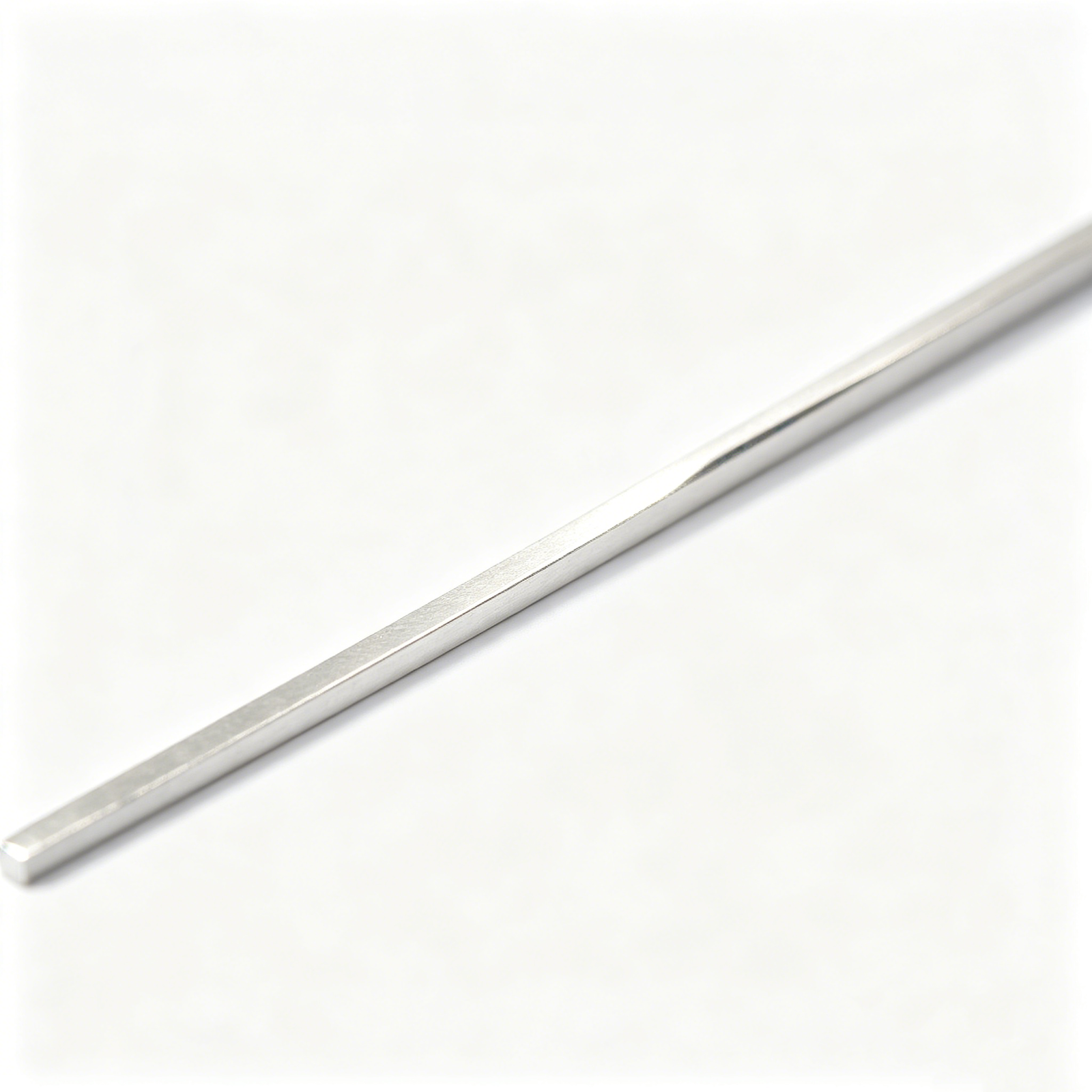
Wire EDM is considered for precise profiles, narrow slots, and hard-to-access internal geometries when the part design and material condition are suitable. Wire path, start-hole access, corner requirements, and inspection datums guide planning.

Sinker EDM
Sinker EDM uses formed electrodes for cavities, ribs, and detailed shapes where conventional tool access is limited. Electrode strategy, sparking allowance, surface expectations, and downstream finishing requirements are reviewed with the drawing.
Precision Grinding
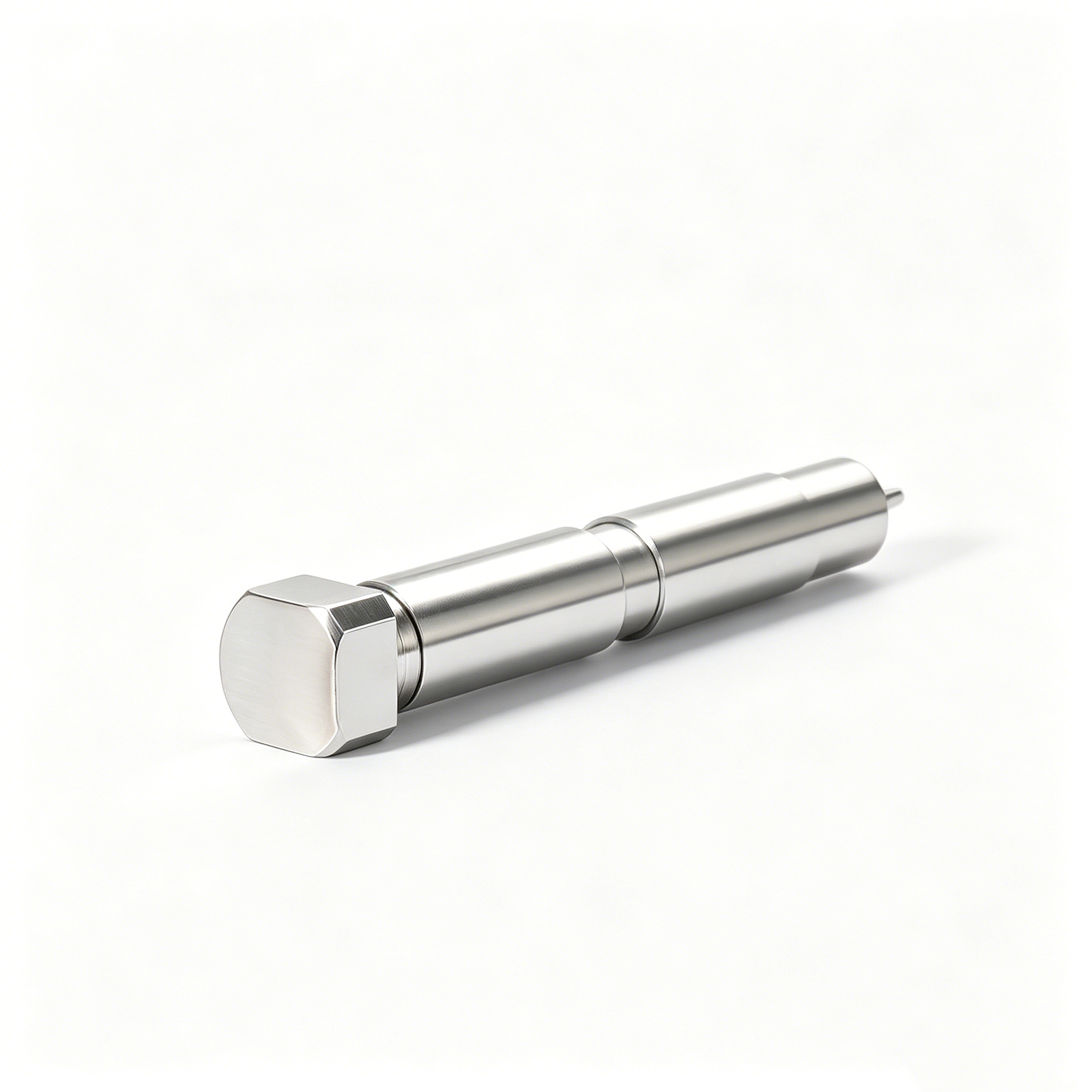
Precision grinding refines critical flatness, parallelism, thickness, and surface requirements after the appropriate machining sequence. Grinding stock, heat-treatment condition, datum control, and the specified inspection method determine whether it is needed.
Supported Tooling Accessories and Component Details

Core Pins
Configurable core pins support molded features requiring controlled geometry, alignment, and surface condition. Share the drawing, datum scheme, material and heat-treatment requirements so machining, EDM, grinding, and inspection planning can be reviewed.

Guide Components
Guide pins, bushes, and locating elements help establish repeatable mold movement and assembly position. Drawing review should define mating fits, datum references, wear surfaces, hardness requirements, and any grinding or inspection priorities.

Slides Lifters
Slides and lifters address undercuts, angled motion, and part-release requirements in mold assemblies. Provide travel, interface geometry, load context, clearance expectations, and mating-component details to evaluate machining access and fitting work.
Gate Inserts
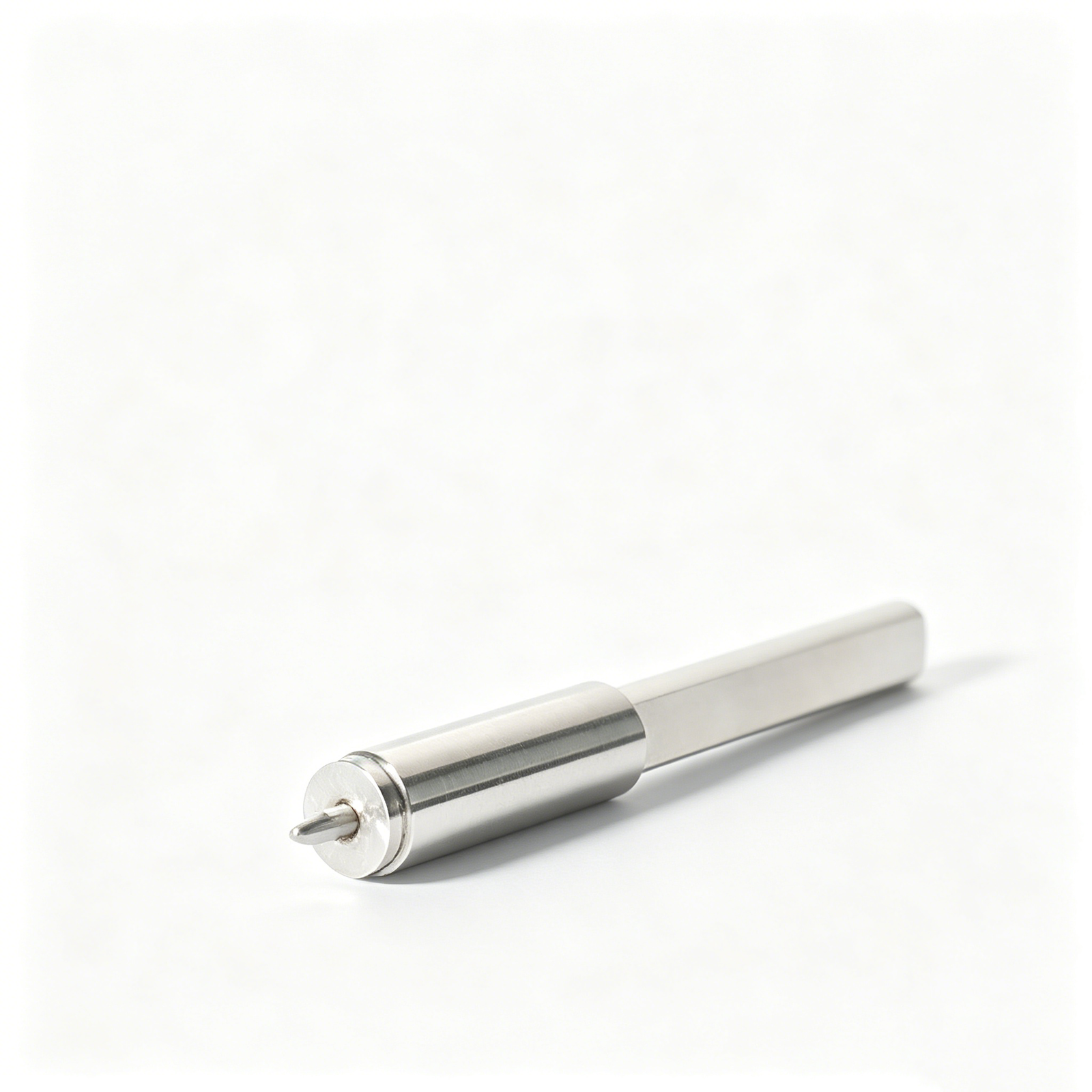
Gate inserts and related flow-control details are produced to drawing-defined geometry for mold tooling applications. Review should include surface requirements, material selection, EDM access, polishing expectations, and dimensional features affecting molding performance.

Custom Tooling Parts
Custom accessories can include locating blocks, stops, ejector-related parts, and configurable mold details. An RFQ should identify critical dimensions, quantity, revision level, application context, and requested inspection documentation for an appropriate process plan.
About SUUXIANG: CNC Machining 5083 Aluminum
SUUXIANG is the sole public-facing brand of Dongguan SuuXiang Precision Mold Co., Ltd., established in 2010 in Chang’an Town, Dongguan, Guangdong, China. Founder and legal representative XiaoCheng Huang leads a company that helps global engineering, sourcing, and quality teams convert drawings and specifications into inspected custom parts, precision mold components, connector tooling, and die components.
For cnc machining 5083 aluminum and other drawing-based work, our planning connects CNC milling and turning, multi-axis machining, EDM, precision grinding, fitting, and inspection as the part geometry requires. Before production commitments, we review critical dimensions, datums, material requirements, machining access, surface priorities, and inspection expectations.
What differentiates SUUXIANG is a disciplined, evidence-led workflow. We treat DFM, revision control, machining allowance, process sequencing, and inspection planning as engineering decisions—not quotation assumptions. Buyers receive clear communication around the drawing, applicable process route, quality requirements, and delivery coordination needed to move a project forward responsibly.

CNC Machining 5083 Aluminum: Critical Capability Review
DFM and Datum Strategy
Before CNC machining 5083 aluminum begins, SUUXIANG reviews the drawing, model, critical dimensions, datum scheme, wall geometry, tool access, and surface requirements. This discussion identifies manufacturability risks and establishes the references used for setup and inspection.
- Confirm functional datums and critical-to-quality dimensions
- Review tool access, clamping faces, and thin-wall risk
- Align surface requirements with practical machining sequence
- Clarify material temper and application-specific requirements
Process Route Selection
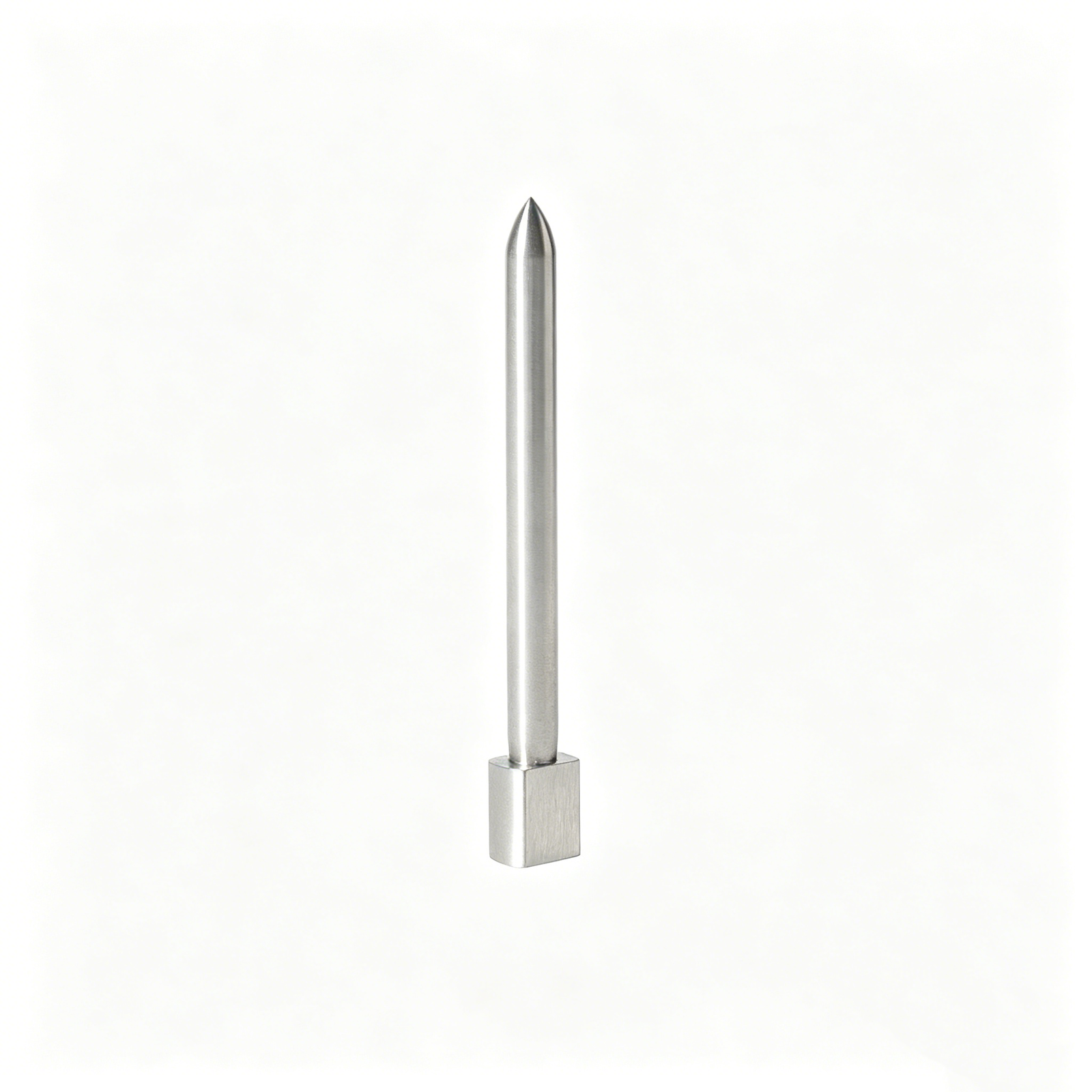
A drawing may require more than milling or turning alone. SUUXIANG evaluates whether CNC machining, wire EDM, sinker EDM, precision grinding, or fitting should be sequenced to protect geometry, access internal features, and leave appropriate stock for later operations.
- Select CNC milling or turning around part geometry
- Assess EDM needs for inaccessible or sharp internal details
- Plan grinding stock for critical flatness or locating surfaces
- Sequence operations around heat treatment when specified
Inspection Planning
Inspection planning is tied to the drawing rather than treated as a final checkpoint. For CNC machining of 5083 aluminum, SUUXIANG defines measurable features, datum references, inspection methods, and reporting expectations before production so acceptance criteria remain visible throughout the job.
- Identify dimensions requiring focused verification
- Match measurement methods to feature geometry and tolerance
- Define required inspection records before release
- Keep material, revision, and inspection information aligned

Revision-Controlled Coordination
Drawing revisions, quantity changes, delivery priorities, and quality requirements can alter the manufacturing route. SUUXIANG maintains controlled project communication so the released drawing, agreed process plan, inspection expectations, and delivery details are reviewed together before production advances.
- Confirm the current drawing and model revision
- Record material, quantity, and delivery requirements
- Escalate changes affecting process or inspection planning
- Prepare order documentation to match verified requirements

CNC Machining 5083 Aluminum: Drawing-Based Production Compared
Compare a review-led workflow with a quotation-only approach before releasing a drawing for production.
← Swipe left or right to view →
CNC Machining 5083 Aluminum: From Drawing Review to Delivery
A controlled workflow aligns manufacturability, critical dimensions, inspection evidence, and shipment details before production commitments are made.
Review RFQ Package
We review drawings, models, material temper, quantity, delivery target, critical dimensions, surface requirements, and requested inspection documentation before defining a quotation path.
Confirm DFM Strategy
The team evaluates datum logic, tolerance stack, tool access, workholding, wall geometry, and deformation risk for cnc machining 5083 aluminum parts.
Plan Process Route
A project-specific route assigns milling, turning, EDM, grinding, fitting, heat-treatment coordination where specified, and inspection stages according to verified drawing requirements.
Machine Critical Features
Production follows the approved revision, with attention to stable fixturing, machining allowance, cutting access, surface priorities, and dimensions identified as critical to quality.
Inspect, Pack, and Coordinate Delivery
Finished parts are checked against the agreed inspection plan, documented as required, protected for transit, and coordinated with the confirmed delivery and shipment instructions.
How CNC Machining 5083 Aluminum Projects Move Forward
Give SUUXIANG the drawing, material, quality, and delivery context needed for a disciplined DFM review and controlled production plan.
Upload Complete Project Files
Send the 2D drawing, 3D model when available, quantity, application context, and target date so the team can assess the requested component accurately.
Define Material and Quality Needs
Identify the required 5083 temper, heat-treatment condition if applicable, critical dimensions, datums, surface requirements, and inspection documentation needed for an informed review.
Review DFM and Quote
Review machining access, fixturing, EDM or grinding needs, tolerance risks, and the proposed process route before confirming quotation details, samples, or production expectations.
Approve Controlled Production
After approval, coordinate revision-controlled production, inspection checkpoints, reporting requirements, and delivery information so finished parts align with the agreed drawing and inspection plan.
CNC Machining 5083 Aluminum: Certification and Documentation Review
Customer Feedback and Case Evidence
Customer testimonial slot reserved for an approved reference covering drawing review, machining route, inspection documentation, and verified project outcomes before publication.
Customer case slot reserved for an approved account of 5083 aluminum part production, including only traceable dimensional, delivery, and documentation results.
Customer feedback slot reserved for a verified project involving CNC machining 5083 aluminum, with published claims limited to customer-approved evidence and scope.
CNC Machining 5083 Aluminum FAQ
Practical answers for teams preparing drawing-based 5083 aluminum part inquiries.
What files should I send for cnc machining 5083 aluminum?
Can SUUXIANG review my cnc machining 5083 aluminum drawing before quoting?
Is there a minimum order quantity for cnc machining 5083 aluminum parts?
Can I order a sample before a production run?
What 5083 material and heat-treatment details do you need?
What inspection reports can be requested with an order?
How are lead time, shipping, and IP handled for custom parts?
Buyer’s Guide to cnc machining 5083 aluminum
Use this decision framework to specify 5083 aluminum parts, assess drawing-based CNC suppliers, compare material and finishing choices, control cost and lead time, and avoid quality risks before production.
1. What Is cnc machining 5083 aluminum?
5083 is a non-heat-treatable aluminum alloy commonly selected when corrosion exposure, welding, and low mass matter; its actual temper and service conditions still govern suitability (https://www.machining-custom.com/blog/5083-aluminum-alloy.html). cnc machining 5083 aluminum is the drawing-controlled removal of material from specified stock to create the required geometry, datums, interfaces, and documented critical features. The alloy is the material choice; the machining service is the controlled process route used to make the part.
2010 marks SUUXIANG’s establishment, and its workflow begins with the buyer’s 2D drawing, 3D model when available, material callout, quantity, application, and inspection expectations. This guide addresses prototypes through low-volume precision parts, including parts where CNC milling or turning may be combined with EDM, grinding, fitting, and inspection. Confirm corrosion media, weld condition, temperature, loads, mating parts, temper, surface requirement, and critical dimensions against the actual part environment before releasing production.
2. 5083 Aluminum’s Engineering Background
5083 is a 5xxx-series wrought aluminum alloy, a family whose principal alloying element is magnesium. The family gained engineering importance as lightweight, weldable sheet and plate were needed for marine and corrosive-service structures; 5083 became established where seawater resistance matters.
Unlike heat-treatable 6xxx or 7xxx alloys, 5xxx material primarily obtains strength through magnesium content and strain-hardened tempers. That history makes the designation only a starting point for cnc machining 5083 aluminum: product form, temper, thickness, and applicable standard can materially change supplied properties.
Before releasing a purchase order, specify the governing material standard, temper, mill certificate or other required traceability, and any third-party verification. Service review should also cover chloride exposure, operating temperature, joining method, galvanic couples, coating, and the part’s actual load path—not a generic marine-grade label.
3. Types of cnc machining 5083 aluminum Parts
Drawing geometry, wall section, datums, and required evidence determine whether cnc machining 5083 aluminum is a sensible route. Review each part family against clamping access, deformation risk, and its functional inspection plan.
Prismatic Milled Parts
Prismatic blocks, pockets, and machined faces need cutter access and stable datum surfaces. CNC milling suits them when pocket depth, corner radii, and fixturing permit controlled cutting.
Inspection should prioritize datum-to-feature location and flatness. Ask whether stock thickness leaves enough material for clamping and finish passes.
Turned Components
Cylindrical bushes, sleeves, and pins require concentric diameters and controlled runout. Turning is appropriate when the primary geometry shares a rotational axis.
Inspection should relate diameters and shoulders to a defined datum axis. Ask whether any cross-features require a second milling setup.
Thin-Wall Housings And Covers
Thin walls and broad sealing faces are sensitive to clamping distortion. Staged milling, support strategy, and measured wall thickness should be reviewed before release.
Inspection should verify flatness, wall thickness, and mating features. Ask whether the design can tolerate machining sequence and fixture constraints.
Plates And Structural Brackets
Plates and brackets commonly combine profiles, mounting holes, and local pockets. CNC milling suits accessible features when datum selection reflects installed interfaces.
Inspection should confirm hole position, profile, and interface flatness. Ask whether bends, welded features, or thickness changes require another process.
Mold Or Fixture Components
Fixture plates and mold-adjacent components need stable locating features and repeatable interfaces. Milling, drilling, grinding, or EDM may be selected from tolerance and access needs.
Inspection should focus on critical datums, bores, and mating relationships. Ask whether 5083 suits the load, wear, and environmental requirement.
Prototype Assemblies
Prototype assemblies expose tolerance-stack and access issues across multiple parts. CNC machining supports iterative parts when revision-controlled drawings define each interface.
Inspection should verify mating features before final assembly. Ask whether assembly testing needs serialized parts or recorded measurement results.
4. Materials, Tempers, and Material Alternatives
5083 selection starts with the corrosion medium, product geometry, weld schedule, and certified supply form—not a generic alloy ranking. For cnc machining 5083 aluminum, confirm mill documentation, temper, thickness, and revision before releasing material.
| Alloy | Corrosion | Strength Profile | Welding And Machining | Typical Fit |
|---|---|---|---|---|
| 5083 | Very good marine | Medium-high | Weldable; manage distortion | Marine plates, welded structures |
| 5052 | Very good | Moderate | Weldable; generally workable | Formed sheet parts |
| 6061 | Good | Medium | Weldable; commonly machined | General structural components |
| 6082 | Good | Medium-high | Weldable; verify section availability | Structural plate or bar |
| 7075 | Lower than 5xxx | High | Avoid routine welding; machinable | High-strength nonwelded parts |
Supply Form And Temper
Plate suits broad machined faces; bar may reduce waste for turned or prismatic stock. H116 and H321 are commonly considered for marine exposure, while actual availability and thickness must be confirmed against the order.
Condition After Fabrication
Welding and forming can change local properties and distortion risk. Define post-weld machining datums, flatness allowance, and whether the delivered temper must remain identifiable on the material certificate.
Validate The Alternative
5052, 6061, 6082, and 7075 solve different constraints. Select from drawing loads, environment, joining route, stock thickness, and inspection evidence; do not substitute solely on nominal strength.
5. Customizing cnc machining 5083 aluminum Parts
A released 2D drawing and matching 3D model should define the custom part before machining begins. For cnc machining 5083 aluminum, do not assume tolerances, finishes, edge condition, or mating requirements.
| Requirement | Explicit Callout | Why It Matters |
|---|---|---|
| Datum scheme | Primary, secondary, tertiary faces | Controls inspection and assembly |
| Tolerance | Value and applicable feature | Avoids blanket assumptions |
| Edges | Break-edge or burr limit | Prevents handling and fit issues |
| Interface | Mating part and clearance | Checks functional fit |
CNC Process Selection
Three-axis milling suits accessible faces; multi-axis work may be needed for angled features or reduced setups. Call out deep pockets, minimum internal radii, thin walls, and inaccessible corners so tool access can be reviewed.
Drawing And DFM Review
One controlled revision must identify datums, critical dimensions, threads, fits, and assembly interfaces. Specify thread standard, class, depth, blind-hole bottom condition, burr limit, and any no-tool-mark or cosmetic surface.
Surface Finishing
A surface requirement needs a defined area and acceptance criterion, not merely ‘smooth.’ Identify machined, bead-blasted, coated, masked, or cosmetic faces; coating and finishing can change functional dimensions.
Marking And Packaging
Each required serial number, revision mark, orientation mark, and marking location must appear on the drawing. Define protective packaging, separation of cosmetic faces, moisture exposure limits, and label information for traceable delivery.
6. Quality Elements for 5083 Machined Parts
Quality for cnc machining 5083 aluminum begins before cutting and remains traceable through release. Buyers should define acceptance evidence in the RFQ, especially for thin walls, flat faces, and mating datums.
Material Traceability Evidence
One material lot should be tied to the purchase order, temper requirement, and supplier material certificate. Request heat or lot identification, certificate review, and segregation controls before machining.
Workholding And Distortion Records
Two setup stages may be needed when clamping forces or stock removal can move a thin section. Request the fixture concept, machining allowance plan, datum transfers, and any intermediate verification record.
Toolpath And Finish Acceptance
One approved sample surface is more useful than an undefined finish description. Request toolpath direction on cosmetic faces, chip-clearance approach, deburring criteria, and a measurable roughness requirement where functional.
Inspection And Nonconformance Control
First-article inspection should report critical dimensions against drawing datums before production release. Request measurement records, instrument status, final protective packaging details, and a documented disposition process for nonconforming parts.
7. Choosing a CNC Machining Manufacturer
A defensible supplier decision begins with the RFQ review, not a capability-page claim. For cnc machining 5083 aluminum, compare evidence tied to the drawing, revision, material and inspection plan.
Engineering Communication
A 2D drawing review should identify datums, CTQs, thin-wall risks, tool access and unresolved tolerances before quotation.
5083 Material Traceability
A material certificate should state alloy, temper, heat or lot identification and applicable specification; compare it with the purchase requirement.
Process Capability Evidence
A process plan should show CNC, fixturing, stress-relief considerations, EDM or grinding steps, and the inspection method for critical features.
Quality-System Evidence
An inspection report should link measured dimensions to drawing revision, instruments, acceptance criteria and part or batch identification.
Prototype-To-Production Control
A pilot-order plan should define first-article approval, revision freeze, repeat fixturing and change-control records before higher quantities.
Commercial Responsiveness
A quotation response should list assumptions, exclusions, lead-time basis, packaging and document deliverables. Reject unsupported tolerance, capacity or certification claims.
8. Common cnc machining 5083 aluminum Buying Mistakes
Drawing release fixes assumptions that a quote cannot safely recover later. For cnc machining 5083 aluminum, resolve these six issues before issuing a purchase order.
Name Temper And Standard
5083 alone does not define temper, product form, or governing standard. Ask: Which temper, mill-product standard, and material certificate are required?
Match Tolerances To Function
0.01 mm on every dimension can add setups, inspection, and rejection risk without improving function. Ask: Which dimensions are critical, and what datums control them?
Plan Thin-Wall Stability
Thin walls can move after stock removal or unclamping, changing flatness and position. Ask: What minimum wall, clamping approach, and finish-pass sequence will be used?
Define The Surface Finish
Ra alone does not define direction, cosmetic acceptance, edge break, or coating preparation. Ask: What roughness, lay, edge condition, and visual standard apply?
Specify Inspection Evidence
An unspecified inspection plan leaves measurement method, sampling, and report content open. Ask: Which features need 100% verification, and which report format is required?
Compare Total Project Cost
Lowest unit price can exclude material traceability, fixture planning, inspection, or revision control. Ask: What is included, excluded, and controlled through final delivery?
9. Steps to Launch a Drawing-Based Project
Two controlled files—a revision-marked 2D drawing and matching 3D model—should start every cnc machining 5083 aluminum project. SUUXIANG can use them to structure DFM, quotation, inspection, and revision discussions.
Build The Release Package
2D drawings should identify material temper, dimensions, datums, surface requirements, and revision level; design engineering owns this definition.
3D models should match the drawing geometry. Procurement should provide quantity, delivery target, and approved file format.
Review DFM And Assumptions
1 DFM review should test tool access, workholding, thin-wall deformation risk, machining allowance, and any grinding or EDM route. The manufacturing partner proposes alternatives; design engineering approves functional changes.
3 quotation assumptions should be recorded: material condition, finish, inspection scope, and lead-time basis. Procurement aligns commercial terms before release.
Approve Evidence And Control Changes
1 first article or sample should be approved against defined critical dimensions before repeat production when the project risk warrants it. Quality owns acceptance criteria and reporting requirements.
1 revision register should link drawing revision, model revision, effective date, and disposition of work in process. The manufacturing partner confirms implementation; program management controls release.
10. CNC Machining 5083 Aluminum Pricing
1 comparable quotation starts with the same released drawing revision, 3D model, 5083 temper, quantity, and delivery destination. Request the supplier to separate material, programming and setup, machining, secondary operations, inspection, packaging, and freight.
3 quantity bands expose different cost behavior: prototypes absorb setup and first-article effort, while repeat work can distribute them across more parts. CNC machining 5083 aluminum cost also rises with thin-wall geometry, deep pockets, larger stock buy, tight datums, finishing, and protected export packaging.
0 fixed price is responsible without the drawing and acceptance criteria. State required reports, sampling or 100% inspection, surface condition, labeling, Incoterm, and requested delivery date so landed-cost comparisons use an equivalent scope.
| Quantity tier | Main cost drivers | Quotation components | Lead-time factors |
|---|---|---|---|
| Prototype, 1–5 | Setup, tool access, stock yield | Material, programming, machining, inspection | Stock availability, first-article review |
| Low volume, 6–100 | Cycle time, fixturing, secondary work | Setup spread, machining, finishing, reports | Fixture need, outside processes |
| Repeat production, 100+ | Cycle stability, scrap control, packaging | Material, amortized setup, inspection plan | Material release, batch scheduling |
Upload Your Drawing for CNC Machining 5083 Aluminum
Send your drawing, material, quantity, critical dimensions, inspection needs, and target delivery date for a disciplined DFM and machining review.