
CNC Machining C17200 Beryllium Copper for Drawing-Based Parts
SUUXIANG reviews critical dimensions, material requirements, and inspection needs before cnc machining c17200 beryllium copper components.
Representative C17200 Components and Tooling Families


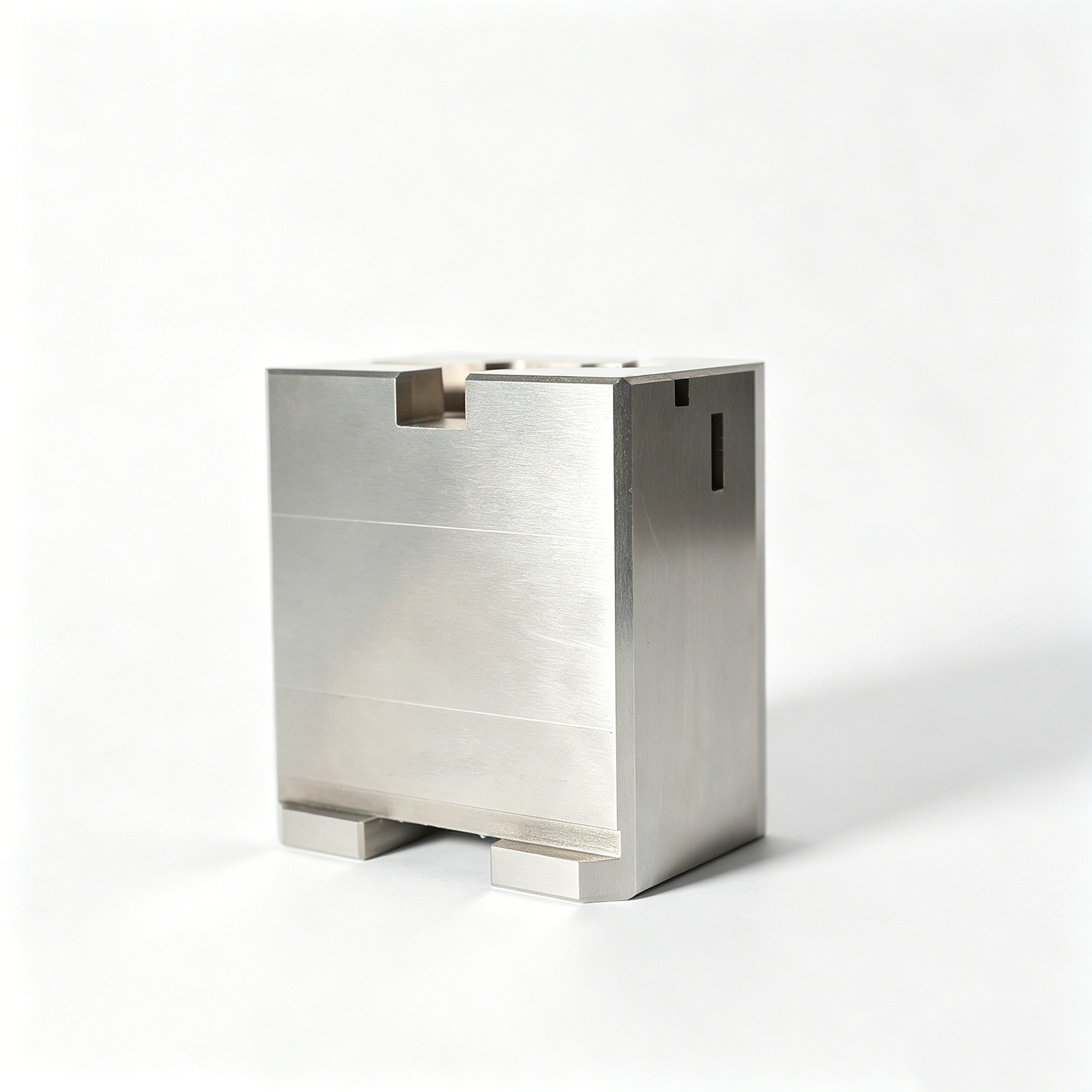


Related Drawing-Based C17200 Part Families and Quotation


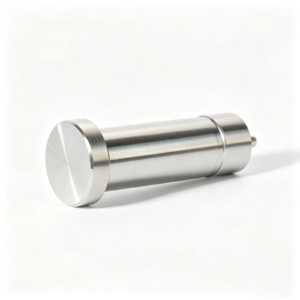


Why Use SUUXIANG for CNC Machining C17200 Beryllium Copper
A disciplined workflow for translating C17200 part drawings into coordinated machining, EDM, grinding, inspection, and revision-controlled delivery.
Drawing Review First
We review drawings, models, material requirements, datums, and critical features before discussing a manufacturable C17200 process route.
Process Route Planning
CNC milling, turning, EDM, grinding, and fitting are planned around geometry, tool access, machining allowance, and functional requirements.
EDM and Grinding Coordination
Electrode strategy, wire paths, heat-treatment sequence, and grinding stock are considered where fine features or precision surfaces require them.
Critical Dimension Focus
Project discussions identify critical-to-quality dimensions, tolerance stack concerns, datum relationships, and appropriate inspection methods before production begins.
Inspection Plan Alignment
Inspection expectations, reporting needs, and documentation requirements are aligned with the order and verified measurement plan.
Revision Visibility
Drawing revisions, manufacturing information, and delivery coordination remain visible throughout the project to support traceable communication.
C17200 Parts and Tooling Families
Drawing-driven process routes for precision mold, connector, die and custom machined components, subject to DFM review and verified production requirements.
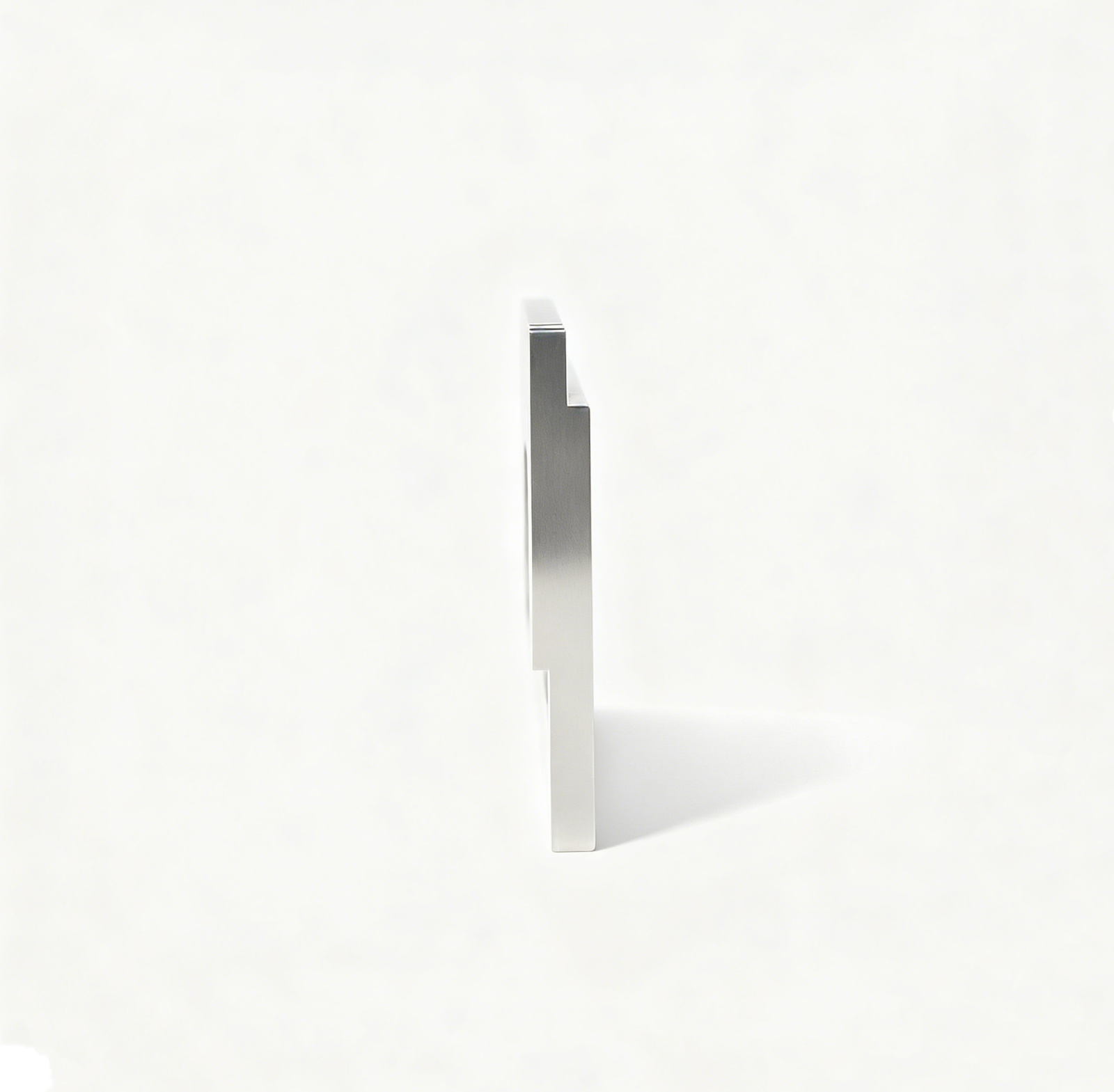
CNC Machining Services
Precision CNC machining services for drawing-based parts requiring coordinated milling, turning, EDM, grinding and inspection. RFQ review considers material condition, critical dimensions, datums, surface requirements, quantity and documentation before a manufacturing route is proposed.
Upload a Drawing
CNC Milling
Custom CNC milling services for prismatic, contoured and feature-rich components. Tool access, datum sequence, wall geometry, corner radii and machining allowance are reviewed against the drawing to establish a practical milling and inspection approach.
Upload a Drawing
CNC Turning
Precision CNC turning services for shafts, pins, sleeves, bushings and rotational custom parts. Diameter tolerances, concentricity, runout, thread details, material condition and secondary-operation requirements should be defined in the drawing package.
Upload a Drawing
5-Axis Machining
5-axis CNC machining supports complex faces, compound angles and features that benefit from fewer setups. SUUXIANG reviews workholding, cutter reach, datum control and inspection access before selecting a multi-axis process route.
Upload a Drawing
Swiss & Micro Machining
Swiss machining and micro machining support small, slender and detail-intensive parts where bar handling, feature sequence and measurement method matter. Submit dimensional priorities, material, quantities and any mating-component context for process review.
Upload a Drawing
Wire & Sinker EDM
Wire EDM and sinker EDM services address profiles, narrow slots, internal corners, hardened workpieces and features with limited cutter access. Electrode strategy, wire path, flushing, recast-layer considerations and finishing requirements are reviewed by application.
Upload a Drawing
Precision Grinding
Precision surface and profile grinding supports controlled flatness, parallelism, profiles and final stock removal on applicable components. Grinding allowance, heat-treatment sequence, datum references and inspection criteria should be agreed before production.
Upload a Drawing
Mold Core & Cavity Inserts
Precision mold core and cavity inserts are produced from customer drawings and specifications using suitable CNC, EDM, grinding, fitting and inspection steps. Review focuses on parting surfaces, shutoff geometry, cooling access, material condition and critical dimensions.
Upload a Drawing
Ejector & Ejection Components
Ejector pins, sleeves and ejection components require attention to fit, straightness, surface condition and mating relationships. Provide component drawings, hardness or heat-treatment requirements, clearance priorities and mold-context information for manufacturability review.
Upload a Drawing
Core Pins, Guide & Locating Components
Core pins, guide pins and locating components are evaluated for datum strategy, fit class, geometry, material condition and wear-critical surfaces. The process route may combine turning, milling, EDM, grinding and inspection according to the verified requirement.
Upload a Drawing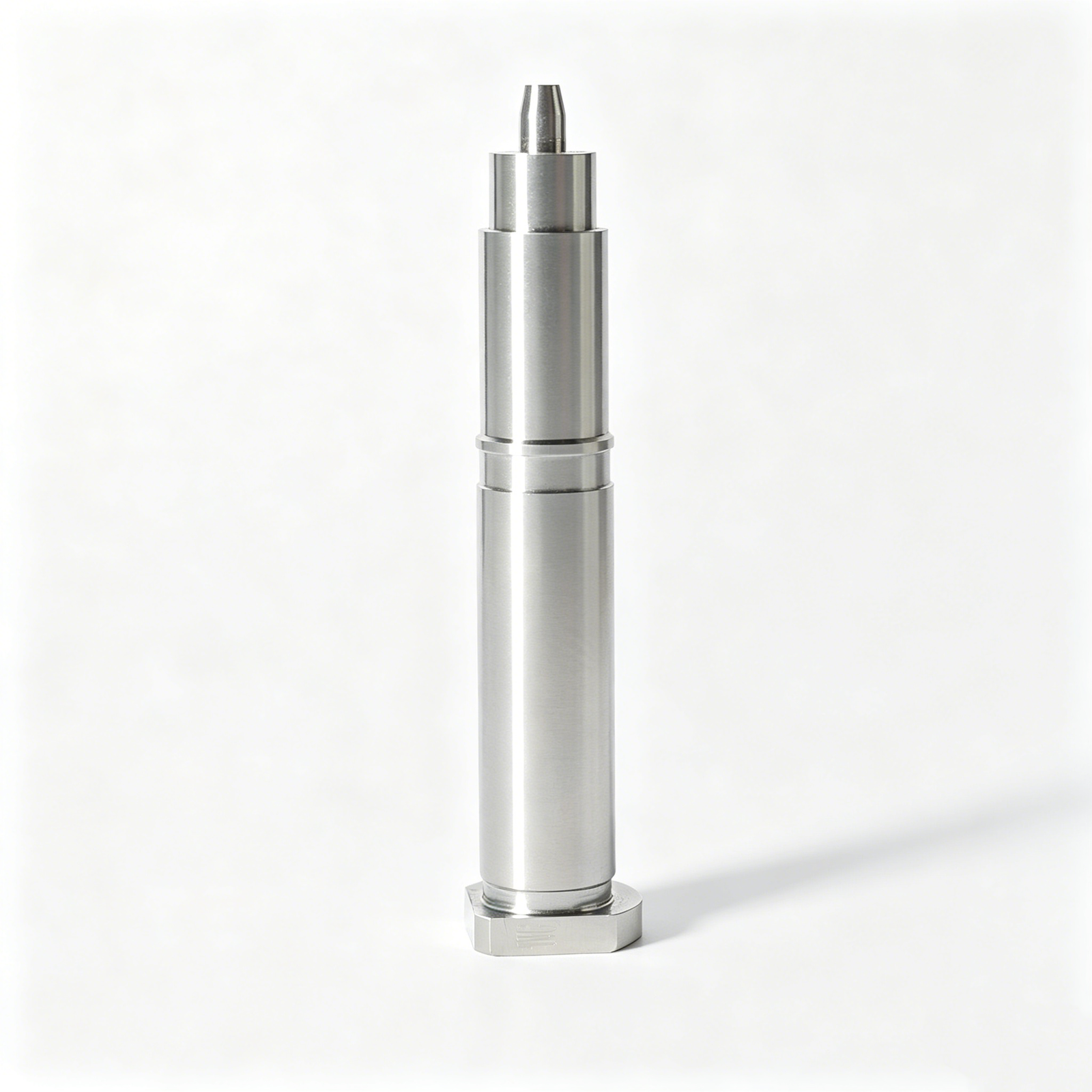
Slides, Lifters, Gates & Mold Accessories
Mold slides, lifters, gates and accessories are configurable drawing-based components, not stock catalog promises. Review covers travel interfaces, shutoff areas, sliding fits, lubrication or wear considerations, machining access and assembly-related critical dimensions.
Upload a Drawing
Connector Mold Components
Precision connector mold components support tooling features where positional accuracy, pin geometry, inserts and mating relationships affect the molded connector. Drawings should identify critical cavities, datum references, materials, finish needs and applicable inspection expectations.
Upload a Drawing
Stamping Die Components
Precision stamping die components are manufactured to drawing-defined requirements for punches, dies, inserts, guide elements and related tooling parts. Material, hardness, edge condition, clearance relationships, grinding stock and inspection priorities guide process planning.
Upload a Drawing
Injection, MIM, CIM & Overmolding Tooling
Injection, MIM, CIM and overmolding tooling work is considered when the requirement falls within verified production scope. DFM review addresses material behavior, shutoffs, insert interfaces, ejection, venting-related features and practical machining or EDM access.
Upload a Drawing
Machining Materials
CNC machining materials are reviewed against the drawing, application and process route rather than assumed. Specify material grade, condition, material-source requirements, heat treatment, corrosion or wear considerations and any documentation needed with the RFQ.
Upload a Drawing
Surface Finishes & Heat Treatment
Surface finishing and heat treatment are planned around functional requirements such as wear, corrosion resistance, appearance, friction and dimensional stability. Identify finish type, target condition, masking needs, sequence constraints and post-treatment inspection requirements.
Upload a Drawing
Quality, Metrology & Documentation
Precision inspection, metrology and quality documentation are aligned to the order and verified inspection plan. Customers should identify critical-to-quality dimensions, measurement methods or reporting formats, sampling expectations, revision status and traceability requirements before production.
Upload a Drawing
Prototyping & Low-Volume Production
Rapid prototyping and low-volume manufacturing support drawing-driven evaluation, bridge builds and controlled production quantities. Early review clarifies material availability, tolerances, process choice, inspection needs, revision control and target delivery requirements.
Upload a DrawingMaterials for CNC Machining C17200 Beryllium Copper Part Programs

C17200 Beryllium Copper
A precipitation-hardening copper alloy for spring contacts, wear-sensitive inserts, and non-magnetic components. Its selection depends on the specified temper, heat-treatment sequence, conductivity needs, critical dimensions, and controlled machining-dust requirements.


C110 Electrolytic Copper
A high-conductivity copper option for electrical paths, bus features, and thermal-transfer parts where strength is secondary. Its softer condition can affect clamping, burr control, surface protection, and dimensional strategy during machining.

C360 Free-Cutting Brass
A machinable copper alloy often evaluated for connector hardware, threaded fittings, and general precision components. It offers practical chip control, but conductivity, corrosion exposure, strength, and mating requirements should determine whether it fits.

Stainless Tool Steel
A conditional choice for mold inserts, locating elements, or wear-critical tooling where hardness and corrosion resistance take priority over electrical conductivity. Specify grade, heat treatment, grinding allowance, datum scheme, and inspection criteria before production.
CNC Machining C17200 Beryllium Copper: Process Routes

CNC Milling
CNC milling establishes profiles, pockets, slots, and datum features from the approved model. Tool access, clamping, and critical dimensions are reviewed early so the route supports inspection and downstream EDM or grinding where required.

CNC Turning
CNC turning supports rotational features such as diameters, bores, shoulders, threads, and concentric interfaces. The drawing review considers datum reference, workholding, surface requirements, and whether later grinding or EDM is needed.
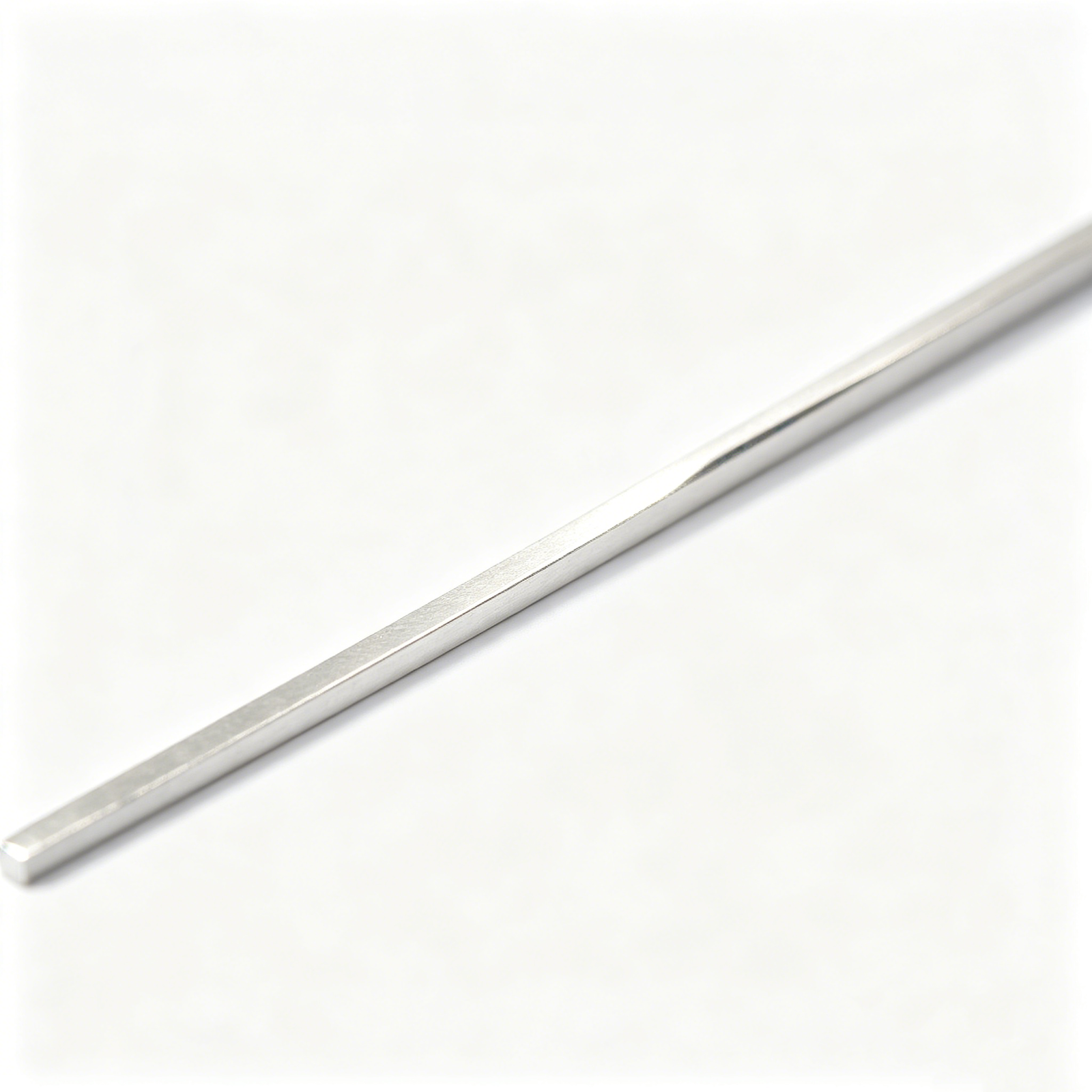
Wire EDM
Wire EDM can be considered for precise profiles, narrow slots, and difficult internal contours when a wire path is appropriate. The process plan defines start-hole access, datum relationships, finish requirements, and inspection priorities.

Sinker EDM
Sinker EDM may be applied to enclosed cavities, sharp internal geometry, and features with limited milling access. Electrode strategy, machining allowance, surface expectations, and subsequent fitting or polishing needs are reviewed against the drawing.
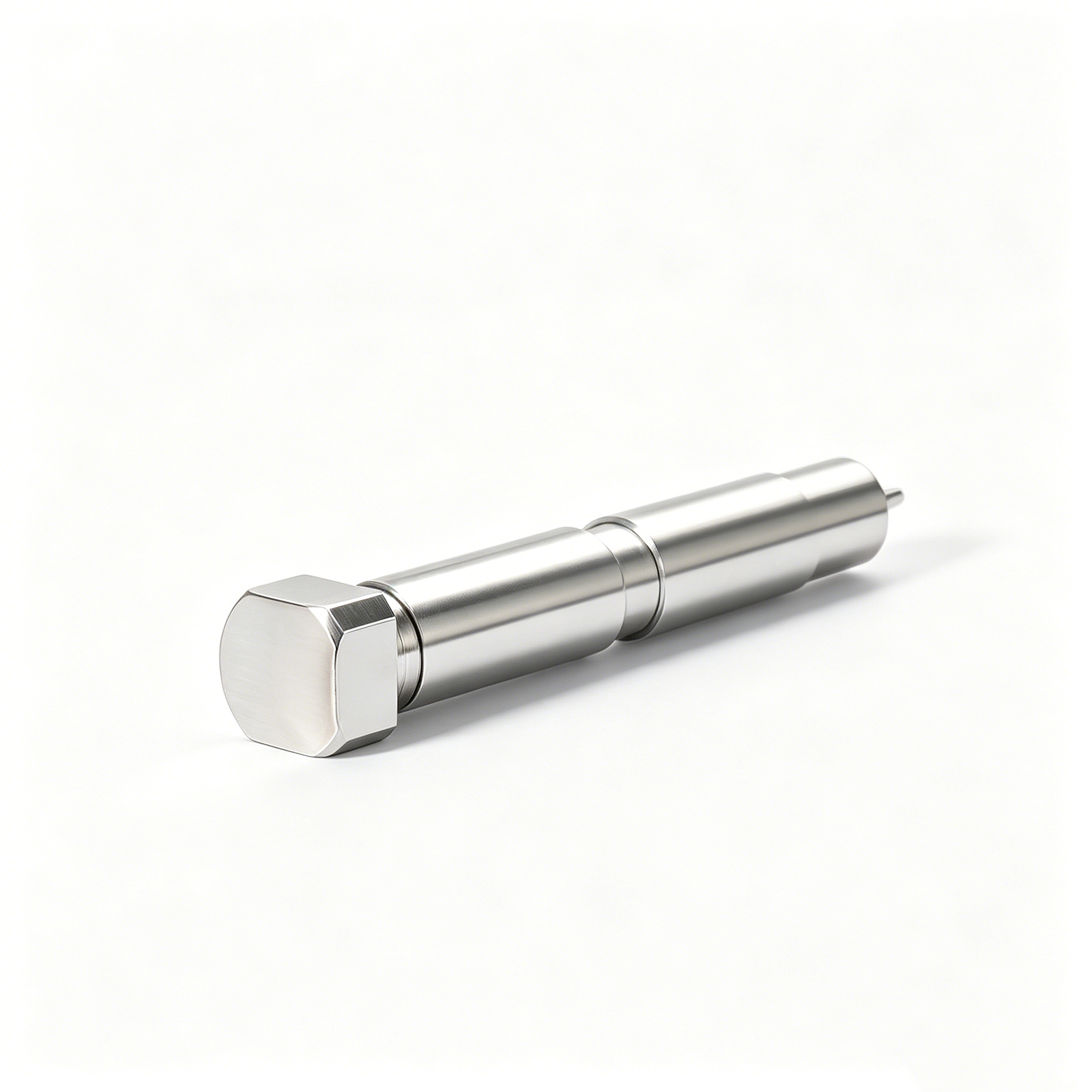
Precision Grinding
Precision grinding refines functional faces, diameters, and datum relationships where the specified geometry calls for it. Grinding stock, heat-treatment sequence, surface requirements, and measurement method should be agreed before production.

Fitting and Inspection
Fitting and inspection confirm that functional relationships align with the approved drawing and revision. SUUXIANG plans measurements around critical dimensions, datums, surfaces, and reporting needs so final documentation matches the verified inspection plan.
CNC Machining C17200 Beryllium Copper Features and Finishing Options

Locating Features
Dowel holes, datum faces, keyways, and other locating features can be planned around mating parts, fixture strategy, and critical-dimension references before production is committed.

Precision Threads
Internal or external threads can be reviewed for size, pitch, engagement, tool access, and inspection method, helping prevent avoidable access conflicts in compact C17200 component designs.
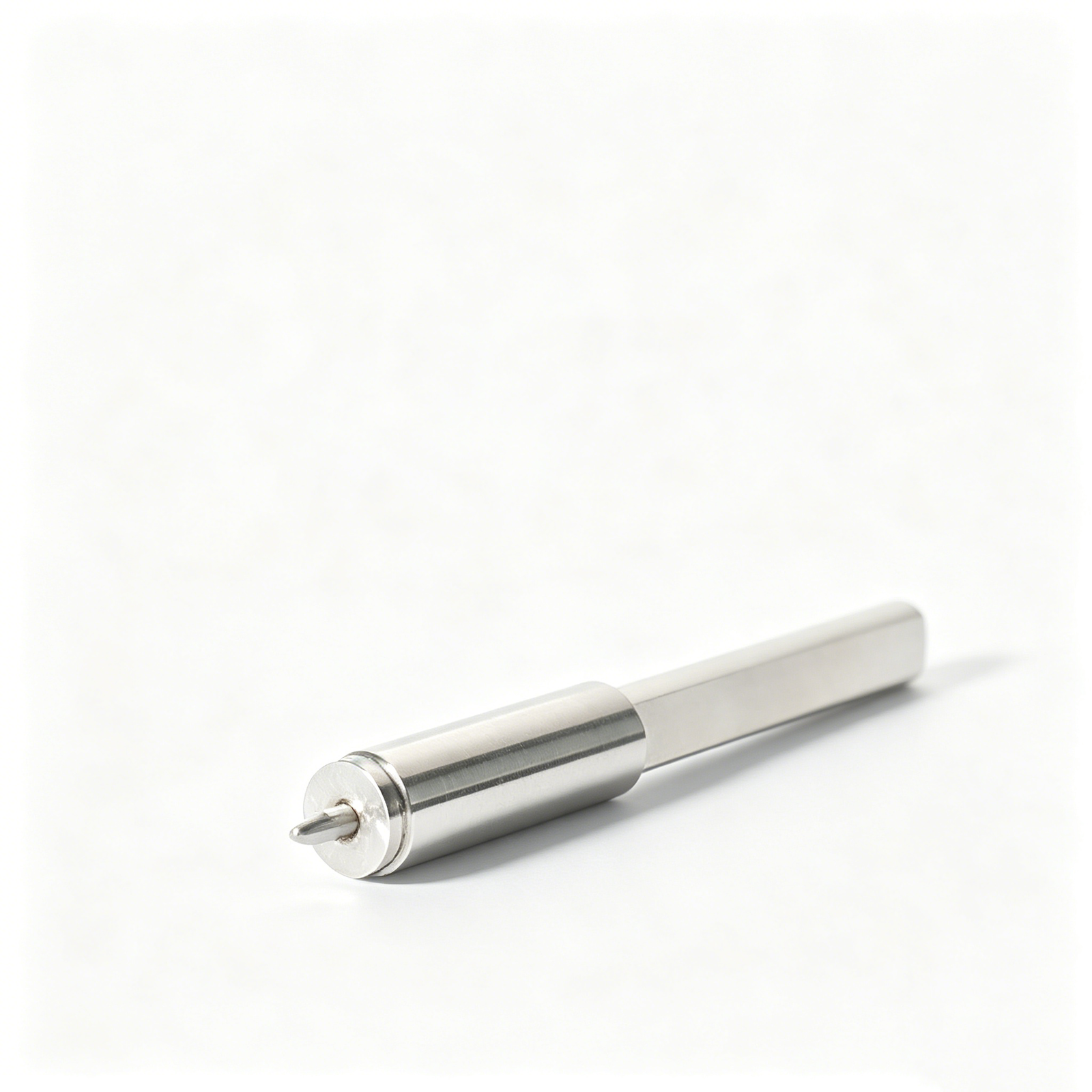
Threaded Inserts
Where the application calls for inserts, provide the insert specification, installation condition, and mating-part context so the feature can be assessed alongside material condition and dimensional priorities.

Part Marking
Part numbers, revision identifiers, and traceability marks can be coordinated to the drawing and surface requirements, with location, method, legibility, and cosmetic constraints defined before manufacture.

Protective Packing
Packing requirements can be matched to part geometry, surface sensitivity, quantity, and shipment handling needs to help protect precision features during storage, transport, and receiving inspection.
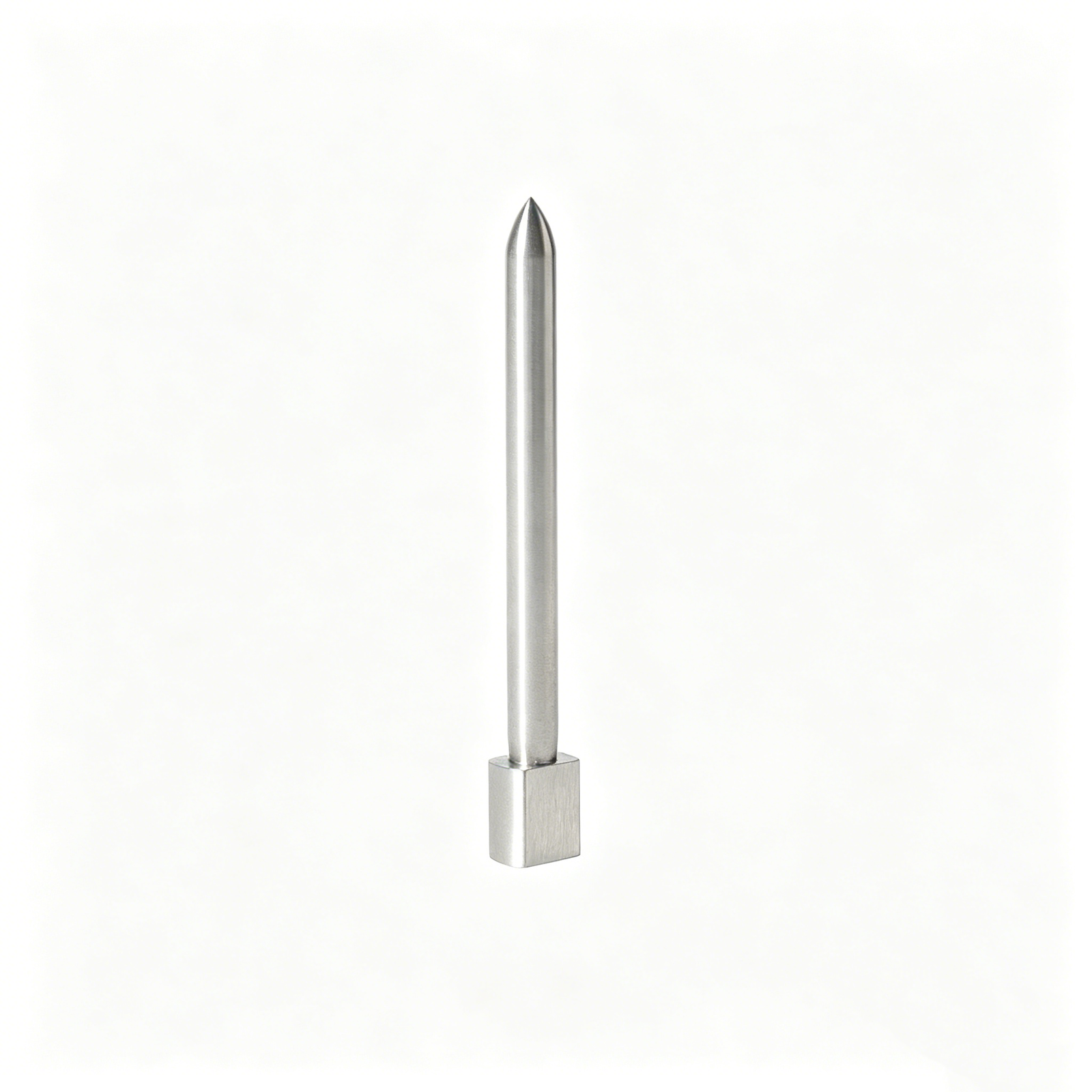
Finish Coordination
Surface-treatment requirements should be reviewed with material condition, masking needs, critical dimensions, and inspection expectations to establish a practical sequence for machining, finishing, and final verification.
About SUUXIANG Precision Manufacturing
SUUXIANG is the public-facing brand of Dongguan SuuXiang Precision Mold Co., Ltd., established in 2010 in Chang’an Town, Dongguan, Guangdong, China. Founded by XiaoCheng Huang, the company’s legal representative, we help international teams convert drawings and specifications into inspected custom CNC parts, precision mold components, connector tooling, and stamping-die components.
For CNC machining C17200 beryllium copper and other drawing-based programs, our planning connects CNC milling and turning, multi-axis machining, EDM, precision grinding, fitting, and inspection. Before quotation or production commitments, we review material requirements, critical dimensions, datums, machining access, heat-treatment sequence, and reporting expectations.
What distinguishes SUUXIANG is disciplined technical coordination: DFM discussion, documented revision control, process choices matched to the part, and inspection aligned with the agreed plan. We do not treat configurable part families as stock products; each request is assessed against current project evidence, quality requirements, and delivery priorities.
CNC Machining C17200 Beryllium Copper: Core Capabilities
DFM and Datum Review
Before cnc machining c17200 beryllium copper begins, SUUXIANG reviews the drawing, model, datums, critical dimensions, surface requirements, and material condition. The review identifies tool access, tolerance-stack risks, and process questions that should be resolved before quotation or production planning.
- Confirm functional datums and critical-to-quality features
- Review wall geometry, internal access, and clamping strategy
- Clarify material, heat-treatment, and surface requirements
- Record open drawing questions before release

CNC, EDM, and Grinding Strategy
C17200 part geometry may require more than a single machining operation. SUUXIANG plans the appropriate sequence across CNC milling or turning, EDM, grinding, and fitting, considering machining allowance, wire paths, electrode needs, and feature access against the drawing’s functional requirements.
- Select a process route for each critical feature
- Plan EDM access and electrode or wire strategy
- Reserve grinding stock where final geometry requires it
- Sequence operations around material-condition requirements

Inspection Around Critical Dimensions
Inspection planning is tied to the order requirements rather than assumed from a generic tolerance claim. SUUXIANG identifies the dimensions, datums, surface conditions, and reporting needs that require verification, then aligns measurement methods and final documentation with the agreed inspection plan.
- Define inspection priorities from the controlled drawing
- Reference agreed datums during dimensional verification
- Align reports with specified measurement requirements
- Keep inspection evidence matched to the order

Revision-Controlled Project Coordination
Precision parts can be delayed by unclear revision status as easily as by difficult geometry. SUUXIANG keeps drawing revisions, manufacturing questions, inspection expectations, and delivery information visible through project coordination, helping engineering and sourcing teams maintain a traceable path from release to shipment.
- Confirm the production drawing revision before release
- Document clarifications that affect manufacturing decisions
- Coordinate changes before affected operations proceed
- Maintain traceable order and delivery communication

CNC Machining C17200 Beryllium Copper: A Drawing-First Approach
Compare a disciplined review and inspection workflow with a typical quote-only sourcing path.
← Swipe left or right to view →
CNC Machining C17200 Beryllium Copper: Production Workflow
A controlled route from drawing review through machining, inspection, and delivery coordination for drawing-based precision parts.
Review RFQ Package
We review the 2D drawing, 3D model, material condition, quantity, delivery target, and inspection requirements before defining a responsible quotation path.
Confirm DFM Priorities
Critical dimensions, datums, tolerance stack, tool access, heat-treatment sequence, surface requirements, and inspection methods are clarified before production commitments are made.
Plan Process Route
The team selects the appropriate CNC milling, turning, multi-axis, EDM, grinding, and fitting sequence according to geometry, machining allowance, and feature accessibility.
Machine Critical Features
C17200 part features are machined using the approved route, with process attention directed to datum control, electrode strategy, wire paths, and finishing allowances.
Inspect Against Drawing
Inspection follows the confirmed plan, checking applicable critical dimensions, surface requirements, and documentation needs while maintaining visible revision and order traceability.
Coordinate Packing Delivery
Completed parts are prepared according to the order requirements, with packing, final records, and delivery coordination aligned to the verified inspection and revision status.
CNC Machining C17200 Beryllium Copper: Work With SUUXIANG
Move from drawing review to controlled production with clear requirements, documented assumptions, and inspection planning aligned to your order.
Submit Your Drawing Package
Provide 2D drawings, 3D models when available, C17200 material and heat-treatment requirements, quantity, critical dimensions, surface priorities, delivery target, and reporting needs.
Align DFM and Assumptions
Review datums, tolerance stack, tool access, machining allowances, EDM or grinding needs, and inspection methods before quotation assumptions and process route are confirmed.
Approve Samples When Needed
For applicable programs, evaluate agreed samples or first articles against the drawing, critical features, material condition, and inspection expectations before broader production proceeds.
Release Controlled Production
SUUXIANG coordinates CNC machining, EDM, grinding, fitting, and inspection to the approved revision, keeping quality documentation and delivery information aligned with the order.
CNC Machining C17200 Beryllium Copper: Certifications and Quality Documentation
How SUUXIANG Publishes Customer Feedback
Approved customer testimonial pending publication. SUUXIANG will publish only customer-authorized feedback with verified project outcomes and attributable sourcing details.
Approved customer testimonial pending publication. Project results, quantities, dimensional outcomes, and delivery details will be added only after customer verification.
Approved customer testimonial pending publication. This space is reserved for a verified account of drawing review, production coordination, and inspection documentation.
CNC Machining C17200 Beryllium Copper FAQs
RFQ, quality, handling, and delivery questions for drawing-based C17200 precision-part programs.
What should I include in an RFQ for cnc machining c17200 beryllium copper?
Is there a minimum order quantity for cnc machining c17200 beryllium copper parts?
Can I order samples before committing to a C17200 production run?
How is lead time evaluated for cnc machining c17200 beryllium copper?
Can SUUXIANG meet the tolerance shown on my C17200 drawing?
How are C17200 beryllium copper parts inspected and documented?
Are there special safety requirements for machining C17200 beryllium copper?
How do payment, shipping, and IP protection work for an overseas order?
Complete Guide to cnc machining c17200 beryllium copper
Use this decision framework to specify C17200 parts, assess machining and safety controls, compare supplier capabilities, and prevent costly material, tolerance, heat-treatment, and inspection mistakes before production.
1. What Is cnc machining c17200 beryllium copper?
C17200, also called Alloy 25 or CA172, is a precipitation-hardening copper-beryllium alloy—not generic electrical copper. It is selected when a drawing needs substantially higher strength and wear resistance while retaining useful electrical conductivity.
The nominal beryllium content distinguishes C17200 from lower-beryllium, higher-conductivity BeCu grades. Buyers commonly specify it for spring contacts, wear-loaded inserts, non-magnetic components, and corrosion- or fatigue-sensitive mechanisms, but should identify the governing material standard and mill certification in the RFQ.
Three variables—supplied temper, section geometry, and thermal history—govern the properties delivered in the finished part. State whether age hardening is required, protect datums during machining, and define the inspection condition after any heat treatment, because hardness, distortion, conductivity, and final dimensions cannot be inferred from the alloy name alone.
2. C17200 Development and Industrial Use
C17200 is a precipitation-hardening copper-beryllium alloy used where a stronger, fatigue-resistant alternative to ordinary copper is needed while useful conductivity is retained. Age hardening supports precision electrical and mechanical components, including springs, electrical contacts, and non-sparking tools.
172 alloy, BeCu 172, CA172, and UNS C17200 may appear to describe related material, but a purchase order cannot rely on a trade name alone. Reconcile the UNS designation, governing material standard, mill data sheet, temper or heat-treatment condition, product form, and any chemistry limits directly on the drawing and RFQ.
Two drawing contexts commonly drive different process decisions: contacts and springs prioritize formed-section behavior, while connector tooling, mold inserts, bushings, and non-sparking components may prioritize wear, thermal response, or dimensional stability. Identify the functional duty and mating condition before selecting stock condition, machining sequence, and final verification plan.
3. Types of cnc machining c17200 beryllium copper Parts
C17200 part type follows the load path, electrical interface, and mating geometry—not a generic material label. Application requirements determine starting condition, process route, and the inspection characteristics that matter.
Electrical Contact Components
Electrical contacts commonly use narrow beams, slots, and controlled mating faces. CNC milling or Swiss turning supports geometry; buyers should specify contact force, conductivity needs, and inspection datums.
Spring And Flexure Features
Spring features rely on thin sections, radii, and repeatable deflection paths. Machining must avoid burrs at stressed edges; ask whether force, cycle life, or free-state position is the acceptance priority.
Mold And Die Components
Mold inserts, core pins, and die details combine intricate profiles with mating interfaces. CNC, EDM, and grinding may be sequenced; buyers should identify wear zones, datum relationships, and required material condition.
Wear Parts And Bushings
Wear parts include bushings, guides, and sliding interfaces with controlled diameters and surfaces. Turning and grinding suit concentric features; the key question is whether fit, galling resistance, or replacement interchangeability governs inspection.
Precision Turned And Production Parts
Precision turned parts often combine threads, shoulders, bores, and cross-holes. Prototype quantities favor drawing review and process proofing, while repeat production requires revision-controlled inspection plans and stable material-condition records.
4. cnc machining c17200 beryllium copper Material Conditions
C17200 procurement begins with the supplied form and metallurgical condition, not the alloy name alone. For cnc machining c17200 beryllium copper, specify the condition required at shipment and at final inspection.
| Condition | Tradeoff | Typical Use | Buyer Verification Document |
|---|---|---|---|
| Solution-treated bar or rod | Easier machining; aging follows | Turned pins, contacts | Mill certificate; aging record |
| Plate, stated temper | Grain direction may matter | Milled inserts, springs | Mill certificate; direction record |
| Pre-hardened stock | Less thermal change; harder cutting | Stable noncritical features | Certificate; hardness result |
| Age-hardened part | Final properties established | Finished functional component | Heat record; hardness, conductivity, traceability report |
Stock Form And Grain
Bar and rod suit turned features; plate suits milled inserts and flat components. Identify mill direction when bending, spring response, or directional properties affect the part.
Each line item should state stock form, nominal size, permitted substitution, and traceable heat or lot.
Condition And Verification
Solution-treated stock permits machining before aging; pre-hardened stock can reduce post-machining distortion but increases cutting difficulty. Age-hardened finished parts need an agreed hardness test location and acceptance method.
Chemistry certification should identify C17200, heat number, and actual composition. Request temper, heat-treatment record, conductivity requirement, hardness result, and material-to-part traceability.
Drawing Callouts
A drawing should distinguish raw-material temper from the required final condition. State whether conductivity and hardness are acceptance requirements or reference values.
Inspection planning should link each critical result to the part revision, lot, and report identifier.
5. Finishes and Secondary Operations
C17200 finishing should be selected from the part’s function, not its appearance. For electrical or precision interfaces, contact performance, dimensional stability, and surface integrity take priority over decorative treatments.
Edges And Cleaning
Deburring must remove loose burrs without rounding functional edges or distorting thin features. Specify an edge-break limit, prohibited-burr zones, and cleaning standard where debris could affect assembly.
Passivation or cleaning should appear on the drawing only when the application requires it. State the approved chemistry, residue limit, drying method, and any areas that must remain untreated.
Plating And Marking
Plating requires a compatibility review before release because coating thickness, adhesion preparation, and bake requirements can affect fit and contact resistance. Identify plating type, thickness range, masking, and contact-zone restrictions.
Laser marking should be located away from sealing, sliding, and electrical contact surfaces. Define mark content, position datum, contrast expectation, and whether cosmetic acceptance samples are required.
Heat Treatment Sequence
Controlled heat treatment must be sequenced with machining, grinding, plating, and inspection to manage movement and finish risk. The drawing should identify required condition, sequence, permitted post-treatment stock removal, and reinspection points.
For cnc machining c17200 beryllium copper, SUUXIANG should review the specified secondary-process route against critical dimensions before production. Revision-controlled samples are appropriate when appearance or masked areas are acceptance criteria.
6. Critical Quality Elements for C17200 Parts
C17200 part quality is established by the drawing’s datums and verification plan, not by a generic tolerance claim. For cnc machining c17200 beryllium copper, inspection must follow the functional interface and material condition.
Datums And Feature Access
Primary, secondary, and tertiary datums should locate the functional mating condition before hole position or profile is evaluated.
Tight bores, thin walls, and deep pockets need tool-access review; specify minimum remaining wall, allowable edge break, flatness, and concentricity against named datums.
Finish, Threads, And Distortion
Surface finish callouts should identify the functional surface and measurement direction, rather than applying one requirement everywhere.
Post-heat-treatment distortion can change flatness or concentricity; define the heat-treatment sequence, final grinding allowance, thread gauge requirement, and burr-control acceptance criteria.
Evidence And Lot Control
Material certificates should state C17200 designation, supplied condition, heat or lot identifier, and any required chemistry or property evidence.
First-article inspection should list critical dimensions, datums, instruments, and results; agree sampling plan, measurement method, revision level, and lot traceability before release.
7. Selecting a C17200 CNC Manufacturer
C17200 supplier selection should test documented controls, not brochure claims. For cnc machining c17200 beryllium copper, assess the proposed route against the drawing’s geometry, condition, inspection needs, and revision risk.
Request Quotation Evidence
C17200 mill certificates should link alloy, heat or lot, starting condition, and purchased stock to the order. Beryllium dust-control documentation should identify containment, collection, cleaning, and worker-protection procedures.
A sample inspection report should show datums, instruments, actual results, and disposition of critical dimensions. Request the process flow and a risk review before releasing production.
Match The Process Route
CNC milling and turning capability must fit feature access, wall stiffness, and required workholding. Ask which features require EDM, grinding, or secondary finishing.
Heat-treatment management should state the planned sequence, responsibility, and verification method. Any subcontracted operation should be named clearly, with its traceability handoff defined.
Evaluate Control And Communication
Drawing revision control should identify the governing revision, approved deviations, and change-notification point. DFM feedback should call out datum conflicts, tool access limits, and inspection risks before machining.
SUUXIANG can review drawings, material requirements, quantities, and reporting needs within its verified production scope. Confirm the inspection plan, delivery milestones, and escalation contact in the quotation.
8. Common cnc machining c17200 beryllium copper Mistakes
Six preventable specification gaps can turn a sound C17200 design into rejected parts, delayed launch, or an unsafe manufacturing discussion. Correct them before quotation and drawing release.
Wrong Alloy Condition
C17200 condition is not interchangeable: the wrong temper can miss forming or performance needs. State alloy standard, product form, temper, and required final condition on the drawing.
Assuming Machining Age-Hardens
CNC cutting does not create a controlled precipitation-age condition. Specify solution treatment, age cycle, sequence, and post-treatment inspection requirement in the RFQ.
Overconstraining Tolerances
±0.01 mm on every feature can add grinding, inspection, and cost without functional gain. Mark CTQ dimensions, datums, and geometric controls; apply general tolerances elsewhere.
Ignoring Contact Burrs
Contact edges can retain burrs that damage mating parts or disrupt electrical engagement. Call out edge-break limits, prohibited-burr zones, inspection method, and mating direction.
Omitting Safety Requirements
Beryllium-containing machining waste requires controlled handling because dust exposure is hazardous. Ask the supplier to confirm its machining, cleaning, containment, and waste-handling controls before release.
Accepting Incomplete Material Records
A material label alone cannot establish heat or condition traceability. Require material certificate, heat or lot identification, condition, and any heat-treatment record with the inspection package.
9. From Drawing to Production Launch
One released drawing package should define the application, mating context, quantity, and acceptance evidence before cnc machining c17200 beryllium copper begins. Treat launch as a controlled sequence, not a quotation handoff.
Release The Technical Package
Two files—PDF drawing and native or neutral 3D CAD—should carry the same revision. Mark datums, critical characteristics, threads, surface requirements, and any functional contact or spring interfaces.
One DFM review should resolve tool access, holding, EDM or grinding needs, and inspection method before release.
Approve Material And First Article
One material callout must state C17200 condition, required heat-treatment route, and any certificate or lot-traceability requirement. Confirm whether machining occurs before or after aging and what dimensions require final finishing.
One first article should be inspected against the released plan before bridge or repeat production. Prototype findings belong in the next controlled revision, not informal shop notes.
Control Repeat Orders
Three production stages need different controls: prototypes validate function, bridge quantities confirm the route, and low-volume repeats protect proven settings. Freeze the approved drawing, CAD model, inspection record, and packaging specification together.
Each shipment should identify revision, quantity, material lot when required, and agreed inspection documentation. Any material, process, source, or dimensional change requires written review before production resumes.
10. cnc machining c17200 beryllium copper Pricing
C17200 pricing begins with the specified stock form and condition. Bar, plate, or near-net stock changes material yield, while thin walls, deep features, tight tolerances, and difficult tool access increase cycle time and setup effort.
Two cost layers should be reviewed separately: one-time engineering or workholding setup and recurring part cost. EDM, precision grinding, heat treatment, finishing, inspection reports, material certificates, and expedited scheduling must be quoted against the drawing and order requirements.
SUUXIANG determines final cnc machining c17200 beryllium copper pricing from the current RFQ, controlled revision, quantity, delivery target, and inspection plan. Provide the 2D drawing, 3D model where available, material condition, critical dimensions, and documentation needs.
| Quantity tier | Main cost drivers | Typical commercial approach | Lead-time consideration |
|---|---|---|---|
| Prototype, 1–10 | Setup, stock yield, complex features | Separate setup and piece-price review | Confirm material availability before commitment |
| Low volume, 11–100 | Machine time, secondary operations, inspection | Quote by approved revision and batch scope | Sequence outside processes early |
| Repeat volume, 100+ | Cycle time, yield, reporting frequency | Review fixture and process-repeatability options | Plan releases against verified capacity |
CNC Machining C17200 Beryllium Copper: Submit Your Drawing
Send your 2D drawing, 3D model, material and heat-treatment requirements, quantity, inspection needs, and target date for a disciplined DFM review.