
CNC Machining C360 Brass for Precision Parts
Send your drawing for CNC machining C360 brass with DFM review, critical-dimension planning, and inspection aligned to your order requirements.
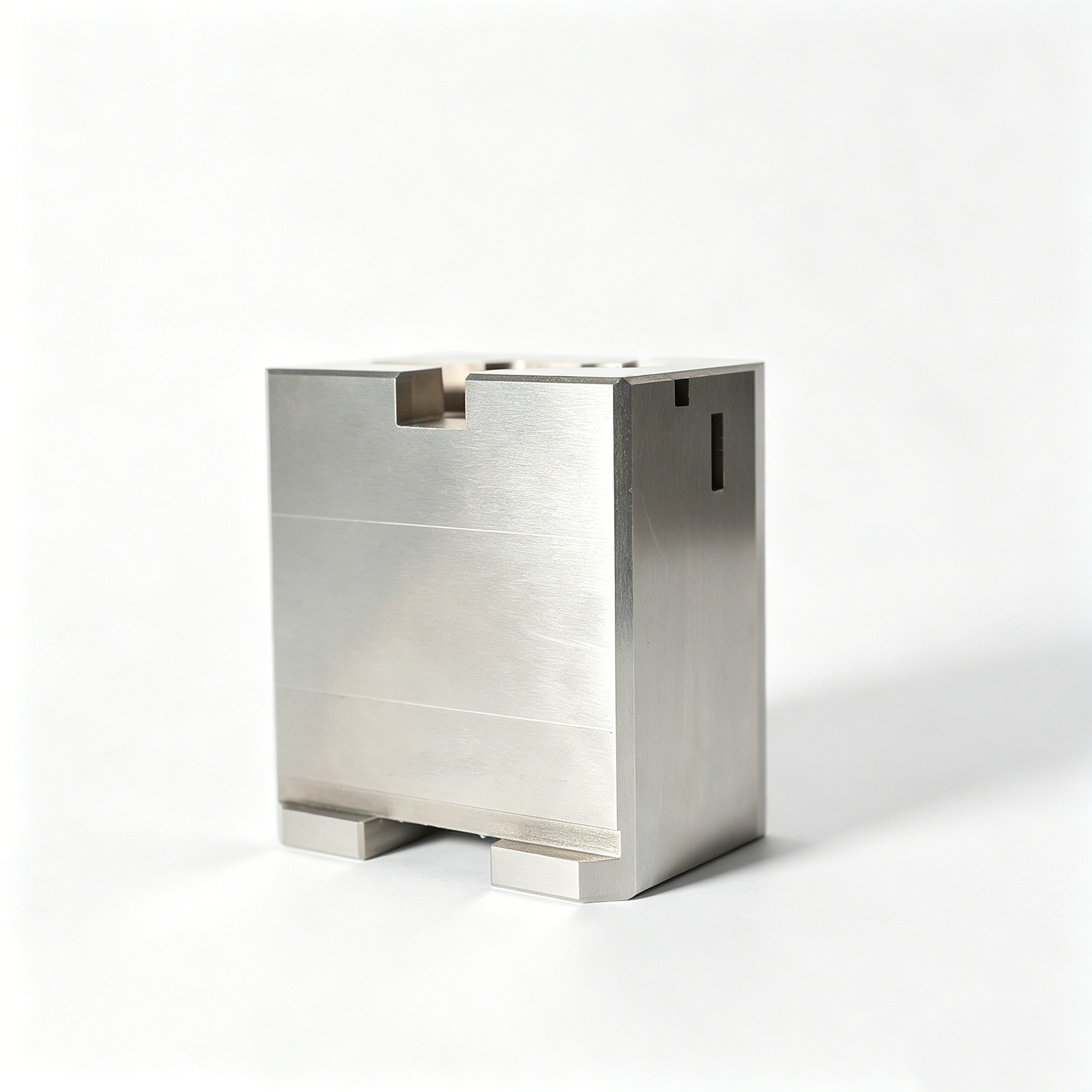
Representative C360 Brass Parts and Tooling Components




Related Product Catalogue and Quotation






CNC Machining C360 Brass: Precision Advantages
Plan machinability, critical features, and inspection requirements from the drawing before production begins.
Machinability Review
C360 brass is commonly selected for favorable chip control, allowing process planning to focus on geometry, tool access, burr risk, and surface requirements.
Drawing-Led DFM
Before quotation, SUUXIANG reviews drawings for datums, critical dimensions, threads, wall transitions, and feature access so the machining route matches design intent.
Process Route Planning
Turning and milling steps are planned around part geometry, reference surfaces, and secondary features, with EDM or grinding considered only where requirements warrant.
Critical-Dimension Control
Inspection planning identifies measurable critical features, datum relationships, and reporting expectations before production, helping align inspection methods with the approved drawing revision.
Traceable Communication
Clear revision status, inspection evidence, and delivery coordination keep engineering and quality teams informed when CNC machining C360 brass parts move through production.
C360 Brass CNC Machining Part Families
Drawing-driven process routes for configurable C360 brass parts, tooling components, and controlled prototype or low-volume production requirements.

CNC Machining Services
Precision CNC machining services for C360 brass custom parts begin with drawing review, critical dimensions, material requirements, quantity, and inspection expectations. Process planning may combine milling, turning, EDM, grinding, and fitting according to geometry, tolerance, and functional requirements.
Upload a Drawing
CNC Milling
Custom CNC milling services support C360 brass components with pockets, flats, drilled features, tapped holes, and prismatic profiles. Drawing review should confirm datum references, cutter access, wall geometry, surface requirements, and dimensions that require dedicated inspection.
Upload a Drawing
CNC Turning
Precision CNC turning services produce C360 brass parts with concentric diameters, threads, bores, shoulders, grooves, and mating interfaces. Quotation review should identify datum relationships, runout requirements, thread specifications, deburring needs, and secondary machining features.
Upload a Drawing
5-Axis Machining
5-axis CNC machining supports C360 brass parts with angled faces, compound geometry, and features requiring multi-directional tool access. A drawing and model review helps determine practical setups, datum control, tool reach, and whether complex features can be machined without unnecessary re-clamping.
Upload a Drawing
Swiss & Micro Machining
Swiss machining and micro machining are considered for small C360 brass components with fine diameters, detailed turned features, and high part counts. Feasibility depends on stock form, minimum feature geometry, tolerances, handling needs, and inspection access for critical dimensions.
Upload a Drawing
Wire & Sinker EDM
Wire EDM and sinker EDM services address C360 brass tooling features where conventional cutter access is limited or a defined EDM geometry is required. The process review considers wire path, electrode strategy, corner conditions, finish requirements, and downstream fitting or inspection.
Upload a Drawing
Precision Grinding
Precision surface and profile grinding supports C360 brass components where flatness, parallelism, profile control, or a specified finished surface requires a controlled allowance. Grinding strategy should be established from the drawing, datums, stock condition, and measurement method.
Upload a Drawing
Mold Core & Cavity Inserts
Precision mold core and cavity inserts in C360 brass can be configured from approved drawings for molding-tool applications. Review focuses on cavity geometry, cooling or vent features, mating surfaces, insert retention, surface requirements, and the inspection points needed before assembly.
Upload a Drawing
Ejector & Ejection Components
Ejector pins, sleeves, and ejection components in C360 brass are produced to drawing-defined diameters, bearing surfaces, shoulders, and mating relationships. Functional review should address clearance, alignment, stroke-related contact, surface condition, and any fitting requirements within the mold assembly.
Upload a Drawing
Core Pins, Guide & Locating Components
Core pins, guide pins, and locating components in C360 brass require clear control of reference diameters, shoulders, locating faces, and mating interfaces. SUUXIANG reviews the drawing for datum strategy, fit intent, concentricity, handling features, and inspection requirements.
Upload a Drawing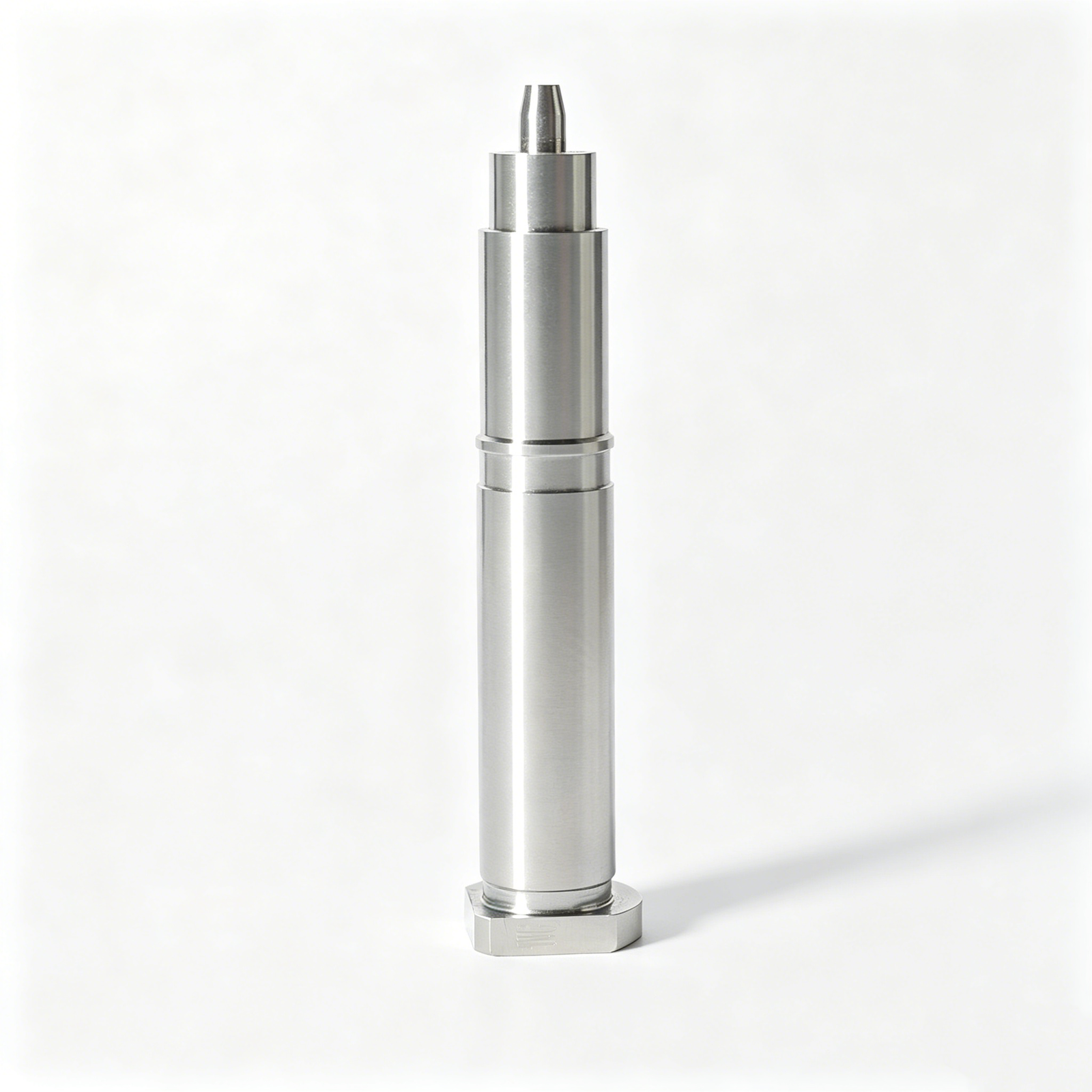
Slides, Lifters, Gates & Mold Accessories
Mold slides, lifters, gates, and accessories in C360 brass are configurable components rather than stock items. Production planning considers motion interfaces, wear or contact areas, gate geometry, tool access, assembly relationships, and dimensional checks required for fitting.
Upload a Drawing
Connector Mold Components
Precision connector mold components in C360 brass can include drawing-defined inserts, locating features, cavity details, and fine interfaces used in connector tooling. Review emphasizes pin or terminal geometry, datum relationships, EDM needs, polishing requirements, and assembly-fit verification.
Upload a Drawing
Stamping Die Components
Precision stamping die components in C360 brass are made to drawing-defined profiles, holes, guide features, and assembly interfaces. Process planning considers material condition, tool access, profile accuracy, burr control, grinding requirements, and inspection of functional dimensions.
Upload a Drawing
Injection, MIM, CIM & Overmolding Tooling
Injection, MIM, CIM, and overmolding tooling components in C360 brass are evaluated within verified production scope. The review addresses molding geometry, gate and vent requirements, insert interfaces, machining access, surface condition, and the documentation needed for controlled manufacture.
Upload a Drawing
Machining Materials
CNC machining materials are selected against the drawing, application environment, mechanical needs, conductivity requirements, and downstream finishing or heat treatment. For C360 brass work, material designation, stock form, traceability expectations, and approved substitutions should be confirmed before production.
Upload a Drawing
Surface Finishes & Heat Treatment
Surface finishing and heat treatment requirements are reviewed with the part’s functional surfaces, dimensions, material condition, and mating context in mind. Specifications should define the required finish or treatment, masking needs, dimensional impact, acceptance criteria, and any reporting expectations.
Upload a Drawing
Quality, Metrology & Documentation
Precision inspection, metrology, and quality documentation are planned around drawing-defined critical dimensions, datums, tolerances, and customer reporting needs. The inspection approach should be agreed before production, with revision control and final records matched to the approved order requirements.
Upload a Drawing
Prototyping & Low-Volume Production
Rapid prototyping and low-volume manufacturing for C360 brass supports engineering validation, tooling trials, and controlled early production. A useful RFQ includes drawings or models, quantity, material, critical dimensions, surface priorities, delivery target, and required inspection documentation.
Upload a DrawingCNC Machining C360 Brass and Alternative Alloys


C260 Cartridge Brass
Consider this copper-zinc alloy where ductility or subsequent forming matters more than easy cutting. It can suit terminals, formed details, and selected connector components, but machining strategy, burr control, and final geometry should be reviewed against the part design.

C464 Naval Brass
Review this alloy for components facing demanding corrosion conditions or fluid-service exposure. Its material choice must follow the application specification; tool access, machining allowance, finishing requirements, and any corrosion-performance evidence should be defined before quotation.

Low-Lead Brass Options
Use a low-lead brass option when the drawing, market, or compliance requirement calls for it. Confirm the exact alloy designation, material documentation, machining response, finish compatibility, and inspection criteria rather than treating low-lead brass as interchangeable with C360.

Lead-Free Brass Options
Evaluate lead-free brass for applications with explicit material restrictions or customer-controlled compliance needs. Because machinability and process behavior can differ by alloy, provide the required standard, geometry, quantity, and quality documentation needs for a responsible DFM review.
CNC Machining C360 Brass: Process Routes from Drawing to Inspection

CNC Turning
For rotational C360 brass features, turning establishes diameters, shoulders, threads, bores, and datum surfaces. The route is reviewed against bar access, chucking strategy, burr control, and the dimensions requiring inspection.

CNC Milling
Milling creates flats, slots, pockets, cross-holes, and non-rotational profiles after the drawing review confirms tool access and datum references. Programming priorities follow the specified geometry, surface requirements, and critical tolerance relationships.

EDM Processing
Wire or sinker EDM may be evaluated when internal geometry, sharp feature requirements, or machining access make it appropriate. Electrode or wire-path planning is tied to the drawing, remaining stock, and downstream finishing needs.
Precision Grinding
Grinding is planned where the drawing calls for controlled surfaces or close dimensional relationships that benefit from a finishing operation. Allowance, datum protection, and inspection method are agreed before the process route is released.

Fitting Operations
Where a C360 brass part mates with mold, connector, or die components, fitting checks functional interfaces against the supplied assembly context. Any handwork or adjustment is controlled to preserve the approved dimensions and revision.
Final Inspection
Inspection follows the order-specific plan for critical dimensions, threads, surface requirements, and requested reporting. Measurement results and documentation are matched to the released drawing revision so buyers can review evidence with the delivered parts.
CNC Machining C360 Brass: Assembly-Ready Features

Threads and Ports
Internal or external threads, cross holes, and fluid or signal ports can be machined to drawing-defined sizes and datums. Identify thread standard, engagement requirements, sealing surfaces, and inspection priorities in the RFQ.

Precision Pin Features
Locating pin bores, press-fit features, dowel interfaces, and mating diameters require clear positional tolerances and datum references. SUUXIANG reviews access, insertion direction, and measurement method before confirming the process route.

Threaded Inserts
Where an assembly needs a separate insert, provide the insert specification, installation condition, and load or mating context. The drawing review can determine whether machining, fitting, and inspection steps are appropriate within verified scope.

Cross Holes and Slots
Cross-drilled holes, milled slots, flats, and wrench features affect workholding, tool access, burr control, and datum strategy. Call out deburring expectations and any edges that interact with seals, connectors, or mating components.

Surface Requirements
Define surface finish, cosmetic zones, plating or coating requirements, and masking boundaries directly on the drawing. Requirements are reviewed alongside critical dimensions so the machining and inspection plan reflects the functional surfaces.
Part Identification
Part marks, revision identification, orientation marks, and packaging labels can support assembly and traceability needs. State marking location, method constraints, legibility expectations, and documentation requirements for project review.
About SUUXIANG’s C360 Brass Machining Workflow
SUUXIANG is the sole international-facing brand of Dongguan SuuXiang Precision Mold Co., Ltd., established in 2010 and based at 2nd Floor, Sanhe Industrial Park, Chang’an Town, Dongguan City, Guangdong, China. Founder and legal representative XiaoCheng Huang leads a business that helps global engineering and sourcing teams convert controlled drawings and specifications into inspected custom parts, precision mold components, connector tooling, and die components.
For cnc machining c360 brass and related drawing-based work, our planning starts with DFM, critical dimensions, datums, material requirements, surface priorities, and inspection needs. The appropriate route may combine CNC milling or turning with EDM, grinding, fitting, and documented inspection.
What distinguishes SUUXIANG is disciplined project control before production commitments: reviewing tool access, machining allowances, revision status, and quality evidence with the buyer. Submit the 2D drawing, 3D model when available, quantity, delivery target, and reporting requirements for a focused manufacturing review.
CNC Machining C360 Brass: Core Capabilities
DFM Before Commitment
Each CNC machining C360 brass inquiry begins with a drawing-led review of critical dimensions, datums, wall conditions, threads, tool access, surface requirements, and quantity. This identifies manufacturability questions before quotation assumptions become production risks.
- Review 2D drawings and available 3D models
- Identify critical-to-quality dimensions and datum logic
- Clarify material, finish, and heat-treatment requirements
- Align inspection needs before production planning

Coordinated Machining and EDM
C360 brass parts may require turning, milling, drilling, or multi-axis feature machining. When geometry or component context calls for EDM-related planning, SUUXIANG evaluates machining access, electrode strategy, wire path, and process sequencing against the approved drawing.
- Match turning and milling routes to feature geometry
- Assess access for deep, narrow, or internal details
- Plan EDM-related requirements when applicable
- Control handoffs between machining operations

Grinding and Fitting Strategy
For parts with functional fits or controlled bearing surfaces, process planning considers grinding stock, reference surfaces, and the sequence between machining, grinding, and fitting. The aim is to protect functional relationships rather than treat each dimension as an isolated feature.
- Define grinding allowance from drawing requirements
- Preserve datum relationships through each operation
- Consider mating-part and assembly context
- Review surface and fit priorities early

Inspection and Revision Control
Inspection planning is tied to the order, drawing revision, and agreed critical features. SUUXIANG keeps revision and delivery information visible through the project so that final documentation can correspond to the verified inspection method and released production requirements.
- Confirm drawing revision before release
- Link inspection points to critical dimensions
- Align reporting expectations with the RFQ
- Maintain traceable project communication

What SUUXIANG Reviews Before Quotation for C360 Brass Parts
A drawing-led workflow for C360 brass parts, focused on manufacturability, inspection planning, and visible revision control.
← Swipe left or right to view →
CNC Machining C360 Brass: From Drawing to Inspection
A controlled workflow links DFM, process planning, machining, inspection, and delivery coordination to your approved drawing requirements.
Review RFQ Inputs
We review the 2D drawing, model, material callout, quantity, critical dimensions, datum scheme, surface needs, and inspection expectations before confirming a quotation route.
Plan the Process Route
The team evaluates tool access, thread and feature sequence, tolerance stack, burr risks, holding approach, and whether EDM or grinding should support the process.
Machine Approved Part Revision
Controlled CNC turning, milling, or multi-axis machining follows the approved revision, with machining allowances and in-process checks aligned to the defined critical features.
Complete Secondary Operations
When the drawing requires it, wire EDM, sinker EDM, grinding, or fitting addresses access, fine features, surfaces, and remaining stock under the planned sequence.
Inspect Pack and Coordinate
Inspection is performed against the agreed plan; parts are protected for packing, and delivery details, revision status, and required documentation are coordinated before dispatch.
How to Start CNC Machining C360 Brass With SUUXIANG
Share the manufacturing evidence needed to align DFM, quotation, production approval, inspection, and delivery coordination.
Submit Your Drawing Package
Send 2D drawings and, when available, 3D models with the C360 designation, quantity, application context, critical dimensions, surface priorities, and requested inspection documentation.
Review Manufacturability Together
Review tolerance stack, datums, tool access, threads, burr-sensitive features, and mating requirements with SUUXIANG before quotation, so the proposed route reflects drawing-controlled risks.
Approve Production Details
Confirm material requirements, revision status, commercial scope, target delivery, and any sample or first-article expectations before releasing work for CNC machining, EDM, grinding, or inspection.
Coordinate Delivery and Records
Receive parts with delivery coordination and documentation aligned to the agreed inspection plan, while keeping revision changes and outstanding technical questions visible.
Certification and Documentation Evidence
C360 Brass Machining Project Scenarios
A connector-contact project can require first-article review across defined measured characteristics when drawing review clarifies datum references and burr requirements before production.
For a low-volume prototype release, an early review can identify inaccessible internal features and allow the drawing or process route to be resolved before production begins.
An inspection package should match the agreed critical dimensions, drawing revision, material requirements, and delivery documentation for the released order.
CNC Machining C360 Brass FAQ
Practical answers for engineering, sourcing, and quality teams preparing a drawing-controlled brass-part RFQ.
What should I include in an RFQ for cnc machining c360 brass?
Can SUUXIANG quote low-volume cnc machining c360 brass parts?
How long does cnc machining c360 brass take after drawing approval?
Do you provide first-article or inspection records for brass parts?
How are drawing revisions controlled during a custom brass-part order?
Can C360 brass be used when the part has threads, small holes, or complex features?
What payment, shipping, and IP information is needed before ordering?
Complete Buyer’s Guide to cnc machining c360 brass
Use this decision framework to specify C360 brass parts, compare manufacturing routes and supplier controls, evaluate cost drivers, and avoid drawing, material, quality, and sourcing mistakes before production.
1. What Is cnc machining c360 brass?
C360 is a free-machining copper-zinc brass commonly specified for drawing-based CNC turned and milled parts. In practice, the drawing defines the geometry, threads, datums, surface requirements, and inspection priorities; the material callout identifies the brass stock route to be confirmed before production.
C360’s lead-containing free-cutting chemistry promotes short, controllable chips during drilling, turning, grooving, threading, and milling. Chip breaking can reduce chip wrapping around tools or workpieces, helping protect surfaces and support stable cycles.
Common part families include fluid fittings, electrical terminals, threaded fasteners, pressed or threaded inserts, valve stems or bodies, and mold-related locating or accessory components. Buyers should provide mating-part context and applicable material restrictions early, especially where lead-content, plating, conductivity, sealing, or corrosion requirements govern the final application.
2. Why C360 Became a Machining Standard
360 brass became a production benchmark during the screw-machine era because its free-machining behavior supported repeatable turning of threaded, drilled, and formed bar-stock parts. As CNC lathes and milling centers replaced many dedicated setups, that predictable cutting response helped teams transfer proven part families into programmable, revision-controlled workflows.
C360 is commonly used as a reference alloy when comparing machinability. For sourcing, the advantage is not simply cycle time: short, manageable chips and stable cutting can reduce process risk when tooling, datum strategy, and inspection requirements are defined.
RoHS and customer-specific substance rules can make a legacy C360 callout insufficient for some programs because traditional free-machining brass commonly relies on lead for machinability. Submit the governing material standard, permitted lead threshold, destination market, and required mill documentation with the RFQ; a compliant alternative may require a different process window, cost basis, and first-article review.
3. Types of cnc machining c360 brass Parts
C360 brass part classification should start with geometry, stock form, and the critical datums shown on the drawing. The route changes when off-axis features, internal threads, or precision mating surfaces are present.
Bar-Fed Rotational Parts
Bar-fed or Swiss-turned parts suit long, concentric diameters, grooves, cross-holes, and small features. Provide bar diameter, overall length, datum axis, runout, and cutoff-face requirements.
Hybrid milling is justified when flats, drive features, or radial ports cannot be completed by turning alone.
Chucking And Turn-Mill Parts
Chucking parts suit larger or irregular blanks with a dominant rotational datum. Define gripping surfaces, bore geometry, wall thickness, and any surface that cannot tolerate chuck marks.
Turn-mill routing is justified for flats, bolt circles, angled holes, or milled pockets indexed from turned features.
Milled Prismatic Parts
Milled prismatic parts have planar faces, pockets, slots, and non-round outside profiles. Specify datum order, tool-access limits, internal-corner radii, thread callouts, and deburr boundaries.
A turning operation is justified when a bore or concentric outside diameter controls a mating function.
Fittings, Inserts, And Pins
Threaded fittings require thread standard, class, handedness, engagement length, sealing interface, and plug-gage expectations. Precision inserts and pins require diameter tolerances, lead-in geometry, straightness, and mating-part context.
Grinding, EDM, or secondary fitting is justified when the specified geometry exceeds practical tool access or needs controlled post-machining size.
4. Materials for cnc machining c360 brass
C360/C36000 must be specified as an exact alloy, product form, temper or stock condition, and governing specification—not simply ‘brass.’ For cnc machining c360 brass, the RFQ should also define required material certificates and lot traceability.
| Alloy | Machining and Forming | Environment and Conductivity | Compliance and Cost |
|---|---|---|---|
| C360/C36000 | Excellent machining; limited forming | General corrosion; good conductivity | Lead exposure review; often efficient |
| C260 | Lower machinability; strong cold forming | General corrosion; good conductivity | Lower lead concern; forming can justify cost |
| C464/C46400 | Moderate machining; limited forming | Marine-service corrosion resistance | Confirm specification; material cost may rise |
| C27450 | Lead-free machining alternative | Confirm corrosion and conductivity needs | Compliance-driven; evaluate cycle-time cost |
RFQ Stock Callout
Bar, rod, plate, or customer-supplied stock changes tool access and yield. State nominal size, condition, permitted substitutions, mill certificate requirement, and heat or lot identification.
Drawing notes should identify the customer specification, revision, and any restricted-substance declaration. Traceability must be agreed before purchase because downstream records cannot reconstruct an unknown stock lot.
- Alloy and UNS designation
- Form, size, and condition
- Material certificate and lot traceability
- Application-specific compliance declaration
Application Drives Alloy Choice
C260 favors cold forming; C464 suits more demanding marine exposure; C360 favors efficient machining. A lead-free grade such as C27450 may be necessary where the applicable product or regional requirement restricts lead.
Conductivity, corrosion medium, joining, forming, and regulatory exposure require an application review. Do not approve an alloy substitution from machinability or unit price alone.
Compliance Before Cost
Lead-bearing C360 can simplify chip control and reduce cycle time, but it may be unsuitable for regulated end uses. Confirm the finished-product market, material declaration format, and customer compliance specification before releasing material.
Cost comparisons must include machining time, scrap risk, certification, and alternative-alloy availability. SUUXIANG should review the drawing and application requirements before confirming a material route.
5. Finishes and Secondary Operations
C360 brass parts often need secondary work after cnc machining c360 brass. Specify whether the requirement is functional or cosmetic before routing, because coatings, cleaning, and edge treatment can alter fit and verification.
| Operation | Primary Purpose | Control Point |
|---|---|---|
| Deburr or polish | Safety or appearance | Edge break and protected datums |
| Cleaning or plating | Contact or corrosion behavior | Masking, thickness, coverage |
| Marking or assembly | Identification or retention | Location and acceptance record |
Edge And Surface Preparation
Deburring removes handling hazards and loose burrs from threads, cross-holes, and sharp edges; define permissible edge break on the drawing. Polishing changes surface texture and may round edges, so protect datums and sealing lands.
- Call out edge-break limits
- Identify protected cosmetic faces
- Define surface comparison standard
Cleaning And Plating
Alkaline or ultrasonic cleaning can remove machining residues before assembly or plating; brass is not specified with stainless-steel passivation. Nickel, tin, gold, or other functional plating needs thickness, coverage, masking, electrical-contact area, and adhesion evidence stated in the inspection plan.
- State coating type and thickness
- Mask threads, press fits, and datums
- Record lot traceability when required
Features And Assembly
Laser marking adds identification but should stay outside contact, sealing, and fatigue-sensitive areas. Knurls, formed threads, press-fit features, and assembled inserts require mating-part dimensions, insertion method, torque or retention criteria, and revision-controlled assembly documentation.
- Define marking content and location
- Specify mating material and interference
- Set assembly acceptance criteria
6. cnc machining c360 brass Quality Controls
Repeatable cnc machining c360 brass begins with a drawing that makes functional relationships measurable. SUUXIANG reviews datums, feature access, tolerance stack-up, and inspection evidence before selecting the machining route.
Datums And Geometric Controls
Datum A should establish the functional seating face; datum B and datum C should locate rotation and clocking. Apply position, runout, or concentricity only where mating performance requires it.
Critical internal bores need a datum-referenced diameter, depth, and surface requirement. Avoid relying on general tolerances for sealing, press-fit, or connector-alignment features.
Threads Edges And Finish
Thread callouts should state the standard, size, class, engagement length, and any go/no-go gauge requirement. Identify blind-hole depth and the allowable incomplete-thread region.
Edge breaks require a defined limit, such as a maximum chamfer or radius, when burrs can affect assembly. Surface-finish values should be assigned to functional faces rather than assumed across every surface.
Inspection And Traceability
First-article expectations should identify ballooned dimensions, measurement methods, reporting format, and acceptance criteria before production. CMM, optical measurement, pin gauges, thread gauges, and surface comparison may suit different features.
Material certificates and lot identification should be requested when the application requires them. Link each inspection record to the drawing revision, material lot, quantity, and shipment lot.
7. How to Choose a C360 Manufacturer
A capable cnc machining c360 brass supplier should translate the drawing into a controlled process plan, not simply return a unit price. Compare evidence for the actual geometry, quantity, inspection burden, and delivery route.
Review The Drawing
Two RFQ questions expose engineering depth: Which dimensions are critical, and which datum controls each feature? Ask the supplier to identify tool access, burr-risk edges, thread gauges, and any milling operation beyond turning.
Verify Production Fit
Three process checks matter: bar diameter and straightness, workholding after cutoff, and the tooling sequence for cross-holes or flats. Request the proposed turning, milling, deburring, and part-protection route for your quantity.
Demand Transfer Controls
Four records should remain aligned from prototype through repeat orders: approved drawing revision, material evidence, inspection plan, and packing specification. Ask who approves changes, how deviations are documented, and whether first-article results are reviewed before production release.
8. Common C360 Brass Sourcing Mistakes
Two drawing omissions can turn a straightforward C360 order into a costly revision: unspecified alloy compliance and undefined acceptance criteria. Treat each RFQ as a controlled manufacturing record, not only a geometry file.
Specify Alloy And Compliance
C360 is not interchangeable with every brass grade, particularly where lead restrictions, corrosion exposure, conductivity, or forming behavior matter. State the required alloy designation, governing compliance requirement, material-certificate need, and application environment in the RFQ.
Apply Tolerances By Function
Noncritical dimensions should not receive the same tolerance as mating diameters, sealing features, or connector datums. Mark CTQ features, datum references, allowable burr location and height, thread standard, class, gauge method, and acceptance criteria on the drawing.
Plan Finish And Stock
Finish selection after machining can alter dimensions, edge condition, appearance, and inspection sequence. Name the finish before quotation, then provide stock form, preferred bar size when known, quantity breaks, and setup-sensitive features for a realistic process route.
Validate Production Controls
One approved sample proves only that one build met the reviewed condition; it does not establish repeatability. Require a first-article plan, material traceability, measurement-report scope, revision lock, and defined in-process checks before releasing production.
9. From Drawing Review to Production
A controlled launch for cnc machining c360 brass begins before a quotation is released. Each gate should convert assumptions about geometry, alloy, finish, and acceptance into retained production records.
Prepare The RFQ Package
Gate 1 requires the current 2D drawing, 3D model when available, quantity, application context, and target date. Retain the revision-controlled RFQ, material callout, finish requirement, and critical-dimension list.
Identify mating interfaces, threads, and cosmetic surfaces in the package. Flag any C360 lead-content restriction or customer-specific compliance requirement before alloy selection.
Close The DFM Review
Gate 2 closes only after tool access, datum scheme, tolerances, deburring, and inspection method are agreed. Retain the marked-up drawing, DFM response, approved deviations, and process-route notes.
0.00 mm should never be assumed as a tolerance; specify limits or a recognized general-tolerance standard. Confirm whether plating or other finishing changes functional dimensions.
Approve And Control Production
Gate 3 uses an approved sample or first article to release pilot production. Retain first-article results, material evidence when required, inspection plan, and signed acceptance record.
1 revision log should link every drawing change to its effective lot and delivery status. Before repeat production, SUUXIANG should reconfirm the released revision, quantity, inspection reporting, and delivery plan.
10. cnc machining c360 brass Pricing
Quantity bands are useful for comparing cost drivers, not for predicting a fixed unit price. A released drawing, annual demand, delivery location, and inspection requirement are needed before SUUXIANG can issue a project-specific quotation.
Recurring variables that move a C360 brass machining quote include bar diameter and material yield, cycle time, feature complexity, tolerance, secondary operations, plating, inspection reports, tooling, packaging protection, export documentation, and shipping.
| Illustrative order band | Typical commercial focus | Illustrative lead-time band |
|---|---|---|
| 1–10 pieces | Setup, programming, first-piece verification | Prototype schedule after drawing review |
| 11–100 pieces | Setup spread across parts; cycle-time sensitivity | Short production schedule after material confirmation |
| 101+ pieces | Yield, tool life, inspection sampling, shipment releases | Planned production schedule based on capacity and releases |
Upload Your Drawing for CNC Machining C360 Brass Review
Include material, quantity, critical dimensions, quality requirements, and target delivery date so SUUXIANG can evaluate the drawing before quotation.