
CNC Machining C932 Bearing Bronze From Drawing to Inspection
Submit your drawing for cnc machining c932 bearing bronze with DFM review, critical-dimension planning, and inspection requirements aligned before production.
Representative Drawing-Based Component Views


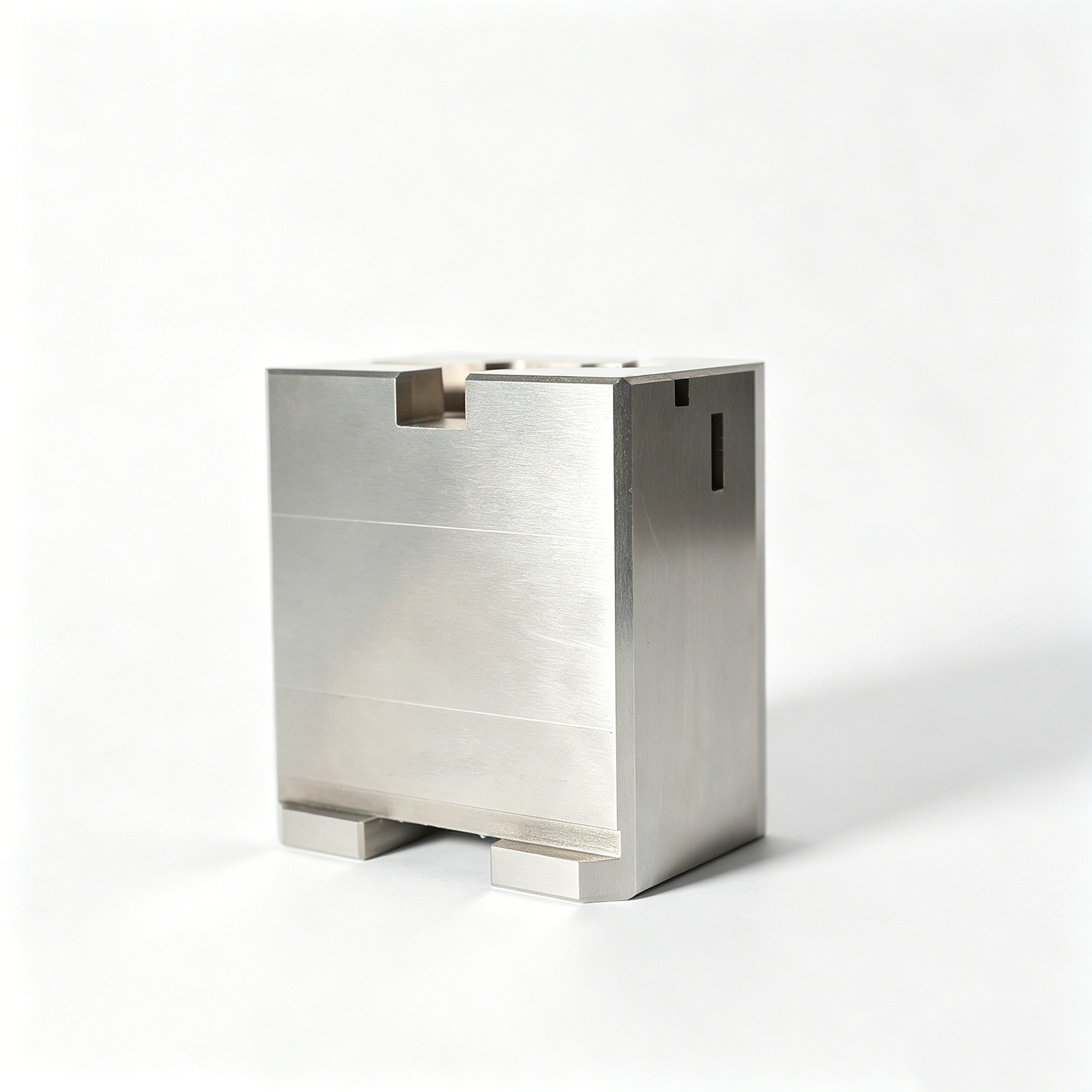


Drawing-Based Component Catalogue and RFQ Support


CNC Machining C932 Bearing Bronze: Buyer Priorities
Review friction duty, feature geometry, critical dimensions, and inspection needs before committing a drawing-based production route.
Anti-Friction Service Fit
Evaluate C932 for bushings, thrust washers, and sliding components where the mating surface, load pattern, lubrication, and duty cycle are defined.
Machinability Review
Confirm stock form, bore geometry, wall thickness, tool access, and chip-control considerations so the machining route matches the drawing intent.
Critical Datum Planning
Identify functional datums, bore relationships, concentricity requirements, and surface priorities before setup planning, especially where mating components govern performance.
Process-Aware DFM
Review tolerances against realistic machining access, workholding, finishing allowance, and inspection methods before quotation or production commitments are made.
Inspection-Led Release
Align measurement points, reporting expectations, revision status, and acceptance criteria with the order so completed parts can be evaluated consistently.
Configurable Precision Manufacturing Families
Explore drawing-based component and process families, with manufacturability, critical dimensions, materials, and inspection requirements reviewed before production commitments.

CNC Machining Services
Precision CNC machining services for custom parts requiring coordinated milling, turning, EDM, grinding, fitting, and inspection. SUUXIANG reviews the drawing, datums, critical dimensions, material, quantity, and quality expectations to establish an appropriate process route before quotation.
Upload a Drawing
CNC Milling
Custom CNC milling services for prismatic, contoured, and multi-feature components. Tool access, clamping, datum strategy, wall geometry, machining allowance, and surface requirements are reviewed so the milling approach supports the drawing’s critical features.
Upload a Drawing
CNC Turning
Precision CNC turning services for rotational components such as bushings, sleeves, pins, shafts, and valve-related parts. Diameter relationships, concentricity, runout, thread details, workholding, and subsequent grinding or EDM needs should be defined in the drawing review.
Upload a Drawing
5-Axis Machining
5-axis CNC machining supports complex faces, angled features, compound geometry, and reduced setups where access permits. SUUXIANG evaluates orientation, fixture strategy, cutter reach, tolerances, and inspection datums before selecting a multi-axis machining route.
Upload a Drawing
Swiss & Micro Machining
Swiss machining and micro machining support small, slender, and detail-intensive components where workholding and feature access require close attention. Provide dimensions, material, quantity, functional interfaces, and inspection priorities so manufacturability can be assessed against the current project scope.
Upload a Drawing
Wire & Sinker EDM
Wire EDM and sinker EDM services address hardened materials, narrow slots, internal corners, intricate profiles, and features inaccessible to conventional cutting tools. Electrode strategy, wire path, finish expectations, recast-layer considerations, and downstream fitting requirements are reviewed case by case.
Upload a Drawing
Precision Grinding
Precision surface and profile grinding supports controlled flatness, parallelism, profile geometry, and final stock removal after machining or heat treatment. Grinding allowance, material condition, datum sequence, surface requirements, and measurement method should be agreed before production.
Upload a Drawing
Mold Core & Cavity Inserts
Precision mold core and cavity inserts are produced from customer drawings and configurable specifications, not stocked SKU assumptions. Machining, EDM, grinding, heat-treatment sequence, shutoff areas, venting features, and inspection points are planned around the required mold function.
Upload a Drawing
Ejector & Ejection Components
Ejector pins, sleeves, and ejection components are drawing-driven parts for controlled motion and mold reliability. Diameter, fit, hardness, surface condition, lubrication context, mating parts, and positional requirements should be supplied for review before a process commitment.
Upload a Drawing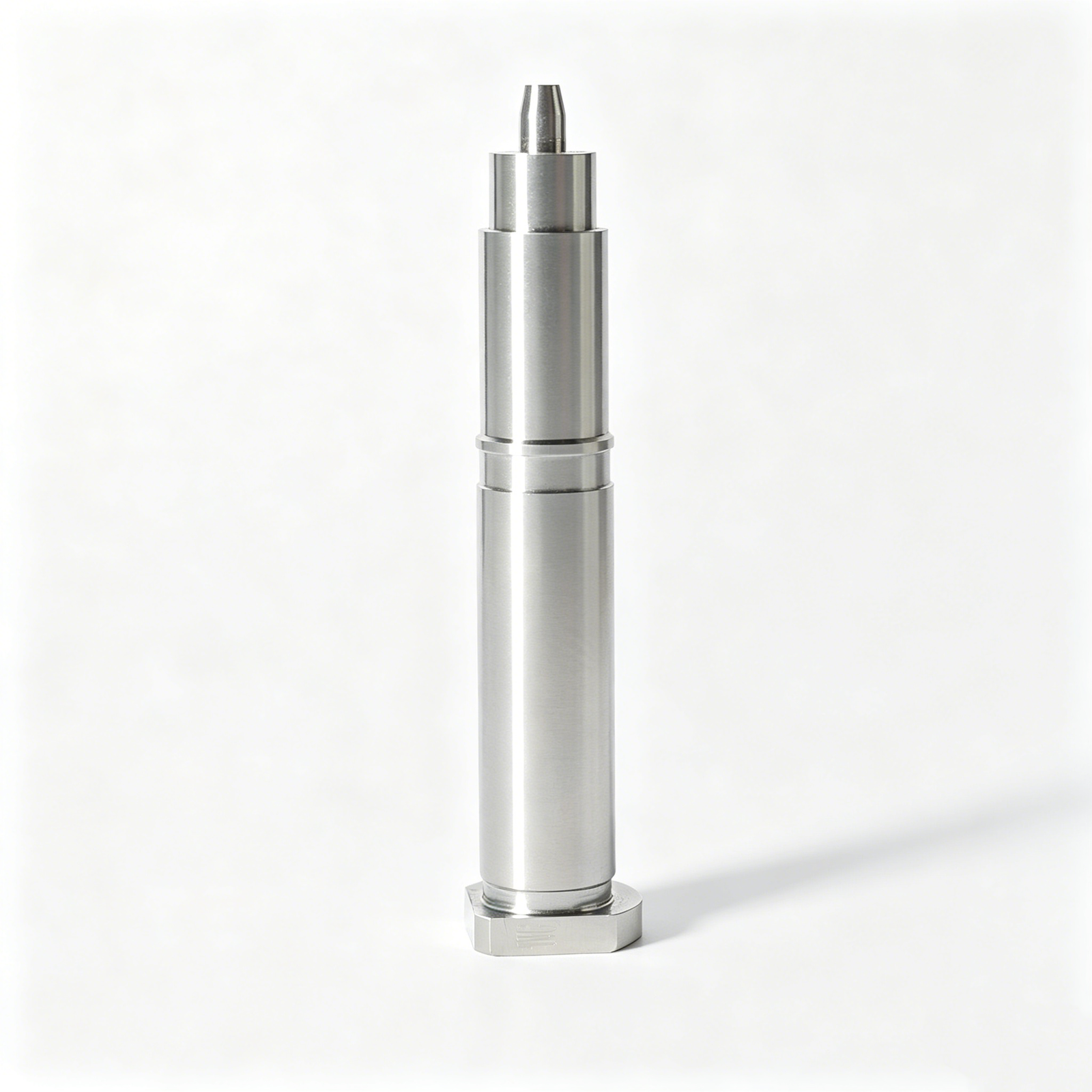
Core Pins, Guide & Locating Components
Core pins, guide pins, and locating components require careful control of functional interfaces and reference datums. SUUXIANG reviews fit relationships, straightness, concentricity, wear conditions, heat treatment, grinding stock, and the mating-component context provided with the RFQ.
Upload a Drawing
Slides, Lifters, Gates & Mold Accessories
Mold slides, lifters, gates, and accessories are configurable component families for mold mechanisms and flow-related features. Drawing review considers travel interfaces, shutoffs, wear surfaces, machining access, EDM needs, fitting requirements, and critical dimensions before manufacture.
Upload a Drawing
Connector Mold Components
Precision connector mold components are developed around pin geometry, cavity features, fine pitch, alignment, wear conditions, and mating relationships. Submit 2D and 3D data, material requirements, key dimensions, and inspection expectations for a project-specific review.
Upload a Drawing
Stamping Die Components
Precision stamping die components include drawing-based punches, dies, guides, inserts, and related wear elements. The process route depends on material, hardness, profile geometry, edge condition, EDM or grinding requirements, assembly interfaces, and the inspection plan.
Upload a Drawing
Injection, MIM, CIM & Overmolding Tooling
Injection, MIM, CIM, and overmolding tooling components are assessed within SUUXIANG’s verified production scope. Reviews address cavity and core geometry, material behavior, gates, vents, inserts, molding interfaces, machining access, fitting, and quality documentation needs.
Upload a Drawing
Machining Materials
CNC machining materials are selected against the drawing, application, wear conditions, corrosion environment, heat-treatment requirement, and available project evidence. Identify the specified grade, material standard, certification needs, and any substitution restrictions when submitting an RFQ.
Upload a Drawing
Surface Finishes & Heat Treatment
Surface finishing and heat treatment are planned as part of the manufacturing sequence, not treated as generic add-ons. Define hardness, coating or finish requirements, cosmetic boundaries, masking needs, dimensional priorities, and post-treatment inspection expectations in the order documentation.
Upload a Drawing
Quality, Metrology & Documentation
Precision inspection, metrology, and quality documentation are aligned to the drawing’s critical dimensions and approved inspection plan. Requirements may include dimensional reports, material records, revision identification, surface checks, or other documentation supported by the order and verified process.
Upload a Drawing
Prototyping & Low-Volume Production
Rapid prototyping and low-volume manufacturing support drawing-based validation, tooling development, and controlled production quantities. Quote preparation should include the revision level, material, quantity, delivery target, functional priorities, finishing needs, and inspection or reporting requirements.
Upload a DrawingCNC Machining C932 Bearing Bronze: Materials We Review

C932 Bearing Bronze
C93200, also known as SAE 660, is reviewed for bushings, bearing bores, and sliding interfaces where wear behavior, lubrication, load, and critical drawing dimensions govern the route.

C954 Aluminum Bronze
C95400 is considered when higher strength, wear resistance, or corrosion exposure may outweigh C932 machinability advantages. SUUXIANG reviews tool access, stock condition, finish requirements, and inspection priorities against the drawing.

C510 Phosphor Bronze
C510 phosphor bronze is evaluated for components needing elastic response and fatigue-conscious material selection. The drawing review confirms feature geometry, formed or machined condition, mating context, surface expectations, and measurement needs.

C544 Leaded Bronze
C544 leaded phosphor bronze may be reviewed where machinability and bearing-related function are relevant. Material availability, application restrictions, critical tolerances, and required documentation must be confirmed before SUUXIANG accepts the process route.
CNC Machining C932 Bearing Bronze: Supported Processes

CNC Milling Turning
Milling and turning create prismatic and rotational C932 bronze features, including bores, shoulders, threads, and profiles. Tool access, clamping, and critical dimensions are reviewed to support a practical machining route.


Wire EDM
Wire EDM is considered for precise profiles, narrow slots, and hardened mating components where a wire path is feasible. SUUXIANG reviews start-hole access, corner conditions, datum transfer, and finish requirements.
Sinker EDM
Sinker EDM supports deep, detailed, or difficult-to-reach cavity features when an electrode strategy is appropriate. Electrode design, spark allowance, surface expectation, and downstream fitting requirements are assessed with the drawing.

Precision Grinding
Precision grinding is planned for critical diameters, flatness, parallelism, and surface requirements where machining stock and process sequence allow it. Grinding allowance, heat-treatment condition, datums, and inspection method require early review.
Fitting Inspection
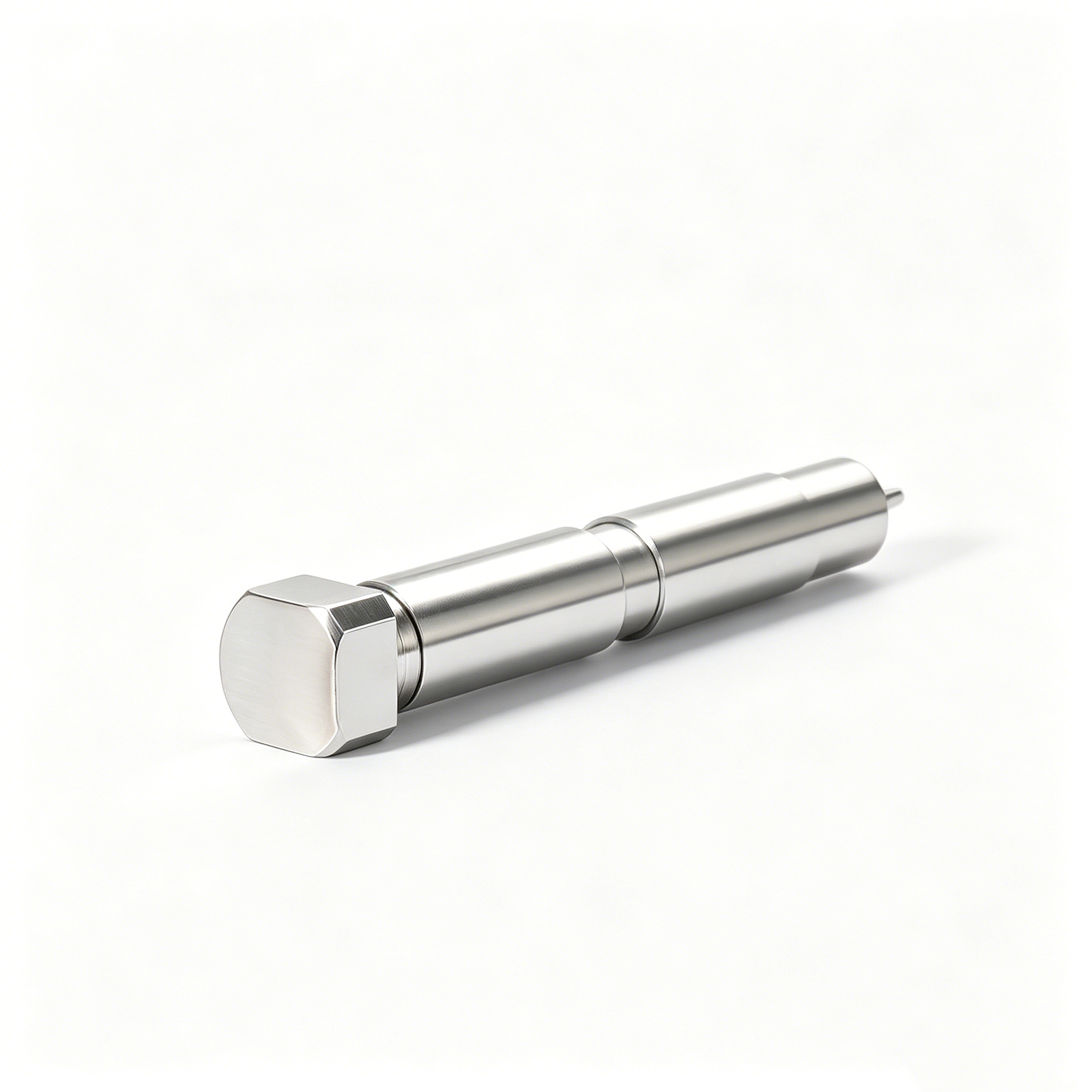
Fitting and inspection confirm functional relationships, critical dimensions, and the order-specific verification plan. Measurement points, reporting requirements, revision status, and mating-part context should be provided with the RFQ.
CNC Machining C932 Bearing Bronze: Supported Part Features

Threads and Inserts
Internal or external threads, tapped holes and specified inserts can be reviewed against wall thickness, engagement length, datum references and mating-load requirements before the machining route and inspection method are confirmed.

Locating Features
Dowel bores, register diameters, shoulders and key locating faces can be planned around the assembly datum scheme. Clear positional and fit requirements help determine machining sequence, measurement approach and practical tolerances.

Mating Interfaces
Flanges, mounting patterns, seal lands and mating bores require the counterpart context when function depends on alignment or clearance. Share assembly drawings, critical dimensions and surface expectations for a focused DFM review.
Part Identification
Specified part numbers, revision marks or traceability identifiers can be evaluated for placement, marking method and legibility without compromising critical surfaces. Provide the required content, location and any documentation linkage.

Protection Packaging
Protective treatments, individual separation, corrosion-prevention needs and labeling can be defined for finished bronze parts. State handling risks, delivery destination and packaging expectations so the project plan matches the order requirements.
About SUUXIANG Precision Manufacturing
SUUXIANG is the sole public-facing brand of Dongguan SuuXiang Precision Mold Co., Ltd., established in 2010 and based on the 2nd Floor of Sanhe Industrial Park in Chang’an Town, Dongguan, Guangdong, China. Founder and legal representative XiaoCheng Huang leads the company. We help international engineering, sourcing, and quality teams convert drawings and specifications into inspected custom parts, precision mold components, connector tooling, and die components.
For cnc machining c932 bearing bronze and related drawing-based work, our planning connects CNC milling and turning, multi-axis machining, EDM, precision grinding, fitting, and inspection as the part requires. Before quotation or production commitments, we review material requirements, critical dimensions, datums, machining access, surface requirements, and inspection expectations.
What differentiates SUUXIANG is disciplined project coordination around the details that affect fit, function, and acceptance. We keep revision control, process choices, inspection planning, and delivery information visible, helping buyers evaluate manufacturability and exchange the evidence needed before production begins.

CNC Machining C932 Bearing Bronze: Production Controls
Drawing and DFM Review
Before quotation, SUUXIANG reviews the drawing, model, material callout, quantity, datums, critical dimensions, surface requirements, and application context. The review identifies machining access, tolerance-stack risks, and details requiring clarification before a C932 bearing bronze process route is committed.
- Confirm C932 grade and material documentation requirements
- Identify functional bores, fits, datums, and surface priorities
- Review wall thickness, tool access, and deburring expectations
- Record revision status and open technical questions
Route the Features Correctly
CNC machining c932 bearing bronze may require more than a milling or turning setup. SUUXIANG evaluates whether the geometry calls for multi-axis machining, wire EDM, sinker EDM, precision grinding, fitting, or a controlled combination that protects functional features and practical machining allowances.
- Match turning or milling to the primary geometry
- Evaluate EDM for inaccessible profiles or precise internal forms
- Plan grinding stock for critical sliding or locating surfaces
- Sequence operations around geometry, access, and inspection needs
Control Critical Dimensions
Bearing bores, concentric relationships, locating features, and mating surfaces should be controlled against an agreed datum strategy. SUUXIANG plans machining and inspection around the dimensions that affect assembly and function, rather than treating every drawing dimension as an equal production risk.
- Define critical-to-quality dimensions before production
- Use drawing datums to guide setups and measurement
- Assess tolerance stack across related features
- Align surface-finish requirements with function and inspection method

Inspect With Revision Visibility
For cnc machining c932 bearing bronze projects, inspection requirements and revision control remain connected to the order. SUUXIANG coordinates agreed inspection evidence, drawing changes, and delivery information so the final documentation corresponds to the current released specification and verified inspection plan.
- Agree required reports and measurement points in advance
- Maintain visible drawing and revision references
- Escalate deviations or unclear requirements for disposition
- Match final documentation to the released order requirements

CNC Machining C932 Bearing Bronze: Why Choose SUUXIANG?
Compare the review discipline, process planning, inspection alignment, and revision visibility needed before production begins.
← Swipe left or right to view →
CNC Machining C932 Bearing Bronze: From RFQ to Shipment
Each project is reviewed against its drawing, material requirements, critical dimensions, and inspection expectations before production commitments are confirmed.
Review RFQ Requirements
We review the drawing, model, C932 material callout, quantity, application, delivery target, and identified critical dimensions before preparing a production route.
Plan DFM and Process
Engineers assess datums, tolerance stack, tool access, bore strategy, machining allowance, and whether grinding or EDM is appropriate for specified features.
Machine Critical Features
CNC milling, turning, drilling, and threading are sequenced around datum control and part rigidity, with process choices matched to the approved drawing.
Apply Secondary Operations
Where required by geometry or finish requirements, wire EDM, sinker EDM, precision grinding, deburring, and fitting are planned as controlled downstream operations.
Inspect and Document
Finished parts are checked against the agreed inspection plan, with measurement records and order documentation prepared according to verified project requirements.
Pack and Coordinate Shipment
Parts receive protective packing suited to their geometry and surface condition, followed by shipment coordination and visible revision and delivery communication.
How CNC Machining C932 Bearing Bronze Projects Move Forward
A controlled engagement sequence for drawing-based bronze components, from requirements review through inspection documentation and delivery coordination.
Submit Your Drawing Package
Send the 2D drawing, available 3D model, C932 material callout, quantity, critical dimensions, surface requirements, delivery target, and required inspection documentation.
Review DFM and Quotation
Confirm datum strategy, tolerance priorities, machining access, bore and fit requirements, inspection method, revision status, and the proposed process route before production commitments.
Approve Samples When Needed
For applicable projects, review first-article or sample requirements against agreed dimensions, functional interfaces, material documentation, and inspection criteria before moving into the approved production plan.
Coordinate Production and Documentation
SUUXIANG manages the agreed machining, inspection, revision visibility, and delivery coordination, providing documentation that matches the order and verified inspection plan.
Certificates and Quality Documentation
CNC Machining C932 Bearing Bronze Customer Feedback
Approved, attributable customer feedback will be published here only after SUUXIANG has verified the project scope, outcome, permissions, and supporting inspection or delivery evidence.
This space is reserved for a documented customer case covering drawing review, critical dimensions, material requirements, inspection expectations, and verified production outcomes for C932 bearing bronze parts.
SUUXIANG does not publish invented testimonials or unsupported performance metrics. Approved feedback will identify the customer role and project outcome only with permission.
CNC Machining C932 Bearing Bronze FAQ
Practical answers for engineering, quality, and sourcing teams preparing a drawing-based bronze-part RFQ.
What is the MOQ for cnc machining c932 bearing bronze parts?
What files should I send for cnc machining c932 bearing bronze RFQ review?
How do you verify the C932 bearing bronze material before production?
Can I order a prototype or first-article sample before production?
What affects the lead time for cnc machining c932 bearing bronze components?
Can SUUXIANG provide inspection reports for bronze parts?
How are finished C932 bronze parts packed and shipped internationally?
How do you protect drawings and control revisions during an RFQ?
Complete Guide to cnc machining c932 bearing bronze
Use this decision framework to specify C932 bronze parts, evaluate machining and inspection capabilities, compare supplier criteria, control cost drivers, and avoid drawing, material, tolerance, and compliance mistakes before production.
1. What Is cnc machining c932 bearing bronze?
UNS C93200, also called SAE 660 bearing bronze, is machined from bar, tube, plate, or suitable stock by CNC turning, milling, drilling, and boring to create a drawing-defined part. This subtractive route establishes bores, bearing faces, threads, and profiles against specified datums and tolerances.
C932’s tin-and-lead bearing-bronze chemistry is commonly selected for anti-friction sliding contact, useful wear behavior, and relatively easy chip-forming machining. Typical applications include plain bearings, bushings, thrust washers, valve components, and gears, but load, speed, lubrication, mating material, and environment still govern suitability (https://hppi.com/knowledge-base/bronze).
UNS C93200 is not interchangeable with the generic term bronze: alloy families differ materially in strength, corrosion behavior, machinability, and service limits. A usable RFQ identifies UNS C93200, product form, dimensions, critical surfaces, material evidence, and inspection requirements before a supplier confirms the process route.
2. C932 Bearing Bronze: Evolution and Use
C93200, commonly identified as SAE 660 bearing bronze, is a leaded tin bronze long used for bushings, bearings, gears, and valve-related components where sliding contact and wear matter. Its established role in industrial motion systems reflects a practical balance of bearing behavior and machinability. Source: https://hppi.com/knowledge-base/bronze
CNC turning and milling changed how many bearing-bronze requirements are supplied: bar, tube, billet, or suitable casting stock can be machined into controlled bores, shoulders, threads, and locating features from the current drawing. This approach is especially useful when a legacy cast component needs a replacement but the original pattern, tooling, or production volume no longer justifies a new casting.
1-piece prototypes and low-volume replacement orders still require the same application review as repeat work: identify the mating shaft, lubrication regime, load direction, bore tolerance, and datum scheme before selecting stock form and machining sequence. For cnc machining c932 bearing bronze, the RFQ should also state the required material designation and any inspection evidence needed for release.
3. Types of cnc machining c932 bearing bronze Parts
C932 parts are best classified by the sliding, thrust, sealing, or wear interface they serve. Each form needs its mating material, load direction, lubrication condition, and drawing datums before a process route is confirmed.
Plain And Flanged Bushings
C932 bushings carry radial load; flanges also resist axial movement. Turning establishes the bore and faces, while a drawing should specify shaft fit, wall thickness, flange geometry, lubrication, and critical runout.
Thrust Washers And Sleeves
C932 thrust washers support axial sliding, whereas sleeves and spacers establish length or stand-off. Saw-cut stock is faced and bored on a lathe; provide thickness tolerance, flatness, bore datum, contact-face finish, and load direction.
Valve And Pump Components
C932 valve seats, guides, and pump wear elements face fluid exposure and sliding contact. Turning and milling may add ports or grooves; quote requests need medium, pressure, sealing geometry, mating material, and leakage-critical dimensions.
Gears And Tooling Wear Parts
C932 gears and tooling wear pads need controlled tooth or contact geometry under repeated motion. CNC turning or milling precedes gear cutting or grinding when specified; submit tooth data, backlash requirement, mounting datum, wear interface, and inspection method.
4. cnc machining c932 bearing bronze Material Specification
UNS C93200, also called SAE 660 bearing bronze, should be specified by exact alloy, not by the generic term bronze. For cnc machining c932 bearing bronze, the drawing should identify product form and the required evidence before quotation.
| Alloy | Sliding Wear | Load | Corrosion | Machinability | Lead Restriction |
|---|---|---|---|---|---|
| C93200 | Good | Moderate | Moderate | Good | Review required |
| C954 aluminum bronze | Good | High | High | Harder | Generally lead-free |
| C510 phosphor bronze | Moderate | Moderate | Good | Harder | Generally lead-free |
| Brass | Moderate | Low–moderate | Moderate | Easy | Grade dependent |
| Steel | Application dependent | High | Coating dependent | Grade dependent | Generally lead-free |
Drawing And Stock Callouts
C93200 should be paired with the governing material standard, such as ASTM B505 when applicable, plus bar, tube, plate, or casting form and any permitted substitution.
Heat or lot traceability should link received stock to the job traveler. Request a material test report when chemistry, origin, or regulated use makes it necessary.
- State UNS C93200 and applicable standard
- Name stock form and starting size
- Define MTR, lot, and marking requirements
Alloy Selection Tradeoffs
C93200 contains lead, so its use requires review against product, market, and customer restrictions. Final alloy selection must follow actual load, sliding speed, lubricant, corrosion exposure, mating material, and regulatory requirements.
5. Part Features and Secondary Operations
C932 parts should be defined by functional geometry before secondary operations are quoted. A complete drawing separates sliding, sealing, locating, and cosmetic requirements so the process route can be reviewed against datum access.
Turned And Milled Geometry
Rotational diameters, shoulders, and concentric bores normally favor turning; flats, pockets, and non-radial patterns require milling. The drawing should identify datums, runout relationships, and any features requiring a single setup.
Bores, Grooves, And Fits
Bearing bores need a stated diameter tolerance, surface requirement, and mating-shaft context. Oil grooves, cross-holes, and press-fit diameters require groove profile, hole location, fit class, insertion direction, and allowable edge break.
- Specify groove width, depth, path, and termination
- Call out cross-hole orientation from a datum
- Identify the mating material and interference target
Finish, Marking, And Packing
Functional surfaces need measurable requirements such as roughness, burr limits, or protected edges; cosmetic polishing is a separate request. RFQs should define marking content and location, cleaning restrictions, count verification, and packaging needed to prevent transit damage.
- State engraving text, font height, and permitted zone
- Specify cleaning compatibility with the application
- Request separators or individual protective wraps when needed
6. Critical Quality in cnc machining c932 bearing bronze
For cnc machining c932 bearing bronze, service life often depends on the bearing interface rather than a general dimensional note. Bore size, roundness, coaxiality, wall thickness, finish, edges, grooves, and cleanliness should be tied to the mating shaft and lubrication duty.
Functional Bore Inspection
Datum A should establish the seating face, with the bore evaluated from that datum rather than from an arbitrary outside diameter.
Three measurements—bore size, roundness, and coaxiality—may require an air gauge, bore gauge, CMM, or precision mandrel, selected for the stated tolerance and feature access.
Surface And Groove Control
Ra requirements belong on sliding or sealing surfaces when the application requires them; applying fine finish everywhere raises cost without improving function.
Oil-groove width, depth, runout, entry edges, and burr condition need explicit acceptance criteria because sharp burrs can disrupt assembly and lubrication.
Approval And Documentation
First-article approval should compare datum-based results, wall thickness, critical feature records, and the released drawing revision before routine production.
Sampling plans should focus on critical-to-quality features, while material-certification review confirms the ordered C932 designation, traceability, and any required incoming-material evidence.
7. How to Choose a C932 Machining Supplier
A C932 supplier should be evaluated against the drawing, not a generic bronze capability list. Confirm each proposed process route before awarding a cnc machining c932 bearing bronze order.
Verify Material And Process
C93200 should be identified on the purchase requirement, with the stock form and material-document expectation agreed before release.
Turning capacity matters for bores and concentric features; milling capacity matters for flats, ports, and mounting geometry. Ask how the supplier will control each datum transition.
Assess Quality Evidence
Critical dimensions should be marked on the drawing and tied to a stated inspection method, sampling plan, and report format.
Lot traceability should connect received material, revision, inspection records, and shipment. Request a documented response path for nonconforming results.
Structure The RFQ
One RFQ should include the 2D drawing, 3D model when available, quantity, annual demand, and target delivery date.
Application conditions—load, lubrication, mating material, temperature, and environment—help expose unsuitable assumptions. State required material certificates, dimensional reports, first-article evidence, packaging protection, and revision-control requirements.
8. Common C932 Bronze Sourcing Mistakes
C93200 sourcing errors usually enter the order before the first setup. A complete RFQ makes material, function, geometry, and verification assumptions visible before supplier selection.
Material And Compliance Definition
C93200, not merely ‘bronze,’ should appear with the governing material standard and required stock form. This prevents substitution and unsuitable machinability assumptions.
Lead content must be reviewed against the destination, application, and customer compliance requirements. State restrictions and required material evidence to prevent a nonconforming release.
Functional Dimensions And Finish
One bearing bore requires its tolerance, datum, and mating-shaft diameter, finish, hardness, and operating condition. This prevents clearance, seizure, or premature-wear risk.
Ra requirements must identify the functional surface rather than request a cosmetic finish everywhere. This prevents unnecessary secondary work or a finish that impairs bearing performance.
Geometry And Inspection Scope
Minimum wall thickness, internal corners, tool access, and unsupported features need drawing review before quotation. This prevents distortion, inaccessible features, and late design changes.
100% inspection, first-article evidence, sampling rules, gage method, and report format must match every quote. This prevents selecting a low quote with a reduced verification scope.
9. Launching cnc machining c932 bearing bronze Production
One production release should link the drawing, model, material callout, application load, mating parts, and delivery need. For cnc machining c932 bearing bronze, lock these inputs before cutting stock.
Prepare The Release Package
Two controlled files—the 2D drawing and 3D model—should share revision, units, datums, bore limits, surface notes, and quantity. One application note should identify lubrication, load direction, temperature, and mating-shaft requirements.
Close The DFM Review
One DFM response should identify tool access, workholding, burr risks, achievable bore process, and inspection method. Critical dimensions need explicit acceptance limits rather than being buried in general tolerances.
Align Award Assumptions
One quotation review should confirm C932 material designation, starting form, machining route, finish, inspection scope, packaging, and lead-time basis. Any substitution, exception, or unverified requirement needs written disposition before the purchase order.
Approve And Control Reorders
First-article approval should compare measured results with the released drawing and validate fit with representative mating hardware. Reorders should retain the approved revision, inspection plan, packaging method, and a change-control record.
10. cnc machining c932 bearing bronze Pricing and Cost
3 quantity tiers below are illustrative planning bands, not SUUXIANG prices; the final quote depends on the released drawing, C932 stock form, part envelope, machining time, and required delivery date. Include material grade, quantity, critical dimensions, finish, and inspection-report requirements in the RFQ.
2 design changes often reduce total landed cost: standardize stock-friendly diameters and remove nonfunctional tight tolerances or secondary operations. Deep internal features, thin walls, special finishes, first-article reporting, scrap exposure, and expedited delivery should be separately visible in the quotation.
| Quote-dependent quantity tier | Planning lead-time band | Main pricing drivers |
|---|---|---|
| 1–10 prototypes | Project review required | Setup, bar or tube availability, programming, inspection plan |
| 11–50 low-volume parts | Project review required | Cycle time, tolerance zones, finish, secondary operations |
| 51–250 repeat parts | Project review required | Material yield, fixture strategy, report level, scrap risk |
| Expedited quantity | Project review required | Queue disruption, premium freight, added inspection capacity |
Request CNC Machining C932 Bearing Bronze Drawing Review
Upload your drawing with material, quantity, critical dimensions, inspection needs, and target delivery date for a manufacturability discussion and quotation.