
HPM38 Mold Steel CNC Machining for Tooling Components
Move from drawing to inspected HPM38 components with DFM, critical-dimension review, EDM, grinding, and controlled inspection.
Representative HPM38 Tooling Components


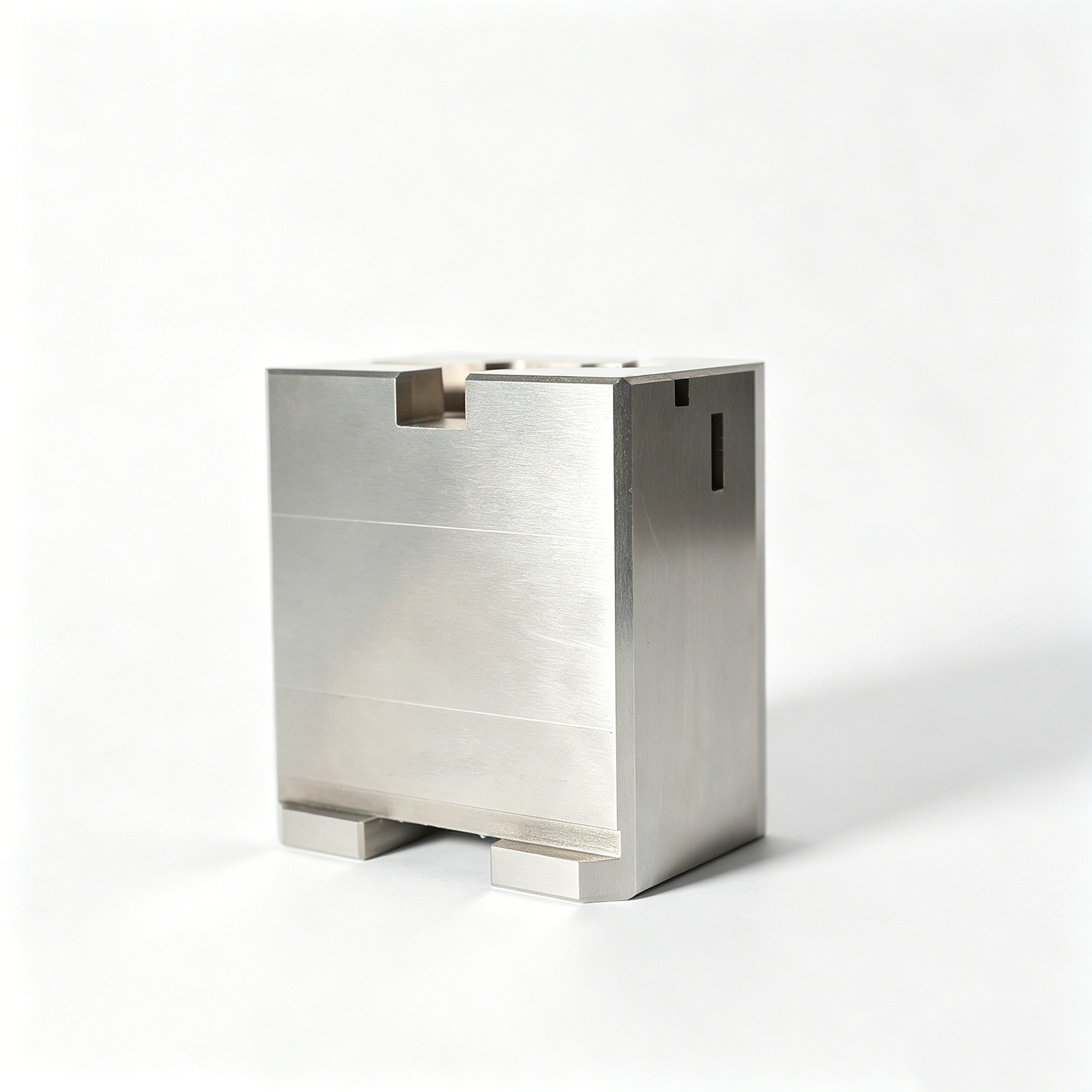


Related Drawing-Based Components


Engineering Controls That Protect Critical Features
For HPM38 mold steel CNC machining, SUUXIANG reviews the process route around your drawing, critical dimensions, material condition, and inspection requirements before production.
Drawing and CTQ Review
We identify critical dimensions, surface requirements, datum references, and revision details so quotation and process planning reflect the drawing intent.
Datum Planning
Datum strategy is reviewed before setup planning to help protect positional relationships, tolerance stacks, and inspection alignment across machining operations.
Machining Access Check
Tool reach, corner radii, clamping surfaces, and feature depth are assessed early to expose access limits before material removal begins.
EDM Strategy
Where geometry requires EDM, we review electrode access, wire paths, finish expectations, and downstream finishing requirements with the machining route.
Grinding Allowance Control
Grinding stock and sequence are planned around critical surfaces to support controlled finishing after machining, heat treatment, or EDM where required.
Inspection Plan Alignment
Inspection methods, reporting needs, and critical-feature priorities are aligned with the order so final records match the verified project requirements.
Precision Component and Process Families
Configure the process route, component family, material condition, and inspection evidence around your drawing, critical dimensions, and production requirements.

CNC Machining Services
Precision CNC machining services for drawing-based parts requiring controlled milling, turning, EDM, grinding, fitting, and inspection routes. Review critical dimensions, datums, materials, surface requirements, and quantity before quotation or production planning.
Upload a Drawing
CNC Milling
Custom CNC milling services for prismatic, plate, insert, and complex-featured components. Tool access, fixture strategy, machining allowance, datum sequence, and post-machining operations are reviewed against the drawing before committing to a route.
Upload a Drawing
CNC Turning
Precision CNC turning services for shafts, pins, sleeves, bushings, and rotational components. Quote review should define material condition, concentricity and runout requirements, thread details, surface finish, secondary features, and inspection references.
Upload a Drawing
5-Axis Machining
5-axis CNC machining supports components with angled faces, compound contours, and multi-side features that benefit from fewer setups. Feasibility depends on part geometry, tool reach, clamping access, tolerance relationships, material, and required finishing operations.
Upload a Drawing
Swiss & Micro Machining
Swiss machining and micro machining support small, slender, and detail-intensive parts such as pins, micro shafts, connector features, and miniature locating elements. Drawing review addresses diameter-to-length ratio, workholding, burr control, tolerances, and inspection method.
Upload a Drawing
Wire & Sinker EDM
Wire EDM and sinker EDM services support hard materials, narrow slots, sharp internal geometry, fine details, and features inaccessible by conventional cutting tools. Electrode strategy, wire path, flushing, recast-layer considerations, and finishing requirements should be defined early.
Upload a Drawing
Precision Grinding
Precision surface and profile grinding supports flatness, parallelism, profile control, and final-size requirements after machining or heat treatment. Grinding stock, datum sequence, heat-treatment distortion, surface requirements, and inspection points must be planned with the part route.
Upload a Drawing
Mold Core & Cavity Inserts
Precision mold core and cavity inserts are produced from customer drawings and models with attention to shutoff geometry, cooling-related features, material condition, EDM requirements, grinding allowance, fitting interfaces, and critical molded-part dimensions.
Upload a Drawing
Ejector & Ejection Components
Ejector pins, sleeves, and ejection components are configured for mold architecture, material requirements, running fit, surface condition, and stroke-related function. Buyers should provide mating details, critical diameters, hardness requirements, and relevant inspection expectations.
Upload a Drawing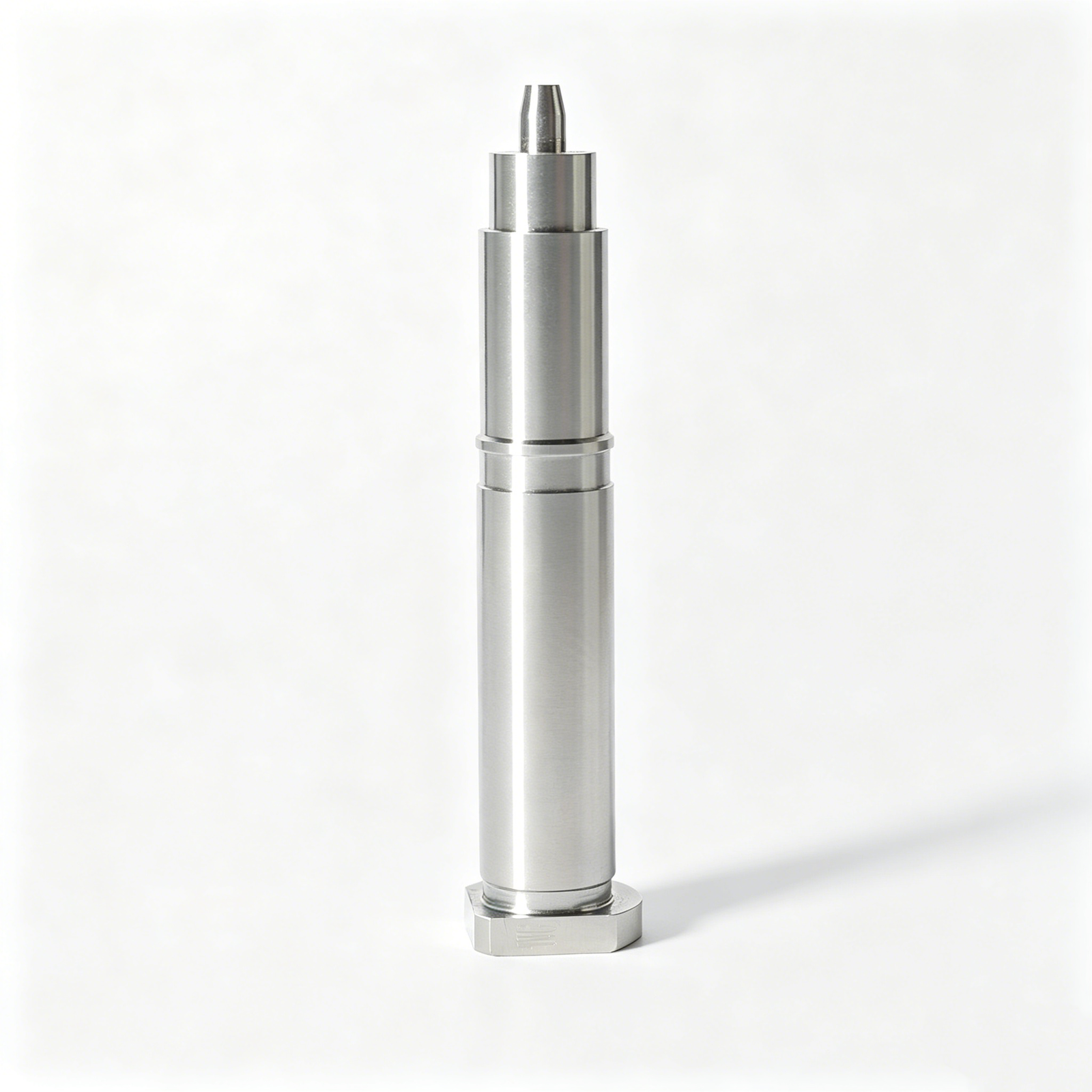
Core Pins, Guide & Locating Components
Core pins, guide pins, and locating components are manufactured around dimensional relationships with their mating features. Review should cover fit class, concentricity, engagement length, material and heat treatment, wear conditions, and datum references for inspection.
Upload a Drawing
Slides, Lifters, Gates & Mold Accessories
Mold slides, lifters, gates, and accessories are drawing-configured components requiring coordinated interfaces, travel geometry, shutoff surfaces, and fitting requirements. Production planning considers machining access, EDM or grinding needs, material condition, and mating-component information.
Upload a Drawing
Connector Mold Components
Precision connector mold components support tooling features where pitch, alignment, cavity detail, insert interfaces, and repeatable positioning are important. Provide product geometry, mating relationships, material requirements, critical dimensions, and inspection or documentation needs.
Upload a Drawing
Stamping Die Components
Precision stamping die components are produced for drawing-defined cutting, forming, guiding, and locating functions. Feasibility review considers die material, heat-treatment sequence, clearance-sensitive geometry, wire-EDM strategy, grinding stock, and mating-component relationships.
Upload a Drawing
Injection, MIM, CIM & Overmolding Tooling
Injection, MIM, CIM, and overmolding tooling work is assessed within verified production scope. Drawings should identify molding process context, material behavior, critical part features, shutoffs, inserts, surface requirements, and any component interfaces affecting manufacturability.
Upload a Drawing
Machining Materials
CNC machining materials are selected against drawing requirements, function, machinability, heat treatment, wear, corrosion exposure, and inspection needs. State the specified grade, condition, material certification expectations, and any approved substitution rules with the RFQ.
Upload a Drawing
Surface Finishes & Heat Treatment
Surface finishing and heat treatment are planned as part of the manufacturing route, not added after dimensions are fixed. Specify finish type, appearance requirements, hardness or coating needs, masking areas, dimensional priorities, and post-treatment inspection expectations.
Upload a Drawing
Quality, Metrology & Documentation
Precision inspection, metrology, and quality documentation are aligned to the approved drawing, revision, critical dimensions, datum scheme, and order requirements. Confirm report format, sampling or full-inspection needs, material records, and traceability expectations before production.
Upload a Drawing
Prototyping & Low-Volume Production
Rapid prototyping and low-volume manufacturing support drawing-based validation, bridge quantities, tooling development, and controlled production runs. A useful RFQ defines quantity, revision status, material, quality priorities, delivery target, application context, and required inspection evidence.
Upload a DrawingMaterial Requirements We Review Before Machining

HPM38 Mold Steel
Used for corrosion-conscious, polish-sensitive mold components. We confirm the specified grade, supply condition, heat-treatment sequence, machining allowance, and material documentation before routing CNC, EDM, grinding, and inspection work.

Prehardened Mold Steel
Often selected when drawings require stable machining from supplied stock. Review focuses on stated hardness condition, critical-feature strategy, EDM and grinding allowances, and whether final requirements depend on additional heat treatment.

Hardened Tool Steel
Applicable where wear resistance or finished hardness drives component performance. The drawing review identifies post-heat-treatment features, distortion-sensitive dimensions, grinding stock, datum protection, and inspection points before process commitment.

Stainless Mold Steel
Considered for mold inserts and components with corrosion-resistance or polish requirements. Material designation, heat-treatment condition, surface specification, and traceable certificate requirements are aligned with the drawing and project evidence.

Copper Electrode Material
Used when sinker EDM geometry requires an electrode strategy. We review electrode material, burn allowance, finish target, wear expectation, and relationship to the finished HPM38 feature before EDM planning begins.
CNC Machining HPM38 Mold Steel: Process Routes

CNC Milling
CNC milling establishes pockets, contours, coolant features, and datum surfaces in HPM38 components. Tool access, remaining stock, and clamping sequence are reviewed to protect critical geometry before EDM, grinding, or finishing.

Wire EDM
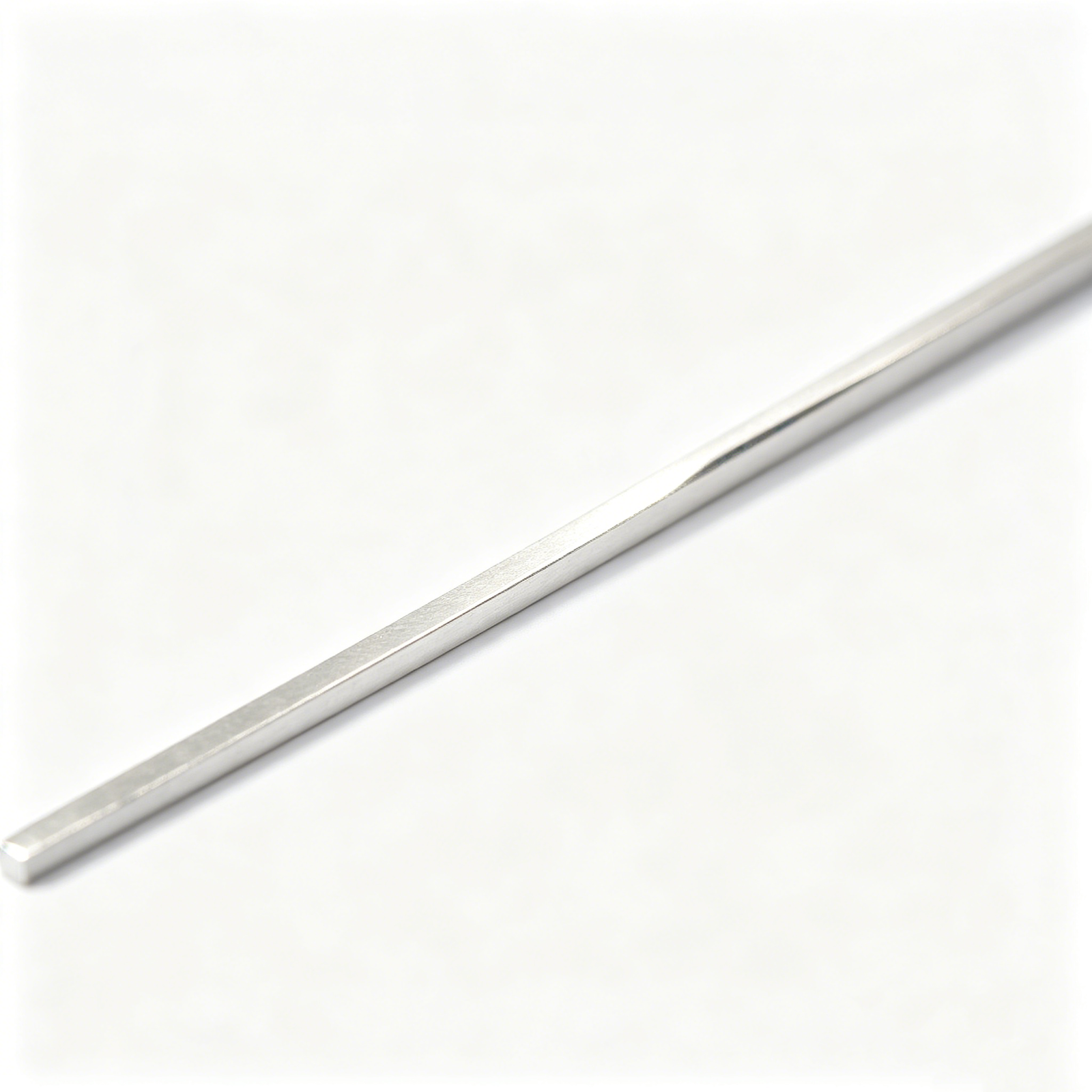
Wire EDM is applied where narrow slots, sharp internal profiles, or difficult-through features call for a controlled wire path. The route is planned around datum references, stock condition, corner requirements, and subsequent inspection.
Sinker EDM
Sinker EDM forms deep cavities, fine details, and enclosed features beyond practical cutter access. Electrode strategy, spark allowance, surface requirement, and finishing steps are aligned with the drawing and the intended mold-function surfaces.

Precision Grinding
Precision grinding refines flatness, parallelism, squareness, and controlled dimensions after the appropriate machining or heat-treatment stage. Grinding stock and datum strategy are reviewed so critical interfaces can be measured against the agreed inspection plan.
Component Fitting
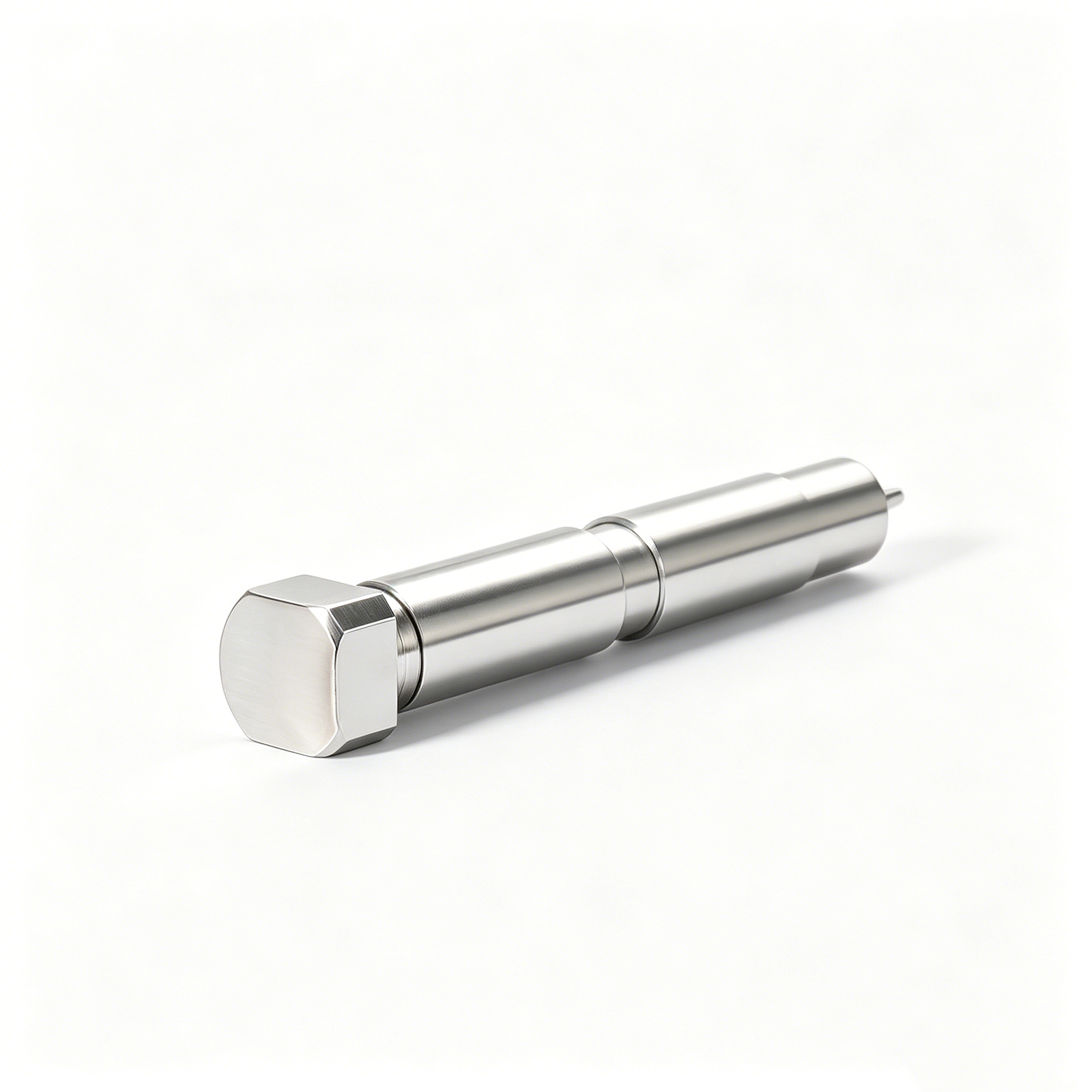
Component fitting checks the functional relationship between mating inserts, slides, cores, and locating features. This controlled step helps identify interference, clearance, and assembly concerns that dimensional results alone may not reveal.

Final Inspection
Final inspection verifies drawing-defined critical dimensions, surface priorities, and required documentation using the order-specific inspection plan. Results, revision status, and reporting needs are coordinated before shipment for traceable CNC machining HPM38 mold steel work.
SUUXIANG: Drawing-Driven HPM38 Tooling Manufacturing

Guide Locating Features
Guide pillars, bushings, locating keys, and alignment features can be machined to drawing-defined fits, datums, and assembly relationships for mold bases, inserts, and interchangeable tooling elements.

Core Pin Elements
Core pins and small-forming details can be produced with the required diameter, engagement length, relief geometry, surface requirement, and mating-component context to support practical machining and inspection planning.
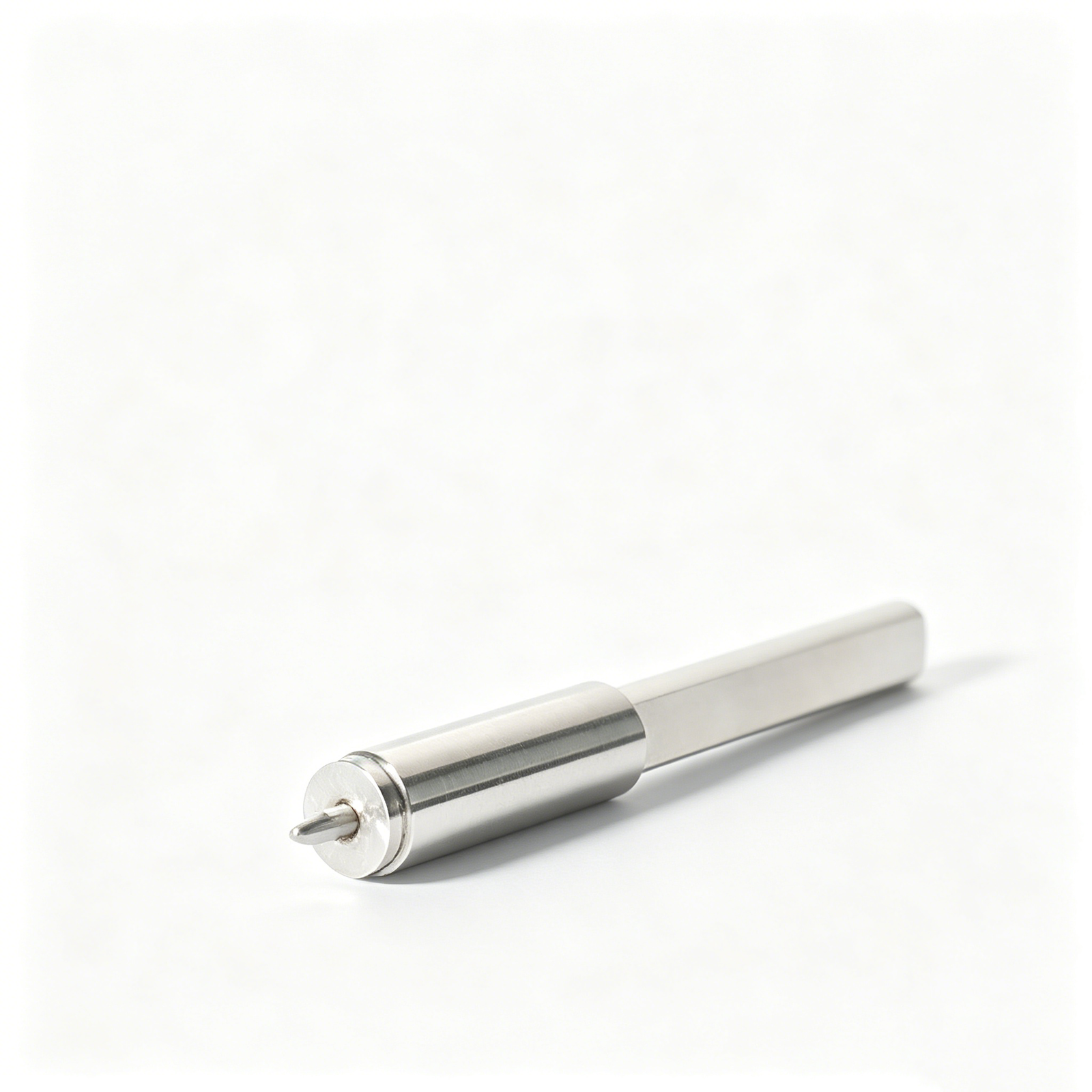
Ejector Components
Ejector pins, sleeves, return elements, and related ejection details are reviewed for clearance, guidance, contact surfaces, and installation interfaces before the selected CNC, grinding, EDM, and fitting route is confirmed.

Slides and Lifters
Slide and lifter components can incorporate angled faces, travel interfaces, wear surfaces, locating details, and mounting features when drawings define the working relationship, material condition, and critical dimensions.

Gates and Markings
Gate inserts, runner-related details, cavity identifiers, date marks, part numbers, and other drawing-specified markings can be included where geometry, finish expectations, and traceability requirements are clearly provided.
HPM38 Mold Steel Machining: Capability in Depth
SUUXIANG is the international-facing brand of Dongguan SuuXiang Precision Mold Co., Ltd., established in 2010 in Chang’an Town, Dongguan, China. We help global engineering, sourcing, and quality teams translate drawings and specifications into inspected CNC-machined parts, precision mold components, connector tooling, and stamping-die components.
For cnc machining hpm38 mold steel work, our planning combines CNC milling and turning with EDM, precision grinding, fitting, and inspection as the drawing requires. Before quotation and production commitments, we review critical dimensions, datum strategy, machining access, heat-treatment sequence, surface requirements, and reporting expectations.
Our difference is disciplined project control rather than generic quoting. We keep DFM questions, revision status, process decisions, and inspection requirements visible throughout the job, helping buyers compare practical manufacturing routes and submit RFQs with the material, quantity, delivery, and quality evidence needed for a responsible review.
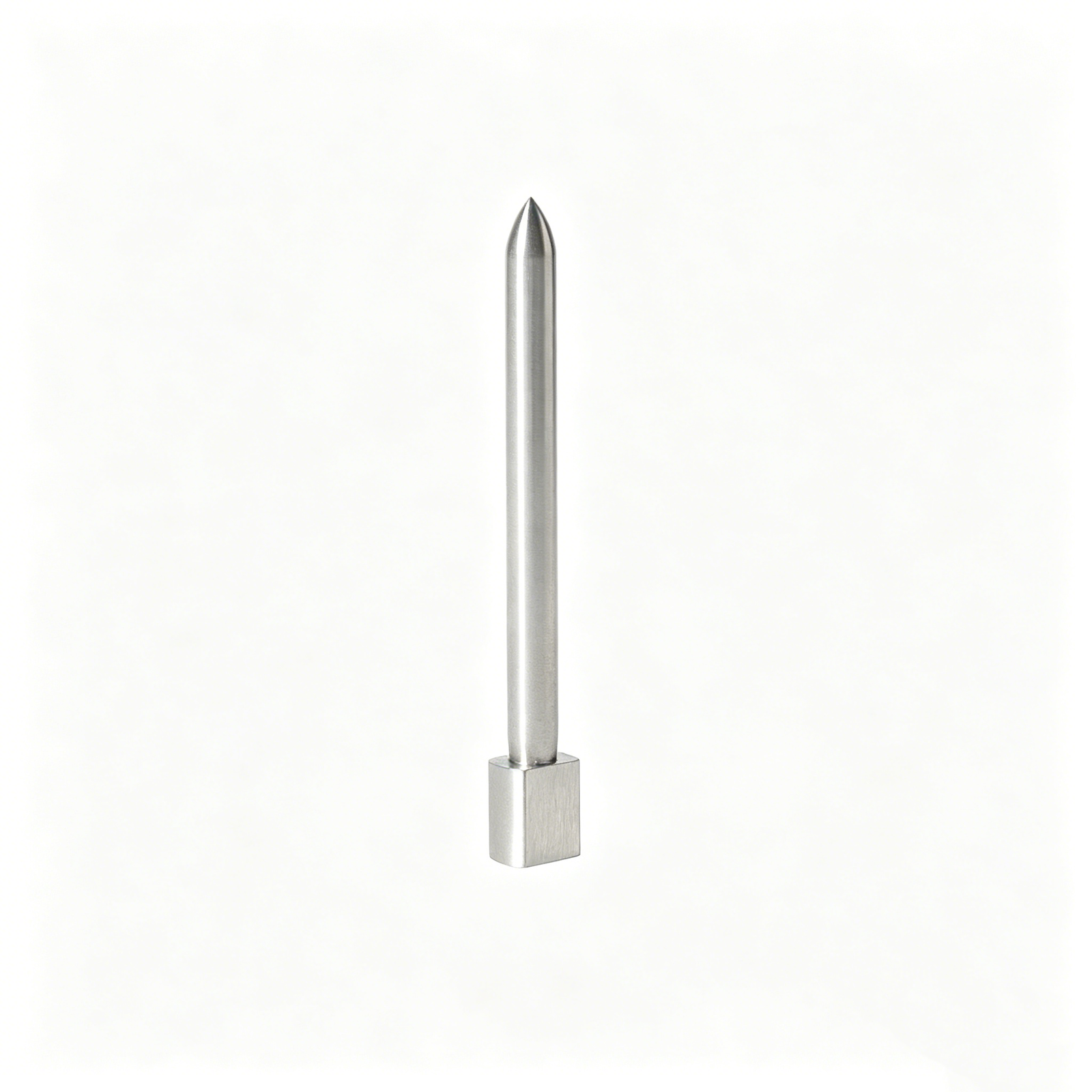
How SUUXIANG Controls HPM38 Tooling Projects
Drawing-Led DFM Review
Before quoting cnc machining hpm38 mold steel components, SUUXIANG reviews the drawing package for critical dimensions, datum logic, machining access, surface requirements, and heat-treatment sequence. The review identifies questions that need resolution before a process route and inspection plan are confirmed.
- Confirm 2D drawing, 3D model, revision level, quantity, and application context
- Identify critical-to-quality dimensions and datum relationships
- Review tool reach, clamping approach, and allowance for subsequent operations
- Clarify material, hardness, finish, and reporting requirements
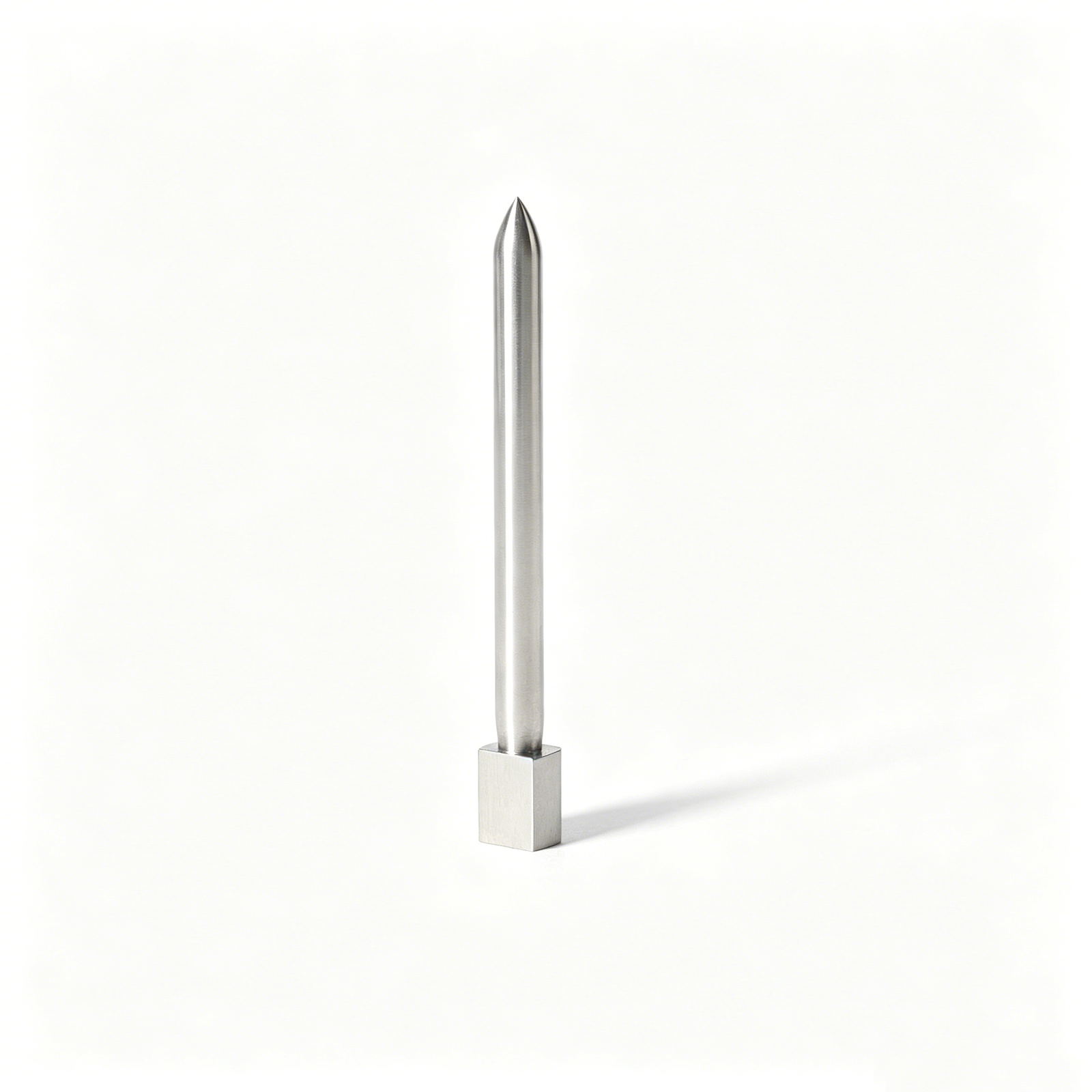
CNC and EDM Coordination
Complex cavities, narrow ribs, sharp internal features, or profiles with limited cutter access may require a coordinated CNC, sinker EDM, or wire EDM route. SUUXIANG evaluates the geometry and finish requirement project by project, including electrode strategy, wire path, and downstream finishing needs.
- Separate machinable geometry from EDM-dependent detail
- Plan electrode access and potential witness locations
- Assess wire-start, relief, and corner requirements
- Keep machining and EDM decisions aligned to the drawing revision

Grinding After Heat Treatment
Where a component requires hardened-condition dimensions, precision grinding can be considered after heat treatment and prior operations. SUUXIANG reviews grinding stock, datum preservation, distortion risk, and the dimensional priorities that determine whether finishing allowances and inspection points need adjustment.
- Define stock left for grinding before heat treatment
- Protect functional datums through the process sequence
- Review flatness, parallelism, diameter, and surface priorities
- Confirm any project-specific hardness evidence before final planning

Inspection Matched to Risk
Inspection planning for cnc machining hpm38 mold steel should follow the drawing’s functional risk, not a generic checklist. SUUXIANG aligns measurement methods, critical-feature reporting, traceability expectations, and revision control with the agreed order requirements before final documentation is issued.
- Match measurement methods to the specified feature and tolerance
- Prioritize critical dimensions, datums, and mating interfaces
- Maintain visible drawing-revision and delivery coordination
- Provide documentation that follows the verified inspection plan

Why Choose SUUXIANG for CNC Machining HPM38 Mold Steel
For cnc machining hpm38 mold steel, SUUXIANG centers the workflow on drawing review, process decisions, inspection alignment, and controlled communication.
← Swipe left or right to view →
How HPM38 Mold Steel CNC Machining Projects Start
Each project route is reviewed against the drawing, material requirements, critical dimensions, and agreed inspection plan before delivery coordination.
Review Drawing Requirements
We review the 2D drawing, 3D model, material callout, quantity, critical dimensions, datums, surface requirements, delivery target, and requested quality documentation.
Confirm DFM Process Route
The team evaluates machining access, tolerance stack, heat-treatment sequence, machining allowance, and whether CNC milling, turning, EDM, grinding, or fitting is appropriate.
Machine Critical Features
Approved production follows the defined route, with attention to datum control, tool access, cavity details, core features, and revision-controlled drawing requirements.
Apply EDM And Grinding
Where required, wire EDM, sinker EDM, and precision grinding are planned around electrode strategy, wire path, finishing allowance, and specified functional surfaces.
Fit And Inspect Parts
Components are fitted when applicable and inspected against the agreed plan, focusing on critical dimensions, surface requirements, measurement method, and traceable order records.
Pack And Coordinate Delivery
After final verification, parts are packed for shipment and delivery details are coordinated with the customer, including applicable inspection documentation and revision information.
How cnc machining hpm38 mold steel Projects Start
Give our engineering team the information needed to review manufacturability, plan controlled processing, and align inspection requirements before production.
Submit Your Drawing Package
Send the 2D drawing and, when available, 3D model with revision status, application context, mating details, and clearly identified critical features.
Define Material Requirements
Specify HPM38 grade, material documentation needs, heat-treatment condition, hardness target, surface expectations, and any corrosion, polishing, or wear-service priorities.
Set Quality Priorities
Identify critical dimensions, datums, tolerance stack concerns, inspection methods, reporting requirements, and acceptance criteria so the machining and verification plan can be reviewed.
Confirm Quantity and Timing
State prototype or production quantity, required delivery date, packaging needs, and shipment destination so SUUXIANG can coordinate a suitable drawing-driven project discussion.
Customer References Pending Approval
HPM38 Mold Steel CNC Machining FAQ
Customer-approved project feedback will be published after the customer confirms the final wording, project scope, and any measurable outcome that may be shared publicly.
This space is reserved for a verified customer case covering drawing review, HPM38 machining, inspection requirements, and the approved production result without disclosing confidential specifications.
A customer-approved testimonial will be added here once the customer authorizes publication of its company details, project context, and verified delivery or quality outcome.
Complete Buyer’s Guide to HPM38 Mold Steel CNC Machining
Practical answers for teams evaluating drawing-driven HPM38 tooling components, inspection requirements, and production planning.
What should I include in an RFQ for cnc machining hpm38 mold steel?
Can SUUXIANG machine a single HPM38 mold component or prototype?
How do you confirm whether cnc machining hpm38 mold steel is suitable for my part?
Can HPM38 components be machined before and after heat treatment?
What inspection documents can I request for HPM38 tooling parts?
What lead time should I expect for cnc machining hpm38 mold steel parts?
How does SUUXIANG protect drawings and intellectual property?
What are the payment and shipping options for an international order?
Complete Buyer’s Guide to cnc machining hpm38 mold steel
Use a practical decision framework to specify HPM38 tooling, assess CNC and inspection suppliers, compare cost drivers, and avoid material, finishing, traceability, and DFM mistakes before release.
1. What Is cnc machining hpm38 mold steel?
HPM38-grade stainless mold steel is specified for CNC-produced mold plates, inserts, cores, cavity blocks, slides, and other precision tooling components—not for a catalog plastic part. The buyer is procuring the accurately machined metal tool element that will later form, guide, or support production molding.
29–33 HRC is the published prehardened delivery range for HI-PM 38, while the supplier identifies it as hardenable to 50–55 HRC for anti-corrosion and mirror-polish molds (https://www.proterial.com/e/yss/search/hpm38.html). The drawing must therefore state the required delivery condition, hardness verification, heat-treatment sequence, grinding allowance, and surface target before machining begins.
CNC machining creates the mold component; injection molding later injects material into the completed tool to make the final part. This guide answers the sourcing question: what drawing, material-condition, finish, datum, and inspection evidence should a buyer align with a supplier before ordering cnc machining hpm38 mold steel?
2. HPM38 Development and Mold-Tooling Context
HI-PM 38 is Proterial’s current designation for a Mo-containing 13Cr martensitic stainless mold steel used for anti-corrosion and mirror-polish molds; its application listing includes medical instruments and food containers. That context reflects demand for transparent parts, flame-retardant resins, and resin systems whose gases or additives make conventional mold steels harder to maintain. Source: https://www.proterial.com/e/yss/search/hpm38.html
29–33 HRC is the documented prehardened delivery range, allowing roughing, cavity machining, EDM preparation, and grinding planning without automatically scheduling a final hardening cycle. This reduces distortion risk in precision tooling, but drawing review must still define critical datums, remaining stock, polishing allowance, and inspection condition.
50–55 HRC is the listed hardenability range, so post-machining heat treatment remains a route when the approved tooling specification requires it. Proterial cross-references AISI 420F, DIN X30Cr13, W-Nr. 1.4028, and JIS SUS420J2, but composition ranges differ; treat them as comparison references, not drop-in substitutes, until certificate, heat treatment, and performance requirements are validated.
3. Types of cnc machining hpm38 mold steel Parts
Six common order types drive different planning for cnc machining hpm38 mold steel. Each package should state mating interfaces, critical dimensions, surface requirement, cooling details, wear exposure, and expected production volume before routing begins.
Cavity And Core Inserts
Three-dimensional cavity geometry, polish zones, gates, and cooling circuits belong with their mating core definition. Inspect datums, cavity profiles, cooling locations, and shutoff interfaces as a controlled assembly.
Mold Plates And Frames
Two or more plates need a common coordinate scheme for bores, pockets, dowels, and water connections. CNC machining and grinding plans should separate general frame dimensions from insert-seat and alignment tolerances.
Slides And Lifters
Two sliding faces require travel limits, wear surfaces, lubrication provisions, and clearance conditions on one assembly package. Verify angle, contact faces, guide locations, and fitted movement after machining.
Connector And Stamping Components
High-cycle connector or stamping features often combine narrow profiles, radii, and wear-critical edges. Use detail drawings with datum relationships, then inspect profile, pitch, edge condition, and mating fit against the controlled assembly.
Prototype And Replacement Inserts
Low-volume prototype inserts can prioritize rapid machining access and functional surfaces over cosmetic finishing. Replacement parts require the released revision, measured mating dimensions, cooling compatibility, and an inspection comparison to the existing tool.
4. HPM38 Material Conditions and Alternatives
HPM38 must be specified by supplied condition, not grade name alone. Machining route, dimensional movement, polish preparation, and acceptance hardness change materially between soft, prehardened, and heat-treated stock.
| Material Option | Qualified Comparison | Procurement Check |
|---|---|---|
| HPM38 | Prehardened or hardenable; select route before machining. | Confirm certificate, lot, and actual hardness. |
| 420-family/1.2083-type | May differ in chemistry, cleanliness, and polishing response. | Approve only against drawing requirements. |
| S136-type | Often considered for corrosion resistance and polish work; equivalence is not automatic. | Confirm condition and heat-treatment route. |
| Higher-wear grade | May improve wear resistance but can change machinability and finishing. | Validate toughness, EDM, and grinding strategy. |
Condition Drives Process
Annealed stock allows heavy roughing before heat treatment, but quench-and-temper distortion requires grinding stock and datum recovery.
Prehardened HPM38 is commonly supplied around 29–33 HRC; finish-machine and polish it without a final hardening cycle when the drawing permits.
Verify Final State
Hardened-and-tempered parts require a defined target hardness, test location, and test method on the drawing or inspection plan.
Final hardness alone does not prove dimensional stability; inspect critical datums after EDM, grinding, and polishing.
Control Substitutions
Every substitution needs the mill certificate, heat or lot traceability, actual delivered hardness, and supplier confirmation against the application requirements.
Grade-family labels do not establish equivalent cleanliness, polishability, heat-treatment response, or corrosion performance.
5. Surface Finishing for cnc machining hpm38 mold steel
Surface specifications for cnc machining hpm38 mold steel should be assigned by function, not appearance alone. Identify each target face, roughness or polish standard, protected datums, and any molding or sliding duty before route selection.
| Route | Durability | Cosmetic Outcome | Rework Risk |
|---|---|---|---|
| Finish milling | Moderate | Visible tool pattern | Low |
| EDM plus stoning | Duty dependent | Controlled matte | Medium |
| Grinding and polish | High when protected | High to mirror | High |
| Texture or coating | Application dependent | Specified pattern | High |
Machined And EDM Surfaces
CNC finish milling suits accessible non-cosmetic faces when tool marks and specified roughness are acceptable. EDM callouts should state whether the recast layer is permitted, removed, or followed by stoning.
Grinding And Polishing
Precision grinding protects flatness, parallelism, and datum relationships when stock and clamping strategy are defined. Hand or mirror polishing can improve cosmetic replication, but may round edges or alter shutoffs unless boundaries are protected.
Texture And Surface Treatments
Texturing, nitriding, coatings, and plating require application-specific validation for adhesion, release, corrosion exposure, and dimensional change. Define masked datum areas, post-treatment inspection, and rework limits before production.
6. Quality Controls for cnc machining hpm38 mold steel
For cnc machining hpm38 mold steel, quality control begins before cutting: the drawing must define functional datums and measurable acceptance criteria. SUUXIANG should align the inspection plan to the approved revision.
DFM And Datum Review
Two or three primary datums should locate cavity, core, guide, and insert features; dimension chains must not rely on uncontrolled stock faces.
0.01 mm-class relationships require an explicit cavity-to-core alignment method, flatness and perpendicularity callouts, cooling-channel locations, edge-break limits, and thread or insert-interface specifications.
- Request the datum scheme and tolerance stack-up.
- Identify critical dimensions and mating interfaces.
- Specify cooling leak-test requirements where applicable.
Process And Measurement Controls
0.2–0.5 mm edge breaks, when functionally acceptable, should be stated rather than assumed; burr limits need the same clarity.
CMM, height-gauge, pin-gauge, thread-gauge, and surface-plate methods should be assigned by feature, including access limitations after EDM, grinding, or fitting.
- Confirm electrode and wire-EDM reference datums.
- Define thread-go/no-go gauge requirements.
- Require cleaning before measurement.
Reports, Traceability, And Release
100% inspection is appropriate only for identified critical features; the drawing should state sampling or full-inspection expectations for remaining dimensions.
1 approved sample report should show revision, instrument, actual results, material certificate linkage, hardness condition if specified, nonconformance disposition, and corrosion-protection packaging before final acceptance.
- Request a blank first-article report.
- Request material certificate traceability.
- Specify rust-prevention and sealed packaging.
7. How to Choose an HPM38 CNC Supplier
Two comparable quotations should share the same drawing revision, material condition, inspection scope, and delivery assumption. For cnc machining hpm38 mold steel, evaluate documented evidence and process fit—not broad capability claims.
Verify Material And Process Evidence
One material certificate should link the HPM38 stock, heat or batch identity, and ordered condition to the job record.
Two process questions matter: can CAM address mold geometry, and can CNC, wire EDM, sinker EDM, grinding, and fitting be planned around access and finish-critical features?
- Request material traceability
- Confirm EDM and grinding route
- Ask for inspection-plan evidence
Compare Quotations On Equal Assumptions
Three quoted items should be explicit: machining envelope, outsourced finishing responsibility, and metrology method for critical dimensions.
Two suppliers are comparable only when quantity, tolerance callouts, cosmetic zones, packing, and target delivery are identical. A low price without exclusions is not a useful baseline.
Send A Complete RFQ Package
Seven inputs reduce revision risk: 2D drawing, 3D model, revision identifier, annual volume, resin, cosmetic-zone definition, and inspection criteria.
One response should identify DFM concerns, open assumptions, revision-control method, communication owner, and export-packaging approach before release.
- State heat treatment requirements
- Mark critical datums
- Specify report format and timing
8. Common HPM38 Sourcing Mistakes
Three recurring RFQ failures begin before machining: the material state is undefined, CTQs lack datum references, and quoted process scopes differ. Lock those items in the drawing review before comparing cost or lead time.
Treating HPM38 As A Specification
HPM38 is a trade designation, not a complete purchasing requirement. State mill/source approval, delivery condition, required hardness, stock form, heat-treatment route, and allowed equivalents; Proterial lists HI-PM 38 prehardened at 29–33 HRC and hardenable to 50–55 HRC: https://www.proterial.com/e/yss/search/hpm38.html
Leaving Quality Requirements Implicit
100% of critical dimensions need a datum scheme, tolerance, and inspection method. Add a drawing note requiring material certificate review, hardness-test location and result, revision identification, and a report for identified CTQs.
Ignoring Process Interaction
0.01 mm-level geometry cannot be evaluated independently of EDM, grinding, polishing, and heat treatment. Ask the supplier to identify EDM finish allowance, post-heat-treatment grinding stock, distortion risk, and the final inspection sequence.
1 quote is comparable only when its scope is matched. Require each quotation to state material condition, electrodes, EDM, heat treatment, grinding, polish level, inspection report, packaging, and delivery basis.
9. Launching a cnc machining hpm38 mold steel Project
A drawing-based cnc machining hpm38 mold steel launch begins with controlled inputs, not a purchase order. Assign one owner for each approved file, requirement, and release decision.
Qualify Design Inputs
Before DFM, provide the 2D drawing, native or neutral 3D model, quantity, application context, and CTQ dimensions. Identify CAD ownership, approved datums, surface callouts, and mating interfaces.
At review, confirm machining access, EDM or grinding allowances, heat-treatment condition, and inspection method. Record unresolved assumptions in the quotation or review log.
Freeze The Release Package
At release, lock the drawing revision, model revision, HPM38 material designation, hardness condition, and permitted substitutions. Issue a revision-controlled package to both technical and purchasing contacts.
For each critical feature, define acceptance criteria, gauge or CMM method, sampling expectation, and required inspection record. Retain CAD access and inspection-record ownership in the purchase terms.
Control Pilot And Repeat Orders
After the first article, approve a critical-feature report before pilot production proceeds. Log every dimensional, process, or material change with date, owner, disposition, and customer notification.
For repeat orders, preserve the approved revision, inspection plan, packaging specification, and traceable order history. Specify spare inserts, maintenance instructions, and change-notification triggers before replenishment.
10. cnc machining hpm38 mold steel Pricing
Eight variables determine a cnc machining hpm38 mold steel quotation: component size, supplied material condition, geometry, tolerance, finish, inspection, heat treatment, and order quantity. Final pricing follows the confirmed drawing review and process route; SUUXIANG does not publish generic prices.
Three order profiles change the cost structure most visibly. Prototype work concentrates programming, setup, material preparation, and first-article inspection into few parts, while repeat orders can spread approved setup across quantity.
One complete RFQ should include 2D drawings, a 3D model when available, material and hardness requirements, quantity, critical datums, surface callouts, inspection documents, and delivery target. Early agreement on EDM, grinding stock, heat-treatment sequence, and revision status prevents rework allowances from entering the quote.
| Order profile | Main cost drivers | Lead-time drivers | Quote inputs required | Cost-reduction options |
|---|---|---|---|---|
| Prototype | Programming, setup, material, first article | Material availability, programming, inspection | Drawing, model, material condition, CTQs | Simplify access; combine features; accept practical inspection scope |
| Low volume | Setup, cycle time, EDM or grinding, reporting | Fixture needs, heat treatment, outside processes | Quantity, finish, datum scheme, report requirement | Standardize radii; batch compatible parts; clarify finish |
| Repeat production | Cycle time, wear, recurring inspection | Material release, revision approval, scheduled capacity | Released revision, forecast, packaging and delivery plan | Freeze revision; use agreed inspection plan; consolidate releases |
Start Your CNC Machining HPM38 Mold Steel Review
Upload drawings, material requirements, quantity, critical dimensions, inspection needs, and delivery targets for a project-specific DFM review and quotation.