
CNC Machining Inconel 625 for Precision Parts
Submit your drawing for CNC machining Inconel 625 with DFM review, process planning and inspection requirements aligned before production.
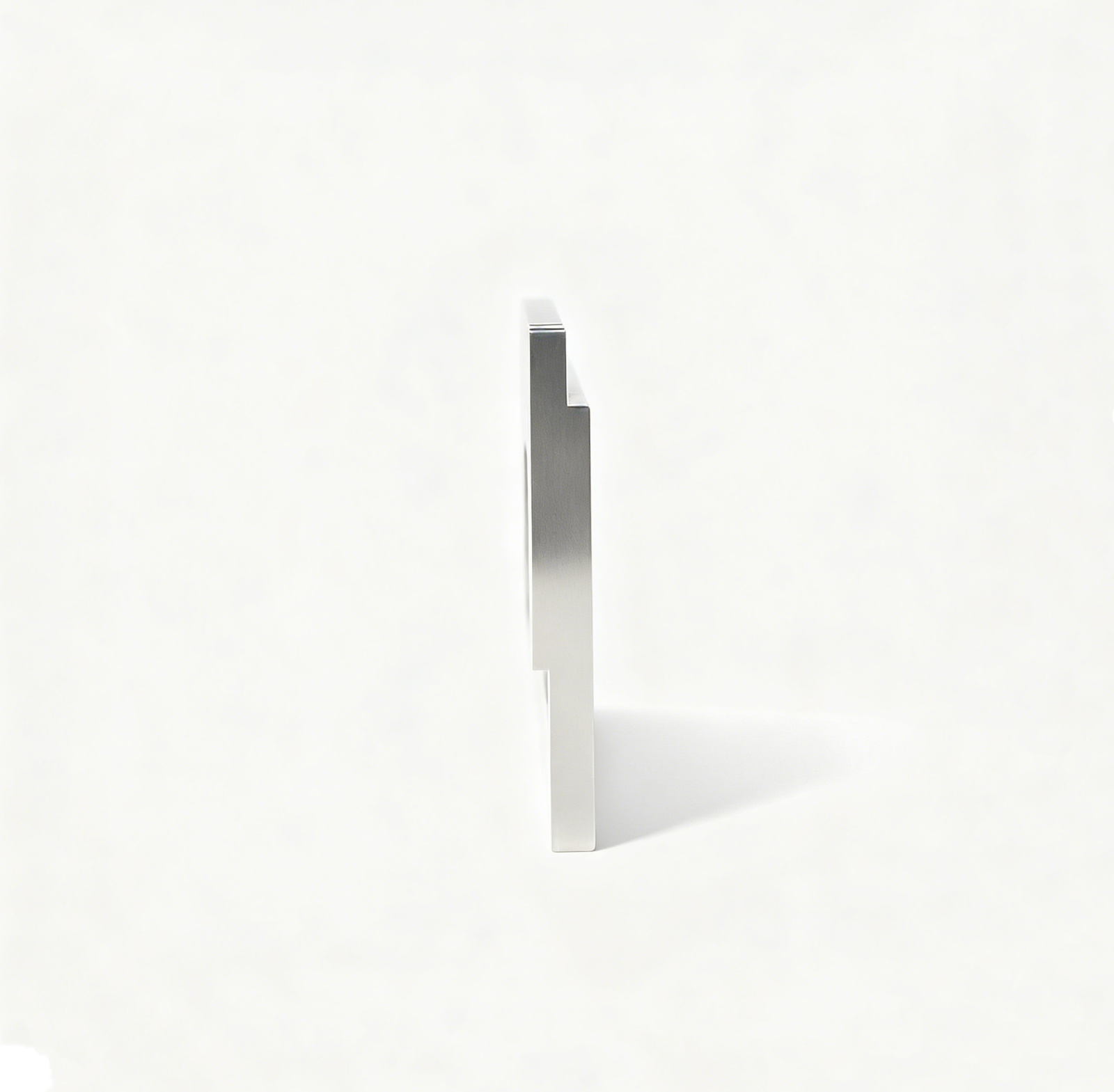
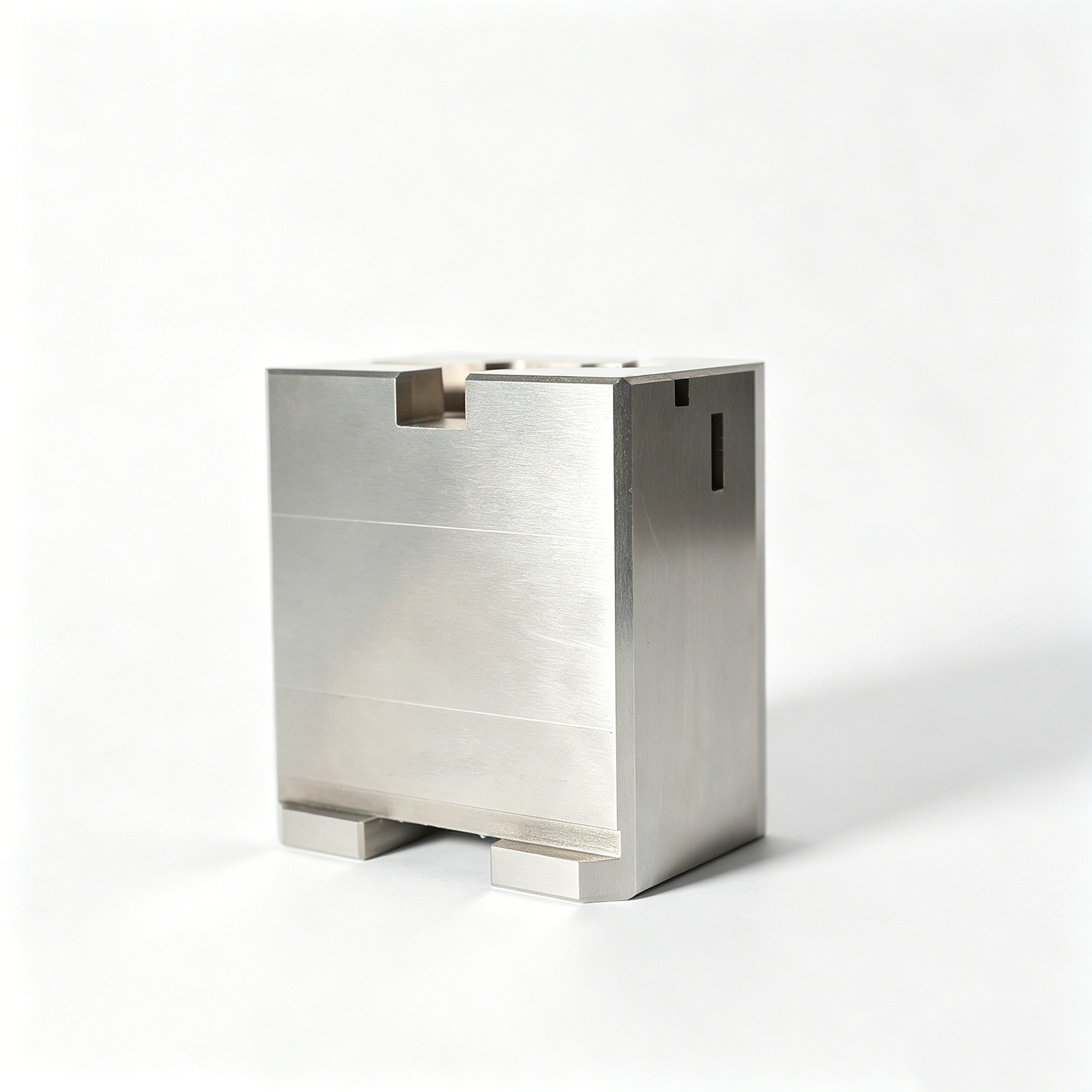
Representative Components for Inconel 625 Project Review



Related Configurable Component Families and RFQ




CNC Machining Inconel 625 With Controlled Project Decisions
SUUXIANG helps teams align drawing review, process planning, inspection evidence and revision control before production begins.
Drawing-Led DFM Review
Review geometry, material requirements, datums, tool access and surface priorities before quotation so the manufacturing route reflects the released drawing.
Critical Dimension Planning
Identify critical-to-quality features, tolerance relationships and inspection methods early, helping prevent avoidable ambiguity between design intent and shop-floor execution.
Coordinated Process Routes
Plan CNC machining Inconel 625 with appropriate EDM, grinding and fitting steps when feature access, finish requirements or hardened-condition geometry requires them.
Inspection Plan Alignment
Match measurement requirements and reporting expectations to the order, with attention to datums, critical dimensions and agreed inspection evidence.
Visible Revision Control
Keep drawing revisions, project decisions and delivery information visible throughout production, supporting traceable communication when requirements change.
RFQ-Ready Technical Review
Submit drawings, quantities, material and heat-treatment requirements, delivery targets and quality needs for a focused review before production commitments.
Inconel 625 Parts and Tooling Families
Drawing-driven process routes for heat-resistant custom parts and tooling components, reviewed against critical dimensions, material condition, machining access and inspection requirements.

CNC Machining Services
Precision CNC machining services for Inconel 625 custom parts begin with drawing review, critical-dimension identification and a process route suited to the alloy’s work-hardening behavior, material condition, geometry and required inspection evidence.
Upload a Drawing
CNC Milling
Custom CNC milling services support prismatic Inconel 625 parts, pockets, interfaces and complex machined features. Tool access, fixturing, wall stability, machining allowance and datum strategy should be reviewed before production planning.
Upload a Drawing
CNC Turning
Precision CNC turning services support rotational Inconel 625 components such as shafts, sleeves, bushings and threaded features. Quotation review should confirm diameters, concentricity, runout, thread requirements, material form and inspection datums.
Upload a Drawing
5-Axis Machining
5-axis CNC machining supports Inconel 625 geometries requiring multi-face access, compound angles or reduced setup changes. The process review considers tool reach, clamping, feature accessibility, surface requirements and critical tolerance relationships.
Upload a Drawing
Swiss & Micro Machining
Swiss machining and micro machining support small, detailed Inconel 625 components where diameter control, slender features, concentricity and handling require careful planning. Submit dimensional priorities, material condition, quantity and inspection requirements with the RFQ.
Upload a Drawing
Wire & Sinker EDM
Wire EDM and sinker EDM services address fine profiles, internal corners, narrow features and hardened or difficult-to-machine tooling details. Electrode strategy, wire path, recast-layer considerations, finish requirements and subsequent fitting or grinding should be defined.
Upload a Drawing
Precision Grinding
Precision surface and profile grinding supports flatness, parallelism, profile control and final stock removal where machining alone is insufficient. Grinding allowance, material or heat-treatment sequence, datums and inspection method require alignment before release.
Upload a Drawing
Mold Core & Cavity Inserts
Precision mold core and cavity inserts are configurable components built from approved drawings and material requirements. For Inconel 625 applications, thermal environment, mating conditions, EDM access, surface specification and critical interfaces should guide the manufacturing route.
Upload a Drawing
Ejector & Ejection Components
Ejector pins, sleeves and ejection components are evaluated for fit, movement, wear conditions and mating geometry. Drawings should identify diameter tolerances, clearance relationships, material requirements, heat treatment and any surface or inspection priorities.
Upload a Drawing
Core Pins, Guide & Locating Components
Core pins, guide pins and locating components depend on controlled relationship to mating features. SUUXIANG reviews datum definition, diameters, alignment requirements, grinding needs, material condition and inspection points before manufacturing commitments.
Upload a Drawing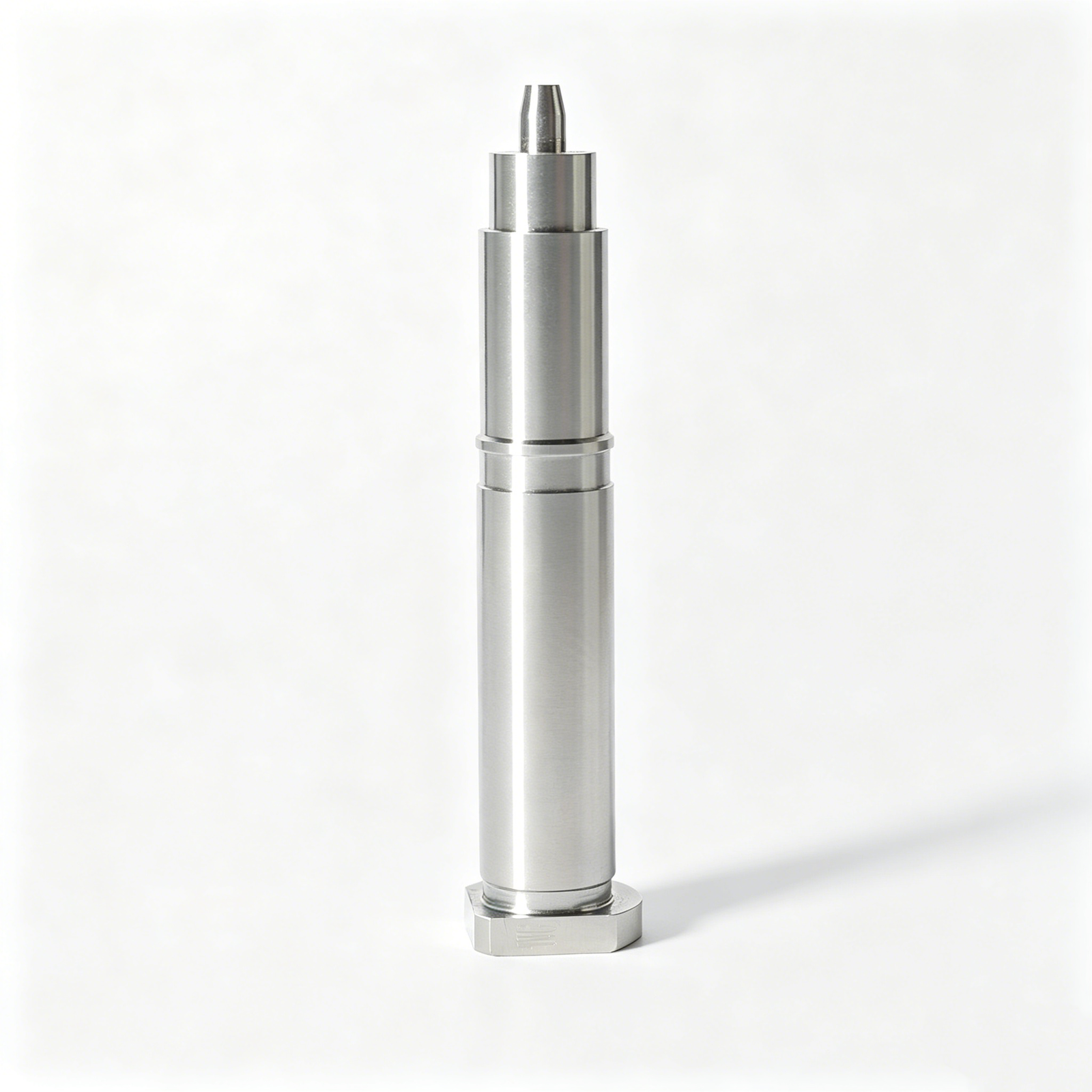
Slides, Lifters, Gates & Mold Accessories
Mold slides, lifters, gates and accessories are drawing-configured tooling components requiring attention to motion, fit, contact surfaces and assembly context. Provide mating-part information, material requirements, surface treatment and critical dimensions for review.
Upload a Drawing
Connector Mold Components
Precision connector mold components support detailed connector-tooling features where pitch, alignment, cavity relationships and finish can affect downstream molding results. Manufacturing planning should account for fine geometry, EDM or grinding needs and inspection strategy.
Upload a Drawing
Stamping Die Components
Precision stamping die components are produced against drawing-defined profiles, clearances, wear surfaces and assembly relationships. Material, hardness, wire-EDM requirements, grinding stock, surface finish and mating-part context should accompany the RFQ.
Upload a Drawing
Injection, MIM, CIM & Overmolding Tooling
Injection, MIM, CIM and overmolding tooling components are evaluated within verified production scope. Process planning considers mold-part geometry, material selection, shrinkage-related interfaces, gates, inserts, ejection features and inspection requirements.
Upload a Drawing
Machining Materials
CNC machining materials are selected against the drawing, application conditions and manufacturing route. For Inconel 625, provide the specified grade, stock form, material documentation needs and any thermal, corrosion or mating-component considerations.
Upload a Drawing
Surface Finishes & Heat Treatment
Surface finishing and heat treatment requirements must be tied to function, material and sequence. Define roughness, coating or treatment specifications, masking needs, dimensional effects, post-treatment machining or grinding allowance and required documentation.
Upload a Drawing
Quality, Metrology & Documentation
Precision inspection, metrology and quality documentation are planned around drawing-defined critical dimensions, datums and reporting needs. Clarify measurement methods, report format, material traceability, revision status and any customer-specific acceptance criteria before production.
Upload a Drawing
Prototyping & Low-Volume Production
Rapid prototyping and low-volume manufacturing support drawing-driven validation, bridge quantities and controlled production runs. A useful RFQ includes 2D and 3D files, Inconel 625 material requirements, quantity, quality priorities, revisions and target delivery date.
Upload a DrawingMaterials Reviewed for CNC Machining Inconel 625

Inconel 625
Specified for corrosion-resistant, high-temperature components in demanding service environments. Its work-hardening behavior and retained cutting heat require a reviewed toolpath, stable workholding, coolant strategy and inspection approach for critical features.

Inconel 718
Often considered where high-strength nickel-alloy performance is required for precision components. Material condition and required heat-treatment sequence must be defined early because they affect machining allowance, cutting strategy, grinding stock and final verification.

Stainless Steel
A practical option for corrosion-resistant machined parts, fixtures and industrial assemblies where the application does not require a nickel superalloy. Confirm the exact grade, condition, surface requirement and mating environment before process planning.

Tool Steel
Commonly reviewed for mold cores, cavity inserts, punches and wear components requiring a controlled hardness route. Grade selection, pre-hard or post-machining heat treatment, EDM allowance and finish-grinding requirements should be stated on the RFQ.

Titanium Alloys
Considered for lightweight, corrosion-resistant precision parts when application requirements justify the material choice. Low thermal conductivity and material sensitivity make workholding, cutting parameters, burr control and inspection priorities part of the drawing review.
Processes for CNC Machining Inconel 625

CNC Milling
CNC milling produces prismatic features, pockets, faces, and complex profiles in Inconel 625. Tool engagement, heat control, and machining allowance are reviewed against the drawing before production planning.

CNC Turning
CNC turning supports rotational diameters, bores, threads, and sealing features where the part geometry is suitable. The review defines holding strategy, datum transfer, stock condition, and inspection points.

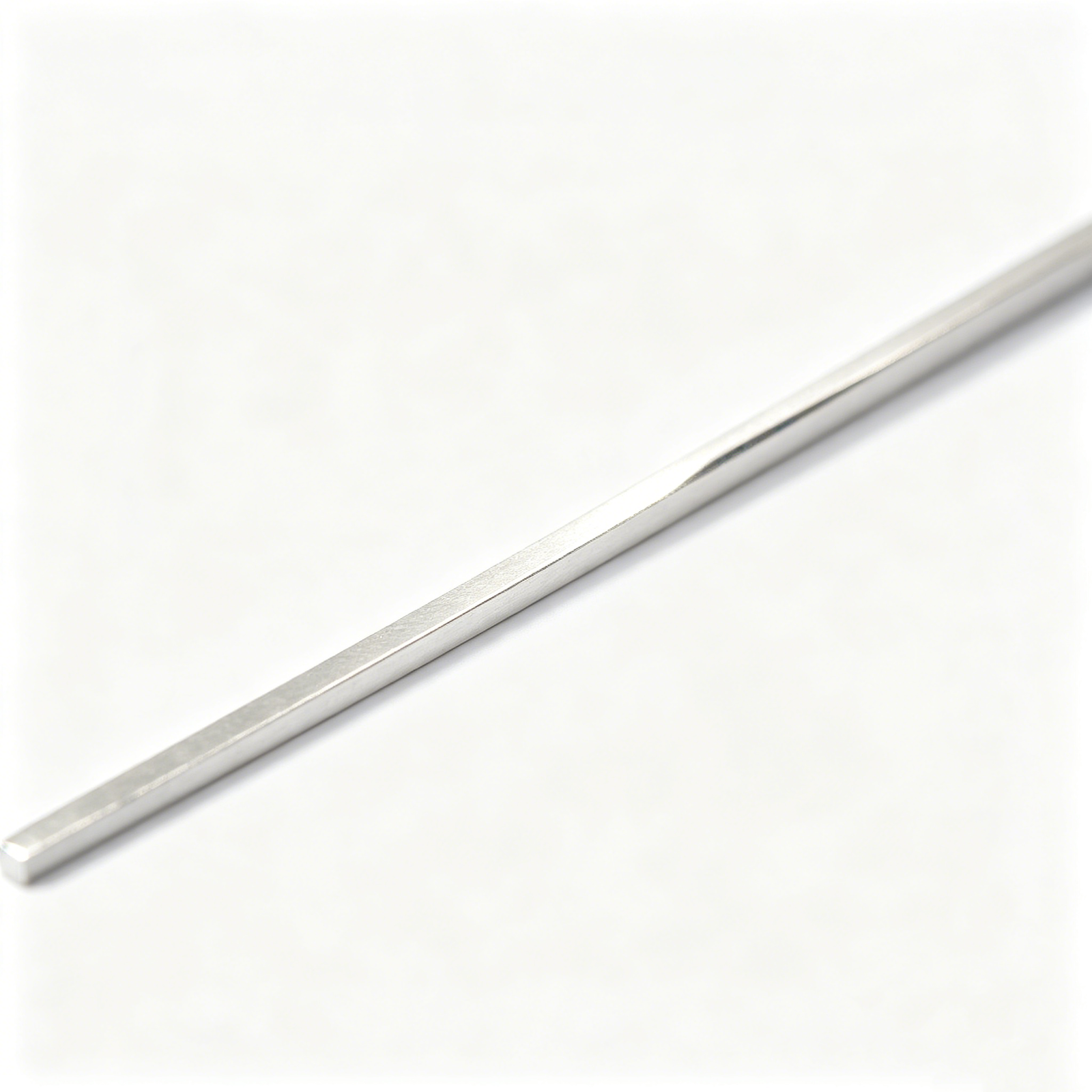
Wire EDM
Wire EDM is considered for narrow profiles, precision cutouts, and hardened or difficult-access features. The proposed wire path, start-hole requirements, corner conditions, and final inspection method depend on the drawing.

Sinker EDM
Sinker EDM addresses cavities, sharp internal detail, and geometry beyond practical cutter access. Electrode design, spark allowance, surface requirement, and any finishing operation are defined during process planning.
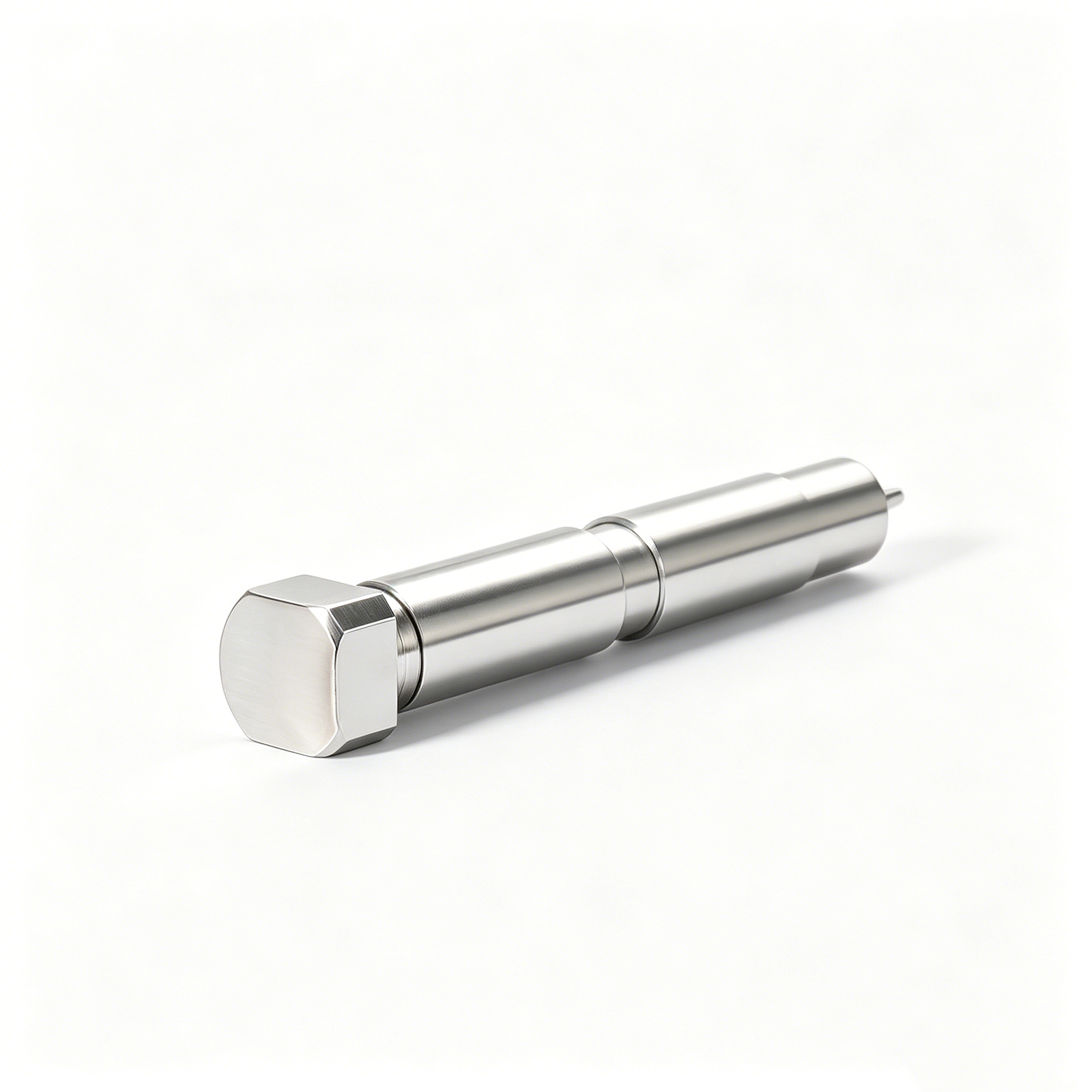
Precision Grinding
Precision grinding refines surfaces and critical dimensions after the appropriate prior operations. Grinding stock, datum condition, heat-treatment sequence, and required measurement evidence are reviewed before the route is confirmed.
CNC Machining Inconel 625 Tooling Accessories

Guide Elements
Guide pins, bushes and related alignment elements can be configured around drawing-defined fits, datum relationships and mating conditions. Confirm material, hardness, lubrication needs and inspection points before production planning begins.

Locating Components
Locating pins, stops and reference features help establish repeatable position between tooling sections or fixtures. SUUXIANG reviews contact geometry, tolerance stack, access for machining and the critical dimensions requiring inspection.

Ejector Parts
Ejector pins, sleeves and ejection-related components are assessed for clearance, guidance, working length and interface requirements. Drawing review should identify any grinding, EDM or fitting sequence needed around functional surfaces.
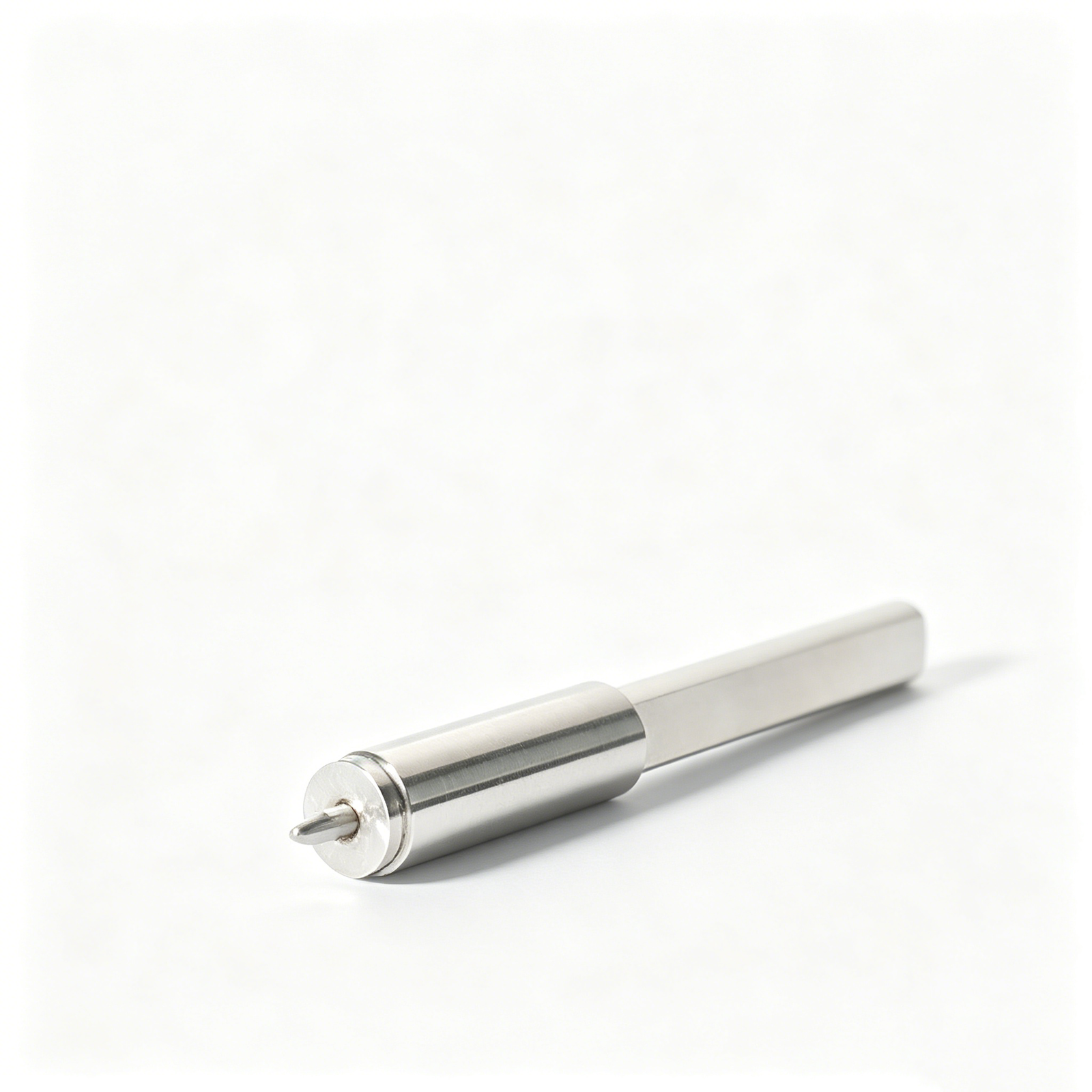
Mating Inserts
Configurable inserts and support components can be planned with their mating parts in mind. Provide assembly context, datum scheme and surface priorities to evaluate tool access, machining allowance and controlled fitting requirements.

Identification Packaging
Project-specific part marking, labels and packaging identification can support revision recognition and shipment handling when requirements are supplied. Define marking restrictions, quantity grouping, documentation needs and any traceability information before release.
Drawing-Review Controls to Confirm Before Release
SUUXIANG is the public-facing brand of Dongguan SuuXiang Precision Mold Co., Ltd., established in 2010 in Chang’an Town, Dongguan, Guangdong, China. We help international engineering and sourcing teams convert drawings, models, and quality requirements into inspected custom parts, precision mold components, connector tooling, and die components.
Our work combines CNC milling and turning, multi-axis machining, EDM, precision grinding, fitting, and inspection. For cnc machining inconel 625 and other drawing-based requirements, project discussions focus on material condition, critical dimensions, datum strategy, machining access, process sequence, and the inspection evidence needed before production commitments are made.
What differentiates SUUXIANG is disciplined coordination between drawing review and manufacturing execution. We identify DFM questions, EDM or grinding needs, machining allowances, revision controls, and reporting expectations early, then keep process and delivery information visible throughout the project. Each requirement is evaluated against current project evidence rather than assumed capability.

CNC Machining Inconel 625: Capability in Practice
DFM Starts With Datums
For cnc machining inconel 625, SUUXIANG reviews the drawing and model before commitments are made, focusing on functional datums, tolerance stack, tool access, wall geometry, and surfaces that may require a different process route or machining sequence.
- Identify critical-to-quality dimensions and mating interfaces
- Confirm datum references for machining and inspection
- Flag restricted tool access, deep features, and thin sections
- Review material, heat-treatment, and surface requirements
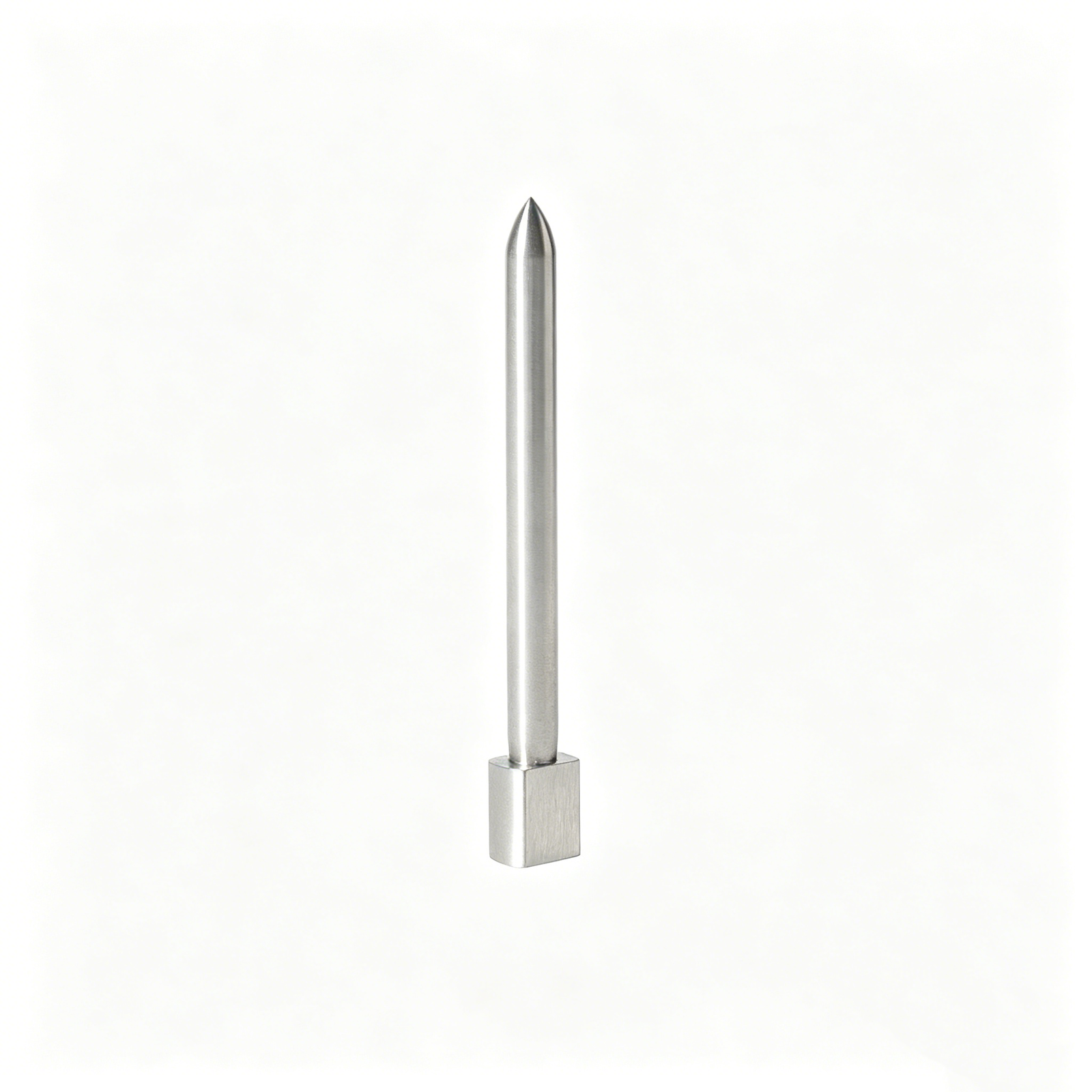
Coordinate CNC, EDM, and Grinding
Complex Inconel 625 features may need more than a single milling setup. SUUXIANG plans the appropriate relationship between CNC machining, wire or sinker EDM, grinding, fitting, and intermediate allowances so each process protects the next critical feature.
- Select CNC routes for accessible profiles and pockets
- Assess wire-EDM or electrode needs for difficult geometry
- Reserve grinding stock where final surfaces require it
- Sequence operations around distortion and feature protection
Plan Inspection Around Function
Inspection planning for cnc machining inconel 625 begins with the drawing’s functional requirements, not a generic checklist. SUUXIANG aligns measurement methods, datum setup, reporting expectations, and acceptance points with the verified order requirements before final release.
- Link measurement methods to critical dimensions
- Establish inspection datums before final verification
- Clarify report, record, and traceability requirements
- Review surface and geometry priorities with the buyer

Keep Revisions Visible
Drawing changes can alter toolpaths, EDM strategy, inspection points, and delivery coordination. SUUXIANG keeps revision information visible through project communication so the manufacturing route and final documentation remain aligned with the current approved requirement.
- Confirm the applicable drawing and model revision
- Record changes affecting critical features or materials
- Coordinate revised priorities before production proceeds
- Match final documentation to the verified inspection plan

CNC Machining Inconel 625: SUUXIANG vs. Typical Job-Shop Quotes
Compare the drawing-review and production-control evidence needed before an Inconel 625 part is released.
← Swipe left or right to view →
CNC Machining Inconel 625: From Drawing to Shipment
A controlled workflow for drawing-based parts where material condition, critical dimensions, process sequence, and inspection evidence require early alignment.
Drawing and Material Review
We review the 2D drawing, model, material condition, quantity, datums, critical dimensions, surface requirements, and inspection needs before defining a workable quotation basis.
DFM and Process Planning
Before release, we align machining access, workholding, tool approach, heat-treatment sequence where specified, EDM or grinding needs, and the inspection plan with the approved revision.
CNC and EDM Production
Production follows the agreed route, using CNC milling or turning and, where the drawing requires it, EDM operations while keeping revision information visible.
Grinding and Fitting
Grinding, fitting, or secondary finishing is planned against datum relationships and functional surfaces, with stock allowance and sequence reviewed when these operations affect critical features.
Inspection and Release
Inspection records follow the agreed plan, focusing on identified critical dimensions, material documentation when required, surface requirements, and revision traceability before release for packing.
Packing and Shipment Coordination
Parts are protected and packed according to order requirements, then shipment coordination confirms quantity, documents, destination details, and delivery communication before dispatch.
Customer Evidence Pending Verification
Provide the drawing, material requirements, quality priorities and schedule context needed for a practical drawing review.
Upload Your Drawing
Send the current 2D drawing and, where available, the 3D model. Identify revision level, part function, mating features and any confidential handling requirements.
Specify Material Requirements
State Inconel 625 material form, applicable specification, heat-treatment condition and required documentation. Flag traceability requirements before quotation so the route can be reviewed.
Identify Critical Features
Mark critical dimensions, datums, tolerances, surface requirements and functional interfaces. Include inspection methods, report expectations and any gauge or mating-component context affecting acceptance.
Confirm Quantity and Timing
Provide prototype or production quantity, target delivery date and expected release schedule. This lets SUUXIANG assess machining access, process sequence and inspection planning.
Certification and Quality Documentation
CNC Machining Inconel 625: Customer Outcomes and Project Feedback
Customer testimonial pending verification. SUUXIANG publishes project feedback only after the customer, project outcome, and approved disclosure details have been confirmed.
Customer testimonial pending verification. Documented outcomes, including inspection reporting and delivery coordination, will be added only with approved customer evidence.
Customer testimonial pending verification. No unverified performance, delivery, tolerance, or quality claims are presented in this section.
CNC Machining Inconel 625 FAQ
Practical answers for drawing-based sourcing, quality planning, and controlled production decisions.
What should I include in an RFQ for cnc machining inconel 625?
Is there a minimum order quantity for cnc machining inconel 625 parts?
Can you provide samples before cnc machining inconel 625 production?
How should I plan lead time for a drawing-based Inconel 625 order?
How are material and heat-treatment requirements controlled?
What inspection reports can be requested for cnc machining inconel 625 components?
How are drawing revisions and IP handled during quotation and production?
Can SUUXIANG arrange shipping for Inconel 625 machined parts?
Complete Buyer’s Guide to cnc machining inconel 625
Use this decision framework to specify drawing-ready Inconel 625 components, compare capable suppliers, control cost and quality risk, and avoid common sourcing mistakes before prototype or low-volume production.
1. What Is cnc machining inconel 625?
UNS N06625, commonly called Inconel 625, is a nickel-based nickel-chromium-molybdenum alloy with niobium additions. CNC machining Inconel 625 means converting specified bar, plate, tube, or near-net stock into drawing-controlled components by milling, turning, drilling, and related precision operations. Reference: https://www.hubs.com/cnc-machining/metal/nickel
The 625 grade is selected where chloride-bearing media, aggressive chemicals, oxidation, or elevated-temperature service make ordinary stainless steel a poor risk. Its corrosion and heat resistance can justify the material premium for marine hardware, chemical-process fittings, exhaust-related parts, energy equipment, and aerospace hardware; application conditions must still drive material approval. Reference: https://www.unionfab.com/blog/2025/06/inconel-625
Three planning issues distinguish this combination: Inconel 625 work-hardens when tools rub rather than cut, retains heat near the cutting zone, and places high load on edges. It is justified when the drawing and service environment require those properties, and when the RFQ defines critical dimensions, datums, material condition, inspection needs, and functional interfaces well enough to plan a stable process route.
2. Evolution of cnc machining inconel 625
1960s development work by Huntington Alloys positioned Inconel 625 for corrosion-resistant, high-strength service in demanding chemical and nuclear environments. Its early value was dependable performance where ordinary stainless steels could be limited by heat, aggressive media, or both.
1970s adoption broadened the alloy’s role into marine and offshore equipment, while aerospace and energy applications used it for components exposed to thermal cycling and corrosive process conditions. That expansion made material identity and condition as important as nominal alloy name.
2026 buyers of cnc machining inconel 625 should therefore treat the purchase as a controlled specification package, not simply a machining order. The RFQ should identify the governing material specification, product form, heat-treatment condition, traceability requirement, drawing revision, critical datums, and inspection evidence required for release; the machining route must then protect those requirements through setup, tooling, and measurement planning.
3. Types of cnc machining inconel 625
Six routes can produce cnc machining inconel 625 parts; choose by geometry, stock form, and datum access—not by changing the specified alloy grade. Each route needs a drawing review before setup.
CNC Milling
3-axis milling suits prismatic faces, pockets, slots, and drilled patterns. Ask which faces establish datums and whether clamps obstruct critical features.
CNC Turning
2-axis turning fits rotational diameters, bores, grooves, and threads. Specify runout datum, chucking allowance, and whether interrupted features require a second setup.
Mill-Turn
1 setup can combine turned profiles with radial holes, flats, or milled slots. Identify spindle-transfer surfaces and positional tolerances between turned and milled features.
Five-Axis Machining
5-axis machining reaches compound angles, deep-side features, and contoured forms with fewer refixtures. Confirm tool approach, minimum internal radii, and datum accessibility.
Swiss-Style Machining
Small-diameter bar parts benefit from guide-bushing support near the cut. State bar diameter, length-to-diameter ratio, concentricity requirements, and cross-hole orientation.
Near-Net Post-Machining
Near-net cast, forged, or additive forms need machined datum pads, bores, and sealing interfaces. Provide the incoming-form drawing, machining allowance, and traceability requirements.
4. Inconel 625 Material Forms and Specifications
Inconel 625 stock form should be selected before toolpaths are quoted because it controls material waste, fixturing, and accessible geometry. For cnc machining inconel 625, the drawing should define condition and traceability.
| Material | Selection Logic | Weight | Machinability |
|---|---|---|---|
| Inconel 625 | Corrosion and elevated temperature | High | Difficult |
| Inconel 718 | Higher strength at temperature | High | Difficult |
| 316L stainless | Moderate corrosion exposure | High | Easier |
| Titanium | Weight-sensitive service | Low | Challenging |
Match Form To Geometry
Bar favors turned shafts and smaller prismatic parts; plate favors wide, shallow profiles but can increase chip volume. Billet supports deep pockets and multi-axis access when a standard form cannot envelope the part.
Tube preserves a bore and reduces waste for sleeves, while forgings or near-net blanks can reduce roughing for suitable geometry. Each option needs adequate gripping stock and a documented machining datum.
Specify Material Evidence
N06625 is a common designation for Inconel 625; verify the ordered specification rather than relying on a trade name. Reference: https://www.hubs.com/cnc-machining/metal/nickel
Each purchase requirement should call out the material standard, product form, condition, heat-treatment state, and required certificate level. The material certificate and heat-lot identification should remain linked to the work order and final inspection record.
Select By Service Need
718 is selected where higher strength is the driver; 625 is commonly selected where corrosive exposure and elevated-temperature service govern. 316L can suit less severe corrosion and titanium can reduce mass, subject to application validation.
Drawing notes should identify the mating environment, temperature range, critical strength requirement, and any customer or industry specification. SUUXIANG should confirm that documentation and material evidence match the released order before production.
5. Finishes for cnc machining inconel 625
For cnc machining inconel 625, finish requirements should be tied to sealing, fatigue, contact, cleaning, or assembly function—not appearance alone. Put the required surface callout, edge condition, and acceptance method on the drawing.
| Option | Primary Purpose | Drawing Information |
|---|---|---|
| Deburring | Safe assembly | Edge-break and excluded edges |
| Functional polishing | Contact or sealing | Surface limit and area |
| Cleaning/passivation | Specified condition | Method and acceptance |
| Marking | Traceability | Location, method, depth |
Define The Machined Condition
As-machined surfaces retain tool-path character; specify roughness only on functional faces. Identify datums, bearing lands, sealing faces, and connector-contact areas separately from noncritical surfaces.
- State the roughness parameter and limit
- Define burr direction near critical edges
- Specify edge-break size or radius
Choose Secondary Operations
Deburring removes hazardous or assembly-interfering burrs. Polishing is appropriate only where friction, sealing, optical inspection, or mating behavior requires it.
Passivation or cleaning must name the required standard, solution restrictions, and post-process handling. Validate chemical compatibility with the service environment and any mating materials.
Control Identification And Release
Permanent marking must state method, location, legibility, and allowable depth so it does not compromise a stressed or sealing feature. Controlled assembly requires an approved bill of materials, torque requirements, and revision-controlled work instructions.
Inspection reports should identify measured characteristics, instruments when required, part revision, lot, and disposition.
6. Critical Quality Elements for Inconel Parts
Two controls determine whether an Inconel 625 part is functionally acceptable: features must relate to stable datums, and verification must match the drawing’s critical-to-quality requirements. Confirm these decisions before programming.
Datums And Tolerance Chains
Three mutually accessible datums should locate the inspection setup where practical; avoid deriving critical positions from interrupted or flexible surfaces.
0.02 mm position requirements need a stated datum order, gauge method, and enough stock for final grinding or finish machining.
Walls, Corners, And Heat
Thin walls can deflect during machining and recover after unclamping, so the drawing should identify minimum wall thickness and any protected clamping zones.
Inside radii must exceed the selected cutter radius; sharp internal corners require wire EDM or a specified relief. Heat input and asymmetric stock removal can distort long sections.
Threads, Edges, And Inspection
Thread callouts should state size, pitch, class, depth, runout allowance, and whether a GO/NO-GO gauge is the acceptance method.
100% checks are appropriate only for identified critical features; define sampling, burr limits, surface-finish measurement direction, and the inspection report fields before release.
7. Choosing a cnc machining inconel 625 Supplier
For cnc machining inconel 625, supplier selection starts with evidence tied to a comparable drawing, not a capability list. Compare the proposed manufacturing and quality plan against the risks in your own features.
Comparable Material Evidence
One comparable job record should identify the supplied 625 form and condition. It should also show part geometry and the machining or EDM route used.
Two useful requests are a redacted material certificate and sample inspection record. Verify datum references, actual results, and instrument identification.
DFM And Process Plan
One drawing-review response should flag thin walls, interrupted cuts, tool reach, and holding locations. It should identify features that require EDM or grinding.
One credible quotation states setup count, CAM and tooling approach, inspection points, assumptions, and exceptions. Vague cycle-time promises cannot be compared reliably.
Launch And Change Discipline
First-article acceptance should precede repeat production when critical dimensions or mating behavior create meaningful risk. Confirm the inspection method before release.
Each quote should state capacity window, lead-time dependencies, and revision-control method. Define who approves changes to material, toolpath, inspection, or process route.
8. Common cnc machining inconel 625 Sourcing Mistakes
Drawing-release errors in cnc machining inconel 625 usually become cost, schedule, or acceptance problems after material is cut. Resolve the manufacturing basis before RFQ release, not during inspection.
Confirm Alloy And Condition
625 and 718 are not interchangeable; form, specification, and heat-treatment condition affect routing and acceptance. Ask: Which exact material designation, product form, and certification must the mill record show?
Define Datums And Functional Tolerances
Two critical dimensions without a datum scheme can produce conforming measurements but poor assembly. Ask: Which datums control function, and which dimensions truly require the stated tolerance?
Check Tool Access Early
Deep pockets, thin walls, and internal corners may require longer tools, EDM, or a design change. Ask: Can every critical feature be machined and inspected from the specified setup strategy?
Specify Finish And Evidence
Ra alone does not define direction, lay, edge condition, or protected surfaces. Ask: What finish callout, inspection method, material traceability, and report are required?
Normalize Quote Scope
Three quotations can differ in raw material, programming, inspection, finishing, and freight assumptions. Ask: Does each quote state identical revision, quantity, documentation, process, and delivery scope?
9. From Drawing Release to Production Launch
A controlled launch begins before material is cut: the released drawing, 3D model, revision level, and purchase requirements must agree. For cnc machining inconel 625, document the features that determine function and acceptance.
Release A Complete Data Pack
One RFQ package should include the 2D drawing, native or neutral 3D model, material form, quantity, and target date.
Each critical feature should identify its datum, tolerance, surface requirement, thread standard, and applicable inspection record.
Close DFM And Quote Scope
A pre-award DFM review should confirm tool access, workholding, machining allowance, and any EDM or grinding route.
A written quotation scope should state material traceability, finishing, inspection level, exclusions, revision basis, and sample requirement.
Approve And Control Launch
A first article or sample approval should compare agreed critical dimensions and documentation with the released revision before repeat production.
Any drawing, material, process, or inspection change needs written disposition, revision control, and an incoming-inspection plan matched to the risk.
10. cnc machining inconel 625 Pricing and Lead Time
1 reviewed drawing is required before SUUXIANG can issue a production quote for cnc machining inconel 625. The review should confirm geometry, stock form, datums, tolerance bands, setups, inspection scope, finishing, material documentation, and any certification requirement.
3 quantity tiers change the cost mix: prototypes concentrate programming, fixturing, and material yield; low-volume orders distribute those costs; repeat releases can benefit from stable setups and inspection planning. Deep pockets, thin walls, small radii, multi-axis access, EDM, and tight tolerances can increase cycle time or process steps in every tier.
2 schedule decisions must be separated: requested delivery and an expedited requirement. Expediting may require different routing, priority capacity, or partial shipments, so it should be evaluated against the reviewed drawing and current material availability.
| Quantity tier | Primary cost drivers | Lead-time influences |
|---|---|---|
| Prototype, 1–5 pieces | Programming, setup, stock yield, first-piece inspection | Stock availability, setup complexity, inspection plan |
| Low volume, 6–50 pieces | Cycle time, fixture reuse, in-process checks | Machine loading, finishing, reporting |
| Repeat production, 51+ pieces | Repeatability, tooling life, sampling plan | Release schedule, material replenishment, capacity |
Start CNC Machining Inconel 625 with a Drawing Review
Submit your 2D drawing, 3D model, material, quantity, critical dimensions, inspection needs, and target date for a responsible quotation.