
CNC Machining Kovar for Inspected Precision Parts
Send your drawing for Kovar CNC machining with DFM, critical-dimension review, process planning, and inspection aligned to your requirements.
Representative Components and Tooling Features
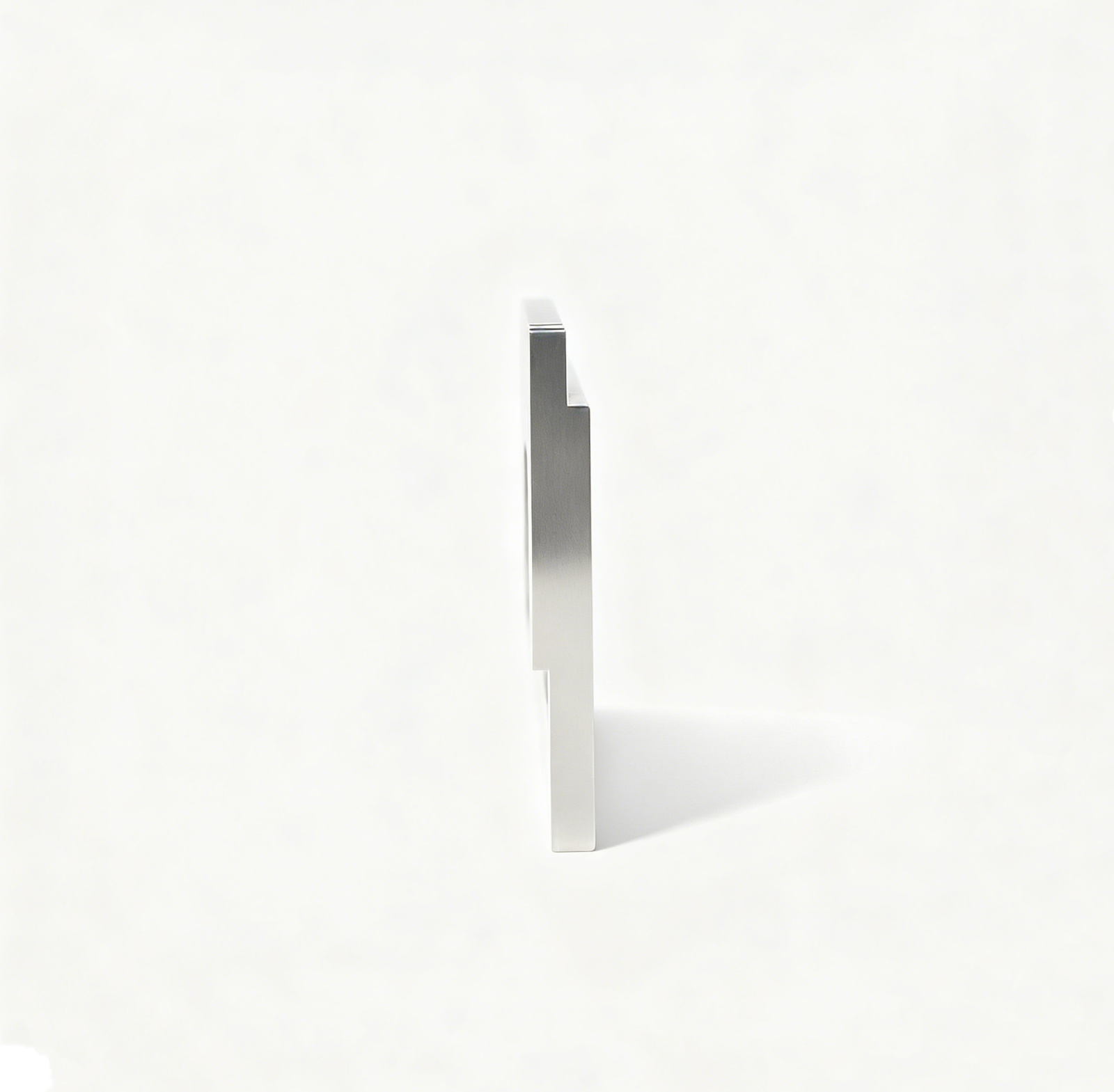


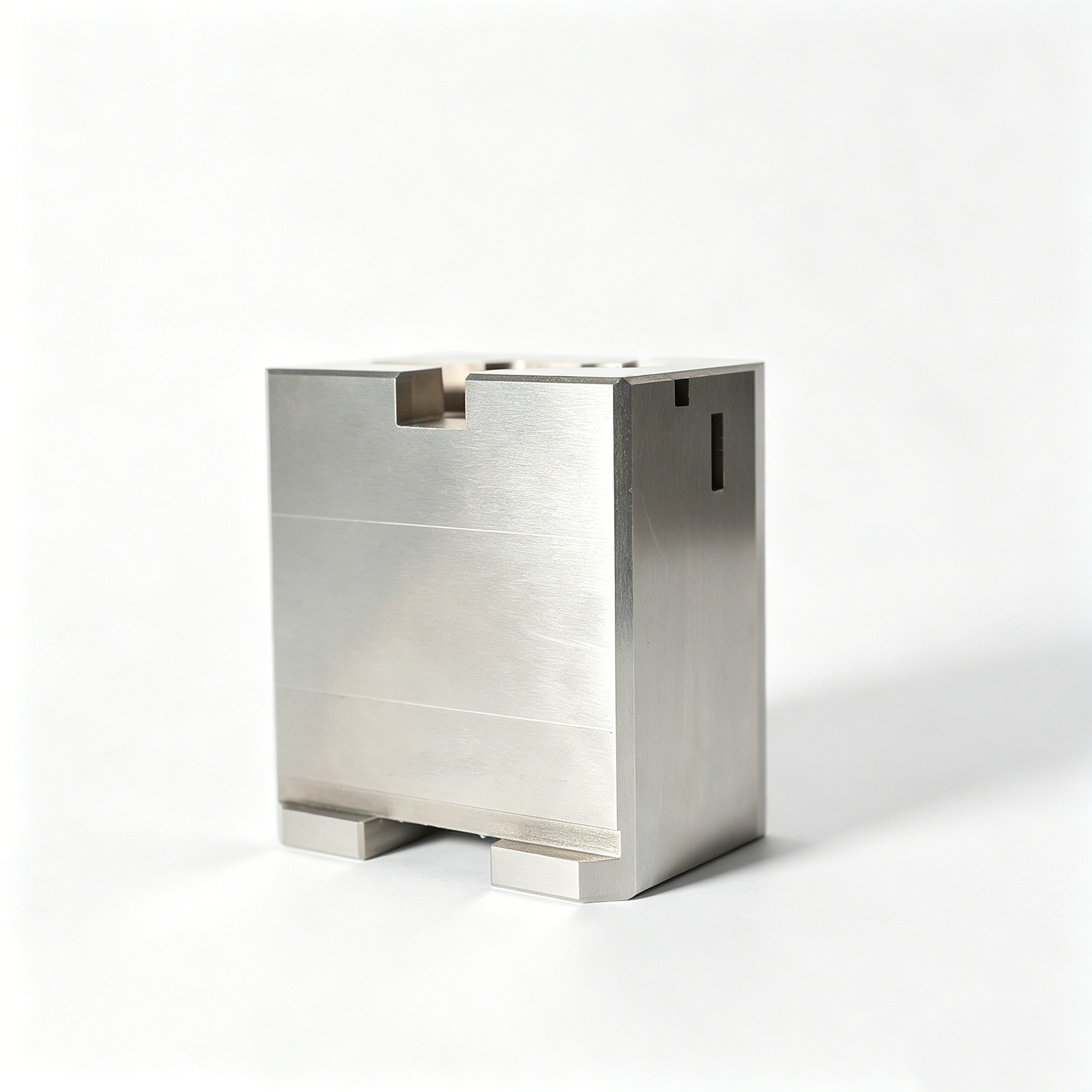

Kovar CNC Machining: Related Component Families and Quotation



CNC Machining Kovar: Engineering Review First
A controlled workflow for evaluating manufacturability, protecting critical dimensions, and keeping production requirements visible from RFQ through inspection.
Drawing Review
We review drawings, models, material requirements, quantity, application context, and quality expectations before discussing a production route.
DFM Before Commitment
Machining access, datum strategy, tolerance stack, surface requirements, and heat-treatment sequence are assessed to identify risks early.
Integrated Process Planning
CNC machining, EDM, grinding, fitting, and inspection are considered together when geometry or critical features require coordinated operations.
Critical Dimension Focus
CTQ dimensions, functional interfaces, and surface priorities guide the machining allowance, finishing strategy, and inspection method for each part.
Revision-Controlled Communication
Drawing revisions, inspection expectations, and delivery information remain visible throughout the project to support traceable manufacturing decisions.
Precision Component Families for Kovar Projects
Drawing-driven manufacturing routes for Kovar components and related tooling, planned around critical dimensions, thermal behavior, inspection requirements, and production intent.

CNC Machining Services
Precision CNC machining services for custom Kovar parts begin with drawing review, datum definition, feature access, and inspection priorities. Process routes may combine milling, turning, EDM, grinding, and fitting according to geometry, material condition, quantity, and verified project requirements.
Upload a Drawing
CNC Milling
Custom CNC milling services support Kovar plates, housings, fixtures, inserts, and prismatic components with controlled machining access. Review should address thin walls, pocket geometry, threaded features, datum relationships, residual stress, surface requirements, and dimensions requiring inspection.
Upload a Drawing
CNC Turning
Precision CNC turning services support Kovar shafts, sleeves, rings, bushings, and rotational features where concentricity, runout, shoulders, bores, and thread forms matter. Drawings should identify functional datums, material condition, critical surfaces, and any downstream grinding or assembly requirements.
Upload a Drawing
5-Axis Machining
5-axis CNC machining helps access compound faces, angled holes, contoured profiles, and multi-sided Kovar features while reducing unnecessary setups. Feasibility depends on tool reach, clamping strategy, wall stability, datum transfer, tolerance stack, and the required inspection method.
Upload a Drawing
Swiss & Micro Machining
Swiss machining and micro machining support small, slender Kovar components with fine diameters, stepped forms, cross holes, and detailed end features. Quote review should confirm length-to-diameter stability, burr limits, handling needs, critical dimensions, and measurement approach.
Upload a Drawing
Wire & Sinker EDM
Wire EDM services and sinker EDM services address narrow slots, sharp internal geometry, hardened-tool features, and profiles inaccessible to conventional tools. Electrode strategy, wire path, corner condition, recast-layer considerations, finishing allowances, and inspection criteria should be agreed before production.
Upload a Drawing
Precision Grinding
Precision surface and profile grinding supports flatness, parallelism, profile control, and controlled final stock on Kovar and tooling components. The process plan should account for material condition, heat-treatment sequence, grinding allowance, datum stability, surface requirement, and measurement method.
Upload a Drawing
Mold Core & Cavity Inserts
Precision mold components, including mold core inserts and mold cavity inserts, are configurable from part geometry, resin or feedstock behavior, shutoff requirements, cooling needs, and service expectations. Drawing review should define cavity details, datum strategy, material and hardness requirements, EDM access, fitting interfaces, and inspection points.
Upload a Drawing
Ejector & Ejection Components
Ejector pins, sleeves, and ejection components are planned around stroke, guidance, clearance, wear surfaces, and molded-part release. Buyers should provide mating dimensions, material and heat-treatment needs, surface requirements, assembly context, and the critical relationships to verify.
Upload a Drawing
Core Pins, Guide & Locating Components
Core pins, guide pins, and locating components establish repeatable alignment and feature formation across mold assemblies. Designs should specify functional fit, datum relationships, loading conditions, wear expectations, mating-part interfaces, material condition, and whether grinding or EDM finishing is required.
Upload a Drawing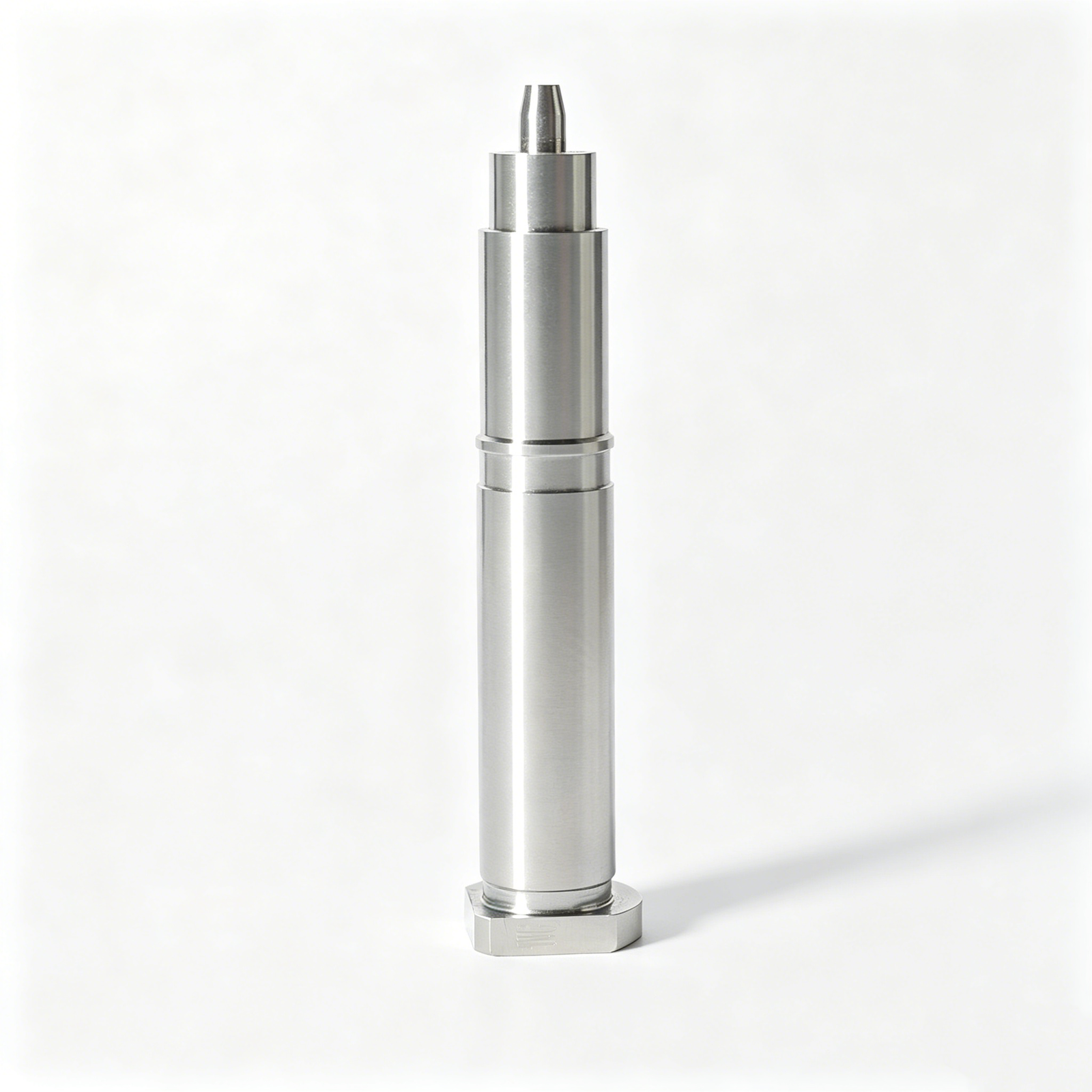
Slides, Lifters, Gates & Mold Accessories
Mold slides, lifters, gates, and accessories are produced as configurable components for motion, shutoff, part release, and material flow requirements. A usable RFQ identifies travel, angles, interfaces, loading, gate geometry, surface needs, fitting responsibility, and inspection priorities.
Upload a Drawing
Connector Mold Components
Precision connector mold components support fine-pitch cavities, terminal-forming features, alignment details, and repeatable assembly relationships. Manufacturing review should focus on feature scale, tool access, electrode requirements, wear areas, datum control, material and heat-treatment specifications, and inspection evidence.
Upload a Drawing
Stamping Die Components
Precision stamping die components are developed from strip layout, forming sequence, material behavior, and mating-tool interfaces. Drawings should identify punches, dies, guide features, clearances, wear surfaces, heat treatment, grinding requirements, and dimensions that govern repeatable die performance.
Upload a Drawing
Injection, MIM, CIM & Overmolding Tooling
Injection mold components and tooling for injection molding, MIM, CIM, and overmolding are assessed against the molding process, feedstock or resin behavior, part geometry, shrinkage assumptions, shutoffs, ejection, and assembly interfaces. SUUXIANG confirms feasible component and tooling scope through drawing and DFM review.
Upload a Drawing
Machining Materials
CNC machining materials are selected against function, machinability, stability, corrosion exposure, thermal behavior, heat-treatment condition, and mating-component requirements. Supply the specified grade, acceptable substitution rules, material documentation needs, and any condition required before or after machining.
Upload a Drawing
Surface Finishes & Heat Treatment
Surface finishing and heat treatment should be defined by functional need, not appearance alone. Identify corrosion, wear, conductivity, bonding, friction, hardness, dimensional-change, masking, and cosmetic requirements, together with finish callouts and any post-process inspection or certification documentation needed.
Upload a Drawing
Quality, Metrology & Documentation
Precision inspection, metrology, and quality documentation are planned around critical dimensions, datums, tolerances, sampling expectations, and order-specific evidence. Define required reports, measurement methods, traceability needs, revision status, first-article expectations, and any customer-supplied acceptance criteria before release.
Upload a Drawing
Prototyping & Low-Volume Production
Rapid prototyping and low-volume manufacturing support design verification, tooling trials, bridge quantities, and controlled production runs. A practical RFQ includes current drawings, material, quantity, critical dimensions, finishing, inspection needs, target date, and any revision or mating-part context affecting manufacturability.
Upload a DrawingMaterials for CNC Machining Kovar

Kovar Alloy
A nickel-iron-cobalt alloy selected for glass-to-metal or ceramic-compatible assemblies where thermal expansion behavior matters. Confirm the specified grade, condition, chemistry documentation, sealing application and post-machining treatment requirements with the RFQ.

Alloy 42
A nickel-iron alloy often considered for electronic packages and lead-frame-related components requiring controlled expansion behavior. Its suitability depends on the temperature range, mating material, dimensional priorities and the exact material standard called out on the drawing.

Invar 36
A low-expansion nickel-iron alloy used where dimensional movement across temperature changes is a key design concern. Review stock form, heat-treatment condition, machining allowance and inspection temperature requirements before selecting it as a Kovar alternative.

Stainless Steel
Stainless grades can suit housings, fixtures, locating features and corrosion-conscious assemblies. Grade selection, hardness, surface finish, passivation needs and compatibility with adjacent components must be defined rather than assumed from a general material name.

Tool Steel
Tool steels are commonly specified for precision mold inserts, pins, slides and stamping-die components. The drawing should identify grade, delivery condition, heat-treatment sequence, grinding stock and critical dimensions to support an appropriate machining route.
CNC Machining Kovar: Process Routes for Precision Components

CNC Milling
CNC milling forms pockets, faces, slots, and contoured features while the review confirms cutter reach, fixture access, wall rigidity, and stock remaining for downstream finishing operations.

CNC Turning
CNC turning produces concentric diameters, shoulders, bores, and threaded features for rotational Kovar components. Tool approach, workholding, heat input, and datum transfer are evaluated against the drawing.

Wire EDM
Wire EDM cuts intricate profiles, narrow slots, and hardened features without conventional cutter access. The process plan considers start-hole location, wire path, corner requirements, and finish allowance.

Sinker EDM
Sinker EDM creates deep cavities, sharp internal geometry, and features beyond milling access. Electrode strategy, spark-gap allowance, surface requirement, and subsequent polishing or fitting needs are defined early.
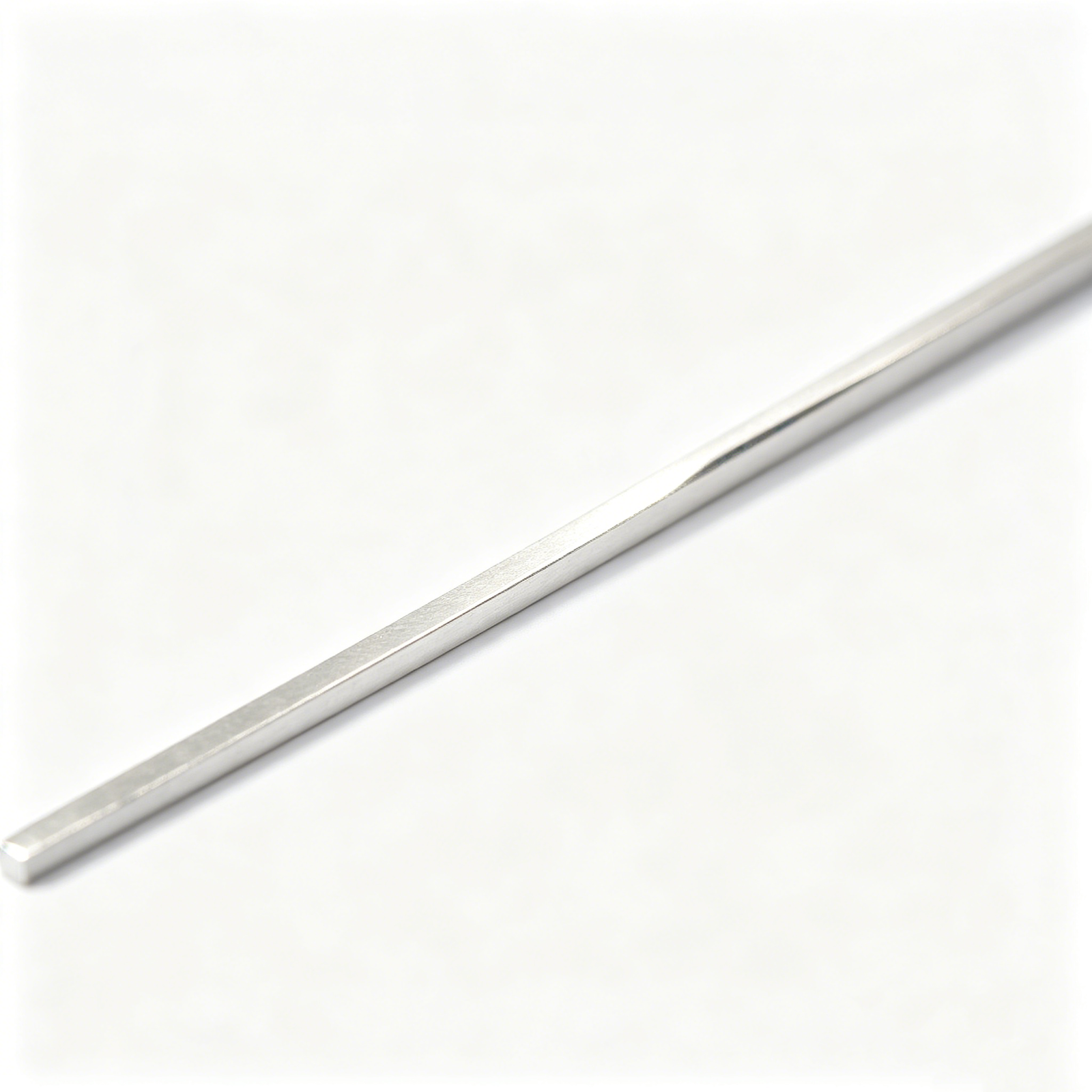
Precision Grinding
Precision grinding refines critical faces, diameters, and flatness after machining or heat treatment. Grinding stock, datum strategy, surface requirements, and inspection points are aligned with the drawing.

Fitting Inspection
Fitting and inspection verify mating relationships, functional movement, and critical dimensions before delivery. Results are documented according to the agreed inspection plan, revision level, and order requirements.
CNC Machining Kovar Component Features
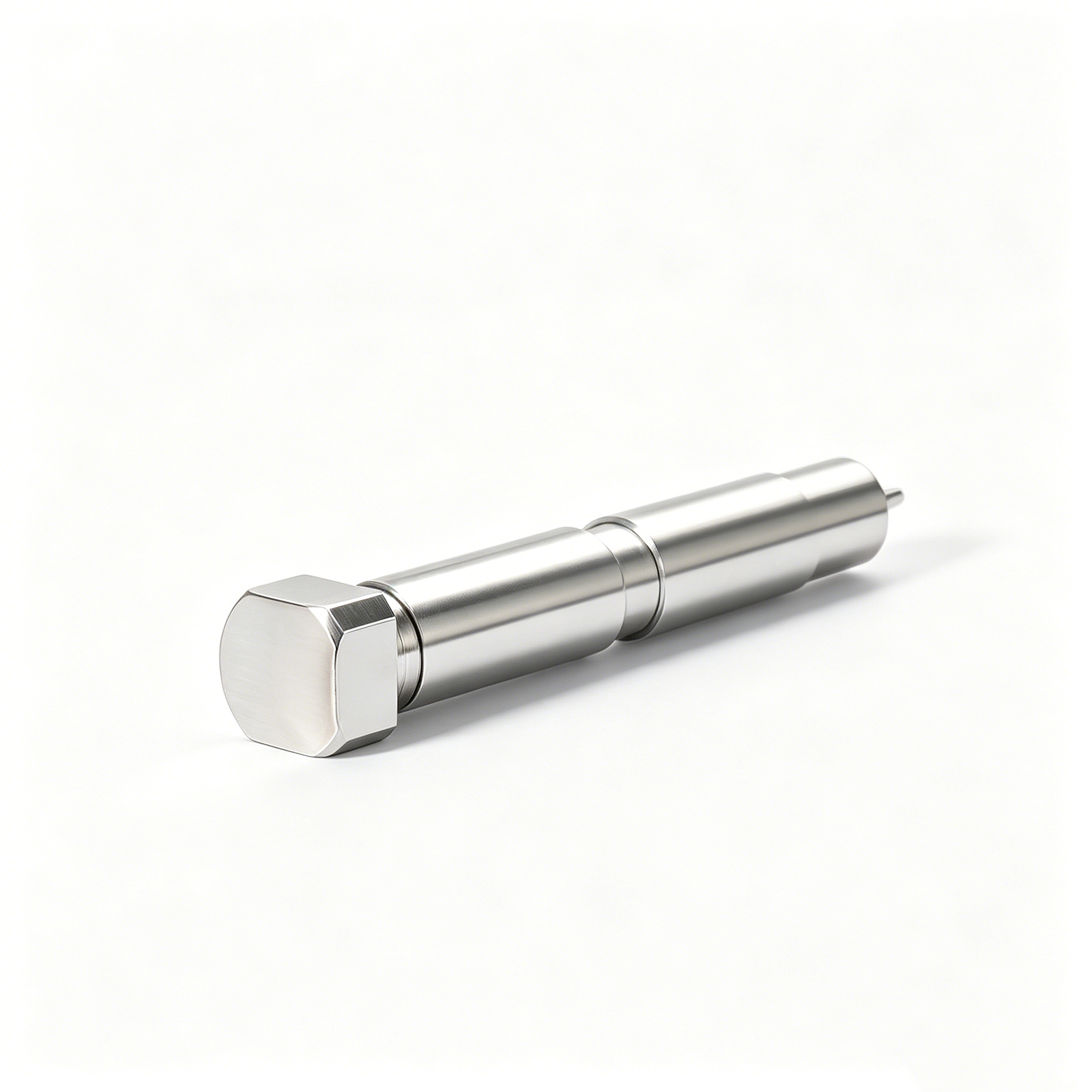
Guide Components
Guide pins, bushings, and locating features help establish repeatable alignment between mold or tooling members. Define fit requirements, datum references, hardness condition, and mating-component details for drawing-based feasibility review.

Ejection Parts
Ejector pins, sleeves, and related ejection elements can be configured around part geometry and mold movement. Share contact surfaces, clearance requirements, heat treatment, and surface expectations to support an appropriate machining and grinding route.

Slides And Lifters
Slides, lifters, and wear interfaces manage side actions and controlled movement within a tooling assembly. Their review should consider travel, bearing faces, lubrication provisions, datum strategy, and the relationship to adjacent components.

Gate Components
Gate inserts, sprue interfaces, and flow-related tooling features are evaluated against the specified geometry and assembly context. Provide material, surface requirements, molding application, and critical dimensions so machining access and finishing needs can be assessed.
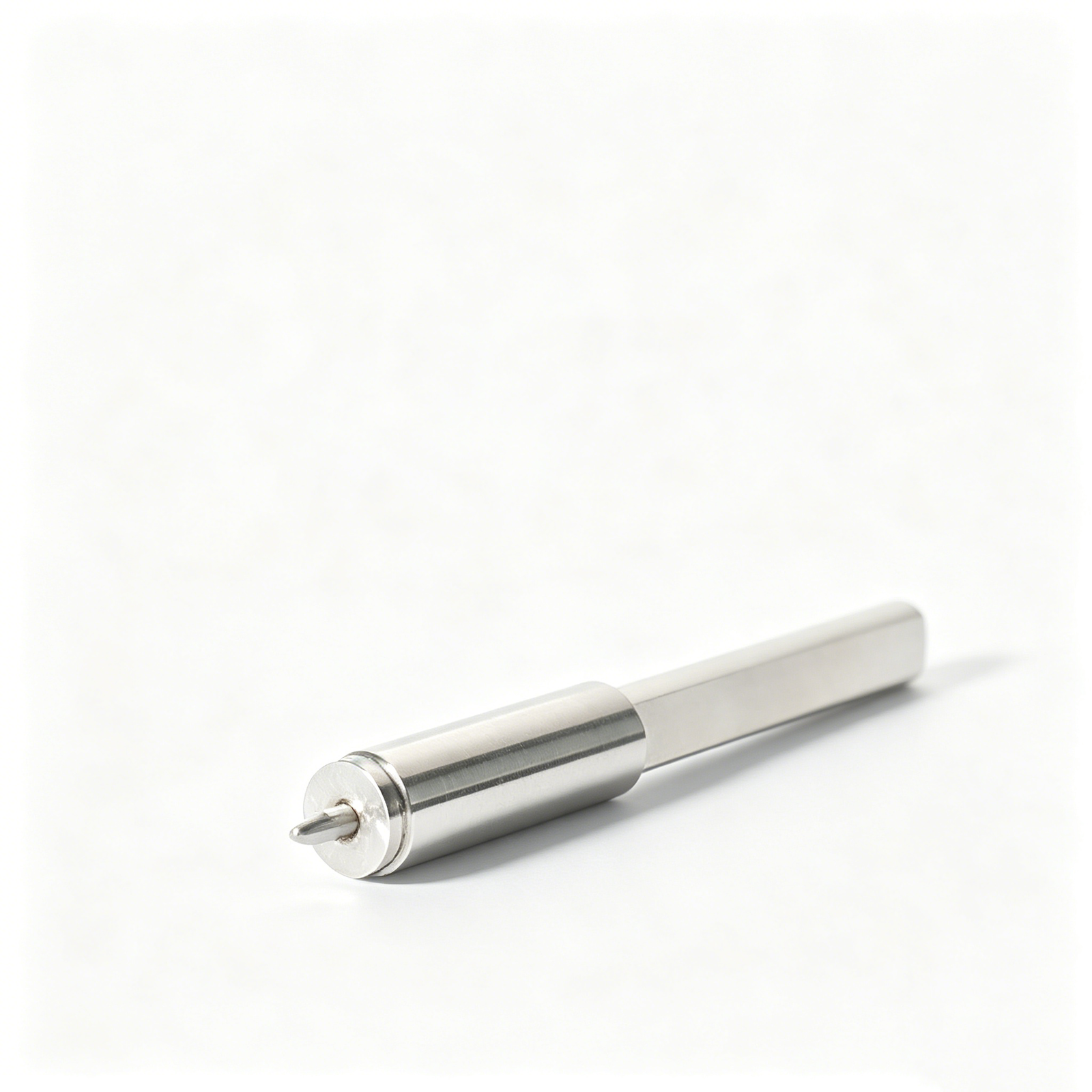
Locating Features
Keys, stops, dowels, and custom locating details establish assembly position and repeatability. Dimension functional interfaces from clear datums, identify tolerance priorities, and include mating-part information to help prevent stack-up issues during manufacture.

Custom Mold Accessories
Configurable accessories may include retainers, spacers, inserts, and application-specific tooling details. Submit the 2D drawing, 3D model when available, quantity, material condition, and inspection requirements for a disciplined production review.
About SUUXIANG CNC Machining Kovar
SUUXIANG is the sole public-facing brand of Dongguan SuuXiang Precision Mold Co., Ltd., established in 2010 and based at 2nd Floor, Sanhe Industrial Park, Chang’an Town, Dongguan, Guangdong, China. XiaoCheng Huang is the founder and legal representative. We help international teams convert controlled drawings and specifications into inspected custom machined parts, precision mold components, connector tooling, and stamping-die components.
For cnc machining kovar and other drawing-led projects, our workflow combines DFM review with CNC milling and turning, multi-axis machining, EDM, precision grinding, fitting and inspection. Before production commitments, we review critical dimensions, datums, material requirements, machining access, finishing sequence and inspection expectations.
What distinguishes SUUXIANG is disciplined project control rather than an unlimited capability promise. We keep revisions, critical-to-quality requirements, process decisions and delivery information visible, then align final documentation with the agreed order and verified inspection plan.

CNC Machining Kovar: Core Engineering Capabilities
DFM and Datum Review
Before quotation, SUUXIANG reviews the drawing package for critical dimensions, datum relationships, tool access, wall conditions, threads, and inspection priorities. For cnc machining kovar, this discussion helps align the proposed route with the part’s functional interfaces and revision-controlled requirements.
- Identify critical-to-quality dimensions and mating interfaces
- Review datum scheme before process commitments
- Flag access, feature, and tolerance-stack risks
- Confirm material, quantity, and reporting requirements
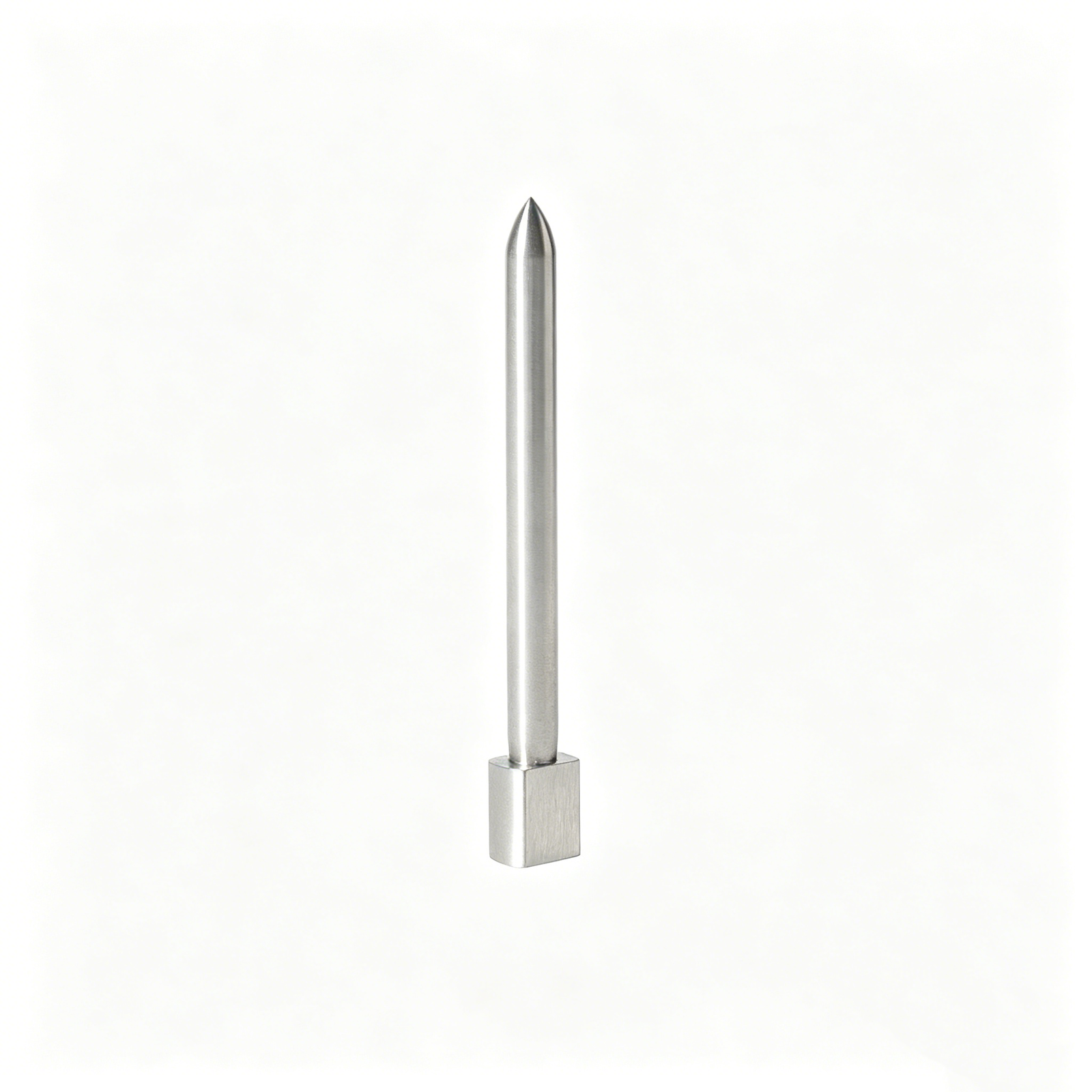
CNC and EDM Planning
Complex Kovar features may require more than a single machining operation. SUUXIANG plans the practical sequence across CNC milling or turning, wire EDM, sinker EDM, and intermediate checks, considering feature geometry, electrode needs, wire paths, remaining stock, and dimensional risk.
- Match process choice to geometry and access
- Assess wire path and electrode strategy
- Plan machining stock between operations
- Keep process decisions tied to drawing revisions
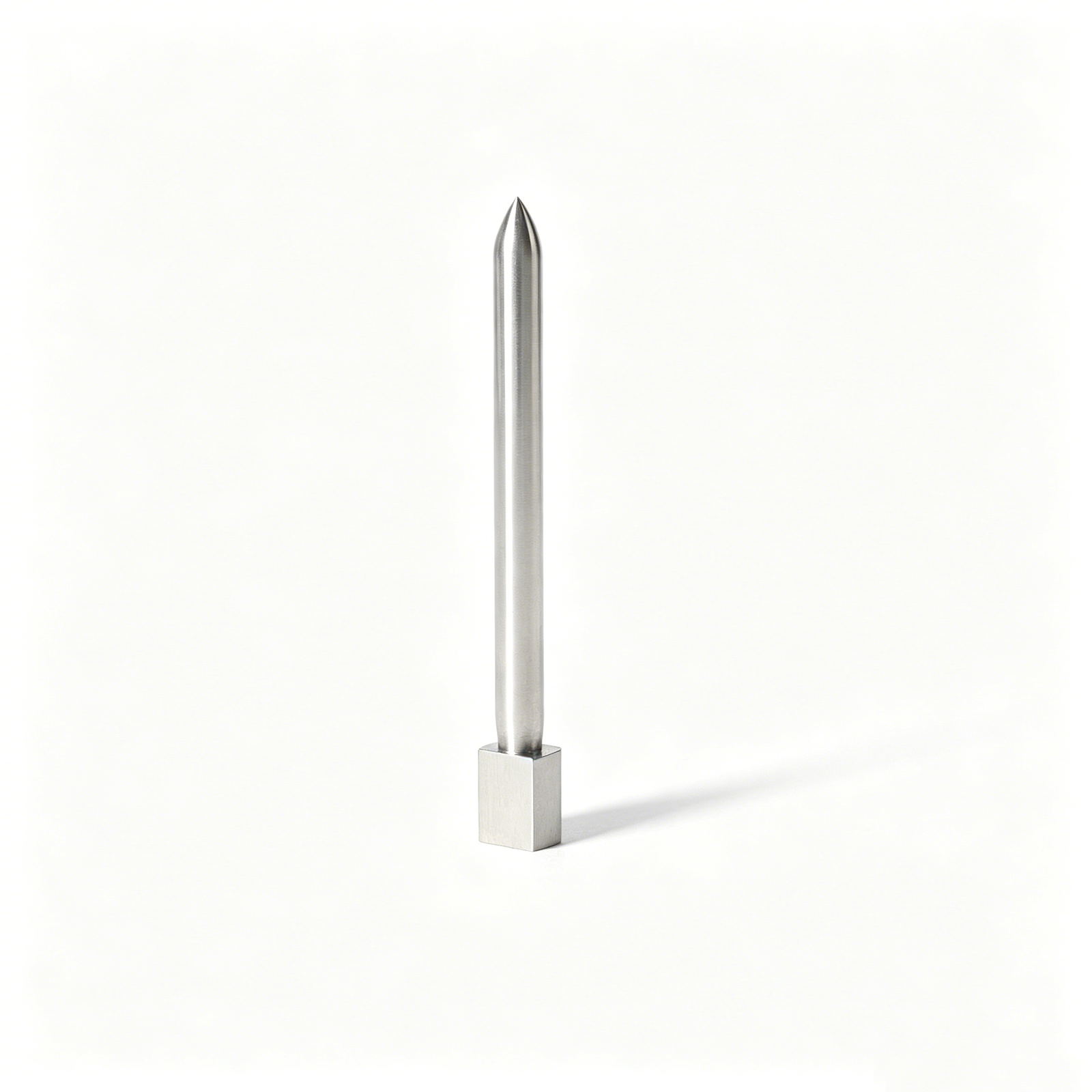
Grinding and Fitting Strategy
Where flatness, parallelism, fit, or surface condition drives function, grinding and fitting should be planned with suitable allowance rather than treated as an afterthought. SUUXIANG reviews the finishing sequence against datums, heat-treatment requirements, and the component’s mating conditions.
- Define grinding allowance before finishing
- Protect functional datums through the sequence
- Review fit-sensitive features with mating context
- Coordinate finishing with heat-treatment requirements

Inspection and Revision Traceability
Inspection planning follows the order’s verified requirements, with attention to critical dimensions, measurement method, reporting needs, and revision status. SUUXIANG keeps project communication centered on the current drawing and agreed checkpoints, so manufacturing and delivery documentation remain aligned.
- Align inspection method to critical features
- Confirm report and documentation expectations
- Maintain visibility of drawing revisions
- Support clear delivery coordination

Kovar CNC Machining: Supplier Evaluation Criteria
For Kovar CNC machining, confirm the engineering evidence defined before production—not only the quoted price.
← Swipe left or right to view →
CNC Machining Kovar: From Drawing Review to Delivery
Each route is confirmed against the drawing, material documentation, critical dimensions, and inspection requirements; timing is established only after project review.
RFQ and Drawing Review
Submit 2D drawings, 3D models, material requirements, quantity, delivery target, and inspection needs so the team can clarify application context and revision status.
DFM and Process Planning
SUUXIANG reviews datums, critical dimensions, tool access, heat-treatment sequence, machining allowance, and potential EDM or grinding requirements before confirming a manufacturing route.
Material and Setup Control
Material documentation and project requirements are checked, then fixtures, tooling, programs, and inspection references are prepared for the approved drawing revision.
Machining and Secondary Processes
CNC milling or turning is coordinated with EDM, precision grinding, and fitting where required, with process choices matched to geometry, access, and surface requirements.
Inspection and Delivery Coordination
Finished parts are inspected against the agreed plan, documented as required, protected for shipment, and coordinated with the confirmed delivery and packing requirements.
Start CNC Machining Kovar With a Drawing Review
Move from technical files to controlled production through clear requirements, DFM review, approval checkpoints, and inspection planning.
Submit Your Technical Package
Send the 2D drawing, 3D model when available, material specification, quantity, target date, critical dimensions, surface requirements, and inspection or reporting expectations.
Review DFM and Quotation
Align on cnc machining kovar feasibility, datums, tool access, machining sequence, EDM or grinding needs, quality checkpoints, revision status, pricing, and delivery assumptions.
Approve First Articles
Review samples or first-article evidence when the project requires it, confirming critical dimensions, material documentation, finish requirements, mating context, and approved revision before release.
Release Controlled Production
Proceed with the agreed process route while SUUXIANG manages machining, secondary operations, inspection planning, traceable revision control, and delivery coordination against the confirmed order requirements.
Certification and Quality Documentation
CNC Machining Kovar: Customer Outcomes and Project Cases
Reserved for an approved customer case study documenting the drawing revision, inspection scope, quantity, delivery context, and verified outcome for a Kovar component project.
Reserved for an attributable project account covering DFM findings, critical dimensions, process route, and documented inspection results after customer approval for publication.
Reserved for a verified sourcing case with approved project context, production quantity, revision-control requirements, and measurable results supported by customer-authorized documentation.
CNC Machining Kovar FAQ
Practical RFQ, inspection, delivery, and drawing-handling guidance for Kovar component projects.
What files should I send for cnc machining kovar?
How should I specify material and heat-treatment requirements for cnc machining kovar?
Can cnc machining kovar hold tight tolerances?
Do you support prototypes, samples, and low-volume Kovar parts?
What inspection reports can be requested for Kovar components?
How should I plan lead time for a Kovar machining RFQ?
Can SUUXIANG arrange shipping for international Kovar orders?
How are IP-sensitive drawings handled before I request a quote?
The Complete Buyer’s Guide to cnc machining kovar
Use this decision framework to specify Kovar parts, assess machining and quality controls, compare qualified suppliers, understand cost drivers, and avoid sealing, tolerance, material-certification, and launch mistakes before production.
1. What Is cnc machining kovar?
29% nickel, 17% cobalt, and roughly 54% iron are commonly cited nominal Kovar constituents; the alloy is selected for controlled thermal expansion and compatibility with certain glasses and ceramics (https://www.partmfg.com/kovar-alloy-cnc-machining). CNC machining Kovar means converting an approved drawing and model into specified alloy components through controlled milling, turning, drilling, EDM, grinding, and inspection as applicable.
Glass-to-metal and ceramic-to-metal seals depend on compatible expansion behavior so thermal cycling does not impose unnecessary stress at the interface. That makes Kovar relevant to electronic packages, sensor housings, vacuum-related assemblies, feedthroughs, and other sealed hardware where dimensional movement affects seal integrity.
A material callout alone does not establish manufacturing capability. SUUXIANG should review the drawing’s critical dimensions, datums, geometry, surface requirements, sealing interface, material condition, heat-treatment sequence, quantity, and inspection evidence before confirming a viable process route.
2. History of Kovar in Precision Sealing
1930s hermetic-package development depended on alloys whose thermal movement could be matched to sealing glasses, reducing stress that can crack a glass-to-metal joint during temperature change. Kovar became a recognized iron-nickel-cobalt family for that controlled-expansion role; its use was driven by seal compatibility, not by a generic claim of low expansion.
1950s-to-present electronic packages extended the same design logic to ceramic-to-metal interfaces, feedthroughs, lids, frames, and housings. Current applications can include electronic, optoelectronic, aerospace, and instrumentation assemblies where the mating insulator, thermal cycle, atmosphere, and joining process govern material selection.
ASTM and alloy trade names are not interchangeable drawing requirements. Before cnc machining kovar begins, confirm the specified grade or standard revision, chemistry limits, temper, heat-treatment condition, coating or braze interface, and acceptance tests against the current drawing; a legacy designation may not define the same controlled-expansion behavior or sealing qualification.
3. Types of cnc machining kovar Parts
Five geometry families cover most cnc machining kovar RFQs. Each requires a datum scheme tied to the mating assembly, not merely a nominal dimension set.
Turned Pins And Bushings
Cylindrical pins, sleeves, and bushings are turned, drilled, and reamed. Provide diameter limits, runout datum, engagement length, and mating-hole data; grinding is appropriate for critical fits.
Housings And Caps
Cup-shaped housings and caps combine turning, boring, and drilled features. Provide wall thickness, internal steps, lid interface, and sealing-zone geometry; thin walls can distort during clamping.
Frames And Flanges
Flat frames and flanges commonly require milling, drilling, and controlled flatness. Provide hole-position datums, mating pattern, and gasket or ceramic interface; wire EDM suits narrow internal profiles.
Hermetic-Seal Features
Seal lands, apertures, and lead-through features need explicitly defined surface and edge requirements. Provide glass or ceramic mating-part drawings, seal diameter, and inspection method; EDM can protect inaccessible contours.
Complex Milled Prototypes
Multi-face prototypes use CNC milling with staged setups and inspection datums. Provide a 3D model, 2D critical dimensions, tool-access constraints, and revision-controlled mating geometry.
4. cnc machining kovar Material Specifications
Kovar must be specified as a controlled-expansion alloy, not merely a trade name. For cnc machining kovar, the drawing and purchase order should lock the material identity before process planning.
| Material | Application Fit | Expansion Compatibility | Machinability | Relative Cost |
|---|---|---|---|---|
| Kovar | Glass/ceramic hermetic seals | Match must suit mating material | Work-hardening risk | Specialty |
| Invar | Low-expansion structures | Not a Kovar substitute | Generally demanding | Variable |
| Stainless steel | General structural parts | Usually mismatch-risk | Often easier | Often lower |
| Controlled-expansion alloy | Specified thermal system | Verify alloy-to-mate pairing | Grade-dependent | Grade-dependent |
Define Grade And Condition
29% nickel, 17% cobalt, and balance iron is widely cited Kovar composition context; confirm the applicable grade’s controlled chemistry in the order. PTSMAKE notes this composition supports glass-and-ceramic expansion matching: https://www.ptsmake.com/kovar-machining-top-challenges-solutions-key-applications
Annealed, cold-worked, bar, sheet, or strip condition changes machining response and downstream sealing behavior. Specify product form, condition, dimensions, and any required stress-relief sequence.
Require Material Evidence
One heat lot should remain identifiable from received stock through finished-part documentation. Request a material certificate showing heat number, chemistry results, supply condition, applicable specification, and traceable quantity.
Each certificate should be reviewed against drawing limits before release. Add expansion-test requirements, test temperature range, and acceptance method when the part mates to glass or ceramic.
Select By Mating System
Kovar is selected principally for compatible expansion with the specified sealing glass or ceramic. Invar, stainless steel, and other controlled-expansion alloys require separate compatibility review; lower price alone does not establish interchangeability.
5. Finishes and Secondary Processing Options
Finish calls on a Kovar drawing are functional requirements, not cosmetic defaults. Define the treated surfaces, masking zones, allowable dimensional change, cleanliness method, and acceptance evidence before release.
| Option | Primary Benefit | Control Before Release |
|---|---|---|
| Deburr and clean | Assembly cleanliness | Edge condition and residue |
| Plating | Corrosion or solder interface | Masking, thickness, adhesion |
| Heat treatment | Stability or weld preparation | Cycle, distortion, reinspection |
Edges And Cleaning
Specified edge breaks remove burrs that can damage seals, retain debris, or alter assembly seating.
Defined aqueous, solvent, or passivation cleaning must match the application; residue control can affect corrosion behavior and solderability.
Plating And Marking
Nickel, gold, or tin plating requires an agreed base condition, masking plan, thickness range, and adhesion verification.
Laser marking should be located away from sealing lands and critical thin walls; confirm readability without unacceptable local distortion.
Thermal And Weld Preparation
Post-machining stress relief or heat treatment must state atmosphere, temperature cycle, and dimensional reinspection requirement.
Weld-prep features need controlled roughness, joint access, and cleaning. Validate sealing, solderability, and weld results through representative functional testing.
6. Quality Controls for cnc machining kovar
Kovar’s work-hardening response makes quality planning inseparable from the machining route. For cnc machining kovar, acceptance criteria should connect each critical feature to a datum, method, and documented result before release.
Edges, Holes, And Threads
Burr limits and edge-break requirements should be called out by location, especially near sealing faces, mating bores, and handling edges. Hole diameter, position, roundness, thread engagement, and deburring method require feature-specific gauges or inspection instructions.
Geometry And Thermal Control
Concentricity, flatness, and surface finish must reference functional datums rather than isolated dimensions. Controlled cutting loads, sharp-tool monitoring, coolant strategy, and intermediate stress-relief decisions help limit heat-driven movement, work hardening, and tool-wear drift.
First-Article Evidence
A first-article plan should identify CTQ features, datum setup, sampling points, and the applicable measuring equipment before production. CMM reports should retain revision identification, measured values, tolerances, and nonconformance disposition; cleaned parts need protective handling that prevents scratches, contamination, and mixed revisions.
7. How to Choose a Kovar Manufacturer
A Kovar supplier should be evaluated against the drawing’s sealing, dimensional, and documentation risks—not a generic machining checklist. For cnc machining kovar, verify evidence before award, then validate the route through a controlled pilot.
| Criterion | Weight | Evidence To Review |
|---|---|---|
| Specialty-alloy experience | 25% | Comparable records |
| DFM responsiveness | 20% | Written risk review |
| Traceability and inspection | 25% | Certificate-to-report link |
| Pilot and FAI | 15% | Approved first article |
| Communication and changes | 15% | Revision-control process |
Evidence And DFM
Two comparable Kovar jobs should be documented with material condition, geometry, process route, and measured results. Ask for a written DFM response covering datums, tool access, work-hardening risk, EDM or grinding allowances, and inspection points.
Traceability And Capacity
One traceability chain should connect purchase record, material certificate, incoming identification, traveler, and final report. Verify machine envelope, fixturing, temperature-aware inspection method, gauge status, and capacity specifically for your part.
Pilot And Change Control
A first-article or pilot lot should prove dimensions, finish, documentation, packaging, and response to nonconformity before release. Require revision-controlled drawings, approval gates for substitute material or process changes, and a named communication cadence.
8. Common cnc machining kovar Sourcing Mistakes
Kovar RFQs fail most often before cutting begins, when the drawing leaves material behavior or functional interfaces implicit. In cnc machining kovar, use DFM review to convert each assumption into a controlled requirement.
Define the Exact Alloy
Kovar is a trade name, not a complete purchase specification; an unspecified chemistry or equivalent can change thermal-expansion behavior. Ask: Which governing material standard, melt documentation, and permitted equivalent apply?
State Material Condition
Annealed, cold-worked, plated, and heat-treated conditions can machine and perform differently. Ask: What delivery condition, heat-treatment sequence, and final property evidence must accompany the part?
Plan the Process Route
Kovar can work-harden, so treating it like ordinary steel may cause tool wear, burrs, distortion, or inconsistent finish. Ask: Which features need staged machining, EDM, grinding allowance, or stress relief?
Define Functional Acceptance
Seal joints need the mating glass, ceramic, metal, joint geometry, and cleanliness requirement defined; vague interfaces invite leakage or assembly failure. Ask: Which datums are critical, which surfaces need cleaning controls, and what representative sample proves fit before release?
Tolerate by Function
Every-feature tight tolerancing increases inspection and machining burden without improving function. Ask: Which dimensions are critical-to-quality, what datum scheme governs them, and which features can use general tolerances?
9. Steps to Launch a Kovar Part Project
Eight defined inputs let SUUXIANG start a drawing review without assuming material condition or acceptance criteria. For cnc machining kovar, lock the technical baseline before scheduling material or programming.
Build The RFQ Package
Eight inputs should accompany the RFQ so engineering can review the same requirement procurement intends to buy. Include the current revision and identify any mating or functional context that changes datum selection.
- 2D drawing and 3D file
- Kovar material grade or specification
- Critical features and required finish
- Quantity and target delivery date
- Required inspection documents
Complete DFM And Approval
One documented DFM review should confirm datums, tolerances, tool access, machining allowance, and inspection method before release. Material certification requirements, heat treatment, and finish must be approved against the drawing or specification.
Validate Before Production Release
A prototype or first article should be measured to the agreed plan before functional validation with the mating assembly. After approval, control revisions through a written change record; do not treat email comments as production authorization.
10. cnc machining kovar Pricing and Lead Times
Three order stages—prototype, low-volume, and repeat production—shift the cost structure of cnc machining kovar. Kovar availability, geometry requiring multi-axis access or EDM, tight tolerances, and finishing can add material, setup, process, and verification effort.
One complete RFQ reduces quotation uncertainty by defining revision, quantity, material form and condition, heat treatment, critical dimensions, datums, surface requirements, and required reports. Early DFM should resolve tool access, workholding, inspection method, and approval timing before material release; this reduces expedite risk without implying a fixed lead time.
| Order stage | Primary pricing drivers | Lead-time drivers |
|---|---|---|
| Prototype | Programming and setup dominate; complex geometry and inspection add effort. | Material confirmation, first-article planning, EDM or finishing sequence. |
| Low-volume | Setup is spread across parts; tolerance, quantity, and reporting affect unit cost. | Fixture strategy, machining capacity, inspection workload, and approved revisions. |
| Repeat production | Stable routing and quantity can spread setup; changes restart review effort. | Material replenishment, controlled process route, sampling plan, and release schedule. |
Upload Your CNC Machining Kovar Drawing for Review
Include material, quantity, critical dimensions, inspection requirements, and target delivery date for a project-specific DFM and process review.