
CNC Machining M2 High-Speed Steel for Tooling Parts
Upload your drawing for a DFM-led review of M2 high-speed-steel parts, from critical dimensions through inspection planning.
Representative M2 Tooling Components


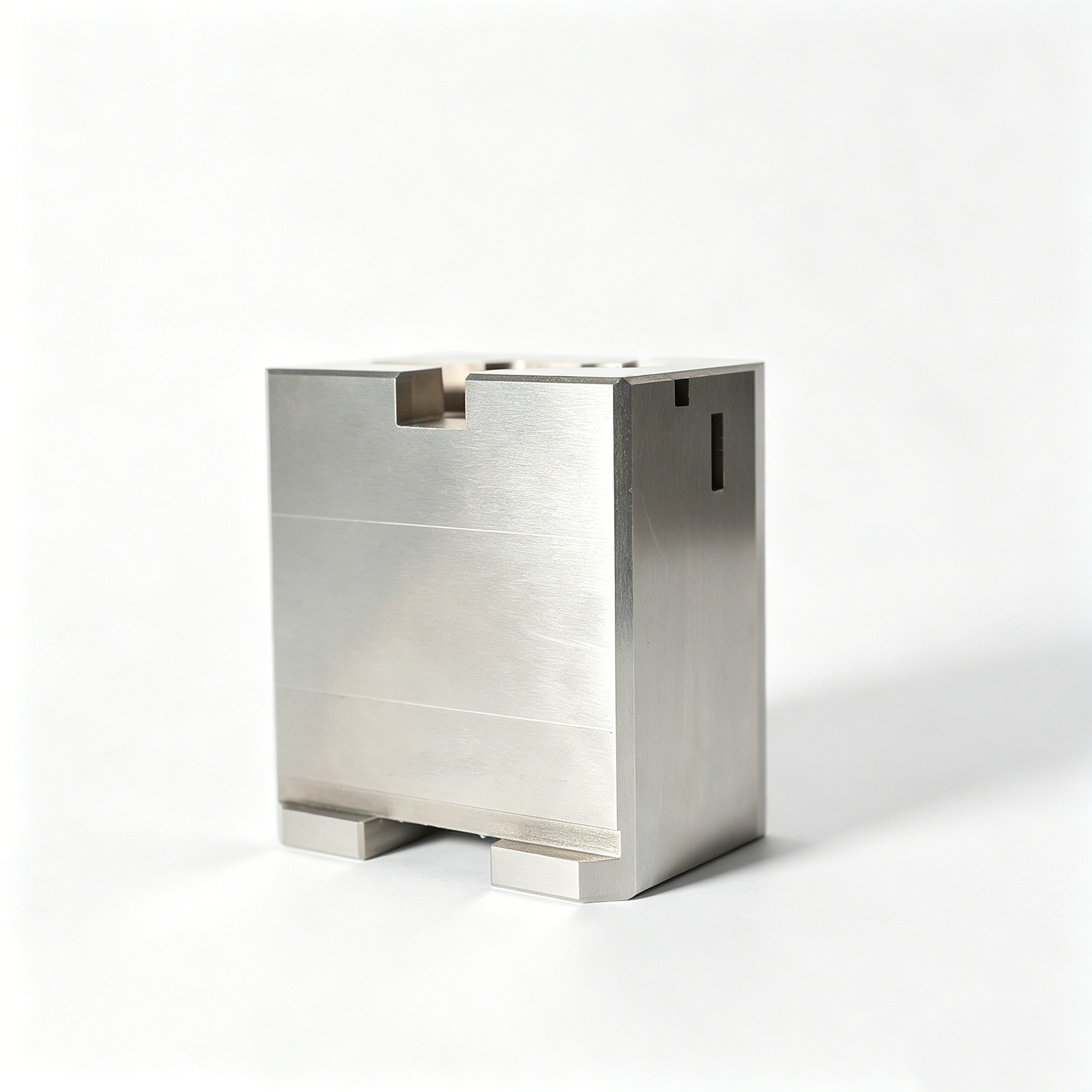


Related Configurable Component Families


Why CNC Machining M2 High-Speed Steel Needs a Disciplined Route
Plan critical dimensions, material condition, EDM and grinding before production commitments are made.
Drawing-Led DFM Review
Review datums, critical dimensions, tool access, surface requirements, and machining allowances before selecting a production route.
Material Condition Planning
Confirm supplied material condition and heat-treatment sequence early, so machining, EDM, and grinding decisions align with drawing requirements.
EDM Strategy Defined
Identify wire paths, electrode needs, internal features, and finishing priorities when conventional tool access cannot reliably achieve the geometry.
Grinding Stock Controlled
Reserve appropriate grinding stock and define final surfaces to support dimensional control after heat treatment or intermediate machining.
Inspection Prepared Early
Match inspection methods and reporting needs to critical features, datums, and acceptance criteria before production begins.
Revision Visibility Maintained
Keep drawing revisions, production questions, inspection expectations, and delivery information visible throughout the project workflow.
M2 High-Speed Steel CNC Applications
Drawing-driven process routes for demanding cutting, tooling, mold, connector, die, and wear-component requirements.

CNC Machining Services
Precision CNC machining services begin with drawing review, material condition, critical dimensions, and inspection requirements. Process planning combines milling, turning, EDM, grinding, fitting, and controlled revision handling according to the geometry and functional risk.
Upload a Drawing
CNC Milling
Custom CNC milling services address prismatic features, pockets, profiles, and complex component interfaces. Tool access, clamping strategy, machining allowance, and post-machining operations are reviewed before committing to a manufacturing route.
Upload a Drawing
CNC Turning
Precision CNC turning services support rotational features such as pins, sleeves, shafts, bushings, and locating elements. Diameter tolerances, concentricity, runout, surface requirements, and subsequent heat treatment or grinding must be defined from the drawing.
Upload a Drawing
5-Axis Machining
5-axis CNC machining supports angled features, compound surfaces, and geometries that benefit from fewer setups. Feasibility depends on tool reach, workholding, datum access, material condition, and the dimensions requiring verification after machining.
Upload a Drawing
Swiss & Micro Machining
Swiss machining and micro machining support small, slender, and detail-intensive parts where stability and feature control matter. Drawing review should identify critical diameters, transitions, burr limits, material behavior, and practical inspection methods.
Upload a Drawing
Wire & Sinker EDM
Wire EDM and sinker EDM services address hardened materials, narrow slots, internal profiles, sharp feature conditions, and difficult-to-reach geometry. The process route considers wire path or electrode strategy, corner requirements, recast considerations, and finishing needs.
Upload a Drawing
Precision Grinding
Precision surface and profile grinding is used where flatness, parallelism, profile control, and fine surface requirements exceed practical machining results. Grinding stock, heat-treatment sequence, datum condition, and inspection criteria should be agreed before production.
Upload a Drawing
Mold Core & Cavity Inserts
Precision mold core and cavity inserts are manufactured from customer drawings for molding functions requiring controlled geometry and fit. Machining, EDM, grinding, heat treatment, surface requirements, and inspection planning are coordinated around critical molding surfaces.
Upload a Drawing
Ejector & Ejection Components
Ejector pins, sleeves, and ejection components are configured for mold layout, guiding conditions, clearance relationships, and wear risk. Buyers should provide mating details, material and hardness requirements, dimensional priorities, and any surface treatment specifications.
Upload a Drawing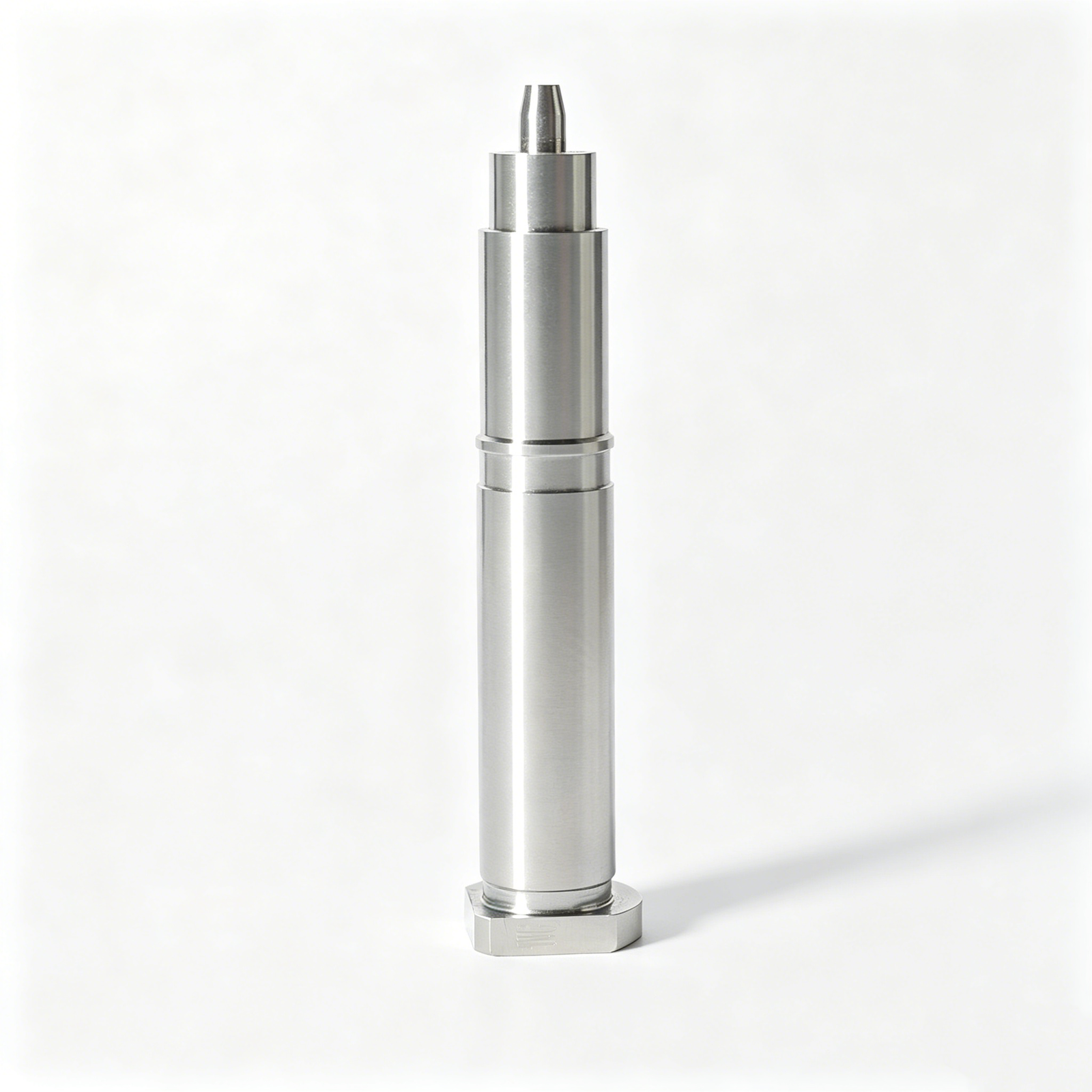
Core Pins, Guide & Locating Components
Core pins, guide pins, and locating components are produced against drawing-defined fits, datums, and mating conditions. Diameter control alone is insufficient; engagement length, concentricity, hardness, wear behavior, and inspection requirements affect the process route.
Upload a Drawing
Slides, Lifters, Gates & Mold Accessories
Mold slides, lifters, gates, and accessories require review of travel, parting-line relationships, wear surfaces, and assembly interfaces. SUUXIANG evaluates machining access, EDM needs, grinding stock, fitting requirements, and drawing-controlled critical dimensions.
Upload a Drawing
Connector Mold Components
Precision connector mold components support connector-product tooling where small features, repeatable alignment, and tight interface control are significant. RFQs should include cavity layout context, terminal or mating-part information, material requirements, and inspection priorities.
Upload a Drawing
Stamping Die Components
Precision stamping die components are made for drawing-defined cutting, forming, guiding, and wear functions. Material condition, heat-treatment sequence, clearance-related geometry, grinding allowance, and mating-component relationships should be reviewed before manufacturing.
Upload a Drawing
Injection Mold Components, MIM, CIM & Overmolding Tooling
Injection, MIM, CIM, and overmolding tooling components are assessed within verified production scope. A useful drawing package identifies resin or feedstock context, molding surfaces, inserts, datum strategy, temperature-related considerations, and required inspection evidence.
Upload a Drawing
Machining Materials
CNC machining materials are selected around function, machinability, heat treatment, corrosion exposure, wear conditions, and mating interfaces. Provide the exact material grade or approved equivalent policy, material condition, certification needs, and any material traceability requirement.
Upload a Drawing
Surface Finishes & Heat Treatment
Surface finishing and heat treatment are specified according to functional requirements rather than appearance alone. Define hardness range, coating or finishing type, masking areas, post-treatment dimensional priorities, surface roughness, and whether final grinding or inspection follows treatment.
Upload a Drawing
Quality, Metrology & Documentation
Precision inspection, metrology, and quality documentation are planned from the drawing’s critical dimensions, datums, tolerances, and reporting expectations. Confirm measurement methods, sample scope, revision level, material records, and any required inspection report before production.
Upload a Drawing
Prototyping & Low-Volume Production
Rapid prototyping and low-volume manufacturing support drawing-driven validation, bridge requirements, and controlled component changes. Quantity, revision maturity, critical features, material condition, delivery target, and inspection needs determine the appropriate machining and documentation plan.
Upload a DrawingMaterials Considered Alongside M2 High-Speed Steel

M2 High-Speed Steel
Specified for cutting edges, punches, and wear-focused tooling where hot hardness and abrasion resistance matter. Annealed stock supports rough machining; heat treatment, grinding allowance, and final inspection must follow the approved drawing.

D2 Tool Steel
Often considered for cold-work dies, shear edges, and abrasive wear components. Its high wear resistance can suit room-temperature forming, while machining strategy should account for heat treatment, edge geometry, and grinding stock.

H13 Tool Steel
Commonly evaluated for mold inserts, cores, and tooling exposed to repeated thermal cycling. Its hot-work behavior supports heat-sensitive applications, but cooling features, hardness condition, and surface requirements should be reviewed before production.

A2 Tool Steel
A practical option for punches, forming details, and general cold-work components requiring balanced wear resistance and toughness. The drawing should define heat treatment, critical datums, and post-hardening grinding requirements for reliable fit.

Stainless Tool Steel
May be considered for tooling or precision components where corrosion resistance affects the application environment. Grade selection, hardness target, machining access, and surface-finish expectations require project-specific review rather than assumption.
CNC Machining M2 High-Speed Steel: Process Routes

CNC Milling
CNC milling develops prismatic features, pockets, faces, and accessible contours from the approved drawing. Tool access, machining allowance, and the planned heat-treatment sequence should be reviewed before final dimensions are committed.
CNC Turning
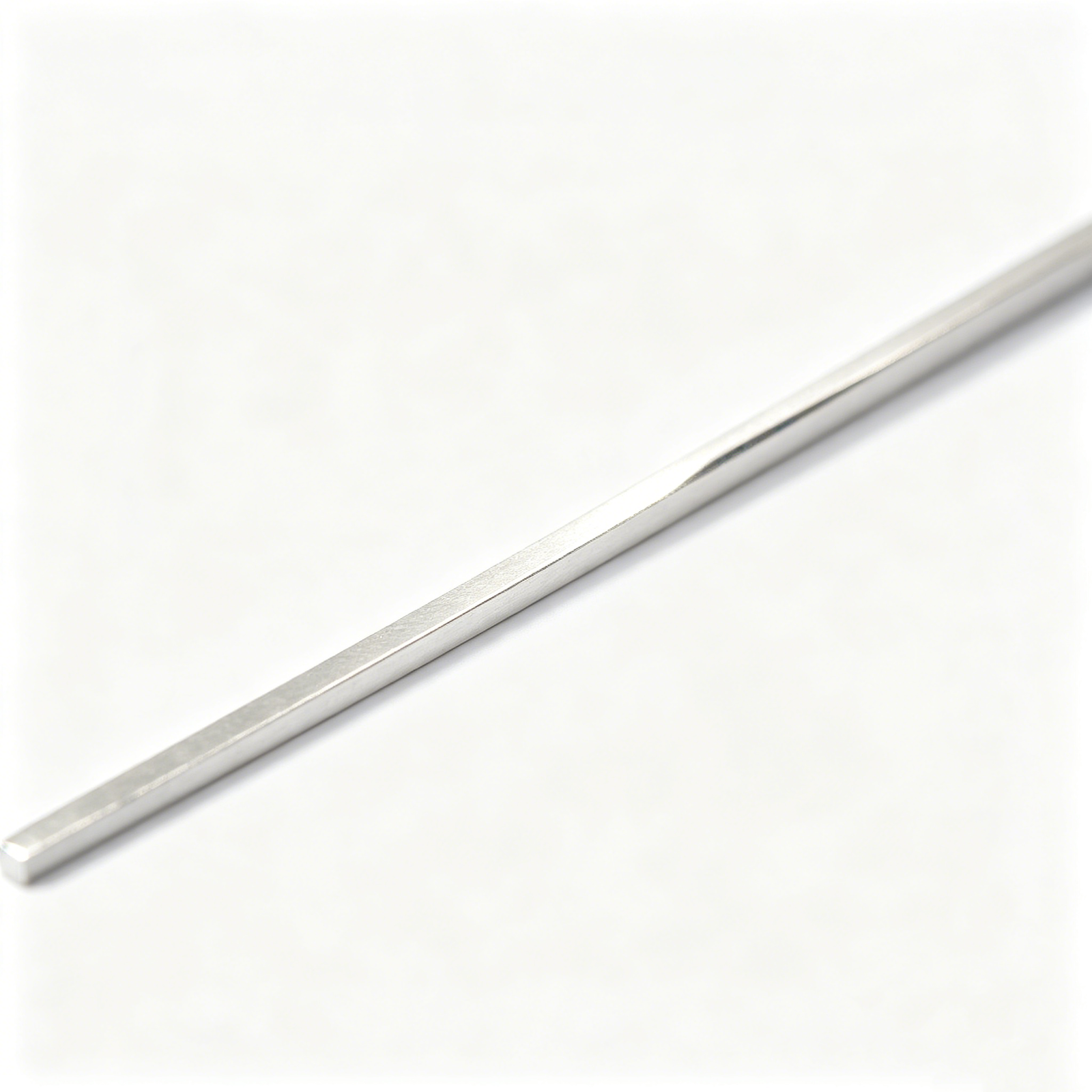
CNC turning supports rotational features such as shafts, stepped diameters, threads, and concentric locating details. Datum selection and runout requirements guide the machining route and the inspection method for drawing-based M2 components.

Wire EDM
Wire EDM is considered for precise through-profiles, narrow slots, and internal contours where conventional tool access is limited. The wire path, corner conditions, start-hole needs, and finishing allowance should be defined during review.
Sinker EDM
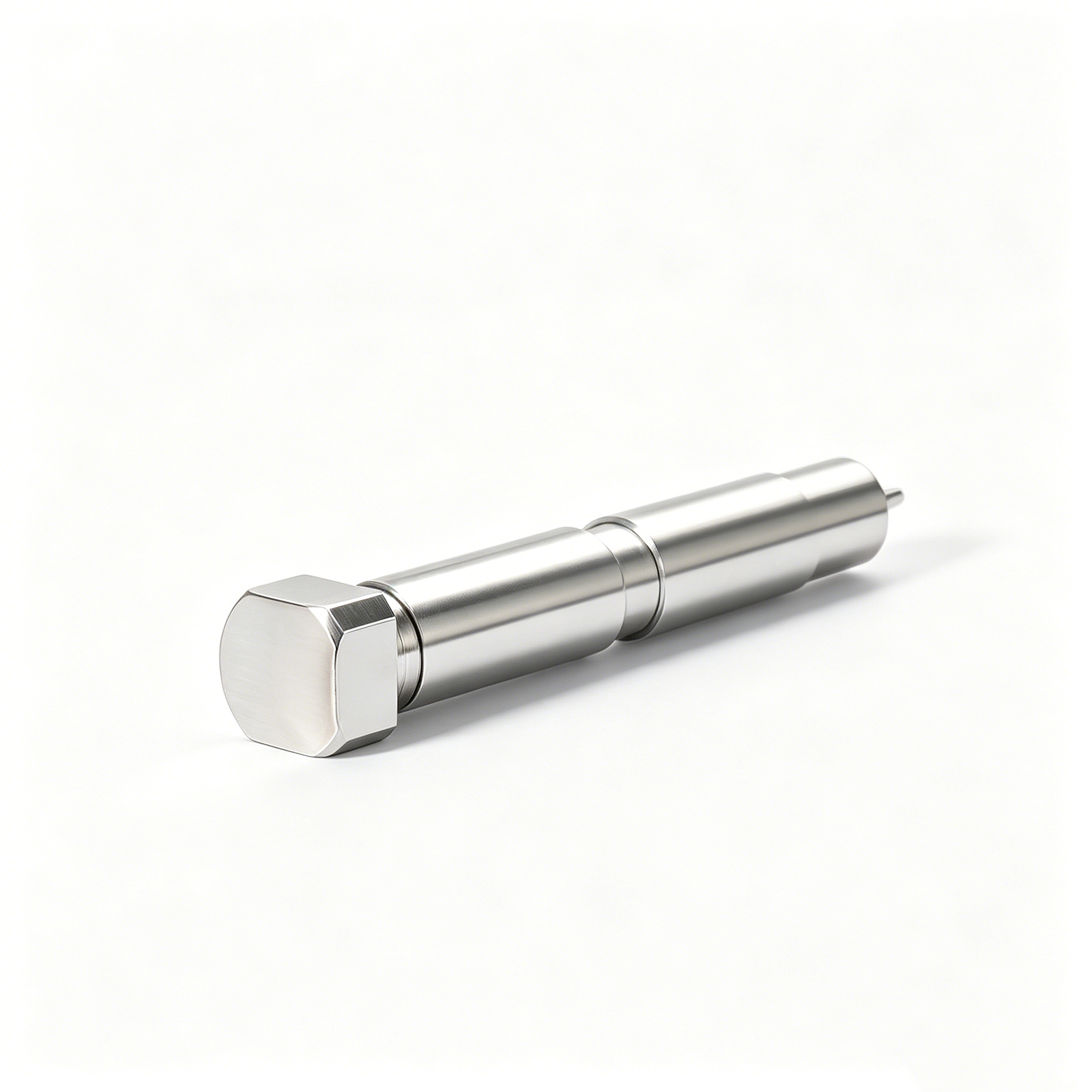
Sinker EDM supports blind cavities, sharp internal geometry, and features requiring an electrode-based approach. Electrode strategy, spark allowance, surface expectations, and subsequent finishing requirements are aligned with the drawing.

Precision Grinding
Precision grinding is applied where controlled size, flatness, parallelism, roundness, or surface condition is critical. Grinding stock, heat-treatment distortion risk, datum transfer, and the final measurement approach require coordinated planning.

Fitting Inspection
Fitting and inspection verify functional relationships, critical dimensions, and the approved revision before delivery. The required inspection method, reporting scope, mating-component context, and traceability expectations should be supplied with the RFQ.
CNC Machining M2 High-Speed Steel: Tooling Accessories and Identification Options

Part Marking
Laser, engraved, or other drawing-specified identification can help distinguish revisions, cavity positions, mating sets, or internal part numbers without obscuring critical surfaces or dimensional references.
Traceability Labels
Order-specific labels can connect packaged components to part numbers, revisions, quantities, and inspection documentation, giving receiving and quality teams a clearer route for verification and controlled release.

Locating Elements
Dowel holes, locating pins, keys, and related features can support repeatable assembly and orientation. Their datum relationship, fit requirements, and heat-treatment sequence should be reviewed before production.

Assembly Fasteners
Screws, retaining hardware, and drawing-defined fastening provisions can be included where specified. Confirm thread standards, head clearance, engagement, torque-sensitive interfaces, and whether hardware is supplied or customer-installed.
Protective Packing
Protective packing can be planned around finished surfaces, sharp edges, corrosion-control needs, matched sets, and transport handling. State any segregation, labeling, or delivery documentation requirements with the RFQ.
CNC Machining M2 High-Speed Steel at SUUXIANG
SUUXIANG is the sole public-facing brand of Dongguan SuuXiang Precision Mold Co., Ltd., established in 2010 and based at 2nd Floor, Sanhe Industrial Park, Chang’an Town, Dongguan, Guangdong, China. Founded by XiaoCheng Huang, the company helps global engineering, sourcing and quality teams turn drawings, models and specifications into inspected custom machined parts, precision mold components, connector tooling and die components.
For cnc machining m2 high-speed steel and related tooling work, project planning begins with DFM and critical-dimension review. Our practical process scope combines CNC milling and turning, multi-axis machining, EDM, precision grinding, fitting and inspection, selected according to material condition, geometry, datum strategy, heat-treatment sequence and quality requirements.
What distinguishes SUUXIANG is disciplined coordination from revision-controlled drawing review through inspection and delivery. Rather than treating a quote as a generic machining request, we clarify machining access, grinding stock, electrode or wire path, surface priorities and reporting needs so the production route and final documentation align with the verified order requirements.
CNC Machining M2 High-Speed Steel: Critical Process Controls
Drawing and DFM Review
Every CNC machining M2 high-speed steel inquiry begins with the drawing, model, material condition, quantity, and application context. SUUXIANG reviews critical dimensions, datums, tolerance stack, tool access, and heat-treatment sequence before confirming a practical manufacturing route.
- Identify critical-to-quality dimensions and datum relationships
- Review wall sections, internal features, and cutter access
- Define questions before quotation or production commitment

CNC and EDM Route Planning
M2 tooling components may require a planned combination of milling, turning, wire EDM, sinker EDM, and fitting. The selected route should account for feature geometry, electrode access, wire path, stock condition, and the surfaces that must remain protected for finishing.
- Match process selection to geometry and access constraints
- Plan electrode strategy for difficult internal details
- Keep machining sequence visible through project communication

Grinding Allowance Strategy
For precision surfaces, grinding stock and heat-treatment movement must be considered before rough machining is complete. SUUXIANG discusses which dimensions require finish grinding, where allowance is needed, and how mating faces, locating features, and surface requirements affect the sequence.
- Reserve appropriate stock for final grinding operations
- Review heat-treatment sequence against critical dimensions
- Clarify finish requirements for functional mating surfaces

Inspection and Revision Control
Inspection planning follows the approved drawing and identified critical features, rather than a generic checklist. SUUXIANG aligns measurement expectations, reporting needs, revision status, and delivery documentation with the order so engineering and quality teams can verify the supplied CNC machining M2 high-speed steel parts.
- Agree inspection methods for critical dimensions
- Maintain visible drawing-revision control
- Match final records to the verified inspection plan

Why Choose SUUXIANG for CNC Machining M2 High-Speed Steel Parts
Compare an engineering-led drawing review workflow with quotation-only sourcing for M2 tooling components.
← Swipe left or right to view →
CNC Machining M2 High-Speed Steel: Production Workflow
A controlled route from drawing review through inspection and delivery coordination, with process decisions aligned to the approved part requirements.
RFQ and Drawing Review
Review 2D drawings, 3D models, material condition, quantity, delivery target, critical dimensions, datum strategy, surface requirements, and requested inspection documentation before quotation.
Plan Material and Process
Confirm available project evidence for M2 material and heat-treatment requirements, then plan machining access, machining allowance, EDM needs, grinding sequence, and inspection method.
Machine Critical Features
Produce accessible geometry through the appropriate CNC milling, turning, multi-axis, micro-machining, wire EDM, or sinker EDM route defined during project planning.
Grind and Fit Components
Apply precision grinding and fitting where required to achieve functional interfaces, preserve datum relationships, manage remaining stock, and address mating-component requirements from the drawing.
Inspect Against Requirements
Inspect agreed critical dimensions, surfaces, and functional features using the defined inspection plan, with reporting and traceability documentation matched to the order requirements.
Pack and Coordinate Delivery
Protect finished components for shipment, confirm revision and documentation status, and coordinate delivery information with the customer according to the approved project schedule.
How to Start CNC Machining M2 High-Speed Steel
A drawing-led process that aligns material condition, critical dimensions, inspection needs and delivery expectations before production commitments.
Submit Your Drawing Package
Share 2D drawings, 3D models when available, M2 material and heat-treatment requirements, quantity, application context, critical dimensions, surface priorities and target delivery date.
Review DFM and Requirements
Align datum strategy, machining access, EDM or grinding needs, stock allowances, tolerance stack, inspection method and revision status before a process route is confirmed.
Confirm the Quotation
Review the proposed manufacturing scope, commercial quotation, quality documentation and delivery plan; resolve open technical questions before releasing the order for production.
Approve First-Article Evidence
Where required, evaluate agreed sample or first-article results against the drawing and inspection plan, then confirm any controlled changes before repeat or production work.
Coordinate Production and Delivery
Follow revision-controlled production through machining, EDM, grinding, fitting and inspection, with final documentation matched to the order and verified inspection requirements.
CNC Machining M2 High-Speed Steel: Quality Documentation
Customer References Published With Authorization
Verified customer testimonial pending approval. This card will document the drawing revision, critical dimensions, inspection evidence, and production outcome once the customer authorizes publication.
Verified customer testimonial pending approval. This card will summarize the manufacturability review, agreed datum strategy, component-fit result, and delivery coordination evidence for an approved project.
Verified customer testimonial pending approval. This card will cover the M2 tooling component, inspection-report requirements, revision control, and measurable outcome after customer approval for publication.
CNC Machining M2 High-Speed Steel FAQ
Practical answers for engineering and sourcing teams preparing drawing-based M2 tooling-part inquiries.
What information should I provide for CNC machining M2 high-speed steel?
Is there a minimum order quantity for cnc machining m2 high-speed steel parts?
How long does cnc machining m2 high-speed steel usually take?
Can SUUXIANG supply samples or first articles before production?
What material and heat-treatment details are needed for an M2 RFQ?
Can I request inspection reports for M2 tooling components?
How are drawings and intellectual property handled during quotation?
What payment and shipping details should be confirmed before ordering?
Complete Guide to CNC Machining M2 High-Speed Steel
Use a practical decision framework to specify M2 parts, evaluate heat treatment and machining routes, compare qualified suppliers, control cost and lead time, and avoid drawing, material-certification, and inspection mistakes.
1. What Is cnc machining m2 high-speed steel?
M2 is a molybdenum-type high-speed steel selected for its wear resistance and hot-hardness retention in demanding tooling service. cnc machining m2 high-speed steel means producing a drawing-defined component—not purchasing a catalog drill, tap, or end mill—through an agreed route of CNC machining, heat treatment, grinding, EDM, fitting, and inspection.
62–65 HRC is a commonly cited hardened M2 range, but the drawing, material specification, heat-treatment record, and inspection plan—not a generic hardness claim—must govern the order. Buyers typically accept M2’s greater sourcing and process-control burden when edge retention or elevated-temperature cutting performance matters more than easy machining, impact toughness, or lowest piece cost (https://www.cnccookbook.com/machining-steel).
SUUXIANG reviews each requested punch, die, core, mandrel, cutting component, or wear feature from its 2D drawing and available 3D model before confirming a route. That review should establish critical datums, stock before grinding, EDM access, heat-treatment sequence, and the evidence required to verify the finished part against the revision.
2. Evolution of M2 High-Speed Steel Tooling
1900 marked the public introduction of high-speed steel by F. W. Taylor and M. White, whose heat-treatment work showed that tool steel could retain cutting performance at elevated temperature (https://www.britannica.com/technology/high-speed-steel). That development shifted tooling selection toward steels engineered for hot hardness and wear, rather than carbon-steel tools alone.
M2 became a common molybdenum high-speed-steel designation because its alloy balance supports cutting tools and wear tooling after the specified heat-treatment route; ASTM A600 covers high-speed tool steels, including M2 (https://www.astm.org/a0600-92r23.html). For a cnc machining m2 high-speed steel RFQ, specify the required condition, final hardness target, and critical working surfaces—not only the grade name.
2026 sourcing still requires a process route: CNC machining normally establishes accessible geometry before hardening, precision grinding establishes datums and final sizes, and wire or sinker EDM addresses inaccessible profiles. Confirm the purchasing standard, mill certificate, heat-treatment record, and any claimed cross-reference such as DIN or JIS against the applicable specification; designation similarity alone is not equivalency evidence.
3. Types of cnc machining m2 high-speed steel Parts
Five M2 part families call for different datum schemes and finishing routes. Classify the functional load first, then specify the features that must survive machining and final inspection.
Cutting-Tool Blanks
Two common blank forms are drills and cutter bodies, loaded by edge contact and heat. Mill annealed stock for flutes or reliefs; grind cutting edges after heat treatment.
Punches And Dies
One punch-and-die set sees concentrated contact, shear, and alignment loads. Grind working faces and locating diameters; use wire EDM for closed profiles, narrow slots, and sharp internal geometry.
Cores, Inserts, And Wear Parts
Three mold-component groups—cores, cavity inserts, and guide or wear parts—depend on stable mating surfaces. CNC milling establishes stock removal, while grinding controls bearing surfaces; sinker EDM becomes relevant for deep ribs, texture-adjacent details, or inaccessible cavities.
Custom Profiles
Custom profiles include shaped blades, forming members, and non-round wear elements. Define functional datums and minimum internal radii early; wire EDM suits through-profiles, while sinker EDM suits blind, detailed features.
4. M2 Material Conditions and Specifications
M2 must be ordered by a recognized designation, supplied mill form, and condition—not merely by the name M2. The RFQ should also state the required post-treatment hardness and documentation package.
| Material Condition | Machining Implication | Benefit | Limitation | Suitable Scenario |
|---|---|---|---|---|
| Annealed conventional M2 | Mill before heat treatment | Broad machining access | Heat-treatment distortion risk | Complex blank requiring finish grind |
| Pre-hardened M2 | Use grinding or EDM selectively | Avoids later bulk hardening | Restricted stock removal | Wear insert with stable datum |
| PM M2 | Confirm route and allowance | Uniform microstructure potential | Higher cost; approval needed | Demanding cutting or wear feature |
Grade And Mill Form
AISI M2, JIS SKH51, and DIN 1.3343 may be cited as references, but equivalency requires the supplier’s chemical certificate and governing standard. Specify bar, plate, or pre-machined blank, including size and heat lot.
Hardness And Certification
Annealed M2 is generally selected for rough machining before controlled heat treatment; the drawing should define final hardness, test method, and test location. Request a mill certificate, heat-treatment record, and inspection report matched to the purchase-order revision.
Conventional Or PM M2
Powder-metallurgy M2 can offer a more uniform carbide distribution, but it is not an automatic substitution for conventional M2. State the route explicitly and require documented approval before any equivalent-grade or process change.
5. cnc machining m2 high-speed steel Processes and Finishes
M2 parts commonly follow a staged route because heat treatment can move dimensions after machining. For cnc machining m2 high-speed steel, lock the datum, stock allowance, and inspection points before the route is released.
| Route | Best Fit | Key Control |
|---|---|---|
| Annealed CNC | Bulk stock removal | Leave finishing allowance |
| Hardening and tempering | Target hardness | Plan distortion |
| Grinding or EDM | Final geometry | Inspect datum-related features |
Machine Before Hardening
Annealed M2 is normally rough-machined first, leaving grinding stock on critical faces and diameters. Stress relief is considered after heavy stock removal or asymmetric geometry, before final hardening and tempering.
Choose Grinding Or EDM
Finish grinding suits accessible flats, rounds, bores, and fine surface requirements after hardening. Wire EDM suits narrow slots and intricate through profiles; sinker EDM suits enclosed detail, with electrode and recast-layer requirements specified on the drawing.
Specify Functional Treatments
PVD coatings such as TiN or TiAlN are performance treatments selected for wear, friction, and operating conditions, not appearance. Cosmetic polishing only changes presentation or roughness; it does not replace geometry control or a functional coating decision.
6. Critical Quality Elements for M2 Components
Every M2 acceptance plan should connect the purchase order, drawing revision, material evidence, heat-treatment record, and inspection report. Critical features need measurable datums and acceptance criteria before machining begins.
Material And Heat-Treat Records
Each lot should retain heat or batch identification and the applicable mill certificate or chemistry evidence. State the required material standard, condition, target hardness range, test method, and test location.
Post-heat-treatment verification should confirm hardness and dimensions after the final tempering sequence. Ask whether the test impression is permitted on a nonfunctional surface or a witness coupon.
Datums, Form, And Finish
A drawing should establish functional datums before applying position, profile, flatness, or parallelism controls. Identify whether flatness is checked free-state, clamped, or against a fixture.
Surface finish callouts need a measurement direction and functional area; burr limits need an edge condition, not merely ‘deburr.’ Tight tolerances after heat treatment require grinding stock and a defined inspection method.
Corner And Crack Acceptance
Sharp internal corners are not produced by rotary tools without a residual radius; wire EDM or EDM relief may be necessary. Specify the smallest permitted radius, relief geometry, and whether an EDM surface requires subsequent finishing.
For tooling, ask which edges cut or form material. For mold and connector components, ask which faces mate, seal, guide, or affect flash, and whether crack inspection is required after heat treatment.
7. Choosing a cnc machining m2 high-speed steel Supplier
Three checkpoints—quotation, first article, and production—separate a capable M2 supplier from a machine list. For international programs, compare evidence, response quality, and revision discipline against critical drawing features.
Quotation Evidence
Stage 1—quotation—should include a DFM response covering datums, tool access, heat-treatment distortion risk, grinding stock, and EDM features. Request material grade and form, certificate availability, proposed route, inspection approach, and prototype-to-repeat capacity assumptions.
First-Article Control
Stage 2—first article—should link part number and revision to a dimensional report, hardness requirement where specified, and measurement method for critical features. Review deviations before approving repeat production; a verbal acceptance is not sufficient change control.
Production Discipline
Stage 3—production—should preserve the approved revision, material traceability, process sequence, and inspection plan for each lot. Confirm the supplier’s escalation path, delivery updates, grinding and EDM access, and report format before issuing a repeat order.
8. Common M2 Sourcing Mistakes to Avoid
A purchase order can lock in the wrong M2 route before material is cut. Six recurring omissions create avoidable rework, acceptance disputes, or premature tooling failure; resolve them during drawing review.
Define Material And Temper
M2 alone is not a complete material callout; it can leave grade equivalency, supply condition, and certificate requirements open to interpretation. Ask: Which standard or approved equivalent, annealed condition, and material evidence must the supplier provide?
Hardness without a tempering requirement can produce an unsuitable balance of wear resistance and toughness. Ask: What final HRC range, heat-treatment sequence, temper cycles, and hardness-test location apply?
Sequence Dimensions And EDM
Tight dimensions assigned before heat treatment lack a controlled distortion strategy, so post-treatment stock or grinding access may be insufficient. Ask: Which dimensions are finished after heat treatment, and what machining and grinding allowance is reserved?
EDM features can retain a recast layer that matters on working edges or fatigue-sensitive surfaces. Ask: Is recast-layer removal required, by which method, and which surfaces require verification?
Control Measurement And Cost
Datums omitted from the drawing make positional acceptance subjective, especially across multiple setups. Ask: Which datums govern critical features, what inspection method applies, and which report format is required?
Unit price alone can exclude material traceability, heat-treatment control, inspection, or revision coordination. Ask: What is included in the quoted process route, documentation, and change-control responsibility before release?
9. Launching an M2 Part Production Program
1. Start each cnc machining m2 high-speed steel program with the released 2D drawing, 3D model, application, quantity, and target date. Name critical dimensions, datums, mating conditions, hardness, surface requirements, and required records before quotation.
Drawing And DFM Review
2. Issue one controlled revision package and identify superseded files as obsolete. SUUXIANG should return DFM feedback covering tool access, grinding stock, EDM strategy, heat-treatment sequence, and measurement approach.
3. Resolve deviations in writing before material is ordered. Record approved changes against drawing revision, part number, and purchase-order line.
Material And First Article
4. Approve the material designation, supply condition, and heat-treatment requirement before machining starts. Request material traceability when it is required by the order.
5. Use a prototype or first article to verify fit, function, critical dimensions, and agreed inspection evidence. Define who accepts results and the response time for corrective feedback.
Controlled Production Release
6. Release low-volume production only after the accepted first article and final revision are linked to the order. Confirm quantity, packaging, delivery checkpoint, inspection report format, and shipment contacts.
7. For repeat orders, communicate wear, assembly, or field feedback against the same part revision. Reopen DFM and validation when geometry, material, heat treatment, or application conditions change.
10. cnc machining m2 high-speed steel Pricing
Two material decisions set the starting cost: certified M2 stock versus buyer-approved commercial stock, and bar, plate, or near-net blank selection. Geometry then determines tool access, fixture complexity, machining time, and whether wire EDM, sinker EDM, or grinding is needed after hardening.
Three process stages commonly add cost independently: heat treatment, finish grinding or EDM, and inspection. Tight datums, profile requirements, hardness verification, and report format should be priced from the drawing and inspection plan, while packing method, destination, and shipping terms remain separate quotation inputs.
One complete RFQ produces the most reliable price because it fixes revision, quantity, material condition, critical dimensions, surface requirements, heat-treatment sequence, documentation, and requested delivery date. SUUXIANG can then review the process route and identify assumptions before production approval.
| Quantity tier | Relative unit cost | Setup-cost effect | Lead-time influence | Best-fit use |
|---|---|---|---|---|
| 1–5 pieces | Highest | Dominant | Programming and routing drive timing | Prototype or design check |
| 10–50 pieces | Lower | Shared across parts | Fixture and outside-process planning matter | Pilot or validation build |
| 100+ pieces | Lowest, if process is stable | Amortized | Material release and capacity planning matter | Repeat production |
Start Your CNC Machining M2 High-Speed Steel Review
Upload 2D or 3D files with material, quantity, critical dimensions, inspection, quality, and delivery requirements for a disciplined RFQ review.