
CNC Machining Molybdenum for Precision Parts
Send your drawing for CNC machining molybdenum with DFM review, critical-dimension planning, and inspection requirements aligned before production.
Representative Molybdenum Machining Components
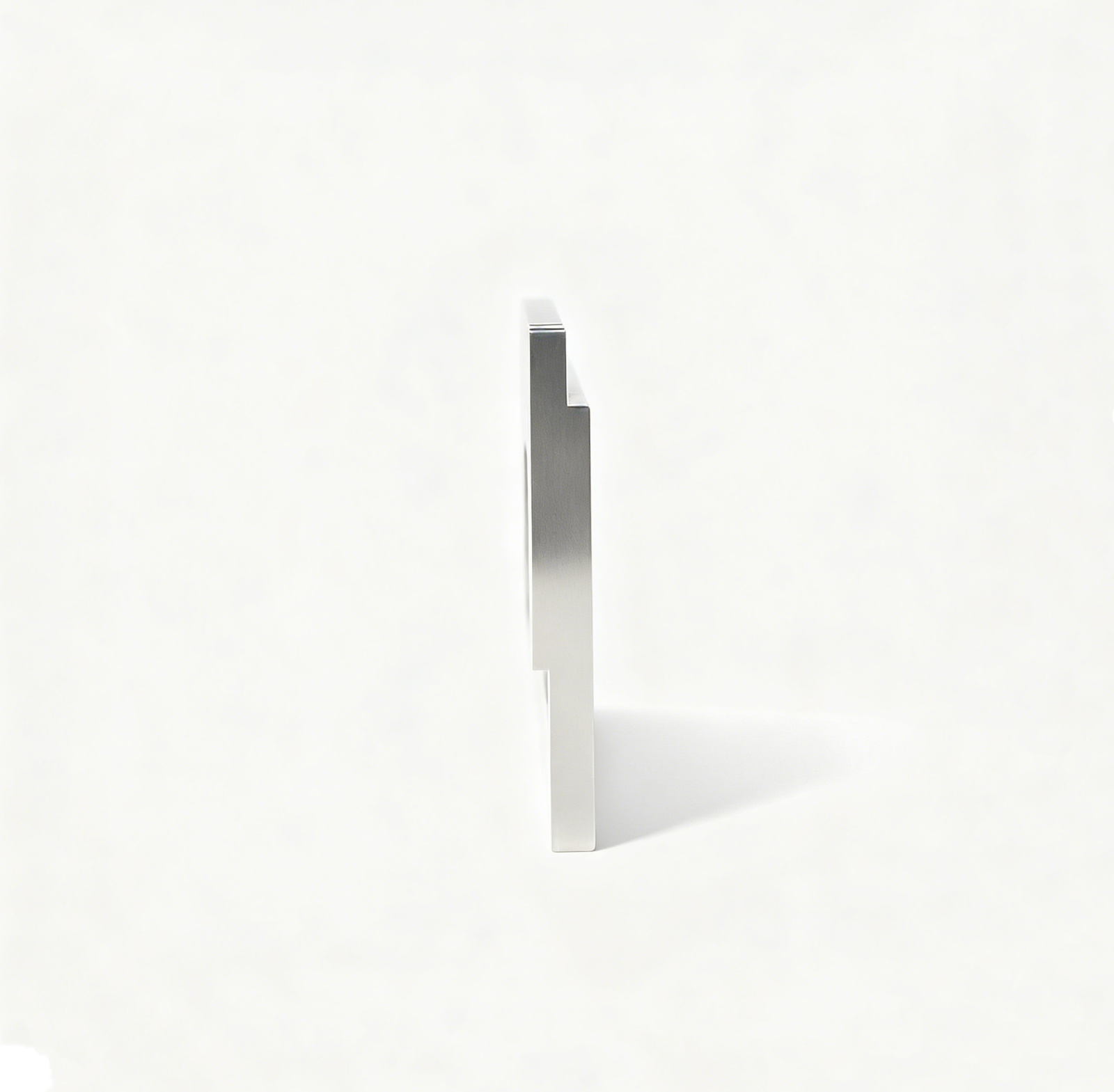


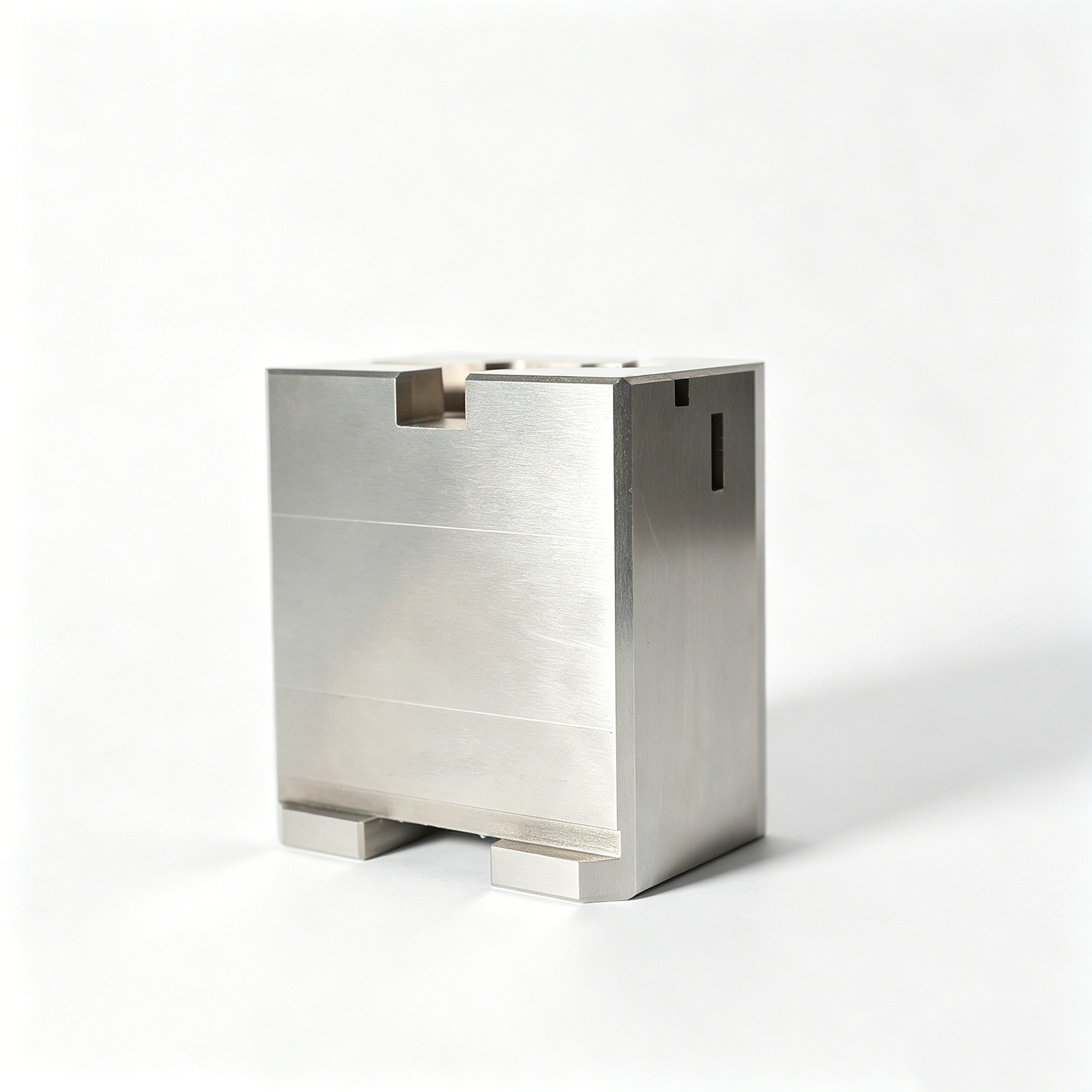

Related Molybdenum Machining Components and RFQ Options


CNC Machining Molybdenum Engineering Advantages
A drawing-led workflow for assessing difficult material behavior, protecting critical features, and aligning the process route with inspection requirements.
DFM Before Commitment
We review drawing clarity, machining access, datums, material requirements, and risk areas before quotation or production commitments are made.
Critical Dimensions Planned
Critical-to-quality features are identified with their datum relationships, tolerance stack, surface priorities, and practical inspection method before process planning.
Coordinated Process Routes
CNC machining molybdenum is planned alongside applicable EDM, grinding, fitting, and finishing steps when geometry or tolerance demands warrant them.
Allowance and Access Review
Tool access, workholding, grinding stock, electrode needs, wire paths, and heat-treatment sequence are reviewed to reduce avoidable downstream rework.
Inspection Built In
The inspection plan is aligned to drawing requirements, critical dimensions, reporting expectations, and the evidence needed for the confirmed order.
Revision Visibility
Drawing revisions, process questions, and delivery information remain visible through controlled project coordination, helping teams avoid manufacturing against outdated requirements.
Drawing-Driven Component and Tooling Families
Explore configurable manufacturing families reviewed against your drawing, material, critical dimensions, inspection requirements, and intended process route before production commitments are made.

CNC Machining Services
Precision CNC machining services for drawing-based custom parts and tooling components. Process planning considers material, critical dimensions, datums, machining access, surface requirements, quantity, and inspection needs before quotation or production scheduling.
Upload a Drawing
CNC Milling
Custom CNC milling services for prismatic, contoured, and feature-rich components. Drawing review addresses tool access, fixturing, datum control, machining sequence, remaining stock for finishing operations, and dimensions requiring focused inspection.
Upload a Drawing
CNC Turning
Precision CNC turning services for shafts, sleeves, pins, bushings, and rotational features. Requirements are reviewed for concentricity, runout, shoulders, threads, bore geometry, material condition, and downstream grinding or EDM needs.
Upload a Drawing
5-Axis Machining
5-axis CNC machining for parts whose angled features, compound surfaces, or multiple faces benefit from fewer setups. The proposed route depends on geometry, tool reach, datum strategy, material, tolerance requirements, and practical inspection access.
Upload a Drawing
Swiss & Micro Machining
Swiss machining and micro machining for small-diameter, long, or detail-intensive components where support, tool access, and handling affect results. Drawings are reviewed for feature size, slenderness, tolerances, material, and measurement method.
Upload a Drawing
Wire & Sinker EDM
Wire EDM and sinker EDM services for profiles, internal corners, hardened materials, narrow features, and geometry not suited to conventional cutting alone. Electrode strategy, wire path, start holes, recast considerations, and finishing requirements are defined from the drawing.
Upload a Drawing
Precision Grinding
Precision surface and profile grinding for controlled flatness, parallelism, profile geometry, and finished dimensions. Planning accounts for heat-treatment condition, grinding stock, datum relationships, surface requirement, and the inspection method specified for the order.
Upload a Drawing
Mold Core & Cavity Inserts
Precision mold core and cavity inserts manufactured as configurable tooling components from approved drawings and models. Review focuses on parting surfaces, shutoffs, cooling or feature access, material and heat treatment, EDM needs, fitting interfaces, and critical dimensions.
Upload a Drawing
Ejector & Ejection Components
Ejector pins, sleeves, and ejection components produced to drawing-defined geometry and functional interfaces. Requirements may include fit with mating plates or inserts, sliding clearance, tip form, material condition, surface finish, and inspection priorities.
Upload a Drawing
Core Pins, Guide & Locating Components
Core pins, guide pins, and locating components for mold assemblies where alignment and mating relationships matter. Drawing review considers datum control, fit class, concentricity, wear surfaces, material and treatment requirements, and compatibility with adjacent tooling elements.
Upload a Drawing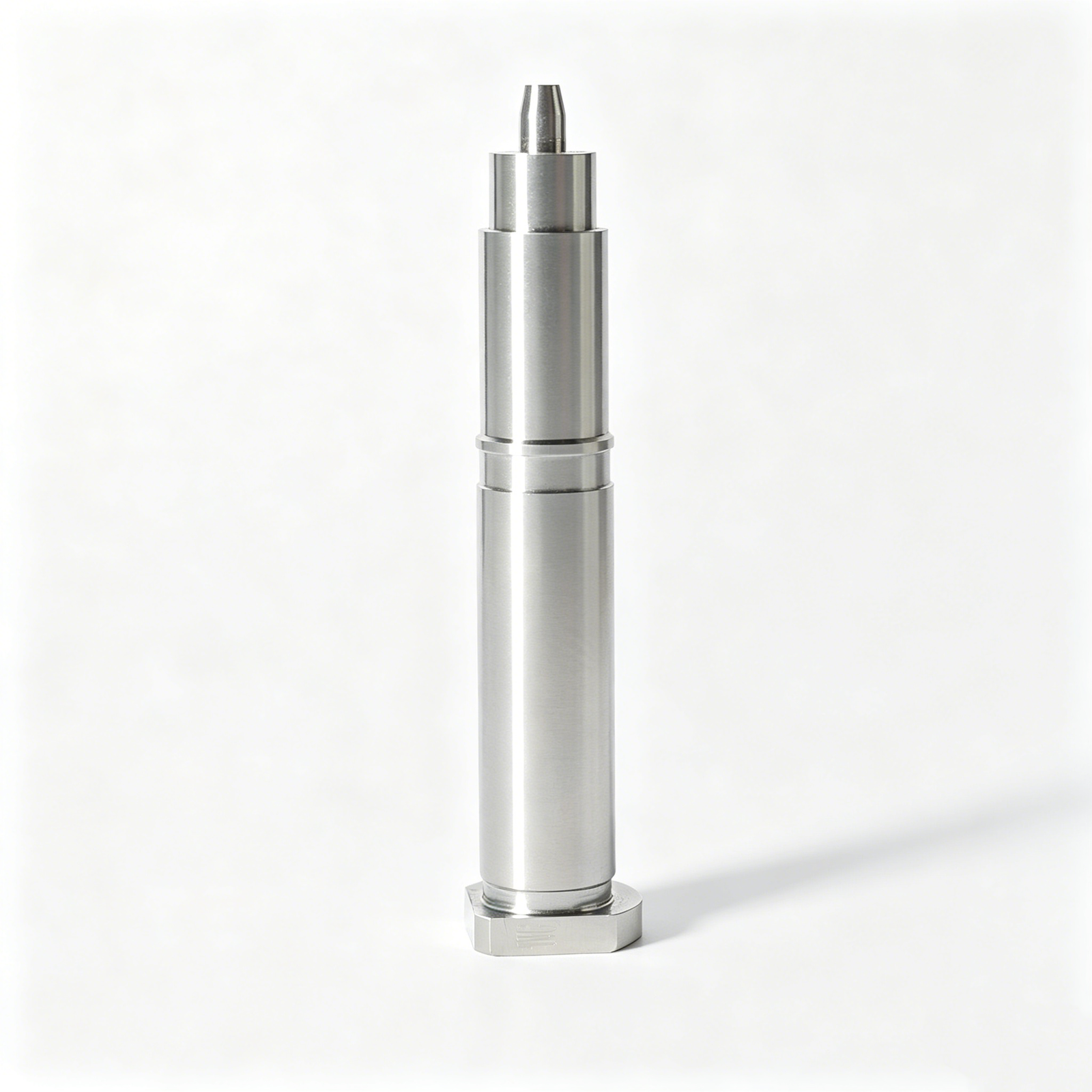
Slides, Lifters, Gates & Mold Accessories
Mold slides, lifters, gates, and accessories supplied as drawing-driven components rather than stocked configurations. Manufacturing planning considers travel or interface geometry, shutoffs, wear areas, fitting allowance, EDM and grinding steps, and inspection expectations.
Upload a Drawing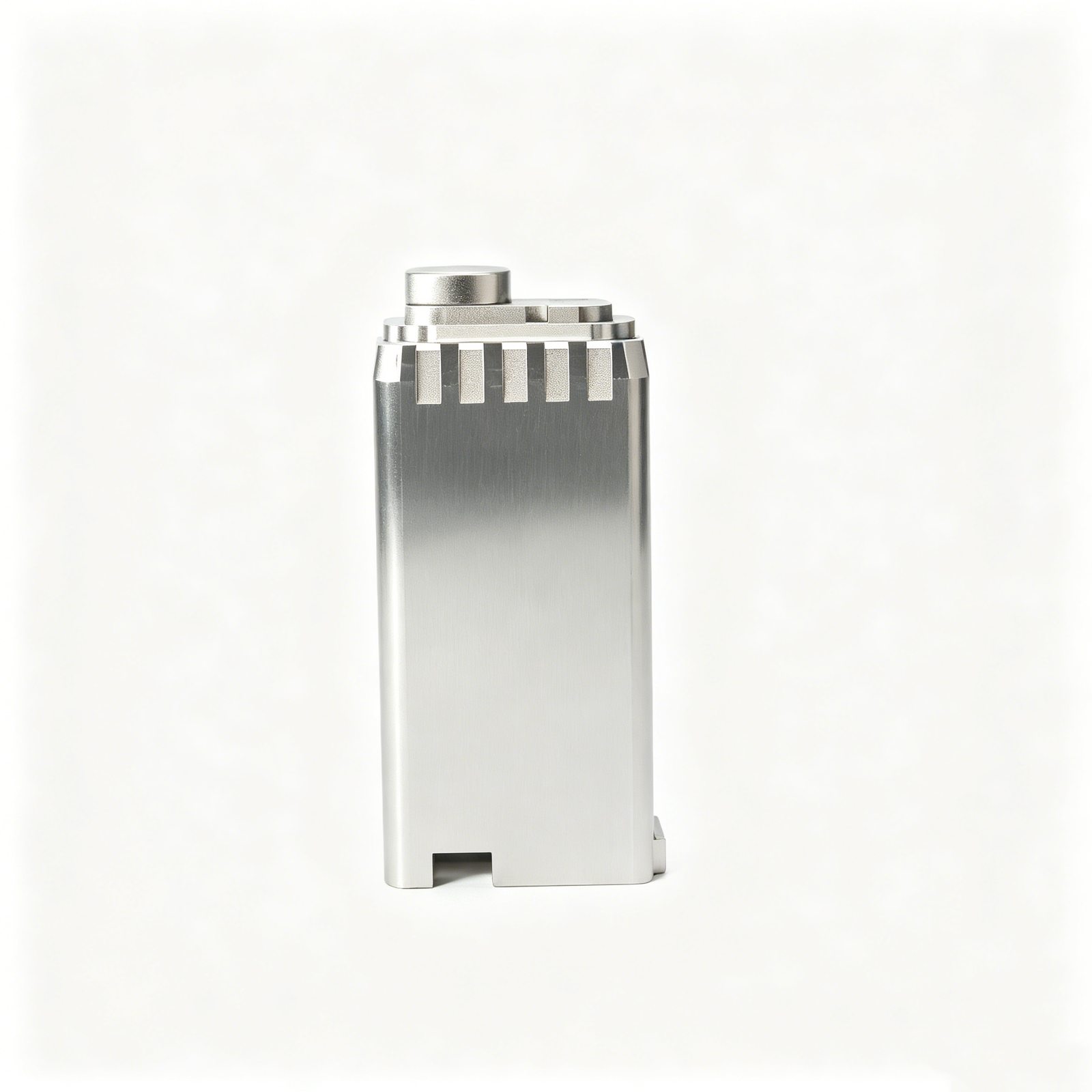
Connector Mold Components
Precision connector mold components for tooling that forms connector housings, terminals, and related features. The review addresses fine geometry, pin or cavity relationships, alignment, material selection, surface requirements, EDM strategy, and dimensional evidence needed for approval.
Upload a Drawing
Stamping Die Components
Precision stamping die components for drawing-defined cutting, forming, guiding, and locating functions. Process planning evaluates tool-steel condition, working edges, clearance-related geometry, heat-treatment sequence, grinding stock, mating interfaces, and inspection requirements.
Upload a Drawing
Injection, MIM, CIM & Overmolding Tooling
Tooling and component work associated with injection molding, MIM, CIM, and overmolding when requirements fall within verified production scope. Discussions clarify material flow-related features, inserts, interfaces, material condition, finishing, and applicable dimensional controls.
Upload a Drawing
Machining Materials
CNC machining materials are selected against the drawing, application, required material grade, heat-treatment condition, corrosion or wear considerations, and available verification. Material substitutions are not assumed; they require documented review and customer agreement.
Upload a Drawing
Surface Finishes & Heat Treatment
Surface finishing and heat treatment are planned as order-specific requirements that can affect dimensions, hardness, corrosion behavior, wear performance, and inspection sequence. Drawings should identify finish, treatment, masking, post-process machining, and reporting expectations.
Upload a Drawing
Quality, Metrology & Documentation
Precision inspection, metrology, and quality documentation are aligned to the approved drawing and inspection plan. Customers can identify critical dimensions, datum references, reporting format, material or treatment records, revision controls, and traceability requirements during RFQ review.
Upload a Drawing
Prototyping & Low-Volume Production
Rapid prototyping and low-volume manufacturing for teams validating form, fit, function, tooling details, or controlled production needs. A useful RFQ includes drawings, models, quantity, material, quality priorities, revision status, inspection requirements, and target delivery date.
Upload a DrawingCNC Machining Molybdenum Material Review

Commercial Pure Molybdenum
A common starting material for high-temperature and vacuum-related components. Confirm the applicable specification, product form, purity requirements, dimensions, and critical features from the drawing before process planning begins.

TZM Molybdenum Alloy
A strengthened molybdenum alloy often considered where elevated-temperature performance and dimensional stability matter. Review the specified grade, incoming condition, machining allowances, and any post-machining thermal requirements before quotation.

Molybdenum Rhenium Alloy
An alloy option that may be specified for application-specific ductility or performance requirements. The RFQ should identify the exact composition, material certification needs, geometry, and critical dimensions for feasibility review.

Molybdenum Copper Composite
A composite material considered for selected thermal-management or electronic applications. Confirm the material designation, composition, interface requirements, surface condition, and mating-part context before defining the machining and inspection route.
CNC Machining Molybdenum: Process Routes

CNC Milling
Milling develops flats, pockets, slots, and contoured geometry where tool access and workholding are feasible. For cnc machining molybdenum, the route is reviewed for brittle-edge risk, machining allowance, and critical datum control.

CNC Turning
Turning is considered for rotational features such as diameters, shoulders, bores, and threads. The process plan evaluates wall thickness, concentricity requirements, stock condition, and whether subsequent grinding or inspection references are needed.

Wire EDM
Wire EDM may suit through-profiles, fine slots, and hard-to-reach contours after the required start-hole and wire path are confirmed. The review considers corner conditions, datum strategy, recast-layer expectations, and downstream finishing requirements.

Sinker EDM
Sinker EDM can be evaluated for enclosed details or cavity features where milling access is limited. Electrode design, burn sequence, surface requirement, and finishing allowance are defined from the drawing before the route is committed.

Precision Grinding
Grinding supports selected faces, diameters, and interfaces when a controlled finish, flatness, or dimensional relationship requires it. The plan confirms grinding stock, heat-treatment sequence, fixture references, and the inspection method for critical features.
Fitting and Inspection
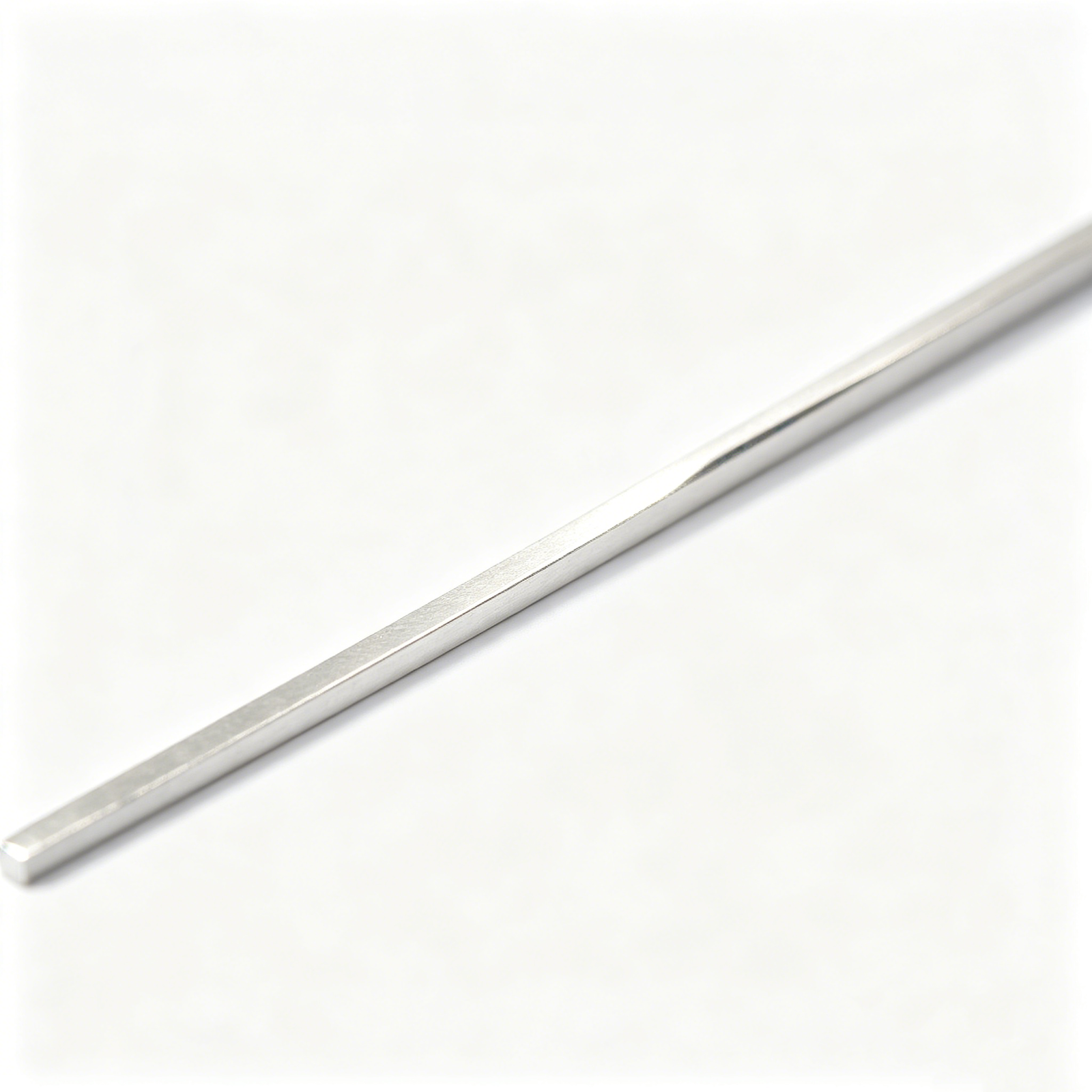
Fitting and inspection close the route by checking functional relationships, critical dimensions, and documented requirements against the agreed drawing revision. Reporting scope, measurement references, and any mating-component context should be established before production.
Molybdenum Part Features and Assembly Requirements

Precision Core Pins
Custom core pins can be reviewed for diameter control, shoulder geometry, working length, heat-treatment sequence, and mating conditions. Provide critical dimensions and datum references so machining, grinding, and inspection planning align with the drawing.
Guide Locating Features
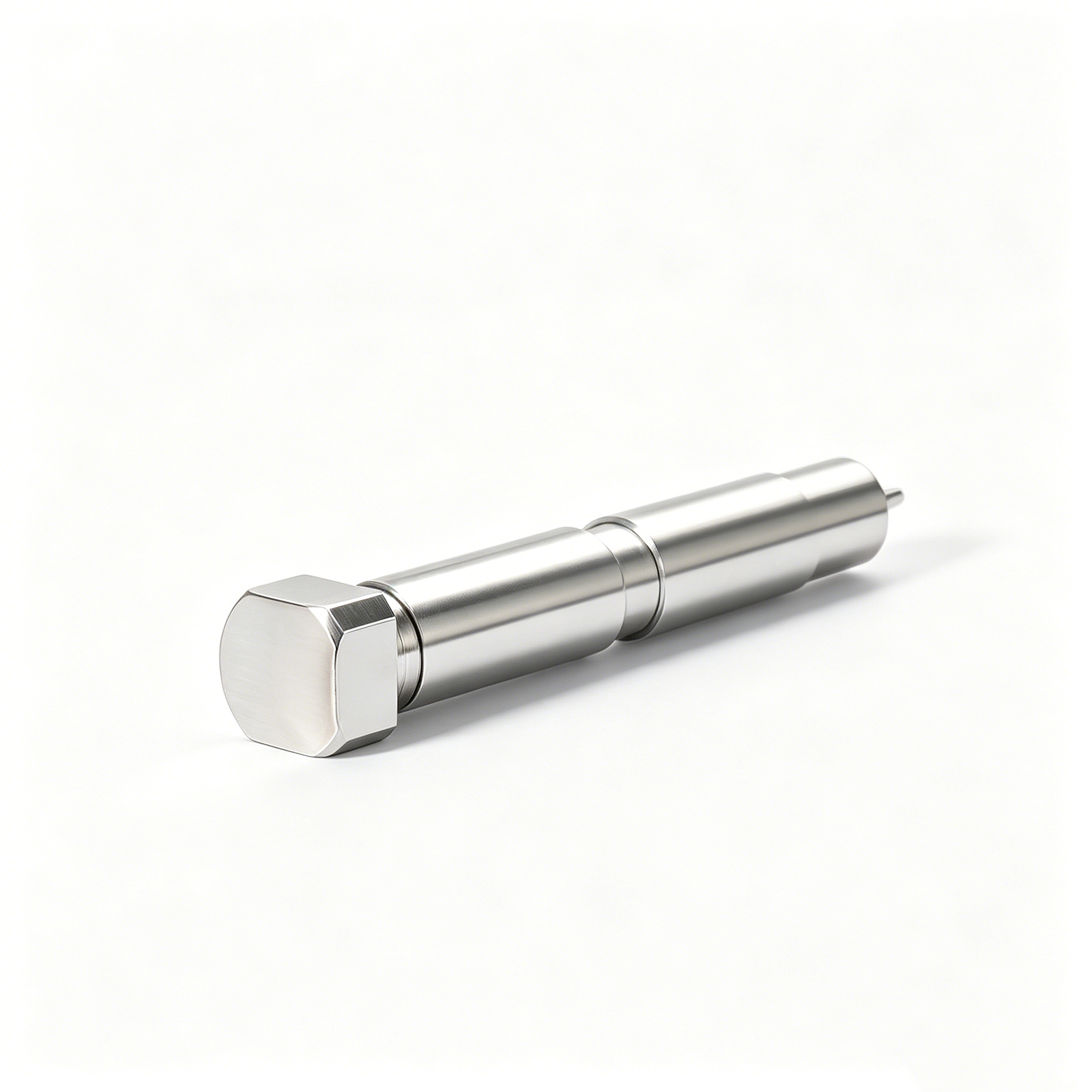
Guide, locating, and alignment features help establish repeatable relationships between tooling components. Share fit intent, mating-part information, surface requirements, and positional tolerances so the appropriate machining, EDM, or grinding route can be evaluated.

EDM Detail Inserts
Inserts with fine slots, internal corners, or hard-to-access details may require EDM planning. Identify functional surfaces, electrode or wire-path constraints, recast-layer expectations, and inspection priorities during drawing review before production.

Slide Wear Components
Slides, wear elements, and moving tooling details require attention to contact surfaces, lubrication context, clearances, and assembly orientation. Include mating geometry and any surface-treatment requirements for a practical manufacturability review.

Part Identification Labels
Part marks, revision labels, and traceability identifiers can be considered where drawing requirements permit. Define marking location, method, character size, and documentation expectations to avoid interference with critical surfaces or final assembly.
Assembly Fit Requirements
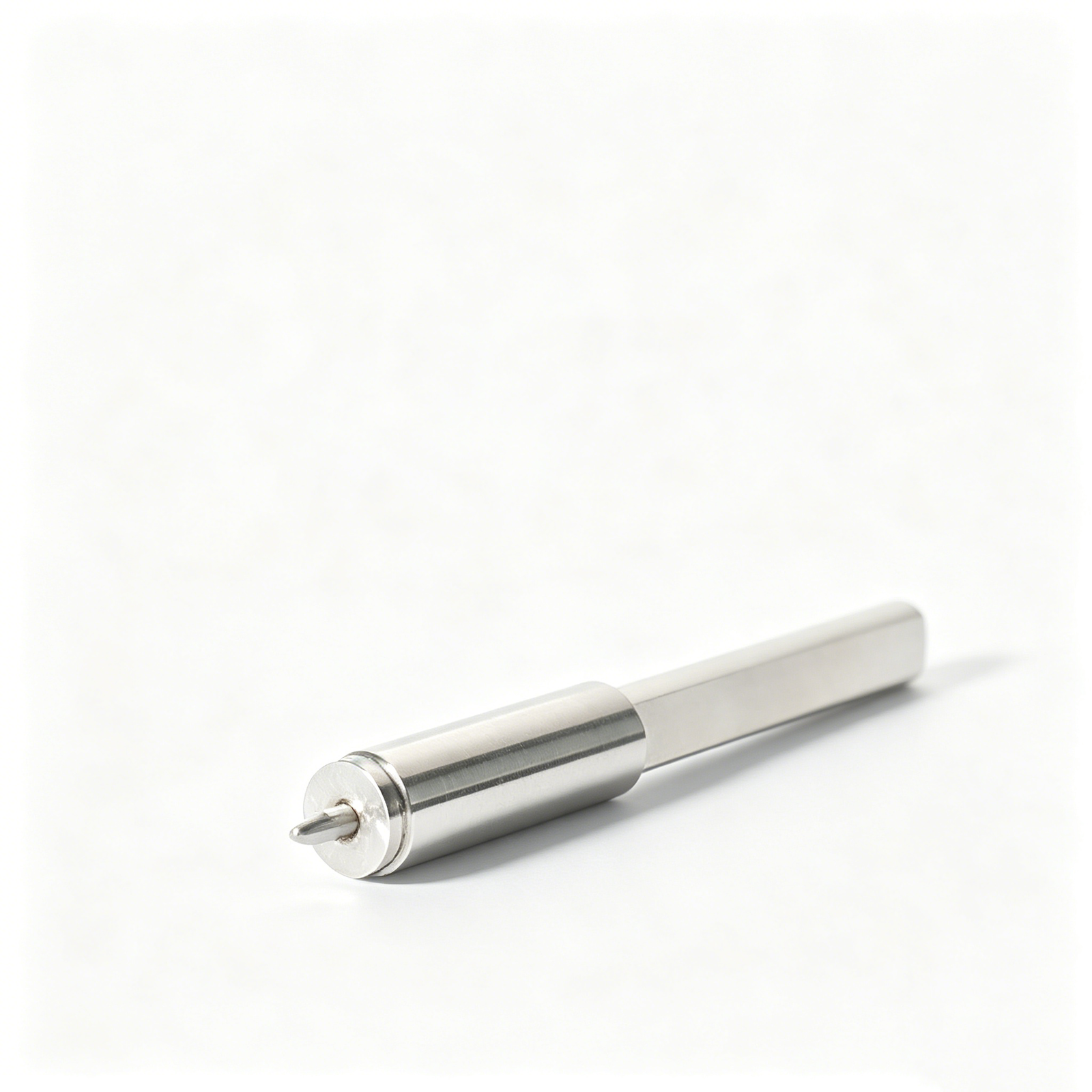
For assemblies, provide the mating-component context, fit class, fastener details, and acceptance criteria. This enables review of tolerance stack, datum transfer, inspection method, and whether fitting support is appropriate for the project.
About SUUXIANG Precision Manufacturing
SUUXIANG is the sole public-facing brand of Dongguan SuuXiang Precision Mold Co., Ltd. Established in 2010 and based in Chang’an Town, Dongguan, Guangdong, China, the company is represented by founder and legal representative XiaoCheng Huang. We help global engineering, sourcing, and quality teams convert drawings and specifications into inspected custom parts, precision mold components, connector tooling, and die components.
For cnc machining molybdenum and other drawing-driven work, our planning brings together CNC milling and turning, multi-axis machining, EDM, precision grinding, fitting, and inspection. Before quotation or production commitments, we review critical dimensions, datums, material requirements, machining access, finishing needs, and inspection expectations.
Our difference is disciplined project control rather than generic capability claims. SUUXIANG keeps DFM questions, revision status, process decisions, and inspection requirements visible from drawing review through delivery, helping teams evaluate manufacturability and align the production route with the evidence required for their order.

CNC Machining Molybdenum: Critical Capability Review
DFM Before Process Commitment
CNC machining molybdenum starts with a drawing review that identifies critical dimensions, datum relationships, wall geometry, material condition, and surface priorities. SUUXIANG uses this discussion to assess a practical machining route before quotation or production commitments are made.
- Confirm 2D drawing and available 3D model
- Identify critical-to-quality dimensions and datums
- Review material, heat treatment, and surface requirements
- Clarify quantity, application context, and delivery target

Access, EDM, and Grinding
Difficult internal features, narrow slots, sharp transitions, and finish-sensitive surfaces need an intentional process sequence. The review considers CNC tool access, wire or sinker EDM needs, electrode strategy, and grinding allowance so later operations can protect the required geometry.
- Check cutter reach, rigidity, and feature accessibility
- Assess wire path or electrode requirements
- Reserve grinding stock where finish control requires it
- Sequence machining around heat treatment when specified
Inspection and Revision Control
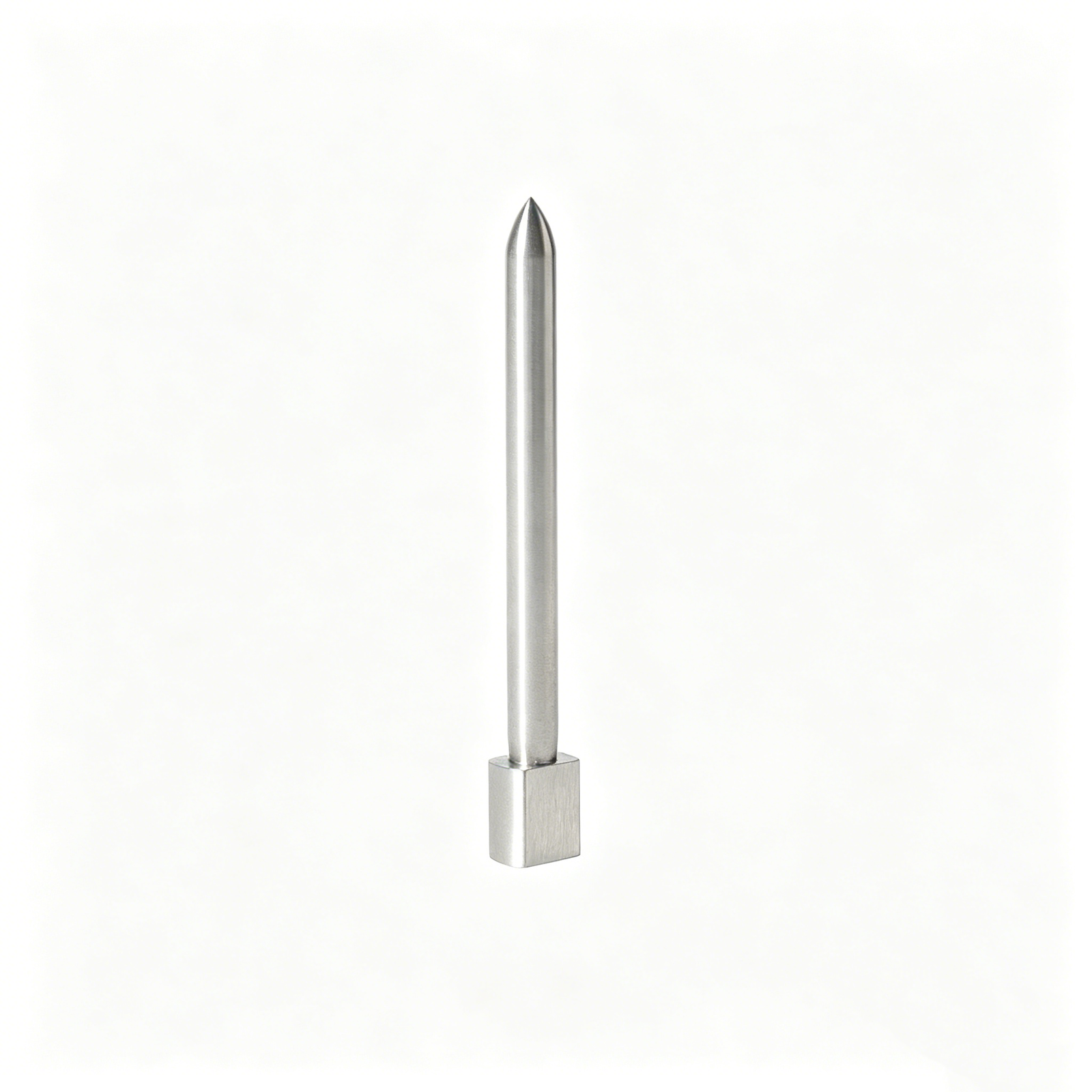
For CNC machining molybdenum parts, inspection planning should follow the drawing rather than rely on a generic checklist. SUUXIANG aligns measurement methods, reporting expectations, revision status, and delivery coordination with the confirmed order and verified inspection plan.
- Define inspection methods for critical dimensions
- Align reports and documentation with order requirements
- Keep drawing revisions visible through production
- Review quality and delivery requirements before release
Why Engineering Teams Choose SUUXIANG for CNC Machining Molybdenum
Compare a documented drawing-review workflow with generic quote-first sourcing before committing a difficult material project.
← Swipe left or right to view →
CNC Machining Molybdenum: Drawing-to-Inspection Process
A controlled, drawing-driven route from RFQ review through documented inspection and delivery coordination.
Review Drawing Package
We review drawings, models, application context, quantity, delivery target, and inspection needs to identify critical dimensions, datums, surface requirements, and open manufacturability questions.
Confirm Material Requirements
Material grade, condition, traceability expectations, heat-treatment sequence, and any customer-specified documentation are confirmed before process planning and quotation commitments are finalized.
Plan Machining Route
Our team defines machining access, workholding, tool approach, machining allowance, and the appropriate CNC milling, turning, multi-axis, or micro-machining sequence.
Machine Critical Features
Production follows the approved drawing revision, with in-process attention to datum control, feature accessibility, surface priorities, and changes affecting critical-to-quality dimensions.
Apply EDM And Grinding
Where required, wire EDM, sinker EDM, and precision grinding are planned around electrode strategy, wire path, remaining stock, finish requirements, and feature geometry.
Inspect, Pack, and Coordinate Delivery
Final inspection follows the agreed plan, then parts are protected for shipment with order documentation, revision visibility, and delivery coordination aligned to project requirements.
How to Start CNC Machining Molybdenum With SUUXIANG
Provide complete technical inputs early so DFM review, quotation, sampling, and production planning can be aligned to your drawing requirements.
Submit Drawings and Requirements
Send the 2D drawing, available 3D model, molybdenum grade, quantity, application context, target date, and any heat-treatment or surface requirements.
Define Critical Quality Priorities
Identify critical dimensions, datums, tolerances, surface requirements, inspection methods, reporting needs, and mating-component considerations so the review focuses on functional risk.
Review DFM and Process Route
Review machining access, workholding, EDM needs, grinding allowance, heat-treatment sequence, and inspection approach before SUUXIANG prepares a project-specific quotation.
Confirm Quote and Sampling Plan
Confirm the agreed scope, revision level, material requirements, quantity, delivery target, and any sample or first-article expectations before production scheduling begins.
Release Controlled Production
Approve the documented requirements for controlled machining, inspection, revision tracking, and delivery coordination aligned with the verified order and inspection plan.
CNC Machining Molybdenum Quality Documentation Review
Molybdenum Machining Project Evidence
Project testimonials are published only after written customer approval, verified attribution, and documented project evidence are available.
Customer feedback is published only when its scope, inspection evidence, delivery outcome, and any stated result are supported by project records.
Customer feedback is published only after attribution, project details, and measurable outcomes have been verified and approved for release.
CNC Machining Molybdenum FAQs
Practical answers for drawing-based molybdenum parts, from DFM review through inspection and shipment.
What should I include in an RFQ for cnc machining molybdenum?
Can SUUXIANG source molybdenum material for a custom part?
Why is DFM important for cnc machining molybdenum parts?
What tolerances can you hold in cnc machining molybdenum?
When are wire EDM, sinker EDM, or grinding needed for molybdenum components?
What inspection reports can be requested with a molybdenum order?
How should I plan lead time for a molybdenum machining project?
How are shipping and IP protection handled for drawing-based projects?
The Complete Buyer’s Guide to cnc machining molybdenum
Use this decision framework to specify molybdenum parts, compare grades and processes, qualify capable suppliers, control cost and lead time, and avoid brittle-part, tolerance, material-traceability, and inspection mistakes before production.
1. What Is cnc machining molybdenum?
2,620°C is the approximate melting point of molybdenum, a refractory metal used when a drawing requires performance under high heat, vacuum exposure, heat transfer, or low thermal expansion. In cnc machining molybdenum, the supplied specification governs the route for a pure-molybdenum or molybdenum-alloy part—not a generic catalog item; property reference: https://yumoparts.com/en/resources/blog/molybdenum-machining.
Mo is not shorthand for molybdenum-alloy steel. Steel may contain molybdenum as an alloying addition, while a machined molybdenum component is principally the refractory metal and is selected for a materially different operating environment and design rationale.
10.28 is the published specific gravity cited for molybdenum, so buyers should account for both part mass and expensive, less widely available raw stock early in the RFQ. Its difficult-to-cut, relatively brittle behavior makes sharp tooling, rigid workholding, feature-access review, and inspection planning essential; feasibility depends on the exact grade, geometry, tolerance, and surface requirement.
2. How Molybdenum Became an Engineering Material
2620°C is molybdenum’s approximate melting point, a property that first made it valuable as an alloying addition where hardness and impact resistance mattered. Its later use as a refractory-metal component followed the need for parts that retain strength at elevated temperature rather than merely improve a steel grade; source: https://yumoparts.com/en/resources/blog/molybdenum-machining.
10.28 is molybdenum’s listed specific gravity, while its low thermal-expansion behavior helped establish its role in vacuum hardware, electronic components, heaters, electrodes, energy equipment, aerospace assemblies, and heat-exposed tooling. For cnc machining molybdenum sourcing, that legacy means the RFQ must define operating temperature, thermal cycling, datums, material condition, purity or alloy requirement, and inspection method—not only nominal dimensions; source: https://yumoparts.com/en/resources/blog/molybdenum-machining.
3. Types of cnc machining molybdenum Parts
Five geometry families usually determine the process route for cnc machining molybdenum parts. Match the dominant feature to its datum scheme, access direction, and inspection method before requesting a quote.
Turned Shafts And Pins

One primary axis favors CNC turning for pins, sleeves, and stepped shafts. Specify diameters, runout datum, threads, edge breaks, unsupported length, and any ground journals; brittle slender sections need controlled support.
Milled Plates And Fixtures
Two broad datum faces favor CNC milling for plates, pockets, slots, and mounting features. Show flatness, parallelism, hole position, minimum corner radii, clamping zones, and whether a finish-grinding allowance is required.
Electrodes And Thermal Components
Two common forms are EDM electrodes and heat-transfer blocks with holes or channels. Define polarity or mating geometry, surface condition, sealing faces, thermal interfaces, and the machining sequence after any heat treatment.
Thin-Wall And Micro Features
Below 1 mm wall thickness or with micro holes, rigidity and inspection access become design constraints. Identify unsupported walls, burr limits, measurement points, and sacrificial tabs or stock that may be removed after machining.
EDM-Cut Precision Profiles
One continuous wire path suits through-profiles, narrow slots, and sharp internal corners beyond milling access. Provide start-hole permission, wire-path datum, corner-radius limits, thickness, kerf-sensitive dimensions, and whether sinker EDM is needed for blind cavities.
4. Materials for cnc machining molybdenum
Three material families commonly appear on molybdenum RFQs: commercially pure molybdenum, TZM, and specification-defined high-temperature variants. Grade names alone do not establish chemistry, product form, cleanliness, or acceptance criteria.
| Material | Sourcing Tradeoff | Typical Service Fit |
|---|---|---|
| Commercially pure molybdenum | Higher ductility; form and purity must be specified | Vacuum or heat service when specification permits |
| TZM | Higher hot strength; confirm chemistry and certification | Elevated-temperature structural parts |
| Specified molybdenum alloy | Properties depend on governing standard and condition | Application-specific vacuum or thermal duty |
Compare the Starting Materials
Commercially pure molybdenum generally offers the most ductile starting point and is commonly requested in sheet, plate, rod, and wire. TZM adds titanium and zirconium; carbide dispersion improves elevated-temperature strength relative to pure molybdenum, as summarized by Tops Precision: https://topsbest-precision.com/blog/molybdenum-machining
Match Service Conditions
Vacuum service requires the governing specification to define purity, outgassing-related requirements, and permitted processing history. Elevated-temperature service also requires a recrystallization and creep assessment, because strength, ductility, and grain stability change with alloy, stock form, and thermal exposure.
Control the Purchase Definition
Each RFQ should state the material specification, revision, mill certification requirement, stock form, heat-treatment condition, and traceability expectations. Availability can differ substantially between plate, bar, rod, sheet, and wire, so confirm purchasable size and certificate scope before approving the process route.
5. Finishes, Features, and Custom Specifications
For cnc machining molybdenum, the drawing should define function before appearance. Identify CTQ dimensions, datum references, mating surfaces, edge condition, cleanliness, marking, and packaging at RFQ release.
| Drawing Detail | Recommended Definition | Manufacturing Or Inspection Risk |
|---|---|---|
| Tight tolerance | Feature, datum, limit, and CTQ status | More setups or measurement difficulty |
| Edges and radii | Break-edge size or controlled radius | Sharp features can chip |
| Surface finish | Face-specific roughness and direction | Broad callouts raise cost |
| Packaging | Protection, count, marking, and lot control | Damage or traceability loss |
Specify Functional Geometry
Each thread, slot, cross-hole, and internal radius needs a size, tolerance, depth, and datum relationship. Small radii, thin lands, sharp internal corners, and interrupted holes can increase chipping risk or restrict tool access.
Two or three datum features should establish setup and inspection logic. Mark functional surfaces separately from nonfunctional faces; state whether a burr-free break edge, controlled radius, or protected edge is required.
Call Out Finish And Cosmetics
A surface-finish requirement should name the applicable face and measurement direction, rather than applying one value indiscriminately. Specify permitted tool marks, discoloration, handling marks, and edge-break limits where cosmetic acceptance matters.
100% cosmetic inspection is difficult to repeat without written acceptance criteria. Request cleaning compatible with the application and define whether fingerprints, residue, or protective oil are acceptable.
Prepare Assembly Evidence
One inspection plan should link each critical dimension to its datum scheme, method, sampling expectation, and report requirement. Thread verification, hole position, profile, and finish may require different gauges or measurement access.
Each shipment instruction should state part marking, lot separation, cavity protection, orientation, and packaging protection. Revision level, material condition, and inspection documentation should match the released order.
6. Quality Factors in cnc machining molybdenum
Two records should travel with each lot: material certification linked to heat or lot identity, and a revision-controlled traveler. In cnc machining molybdenum, acceptance criteria must reflect the part’s functional datums, mating surfaces, and failure risks.
Material And Setup Control
Each incoming lot should be checked against the drawing’s specified grade, form, size, and traceability requirement before release.
Where sheet or rolled stock is used, grain direction should be recorded when function or forming orientation makes it relevant. Rigid workholding must support thin or brittle sections without distorting the inspection datum.
Cutting And Surface Integrity
Sharp, unworn cutting edges reduce rubbing, localized heat, and edge chipping; tool-condition checks belong in the route card.
Controlled coolant delivery and chip evacuation should prevent recutting and protect finished faces. Edge-break size, burr limits, discoloration, scratches, and handling protection should be stated on the drawing or inspection plan.
Inspection Linked To Function
First-article inspection should report critical dimensions from the agreed datums before production continues. The report should identify the revision, material lot, measured value, tolerance, and measurement method.
For 100% critical features, buyers should define sampling, gage resolution, fixture needs, and any CMM, optical, or functional-gage expectation. Final packaging should prevent contact damage and preserve lot identification.
7. How to Qualify a Molybdenum Machining Supplier
Qualify cnc machining molybdenum suppliers by asking for project-specific evidence, not generic equipment lists. Refractory-metal work requires a documented route from incoming material through shipment.
Material And Process Evidence
Ask for the mill certificate, grade, lot traceability, and incoming-material verification method. Request the proposed CNC, wire EDM, sinker EDM, and grinding sequence, including any heat-treatment hold points.
- Which material specification and certificate will accompany the lot?
- Which features require EDM rather than cutting tools?
- What machining allowance remains before grinding?
Planning And Inspection Review
Require a pre-production review of datums, brittle-feature fixturing, tool access, programming risks, and critical dimensions. Ask which inspection method verifies each CTQ and whether the first article records revision-controlled results.
- Show the fixture concept for thin or fragile features.
- Identify datum transfer between machining operations.
- Provide the inspection plan before release.
Low-Volume Delivery Controls
For prototype-to-low-volume orders, confirm revision locks, traveler records, protective export packaging, and change approval. Ask how a nonconformance is contained, reported, dispositioned, and prevented from recurring before the next shipment.
- Who approves drawing revisions?
- How are chips and edge damage prevented in transit?
- What response contains a rejected lot?
8. Common cnc machining molybdenum Sourcing Mistakes
Eight preventable specification gaps can turn a feasible molybdenum part into a delayed, disputed order. Close them during drawing review, before material is released or the PO fixes an unsuitable process route.
Lock Material And Supply
Grade ambiguity—pure Mo, TZM, condition, purity, and material form omitted—can change machining behavior and acceptance. State the governing specification, mill-certification need, starting form, and approved substitutions.
Stock availability ignored can delay a nominally simple part. Ask the supplier to confirm procurement route, traceability, and material-release timing before PO release.
Define Datums And Fragile Features
Standard-metal tolerances applied without datum logic can drive distortion, rework, or unmeasurable results. Identify functional datums, critical dimensions, feature relationships, and the inspection method on the drawing.
Thin unsupported sections can chip during machining, handling, or inspection. Submit wall and web features for DFM review, then approve fixture strategy, machining allowance, and any geometry changes before release.
Close Finish And Evidence Gaps
Unspecified edge condition, finish, or cleanliness leaves acceptance open to interpretation. Define deburr limits, permitted edge breaks, surface requirement, cleaning standard, packaging, and prohibited residues.
Incomplete inspection evidence can conceal a nonconforming critical feature. Require a ballooned drawing, material certificate when applicable, dimensional report, revision identification, and agreed sampling or first-article records before PO release.
9. From RFQ to Approved First Article
A controlled RFQ converts cnc machining molybdenum from a price request into a launch plan. The drawing, application context, material callout, quantity, and reporting requirements should arrive together before route selection.
Build The RFQ Package
The 2D drawing should identify revision, datums, critical dimensions, surface requirements, and any non-negotiable geometry. Engineering supplies the model and mating context; procurement records quantity and target date.
The material callout must state the molybdenum grade, stock form, and applicable condition. Quality identifies required certificates and inspection records before sourcing begins.
Close DFM Before Release
The DFM review should resolve tool access, fixturing, fragile features, EDM needs, and inspection access. SUUXIANG can return questions or route alternatives against the controlled revision.
The inspection plan should link each critical feature to a datum and measurement method. Program management closes open actions and prevents informal drawing changes from entering production.
Approve And Control Changes
The first article should be inspected against the approved drawing and plan before production release. Engineering accepts functional evidence, while quality reviews dimensional results and documentation completeness.
Any post-approval change needs a revised drawing, impact review, and written disposition. Procurement and program management then confirm price, delivery, inventory, and traceability effects.
10. cnc machining molybdenum Pricing and Lead Time
Three order scenarios change the commercial path for cnc machining molybdenum: prototype work concentrates risk in drawing review, material confirmation, and first setup. The table is illustrative; it is not a price list or a delivery commitment.
Eight inputs determine the final quotation: grade, stock availability, scrap risk, tolerance, process mix, inspection, quantity, and packaging. SUUXIANG should review the controlled drawing, model, revision, CTQ dimensions, and requested report before confirming a route and schedule.
| Order scenario | Material and geometry complexity | Setup burden | Likely cost effect | Lead-time effect |
|---|---|---|---|---|
| Prototype, 1–5 pieces | Uncommon grade, thin walls, or difficult access | High per part: programming, fixturing, prove-out | Highest unit cost; scrap exposure matters | Stock and first-article review often govern |
| Low volume, 6–100 pieces | Repeat features with selective EDM or grinding | Setup shared across the batch | Lower unit cost; inspection scope remains visible | Programming is spread; process sequence still controls |
| Repeat order, released revision | Stable grade and proven geometry | Reuse of validated setup information where applicable | Best basis for unit-cost reduction | Material replenishment and capacity must be reconfirmed |
Start Your CNC Machining Molybdenum Drawing Review
Submit your drawing, 3D model, material and heat-treatment requirements, quantity, quality priorities, and delivery target for a focused RFQ review.