
CNC Machining NAK80 Mold Steel for Drawing-Driven Tooling
Submit your drawing for NAK80 mold-steel machining with DFM review, critical-dimension planning, and inspection requirements aligned before production.
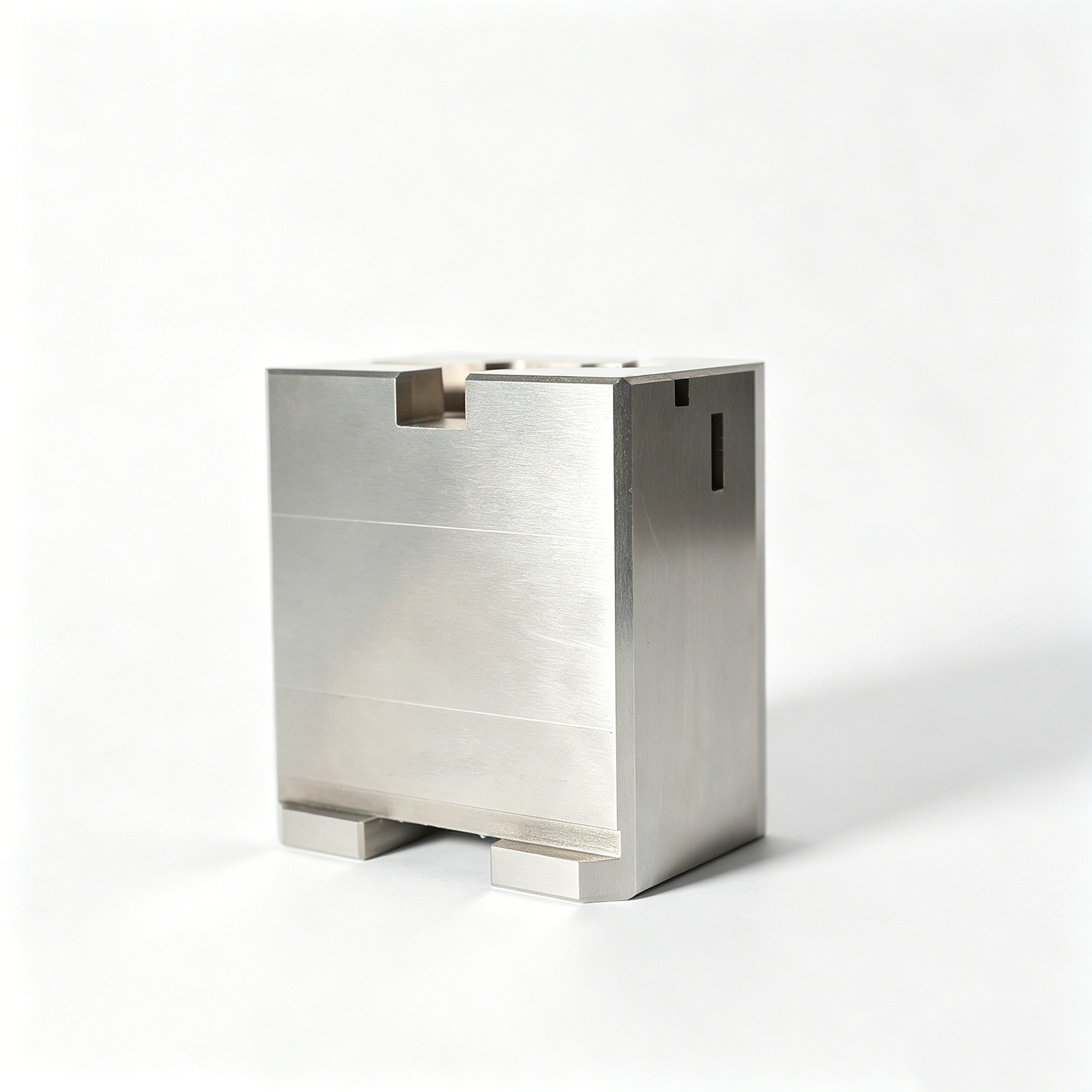
Representative NAK80 Mold-Steel Components




Related Drawing-Based Component Families


Why Engineers Choose CNC Machining NAK80 Mold Steel with SUUXIANG
A drawing-driven workflow for manufacturability, coordinated processing, and inspection-ready precision tooling components.
Drawing-Led Review
We review drawings, models, material requirements, and application context before quoting to identify tool access, datum, and manufacturability questions.
DFM Before Commitment
DFM discussions focus on critical dimensions, tolerance stack, machining allowance, and heat-treatment sequence so the proposed route matches documented requirements.
Coordinated Process Routing
CNC milling, EDM, grinding, and fitting are planned as connected operations when geometry, surface requirements, or access constraints require combined processes.
Inspection Planning
Inspection methods and reporting needs are clarified around critical features, datums, and acceptance criteria, helping align manufacturing evidence with the order.
Revision Visibility
Drawing revisions, inspection expectations, and delivery information remain visible throughout coordination, supporting traceable communication from technical review through final documentation.
NAK80 Mold Steel CNC Applications
Drawing-driven process routes for mold, connector and die components, reviewed against critical dimensions, material condition and inspection requirements.

CNC Machining Services
Precision CNC machining services for drawing-based parts where datum control, tool access, tolerances and inspection requirements must be reviewed before a production route is confirmed.
Upload a Drawing
CNC Milling
Custom CNC milling services for plates, inserts, housings and prismatic components. Toolpaths, clamping strategy, machining allowance and feature accessibility are assessed against the drawing.
Upload a Drawing
CNC Turning
Precision CNC turning services for shafts, sleeves, pins, bushings and rotational features. Requirements for concentricity, runout, thread form, surface condition and inspection method should be defined early.
Upload a Drawing
5-Axis Machining
5-axis CNC machining supports multi-face features, angled geometry and complex cavity work where fewer setups can help protect positional relationships. Final feasibility depends on access, material condition and critical dimensions.
Upload a Drawing
Swiss & Micro Machining
Swiss machining and micro machining address small-diameter pins, shafts, sleeves and detailed connector components. Review should cover feature scale, material behavior, deburring expectations and measurement approach.
Upload a Drawing
Wire EDM Services & Sinker EDM Services
Wire EDM and sinker EDM services support fine slots, sharp internal geometry, hardened materials and features beyond conventional cutter access. Wire path, electrode strategy, EDM allowance and finish requirements guide planning.
Upload a Drawing
Precision Grinding
Precision surface and profile grinding supports controlled flatness, parallelism, profile accuracy and final size after machining or heat treatment. Grinding stock, datum sequence and inspection criteria need agreement.
Upload a Drawing
Mold Core & Cavity Inserts
Precision mold core and cavity inserts are machined to the drawing’s shutoff, cavity, cooling and datum requirements. Process planning may combine CNC, EDM, grinding, fitting and documented inspection.
Upload a Drawing
Ejector & Ejection Components
Ejector pins, sleeves and ejection components are produced around fit, sliding condition, hardness, surface requirements and mating relationships. Clear dimensions and assembly context help prevent functional interference.
Upload a Drawing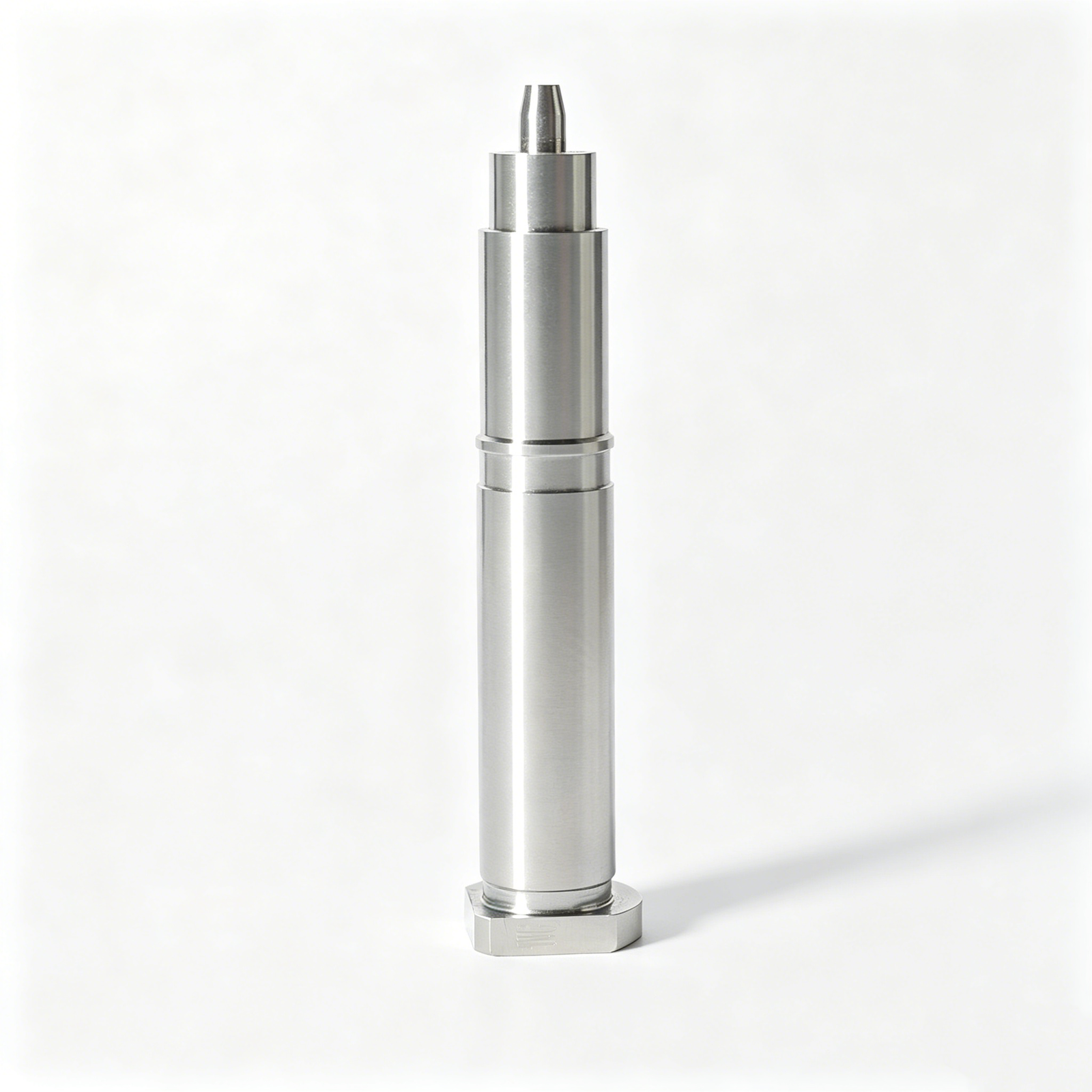
Core Pins, Guide & Locating Components
Core pins, guide pins and locating components require attention to straightness, fit class, concentricity and reference datums. Mating-part information supports a more reliable machining and inspection plan.
Upload a Drawing
Slides, Lifters, Gates & Mold Accessories
Mold slides, lifters, gates and accessories are configured to the specified motion, shutoff, guidance and assembly interfaces. Complex geometry may require coordinated CNC, EDM, grinding and fitting operations.
Upload a Drawing
Connector Mold Components
Precision connector mold components support fine-pitch, high-density and mating-critical tooling features. Drawing review focuses on small geometry, electrode access, material requirements, positional control and inspection evidence.
Upload a Drawing
Stamping Die Components
Precision stamping die components include punches, dies, guides, wear parts and locating elements. Manufacturing planning considers material, heat-treatment sequence, cutting geometry, clearance relationships and grinding requirements.
Upload a Drawing
Injection, MIM, CIM & Overmolding Tooling
Injection mold components for MIM, CIM, and overmolding applications are evaluated within verified production scope. Review covers feed, shutoff, cavity or core geometry, material behavior, surface needs, and required component interfaces.
Upload a Drawing
Machining Materials
CNC machining materials are selected from the approved drawing and application requirements, considering machinability, stability, hardness condition, corrosion needs and any downstream heat treatment or surface process.
Upload a Drawing
Surface Finishes & Heat Treatment
Surface finishing and heat treatment requirements affect machining sequence, allowance, distortion risk and final inspection. Specify the process, target condition, surface priority and any required documentation with the RFQ.
Upload a Drawing
Quality, Metrology & Documentation
Precision inspection, metrology and quality documentation are planned around critical dimensions, datums, measurement methods and reporting needs. Final records should align with the purchase order and verified inspection plan.
Upload a Drawing
Prototyping & Low-Volume Production
Rapid prototyping and low-volume manufacturing support controlled drawing revisions, process validation and limited production quantities. Submit models, materials, quantities, delivery targets and quality expectations for feasibility review.
Upload a DrawingMaterials for CNC Machining NAK80 Mold Steel

NAK80 Mold Steel
Pre-hardened mold steel for cores, cavity inserts, and cosmetic or transparent-part tooling where polish quality matters. Its supplied hardness influences cutter selection, EDM strategy, grinding stock, and final inspection planning.

P20 Mold Steel
A practical choice for structural mold plates, inserts, and general plastic tooling with balanced machining and finishing needs. Material condition, requested hardness, and polishing requirement should be defined on the drawing or RFQ.

S136 Stainless Steel
Often considered for mold components exposed to moisture-sensitive or corrosive molding environments. The required delivery condition, heat treatment, surface finish, and corrosion-performance expectations need project-specific technical review.

H13 Tool Steel
Used for tooling components requiring hot-work steel characteristics, including selected die and molding applications. Machining allowance, heat-treatment sequence, EDM requirements, and critical datums should be agreed before routing production.

SKD61 Tool Steel
A common hot-work tooling option for inserts, cores, and die-related components subject to elevated-temperature service. Specify the material grade, hardness condition, surface requirements, and mating context for a disciplined DFM review.
CNC Machining NAK80 Mold Steel: Process Routes

CNC Milling
Multi-axis milling forms cores, cavity inserts, pockets and complex features in NAK80 mold steel. Tool access, datum strategy and remaining grinding stock are reviewed before machining to support controlled finishing.

CNC Turning
Turning produces round mold components, locating features and concentric details where rotational geometry governs function. The route is planned around workholding, datum transfer and specified surface requirements before final inspection.
Wire EDM
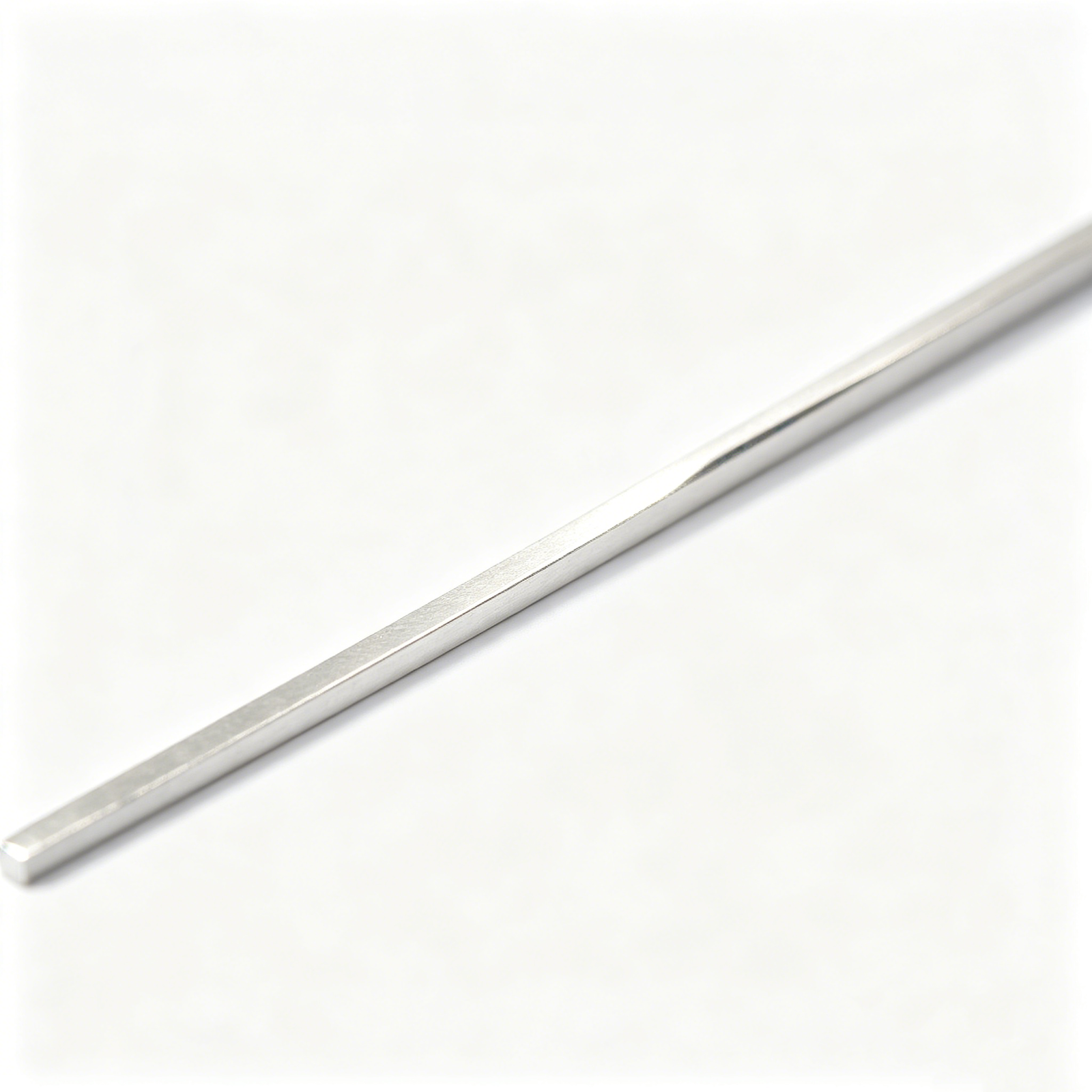
Wire EDM cuts precise profiles, narrow slots and difficult internal contours where milling access is limited. Wire path, start-hole position and finish-pass requirements should be defined from the drawing and critical-dimension plan.

Sinker EDM
Sinker EDM creates deep cavities, sharp internal geometry and details beyond practical cutter reach. Electrode strategy, spark allowance and surface expectations are coordinated with subsequent polishing, grinding or fitting requirements.
Precision Grinding
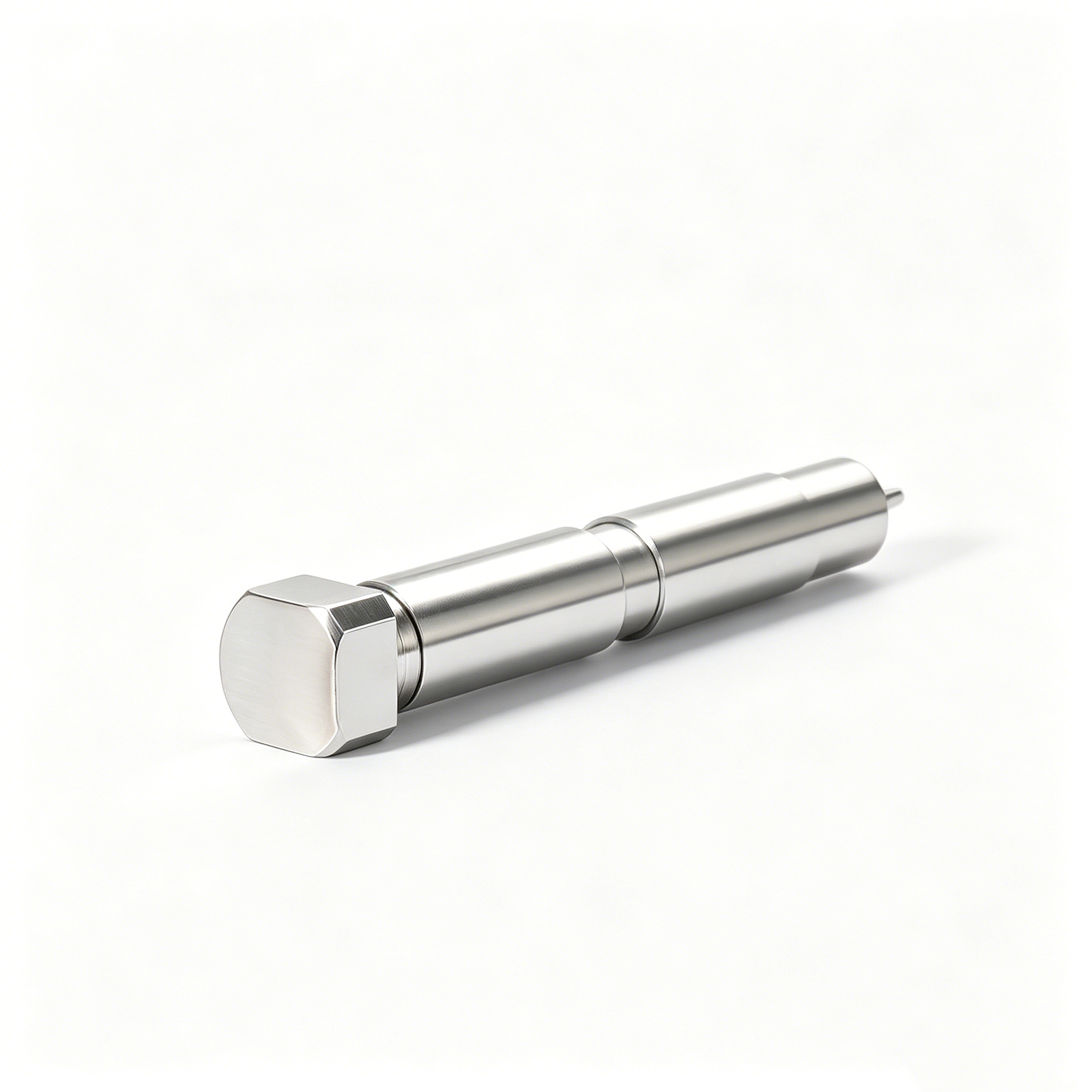
Precision grinding controls flatness, parallelism, profile and final-size relationships on critical mold components. Grinding stock, datum references and inspection method are established so the finishing route supports the required assembly function.

Component Fitting
Fitting verifies how related components locate, slide, shut off or mate in the intended tooling assembly. It helps identify interface risks while keeping revision information and inspection requirements visible through final delivery coordination.
Tooling Accessories and Component Features

Core Pins
Configurable core pins support formed details, internal features, and repeatable alignment in precision molds. Drawing review should define functional diameters, datum references, engagement length, surface requirements, and inspection points before manufacture.

Guide Components
Guide and locating components help establish controlled mold alignment and repeatable positional relationships between plates or inserts. Specify fit strategy, mounting geometry, mating conditions, material requirements, and critical dimensions for a practical machining review.
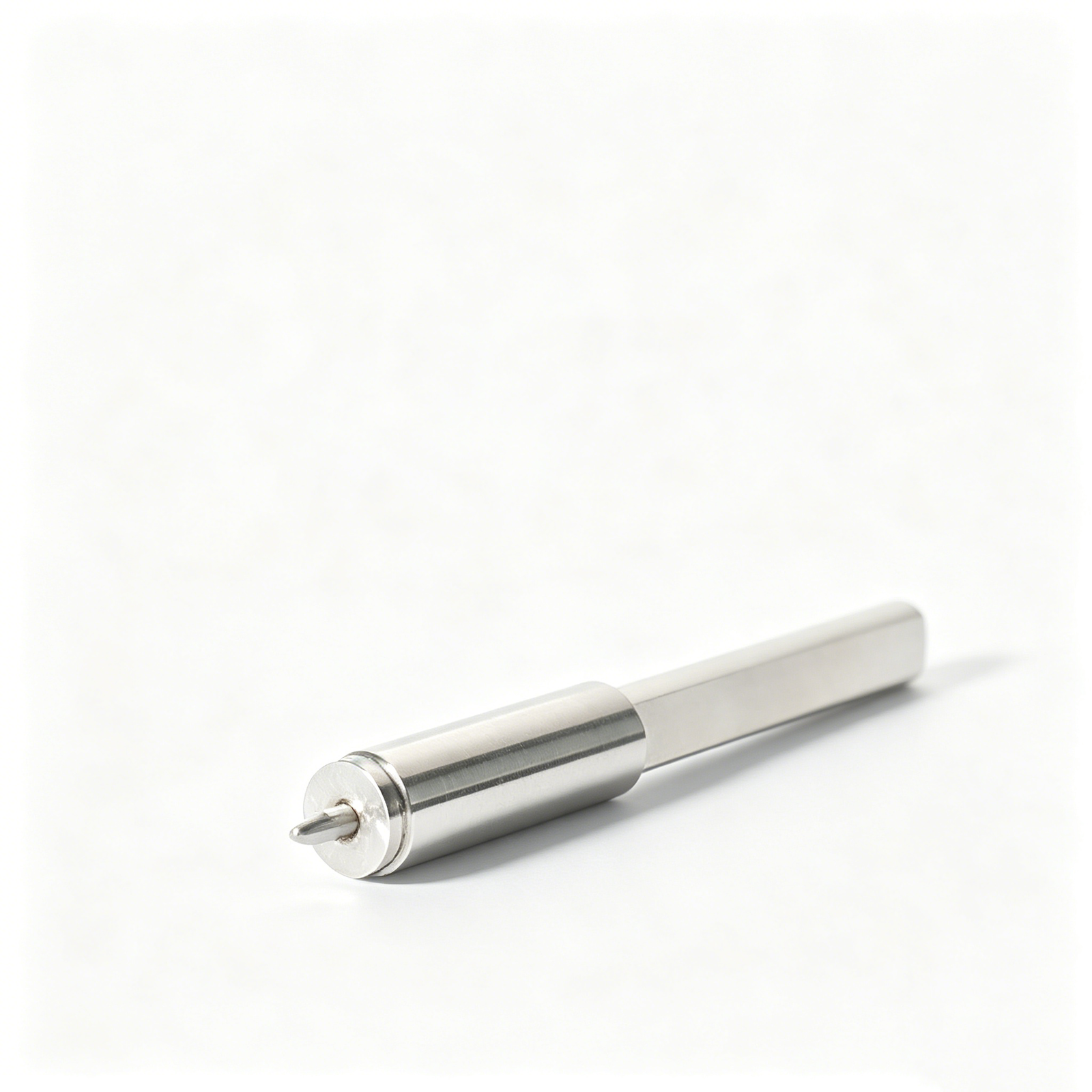
Slides and Lifters
Slides and lifters address undercuts and moving mold features where travel, contact faces, and assembly clearance require coordinated planning. SUUXIANG evaluates tool access, EDM needs, grinding stock, and datum strategy against the approved drawing.

Gates and Inserts
Gates, cavity inserts, and related replaceable features can be configured around resin flow, wear considerations, and service access. Provide mating-part context, surface priorities, heat-treatment requirements, and revision-controlled geometry with the RFQ.

Mold Accessories
Custom mold accessories may include ejector-related parts, stops, locating blocks, and application-specific support components. Each item is produced to approved drawings rather than presented as a stocked SKU, with inspection requirements agreed before production.
About SUUXIANG Precision Manufacturing
SUUXIANG is the sole public-facing brand of Dongguan SuuXiang Precision Mold Co., Ltd., established in 2010 and based on the 2nd Floor of Sanhe Industrial Park in Chang’an Town, Dongguan, Guangdong, China. Founder and legal representative XiaoCheng Huang leads a drawing-driven business serving engineering, sourcing, and quality teams with inspected custom CNC parts, precision mold components, connector tooling, and die components.
For cnc machining nak80 mold steel and related tooling work, our process planning can combine CNC milling and turning, multi-axis machining, EDM, precision grinding, fitting, and inspection. Before quotation or production commitments, we review critical dimensions, datums, machining access, surface requirements, and the applicable inspection approach.
What differentiates SUUXIANG is disciplined communication around DFM, revision control, process trade-offs, and traceability. We treat each order as a drawing-driven manufacturing workflow, aligning material requirements, machining strategy, quality evidence, and delivery coordination to the verified needs of the project.
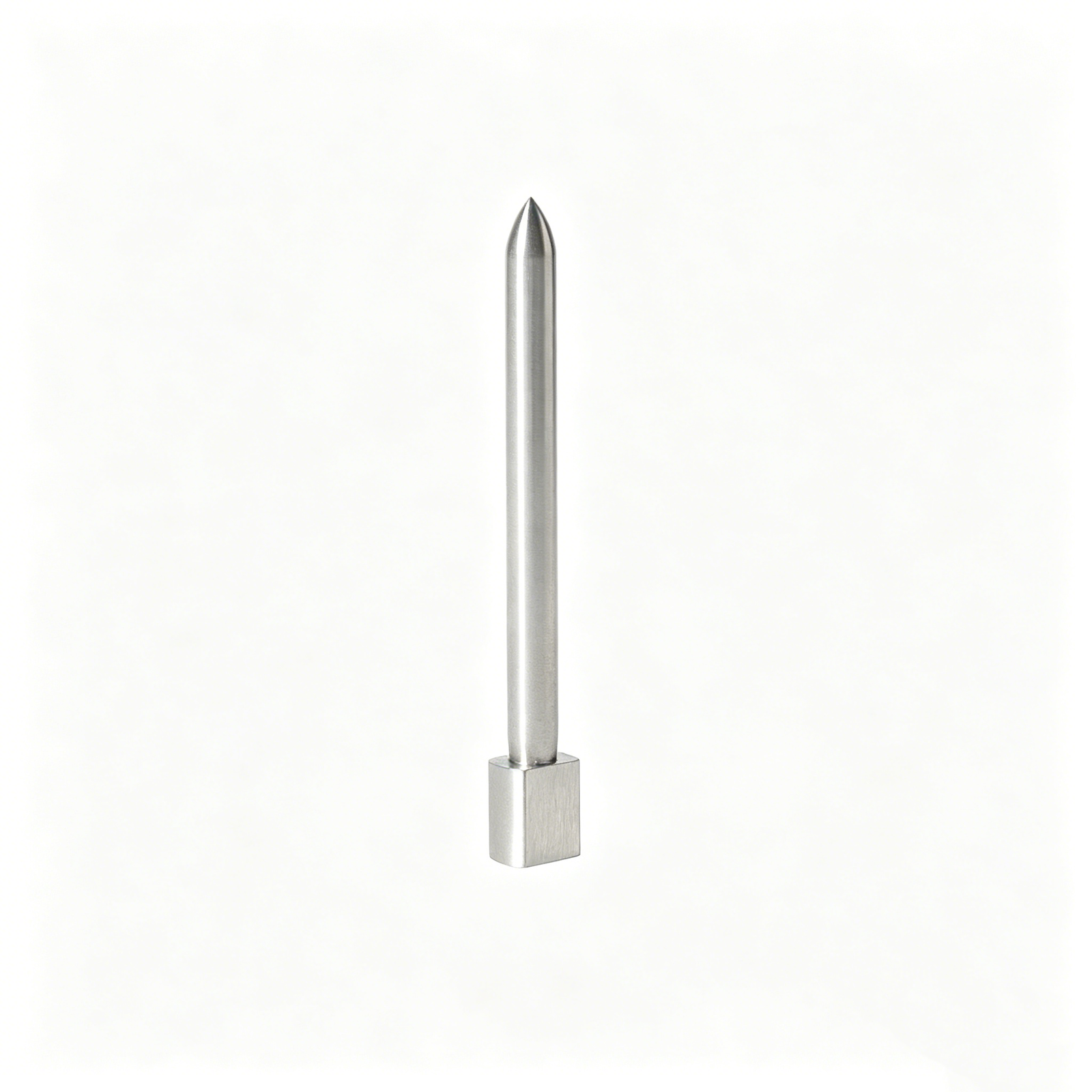
CNC Machining NAK80 Mold Steel: From DFM to Inspection
DFM and Datum Strategy
Before machining NAK80 mold steel, SUUXIANG reviews drawing intent, critical dimensions, datum relationships, tool access, and surface requirements. The review identifies measurement references and manufacturability questions early so quotation and production planning share a technical basis.
- Confirm functional datums and critical-to-quality features
- Review wall geometry, pocket access, and cutter reach
- Flag tolerance-stack and mating-component dependencies
- Align revision status before releasing production
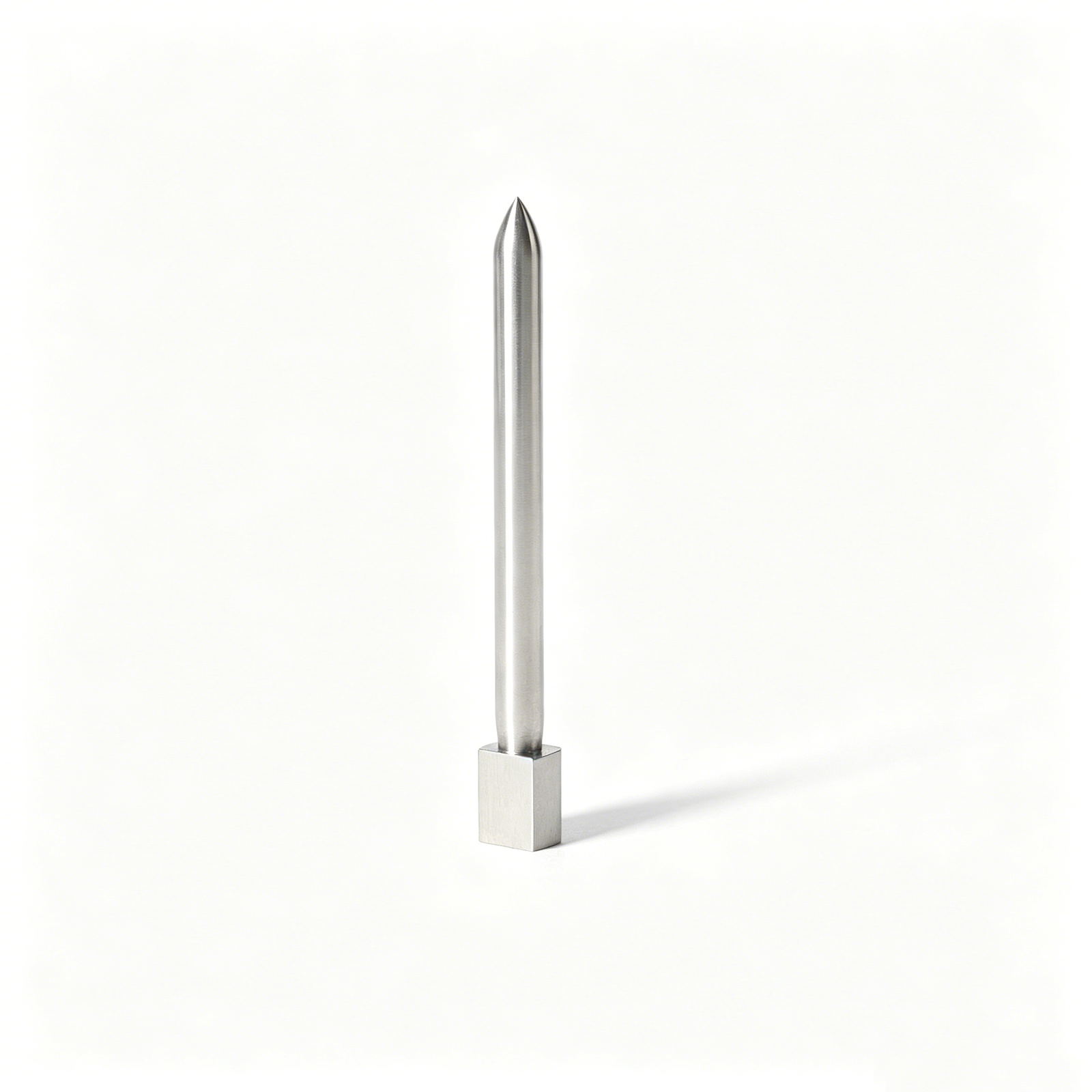
CNC and EDM Route Planning
NAK80 components may require more than a milling sequence. SUUXIANG plans the appropriate combination of CNC machining, wire EDM, sinker EDM, and intermediate finishing according to feature geometry, electrode access, wire path, surface requirements, and the approved drawing.
- Select machining routes by feature accessibility
- Define EDM needs for sharp internal geometry
- Consider electrode strategy and finish requirements
- Keep process decisions tied to drawing revisions

Grinding Allowance and Fitting
Precision interfaces depend on controlled stock management, not nominal dimensions alone. For CNC machining NAK80 mold steel, the route should reserve grinding allowance where final flatness, parallelism, fits, or contact surfaces require it, then coordinate fitting against the relevant mating condition.
- Reserve finish stock for critical ground surfaces
- Sequence machining around heat-treatment requirements provided
- Verify fits against approved mating-part information
- Avoid removing stock needed for final correction

Inspection and Traceability
Inspection planning begins with the dimensions that govern function and assembly. SUUXIANG aligns inspection methods, reporting needs, material requirements, and revision identification with the order. Final records are prepared to match the verified inspection plan rather than relying on generic documentation.
- Identify inspection points from critical drawing requirements
- Agree report format before production when needed
- Maintain visible part and revision identification
- Coordinate delivery information with approved order details

Why Choose SUUXIANG for CNC Machining NAK80 Mold Steel
Compare a drawing-led tooling workflow with quote-only sourcing: critical dimensions, process routes, inspection planning, and controlled revisions stay visible before production commitments.
← Swipe left or right to view →
CNC Machining NAK80 Mold Steel: Production Timeline
A controlled workflow aligns DFM, process planning, critical dimensions, inspection requirements, and delivery coordination before work proceeds.
Review Drawings and Requirements
SUUXIANG reviews 2D and 3D files, material callouts, quantities, datums, critical dimensions, surface requirements, inspection expectations, revisions, and target delivery needs.
Plan Material and Process
The team confirms NAK80 material requirements and develops a process route covering machining access, machining allowance, EDM strategy, grinding stock, and inspection points.
Machine Critical Geometry
CNC milling, turning, multi-axis machining, wire EDM, or sinker EDM are applied as the approved drawing and process plan require.
Grind and Fit Components
Precision grinding and fitting address functional interfaces, locating features, mating conditions, and final stock removal while protecting agreed datum relationships.
Inspect Pack and Coordinate
Completed parts are inspected against the verified plan, documented to order requirements, packed for protection, and coordinated for delivery with revision traceability.
How to Work With SUUXIANG
Move from drawing review to inspected NAK80 tooling with clear requirements, controlled revisions, and documented quality expectations.
Submit Your Drawing Package
Provide 2D drawings, 3D models when available, material specification, quantity, target date, critical dimensions, surface requirements, and any inspection or mating-component context.
Review DFM and Quotation
Discuss cnc machining nak80 mold steel process routes, datum strategy, machining access, EDM or grinding needs, inspection approach, revision status, and quotation assumptions before commitment.
Approve First-Article Requirements
For projects requiring validation, align on sample or first-article scope, acceptance criteria, measurement reporting, material documentation, and any changes before production release.
Release Controlled Production
SUUXIANG coordinates the agreed CNC, EDM, grinding, fitting, and inspection sequence, keeping revision and delivery information visible until inspected parts are prepared for shipment.
Customer Feedback on CNC Machining NAK80 Mold Steel
Approved testimonial placeholder: describe the drawing-review decision, the critical dimension or surface requirement, and a verified outcome such as [X] approved components or [X]-day schedule improvement. Publish only with the customer’s written approval.
Approved case placeholder: explain how DFM, electrode strategy, EDM, grinding, or inspection planning resolved a documented NAK80 tooling concern. Include only a verified project number, such as [X] revisions controlled or [X] dimensions reported.
Approved testimonial placeholder: summarize the delivered component family, material documentation, and inspection evidence reviewed by the customer. Replace bracketed fields with confirmed results, including [X] parts, [X] lots, or an agreed delivery milestone.
CNC Machining NAK80 Mold Steel FAQ
Practical answers for teams preparing drawing-driven NAK80 mold-component and tooling inquiries.
What files are needed for cnc machining nak80 mold steel?
Can SUUXIANG review my drawing before quoting NAK80 components?
What should be checked during DFM for cnc machining nak80 mold steel?
Is NAK80 supplied pre-hardened, and does that affect machining?
When are EDM and grinding needed for cnc machining nak80 mold steel?
Is there a minimum order quantity for custom NAK80 mold components?
How long does cnc machining nak80 mold steel take?
What inspection evidence can I request with an NAK80 order?
Complete Buyer’s Guide to cnc machining nak80 mold steel
Use a practical decision framework to specify NAK80 components, evaluate machining and inspection capability, compare supplier quotations, and avoid material, finishing, tolerance, and documentation mistakes that create mold-performance risk.
1. What Is cnc machining nak80 mold steel?
NAK80 is a pre-hardened mold steel machined into drawing-defined plastic-mold components, including cores, cavity blocks, inserts, slides, and fine shutoff or locating details. In this context, CNC machining describes the milling, turning, drilling, and related process route; NAK80 describes the specified workpiece material.
37–43 HRC is the usual supplied hardness range reported for NAK80, giving buyers a useful starting point for process planning rather than a substitute for their drawing requirements. Its pre-hardened condition and polish-oriented use make it relevant to appearance-critical plastic-mold surfaces, but tool access, EDM features, grinding stock, and inspection datums still govern how a part should be made. Material-property context: https://www.cncmachiningshops.com/nak80-steel
Before release, SUUXIANG should confirm the mill certificate, steel grade designation, supplied condition, stock form, and any customer-specified heat-treatment or traceability requirement. The RFQ should identify polish-sensitive faces and critical dimensions so the material decision and machining plan are reviewed together.
2. NAK80 Development and Mold-Making Use
NAK80 is a pre-hardened plastic-mold steel, commonly supplied around 37–43 HRC, allowing machining in its delivered working condition. The material is associated with precision plastic-mold work where polished cavity surfaces, stable detail reproduction, and practical EDM or grinding routes matter; see https://www.cncmachiningshops.com/nak80-steel.
37–43 HRC does not eliminate process planning, but it can remove the quench-and-temper stage that often follows rough machining of through-hardening tool steels. For cores, cavities, and inserts, that means datum locations, finish stock, electrode strategy, and inspection points can be planned around a known material condition rather than a later hardening-cycle change.
High-gloss housings, transparent molded parts, and dimensionally sensitive precision components are typical reasons to evaluate NAK80. The selection should still be validated against resin chemistry, mold geometry, polishing target, expected wear, surface treatment, and the drawing’s critical dimensions.
3. Types of cnc machining nak80 mold steel Parts
Three part families drive most cnc machining nak80 mold steel RFQs. Separate molding surfaces from structural and moving features so datum, finish, and material decisions remain reviewable.
Cavity And Core Inserts
1 cavity or core insert forms the molded surface; deep ribs, shutoffs, and narrow pockets can restrict cutter access.
2D drawings should identify molding, parting-line, and mounting datums, required polish zones, stock allowance, and mating interfaces.
Bases, Plates And Slides
3 mold bases, support plates, sliders, and lifters locate and move inserts; guide bores, angled features, and sliding fits control function.
2D drawings should define assembly datums, travel direction, lubrication features, fit class, and wear surfaces. Review an alternate steel where a feature needs different wear or corrosion resistance.
Ejector And Prototype Parts
4 ejector-side details include pins, sleeves, retainer features, and low-volume inserts; slender geometry raises concentricity and deflection risks.
RFQs should state quantity, critical dimensions, surface requirements, heat-treatment condition, and inspection method. An engineered alternate may suit high-wear pins or corrosive-resin exposure.
4. Material Condition and Alternative Steel Choices
Material choice is application-dependent: resin chemistry, cosmetic finish, cycle wear, and dimensional risk set the route. For cnc machining nak80 mold steel, confirm the supplied condition before tolerances and inspection are released.
| Steel Family | Supplied Condition | Best Fit | Manufacturing Tradeoff |
|---|---|---|---|
| NAK80 | Pre-hardened | High-polish, non-corrosive resin | Harder cutting; avoid final heat treatment |
| P20-class | Usually pre-hardened | General-purpose resin, moderate polish | Lower hardness; verify polish and wear needs |
| Stainless mold steel | Grade-dependent; often heat treated | Corrosive resin or humid storage | More demanding machining; sequence heat treatment |
| Hot-work tool steel | Typically annealed before hardening | High heat or severe wear | Hardening can distort; leave grinding stock |
Read Supplied Condition First
37–43 HRC is the reported supplied range for NAK80 at https://www.cncmachiningshops.com/nak80-steel; verify the actual mill documentation for the order. Pre-hardened stock avoids a post-machining hardening cycle, but deep pocketing, EDM, and grinding still require stress and allowance review.
Match Steel To Service
PVC, flame-retardant, or moisture-sensitive resins can shift selection toward corrosion-resistant stainless grades. High-temperature service or severe wear can justify a hot-work tool steel, accepting rough-machining, heat-treatment, finish-machining, and distortion-control steps.
5. Finishing Options for cnc machining nak80 mold steel
NAK80 finishing should be specified by function: sealing, release, cosmetic replication, or corrosion exposure. For cnc machining nak80 mold steel, define the finish before final sizing so grinding, EDM, and polishing allowances remain controlled.
| Route | Primary Purpose | Drawing Evidence |
|---|---|---|
| Precision grinding | Flatness and fit | Datum, stock, Ra |
| Polishing | Gloss replication | Grade, direction, sample |
| EDM | Inaccessible geometry | Recast disposition |
| Coating | Corrosion protection | Masking, thickness, approval |
Select The Process Route
0.01 mm-level fitting surfaces often need precision grinding after machining; specify the datum, permitted blend area, and final roughness.
3D ribs, deep corners, and inaccessible internal features may require EDM. Record the electrode or wire path and whether recast-layer removal, stoning, or polishing is required.
Control Cosmetic Surfaces
3-stage polishing commonly progresses from stone to abrasive paper to diamond compound, but the approved sample—not a verbal mirror-finish request—must define acceptance.
Ra callouts alone do not define appearance. Add polish direction, scratch visibility, edge-break limits, and boundaries between polished and textured zones to the drawing.
Match Protection To Resin
PVC and other corrosive-resin exposure requires a material-and-treatment review. One industry reference advises nitriding or hard-chrome plating for NAK80 in corrosive molding service: https://www.asiatools.net/news/blog/nak80-mold-steel-best-scenarios-to-pick-this-high-gloss-pre-hardened-steel
100% of coated surfaces should be identified by masking boundaries, thickness requirement, post-treatment dimensional limits, and adhesion or appearance approval method.
6. Precision Controls in cnc machining nak80 mold steel
Two datum schemes are common: functional molding datums and setup datums. The drawing should identify their relationship before cnc machining nak80 mold steel begins.
Datums And Geometric Controls
Three primary datums should locate every critical feature, allowing position, profile, flatness, or perpendicularity controls to reflect assembly function.
One inspection plan should distinguish a machining datum from a polished or fitted functional surface; otherwise, a correct setup can produce an incorrect fit.
Interfaces And Tool Access
0.01 mm is meaningful only when it is tied to a named feature, datum scheme, inspection method, and acceptance limit. Shutoff faces require controlled flatness, matching corner radii, and explicit burr limits.
Deep cavities need documented tool reach, holder clearance, EDM electrode strategy, wire path, vent dimensions, thread callouts, and required surface roughness.
Drawing-Driven Inspection Evidence
One first-article report should trace ballooned drawing characteristics to measured results, instruments, and revision level. CMM inspection suits spatial relationships; optical measurement suits small profiles and edges.
Go/no-go gauges or calibrated thread gauges can verify repeated functional checks. Final acceptance should follow the agreed drawing, sampling plan, surface criteria, and documented deviation disposition.
7. How to Choose a NAK80 Machining Supplier
For cnc machining nak80 mold steel, supplier selection should begin with evidence from comparable cores, cavities, or cosmetic inserts. Evaluate the proposed route, records, and delivery controls before comparing unit price.
Review DFM Response
Within 1–2 working days, a useful review identifies datums, tool access, EDM areas, grinding stock, polish-sensitive surfaces, and unresolved tolerances.
Request marked-up drawings and route-specific assumptions, not a generic feasibility statement.
- Critical dimensions and datum plan
- CNC, EDM, and grinding sequence
- Polish protection and handwork limits
Verify Material And Process
Each lot should be linked to the stated grade, condition, and receiving record. Ask how material identity remains connected to the part through machining, EDM, grinding, and final inspection.
Request similar-part examples and the planned inspection approach, including measurement methods for critical features.
- Material documentation scope
- In-process inspection points
- Sample inspection report
Confirm Delivery Controls
One quotation should state quantity, lead-time assumptions, exclusions, packing method, export documents, and revision-change procedure. Capacity claims matter only when tied to the proposed schedule.
Ask who approves drawing changes and how affected parts, reports, and shipment dates are communicated.
- Lead-time basis
- Change-control record
- Protective export packing
8. Common NAK80 Sourcing Mistakes
Eight recurring RFQ omissions create avoidable rework before cnc machining nak80 mold steel begins. A controlled drawing package makes each requirement auditable.
Steel And Resin Definition
1 steel name alone can conceal an unapproved equivalent; mismatched supplied condition can alter machining planning. State mill designation, approved alternatives, required supplied condition, and material-document requirement.
2 resin exposure details matter when corrosive additives or PVC are involved; omission can shorten service life. Identify resin, additives, expected exposure, and any coating or corrosion-control decision.
Tolerances, Datums, And Polish
3 isolated tight tolerances without functional datums drive extra setups and inspection ambiguity. Mark CTQ dimensions, primary-secondary-tertiary datums, mating context, and permissible geometric controls.
4 polish descriptions such as mirror are not acceptance criteria; disputes can follow. Specify applicable cavity areas, texture boundaries, measurable roughness where relevant, and visual acceptance standard.
EDM And Quote Scope
5 EDM is not dimensionally neutral: electrode wear, spark allowance, and finishing can affect final size. Require the supplier to confirm EDM allowance, electrode strategy, finish operation, and inspection method.
6 quote comparisons fail when material, inspection, finishing, and delivery scope differ. Issue one revision-controlled RFQ checklist listing quantity, documents, reports, packaging, and target date.
9. Launching a Drawing-Based NAK80 Order
A controlled launch for cnc machining nak80 mold steel starts with a release-ready package, not a verbal tolerance discussion. Each gate should identify the current revision, acceptance evidence, and decision owner.
Release The Design Package
Two files—the dimensioned 2D drawing and available 3D model—should carry the same revision identifier. Mark critical dimensions, datums, finish standard, quantity, target date, and mating-part context.
One decision is essential before quotation: specify NAK80 material condition and any permitted equivalent. List required material records, inspection report format, and packing restrictions.
Close DFM And Quotation
A DFM review should resolve tool access, EDM or grinding routes, stock allowance, and inspectable datums. Record every agreed drawing clarification in the quotation or controlled revision.
A purchase order should match the approved quotation, revision, quantity, delivery date, and acceptance documentation. Changes after release require written revision control before machining resumes.
Approve Production And Repeat
First-article approval should compare measured critical features against the released drawing before low-volume production proceeds. Confirm whether results require a full dimensional report, material evidence, or customer sign-off.
Production inspection, protective packing, and shipment documents should follow the agreed plan. Repeat orders should retain approved settings, feedback, and the last accepted revision; prototype changes merit a new DFM review.
10. cnc machining nak80 mold steel Pricing
10 pricing variables govern a drawing-based NAK80 quote: geometry, stock size, tolerances, finish, inspection, quantity, and logistics. NAK80 material condition and any EDM or grinding route should be specified before comparison.
3 quantity tiers change cost differently; fixed programming, setup, and inspection planning are spread across more parts as quantity rises. SUUXIANG should confirm the process route and delivery plan against the current drawing rather than publish fixed prices or lead times.
2 files improve quote accuracy most: a dimensioned 2D drawing and a 3D model when available. Include material source or equivalent requirement, heat-treatment condition, CTQ dimensions, surface callouts, report needs, quantity, and required delivery destination.
| Order tier | Primary cost drivers | Relative unit-cost behavior | Typical lead-time factors | Inputs improving quote accuracy |
|---|---|---|---|---|
| Prototype | Programming, setup, stock recovery, first-piece inspection | Highest; fixed work dominates | Material availability, machining access, EDM/grinding sequence | Complete drawing, 3D model, CTQs, finish and inspection plan |
| Low-volume | Repeat setups, fixture needs, inspection sampling | Falls as setup is shared | Batch scheduling, outside processes, packing | Firm quantity, datum scheme, material condition, delivery destination |
| Repeat order | Revision status, fixture reuse, material purchasing, logistics | Usually lower when scope remains stable | Released revision, capacity schedule, shipping method | Previous order reference, controlled revision, forecast and packaging requirements |
Start CNC Machining NAK80 Mold Steel Review
Upload your 2D drawing, 3D model where available, material, heat-treatment requirements, quantity, critical priorities, inspection needs, and delivery target.