
CNC Machining P20 Mold Steel, Inspected to Your Drawing
SUUXIANG reviews critical dimensions, process requirements, and inspection needs before machining P20 mold-steel parts.
Representative P20 Mold Steel Components


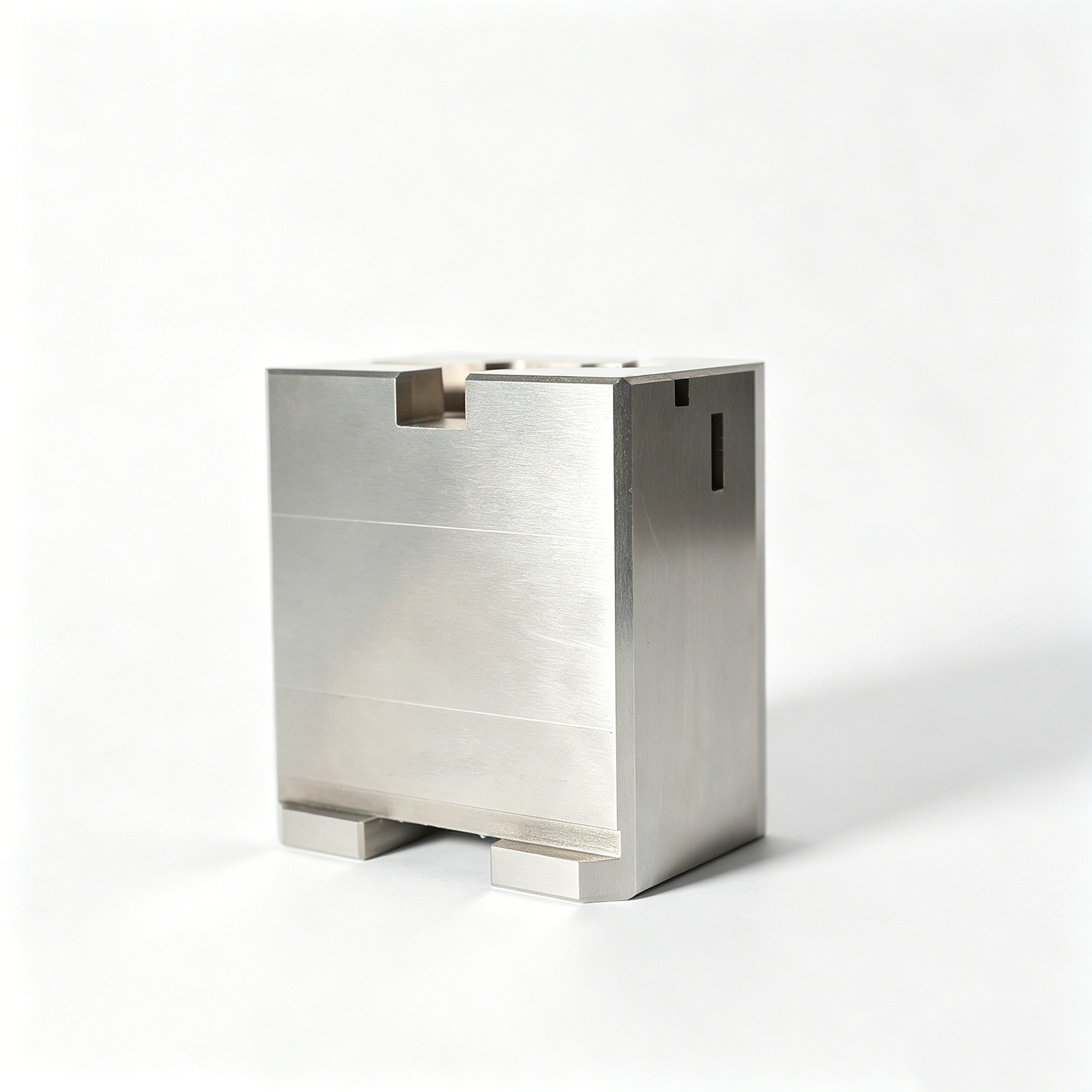


Related P20 Mold Steel Components


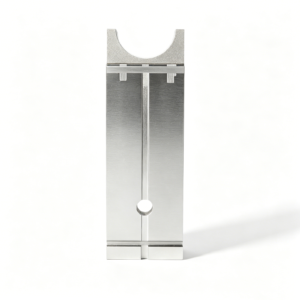


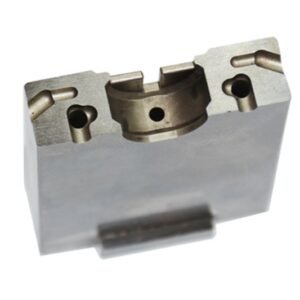

Why Engineers Choose CNC Machining P20 Mold Steel with SUUXIANG
Drawing-led planning connects critical dimensions, machining access, EDM, grinding and inspection before production commitments are made.
Drawing-Led DFM Review
Review datums, critical dimensions, tool access and surface priorities early to identify manufacturability questions before quotation and process release.
Planned Process Routes
Coordinate milling, turning, multi-axis machining and fitting around part geometry, material condition and the requirements defined in the drawing.
EDM Strategy Alignment
Evaluate electrode needs, wire paths and inaccessible features so EDM work supports the intended geometry and downstream finishing operations.
Grinding Allowance Control
Plan grinding stock, datum sequence and finishing access where flatness, parallelism or precision fits require a controlled final operation.
Inspection Plan Visibility
Define critical features, inspection methods and reporting expectations against the order requirements, keeping quality evidence aligned with the agreed plan.
Revision-Controlled Communication
Keep drawing revisions, manufacturing questions and delivery coordination visible, helping engineering and sourcing teams act on the current requirements.
Precision Parts and Tooling Applications
Drawing-led process routes for configurable mold, connector, die, and custom-part requirements, reviewed against critical dimensions, materials, and inspection needs.

CNC Machining Services
Precision CNC machining services for drawing-based parts requiring coordinated milling, turning, EDM, grinding, and inspection. RFQ review focuses on material, datums, critical dimensions, surface requirements, quantity, and delivery expectations before process planning.
Upload a Drawing
CNC Milling
Custom CNC milling services for prismatic parts, plates, inserts, and features that require controlled tool access. Drawing review identifies datum relationships, pocket depth, corner conditions, machining allowance, and features that may require EDM or grinding.
Upload a Drawing
CNC Turning
Precision CNC turning services for rotational or concentric components such as pins, sleeves, shafts, and locating features. SUUXIANG reviews diameter tolerances, runout, thread requirements, material condition, and inspection datums before selecting the manufacturing route.
Upload a Drawing
5-Axis Machining
5-axis CNC machining supports complex faces, angled features, and multi-sided geometry where repeated setups can create positional risk. Process planning considers tool reach, fixture access, datum transfer, finish requirements, and the dimensions that require inspection evidence.
Upload a Drawing
Swiss & Micro Machining
Swiss machining and micro machining support small, slender, or detail-intensive components where handling, concentricity, and feature access require careful control. Provide the drawing, material, quantity, critical dimensions, and mating context for a practical manufacturability review.
Upload a Drawing
Wire & Sinker EDM
Wire EDM and sinker EDM services address internal profiles, sharp internal corners, hardened materials, deep features, and geometry inaccessible to conventional cutting tools. The review defines wire path or electrode strategy, flushing access, finish expectations, recast-layer considerations, and inspection points.
Upload a Drawing
Precision Grinding
Precision surface and profile grinding is applied when flatness, parallelism, profile control, or final-size adjustment requires a controlled finishing step. Grinding stock, heat-treatment sequence, datum surfaces, surface requirements, and inspection method should be defined before release.
Upload a Drawing
Mold Core & Cavity Inserts
Precision mold core and cavity inserts are manufactured from customer drawings and application requirements, with attention to steel grade, heat treatment, cooling or feature access, shutoff geometry, EDM needs, and critical mold-facing dimensions. Configurations are reviewed before quotation.
Upload a Drawing
Ejector & Ejection Components
Ejector pins, sleeves, and ejection components require attention to fit, alignment, working surface condition, and interaction with the mold assembly. Drawings should identify critical diameters, clearances, material or heat-treatment requirements, and any mating-component constraints.
Upload a Drawing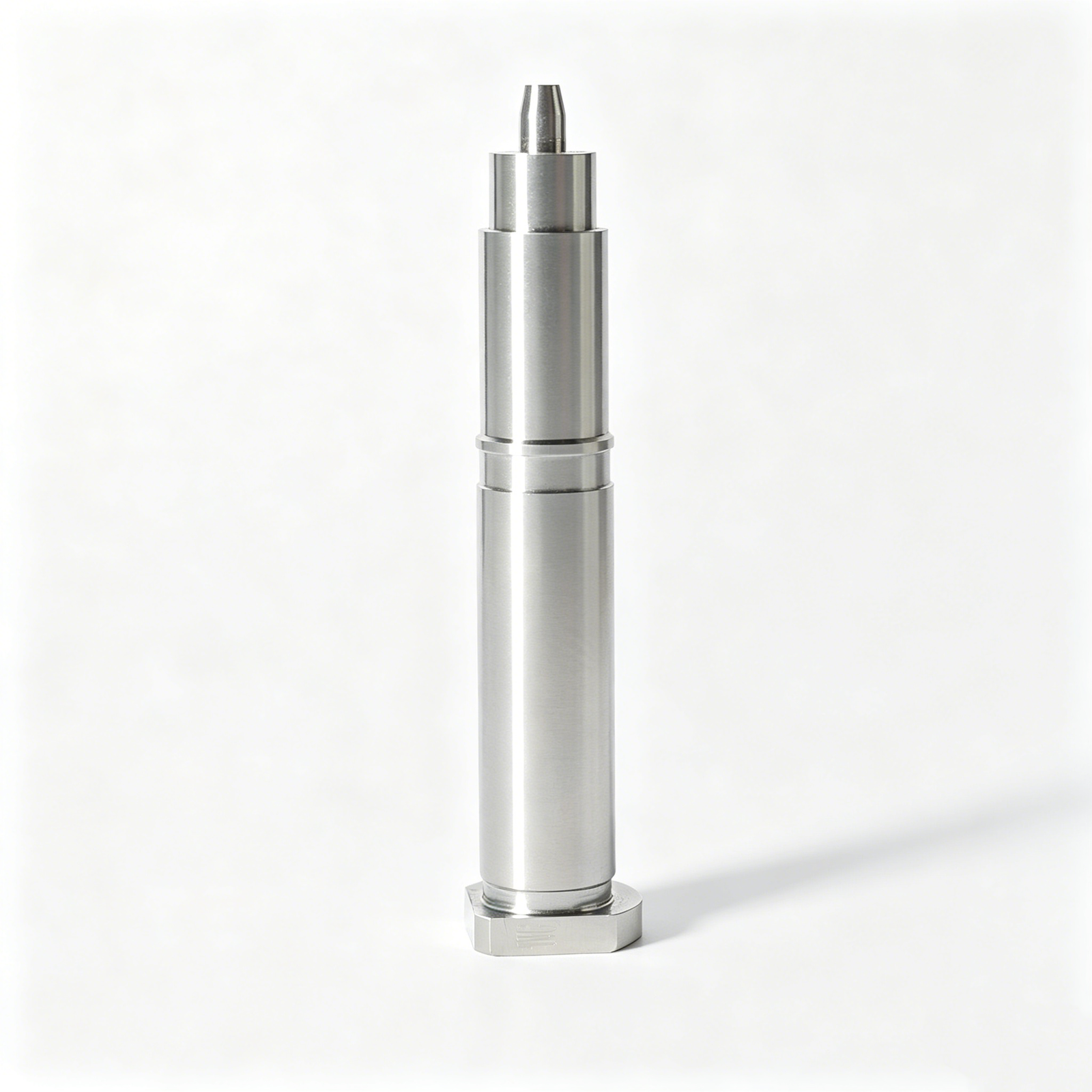
Core Pins, Guide & Locating Components
Core pins, guide pins, and locating components are produced to drawing-defined fit and datum requirements for repeatable mold alignment and feature formation. Review includes diameter relationships, concentricity, engagement length, material condition, grinding requirements, and inspection criteria.
Upload a Drawing
Slides, Lifters, Gates & Mold Accessories
Mold slides, lifters, gates, and accessories are configurable components whose manufacturability depends on travel geometry, shutoff conditions, wear surfaces, assembly interfaces, and access for machining or EDM. Submit mating details and critical dimensions with the RFQ.
Upload a Drawing
Connector Mold Components
Precision connector mold components support geometry where pin pitch, fine features, alignment, wear surfaces, and mating relationships influence tool performance. SUUXIANG reviews drawing revisions, datum strategy, material and heat-treatment requirements, EDM approach, and inspection priorities.
Upload a Drawing
Stamping Die Components
Precision stamping die components are manufactured from drawings for dies, punches, inserts, guide elements, and related tooling parts. Process review addresses material state, profile geometry, clearance-critical features, wire-EDM requirements, grinding allowance, and dimensional verification.
Upload a Drawing
Injection, MIM, CIM & Overmolding Tooling
Injection, MIM, CIM, and overmolding tooling components are evaluated within verified production scope using the drawing, material, application, and quality requirements. Reviews consider molding-facing geometry, inserts, shutoffs, gates, ejection interfaces, and appropriate CNC, EDM, and grinding routes.
Upload a Drawing
Machining Materials
CNC machining materials are selected against the drawing, functional environment, heat-treatment sequence, machining behavior, and inspection requirements. Identify the specified grade, condition, approved substitutes if any, and traceability expectations so the proposed route can be evaluated accurately.
Upload a Drawing
Surface Finishes & Heat Treatment
Surface finishing and heat treatment must be defined in relation to functional surfaces, tolerance changes, wear needs, corrosion exposure, and subsequent grinding or EDM. Provide finish callouts, hardness requirements, masking needs, and final inspection priorities with the order.
Upload a Drawing
Quality, Metrology & Documentation
Precision inspection, metrology, and quality documentation are planned around drawing-defined critical dimensions, datums, tolerances, and customer reporting needs. Clarify required measurement methods, report format, traceability, revision status, and acceptance criteria before production.
Upload a Drawing
Prototyping & Low-Volume Production
Rapid prototyping and low-volume manufacturing support drawing-driven validation, tooling development, bridge requirements, and controlled repeat orders. A useful RFQ includes the 2D drawing, 3D model when available, material, quantity, quality priorities, target date, and revision information.
Upload a DrawingCNC Machining P20 Mold Steel and Related Tooling Grades

P20 Mold Steel
A practical choice for mold bases, cavity inserts, and medium-duty plastic tooling. Its pre-hardened condition supports efficient machining, while datum strategy, polishing requirements, and corrosion exposure should be reviewed against the drawing.

1.2311 Tool Steel
A widely specified P20-equivalent grade for mold plates, inserts, and general tooling components. Consistent material condition and documented hardness matter when machining critical dimensions, planning EDM details, or allocating final grinding stock.

H13 Hot Work
Often considered for tooling exposed to elevated temperatures or repeated thermal cycling, including selected die and mold applications. Machining route, heat-treatment state, surface requirements, and feature geometry require review before process planning.

S7 Shock Steel
A tough tool-steel option for components subject to impact or demanding mechanical loads, such as selected punches and die elements. Material condition, edge geometry, and hardness requirements influence machining allowance and inspection planning.

D2 Tool Steel
A wear-focused material option for selected stamping-die and cutting components. Its higher wear resistance can affect machining, EDM, grinding, and finishing decisions, so critical dimensions and heat-treatment sequence should be established early.

420 Stainless Steel
A stainless mold-steel option for components where corrosion resistance may be relevant, including certain cavity or tooling applications. Grade condition, polishing target, mating conditions, and dimensional priorities should be confirmed through drawing review.
CNC Machining P20 Mold Steel: Process Routes

CNC Milling
Multi-axis milling forms pockets, cavities, contours and datum features in P20 mold steel. Tool access, remaining stock and clamping strategy are reviewed early to support stable geometry and controlled surface preparation.
Precision Turning
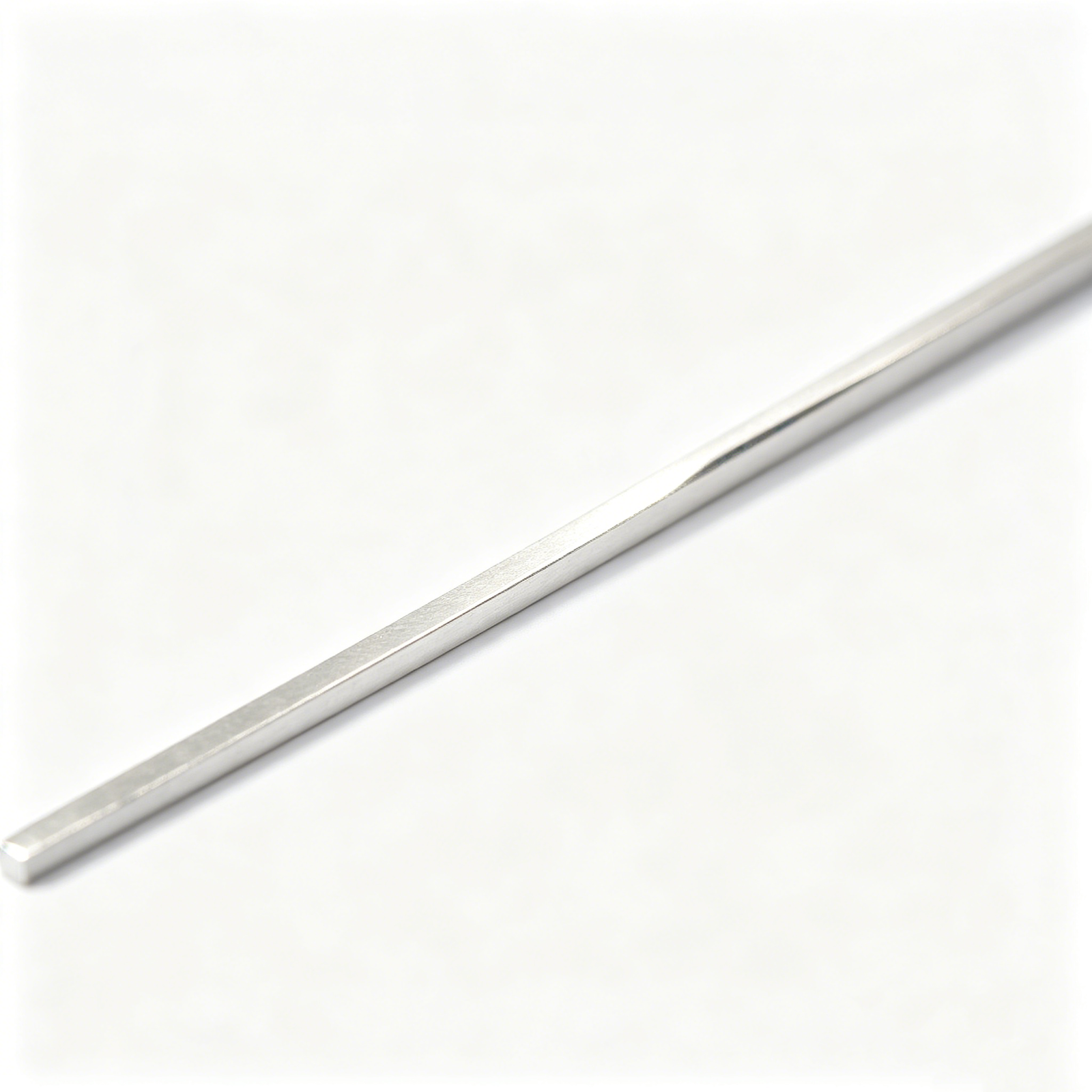
Turning produces concentric diameters, shoulders, threads and locating features for round P20 components. The process route considers datum relationships, runout requirements and the machining allowance needed for subsequent finishing or grinding.

Wire EDM
Wire EDM cuts precise profiles, slots and internal forms where conventional tool access is limited. Wire path, start-hole location, corner conditions and finishing passes are planned against the drawing’s critical dimensions.
Sinker EDM
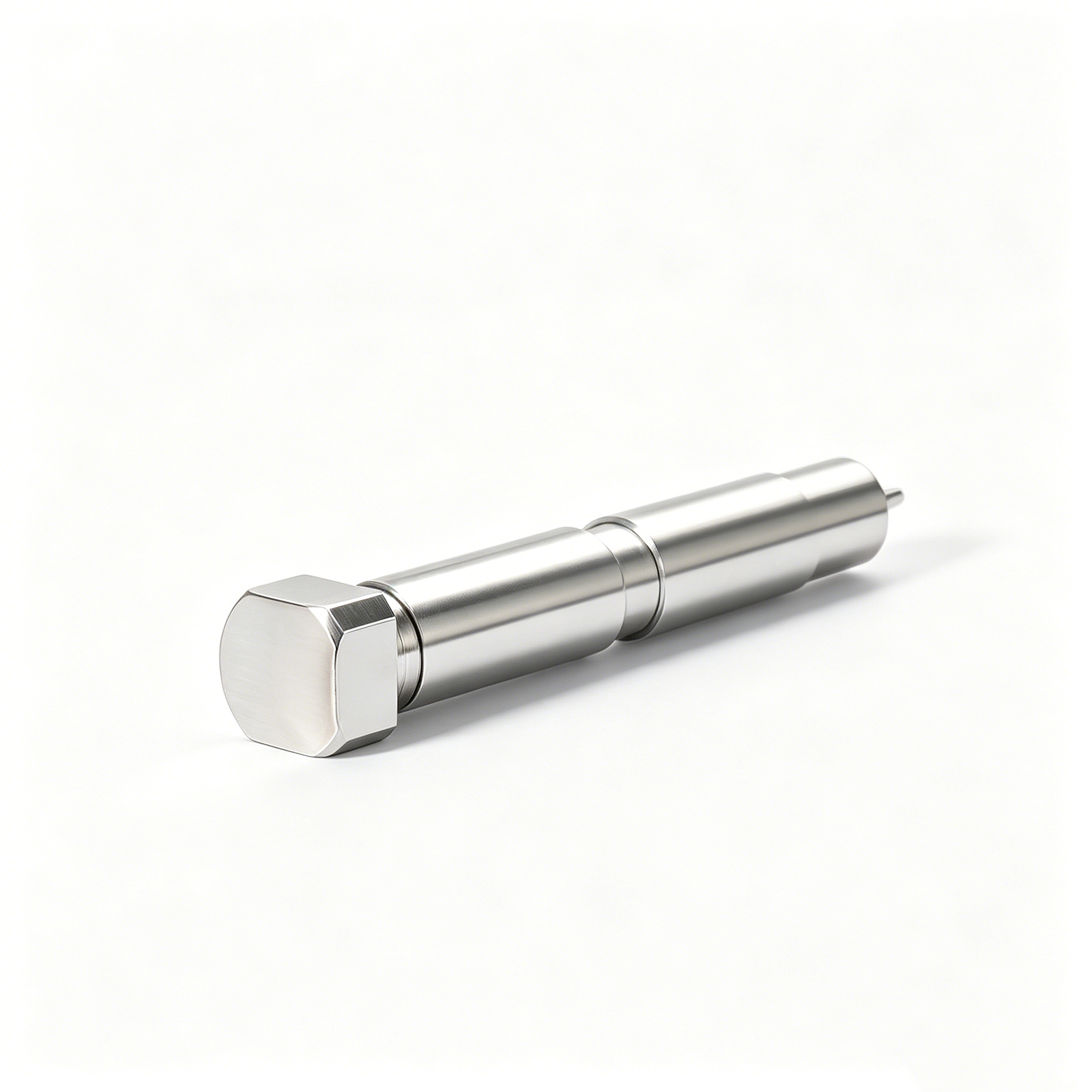
Sinker EDM creates deep cavities, sharp internal details and complex forms using purpose-planned electrodes. Electrode strategy, spark allowance and surface expectations are aligned before machining so downstream fitting remains manageable.

Precision Grinding
Grinding refines functional faces, diameters and datum features after machining or EDM. Grinding stock, heat condition and inspection method should be defined in the drawing review to protect critical size and surface requirements.

Fitting Inspection
Fitting and inspection verify mating relationships, critical dimensions and agreed reporting requirements before delivery. SUUXIANG maintains revision visibility and aligns final documentation with the order and the verified inspection plan.
Drawing-Driven P20 Mold Steel Manufacturing

Guide Elements
Guide-pin, guide-bush and wear-interface provisions can be machined into compatible P20 components when the drawing defines the mating relationship, fit and surface requirements. Review alignment function and service conditions before finalizing the process route.
Locating Features
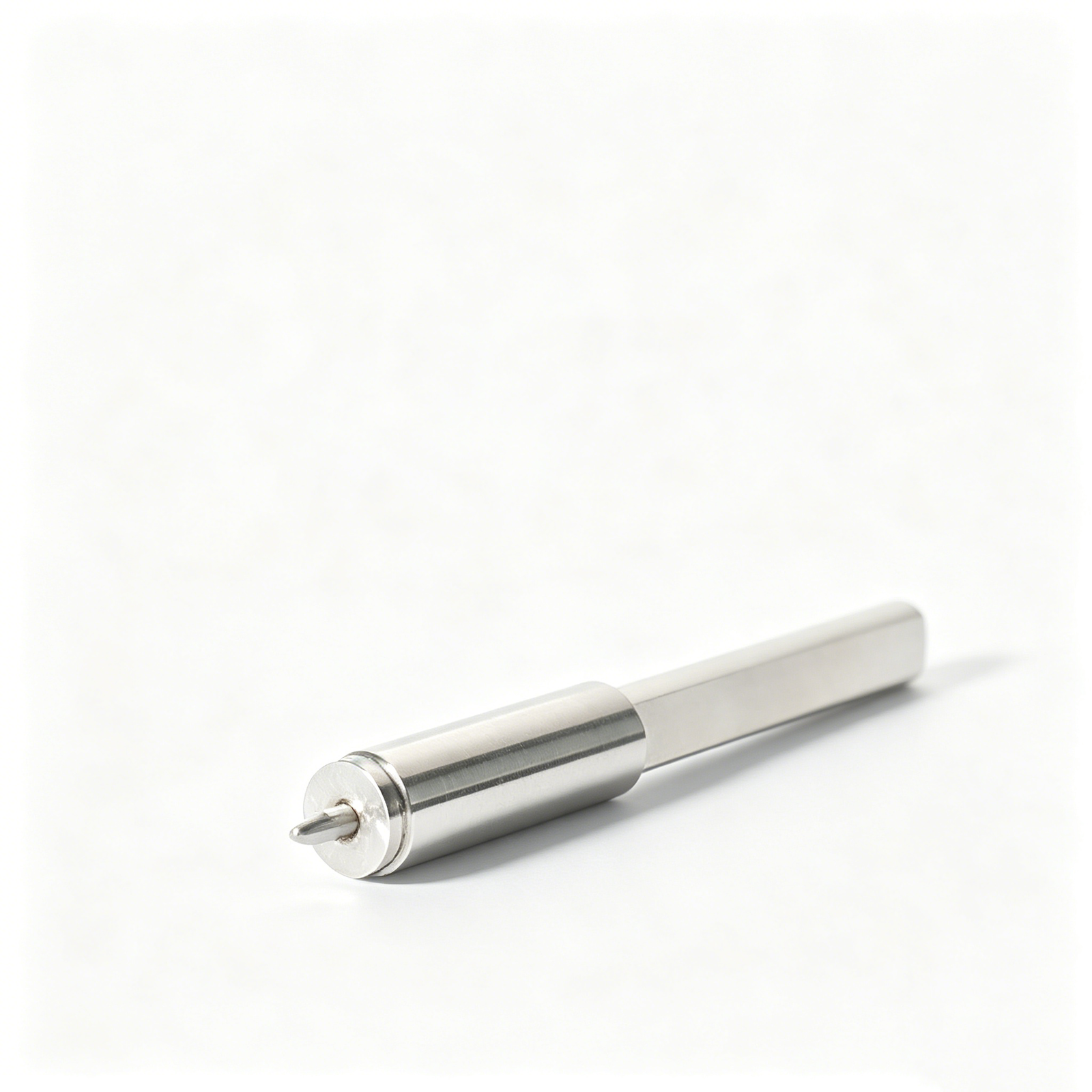
Dowel locations, keyways, reference pockets and datum faces help control repeatable assembly. Provide the assembly drawing and critical positional relationships so machining, grinding allowance and inspection methods can be planned against the intended datum scheme.

Ejector Provisions
Ejector-pin bores, clearance pockets, return-pin features and related ejection interfaces can be incorporated where specified. Their geometry should be reviewed alongside wall thickness, access direction, EDM needs and mating-component tolerances.

Gate Features
Gate inserts, runner-related details and localized mold features require attention to tool access, surface transition and downstream molding function. Include the applicable component context so the feature can be evaluated as part of the complete tooling interface.
Part Identification
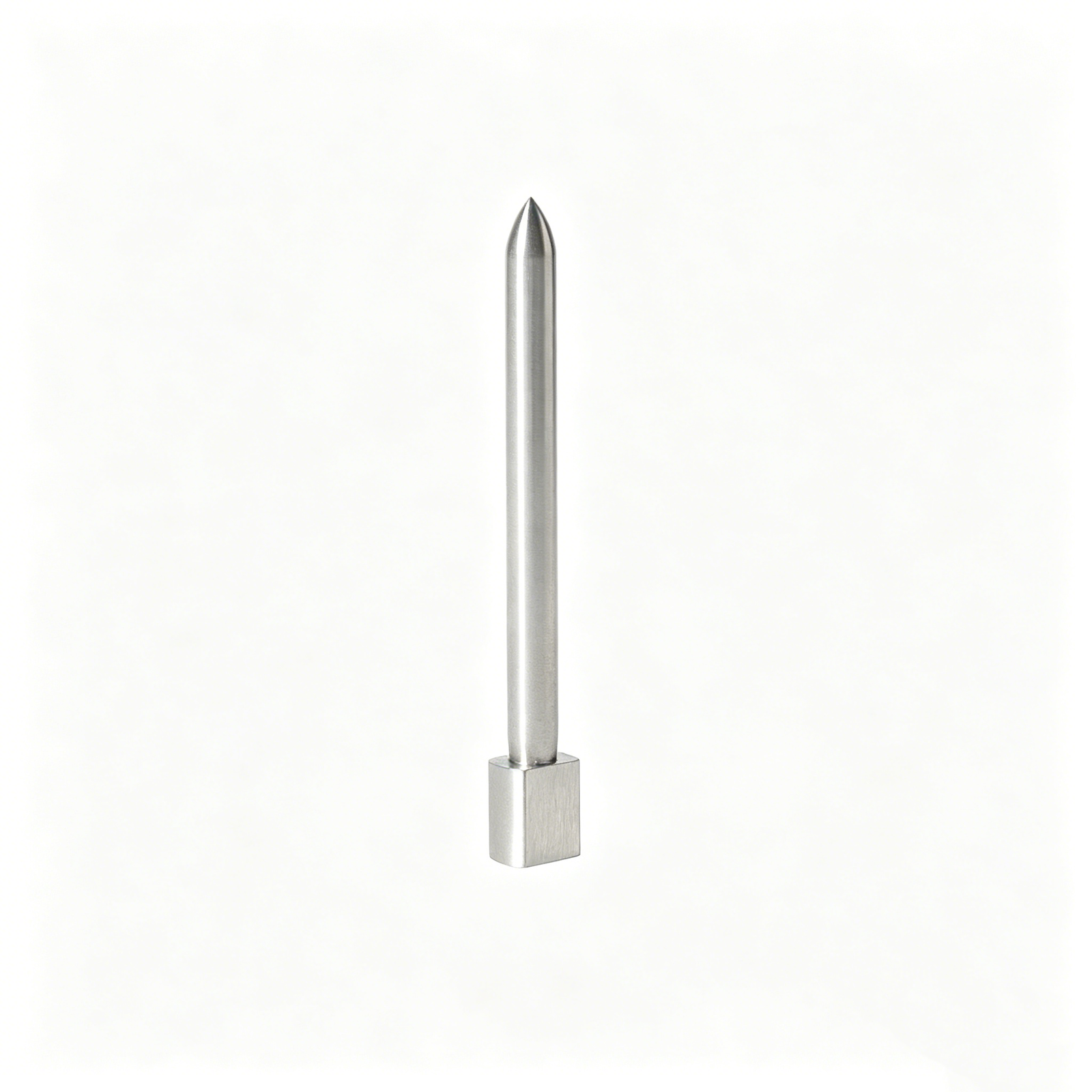
Part numbers, revision marks, cavity identifiers and traceability markings can be considered when supplied on the controlled drawing. Confirm marking location, depth, legibility and any surface-finish constraints before machining or EDM programming begins.
About CNC Machining P20 Mold Steel
SUUXIANG is the international-facing precision-manufacturing brand of Dongguan SuuXiang Precision Mold Co., Ltd., established in 2010 in Chang’an Town, Dongguan, China. We help global engineering and sourcing teams turn controlled drawings and specifications into inspected custom parts, precision mold components, connector tooling, and die components.
For cnc machining p20 mold steel, our planning begins before a production commitment. We review the drawing, 3D model, material condition, critical dimensions, datum strategy, machining access, surface requirements, EDM needs, grinding allowance, and inspection expectations to define a practical manufacturing route.
Our difference is disciplined coordination across CNC milling and turning, multi-axis machining, EDM, precision grinding, fitting, and inspection. Rather than treating a quotation as a generic machining request, SUUXIANG keeps revision control, quality requirements, and delivery information visible throughout drawing-driven production.
CNC Machining P20 Mold Steel: Controlled From Datum to Report
Start With Datum Strategy
Before quoting cnc machining p20 mold steel, SUUXIANG reviews drawing datums, critical dimensions, mating relationships, and tolerance stacks. This establishes how the part should be located through machining and inspection, while exposing features that need clarified functional intent.
- Identify functional datums and inspection references
- Review tolerance stack risks at mating features
- Confirm tool access for deep, narrow, or internal details
- Record revision-specific drawing questions before production

Plan CNC and EDM Together
P20 components often require more than a milling path. SUUXIANG evaluates feature geometry, corner conditions, electrode access, wire path requirements, and finishing sequence to select a practical combination of CNC machining, sinker EDM, wire EDM, grinding, and fitting.
- Separate machinable geometry from EDM-dependent details
- Review electrode strategy for blind cavities and sharp internal corners
- Check wire-entry and wire-path requirements early
- Sequence finishing operations around critical surfaces

Protect Grinding Stock
Grinding allowance is planned as a controlled machining condition, not an afterthought. For cnc machining p20 mold steel parts with precise fits or parallel surfaces, SUUXIANG reviews remaining stock, heat-treatment condition, datum transfer, and the final surface requirement before committing to a route.
- Reserve appropriate stock for final grinding
- Avoid removing datum surfaces prematurely
- Review flatness, parallelism, and fit requirements together
- Align final finish with the agreed inspection method

Match Inspection to Risk
Inspection planning follows the drawing and verified order requirements. SUUXIANG identifies critical-to-quality dimensions, practical measurement methods, reporting needs, and revision controls so the delivered P20 component can be evaluated against the inspection plan rather than a generic checklist.
- Define critical dimensions before production release
- Agree inspection records and reporting expectations
- Maintain drawing and revision traceability
- Connect final documentation to the verified order requirements

CNC Machining P20 Mold Steel With Controlled Engineering
Compare drawing-led planning and inspection communication with quote-only sourcing workflows.
← Swipe left or right to view →
CNC Machining P20 Mold Steel: From Drawing Review to Shipment
A controlled workflow aligns process planning, critical dimensions, inspection evidence and delivery requirements before production proceeds.
Review the RFQ Package
We review the drawing, model, material, quantity, application, critical dimensions, surface requirements, datums, inspection needs, revisions and requested delivery date.
Plan Material and Process
The team confirms P20 material condition and plans machining access, heat-treatment sequence, CNC strategy, EDM requirements, grinding stock, fitting and inspection checkpoints.
Machine Critical Features
CNC milling, turning, multi-axis machining, wire EDM, sinker EDM and grinding are sequenced around feature geometry, datum control, tool access and allowance.
Inspect Against Drawing Requirements
Inspection follows the agreed plan, focusing on critical dimensions, datum relationships, surface requirements and any documentation specified for the order.
Pack and Coordinate Delivery
Finished parts are protected, identified and prepared with applicable order documentation while shipment timing and delivery details remain visible through final coordination.
How CNC Machining P20 Mold Steel Moves Forward
Align the drawing, process route, inspection expectations, and delivery plan before production begins.
Submit Your Technical Package
Provide 2D drawings, 3D models when available, material and heat-treatment requirements, quantities, critical dimensions, surface priorities, inspection needs, application context, and target delivery date.
Align DFM and Quotation
Review datum strategy, machining access, grinding allowance, EDM requirements, tolerance stack, and revision details with SUUXIANG before confirming the proposed process route and quotation.
Approve First-Article Requirements
For projects requiring validation, agree the sample or first-article scope, measurement methods, acceptance criteria, documentation, and revision status before controlled production proceeds.
Release Controlled Production
Proceed through planned CNC machining, EDM, grinding, fitting, inspection, and delivery coordination, with order documentation matched to the verified inspection plan and approved requirements.
CNC Machining P20 Mold Steel Quality Documentation
Customer Feedback Published With Written Authorization
Approved customer testimonial pending. This case will document the drawing revision, inspected dimensions, quantity, and delivery outcome after written customer authorization.
Approved customer testimonial pending. This case will identify the P20 component, process route, inspection evidence, and measurable project result without disclosing restricted program details.
Approved customer testimonial pending. This space is reserved for attributable feedback on DFM review, machining, EDM, grinding, or inspection from a completed customer project.
CNC Machining P20 Mold Steel FAQ
Practical answers for drawing-based mold components, tooling parts, and controlled production planning.
What should I include in an RFQ for CNC machining P20 mold steel?
Can SUUXIANG quote low-volume or prototype P20 mold components?
How do you review a drawing before cnc machining p20 mold steel?
Is P20 supplied pre-hardened, and is additional heat treatment required?
What tolerances can you hold for cnc machining p20 mold steel parts?
Can I request inspection reports and material traceability?
How are sample timing, production timing, shipping, and payment handled?
How do you protect drawings and control design revisions?
Buyer’s Guide to CNC Machining P20 Mold Steel
Use this decision framework to specify P20 parts, compare machining and inspection capabilities, evaluate suppliers, control cost and lead time, and avoid material, tolerance, finishing, and documentation mistakes before release.
1. What Is CNC Machining P20 Mold Steel?
P20 is a pre-hardened plastic-mold tool steel; CNC machining P20 mold steel means milling, turning, EDM, grinding, and fitting a specified P20 workpiece to drawing-controlled geometry. It produces a component, not a complete mold assembly, unless the order explicitly includes mating parts, cooling, standard hardware, and assembly work.
28–34 HRC is a commonly cited supply range, but buyers should confirm the ordered grade, mill certificate, hardness range, and heat-treatment state. This condition can support efficient machining and dimensional stability while retaining useful toughness for mold bases, cavities, inserts, fixtures, and tooling.
Polishability may suit surface-critical cavities, while limited corrosion resistance means storage conditions and any nitriding, plating, or coating requirement should be specified separately.
2. P20 Mold Steel: Development and Nomenclature
P20 is a common designation for plastic-mold steel used where a practical balance of machinability, toughness, and polishability is required. Its widespread use supports a pre-hardened supply route for mold plates, cores, and cavity work.
28–34 HRC is a commonly published delivery range for some P20 products, but it is not a universal acceptance value. Pre-hardening can allow the shop to machine near-final geometry without routinely applying bulk quench-and-temper treatment afterward, reducing distortion risk and avoiding a second full-machining route.
1.2311 and 40CrMnMo7 are often presented as approximate P20 equivalents, not automatic material substitutions. Before releasing CNC machining P20 mold steel, specify the governing grade and condition, then request the mill certificate, chemistry limits, delivery-hardness range, heat-treatment record where applicable, and any customer-required standard; names, composition, and performance vary by producer and region.
3. Types of cnc machining p20 mold steel
P20 is sold in materially different metallurgical and supply conditions, despite shared trade names. For cnc machining p20 mold steel, match the condition to cavity finish, corrosion exposure, and machining route.
| Option | Best Fit | RFQ Check |
|---|---|---|
| Standard pre-hardened | Bases, cavities | Certificate and hardness |
| Premium remelted | Polished inserts | Cleanliness and heat lot |
| Corrosion-improved | Corrosive molding | Chemistry and condition |
| Rough or ground blank | Complex or simple tooling | UT coverage and allowance |
Corrosion And Equivalency
Corrosion-improved P20-type steel can suit humid molding environments or corrosion-sensitive resins.
P20, 1.2311, and supplier trade names are not automatic substitutes; compare chemistry, delivery condition, and approved specification.
Stock Form Decisions
Rough stock allows extra machining allowance for complex cavities, EDM features, and datum correction.
Precision-ground blanks suit prototype tooling and simple inserts when finished faces reduce setup work.
4. Material Condition and Stock Selection
P20 quotation risk begins before programming: form, section size, supplied hardness, and documented condition determine material yield, cutting strategy, and inspection planning. Abrams lists P20 as flat stock and describes machining allowance and heat-treatment dimensional change: https://us.abrams-industries.com/steel/tool-steel/p20.
| Stock Condition | Buyer Use Case | Advantage | Risk |
|---|---|---|---|
| Plate | Cavity insert or wear plate | Efficient yield from flat geometry | Distortion after deep pocketing |
| Block | Large core or structural insert | Fewer joints and setup changes | Higher material removal and section variation risk |
| Round | Pins, bushes, cylindrical features | Concentric turning datum | Poor yield for prismatic parts |
| Near-net blank | Repeat low-volume geometry | Less rough machining | Blank tolerance and traceability must be agreed |
Section Thickness And Homogeneity
Thicker sections require the buyer to state required hardness location and any concern about property uniformity, not merely nominate P20.
0.5–2.0 mm of stock for later grinding or EDM is a drawing-controlled allowance, not a universal rule; leave it only on surfaces with a defined finishing route.
Traceability Before Release
A mill certificate identifies a supplied heat, grade, and stated condition; it does not prove the delivered blank meets every drawing dimension or hardness point.
Supplier incoming inspection should reconcile identification, blank size, visible condition, and specified verification scope. The PO should define whether hardness testing, chemistry review, or ultrasonic evidence is required.
5. Finishes and Custom Features for P20 Parts
P20 cavity finish is a functional specification: it controls replicated appearance, release behavior, cleaning, and wear response. For cnc machining p20 mold steel, define the surface target by area and datum rather than by a general ‘polish’ note.
| Option | Functional Effect | Drawing And Inspection Need |
|---|---|---|
| Milling or EDM texture | Matte appearance; can aid release | Texture area, direction, approved sample |
| Polishing | Higher gloss; added finishing cost | Grade, cosmetic zone, visual standard |
| Nitriding or coating | Wear or corrosion protection | Masking, post-treatment dimensions, acceptance |
Surface Texture And Polish
Ra values alone do not describe texture direction, orange peel, or visual match. Specify milling texture, polish grade, or EDM texture on each molding surface and identify the molded-part cosmetic zone.
EDM texture can support release or a matte appearance; polished surfaces can improve gloss but add handwork and inspection time.
Features That Require Coordination
Vents, cooling channels, and engraving change local tool access and inspection strategy. Dimension vent land, depth, location, text height, and cooling interfaces from defined datums.
Cooling passages require leak-test criteria when applicable; engraving requires legibility and position acceptance against the approved drawing.
Treatments And Drawing Controls
Nitriding, plating, and protective coatings may improve wear or corrosion protection, but their compatibility with polish, texture, and mating fits must be reviewed first. Specify treatment area, masking boundaries, permitted post-treatment size change, hardness or coating requirement when applicable, and acceptance method.
100% visual checks may suit cosmetic faces, while critical fits need dimensional verification after treatment.
6. Quality Controls for cnc machining p20 mold steel
Usable precision begins with a drawing-defined datum scheme, not a blanket tolerance. For cnc machining p20 mold steel, SUUXIANG should align inspection points with function, mating conditions, and the released revision.
Datum And Stack Control
The drawing should establish a functional datum reference framework before profile or position is evaluated. Critical dimensions need a stated reference frame, so accumulated variation is reviewed at the mating interface.
Two-dimensional drawings should identify flatness, parallelism, and contact faces separately from general tolerances. Do not let a cosmetic surface requirement override a functional datum.
Features And Surface Zones
Threaded holes require thread designation, depth, class, and any gauging requirement. Blind-hole depths, counterbores, and dowel fits need clear measurement access and burr limits.
EDM features need allowance and a defined finish zone before polishing. Specify protected sealing, sliding, and optical-polish areas; edge breaks must not alter shutoffs or locating faces.
Inspection Evidence And Revision
First-article reporting should record critical dimensions, actual results, instrument method, and drawing revision. Material certificates and hardness verification belong in the record when the order requires them.
Traceable revision control links the released drawing, model, inspection plan, and shipment documents. Any deviation, rework, or substituted process requires customer review before acceptance.
7. Choosing a cnc machining p20 mold steel Supplier
Two quotations with the same unit price can carry very different risk. Compare drawing-review depth, defined operations, inspection evidence, revision handling, packaging, and a dated lead-time basis before selecting a supplier.
Review The DFM Response
Three DFM checks should be visible: datum interpretation, tool access, and tolerance-risk comments. A useful response flags unclear dimensions and proposes fixturing or EDM alternatives before release.
One generic acceptance statement is not a process plan. Ask which features require milling, wire EDM, grinding, or fitting and who approves deviations.
Verify Material And Inspection
P20 material should be tied to the ordered grade, stock condition, and supplier certificate when certification is required. Confirm heat-treatment responsibility, lot traceability, and any hardness-verification method.
Three report elements matter: measured critical dimensions, instrument identification, and drawing revision. Request a sample first-article or dimensional report matching the proposed inspection plan.
Compare Execution Controls
Two control points often expose quotation gaps: fixture strategy for distortion-sensitive geometry and written engineering-change control. Confirm revision acknowledgement, disposition of superseded files, and protection of finished datum surfaces during shipment.
One realistic schedule separates material receipt, machining, inspection, approval, and dispatch. Treat an unexplained short lead time as a question, not an advantage.
8. Common P20 Machining Sourcing Mistakes
P20 mistakes usually enter the RFQ before a cutter reaches stock. Each omission shifts engineering assumptions to the supplier, creating clarification loops, rework risk, and unreliable comparison quotes.
Specify Grade, Hardness, And Datums
Grade designation and delivery hardness must be stated, alongside mill-certificate needs. Otherwise suppliers may quote non-equivalent P20 variants or stock condition, affecting tool wear, polishing, and lead time.
Datum scheme and critical dimensions need labeled 2D views and mating context. Unclear references create inspection disputes and cumulative fit error; provide functional datums and allowable stack.
Control Tolerances And Surface Requirements
Tolerance bands should be functional, not copied across every dimension. Unnecessarily tight limits increase grinding, EDM, inspection, and cost; identify CTQ features and acceptable production tolerances.
Surface-finish callouts require Ra value, direction, and polishing or texture requirement. Missing criteria invite cosmetic rejection; state cavity, shutoff, and nonfunctional-surface expectations separately.
Plan Access, Treatments, And Evidence
P20 is not inherently corrosion-resistant; storage and molding environment matter. Assuming otherwise can cause rust-related downtime; specify protection, coating, or a material alternative.
Deep cavities need tool-access, electrode, wire-path, and coating or heat-treatment allowances. Omitting them causes redesign or dimensional drift; request the inspection plan, measured results, and revision traceability.
9. From Drawing to Approved First Article
A controlled release package turns cnc machining p20 mold steel from a quotation request into an auditable launch. SUUXIANG should review the same revision set used by design, purchasing, and quality before any material is committed.
Release Controlled Source Files
One 2D drawing and the matching 3D model should carry a revision identifier, issue date, units, and datum scheme. The buyer should identify P20 grade or equivalent, supplied condition, quantity, finish, and every critical feature.
Two documents commonly prevent cross-border ambiguity: the approved drawing and a written deviation record. Application and mating-part context should accompany interface dimensions.
- PDF drawing with revision and units
- Native or neutral 3D model
- Material and heat-treatment requirement
- Critical dimensions and surface callouts
Close DFM And Inspection Gates
Before order approval, DFM should confirm tool access, clamping, EDM or grinding requirements, datum access, and measurable tolerances. Open points need written disposition, not assumptions.
Before first-article release, approve the quotation, process route, and inspection plan. The plan should define instruments, sampling, report format, and acceptance criteria for critical features.
Approve First Article Then Release
First-article evidence should be checked against the released drawing and agreed inspection plan. Review dimensional results, material evidence when specified, surface condition, and any authorized deviations.
After acceptance, production proceeds only to that revision. A later change requires a new revision notice, impact review, updated files, and written approval before implementation.
10. CNC Machining P20 Mold Steel Pricing
3 quantity tiers separate one-off setup from recurring unit cost in cnc machining p20 mold steel. No fixed price is defensible until raw-stock size, material condition, machining hours, EDM content, tolerance, finishing, inspection, packing, and shipping are reviewed.
1 prototype part usually carries the highest programming, setup, fixture, and first-piece inspection share. Tight internal geometry can add electrode design, wire path planning, sinker EDM, grinding, or extra measurement time.
2 drawing files—a dimensioned 2D drawing and, when available, a 3D model—reduce quotation uncertainty. State revision, quantity, material or hardness condition, critical datums, surface requirement, report needs, destination, and target delivery date.
| Quantity tier | Primary cost drivers | Lead-time influences | Quotation inputs |
|---|---|---|---|
| Prototype | Setup, programming, fixture, stock yield | Material availability; EDM or grinding sequence | 1–2 parts; files; critical dimensions |
| Low-volume | Machine hours, repeat setups, inspection sampling | Batching, tool wear, finishing, report scope | Quantity; revision; inspection plan |
| Repeat production | Cycle time, fixture durability, process control | Approved first article, material release, shipment schedule | Forecast; release schedule; packaging and ship-to address |
Start Your CNC Machining P20 Mold Steel Drawing Review
Submit 2D and 3D files, material, quantity, critical dimensions, inspection needs, and target delivery date for evaluation.