
CNC Machining PEI for Drawing-Based Precision Parts
Send your drawing for PEI CNC machining planned around critical dimensions, machining access, inspection needs, and revision control.
Representative Precision Components and Tooling



Related Product Catalogue and Quotation




Why Engineers Choose SUUXIANG for CNC Machining PEI
A drawing-led workflow that aligns manufacturability, process planning, critical dimensions, revisions, and inspection expectations before production.
Drawing-First DFM Review
We review geometry, datums, material, wall sections, and machining access before quotation, identifying questions that affect manufacturability, cost, and inspection planning.
Process Route Planning
CNC milling, turning, EDM, grinding, and fitting are considered as a coordinated route when drawing requirements and feature access justify them.
Critical Dimension Focus
Critical dimensions, datum relationships, surface requirements, and tolerance stack risks are discussed early so the inspection method can match the ordered part.
Revision-Control Discipline
Drawing versions, approved changes, and delivery information stay visible through production, helping prevent avoidable mismatch between released requirements and finished components.
Inspection Plan Alignment
Inspection expectations are clarified with the RFQ, including requested reports, measurement priorities, and quality documentation needed for receiving and supplier-quality review.
CNC Machining Component Families
Drawing-driven process routes for custom parts, mold components, connector tooling, and die components—planned around critical dimensions, material, inspection, and delivery requirements.

CNC Machining Services
Precision CNC machining services for drawing-based parts requiring disciplined DFM review, material confirmation, datum strategy, machining access, and inspection planning before quotation or production commitment.
Upload a Drawing
CNC Milling
Custom CNC milling services for prismatic, contoured, and fixture-sensitive components. Process planning considers tool access, clamping, datum transfer, tolerance stack, surface requirements, and downstream EDM or grinding allowances.
Upload a Drawing
CNC Turning
Precision CNC turning services for rotational parts, threaded features, bores, shafts, and concentric diameters. Review focuses on datum selection, runout requirements, material condition, critical features, and inspection methods.
Upload a Drawing
5-Axis Machining
5-axis CNC machining supports complex geometry, compound angles, and multi-face features with fewer repositioning steps. Feasibility depends on tool reach, workholding, tolerances, surface requirements, and verified project scope.
Upload a Drawing
Swiss & Micro Machining
Swiss machining and micro machining support small, slender, and detail-intensive components where feature access, concentricity, burr control, material behavior, and inspection strategy require early engineering review.
Upload a Drawing
Wire & Sinker EDM
Wire EDM and sinker EDM services address hardened materials, narrow slots, sharp internal geometry, fine details, and difficult-to-machine profiles. Electrode strategy, wire path, flushing, recast considerations, and finishing requirements are reviewed first.
Upload a Drawing
Precision Grinding
Precision surface and profile grinding provides controlled flatness, parallelism, profile accuracy, and finish on critical mold and die components. Grinding stock, heat-treatment sequence, datum control, and inspection criteria guide the route.
Upload a Drawing
Mold Core & Cavity Inserts
Precision mold core and cavity inserts are produced from customer drawings with attention to steel selection, cavity geometry, cooling interfaces, EDM access, grinding allowances, fitting requirements, and critical inspection dimensions.
Upload a Drawing
Ejector & Ejection Components
Ejector pins, sleeves, and ejection components are configured around mold layout, mating features, wear conditions, fit requirements, and surface expectations. Drawings should define critical diameters, lengths, hardness, and revision-controlled details.
Upload a Drawing
Core Pins, Guide & Locating Components
Core pins, guide pins, and locating components are manufactured for repeatable alignment and feature formation. Review addresses working diameters, concentricity, fit classes, material and heat treatment, wear surfaces, and mating-component relationships.
Upload a Drawing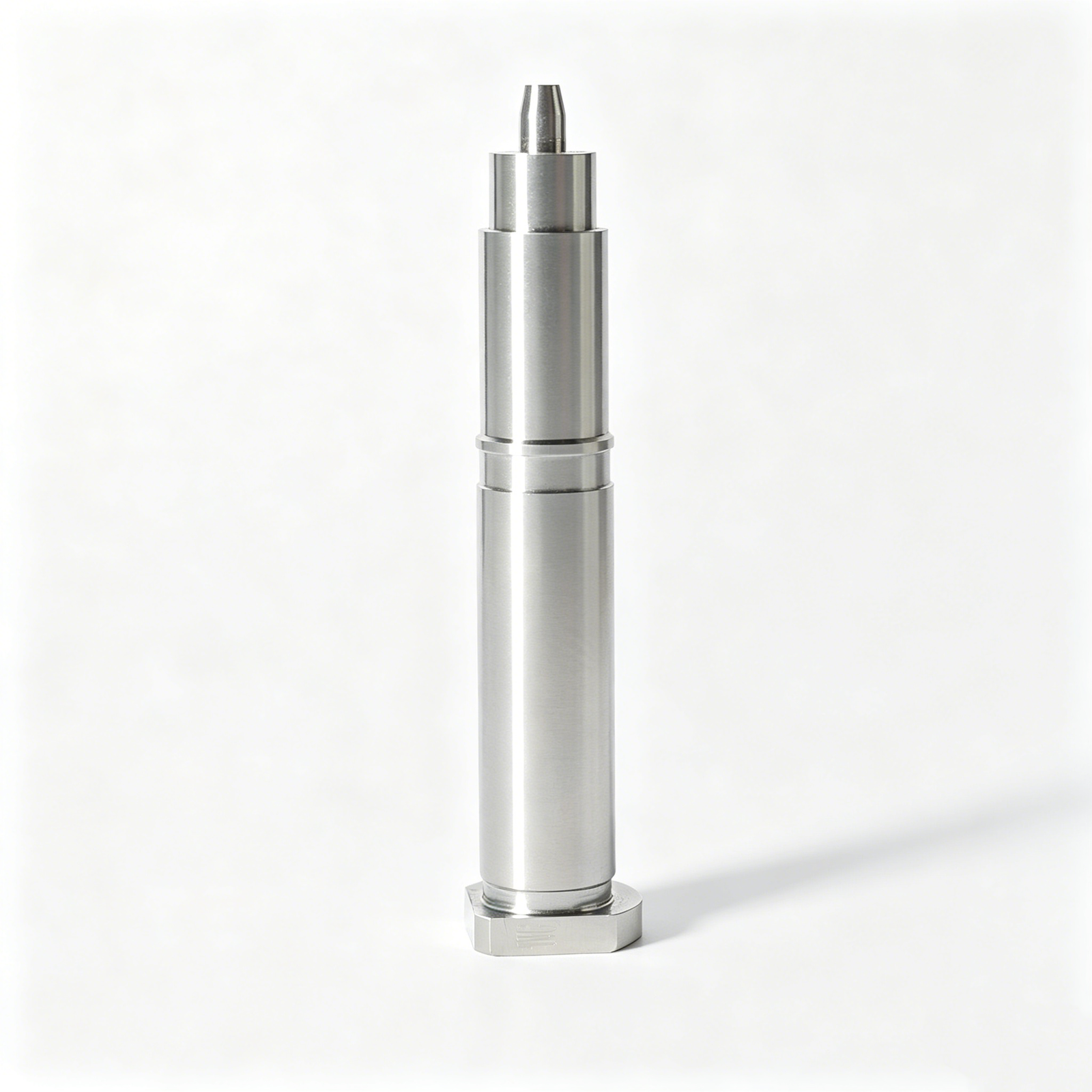
Slides, Lifters, Gates & Mold Accessories
Mold slides, lifters, gates, and accessories are produced as configurable component families. Manufacturing planning considers travel geometry, mating faces, clearance, wear areas, gate details, assembly fitting, and inspection of functional interfaces.
Upload a Drawing
Connector Mold Components
Precision connector mold components support high-density feature patterns, fine pin geometry, locating requirements, and demanding mating relationships. DFM review identifies critical dimensions, EDM needs, polishing or grinding requirements, and inspection evidence.
Upload a Drawing
Stamping Die Components
Precision stamping die components are made for drawing-defined cutting, forming, guiding, and support functions. Process selection considers material condition, profile accuracy, clearances, heat treatment, grinding stock, and mating relationships within the die set.
Upload a Drawing
Injection, MIM, CIM & Overmolding Tooling
Injection, MIM, CIM, and overmolding tooling components are evaluated against the specific molding application. Reviews cover parting and shutoff geometry, feed details, insert interfaces, material behavior, surface needs, and process constraints.
Upload a Drawing
Machining Materials
CNC machining materials are selected against drawing requirements, application loads, corrosion environment, machinability, heat-treatment needs, and inspection expectations. Material availability and certification requirements should be confirmed for each RFQ.
Upload a Drawing
Surface Finishes & Heat Treatment
Surface finishing and heat treatment are planned as part of the manufacturing route, not an afterthought. Requirements should specify finish areas, roughness, hardness targets, masking, dimensional impact, and post-treatment inspection needs.
Upload a Drawing
Quality, Metrology & Documentation
Precision inspection, metrology, and quality documentation are aligned to the drawing and agreed inspection plan. Buyers can define critical dimensions, reporting format, traceability needs, measurement methods, revision status, and acceptance criteria.
Upload a Drawing
Prototyping & Low-Volume Production
Rapid prototyping and low-volume manufacturing support design validation, bridge demand, tooling trials, and controlled small-batch requirements. A complete RFQ clarifies drawings, quantity, material, critical features, inspection needs, and target delivery date.
Upload a DrawingMaterials for Heat-Resistant Precision Components

Unfilled PEI
A rigid, amber engineering thermoplastic suited to insulating covers, fixtures, and precision housings. Its stable feel and heat-resistant character support detailed machining when wall thickness, datum strategy, and cosmetic requirements are reviewed.

Glass-Filled PEI
A stiffer PEI option for structural brackets, nests, and heat-exposed housings. The reinforced material has a firmer, less forgiving machining response, so tool wear, edge condition, and critical dimensions require project-specific evaluation.

PEEK Polymer
A high-performance polymer considered for demanding fixtures, sealing-adjacent parts, and electrical assemblies. Its thermal stability may suit challenging environments, subject to drawing review, stock availability, and inspection expectations.

PPS Polymer
A rigid engineering polymer often evaluated for chemically exposed or electrically functional components. Its dense, stable hand-feel can support compact precision geometries, while machining access, thin sections, and surface requirements should guide process planning.

Stainless Steel
A durable metal option for wear-prone fixtures, locating elements, and precision machine components. Its solid, dense feel supports robust service, but alloy selection, heat treatment, corrosion needs, and grinding allowance must be defined in the RFQ.
PEI CNC Machining and Finishing Processes

CNC Milling
CNC milling shapes PEI features, pockets, contours and mounting faces with tool access and heat control considered during DFM. A planned finishing pass helps support clean edges and stable critical surfaces.

CNC Turning
CNC turning is suited to rotational PEI parts such as rings, bushings, sleeves and insulators. Diameter, concentricity, wall thickness and workholding requirements should be reviewed against the drawing before routing.

Wire EDM
Wire EDM is not used to machine PEI because the material is nonconductive. Where a PEI design includes narrow slots or internal contours, the drawing review should assess cutter access, tool diameter, feature radii, and workholding instead.

Sinker EDM
Sinker EDM is not used to machine PEI because the material is nonconductive. Detailed internal PEI features should instead be reviewed for machinable radii, cutter access, support, and alternative part-design approaches.
Precision Grinding
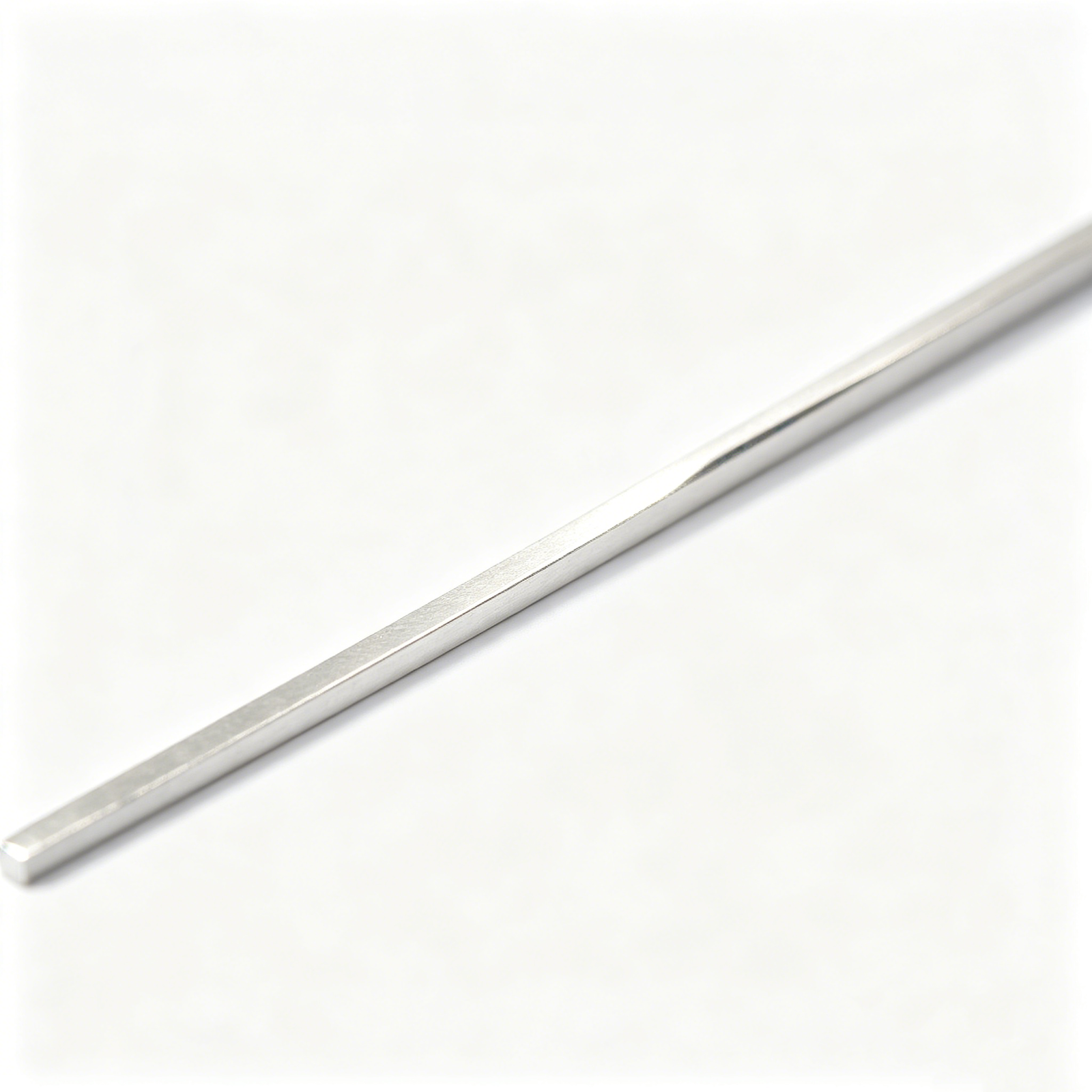
Precision grinding refines critical faces, diameters and datum relationships after appropriate machining or heat-treatment stages. Grinding stock, clamping method and inspection points should be planned to protect functional tolerances.

Component Fitting
Component fitting checks how mating features assemble after machining, EDM and grinding. It helps identify interference, clearance and datum-transfer concerns before final inspection documentation is prepared for the approved drawing revision.
CNC Machining PEI Functional Hardware and Mold Accessories
Guide Elements
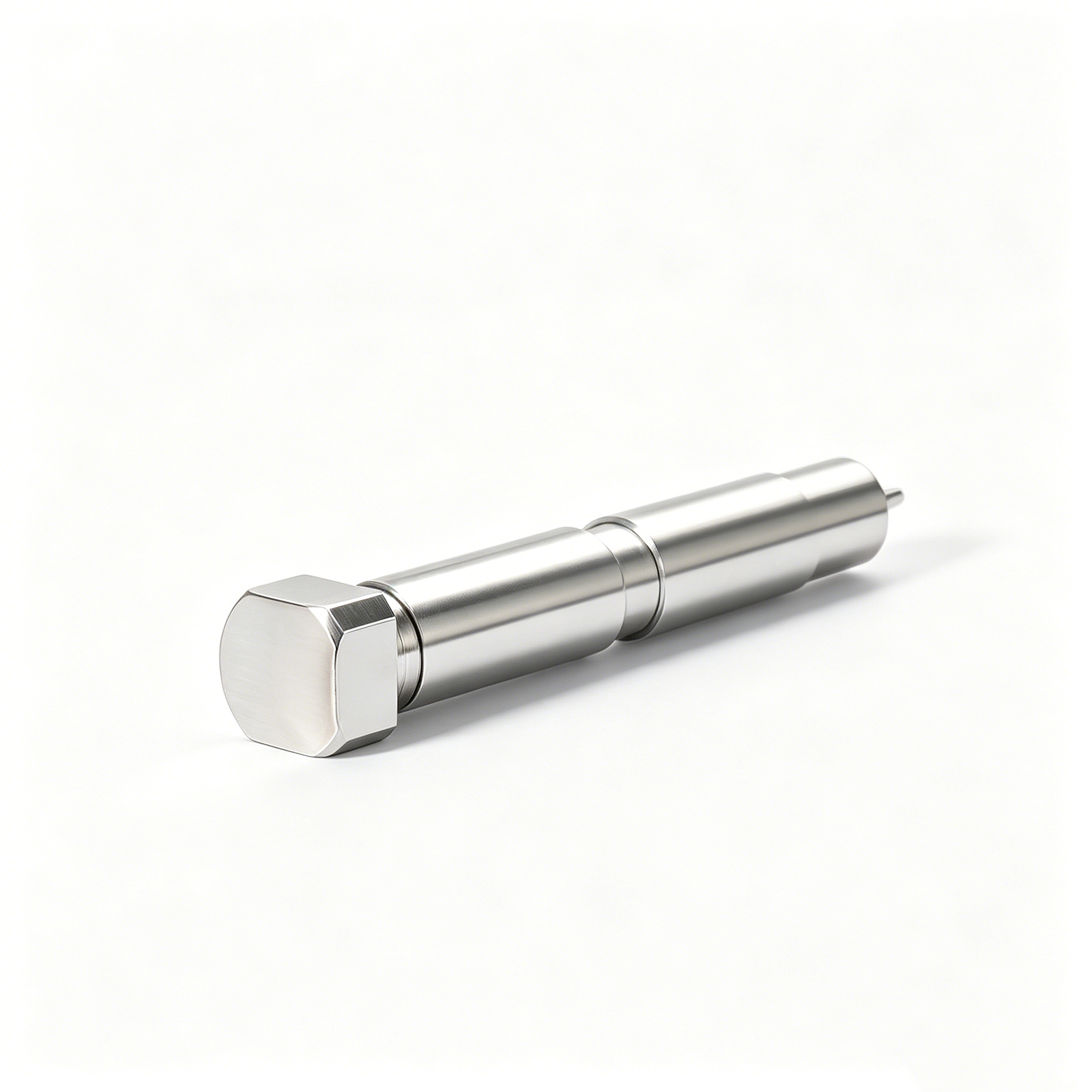
Guide pins, bushes and related alignment elements can be incorporated where the project drawing defines their interface, fit and operating role within a mold, fixture or precision assembly.

Locating Components
Dowel features, locating blocks and datum-referenced components support repeatable assembly. Provide mating-part information and critical positions so the locating strategy can be assessed during DFM review.

Gate Inserts
Gate inserts and related mold details may require coordinated machining, EDM and finishing. Drawing-defined geometry, material condition and surface requirements help establish an appropriate process route.

Fastener Interfaces
Tapped holes, counterbores, threaded inserts and fastening clearances should be specified with thread standard, engagement needs and access constraints to support practical machining and assembly.
Identification Labels
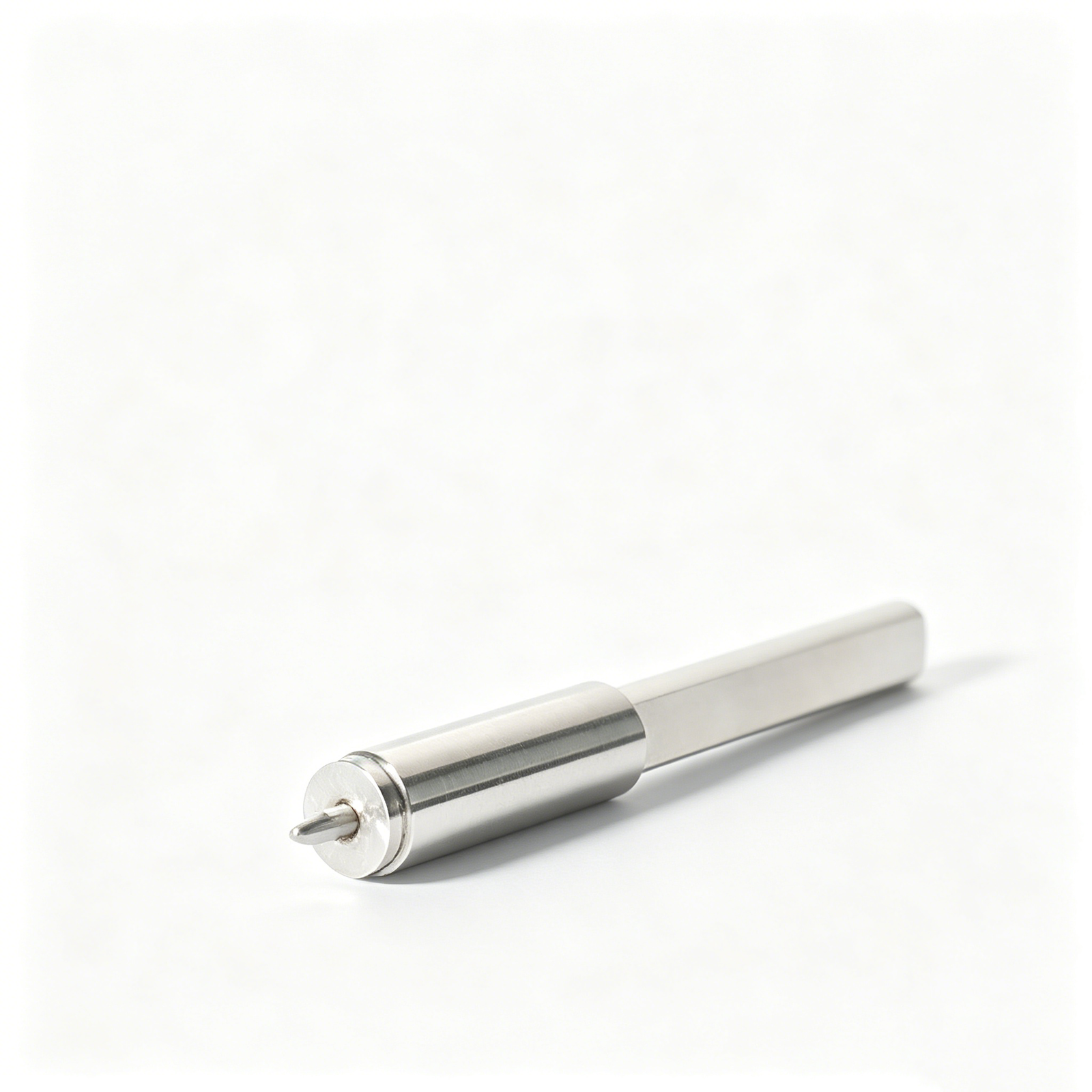
Part marks, revision identifiers and requested labels can be planned when their location, method and legibility requirements are included in the drawing package and inspection expectations.
About SUUXIANG Precision Manufacturing
SUUXIANG is the sole public-facing brand name of Dongguan SuuXiang Precision Mold Co., Ltd. Established in 2010 in Chang’an Town, Dongguan, Guangdong, China, the company was founded by XiaoCheng Huang, its legal representative. We help international engineering and sourcing teams turn drawings and specifications into inspected custom CNC parts, precision mold components, connector-tooling components, and die parts.
Our work combines CNC milling and turning, multi-axis machining, EDM, precision grinding, fitting and inspection. For cnc machining pei and other drawing-based projects, the production route is determined by the part’s material, critical dimensions, datum strategy, surface requirements, tool access and quality documentation needs.
What differentiates SUUXIANG is disciplined project review before commitments are made. We discuss DFM, tolerance stack, machining allowance, heat-treatment sequence, EDM or grinding requirements, inspection methods and revision control so buyers can align the manufacturing plan with the part’s functional risks before production begins.

CNC Machining PEI: From DFM to Inspection
Drawing-Led DFM Review
CNC machining PEI starts with the drawing, model, material condition, critical dimensions, datums, surface requirements, quantity, and delivery target. SUUXIANG reviews practical machining access and tolerance priorities before quotation so the proposed route reflects the part’s functional requirements.
- Identify critical-to-quality dimensions and datum relationships
- Review wall thickness, internal radii, and tool approach
- Confirm material, heat-treatment, and surface requirements
- Flag tolerance conflicts before production planning

Tool Access and Fixturing
PEI components can require careful support where thin sections, deep pockets, small features, or cosmetic faces are involved. The manufacturing plan considers clamping locations, cutter reach, chip evacuation, and finishing sequence to reduce distortion risk and protect functional surfaces.
- Plan workholding around protected functional faces
- Match cutter geometry to pockets and internal corners
- Evaluate reach limits for deep or narrow features
- Sequence roughing and finishing around part stability
EDM and Grinding Strategy
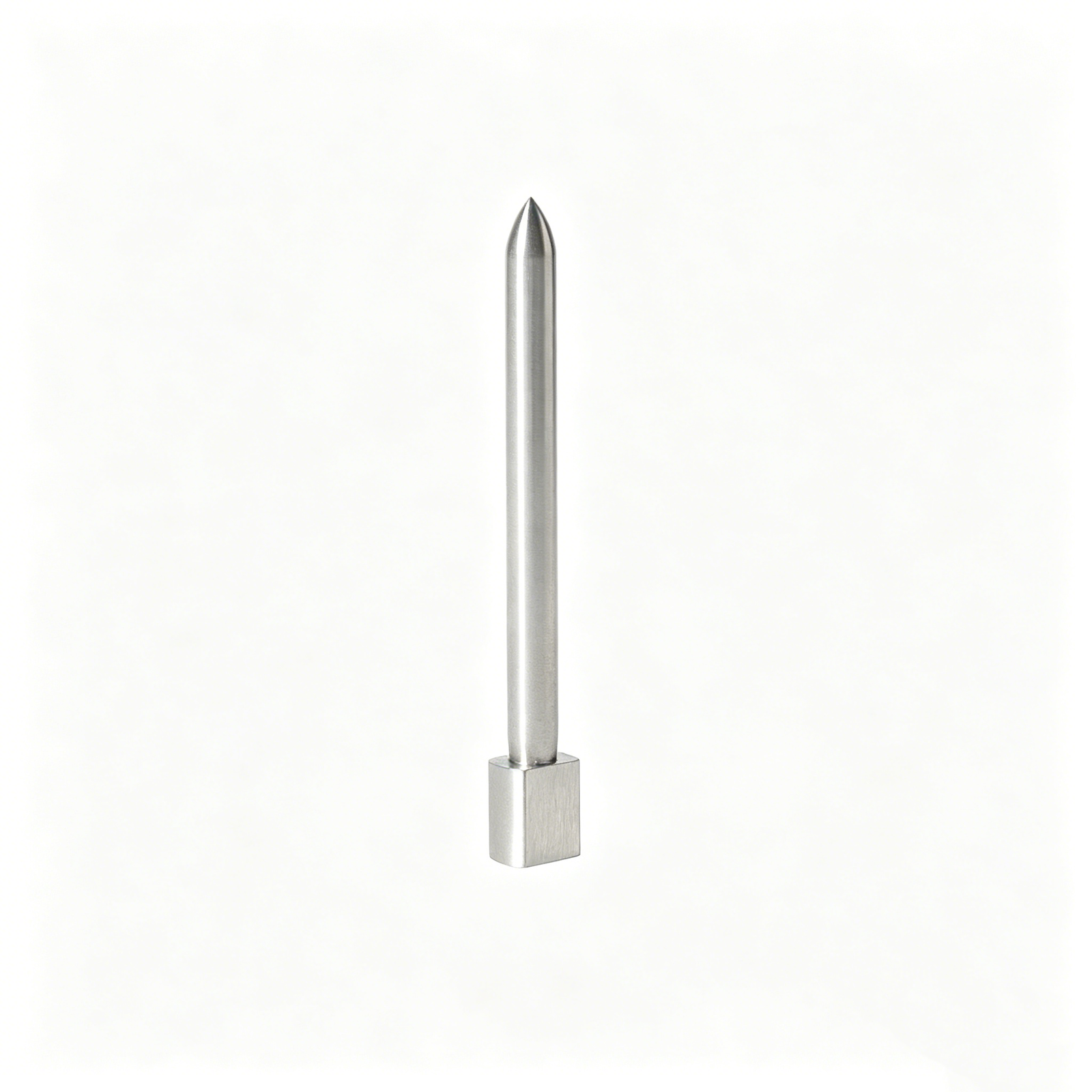
Where geometry or tolerance requirements cannot be addressed efficiently by milling alone, SUUXIANG evaluates wire EDM, sinker EDM, and precision grinding as part of the route. Electrode needs, wire paths, grinding stock, and transition surfaces should be agreed from the drawing.
- Assess EDM for inaccessible or fine internal geometry
- Define wire entry, exit, and allowable witness locations
- Reserve grinding stock for critical finished surfaces
- Coordinate process transitions against datum strategy
Inspection and Revision Control
Inspection planning follows the agreed critical dimensions, measurement method, and reporting requirement. SUUXIANG keeps drawing revisions, manufacturing instructions, and delivery information visible through the project, helping sourcing and quality teams compare received parts with the approved order documentation.
- Align inspection points with critical drawing dimensions
- Confirm required reports before production release
- Maintain revision visibility across project communication
- Match final documentation to the verified inspection plan

Why Choose SUUXIANG for CNC Machining PEI Projects
Compare drawing-review discipline, process planning and inspection evidence before selecting a precision-part supplier.
← Swipe left or right to view →
CNC Machining PEI: Drawing-to-Delivery Process
A controlled workflow for drawing-driven PEI parts, with technical decisions, inspection expectations, and revision status clarified before shipment coordination.
Review RFQ Package
We review drawings, models, PEI grade, quantity, application context, delivery target, and inspection requirements to identify missing information before quotation.
Plan DFM Route
Critical dimensions, datums, tool access, wall geometry, workholding, machining allowance, and suitable CNC, EDM, or grinding steps are reviewed for manufacturability.
Confirm Production Details
The agreed drawing revision, material requirements, process route, surface priorities, and inspection plan are kept visible before production work is released.
Machine Critical Features
CNC milling, turning, multi-axis machining, EDM, and precision grinding are applied as the approved part geometry and feature-access requirements demand.
Inspect and Document
Finished parts are inspected against the verified order requirements, focusing on critical dimensions, applicable surface requirements, traceability, and requested reporting.
Pack and Coordinate Shipment
After inspection release, parts are packed according to project needs and shipment coordination follows the confirmed delivery and documentation requirements.
Start Your CNC Machining PEI Project
Provide the technical inputs needed to review manufacturability, align quality expectations, and move a PEI component project into controlled production.
Submit Your Drawing Package
Upload the 2D drawing and available 3D model, then identify the part application, quantity, target delivery date, and any mating-component context.
Define Material and Quality
Specify PEI grade, material source requirements, heat-treatment needs where applicable, critical dimensions, datums, surface expectations, and required inspection reports before quotation.
Review DFM and Quotation
Confirm the proposed process route, machining access, workholding approach, tolerance risks, inspection plan, revision level, commercial scope, and delivery assumptions with SUUXIANG.
Approve Samples and Proceed
Approve first-article or sample requirements when needed, resolve open technical points, then release the controlled revision for scheduled production and final inspection.
Certification and Quality Documentation for CNC Machining PEI
CNC Machining PEI Project-Review Policy
Customer-approved PEI project feedback will be published only when the corresponding drawing revision, inspection record, and outcome are cleared for release.
No performance or delivery outcome is presented here without a documented project record and customer permission to identify the applicable production scope.
For a current PEI machining inquiry, submit the drawing, critical dimensions, material requirements, and inspection expectations so SUUXIANG can review the proposed manufacturing route before quotation.
cnc machining pei FAQ
Practical answers for drawing-based PEI part inquiries, from technical review through inspection and delivery coordination.
What information do you need to quote cnc machining pei parts?
Is there a minimum order quantity for cnc machining pei?
Can SUUXIANG review my PEI part drawing before production?
How long do PEI samples and production orders take?
What inspection reports are available for cnc machining pei orders?
How are drawing revisions controlled during a CNC project?
Can you protect drawings and project information for cnc machining pei parts?
How are payment and international shipping arranged?
Complete Buyer’s Guide to cnc machining pei
Use a practical decision framework to specify PEI parts, compare grades and machining methods, qualify capable suppliers, control cost and lead time, and avoid the design and sourcing mistakes that compromise precision.
1. What Is cnc machining pei?
Polyetherimide (PEI) is an amorphous high-performance thermoplastic machined by CNC milling, turning, drilling, or related operations from qualified stock. ULTEM is a widely used trade name association, but an RFQ should specify the exact PEI grade, form, color, and any filled or compliance requirement rather than using the trade name as the complete material definition.
Confirm service-temperature requirements against the selected grade’s current datasheet before design release. Buyers select machined PEI when heat resistance, stiffness, electrical insulation, and dimensional stability matter in fixtures, insulators, housings, or tooling-adjacent components.
Low-volume quantities often favor CNC machining because dimensions can be revised from the drawing without dedicated injection-mold tooling. Molded production can become more suitable at validated higher volumes, but it requires part geometry, tooling design, material processing, and production economics to be assessed separately.
2. Evolution of cnc machining pei
Polyetherimide (PEI), commercially known in many applications as ULTEM, emerged as a high-performance amorphous thermoplastic for parts needing heat resistance, rigidity, and electrical insulation. Its early use favored formed components; machining became valuable where the geometry, quantity, or revision did not justify dedicated molding tooling.
Three-, four-, and five-axis milling expanded access to compound pockets, angled features, and thin-wall housings, while CNC turning supported concentric features and repeatable datum control. Sharp tooling, controlled heat input, staged stock removal, and suitable workholding help limit edge damage and distortion during cnc machining pei. Reference: https://www.yycncmachining.com/cnc-plastic/pei-cnc-machining
Today, drawing-based DFM and inspection planning make PEI practical for prototypes, production fixtures, connector-related housings, and low-volume precision components. Before release, buyers should define critical dimensions, datums, wall sections, mating conditions, material grade, cosmetic expectations, and required reporting so the machining and inspection route can be reviewed against the actual part.
3. Types of cnc machining pei
PEI parts are routed by geometry, datum access, and the number of faces requiring controlled relationships. Selecting the route before quotation exposes setups, fixturing risk, and secondary-operation needs.
Three-Axis Milling
Three-axis milling suits plates, pockets, slots, and features reachable from one fixture direction. It is economical for prismatic PEI parts, but deep narrow pockets and multiple-face datums may require refixturing; ask which critical dimensions cross setups.
Four- And Five-Axis Milling
Four- and five-axis milling serve angled holes, compound contours, and features around several faces. Fewer setups can protect datum relationships, but cutter reach, collision clearance, and thin-wall support still govern; ask whether all critical geometry finishes in one clamping.
Turning And Mill-Turn
CNC turning suits rotational PEI geometry such as bushings, rings, and stepped diameters. Mill-turn adds flats, holes, and cross-features without a transfer, but interrupted cuts and thin sections need a workholding review; ask whether concentricity survives handling.
Secondary Operations
Secondary operations include deburring, drilling, reaming, tapping, engraving, and inspection after primary machining. PEI edges can be damaged by aggressive handling, so define cosmetic edges and datum-based measurement; ask which operation establishes final acceptance.
4. PEI Grades and Material Options
PEI selection starts with the resin grade, not the generic material name. For cnc machining pei, compare the supplier’s current data sheet against the drawing’s functional, electrical, cosmetic, and stability requirements.
| Option | Stiffness | Machinability | Electrical Behavior | Appearance |
|---|---|---|---|---|
| Unfilled PEI | Balanced | Generally cleaner | Dielectric | Amber, uniform |
| Glass-filled PEI | Higher | More abrasive | Grade dependent | Fiber texture possible |
| ESD/carbon-modified | Grade dependent | Grade dependent | Charge dissipative or conductive | Usually dark |
| Pigmented PEI | Base-grade dependent | Base-grade dependent | Base-grade dependent | Color variation possible |
Unfilled PEI
ULTEM 1000-type unfilled PEI generally offers balanced machinability, dielectric behavior, and a more uniform machined appearance. It is usually the starting point where stiffness is needed without fiber-related tool wear.
Drawing notes should identify the exact grade and stock condition, including annealed status when dimensional stability is critical.
Filled And ESD Grades
30% glass-filled PEI increases stiffness and can improve stability, but fibers can reduce surface quality and accelerate cutter wear. Carbon-modified or ESD grades address charge-control requirements, yet their electrical range and color must be confirmed by data sheet.
Approved substitutions must never assume equivalent electrical or mechanical performance.
Color And Compliance
Black, amber, and pigmented grades can machine to visibly different textures. Specify color, pigment restrictions, flame, traceability, and compliance requirements directly in the purchase specification.
5. Finishing Options for cnc machining pei
PEI finishing should be specified from the part’s function, datum scheme, and visible surfaces—not selected after machining. Separate dimensional requirements from cosmetic preferences in the drawing and RFQ.
| Request | Primary Effect | Buyer Control |
|---|---|---|
| As-machined | Geometry retained | Call out critical surfaces |
| Cosmetic finish pass | Appearance may change | Define show faces and acceptance sample |
| Deburr or edge break | Corners change | Set locations and maximum break |
| Marking and packaging | Traceability and protection | Specify method, content, and cleanliness |
Functional Surface Requirements
As-machined faces preserve the programmed geometry and are usually appropriate for concealed, mating, or non-contact surfaces. Define any critical roughness, sealing condition, or contact area by drawing callout rather than a general ‘smooth finish’ note.
Edges And Inserts
Edge breaks and deburring remove sharp handling hazards, but their size can change a functional corner or lead-in. Specify controlled breaks only where needed, and identify insert type, thread, installation side, pull-out concerns, and any keep-out dimensions.
Cosmetics And Protection
A light controlled finish pass can make a designated show surface more uniform, while aggressive polishing can round edges or alter texture. Avoid unspecified heat exposure, and state cleaning, particulate limits, protective film, bagging, labeling, and orientation requirements before production.
6. Quality Elements in cnc machining pei
PEI parts depend on a drawing that defines functional datums, critical features, and inspection evidence before cutting begins. CNC machining PEI DFM should treat thin sections, sharp transitions, and thermal input as linked quality risks.
Datums And Tolerances
Datum A, B, and C should reflect the mating assembly, not merely convenient stock faces. Identify critical dimensions, geometric controls, measurement method, and any functional gage requirement on the drawing.
- Mark CTQ features separately from general tolerances
- Specify datum order for setup and inspection
- Provide the native CAD model with drawing revision
Geometry And Fixturing
PEI is notch-sensitive, so internal corners need radii compatible with cutter access and application loads. Thin walls can distort when clamped or machined asymmetrically; communicate minimum wall zones, cosmetic faces, and allowable witness locations.
- Avoid undefined sharp internal corners
- Show clamping-prohibited and sealing surfaces
- Allow stock for stable finishing passes
Thermal Control And Inspection
Heat management requires sharp tooling, controlled chip load, staged removal, and fixturing that limits local stress. State whether moisture conditioning is required, define burr limits, and align first-article and final inspection records to the approved revision.
- Name material grade and conditioning condition
- Set edge-break or burr acceptance criteria
- List report format and sampled features
7. Choosing a cnc machining pei Supplier
Two files—the controlled 2D drawing and 3D model—should anchor a cnc machining pei supplier review. Compare documented engineering responses and production evidence, not broad claims about precision or capacity.
Review Engineering Response
Three RFQ details matter immediately: PEI grade, critical datums, and quantity. Ask how the supplier will fixture thin walls, control heat, and sequence roughing and finishing.
One written DFM response should identify access limits, holding points, and revision conflicts before release. A generic quotation without those specifics is not evidence of process understanding.
Verify Material And Inspection
One material lot should remain traceable to its purchase record and stated grade. Request the material designation, lot reference, and any required conditioning or annealing record.
First-article results should identify drawing revision, measured features, gauges, and acceptance criteria. Ask for a sample inspection report rather than accepting an unsupported tolerance claim.
Test Program Communication
Three program stages need different controls: prototype, bridge work, and repeat low-volume supply. Confirm sample approval, packaging protection, quoted lead-time assumptions, and the response path for a nonconformance.
Two practical RFQ questions are: Which dimensions will be reported, and who owns corrective-action closure? Clear answers show whether revision control can survive repeat orders.
8. Common PEI Sourcing Mistakes
PEI sourcing errors usually begin before the first toolpath: the drawing leaves material, function, or acceptance criteria open to interpretation. For cnc machining pei, correcting those gaps during review is cheaper than correcting finished parts.
Name The Exact Material
ULTEM is a trade name, not a complete material callout. Specify the PEI grade, filler content, color, stock form, certification needs, and annealed or as-received condition; otherwise machining behavior and delivered properties may differ.
PEI stock condition affects movement after material removal. State any conditioning requirement and identify critical datums so the supplier can plan roughing, stabilization, finishing, and inspection.
Design For Polymer Machining
Sharp internal corners copied from metal parts concentrate stress and force undersized tools, increasing cycle time and breakage risk. Add functional radii and confirm tool access before release.
Noncritical tight tolerances raise inspection and machining cost without improving assembly. Mark CTQ features, datum relationships, insert locations, mating interfaces, and allowable assembly variation.
Match Finish And Quote Scope
PEI cannot accept every cosmetic or surface-treatment expectation used for metal. Define the required texture, edge-break limit, color expectation, and permitted machining marks on drawing-controlled surfaces.
Quote comparisons fail when quantities, material traceability, programming, inspection reports, inserts, finishing, packaging, and delivery terms differ. Use one RFQ package and request exceptions in writing before comparing total cost and lead time.
9. Launching a PEI Part Program
1. Begin cnc machining pei launches with a controlled requirements package, not a quotation alone. Design, quality, and program owners should agree each release gate before material is cut.
Define The Release Package
2. Issue the native CAD model, dimensioned drawing, revision identifier, quantity, application context, and target date. Mark critical dimensions, datums, surface requirements, threaded features, and mating interfaces; state whether the drawing or model governs.
Close DFM And Material Decisions
3. Review tool access, thin sections, internal radii, workholding, machining allowance, and inspection access before release. Approve the exact PEI grade and any conditioning, color, traceability, or cleanliness requirement in writing.
Qualify The First Build
4. Define the first-article lot, measurement method, report format, and acceptance path before production. Compare results with the released revision, record deviations and concessions, then authorize a pilot build only after cross-functional feedback is closed.
Control Repeat Orders
5. Freeze the approved drawing revision, inspection plan, packing method, part labeling, and delivery instructions for repeat orders. Route every change through documented revision control so purchasing does not reorder against an obsolete file.
10. cnc machining pei Pricing and Cost
1 quotation for cnc machining pei should separate material, programming, fixturing, machining, finishing, and inspection rather than implying a fixed unit price. Geometry, PEI grade, tolerance zones, setups, surface requirements, and reporting depth determine the cost route.
2 drawing-review actions usually lower avoidable cost before release: identify critical dimensions, use functional datums, allow realistic internal radii, and state cosmetic limits. Confirmed volume and revision control help a supplier schedule material, inspection, and deliveries appropriately.
| Quantity tier | Major cost drivers | Lead-time influences | Buyer action |
|---|---|---|---|
| 1–5 prototypes | Programming, setup, complex geometry | Material availability; first-article inspection | Provide 2D drawing, 3D model, and CTQs |
| 6–25 parts | Multiple setups; tight tolerances | Fixture approach; inspection points | Combine compatible features and tolerances |
| 26–100 parts | Cycle time; PEI grade; finishing | Stock allocation; batch inspection | Freeze revision and specify acceptance evidence |
| 100+ parts | Repeatable fixturing; total cycle time | Capacity planning; delivery split | Request a volume-based process review |
Start Your CNC Machining PEI Technical Review
Upload drawings with PEI grade, quantity, critical dimensions, inspection requirements, and target delivery date for a disciplined RFQ review.