
CNC Machining PMMA for Precision Parts
Send your drawing for cnc machining pmma with DFM review, critical-dimension planning, and inspection requirements aligned before production.
Representative Tooling and Component Work



Related Product Catalogue and Quotation




Why Choose PMMA CNC Machining for Precision Work
SUUXIANG reviews the drawing, process risks, critical features and inspection needs before production planning begins.
Drawing-Led DFM Review
Review geometry, datums, wall conditions and tool access early to identify manufacturability questions before quotation and release.
Process-Route Planning
Plan milling, turning, drilling and finishing around part geometry, PMMA handling requirements and the agreed surface priorities.
Critical-Dimension Focus
Define critical dimensions, tolerance relationships and datum references so machining and inspection address the features that govern function.
Surface Requirement Review
Align machining allowance, toolpath choices and finishing expectations with visible surfaces, mating areas and requested optical appearance.
Inspection Plan Alignment
Confirm measurement methods, reporting requirements and acceptance criteria against the drawing before CNC machining PMMA parts proceed.
Revision Visibility
Maintain clear revision, drawing and delivery communication to help project teams control changes throughout the manufacturing workflow.
PMMA Applications and Component Families
Drawing-driven process routes for PMMA prototypes, precision components, tooling, fixtures, and application-specific parts, reviewed for critical dimensions and inspection requirements.

CNC Machining Services
Precision CNC machining services for custom PMMA parts begin with drawing review, material grade, transparency requirements, critical dimensions, and intended use. Process planning considers tool access, fixturing, edge condition, stress risk, and inspection needs before production commitments are made.
Upload a Drawing
CNC Milling
Custom CNC milling services support PMMA plates, covers, optical-adjacent housings, fixtures, and machined profiles. Toolpaths, workholding, cutter selection, and machining sequence are reviewed to protect surfaces, manage thin features, and maintain specified datums.
Upload a Drawing
CNC Turning
Precision CNC turning services produce PMMA cylindrical parts such as sleeves, bushings, collars, lenses, and instrument housings when geometry permits. Diameter tolerances, concentricity, wall thickness, surface condition, and chucking strategy should be defined in the drawing review.
Upload a Drawing
5-Axis Machining
5-axis CNC machining helps access compound PMMA geometries, angled features, contoured housings, and multi-face parts with fewer setups. The route is evaluated against clamp locations, tool reach, surface requirements, thin-wall stability, and inspection datums.
Upload a Drawing
Swiss & Micro Machining
Swiss machining and micro machining support small PMMA pins, sleeves, miniature spacers, and compact connector-related components where diameter control and feature handling matter. Feasibility depends on part geometry, material behavior, holding method, quantity, and inspection approach.
Upload a Drawing
Wire & Sinker EDM
Wire EDM and sinker EDM services are applied to conductive tooling materials rather than PMMA itself. They support electrodes, mold inserts, precision cavities, and hard-material details used to produce or validate PMMA molded-component applications.
Upload a Drawing
Precision Grinding
Precision surface and profile grinding establishes controlled flatness, parallelism, profile condition, and fitting surfaces on steel tooling and mold components. Grinding stock, heat-treatment sequence, datum strategy, and inspection points require review before the route is finalized.
Upload a Drawing
Precision Mold Core and Cavity Inserts
Precision mold core inserts and mold cavity inserts support PMMA molding where optical surfaces, thin walls, gates, and shrinkage-sensitive features influence tool design. Provide resin grade, part geometry, surface expectations, production context, and critical dimensions for review.
Upload a Drawing
Ejector & Ejection Components
Ejector pins, sleeves, and ejection components are selected and machined for controlled part release from PMMA molds. Ejection location, venting, draft, surface sensitivity, and witness-mark limits should be considered alongside material, hardness, and fitting requirements.
Upload a Drawing
Core Pins, Guide & Locating Components
Core pins, guide pins, and locating components establish repeatable mold alignment and feature formation for PMMA tooling. Drawing review should identify fit classes, positional tolerances, wear conditions, heat treatment, and the mating components that govern assembly performance.
Upload a Drawing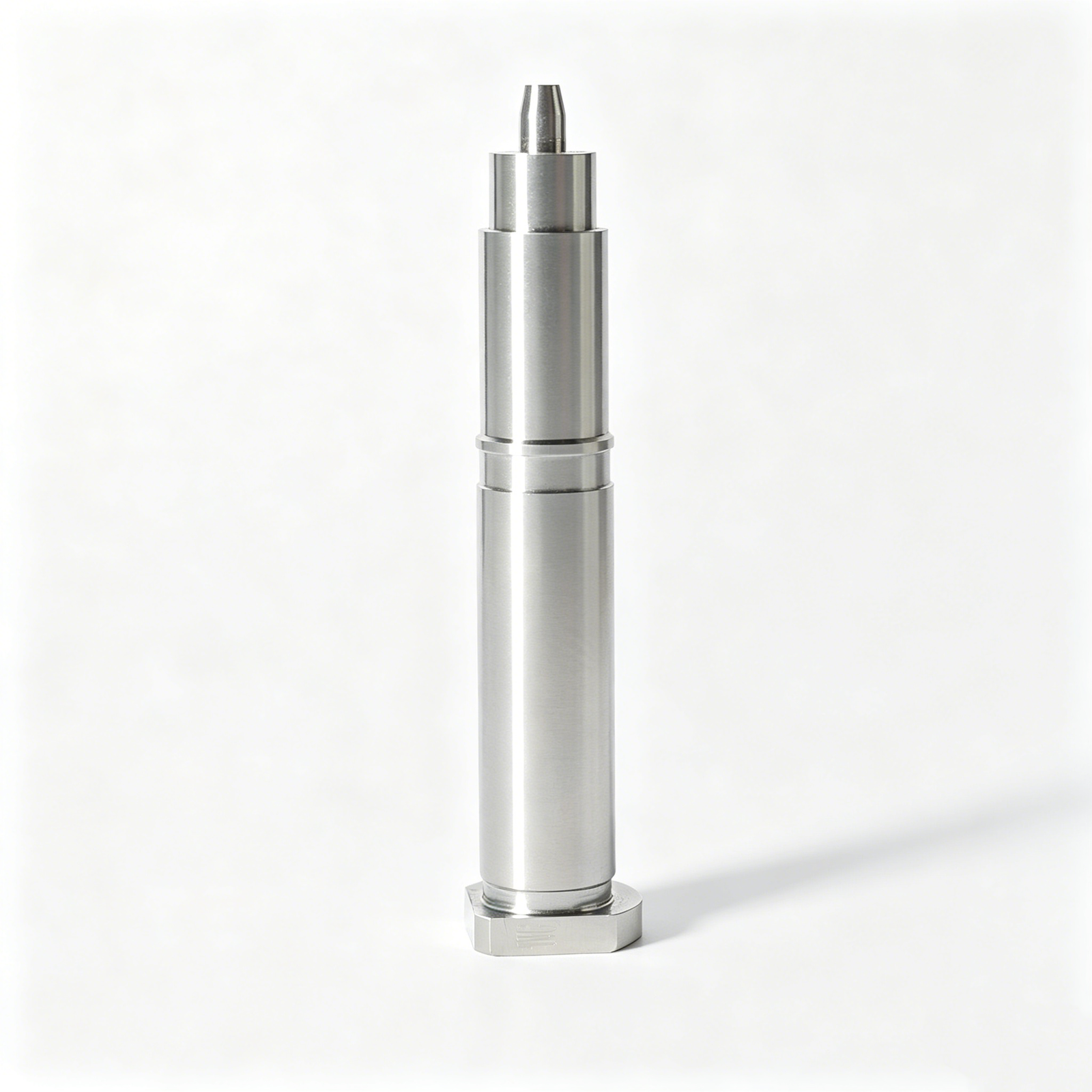
Slides, Lifters, Gates & Mold Accessories
Mold slides, lifters, gates, and accessories address undercuts, part release, resin flow, and tool operation in PMMA molding applications. Their design must account for travel, sealing faces, wear surfaces, gate vestige, venting, and maintenance access.
Upload a Drawing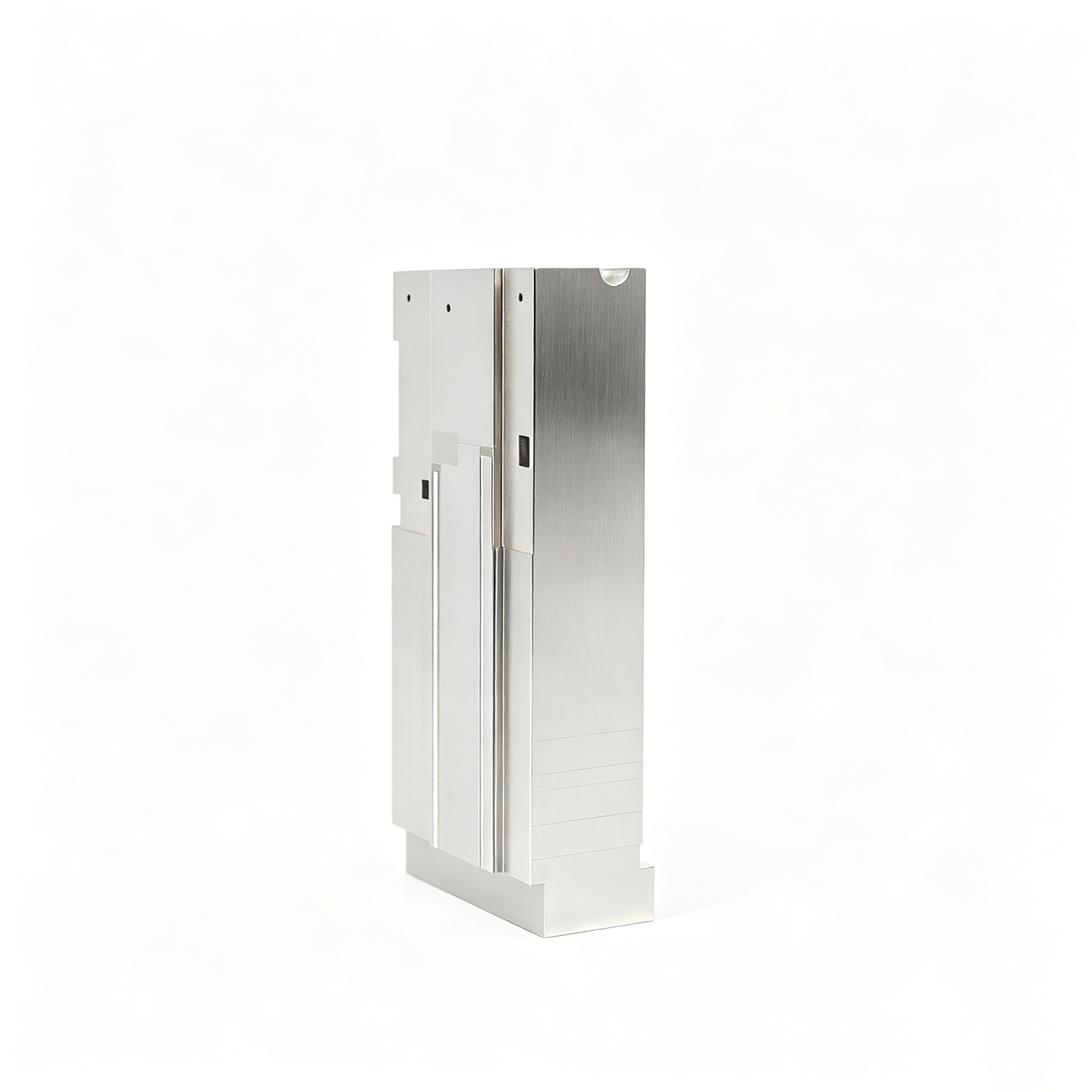
Connector Mold Components
Precision connector mold components support fine-pitch and geometry-sensitive tooling for connector-related PMMA or transparent polymer applications. Core details, inserts, locating features, EDM strategy, and inspection requirements are reviewed against mating-part and molding constraints.
Upload a Drawing
Stamping Die Components
Precision stamping die components include punches, dies, guides, plates, and locating elements for related metal-forming operations. Material, hardness, clearance, grind condition, coating requirements, and assembly datums should be specified so the manufacturing route matches the tool function.
Upload a Drawing
Injection Mold Components and Tooling
Injection, MIM, CIM, and overmolding tooling components are assessed within verified production scope. For PMMA applications, tool design discussions should address resin behavior, gate and vent strategy, shrinkage assumptions, surface finish, ejection, and component interfaces.
Upload a Drawing
Machining Materials
CNC machining materials are chosen according to function, environment, appearance, and manufacturability. For PMMA parts, specify grade, color or transparency, flame or UV requirements where applicable, thickness, stress-cracking concerns, and any material traceability needed.
Upload a Drawing
Surface Finishes & Heat Treatment
Surface finishing and heat treatment apply primarily to metal tooling and mold components supporting PMMA production. Requirements may include polishing, texture preparation, coatings, stress relief, or hardening; sequence and acceptance criteria must match the drawing and application.
Upload a Drawing
Quality, Metrology & Documentation
Precision inspection, metrology, and quality documentation are planned around critical PMMA dimensions, cosmetic surfaces, and tooling interfaces. The agreed method may include dimensional reports, first-article evidence, material records, revision tracking, and documentation aligned with the order.
Upload a Drawing
Prototyping & Low-Volume Production
Rapid prototyping and low-volume manufacturing support PMMA design validation, fixture development, functional evaluation, and bridge requirements. An effective RFQ includes drawings, models, material grade, quantity, critical dimensions, surface priorities, delivery target, and required inspection evidence.
Upload a DrawingCNC Machining PMMA Material Options

Clear Cast PMMA
A transparent sheet or block option for covers, windows, display elements, and inspection fixtures. Its machining response, required edge finish, thickness, and optical expectations should be reviewed against the drawing before process planning.

Clear Extruded PMMA
A transparent PMMA option often considered for cost-sensitive covers, guards, and fabricated assemblies. Confirm dimensional requirements, machining features, stress-sensitive areas, and final appearance criteria before using it for drawing-based production.

Colored PMMA Stock
Pigmented PMMA can support housings, panels, identification features, and visual differentiation where transparency is not the primary function. Specify color reference, thickness, surface condition, critical dimensions, and any mating-component requirements in the RFQ.

Frosted PMMA Sheet
A translucent material option for light-diffusing covers, privacy panels, and equipment interfaces. Define the required face texture, visible and hidden surfaces, edge treatment, feature locations, and inspection priorities before CNC machining begins.

Impact Modified PMMA
A modified PMMA option to evaluate when a component needs acrylic appearance alongside application-specific toughness considerations. Provide service conditions, transparency needs, wall geometry, fastening details, and drawing tolerances for a responsible material review.
CNC Machining PMMA: Supported Manufacturing Processes

CNC Milling
Multi-axis milling shapes PMMA plates, pockets, contours, slots, and mounting features. Tool access, clamping strategy, chip control, and heat management are reviewed to help protect edge quality and dimensional stability.

CNC Turning
Turning supports rotational PMMA features such as diameters, steps, bores, and threaded interfaces where the part geometry is suitable. The drawing review considers concentricity, workholding, wall thickness, and finish priorities.

EDM Support
Wire or sinker EDM may support associated precision tooling, mold components, or difficult feature geometry when the specified material and design require it. Electrode strategy, wire path, and subsequent finishing are confirmed project by project.
Precision Grinding
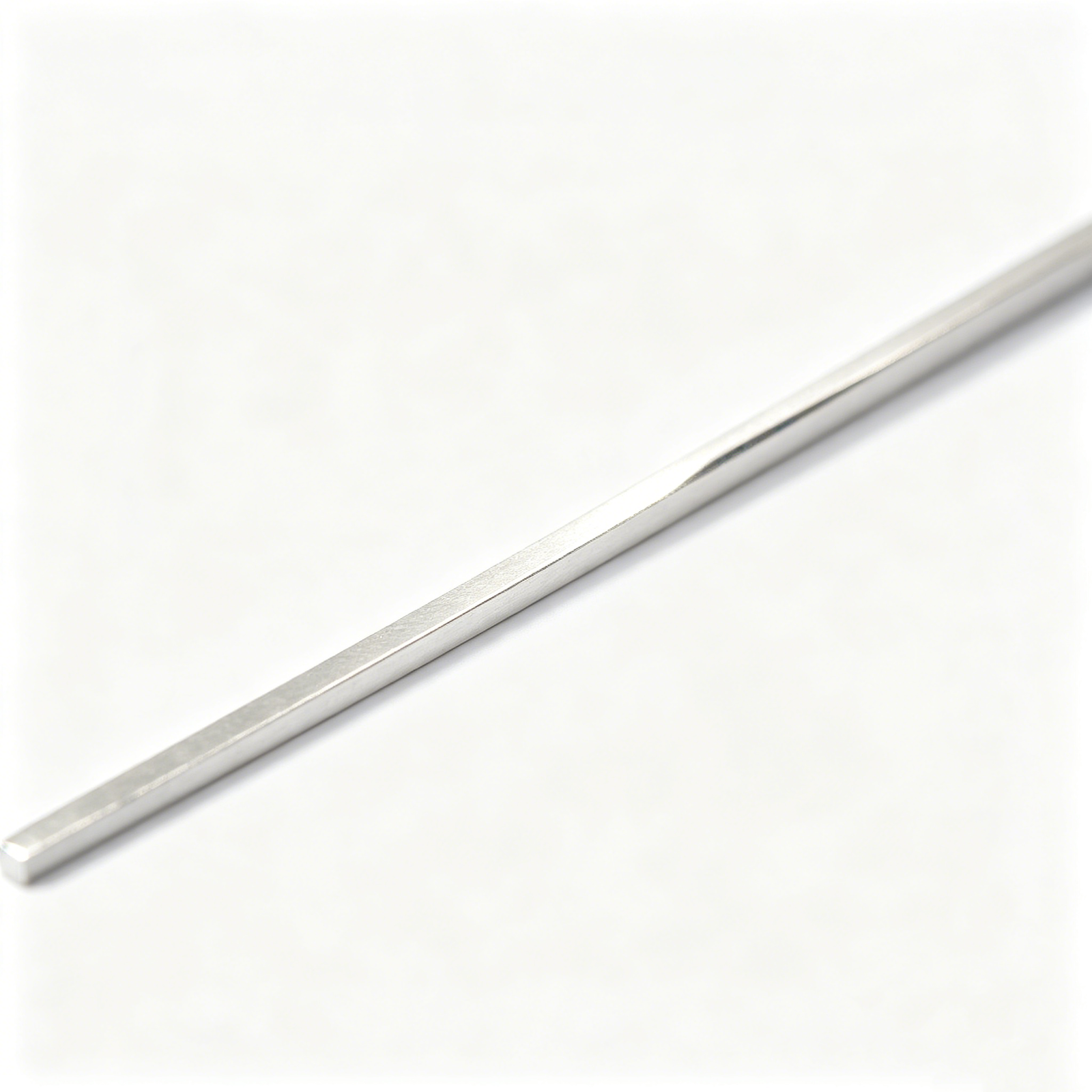
Grinding is considered for applicable mating components and tooling surfaces that require controlled stock removal or fine geometry. Grinding allowance, datum sequence, material condition, and inspection method must be defined before production.

Fitting Inspection
Fitting and inspection verify functional relationships, critical dimensions, datum-based measurements, and documented requirements before shipment. The inspection plan is aligned with the drawing revision, agreed quality expectations, and available measurement evidence.
CNC Machining PMMA Assembly Features
Threaded Inserts
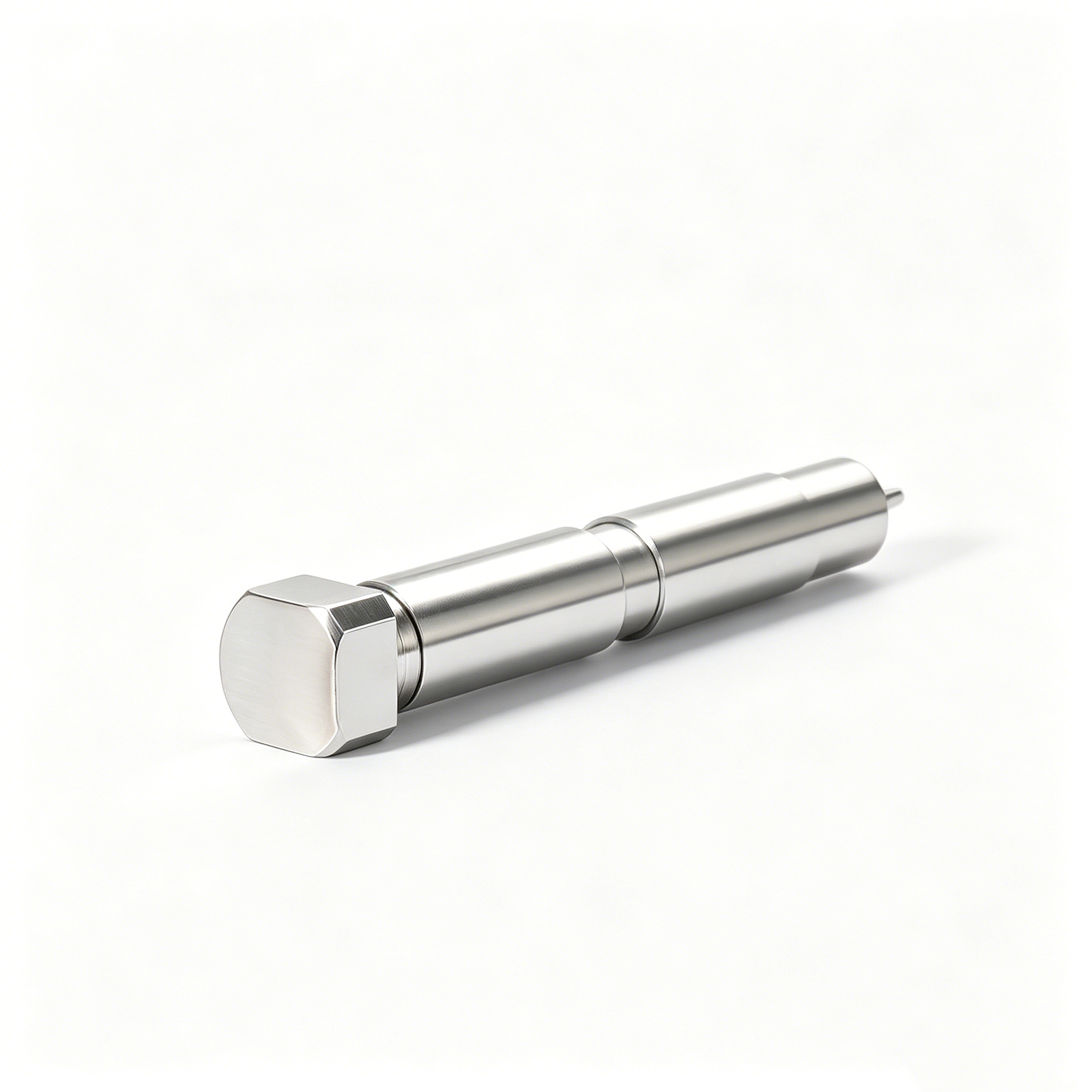
Specify insert type, size, installation direction, pull-out considerations, and any surrounding wall constraints. For cnc machining pmma parts, the drawing should identify whether inserts are supplied, installed, or excluded from the project scope.

Threaded Holes
Call out thread standard, class, engagement depth, datum relationship, and whether the thread is functional or for temporary fixturing. Early review helps assess wall thickness, access, and the risk of local stress concentration.

Locating Features
Use dowel holes, shoulders, slots, or reference faces only where mating parts require repeatable position. Define the controlling datums and inspection method so machining and assembly teams evaluate location requirements from the same reference scheme.

Fastener Interfaces
Document clearance holes, counterbores, countersinks, captive-hardware requirements, and fastening sequence when they affect part geometry. Include the mating fastener and assembly context where it determines fit, tool access, or feature orientation.
Identification Labels
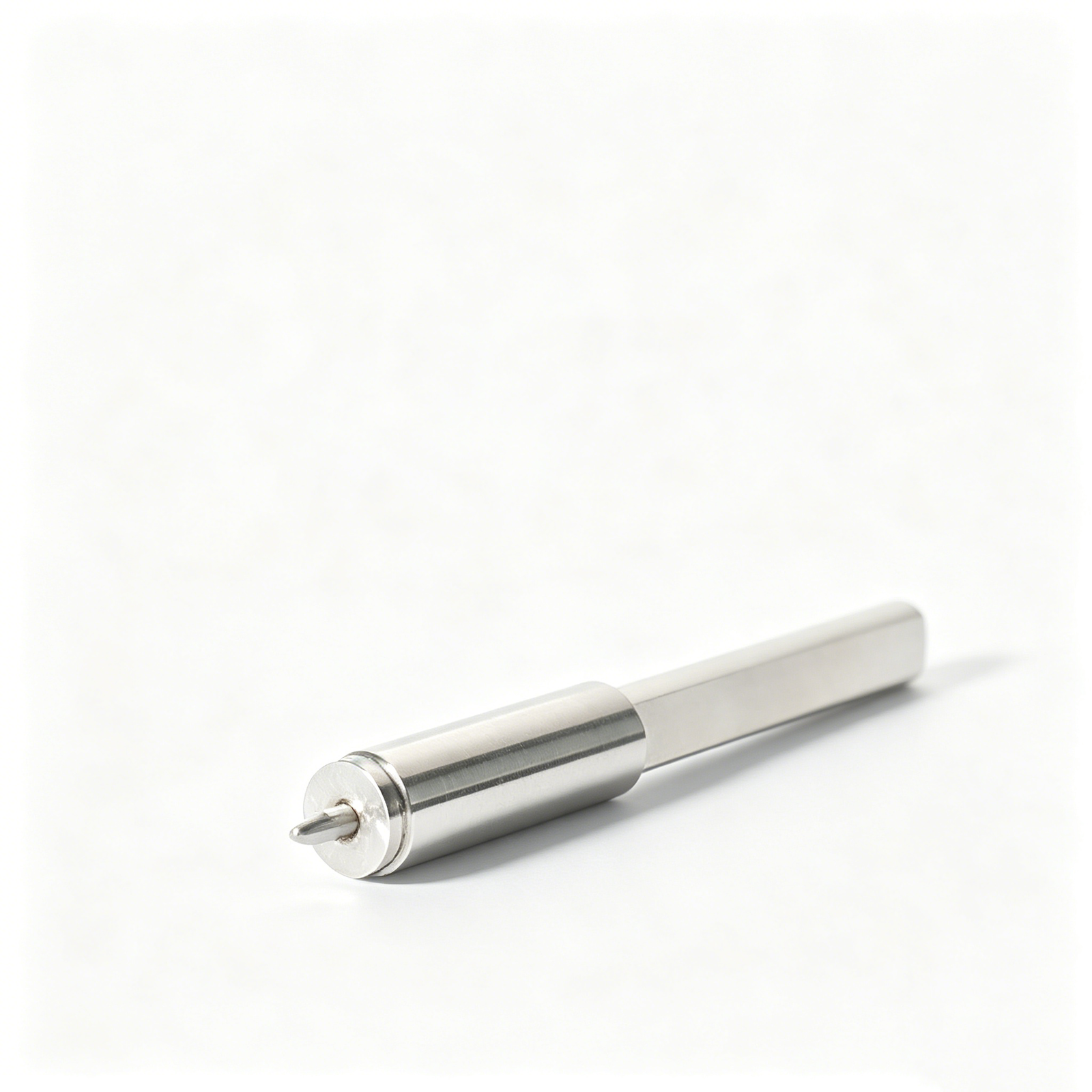
For labels, engraving, serial marks, or orientation indicators, provide content, location, size, contrast expectations, and durability needs. Treat these as defined drawing requirements, not assumed additions, particularly when they affect visible surfaces.
About SUUXIANG Precision Manufacturing
SUUXIANG is the public-facing brand of Dongguan SuuXiang Precision Mold Co., Ltd., established in 2010 in Chang’an Town, Dongguan, Guangdong, China. We help international engineering, sourcing, and quality teams turn drawings and specifications into inspected custom parts, precision mold components, connector tooling, and die components.
Our drawing-driven workflow combines CNC milling and turning, multi-axis machining, EDM, precision grinding, fitting, and inspection. For cnc machining pmma and other custom work within our verified scope, each review considers critical dimensions, datums, tool access, surface requirements, material conditions, and the inspection evidence required before production commitments are made.
What differentiates SUUXIANG is disciplined project coordination from DFM through revision control and final documentation. We do not treat a drawing as a generic quotation input: we use it to clarify process route, machining risk, quality priorities, and delivery expectations so the manufacturing plan aligns with the ordered requirement.

CNC Machining PMMA: Drawing-to-Inspection Control
DFM and Datum Review
Before quotation, SUUXIANG reviews the drawing, 3D model, critical dimensions, datum scheme, wall transitions, and surface priorities for cnc machining pmma. This creates a clearer basis for fixturing, tool selection, inspection planning, and discussion of manufacturability risks.
- Identify critical-to-quality dimensions and functional surfaces
- Confirm datum references before toolpath planning
- Review thin sections, pockets, holes, and corner conditions
- Clarify material, quantity, and documentation requirements

Machining Access Strategy
PMMA part geometry should be evaluated for cutter reach, holding locations, tool deflection risk, chip evacuation, and visible cosmetic surfaces. SUUXIANG uses the drawing review to align the machining sequence with accessible features and the customer’s dimensional and appearance priorities.
- Plan holding surfaces and clamp-sensitive areas
- Assess tool reach for deep pockets and narrow features
- Separate cosmetic faces from practical workholding locations
- Discuss radii, edge conditions, and machining allowances
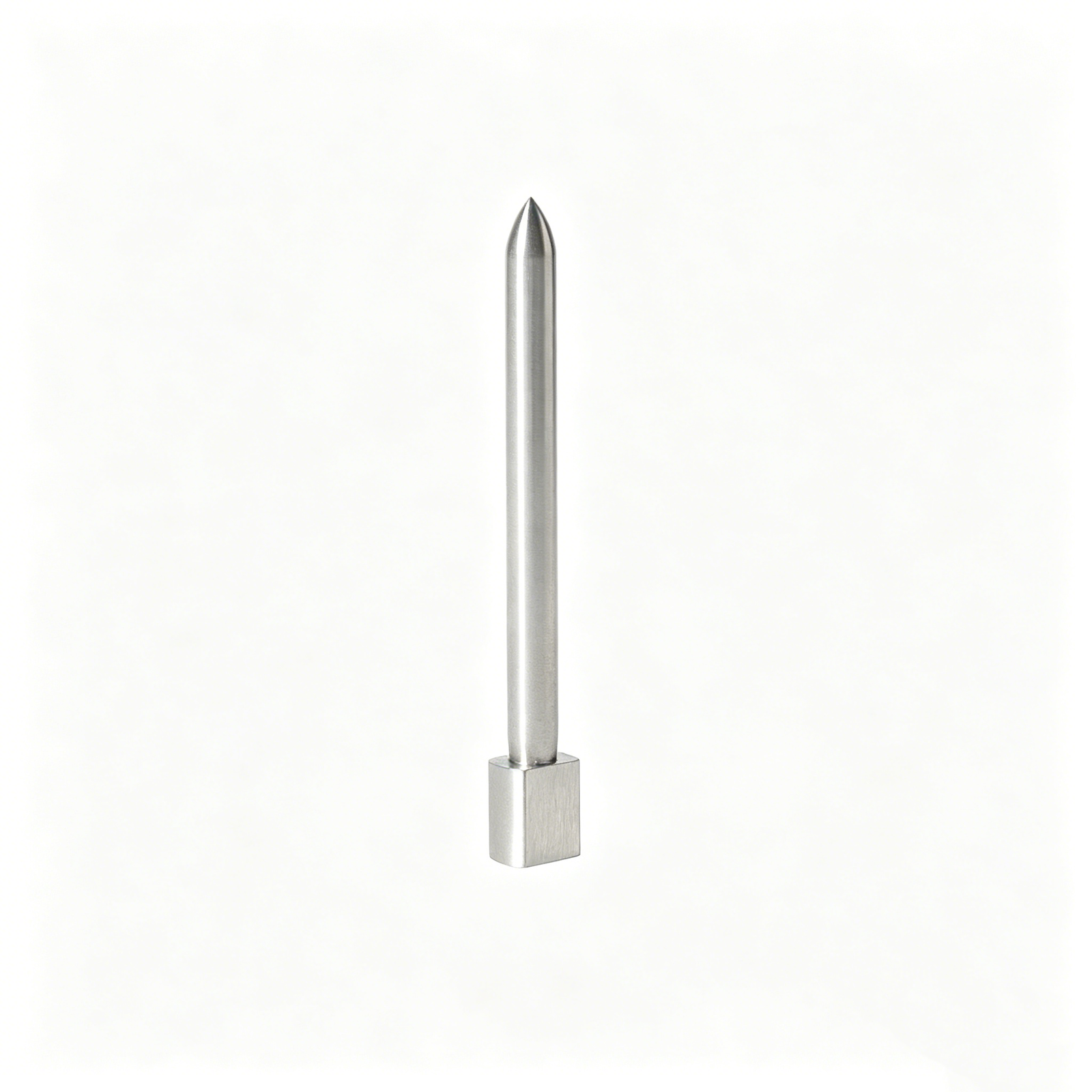
EDM and Grinding Planning
Where a PMMA-related tooling component or mating precision part requires EDM or grinding, the process route should be defined from the drawing rather than assumed. Electrode strategy, wire path, grinding stock, heat-treatment sequence, and final inspection points require project-specific review.
- Assess whether CNC, EDM, grinding, or combined routing fits
- Define wire access and electrode requirements when applicable
- Reserve appropriate stock for grinding operations
- Coordinate sequence around specified heat treatment
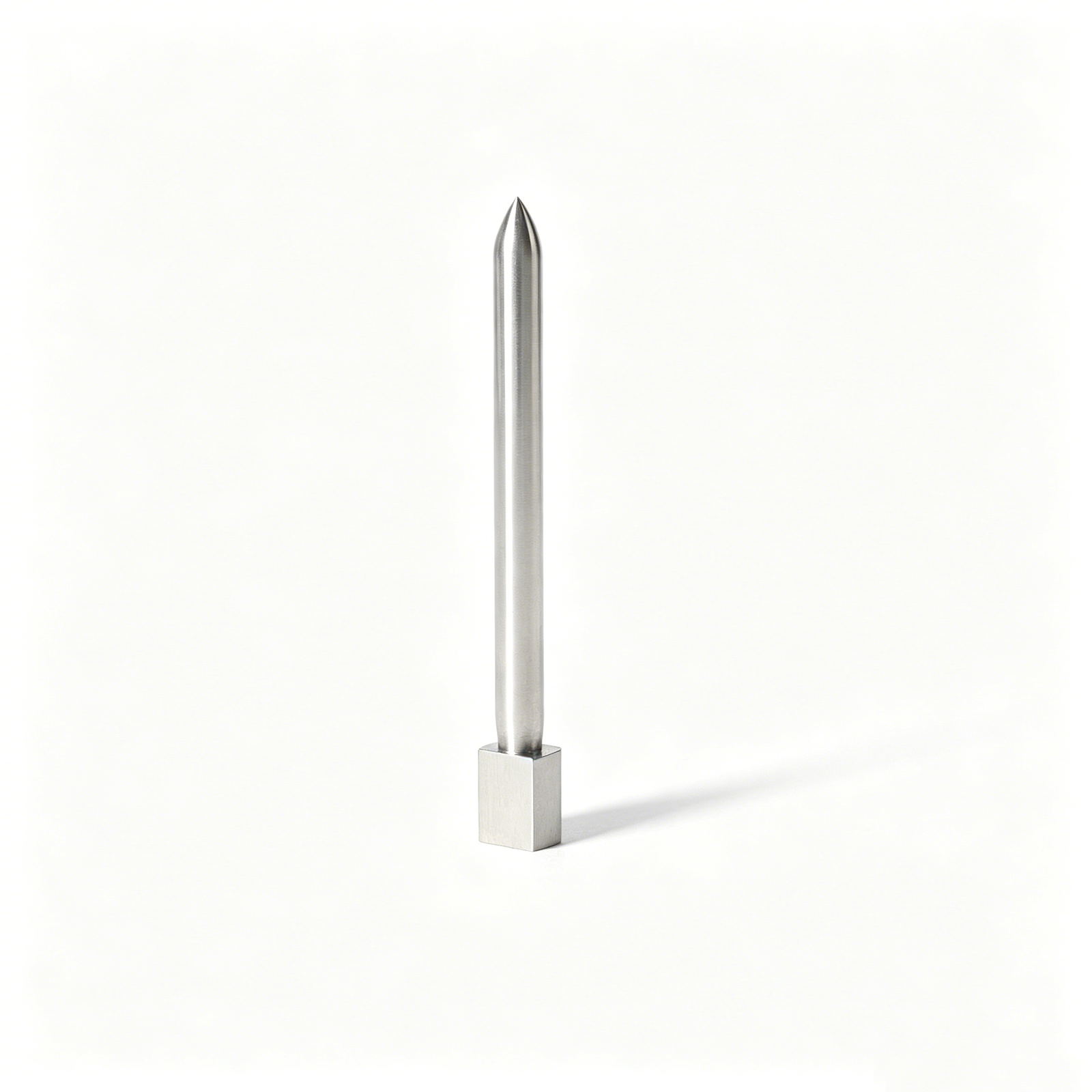
Inspection and Revision Control
For cnc machining pmma projects, inspection should follow the agreed drawing revision and critical-dimension plan. SUUXIANG keeps material, dimensional priorities, reporting needs, and delivery information visible through production coordination so final documentation can match the verified inspection scope.
- Confirm the controlled drawing revision before production
- Match inspection methods to critical features and datums
- Specify report, traceability, and acceptance requirements in the RFQ
- Communicate revision changes before affected operations proceed

Why Engineering Teams Choose Drawing-Led CNC Machining PMMA
Compare documented review, coordinated process planning, and inspection preparation against a quote-only sourcing approach.
← Swipe left or right to view →
CNC Machining PMMA Production and Inspection Workflow
Each project moves through a drawing-led review, controlled process planning, machining and inspection steps aligned with the confirmed order requirements.
Review RFQ Package
Review 2D drawings, 3D models, material, quantity, application, delivery target, and reporting needs; clarify missing requirements before quotation or production commitments.
Plan Process Route
Identify critical dimensions, datums, tool access, workholding, machining sequence, finishing needs, and appropriate inspection methods for the PMMA component.
Prepare Material and Programs
Confirm the specified PMMA material and revision, then prepare controlled machining programs, tooling approach, and work instructions for the approved process route.
Machine PMMA Components
Perform CNC machining PMMA operations according to the released plan, monitoring cutting conditions and handling practices to protect dimensional and surface requirements.
Inspect and Document Results
Verify agreed critical features using the defined inspection plan, record applicable results, and keep revision status visible before parts proceed to final release.
Pack and Coordinate Delivery
Pack accepted parts to protect surfaces and geometry, match documentation to the order, and coordinate shipment information with the customer’s delivery requirements.
Start CNC Machining PMMA With SUUXIANG
Provide the technical inputs needed for a focused DFM review, process discussion, and quotation aligned with your PMMA part requirements.
Submit Your Drawing Package
Send the 2D drawing and, when available, 3D model, revision level, application context, and mating-part information for an accurate technical review.
Define Material and Quantity
Specify the PMMA grade or approved material requirement, quantity, prototype or production intent, heat-treatment needs, and target delivery date for planning.
Identify Critical Requirements
Mark critical dimensions, datums, tolerances, surface priorities, optical expectations, inspection methods, and reporting requirements so the machining route addresses functional risk.
Review DFM Before Proceeding
Discuss tool access, clamping, machining allowance, feature geometry, inspection planning, and revision control before SUUXIANG confirms the appropriate production approach and quotation.
CNC Machining PMMA Certification and Documentation Evidence
CNC Machining PMMA: Verified Customer Outcomes and Project Cases
Approved customer testimonial placeholder. Publish only after the customer confirms the final wording, technical outcome, project context, and permission to attribute the statement to their organization.
Approved project-case placeholder. Add verified details on the drawing revision, inspection requirement, delivered quantity, and measurable outcome only when supported by customer approval and project records.
Approved customer testimonial placeholder. Include an attributable statement about DFM communication, critical dimensions, machining results, or documentation after the customer validates both the wording and evidence.
Customer Evidence Publication Policy
Practical answers for drawing-led PMMA sourcing, from RFQ inputs through inspection, revision control, and delivery coordination.
What should I include in an RFQ for cnc machining pmma?
Is there a minimum order quantity for cnc machining pmma parts?
Can SUUXIANG review my drawing before quoting cnc machining pmma?
Can I order a sample before placing a production order?
How should I plan lead time for PMMA CNC parts?
What inspection reports are available for cnc machining pmma orders?
How are drawing revisions controlled during a machining project?
How are payment, shipping, and IP requirements handled?
PMMA CNC Machining FAQ
Use this decision framework to specify PMMA parts, evaluate machining and finishing choices, qualify capable suppliers, control quality risks, and avoid costly drawing, material, and sourcing mistakes before production.
1. What Is cnc machining pmma?
PMMA—polymethyl methacrylate, also called acrylic or acrylic glass—is a transparent amorphous thermoplastic. CNC machining is a computer-controlled subtractive process that removes material from sheet, plate, or block to follow drawing-based geometry; see https://www.fictiv.com/articles/cnc-acrylic-a-simple-guide-to-understanding-pmma-machining.
Three common operations fit different features: milling creates profiles, pockets, contours, and flat datum surfaces; drilling produces specified holes; turning suits rotational features such as bushes or round covers. It is appropriate for prototypes and low-volume precision parts when the drawing calls for 3D features, controlled interfaces, or revisions that would not justify dedicated tooling.
One process comparison matters: laser cutting is efficient for 2D sheet outlines but cannot produce most milled pockets or turned geometry, while molding requires a validated tool and is usually considered after design and volume stabilize. Polycarbonate is a separate material choice when impact resistance is the priority; PMMA is selected when the required appearance, transparency, application conditions, and drawing requirements support it.
2. PMMA’s Evolution in Precision Manufacturing
1930s commercial development made PMMA a practical transparent thermoplastic for glazing, lighting and instrument-facing parts where lower weight than glass mattered. Its early value remains relevant because buyers can specify see-through covers, flow paths and protective features without changing to a metal process; background: https://be-cu.com/blog/pmma-cnc-machining.
2D drawings and 3D CAD changed the sourcing decision from dedicated forming tools toward programmable milling, drilling and turning for prototypes, fixtures and low-volume revisions. CNC toolpaths can create pockets, holes, engraved markings and compound profiles, but the drawing must identify cosmetic faces, critical datums and any optical requirement.
1 revision can be implemented by updating the controlled model and program rather than remaking a dedicated mold tool, subject to engineering review and setup availability. Machined PMMA is therefore still relevant when geometry, inspection access, transparent function or iteration speed outweigh the unit-cost advantage of a mature molded part.
3. Types of cnc machining pmma
Process selection starts with the feature geometry, datum scheme, and required appearance. For cnc machining pmma, specify whether transparency, threaded retention, rotational symmetry, or undercut access governs the route.
CNC Milling
3-axis milling suits plates, pockets, windows, bosses, and datum-controlled profiles. Internal corners retain cutter radii; sharp corners need relief or EDM reconsideration.
High chip load and poor evacuation can generate heat, edge chipping, or smeared surfaces. Optical faces need a dedicated finish strategy, not an assumed milling result. https://www.fictiv.com/articles/cnc-acrylic-a-simple-guide-to-understanding-pmma-machining
Drilling And Insert Preparation
Drilling fits through-holes, counterbores, and locating features; shallow staged drilling reduces breakout risk. PMMA threads are vulnerable to stripping, so define engagement, load direction, and insert geometry.
Heat at a drill point can craze or distort thin walls. Keep edge distance and fixture support under drawing review before tapping or installing inserts.
Turning, Engraving, And Multi-Axis
Turning suits concentric bores, rings, and rotational lens-like forms; engraving suits shallow identifiers and legends. Multi-axis machining fits angled faces, compound contours, and features unreachable from standard setups.
Thin rotational walls can deflect under chucking, while engraved strokes can chip at starts and stops. Complex tool access should be reviewed against clamp locations and visible-surface requirements.
4. Materials for cnc machining pmma
Two stock families dominate cnc machining pmma: cast sheet or block and extruded sheet. Specify the grade by application, not simply by calling out ‘clear acrylic,’ because stress, optical requirements, and thickness availability change the machining plan.
| Stock | Best Use | Specification Risk |
|---|---|---|
| Cast clear | Optical faces; deep milling | Confirm thickness and residual stress |
| Extruded clear | General covers; economical sheet | Check stress release after machining |
| Colored or impact-modified | Housings; visibility parts | Confirm color and clarity |
| Optical or UV-resistant | Lenses; outdoor exposure | Require grade and traceability |
Cast Versus Extruded
Cast PMMA is usually the safer drawing callout for optically critical faces, deep machining, and tighter flatness expectations because it generally carries less residual stress. Extruded PMMA offers broader common sheet availability, but machining can release stress and affect flatness or crack resistance.
Functional Grade Selection
Clear, colored, impact-modified, optical, and UV-resistant PMMA are separate specification choices. Name the required light transmission, color standard, impact need, UV exposure, and chemical environment; cleaners, solvents, and adhesives must be approved against the selected supplier grade.
RFQ Material Callout
Each RFQ should state manufacturer or approved equivalent, grade, form, nominal thickness, color, protective-film requirement, and certificate or lot-traceability need. Attach the drawing revision and identify cosmetic or optical faces before stock is purchased.
5. PMMA Finishes and Custom Options
Finish selection should follow the part’s optical, cosmetic, identification, or assembly function. For cnc machining pmma, define the critical viewing face, lighting condition, and approved visual sample before release.
| Finish | Best Use | Control Point |
|---|---|---|
| Machined | Internal or hidden faces | Tool marks acceptable |
| Polished | Visible clear faces | Approved visual standard |
| Frosted | Diffusers or glare control | Uniform texture area |
| Flame or vapor polished | Clear edges | Coupon and stress review |
Edge And Face Finishes
Three common options are tool-finished, mechanically polished, and vapor- or flame-polished edges. Flame treatment can improve edge clarity but may alter edges or introduce stress; approve it on a representative coupon.
Frosting And Identification
Bead blasting creates a diffuse, frosted surface for glare control or cosmetic contrast. Engraving and printing need specified artwork, location datums, color, durability expectations, and a protected non-contact zone.
Bonding And Assembly
Bonding faces require a defined preparation state: machined, polished, or deliberately textured. Protective film should remain on cosmetic faces through shipment, while holes, threads, counterbores, and locating features must reference functional datums.
6. Quality Elements in cnc machining pmma
Reliable cnc machining pmma begins by defining what is measured from which datum, then separating dimensional acceptance from optical appearance acceptance. The drawing, inspection plan, and approved sample must use the same revision.
Datums And Tolerance Stack
Three mutually perpendicular datums should locate critical features before profile, position, or flatness is evaluated. Avoid assigning tight independent dimensions that create an unmanageable tolerance stack.
0.05 mm is meaningful only when the feature, gauge method, temperature, and datum setup are stated. SUUXIANG should confirm these controls during drawing review and record them in the inspection plan.
Geometry That Resists Cracking
1 wall-thickness transition should be gradual; abrupt thin-to-thick sections concentrate machining and assembly stress. Internal corners need radii compatible with cutter access, while holes near an edge require adequate remaining ligament.
2 process stages—roughing and finishing—can reduce distortion in flat panels when stock removal is balanced. Burr limits, edge-break size, and prohibited sharp edges need measurable callouts rather than verbal expectations.
Optical Zones And Protection
100% transparency zones require an approved appearance sample that defines haze, tool marks, polishing boundaries, viewing distance, and lighting. A dimensional report alone cannot establish acceptable optical appearance.
1 protective-film and packaging instruction should identify protected faces, separator material, and handling restrictions. Final inspection should check flatness, scratches, chips, clouding, and part-to-part appearance against the agreed sample.
7. How to Choose a PMMA Manufacturer
A capable PMMA supplier converts a drawing into a documented process plan, not merely a price. For cnc machining pmma, qualify evidence, process controls, and revision discipline before comparing quotations.
Drawing Review And DFM
Before release, ask for written DFM feedback identifying datums, thin-wall risks, tool access, clamping locations, and tolerance conflicts. Require the supplier to flag features needing revised geometry or a finishing allowance.
- Which dimensions are critical-to-quality?
- What assumptions govern the quoted revision?
- Which features require fixtures or secondary finishing?
Material And Process Evidence
At RFQ stage, request PMMA grade identification, incoming-material traceability, and a route covering plastic-specific tools, workholding, chip evacuation, and heat control. Ask how in-process checks prevent cracking, melting, scratches, or stress from reaching final inspection.
- Can material records follow the order?
- What is the inspection frequency?
- How are parts protected between operations?
Inspection, Finish, And Handoff
For each order, align the inspection report with drawing datums, measurement methods, sample quantity, and acceptance criteria. Validate the agreed finish on a representative sample, then confirm revision communication, clean packaging, labeling, and prototype-to-production change control.
- Will reports identify part and revision?
- How is cosmetic acceptance documented?
- How are packaging and delivery requirements confirmed?
8. Common cnc machining pmma Mistakes
Most PMMA rework begins with incomplete drawing information that forces assumptions about stock, datums, and appearance. In cnc machining pmma, those assumptions can cause mismatch, stress cracking, or cloudy surfaces.
Specify Material And Tolerances
One material callout—acrylic—does not identify cast or extruded grade, color, thickness, or optical expectation. State the grade, approved equivalent, and visible zones.
Two tolerance classes help separate critical dimensions from general dimensions. Do not copy metal tolerances; agree a function-based tolerance plan during drawing review.
Define Geometry And Appearance
Three missing controls commonly create avoidable disputes: datums, cosmetic zones, and edge requirements. Identify inspection datums and define which faces must remain free of tool marks.
Ninety-degree internal corners cannot be produced by a round milling cutter. Specify a functional corner radius or allow EDM where the application justifies it.
One polishing request without a finish standard is ambiguous. Define the required area, visual acceptance method, and whether clarity is functional or cosmetic.
Check Assembly And Delivery
Two assembly risks are clamp load and interference at fasteners, inserts, or mating parts. Provide mating geometry and loading context so stresses can be reviewed before machining.
One approved sample is incomplete if its packaging is unverified. Confirm protective film, separators, orientation, labeling, and transit inspection requirements before release.
9. Steps to Launch a PMMA Part
A controlled cnc machining pmma launch begins with revision-locked CAD and a 2D drawing, then advances only when manufacturing and inspection evidence agrees. Treat prototype approval and production release as separate decisions.
Define The Technical Package
Rev A should include 3D CAD, 2D drawing, material grade, finish requirement, annual volume, target date, and destination packaging. Identify CTQ dimensions, datums, cosmetic faces, threads, and every mating component that constrains fit.
Review And Quote The Route
A DFM review should confirm tool access, wall transitions, internal-corner radii, fixturing, and the proposed machining and finishing sequence. Supply the application context, allowable deviations, inspection method, requested report format, and required prototype quantity before accepting a quotation.
Approve Evidence Before Release
First-article approval should compare the inspected part against the released drawing, especially CTQs, mating fit, appearance, and packaging protection. Release production only after discrepancies, concessions, and inspection records are resolved.
One change request should carry a new revision, affected quantities, updated CAD or drawing, approval owner, and effective date. SUUXIANG can coordinate the drawing review, manufacturing route, inspection plan, and traceable revision communication within verified project scope.
10. cnc machining pmma Pricing and Cost
Two inputs—an approved 2D drawing and 3D model—allow a drawing-based quote to separate fixed setup from repeatable cycle cost. PMMA grade, blank dimensions, machined volume, tool access, tolerance callouts, finish, inspection evidence, scrap exposure, and protective packaging all change the total.
One part with optical faces or thin features can cost more than several simple brackets because programming, careful workholding, slower cutting, polishing, and rejection risk concentrate in the first-off process. SUUXIANG should confirm the revision, quantity, material specification, critical dimensions, and reporting requirement before quoting.
| Quantity tier | Setup and stock | Machining and complexity | Quality, risk, packaging |
|---|---|---|---|
| 1–5 prototypes | Programming dominates; full sheet or block may be charged | Multiple setups, small tools, deep pockets, or thin walls raise cycle time | First-article measurement, optical-face protection, and scrap contingency matter |
| 6–25 pieces | Setup is spread across parts; nesting may improve stock yield | Repeat operations reduce unit cost; tight datums still require controlled workholding | Sampling plan, edge protection, and individual wrapping affect cost |
| 26–100 pieces | Material purchasing and fixture approach warrant review | Stable toolpaths lower repeat cycle cost; complex geometry remains a driver | Defined inspection frequency, labeling, and lot packaging should be specified |
| 100+ pieces | Stock format, grade availability, and yield become material cost drivers | Dedicated workholding may reduce handling but adds upfront cost | Process capability evidence, traceability, scrap allowance, and bulk-safe packaging require agreement |
Start Your CNC Machining PMMA Drawing Review
Upload your drawing with PMMA grade, quantity, critical dimensions, inspection needs, and target delivery date for a focused RFQ review.