
CNC Machining S7 Tool Steel for Inspected Precision Parts
Send your drawing for CNC machining S7 tool steel with DFM review, process planning, and inspection requirements aligned before production.
Representative Precision Components for S7 Tooling Projects


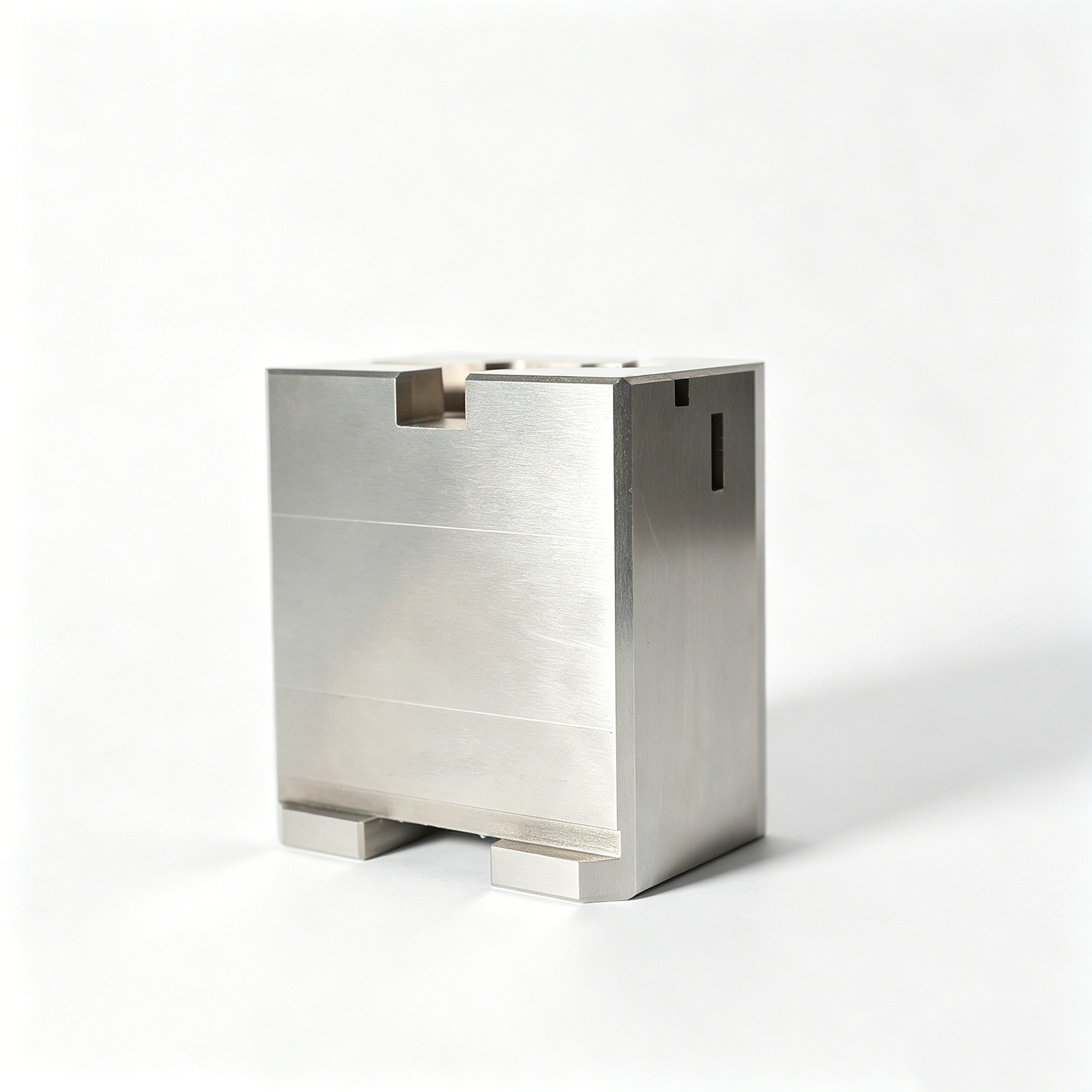


CNC Machining S7 Tool Steel: Drawing-Based RFQ


Why Specify S7 for Impact-Loaded Tooling
CNC machining S7 tool steel requires a drawing-led plan for material condition, heat treatment, finishing operations and inspection evidence.
Impact-Focused Material Review
Review S7 selection against impact loading, wear demands, mating conditions, and the specified material condition before committing to a production route.
DFM Before Quotation
Assess tool access, internal radii, datum strategy, thin sections, and critical features so machining risks are visible before quotation.
Heat-Treatment Sequence
Align rough machining, stress considerations, heat treatment, and finish operations to protect critical dimensions through the specified manufacturing sequence.
EDM and Grinding Strategy
Plan wire EDM, sinker EDM, and grinding where geometry, hardness, surface requirements, or final dimensional control call for secondary processes.
Critical-Dimension Planning
Identify CTQ dimensions, datum references, tolerances, and measurement methods from the drawing to establish a practical inspection plan.
Revision-Controlled Evidence
Keep drawing revisions, agreed inspection requirements, and order documentation aligned so delivered S7 components can be evaluated against current requirements.
Drawing-Driven Parts We Support
Explore configurable component families and process routes for mold, connector, stamping-die, and custom-machined requirements.
CNC Machining Services
Precision CNC machining services for drawing-based custom parts, using process planning that considers material, datums, critical dimensions, tool access, machining allowances, and inspection requirements before production commitments are made.
Upload a Drawing
CNC Milling
Custom CNC milling services for prismatic, contoured, and feature-rich components. Drawings are reviewed for datum strategy, pocket access, wall geometry, hole requirements, surface priorities, and the machining sequence needed to protect critical dimensions.
Upload a Drawing
CNC Turning
Precision CNC turning services for rotational parts including shafts, pins, bushings, sleeves, and threaded features. Evaluation considers concentricity, runout, shoulder relationships, material condition, workholding, secondary operations, and inspection methods specified by the drawing.
Upload a Drawing
5-Axis Machining
5-axis CNC machining for complex geometry where multiple faces, compound angles, or difficult tool approach require coordinated setups. Process review addresses fixturing, tool reach, collision risk, datum transfer, stock allowance, and accessible inspection features.
Upload a Drawing
Swiss & Micro Machining
Swiss machining and micro machining for small, slender, or detail-intensive components such as fine pins, miniature shafts, and connector-related parts. Feasibility depends on geometry, material, dimensional priorities, handling requirements, and appropriate measurement capability.
Upload a Drawing
Wire & Sinker EDM
Wire EDM and sinker EDM services for hardened materials, narrow slots, sharp internal geometry, deep features, and details not suited to conventional cutting. Planning addresses wire paths, electrode design, flushing, spark allowances, recast-layer considerations, and finishing requirements.
Upload a Drawing
Precision Grinding
Precision surface and profile grinding for flatness, parallelism, squareness, profile control, and finished-size requirements. Grinding strategy considers heat-treatment condition, machining stock, workholding, datum surfaces, wheel access, and inspection of critical features.
Upload a Drawing
Mold Core & Cavity Inserts
Precision mold core and cavity inserts produced from customer drawings and 3D models. Manufacturing routes may combine CNC machining, EDM, grinding, fitting, and inspection according to shutoff geometry, cooling features, surface requirements, material condition, and critical dimensions.
Upload a Drawing
Ejector & Ejection Components
Ejector pins, sleeves, and ejection components manufactured to drawing-defined dimensions and functional interfaces. Review considers sliding fit, hardness and treatment requirements, concentricity, bearing surfaces, lubrication provisions, wear expectations, and mating-component relationships.
Upload a Drawing
Core Pins, Guide & Locating Components
Core pins, guide pins, and locating components for controlled alignment, positioning, and repeatable mold function. Drawings should identify datum relationships, fit classes, material and heat-treatment needs, wear surfaces, installation features, and inspection priorities.
Upload a Drawing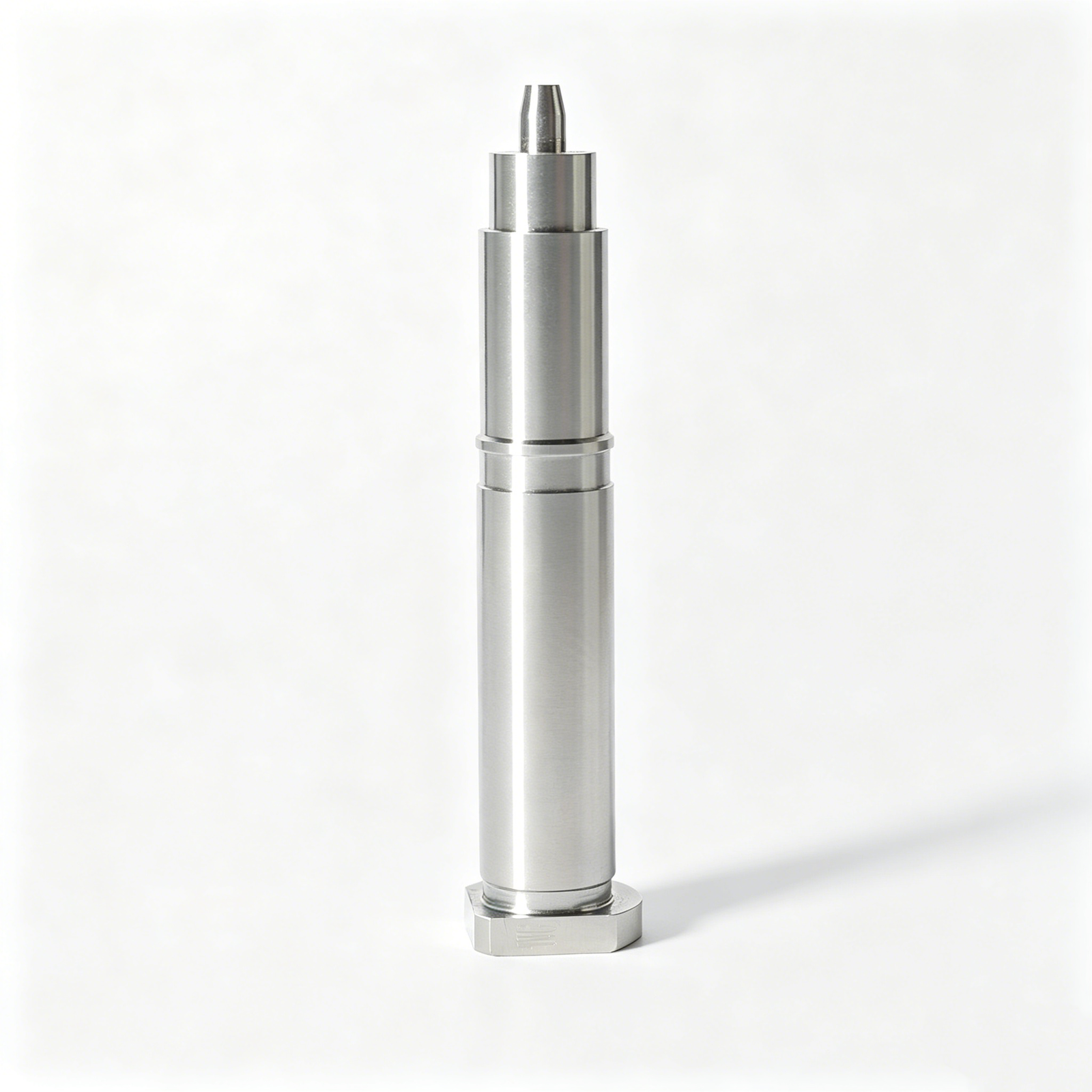
Slides, Lifters, Gates & Mold Accessories
Mold slides, lifters, gates, and accessories built as configurable drawing-driven components rather than stock products. Process planning reviews travel interfaces, shutoffs, angular geometry, wear surfaces, mating parts, assembly requirements, and dimensional control points.
Upload a Drawing
Connector Mold Components
Precision connector mold components for fine-pitch, multi-cavity, and interface-sensitive tooling. Review focuses on small features, pin geometry, alignment, EDM requirements, grinding strategy, material condition, critical dimensions, and the mating relationships that affect tool performance.
Upload a Drawing
Stamping Die Components
Precision stamping die components including punches, dies, plates, guides, and custom tooling elements. Requirements are assessed for material and heat-treatment sequence, cutting edges, clearance relationships, profile accuracy, grinding stock, assembly interfaces, and inspection documentation.
Upload a Drawing
Injection, MIM, CIM & Overmolding Tooling
Tooling and components associated with injection molding, metal injection molding, ceramic injection molding, and overmolding, subject to verified production scope. Drawing review addresses material behavior, cavity and core geometry, inserts, shutoffs, molding interfaces, and quality expectations.
Upload a Drawing
Machining Materials
CNC machining materials selected against the drawing, application, and processing route. RFQs should state material grade or approved equivalent, material condition, traceability needs, corrosion or wear requirements, heat treatment, and any customer-specified sourcing controls.
Upload a Drawing
Surface Finishes & Heat Treatment
Surface finishing and heat treatment requirements must be defined by drawing, specification, or approved process record. Planning considers dimensional change, masking, post-treatment grinding, surface roughness, coating interfaces, hardness verification, and the sequence needed to retain critical dimensions.
Upload a Drawing
Quality, Metrology & Documentation
Precision inspection, metrology, and quality documentation aligned with the order and verified inspection plan. Define critical dimensions, datums, reporting format, sampling expectations, material or treatment records, revision status, and any required traceability before production begins.
Upload a Drawing
Prototyping & Low-Volume Production
Rapid prototyping and low-volume manufacturing for teams validating drawings, fits, assemblies, or process assumptions before broader release. Provide quantity, target date, material, dimensional priorities, inspection needs, revision status, and application context for an informed review.
Upload a DrawingCNC Machining S7 Tool Steel: Materials and Condition Requirements We Review

Annealed S7 Steel
Often specified when complex CNC geometry, EDM features, or grinding stock must be established before hardening. The RFQ should identify the required supply condition, critical datums, and any material-certificate or lot-traceability requirement.

Hardened S7 Steel
For parts supplied or finished in a hardened condition, the drawing should define hardness requirements and critical finished features. Tool access, residual machining allowance, EDM strategy, and the intended inspection method require review before commitment.

Mating Tool Steels
S7 components may work against cores, punches, inserts, or wear elements in other tool-steel grades. Mating-part geometry, contact surfaces, clearance targets, and relative hardness help inform the machining and finishing plan.

Stainless Mating Components
Where corrosion-resistant inserts, pins, or housings interface with S7 tooling, the assembly context should accompany the RFQ. Interface datums, surface requirements, thermal exposure, and material identification support a controlled drawing review.

Copper Electrode Material
EDM electrodes may be needed for deep ribs, sharp internal details, or restricted tool access in S7 parts. Electrode material, burn locations, allowable recast considerations, and post-EDM finishing requirements should be agreed from the drawing.
CNC Machining S7 Tool Steel: Process Routes

CNC Milling
CNC milling establishes prismatic forms, pockets, profiles, and accessible functional features from the approved drawing. Tool access, corner radii, datum strategy, and remaining stock for downstream EDM or grinding are reviewed before machining.

CNC Turning
CNC turning supports rotational features such as shafts, stepped diameters, bores, and concentric interfaces. The route is selected when part geometry and datum requirements favor controlled cylindrical machining before any secondary finishing operations.

Wire EDM
Wire EDM is considered for precise profiles, narrow slots, internal corners, and features with limited cutter access. The wire path, start-hole requirement, datum relationship, and allowance for finishing are defined from the drawing and inspection needs.
Sinker EDM
Sinker EDM addresses cavities, ribs, sharp internal detail, and other forms that conventional cutters cannot reach effectively. Electrode strategy, spark allowance, surface expectations, and follow-on polishing or fitting requirements are reviewed with the part geometry.

Precision Grinding
Precision grinding brings critical faces, diameters, and mating surfaces toward their specified size and finish after the appropriate machining sequence. Grinding stock, heat-treatment condition, datum control, and measurement method require agreement before release.
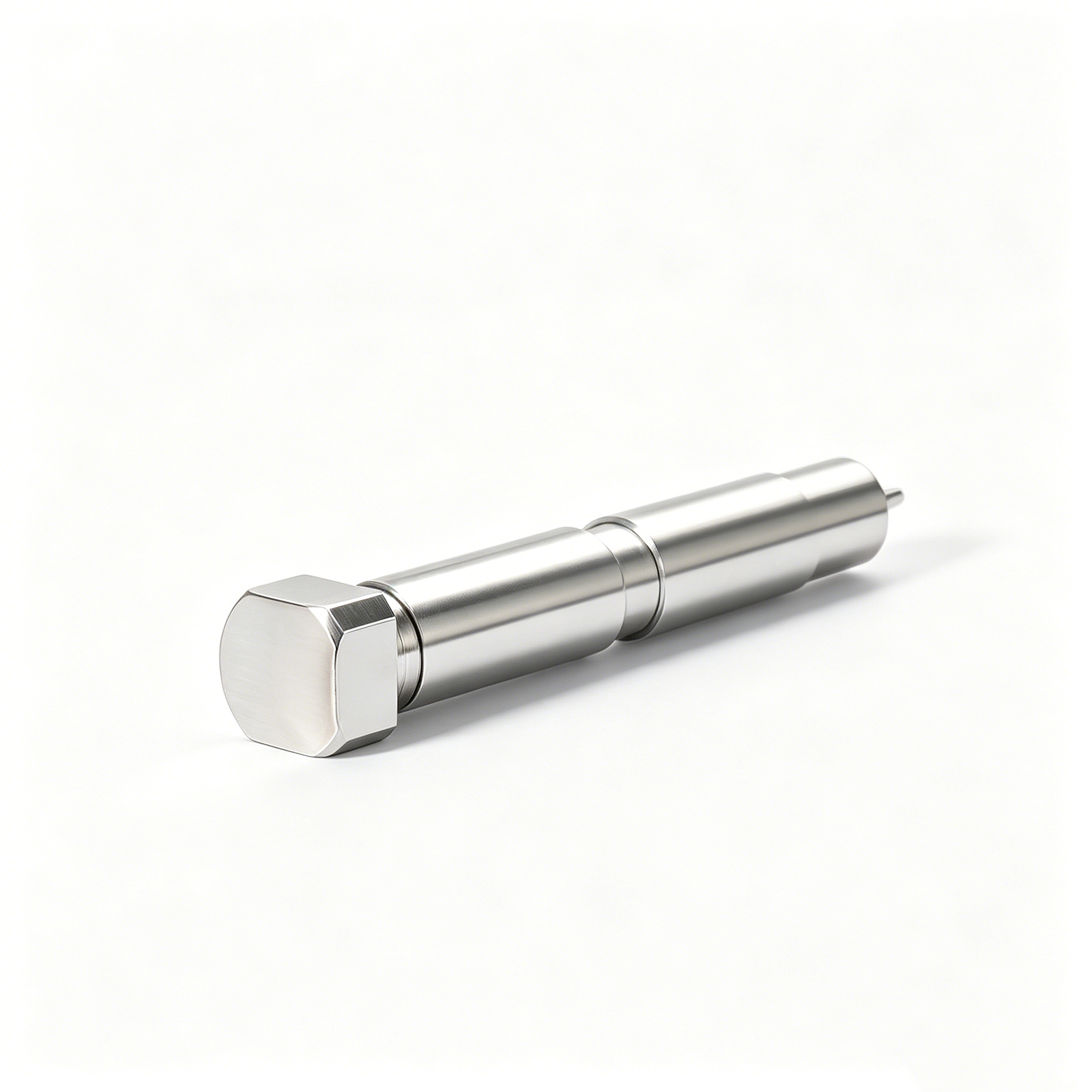
Fitting Inspection
Fitting and inspection verify functional relationships, critical dimensions, and documented requirements against the approved revision. Measurement methods and report expectations are aligned to the order so final evidence matches the agreed inspection plan.
CNC Machining S7 Tool Steel: Features and Tooling Details We Review

Threaded Features
Internal threads, tapped holes, and threaded interfaces can be reviewed against engagement length, tool access, datum references, and heat-treatment sequence to help define a practical machining and inspection route.

Locating Features
Dowel holes, keyways, shoulders, and locating faces are evaluated as functional relationships, with datum strategy and mating-component context used to clarify position control, assembly fit, and inspection priorities.

Wear Inserts
Replaceable inserts and wear elements can be considered where service access, retention method, interface geometry, and material condition are defined. Submit mating details so the assembly relationship can be reviewed.

Surface Requirements
Drawing-specified surface finish, edge condition, and contact-area requirements guide the selection of milling, EDM, grinding, or fitting steps. Critical surfaces should identify their functional purpose and inspection method.

EDM Reliefs
Wire paths, EDM reliefs, sharp internal features, and electrode-access areas require early review. Clear geometry and tolerance callouts help determine whether EDM is appropriate and how finishing allowances should be managed.
About CNC Machining S7 Tool Steel
SUUXIANG is the international-facing brand of Dongguan SuuXiang Precision Mold Co., Ltd., established in 2010 and based at the 2nd Floor of Sanhe Industrial Park, Chang’an Town, Dongguan, Guangdong, China. XiaoCheng Huang is the founder and legal representative. We help global engineering, sourcing and quality teams convert controlled drawings and specifications into inspected custom parts, precision mold components and connector-tooling components.
For cnc machining s7 tool steel and related drawing-driven work, our planning can combine CNC milling and turning, multi-axis machining, wire or sinker EDM, precision grinding, fitting and inspection. The appropriate route depends on material condition, critical dimensions, datum strategy, tool access, heat-treatment sequence and required documentation.
What differentiates SUUXIANG is disciplined project review before commitments are made. We examine DFM, machining allowance, electrode or wire path, grinding stock, inspection methods and revision status so quotation, production and final records remain aligned with the verified order requirements.
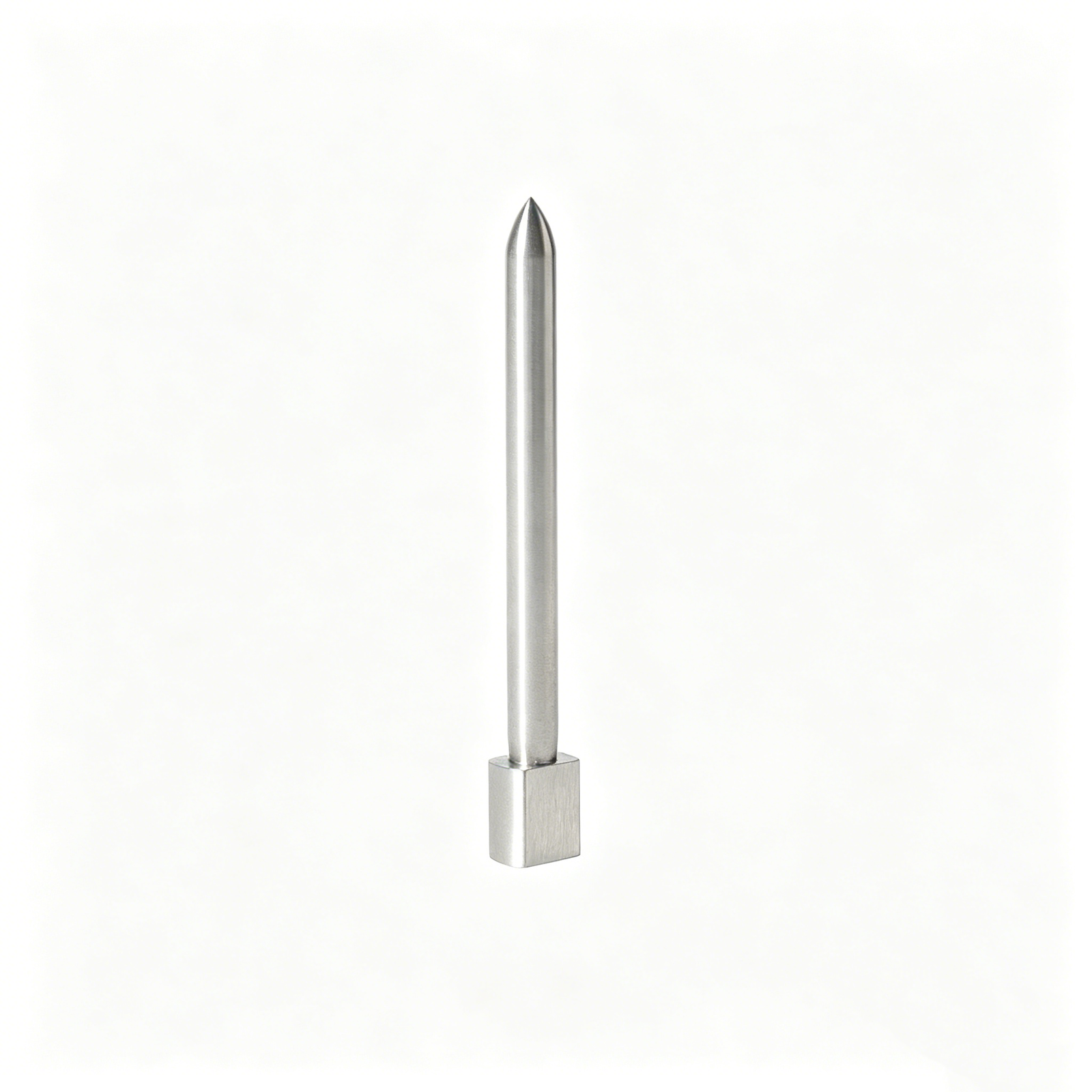
CNC Machining S7 Tool Steel: From DFM to Inspection
Review Critical Features First
For cnc machining s7 tool steel, SUUXIANG reviews the drawing, model, datums, critical dimensions, surface requirements, application context, and requested material condition before committing to a process route. The review identifies questions that should be resolved in the RFQ rather than discovered during production.
- Identify critical-to-quality dimensions and functional datums
- Confirm material, heat-treatment, quantity, and revision requirements
- Check tool access, corner geometry, and practical fixturing
- Align inspection expectations with drawing priorities
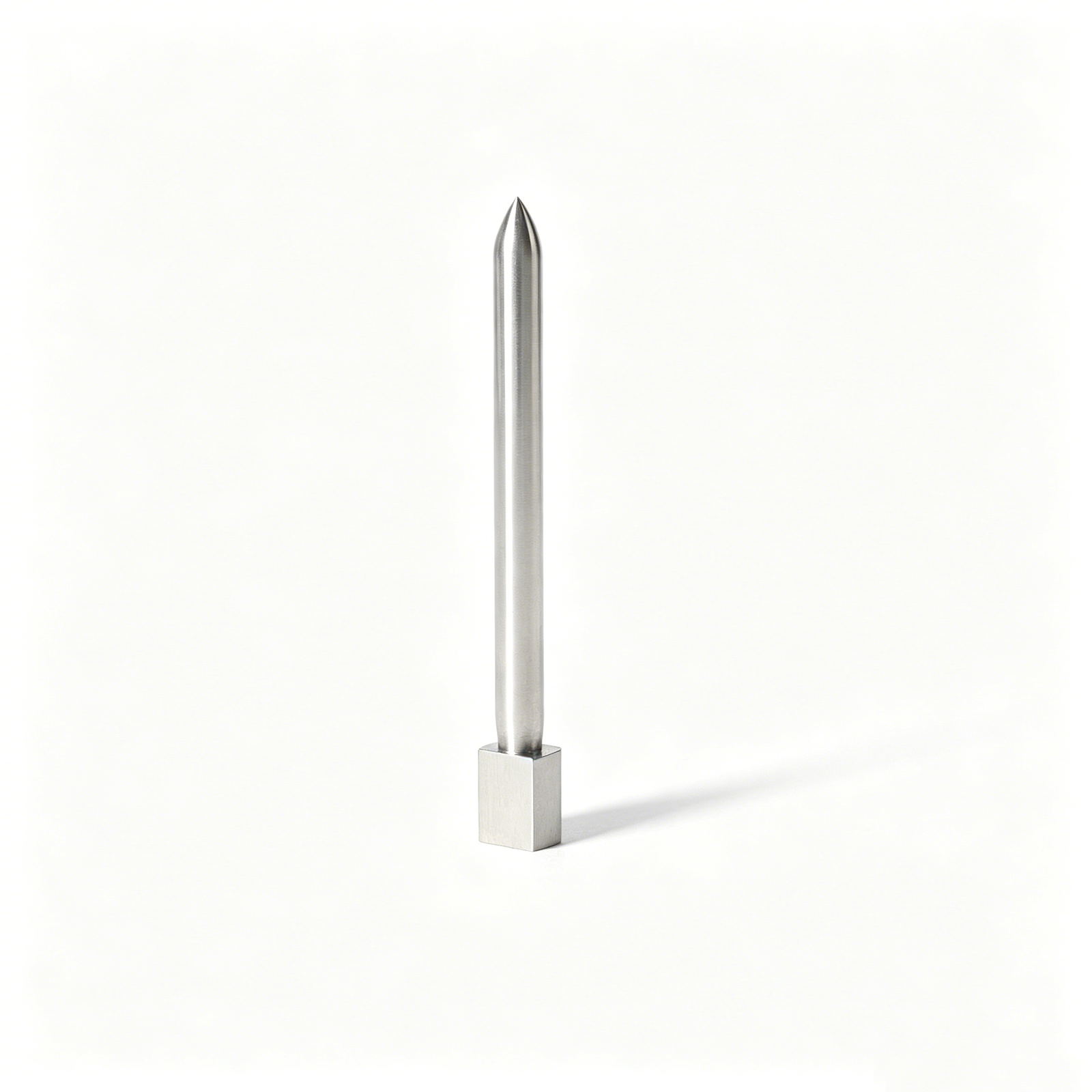
Plan CNC and EDM Together
S7 components may require more than a single machining operation. Based on geometry, material condition, feature access, and dimensional priorities, SUUXIANG evaluates where CNC machining, wire EDM, sinker EDM, or a combined route may be appropriate. The selected approach remains subject to drawing review and verified project requirements.
- Assess enclosed profiles and narrow-feature access
- Review electrode needs and EDM finishing expectations
- Consider wire path, start-hole, and datum implications
- Keep process decisions linked to the approved revision

Protect Grinding Stock
Where heat treatment and precision finishing are specified, machining allowances should be planned before material removal begins. SUUXIANG discusses grinding stock, distortion risk, reference surfaces, and sequence with the customer so final dimensions are evaluated against a defined process plan instead of an assumed allowance.
- Define surfaces intended for final grinding
- Review stock allowances against geometry and tolerances
- Discuss heat-treatment sequence when supplied by the buyer
- Preserve usable datums for finishing and inspection

Build Inspection Into the Plan
Inspection for cnc machining s7 tool steel should focus on the dimensions that control assembly, function, and acceptance. SUUXIANG aligns the inspection method, reporting need, sampling expectation, and documentation request with the order before production, then keeps revision and delivery information visible through project coordination.
- Prioritize functional dimensions and mating interfaces
- Agree required reports before production release
- Match inspection methods to feature accessibility
- Maintain traceable revision and order communication

CNC Machining S7 Tool Steel: A More Controlled RFQ
Compare the project evidence and review points needed before machining commitments are made.
← Swipe left or right to view →
CNC Machining S7 Tool Steel: Production Workflow
A controlled route from RFQ review through inspection, packing and delivery coordination.
Review RFQ Requirements
We review drawings, models, material condition, quantity, critical dimensions, surface requirements, delivery target and reporting needs before defining a feasible manufacturing route.
Confirm DFM Process Plan
The team evaluates datums, tolerance stack, tool access, machining allowance, heat-treatment sequence, electrode strategy and wire paths, then clarifies risks and revision details.
Machine Core Geometry
CNC milling, turning or multi-axis machining creates the planned geometry while setups, stock allowance and controlled project information remain aligned with the approved drawing.
Apply Secondary Processes
Where the drawing requires it, EDM, precision grinding and fitting address difficult profiles, hardened features, fine surfaces or critical interfaces using the agreed process sequence.
Inspect, Pack and Coordinate Shipment
Inspection follows the order-specific plan; verified documentation, protective packing and shipment coordination are matched to the confirmed requirements before release.
How to Start Your CNC Machining S7 Tool Steel RFQ
Provide the production details needed to review manufacturability, plan the process route, and align inspection with your drawing requirements.
Upload Your Drawing
Send the current 2D drawing and, where available, the 3D model; identify revision status, datums, critical dimensions, and required surface conditions.
Define Material Condition
Specify S7 material condition, heat-treatment requirements, target hardness where applicable, and any material documentation needed for your project review.
State Quantity and Timing
Confirm prototype or production quantity, target delivery date, and whether staged deliveries or fitting with mating components affect the manufacturing plan.
Clarify Quality Priorities
Identify inspection methods, reporting needs, critical-to-quality features, surface priorities, and application context so the inspection plan matches the order.
Review the Process Route
SUUXIANG reviews DFM, tool access, machining allowance, EDM or grinding needs, and revision details before confirming an appropriate quotation path.
Customer References
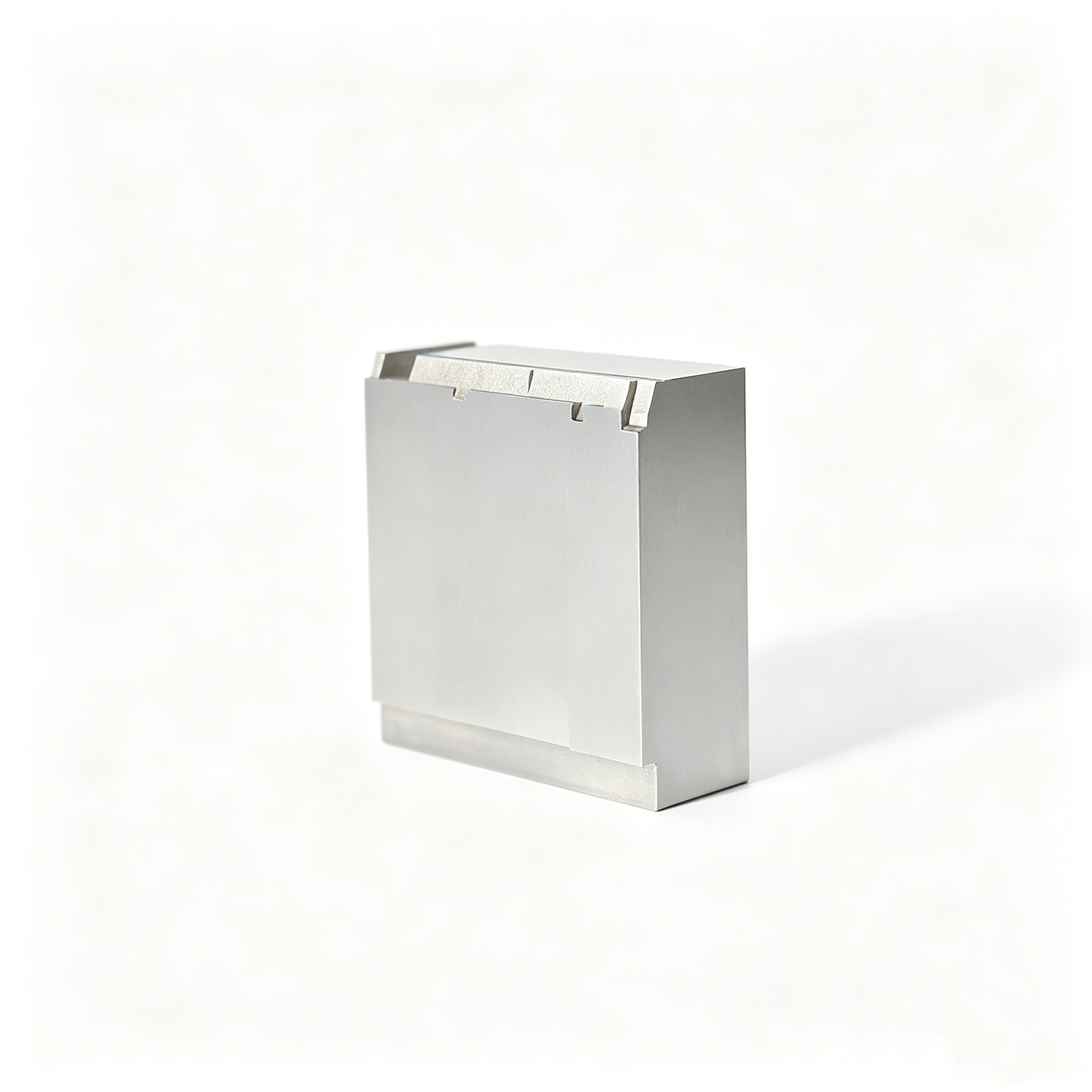
CNC Machining S7 Tool Steel: Customer Results and Project Feedback
Customer testimonial pending written approval. This space will document the confirmed drawing revision, inspection outcome, delivery result, and measurable project impact after the customer authorizes publication.
Approved case study pending verification. The published record will identify the S7 component application, critical dimensions, process route, inspection evidence, and a customer-confirmed outcome with supporting project details.
Customer feedback pending authorization. Once verified, this testimonial will describe the RFQ requirements, DFM decisions, revision-control process, and a specific production or quality result agreed for public release.
CNC Machining S7 Tool Steel FAQ
Practical answers for drawing-based sourcing, process planning and inspection review.
What should I include in an RFQ for cnc machining s7 tool steel?
Can SUUXIANG machine S7 tool steel before and after heat treatment?
What tolerances are realistic for cnc machining s7 tool steel parts?
Do you have a minimum order quantity for S7 tool steel components?
Can I request samples or first-article inspection for cnc machining s7 tool steel?
How are lead time, payment and shipping confirmed?
How does SUUXIANG handle drawings and intellectual property?
What inspection evidence can be supplied with S7 tool steel parts?
The Complete Buyer’s Guide to cnc machining s7 tool steel
Use this decision framework to specify S7 parts, evaluate heat-treatment and inspection controls, compare capable suppliers, and avoid the material, tolerance, and sourcing errors that delay tooling programs.
1. What Is cnc machining s7 tool steel?
S7 is a shock-resisting tool steel, commonly identified as 1.2355 or 50CrMoV13-15 in material references. CNC machining S7 tool steel means producing a drawing-defined part by milling, turning, drilling, or secondary processes while preserving the specified datum scheme, stock condition, heat-treatment sequence, and inspection requirements.
S7 combines high toughness and strength with medium wear resistance, a balance suited to repeated impact rather than purely abrasive duty. It is used in both cold- and hot-work tooling; buyers often specify it for impact-loaded punches, dies, mold components, shear tooling, and robust fixtures where resistance to cracking or chipping matters.
SUUXIANG treats this material description as a selection starting point, not a blanket capability claim. A feasible route must still be confirmed from the drawing, material certificate requirement, hardness condition, geometry, machining access, finishing allowance, quantity, and critical dimensions before an RFQ is accepted. Reference: https://www.hubs.com/cnc-machining/metal/tool-steel/tool-steel-s7
2. S7 Tool Steel: Evolution and Role
S7 belongs to the S-series of shock-resisting tool steels, developed for parts where repeated impact makes fracture resistance a primary selection criterion. That history still matters when a punch, driver, forming feature, or tooling insert sees cyclic blows rather than mainly abrasive sliding.
Three competing requirements guide the modern decision: impact toughness, wear demand, and dimensional control after heat treatment. S7 is commonly positioned for high toughness with medium wear resistance, so a buyer should not substitute it automatically for a high-abrasion grade without reviewing the failure mode. Source: https://www.hubs.com/cnc-machining/metal/tool-steel/tool-steel-s7
CNC machining S7 tool steel is normally planned as a route, not a single operation: machine accessible geometry in the specified supply condition, reserve stock for grinding where needed, and use wire or sinker EDM for inaccessible details. Heat-treatment sequence, datum transfer, EDM cleanup requirements, and final inspection points should be agreed from the drawing before production.
3. Types of cnc machining s7 tool steel
S7 arrives as bar, plate, sawn block, near-net blank, or a previously heat-treated component. The supplied condition determines the viable machining route, stock allowance, distortion exposure, and inspection sequence.
Bar, Plate, And Block
Round bar suits turned features before milling; plate and block better support cavities, inserts, and broad datum faces. Specify purchased dimensions, orientation, and machining allowance so clamping and tool access can be reviewed.
2D drawings should identify the datum faces to preserve after roughing. A block that is merely saw-cut needs more cleanup stock than a finish-ground blank.
Annealed And Near-Net Blanks
Annealed S7 normally permits rough machining, stress-relief planning, and finish machining before heat treatment. Near-net blanks can reduce removal volume, but their actual stock and geometry must be measured before final toolpaths.
Heat treatment can change form, so leave grinding stock on critical faces, bores, and mating features. Agree whether post-treatment grinding, EDM, or both will establish final dimensions.
Hardened Or Ground Supply
Heat-treated or finish-ground components limit available cutting operations and demand a defined reference condition. Inspect incoming thickness, flatness, hardness requirement, and datum damage before machining or EDM.
Certified material traceability is appropriate for safety-critical, customer-mandated, regulated, or repeatable tooling applications. Any substitute grade requires written approval covering chemistry, heat-treatment condition, and acceptance criteria.
4. S7 Material Properties and Grade Alternatives
S7 combines high impact toughness with useful hardness instead of maximum abrasion resistance. In cnc machining s7 tool steel, heat treatment sets the final property balance.
| Grade | Shock | Abrasion | Temperature | Cost | Manufacturability |
|---|---|---|---|---|---|
| S7 | High | Medium | Moderate | Medium | Moderate |
| A2 | Medium | Good | Low | Medium | Good |
| D2 | Low | High | Low | Medium | Lower |
| H13 | Good | Medium | High | Medium | Moderate |
| O1 | Medium | Medium | Low | Lower | Good |
| 4140 | Medium | Low | Moderate | Lower | Good |
Property Balance
S7 is an air-hardening shock-resisting steel with strong toughness and impact resistance. Its moderate wear resistance and limited corrosion resistance require application-specific protection or maintenance.
Alternative Grades
A2 prioritizes dimensional stability, while D2 prioritizes abrasive wear resistance at lower shock tolerance. H13 suits elevated-temperature tooling; O1 and 4140 can reduce material and machining cost.
Selection Inputs
Three inputs govern final selection: application loads, operating temperature, and heat-treatment targets. Drawing review should also define hardness range, distortion allowance, datum-critical features, and inspection method.
5. Custom Options for cnc machining s7 tool steel
S7 parts should be configured around function and the planned heat-treatment route, not cosmetic options. A drawing review should lock the process sequence before machining begins.
| Option | Best Use | Drawing Requirement |
|---|---|---|
| Grinding | Final flatness or size | Datum and stock allowance |
| Wire EDM | Through profiles | Start hole and wire path |
| Laser marking | Traceability | Location and content |
Select The Process Route
CNC milling forms pockets, contours, and faces; turning suits rotational diameters. Drilling and tapping need tool access and thread callouts.
Wire EDM produces through-profiles; sinker EDM reaches blind internal features. Reliefs should permit cutter, wire, or electrode exit.
Define Functional Geometry
Datum A, B, and C should establish inspection setup and critical-surface relationships. Specify edge breaks, surface zones, and marking locations directly on the drawing.
Laser marks belong on nonfunctional areas. Keep them clear of sealing, sliding, or mating surfaces.
Sequence Final Operations
Heat treatment changes the routing for close-tolerance features. Final grinding, polishing, and EDM finishing may follow heat treatment when the drawing requires it.
Corrosion protection should follow final cleaning and inspection. Coatings require defined masked surfaces where fit or electrical contact matters.
6. Construction and Quality Control Essentials
Functional S7 tooling depends on a controlled chain from certified stock through final inspection. For cnc machining s7 tool steel, acceptance criteria should follow critical dimensions and mating-part function, not a generic tolerance note.
Stock And Heat Treatment
S7 stock should arrive with a material certificate identifying grade, heat or lot, and supplied condition.
Heat treatment should define the target hardness range, sequence, and required distortion-control response before finish machining.
- Retain heat or lot identification
- Confirm hardness test method and locations
- Record heat-treatment supplier documentation
Allowance And Finish Strategy
Grinding stock and EDM allowance should be assigned before hardening so finish operations can restore critical geometry.
Datum-controlled dimensions, wire paths, electrode strategy, surface finish, and burr limits should reflect the mating surface and load path.
- Protect datum surfaces during setups
- Specify edge-break limits where functional
- Separate cosmetic finish from sealing surfaces
Inspection And Traceability
First-article inspection should compare drawing revision, CMM results, functional gauges, and hardness readings against the approved inspection plan.
Final records should connect the part number, revision, material certificate, process route, and measured critical features to the delivery lot.
- Use CMM for datum-related geometry
- Use gauges for mating-part interfaces
- Report critical dimensions individually
7. How to Choose an S7 Machining Supplier
Three evidence sets should drive supplier selection: the drawing review, the process plan, and records from comparable S7 parts. Ask each supplier to identify critical dimensions, datums, machining access, heat-treatment sequence, and inspection method before quoting.
Engineering Review And DFM
Within 2 business days, a useful response flags thin sections, inaccessible corners, EDM needs, grinding stock, and tolerance conflicts. Request marked-up drawings and revision-controlled DFM feedback, not a generic capability statement.
Material And Process Evidence
For each S7 order, request material identification and the proposed heat-treatment partner’s controlled specification. Verify CNC, EDM, grinding, and fitting coordination through anonymized comparable-part evidence showing geometry, hardness condition, and final process route.
Inspection, Delivery, Communication
Before release, define each critical feature’s inspection method, report format, sampling expectation, and nonconformance escalation path. Confirm packaging protection, label traceability, milestone dates, and what event triggers a lead-time update.
- Can you provide a comparable inspection report?
- Which operation establishes each critical datum?
- Who owns revision confirmation before machining?
- How are heat-treatment and shipment delays reported?
8. Common cnc machining s7 tool steel Mistakes
S7’s shock resistance does not replace a complete manufacturing specification. In cnc machining s7 tool steel, ambiguous heat treatment, finishing, and inspection requirements can turn a correct model into an unusable component.
Define Heat Treatment And Stock
S7 must be specified as annealed, pre-hardened, or heat-treated to a stated hardness range. Missing condition changes machining route, cost, and distortion risk.
The RFQ should state stock condition, target hardness, heat-treatment sequence, and any hardness-test location.
Set Tolerances After Processing
Tight dimensions on heat-treated S7 may require grinding or EDM rather than milling alone. Assigning every feature the same tolerance increases cost without improving function.
The drawing should identify CTQ dimensions, datums, post-treatment dimensions, and allowed grinding stock.
Match Material To Service
S7 prioritizes impact toughness and has medium wear resistance; it is not automatically a corrosion-resistant or maximum-wear grade. A mismatched grade can cause premature wear or environmental damage.
The review should document load type, abrasion, temperature, lubricant, and corrosion exposure before material release.
Approve Measurable Quality Requirements
EDM and grinding can be essential for inaccessible profiles, hard features, and fine finishes. Omitting them leaves process route and surface acceptance open to interpretation.
The inspection plan should name measurement method, sample quantity, report format, datum scheme, and revision level before first-article approval.
9. From RFQ to First Article Approval
One controlled launch package prevents a prototype decision from becoming an untraceable repeat order. For cnc machining s7 tool steel, align the drawing, model, functional requirements, and measurable acceptance criteria before machining begins.
Prepare The RFQ Package
Two controlled files—a revision-marked 2D drawing and matching 3D model—should identify datums, critical dimensions, surface requirements, quantity, and mating context.
One RFQ should also state the required S7 condition, heat-treatment route, target hardness when applicable, delivery target, and inspection-report needs.
- Revision identifier and issue date
- Critical-to-quality dimensions
- Material and heat-treatment requirement
- Application or mating-part context
Close DFM And Schedule
One supplier-engineer review should resolve tool access, EDM or grinding requirements, machining allowance, datum strategy, and likely distortion before quote approval.
Two approvals—commercial quote and technical scope—should freeze the agreed revision, process assumptions, inspection method, and first-article timing.
Approve First Article
One first-article review should compare measured results to the released drawing, focusing on critical dimensions, hardness evidence when specified, surfaces, and fit-related features.
Each revision needs a new identifier, change description, approval record, and explicit instruction on whether prior stock or programs remain usable. Zero production release decisions should rely on verbal changes alone.
10. cnc machining s7 tool steel Pricing
Three illustrative order bands help frame cnc machining s7 tool steel costs: 1–5 pieces usually carry setup and programming across few parts, 6–25 can share setups, and 26+ may justify dedicated workholding. Typical planning lead times are 1–3 weeks for simple annealed parts and 3–6 weeks when EDM, hard finishing, heat treatment, or formal reporting is required; these are not delivery promises.
Eight RFQ inputs make supplier quotations comparable: controlled 2D drawing, 3D model, stock grade and form, finished size, quantity, hardness route, critical datums and tolerances, and inspection requirements. State surface finish, grinding or EDM locations, coating needs, revision level, and required report format so cost drivers are priced against the same scope.
| Driver | Lower-cost condition | Cost or schedule effect |
|---|---|---|
| Stock form and size | Common bar; efficient material yield | Oversize blocks and low yield increase material and roughing time |
| Machining complexity | Open tool access; fewer setups | Deep pockets, 5-axis access, and small tools add cycle time |
| Tolerance and secondary work | General CNC dimensions | Tight tolerances, EDM, grinding, heat treatment, finishing, and inspection documents add operations |
CNC Machining S7 Tool Steel: Submit Your Drawing
Share drawings, material condition, quantity, critical dimensions, inspection needs and delivery target for a scoped DFM discussion and quotation.