
CNC Machining Tungsten for Precision Parts
Submit your drawing for cnc machining tungsten process planning across CNC, EDM, grinding, and inspection requirements.
Representative Tungsten-Related Component Features
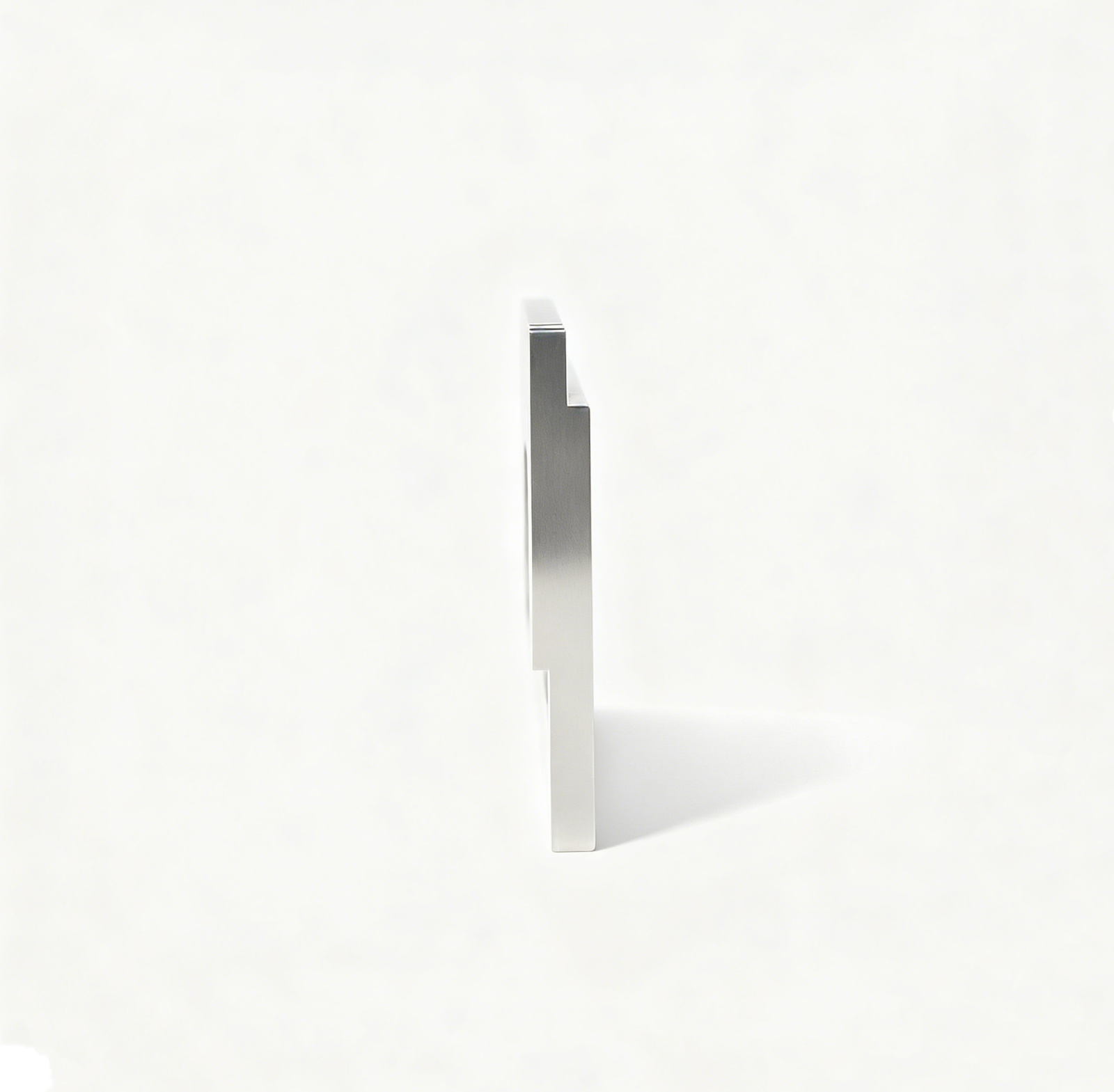


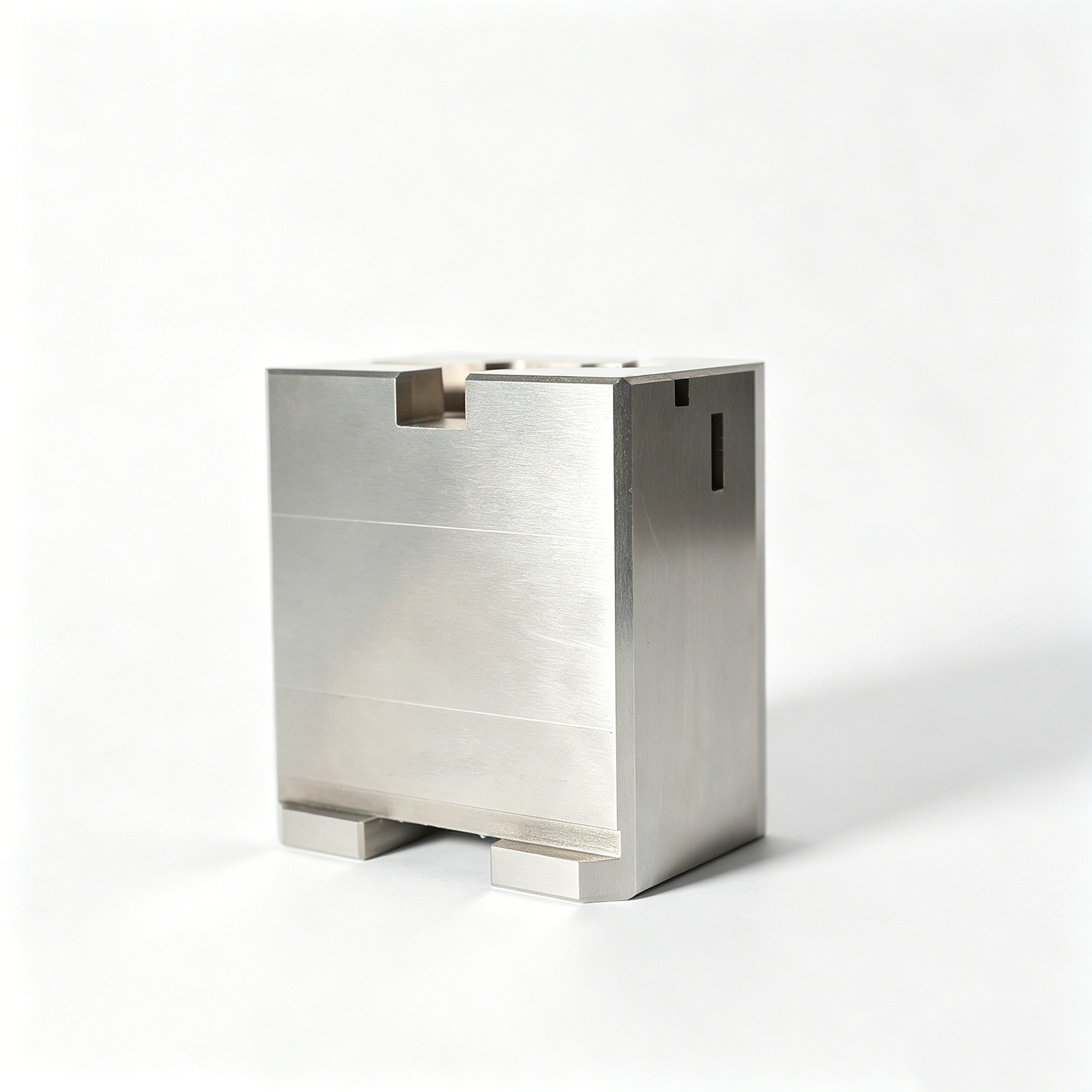

Drawing-Based Component Families and Quotation


CNC Machining Tungsten: Engineering Advantages
A disciplined review process aligns material behavior, critical dimensions, process routing and inspection requirements before production commitments are made.
DFM Before Quotation
Review geometry, material condition, tool access and tolerance priorities early to identify manufacturability questions before quotation or production planning begins.
Datum-Aware Process Planning
Align machining setups with drawing datums so critical relationships are considered across milling, turning, EDM, grinding and final inspection.
EDM Strategy Review
Evaluate wire paths, electrode requirements and feature access where conventional cutting may introduce avoidable risk to detailed tungsten geometries.
Grinding Allowance Control
Plan grinding stock and sequence around surface and dimensional priorities, helping preserve appropriate finishing access after preceding operations.
Critical-Dimension Focus
Identify critical-to-quality dimensions, mating relationships and inspection methods so the production route reflects the drawing’s functional priorities.
Revision-Controlled Communication
Keep drawing revisions, inspection expectations and delivery information visible throughout the project to support traceable manufacturing coordination.
Tungsten CNC Applications and Component Families
Drawing-driven process routes for tungsten and related precision parts, where tool access, EDM strategy, grinding stock, inspection, and revision control shape the production plan.

CNC Machining Services
Precision CNC machining services for drawing-based tungsten parts and related components. Reviews focus on geometry, material condition, datum scheme, critical dimensions, and achievable tool access before a machining route, inspection plan, and quotation are prepared.
Upload a Drawing
CNC Milling
Custom CNC milling services for prismatic tungsten components, plates, blocks, and feature-rich tooling parts. The review considers cutter access, corner radii, wall geometry, clamping surfaces, machining allowance, and the dimensions that require verification after machining.
Upload a Drawing
CNC Turning
Precision CNC turning services for rotational tungsten parts such as pins, sleeves, bushes, nozzles, and stepped profiles. Drawing review addresses concentricity, runout, diameters, thread details, workholding, and whether secondary grinding or EDM is required for critical features.
Upload a Drawing
5-Axis Machining
5-axis CNC machining supports tungsten components with angled faces, compound geometry, and features that benefit from fewer setups. Process planning evaluates access, fixture stability, tool reach, datum transfer, collision risk, and inspection of spatial relationships.
Upload a Drawing
Swiss & Micro Machining
Swiss machining and micro machining support small, slender, and detail-intensive components where handling and concentricity matter. Buyers should identify critical diameters, length-to-diameter ratios, edge conditions, material state, and measurement requirements with the drawing package.
Upload a Drawing
Wire & Sinker EDM
Wire EDM and sinker EDM services address hardened, conductive, or difficult-to-reach features where conventional cutting is limited. Planning covers wire path or electrode strategy, corner conditions, flushing, recast-layer considerations, finishing passes, and inspection criteria.
Upload a Drawing
Precision Grinding
Precision surface and profile grinding supports tight flatness, parallelism, profile, and surface requirements after machining or heat treatment. A viable route identifies grinding stock, datum surfaces, material condition, burn risk, wheel access, and the required measurement method.
Upload a Drawing
Mold Core & Cavity Inserts
Precision mold core inserts and mold cavity inserts are built from controlled drawings for molding tools with critical shutoffs, formed surfaces, cooling interfaces, and mating relationships. Review covers steel or tungsten requirements, EDM access, grinding allowances, fitting strategy, and inspection points.
Upload a Drawing
Ejector & Ejection Components
Ejector pins, sleeves, and ejection components require attention to diameter, straightness, clearance, surface condition, and mating interfaces. Drawing review helps establish whether machining, grinding, EDM, heat treatment, or fitting steps are needed before release.
Upload a Drawing
Core Pins, Guide & Locating Components
Core pins, guide pins, and locating components are configurable drawing-based families for alignment, positioning, and formed-detail functions. Critical review addresses datum relationships, fit class, concentricity, bearing surfaces, material and heat treatment, and interaction with mating components.
Upload a Drawing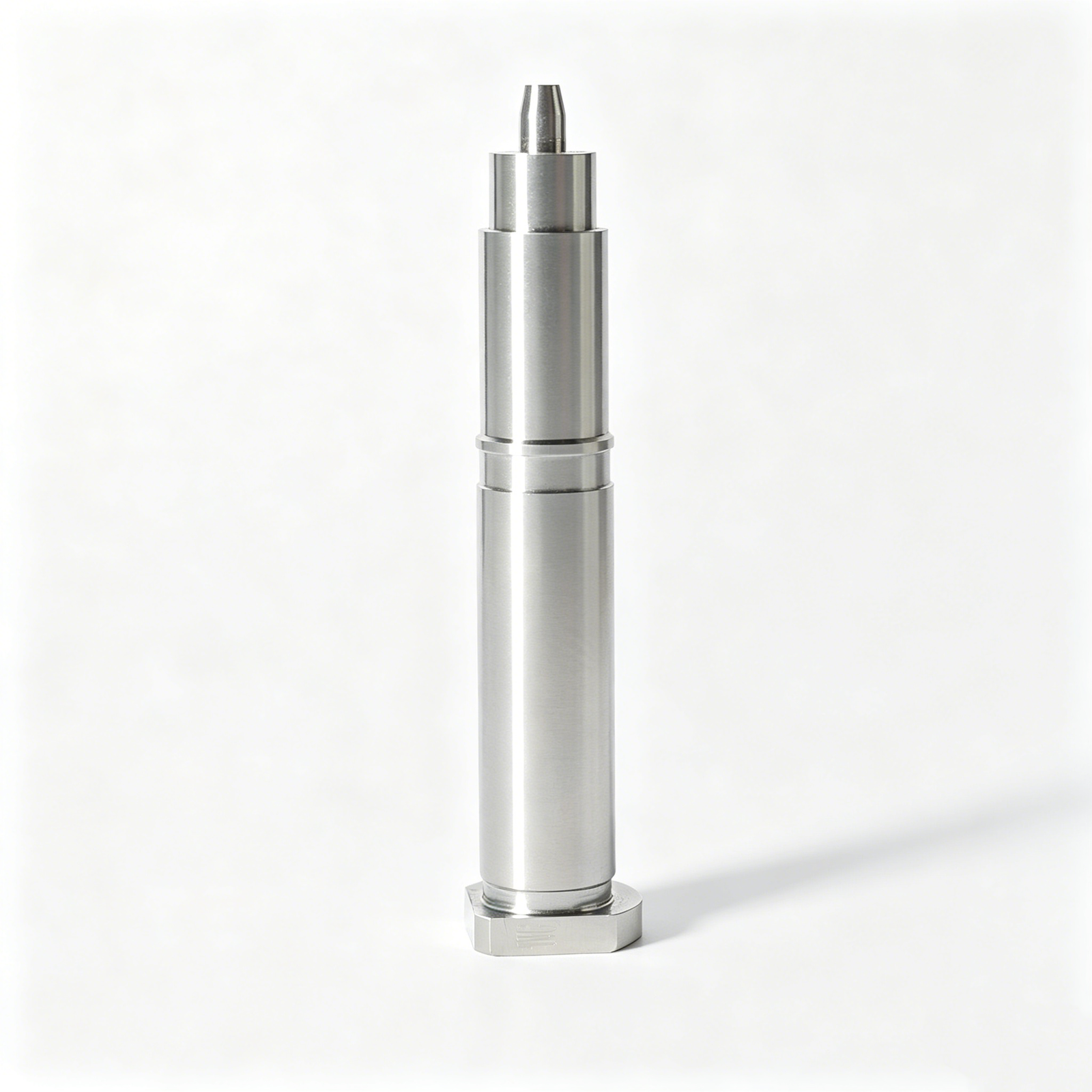
Slides, Lifters, Gates & Mold Accessories
Mold slides, lifters, gates, and accessories combine moving interfaces with molding and alignment requirements. Process planning identifies travel surfaces, shutoffs, wear areas, gate geometry, toleranced fits, machining access, finishing needs, and assembly or fitting expectations.
Upload a Drawing
Connector Mold Components
Precision connector mold components support fine-pitch connector tooling where repeated locations, small features, and mating geometry drive risk. Provide cavity layout context, critical pitch dimensions, material requirements, EDM details, surface expectations, and inspection documentation needs.
Upload a Drawing
Stamping Die Components
Precision stamping die components are produced to drawings for cutting, forming, guiding, and wear applications. Review covers material and hardness requirements, clearance-sensitive profiles, wire-EDM strategy, grinding stock, edge condition, mating relationships, and inspection priorities.
Upload a Drawing
Injection Mold Components for MIM, CIM & Overmolding
Injection, MIM, CIM, and overmolding tooling components are assessed according to the verified project scope. Useful RFQ information includes material flow considerations, molding interfaces, inserts, critical formed geometry, cooling or venting needs, tool-steel requirements, and mating-component context.
Upload a Drawing
Machining Materials
CNC machining materials are selected against the drawing, application, dimensional risk, wear requirements, and downstream treatment route. State the required grade, material condition, supplier specification when applicable, and whether substitutions require prior engineering approval.
Upload a Drawing
Surface Finishes & Heat Treatment
Surface finishing and heat treatment must be specified with the functional surfaces, masking needs, dimensional priorities, and sequence relative to machining, EDM, and grinding. The production plan should account for distortion risk, allowance, surface requirements, and verification after treatment.
Upload a Drawing
Quality, Metrology & Documentation
Precision inspection, metrology, and quality documentation are defined from the drawing and agreed inspection plan. Identify critical-to-quality dimensions, datum references, sampling expectations, reporting format, material or treatment records, revision level, and traceability requirements before production.
Upload a Drawing
Prototyping & Low-Volume Production
Rapid prototyping and low-volume manufacturing support drawing-driven evaluation, bridge work, and controlled small batches. Submit the 2D drawing, 3D model when available, quantity, material, critical dimensions, inspection requirements, revision status, and target delivery date for process review.
Upload a DrawingCNC Machining Tungsten: Materials and Project Requirements

Pure Tungsten
For high-temperature, high-density, or thermal applications, pure tungsten requires grade and sintered condition review. Confirm geometry, datum locations, surface priorities, and crack-sensitive features so machining access and inspection planning align with the drawing.

Tungsten Heavy Alloy
Tungsten heavy alloys are often considered where mass and balance are important. Identify the alloy designation, density requirement, heat-treatment condition, and mating features, then review clamping loads and tolerance stack risks before production planning.

Copper Tungsten Composite
Copper tungsten combines tungsten content with copper for applications that may require thermal or electrical performance. Provide the specified composition, conductivity-related requirements, surface condition, and contact geometry so the machining and inspection route can be evaluated.

Tungsten Carbide
Tungsten carbide is commonly specified for wear-focused tooling, inserts, and die-related components. Confirm binder grade, blank condition, critical edges, grinding stock, and EDM requirements because brittle features and finishing allowances strongly influence the workable process route.

Sintered Tungsten Blanks
Sintered tungsten blanks should be reviewed with their material certificate, density target, size, and prior processing condition. This information helps determine stock allowance, machining sequence, feature accessibility, and the inspection evidence needed for the finished part.
CNC Machining Tungsten: Process Routes for Critical Features

CNC Milling
CNC milling establishes accessible flats, pockets, profiles and datum features. Tool access, stock condition and critical dimensions are reviewed to define a practical machining sequence before tungsten material is committed.

CNC Turning
CNC turning is considered for rotational diameters, shoulders, bores and concentric features. The route is evaluated against workholding stability, section geometry, surface requirements and the relationship of turned features to inspection datums.

Wire EDM
Wire EDM supports narrow slots, internal profiles, sharp-corner requirements and features with limited cutting-tool access. Wire path, start-hole location, stock condition and subsequent inspection requirements should be defined from the drawing.

Sinker EDM
Sinker EDM is planned for cavities, deep forms and detailed internal geometry where conventional tool access is constrained. Electrode strategy, flushing access, datum transfer and finishing expectations require review before the process route is confirmed.
Precision Grinding
Precision grinding refines selected faces, diameters and mating features after the relevant material and process sequence are agreed. Grinding stock, heat-treatment condition, surface requirement and measurement method guide the allowance plan.

Final Fitting
Final fitting brings interdependent features into functional relationship for assemblies, mold components or tooling interfaces. Controlled checking against drawing datums helps identify fit risks, revision needs and inspection evidence required for delivery.
CNC Machining Tungsten: Component Features and Applied Hardware
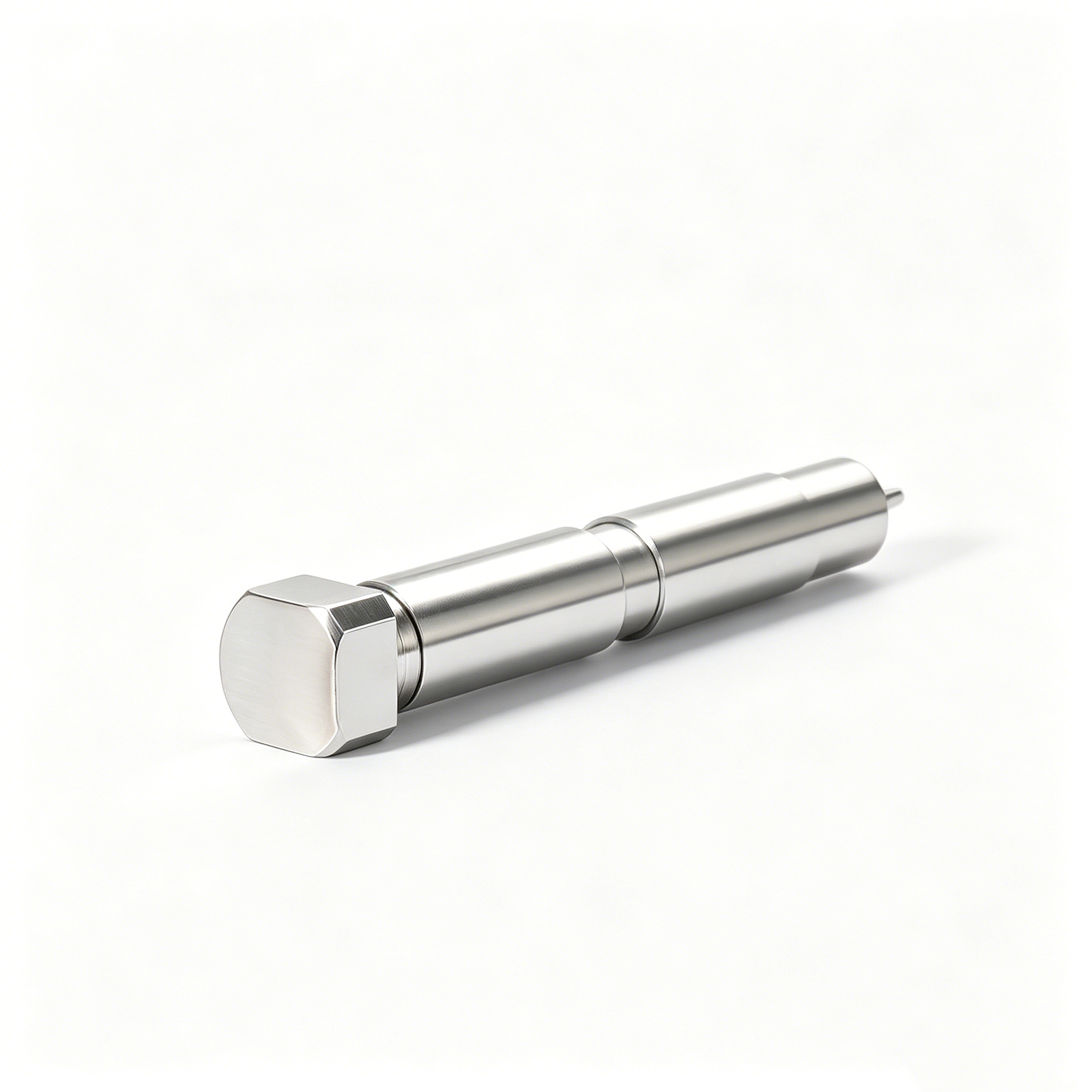
Precision Core Pins
Core pins can be supplied as drawing-defined mold elements where diameter, engagement length, tip geometry, material, heat treatment, and mating relationships are clearly specified for feasibility review and inspection planning.

Guide and Locating Elements
Guide posts, bushings, locating pins, and alignment features may be integrated when the drawing identifies datum strategy, fit class, assembly order, and the interfaces that control repeatable tool positioning.

EDM Form Inserts
Complex inserts, narrow slots, sharp internal details, and difficult-access forms can be assessed for wire EDM or sinker EDM after reviewing electrode access, wire path, corner requirements, finishing allowance, and inspection method.

Applied Identification Marks
Part numbers, revision identifiers, orientation marks, and customer-specified labels can be reviewed as controlled features, with location, marking method, legibility expectations, and traceability requirements defined in the drawing package.
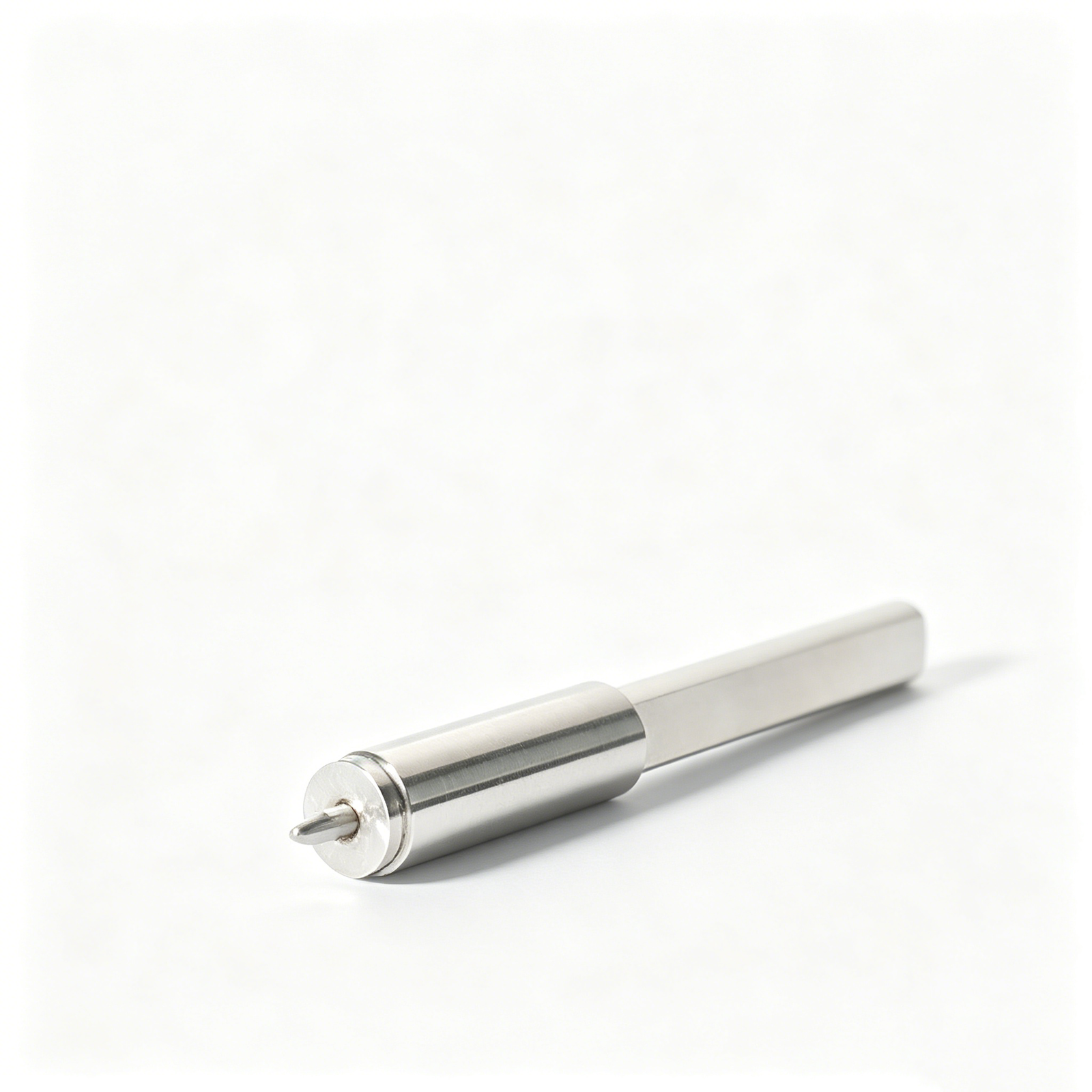
Customer-Specified Hardware
Specified fasteners, inserts, collars, or mating hardware can be considered when the RFQ includes exact part references, assembly intent, material constraints, and responsibility for supplied or sourced components within project scope.
About SUUXIANG Precision Manufacturing
SUUXIANG is the sole public-facing brand name of Dongguan SuuXiang Precision Mold Co., Ltd., established in 2010 in Chang’an Town, Dongguan, Guangdong, China. XiaoCheng Huang is the founder and legal representative. We help global engineering, sourcing and quality teams turn drawings and specifications into inspected custom CNC parts, precision mold components, connector tooling and stamping-die components.
For cnc machining tungsten and other demanding drawing-based work, project discussions begin with DFM, critical dimensions, datums, material and heat-treatment requirements, machining access, EDM needs, grinding allowance and inspection expectations. The production route may combine CNC milling or turning, multi-axis machining, wire EDM, sinker EDM, grinding, fitting and planned inspection.
What distinguishes SUUXIANG is disciplined project coordination around the drawing rather than a generic quotation workflow. We keep revision, process and delivery information visible, align final documentation with the agreed inspection plan, and confirm project-specific capability before production commitments are made.

CNC Machining Tungsten: Capability Planning in Detail
Drawing and DFM Review
CNC machining tungsten begins with a drawing review that identifies critical dimensions, datum relationships, thin sections, internal features, surface requirements, and material condition. SUUXIANG uses this discussion to clarify manufacturability, inspection priorities, and revision-controlled quotation inputs before production commitments are made.
- Review 2D drawings and available 3D models
- Identify critical dimensions and datum strategy
- Check tool access and fragile-feature risks
- Confirm material, quantity, and reporting needs
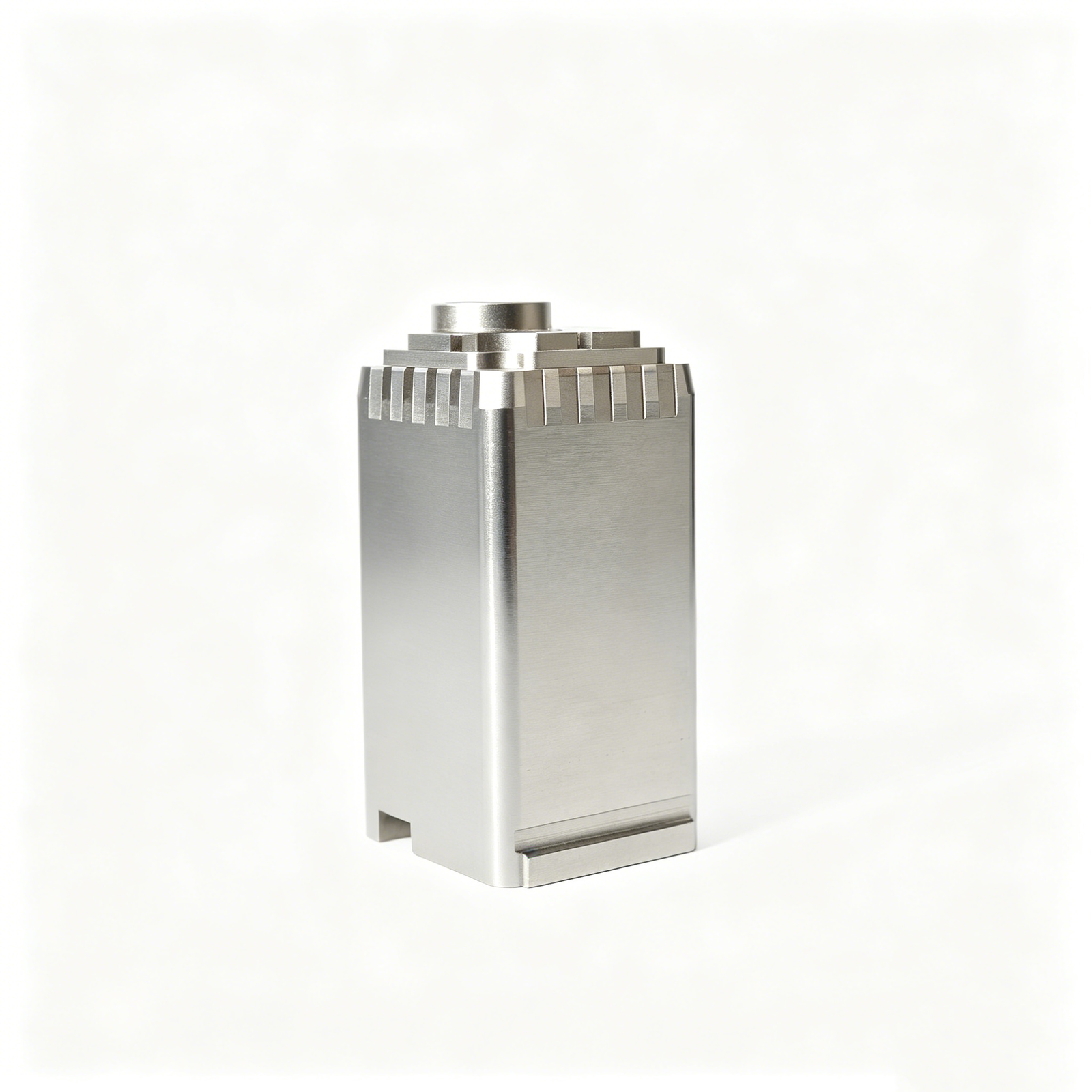
CNC and EDM Route Selection
Tungsten parts may require more than a single machining method. SUUXIANG evaluates feature geometry, access, corner definition, stock condition, and dimensional priorities to plan an appropriate route across CNC milling or turning, wire EDM, sinker EDM, and intermediate inspection.
- Match process selection to feature geometry
- Assess wire paths and electrode requirements
- Plan machining allowances between operations
- Keep route decisions tied to drawing revisions

Grinding and Fitting Control
Where functional faces, locating features, or mating relationships require refinement, grinding stock and fitting work should be planned rather than treated as a final correction. The process route considers heat-treatment sequence, datum preservation, accessible grinding surfaces, and the dimensions that must remain stable.
- Define grinding stock before finishing operations
- Protect critical datums through the route
- Review mating and locating relationships
- Coordinate fitting with dimensional verification
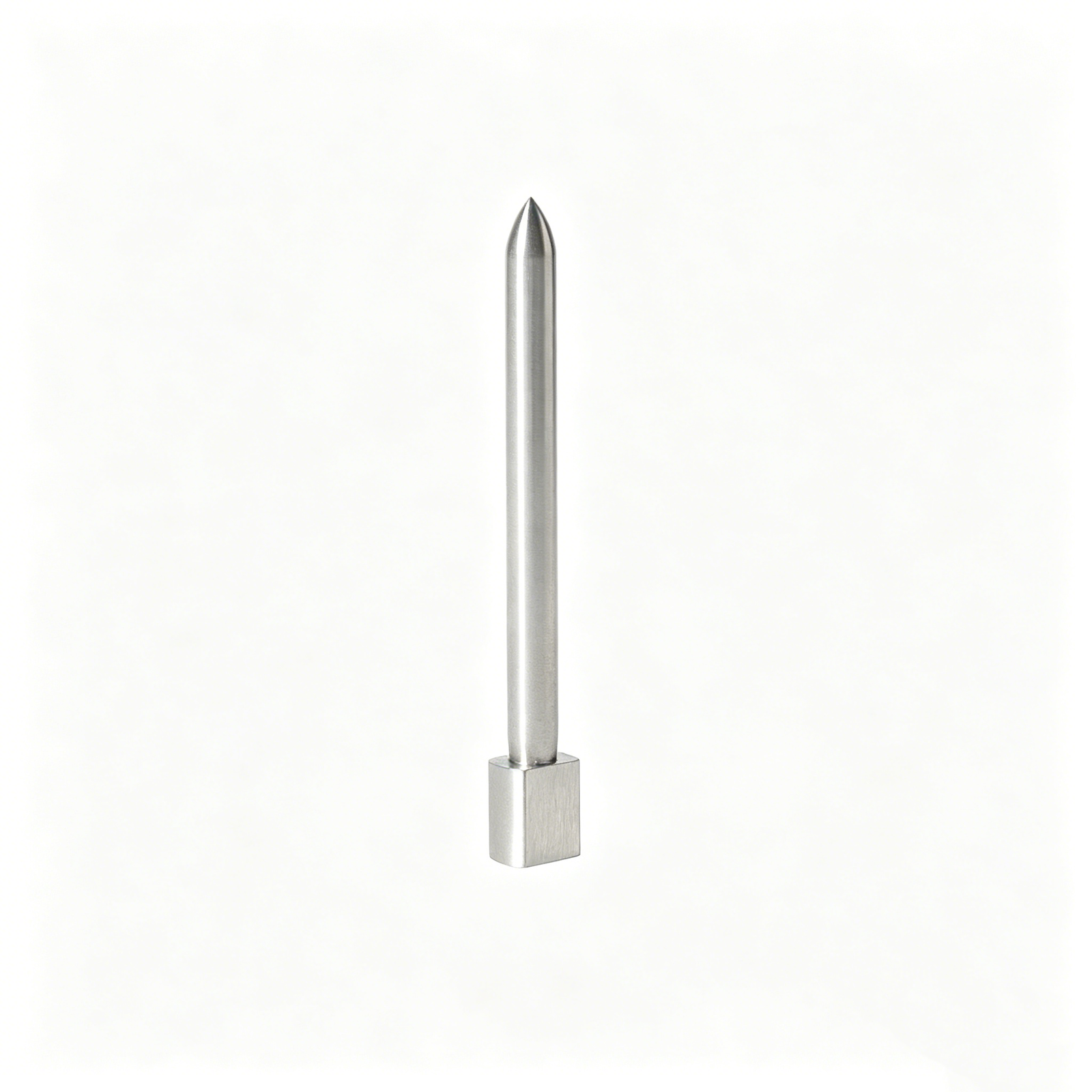
Inspection Documentation Planning
Inspection is most useful when it follows the drawing’s critical requirements and the agreed production route. SUUXIANG aligns inspection methods, measurement points, report expectations, and revision identification with the order so engineering, sourcing, and quality teams can review the delivered evidence clearly.
- Align measurement points with critical dimensions
- Confirm required inspection reports early
- Maintain visible drawing revision control
- Match final documentation to the verified plan
Why Engineering Teams Choose a Drawing-Led Supplier
For cnc machining tungsten, SUUXIANG begins with the drawing, critical dimensions, process risks, and inspection expectations before production commitments.
← Swipe left or right to view →
CNC Machining Tungsten: Controlled Production Workflow
Each project is planned around the drawing, material condition, critical dimensions, process access and agreed inspection requirements before shipment coordination begins.
Review Drawing and RFQ
SUUXIANG reviews the 2D drawing, available 3D model, quantity, application, delivery target and critical dimensions to clarify the manufacturability basis.
Confirm Material and Route
Material grade, heat-treatment condition, datum strategy and surface requirements are confirmed; CNC machining tungsten, EDM and grinding steps are planned around access and allowances.
Machine Critical Features
CNC milling, turning or multi-axis operations establish applicable geometry while tool access, fixturing and controlled stock for subsequent processes remain visible.
Apply EDM or Grinding
Wire EDM, sinker EDM or precision grinding is selected when feature geometry, hardness condition, finish needs or dimensional control requires a complementary process.
Inspect Pack and Coordinate
Parts are inspected against the agreed plan, documented as required, protected for transit and coordinated for shipment with revision and order information retained.
How to Start CNC Machining Tungsten Projects
Provide complete technical inputs early so DFM, process planning, inspection expectations, and delivery coordination can be reviewed before production commitments.
Submit Complete Project Inputs
Upload the 2D drawing and 3D model when available, plus material, quantity, delivery target, critical dimensions, surface requirements, and inspection expectations.
Review DFM and Risks
SUUXIANG reviews datums, tolerance stack, machining access, brittle-feature risks, EDM or grinding needs, and heat-treatment sequence before confirming a feasible process route.
Approve Quotation or Sample
Align on the quoted scope, revision, production route, quality plan, and sampling needs before releasing CNC machining tungsten parts for manufacture.
Receive Inspected Documentation
Production follows the agreed process plan, with inspection records and order-matched documentation prepared according to the verified requirements and revision-controlled delivery plan.
CNC Machining Tungsten Certification and Quality Documentation
Verified CNC Machining Tungsten Project Feedback
Approved customer testimonial pending: document the drawing revision, tungsten grade, critical dimensions, inspection scope, quantity, and verified project outcome before publication.
Approved customer testimonial pending: record the agreed process route, including CNC machining, EDM, grinding, or inspection, together with a customer-authorized, measurable result.
Approved customer testimonial pending: confirm the customer name, role, company, quotation context, and a traceable outcome before presenting this as CNC machining tungsten project feedback.
CNC Machining Tungsten FAQ
Practical guidance for preparing a drawing-led tungsten machining inquiry, reviewing project conditions, and defining the evidence needed before production.
What information should I provide for cnc machining tungsten?
Is there a minimum order quantity for cnc machining tungsten parts?
Can SUUXIANG supply samples before a cnc machining tungsten production order?
How is lead time evaluated for tungsten parts?
What inspection reports can be requested with tungsten machining orders?
How do you protect drawings and IP for cnc machining tungsten projects?
Can SUUXIANG arrange international shipping for machined tungsten components?
What payment terms apply to a custom tungsten machining order?
Complete Buyer’s Guide to cnc machining tungsten
Use this decision framework to specify tungsten parts, compare material and process options, assess supplier capability, control cost and lead time, and avoid drawing, inspection, and sourcing mistakes.
1. What Is cnc machining tungsten?
3422 °C is tungsten’s melting point, which helps explain its use where elevated-temperature stability, wear resistance, or mass concentration matter. In drawing-based cnc machining tungsten, the material may be pure tungsten, a tungsten heavy alloy, or copper-tungsten; the selected grade must match the functional requirement rather than simply the drawing geometry. Source: https://www.cnccookbook.com/machining-tungsten-alloys-feeds-speeds-guide
19.3 g/cm³ is the approximate density of pure tungsten, while its hardness and brittleness demand rigid workholding and a process route that limits chipping. CNC milling or turning establishes accessible geometry; grinding is often used for controlled stock removal and finish, while wire or sinker EDM can address features unsuitable for direct cutting. Tungsten is appropriate when the application demonstrably needs its thermal, density, electrical, or wear behavior and the drawing, material certificate, heat-treatment condition, datums, and inspection plan support that choice. Source: https://www.cnccookbook.com/machining-tungsten-alloys-feeds-speeds-guide
2. Why cnc machining tungsten Is Challenging
3,422°C is tungsten’s melting point, and its density is about 19.3 g/cm³; these properties explain its use where heat resistance or compact mass matters. Feedstock may begin as powder-metallurgy material, so the buyer should identify the specified grade and supplied form before assigning a route. Source: https://www.cnccookbook.com/machining-tungsten-alloys-feeds-speeds-guide
19.3 g/cm³ also means a given cutter engagement places substantial demand on spindle torque, workholding, and machine rigidity. Tungsten’s hardness, stiffness, and brittleness can raise cutting forces, accelerate edge wear, and turn vibration, interrupted cuts, or poor support into chipping or crack risk.
3 process families—CNC cutting, precision grinding, and EDM—are therefore selected around the feature, stock condition, and datum plan rather than treated as interchangeable. Modern cnc machining tungsten work often reserves grinding for controlled finishing and uses wire or sinker EDM where a mechanical cutting path would create unacceptable tool access, force, or geometry risk; verify allowances and inspection points during drawing review.
3. Types of cnc machining tungsten
Six routes cover most drawing-based cnc machining tungsten work. Select them from feature geometry, green or sintered material condition, datum access, and the final tolerance requirement.
| Route | Best Geometry | Strength | Practical Limitation |
|---|---|---|---|
| Milling | Flats, pockets, contours | Accessible bulk shaping | Tool access; chipping |
| Turning | Shafts, bores, faces | Concentric rotary features | Limited to rotational geometry |
| Drilling/threading | Holes, threads | Direct axial features | Break-through and thread risk |
| Grinding | Flats, diameters | Fine final sizing | Needs grinding allowance |
| Wire EDM | Through-slots, profiles | No cutting-force profile cutting | Requires wire path |
| Sinker EDM | Blind cavities | Internal detail formation | Requires electrode strategy |
Prismatic And Rotary Features
CNC milling suits accessible flats, pockets, and contours; turning suits diameters, faces, and concentric bores. Both need rigid workholding and conservative stock removal to limit edge chipping.
A hybrid mill-turn route is sensible when rotational datum features also require flats or cross-holes.
Holes And Threads
Drilling creates accessible holes, but deep or small features need an agreed break-through, chip-removal, and inspection plan. Threading is generally best reserved for suitable diameter and material conditions; consider an inserted thread or EDM alternative when risk is high.
EDM And Grinding Finishes
Precision grinding best establishes flatness, diameter, and final stock removal on hard material. Wire EDM cuts through-profiles and slots; sinker EDM forms blind cavities, sharp internal details, and inaccessible corners.
Use milling or turning for bulk removal, then EDM or grinding for critical final geometry.
4. Tungsten Grades and Material Forms
Material selection begins with the drawing’s service environment, electrical function, mass target, and allowable process route. For cnc machining tungsten, specify the grade and starting form before quotation.
| Material | Key Selection Factor | Typical Service Fit | Machining Consideration |
|---|---|---|---|
| Pure tungsten | Very high density, brittle | High-temperature parts | Conservative stock removal |
| Heavy alloy | Binder improves toughness | Mass or shielding parts | More machinable than pure W |
| Tungsten carbide | Binder controls toughness | Wear tooling | Grinding or EDM often needed |
| Copper-tungsten | Conductive composite | Electrodes, contacts | Confirm copper percentage |
Grade Selection
Commercially pure tungsten suits high-temperature, low-conductivity-loss duties but is brittle.
Tungsten heavy alloys use nickel-iron or nickel-copper binders for greater toughness and easier machining.
Functional Trade-Offs
Tungsten carbide uses a cobalt or nickel binder and favors wear-critical tooling.
Copper-tungsten combines refractory behavior with useful thermal and electrical conductivity for electrode or contact duties.
Starting Form Choice
Sintered blanks retain machining stock and may reveal porosity or binder-related behavior.
Plates, rods, and near-net preforms should match the grain direction, finished geometry, and material-removal plan.
Drawing Evidence
Material certificates should be requested against the drawing specification, not a generic alloy name.
Certificates should identify grade, chemistry, density where relevant, condition, and heat or lot traceability.
5. Design Features and Finishing Options
Two drawing decisions govern manufacturability: which surfaces locate the part, and which surfaces perform work. For cnc machining tungsten, identify both before choosing a cosmetic finish or a complex profile.
| Feature Or Requirement | Preferred Route | Drawing Information Needed |
|---|---|---|
| Open profile or hole | CNC milling or drilling | Tool access and datum location |
| Sharp internal geometry | Wire or sinker EDM | Corner form and electrode access |
| Critical flat or diameter | Precision grinding | Stock allowance and datum |
| Contact surface | Lapping or controlled polish | Ra, lay, and functional purpose |
Feature Route Selection
3-axis-accessible flats, open slots, radii, cross-holes, and external threads are candidates for CNC when tool access and wall support are defined.
Blind sharp internal corners, narrow deep slots, and intricate profiles may require wire EDM or sinker EDM; precision faces may need grinding.
Functional Surface Callouts
2D drawings should mark datums, mating faces, sealing or contact zones, allowable edge breaks, and the inspection method. State whether a surface needs geometry, wear behavior, or appearance; these are different requirements.
- Identify primary, secondary, and tertiary datums
- Dimension hole position from functional datums
- Specify thread class and engagement length
- Define assembly clearance with mating parts
Finish And Edge Requirements
Ra values, lay direction, and protected functional areas should be called out only where they affect performance. Deburring removes hazardous edges, while lapping or polishing should be limited to surfaces needing contact, sealing, or low friction.
Part marking needs location, method, depth limit, and readability requirement. Avoid broad cosmetic-polish requests on wear, mating, or datum surfaces unless the application justifies them.
6. Quality Controls for Tungsten Parts
A tungsten quality package should connect the ordered material, drawing revision, datum scheme, and inspection results. For brittle or high-value parts, acceptance criteria must be agreed before setup approval.
Material And Incoming Condition
Material certificates should identify grade, heat or lot, form, and any specified heat-treatment condition. Incoming inspection should record visible cracks, chips, corrosion, and stock dimensions before machining.
Lot traceability should remain linked to the traveler and finished-part identification where practical. A substitution requires written customer approval.
Datums, Fixtures, And Edges
Drawing datums should govern both fixturing and final measurement, especially for mating features. Thin walls need supported clamping and a defined measurement state to avoid reporting fixture-induced distortion.
Edge requirements should state whether sharp edges, controlled breaks, or burr removal are acceptable. Brittle corners merit focused visual checks after each handling-intensive operation.
Inspection Evidence And Protection
In-process records should cover critical dimensions after operations that can alter them, including EDM, grinding, or deburring. Final reports should identify the instrument, datum reference, actual results, and drawing revision.
Surface verification should use the specified method and sampling plan, not an unqualified visual judgment. Packing instructions should isolate parts, protect edges, and preserve lot identification through delivery.
- Material certificate and incoming-condition record
- First-article or critical-dimension results
- Final inspection report and packing traceability
7. Choosing a cnc machining tungsten Supplier
For cnc machining tungsten, capability is proven before an order by the supplier’s review of the released drawing, material form, critical datums, and inspection requirements. A credible response identifies process risks and requests missing information rather than simply accepting every tolerance.
| Evaluation Area | Capable-Supplier Proof | Generic-Shop Warning |
|---|---|---|
| Metrology | Feature-specific inspection plan | Inspection promised without methods |
| Communication | Written risks and revision status | Quotation-only responses |
| Corrective action | Documented containment and cause | Informal replacement promise |
Evaluate The Drawing Review
2D drawings and 3D models should receive written DFM feedback covering datum interpretation, tool access, wall support, wire paths, and grinding stock. Critical dimensions should be tied to proposed inspection methods.
- Ask for marked-up drawing feedback
- Confirm revision-control method
- Require open manufacturability questions
Match Grade And Process
Selected tungsten grade and starting form must be confirmed by material documentation. CNC, EDM, and grinding should be proposed as a coordinated route, with fixturing and intermediate handling considered.
- Verify prior work with the specified grade
- Review electrode or wire-EDM strategy
- Request the fixture concept for fragile features
Require Production Evidence
First-article approval should compare the sample to the agreed drawing revision and inspection plan. Prototype-to-low-volume support is stronger when the supplier can preserve records, report deviations, and issue corrective actions.
- Review sample inspection results
- Confirm lot and revision traceability
- Define response ownership for nonconformance
8. Common Tungsten Sourcing Mistakes
Drawing ambiguity drives avoidable risk in cnc machining tungsten before a cutter, wheel, or EDM wire is selected. A disciplined RFQ converts material, geometry, inspection, and commercial assumptions into reviewable requirements.
Define Material Completely
Grade, material form, and target density should appear on the drawing or RFQ; ‘tungsten’ alone is not a sufficient purchasing description. State any chemistry, heat-treatment, and traceability requirement, then ask the supplier to confirm available stock.
Stock form and quantity affect yield, lead time, and feasible geometry. Request the proposed starting form and material documentation before releasing production.
Make Tolerances Buildable
Critical dimensions need datums, tolerance zones, and a stated inspection method; unilateral numbers without a datum can create conflicting setups. Mark functional faces and mating features rather than applying tight tolerances everywhere.
Edge breaks need size and location requirements, especially near holes, sealing faces, and sharp corners. Include allowable burr condition and any surface-finish priority in the drawing notes.
Review The Process Route
EDM is not automatically the fastest route for every feature; wire path, start-hole access, electrode work, and finish passes can change the schedule. Ask for the proposed CNC, EDM, and grinding sequence with intermediate allowances.
Revision-controlled drawings prevent a quotation from being compared against an obsolete geometry. Require written confirmation of the revision, exceptions, and open DFM questions.
Compare Evidence And Cost
First-article acceptance should reference the agreed critical dimensions, datums, instruments, sampling, and report format. Do not approve an inspection plan that lists dimensions without measurement responsibility or acceptance criteria.
Unit price excludes many program risks. Compare material evidence, process route, inspection scope, revision control, scrap assumptions, and delivery commitments alongside the quoted price.
9. From RFQ to Production Approval
1 controlled RFQ package should include the released 2D drawing, model, annual volume, material form, heat treatment, application, and delivery target. For cnc machining tungsten, define whether the part is pure tungsten, alloy, or copper-tungsten before route planning.
Confirm The Manufacturing Route
2 process decisions come first: establish stock form, machining allowance, fixturing, tool access, and whether EDM or grinding is required after CNC.
3 component contexts change the review: mold cores require datum and fitting logic; connector tooling needs mating-feature control; stamping dies need wear surfaces identified.
Lock Critical Requirements
4 drawing-review items should identify CTQ dimensions, datum references, geometric tolerances, surface condition, edge requirements, and the inspection method.
5 DFM feedback should be dispositioned before release. Confirm proposed radius changes, electrode strategy, wire paths, grinding stock, and heat-treatment sequence in the controlled revision.
Approve And Repeat Reliably
6 first-article or sample approval should compare measured results with the agreed drawing revision and inspection plan before production authorization.
7 repeat-order controls should preserve the approved revision, material and process route, CTQ inspection records, quantity, packaging needs, and any deviation approval. For prototypes and low-volume work, record each change explicitly rather than assuming a previous setup remains valid.
10. cnc machining tungsten Pricing Factors
8 cost drivers determine a credible cnc machining tungsten quotation: material form, blank size, feature complexity, tolerance band, process route, quantity, inspection scope and delivery urgency. A drawing alone is rarely enough; state the grade, condition, traceability requirement and any heat-treatment or finishing sequence.
2 practical savings usually come before machining starts: specify only function-critical tolerances and preserve material-efficient geometry. Combine features that can be reached in one setup, avoid unnecessary deep cavities or thin unsupported walls, and request drawing review early so tool access, EDM strategy and inspection points are agreed before release.
| Cost driver | Indicative effect on cost |
|---|---|
| Grade and form | Specialized grades or oversized blanks increase material risk |
| Features and tolerance | Small holes, sharp internal corners and tighter bands add operations |
| Process route | EDM, grinding and fitting add time beyond milling or turning |
| Quantity and inspection | Low quantities absorb setup; reports add verification effort |
| Lead time | Expediting can limit scheduling flexibility and raise cost |
Start CNC Machining Tungsten with a Drawing Review
Send your drawing, material grade, quantity, critical dimensions, surface requirements, inspection needs, and target delivery date for a disciplined manufacturing review.