
CNC Machining UHMW-PE for Precision Parts
Send your drawing for CNC machining UHMW-PE with DFM review, critical-dimension planning, and inspection requirements aligned before production.
Representative Component Families for UHMW-PE Development
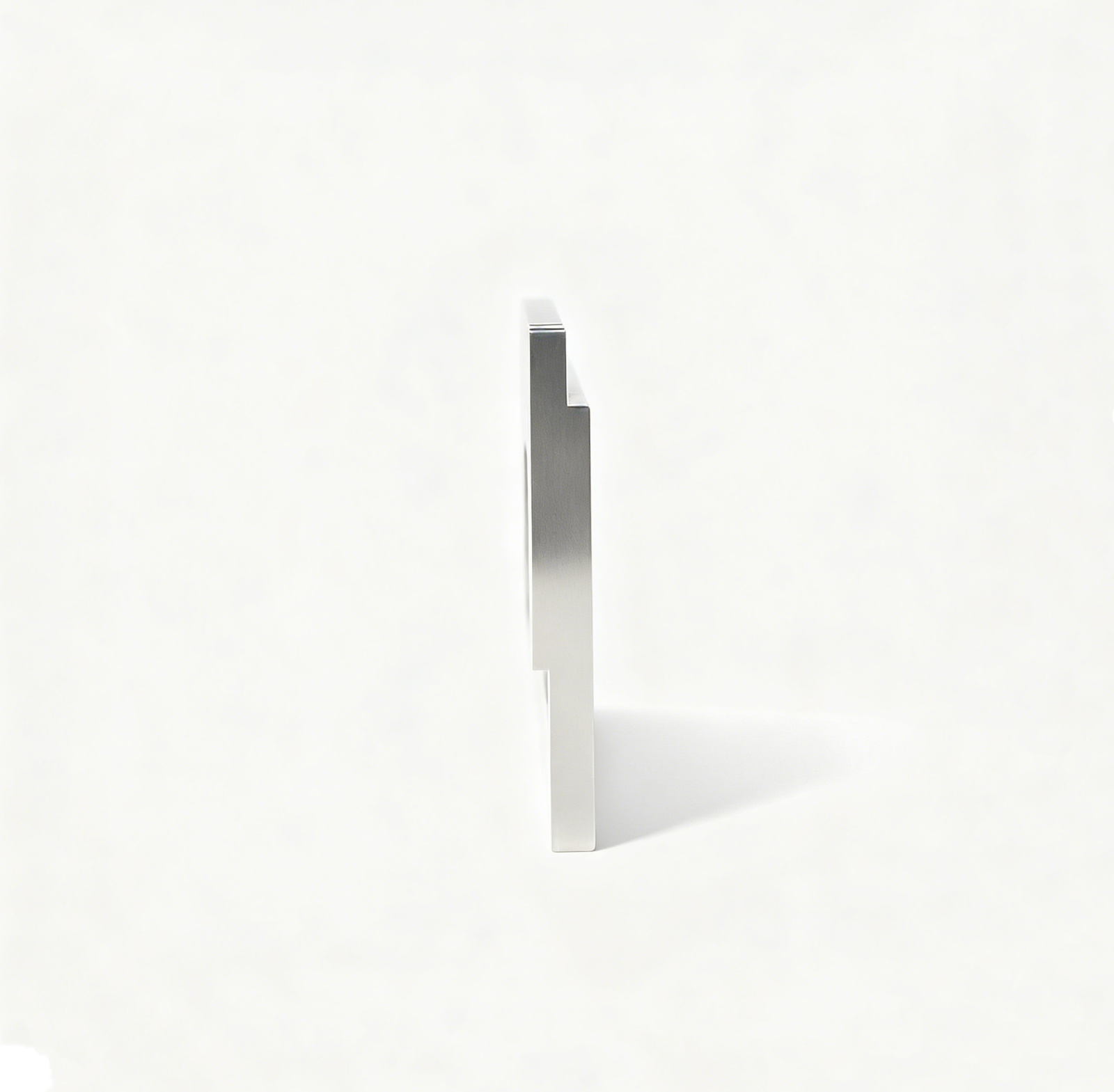


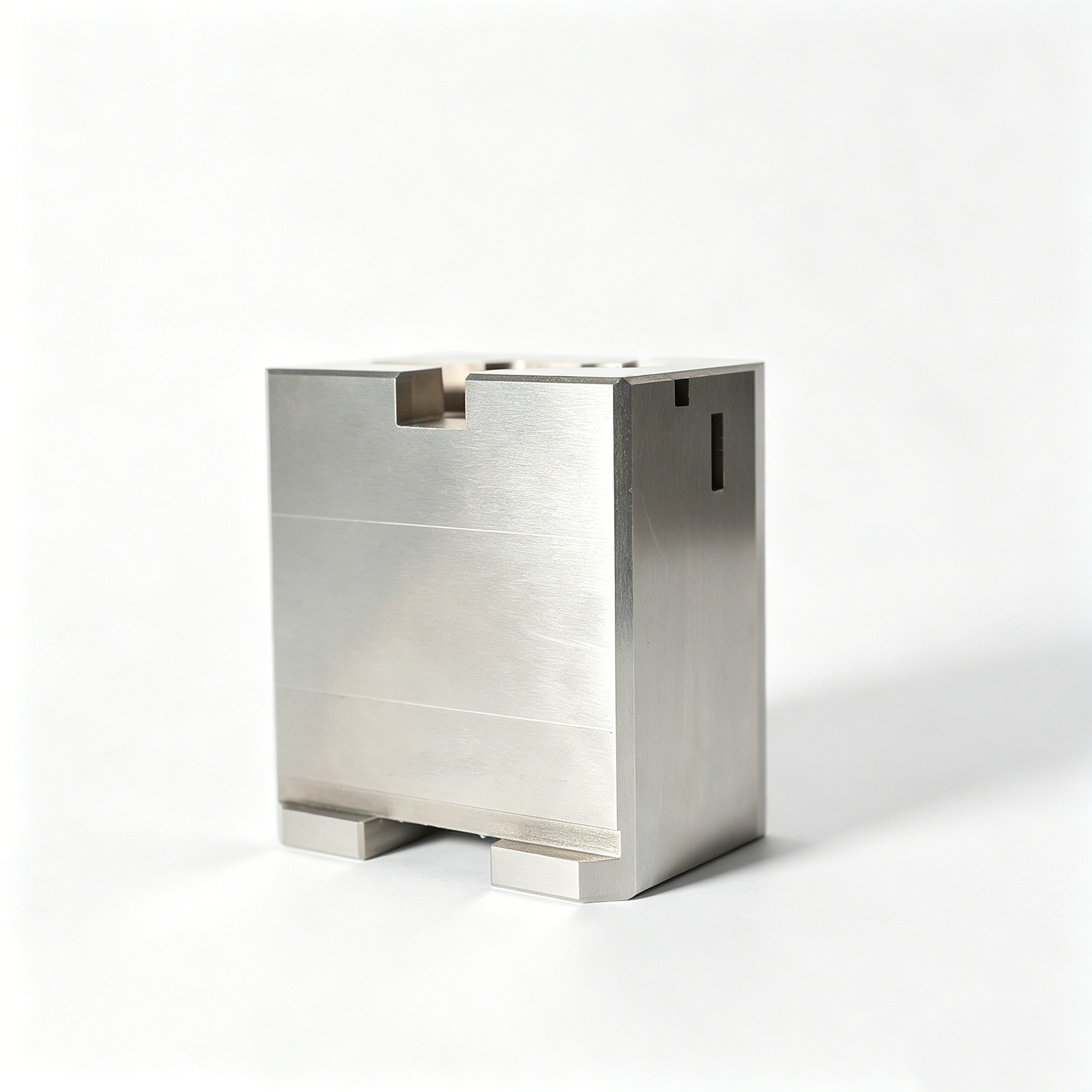

Representative Component Families and Drawing-Based Quotation



CNC Machining UHMW-PE Needs a Controlled Strategy
SUUXIANG reviews the manufacturing decisions that can affect part stability, dimensional priorities, and inspection readiness before production commitments.
DFM Before Quotation
Review geometry, critical dimensions, datums, material requirements, and surface priorities to identify manufacturability questions before pricing or process commitments.
Workholding Consideration
Assess part shape, stock condition, clamping locations, and machining access to reduce avoidable movement or distortion risks during operations.
Process Route Planning
Plan appropriate CNC milling, turning, secondary machining, and inspection steps around the drawing, quantity, and functional requirements.
Revision Visibility
Keep drawing revisions, agreed requirements, and production communication visible so manufacturing proceeds against the current documented specification.
Inspection Planning
Define critical features, measurement methods, reporting expectations, and documentation needs before final inspection is aligned with the verified order.
UHMW-PE Components, Machined to Drawing
Explore drawing-driven component and tooling routes for UHMW-PE applications, from low-friction wear parts to the precision mold systems that support production.

Precision CNC Machining Services
Precision CNC machining services for UHMW-PE parts requiring controlled geometry, stable datum selection, and clear inspection criteria. Submit drawings with thickness, critical dimensions, mating conditions, quantity, and intended operating environment for a manufacturability review.
Upload a Drawing
CNC Milling
Custom CNC milling services support UHMW-PE plates, guides, wear strips, guards, liners, and formed profiles. Tool access, clamping strategy, edge condition, and material movement should be reviewed before machining features with close positional requirements.
Upload a Drawing
CNC Turning
Precision CNC turning services produce UHMW-PE bushings, sleeves, rollers, rings, and cylindrical wear components from drawing requirements. Specify diameters, concentricity needs, wall thickness, mating shafts, and functional surface priorities to establish a suitable process route.
Upload a Drawing
5-Axis Machining
5-axis CNC machining is useful where UHMW-PE components require angled faces, compound contours, or features that benefit from fewer setups. Drawing review should confirm workholding access, datum continuity, and whether complex geometry needs dedicated inspection references.
Upload a Drawing
Swiss & Micro Machining
Swiss machining and micro machining support small precision metal components used alongside UHMW-PE assemblies, including pins, shafts, inserts, and miniature locating features. Material, tolerance stack, mating conditions, and quantity determine whether this route is appropriate.
Upload a Drawing
Wire & Sinker EDM
Wire EDM and sinker EDM services support hardened-tooling features used to manufacture or assemble UHMW-PE-related components. Wire paths, electrode strategy, corner conditions, recast-layer considerations, and downstream polishing requirements should be defined from the drawing.
Upload a Drawing
Precision Grinding
Precision surface and profile grinding provides controlled flatness, parallelism, profiles, and fitting surfaces on mold and die components supporting UHMW-PE production. Grinding stock, heat-treatment sequence, datums, and inspection method must be agreed before final finishing.
Upload a Drawing
Mold Core Inserts and Mold Cavity Inserts
Precision mold core and cavity inserts can be engineered for UHMW-PE molding applications where flow behavior, shrinkage assumptions, gate placement, and surface requirements affect part function. Provide part geometry, material grade, expected volumes, and tooling interface details.
Upload a Drawing
Ejector & Ejection Components
Ejector pins, sleeves, and ejection components are configured around mold layout, UHMW-PE part geometry, and release behavior. Review ejection locations, bearing lengths, venting, clearances, hardness requirements, and replacement or maintenance expectations before manufacture.
Upload a Drawing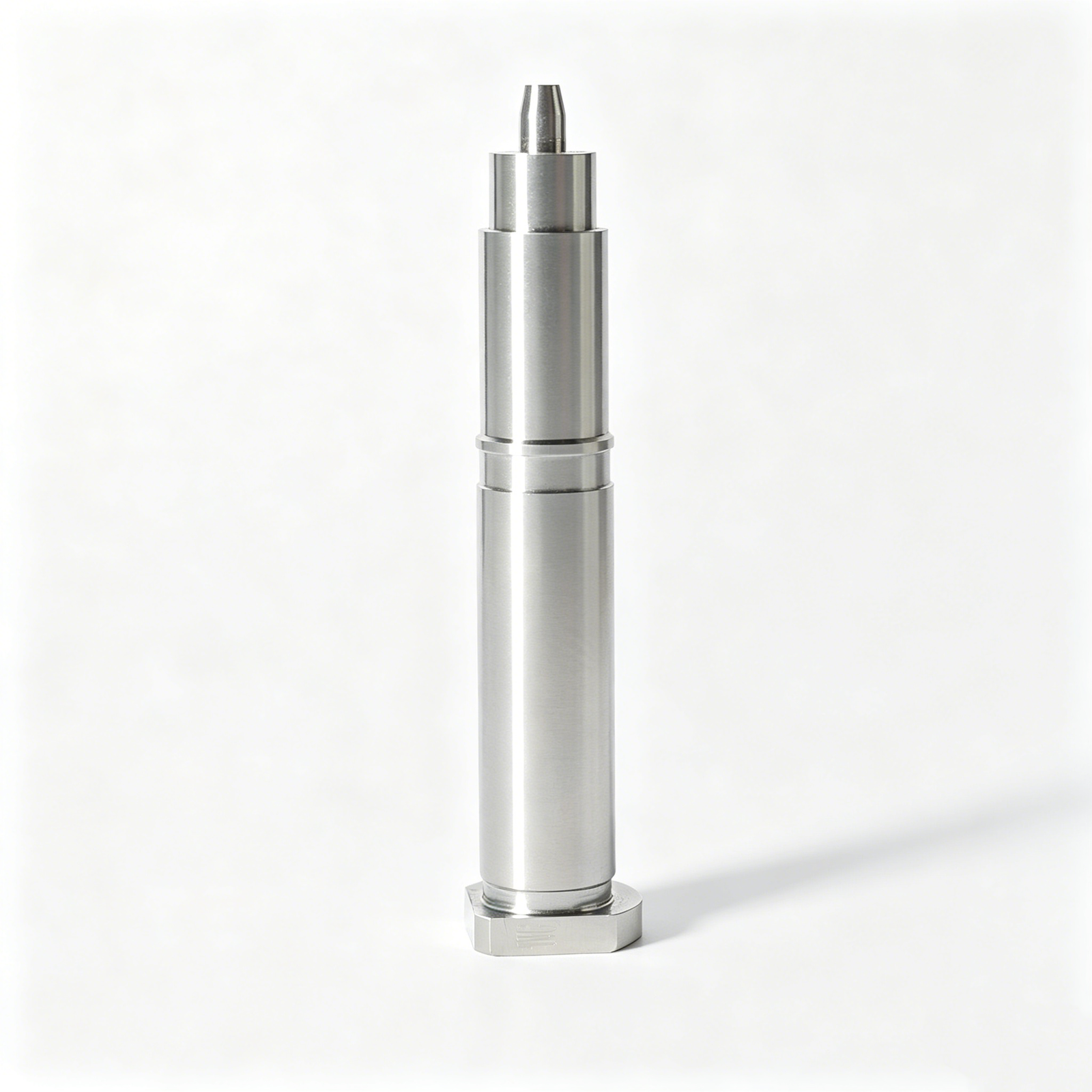
Core Pins, Guide & Locating Components
Core pins, guide pins, and locating components establish repeatable alignment for tooling associated with UHMW-PE parts. Critical considerations include datum relationships, wear interfaces, fit classes, heat treatment, surface condition, and interaction with mating mold plates.
Upload a Drawing
Slides, Lifters, Gates & Mold Accessories
Mold slides, lifters, gates, and accessories address undercuts, part release, material entry, and moving-tool interfaces in UHMW-PE tooling. Their design requires clear travel, shutoff, gate, cooling, wear, and assembly requirements rather than generic component selection.
Upload a Drawing
Connector Mold Components
Precision connector mold components support connector-tooling features where small pitches, cavity alignment, pin interfaces, and repeatable fit are critical. Drawings should identify functional datums, material and hardness requirements, EDM needs, and inspection priorities.
Upload a Drawing
Stamping Die Components
Precision stamping die components support progressive, forming, and trimming tooling where guide relationships, punch-to-die clearance, and wear surfaces must be controlled. Provide strip layout context, material specification, heat-treatment sequence, and critical assembly dimensions.
Upload a Drawing
Injection Mold Components, MIM, CIM & Overmolding Tooling
Injection, MIM, CIM, and overmolding tooling components are evaluated against the verified process scope and part requirements. Supply molding material, part geometry, interface conditions, production expectations, and quality criteria so the appropriate tooling route can be assessed.
Upload a Drawing
Machining Materials
CNC machining materials are selected according to drawing requirements, functional load, chemical exposure, temperature, wear, and mating conditions. For UHMW-PE components, identify the specified grade or application constraints; material substitutions require documented approval.
Upload a Drawing
Surface Finishes & Heat Treatment
Surface finishing and heat treatment apply primarily to metal tooling and companion components, not as generic assumptions for UHMW-PE parts. Define required roughness, coating, hardness, corrosion resistance, and post-treatment dimensional controls before production planning.
Upload a Drawing
Quality, Metrology & Documentation
Precision inspection, metrology, and quality documentation are planned around critical dimensions, datums, functional fits, and agreed reporting needs. Provide drawing revision, inspection requirements, sample quantity, measurement method expectations, and traceability needs with the RFQ.
Upload a Drawing
Prototyping & Low-Volume Production
Rapid prototyping and low-volume manufacturing support evaluation builds, replacement parts, fixtures, and controlled production runs for UHMW-PE applications. A practical quotation needs drawings, material requirements, quantity breaks, critical features, delivery target, and inspection expectations.
Upload a DrawingCNC Machining UHMW-PE Grades We Review

Virgin UHMW-PE
A standard unfilled option for wear liners, guides, and sliding components. Its low-friction, abrasion-resistant character can suit demanding contact surfaces; confirm stock form, color, and dimensional requirements before CNC machining UHMW-PE production.

UV-Stabilized UHMW-PE
For outdoor guards, wear strips, and equipment exposed to sunlight, this grade incorporates UV-stabilizing additives. Provide the required exposure conditions, color, and material documentation so the specified stock can be reviewed for the application.

Food-Contact UHMW-PE
Often specified for guides, rails, and wear parts in food-handling equipment. Food-contact suitability depends on the exact resin, colorant, region, and documentation; include the applicable compliance standard and required supplier evidence with the drawing.

Antistatic UHMW-PE
For handling equipment where static buildup may affect product flow or electronics, antistatic grades use additives to alter electrical behavior. State the target surface-resistance range, operating environment, and verification method before material selection.

Filled UHMW-PE
Filled or modified grades can be considered when a drawing calls for a defined wear, thermal, or electrical behavior. Additives may affect machining response and inspection planning, so provide the exact grade designation and technical data sheet.
CNC Machining UHMW-PE: Supported Production Processes

CNC Milling
CNC milling forms profiles, pockets, slots and drilled features in UHMW-PE. Tool access, stable workholding and heat control are reviewed before machining to help limit deflection, burr formation and dimensional movement in critical areas.

CNC Turning
CNC turning supports rotational UHMW-PE features such as bushings, rings and stepped diameters. The drawing review considers wall thickness, concentricity, holding method and datum requirements before selecting a practical turning sequence.
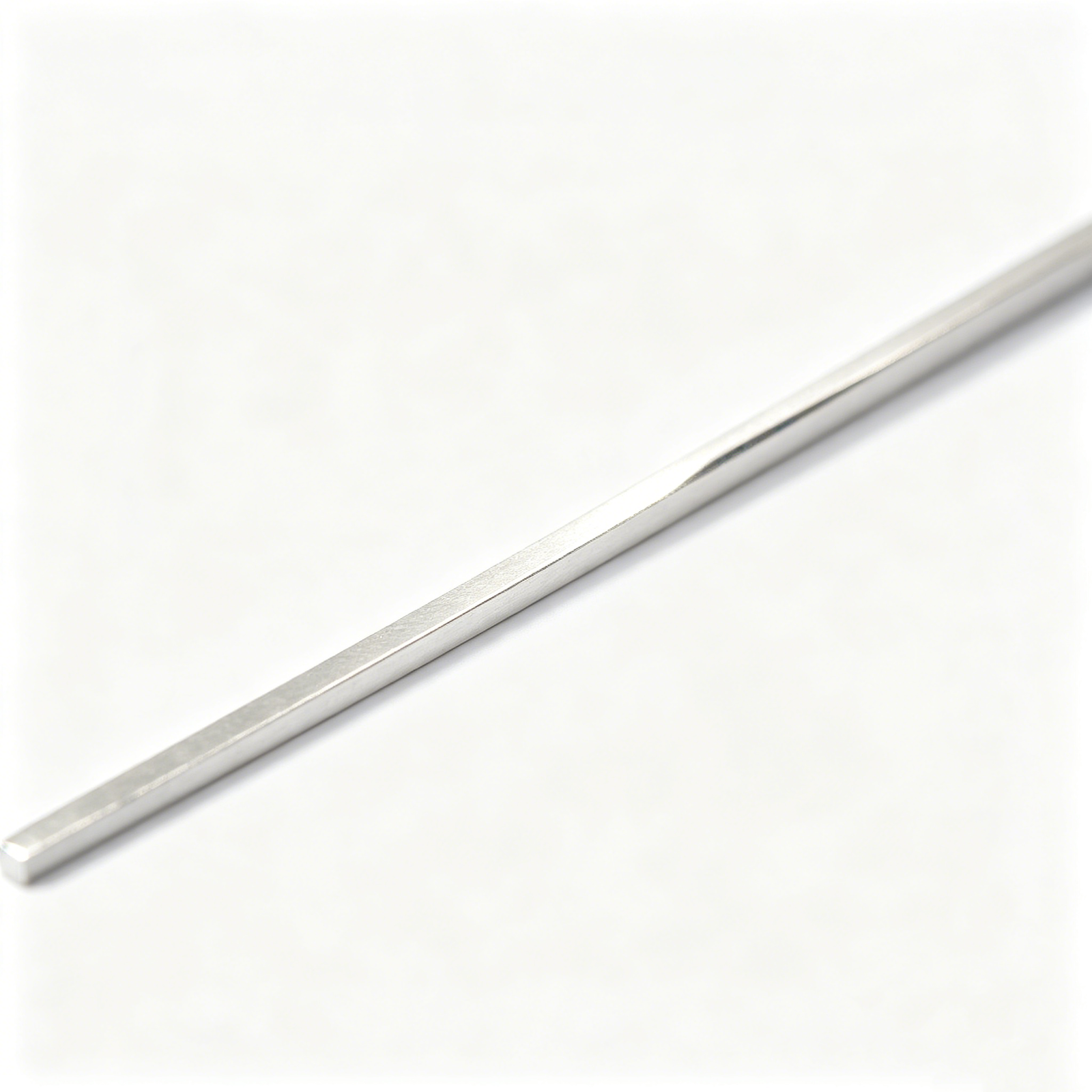

Wire EDM
Wire EDM may be considered for compatible tooling or associated precision components rather than assumed as a universal UHMW-PE process. The process route is confirmed from material, feature geometry, tolerance needs and the complete assembly requirement.
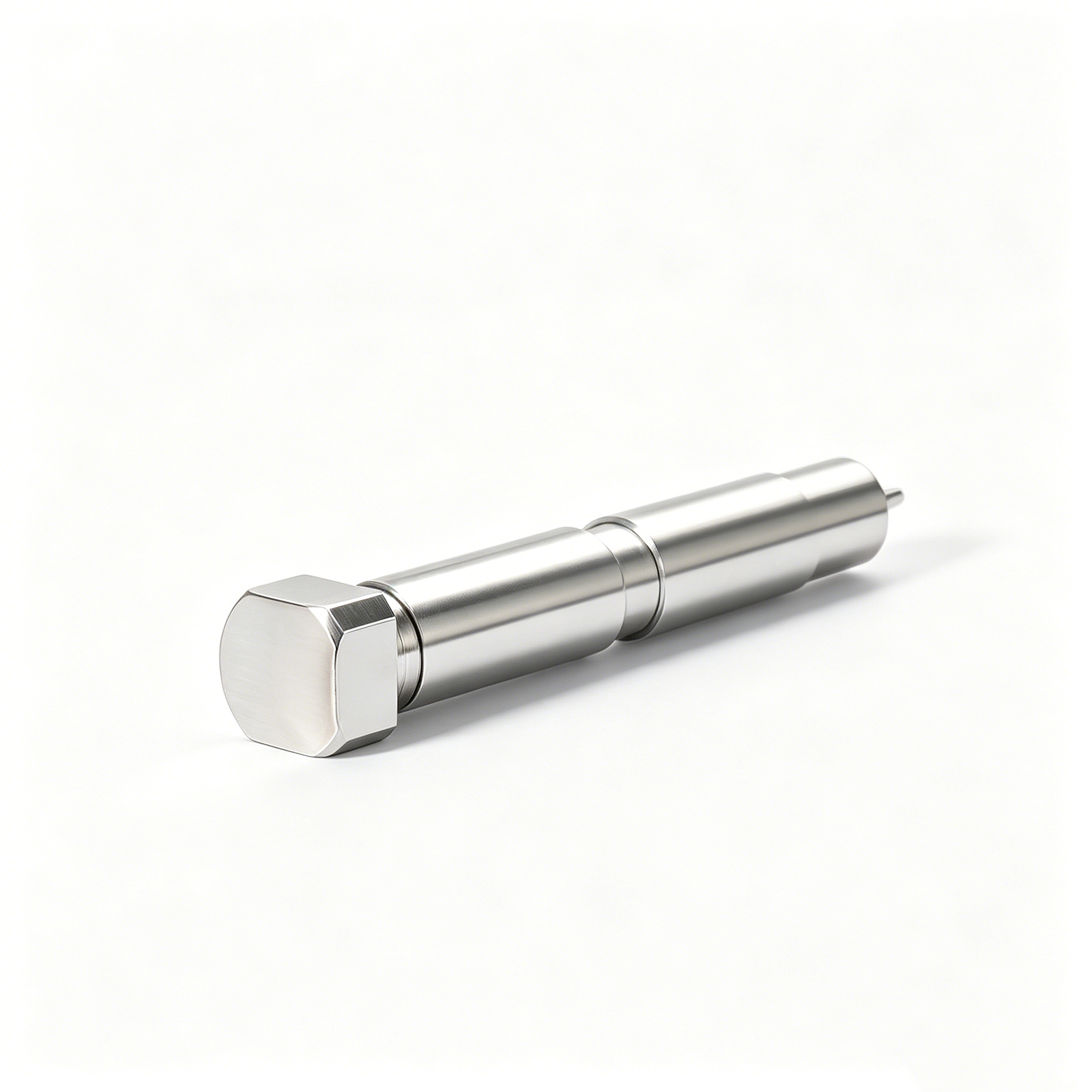
Precision Grinding
Precision grinding is assessed where a drawing calls for controlled flatness, parallelism or fit-related surfaces on suitable components. Grinding allowance, heat-treatment sequence, material behavior and measurement method should be defined before production.

Fitting and Inspection
Fitting and inspection connect the individual machining steps to the intended function. Critical dimensions, datums, mating context and required reports are reviewed so the inspection plan matches the order, revision and agreed acceptance criteria.
CNC Machining UHMW-PE Assembly Features

Threaded Inserts
Metal inserts can provide repeatable threads in UHMW-PE components where assemblies require service access. Include insert type, installed orientation, pullout expectations, mating screw details, and any restricted tool-access zones on the drawing.

Assembly Fasteners
Specify fastener material, size, head style, torque considerations, and counterbore or countersink geometry for the assembled condition. SUUXIANG reviews clearances, tool access, and interfaces against the supplied drawing and mating-part context.
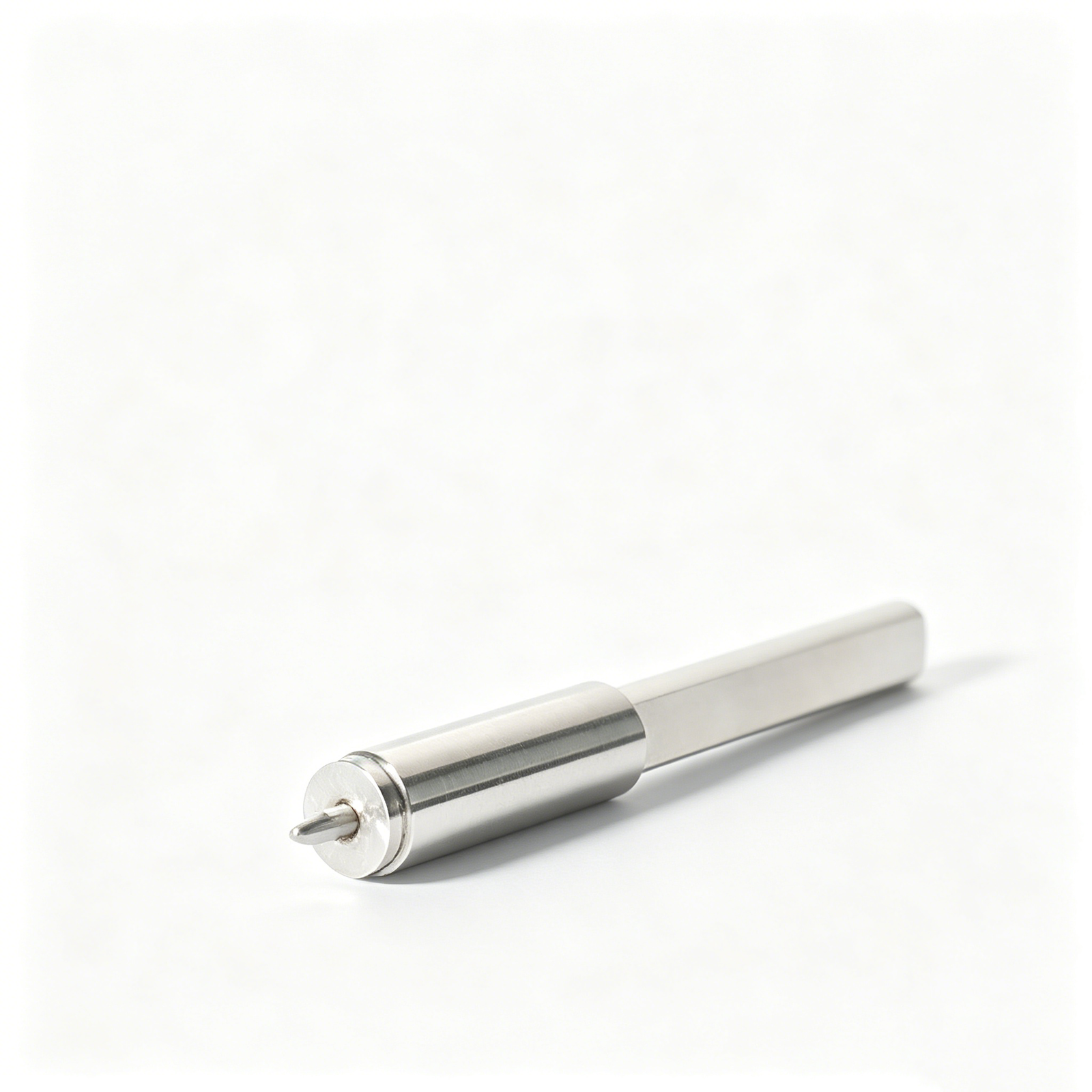
Locating Pins
Dowel pins, guide pins, and locating features help control alignment between UHMW-PE parts and mating components. Define datum relationships, fit intent, retention method, and inspection priorities so the locating strategy can be reviewed before machining.

Wear Bushings
Bushings can protect bearing points, guide interfaces, or repeated-motion locations in a machined assembly. Provide bushing material, bore requirements, installation method, operating conditions, and mating-shaft information for a practical drawing review.

Part Labels
Labels, part marks, and revision identifiers support receiving, assembly, and traceability requirements. State the required content, placement restrictions, marking method preferences, and durability expectations so identification does not interfere with functional surfaces.
Protective Packaging
Packaging can be defined around part geometry, surface protection, contamination control, quantity per pack, and labeling needs. Share shipping, inspection, and assembly-handling requirements so the packing approach aligns with the approved order documentation.
CNC Machining UHMW-PE at SUUXIANG
SUUXIANG is the sole international-facing public brand of Dongguan SuuXiang Precision Mold Co., Ltd., established in 2010 in Chang’an Town, Dongguan, Guangdong, China. XiaoCheng Huang is the founder and legal representative. We help global engineering, sourcing, and quality teams turn drawings and specifications into inspected custom CNC parts, precision mold components, connector tooling, and die components.
For cnc machining uhmw-pe and other drawing-based work, our planning connects CNC milling and turning, EDM, precision grinding, fitting, and inspection as the part requires. Before quotation or production commitments, we review material requirements, critical dimensions, datums, machining access, surface priorities, and inspection expectations.
What distinguishes SUUXIANG is controlled project communication around manufacturability and verification. We keep revision information, process decisions, and delivery requirements visible, so buyers can evaluate the proposed route before production begins. The result is a practical manufacturing workflow built around DFM, traceability, and order-specific inspection planning.
CNC Machining UHMW-PE: From DFM Review to Inspection Planning
Drawing Review Before Quotation
For cnc machining uhmw-pe, SUUXIANG reviews the drawing, model, material callout, datums, critical dimensions, surface priorities, quantity and delivery target before committing to a process route. The review identifies decisions that need alignment before production planning begins.
- Confirm material grade and supplied stock form
- Identify critical dimensions and datum relationships
- Review thin sections, pockets and tool access
- Clarify inspection and reporting requirements

Deformation-Aware Workholding
UHMW-PE can respond to clamping force and cutting load differently from rigid metals. Workholding should support the part without introducing avoidable distortion, while the machining sequence considers where material removal may release stress or reduce local stiffness.
- Locate from stable, functional datum surfaces
- Limit clamping pressure on flexible features
- Support thin walls and long profiles during cutting
- Plan refixturing before final critical operations

Allowance and Process Planning
A reliable route for cnc machining uhmw-pe connects tool access, machining allowance, feature sequence and finishing passes to the drawing’s functional requirements. SUUXIANG evaluates whether milling, turning, multi-axis work or a combined sequence is appropriate for the approved geometry.
- Sequence roughing and finishing around part stiffness
- Allow material for controlled final passes
- Check internal corners, deep features and reach limits
- Separate functional surfaces from noncritical stock removal

Inspection and Revision Visibility
Inspection planning starts with the agreed critical features, datum strategy and measurement method. SUUXIANG keeps drawing revisions and production information visible through the project so final documentation can correspond to the order, approved revision and verified inspection plan.
- Align measurement methods with critical dimensions
- Record applicable drawing revision before production
- Review results against the agreed inspection plan
- Flag changes requiring engineering confirmation

CNC Machining UHMW-PE: Drawing-Driven Comparison
Compare documented engineering review and controlled communication with a quote-only sourcing path.
← Swipe left or right to view →
CNC Machining UHMW-PE: From RFQ to Shipment
A controlled sequence for reviewing material behavior, critical dimensions, machining access, inspection requirements, and delivery details before production commitments are finalized.
Review the RFQ Package
SUUXIANG reviews the 2D drawing, model, quantity, application, material callout, delivery target, and quality requirements to identify missing information before quotation.
Confirm DFM and Material
The team evaluates critical dimensions, datums, workholding risk, tool access, machining allowance, UHMW-PE grade requirements, and any applicable surface or assembly constraints.
Plan the Process Route
Machining, secondary operations, fitting, and inspection steps are sequenced around the approved drawing revision, controlling deformation risk and preserving features requiring careful measurement.
Machine and Inspect Parts
Production follows the defined process plan, with dimensional checks aligned to agreed critical features, drawing notes, inspection methods, and revision-control requirements.
Pack and Coordinate Shipment
Completed parts are packed according to order requirements, accompanied by agreed documentation, while delivery coordination keeps shipment information and final order status visible.
Start CNC Machining UHMW-PE with SUUXIANG
Align material requirements, critical dimensions, inspection expectations, and delivery priorities before production commitments are made.
Submit Your Drawing Package
Send the 2D drawing, 3D model when available, UHMW-PE grade, quantity, application context, dimensional priorities, surface requirements, inspection needs, and target delivery date.
Review DFM and Quote
Review manufacturability, datum strategy, workholding, tool access, critical dimensions, tolerance stack, and inspection approach with SUUXIANG before confirming the process route and quotation.
Approve First-Article Plan
For projects requiring validation, align sample or first-article expectations, revision status, measurement methods, acceptance criteria, and required documentation before production proceeds.
Coordinate Production and Delivery
Receive visible coordination through machining, inspection, revision control, and delivery planning, with final documentation matched to the agreed order and verified inspection plan.
Certificates and Quality Documentation
Customer Outcomes for CNC Machining UHMW-PE Programs
Customer outcomes are published only with written customer approval and verified project evidence.
Approved customer testimonial required before publication. Document the verified inspection-readiness outcome, including the agreed critical dimensions, inspection method, and any accepted report format.
Approved customer testimonial required before publication. Document the verified delivery-coordination outcome, including the confirmed quantity, revision status, and delivery milestone achieved.
CNC Machining UHMW-PE FAQ
Practical RFQ, material, delivery, and document-control questions for drawing-based UHMW-PE parts.
What is the minimum order quantity for cnc machining uhmw-pe parts?
What files should I provide for cnc machining uhmw-pe?
Can you make a UHMW-PE part from a sample?
How do you confirm the correct UHMW-PE material?
What affects lead time for cnc machining uhmw-pe components?
Can SUUXIANG quote payment and shipping terms before production?
How are drawings, revisions, and confidential information controlled?
What inspection information should be included with a UHMW-PE RFQ?
The Complete Buyer’s Guide to cnc machining uhmw-pe
Use this decision framework to specify machinable UHMW-PE parts, assess supplier process controls, compare material options, manage tolerance risk, and avoid costly drawing, inspection, and production mistakes before release.
1. What Is cnc machining uhmw-pe?
3–6 million g/mol is the commonly cited molecular-weight range for UHMW-PE, whose exceptionally long chains give it a different wear and impact profile from ordinary polyethylene. CNC machining UHMW-PE means milling, turning, drilling, or routing that polymer into drawing-defined geometry; it is not simply generic PE machining. Source: https://www.ptsmake.com/uhmwpe-machining-guide-best-practices-tips-tricks
200,000–500,000 g/mol is a cited HDPE range, well below UHMW-PE, so HDPE should not be substituted without checking load, sliding distance, impact, temperature, and dimensional requirements. Buyers commonly choose UHMW-PE for guides, wear strips, fixtures, chain guides, and conveyor components where low sliding resistance and abrasion tolerance reduce contact wear.
1 practical limitation is dimensional movement: the material’s low stiffness, thermal expansion, and tendency to deflect under clamping make datum selection, broad workholding support, and realistic tolerances essential. It is a poor default where high structural rigidity, sustained elevated-temperature performance, tight unsupported features, or a bonded surface is the primary requirement; the drawing review should establish those constraints before material release.
2. Evolution of UHMW-PE in Machined Parts
3,000,000–6,000,000 g/mol is the molecular-weight range commonly cited for UHMW-PE, whose long chains made it valuable first in wear, sliding, and impact-service parts but less forgiving to cut than conventional plastics. That same chain structure can promote smearing, stringy chips, and force-related movement during machining. Source: https://www.ptsmake.com/uhmwpe-machining-guide-best-practices-tips-tricks
CNC control made drawing-based UHMW-PE work more repeatable by coordinating toolpaths, staged material removal, and re-machining after stress relief where the drawing requires it. Modern fixturing uses broad, supported contact and restrained clamping because a metal-style setup can distort a compliant polymer before the first feature is cut. Source: https://www.ptsmake.com/uhmwpe-machining-guide-best-practices-tips-tricks
For cnc machining uhmw-pe, the sourcing change is practical: buyers can specify datum-related features, holes, pockets, profiles, and mating interfaces rather than treating the material only as a replaceable wear strip. Submit the 2D drawing, 3D model, stock form, critical dimensions, temperature or load context, and inspection requirements so the supplier can select the holding, tooling, and measurement sequence before production.
3. Types of cnc machining uhmw-pe Parts
CNC machining UHMW-PE commonly produces sliding, locating, and workholding parts rather than structural metal replacements. Classify the part by contact geometry, motion, and the dimensions that control fit.
Wear Components
Wear strips, pads, and replaceable liners usually have flat profiles, countersunk holes, or shaped contact faces. Provide wear direction, mating material, load zone, thickness, and replacement-clearance dimensions.
Guides And Rails
Guide rails and chain tracks use long channels, radii, and mounting patterns under repeated sliding motion. Specify overall straightness, joint locations, hole datums, running clearance, and the moving component profile.
Bushings And Bearing Surfaces
Bushings use bored diameters, flanges, and thrust faces around pins, shafts, or pivots. State shaft diameter, fit condition, radial versus axial loading, lubrication restrictions, and allowable clearance.
Fixtures And Nest Plates
Nest plates combine pockets, datum stops, and fastener holes to support delicate workpieces. Identify supported faces, clamp loads, datum scheme, part orientation, and access needed for loading or inspection.
Prototype Or Low-Volume Parts
Prototype parts often combine slots, bores, pockets, and custom contours for application trials. Submit the 2D drawing, 3D model, revision, quantity, critical dimensions, mating context, and requested inspection evidence.
4. cnc machining uhmw-pe Material Grades
Virgin UHMW-PE is the baseline for predictable wear and low-friction behavior. For cnc machining uhmw-pe, specify the compound rather than relying on a color or trade name.
| Service Condition | Grade Direction | Benefit | Verify Before RFQ |
|---|---|---|---|
| General wear guide | Virgin | Predictable wear and friction | Resin grade and lot |
| Cost-sensitive noncritical part | Reprocessed | Lower material cost | Content and property data |
| Documented food contact | Compliant virgin compound | Application suitability | Market-specific declaration |
| Outdoor exposure | UV-stabilized | Improved weather resistance | Additive and color |
| Static-sensitive or high-load duty | Antistatic or filled | Targeted handling or wear | Surface resistance, filler, machining trial |
Base Resin And Reprocessed Content
Virgin stock usually provides the clearest lot traceability, natural color options, and consistent machining response.
Reprocessed grades can reduce material cost, but require agreement on recycled-content source, color variation, property data, and lot controls.
Application-Specific Modifications
Food-contact use requires documented compliance for the exact resin, colorant, and intended market; do not infer it from a generic material label.
UV-stabilized, antistatic, and filled grades address exposure or handling needs, but additives can change color, friction, tool wear, chip formation, and inspection expectations.
5. Custom Features and Finishes for UHMW-PE
UHMW-PE parts can combine milled profiles, drilled holes, slots, counterbores, and assembly interfaces in one drawing. For cnc machining uhmw-pe, feature design should account for flexible stock and low-friction workholding before dimensions are released.
Profiles, Holes, And Slots
CNC milling and drilling can produce outside contours, pockets, through-holes, slots, and counterbores directly in UHMW-PE. Thin walls, long slots, and closely spaced holes need drawing review because clamp force and cutting loads can distort the part.
PTSmake notes that UHMW-PE can deform under fixtures designed for metals; specify datum surfaces and supported areas for inspection. https://www.ptsmake.com/uhmwpe-machining-guide-best-practices-tips-tricks
Threads, Inserts, And Assemblies
Metal threaded inserts, bushings, pins, and fasteners are usually more reliable than repeatedly loaded threads cut directly into soft UHMW-PE. Define insert type, pull-out load, mating material, and installation sequence in the RFQ.
Two-part assemblies should show alignment features, clearance requirements, and hardware ownership. SUUXIANG can review the machining and fitting route against the supplied drawing.
Marking And Color
Part numbers, revision marks, and orientation identifiers can be machined or engraved where legibility is required. Confirm character depth, location, and inspection reference because shallow marks may be affected by surface wear.
Color should be specified by material grade and supplier documentation, not assumed from a rendered model. Batch, revision, and inspection-report references provide more durable traceability than decorative marking.
6. Quality Elements in cnc machining uhmw-pe
Two conditions govern repeatable cnc machining uhmw-pe: the stock’s temperature history and restraint during cutting. Treat the finished dimension as a specified inspection state, not merely a machine coordinate.
Stock And Workholding
24-hour shop-temperature conditioning can reduce avoidable measurement variation when stock arrives from a different environment. Use broad, low-pressure contact and full thin-wall support; excessive clamping can distort the part before cutting.
Three datums should reflect functional mating surfaces, with a clear primary locating face. Specify flatness only across the functional area and identify whether it is checked free-state or fixtured.
- State stock form and thickness
- Identify primary, secondary, tertiary datums
- Define free-state inspection condition
Cutting Heat And Chips
Sharp, positive-cutting tools limit rubbing, smearing, and local heat. Long stringy chips require programmed clearance and directed air or coolant compatible with the application.
Two finishing passes separated by a relaxation interval may be appropriate for critical features. Deburring must remove raised edges without rolling or melting the edge.
- Support thin webs before finish passes
- Keep chips out of the recut path
- Document acceptable edge-break condition
Tolerance And Inspection
One metal-style tolerance applied to every feature can fail because polymer expansion, stress release, and compliant probing affect the measured result. Assign tight limits only to interfaces, then use profile, position, or controlled reference dimensions elsewhere.
20°C is a common dimensional reference condition, but the drawing should state the actual inspection temperature and stabilization requirement. Agree gauge contact force, support points, sampling, and report format before production.
- Separate critical interfaces from noncritical geometry
- State surface expectation with a representative sample
- Require revision-controlled inspection records
7. How to Choose a UHMW-PE Manufacturer
A capable cnc machining uhmw-pe supplier proves its route from incoming material to packed part. Evaluate the evidence tied to your drawing, rather than a generic machine list or tolerance claim.
Review The Drawing
Before quotation, ask for a DFM response identifying datums, thin-wall support, clamping locations, tool access, and likely distortion after release.
Two deliverables matter: a marked-up drawing and a revision-controlled process proposal.
- Which dimensions are critical to function?
- What fixture supports each machining setup?
- Which drawing revision controls production?
Verify Material And First Article
For each lot, request the material grade, supplier certificate where required, lot identification, and any application-specific compliance evidence.
Before series production, define first-article quantity, acceptance criteria, measurement method, and disposition of nonconforming parts.
- Can lot identity follow the packed parts?
- Will first-article results reference drawing datums?
- Who approves deviations in writing?
Confirm Control And Delivery
During production, request an inspection plan, dimensional report format, communication owner, capacity confirmation, and packaging proposal for soft polymer surfaces.
A documented answer should state equipment, fixture approach, inspection method, report timing, and protective packing—not merely claim capability.
- What report accompanies each shipment?
- How are revisions communicated?
- How are parts separated and labeled?
8. Common cnc machining uhmw-pe Buying Mistakes
UHMW-PE sourcing failures usually start before the RFQ: the drawing omits service conditions or applies metal assumptions. Resolve those inputs during drawing review, before a supplier commits to a process route.
Grade Names Are Not Specifications
UHMW-PE grades with the same trade description can differ in additives and intended service. Consequence: the part may miss wear, food-contact, UV, or static-control needs.
Ask: Which grade, additive requirement, application exposure, and material evidence must accompany the quotation?
Metal Tolerances Mislead
UHMW-PE is more compliant than metal, so copied tolerances and unsupported thin walls can distort during machining or release. Consequence: an apparently conforming setup yields unstable functional dimensions.
Ask: Which dimensions are critical, what datum scheme applies, and where can support or design thickness change?
Service Loads Need Definition
Operating temperature, load, duty cycle, and mating material determine whether movement and creep matter. Consequence: a part can bind, loosen, or wear prematurely in service.
Ask: What temperature range, contact load, motion, and allowable clearance change must the supplier evaluate?
Threads And Approval Require Evidence
UHMW-PE threads do not retain load like metal threads, and unmeasured acceptance criteria invite disputes. Consequence: fasteners strip or inspection cannot prove fit.
Ask: Is an insert required, and which dimensions, gauges, sampling plan, and report format define acceptance?
9. Steps to Launch a Custom UHMW-PE Part
A controlled cnc machining uhmw-pe launch begins with a released application package, not a verbal part description. SUUXIANG can review drawings, models, material requirements, quantities, and inspection expectations before confirming an appropriate manufacturing route.
Define The Requirement
2D drawings should identify revision, datums, critical dimensions, tolerances, surface condition, quantity, and mating context.
3D models should match the drawing; list the UHMW-PE grade, stock form, color, temperature exposure, and compliance needs.
Complete DFM And Quotation
DFM review should flag thin walls, clamping distortion, tool access, burr-sensitive edges, and measurement datums before quotation.
One written quotation should state assumptions, process route, inspection scope, delivery target, and exclusions requiring buyer confirmation.
Approve And Control Release
Prototype programs should use a marked drawing and agreed acceptance criteria before the first machined sample is released.
First-article approval supports low-volume orders; replacement parts also need mating-part measurements, revision control, and written change authorization.
10. cnc machining uhmw-pe Pricing and Cost
1 drawing revision can change the cost more than the nominal material price: stock thickness, yield, setups, workholding, geometry, tolerance, inspection, inserts, finishing, packing and freight must be quoted together.
2 cost-reduction levers are usually fewer setups, functional—not blanket—tight tolerances, standard stock thicknesses, and consolidated inspection points. Keep datum-critical features controlled, but identify noncritical dimensions that can use a wider drawing tolerance.
| Illustrative quantity tier | Quote-dependent unit-cost pattern | Typical planning lead time | Primary cost focus |
|---|---|---|---|
| 1–5 prototypes | Highest per part | 5–15 business days | Programming, fixture approach, material yield |
| 10–50 pieces | Setup cost spreads | 10–20 business days | Batching, tool access, inspection scope |
| 51–250 pieces | Lower unit cost if repeatable | 15–30 business days | Nested layouts, stable workholding, inserts |
| 250+ pieces | Requires capacity and revision review | Quoted after review | Material call-off, sampling plan, freight |
Start Your CNC Machining UHMW-PE Drawing Review
Upload your 2D drawing, 3D model, material, quantity, critical dimensions, inspection requirements, and target delivery date for a disciplined RFQ review.