
CNC Machining Zirconia Ceramic for Precision Parts
Send your drawing for CNC machining zirconia ceramic, with DFM, critical-dimension, grinding, and inspection planning reviewed before production.
Representative Precision Components and Manufacturing Work
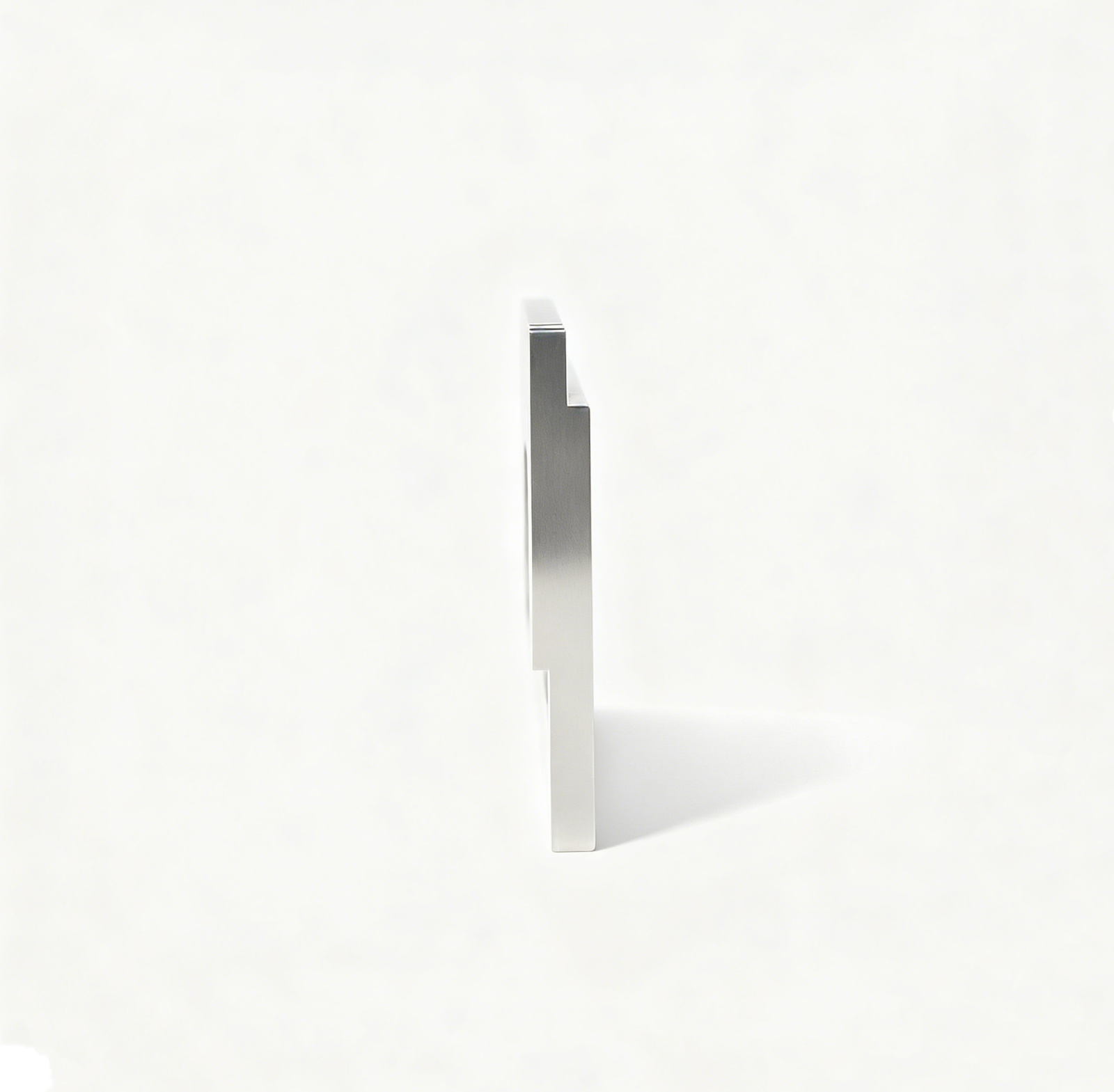


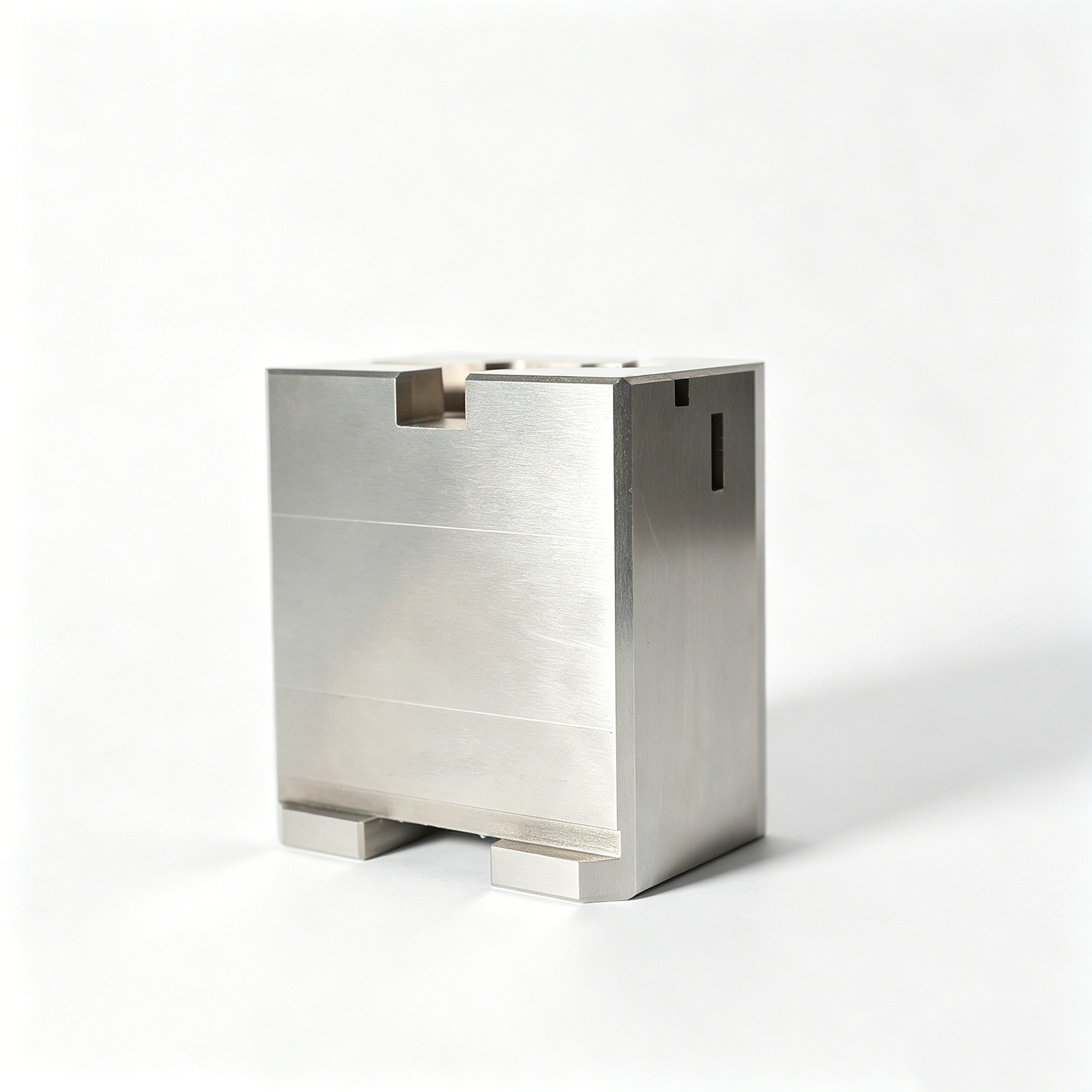

Request a Drawing-Based Quote




CNC Machining Zirconia Ceramic Requires Process-Led Control
A drawing-led review helps align material condition, feature risk, process routing, inspection requirements, and revision status before production commitments.
Drawing-Led DFM Review
We review critical dimensions, datums, wall sections, radii, and tool access to identify manufacturability questions before quotation and process commitment.
Machinability Assessment
Material condition, geometry, surface requirements, and tolerance priorities are assessed to flag chipping, cracking, access, or finishing risks early.
Controlled Process Routing
CNC machining, grinding, and finishing steps are considered against the drawing so each operation supports the required features. EDM is evaluated only where the material condition makes it technically applicable.
Inspection Planning
Critical features and reporting needs are defined with the order, helping align inspection methods, acceptance criteria, and documentation expectations.
Revision Visibility
Clear drawing and revision communication keeps manufacturing aligned with the current approved specification throughout project coordination and delivery planning.
RFQ-Ready Communication
Submit drawings, models, material requirements, quantity, quality priorities, and target dates so the review can address practical production decisions.
CNC Machining Applications and Component Families
Configure the process route around drawing requirements, critical dimensions, material condition, inspection needs, and production quantity before committing to manufacture.

CNC Machining Services
Precision CNC machining services for drawing-based custom parts where critical dimensions, datums, material requirements, and inspection expectations must be reviewed before the process route and quotation are confirmed.
Upload a Drawing
CNC Milling
Custom CNC milling services for prismatic parts, pockets, features, and mold details that require practical tool access, fixturing strategy, machining allowance, and controlled datum relationships.
Upload a Drawing
CNC Turning
Precision CNC turning services for rotational parts such as shafts, pins, bushings, sleeves, and threaded features. Drawing review should address concentricity, runout, surface requirements, material condition, and inspection method.
Upload a Drawing
5-Axis Machining
5-axis CNC machining for complex surfaces, angled features, and multi-face parts where fewer setups can help protect datum relationships. Tool reach, fixture clearance, tolerance priorities, and finishing access require review.
Upload a Drawing
Swiss & Micro Machining
Swiss machining and micro machining for small-diameter, slender, or detail-intensive components. Part geometry, material behavior, handling risk, critical features, and inspection practicality should be established before production planning.
Upload a Drawing
Wire & Sinker EDM
Wire EDM and sinker EDM services for hardened details, narrow slots, sharp internal geometry, and features inaccessible to conventional cutters. Electrode strategy, wire path, recast-layer expectations, and finishing requirements guide the route.
Upload a Drawing
Precision Grinding
Precision surface and profile grinding for controlled flatness, parallelism, profiles, and finished dimensions. Grinding stock, heat-treatment sequence, datum strategy, and inspection requirements should be defined on the drawing.
Upload a Drawing
Mold Core & Cavity Inserts
Precision mold core and cavity inserts produced from customer drawings for injection tooling and related applications. Cooling features, shutoffs, surface requirements, heat treatment, EDM details, and fitting interfaces require coordinated review.
Upload a Drawing
Ejector & Ejection Components
Ejector pins, sleeves, and ejection components configured around mold layout, material condition, clearance requirements, and working surfaces. Proper fit depends on the mating component, heat-treatment sequence, and critical dimensions.
Upload a Drawing
Core Pins, Guide & Locating Components
Core pins, guide pins, and locating components for repeatable alignment, part formation, and assembly control. Specify mating interfaces, datum references, hardness requirements, tolerances, and any finish or grinding needs.
Upload a Drawing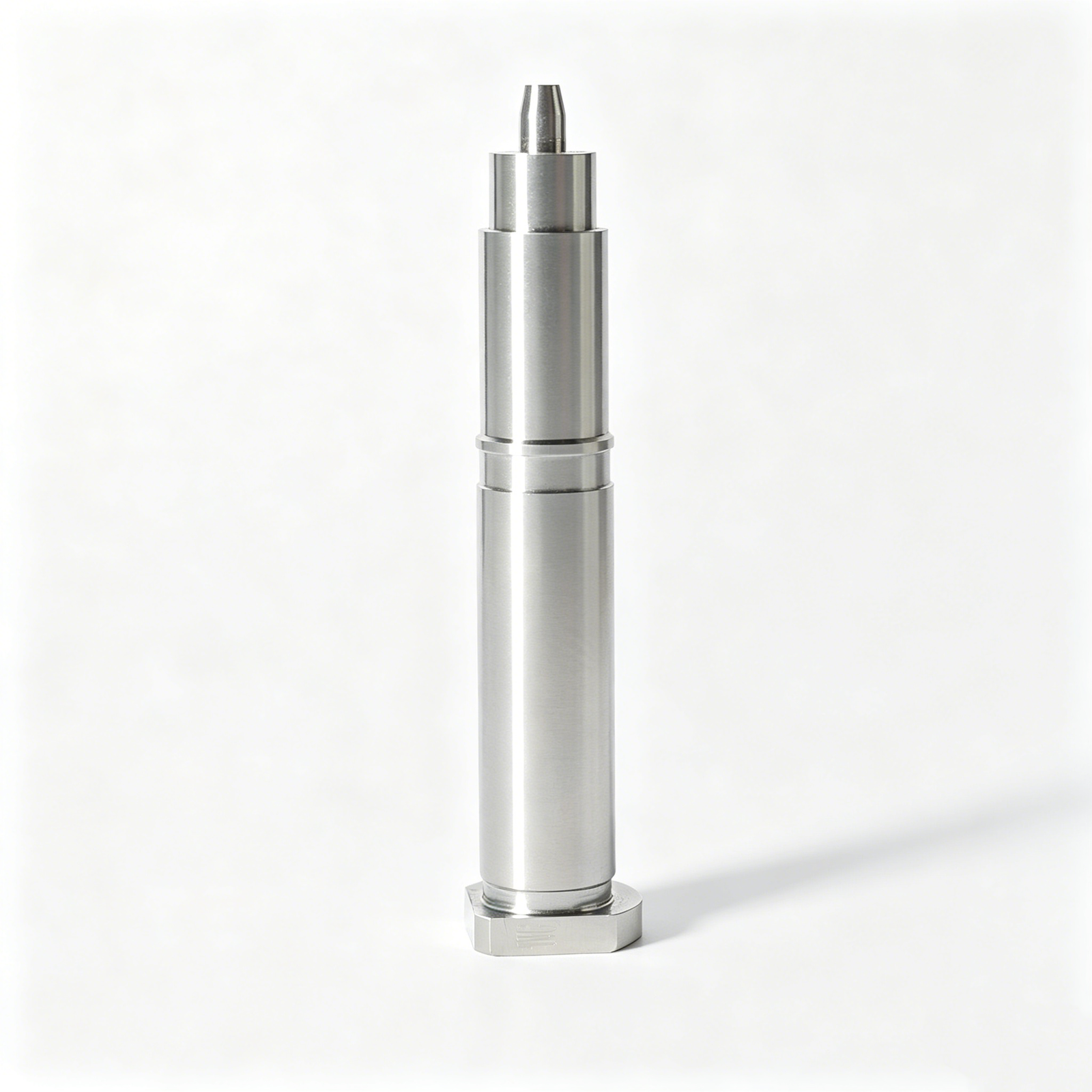
Slides, Lifters, Gates & Mold Accessories
Mold slides, lifters, gates, and accessories for motion, gating, and supporting functions within a mold assembly. Geometry must be reviewed with travel, interference, wear surfaces, mating parts, and finishing requirements in view.
Upload a Drawing
Connector Mold Components
Precision connector mold components for terminal, housing, and insert-molding tooling where small features and alignment are critical. Review cavity details, pin geometry, material, EDM strategy, inspection points, and revision-controlled interfaces.
Upload a Drawing
Stamping Die Components
Precision stamping die components for forming, cutting, guiding, and supporting die operations. Material, hardness, wear surfaces, clearance relationships, grinding needs, and mating-part dimensions should guide manufacturing planning.
Upload a Drawing
Injection, MIM, CIM & Overmolding Tooling
Injection, MIM, CIM, and overmolding tooling components manufactured within verified project scope. Drawing review should account for material flow-related geometry, inserts, shutoffs, venting features, wear areas, and assembly interfaces.
Upload a Drawing
Machining Materials
CNC machining materials selected against drawing requirements, application conditions, machinability, heat treatment, corrosion exposure, and inspection needs. Material grade and condition should be confirmed before quotation and production.
Upload a Drawing
Surface Finishes & Heat Treatment
Surface finishing and heat treatment planned around functional surfaces, corrosion needs, hardness, dimensional change, and post-treatment grinding or EDM requirements. Final requirements should be traceable to the approved drawing and order.
Upload a Drawing
Quality, Metrology & Documentation
Precision inspection, metrology, and quality documentation aligned with defined critical dimensions and the agreed inspection plan. Reports, measurement methods, revision status, and traceability requirements should be specified before manufacture.
Upload a Drawing
Prototyping & Low-Volume Production
Rapid prototyping and low-volume manufacturing for drawing-driven development, fit checks, tooling trials, and controlled production runs. Supply models, quantity, material, critical dimensions, surface priorities, inspection needs, and target delivery date.
Upload a DrawingZirconia Grades for Drawing Review

Yttria Stabilized Zirconia
A tough, wear-resistant engineering ceramic commonly considered for compact structural, insulating, and high-wear components. Y-TZP selection should account for fired condition, thin-wall geometry, edge integrity, and the required surface or inspection criteria.

Magnesia Stabilized Zirconia
A zirconia grade considered where impact resistance, load conditions, and operating environment drive material selection. Review the supplied grade documentation, component geometry, datum scheme, and finishing requirement before confirming a practical machining and inspection route.

Pre-Sintered Zirconia
A comparatively softer condition that may allow features to be formed before final sintering. It suits projects where sintering shrinkage, stock allowance, final dimensions, and post-sintering finishing must be planned from the drawing and material data.

Fully Sintered Zirconia
A dense, hard ceramic condition used when final material performance is required in the finished component. Diamond tooling, controlled material removal, edge protection, and grinding strategy become important considerations for tight features and surface requirements.

Application-Specified Zirconia
A customer-nominated zirconia formulation for parts with defined mechanical, electrical, wear, or environmental requirements. Provide the material designation, application context, mating conditions, and relevant datasheet so SUUXIANG can review manufacturing risks before quotation.
Process Routes for Zirconia Ceramic Parts

CNC Milling
CNC milling can establish profiles, pockets, slots, and datum-related features where the zirconia condition and geometry support the route. Tool access, wall thickness, edge condition, and machining allowance require drawing-led review to manage chipping risk.

Precision Grinding
Precision grinding is evaluated for finished faces, outside diameters, thickness control, and surface-critical features. The grinding sequence, stock allowance, fixturing, and measurement method are planned around the specified datum scheme and dimensional priorities.
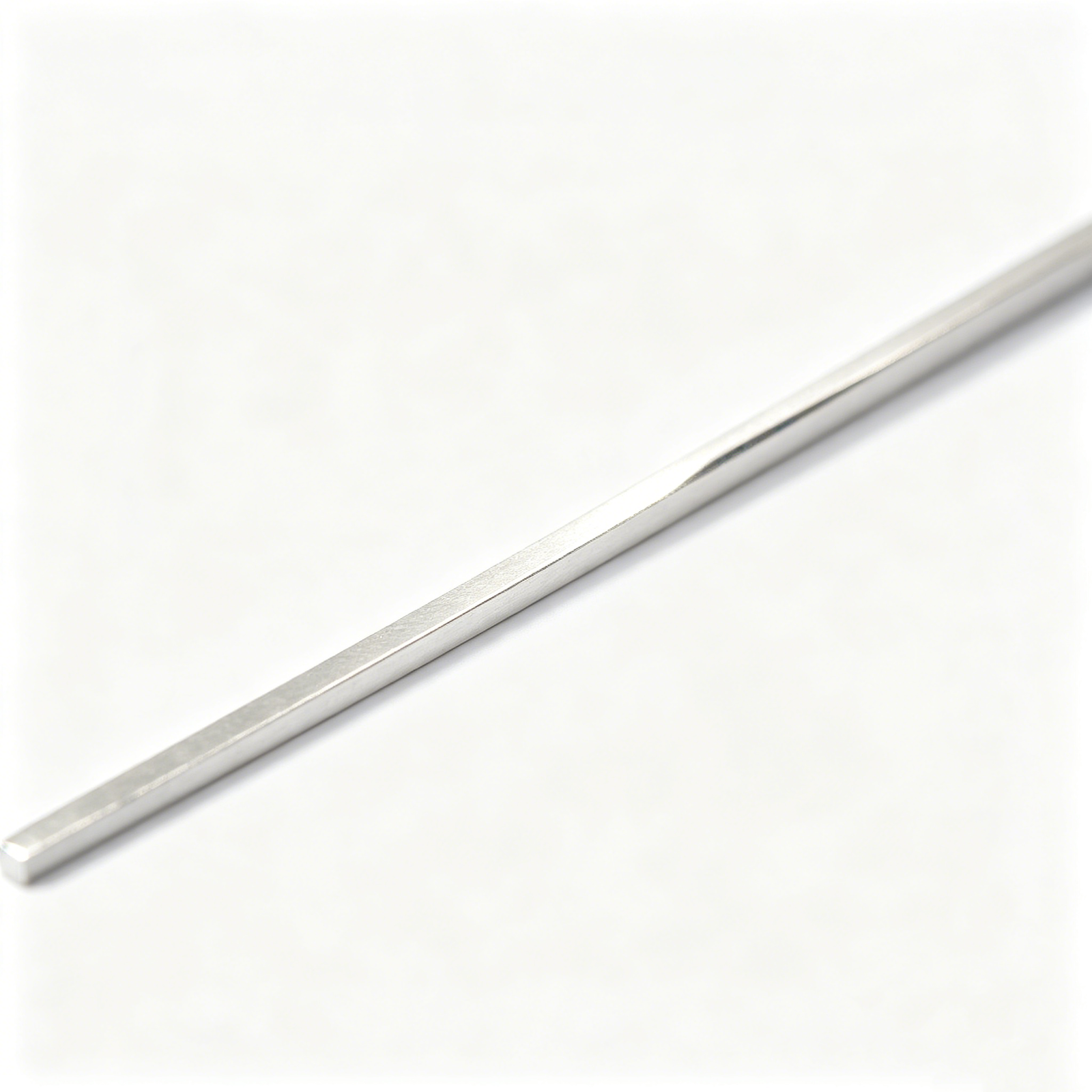
Diamond Drilling
Diamond-tool drilling may be reviewed for holes and passage features in zirconia components. Hole diameter, depth-to-diameter ratio, entry and exit condition, positional tolerance, and any mating requirement determine whether the proposed process route is appropriate.

EDM Evaluation
Wire or sinker EDM is considered only where material conductivity, part condition, and feature requirements make it technically applicable. Electrode or wire-path strategy, recast considerations, and downstream finishing requirements must be confirmed during engineering review.
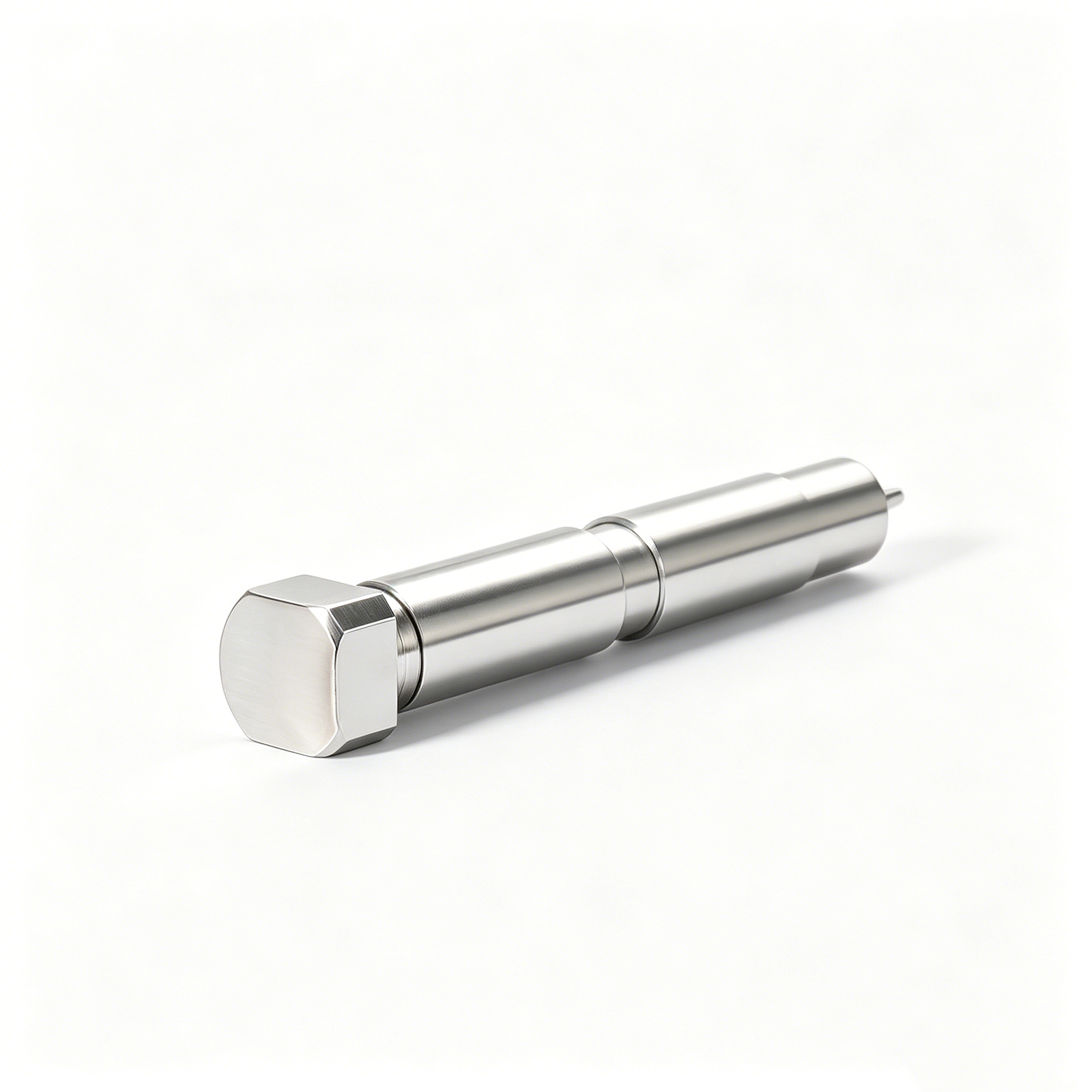
Fitting Inspection
Fitting and inspection verify functional interfaces after the selected machining and finishing stages. SUUXIANG aligns checks to agreed critical dimensions, datums, surface requirements, revision status, and the order-specific inspection documentation before shipment.
Project Requirements and Documentation for Zirconia Ceramic Parts

Mating Interfaces
Provide mating-part geometry, sealing requirements, and assembly clearances so interface dimensions, datum relationships, and edge conditions can be reviewed alongside the zirconia component drawing.

Locating Features
Specify holes, slots, flats, or reference faces used for positioning. Clear datum identification helps align machining, grinding, inspection, and assembly requirements around the features that control functional fit.

Part Identification
Indicate required part numbers, revision marks, lot references, or packaging labels. Identification methods should be reviewed against available surface area, functional surfaces, and the drawing-defined finish requirement.
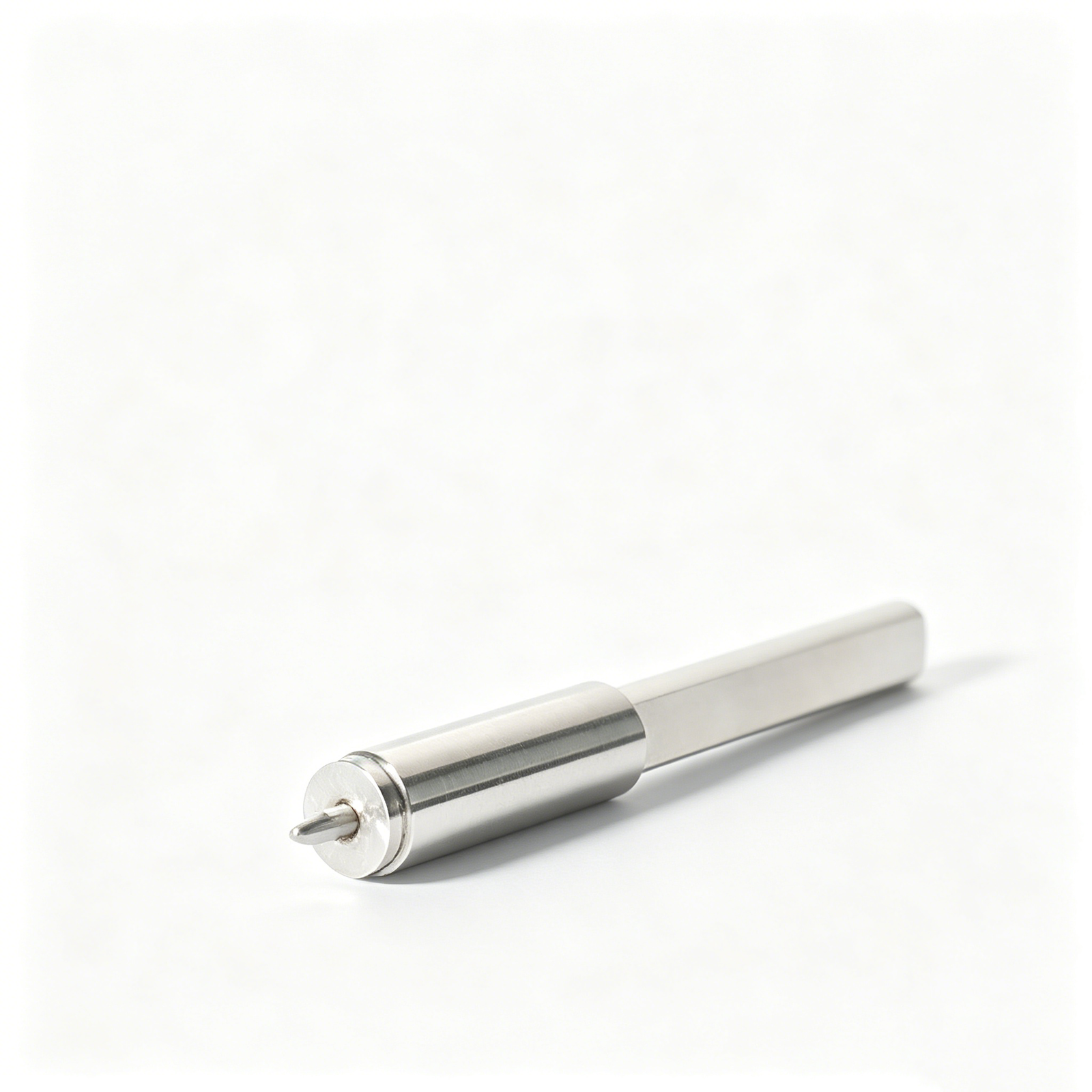
Protective Packing
Describe handling risks, cleanliness needs, separation requirements, and shipment quantities. Protective packing can be planned to reduce contact damage to precision edges, finished surfaces, and fragile ceramic features.

Inspection Documentation
State the inspection report, dimensional records, material documentation, or traceability information required for acceptance. SUUXIANG can align final documentation with the agreed order and verified inspection plan.
About SUUXIANG Precision Manufacturing
SUUXIANG is the public-facing brand of Dongguan SuuXiang Precision Mold Co., Ltd., established in 2010 in Chang’an Town, Dongguan, Guangdong, China. We help international engineering, sourcing, and quality teams move from controlled drawings and specifications to inspected custom precision parts and tooling components.
Our drawing-driven workflow combines DFM discussion with CNC milling and turning, multi-axis work, EDM, precision grinding, fitting, and inspection. For cnc machining zirconia ceramic inquiries, we review geometry, critical dimensions, datums, material condition, finishing needs, and inspection expectations before production commitments are made.
What distinguishes SUUXIANG is disciplined project coordination around the details that affect part acceptance: machining access, EDM or grinding strategy, revision control, inspection method, and delivery information. We assess each requirement against current project evidence rather than making broad capability promises.

Drawing Review for Zirconia Ceramic Parts
Datum Strategy First
For cnc machining zirconia ceramic, SUUXIANG reviews functional datums, mating relationships and critical-to-quality dimensions before production planning. The discussion separates dimensions that control assembly from those that can use practical process tolerances, so the drawing supports a measurable inspection approach.
- Identify primary, secondary and tertiary datum references
- Flag fit-critical bores, faces and locating features
- Review tolerance stack effects with mating-part context
- Align inspection points with drawing revision control
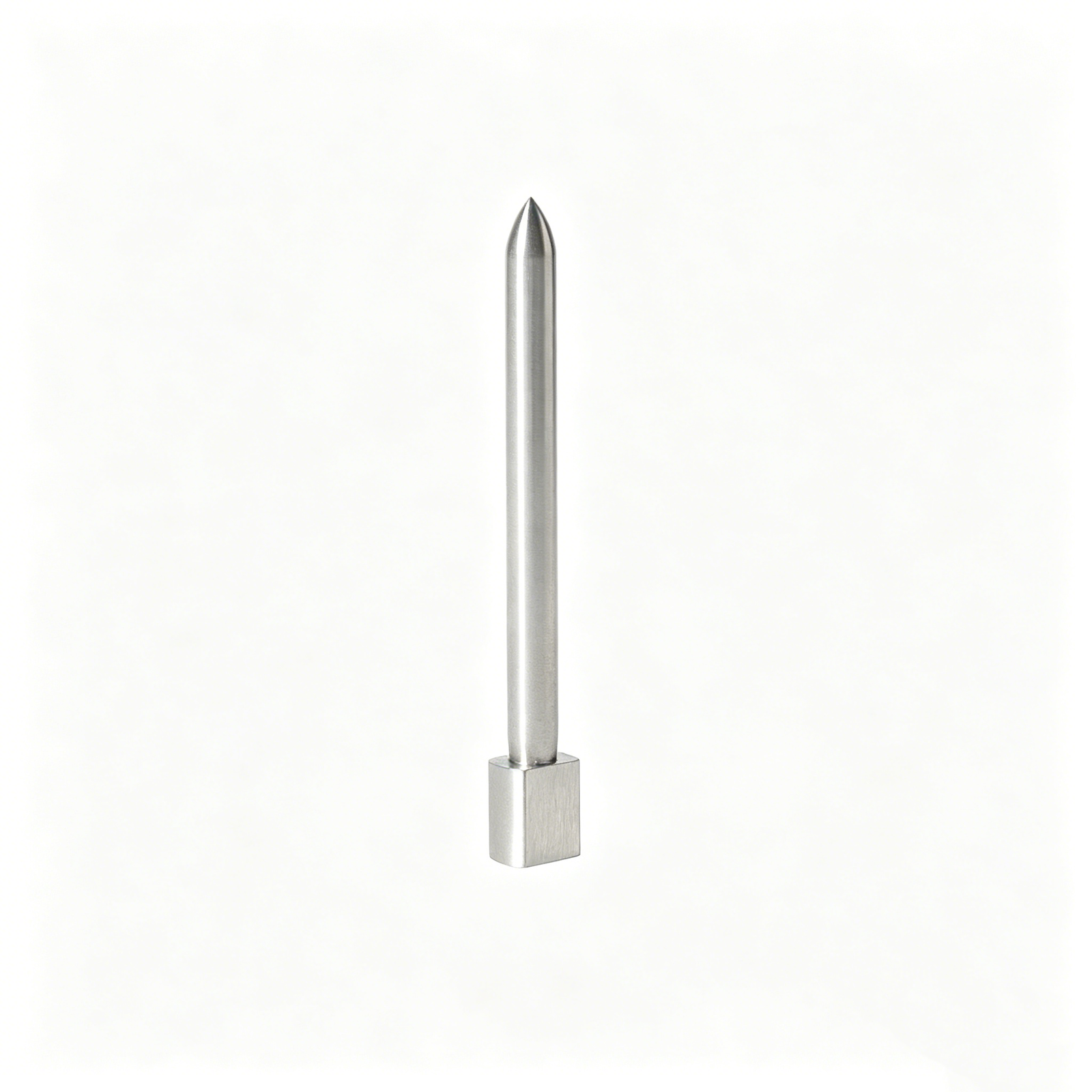
Plan Stock Before Finishing
Zirconia component geometry should be reviewed around the finishing route, not only the nominal CAD form. SUUXIANG evaluates machining access, feature rigidity and grinding stock so final surfaces can be approached without leaving insufficient material, overworking fragile edges or obscuring critical references.
- Define machining and grinding allowances by feature
- Check wall sections, corner transitions and unsupported edges
- Review tool access for holes, pockets and internal profiles
- Sequence heat-treatment or sintering requirements when specified
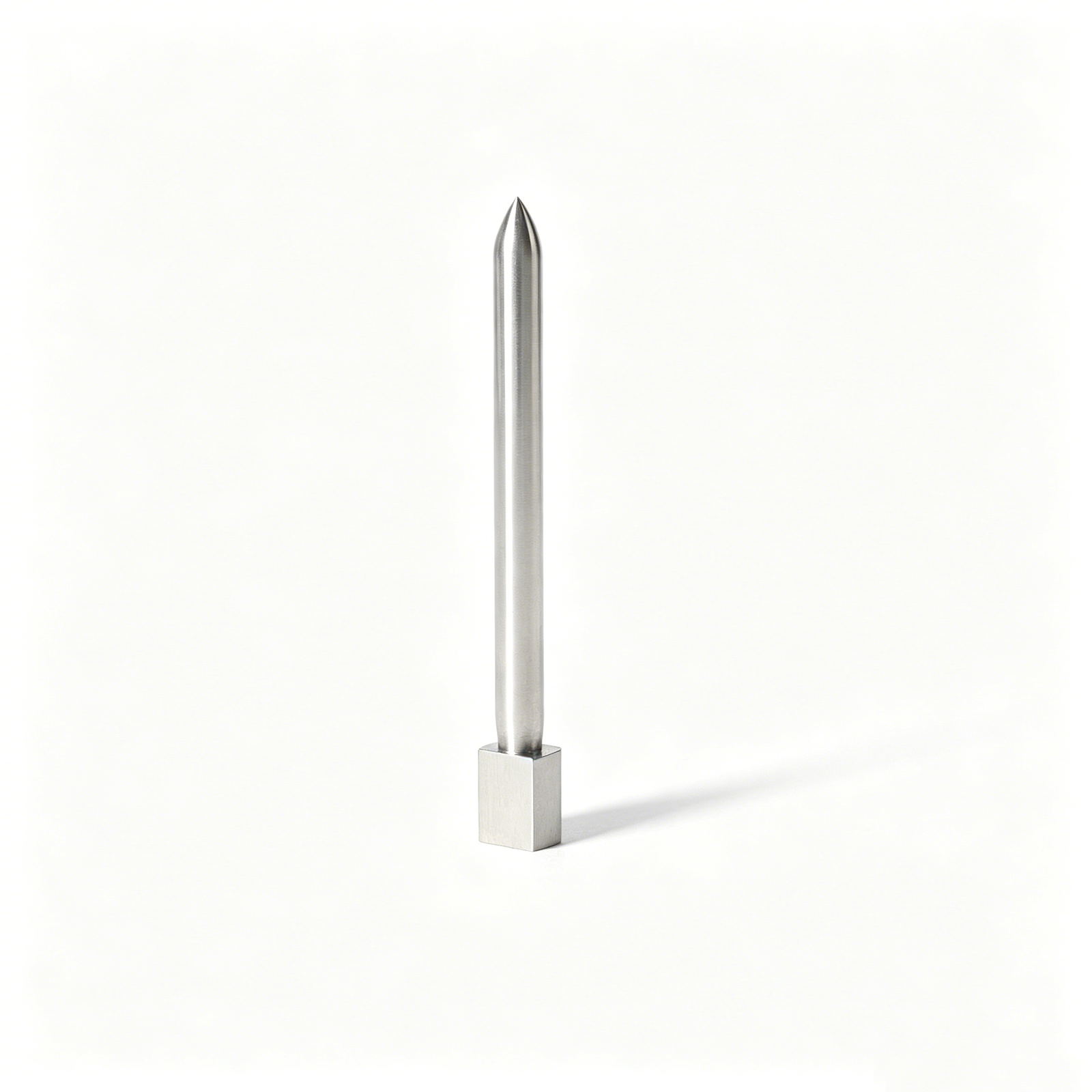
Evaluate EDM Where Needed
When a drawing includes intricate profiles, narrow slots or difficult internal geometry, SUUXIANG reviews whether an EDM route is relevant to the approved material condition and feature requirement. Wire path, electrode access and finishing needs are assessed with the part geometry rather than assumed at quotation.
- Review narrow-feature access and corner requirements
- Assess wire-path entry, exit and recut considerations
- Define electrode strategy where sinker EDM is applicable
- Confirm downstream grinding and inspection references

Trace Inspection to Drawing
Inspection planning for cnc machining zirconia ceramic starts with the released drawing, defined datums and agreed reporting needs. SUUXIANG coordinates measurement methods, revision visibility and final documentation to match the order’s verified inspection plan, helping sourcing and quality teams review evidence against the intended requirement.
- Link reported dimensions to drawing callouts
- Agree inspection method for critical features
- Maintain visible part and revision identification
- Confirm documentation requirements before production release

Why Engineering Teams Use Drawing-Led Zirconia Ceramic Project Controls
Compare the project controls that support process planning, inspection, and revision visibility before production.
← Swipe left or right to view →
From RFQ to Shipment: Zirconia Ceramic Parts
Each project is reviewed against its drawing, material condition, critical dimensions, finishing needs, inspection plan, and delivery requirements before production commitments are made.
Review RFQ Package
We review the 2D drawing, available 3D model, material specification, quantity, application context, quality requirements, and requested delivery date to clarify the project scope.
Confirm Material Condition
The team confirms the zirconia grade, sintering condition, supplied stock form, documentation needs, and any material-related constraints that could affect the proposed process route.
Plan Critical Features
DFM review identifies datums, critical dimensions, wall sections, radii, hole access, surface priorities, machining allowances, and inspection methods before quotation and release.
Machine and Finish Parts
Production follows the approved route, combining suitable CNC machining, grinding, finishing, and handling controls according to geometry, material condition, and drawing-defined feature priorities.
Inspect Against Requirements
Inspection follows the agreed plan, verifying applicable dimensions, surface requirements, and documentation against the released revision before parts proceed to final packing.
Pack and Coordinate Shipment
Parts are packed to protect critical surfaces and features, while revision status, inspection documentation, quantities, and shipment coordination remain aligned with the confirmed order requirements.
Work With SUUXIANG on Zirconia Ceramic Parts
Move from drawing review to documented production with a clear, drawing-led process for custom zirconia ceramic components.
Submit Your Technical Package
Send 2D drawings, 3D models, zirconia grade requirements, quantity, application context, critical dimensions, surface priorities, inspection needs, and target delivery date for initial review.
Align DFM and Quotation
Review machining access, datum strategy, thin-feature risks, grinding allowances, process sequence, and inspection expectations with SUUXIANG before quotation and production commitments are finalized.
Approve Samples When Needed
Confirm sampling or first-article requirements where applicable, including dimensional reporting, surface criteria, and revision status, before proceeding to the agreed production stage.
Coordinate Production and Documentation
Follow planned machining, grinding, inspection, and delivery coordination while keeping revisions, required records, and final documentation aligned with the approved order and inspection plan.
Customer Results for CNC Machining Zirconia Ceramic Projects
Approved customer testimonial pending. Publish only after the customer confirms the project scope, measurable outcome, attribution, and permission to quote.
Approved customer testimonial pending. Include verified details such as drawing revision control, inspection documentation, delivery outcome, and any customer-authorized project metric.
Approved customer testimonial pending. Use this slot for attributable feedback on DFM review, critical dimensions, zirconia process planning, or communication during production.
Zirconia Ceramic RFQ FAQ
Practical answers for engineering and sourcing teams preparing a drawing-led zirconia ceramic RFQ with SUUXIANG.
What is the minimum order for cnc machining zirconia ceramic parts?
Can I order a sample before cnc machining zirconia ceramic production?
How long does cnc machining zirconia ceramic take?
What files and material details should I send for a zirconia ceramic RFQ?
How do you control cracking and edge chipping in zirconia parts?
What inspection documentation can be requested for ceramic components?
Can SUUXIANG arrange shipping for a drawing-based zirconia ceramic order?
How are payment terms and intellectual-property requirements handled?
Complete Guide to Zirconia Ceramic Machining
Use this decision framework to specify zirconia ceramic parts, evaluate machining routes and supplier controls, compare cost drivers, and avoid drawing, material, tolerance, and inspection mistakes before production.
1. What Is cnc machining zirconia ceramic?
ZrO₂, or zirconium dioxide, is a technical ceramic that can be made into drawing-defined components by combining CNC-related material removal with precision finishing. In this context, cnc machining zirconia ceramic means controlling geometry, datums, holes, profiles, and functional surfaces against the released drawing—not simply cutting a ceramic blank.
2 production states commonly determine the route: pre-sintered material may be formed and machined before firing, while fully sintered zirconia typically needs diamond-based grinding or other controlled finishing. Forming and sintering establish the ceramic body; CNC roughing, diamond grinding, lapping, and polishing then allocate stock removal, final size, flatness, or surface requirements.
Low-volume parts, prototypes, and designs with complex precision features are appropriate candidates when dedicated forming tooling would add disproportionate cost or delay. The drawing review should identify which features must be created before sintering and which require post-sinter finishing, because shrinkage, access, edge condition, and inspection criteria influence the process plan.
2. Evolution of Zirconia Ceramic Machining
Stabilized-zirconia research made zirconia a practical structural technical ceramic. For sourcing, the important distinction is the specified grade, delivered condition, and the dimensions that must survive firing or finishing.
CAD/CAM supports controlled ceramic machining routes, often combining careful stock removal with diamond grinding, polishing, or lapping when fired material and functional surfaces require it.
Buyer expectations should be evidence-based: identify datums, critical features, allowable edge condition, surface requirements, and inspection methods before release. Request the drawing revision, process assumptions, and inspection record matched to the agreed control plan; feature complexity is credible only when tool access, grinding strategy, and measurement access are reviewed together.
3. Types of cnc machining zirconia ceramic
Two manufacturing states drive route selection for cnc machining zirconia ceramic: green bodies permit larger stock removal, while fired material usually needs controlled abrasive finishing. The drawing must identify functional surfaces before routing begins.
Green And Fully Sintered Routes
Two routes fit different geometries: green machining suits pre-sinter forms; fired machining suits final correction. Primary risk is sintering shrinkage or edge chipping.
Required drawings state material condition, shrinkage responsibility, datums, and finished dimensions.
Turned Rotational Parts
Rotational parts include sleeves, pins, rings, and nozzles. Primary risk is concentricity loss during workholding.
Required drawings define datum axis, runout, wall thickness, and internal-feature access.
Milled Prismatic Parts
Prismatic parts include blocks, plates, slots, and pockets. Primary risk is chipping at corners and tool exits.
Required drawings define radii, pocket depth, datum faces, and inaccessible internal corners.
Drilled Micro-Feature Parts
Micro-feature parts use holes, ports, and small channels. Primary risk is breakout, taper, or blocked coolant access.
Required drawings specify diameter, depth, positional datum, entrance condition, and permitted edge break.
Ground And Lapped Surfaces
Precision faces, bores, and seals often require grinding or lapping. Primary risk is removing excessive stock after firing.
Required drawings identify stock allowance, flatness, roughness, and inspection method.
Prototypes And Repeat Orders
Prototype orders prioritize route validation; repeat low-volume orders prioritize revision consistency. Primary risk is treating a changed drawing as unchanged.
Required RFQs include quantity, revision level, delivery target, inspection records, and mating-part context.
4. Materials for cnc machining zirconia ceramic
Y-TZP and Mg-PSZ are distinct zirconia families; specify the grade before drawing review. For cnc machining zirconia ceramic, rank the service environment and critical features before selecting a machining route.
| Material | Best Screening Priority | Manufacturing Check |
|---|---|---|
| Y-TZP | Toughness, wear, fine finish | Fired-state feature and edge review |
| Mg-PSZ | Robust loading conditions | Grade and service validation |
| Alumina | Insulation and wear | Chipping-sensitive geometry |
| Silicon carbide | Wear and thermal environment | Tool wear and finish route |
| Metal or polymer | Different conductivity or compliance needs | Temperature and chemical compatibility |
Y-TZP For Fine Features
Y-TZP is often considered when toughness, wear resistance, electrical insulation, and a refined finish matter. Confirm the supplied condition, datum scheme, edge radii, and finish requirement because fired material needs conservative feature geometry.
Mg-PSZ For Robust Loading
Mg-PSZ warrants comparison where impact tolerance, section size, or operating condition changes the risk profile. Request the grade data sheet and application temperature, chemical exposure, and mating-load information before approving it.
When Another Ceramic Fits
Alumina is a practical comparator for insulating and wear-focused components; silicon carbide suits more severe wear or thermal environments. Review density, chemical medium, required finish, and diamond-machining access rather than selecting by hardness alone.
5. Surface Finish and Feature Options
Zirconia finish should be specified by function, not appearance alone. For cnc machining zirconia ceramic, identify the mating load, sealing or wear duty, cosmetic expectation, and inspection basis before choosing the final operation.
| Option | Typical Purpose | Drawing Definition |
|---|---|---|
| As-ground | General surfaces | Roughness and edge-break rule |
| Lapped | Mating or sealing faces | Flatness, datum, inspection method |
| Polished | Low-friction or cosmetic areas | Roughness, area boundary, acceptance standard |
| Holes or grooves | Assembly features | Datums, size, position, breakout limits |
Functional Finish Selection
As-ground surfaces suit many non-sealing faces and preserve a practical process route. Lapping or polishing should be reserved for defined flatness, contact, friction, or optical requirements; state the required roughness and measurement direction.
Edges And Geometry
0.2 mm edge breaks, radii, holes, grooves, and flats require explicit callouts because sharp ceramic edges are chip-sensitive. Define hole datum references, allowable breakout, groove corner radius, and the inspection method for every critical feature.
Threads, Inserts And Markings
Threads in zirconia require feasibility review; bonded or mechanically retained inserts may be preferable where assembly loads are high. Markings must identify location, depth, contrast, and whether they are cosmetic or traceability-critical.
6. Quality Elements in Ceramic Parts
A usable zirconia part is defined before cutting by its fired condition, drawing datums, and inspection plan. For cnc machining zirconia ceramic, quality review must connect each critical feature to a controllable process and measurement method.
Confirm Fired Material Condition
The material callout should state the zirconia grade, supplied condition, and whether dimensions apply before or after sintering. Shrinkage is lot- and process-dependent, so a supplier should not infer fired dimensions from a green-part drawing without agreed control.
Set Datums And Critical Features
Datum A, B, and C should locate the features that control assembly, not simply convenient outside faces. Each tight diameter, bore position, flatness, or mating surface needs feature-specific feasibility agreement because access, fixturing, and grinding route differ.
Control Edges And Surface Integrity
Edge notes should define chamfers or radii where handling or assembly creates chip risk; an undefined sharp edge is not a neutral requirement. Diamond machining can leave subsurface damage, so finish, stock-removal sequence, and acceptance criteria should match the functional surface.
Agree Inspection Evidence
The inspection plan should identify critical dimensions, datum setup, gauge or CMM method, sampling basis, and required report format. Revision-controlled drawings and records let the buyer verify that the measured part matches the released requirement.
7. Choosing a Zirconia Machining Supplier
One RFQ should trigger a documented review before material is released. For cnc machining zirconia ceramic, compare evidence and decision trails rather than generic capability claims.
Drawing Review Evidence
One review record should identify datums, critical dimensions, thin edges, hole geometry, and acceptance criteria. Ask for marked drawings, DFM comments, and unresolved-risk ownership.
Material And Process Fit
Two questions matter: which zirconia grade and condition will be machined, and what route controls chipping? Request supplier material documentation plus the proposed grinding, lapping, or polishing sequence.
Inspection And First Article
One inspection plan should link each critical feature to a method, datum setup, and reporting format. Request a sample or first-article plan, measured-report example, and disposition process for nonconforming results.
Control And Delivery
One revision register should connect the drawing revision, process changes, inspection records, and shipment. Ask how parts are protected from edge impact, identified by lot, and communicated when schedule or process assumptions change.
8. Common Buyer Mistakes to Avoid
Zirconia projects usually fail at the specification handoff, before a toolpath is released. A disciplined drawing review converts material, geometry, inspection, and commercial assumptions into controlled decisions.
Choosing Grade By Name
Y-TZP and Mg-PSZ names do not define the needed properties or supply condition. Provide the application load, temperature, electrical needs, and material specification; ask: Which verified grade and condition are being quoted?
Copying Metal Geometry
Sharp internal corners and thin unsupported sections can raise chipping risk in zirconia. Add radii, accessible features, and practical wall transitions; ask: Which features need redesign or a grinding route?
Leaving Edges Unspecified
Edge breaks, chamfers, and surface finish affect handling damage and functional fit. Define location-specific edge and finish requirements; ask: What edge condition and measurement method apply to each critical feature?
Ignoring Sintering Decisions
Green-stage machining and post-sinter machining require different datum and shrinkage planning. State the intended material stage early; ask: Which dimensions are controlled before versus after sintering?
Quoting Incomplete Requirements
A tolerance without datums, inspection criteria, or revision status cannot support a reliable quote. Submit 2D and 3D files, quantity, and reporting needs; ask: Which CTQs and records are included before production?
Buying Unit Price Alone
The lowest unit price may exclude inspection, yield risk, or revision coordination. Compare process route and deliverables beside price; ask: What inspection evidence, exclusions, and change controls are included?
9. From Drawing Review to Production
A controlled launch begins with the released drawing, native CAD when available, and the revision identifier. For cnc machining zirconia ceramic, early agreement on function, CTQs, and acceptance evidence prevents avoidable rework.
Provide Released Design Data
Revision A should include 2D dimensions, GD&T, 3D geometry, quantity, and target date.
Connector tooling and mold-component RFQs should also identify mating parts, datums, and interfaces.
Define Function And Conditions
Operating load, temperature, media exposure, electrical role, and assembly method determine the meaningful requirements.
Zirconia grade, fired-state condition, and any handling restrictions must be stated rather than assumed.
Rank Critical Features
CTQs should distinguish functional holes, sealing faces, locating features, and cosmetic surfaces from noncritical geometry.
Each CTQ needs a datum reference, tolerance, surface requirement, and inspection method.
Close DFM And Evidence
DFM review should confirm tool access, edge condition, radii, wall-risk areas, and feasible inspection access.
Before release, approve material evidence, first-sample scope, inspection report format, and rejection criteria.
Control Pilot And Repeats
Pilot orders should record the approved revision, sample disposition, deviations, packaging, and delivery feedback.
Repeat low-volume programs require change control; no drawing, material, process, or inspection revision should move silently.
10. cnc machining zirconia ceramic Pricing
1 drawing review is required before SUUXIANG can quote cnc machining zirconia ceramic work. The review should confirm zirconia grade, stock condition, datums, geometry, tolerance zones, surface finish, inspection method, and packaging needs.
3 cost drivers usually dominate: material utilization, diamond-tool or grinding time, and yield risk at thin walls, small holes, sharp transitions, or chip-sensitive edges. Unit price normally falls after setup and process learning are absorbed, but a revised drawing, added report, or tighter acceptance criteria can change both route and lead time.
| Order stage | Cost structure | Unit-price direction | Primary lead-time drivers |
|---|---|---|---|
| Drawing review | DFM, datum and inspection planning | Not applicable | Model completeness; material confirmation; risk resolution |
| Prototype | Setup, programming, first-piece inspection dominate | Highest | Stock availability; feature access; yield evaluation |
| Pilot lot | Process refinement and inspection sampling | Decreases | Fixture needs; grinding sequence; acceptance feedback |
| Repeat low volume | Released routing and controlled repeat inspection | Lowest when design is unchanged | Material replenishment; revision control; required documentation |
Upload Your Drawing for CNC Machining Zirconia Ceramic
Include 2D drawings, 3D models, material, quantity, critical dimensions, inspection needs, and target delivery date for a focused RFQ review.