
Stainless Steel CNC Machining for Precision Tooling
Turn drawings for stainless steels parts into inspected CNC components, mold details, and connector tooling through disciplined DFM, machining, EDM, grinding, and quality planning.
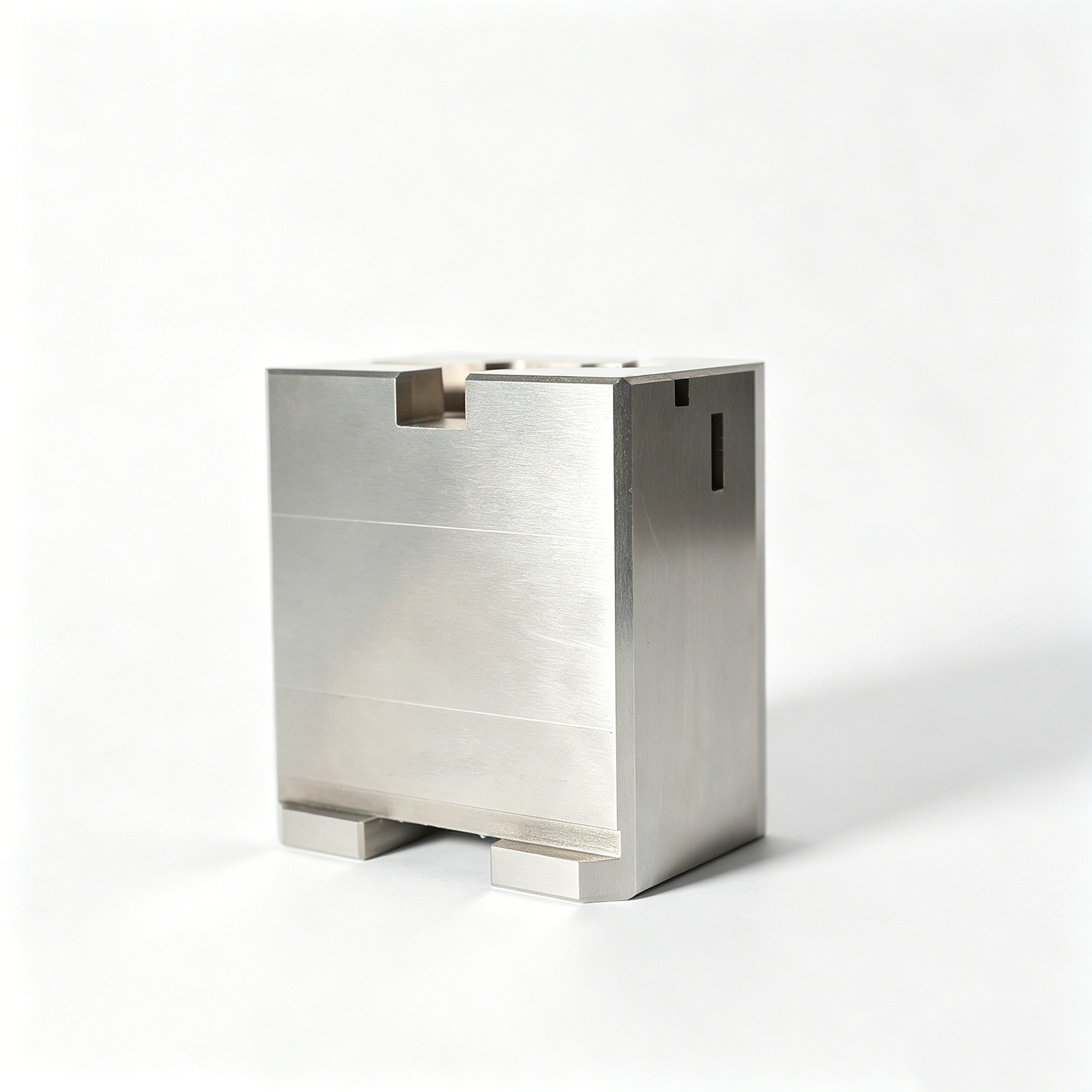
Featured Components for Stainless Steel Development




Related Product Catalogue and Quotation




Why Engineering Teams Choose SUUXIANG for Stainless Steel Parts
A structured path from drawing review through process planning and inspection for custom parts, mold components, and connector tooling.
Drawing Review First
We review drawings, models, material requirements, quantities, and application context before aligning a quotation with the manufacturing requirement.
DFM Before Commitment
Early DFM discussion identifies machining access, datum strategy, tolerance risks, and practical changes worth resolving before production planning.
Critical Dimensions Planned
Critical-to-quality dimensions, surface priorities, and inspection methods are defined around the drawing so measurement expectations remain visible.
Integrated Process Routing
CNC machining, EDM, grinding, fitting, and inspection are sequenced according to geometry, material condition, access, and required finishing steps.
Revision Visibility
Drawing revisions, agreed requirements, and delivery coordination stay traceable throughout the project to support controlled communication between teams.
RFQ-Ready Discussions
Share drawings, material, heat treatment, quantity, delivery target, and reporting needs to begin a focused stainless steels manufacturing review.
Precision Parts and Tooling Families
Drawing-driven process routes for custom parts, mold components, connector tooling, and die components—reviewed against critical dimensions, materials, and inspection requirements.
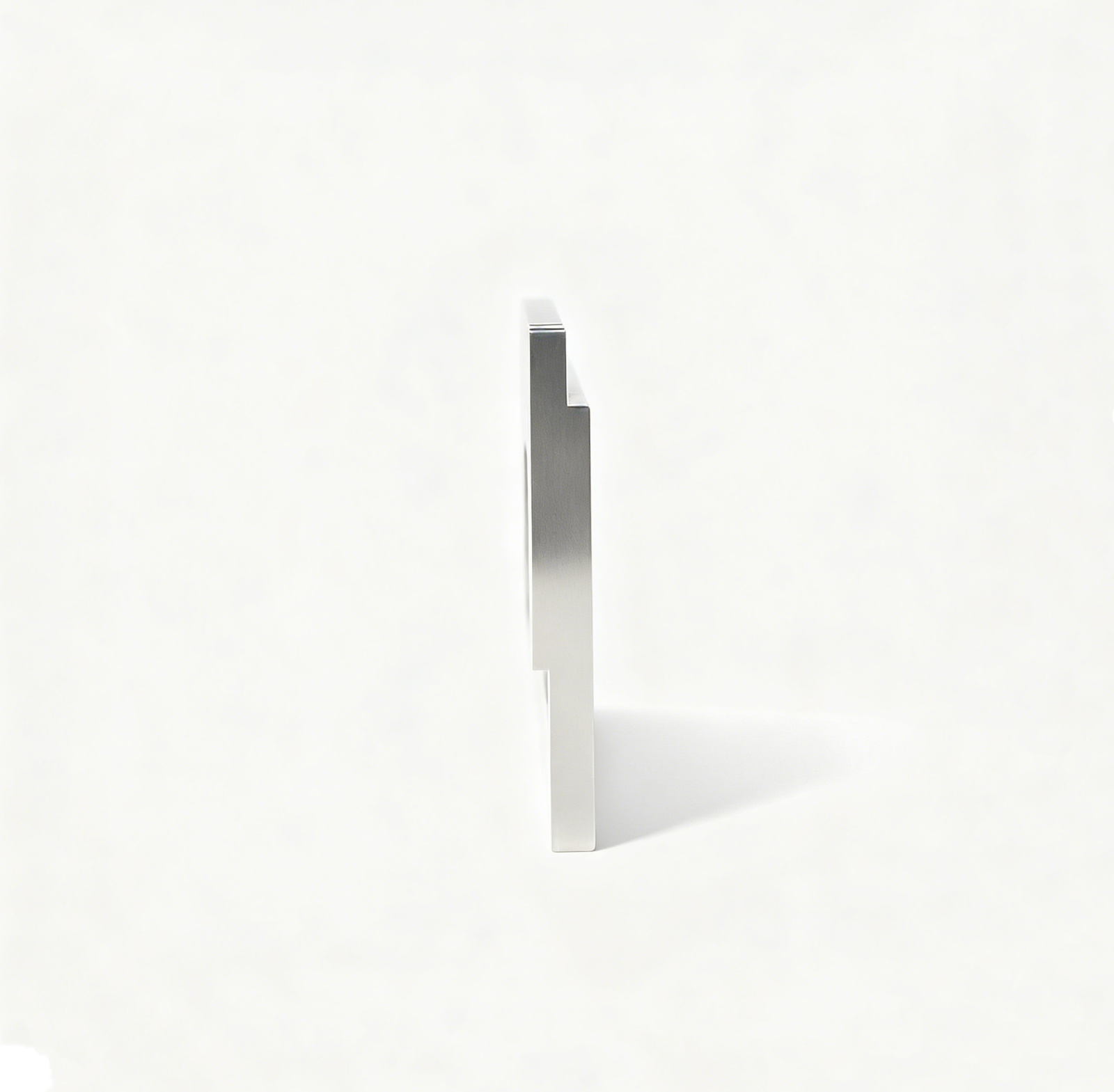
CNC Machining Services
Precision CNC machining services for drawing-based parts requiring coordinated milling, turning, EDM, grinding, and inspection. RFQ review focuses on material, critical dimensions, datum strategy, surface requirements, quantity, and evidence needed to confirm a practical process route.
Upload a Drawing
CNC Milling
Custom CNC milling services for prismatic parts, plates, inserts, and complex features. SUUXIANG reviews tool access, fixturing, machining allowance, datum transfer, and tolerance relationships before selecting a machining sequence and inspection approach.
Upload a Drawing
CNC Turning
Precision CNC turning services for shafts, pins, bushings, sleeves, and rotational components. Drawings are assessed for concentricity, runout, threads, grooves, shoulder geometry, material condition, and the secondary operations needed to protect critical features.
Upload a Drawing
5-Axis Machining
5-axis CNC machining supports multi-face and contoured components where reducing setups can help maintain feature relationships. Process review considers machine access, clamping strategy, cutter reach, datum control, surface requirements, and inspection feasibility for the submitted geometry.
Upload a Drawing
Swiss & Micro Machining
Swiss machining and micro machining support small, detail-intensive parts where feature spacing, slender geometry, and handling influence the route. Submit critical dimensions, material, quantity, mating context, and inspection priorities for a drawing-based feasibility review.
Upload a Drawing
Wire & Sinker EDM
Wire EDM and sinker EDM services address hardened materials, narrow slots, internal corners, fine profiles, and features beyond conventional cutter access. Planning considers wire path or electrode strategy, EDM allowance, recast-layer expectations, flushing, and finishing requirements.
Upload a Drawing
Precision Grinding
Precision surface and profile grinding supports controlled flatness, parallelism, profile accuracy, and surface condition on hardened or precision components. The process route is defined around grinding stock, heat-treatment sequence, datum references, access, and required inspection methods.
Upload a Drawing
Mold Core & Cavity Inserts
Precision mold core inserts and mold cavity inserts are manufactured from customer drawings and specifications for injection-tool applications. Review covers steel selection, heat treatment, cooling or feature geometry, EDM requirements, fitting interfaces, critical dimensions, and inspection documentation.
Upload a Drawing
Ejector & Ejection Components
Ejector pins, sleeves, and ejection components are produced as configurable drawing-based parts for reliable mold motion and part release. Manufacturing review considers fit, clearance, hardness, surface condition, concentricity, wear areas, and mating-component relationships.
Upload a Drawing
Core Pins, Guide & Locating Components
Core pins, guide pins, and locating components require controlled functional relationships with their mating features. SUUXIANG evaluates material and heat-treatment requirements, alignment datums, fit class, wear surfaces, grinding needs, and dimensional inspection priorities.
Upload a Drawing
Slides, Lifters, Gates & Mold Accessories
Mold slides, lifters, gates, and accessories are made to drawing-defined interfaces and motion requirements. A practical review addresses travel geometry, wear surfaces, mating clearances, gate details, heat treatment, machining access, fitting, and verification points.
Upload a Drawing
Connector Mold Components
Precision connector mold components support connector-product tooling where small features, repeated alignment, and controlled mating geometry matter. Drawings are reviewed for pin or cavity relationships, material requirements, EDM or grinding needs, critical dimensions, and inspection expectations.
Upload a Drawing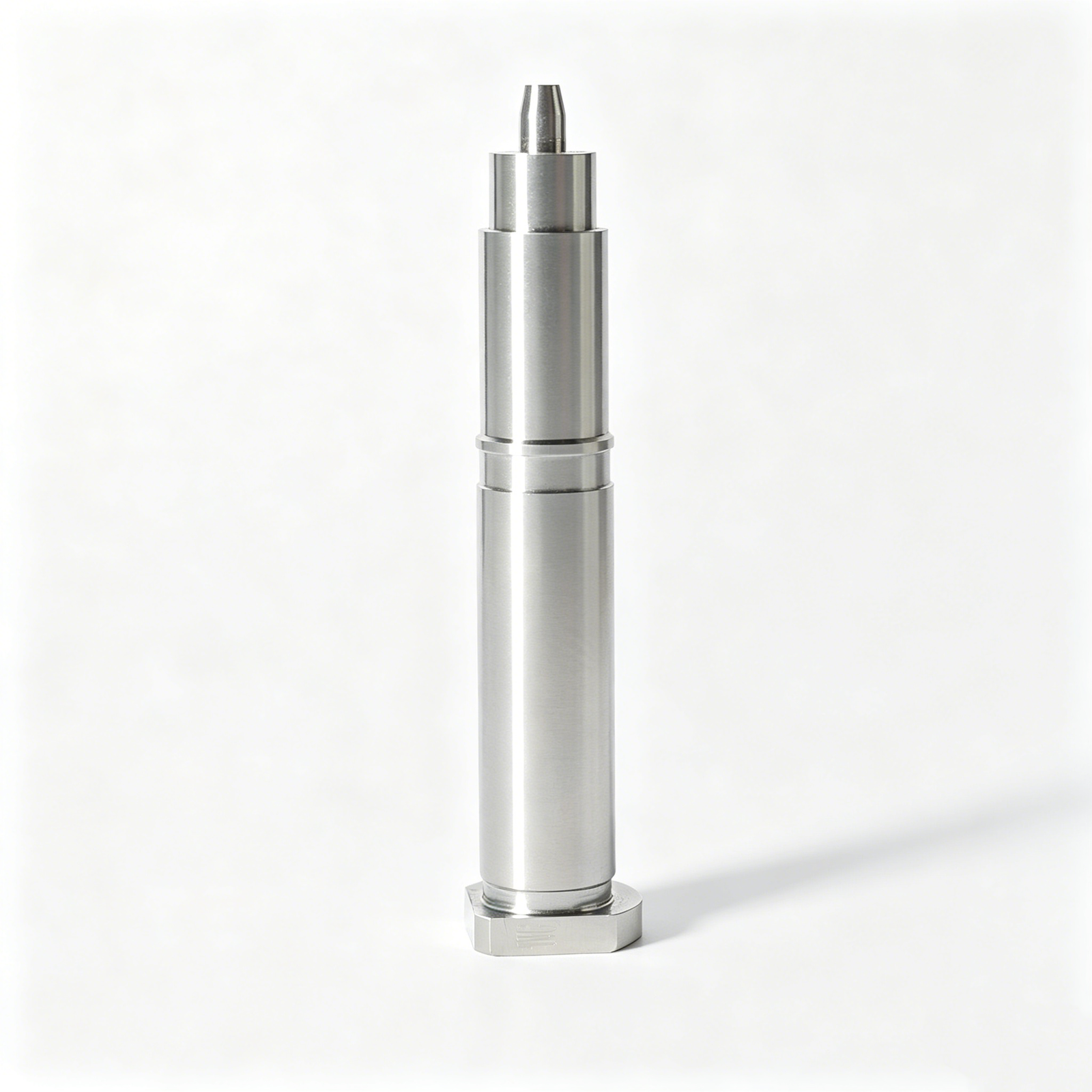
Stamping Die Components
Precision stamping die components are produced for drawing-based tooling assemblies, including punches, dies, guides, and wear components. Process planning considers tool steel condition, heat treatment, clearance relationships, profile accuracy, grinding stock, and measurement requirements.
Upload a Drawing
Injection, MIM, CIM & Overmolding Tooling
Injection, MIM, CIM, and overmolding tooling components are evaluated within verified production scope. Engineering review identifies molding-related geometry, core and cavity requirements, material and heat-treatment needs, EDM strategy, fitting interfaces, and critical inspection criteria.
Upload a Drawing
Machining Materials
CNC machining materials are selected from the drawing, application, and specified material condition rather than a generic catalog. Include grade, hardness or heat-treatment state, certification needs, corrosion or wear considerations, and any customer-approved substitute rules.
Upload a Drawing
Surface Finishes & Heat Treatment
Surface finishing and heat treatment are planned around functional surfaces, dimensional change, wear, corrosion, and assembly requirements. Specify finish callouts, masking or cosmetic constraints, coating requirements, target hardness, sequence, and the dimensions to inspect afterward.
Upload a Drawing
Quality, Metrology & Documentation
Precision inspection, metrology, and quality documentation are aligned with the approved drawing and inspection plan. Identify critical dimensions, datums, sampling or reporting requirements, material records, revision status, and any traceability required for acceptance.
Upload a Drawing
Prototyping & Low-Volume Production
Rapid prototyping and low-volume manufacturing support controlled transitions from design review to limited production. Provide the current drawing revision, 3D model when available, quantity, material, critical features, quality needs, target delivery date, and application context.
Upload a DrawingStainless Steel Machining and Finishing Processes

304 Stainless Steel
A widely specified austenitic option for corrosion-conscious custom parts, fixtures, and non-hardened components. Review forming condition, machining access, surface requirement, and the operating environment with the drawing before material is released.

316 Stainless Steel
An austenitic material often considered where chloride exposure or more demanding corrosion conditions influence component selection. Confirm the exact grade, material documentation, surface finish, mating conditions, and available stock form during RFQ review.

420 Stainless Steel
A martensitic stainless option suited to parts where heat treatment and wear performance may shape the route, including selected tooling components. Define hardness target, grinding stock, EDM sequence, corrosion conditions, and critical dimensions before production planning.

17-4PH Stainless Steel
A precipitation-hardening stainless material considered for precision parts requiring a defined strength and heat-treatment condition. The drawing review should establish required condition, distortion risk, machining allowance, inspection datums, and material traceability expectations.

440C Stainless Steel
A high-carbon martensitic stainless option for selected wear-focused precision components after project validation. Discuss final hardness, heat-treatment sequence, grinding strategy, wire-EDM requirements, surface condition, and dimensional verification before committing to manufacture.
Stainless Steels Machining and Finishing Processes

CNC Milling
CNC milling forms profiles, pockets, holes, and datum surfaces in stainless steels. Tool access, rigidity, clamping strategy, and machining allowance are reviewed before committing to the route for drawing-driven components.


Wire EDM
Wire EDM cuts precise contours, narrow slots, and hardened features without conventional cutter access. Wire path, start-hole location, corner requirements, and allowance for subsequent fitting or grinding are defined from the part requirements.

Sinker EDM
Sinker EDM creates deep cavities, sharp internal detail, and geometry that may be difficult to mill directly. Electrode strategy, flushing, surface expectations, and any downstream finishing requirements are reviewed with the drawing.

Precision Grinding
Precision grinding refines critical faces, diameters, and fits after the appropriate machining and heat-treatment stages. Grinding stock, datum references, surface requirements, and measurement method should be agreed before production planning.
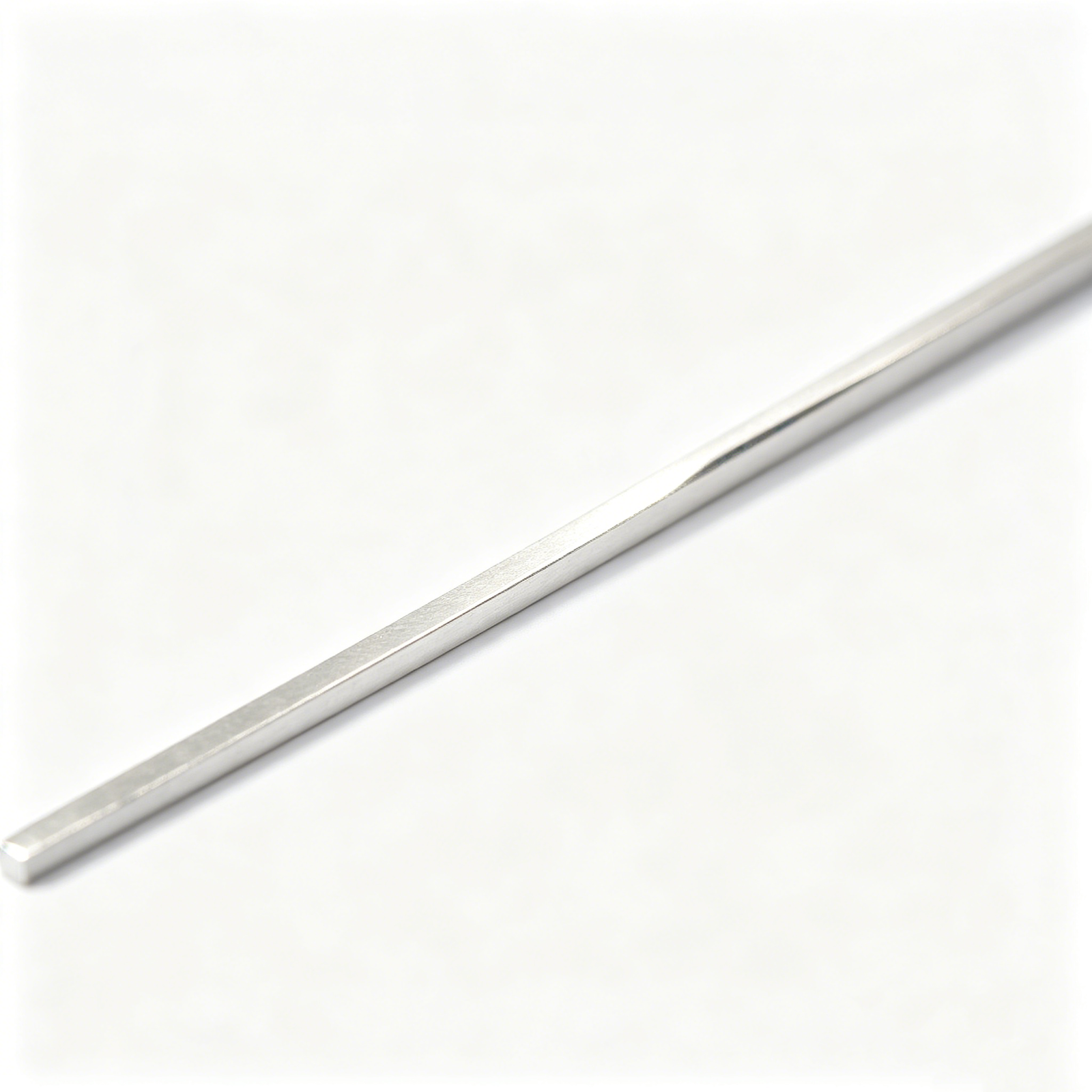
Fitting and Inspection
Fitting and inspection verify mating relationships, critical dimensions, and documented requirements before shipment. The inspection approach follows the order and agreed plan, with revision control and reporting needs identified during drawing review.
Stainless Steels Component Features and Applied Hardware

Core Pins
Precision core pins support formed features, alignment and localized wear points in mold and tooling assemblies. Diameter, working length, material condition, surface requirement and retention details should be defined against the approved drawing.
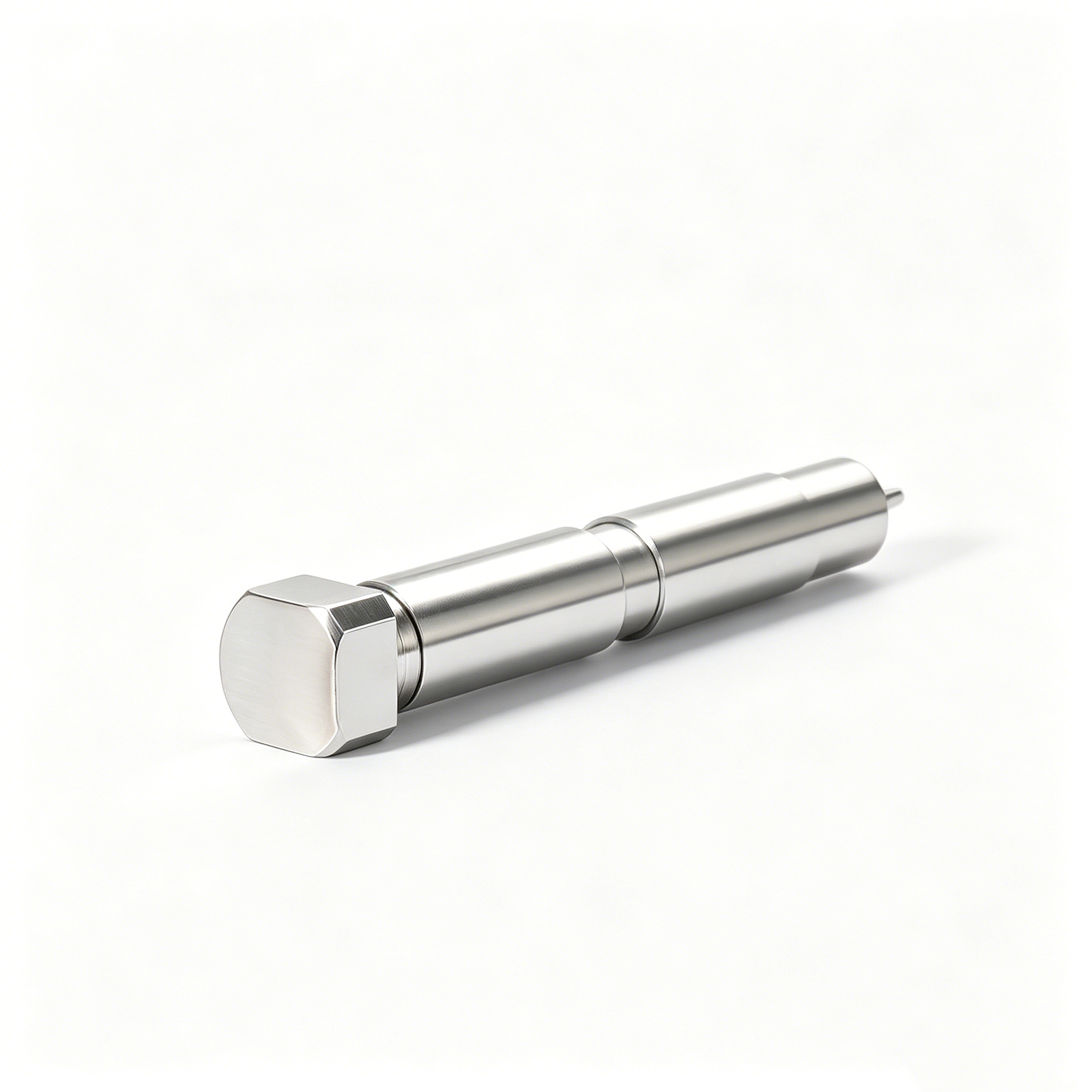
Guide Elements
Guide pins, bushes and related guiding features help establish controlled movement between tooling elements. Selection depends on load path, stroke, lubrication, assembly clearance, locating datums and the mating-component arrangement.

Locating Components
Locating pins, keys and datum features establish repeatable orientation during fitting, assembly and inspection. Their geometry must be coordinated with tolerance stack, access for machining or grinding, service conditions and measurement method.

Gate Inserts
Gate inserts and related molded-flow features are produced to the specified geometry and finish requirements. The drawing review should confirm gate location, tool access, EDM or grinding needs, material condition and assembly interface.

Identification Marking
Part marking, identification labels and revision references can support traceable handling across custom component sets. Define marking location, method, legibility expectations and any inspection or packaging requirements before production is released.
About SUUXIANG Precision Manufacturing
SUUXIANG is the sole public-facing brand of Dongguan SuuXiang Precision Mold Co., Ltd., established in 2010 in Chang’an Town, Dongguan, Guangdong, China. XiaoCheng Huang is the founder and legal representative. We help global engineering, sourcing and quality teams turn drawings, models and technical requirements into inspected CNC-machined parts, precision mold components, connector tooling and die components.
Our work brings CNC milling and turning, multi-axis machining, EDM, precision grinding, fitting and inspection into a coordinated process route. For stainless steels and other specified materials, the review begins with the drawing: critical dimensions, datums, machining access, surface requirements, heat-treatment sequence and inspection expectations.
What differentiates SUUXIANG is disciplined, drawing-driven communication before production commitments. We use DFM discussion, revision control and an order-specific inspection plan to help teams assess manufacturability, align evidence requirements and keep project decisions traceable from quotation through delivery.
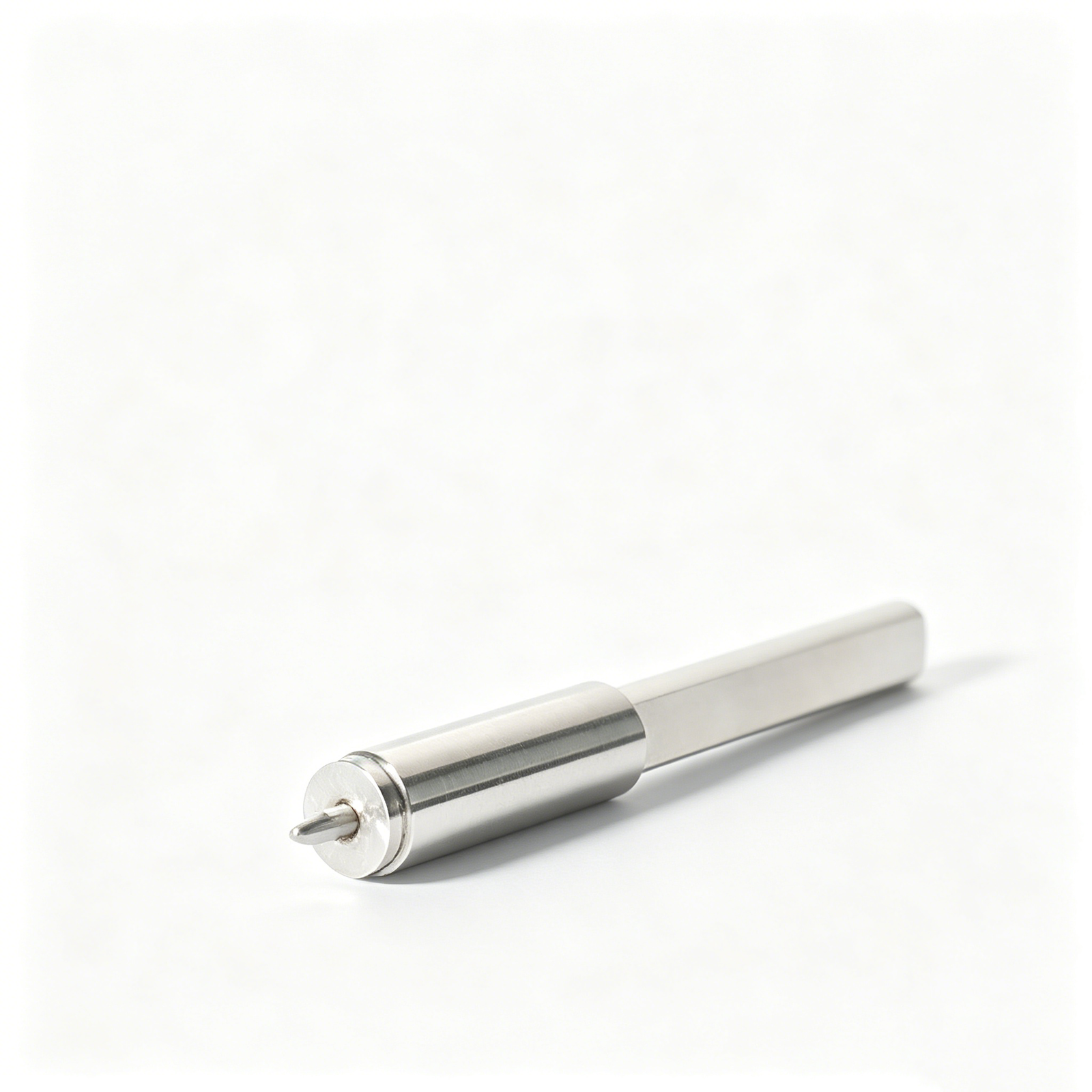
Stainless Steels: Drawing to Inspection
DFM Starts With Datums
Before quotation, SUUXIANG reviews stainless steels drawings and models for critical dimensions, datum logic, tolerance stack, tool access, surface requirements and mating conditions. This discussion identifies questions that can affect the process route, inspection method, cost or production timing.
- Identify critical-to-quality dimensions and functional interfaces
- Review datum references before machining sequence is set
- Flag inaccessible features, thin sections and tolerance conflicts
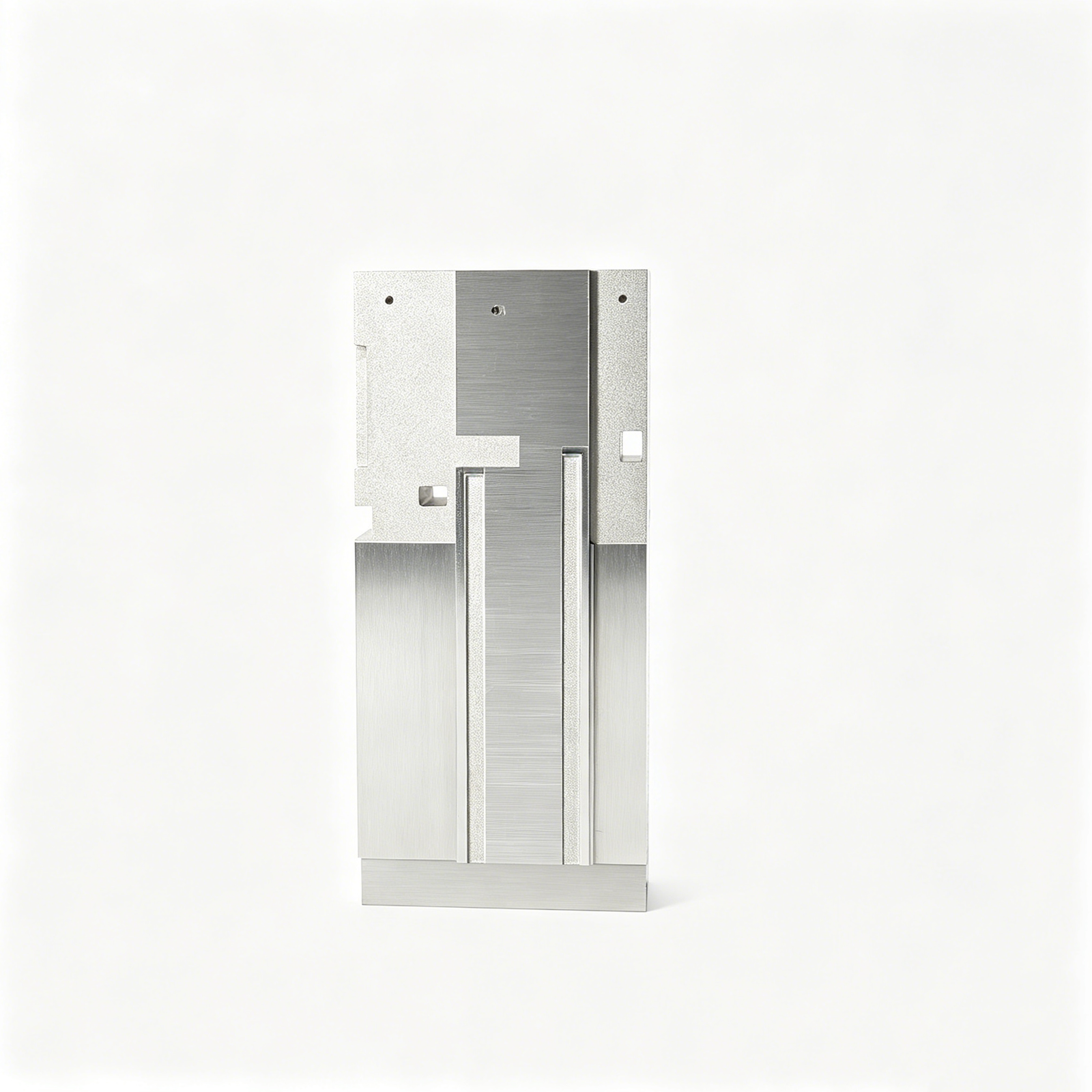
Plan the Process Route
Stainless steels parts may require a coordinated route across CNC milling or turning, EDM, precision grinding and fitting. SUUXIANG plans each route against geometry, machining allowance, material condition and final requirements rather than treating every drawing as a standard machining job.
- Match CNC operations to feature access and workholding
- Define wire-EDM or electrode needs for difficult geometry
- Reserve grinding stock where finishing dimensions require it

Inspect What Drives Function
Inspection planning should follow the drawing’s functional priorities. SUUXIANG aligns measurement methods and documentation with agreed critical dimensions, datums, surface requirements and order expectations, helping teams evaluate stainless steels components against the requirements that matter to assembly and tool performance.
- Connect inspection points to agreed drawing datums
- Clarify reporting needs before production begins
- Keep final documentation aligned with the inspection plan

Keep Revisions Visible
Drawing-based work depends on controlled communication as much as machining. SUUXIANG coordinates revision information, technical questions, quality expectations and delivery details throughout the project, so engineering, sourcing and quality teams can make decisions from the same current requirement set.
- Confirm the current drawing and model revision
- Record open technical questions before release
- Coordinate delivery information with agreed requirements
Why Stainless Steels Projects Need Drawing-Driven Control
Compare process-based controls for custom stainless steels parts and tooling before quotation and production.
← Swipe left or right to view →
Stainless Steels Production Workflow
A decision-gated path from RFQ review through documented inspection and delivery coordination.
Review RFQ Inputs
We review drawings, models, material callouts, quantity, application context, target date, and requested inspection documentation before defining a quotation path.
Confirm DFM Strategy
Critical dimensions, datums, tolerance stack, tool access, heat-treatment sequence, and machining allowances are assessed to identify manufacturability risks and required clarifications.
Plan Process Route
The team selects the appropriate CNC, multi-axis, turning, EDM, grinding, fitting, and intermediate inspection sequence for the approved stainless steels component requirements.
Machine Critical Features
Production follows the controlled drawing revision, with machining, electrode strategy, wire paths, and grinding stock managed around functional and critical-to-quality features.
Inspect Pack Coordinate
Final inspection follows the agreed plan; matching records, protective packing, and delivery coordination are prepared against the confirmed order requirements.
How to Source Stainless Steels Parts With SUUXIANG
Align material, critical dimensions, process requirements, and inspection expectations before production begins.
Submit Your Drawing Package
Send 2D drawings, available 3D models, stainless steel grade, quantity, application context, target date, and dimensional, surface, heat-treatment, and reporting requirements.
Review DFM and Quotation
Confirm critical dimensions, datums, machining access, EDM or grinding needs, inspection method, revision status, process route, commercial scope, and quotation assumptions.
Approve Requirements or Samples
Resolve open technical points and approve the documented requirements, or evaluate agreed samples when the project plan calls for sample validation before release.
Proceed With Controlled Production
SUUXIANG coordinates CNC machining, EDM, grinding, fitting, and inspection against the approved revision, maintaining visible delivery communication and order-matched documentation.
Quality Documentation and Certification Evidence
Stainless Steels Customer Results and Project Evidence
A customer-authorized testimonial will be published here after the project context, measured outcome, and permission to cite the work have been verified with the customer.
A customer-authorized case example will be added after SUUXIANG and the customer confirm the drawing revision, inspection evidence, delivery result, and approved publication language.
A verified customer result will be published here when the customer approves disclosure of the application, quantity, critical dimensions, inspection documentation, and measurable production outcome.
Stainless Steel CNC Machining FAQ
Practical RFQ, material-control, inspection, and delivery questions for drawing-driven precision parts and tooling.
What is the minimum order quantity for stainless steels CNC parts?
Can I order samples before approving stainless steels production?
How do you estimate lead time for stainless steels machined parts?
What stainless steel grade and heat-treatment information should I provide?
Can SUUXIANG machine hardened stainless steels or precision mold components?
What inspection documents can be supplied with my order?
How are drawings, revisions, and intellectual property handled?
What payment and shipping terms are available for international orders?
The Complete Buyer’s Guide to Stainless Steel
Use this decision framework to specify stainless steels for drawing-based parts, compare grades and finishes, qualify capable suppliers, control total cost, and avoid corrosion, tolerance, documentation, and sourcing mistakes.
1. What Are stainless steels?
10.5% chromium is the commonly accepted minimum for stainless steels: iron-based alloys whose chromium forms a thin, self-renewing passive oxide film in an oxidizing environment (https://www.outokumpu.com/en/products/stainless-steel-types). That film is the source of corrosion resistance, not an assurance that a part cannot corrode.
304, 316, martensitic, duplex, and precipitation-hardening families differ because composition and processing establish different room-temperature microstructures (https://www.outokumpu.com/en/products/stainless-steel-types). Nickel, molybdenum, carbon, cold work, and heat treatment can therefore change corrosion behavior, hardness, strength, distortion risk, and machining response.
For CNC parts, mold inserts, connector tooling, and stamping-die components, surface condition is part of the material decision. Specify the grade and condition, heat-treatment sequence, critical surfaces, exposure medium, and required inspection evidence; scratches, embedded contamination, damaged passive film, or an unsuitable grade can defeat the intended corrosion performance.
2. Evolution of stainless steels
1912 marked the practical breakthrough when Harry Brearley developed a chromium steel for gun-barrel erosion; early corrosion-resistant steels then moved from laboratory alloys into cutlery and industrial service. Chromium established the passive-film principle, while later nickel, molybdenum and controlled carbon created distinct property windows.
1960s argon-oxygen decarburization made lower-carbon stainless production more controllable by removing carbon while limiting chromium loss (https://www.britannica.com/technology/stainless-steel). Better melting, chemistry control, forming, machining and finishing subsequently broadened use from sheet and vessels to precision industrial components.
Five major families—austenitic, ferritic, martensitic, duplex and precipitation-hardening—now cover different corrosion, strength and heat-treatment requirements (https://www.outokumpu.com/en/products/stainless-steel-types). For a drawing-based part, a grade name alone is insufficient: specify the governing standard, product form, condition, required finish and mill test documentation so the supplied chemistry and mechanical condition match the design intent.
Recycled stainless scrap is a main raw material in modern production, alongside virgin iron and alloy additions (https://www.outokumpu.com/en/products/stainless-steel-types). That circular feedstock reinforces the need for traceable mill documentation rather than assumptions based on appearance or a supplier’s shorthand grade designation.
3. Types of stainless steels
Five principal families organize stainless steels by room-temperature microstructure, not by a single grade. Start with the service environment and required strength, then confirm the named grade, condition, and inspection requirements on the drawing.
| Family | Magnetic Response | Heat Treatment | Typical Priority |
|---|---|---|---|
| Austenitic | Usually no | Not hardenable | Corrosion or forming |
| Ferritic | Yes | Not hardenable | Economical corrosion resistance |
| Martensitic | Yes | Hardenable | Hardness and wear |
| Duplex | Yes | Not hardenable | Chlorides and strength |
| Precipitation-hardening | Usually yes | Age hardenable | Strength and stability |
Austenitic
Austenitic alloys are usually nonmagnetic, corrosion-resistant, and not heat-hardenable.
CNC work must control work-hardening; typical parts include fittings and housings. Ask: is formability or corrosion resistance primary?
Ferritic
Ferritic alloys are magnetic, moderately corrosion-resistant, and not heat-hardenable.
CNC machining is comparatively stable; typical parts include brackets and trim. Ask: can lower-cost, moderate-corrosion material meet the environment?
Martensitic
Martensitic alloys are magnetic and heat-treatable for high hardness and strength.
Machining allowance must accommodate hardening and grinding; typical parts include pins and wear inserts. Ask: does wear resistance outweigh reduced corrosion margin?
Duplex
Duplex alloys combine high strength with strong chloride-corrosion resistance and are magnetic.
Higher cutting loads require rigid tooling; typical parts include valve components. Ask: is chloride exposure driving a strength-and-corrosion requirement?
Precipitation-Hardening
Precipitation-hardening alloys gain strength through aging heat treatment and are commonly magnetic.
Machine before final aging where possible; typical parts include precision shafts and aerospace fittings. Ask: is high strength with controlled distortion required?
4. Selecting stainless steels by grade
303 suits parts where chip control matters, while 304 is the common general-purpose starting point. Select from the service medium, chloride exposure, required strength, hardness, joining method, magnetic response, and drawing standard—not grade name alone.
| Grade | Typical Decision Basis | Key Watchpoint |
|---|---|---|
| 303 | Machined fittings | Lower weld/corrosion performance |
| 304 | General indoor service | Chlorides require review |
| 316/316L | Chloride exposure | Verify actual medium |
| 410/420 | Heat-treated tooling | Magnetic; corrosion trade-off |
| 440C | High hardness wear parts | Heat-treatment control |
| 17-4PH | High-strength components | Specify aging condition |
| Duplex | Strength plus chlorides | Confirm form and process route |
Match Grade To Exposure
316/316L is the usual escalation for chloride-bearing or more corrosive service; confirm concentration, temperature, crevices, and cleaning chemicals.
Duplex is appropriate only when the approved service case needs higher strength plus chloride resistance. https://www.outokumpu.com/en/products/stainless-steel-types
Balance Manufacturing Requirements
303 improves machinability but its sulfur addition can limit corrosion and weld performance. Specify cleanliness or inclusion limits when sealing, polishing, fatigue, or connector contact performance matters.
410, 420, and 440C are magnetic martensitic choices when heat-treated hardness is needed. 17-4PH offers high strength after an approved aging condition.
Control The Specification
304 and 316 may be nonmagnetic when annealed, but cold work can change response; do not use a magnet as acceptance evidence.
ASTM, EN, JIS, customer material specifications, heat condition, bar form, and required test reports must appear on the drawing or purchase order.
- Request heat or lot traceable material certificates.
- Confirm equivalent-grade substitutions through engineering approval.
- Align hardness, corrosion test, and inspection requirements before machining.
5. Forms, finishes, and surface treatments
Stock form determines how much material becomes chips, how many setups are needed, and which datum surfaces can be held. Specify the incoming form and mill condition when cost, distortion, or corrosion-critical surfaces matter.
| Form or Treatment | Manufacturing Effect | Drawing Detail |
|---|---|---|
| Bar | Efficient turning; excess chips on prismatic parts | Diameter, straightness, mill condition |
| Plate or Sheet | Broad faces; distortion risk after release | Thickness, flatness, grain direction |
| Tube or Forging | Less removed stock; constrained access | Wall, concentricity, machining allowance |
| Passivation or Electropolishing | Supports corrosion cleanliness; can change surface | Method, masked areas, post-process inspection |
| Polish, Blast, Laser Mark | Texture or identification; dimensional risk | Ra, media, mark location and depth |
Choose Stock Around Geometry
Round bar suits turned diameters and concentric features; plate suits prismatic inserts, while sheet can require fixturing against warp. Tube reduces waste for hollow parts but limits tool access; forged stock may justify added machining when directional properties or near-net shape are required.
Specify Functional Surface Condition
Mill finish is an incoming condition, not a final roughness requirement. Passivation removes free iron after processing; electropolishing can improve cleanability, while mechanical polishing or bead blasting changes texture and may alter measured dimensions.
Call Out Inspection Requirements
Ra values, sampling area, measurement direction, edge-break limits, and excluded surfaces should appear on the drawing. Require burr removal without rounding critical edges, segregate carbon-steel tooling from stainless work, and define laser-mark content, location, contrast, and permissible depth.
6. Quality elements for stainless steels
Quality acceptance starts with the drawing, purchase specification, and identified heat or lot—not a grade name alone. Inspection evidence should link material condition, process sequence, and finished-part results to the revision released for production.
Material Identity And Condition
MTRs should state alloy designation, heat or lot, product form, chemistry, and applicable mechanical-property condition. Positive material identification may be specified when mix-up risk justifies it.
Heat treatment requires the specified condition, hardness method, and sampling location. Grain-size or microstructure requirements need an agreed test method and acceptance criterion.
Dimensional And Surface Controls
GD&T inspection should reference the drawing datums and measure critical dimensions with a suitable method. A first-article report should identify each characteristic, result, instrument, and revision.
Surface requirements should define roughness parameter, cutoff where needed, lay, burr limits, cleanliness, and thread acceptance. Passivation, when specified, needs a process and record tied to the lot.
Traceable Release Evidence
FAI packages commonly combine ballooned drawings, measured results, material test reports, and deviation disposition. Sampling plans should distinguish critical features from noncritical dimensions.
Lot traceability should remain intact through machining, heat treatment, finishing, and shipment. Any substitution, rework, or nonconformance requires documented customer disposition before release.
7. How to choose a manufacturer
Three pre-award checks reduce avoidable risk: verify drawing comprehension, material evidence, and the planned inspection route. For stainless steels, evaluate the supplier against the actual geometry, finish, quantity, and release date—not a generic capability list.
Confirm DFM And Process Fit
Before quotation, request written DFM comments on datums, tool access, wall sections, tolerances, grinding stock, and EDM strategy. Ask which operations will create critical features and where workholding could affect them.
- Reviewed 2D drawing and 3D model
- Proposed process route and key assumptions
- Identified tolerance or finish conflicts
Verify Material And Inspection
Each lot should be linked to the specified grade, condition, heat treatment, and receiving evidence before machining. Agree the inspection plan before release, including CTQ dimensions, datum references, gauges, sampling, and report format.
- Material certificate requirement
- First-article or sample approval criteria
- Measurement report and traceability record
Control Changes And Delivery
One controlled revision should govern purchase order, drawings, inspection, and packing instructions. Confirm change-notification timing, a named communication path, export packaging protection, and a realistic lead-time plan that separates material, machining, special processes, inspection, and shipment.
- Revision acknowledgement before production
- Approval hold points for samples
- Packing method and shipment documents
8. Common stainless steels sourcing mistakes
A material callout governs corrosion performance, process route, inspection, and price. Preventable omissions usually surface as RFQ ambiguity, late revisions, or nonconforming delivered parts.
Specify Grade And Condition
304 is not a complete material requirement. State the recognized grade, product form, condition, governing standard, and permitted substitutions on the drawing; otherwise, mechanical response and corrosion resistance may differ.
Review Chloride Exposure
304 can be unsuitable where chlorides, retained moisture, temperature, or crevices raise pitting risk. Record the service environment in the RFQ and require the supplier to confirm the proposed grade against it before release.
Match Grade To Process
316, 420, and 17-4PH do not machine or heat treat alike. Identify critical features, hardness condition, and allowable process sequence so tooling, EDM, grinding stock, and distortion controls are quoted correctly.
Define Finish And Evidence
Ra values, passivation, polishing direction, and burr limits affect fatigue, sealing, cleaning, and corrosion behavior. Put measurable finish requirements and inspection methods on the drawing, then request material certificates and lot-to-part traceability.
Normalize Quote Scope
Two quotations are comparable only when grade, stock form, heat treatment, finish, inspection, quantity, and delivery terms match. Issue one controlled RFQ revision and require every exception, assumption, and excluded report to be listed.
9. Launching a stainless-steel part program
One controlled launch converts a stainless-steel drawing into a traceable production plan. Ask SUUXIANG to review functional conditions before quoting prototype or low-volume work.
Define The Functional Envelope
1. Record the mating parts, load path, corrosion exposure, temperature, cleanliness, and target quantity. Identify critical dimensions, datums, surface condition, and any heat-treatment or passivation requirement.
2. Send a revision-controlled 2D drawing with tolerances and a matching 3D model. Mark unresolved requirements instead of allowing assumptions to enter the quotation.
Close DFM Before Sampling
3. Name candidate grades and the material specification, then request DFM feedback on tool access, workholding, thin features, and machining allowance. Confirm whether CNC, EDM, grinding, or fitting controls each critical feature.
4. Define prototype inspection separately from the production plan. Agree measurement methods, report format, sampling quantity, and material traceability before parts are made.
Freeze And Monitor Ramp-Up
5. Approve samples against the released drawing, inspection record, and functional fit result. Capture deviations through a written disposition rather than an informal email approval.
6. Freeze the revision, packing requirements, and delivery schedule before the first controlled release. Review first deliveries for dimensions, documentation, damage, and recurring-process risks.
10. Stainless steels pricing and cost
2D drawings and 3D models should be quoted against the same revision, quantity, grade, stock form, heat-treatment condition, finish, inspection plan, packaging, and requested delivery date. This makes supplier comparisons meaningful.
1 part and 1,000 parts can use the same process route but carry very different setup, programming, fixture, material-yield, and inspection cost per unit. Tighter tolerances, longer machining cycles, special tooling, EDM or grinding, and enhanced reports should remain separately visible in the quotation.
| Quantity tier | Unit-price drivers | Setup or NRE effect | Indicative lead-time drivers |
|---|---|---|---|
| 1–5 prototypes | Material yield, machine time, tolerance, finish | Programming, fixturing, first-article inspection concentrated | Stock availability; drawing review; special tooling |
| 6–50 low volume | Cycle time, grade, inspection sampling, packaging | Setup spread across parts; dedicated fixture may be justified | Batch scheduling; EDM, grinding, heat-treatment sequence |
| 51–250 repeat batch | Raw-material utilization, tool life, inspection frequency | NRE amortized; revision control remains active | Material procurement; capacity; report preparation |
| 251+ production release | Stable cycle, yield, packaging, order cadence | Fixture and validation cost can be allocated across releases | Release schedule; supplier coordination; controlled inspection |
Upload Your Stainless Steels Drawing for Review
Send your drawing, model, material and heat-treatment requirements, quantity, quality priorities, and target delivery date for a disciplined manufacturing review.