
Bead Blasting for Drawing-Based Precision Parts
Specify bead blasting alongside critical dimensions, masking needs, and inspection requirements before production.
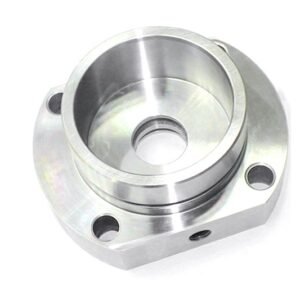
Representative Components for Bead Blasting Review





Related Component Families and Drawing Review




Why Specify SUUXIANG for Bead Blasting
Align the finish requirement with machining, masking, critical dimensions and inspection evidence before production begins.
Drawing-Led DFM Review
Review surface callouts, datum relationships, tool access and masking needs before bead blasting is included in the process route.
Critical Dimension Awareness
Identify tolerance-sensitive features where media exposure, edge condition or post-finish handling requires specific protection and verification.
Planned Process Sequence
Coordinate CNC machining, EDM, grinding and finishing in a sequence that preserves functional surfaces and required allowances.
Controlled Finish Definition
Clarify target appearance, exposed areas and acceptable variation so the bead-blasted surface aligns with drawing and application requirements.
Inspection Plan Alignment
Define inspection priorities, reporting needs and finish-related acceptance criteria alongside dimensional checks for the specific order.
Revision Visibility
Keep drawing revisions, process decisions and delivery requirements visible throughout project coordination to support traceable communication.
Precision Part Families for Demanding Surface Requirements
Drawing-driven manufacturing routes for custom parts, mold components, connector tooling and die components—planned around critical dimensions, material condition and inspection needs.

CNC Machining Services
Precision CNC machining services for drawing-based custom parts requiring controlled geometry, material selection, surface requirements and inspection planning. Process routes may combine milling, turning, EDM, grinding and fitting according to feature access, tolerances and production quantity.
Upload a Drawing
CNC Milling
Custom CNC milling services for prismatic parts, pockets, contours, mounting features and complex mold-component geometry. Drawing review addresses datum selection, tool access, corner radii, machining allowance and critical dimensions before a production route is proposed.
Upload a Drawing
CNC Turning
Precision CNC turning services for rotational features such as shafts, sleeves, pins, bushings and threaded components. The review considers concentricity, runout, datum references, wall thickness, material condition and any secondary milling, grinding or inspection requirements.
Upload a Drawing
5-Axis Machining
5-axis CNC machining supports complex surfaces, angled features and multi-face parts where fewer setups can protect datum relationships. Tool approach, fixture strategy, reachable geometry and inspection access should be evaluated from the model and drawing before commitment.
Upload a Drawing
Swiss & Micro Machining
Swiss machining and micro machining support small, slender or detail-intensive components where stability and feature sequence matter. Supply drawings should identify critical diameters, lengths, threads, cross-holes, edge conditions and inspection methods appropriate to the part.
Upload a Drawing
Wire & Sinker EDM
Wire EDM and sinker EDM services address narrow slots, sharp internal geometry, hardened material and features with limited conventional tool access. Electrode design, wire path, recast-layer considerations, EDM allowance and finishing strategy are reviewed against functional requirements.
Upload a Drawing
Precision Grinding
Precision surface and profile grinding supports flatness, parallelism, profile control and final-size refinement on suitable components. Grinding stock, heat-treatment sequence, datum condition and measurement method must be defined so finishing work supports the drawing’s critical features.
Upload a Drawing
Mold Core & Cavity Inserts
Precision mold core inserts and mold cavity inserts are manufactured as configurable components from approved drawings and models. Process planning considers shutoff geometry, cavity detail, cooling interfaces, steel condition, EDM needs, grinding allowance and inspection points before machining begins.
Upload a Drawing
Ejector & Ejection Components
Ejector pins, sleeves and ejection components are evaluated for fit, alignment, travel-related surfaces and wear-sensitive features. Drawings should define diameters, clearances, material or heat-treatment requirements, surface condition and mating-component context for a practical route.
Upload a Drawing
Core Pins, Guide & Locating Components
Core pins, guide pins and locating components require controlled relationships to their mating features. SUUXIANG reviews datum strategy, fit class, concentricity, engagement length, hardness condition and inspection requirements to support repeatable assembly and maintenance decisions.
Upload a Drawing
Slides, Lifters, Gates & Mold Accessories
Mold slides, lifters, gates and accessories are produced from drawing-defined geometries rather than assumed stock configurations. Reviews focus on movement interfaces, shutoff surfaces, angles, wear areas, assembly datums, heat treatment and the required CNC, EDM or grinding sequence.
Upload a Drawing
Connector Mold Components
Precision connector mold components address fine pitch, mating geometry and alignment-sensitive tooling features. Engineering review should identify critical dimensions, steel and heat-treatment requirements, EDM strategy, polish or finish needs, inspection evidence and revision-controlled interfaces.
Upload a Drawing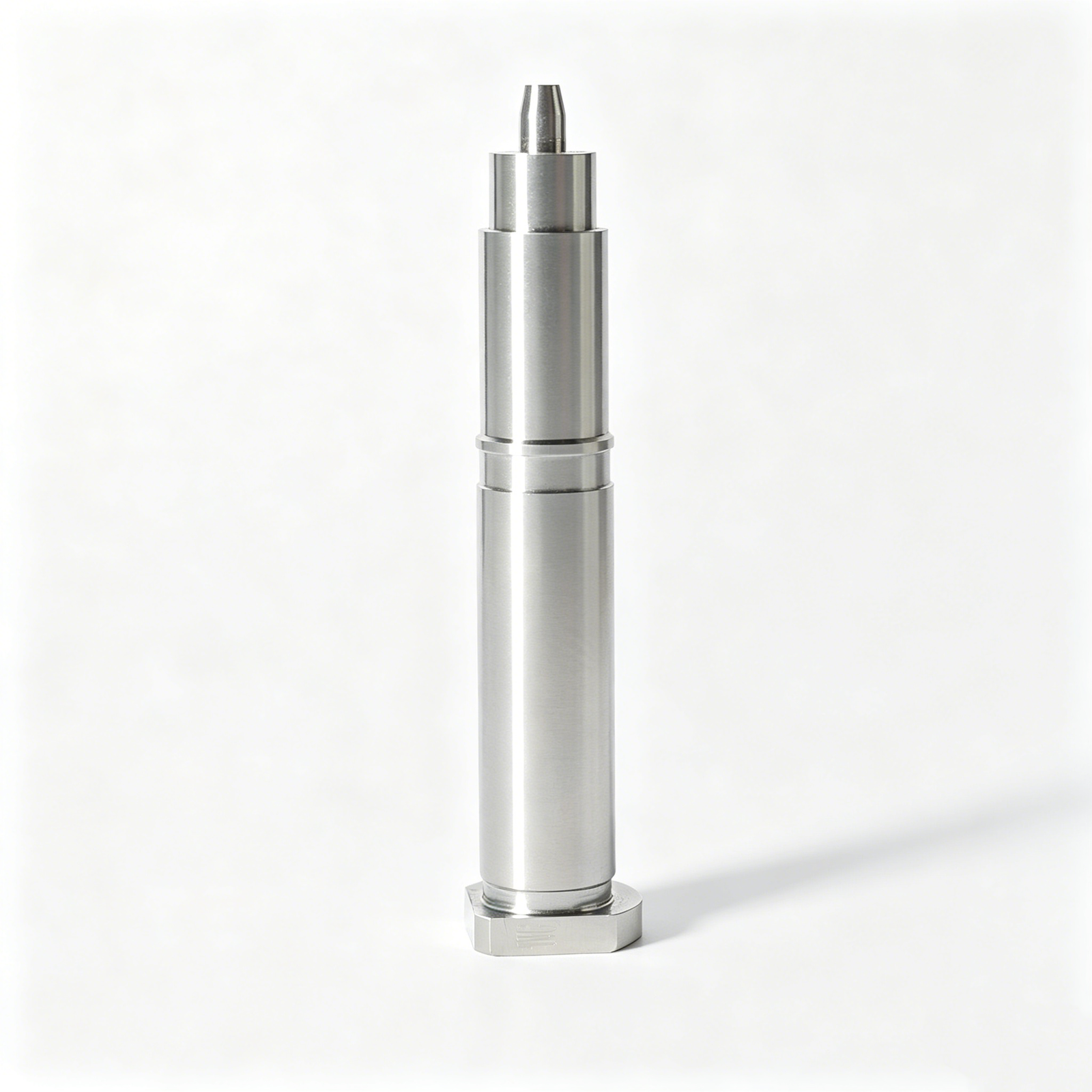
Stamping Die Components
Precision stamping die components support punches, dies, inserts, guides and other drawing-defined elements. Process planning evaluates profile geometry, clearance-related dimensions, material and hardness condition, wire EDM or grinding needs, edge requirements and inspection criteria.
Upload a Drawing
Injection, MIM, CIM & Overmolding Tooling
Injection, MIM, CIM and overmolding tooling work is assessed within verified production scope. Drawings and application context help define cavity and core features, material condition, shrinkage-related responsibilities, gating interfaces, EDM needs and the inspection plan for supplied components.
Upload a Drawing
Machining Materials
CNC machining materials are selected from the drawing and application requirements, not from a generic catalog. Buyers should specify material grade, supply condition, traceability expectations, heat-treatment sequence, corrosion or wear concerns and any required material documentation.
Upload a Drawing
Surface Finishes & Heat Treatment
Surface finishing and heat treatment are planned as part of the manufacturing sequence because they affect dimensions, wear behavior and inspection timing. Define coating or finish type, hardness requirements, masking needs, cosmetic priorities, post-process allowance and acceptance criteria.
Upload a Drawing
Quality, Metrology & Documentation
Precision inspection, metrology and quality documentation are aligned to the order’s critical dimensions and verified inspection plan. RFQs should state reporting needs, datum references, measurement methods, traceability expectations and revision status so final records match the agreed scope.
Upload a Drawing
Prototyping & Low-Volume Production
Rapid prototyping and low-volume manufacturing support drawing-based evaluation, tooling development and controlled production needs. Quantity, material, critical dimensions, finish priorities, inspection requirements and target delivery date guide the appropriate process route and project coordination.
Upload a DrawingMaterials for Bead Blasting Review

Stainless Steel
Common for connector tooling, mold components and corrosion-conscious assemblies. Bead blasting can create a uniform non-directional appearance, but threads, sealing faces and tight-tolerance features require defined masking and inspection criteria.

Aluminum Alloys
Used for lightweight fixtures, housings and prototype components. The relatively soft substrate can respond visibly to media and pressure, so cosmetic expectations, wall thickness, post-finish treatment and protected datums should be agreed in drawing review.

Tool Steel
Used for mold cores, cavity inserts and stamping-die components after the specified machining and heat-treatment sequence. Finish planning must account for hardness, grinding stock, EDM surfaces and any polished or mating areas excluded from blasting.

Copper Alloys
Applicable to selected electrodes, thermal components and specialized tooling details. Because copper alloys can be comparatively soft, bead blasting parameters should be evaluated for surface change, edge condition and protection of functional contact areas.

Titanium Alloys
Specified for selected high-strength, corrosion-resistant precision parts. Bead blasting requirements should define the desired texture and coverage while considering thin sections, critical interfaces, cleanliness expectations and the downstream assembly environment.
Bead Blasting and Supporting Manufacturing Processes


EDM Processing
Wire EDM or sinker EDM can create fine profiles, internal details and hardened-tooling features where conventional cutting access is limited. Electrode strategy, wire path and recast-layer considerations should be resolved before any cosmetic surface treatment.

Precision Grinding
Grinding is used where flatness, diameter control or defined surface conditions require a controlled finishing operation. Grinding stock and the sequence relative to bead blasting are evaluated against the drawing’s critical dimensions and mating requirements.


Controlled Bead Blasting
Bead blasting uses selected media and controlled exposure to clean surfaces and produce a more uniform matte or satin appearance. Suitability depends on material, geometry, surface priority and whether dimensional or functional features require protection.
Final Inspection
Inspection verifies the agreed critical dimensions, protected areas and visible surface condition against the drawing and inspection plan. Results and documentation are aligned with the order’s stated reporting, traceability and revision-control requirements.
Bead Blasting Tooling, Masking and Protection Options

Feature Masking
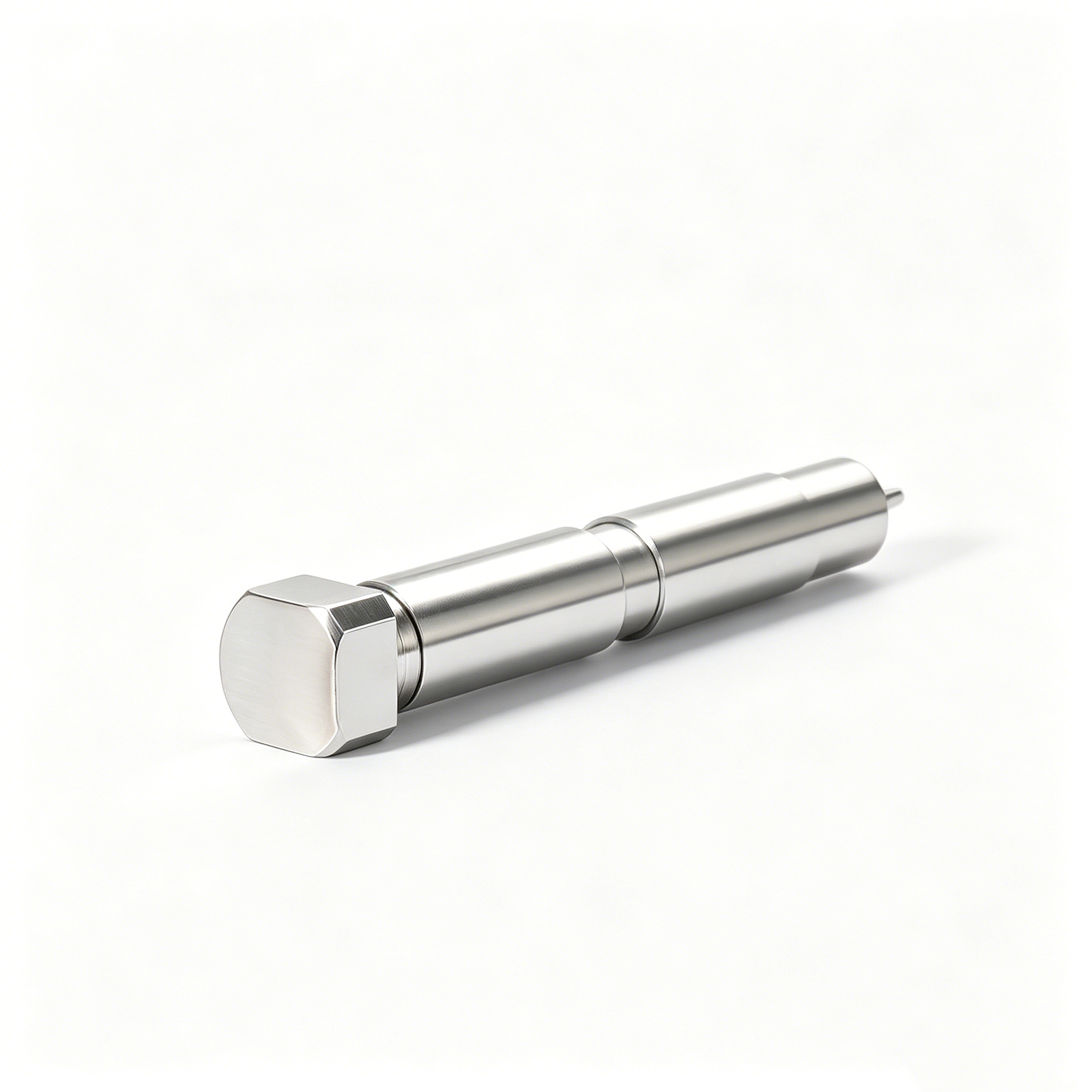
Masking protects critical datums, threads, sealing faces and precision fits from blast exposure. Define protected boundaries on the drawing so the feasibility, labor requirements and inspection approach can be reviewed before production.
Custom Fixturing
Part-specific fixturing supports stable handling of complex geometries during finishing. It is considered where contact points, thin sections or repeatable orientation could affect cosmetic coverage, critical features or subsequent inspection.

Handling Protection
Protective handling methods help reduce contact marks after bead blasting, particularly on visible surfaces, sharp edges and mating features. Requirements should identify when appearance-sensitive areas need controlled transfer between finishing, inspection and packing.

Part Identification
Identification controls can link components to drawing revisions, lots or inspection records where the verified order requires traceability. Discuss marking location, method and any surfaces that must remain free of identification marks.

Protective Packaging
Packaging can be planned to limit abrasion, moisture exposure and part-to-part contact during shipment. Provide quantity per pack, orientation needs and any clean-surface or corrosion-protection expectations with the RFQ.
About SUUXIANG Precision Manufacturing
SUUXIANG is the sole public-facing brand of Dongguan SuuXiang Precision Mold Co., Ltd., established in 2010 in Chang’an Town, Dongguan, Guangdong, China. XiaoCheng Huang is the founder and legal representative. We help international teams translate drawings, 3D models and quality requirements into inspected custom CNC parts, precision mold components, connector tooling and die components.
Our process planning brings together CNC milling and turning, multi-axis machining, EDM, precision grinding, fitting and inspection. For bead blasting requirements, we review the specified finish alongside critical dimensions, datums, masking needs, material condition and downstream assembly considerations before production commitments are made.
What distinguishes SUUXIANG is disciplined project communication: DFM review, revision control, process-route decisions and inspection planning remain connected to the order. Rather than treating a drawing as a generic quote request, we clarify machining access, tolerances, surface priorities and required documentation so the production route can be evaluated responsibly.
How SUUXIANG Controls Bead Blasting Requirements
Review Finish Before Routing
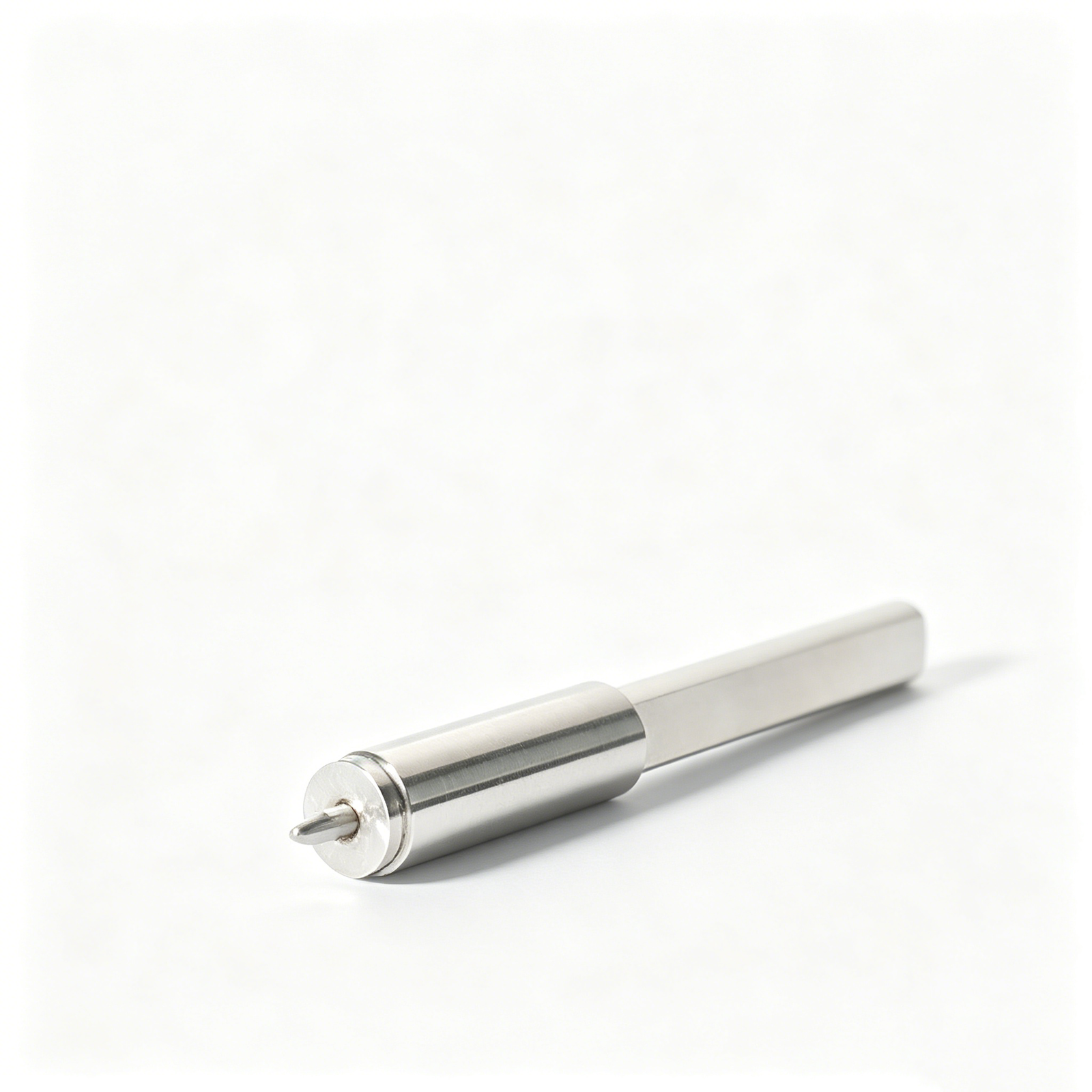
SUUXIANG reviews the drawing, 3D model, material, cosmetic surfaces, critical dimensions, and mating context before planning bead blasting. This early DFM discussion identifies surfaces that need protection, features that may retain media, and finish expectations that require a defined acceptance sample or inspection method.
- Identify cosmetic and non-cosmetic surfaces
- Review threads, holes, cavities, and sharp edges
- Define masking and protection requirements

Coordinate Machining, EDM, and Grinding
Finish planning is coordinated with CNC machining, EDM, grinding, heat treatment, and fitting requirements. SUUXIANG evaluates tool access, electrode strategy, wire paths, grinding stock, and sequence so bead blasting is not used to conceal machining conditions or compromise functional surfaces.
- Confirm process sequence before final finishing
- Protect datum and precision-fit surfaces
- Assess EDM and grinding allowances

Specify a Controlled Surface Result
A usable bead blasting requirement should describe the intended surface appearance and functional limits, not simply name the process. SUUXIANG helps convert drawing notes into practical decisions on media, coverage, masking, surface preparation, and comparison criteria appropriate to the part and application.
- Clarify matte, satin, or uniform appearance
- Define areas requiring complete coverage
- Align media choice with material and geometry
Keep Inspection and Revisions Visible
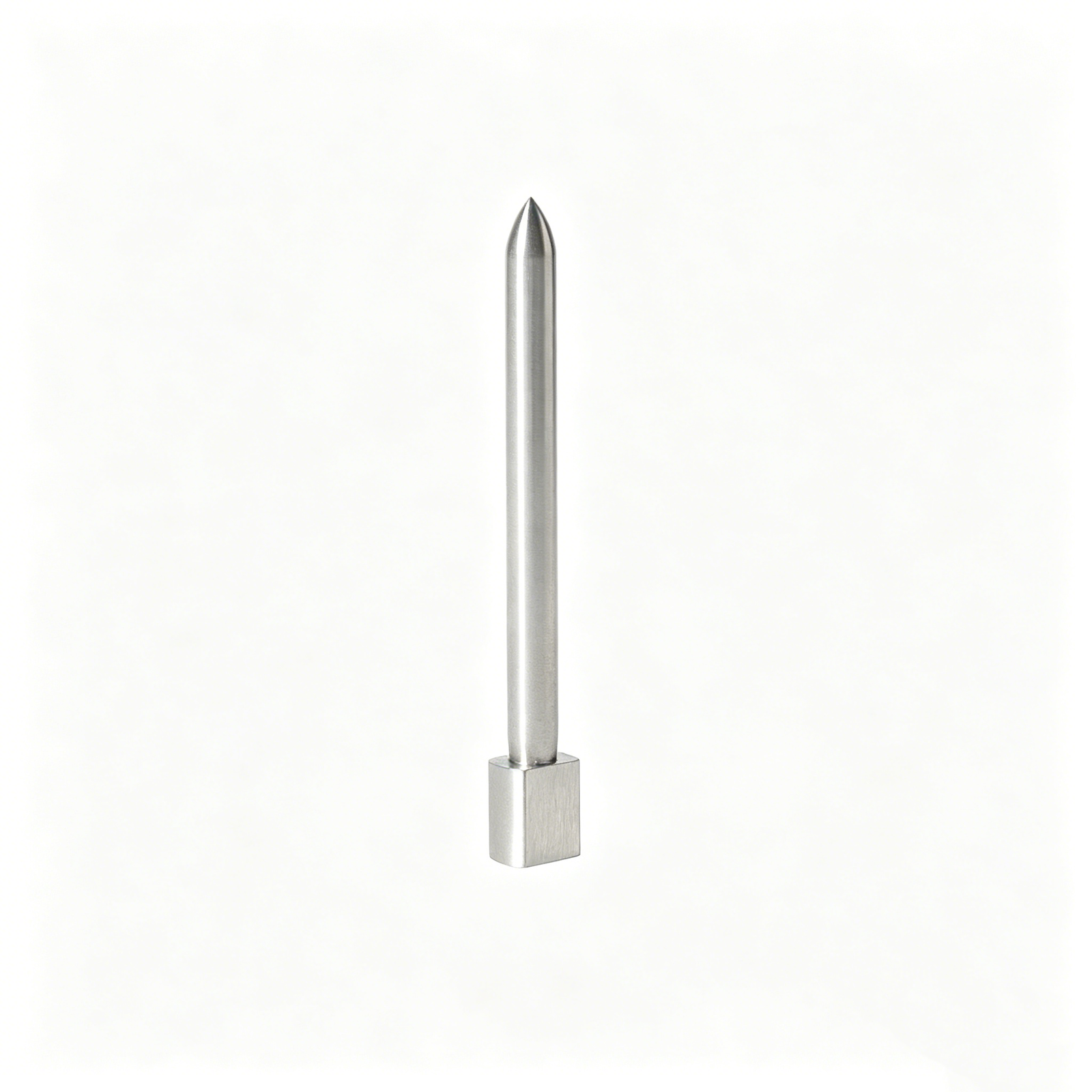
Inspection planning follows the agreed drawing revision and critical-to-quality requirements. SUUXIANG coordinates finish checks with dimensional inspection, verifies protected features and specified coverage, and keeps revision information visible so documentation corresponds to the order and approved inspection plan.
- Link checks to the current drawing revision
- Inspect critical dimensions after finishing when required
- Record finish and reporting expectations early
Bead Blasting Planning for Drawing-Driven Parts
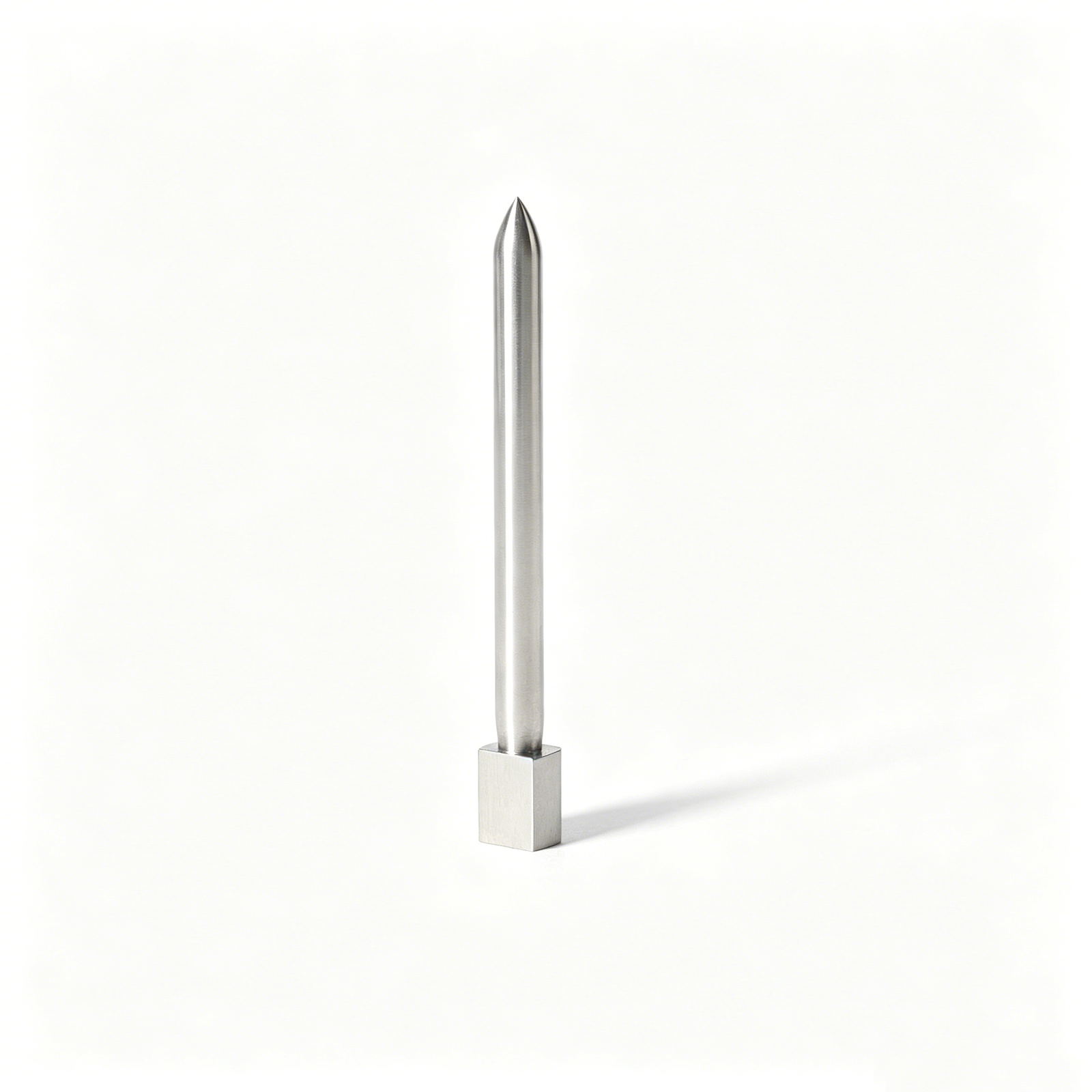
Compare the review evidence and process-planning questions that should be resolved before a surface-finish commitment.
← Swipe left or right to view →
Bead Blasting Production and Inspection Workflow
A drawing-driven project path that keeps finishing requirements, critical dimensions, inspection expectations, and delivery coordination visible before production commitments are made.
RFQ and Drawing Review
We review the 2D drawing, available 3D model, material, quantity, application, critical dimensions, finish requirements, inspection needs, and requested delivery date.
DFM and Process Planning
The team confirms datum strategy, machining access, tolerance stack, heat-treatment sequence, grinding allowance, masking needs, and whether bead blasting follows the planned process route.
Machining and Supporting Processes
Parts move through the appropriate CNC machining, EDM, grinding, fitting, and intermediate inspection steps, with revision information and dimensional priorities maintained throughout production.
Bead Blasting and Protection
Bead blasting parameters, protected features, and cosmetic expectations are reviewed against the drawing and agreed requirements before final surface treatment proceeds.
Final Inspection and Delivery
Completed parts are inspected to the verified plan, documented as required by the order, then packed and coordinated for delivery with traceable project communication.
Start Your Bead Blasting Project
Move from drawing review to controlled production with clear technical inputs, documented decisions, and inspection expectations aligned before release.
Submit Your Drawing Package
Upload 2D drawings, 3D models when available, material, quantity, bead blasting coverage, masking needs, surface priorities, inspection requirements, and target delivery date.
Review Technical Requirements
We assess critical dimensions, datums, machining condition, protected features, media access, finish expectations, and any risks requiring DFM clarification before quotation.
Confirm Scope and Evidence
Review the proposed process route, commercial scope, sampling needs, quality documentation, revision status, and delivery plan before authorizing production.
Release Controlled Production
Approved work proceeds through the applicable machining, finishing, protection, inspection, and coordination steps, with order documentation matched to the agreed verification plan.
Verified Certifications and Quality Documentation
Bead Blasting Customer Project Feedback and Outcomes
Approved customer testimonial pending. SUUXIANG will publish attributable project feedback only after customer approval and verification of the stated outcome.
Approved customer testimonial pending. Project scope, measurable results, and attribution will be confirmed with the customer before publication.
Approved customer testimonial pending. SUUXIANG does not publish unverified names, ratings, delivery results, or dimensional outcomes.
Bead Blasting FAQ for B2B Buyers
Clarify finish requirements, evidence, and project controls before requesting a quotation.
What should I include in an RFQ for bead blasting?
Can bead blasting be specified on precision mold and connector components?
Which materials are suitable for bead blasting?
Will bead blasting change dimensions or surface roughness?
Can I approve a bead blasting sample before the full order?
How should I plan lead time for parts requiring blasting and inspection?
What inspection and shipping information should I request?
How are payment terms, drawings, and revisions handled?
The Complete Buyer’s Guide to bead blasting
Use a practical decision framework to specify bead blasting, compare media and part-material compatibility, assess supplier process controls, and avoid cosmetic, tolerance, contamination, and quoting mistakes before production.
1. What Is Bead Blasting?
Compressed air propels small spherical media—commonly glass beads—against a part surface in bead blasting. The impacts clean and even the exposed surface, leaving a uniform matte or satin appearance when media, pressure, coverage, and part geometry are controlled. Source: https://www.hubs.com/knowledge-base/what-is-bead-blasting/
Bead blasting is a surface-finishing operation, not dimensional machining. It does not replace CNC milling, EDM, grinding, or fitting; datums, sealing faces, close-tolerance bores, threads, and precision sliding interfaces should be protected or explicitly reviewed before blasting.
On CNC parts, mold components, and connector tooling, the finish can reduce the visual prominence of light handling marks, minor tool-pattern variation, and superficial discoloration. It cannot correct deep scratches, dents, EDM witness lines, corrosion pits, warp, burrs, incorrect geometry, or an out-of-tolerance dimension; those conditions require an appropriate prior manufacturing or corrective process.
2. Evolution of Bead Blasting
Two media geometries shaped the development of industrial blasting: angular abrasives were used where cutting action was needed, while spherical beads offered a less aggressive impact for cleaning and cosmetic finishing. This distinction moved blasting from general surface preparation toward controlled finish specification. Source: https://www.xometry.com/resources/machining/bead-blasting-guide
Spherical glass media produces repeated small surface dimples, so a controlled grade can create a comparatively uniform matte or satin visual effect rather than an aggressively etched texture. That repeatability made bead blasting useful after machining where appearance must be consistent across visible surfaces. Source: https://www.xometry.com/resources/machining/bead-blasting-guide
Four equipment developments matter to buyers: enclosed cabinets, automated part handling, media recovery, and parameter records. A repeatable route should define media type and condition, nozzle pressure, stand-off distance, angle, exposure time, masking, cleaning, and the inspection method; automation does not remove the need to document these controls. Source: https://www.hubs.com/knowledge-base/what-is-bead-blasting
3. Types of Bead Blasting Processes
Four system categories are common: pressure, suction/siphon, automated, and portable units. Their hardware affects delivery rate and access, but does not by itself define the finish.
| System | Throughput | Consistency | Access And Dependence | Suitable Context |
|---|---|---|---|---|
| Pressure cabinet | High | Good with controls | Good; operator setup matters | Repeat production |
| Suction/siphon cabinet | Lower | Moderate | Good for light touch-up; operator-dependent | Cleaning and rework |
| Automated system | High | High with validated fixtures | Limited by fixture reach; low handling variation | Volume programs |
| Portable unit | Variable | Variable | Strong field access; highly operator-dependent | Large parts and maintenance |
System Selection By Production Context
Pressure cabinets typically deliver faster cutting action and suit repeatable shop production; suction cabinets favor lighter cleaning, touch-ups, and lower-intensity work.
Automated systems support controlled, higher-throughput runs, while portable units trade repeatability for access during maintenance or on large assemblies.
Handling And Finish Control
Manual handling gives an operator useful control around recesses, masked areas, and awkward geometry, but technique can vary between parts. Automated handling improves repeatability when fixturing, rotation, and cycle settings are validated.
Four variables still require definition: media condition, pressure, nozzle distance and angle, plus inspection against an approved sample. Prototek identifies pressure, siphon, automated, and portable equipment categories: https://prototek.com/article/bead-blasting-applications-techniques-and-benefits
4. Bead Blasting Media and Part Materials
Media selection sets cleaning rate, texture, and contamination risk before pressure is tuned. Glass, ceramic, plastic, and steel media require a material-and-feature trial during drawing review.
| Media | Typical Effect | Material Considerations | Buyer Note |
|---|---|---|---|
| Glass | Bright satin | Metals; clean handling | Baseline cosmetic trial |
| Ceramic | Stronger matte | Harder metals | Check feature wear |
| Plastic | Gentle cleaning | Delicate plastics | Not a cosmetic dimple finish |
| Steel | Heavy cleaning | Carbon steel | Control ferrous contamination |
Media Comparison
Glass bead peens a bright satin texture; finer grades are smoother. Xometry describes its dimpled, light-scattering effect: https://www.xometry.com/resources/machining/bead-blasting-guide
Ceramic media is durable and more aggressive; plastic is gentler for delicate parts. Steel media is robust for heavy cleaning but requires contamination control.
Material Pairing
Aluminum, brass, and titanium need clean, controlled media to avoid embedded residue or excessive cosmetic change. Stainless steel needs dedicated media where ferrous transfer is unacceptable.
Carbon steel tolerates stronger cleaning but needs corrosion protection afterward. Engineering plastics need low-energy trials because heat, impact, and deformation can damage surfaces.
Feature Trials
Thin walls, soft alloys, sealing lands, and precision datums should be masked or trialed before release. Specify which faces may be blasted.
Threads, bores, and mating fits can retain media or lose functional edge definition. SUUXIANG should confirm coverage, cleaning, and inspection criteria against the drawing revision.
5. Specifying Bead Blasting Finishes
A finish request becomes inspectable only when the drawing defines where bead blasting applies and how acceptance is judged. Use an approved sample or retained reference panel instead of assuming one universal Ra value.
| Drawing Item | Required Definition | Acceptance Evidence |
|---|---|---|
| Finish area | Zone boundary and masked interfaces | Marked drawing |
| Texture | Media and approved reference | First article or coupon |
| Cleaning | Residue-removal requirement | Visual inspection |
Define Finish Zones
Each finish zone should be bounded by a dimensioned line, datum-based callout, or marked view. State whether edges receive a blend, remain masked, or may show a transition band.
Critical interfaces—sealing lands, press fits, bearing bores, threads, and electrical contacts—should normally be excluded unless the drawing explicitly permits blasting. Identify allowable residual machining marks and cosmetic variation by zone.
Lock The Acceptance Method
One approved first article, coupon, or controlled photo reference gives inspectors a common visual target. Specify media type and nominal size, target texture or reference standard, viewing conditions, and cleaning requirements after blasting.
Post-finish sequence must be stated because bead blasting can change the appearance of anodizing, plating, passivation, paint, and laser marks. Require masking or a trial when markings or coating adhesion are critical.
6. Quality Controls for Bead Blasting
One approved process window makes bead blasting repeatable rather than a cosmetic guess. SUUXIANG should confirm drawing requirements, protected features, and first-article acceptance before release.
Clean Parts And Controlled Media
100% of parts should be degreased and dry before blasting; oil can transfer media and create patchy appearance. Media type, size, contamination, and reuse condition require lot-level segregation, particularly across stainless, aluminum, and carbon-steel work.
Qualified Blast Parameters
4–8 inches and 90–110 psi are published starting ranges, not universal settings; qualify nozzle pressure, distance, angle, and pass overlap for each geometry (https://prototek.com/article/bead-blasting-applications-techniques-and-benefits). Uncontrolled exposure can round sharp edges, affect thin walls, and alter fit surfaces.
Protected Features And Approval
One retained approved sample makes cosmetic acceptance auditable. Mask threads, bores, seals, and datum surfaces; remove residual media, then record coverage, visual result, operator, media lot, and first-article approval under revision control.
7. Choosing a Bead Blasting Supplier
A 2D drawing and 3D model should anchor supplier selection, because blast coverage, cosmetic zones, datums, and protected interfaces must be interpreted together. Evaluate evidence from the proposed process route, not a generic finish sample.
| Evaluation Point | Evidence To Request | Risk Controlled |
|---|---|---|
| Drawing review | Marked drawing and DFM response | Unblasted critical interfaces |
| Finish approval | Sample panel or first article | Appearance variation |
| Packing | Separators and labeled handling route | Transit scratches and rub marks |
Review Drawing And DFM
Critical dimensions should be identified before blasting, including sealing faces, threads, bores, mating surfaces, and datum features. Ask for written DFM feedback on access, masking edges, media selection, and sequence after machining or heat treatment.
Prove The Process
A sample panel or first article should use the proposed material, media, masking method, and acceptance reference. Require a control plan covering media segregation, cabinet cleaning, parameter control, inspection frequency, and revision traceability.
Ask Before Award
Three pre-award questions expose most execution gaps:
- Which drawing features require masking or post-blast protection?
- How are media contamination and cosmetic defects contained?
- What inspection records, capacity evidence, and packaging method accompany shipment?
8. Bead Blasting Mistakes Buyers Make
Two similar-looking matte surfaces can result from different media, pressures, and preparation routes. Treat the finish as a controlled requirement, not a cosmetic label.
Name the Actual Finish
One word—matte—does not define bead blasting. Specify spherical media, target appearance, and approved sample or photo.
One early question prevents ambiguity: Which reference surface and media condition must production match?
Fix Defects Before Blasting
One blast pass can soften the visibility of tool marks, pits, and burrs without correcting them. Require machining and deburring acceptance before finishing.
One drawing review question catches risk: Which defects are unacceptable before blasting begins?
Protect Critical Faces
Zero tolerance-critical faces should be exposed by default. Mask datums, fits, threads, sealing lands, and mating surfaces unless the drawing explicitly allows blasting.
One buyer question matters: Which faces require masking, and what inspection confirms protection?
Qualify Repeatable Production
One prototype approval does not establish repeatability across media wear, pressure, operators, or coating sequence. Lock media, coverage, cleaning, coating compatibility, and lot acceptance criteria.
One sourcing question exposes gaps: What parameters and comparison samples will be retained for each production lot?
9. Launching Bead-Blasted Parts Successfully
A three-stage launch prevents cosmetic acceptance from drifting between prototype and release. Submit the 3D model, controlled 2D drawing, quantity, material condition, and clearly marked bead-blasted surfaces before DFM begins.
Prototype Definition
Stage 1 defines the cosmetic boundary. Identify visible faces, masked datums, threads, bores, sealing lands, and mating surfaces; state whether blasting occurs before or after heat treatment, coating, or engraving.
One representative finish coupon or approved first part should establish color, uniformity, coverage, edge condition, and allowable tool-mark visibility. Record the media, pressure range, nozzle distance, angle, and cleaning method as controlled reference settings.
Pilot And First Article
Stage 2 uses a small pilot lot to test the actual route. For mold cores, connector tooling, and stamped-die components, protect fits, sharp working edges, and polished functional surfaces; for CNC parts, confirm datum-critical dimensions after finishing.
100% visual review of pilot cosmetic faces should be paired with dimensional checks against the inspection plan. Approve the first article only after the drawing revision, finish sample, measurement results, and deviations are reconciled.
Production Release Controls
Stage 3 locks the released process and packaging. Define lot identification, handling gloves, cavity protection, separators, moisture control, and photographs or samples used for incoming acceptance.
Any change to media, blasting parameters, masking, prefinish machining, material condition, subcontract route, or drawing revision requires documented review before shipment. SUUXIANG can align inspection records and revision visibility with the verified order requirements.
10. Bead Blasting Pricing and Cost Drivers
1-off to 10-piece orders usually carry the highest unit cost because fixture planning, masking instructions, media confirmation, and first-article review are spread across few parts. These are quote-dependent planning ranges, not fixed prices.
2D drawings should identify blast zones, excluded datums, threads, bores, sealing faces, cosmetic sides, and acceptable witness areas. A retained approved sample can prevent rework caused by an otherwise subjective satin or matte expectation.
100-piece batches can reduce recurring handling cost when parts rack efficiently and finish requirements remain stable. Revisions after masking or media selection increase risk because parts may require rework, segregation, or replacement.
| Quantity tier | Part size or geometry | Cost drivers | Quote basis |
|---|---|---|---|
| 1–10 | Small/simple | Setup, manual handling, masking, first-piece inspection | Quote-dependent; highest unit cost |
| 11–99 | Medium or mixed geometry | Media choice, cavity access, finish-zone masking | Quote-dependent; batch efficiency improves |
| 100–500 | Rackable, repeatable parts | Cycle time, sampling plan, protective packaging | Quote-dependent; recurring labor falls |
| Any tier | Deep bores, threads, critical datums | Plugging, coverage checks, 100% inspection, compartment packaging | Quote-dependent; complexity can outweigh volume |
Start Your Bead Blasting Drawing Review
Send your 2D drawing, model, material, quantity, inspection needs, and target date for a bead blasting quotation review.