
Black Oxide for Drawing-Driven Precision Parts
Submit your drawing for black oxide process review, machining planning, critical-dimension evaluation, and inspection requirements aligned to your project.
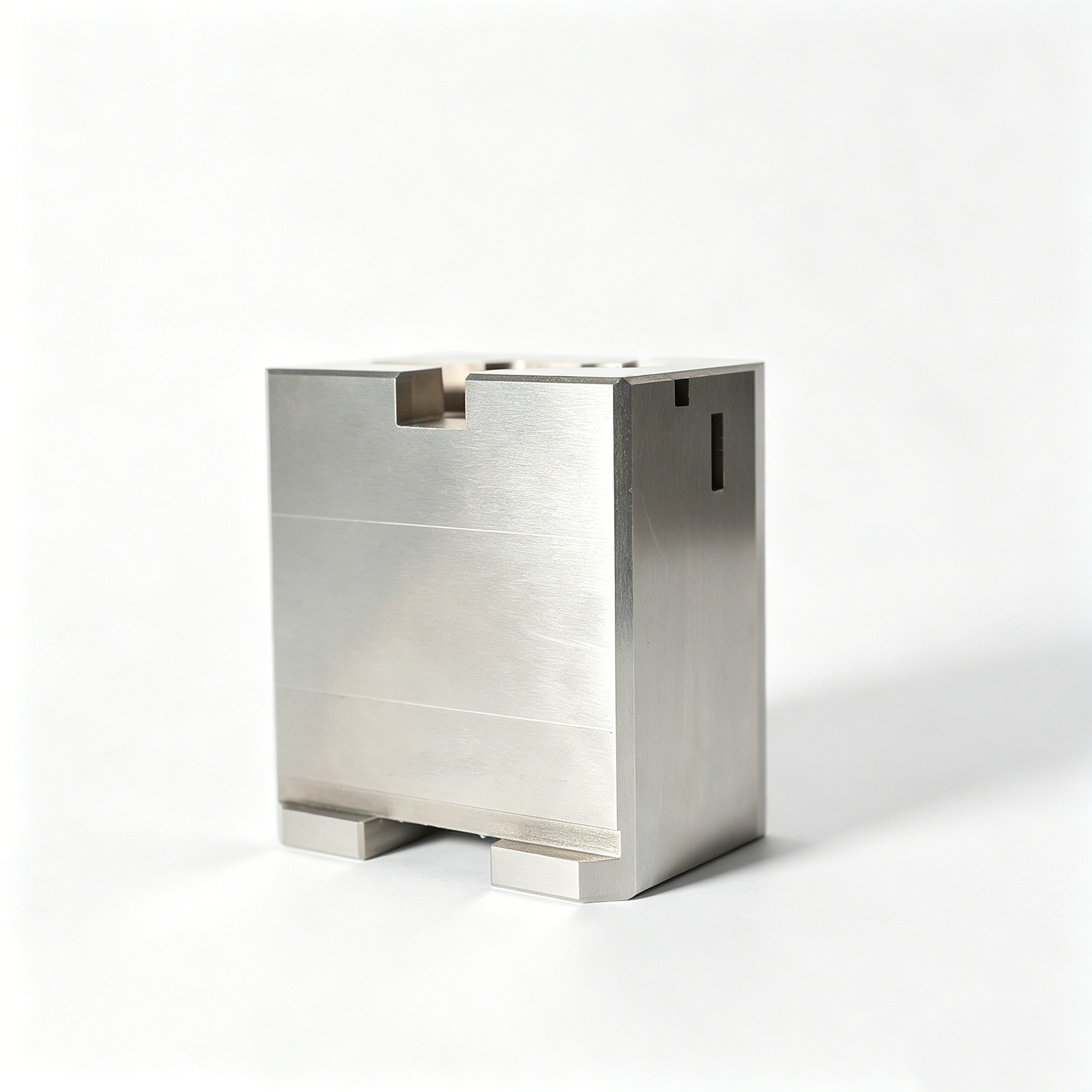
Representative Precision Components for Black Oxide Review




Related Precision Component Families and RFQ Support



Why Engineering Teams Choose a Disciplined Black Oxide Process Route
Coordinate finishing requirements with the machining, EDM, grinding, inspection, and revision decisions that determine whether precision parts meet drawing intent.
DFM Before Quotation
Review drawing intent, material requirements, critical dimensions, and finishing expectations early to identify manufacturability questions before production commitments.
Critical Dimensions Protected
Define datums, tolerance priorities, and measurement methods so black oxide requirements are evaluated without losing control of functional fits.
EDM and Grinding Coordination
Plan wire paths, electrode strategy, grinding stock, and finishing sequence around geometry, hardness, surface requirements, and inspection access.
Inspection Planned Early
Align inspection evidence with the order, including critical features, reporting needs, sampling expectations, and final documentation before machining begins.
Revision Control Visible
Keep drawing revisions, technical clarifications, and production changes traceable so the team works from a confirmed manufacturing baseline.
Clear Project Communication
Exchange application context, mating-part concerns, delivery requirements, and quality priorities through disciplined updates that support informed project decisions.
Precision Parts and Tooling Families
Explore configurable manufacturing families for critical dimensions, tooling interfaces, inspection requirements, and controlled production handoff.

CNC Machining Services
Precision CNC machining services for drawing-defined parts requiring a planned route across milling, turning, EDM, grinding, fitting, and inspection. Review critical dimensions, datum references, material, quantity, and reporting needs before quotation and production commitment.
Upload a Drawing
CNC Milling
Custom CNC milling services for prismatic, plate, pocketed, and contoured components. Drawing review considers tool access, datum strategy, tolerance relationships, surface requirements, machining allowance, and whether later EDM, grinding, or fitting operations are required.
Upload a Drawing
CNC Turning
Precision CNC turning services for rotational parts such as pins, shafts, bushings, sleeves, and threaded features. Define functional diameters, concentricity or runout requirements, material condition, surface requirements, and any secondary milling, grinding, or inspection needs.
Upload a Drawing
5-Axis Machining
5-axis CNC machining for complex geometry where multiple faces, angled features, or constrained access affect setup strategy. A drawing and model review helps determine tool reach, datum control, fixture approach, finishing access, and inspection method.
Upload a Drawing
Swiss & Micro Machining
Swiss machining and micro machining for compact, detail-intensive parts with small diameters or fine functional features. Assess material behavior, feature scale, critical dimensions, handling risk, secondary operations, and inspection approach before committing to a process route.
Upload a Drawing
Wire & Sinker EDM
Wire EDM and sinker EDM services for hardened materials, fine internal profiles, sharp-corner requirements, narrow features, and mold-tool geometry beyond conventional tool access. Plan wire paths, electrode strategy, finish requirements, recast-layer considerations, and datum transfer.
Upload a Drawing
Precision Grinding
Precision surface and profile grinding for functional flats, profiles, thickness control, and post-heat-treatment correction. Review grinding stock, hardness condition, datum sequence, profile tolerance, surface requirement, and how inspection will verify the finished feature.
Upload a Drawing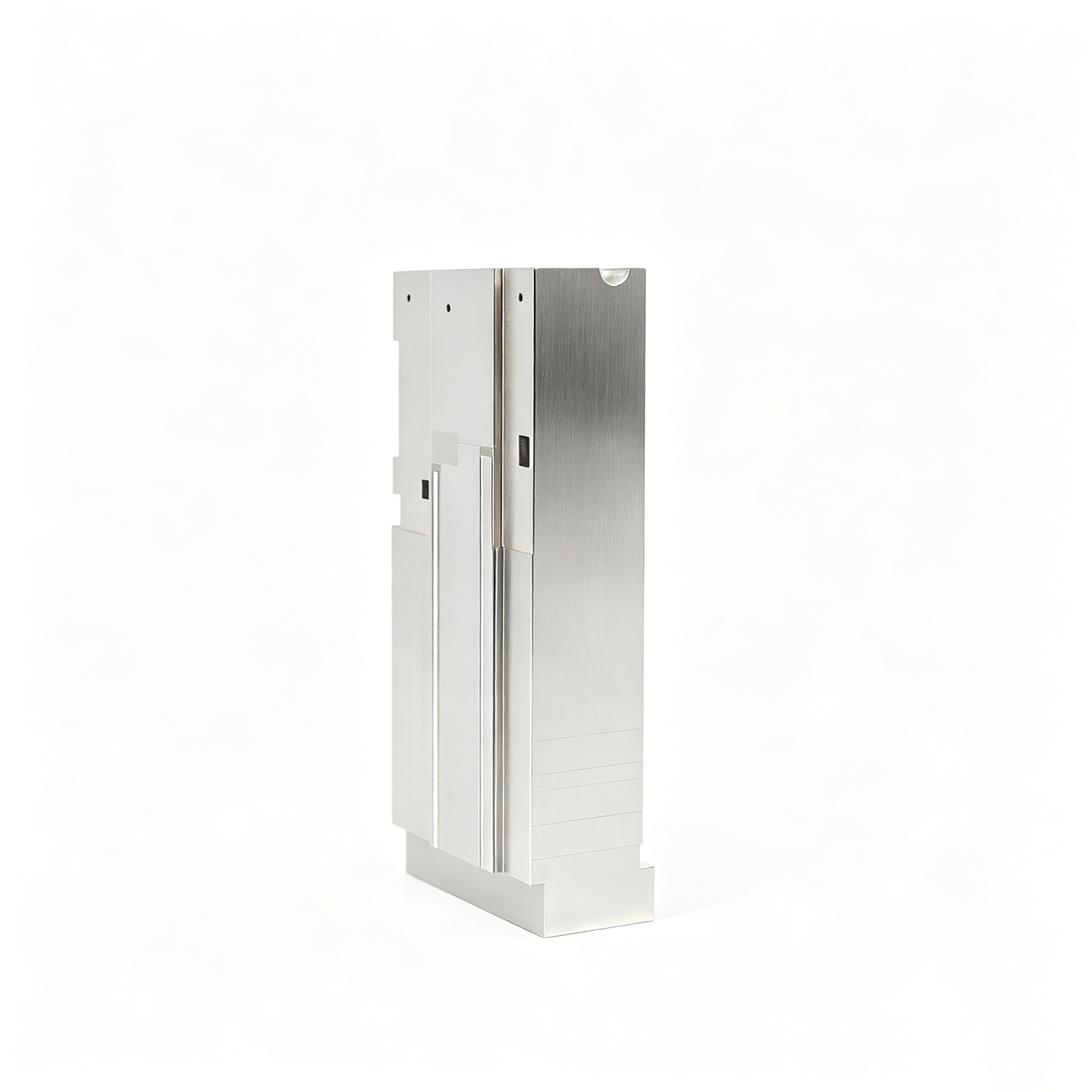
Mold Core & Cavity Inserts
Precision mold core and cavity inserts produced from drawings and models with attention to parting interfaces, shutoff areas, cooling or feature access, heat-treatment sequence, EDM requirements, grinding allowance, and inspection of molding-critical dimensions.
Upload a Drawing
Ejector & Ejection Components
Ejector pins, sleeves, and ejection components for controlled part release and repeatable mold movement. Define fit relationships, guidance, working lengths, material and heat treatment, surface needs, mating-component context, and dimensional priorities before manufacture.
Upload a Drawing
Core Pins, Guide & Locating Components
Core pins, guide pins, and locating components made around the datum and fit relationships that govern mold alignment. Review diameters, engagement lengths, coaxiality, shoulder locations, material condition, hardness, and grinding or EDM requirements.
Upload a Drawing
Slides, Lifters, Gates & Mold Accessories
Mold slides, lifters, gates, and accessories for motion, gating, alignment, and interface functions within a mold assembly. Drawings should clarify travel, contact surfaces, tolerances, material and heat treatment, mating parts, and fitting expectations.
Upload a Drawing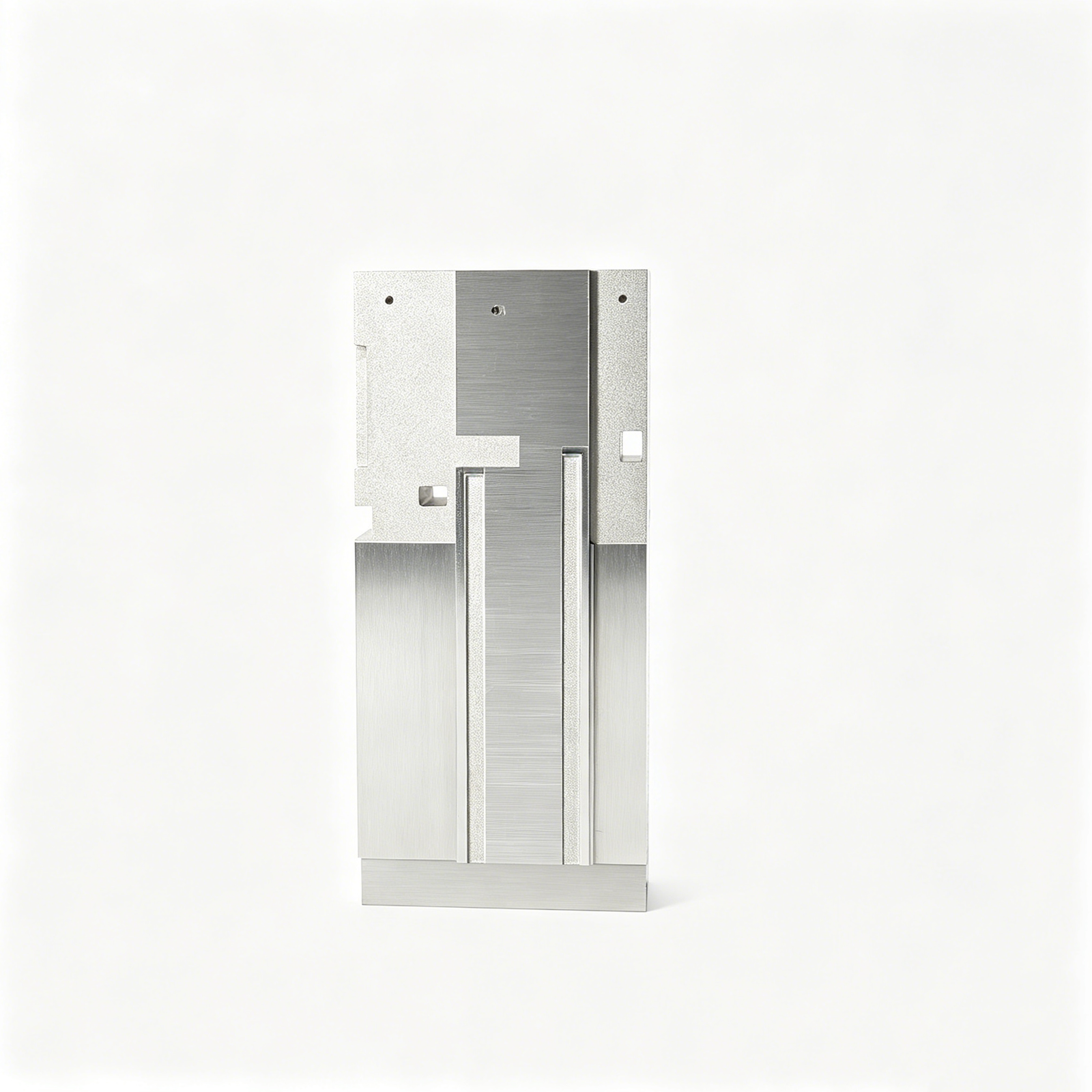
Connector Mold Components
Precision connector mold components for features where pin position, cavity geometry, insert alignment, and repeatable tooling interfaces affect connector performance. Review small-feature access, EDM or grinding needs, critical datums, material requirements, and inspection priorities.
Upload a Drawing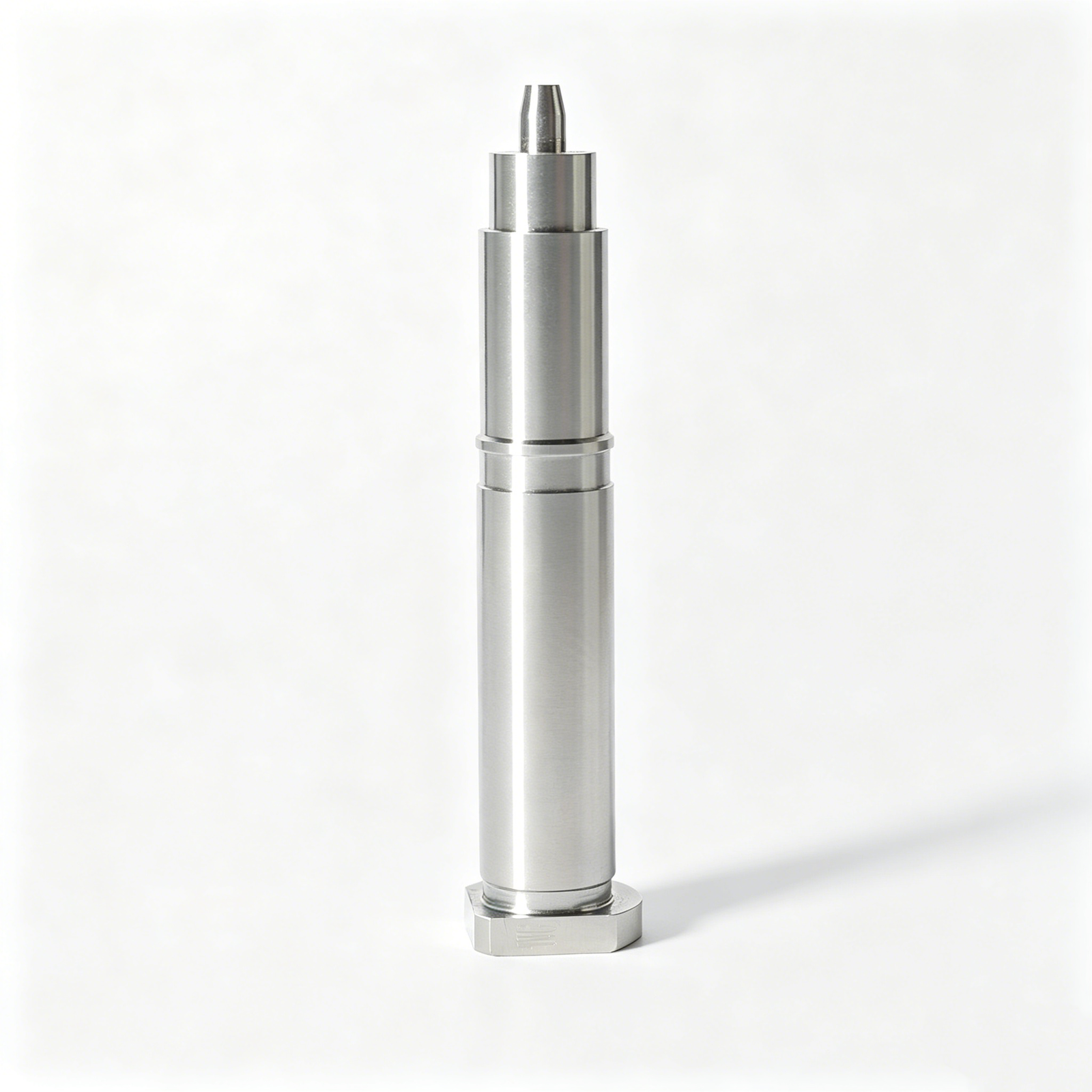
Stamping Die Components
Precision stamping die components for cutting, forming, guiding, and supporting die assemblies. Establish strip or mating-part context, functional clearances, material and heat treatment, edge condition, grinding strategy, and dimensional verification requirements.
Upload a Drawing
Injection, MIM, CIM & Overmolding Tooling
Injection, MIM, CIM, and overmolding tooling components manufactured within verified production scope. Evaluate molding geometry, material behavior, tool interfaces, critical dimensions, surface requirements, EDM access, thermal-treatment sequence, and inspection expectations from the drawing package.
Upload a Drawing
Machining Materials
CNC machining materials selected against the drawing, application, material specification, heat-treatment condition, corrosion or wear needs, and machining route. Confirm the exact grade, form, condition, substitution rules, and documentation requirements before production.
Upload a Drawing
Surface Finishes & Heat Treatment
Surface finishing and heat treatment planned around functional surfaces, wear, corrosion, friction, appearance, and dimensional change. Identify required process sequence, masking or allowance needs, hardness or finish targets, and any inspection or documentation expectations.
Upload a Drawing
Quality, Metrology & Documentation
Precision inspection, metrology, and quality documentation aligned to the order and verified inspection plan. Identify critical-to-quality dimensions, datum scheme, measurement method, sampling or reporting needs, revision status, material evidence, and traceability expectations early.
Upload a Drawing
Prototyping & Low-Volume Production
Rapid prototyping and low-volume manufacturing for teams validating fit, function, tooling interfaces, or controlled design revisions. Provide drawings, models, material requirements, quantity, critical dimensions, surface priorities, delivery target, and required inspection evidence.
Upload a DrawingMaterials for Black Oxide Process Evaluation

Carbon Alloy Steels
Common for mold components, die details, and machine elements where strength and machinability matter. Review grade, heat-treatment condition, critical dimensions, and sealing expectations because black oxide provides a thin conversion finish rather than a thick barrier.

Tool Steels
Used for cores, inserts, punches, and wear-prone tooling details requiring controlled hardness. Confirm machining and grinding allowance, EDM sequence, heat-treatment condition, and surface preparation so the black oxide route supports the specified functional surfaces.

Stainless Steels
Selected for components needing inherent corrosion resistance alongside precision machining. Stainless grades require process-specific evaluation because their passive surface behavior differs from carbon steel; provide grade, finish target, mating conditions, and inspection priorities for review.

Low Carbon Steels
Suitable for brackets, locating details, fixtures, and general machined components with straightforward machining requirements. Evaluate welds, scale removal, surface texture, and post-finish oil or sealant needs before specifying black oxide for appearance or limited protection.

Copper Alloys
Used in conductive inserts, electrical tooling details, and specialized connector-related components. Copper alloys need separate compatibility review due to their material chemistry; share alloy designation, conductivity requirements, cosmetic expectations, and any masking or mating-surface restrictions.
Black Oxide Process Routes and Precision Machining

CNC Milling
CNC milling establishes profiles, pockets, datums and machining access on custom components. Tool selection and allowance are reviewed against critical features so subsequent EDM, grinding or finishing operations retain the intended geometry.

CNC Turning
CNC turning produces concentric diameters, shoulders, threads and rotational features for pins, sleeves and tooling components. Drawing review considers datum transfer, runout requirements, material condition and the stock needed for later precision operations.

Wire EDM
Wire EDM cuts hardened or intricate profiles where conventional tool access is limited. The wire path, start holes, corner requirements and skim-cut strategy are assessed alongside tolerance, surface expectations and any heat-treatment sequence.

Sinker EDM
Sinker EDM forms detailed cavities, ribs and internal geometry using planned electrodes. Electrode strategy, burn allowance, corner radii and recast-layer considerations must align with the drawing, material and finishing requirements.

Precision Grinding
Precision grinding refines flatness, parallelism, diameter and surface condition after machining or heat treatment. The route depends on datum strategy, grinding stock, distortion risk and the inspection method specified for critical dimensions.
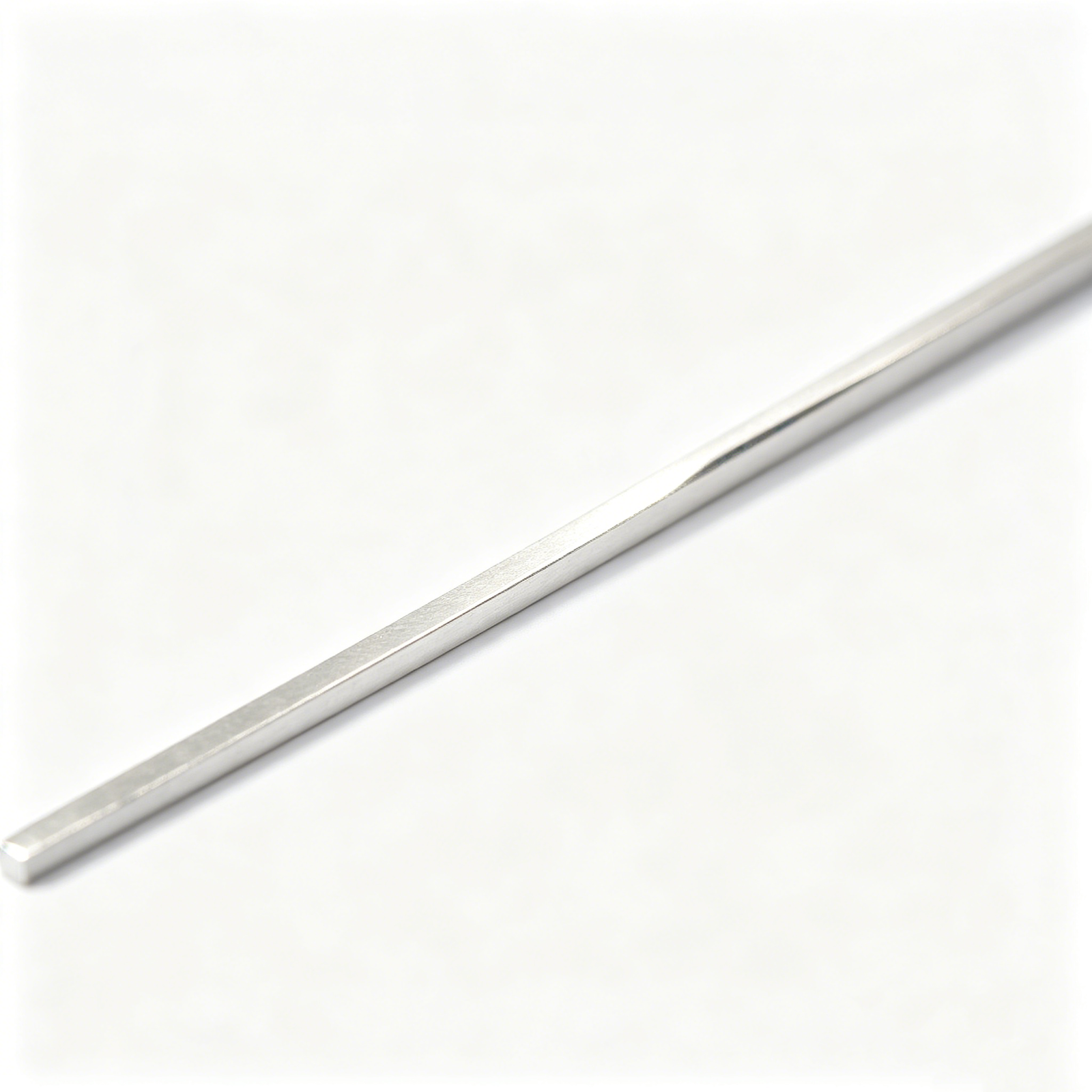
Black Oxide Finishing
Black oxide is evaluated as a conversion finish when a dark appearance and controlled dimensional impact are required. Material compatibility, pre-finish surface condition, post-treatment protection and application exposure should be confirmed before release.
Black Oxide Component Features and Hardware Options

Locating Features
Dowel bores, locating shoulders, and reference faces help establish repeatable assembly position. Define datums, mating conditions, and critical fit requirements so machining, grinding, and black oxide sequence can be reviewed together.
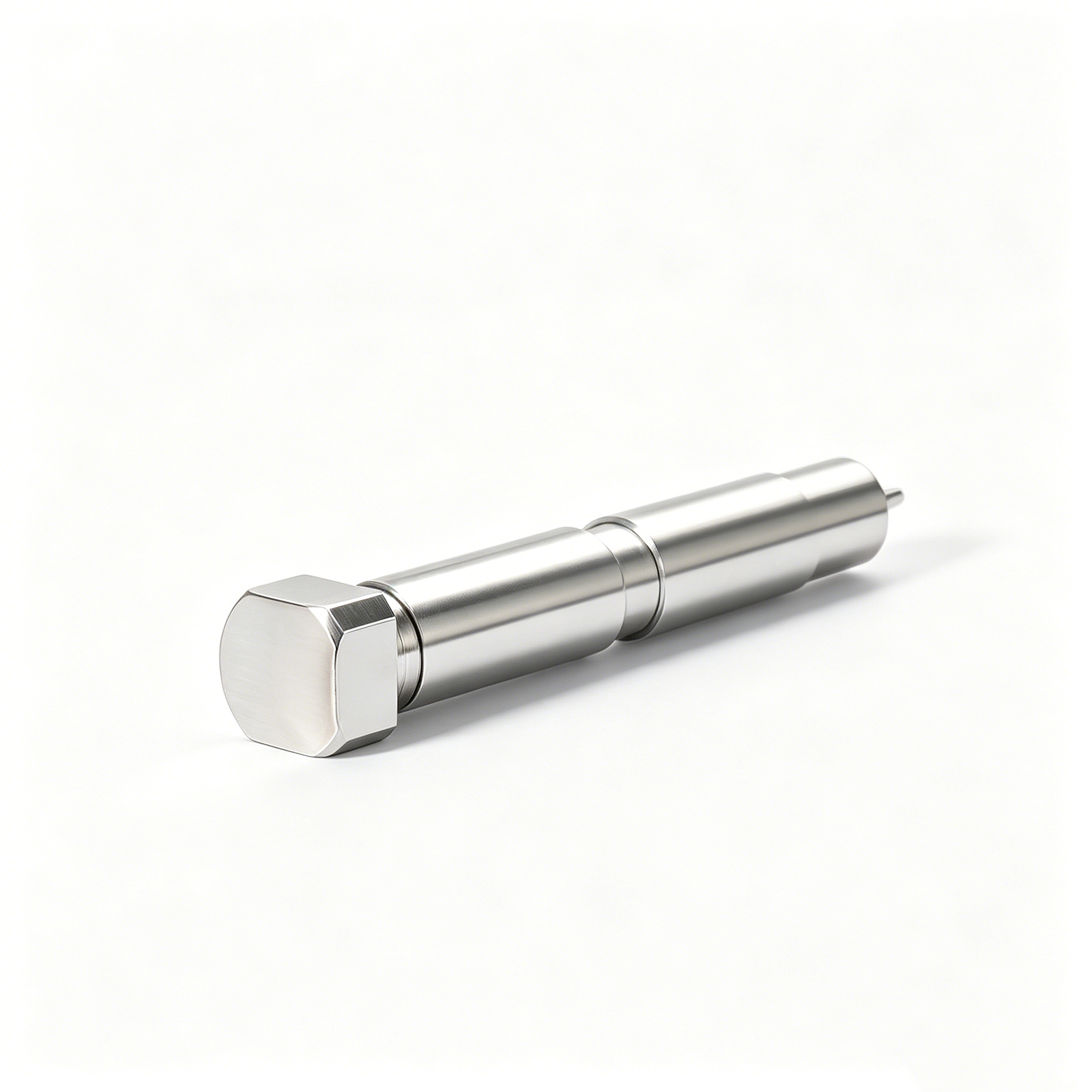
Guide Elements
Guide pins, bushings, and alignment features support controlled movement in molds, connector tooling, and dies. Their clearance, surface condition, lubrication needs, and mating materials should be assessed before selecting a finish route.

Threaded Interfaces
Tapped holes, threaded inserts, and fastening points can be incorporated where assemblies require serviceable connections. Provide thread standard, engagement depth, masking needs, and post-finish gauging requirements to avoid assembly or inspection ambiguity.

Identification Marking
Part numbers, revision marks, orientation indicators, and traceability identifiers can support controlled assembly and receiving. Identify marking location, method, legibility expectations, and whether the mark must remain visible after black oxide treatment.

Protective Packing
Oil-compatible wrapping, separators, and labeled packing arrangements help protect finished precision parts during transit and receiving. Define corrosion-prevention expectations, handling sensitivity, package quantities, and any documentation needed with the shipment.
About SUUXIANG Precision Manufacturing
SUUXIANG is the sole public-facing brand of Dongguan SuuXiang Precision Mold Co., Ltd., established in 2010 in Chang’an Town, Dongguan, Guangdong. Founded by XiaoCheng Huang, the company helps international engineering and sourcing teams turn drawings and specifications into inspected custom CNC parts, precision mold components, connector tooling, and stamping-die components.
Our drawing-driven workflow brings together CNC milling and turning, multi-axis machining, EDM, precision grinding, fitting, and inspection. For black oxide-related precision work, we review material, critical dimensions, surface requirements, heat-treatment sequence, and finishing suitability before committing to a process route.
What distinguishes SUUXIANG is disciplined project control: DFM discussion, datum and tolerance review, machining-access planning, inspection-method alignment, and visible revision coordination. Buyers receive a practical manufacturing discussion built around their part requirements, quantity, quality documentation needs, and delivery target—not a generic quotation.
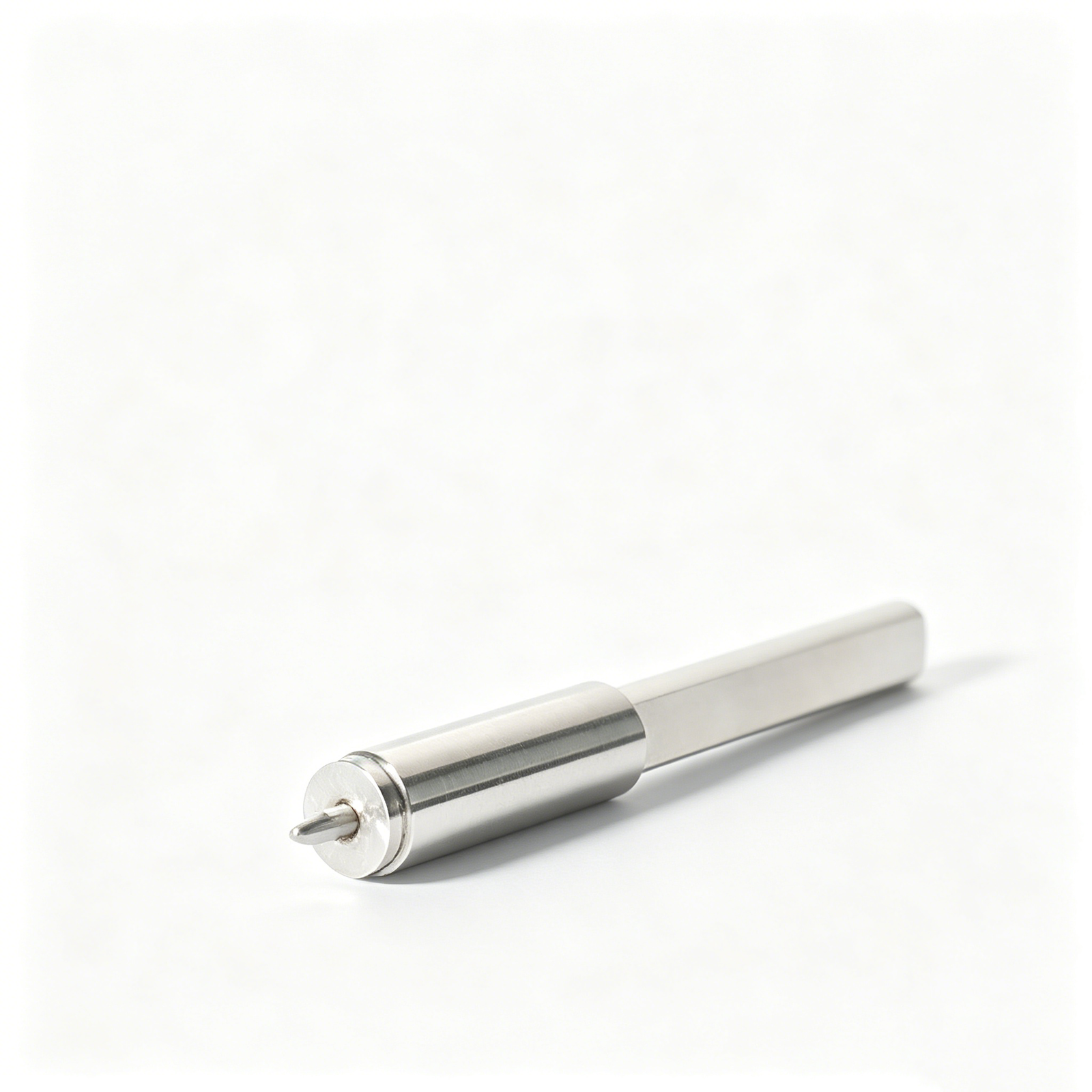
Core Capabilities for Black Oxide Precision Work
DFM and Datum Review
Before process commitments, SUUXIANG reviews the drawing, 3D model, datums, critical dimensions, surface requirements, material condition, and black oxide intent. The review identifies tool access, tolerance-stack risks, finishing-sensitive faces, and clarification items that should be resolved before release.
- Confirm functional datums and inspection references
- Identify critical dimensions before finishing
- Review threads, bores, pockets, and sealing faces
- Record revision-specific manufacturing questions

CNC, EDM, and Grinding Route
Process routing is selected from the geometry and quality requirements rather than assumed from the part name. CNC machining establishes accessible form; wire or sinker EDM addresses difficult features; grinding is planned where size, flatness, or surface requirements justify controlled stock removal.
- Match machining access to feature geometry
- Define EDM needs for narrow or internal details
- Plan grinding stock around heat treatment
- Protect finish-critical faces during routing

Black Oxide Finish Readiness
Black oxide is evaluated as a conversion finish within the complete part requirement, including material, surface texture, deburring, drainage, masking needs, and post-treatment protection. It should not be treated as a substitute for a corrosion strategy without confirming the application environment and maintenance expectations.
- Review compatible material and surface condition
- Check blind features for cleaning and drainage
- Specify faces requiring masking or preservation
- Align sealant expectations with the application
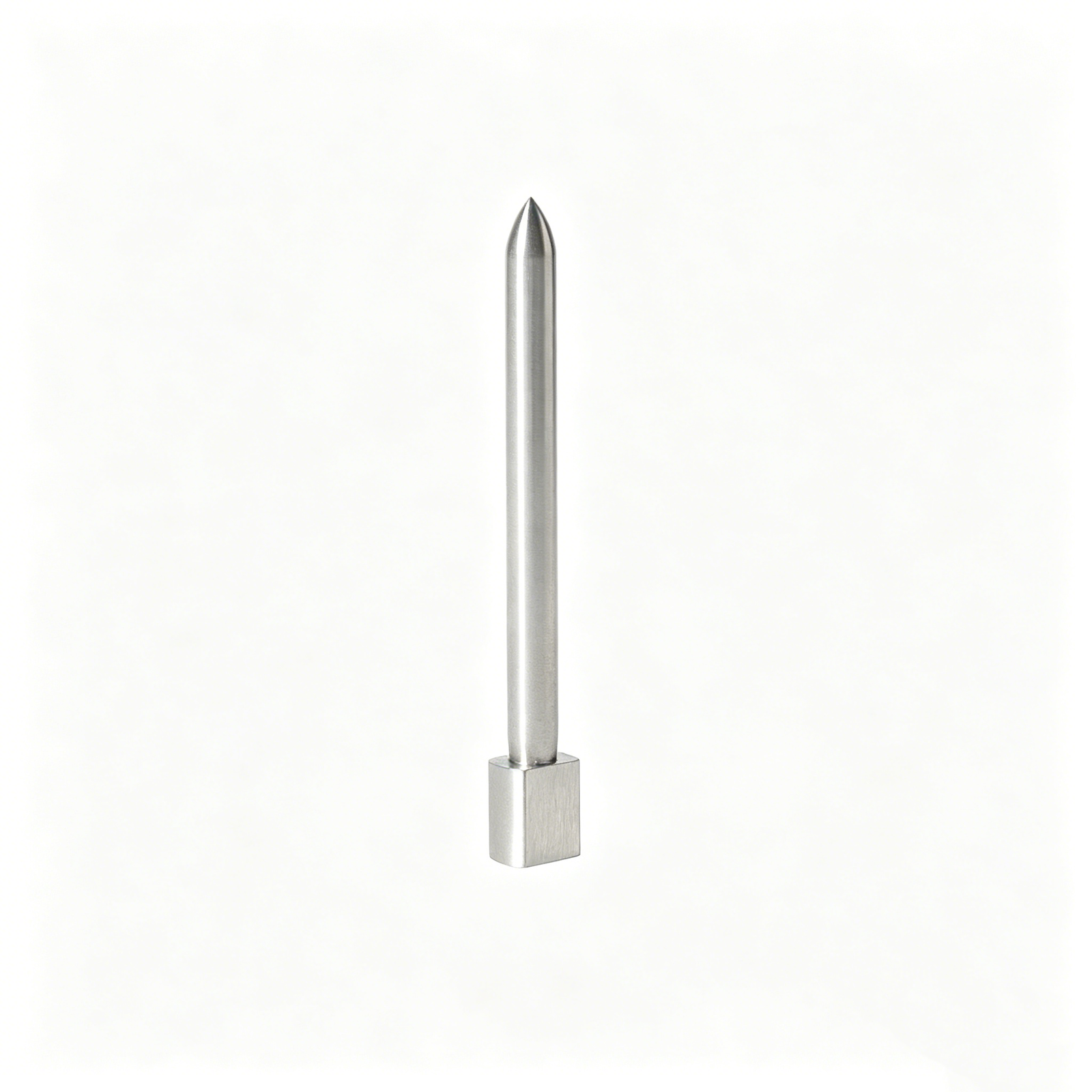
Inspection Plan and Traceability
Inspection planning connects drawing requirements to practical measurement methods before production begins. SUUXIANG aligns critical dimensions, datum setup, visual expectations, reporting needs, and revision status with the order so the final documentation can reflect the verified inspection plan.
- Define measurement methods for critical features
- Establish datum-based inspection setup
- Confirm report and sampling requirements
- Maintain visible revision and delivery information
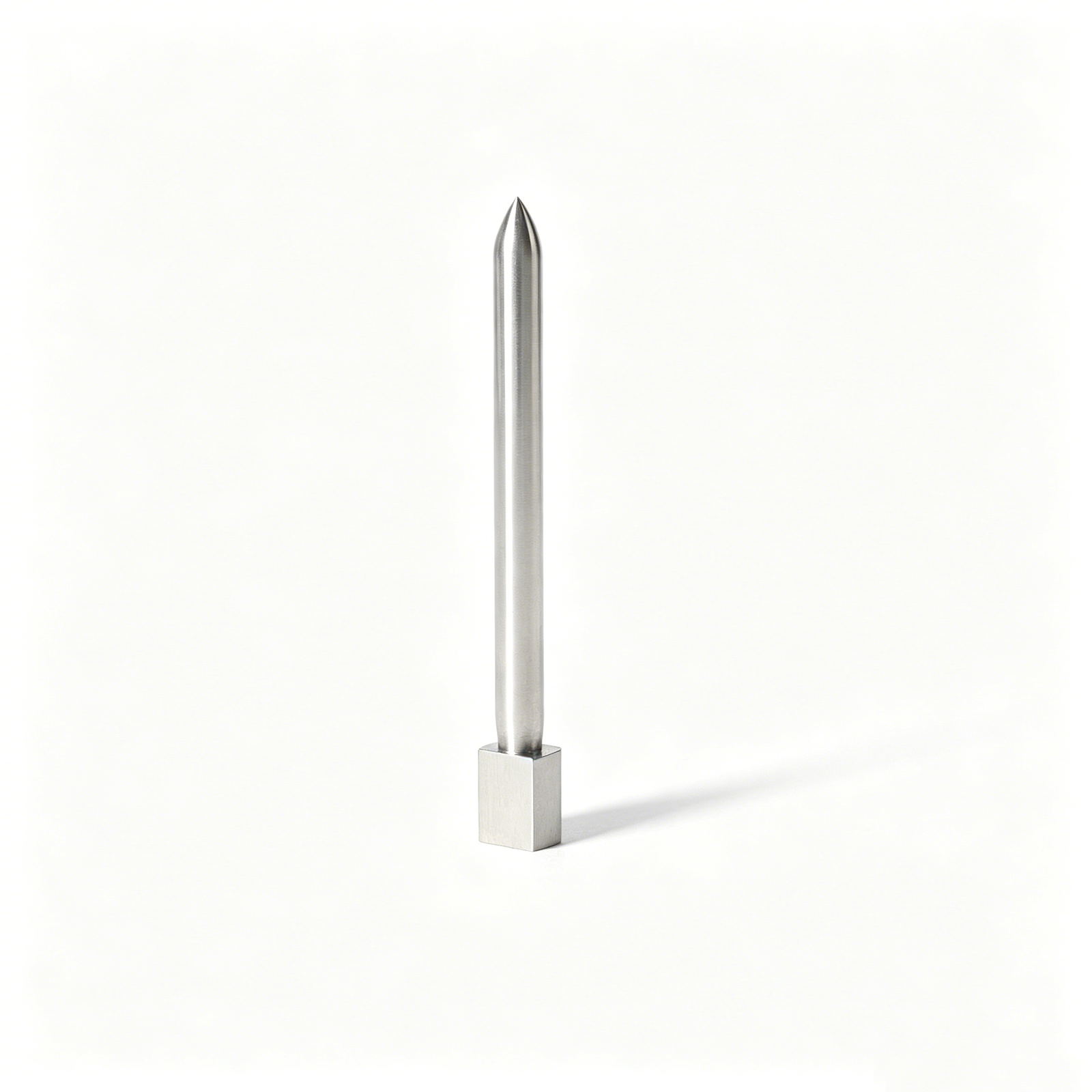
Black Oxide Sourcing Controls to Confirm Before Production
Compare the project controls that help align finish requirements, critical dimensions, inspection planning, and revision status before production.
← Swipe left or right to view →
From Black Oxide Drawing Review to Delivery
A controlled, drawing-driven workflow aligns finish requirements, precision machining, inspection evidence, and shipment coordination before production commitments are made.
Review RFQ Package
We review the drawing, model, material, quantity, application, finish requirement, critical dimensions, delivery target, and inspection expectations to identify missing production information early.
Plan Process Route
The team evaluates DFM, datum strategy, machining access, heat-treatment sequence, black oxide requirements, EDM needs, grinding allowance, and inspection methods before confirming a workable route.
Machine Critical Features
CNC milling, turning, multi-axis machining, wire EDM, or sinker EDM are selected according to geometry, tolerances, electrode strategy, wire path, and material condition.
Grind Fit and Finish
Where required, grinding and fitting establish functional surfaces and assembly relationships. Black oxide is coordinated only after the specified preparation, dimensional checks, and process sequence are understood.
Inspect Against Requirements
Inspection follows the agreed plan, focusing on critical dimensions, datum-based measurements, surface requirements, revision status, and any documentation required with the order.
Pack and Coordinate Shipment
Parts are protected, labeled, and prepared for shipment according to the confirmed order requirements, with delivery coordination and final project information kept visible to the customer.
Work With SUUXIANG on Black Oxide Parts
Share the requirements that govern finish selection, critical dimensions, inspection, and delivery before production is approved.
Submit Your Drawing Package
Upload the 2D drawing and available 3D model, then identify application context, quantity, target delivery date, and the revision to be quoted.
Define Material and Quality Requirements
Specify material, heat treatment, black oxide expectations, critical dimensions, surface requirements, datums, inspection reports, and any mating-component conditions affecting manufacturability.
Review DFM and Quotation
Confirm the proposed process route, machining access, EDM or grinding needs, finish sequence, inspection approach, pricing assumptions, and delivery coordination before release.
Approve Samples or Production
Approve the agreed technical details and, where applicable, sampling expectations. SUUXIANG then manages machining, finishing coordination, inspection, revision visibility, and delivery documentation.
Quality Documentation and Certification Review
Black Oxide Project Evidence Publication Policy
No customer testimonial or case example for black oxide work is published unless the customer has approved publication and the stated outcome has been verified.
Black Oxide RFQ FAQ
Practical questions to resolve before a drawing-based quotation, finishing plan, and inspection scope are confirmed.
What information do you need to quote black oxide precision parts?
Can you supply black oxide parts in prototype and low-volume quantities?
Does black oxide change critical dimensions or fit?
How long does a black oxide order take?
Can you provide samples before production?
What inspection reports can be included with an order?
How do you protect drawings and intellectual property?
How are payment and international shipping arranged?
The Complete Buyer’s Guide to black oxide
Use this decision framework to specify black oxide for precision parts, compare process and sealant options, evaluate capable suppliers, control quality risks, and avoid drawing, material, corrosion, and cost mistakes before release.
1. What Is black oxide?
0.00006–0.0001 in is a commonly cited black oxide layer range: the process chemically converts an applicable metal surface rather than depositing a substantial layer. Unlike paint, plating, and powder coating, it does not build a separate coating; unlike aluminum anodizing, it is not an anodic oxide process. The result is typically dark and low-reflectivity with negligible dimensional effect on precision fits. Source: https://www.xometry.com/resources/machining/what-is-black-oxide
3 conditions make black oxide a practical drawing callout: the base material is compatible, the part needs a dark functional appearance, and the finish can retain a specified oil, wax, or other approved sealant. The conversion layer alone is not a corrosion-performance promise; its protection depends heavily on surface preparation, rinsing, sealant type, and handling. For SUUXIANG precision parts, identify critical dimensions, mating or sliding faces, masking needs, and the required post-treatment before production release.
2. Evolution of black oxide Finishing
Fe3O4 magnetite is the black iron oxide associated with traditional steel bluing; it preceded modern production blackening used on tools and fasteners. That history does not make every dark surface equivalent: traditional bluing, hot conversion treatment, and deposited room-temperature blackeners can differ in chemistry and protection. Source: https://en.wikipedia.org/wiki/Black_oxide
285–295°F is a commonly cited operating range for hot alkaline black oxide, while industrial suppliers also use mid-temperature and room-temperature systems. Hot and mid-temperature routes form magnetite on suitable ferrous substrates; low-temperature blackening may instead deposit a copper-selenium film, so the drawing must identify the required process rather than only a color. Source: https://sendcutsend.com/blog/black-oxide-coating
3 controls matter in current sourcing: compatible base material, controlled cleaning-rinsing-sealing sequence, and documented performance requirement. For mold components, machined parts, tooling, and fasteners, specify the application, corrosion expectation, lubricant or sealant, cosmetic acceptance, and any restrictions on chemical handling; review blind holes and drainage before release.
3. Types of black oxide Processes
Five routes can produce a dark finish, but they do not create the same surface chemistry or service life. Process selection should start with alloy, corrosion exposure, and post-finish lubricant requirements.
| Route | Surface Result | Relative Durability | Suitable Use | Sealant |
|---|---|---|---|---|
| Hot | Magnetite conversion; deep black | High | Ferrous precision parts | Required |
| Mid-temperature | Magnetite conversion; black | High | Ferrous tooling components | Required |
| Cold/room-temperature | Copper-selenium deposited film | Lower | Touch-up, light-duty steel | Essential |
| Stainless steel | Alloy-specific black conversion | Application-dependent | Stainless components | Usually required |
| Copper alloy | Cupric oxide or dark patina | Moderate decorative durability | Hardware, controlled applications | As exposure requires |
Ferrous Steel Routes
Hot and mid-temperature alkaline treatments convert ferrous surfaces to magnetite and typically produce blue-black to deep black appearances. Both need oil, wax, or another compatible sealant for meaningful corrosion resistance.
Cold blackening commonly deposits a copper-selenium film rather than forming the hot-process magnetite conversion layer. Specify it for appearance, touch-up, or light-duty tooling only after confirming the sealant and exposure.
Nonferrous Blackening
Stainless-steel blackening uses a dedicated chemical route and may yield a dark gray-to-black appearance. Request alloy-specific process approval, corrosion expectations, and sealant compatibility before release.
Copper-alloy blackening converts the surface to cupric oxide or a dark patina. It is commonly selected for decorative hardware or controlled-contact applications, with sealing chosen for handling and tarnish exposure.
Specify The Service Condition
Three RFQ inputs prevent a color-only specification: base alloy, exposure environment, and whether the part needs lubricity. Add the required appearance range, sealant type, mating function, and inspection acceptance criteria.
4. Materials Compatible With black oxide
Ferrous substrates are the standard starting point, but ‘black’ is not a universal outcome. Chemistry, prior processing, and surface condition must be reviewed before the finish is released on a drawing.
| Material Group | Compatibility Consideration | Primary Caution |
|---|---|---|
| Carbon and alloy steel | Typical ferrous route | Heat scale affects uniformity |
| Tool steel and cast iron | Evaluate surface response | Microstructure may vary color |
| Stainless, copper, PM | Specialized route required | Pretreatment and porosity matter |
Ferrous Material Response
Carbon steel, alloy steel, tool steel, and cast iron can form conversion finishes, yet alloy content and heat-treatment scale can shift color from blue-black to gray.
Tool-steel and cast-iron surfaces need cleaning trials because carbide distribution, graphite, machining marks, and residual scale can produce visible variation.
Specialized Nonferrous Routes
Stainless steel, copper, copper alloys, and powdered metal require chemistry or pretreatment matched to the substrate; do not assume a ferrous black-oxide bath applies.
Copper-rich surfaces can require activation, while sintered porosity can retain process solution and sealant. Source: https://en.wikipedia.org/wiki/Black_oxide
Drawing Callout Essentials
Each drawing should name the base material, heat-treatment condition, finish process, sealing requirement, and acceptable appearance reference.
Prior plating, paint, phosphate, rust, weld scale, or mixed material lots require stripping, masking, or a separate qualification route before production.
- Identify critical cosmetic faces and non-cosmetic surfaces.
- State whether oil, wax, or another seal is permitted.
- Request lot-specific inspection and revision traceability.
5. Appearance, Sealing, and Custom Requirements
Black oxide appearance is inseparable from its post-treatment: the porous conversion layer takes up the selected sealant. Define the finish as a functional assembly requirement, not simply ‘black.’
| Sealant | Appearance And Cleanliness | Assembly Effect |
|---|---|---|
| Oil | Dark, wet-looking; transferable | Higher lubricity |
| Wax | Darker, drier handling | Moderate lubricity |
| Lacquer | More uniform, cleaner-looking | May change friction |
| Dry-film lubricant | Usually matte; verify residue | Controlled sliding behavior |
Choose The Sealant
Oil improves lubricity and temporary corrosion protection but can transfer during handling. Wax is drier to touch; lacquer is cleaner-looking but can alter friction.
Set Cosmetic Limits
Color can range from charcoal to blue-black as alloy, surface texture, chemistry, and sealant vary. Define approved sample, gloss level, visible faces, and whether minor tonal variation is acceptable.
100% visual matching should be specified only for parts viewed together. Mask threads, datum faces, electrical contacts, or bonding areas before release.
Control Handling And Release
Clean-room or low-residue assembly requires a named approved sealant, residue limit, glove-handling rule, and packaging method. Define part marking location and whether laser marks remain legible after finishing.
Dry-film lubricant is appropriate only when assembly friction, mating material, load, and reapplication limits are stated. Require preservation duration, desiccant or VCI needs, and inspection evidence in the RFQ.
6. Critical Quality Elements for Precision Parts
Two inspection gates matter: substrate condition before immersion and residue-free protection afterward. Black oxide follows the existing surface, so it cannot disguise machining marks, pits, burrs, or inconsistent descaling.
Prepare The Substrate
Verify cleaning, descaling, and complete deburring before finishing. Confirm roughness on appearance-critical faces against the drawing before release.
Black oxide follows the underlying surface and will not conceal scratches, pits, tool marks, or sharp edges. Define acceptance criteria for visible and functional faces before production release.
Control Immersion And Rinsing
Two bath controls are chemistry condition and immersion time; record the approved process route with the lot. Evaluate uniform coverage on representative visible and functional faces.
Two rinse stages deserve inspection: parts must drain fully and show no trapped salt residue. Blind holes, threads, and cavities need drainage orientation or venting. Source: https://www.xometry.com/resources/machining/what-is-black-oxide
Verify Protection And Dimensions
One post-finish check confirms the specified sealant reaches all intended surfaces without pooling in threads or cavities. Protect sealed parts from handling damage before packing.
All toleranced faces require dimensional verification against drawing datums after finishing. Review masking, mating surfaces, sharp edges, and inspection method before production release.
7. How to Choose a black oxide Supplier
Quoted unit price is not a reliable comparator for drawing-based parts. Evaluate how the supplier controls the finish route, preserves part identity, and records evidence against your defined acceptance criteria.
Process And Material Review
Before award, provide the drawing, alloy, heat treatment, surface condition, and critical datums. Ask whether machining residues, EDM condition, blind features, and steel grade create limitations for the proposed black oxide route.
- Request a documented work instruction
- Confirm racking, drainage, and handling approach
- Require stated finish limitations before release
Bath, Sealant, And Inspection
For each lot, ask how bath maintenance, rinse control, sealant identity, and sealant application are documented. Define incoming checks, final visual acceptance, corrosion-test method when required, and packaging that prevents oil loss or part-to-part damage.
- Lot-specific process records
- Incoming and final inspection criteria
- Sealant type and packaging method
Subcontractor Coordination
When finishing is subcontracted, require one accountable party for routing, lot traceability, rejection handling, and final release. Ask who audits the finisher, who communicates nonconformities, and whether finished parts return for dimensional and cosmetic inspection.
- Name the finishing coordinator
- Trace parts through each transfer
- Clarify corrective-action ownership
8. Common black oxide Specification Mistakes
A drawing note reading only ‘black oxide’ leaves material, process route, sealing, acceptance criteria, and inspection open to interpretation. Resolve those items before release, because blackening is not a universal corrosion or cosmetic specification.
Define The Complete Callout
Specify the alloy grade, heat-treatment condition, finish location, sealant, masking boundaries, required surface texture, and inspection method. State whether oil, wax, or another approved seal is acceptable.
Name the critical faces and protected mating areas on the drawing. A general finish note cannot substitute for clear masking and datum-related instructions.
- Material grade and heat-treatment state
- Sealant and corrosion-exposure expectation
- Masked faces, threads, and contact zones
- Visual and inspection acceptance method
Avoid Appearance Assumptions
Black oxide follows the underlying surface; it does not conceal machining marks, burrs, pits, or inconsistent grinding. Require deburring and an Ra or comparable surface-finish requirement where appearance matters.
Exact black color matching is not a reliable acceptance criterion across alloys, surface preparations, and sealants. Approve a representative prototype or limit sample before production.
Verify Before Qualification
Do not assume black oxide alone provides permanent corrosion protection: performance depends on substrate, pretreatment, sealant, handling, and exposure. Define the applicable corrosion test, duration, sample quantity, and failure criterion.
During supplier qualification, confirm the proposed process suits the specified alloy and part geometry. Review blind holes, drainage, cosmetic zones, and test coupons during drawing review.
9. From RFQ to Production Release
1 complete RFQ prevents a finish decision from being separated from the part’s functional requirements. SUUXIANG should review the drawing, model, material callout, quantity, application, and requested black oxide condition before routing work.
Lock The Drawing Package
2 controlled files are the minimum: the current 2D drawing and, when available, the 3D model. Mark CTQ dimensions, datums, masked or cosmetic faces, surface-finish areas, threads, and revision level.
- State steel grade and heat-treatment condition
- Identify mating, sliding, or sealing interfaces
- Specify inspection-report requirements
Agree Process And Sealant
1 finish note should define the approved black oxide process and the sealant, such as oil, wax, or another application-approved medium. Confirm whether low reflectivity, temporary corrosion protection, lubricity, cleanliness, or paint compatibility drives the selection.
- Define acceptable color variation
- Name prohibited residue or odor
- Identify post-finish handling limits
Review Before Release
3 checkpoints reduce rework: DFM review, sample approval, and first-article review. For mold components, connector tooling, stamping-die parts, and low-volume CNC work, verify tool access, EDM or grinding allowance, drainage, deburring, and protected critical faces before production release.
- Set dimensional acceptance criteria
- Approve representative finish samples
- Confirm packaging and part identification
Monitor The First Article
Check all identified CTQ features on the first article against the agreed inspection plan. Record measured results, finish observations, packaging condition, and any deviation before authorizing the remaining quantity.
- Compare results with drawing revision
- Close deviations through documented disposition
- Keep release records traceable to the order
10. black oxide Pricing and Lead-Time Drivers
1 comparable quote starts with a drawing revision, material grade, quantity, required black oxide process, sealant, masked faces, inspection plan, and packaging condition. Price normally changes more with handling, preparation, racking, masking, and documentation than with the conversion layer itself.
2 quantities should be quoted as stated tiers rather than averaged across prototypes and production lots. SUUXIANG can review the part route with the finishing source, but the committed price and lead time should follow confirmed material condition, inspection scope, and delivery requirements.
| Quote driver | Cost effect | Lead-time effect |
|---|---|---|
| 1–10 parts | Minimum lot, setup, handling dominate | Batch scheduling and special preparation may govern |
| 11–100 parts | Setup is spread across more pieces | Racking capacity and inspection sampling matter |
| 100+ parts | Handling, masking, and packaging remain material | Lot size, finish capacity, and delivery releases govern |
| Complex geometry | Drainage, deburring, masking, and touch-safe packing add labor | Extra preparation or inspection steps may extend release |
Upload Your Black Oxide Drawing for Technical Review
Include material, quantity, critical dimensions, inspection needs, and target delivery date so SUUXIANG can assess the appropriate manufacturing and finishing route.