
Carburizing Support for Drawing-Based Precision Parts
Submit your drawings for carburizing review, with critical dimensions, heat-treatment sequence, inspection needs, and delivery requirements considered before quotation.
Representative Components for Carburizing Review


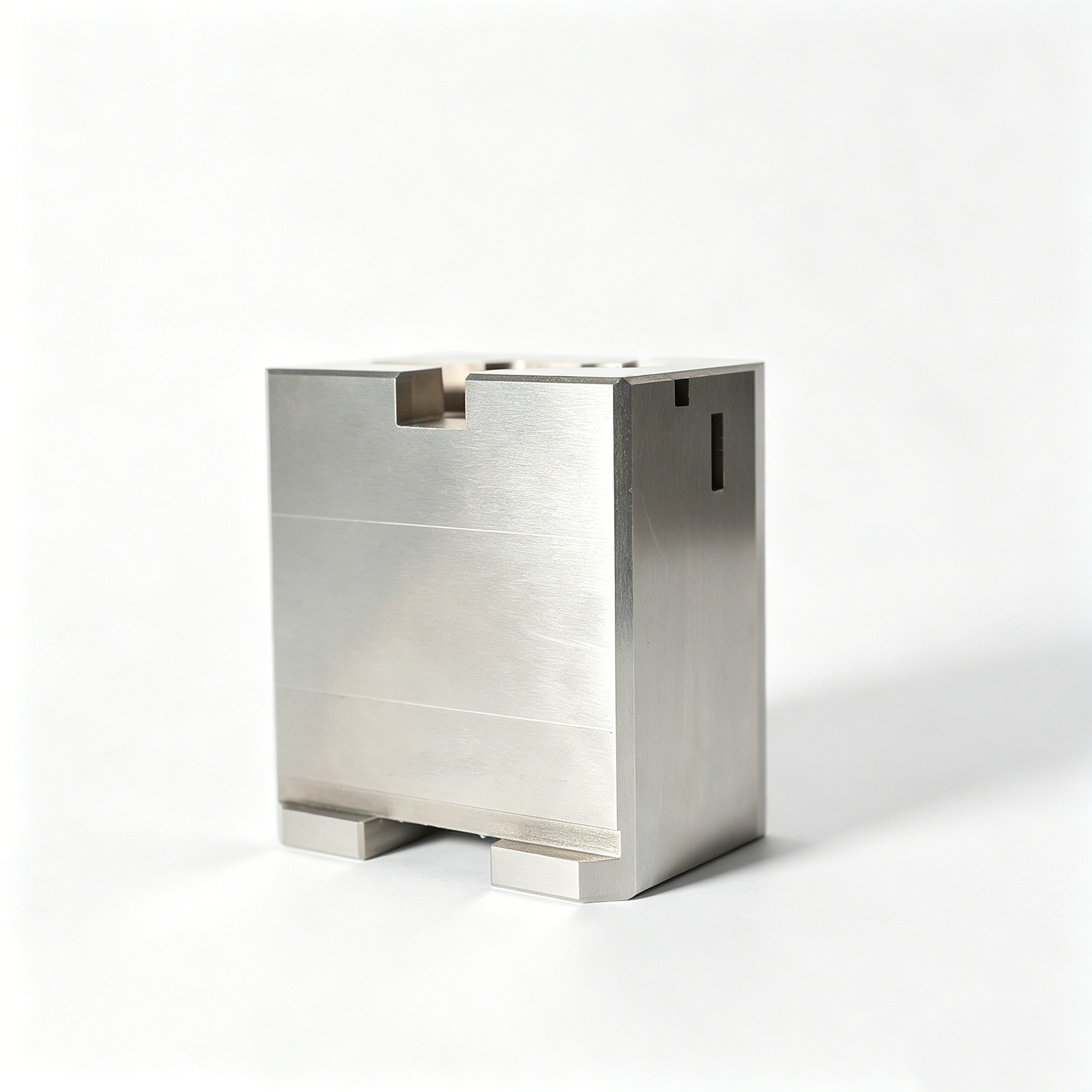


Related Drawing-Based Components and RFQ Support



Engineering Advantages for Carburizing Projects
Drawing-led planning aligns critical dimensions, heat-treatment sequence, finishing allowances, inspection evidence and revision control before production commitments.
DFM Before Quotation
Review geometry, material requirements, tool access and functional interfaces early to identify manufacturability questions before a carburizing route is committed.
Critical Dimension Strategy
Define datums and critical-to-quality dimensions so machining, heat treatment and final verification are planned around the features that govern assembly.
Heat-Treatment Sequencing
Assess carburizing sequence alongside pre-machining stock, distortion risk and finishing requirements to determine which dimensions need controlled post-treatment work.
EDM and Grinding Planning
Plan electrode access, wire paths and grinding allowance for hardened features where conventional machining may no longer provide the required finish.
Inspection Matched to Drawings
Align measurement methods, reporting needs and acceptance criteria with the drawing, material condition and inspection plan before production begins.
Visible Revision Control
Keep drawing revisions, clarified requirements and delivery coordination visible throughout the project to reduce avoidable production and sourcing ambiguity.
Precision Part Families We Support
Drawing-driven machining, mold-component, connector-tooling and die-component workflows planned around critical dimensions, process access and inspection requirements.

CNC Machining Services
Precision CNC machining services for drawing-based parts requiring coordinated milling, turning, EDM, grinding and inspection. Drawing review identifies critical dimensions, datum strategy, material requirements and practical process routes before quotation or production commitments.
Upload a Drawing
CNC Milling
Custom CNC milling services for prismatic, contoured and fixture-sensitive components. Tool access, wall geometry, datum setup, machining allowance and surface requirements are reviewed against the drawing so the planned route supports functional dimensions.
Upload a Drawing
CNC Turning
Precision CNC turning services for shafts, pins, sleeves, bushings and rotational features. Part geometry, concentricity, runout, thread requirements, material condition and inspection datums should be defined early to establish a controlled turning and finishing sequence.
Upload a Drawing
5-Axis Machining
5-axis CNC machining supports complex surfaces, angled features and multi-face components where fewer setups can protect positional relationships. Feasibility depends on tool reach, workholding, material condition, tolerance priorities and the inspection method specified for the part.
Upload a Drawing
Swiss & Micro Machining
Swiss machining and micro machining support small, slender and detail-intensive components where stability, feature access and handling affect results. Provide the drawing, material, quantity and critical dimensions so the process route and inspection approach can be evaluated responsibly.
Upload a Drawing
Wire & Sinker EDM
Wire EDM and sinker EDM services address hardened materials, narrow slots, internal profiles, sharp geometry and features inaccessible to conventional cutting tools. Wire path, electrode strategy, recast-layer considerations, finish requirements and downstream grinding or fitting are reviewed with the drawing.
Upload a Drawing
Precision Grinding
Precision surface and profile grinding is planned for critical flats, profiles, parallelism, size control and finish after machining or heat treatment. Grinding stock, datum condition, wheel access, material hardness and inspection priorities must be aligned before processing.
Upload a Drawing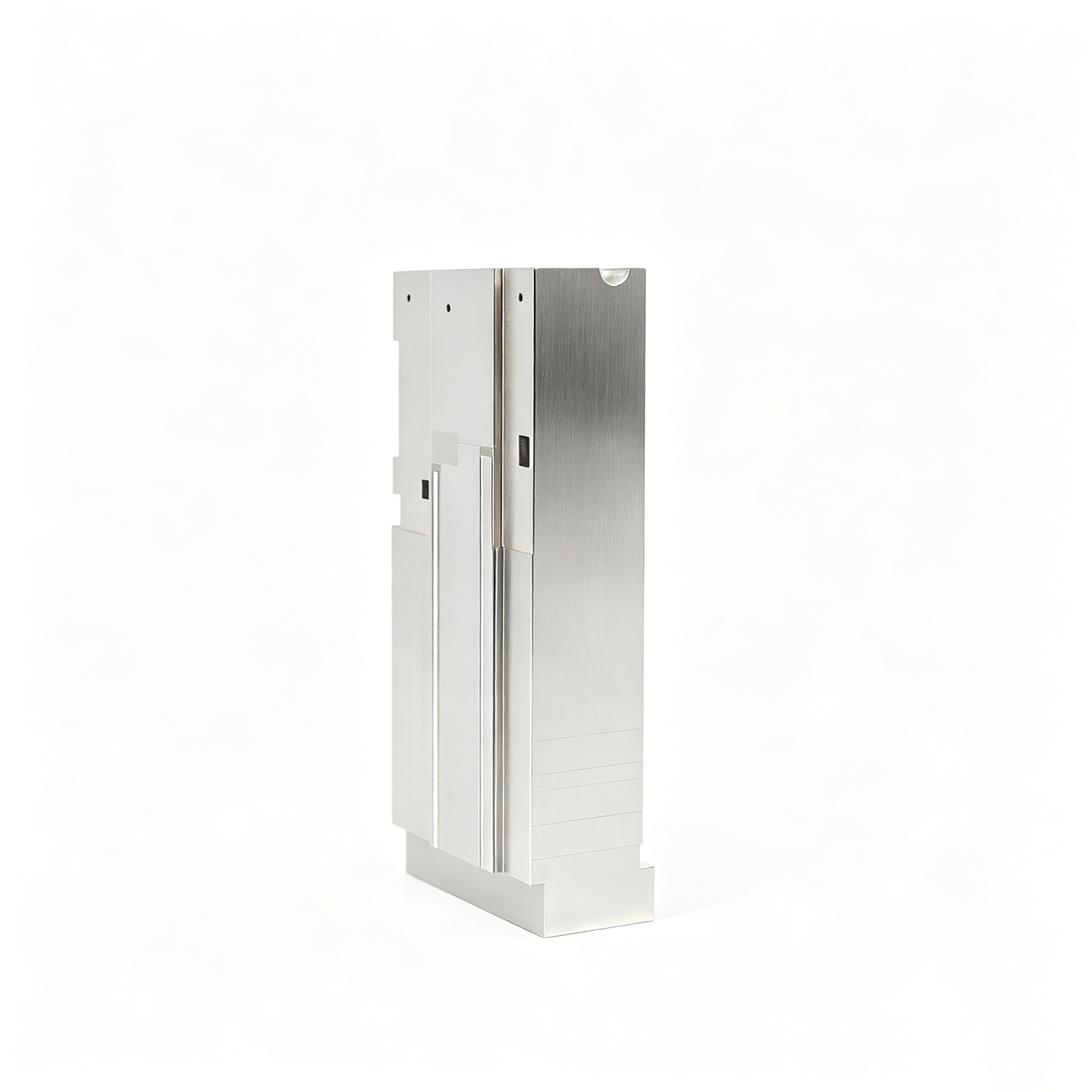
Mold Core & Cavity Inserts
Precision mold core and cavity inserts are manufactured from customer drawings and mold-design requirements. Machining, EDM, grinding, heat-treatment sequence, shutoff geometry, cooling interfaces and fitting expectations are reviewed to protect critical molded-part features.
Upload a Drawing
Ejector & Ejection Components
Ejector pins, sleeves and ejection components are produced as configurable mold-component families rather than assumed stock items. Define diameters, working lengths, head geometry, material, hardness, surface condition and mating clearances for an appropriate machining and inspection plan.
Upload a Drawing
Core Pins, Guide & Locating Components
Core pins, guide pins and locating components require attention to functional datums, fit relationships, wear surfaces and mating-part geometry. SUUXIANG reviews drawing tolerances, material and heat-treatment requirements, grinding needs and inspection points before production.
Upload a Drawing
Slides, Lifters, Gates & Mold Accessories
Mold slides, lifters, gates and accessories are evaluated as working assemblies or individual drawing-based parts. Travel interfaces, shutoff surfaces, wear areas, guide relationships, EDM access and fitting requirements guide the selected manufacturing sequence.
Upload a Drawing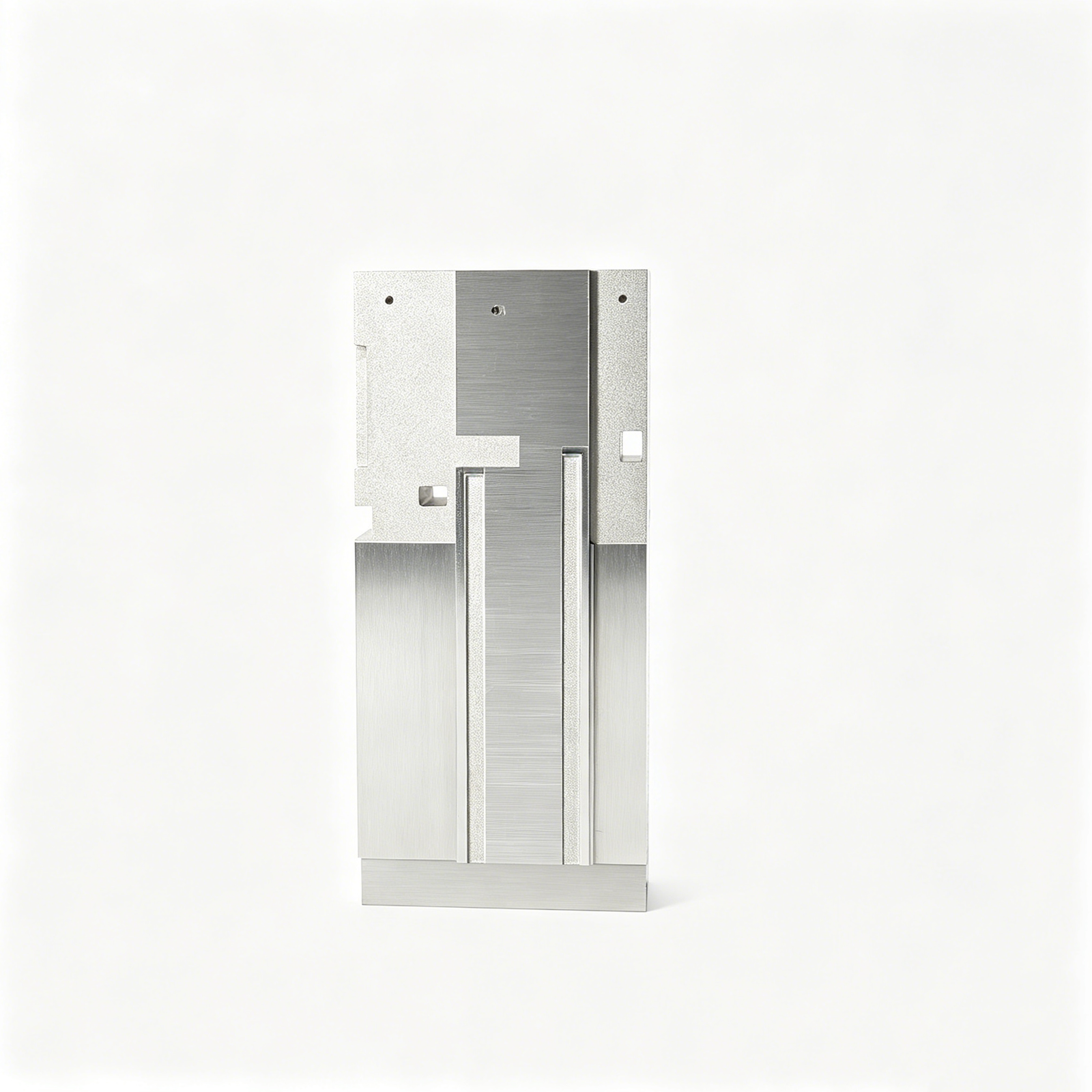
Connector Mold Components
Precision connector mold components support tooling for fine-pitch and geometry-sensitive connector features. Buyers should provide mating-part context, critical pin or cavity dimensions, datum strategy, material condition, surface requirements and inspection expectations alongside the drawing.
Upload a Drawing
Stamping Die Components
Precision stamping die components are manufactured for drawing-defined die sets, punches, inserts, guide elements and related tooling parts. Material, hardness, clearance-sensitive dimensions, grinding stock, wire-EDM profiles and mating conditions inform the production route.
Upload a Drawing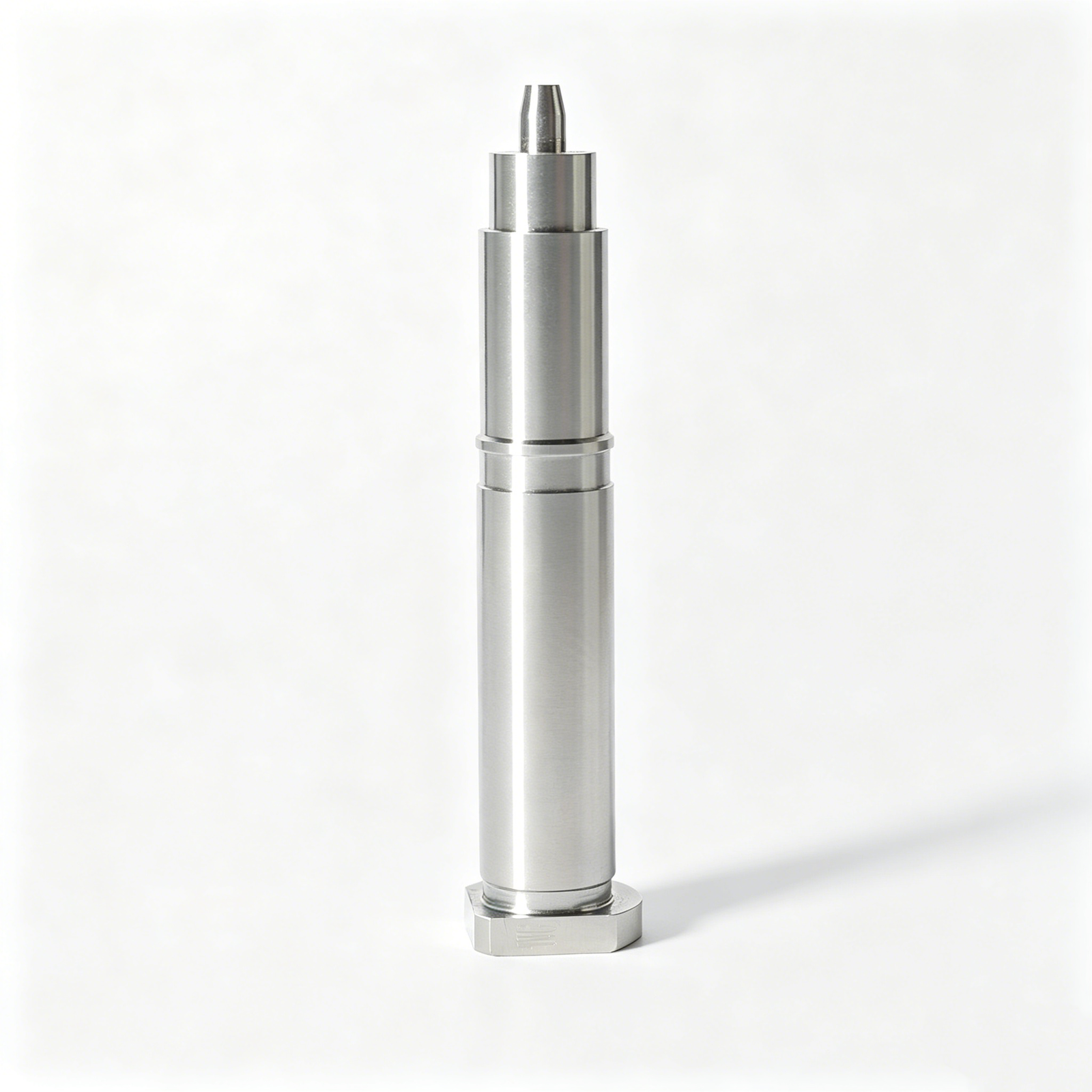
Injection, MIM, CIM & Overmolding Tooling
Injection, MIM, CIM and overmolding tooling component work is assessed within verified production scope. Drawing review considers molded geometry, shrinkage inputs supplied by the customer, shutoffs, gates, venting, inserts, wear areas and required process combinations.
Upload a Drawing
Machining Materials
CNC machining materials are selected against drawing requirements, application conditions and downstream processes. Identify the specified grade, material condition, traceability needs, heat treatment, corrosion environment and any approved substitution limits before quotation.
Upload a Drawing
Surface Finishes & Heat Treatment
Surface finishing and heat treatment are planned around functional surfaces, dimensional change, corrosion requirements and mating conditions. Specify finish type, coverage, masking needs, hardness or treatment requirements, cosmetic priorities and post-treatment inspection expectations.
Upload a Drawing
Quality, Metrology & Documentation
Precision inspection, metrology and quality documentation are matched to the order and verified inspection plan. Define critical dimensions, datum references, sampling or reporting requirements, traceability needs, revision status and any customer-specific documentation before production begins.
Upload a Drawing
Prototyping & Low-Volume Production
Rapid prototyping and low-volume manufacturing support drawing-based validation, bridge quantities and controlled early production. Provide revision-controlled files, quantity, target delivery date, material, critical dimensions, surface requirements and inspection needs to assess a practical route.
Upload a DrawingMaterials Considered Before Carburizing

Low-Carbon Steel
Often considered for components needing a hardened case with a tougher supporting core. Grade suitability, section thickness, case-depth target, and distortion risk are reviewed against the drawing and application before carburizing.

Alloy Case Steel
Alloy case-hardening steels may be evaluated for heavily loaded mold, tooling, and mechanical components. The review considers core response, hardenability, machining allowance, heat-treatment sequence, and inspection requirements for the specified part.

Gear Steel Grades
Steel grades used for geared or wear-loaded components can require controlled case characteristics and post-treatment finishing. SUUXIANG reviews tooth geometry, datum strategy, grinding stock, and critical measurement methods before defining a workable route.

Tooling Component Steel
Selected tooling-component steels may be assessed where a wear-resistant surface and resilient core are relevant. Material condition, EDM sequence, edge detail, and dimensional priorities must be confirmed because heat treatment can affect final geometry.

Customer-Specified Steel
For customer-specified steels, the drawing, material designation, application context, and required documentation guide the review. SUUXIANG confirms whether the proposed carburizing, machining, grinding, and inspection sequence is appropriate for the project scope.
Carburizing Process Planning and Heat-Treatment Sequence

Drawing Review
We identify critical dimensions, datum relationships, surface requirements and functional interfaces that may be affected by carburizing, quenching or subsequent finishing before the manufacturing route is agreed.

Allowance Planning
Machining allowance and grinding stock are considered against the requested case condition, final geometry and accessible surfaces, helping define where material must remain for controlled post-treatment finishing.

Sequence Definition
The proposed route coordinates CNC machining, EDM where required, carburizing, quenching, tempering and final grinding so heat treatment is evaluated as part of the part-making sequence.

Distortion Assessment
Features with thin walls, uneven sections, tight positional relationships or demanding flatness are reviewed for distortion risk, with drawing-based discussion of datum protection and finishing strategy.

Inspection Planning
Inspection requirements are aligned with critical dimensions, surface condition and the agreed manufacturing stage, clarifying what must be verified before and after heat treatment and final finishing.
Carburizing Accessories and Functional Details

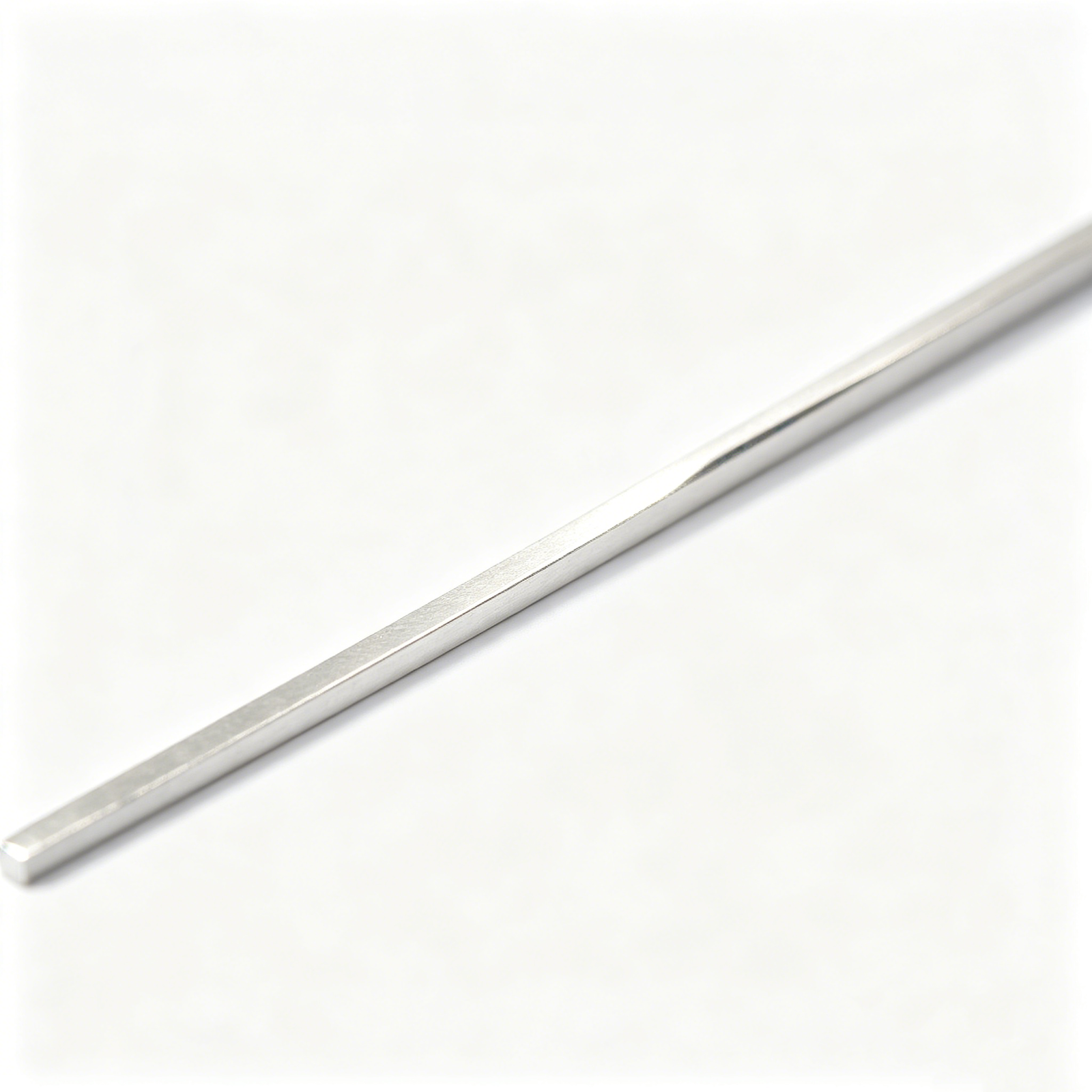
Guide Components
Guide pins, bushings and locating elements can be specified where repeatable mold alignment is required. Their material, fit, surface condition and carburizing sequence should be defined against the mating component and assembly datum.
Ejection Components
Ejector pins, sleeves and related ejection details are reviewed for movement, bearing contact and wear exposure. Drawing-defined clearances, hardness requirements and post-treatment grinding allowance help protect functional fit after carburizing.

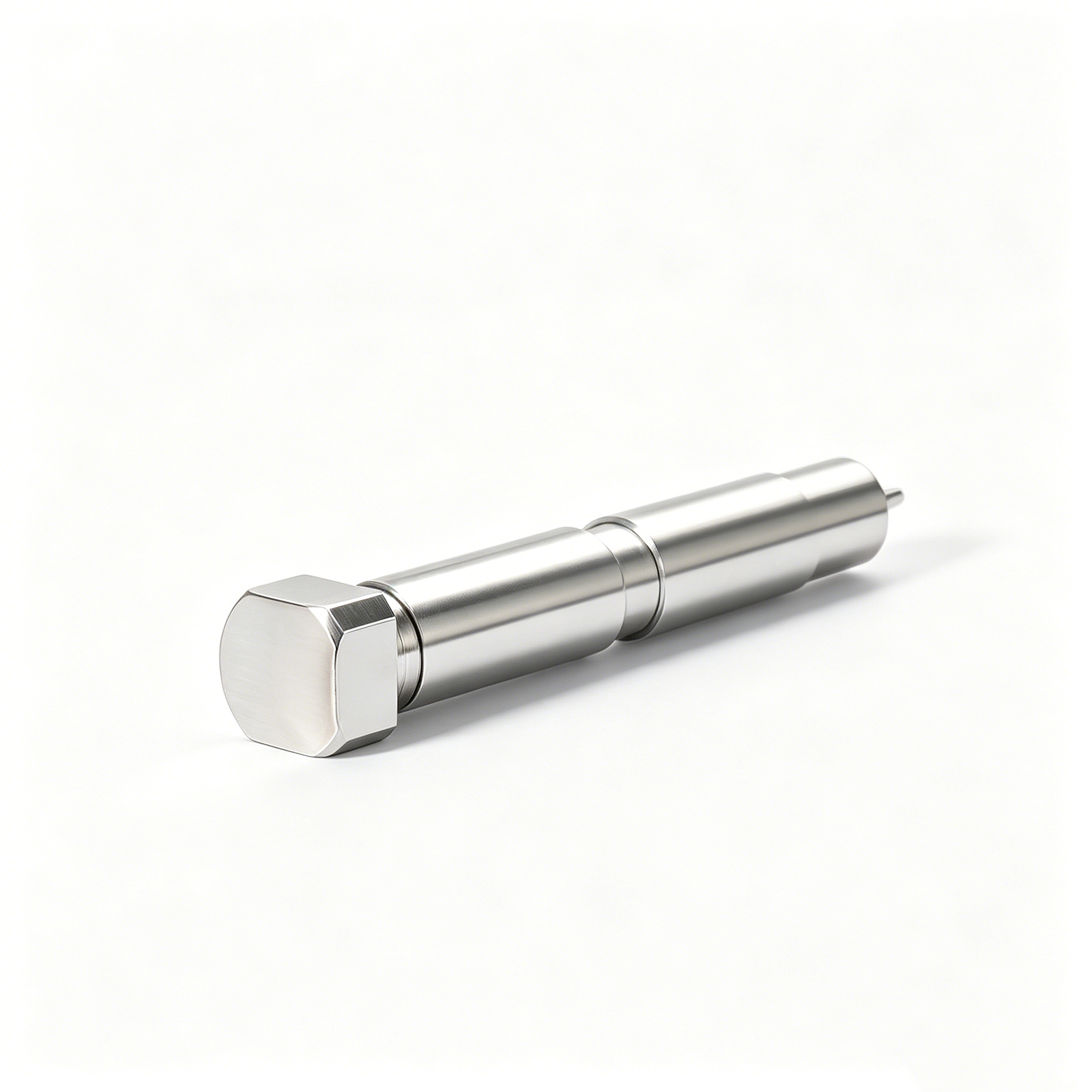
Locating Keys
Keys, stops and positioning blocks support controlled assembly where interfaces must repeatedly return to datum. SUUXIANG evaluates machining access, contact faces, tolerance stack and any carburizing-related distortion risk before production planning.
Wear Inserts
Replaceable wear inserts can concentrate service wear in a controlled component rather than a larger tool body. The drawing should identify contact zones, material, case-depth expectations, finishing requirements and inspection points for review.

Fastening Features
Threads, counterbores, dowel holes and retention features are planned around assembly access and treatment order. Requirements for masking, post-carburizing finishing or mating-part verification must be confirmed before the manufacturing route is released.
About SUUXIANG Carburizing Support
SUUXIANG is the sole public-facing brand of Dongguan SuuXiang Precision Mold Co., Ltd., established in 2010 in Chang’an Town, Dongguan, Guangdong, China. Founded by XiaoCheng Huang, the company helps international engineering, sourcing, and quality teams translate drawings, models, and specifications into inspected custom CNC parts, precision mold components, connector tooling, and die components.
Our work combines CNC milling and turning, multi-axis machining, EDM, precision grinding, fitting, and inspection. For parts requiring carburizing, we begin with drawing review and DFM: identifying critical dimensions, datum strategy, machining access, grinding stock, heat-treatment sequence, and inspection expectations before production commitments are made.
What differentiates SUUXIANG is disciplined coordination around the evidence that matters to a drawing-driven project. We keep revision requirements, process decisions, and inspection planning visible, then match final documentation to the agreed order and verified inspection plan.

Carburizing Workflow Control for Precision Parts
Drawing and DFM Review
Before routing a carburizing-related component, SUUXIANG reviews the drawing, model, material callout, critical dimensions, datums, surface requirements, quantity and application context. The review identifies questions that should be resolved before quotation, machining, heat treatment or inspection planning begins.
- Confirm critical-to-quality dimensions and datum references
- Identify machining access, tool reach and feature-risk areas
- Review material and heat-treatment requirements against the drawing
- Align revision status, quantity, delivery target and reporting needs

Process Route Planning
Part geometry and dimensional priorities determine the manufacturing route. SUUXIANG plans the appropriate sequence across CNC milling or turning, multi-axis machining, EDM, grinding and fitting, while considering machining allowance and the effects of the specified carburizing sequence on critical features.
- Select CNC, wire EDM or sinker EDM by feature geometry
- Reserve grinding stock where final dimensions require it
- Consider heat-treatment sequence before finishing operations
- Flag electrode strategy, wire path and inaccessible geometry
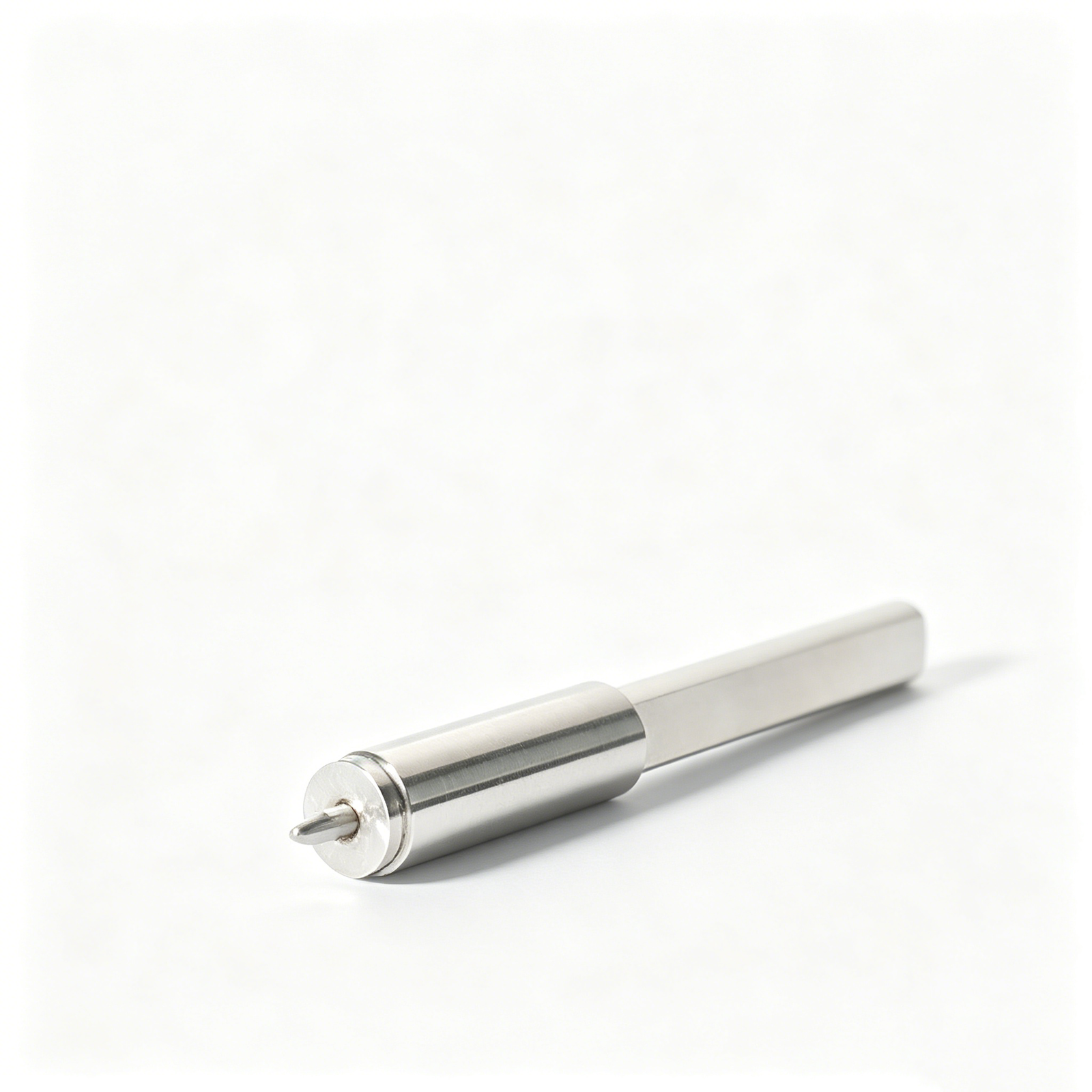
Controlled Finishing and Fitting
Precision features often require a deliberate finish route after primary machining. SUUXIANG coordinates grinding, EDM finishing and fitting around functional interfaces, mating relationships and drawing-defined requirements, avoiding assumptions that a single process can satisfy every geometry, surface or tolerance condition.
- Plan finishing around datums and functional mating features
- Use grinding where the drawing calls for controlled final surfaces
- Assess EDM finishing needs for internal or complex profiles
- Keep feature changes tied to the approved drawing revision

Inspection Evidence and Traceability
Inspection planning follows the order requirements and verified drawing priorities. SUUXIANG aligns measurement methods, critical dimensions and requested documentation before production, then keeps revision and delivery information visible so engineering, sourcing and quality teams can evaluate the delivered carburizing-related part with context.
- Define inspection focus for critical dimensions and surfaces
- Match reporting expectations to the agreed inspection plan
- Maintain visible drawing revision and order traceability
- Review application-specific quality requirements before release

Why Choose SUUXIANG for Carburizing Projects
Compare a drawing-led carburizing workflow with a typical generic sourcing route before committing production.
← Swipe left or right to view →
Carburizing Project Production Process
From drawing review through delivery coordination, each phase keeps manufacturing decisions, inspection expectations, and revision status visible.
Review Drawings and Requirements
We review drawings, models, material, quantity, critical dimensions, heat-treatment requirements, inspection needs, and delivery targets before confirming a workable production route.
Plan Process and DFM
DFM discussion addresses datum strategy, machining access, machining allowance, carburizing sequence, distortion risk, EDM requirements, grinding stock, and revision-controlled acceptance criteria.
Machine Critical Part Features
CNC milling, turning, multi-axis machining, or micro machining produce planned geometry while preserving stock and access required for subsequent thermal processing and finishing.
Coordinate Heat Treatment Finishing
Carburizing and associated finishing are coordinated against the approved route, with EDM, grinding, fitting, or corrective operations considered according to drawing and inspection requirements.
Inspect Pack and Coordinate
Completed parts are inspected against the agreed plan, documented as required, protected for shipment, and coordinated with the customer on delivery and revision traceability.
Start Your Carburizing Project With Clear Controls
A drawing-led workflow that aligns manufacturability, heat-treatment requirements, inspection evidence and delivery expectations before production begins.
Submit Your Drawing Package
Provide 2D drawings, available 3D models, material, quantity, application context, carburizing requirements, critical dimensions, surface priorities, inspection needs and target delivery date.
Align DFM and Quotation
Review datums, tolerance stack, machining access, grinding allowance, EDM needs and heat-treatment sequence before SUUXIANG confirms a process route and quotation basis.
Approve Production Details
Confirm revisions, agreed requirements and any sampling or first-piece expectations so machining, carburizing coordination, finishing and inspection proceed against controlled project information.
Receive Inspected Delivery
Receive parts with documentation aligned to the verified inspection plan, alongside visible revision and delivery coordination for your receiving and supplier-quality review.
Carburizing Quality Documentation
Customer Feedback Published Upon Verification
Verified customer feedback and documented project outcomes will be published here only after customer approval and review of the supporting production and inspection records.
A case-style testimonial for a carburizing-related precision component program will be added when the customer, outcome details, and permitted documentation have been verified.
SUUXIANG reserves this space for approved feedback that identifies the drawing-review, process-planning, inspection, or delivery outcome relevant to the customer’s program.
Carburizing FAQ for Drawing Preparation
Prepare the drawing, material, heat-treatment, inspection, and delivery details needed for a responsible technical review.
What drawings should I provide for a carburizing RFQ?
Which steels are suitable for carburizing?
Should machining allowance be included before carburizing?
Can you review distortion risk before carburizing?
What heat-treatment information should be on a carburizing drawing?
Can I request first-article samples for carburizing parts?
What inspection evidence can be requested for carburizing components?
How are drawings and IP-sensitive documents handled for an RFQ?
The Complete Buyer’s Guide to carburizing
Use this framework to specify carburizing requirements, compare process routes and suppliers, control distortion and verification risk, and avoid costly drawing, material, and lead-time mistakes before requesting quotations.
1. What Is carburizing?
0.25 wt.% carbon is a common upper starting point for steels selected for carburizing, a case-hardening treatment that enriches the surface with carbon at austenitizing temperature. Carbon diffuses inward from a controlled carbon-bearing environment, producing a carbon gradient rather than changing the entire cross-section equally; see https://thermalprocessing.com/metal-urgency-carburizing.
1 sequence defines the result: carburize, quench to transform the carbon-rich zone toward hard martensite, then temper to recover useful toughness. The outcome is a hard, wear-resistant case over a comparatively lower-carbon, tougher core, provided material, section size, case-depth target, and heat-treatment route are specified in the drawing review.
4 alternatives solve different problems: through-hardening hardens substantially through the section; coatings add a deposited surface layer; nitriding diffuses nitrogen at lower temperature; and induction hardening heats selected surface zones rapidly. Buyers should select carburizing when a controlled hardened case and load-supporting core are required, then define acceptable case-depth, hardness, distortion, and inspection criteria before release.
2. Evolution of carburizing Technology
19th-century pack carburizing enclosed parts in carbon-rich solids; it was practical but offered limited control of local carbon activity and batch uniformity. Salt-bath routes shortened transfer time, yet their chemical handling and waste burden made environmental controls a material supplier-assessment issue.
1950s-era controlled-atmosphere furnaces made gas carburizing more repeatable by regulating furnace temperature, atmosphere and time. For a drawing-controlled part, the supplier should connect the specified case-depth and hardness targets to recorded cycle parameters, load arrangement, quench method and inspection plan. https://thermalprocessing.com/metal-urgency-carburizing
2 modern gas routes dominate many production discussions: atmosphere carburizing remains common, while low-pressure vacuum carburizing is increasingly used where cleaner processing, programmable carbon input and distortion-sensitive routing matter. Neither route alone proves capability; request comparable-part evidence, furnace/load limits, quench strategy, post-heat-treatment grinding allowance and lot-level traceability before assigning confidence to batch consistency. https://thermalprocessing.com/metal-urgency-carburizing
3. Types of carburizing Processes
Four established routes differ mainly in carbon delivery, atmosphere control, and quench integration. Select a route after reviewing geometry, required case profile, distortion risk, and available supplier evidence.
| Route | Operating Principle | Best Fit | Key Limitation |
|---|---|---|---|
| Pack | Carbon-rich solids diffuse carbon during heating | Simple, low-volume shapes | Variable case uniformity |
| Liquid | Molten salt transfers carbon | Small parts needing rapid treatment | Salt safety and waste controls |
| Gas/Atmosphere | Carbon-bearing furnace gas is controlled | Repeat batches and accessible geometry | Atmosphere and quench distortion control |
| Low-Pressure Vacuum | Pulsed hydrocarbon gas carburizes under vacuum | Complex loads and controlled production | Equipment and gas-quench capability required |
| Carbonitriding | Carbon and nitrogen diffuse together | Shallower cases and selected small components | Not interchangeable with deep carburizing |
Legacy And Batch Routes
Pack carburizing uses carbonaceous packing around parts; it suits simple, low-volume work but offers limited uniformity and control. Liquid salt-bath carburizing is fast for small parts, yet salt handling and environmental controls narrow supplier availability.
Controlled Gas Processing
Gas or atmosphere carburizing uses a controlled carbon-potential furnace and remains practical for repeat production of gears, pins, and accessible mold components. Fixture design, loading density, and quench method still require supplier review.
Vacuum And Carbonitriding Alternatives
Low-pressure vacuum carburizing can improve process control for complex loads, but cycle design and high-pressure gas quenching must fit section size. Carbonitriding is a relevant shallower-case alternative when nitrogen-assisted surface response is specified.
4. Materials Suitable for carburizing
Carbon contents below roughly 0.25% are commonly chosen because carburizing enriches the case while preserving a lower-carbon core. Alloy additions determine hardenability and core response; surface hardness alone is not a material specification.
| Steel Family | Typical Selection Logic | Carburizing Suitability |
|---|---|---|
| Plain low-carbon | Economical, modest core demand | Common starting point |
| 20MnCr5 | Balanced hardenability and core strength | Common alloy case-hardening option |
| 8620 | Nickel-alloyed core response | Often considered for tougher sections |
| 9310 | Higher hardenability requirements | Application-specific evaluation |
| 52100 | High-carbon bearing steel | Not a default carburizing choice |
Chemistry And Section Response
20MnCr5 and 8620 offer manganese, chromium, nickel, or molybdenum balance for many case-hardening designs. Select them against section thickness, required core strength, quench severity, and distortion risk.
Grain Control And Machining
9310 is often evaluated where demanding core properties and high hardenability justify closer process control. Fine-grain practice, cleanliness, machinability, and heat-treatment response must be confirmed against the applicable material standard and order.
5. Engineering Requirements and Customization
Two depth measures must be specified separately: effective case depth at the stated hardness criterion and total case depth by metallographic method. SUUXIANG should review these requirements against drawing datums, load paths, and mating features before confirming a process route.
| RFQ Item | Specify | Why It Matters |
|---|---|---|
| Case profile | Effective and total depth; test criterion | Matches wear and fatigue demand |
| Hardness | Surface and core ranges | Balances wear with toughness |
| Selective treatment | Mask line and protected features | Preserves fits and interfaces |
| Finish stock | Grinding allowance and final Ra | Protects final dimensional control |
Define The Case Profile
1 drawing note should state surface-hardness range, core-hardness range, effective and total case depth, and the test method. Carbon potential and quench medium belong in the controlled heat-treatment plan, not as assumed shop defaults.
Thermal Processing identifies surface carbon, core hardness, and microstructure as requirements alongside hardness and case depth: https://thermalprocessing.com/metal-urgency-carburizing
Protect Functional Features
2 interface types need separate review: loaded tooth or contact faces may need a case, while threads, bores, sealing lands, and datum surfaces may require masking or selective treatment. Thin webs, sharp transitions, and asymmetric sections increase distortion risk and affect quench selection.
0.05 mm of post-process stock is not a universal rule; grinding allowance must follow geometry, expected movement, and final finish requirement.
Control The Drawing Record
3 traceability links the released drawing revision, material certificate, heat-treatment batch, hardness results, case-depth results, and final inspection report. Any substituted steel, altered mask line, changed quench route, or out-of-tolerance result requires a documented buyer-approved deviation before shipment.
6. Carburizing Quality and Distortion Control
Material certification, furnace records, and an approved heat-treatment route should be reviewed before release. Carburizing changes dimensions as well as surface properties, so distortion control must be planned with the part’s functional datums.
Process Records And Loading
Furnace temperature, carbon potential, loading orientation, and quench medium determine case uniformity and movement. Thin connector features, gear teeth, mold inserts, and stamping details require documented loading support and quench severity.
Tempering time and temperature must be defined after quench. Material certificates should match the specified steel grade and heat lot.
Metallurgy And Crack Prevention
Retained austenite, excessive surface carbon, carbide networks, and untempered martensite can undermine dimensional stability or fatigue performance. The acceptance plan should define allowable microstructure, retained-austenite limits where relevant, and crack-examination method.
Sharp transitions, inadequate radii, and abrupt section changes concentrate quench stress. Review machining allowances before heat treatment and reserve stock for post-process grinding.
Inspection Locations And Criteria
Hardness testing must identify the scale, test load, and exact test locations; a surface reading alone does not establish effective case depth. Define metallographic traverse locations, hardness threshold, core-hardness requirement, and whether sacrificial coupons represent the part.
Grinding after heat treatment needs a controlled stock-removal limit to avoid grinding burn, case removal, or datum shift. Inspection results should remain linked to the drawing revision and material lot.
7. Choosing a Carburizing Supplier
2010 is SUUXIANG’s founding year; its drawing review should establish the alloy grade, case-depth callout, datums, post-heat-treatment stock, and critical features before a route is released. Select a supplier by documented control rather than furnace type alone.
| Evaluation Area | Buyer Evidence | Decision Question |
|---|---|---|
| Drawing review | Datums and finishing stock | Are risks closed before release? |
| Heat-treatment control | Cycle and lot records | Who owns outsourced steps? |
| Metrology | Methods and calibration | Can results meet the inspection plan? |
Review The Process Route
100% of outsourced steps should have a named owner, traveler, and release point. Ask who coordinates CNC machining, carburizing, quench, temper, grinding, and final inspection when distortion changes finishing stock.
- Request the controlled route and revision status
- Confirm furnace load limits and production scheduling
- Identify hold points before external processing
Verify Evidence And Measurement
2 validation samples can reveal whether the agreed route is repeatable before a larger release. Request material certificates, furnace-cycle records, hardness and case-depth methods, inspection reports, and current calibration status for relevant instruments.
- Define sample acceptance criteria
- Specify report format and sampling plan
- Link results to lot and drawing revision
Test Accountability And Communication
1 nonconformance workflow should state containment, root-cause analysis, disposition authority, and corrective-action timing. For export programs, confirm lead-time assumptions, English-language reporting, shipment milestones, and one accountable contact across subcontracted processing.
- Ask how deviations are communicated
- Confirm traceability through each supplier
- Agree escalation and rework authorization
8. Common carburizing Buyer Mistakes
Seven recurring RFQ omissions create avoidable disputes after carburizing. Put acceptance criteria on the drawing, then confirm the process route and inspection plan during supplier review.
Define The Case
1 hardness value alone is incomplete: specify effective case depth, hardness scale, load, and the governing test method.
2 test locations should be dimensioned from datums and identified on a section view; require results for each defined location.
Match Steel And Geometry
1 nominated steel must be confirmed as carburizing-compatible for the required core properties; state approved substitutes only with written approval.
2 distortion-sensitive features need pre-treatment stock, datum strategy, and permitted post-treatment grinding or EDM operations on the drawing.
Control Surfaces And Cost
3 surface categories should be called out separately: carburized, masked, finish-ground, and noncritical areas. Identify masking boundaries and mating surfaces.
1 low unit-price quotation is not comparable without included heat-treatment records, hardness verification, dimensional inspection, revision control, and delivery scope.
9. Launching a Carburized Part Program
A launch begins with the released 2D drawing, 3D model, application load path, and mating-part context. SUUXIANG should identify critical dimensions, datums, case-depth requirements, and inspection evidence before routing work.
Confirm Material And Route
One material callout must state the steel grade, starting condition, target case specification, core-property requirement, and approved heat-treatment route. Carburizing, quenching, tempering, and any post-hardening grinding must be sequenced against the drawing.
Two datum schemes should be compared: the functional assembly datum and the manufacturing datum used for machining and inspection. Differences require written agreement before stock removal begins.
Close DFM Before Trial
A DFM review should flag thin sections, sharp transitions, blind features, wire paths, electrode access, and grinding stock. SUUXIANG can return revision-controlled feedback rather than silently changing a drawing.
One prototype or trial lot should use the intended material and process route when functional risk is significant. Its review should capture distortion, finish, fit, and measurement-method results.
Qualify And Control Production
A first-article package should connect part revision, material evidence, heat-treatment record, measured critical dimensions, and any agreed hardness or metallographic checks. Acceptance criteria must be defined before inspection starts.
Every production change—material source, furnace route, machining datum, fixture, or revision—should trigger documented impact review. Batch identification and controlled inspection plans keep international teams aligned through repeat orders.
10. Carburizing Pricing and Lead Times
3 quotation variables dominate carburizing programs: the steel grade and case-depth target, the selected thermal route, and the distortion risk that drives fixturing and post-grind stock.
2 drawing packages are normally required for a defensible quote: the controlled 2D drawing and a 3D model when geometry is complex. State effective case-depth definition, hardness and microstructure acceptance criteria, inspection method, and whether final grinding follows heat treatment.
1 expedited lot can disrupt furnace loading, outside processing coordination, and inspection scheduling; urgency should therefore be quoted as a documented exception, not assumed from a requested date. SUUXIANG should review the current drawing, quantity, material requirement, revision, and acceptance plan before confirming price or lead time.
| Quote factor | Lower-impact condition | Higher price or longer lead-time condition |
|---|---|---|
| Quantity tier | Repeatable production lot | Prototype or small lot requiring setup recovery |
| Part size and weight | Compact, load-efficient batch | Large or heavy parts reducing furnace loading |
| Steel and case depth | Specified, proven grade and moderate target | Special grade or deeper target requiring longer cycle |
| Route and fixturing | Standard route; simple support | Controlled route; distortion-control fixture |
| Inspection and finish | Basic agreed checks | Metallography, hardness mapping, post-grind verification |
Upload Your Drawing for a Carburizing Review
Include your 2D drawing, 3D model, material, heat-treatment requirements, quantity, quality priorities, inspection needs, and target delivery date.