
Electroless Nickel Plating for Precision Parts
Upload your drawing for electroless nickel plating review, including critical dimensions, masking, mating fits, material, inspection, and delivery requirements.
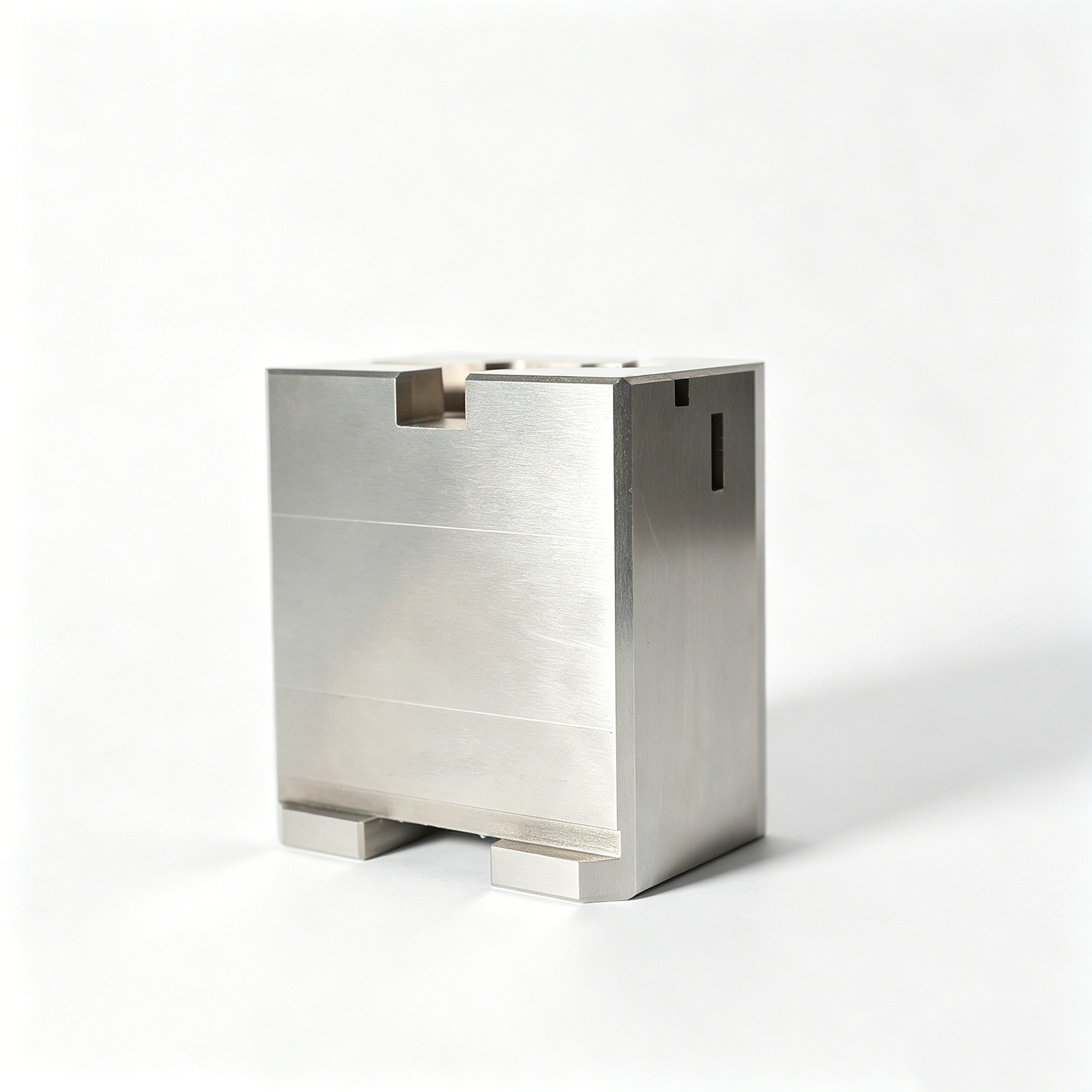
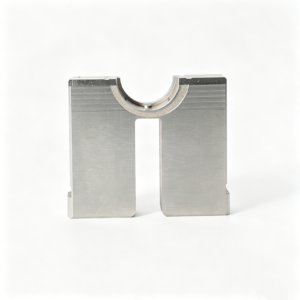
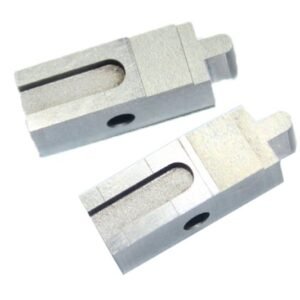
Representative Precision Parts for Electroless Nickel Plating Review







Why Specify Electroless Nickel Plating for Precision Parts?
Review coating requirements with the drawing, mating conditions, critical dimensions, and inspection needs before committing the process route.
Uniform Feature Coverage
Electroless nickel plating can support more consistent coverage across recesses, bores, threads, and other geometry that is difficult to finish evenly.
Corrosion Performance
Specify the intended environment, substrate, and coating chemistry so corrosion-performance requirements can be reviewed against the application and finishing plan.
Wear-Surface Planning
For sliding or contact areas, identify hardness, friction, post-treatment, and mating-part conditions before selecting electroless nickel plating requirements.
Dimensional Build-Up Review
Coating thickness affects fits and tolerances. Define critical datums, masked areas, and allowable build-up during drawing and DFM review.
Complex Geometry Assessment
Cavities, deep holes, sharp edges, and internal passages require early review of surface preparation, access, drainage, and inspection strategy.
Drawing-Led Process Control
Provide drawings, material, quantity, finish callouts, and inspection expectations so SUUXIANG can coordinate a practical manufacturing and finishing route.
Electroless Nickel Plating for Precision Part Families
Review configurable part families and process routes against drawing requirements, critical dimensions, material condition, finishing needs, and inspection expectations.

CNC Machining Services
Precision CNC machining services for drawing-based parts requiring coordinated milling, turning, EDM, grinding, fitting, and inspection. Reviews should establish critical dimensions, datums, material condition, access constraints, quantity, and reporting requirements before process planning.
Upload a Drawing
CNC Milling
Custom CNC milling services for prismatic parts, plates, inserts, and complex features where tool access, clamping, datum sequence, wall geometry, and machining allowance influence the achievable process route and inspection plan.
Upload a Drawing
CNC Turning
Precision CNC turning services for rotational components, shafts, bushings, pins, and threaded features. Drawing review should clarify concentricity, runout, datum references, surface requirements, material condition, and any secondary milling, grinding, or EDM operations.
Upload a Drawing
5-Axis Machining
5-axis CNC machining supports multi-face features, compound angles, contoured surfaces, and reduced re-clamping on drawing-driven parts. Feasibility depends on tool reach, fixture strategy, collision clearance, stock condition, critical tolerances, and inspection access.
Upload a Drawing
Swiss & Micro Machining
Swiss machining and micro machining support small-diameter pins, shafts, connector-related details, and other compact precision parts. Requirements should define geometry, material, critical diameters, feature length, surface expectations, quantity, and handling or inspection needs.
Upload a Drawing
Wire & Sinker EDM
Wire EDM and sinker EDM services address hardened materials, narrow slots, internal corners, deep ribs, fine details, and difficult-to-machine mold features. Electrode strategy, wire path, start holes, recast-layer considerations, finish requirements, and datum control require review.
Upload a Drawing
Precision Grinding
Precision surface and profile grinding supports flatness, parallelism, profile accuracy, and controlled final stock on hardened or pre-machined components. Plans should account for heat-treatment movement, grinding allowance, datum sequence, surface condition, and metrology method.
Upload a Drawing
Mold Core & Cavity Inserts
Precision mold core and cavity inserts are configured from the drawing, resin or molding application, steel specification, cooling requirements, shutoff details, and critical molded features. Machining, EDM, grinding, fitting, and inspection are planned around the approved revision.
Upload a Drawing
Ejector & Ejection Components
Ejector pins, sleeves, and ejection components require attention to clearance, bearing length, concentricity, hardness condition, lubrication context, and mating-hole strategy. Drawings should identify critical fit dimensions and any surface or traceability requirements.
Upload a Drawing
Core Pins, Guide & Locating Components
Core pins, guide pins, and locating components are defined by their mating relationship, alignment function, fit class, wear considerations, and assembly datum. Manufacturing review should confirm material, heat treatment, grinding strategy, and inspection points before release.
Upload a Drawing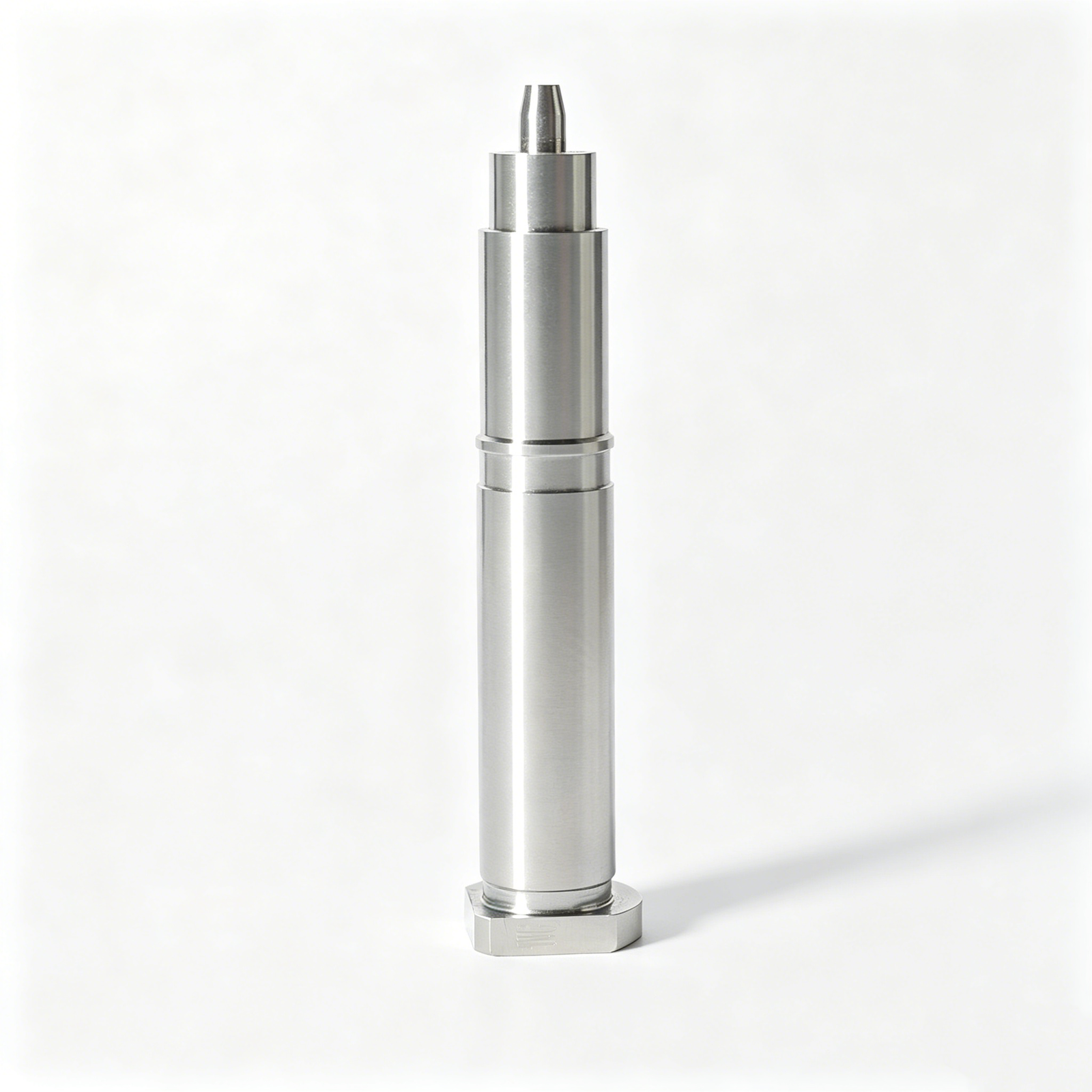
Slides, Lifters, Gates & Mold Accessories
Mold slides, lifters, gates, and accessories are produced against assembly interfaces, travel geometry, shutoff surfaces, wear zones, and molding-function requirements. Process planning considers machining access, EDM needs, hardening sequence, fitting allowance, and controlled revision data.
Upload a Drawing
Connector Mold Components
Precision connector mold components support fine-pitch, high-density, and mating-critical tooling applications. Drawings should identify pin geometry, positional relationships, material and heat-treatment requirements, surface condition, EDM details, and inspection criteria.
Upload a Drawing
Stamping Die Components
Precision stamping die components are planned around strip guidance, cutting or forming interfaces, clearance relationships, material condition, hardness, and wear surfaces. CNC machining, EDM, grinding, fitting, and inspection are selected according to the approved die design.
Upload a Drawing
Injection, MIM, CIM & Overmolding Tooling
Injection, MIM, CIM, and overmolding tooling components are evaluated within verified production scope. Drawing review should address material behavior, parting and shutoff features, ejection, inserts, surface requirements, tolerances, and the relationship to the molding process.
Upload a Drawing
Machining Materials
CNC machining materials are selected from drawing requirements, functional loads, corrosion exposure, thermal behavior, hardness condition, finish needs, and downstream treatment. Availability, machinability, certification needs, and material traceability should be confirmed for each project.
Upload a Drawing
Surface Finishes & Heat Treatment
Surface finishing and heat treatment are specified by functional need, not assumed as standard. Requirements should identify coating or treatment type, thickness or hardness target where applicable, masking or datum protection, post-treatment machining or grinding, and verification expectations.
Upload a Drawing
Quality, Metrology & Documentation
Precision inspection, metrology, and quality documentation are planned around critical dimensions, datum structure, sampling or reporting requirements, revision status, and agreed measurement methods. Final records should match the order and the verified inspection plan.
Upload a Drawing
Prototyping & Low-Volume Production
Rapid prototyping and low-volume manufacturing support drawing validation, fit checks, tooling trials, engineering changes, and controlled small-batch supply. A useful RFQ includes 2D and 3D data, material, quantity, priority dimensions, finish, inspection needs, and target date.
Upload a DrawingMaterials Considered for Electroless Nickel Plating

Tool Steels
Common for mold cores, cavity inserts, and wear components. Steel grade, pre-hardening condition, grinding stock, and masking needs should be reviewed so coating buildup is considered at functional fits.

Stainless Steels
Used for corrosion-conscious fixtures, precision components, and selected tooling details. Alloy grade, passive surface condition, surface finish, and required adhesion should be confirmed before electroless nickel plating is specified.

Aluminum Alloys
Often selected for lightweight housings, fixtures, and machined prototypes. Alloy designation, heat-treatment state, surface preparation requirements, and dimensional buildup on threads or mating faces require drawing-based compatibility review.

Copper Alloys
Applied in electrical, connector, and thermal-management components where conductivity or machinability matters. Confirm the alloy, contact surfaces, masking boundaries, and any downstream soldering or assembly requirements before planning the finish.

Carbon Steels
Suitable for many custom machined parts, die components, and structural details. Material condition, heat-treatment sequence, corrosion exposure, and tolerance stack must be defined to coordinate machining allowance and final coating thickness.
Process Routes for Electroless Nickel Plating Parts


EDM Processing
Wire EDM and sinker EDM address narrow slots, sharp internal features, and complex mold geometry where conventional tool access is limited. The planned route considers recast-layer management, electrode strategy, and finish-critical surfaces.

Precision Grinding
Grinding is evaluated for flatness, parallelism, diameter control, and fine surface requirements. Grinding stock and sequence must account for heat treatment and any electroless nickel plating buildup on close-tolerance mating features.

Component Fitting
Fitting verifies how cores, inserts, slides, pins, and mating components work together before final release. The review focuses on clearance, contact areas, datum relationships, and whether the specified finish could alter assembly behavior.
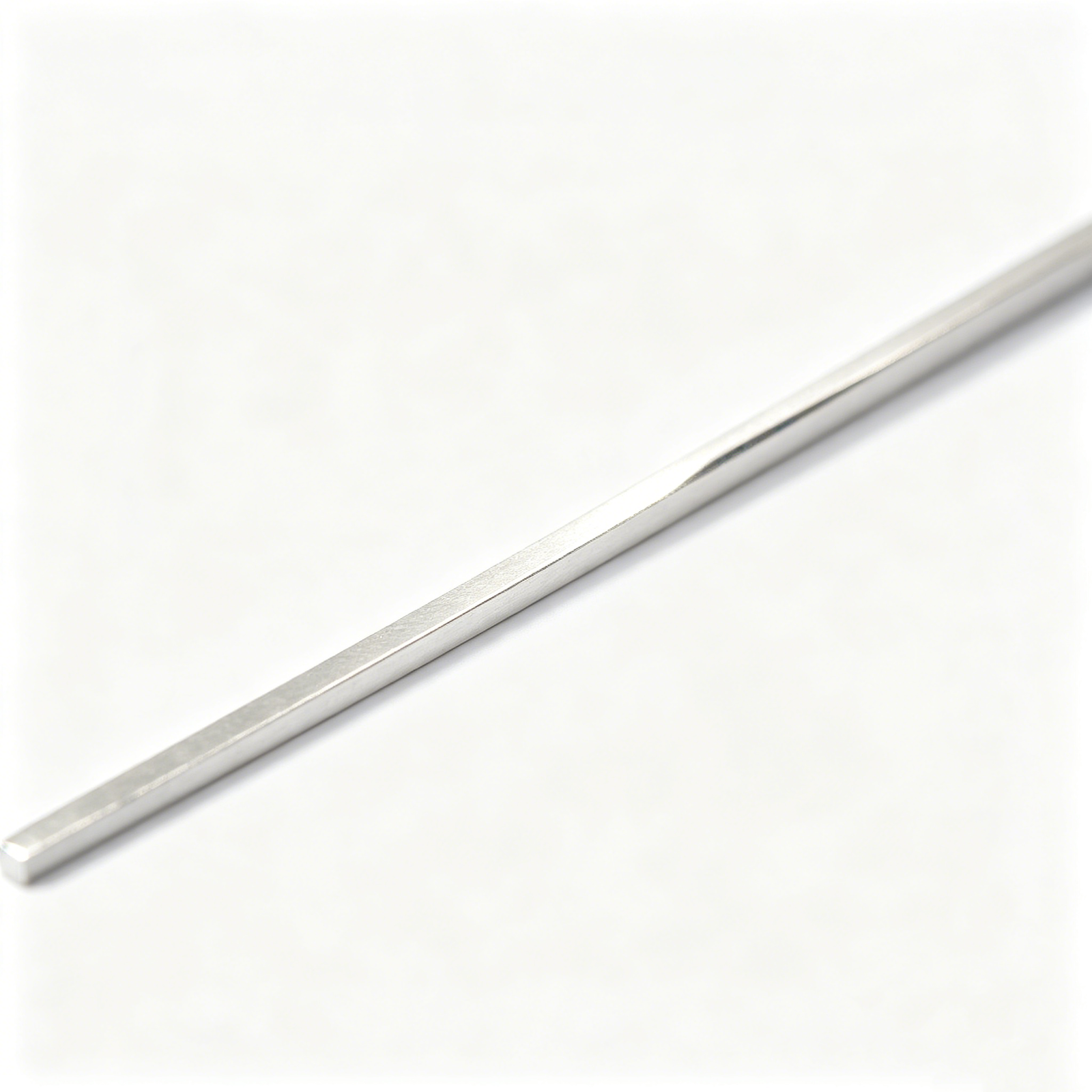

Inspection Planning
Inspection planning links critical dimensions, coating-related requirements, measurement methods, and reporting needs to the drawing revision. SUUXIANG aligns final documentation with the agreed inspection plan and visible project traceability requirements.
Electroless Nickel Plating Features Needing Early Review
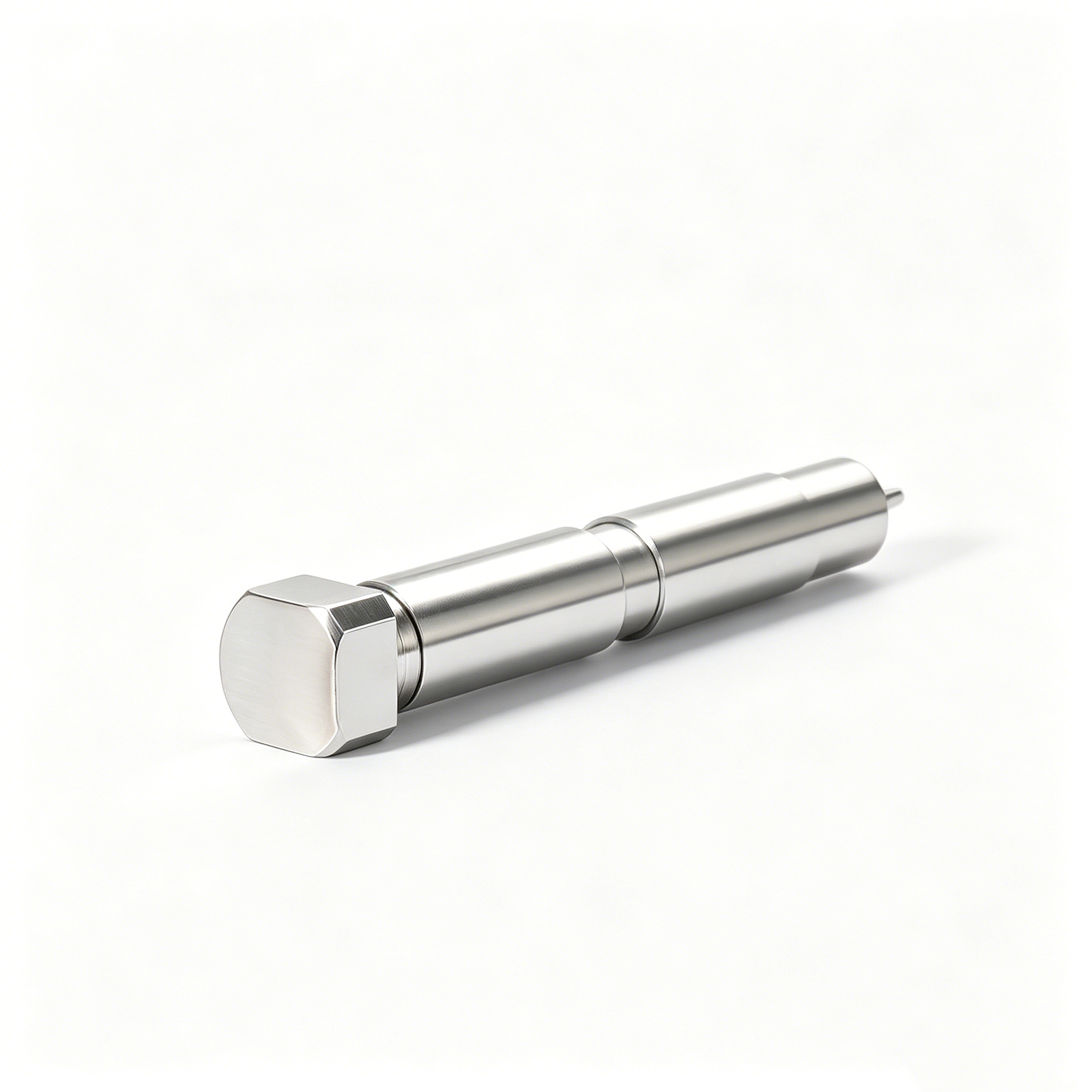
Threaded Features
Specify plated thread class, masking needs and mating fastener requirements early. Coating buildup can affect engagement, so drawing review should identify functional threads and the inspection method before production.

Blind Holes
Blind holes require review for solution access, drainage and trapped-air risk. Share depth, diameter and critical surfaces so the finish route and any post-plating verification can be planned around the actual geometry.

Internal Passages
Internal passages, slots and recessed channels should be evaluated for access and coverage expectations. Provide section views or 3D models where available, especially when internal surfaces influence flow, fit or corrosion exposure.

Mating Surfaces
Define the finished dimensions and functional contact areas of mating surfaces. SUUXIANG can use the drawing review to discuss coating allowance, datum references, surface requirements and inspection priorities with the supplied component context.
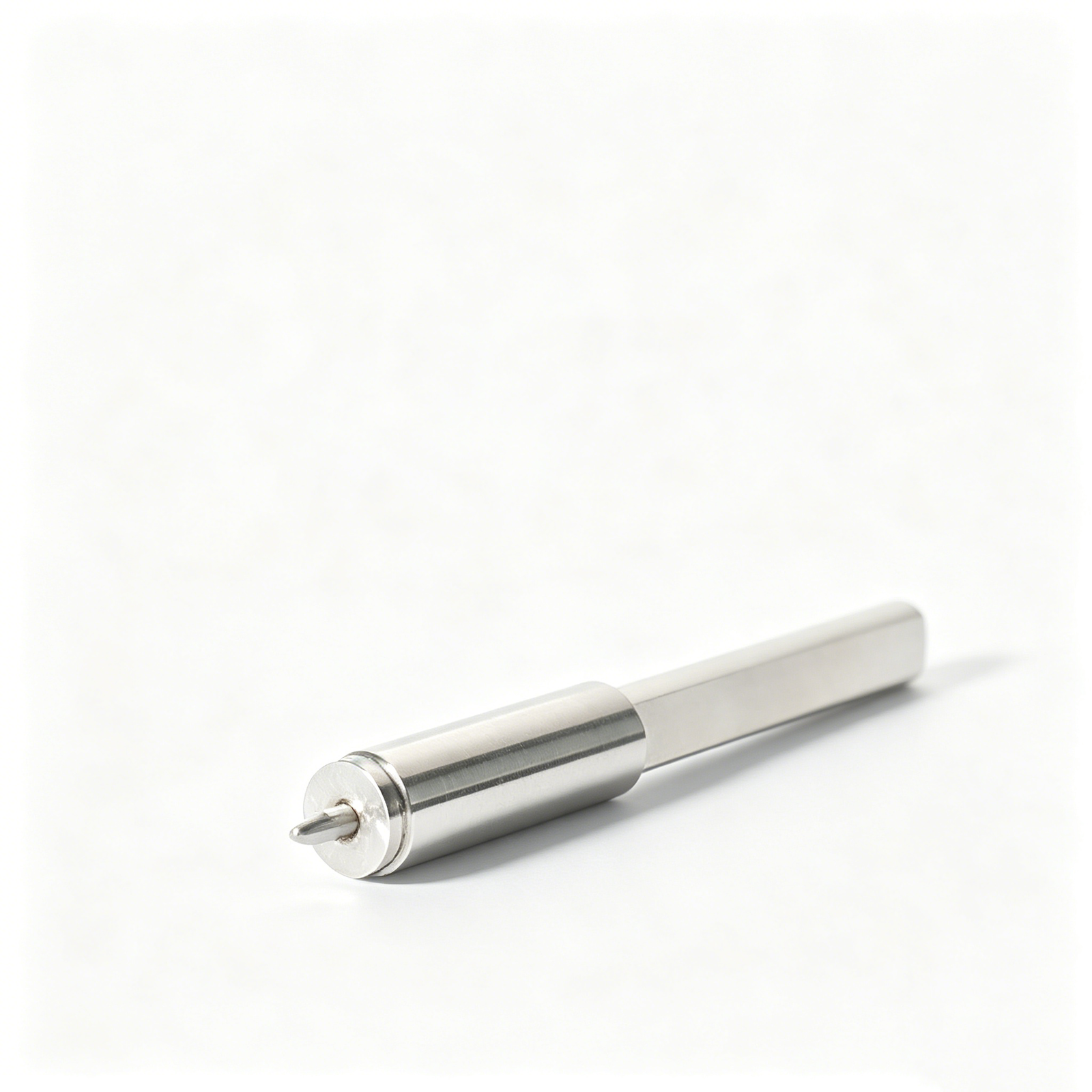
Handling Points
Identify cosmetic faces, contact-sensitive areas and any locations suitable for racking or handling. Clear requirements help prevent avoidable marks and align packaging, protection and final inspection expectations with the order.
Electroless Nickel Plating, Drawing-Driven
SUUXIANG is the sole international-facing brand of Dongguan SuuXiang Precision Mold Co., Ltd., established in 2010 in Chang’an Town, Dongguan, Guangdong, China. Founded by XiaoCheng Huang, the company helps global engineering and sourcing teams translate drawings and specifications into inspected CNC-machined parts, precision mold components, connector tooling, and stamping-die components.
For electroless nickel plating projects, the work begins before a production commitment: reviewing drawings, critical dimensions, datums, surface requirements, material and heat-treatment sequence, and post-finish fit. This early DFM discussion helps identify plating buildup, machining allowance, masking and inspection considerations that can affect functional interfaces.
Our difference is disciplined process coordination rather than generic quoting. CNC machining, EDM, grinding, fitting and inspection are planned around the part’s verified requirements, with revision control and inspection expectations kept visible throughout the project. Share the drawing, quantity, finish requirements and delivery target to begin a technical review.

Electroless Nickel Plating for Finish-Critical Components
DFM and Datum Review
Before electroless nickel plating is planned, SUUXIANG reviews drawing datums, critical interfaces, masking needs, machining access, and the effect of coating build on functional fits. This helps identify questions that require resolution before quotation and process commitment.
- Confirm functional datums and critical-to-quality dimensions
- Review threads, bores, sealing faces, and mating interfaces
- Identify finish-sensitive areas and allowable coating buildup
- Align revision status before route planning

CNC, EDM, and Grinding Strategy
A finish-critical part may require more than one machining method. SUUXIANG selects a practical route across CNC machining, wire EDM, sinker EDM, and precision grinding according to geometry, material condition, corner detail, access, and the dimensions that must remain stable after finishing.
- Match machining access to feature geometry
- Plan EDM for detailed profiles or inaccessible corners
- Reserve grinding for controlled surfaces and final stock
- Consider heat-treatment sequence and finishing allowance
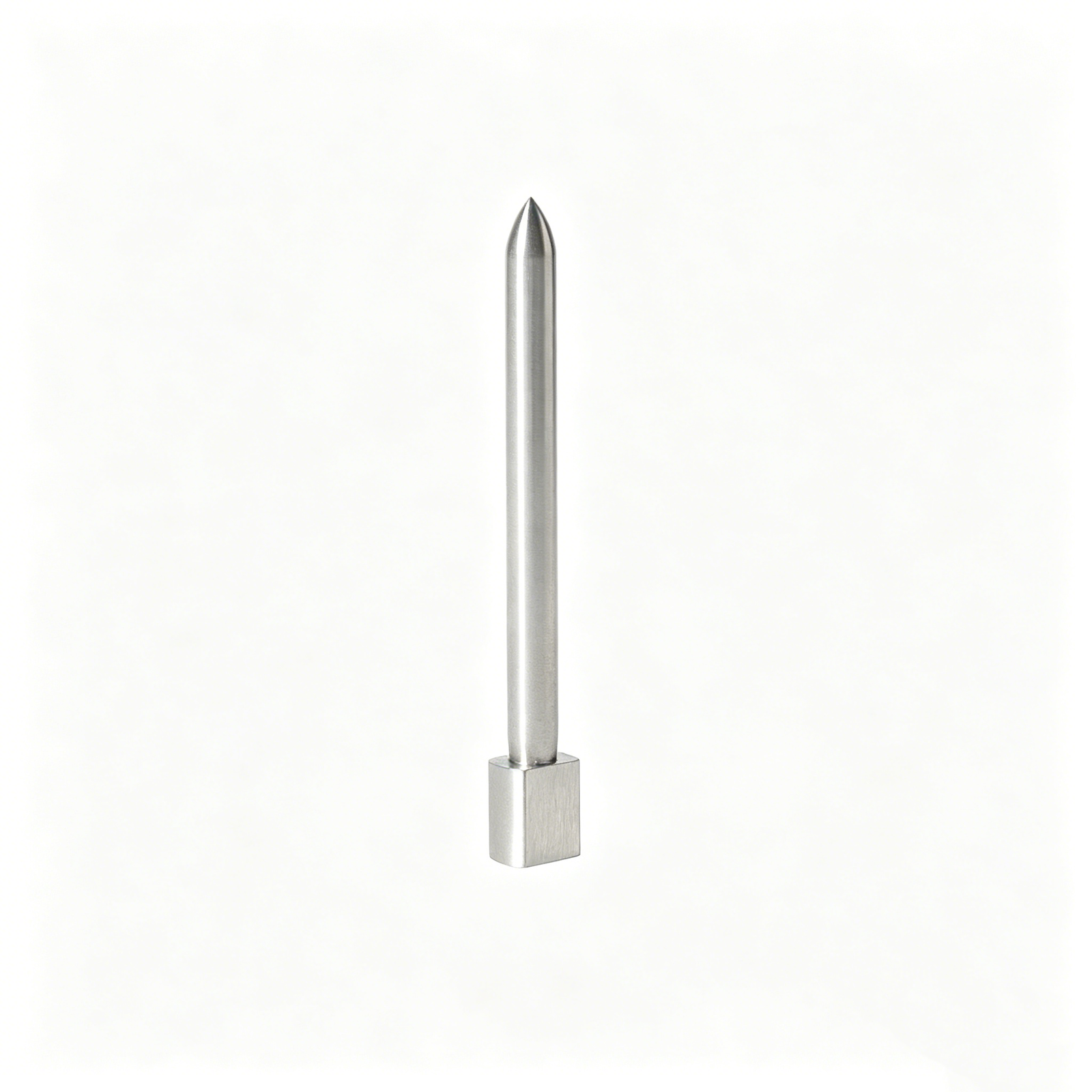
Critical-Dimension Control
Electroless nickel plating can add material across exposed surfaces, making dimensional planning essential for close fits. SUUXIANG works from the drawing to identify dimensions, tolerances, and interfaces requiring allowance, then coordinates the manufacturing route around the agreed functional condition.
- Flag dimensions affected by coating buildup
- Review tolerance stacks across mating components
- Define machining and grinding allowance where required
- Keep changes visible through drawing revision control
Inspection and Document Alignment
Inspection expectations should be established with the order, not inferred after production. SUUXIANG aligns measurement methods, critical characteristics, reporting requirements, and revision references with the verified inspection plan so the delivered documentation corresponds to the finished precision parts.
- Define critical characteristics before production release
- Match inspection methods to drawing requirements
- Confirm requested reports and traceability records
- Check documentation against the approved revision

Why Engineering Teams Choose SUUXIANG for Electroless Nickel Plating
Compare the engineering controls that help finish-critical precision parts move from drawing review to documented inspection.
← Swipe left or right to view →
Electroless Nickel Plating Production Workflow
SUUXIANG coordinates machining, finish planning, inspection, and delivery around the approved drawing, critical dimensions, and revision requirements.
Review Drawings and Requirements
We review drawings, models, material, quantity, datums, critical dimensions, surface requirements, and inspection expectations before confirming a feasible production route.
Plan Finish-Critical Features
Electroless nickel plating thickness, masking needs, mating fits, threads, surface preparation, and any post-finish dimensional priorities are evaluated before machining allowances are set.
Machine the Part
CNC milling, turning, multi-axis machining, EDM, and precision grinding are combined as appropriate to produce features accessible to the selected process route.
Coordinate Finishing Requirements
The approved finish requirement is coordinated with the drawing, handling needs, and dimensional priorities; finish-related evidence is reviewed against the project specification.
Inspect and Document Results
Inspection follows the agreed plan, focusing on critical dimensions, applicable surface requirements, revision status, and documentation required for the order.
Pack and Coordinate Delivery
Parts are protected for shipment, identified to the approved order, and delivery coordination remains visible as final documentation and dispatch requirements are completed.
Work With SUUXIANG on Electroless Nickel Plating
Move from drawing review to inspected, finish-ready precision parts with clear requirements, revision control, and delivery coordination.
Submit Your Drawing Package
Provide the 2D drawing, available 3D model, material, quantity, finish requirements, target date, and any inspection or mating-component context.
Review Manufacturability Together
Confirm critical dimensions, datums, masking needs, machining access, plating allowance, surface condition, heat-treatment sequence, and inspection methods before quotation.
Approve Quote and Samples
Review the proposed process route, commercial details, and documentation expectations; approve samples or first articles when project risk or requirements warrant verification.
Coordinate Production and Delivery
SUUXIANG manages the agreed machining, finishing coordination, inspection, revision visibility, and delivery updates against the approved drawing package and project requirements.
Electroless Nickel Plating Certifications and Quality Documentation
Electroless Nickel Plating Project Examples
Illustrative planning scenario: coating callouts, masked areas, and inspection points are reviewed before release so dimensions affected by plating buildup can be resolved before machining.
Illustrative planning scenario: revision status, finishing coordination, and inspection documentation should remain visible from machining through shipment for connector-tooling work.
Illustrative planning scenario: early discussion of datums, grinding stock, and finish-critical interfaces can reduce open questions before a low-volume mold-insert release.
Electroless Nickel Plating FAQ for RFQ Teams
Prepare coating-critical drawings, inspection expectations, and delivery requirements before quotation.
What should I include in an electroless nickel plating RFQ?
How does electroless nickel plating affect finished dimensions?
Can electroless nickel plating be specified after heat treatment?
What inspection documentation should I request for plated precision parts?
Can SUUXIANG provide samples before a full production order?
How should I evaluate lead time for electroless nickel plating parts?
How are shipping and revision changes managed for drawing-based orders?
How can I share IP-sensitive electroless nickel plating drawings safely?
The Complete Buyer’s Guide to Electroless Nickel Plating
Use this decision framework to specify electroless nickel plating, compare phosphorus chemistries and substrate preparation, assess qualified suppliers, control tolerance and cost risks, and avoid sourcing mistakes before releasing drawing-based precision parts.
1. What Is Electroless Nickel Plating?
1 chemical process defines electroless nickel plating: a nickel-alloy coating deposits through an autocatalytic reduction reaction, without an external electrical current. The deposited alloy is commonly nickel-phosphorus; bath chemistry determines the deposit composition and behavior. Source: https://www.protolabs.com/resources/blog/advantages-of-electroless-nickel-plating
2 deposition mechanisms distinguish it from electrolytic nickel plating. Electrolytic plating depends on current distribution between anodes and the workpiece, whereas electroless deposition can build comparatively uniform thickness on properly prepared, solution-wetted exposed surfaces.
4 performance objectives make that uniformity valuable for CNC parts, mold components, and connector tooling: corrosion resistance, wear resistance, hardness, and controlled dimensional change. Coverage on bores, threads, recesses, sharp transitions, and complex tool features must still be reviewed against drainage, masking, surface preparation, thickness callout, datum scheme, and functional clearance before release.
2. Evolution of Electroless Nickel Plating
1940s work by Abner Brenner and Grace Riddell established autocatalytic nickel deposition: once an initial nickel layer forms, it helps sustain further deposition without applied current. That chemistry made coverage of wetted, complex surfaces a practical engineering option. Source: https://advancedplatingtech.com/electroless-nickel-plating-services/a-guide-to-electroless-nickel-plating
1950s–1970s commercialization exposed a buyer-relevant limitation: bath performance changes as nickel, reducing agent, pH, temperature, contaminants, and by-products drift. Modern formulations, filtration, agitation, heating, and replenishment practices therefore emphasize controlled deposition rate and reproducibility rather than treating plating as a generic final step.
2024 automated lines illustrate the current direction: recipe-controlled transfer, dwell times, rinsing, bath levels, and chemical feeds can be recorded for each load. For low-volume or complex-geometry parts, ask how the supplier monitors bath condition, assigns a process recipe, verifies thickness at representative locations, and links inspection records to the drawing revision and lot.
3. Types of Electroless Nickel Plating
Nickel-phosphorus chemistry should be selected from the drawing’s service environment and functional priorities. Specify the phosphorus band, thickness, post-bake condition, and any magnetic or solderability limit before quotation.
| Deposit | Composition | Primary Strength | Typical Decision |
|---|---|---|---|
| Low-P | 2–5% P | Wear; magnetic | Sliding components |
| Mid-P | 6–9% P | Balanced properties | General precision parts |
| High-P | 10–12% P | Corrosion; low magnetism | Corrosive environments |
| Nickel-boron | B alloy | Hardness; solderability | Special functional requirements |
Low-Phosphorus Deposits
2–5% phosphorus deposits prioritize as-plated hardness, wear resistance, and a more magnetic response. Use them for sliding mold parts or wear surfaces when corrosion exposure is secondary.
Mid-Phosphorus Deposits
6–9% phosphorus is a practical general-purpose balance of hardness, corrosion resistance, and dimensional control. Confirm thickness buildup on critical fits, threads, and mating diameters.
High-Phosphorus And Nickel-Boron
10–12% phosphorus deposits favor corrosion resistance and lower magnetic response; nickel-boron is chosen where very high hardness or solderability is decisive. Heat treatment can increase hardness but may change deposit stress, dimensions, and corrosion performance.
4. Electroless Nickel Plating Substrates
Six substrate families can accept electroless nickel plating, but each needs a process-specific pretreatment route. Base-metal condition, residual oxide, heat scale, embedded abrasives, and handling contamination directly affect initiation and adhesion.
| Substrate | Preparation Concern | Plating Benefit | Typical Component Use |
|---|---|---|---|
| Carbon steel | Oil, rust, scale removal | Corrosion and wear protection | Fixtures, shafts |
| Tool steel | Heat scale, EDM recast | Wear-resistant functional surface | Mold cores, inserts |
| Stainless steel | Passive-film activation | Uniform coverage on complex features | Guide and locating parts |
| Aluminum | Zincate pretreatment | Wear and corrosion improvement | Lightweight housings |
| Copper alloys | Oxide and polish removal | Surface durability | Connector tooling parts |
| Zinc-based materials | Porosity and activation control | Protective barrier | Low-load hardware |
Preparation Before Deposition
A documented cleaning sequence normally removes oil, oxides, and shop residue before activation. Drawing review should identify heat-treatment scale, EDM recast material, masked faces, and grinding stock so the finisher can confirm a compatible route.
- Specify final substrate condition, not only alloy grade.
- Identify critical plated dimensions and datums.
- Avoid touching activated surfaces before plating.
Adhesion Risks By Substrate
Aluminum and zinc-based alloys form rapid surface oxides; aluminum commonly requires zincating, while zinc alloys may require a suitable strike or carefully controlled activation. Stainless steel requires oxide removal and activation; copper alloys need clean, oxide-free surfaces to prevent delayed or nonuniform initiation.
- Carbon and tool steel: remove rust and heat scale.
- Tool steel: disclose nitriding or prior coatings.
- Copper alloys: control tarnish and polishing compounds.
5. Electroless Nickel Plating Specification Options
A complete electroless nickel plating callout defines performance requirements beyond alloy type. Put measurable requirements on the drawing or purchase order; use an approved sample only for appearance expectations.
| Requirement | Specify | Acceptance Evidence |
|---|---|---|
| Thickness | Nominal, limits, locations | Thickness report |
| Coverage | Masking and boundary | Visual record |
| Performance | Corrosion or adhesion method | Test report |
Functional Callout Elements
Drawing note: state nominal thickness, permitted range, and measurement locations, especially where buildup affects fits. Identify masked faces, threads, bores, contact zones, and any selective-coverage boundary.
Post-Plate Requirements
Process note: specify post-plate heat treatment or hydrogen-relief bake only when the material, hardness, timing, and acceptance purpose are defined. Require the supplier to confirm masking compatibility before release.
Appearance And Acceptance
Visual requirement: define satin, matte, or bright appearance separately from functional acceptance. Attach a dated, signed approved sample when color, staining, rack marks, or cosmetic coverage matters.
6. Critical Electroless Nickel Plating Quality Controls
Reliable electroless nickel plating begins before immersion: the incoming surface, fixturing, bath records, and verification plan control whether functional dimensions remain usable. Treat coating thickness as part of the drawing tolerance stack.
Surface And Part Handling
100% of oil, oxide, burrs, and embedded abrasive must be addressed by the approved cleaning and activation route before plating. Blind holes require drainage and venting; trapped solution can reduce local coverage or adhesion (https://www.hubs.com/knowledge-base/electroless-nickel-plating).
Rack critical parts when contact marks, edge protection, orientation, or datum access matters. Barrel handling suits robust small parts, but can damage edges, obscure threads, and complicate cosmetic requirements.
Bath Process Discipline
Each load should link to controlled chemistry, pH, temperature, replenishment, filtration, agitation, loading, and immersion-time records. Filtration and circulation help limit particulate defects; temperature and chemistry drift alter deposition rate and phosphorus content.
0.001 mm of coating per side changes holes, threads, sealing lands, and mating fits. Define masked areas, thickness locations, and whether dimensions apply before or after plating.
Verification And Release
Representative thickness measurements should include accessible faces plus functional holes, threads, edges, and sealing surfaces. Confirm the agreed method, sampling plan, adhesion evaluation, porosity requirement, and any bake or heat-treatment condition.
1 release package should identify the drawing revision, material lot, pretreatment route, bath/load record, thickness results, inspection method, nonconformance disposition, and post-treatment. Request evidence before production when a feature is safety- or seal-critical.
- Drawing and revision number
- Coating type and thickness locations
- Bath and load traceability
- Inspection results and acceptance criteria
- Post-treatment record
7. Choosing an Electroless Nickel Plating Supplier
Supplier approval should begin with the drawing, not a generic finish callout. For drawing-based OEM work, evaluate whether the source can document decisions from substrate preparation through final inspection.
Match Parts And Process Experience
Ask for comparable steel, aluminum, copper-alloy, or stainless parts, including blind holes, threads, recesses, and masking boundaries.
Review how the supplier will rack, clean, activate, drain, and protect critical datums without compromising mating features.
- Which substrates and geometries were processed?
- How are internal features drained?
- Which surfaces require masking or protection?
Require A Controlled Approval Route
A control plan should define incoming condition, bath checks, loading method, thickness locations, adhesion evaluation, and acceptance records.
First-article approval should compare the finished sample with drawing revision, coating requirement, inspection method, and any functional mating test.
- Request the control plan before release
- Approve samples against the current revision
- Define disposition for nonconforming results
Verify Traceability And Communication
Lot traceability should link parts, material condition, processing dates, inspection results, and any approved subcontractor to the purchase order.
Ask who owns technical communication, how revisions are frozen, what tests are reported, and which lead-time assumptions apply to prototype versus low-volume releases.
- Identify every subcontracted operation
- Confirm report format and retention
- Separate quoted and committed lead times
8. Common Electroless Nickel Plating Buying Mistakes
Most plating escapes occur before the purchase order, when a drawing leaves critical finish decisions implicit. Release the finish only after the coating, geometry, preparation, and acceptance evidence are aligned.
Define The Deposit
A nickel-phosphorus callout without phosphorus range or thickness leaves corrosion, hardness, and dimensional buildup open to interpretation.
Before release, state the phosphorus class, nominal thickness, allowable range, post-treatment, and the dimensions measured after plating.
Protect Critical Geometry
A 10 µm coating can reduce a through-feature by about 20 µm across opposing plated surfaces. Unidentified masked faces, threads, fits, and datum surfaces can therefore create assembly failures.
Mark no-plate areas, calculate bilateral buildup in the tolerance stack, and obtain supplier confirmation of masking and racking.
Control Preparation And Access
Blind holes, recesses, trapped air, oxides, and residual machining fluid can impair coverage or adhesion despite a uniformity assumption.
Specify substrate condition, cleaning and activation route, drainage access, test coupons or locations, adhesion and thickness methods, report format, and revision-controlled acceptance criteria.
Compare More Than Price
A low quotation may exclude masking, preparation, inspection, rework handling, or traceable documentation. The apparent saving can become a delayed qualification or rejected lot.
Compare like-for-like scope, process controls, inspection plan, exception handling, and delivery assumptions before selecting the supplier.
9. Launching an Electroless Nickel Plating Program
A controlled launch converts a drawing callout into an approved, repeatable electroless nickel plating route. SUUXIANG should align engineering, quality, sourcing, and the finishing source before any production scale-up.
Freeze The Technical Package
One controlled RFQ package should include 2D and 3D files, substrate material, heat treatment, critical dimensions, datum references, coating callout, quantity, application environment, and acceptance criteria. Identify masked areas, post-plate fits, and whether coating thickness is included in final dimensions.
- 2D drawing and native or neutral 3D model
- Material and heat-treatment condition
- Critical dimensions and surface requirements
- Coating callout, environment, and acceptance evidence
Prove The Prototype Route
One prototype lot should confirm machining allowance, cleaning and activation compatibility, coating coverage, and functional fit before release. Review the sample against the agreed inspection method, then obtain cross-functional first-article approval from design, quality, sourcing, and manufacturing.
Lock Production Controls
One approved control plan should define incoming identification, in-process checks, final inspection records, lot traceability, and packaging protection. Any drawing revision, material substitution, bath-source change, thickness change, or packaging change requires documented review before shipment.
10. Electroless Nickel Plating Pricing and Lead Time
1 RFQ drawing determines price because exposed surface area, specified thickness, nickel-phosphorus chemistry, substrate preparation, masking, and racking define material use and labor. A 3D model also exposes drainage, blind features, and handling risks that affect yield.
2 production stages commonly add cost through post-plate heat treatment, dimensional inspection, reporting, protective packing, and export logistics. Electroless nickel plating is chemically deposited, so processing time follows the specified deposit rather than an electrical-current setting; https://www.protolabs.com/resources/blog/advantages-of-electroless-nickel-plating.
3 quantity changes the cost distribution: small lots carry fixture, masking, and inspection setup across few parts, while repeatable batches reduce unit setup burden. Submit revision-controlled 2D and 3D files, material and heat-treatment condition, critical dimensions, finish callout, quantity, required records, and delivery destination for a traceable quotation.
| Quantity stage | Setup burden | Unit-cost direction | Lead-time factors |
|---|---|---|---|
| Prototype / first article | High | Highest | Review, masking, racking, inspection plan |
| Low-volume batch | Moderate | Declines | Bath scheduling, yield, reporting |
| Repeat batch | Lower | Lowest practical | Capacity, packing, freight |
Start Your Electroless Nickel Plating Drawing Review
Submit drawings, material, quantity, quality expectations, target date, and application context for a practical review before quotation.