
Electropolishing Review for Precision Parts
Upload your drawing to align electropolishing requirements with material, critical dimensions, machining allowances, and inspection needs before quotation.
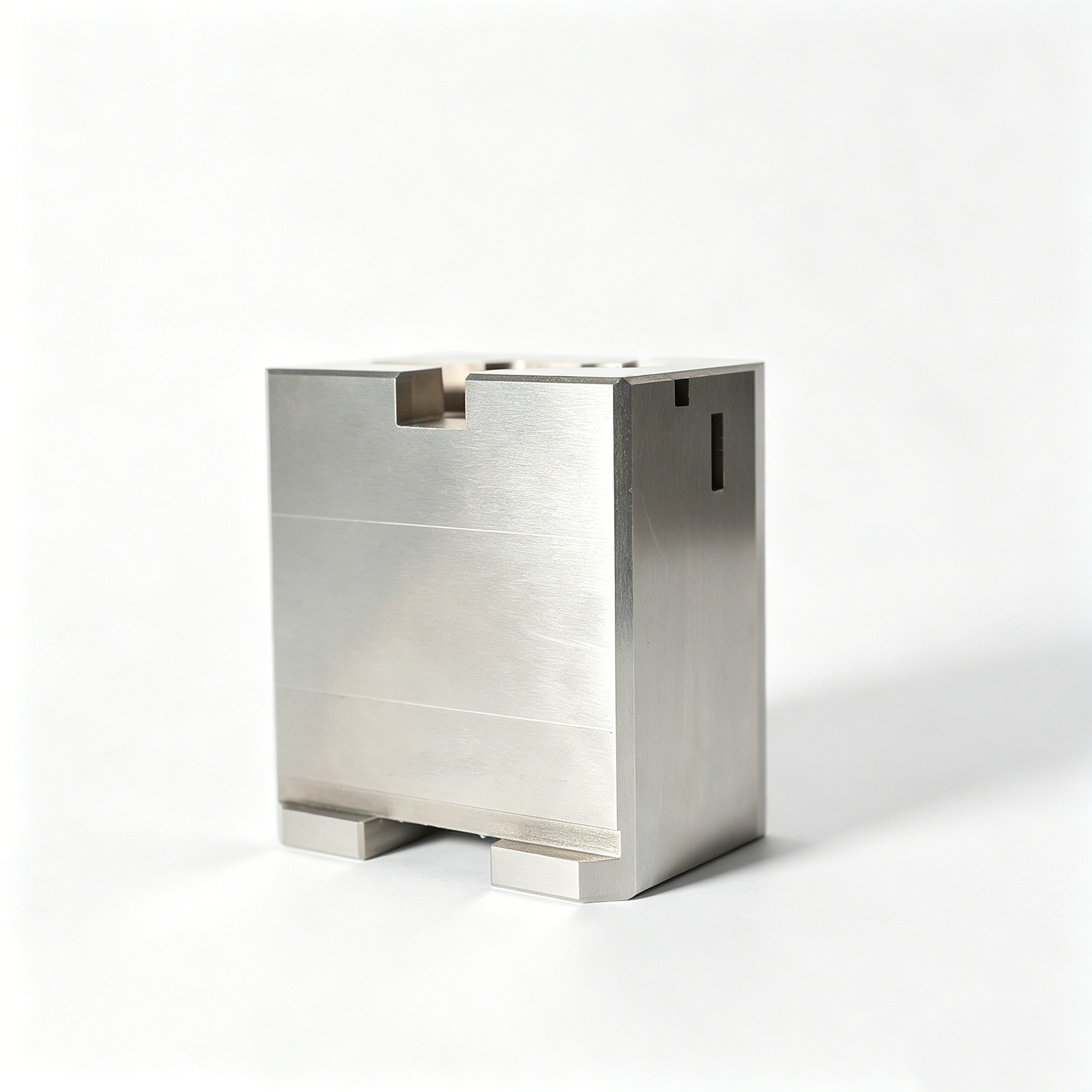
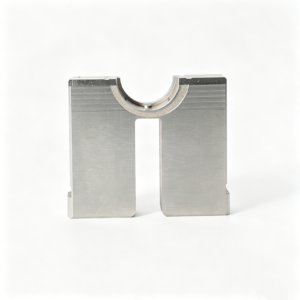
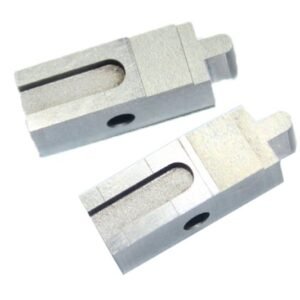
Representative Components for Electropolishing Review







Why Engineering Teams Specify Electropolishing Support From SUUXIANG
A disciplined review path keeps finish requirements connected to manufacturability, critical dimensions, inspection, and controlled revisions.
Drawing-Led DFM Review
Review geometry, datums, masking needs, and finish callouts before routing electropolishing-related parts into machining and finishing decisions.
Critical Dimensions Protected
Identify dimensions that may be affected by material removal, then plan machining allowances and verification methods around functional requirements.
Process Route Clarity
Coordinate CNC machining, EDM, grinding, fitting, and surface-finish requirements according to part geometry, access, material, and application context.
Inspection Planning First
Align critical features, measurement methods, reporting expectations, and acceptance criteria with the drawing before production commitments are made.
Revision Visibility
Keep drawing revisions, technical questions, inspection requirements, and delivery information visible throughout controlled project coordination.
RFQ-Ready Communication
Submit models, material requirements, quantities, surface priorities, and target dates for a focused manufacturability and quotation discussion.
Drawing-Driven Precision Manufacturing
Configurable process and component families for buyers who need manufacturability review, controlled production routes, and inspection aligned to drawing requirements.
CNC Machining Services
Precision CNC machining services for custom parts requiring disciplined drawing review, material confirmation, critical-dimension planning, and an appropriate route through milling, turning, EDM, grinding, fitting, and inspection.
Upload a Drawing
CNC Milling
Custom CNC milling services for prismatic parts, plates, inserts, and complex features. Tool access, datum selection, wall geometry, machining allowance, and surface requirements should be reviewed against the drawing before production planning.
Upload a Drawing
CNC Turning
Precision CNC turning services for rotational parts, stepped diameters, threads, bores, and concentric features. SUUXIANG evaluates datum relationships, material condition, tolerances, surface requirements, and downstream grinding or inspection needs.
Upload a Drawing
5-Axis Machining
5-axis CNC machining supports multi-face geometry, angled features, and complex profiles where fewer setups can help control datum transfer. Feasibility depends on tool reach, workholding, collision clearance, material, and critical tolerance requirements.
Upload a Drawing
Swiss & Micro Machining
Swiss machining and micro machining support small, slender, and detail-intensive components where runout, burr control, handling, and inspection strategy require early review. Submit feature sizes, material, quantity, and functional dimension priorities with the RFQ.
Upload a Drawing
Wire & Sinker EDM
Wire EDM and sinker EDM services support hardened materials, sharp internal features, narrow slots, complex profiles, and geometries with limited conventional tool access. The process plan should define wire path or electrode strategy, finish expectations, and recast-layer considerations.
Upload a Drawing
Precision Grinding
Precision surface and profile grinding supports controlled flatness, parallelism, profile accuracy, and finish on mold and die components. Grinding stock, heat-treatment sequence, datum condition, and measurement method should be defined before routing the work.
Upload a Drawing
Mold Core & Cavity Inserts
Precision mold core and cavity inserts are configured from drawings for molding applications requiring controlled shutoffs, formed geometry, cooling interfaces, and mating relationships. Material, hardness, surface requirements, EDM details, and inspection priorities shape the manufacturing plan.
Upload a Drawing
Ejector & Ejection Components
Ejector pins, sleeves, and ejection components are produced to drawing-defined dimensions, fits, and functional relationships. Specify working diameters, clearance expectations, material and heat treatment, surface condition, and any mating-component context for review.
Upload a Drawing
Core Pins, Guide & Locating Components
Core pins, guide pins, and locating components require careful control of functional diameters, mating fits, concentricity, and datum relationships. SUUXIANG reviews the drawing, material condition, hardening sequence, grinding requirements, and inspection criteria before production.
Upload a Drawing
Slides, Lifters, Gates & Mold Accessories
Mold slides, lifters, gates, and accessories are configurable components for motion, part release, gating, and support functions. Their manufacture depends on interface dimensions, travel or fit requirements, wear surfaces, material treatment, and assembly context.
Upload a Drawing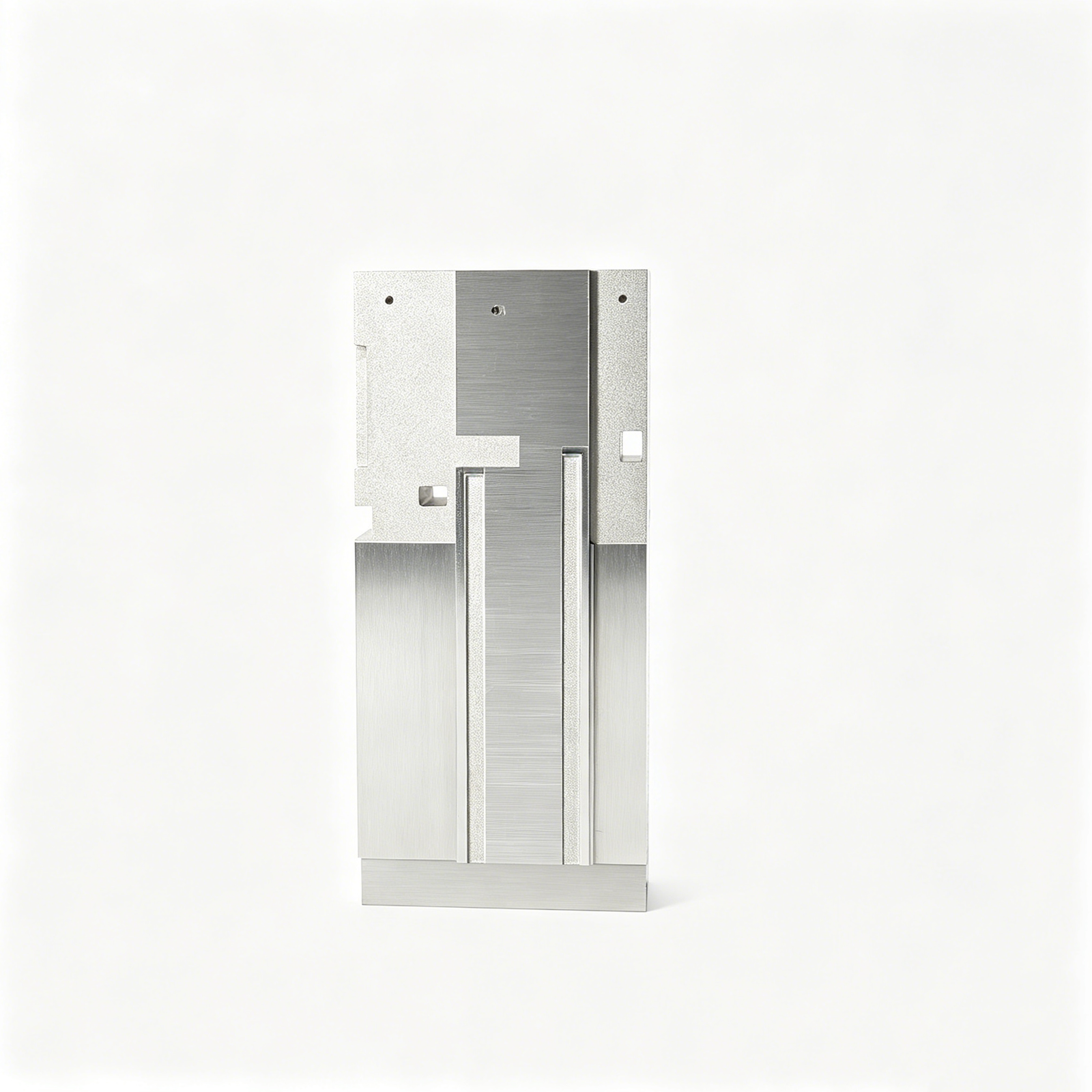
Connector Mold Components
Precision connector mold components support fine-pitch, multi-cavity, and high-repeatability connector tooling applications. Buyers should provide pin geometry, datum scheme, material and hardness requirements, surface needs, mating relationships, and inspection expectations.
Upload a Drawing
Stamping Die Components
Precision stamping die components are manufactured for drawing-defined forming, cutting, guiding, and support functions. Process planning considers tool steel selection, heat-treatment sequence, EDM or grinding needs, edge conditions, clearance relationships, and dimensional verification.
Upload a Drawing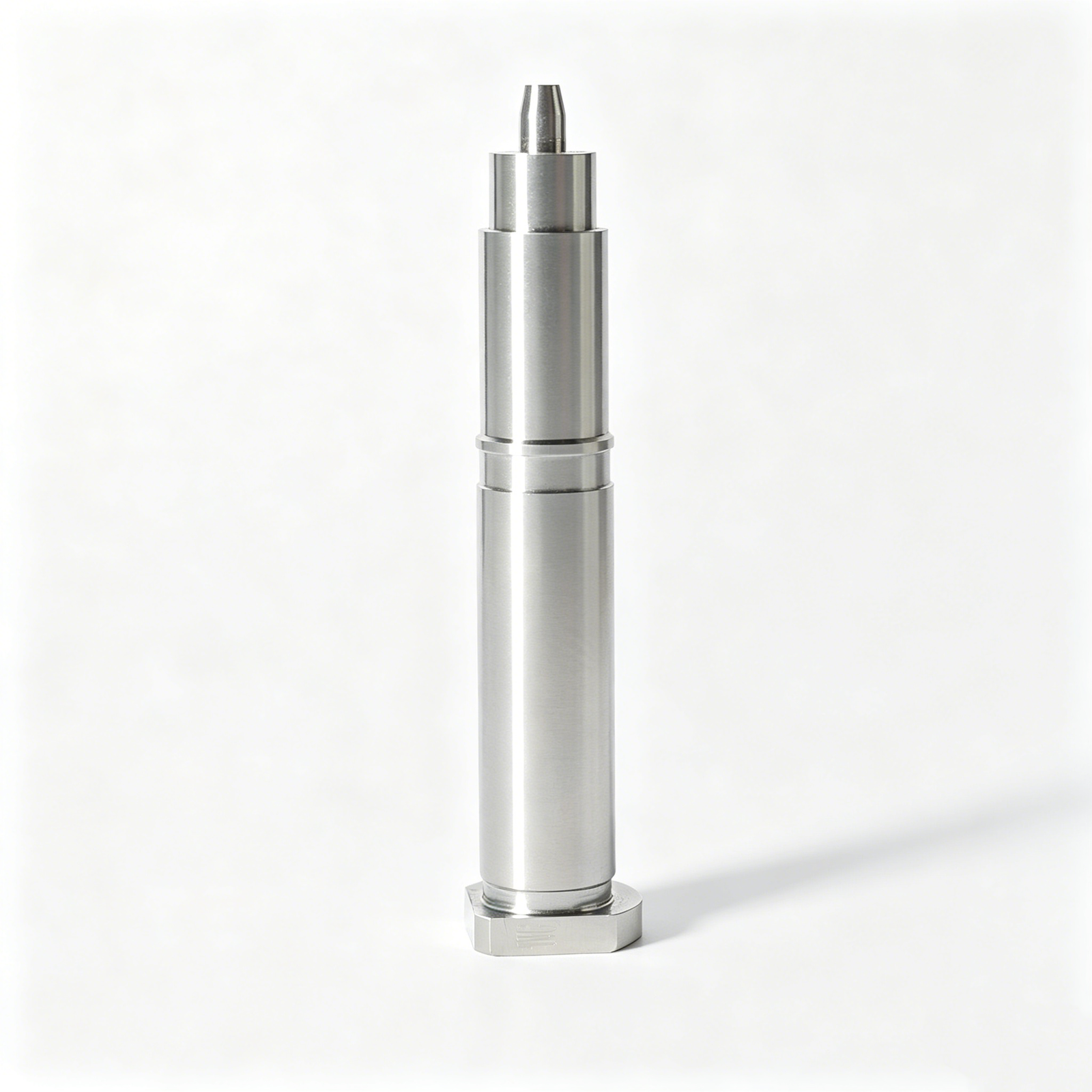
Injection, MIM, CIM & Overmolding Tooling
Injection, MIM, CIM, and overmolding tooling components are evaluated within verified production scope. Provide the molding process, resin or feedstock context, part geometry, shrinkage assumptions, critical interfaces, material requirements, and quality documentation needs.
Upload a Drawing
Machining Materials
CNC machining materials are selected against the drawing, function, machinability, heat-treatment route, corrosion requirements, and available material evidence. Confirm grade, condition, substitute restrictions, and traceability expectations before quotation or production commitment.
Upload a Drawing
Surface Finishes & Heat Treatment
Surface finishing and heat treatment are planned around functional surfaces, hardness, corrosion resistance, wear, dimensional change, and finish requirements. State the specified process, target condition, masked areas, allowable distortion, and required records in the RFQ.
Upload a Drawing
Quality, Metrology & Documentation
Precision inspection, metrology, and quality documentation are aligned to critical dimensions, datums, tolerances, and the agreed inspection plan. Define report format, sampling or full-inspection expectations, traceability needs, and revision-controlled drawing requirements before release.
Upload a Drawing
Prototyping & Low-Volume Production
Rapid prototyping and low-volume manufacturing support drawing-driven validation, bridge quantities, and controlled component supply. Feasibility depends on material, process route, critical dimensions, inspection requirements, revision maturity, and the target delivery date.
Upload a DrawingMaterials to Confirm for Electropolishing Drawing Review

Stainless Steel
Common for corrosion-sensitive precision components and connector tooling. Confirm the exact grade, heat-treatment condition, surface target, and dimensional stock because electropolishing removes material and can affect critical edges.

Tool Steel
Used for mold cores, cavity inserts, punches, and die components requiring hardness and wear resistance. Review heat-treatment sequence, EDM condition, grinding allowance, and whether the required finish suits the functional surface.

Copper Alloys
Selected for conductive inserts, electrodes, and thermal-management features. Identify the alloy, conductivity need, machining condition, and surface requirement early, since chemistry and geometry influence finishing consistency and inspection planning.

Aluminum Alloys
Often specified for lightweight fixtures, prototypes, and nonferrous precision parts. Confirm alloy temper, corrosion exposure, cosmetic expectations, and dimensional priorities before selecting a compatible electropolishing or alternative finishing route.

Nickel Alloys
Considered for components exposed to elevated temperatures, corrosive media, or demanding mechanical environments. The drawing review should define the exact grade, heat treatment, machining access, and surface condition required for acceptance.
Electropolishing Preparation and Manufacturing Routes


EDM Processing
Wire EDM and sinker EDM support detailed profiles, difficult tool access, and hardened-material features where appropriate. Electrode strategy, wire path, recast-layer considerations, and finishing allowances require review against the drawing.

Precision Grinding
Precision grinding refines functional surfaces, fits, and datum relationships after the planned machining or heat-treatment sequence. Grinding stock, surface requirements, and dimensional priorities should be defined before production begins.

Fitting Assembly
Controlled fitting addresses the working relationship between mold components, slides, guides, inserts, and mating features. The required fit, contact areas, and assembly context help determine which dimensions need focused verification.

Inspection Planning
Inspection planning connects critical dimensions, datums, surface expectations, and reporting requirements to the production route. SUUXIANG confirms the measurement method and documentation needed for the order before final release.

Finish Review
Electropolishing and other surface-finish requirements must be reviewed with material, geometry, dimensional allowance, and application context. Final finish selection depends on verified project requirements rather than a standard default process.
Electropolishing Component Features and Tooling Accessories
Thread Protection
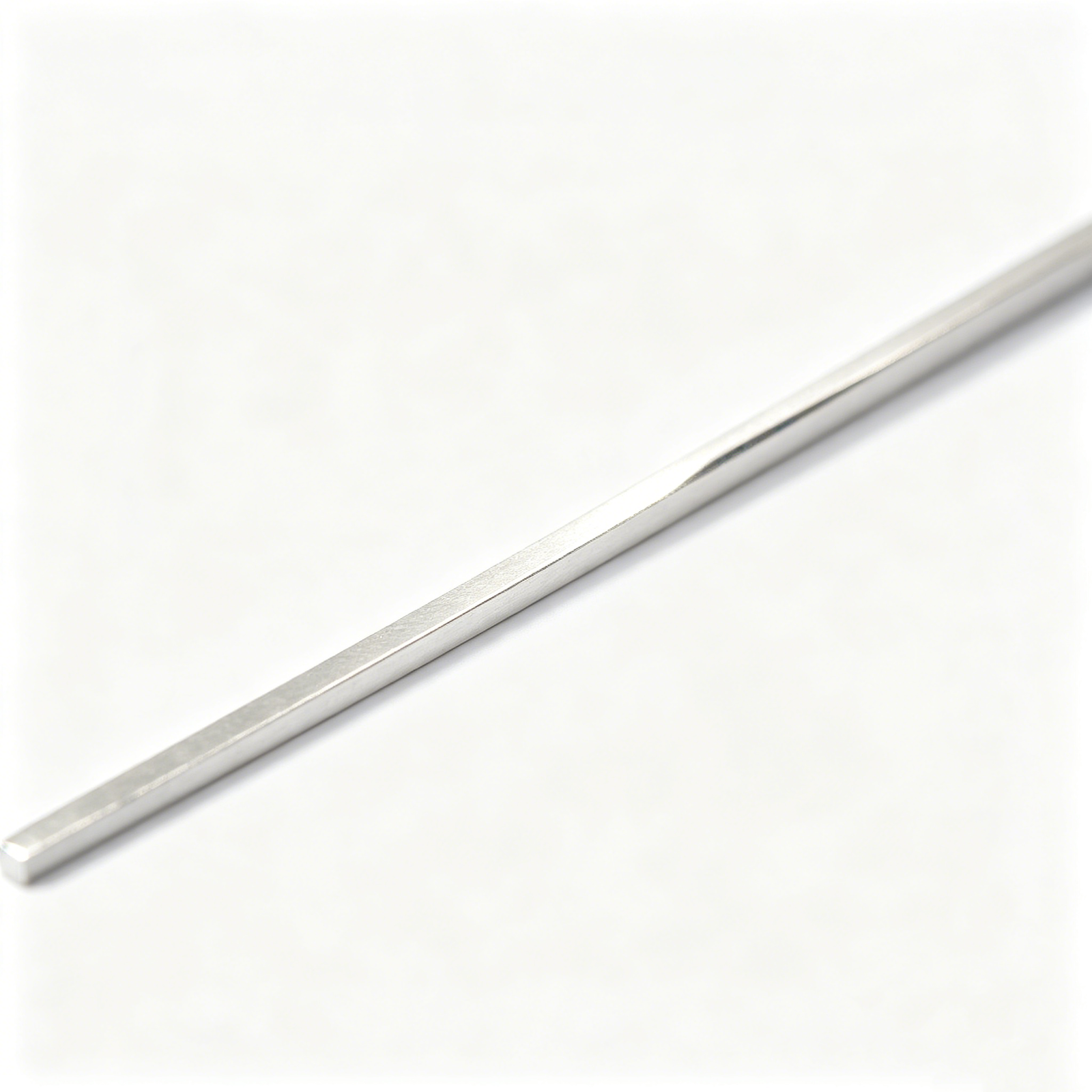
Protective thread masks, plugs or dedicated handling provisions can preserve functional threads during electropolishing. Specify thread class, engagement depth and any sealing or mating requirement so the finishing route and inspection method can be reviewed.

Precision Fixturing
Custom holding features, locating points and fixture interfaces help control orientation during machining, EDM, grinding and finishing. Their suitability depends on datum strategy, cosmetic surfaces, thin-wall risk and whether post-process access is required.
Masking Features
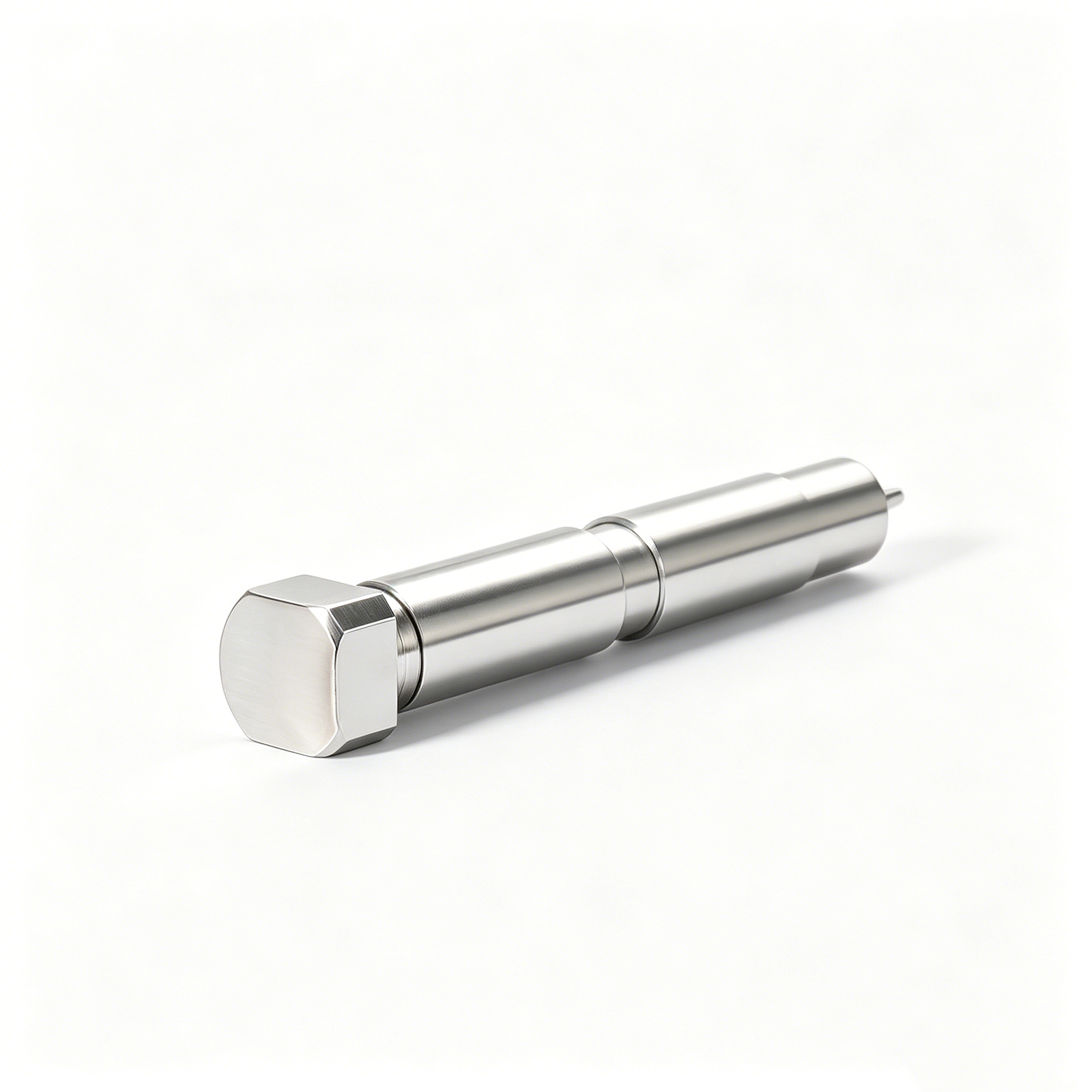
Defined masking zones can help isolate surfaces that must retain a particular condition or dimension. Provide the no-finish areas, critical edges and functional interfaces so coverage boundaries and inspection expectations are addressed before production.

Handling Tabs
Temporary tabs or gripping allowances can support machining and controlled handling of small or delicate parts. Their placement should avoid critical dimensions, sealing surfaces and mating faces, with removal and final edge condition agreed in the drawing review.

Identification Marking
Part numbers, revision identifiers or traceability marks may be considered where the drawing and application permit. Confirm marking location, method, legibility requirements and whether the mark must remain readable after electropolishing or final cleaning.
About SUUXIANG Electropolishing Support
SUUXIANG is the international-facing brand of Dongguan SuuXiang Precision Mold Co., Ltd., established in 2010 in Chang’an Town, Dongguan, China. We help engineering, sourcing and quality teams convert drawings and specifications into inspected custom CNC parts, precision mold components, connector tooling and die components.
Our drawing-driven workflow brings CNC milling and turning, multi-axis machining, EDM, precision grinding, fitting and inspection into a controlled production plan. For electropolishing-related requirements, we review material, critical dimensions, surface expectations, machining allowances and inspection needs before quotation or production commitments.
SUUXIANG is the sole public-facing brand name for Dongguan SuuXiang Precision Mold Co., Ltd.; XiaoCheng Huang is the founder and legal representative. Our project communication centers on DFM, datum and tolerance review, process-route planning, revision control, and documentation aligned with the verified inspection plan. Submit your drawing, model, quantity, delivery target, and quality requirements so the appropriate manufacturing and finishing route can be evaluated.

Electropolishing-Ready Precision Work, Controlled From Drawing to Inspection
DFM Before Process Commitment
SUUXIANG reviews drawings, models, material requirements, datums, critical dimensions, surface priorities and quantity before confirming a manufacturing route. This identifies access constraints, tolerance-stack risks and finish-sensitive features that require clarification before production planning begins.
- Identify critical-to-quality dimensions and functional datums
- Review machining access, wall conditions and feature relationships
- Confirm material, heat-treatment and surface-finish requirements
- Keep drawing revisions visible through project discussion
CNC and EDM Strategy
CNC machining, wire EDM and sinker EDM are planned as complementary operations, not interchangeable labels. The route should reflect feature geometry, tool access, electrode requirements, wire path, material condition and the dimensions that must remain stable after subsequent operations.
- Match milling and turning operations to accessible geometry
- Review wire path and start-hole requirements for EDM features
- Plan electrode strategy for deep, sharp or complex details
- Sequence operations around heat treatment and finishing needs

Grinding and Fitting Control
Where mating surfaces, locating features or final stock removal matter, grinding allowance and fitting requirements should be defined on the drawing review. SUUXIANG coordinates these details with machining and EDM operations so finishing work supports the intended datum relationship and assembly function.
- Define grinding stock before upstream machining
- Protect datum relationships through operation sequencing
- Review fit-sensitive interfaces and mating-component context
- Clarify surface requirements that affect final finishing

Inspection Evidence Aligned
Electropolishing-related surface requirements and dimensional priorities require an inspection plan tied to the order, not a generic checklist. SUUXIANG aligns measurement methods, reporting needs and revision status with the agreed critical features so delivered documentation supports supplier-quality review.
- Align inspection methods with critical dimensions and datums
- Confirm requested reports before production begins
- Maintain traceability to the applicable drawing revision
- Review finish-sensitive dimensions after relevant process steps
Assessing Electropolishing Suppliers Beyond the Initial Quote
Compare the controls that help teams assess manufacturability, define inspection, and keep revisions visible before production.
← Swipe left or right to view →
Electropolishing Workflow for Precision Components
A drawing-led route from RFQ review through coordinated manufacturing, inspection, packing, and delivery planning.
Review RFQ Requirements
Share drawings, models, material, quantity, application context, delivery target, and inspection needs so the project team can identify critical requirements before quotation.
Confirm DFM and Datums
Review tolerances, datum strategy, tool access, surface priorities, and electropolishing suitability to clarify manufacturability, measurement approach, and any design risks requiring resolution.
Plan Process Route
Define the appropriate sequence of CNC machining, EDM, heat treatment, grinding, fitting, finishing, and inspection, including allowances that protect critical dimensions.
Machine Critical Features
Produce features through the planned CNC, wire EDM, sinker EDM, and grinding operations, with revision information and process controls kept visible throughout production.
Inspect and Document Results
Verify agreed critical dimensions, surface requirements, and applicable inspection records against the order-specific plan before parts move to final packing.
Pack and Coordinate Delivery
Protect completed components for shipment and coordinate delivery information with the customer, maintaining traceable communication for final documentation and project follow-up.
Start Your Electropolishing Project With SUUXIANG
Move from drawing review to inspected precision parts through a defined, drawing-driven coordination process.
Submit Your Drawing Package
Provide 2D drawings, 3D models when available, material, quantity, surface priorities, delivery target, and inspection requirements so the project team can assess the request.
Align DFM and Quotation
Review critical dimensions, datums, machining access, finishing requirements, EDM or grinding needs, heat-treatment sequence, and revision status before process planning and quotation are finalized.
Approve Samples When Needed
For projects requiring validation, confirm the agreed sample route, inspection evidence, and any drawing updates before releasing the production order for controlled execution.
Release Production and Inspection
SUUXIANG coordinates the applicable machining, EDM, grinding, fitting, electropolishing, and inspection steps, maintaining visibility of revision information and final documentation against the agreed plan.
Electropolishing Certification and Documentation Review
Customer Testimonials Published Only After Verification
No customer testimonial is published until project scope, measured outcome, delivery record, and publication permission are verified.
No customer testimonial is published until the applicable drawing revision, inspection evidence, process route, outcome, and publication permission are verified.
No customer testimonial is published until material, finish requirements, delivery evidence, customer outcome, and publication permission are verified.
Electropolishing RFQ FAQs
Clarify commercial and technical requirements before SUUXIANG confirms a drawing-driven production route.
What information should I provide for an electropolishing RFQ?
Is there a minimum order quantity for electropolishing parts?
Can SUUXIANG provide samples before electropolishing production?
How does electropolishing affect dimensions and tolerances?
Which materials and surface requirements can be reviewed for electropolishing?
What lead time can I expect for custom electropolishing components?
How are payment and international shipping handled?
How does SUUXIANG protect drawings and project information?
The Complete Buyer’s Guide to electropolishing
Use this decision framework to specify electropolishing for precision parts, compare process and supplier criteria, protect critical tolerances, and avoid common sourcing, drawing-review, and quality-control mistakes.
1. What Is electropolishing?
Electropolishing is controlled anodic dissolution: the metal part is the positive electrode in an electrolyte, and direct current removes a thin surface layer. Microscopic peaks, corners, and fine burrs can dissolve preferentially, improving smoothness and brightness when alloy, geometry, fixturing, chemistry, current, and time are controlled.
Material removal varies by alloy, exposed area, chemistry, fixturing, current, and time and must be confirmed for the specified component. A drawing-based buyer should consider electropolishing when microburr reduction, cleanability, or finish improvement is needed without abrasive access to small or internal features; it is not a substitute for correcting gross machining damage or an unsuitable tolerance stack.
Plating adds a deposited layer, whereas electropolishing removes base metal. Passivation primarily improves stainless surface chemistry, mechanical polishing uses abrasives, and cleaning removes contamination; each may be a separately required operation. SUUXIANG should confirm critical dimensions, datum-sensitive surfaces, masking needs, allowable stock removal, and inspection criteria before assigning this finish route.
2. Evolution of electropolishing
1930s electrochemical-finishing research established anodic dissolution as a practical way to level metal surfaces without abrasive contact. The method later moved beyond laboratory metallography as manufacturers needed cleaner, smoother stainless components with complex or inaccessible features (https://en.wikipedia.org/wiki/Electropolishing).
1950s–1970s process adoption expanded with hygienic stainless equipment, medical devices, semiconductor hardware, aerospace hardware and fluid-handling assemblies. These applications drove tighter control of electrolyte condition, temperature, current density, agitation and exposure time because each affects removal and surface uniformity (https://www.technic.com/equipment/process/electropolishing-equipment).
Today, repeatability depends less on a nominal bath recipe than on controlled part presentation and verification. Purpose-designed fixtures establish electrical contact, orientation, drainage and shielding; documented cleaning, racking and inspection steps then help teams compare critical dimensions and surface results across revisions, lots and complex geometries.
3. Types of electropolishing Processes
Six practical variants differ chiefly in electrical contact, part movement, and exposure control. During drawing review, specify the variant before approving cosmetic zones or critical dimensions.
| Variant | Best Fit | Volume And Consistency | Fixturing Or Limitation |
|---|---|---|---|
| Rack | Delicate or complex parts | Low to medium; controlled | Rack contacts and masking required |
| Barrel | Robust small loose parts | Medium to high; variable contact | Not for easily damaged features |
| Batch | Mixed approved racked loads | Low to medium; recipe dependent | Load definition is essential |
| Automated | Repeat production families | Medium to high; repeatable handling | Dedicated tooling may be justified |
| Localized | Selected surfaces | Low volume; zone dependent | Mask boundaries need review |
| Flash | Microburr removal | Any volume; limited removal | Cannot repair deep defects |
Rack And Batch Processing
Rack processing suits larger, delicate, threaded, or dimension-critical parts because contacts and orientation are controlled. Batch tanks hold a defined racked load, but contact marks and shadowed areas require agreement.
Barrel And Automated Processing
Barrel processing fits robust small loose parts at higher volumes, while automated lines improve repeatability through controlled handling. Part-to-part contact, trapped solution, and mixed geometries can limit finish uniformity.
Localized And Flash Treatments
Localized electropolishing confines treatment to a specified area using masking, tooling, or a directed electrode. Flash electropolishing uses a short cycle for light deburring or brightening; it will not correct deep scratches, scale, or poor machining.
4. Materials for electropolishing
300- and 400-series stainless steels, aluminum, titanium, copper alloys, and nickel alloys are common candidates, but alloy condition and geometry determine finish response. Confirm a qualified process route before releasing critical dimensions.
| Material | Typical Response | Buyer Verification |
|---|---|---|
| 300-series stainless | Bright, cleanable finish | Grade, welds, inclusions |
| 400-series stainless | Harder; corrosion varies | Heat treatment, corrosion need |
| Aluminum | Alloy-dependent appearance | Alloy, deoxidizing route |
| Titanium | Controlled brightening | Grade, oxide condition |
| Copper and nickel alloys | Good leveling potential | Alloy chemistry, tarnish need |
| Tool steels | Conditional; often specialized | Hardness, EDM layer, allowance |
Condition Before Polishing
300-series stainless commonly brightens and improves cleanability; 400-series requires grade-specific corrosion expectations after heat treatment.
Heat-treated tool steels, free-machining inclusions, oxide scale, and embedded machining residues can cause uneven attack. Specify hardness, precleaning, and representative-coupon approval.
Geometry And Process Residues
Wire-EDM recast layers, sinker-EDM residue, grinding burn, burrs, and trapped coolant should be evaluated before finishing.
Deep bores, blind pockets, threads, sharp edges, and masked datum surfaces require racking, drainage, and removal-allowance review.
5. Electropolishing Finish Specifications
A finish callout should define the accepted condition before electropolishing, not merely request a bright appearance. Put removal allowance, dimensional zones, cosmetic faces, and inspection evidence on the drawing or purchase order.
| Requirement | Drawing Or PO Callout | Acceptance Method |
|---|---|---|
| Roughness | Ra limit and locations | Profilometer |
| Dimensions | Post-finish tolerance zone | CMM or gauges |
| Appearance | Cosmetic faces and rack marks | Visual standard |
Define Measurable Surface Targets
Ra must name the measurement locations, cutoff/filter, and acceptance limit; distinguish functional faces from noncritical surfaces.
0.0003–0.0007 in is a commonly cited removal range for routine polishing, but the supplier must confirm removal for the alloy and geometry. https://www.besttechnologyinc.com/electropolishing-equipment/how-does-electropolishing-work
Protect Critical Geometry
±0.01 mm zones require an explicit pre-finish allowance and a post-finish dimensional requirement. Electropolishing can improve microfinish, but it cannot restore poor base geometry, deep scratches, chatter, or major machining defects.
0.0015 in microburr guidance is not a substitute for an edge callout; specify break-edge radius or maximum burr condition.
Control Appearance And Handling
100% cosmetic-face review should define brightness, staining, pits, scratches, color variation, and approved comparison samples. Identify masked areas, contact locations, permitted rack marks, and their maximum visible extent.
3 inspection methods should be assigned where relevant: calibrated roughness measurement, dimensional verification, and documented visual inspection under agreed lighting.
6. Key Electropolishing Quality Controls
Repeatable electropolishing is controlled by the complete finishing route, not by immersion time alone. For precision parts, the finishing plan must protect critical dimensions, datums, contact faces and traceability.
Pre-Cleaning And Bath Control
Before current is applied, oils, oxides and shop residue must be removed; contamination can cause uneven attack. Record bath chemistry, temperature, agitation and replenishment status for the lot.
Fixturing And Electrical Exposure
Each part needs defined orientation, electrical contact and exposed-area assumptions. Current density and time should be controlled together, while racks must avoid shadowing, trapped solution and contact damage.
First-Article Evidence
Before-and-after dimensional results should cover every finishing-sensitive critical dimension and datum relationship. Request a dated visual acceptance standard, process record, inspection method, rinse/dry controls, lot identification and handling requirements.
- Annotated visual standard for discoloration, pits and contact marks
- Measured dimensions before and after finishing
- Process record tied to revision and lot
7. Choosing an electropolishing Supplier
One drawing review before release should identify material, critical dimensions, datums, finishing allowance, rack or contact locations, and inspection requirements. Supplier selection should test who owns each handoff rather than who simply offers electropolishing.
| Assessment Area | Ask The Supplier | Risk Indicator |
|---|---|---|
| Fixture planning | Show rack, contact, and masking plan | No pre-finish review |
| Tolerance accountability | Identify dimensions checked after finishing | Finisher owns no measurement |
| Communication | Name revision and corrective-action route | Updates are informal |
Test DFM Ownership
Two questions expose process ownership: Will the supplier mark finish-sensitive dimensions and propose fixture locations before machining? Will it document any tolerance or masking risk for approval before release?
Verify Traceability And Lots
Each lot should remain segregated from incoming material through machining, finishing, inspection, and packing. Ask for material identification, traveler control, finish-batch linkage, and a defined response when a nonconformance is found.
Confirm Evidence And Response
Three evidence sets matter: dimensional results, visual or surface acceptance records, and revision-matched shipping documentation. Ask whether finishing is in-house or managed, who accepts the final dimensions, and how corrective actions are contained and reported.
8. Common electropolishing Buying Mistakes
A cosmetic finish request cannot substitute for a measurable acceptance plan. Prevent rejection by translating each electropolishing requirement into a drawing note, pre-production question, or inspection record before release.
Define Appearance And Removal
A finish callout should state the required surface condition, permitted defects, measurement method, and acceptance area; ‘bright’ alone is subjective.
A stock-removal question should identify critical dimensions, allowable change, and whether post-finish measurement is required before sampling.
Control Geometry And Cleanliness
Blind holes, deep recesses, and rack-contact locations need drawing identification because solution access and electrical contact can affect finish uniformity.
A cleaning requirement should prohibit oil, abrasive residue, marking ink, and handling contamination before processing; confirm the supplier’s preparation route.
Verify Alloy And Final Acceptance
Alloy grade, heat-treatment condition, and mixed-material assemblies require review because electropolishing response is material- and condition-dependent.
Passivation should be specified separately from electropolishing, with its own applicable requirement. Approve first articles only after dimensional inspection of critical features and documented finish acceptance.
9. Launching a Precision-Part Program
A controlled launch begins before the purchase order: engineering, quality, procurement, and program management need one shared technical baseline. For electropolishing, finish acceptance must be tied to drawing features and measurable inspection evidence.
Build The RFQ Package
First, submit the latest 2D drawing, 3D model, material grade, heat-treatment condition, quantity, and application context. Identify critical dimensions, datums, mating interfaces, and surfaces that must remain masked or unchanged.
Align Finish And Process
Before quotation release, define the electropolishing target by surface area, cosmetic boundary, burr condition, and allowable dimensional change. Complete DFM review should confirm machining allowance, fixture contact, cleaning, masking, and post-finish measurement access.
Approve Evidence Before Release
One representative first article should verify the agreed process route before volume production. Define inspection records, sample quantity, packaging protection, label content, revision identifier, and the approval owner for every engineering change.
10. Electropolishing Pricing and Cost Drivers
Costing review starts with exposed area, alloy, and starting surface condition because they determine bath loading, preparation, and processing risk. Complex geometry can add masking, dedicated fixturing, and handling for recessed or delicate features.
Quote comparisons should separate inspection, packaging, and rework exposure from the finishing operation itself. Provide the drawing, material condition, protected surfaces, quantity, acceptance criteria, and packaging method so suppliers can identify nonrecurring work before release.
| Order quantity | Processing complexity | Relative unit-cost effect | Relative lead-time effect |
|---|---|---|---|
| 1–10 | Simple, open geometry | Highest; setup dominates | Longer; fixture and trial review |
| 11–50 | Simple or limited masking | High to medium | Standard batch scheduling |
| 51–250 | Repeatable geometry | Medium; setup is spread | Often shorter per batch |
| 250+ | Stable process and packaging | Lower; confirm capacity | Depends on batch planning |
| Any quantity | Heavy masking, difficult access, or rework risk | Increases materially | Adds review and handling time |
Start Your Electropolishing Drawing Review Today
Send your 2D drawing, 3D model, material, quantity, inspection requirements, and target date for a disciplined RFQ review.