
Nitriding-Ready Precision Parts, Reviewed Before Production
Upload your drawing for a nitriding project review covering critical dimensions, material requirements, machining sequence, and inspection expectations.
Representative Components for Nitriding Projects


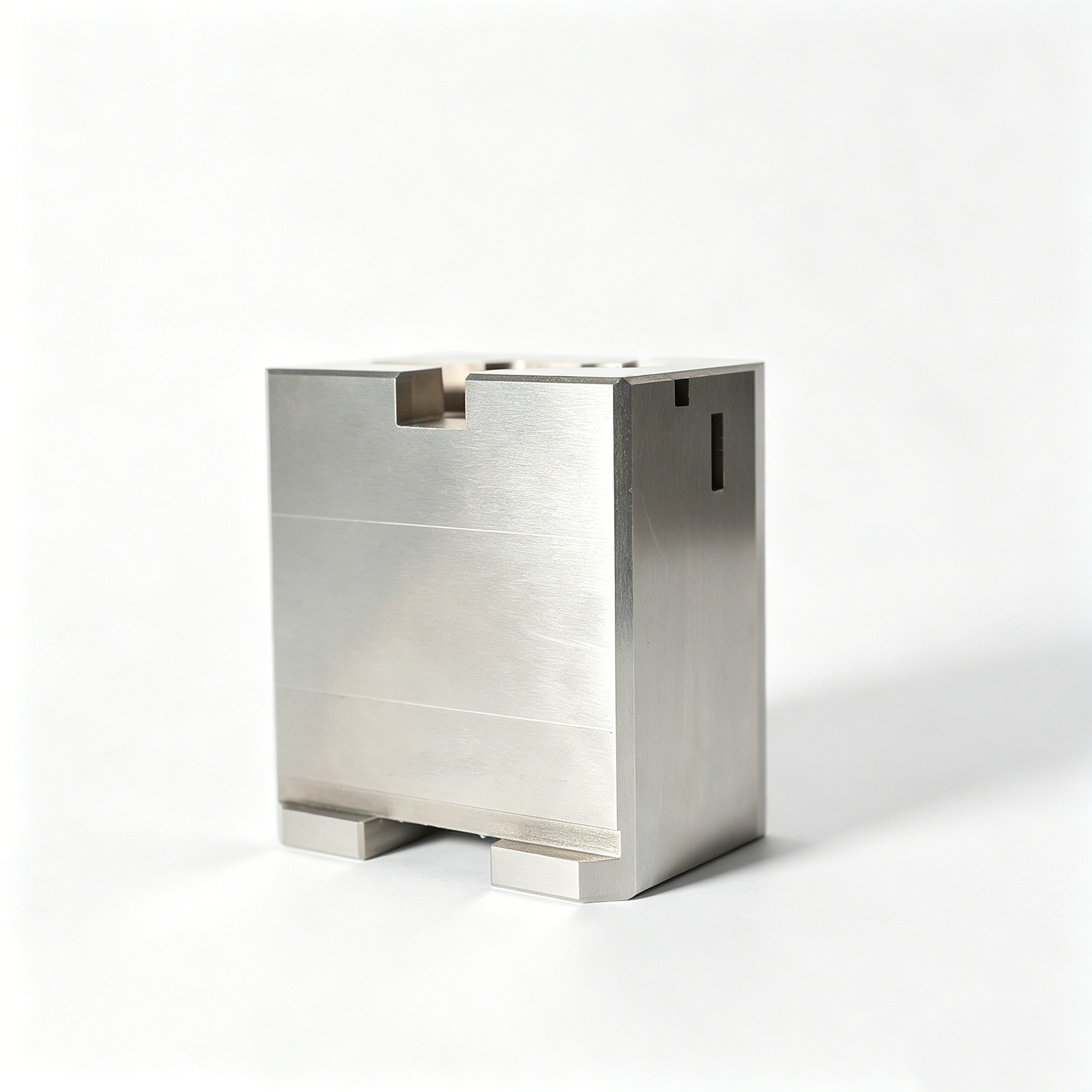


Related Components and Drawing-Based Quotations


Why a Controlled Nitriding Process Route Matters
Align drawing review, machining sequence, heat treatment, and inspection before committing precision parts to nitriding.
Drawing-Led DFM Review
Review geometry, material, datums, and critical dimensions early to identify nitriding-related risks before quotation and process planning.
Critical Dimensions Protected
Define features requiring controlled growth, masking, or post-treatment finishing so functional fits remain aligned with drawing requirements.
Sequenced Heat Treatment
Plan machining, stress relief, nitriding, and any finishing operations in the correct order for the specified part function.
Grinding Allowance Planned
Reserve appropriate grinding stock where applicable, considering dimensional change, surface requirements, and final datum relationships after nitriding.
Inspection Plan Aligned
Match inspection methods and reporting requirements to critical features, surface condition, and the verified acceptance criteria for each order.
Revision Control Visible
Keep drawing revisions, process decisions, and inspection documentation traceable throughout coordinated production and delivery planning.
Precision Part Families for Nitriding Programs
Configurable component families planned around critical dimensions, post-treatment distortion risk, finishing allowances, inspection requirements, and drawing-controlled production.
CNC Machining Services
Precision CNC machining services for drawing-based parts requiring nitriding-compatible material selection, controlled machining allowances, and review of critical dimensions before heat treatment and final inspection.
Upload a Drawing
CNC Milling
Custom CNC milling services for plates, inserts, housings, and complex prismatic features. Tool access, datum strategy, corner geometry, and stock retained for post-nitriding grinding are reviewed against the drawing.
Upload a Drawing
CNC Turning
Precision CNC turning services for shafts, sleeves, bushings, and rotational components. Planning considers concentricity, surface requirements, thread protection, and dimensional changes that may require finish machining or grinding after nitriding.
Upload a Drawing
5-Axis Machining
5-axis CNC machining supports contoured mold and tooling features where multiple setups may compromise datum relationships. The process route should account for cutter access, deep-feature geometry, and any post-nitriding finishing requirement.
Upload a Drawing
Swiss & Micro Machining
Swiss machining and micro machining support small, slender, drawing-controlled parts such as pins, contacts, and miniature tooling elements. Material condition, runout, feature stability, and inspection method require review before committing to nitriding.
Upload a Drawing
Wire & Sinker EDM
Wire EDM and sinker EDM services produce narrow slots, internal profiles, sharp internal geometry, and difficult-access features. Electrode strategy, wire path, EDM surface condition, and any required polishing or post-treatment finishing are defined by application.
Upload a Drawing
Precision Grinding
Precision surface and profile grinding establishes flatness, parallelism, profile, and controlled dimensions on hardened or nitrided components. Grinding stock, datum protection, wheel access, and inspection points should be agreed before processing.
Upload a Drawing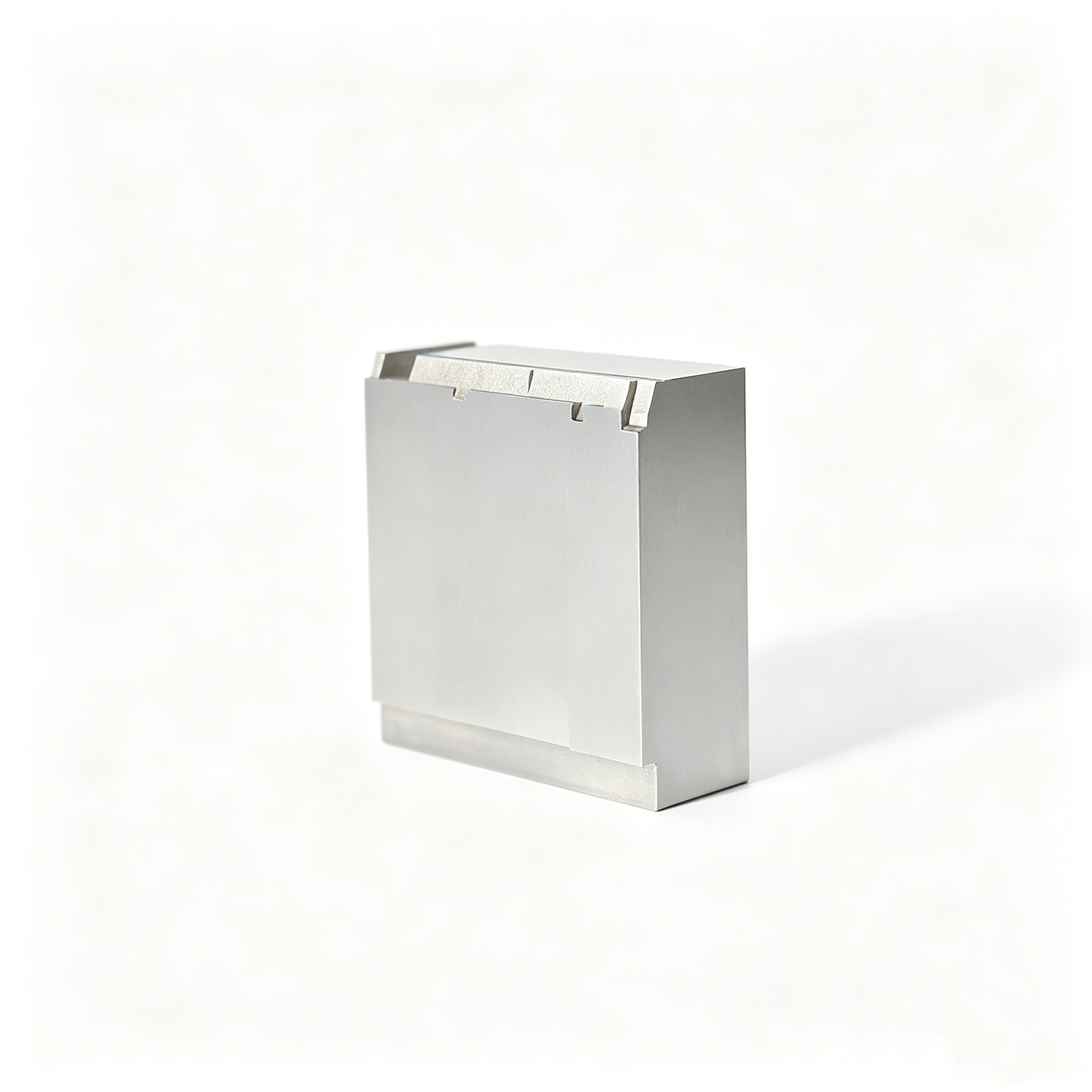
Mold Core Inserts & Mold Cavity Inserts
Precision mold core and cavity inserts are produced to drawing-defined geometry, cooling interfaces, shutoff conditions, and surface requirements. For nitrided inserts, the sequence must consider distortion risk, polishing needs, and final critical dimensions.
Upload a Drawing
Ejector & Ejection Components
Ejector pins, sleeves, and ejection components are configurable for mold-specific fit, motion, wear conditions, and mating relationships. Nitriding suitability depends on material, surface requirement, dimensional allowance, and the inspection plan.
Upload a Drawing
Core Pins, Guide & Locating Components
Core pins, guide pins, and locating components require controlled alignment, wear surfaces, and fit with mating mold elements. Drawing review should identify functional datums, toleranced diameters, and whether nitriding changes demand final sizing.
Upload a Drawing
Slides, Lifters, Gates & Mold Accessories
Mold slides, lifters, gates, and accessories are planned around travel, shutoff, wear, and assembly interfaces. Nitriding may be considered where the verified material and geometry support the intended surface-hardening outcome.
Upload a Drawing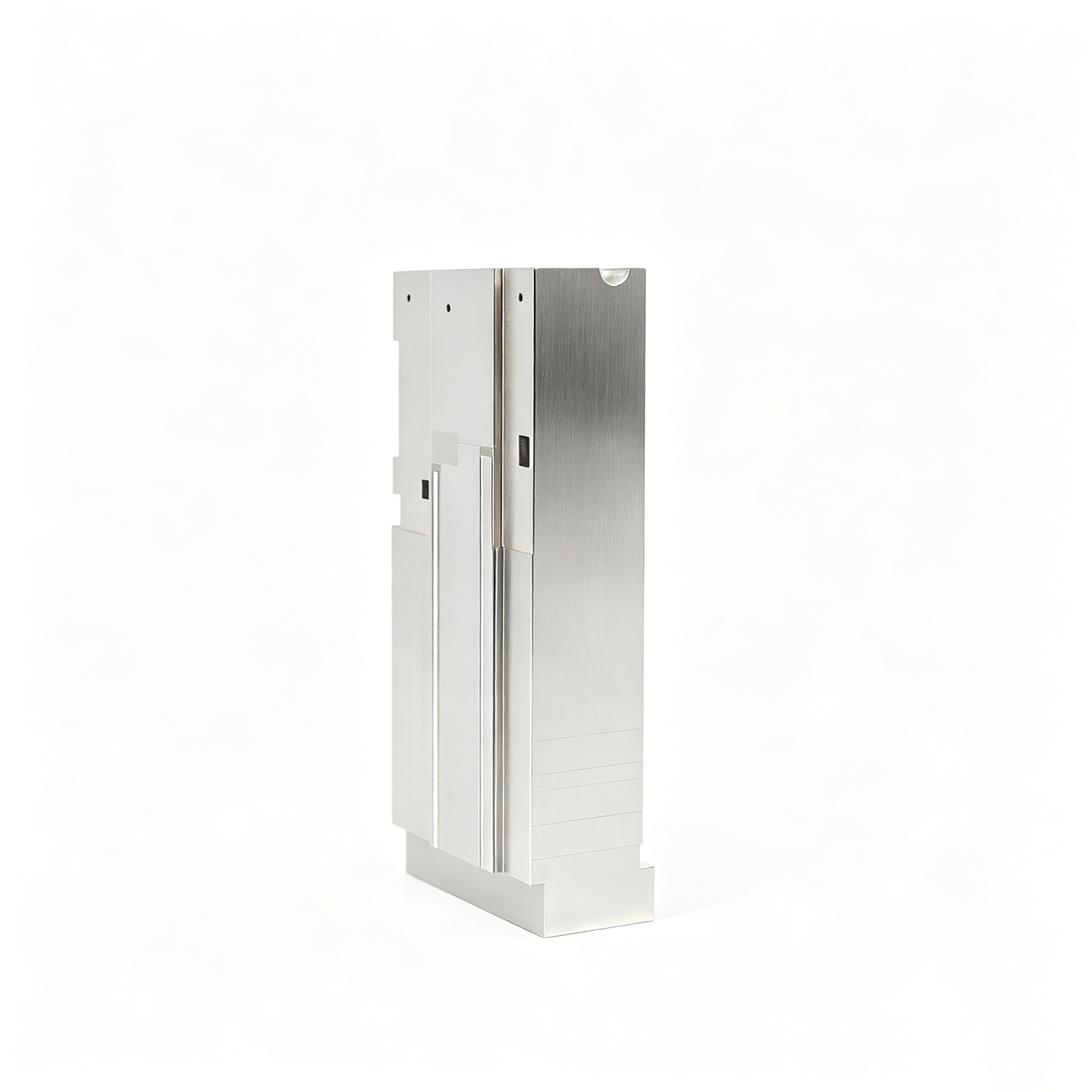
Connector Mold Components
Precision connector mold components support fine-pitch, high-density, and alignment-sensitive tooling features. Manufacturing planning addresses small geometry, EDM access, material requirements, wear locations, and inspection evidence for critical mating dimensions.
Upload a Drawing
Stamping Die Components
Precision stamping die components include punches, die inserts, guides, and custom wear elements made from drawing-controlled specifications. Nitriding planning must account for working edges, clearance relationships, material response, and subsequent finishing needs.
Upload a Drawing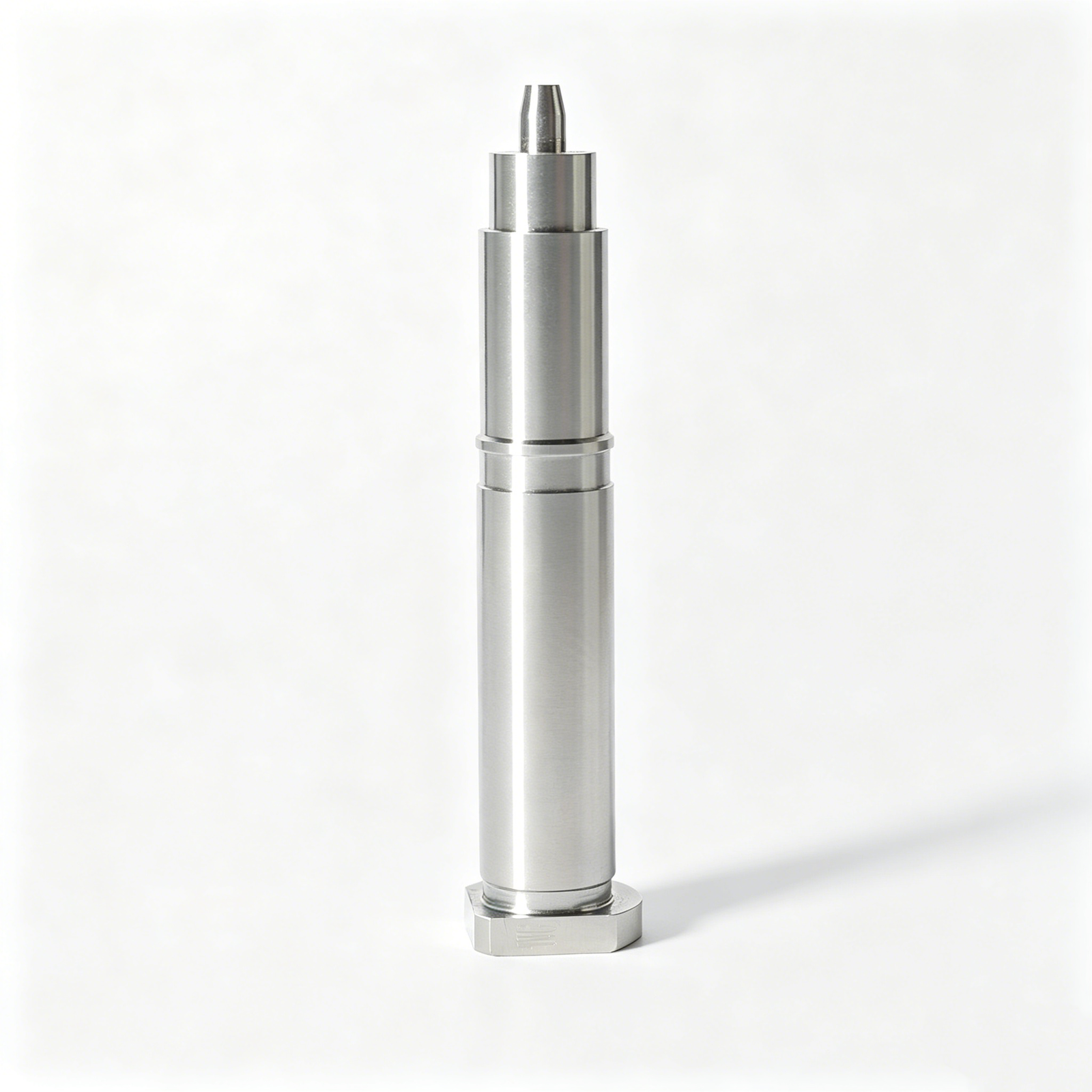
Injection Mold Components, MIM, CIM & Overmolding Tooling
Injection, MIM, CIM, and overmolding tooling components are manufactured within verified production scope. Tooling discussions address material, parting and shutoff surfaces, feed features, wear zones, and heat-treatment sequence before production begins.
Upload a Drawing
Machining Materials
CNC machining materials are selected from drawing requirements, application conditions, machinability, heat-treatment route, and traceability needs. Nitriding feasibility should be confirmed for the specified grade rather than assumed from a generic material family.
Upload a Drawing
Surface Finishes & Heat Treatment
Surface finishing and heat treatment are coordinated as part of the manufacturing route, not treated as an isolated add-on. Nitriding, polishing, coating, grinding, and masking requirements must be tied to functional surfaces and drawing notes.
Upload a Drawing
Quality, Metrology & Documentation
Precision inspection, metrology, and quality documentation are planned around critical dimensions, datums, surface requirements, and the agreed inspection method. Reports and traceability records should match the order, revision, and verified inspection plan.
Upload a Drawing
Prototyping & Low-Volume Production
Rapid prototyping and low-volume manufacturing support drawing revisions, fit checks, and controlled production of custom parts. Early DFM review helps establish a practical process route, nitriding sequence, inspection needs, quantity, and target delivery requirements.
Upload a DrawingMaterials Considered for Nitriding Projects

Alloy Tool Steels
Commonly evaluated for mold cores, cavity inserts and die components where nitriding supports wear resistance. Alloy composition, pre-hardening condition, grinding stock and critical dimensions should be defined before the process route is confirmed.

Chromium Alloy Steels
Often considered for shafts, guide elements and tooling parts requiring a hardened surface with controlled fit relationships. Chromium content, surface condition and post-treatment dimensional checks require review against the drawing and mating parts.

Molybdenum Alloy Steels
Suitable candidates may be assessed for demanding tooling applications where alloy response and core properties matter. Material grade, prior heat treatment, machining allowance and required case characteristics must be aligned before nitriding is specified.

Nitriding Grade Steels
Purpose-selected nitriding steels can be reviewed when the application calls for a defined diffusion response and stable base properties. SUUXIANG evaluates the specified grade, geometry, critical datums and inspection plan before production commitment.

Stainless Steel Grades
Selected stainless steel grades may require project-specific assessment when corrosion behavior and surface hardening are both relevant. The drawing should identify grade, condition, surface finish, functional interfaces and any dimensional priorities after treatment.
Nitriding-Supporting Manufacturing Processes

CNC Milling
CNC milling establishes profiles, pockets, cavities, and datum features with tool access and finishing allowance considered early, helping protect critical geometry through the planned nitriding sequence.

Precision Turning
Precision turning produces concentric diameters, shoulders, threads, and axial features for drawing-based parts, with attention to datum relationships and stock that may be needed before or after nitriding.

Wire EDM
Wire EDM supports intricate contours, narrow slots, and hardened-material features where conventional tool access is limited. Wire path, corner conditions, and inspection points should align with the approved drawing.

Sinker EDM
Sinker EDM forms deep cavities, ribs, and detailed mold geometry using planned electrode strategy. Electrode wear, surface requirements, and later finishing operations are reviewed against the part’s functional surfaces.

Precision Grinding
Precision grinding refines critical flats, diameters, and datum surfaces where controlled stock removal is required. Grinding allowance and heat-treatment sequence are evaluated to support dimensional stability and inspection planning.

Fitting Inspection
Fitting and inspection verify mating relationships, critical dimensions, and documented requirements before release. Measurement methods, reporting needs, revision status, and any nitriding-related dimensional priorities are clarified with the RFQ.
Nitriding Part Features and Supporting Details
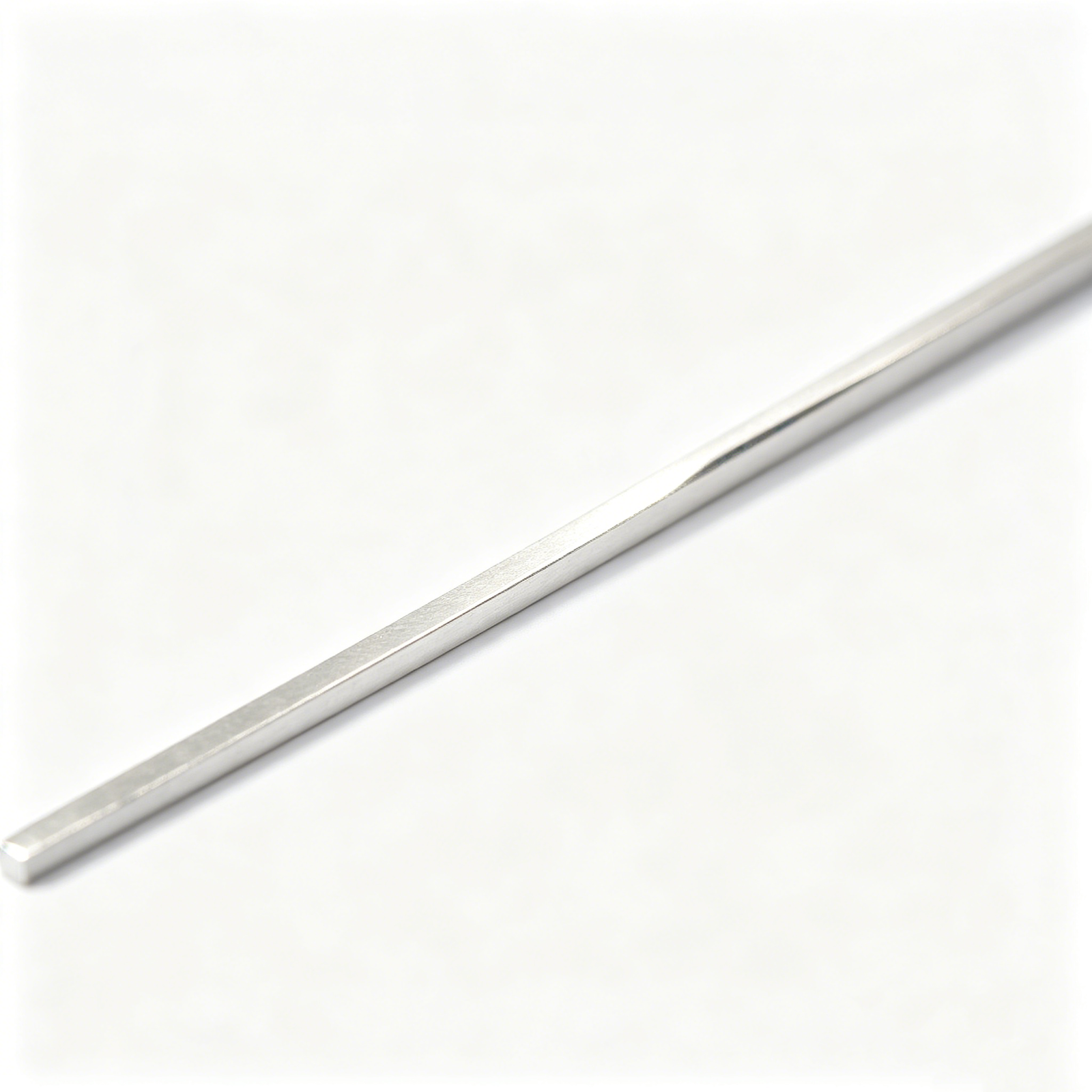
Threads and Inserts
Internal threads, tapped holes, threaded features, and insert requirements should be identified with location, class, and masking needs. Their sequence is reviewed against nitriding, finish requirements, and functional assembly access.

Locating Features
Dowel holes, datum faces, guide features, and mating references can be planned around critical dimensions. Clear datum strategy helps align machining, grinding, inspection, and the final fit with related mold or connector components.
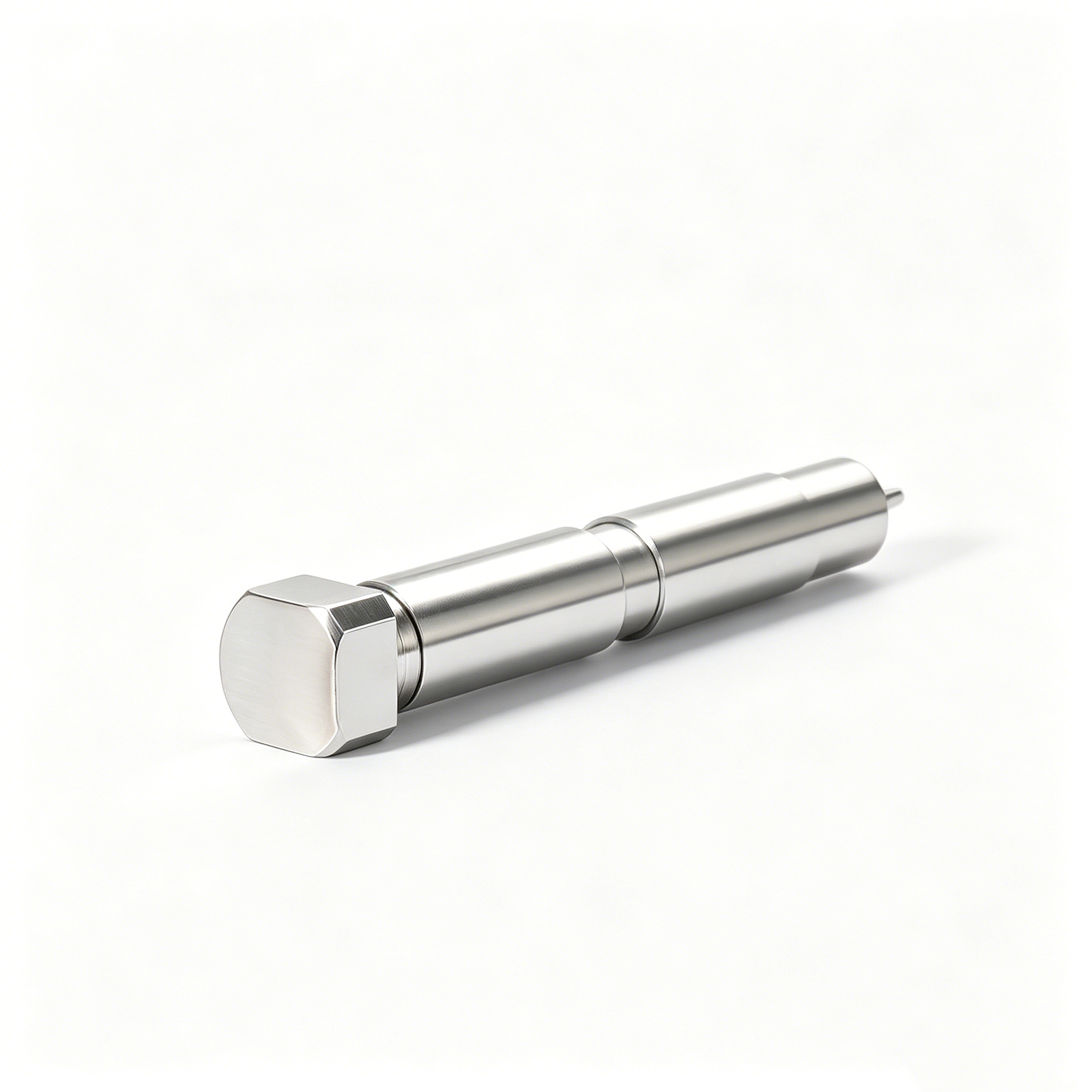
Reliefs and Clearances
Tool runouts, corner reliefs, wire-EDM paths, and assembly clearances should be defined where function requires them. These details support machining access and help prevent unintended interference after heat treatment or finishing.


Part Identification
Laser marking, revision marks, lot identification, or orientation indicators may be added when application and surface requirements allow. Marking location and content should be agreed before production to preserve traceability without affecting function.

Protective Packaging
Protective packaging can be specified for ground surfaces, sharp edges, matched sets, and traceable project deliveries. Share handling, labeling, quantity separation, and transport concerns so the packing approach matches the part’s delivery requirements.
About SUUXIANG Nitriding Project Support
SUUXIANG is the sole public-facing brand of Dongguan SuuXiang Precision Mold Co., Ltd., established in 2010 in Chang’an Town, Dongguan, Guangdong, China. XiaoCheng Huang is the company’s founder and legal representative. We help international engineering, sourcing, and quality teams move from drawings and specifications to inspected precision parts through disciplined, drawing-driven manufacturing workflows.
Our practical scope combines CNC milling and turning, multi-axis machining, EDM, precision grinding, fitting, and inspection for custom CNC parts, precision mold components, connector tooling, and stamping-die components. For nitriding-related work, the manufacturing route must account for material, critical dimensions, machining allowance, heat-treatment sequence, and inspection requirements before commitments are made.
What distinguishes SUUXIANG is controlled project communication around the details that affect part acceptance: datums, tolerance stacks, tool access, EDM strategy, grinding stock, revision status, and reporting needs. We begin with DFM review and use the agreed inspection plan to keep production evidence aligned with the order.
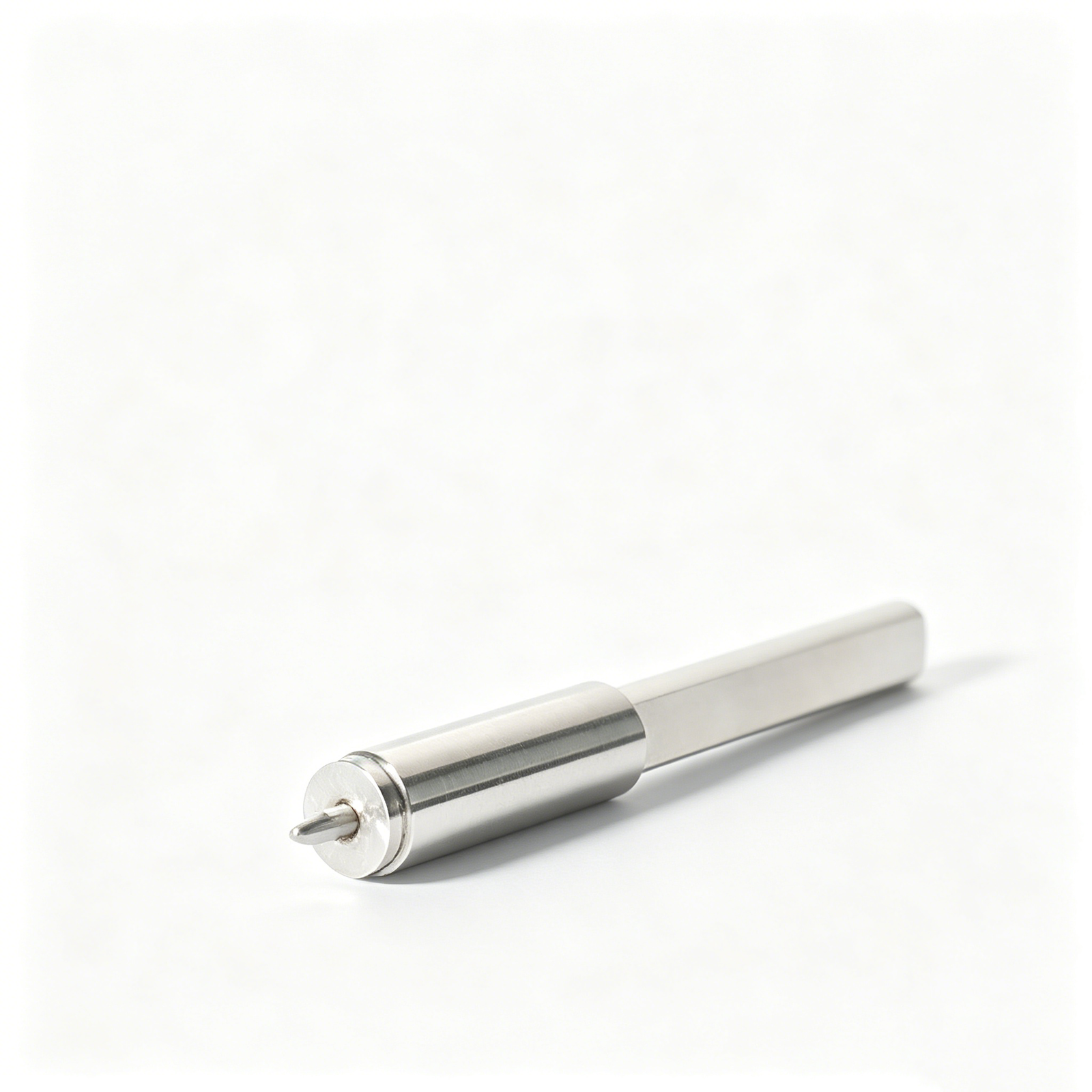
Nitriding Project Capabilities in Greater Detail
DFM Before Process Commitment
SUUXIANG reviews the drawing, model, material callout, heat-treatment requirement and application context before committing to a nitriding-related route. The review identifies critical dimensions, datum relationships, thin-wall risks, machining access and surfaces that may need protection or allowance planning.
- Confirm critical-to-quality dimensions and functional datums
- Review material and heat-treatment requirements against the drawing
- Identify machining access, masking and post-treatment risks
- Clarify revision status before quotation and production

CNC, EDM and Grinding Sequencing
Nitriding projects often depend on the sequence around machining, EDM and grinding rather than one operation alone. SUUXIANG plans the practical route from stock removal through electrode or wire strategy, grinding allowance, fitting needs and final inspection requirements for the specified part geometry.
- Select CNC, wire EDM, sinker EDM and grinding operations by feature
- Plan allowances around surfaces requiring finishing or fitting
- Review electrode access and wire paths for difficult features
- Keep process decisions aligned with the approved drawing revision

Critical Dimensions Stay Visible
A nitriding-related part should be evaluated by its functional dimensions, not by a generic tolerance statement. SUUXIANG uses the drawing’s datums, geometry, mating context and surface priorities to focus manufacturing and inspection planning on the features that affect assembly, movement and tool performance.
- Translate drawing datums into machining and inspection references
- Separate critical features from non-critical stock-removal dimensions
- Consider tolerance stack effects at mating interfaces
- Escalate unclear dimensions before production proceeds
Inspection Matched to the Order
Inspection documentation is defined against the order, drawing revision and agreed inspection plan. SUUXIANG coordinates dimensional checks, reporting expectations and traceability information so the delivered precision part can be reviewed against the requirements that governed its manufacture.
- Align inspection points with critical drawing requirements
- Confirm reporting format and traceability needs during RFQ review
- Maintain revision visibility through production coordination
- Match final documentation to the verified inspection plan
Why Choose SUUXIANG for Nitriding-Ready Drawing-Driven Parts
A controlled workflow built around drawing review, process planning, inspection evidence and visible revision coordination.
← Swipe left or right to view →
Nitriding Project Manufacturing Workflow
A controlled route from drawing review through machining, conditional heat-treatment coordination, inspection, and shipment preparation.
Review Drawings and Requirements
We review drawings, models, material, quantity, critical dimensions, datums, surface requirements, inspection needs, and delivery priorities before defining a feasible manufacturing route.
Plan Process and DFM
The team identifies machining access, tolerance stack risks, grinding stock, EDM requirements, and the approved sequence for any nitriding or related heat-treatment operation.
Machine Critical Part Features
CNC milling, turning, multi-axis machining, Swiss machining, wire EDM, or sinker EDM are selected according to geometry, material condition, and feature-access requirements.
Grind, Fit, and Finish
Precision grinding and fitting address functional interfaces, critical surfaces, and assembly relationships, while allowances and finish requirements remain aligned with the approved process route.
Inspect, Pack, and Coordinate
Parts are inspected against the agreed plan, documented as required, protected for transit, and released with revision and shipment coordination visible to the project team.
Start Your Nitriding Project With SUUXIANG
A controlled path from technical review through inspected production and delivery coordination.
Submit Your Technical Package
Send 2D drawings, 3D models, material and heat-treatment requirements, quantity, critical dimensions, surface priorities, target date, and inspection or reporting expectations for review.
Review the Process Route
Work through DFM, datum strategy, machining access, grinding allowance, EDM needs, nitriding sequence, inspection method, revision status, and quotation assumptions before commitments are made.
Approve First-Article Evidence
Confirm samples or first-article requirements where needed, including critical-dimension results, applicable material or treatment records, and documentation aligned with the agreed inspection plan.
Coordinate Production and Delivery
Release the approved revision for controlled machining, EDM, grinding, fitting, nitriding coordination, final inspection, and delivery updates matched to the project’s documented requirements.
Nitriding Quality Documentation and Certification Evidence
Nitriding Documentation: Evidence Confirmed by Project
Customer testimonial pending verification. SUUXIANG will publish project feedback only when the customer has approved the quotation, measurable outcome, and attribution for public use.
Customer testimonial pending verification. Inspection, revision-control, and delivery results will be stated only against customer-approved project records and agreed reporting requirements.
Customer testimonial pending verification. No performance, tolerance, lead-time, or nitriding outcome is presented here without traceable project evidence and customer approval.
Customer Feedback Published Only After Verification
Practical answers for buyers preparing a responsible nitriding-related quotation request.
What information do you need to quote a nitriding project?
Can SUUXIANG make prototypes and low-volume nitriding parts?
Which materials are suitable for nitriding?
Should nitriding happen before or after final grinding?
How long does a nitriding order take?
What inspection documentation can be requested for nitrided parts?
How are drawings, revisions, and intellectual property handled?
What are the payment and shipping options for an international order?
The Complete Buyer’s Guide to nitriding
Use this decision framework to specify nitriding for precision parts, compare processes and compatible materials, evaluate qualified suppliers, control cost and distortion risk, and avoid drawing, inspection, and sourcing mistakes.
1. What Is nitriding?
Two metallurgical regions distinguish nitriding, a thermochemical treatment in which nitrogen diffuses into a metal surface under heat rather than being deposited on it. The resulting nitride layer contains a hard compound layer at the surface and a diffusion zone beneath it; their makeup and depth depend on substrate composition, process time, and temperature. Source: https://www.struers.com/en/knowledge/materials/nitrided-coatings/
Fe3N and Fe4N are the iron-nitride phases identified by Struers in the compound layer, often called the white layer in metallographic examination. Below it, dissolved nitrogen and alloy-nitride precipitates support the diffusion zone, helping raise surface hardness, wear resistance, and fatigue performance; corrosion performance may also improve with a suitable process and post-treatment.
0 added coating thickness is not the aim: nitriding changes the near-surface metallurgy of the base part. Unlike through-hardening, which changes hardness through a substantial section, it preserves a comparatively tougher core, making it common for dies, shafts, gears, and precision tooling where surface loading and dimensional function matter.
2. How nitriding Evolved in Manufacturing
Ammonia-based gas nitriding established the industrial route: nitrogen is supplied by a controlled furnace atmosphere rather than by a coating. Historical background and the later development of controllable layer thickness and phase selection are summarized at https://en.wikipedia.org/wiki/Nitriding. For buyers, the important change is documenting the atmosphere recipe, temperature-time cycle, loading arrangement, and specified case result so repeatability can be assessed.
Plasma nitriding introduced an ionized nitrogen environment, giving processors another way to manage nitrogen activity and treat selected steels at comparatively lower temperatures. That can reduce distortion risk on finished precision features, but it does not remove the need to agree on masking, rack contact, heat-treatment allowance, and critical-dimension inspection. Low-temperature plasma routes can also be relevant to stainless steels when corrosion performance must be protected.
Nitrocarburizing added carbon to the surface chemistry and broadened route selection for wear, friction, and corrosion-related objectives. Modern sourcing should therefore end with verification—not a process name alone—using the ordered method for hardness, compound-layer condition, case or diffusion depth, metallography, dimensional checks, and traceable reporting.
3. Types of nitriding Processes
Four routes deliver different nitrogen activity, compound-layer behavior, and fixturing risk. Process descriptions follow https://www.struers.com/en/knowledge/materials/nitrided-coatings/; select from drawing function, not treatment name alone.
| Route | Nitrogen Source And Control | Geometry And Masking | Layer, Handling, Typical Use |
|---|---|---|---|
| Gas nitriding | Dissociated ammonia; atmosphere control | Gas access; mask critical fits | Diffusion zone and compound layer; ammonia handling; mold cores, pins |
| Plasma/ion nitriding | Ionized nitrogen-containing gas; electrical control | Fixturing, edges, and shielding matter | Controlled surface response; vacuum/electrical safety; precision dies, tools |
| Salt-bath nitrocarburizing | Cyanate/carbonate releases nitrogen and carbon | Immersion reaches complex external forms; mask fits | Compound layer with oxidized finish option; salt handling; gears, rods |
| Gaseous nitrocarburizing | Nitrogen- and carbon-bearing furnace atmosphere | Gas access and masking remain necessary | Carbon-enriched compound layer; controlled atmosphere handling; wear parts |
Control And Geometry
Plasma treatment offers localized control through electrical parameters, but conductive fixturing and line-of-sight effects require early review. Gas processes suit loaded batches where masking and gas access can be defined.
Nitrocarburizing Is Different
Nitrocarburizing adds carbon as well as nitrogen, commonly favoring a thinner compound layer and surface-performance objective. It is not interchangeable when a drawing specifies diffusion depth, phase limits, post-grinding stock, or a nitriding-specific validation plan.
RFQ Evidence
A heat-treatment RFQ should state masked faces, allowable growth, hardness locations, layer-depth method, and post-treatment machining. SUUXIANG can coordinate drawing review and inspection requirements within verified project scope.
4. Materials Suitable for nitriding
Alloy chemistry determines whether nitriding forms useful alloy nitrides and how the case supports service loads. Exact grade, pre-hardening condition, required core strength, and final property targets must be confirmed before release.
| Material family | Typical examples | Review focus |
|---|---|---|
| Nitriding steels | Nitralloy-type grades | Alloy response and core condition |
| Alloy steels | 4140, 4340 families | Pre-hardening and temper limit |
| Tool steels | Grade-specific | Section geometry and finish |
| Stainless steels | 17-4, 400 series | Corrosion and temperature compatibility |
Chemistry Sets The Response
Chromium, molybdenum, aluminum, vanadium, and titanium promote nitride formation; plain-carbon grades may not deliver the same response. Thermo-Fusion lists 4130, 4140, 4340, 17-4, and 400-series stainless as example families: https://thermo-fusion.com/nitriding
Condition Before Treatment
4140 and 4340 parts need a defined pre-hardening and temper condition so the core carries bending and contact loads. Tempering temperature must remain compatible with the selected nitriding cycle, or prior mechanical properties can change.
Final machining should leave controlled stock and avoid grinding burns, smeared surfaces, deep tool marks, or residual-stress damage. Holes, thin webs, sharp transitions, and uneven sections require distortion and access review.
Match Grade To Function
Nitriding steels, alloy steels, and suitable tool steels are selected when wear resistance must be paired with adequate substrate strength. PH stainless and ferritic or martensitic stainless can be candidates when the exact grade, corrosion requirement, and process temperature are compatible.
5. Specify the Nitrided Case Correctly
One drawing note should define acceptance, not merely state ‘nitrided.’ The nitrided layer contains a compound layer and a diffusion zone, so functional wear, fatigue, or fit requirements must identify which result controls.
Define Case And Compound Layer
0.20 mm effective case depth is not the same as total layer thickness; state the hardness threshold and test method used to determine effective depth.
0–10 µm compound-layer limits should be specified when brittleness, porosity, or subsequent polishing matters; otherwise define the permitted range.
Locate Hardness And Stop-Offs
700 HV minimum at a named test load and measurement location is more actionable than a generic hardness callout. Identify the surface, datum, and any edge exclusion.
100% masked threads, bores, bearing fits, or soldering zones require marked drawings and an agreed stop-off boundary.
Control Geometry And Evidence
0.01 mm maximum dimensional change should be assigned only to identified critical features, with pre- and post-treatment roughness requirements. State core-hardness range and permitted distortion against functional datums.
1 representative coupon per defined batch can verify metallographic layer structure when part sectioning is unacceptable. Specify coupon material, prior heat treatment, geometry, and traceability.
6. Precision-Part Quality Controls
Each nitrided precision part needs a control plan tied to its drawing, material lot, revision, and critical datums. SUUXIANG should align machining, heat treatment, inspection, and final documentation before release.
Traceability And Preparation
Material certificates, heat numbers, and revision-controlled drawings should travel with the lot. Stress relief, pre-treatment condition, grinding allowance, deburring, edge condition, and cleaning must be defined before nitriding; sharp edges and residual stock can invalidate final dimensions.
Furnace And Surface Control
Furnace loading should protect functional faces from contact and permit uniform process exposure. Masking locations, fixture method, atmosphere, cycle record, and controlled cooling belong in the supplier process record, especially for mold inserts, connector tooling, and stamping-die parts.
Acceptance Evidence
Hardness traverses and metallographic sections verify the specified case response, including compound-layer condition, case depth, and microstructure; metallography distinguishes the compound layer from the diffusion zone. https://www.struers.com/en/knowledge/materials/nitrided-coatings
Dimensional inspection must reference post-treatment datums and drawing tolerances. Acceptance criteria are customer-approved requirements; furnace charts, load maps, masking records, and laboratory results demonstrate process execution but do not replace acceptance.
7. Choose a nitriding Supplier
2D drawings, 3D models, and purchase-order requirements should drive supplier selection before any nitriding route is released. One accountable supplier must connect machining allowances, GD&T, treatment planning, inspection, and revision control.
Review Drawings Before Quoting
A 2D drawing review should identify CTQs, datums, geometric tolerances, masking, grinding stock, and post-treatment dimensions. One supplier should clarify material grade, pre-treatment condition, and the heat-treatment sequence before pricing.
One documented route should name the treatment provider when subcontracting applies, acceptance criteria, and change-control responsibility. Ask how furnace loading, process windows, and rework decisions are controlled.
Demand Objective Evidence
100% of capability claims should be supported by relevant records, not generic brochures. Request equipment lists, comparable-part evidence, inspection-method plans, and representative reports for case depth, hardness, distortion, and dimensions.
One inspection plan should define gages, sampling, report format, and traceability from raw material through shipment. Confirm whether metallographic testing is required and who approves nonconforming results.
Qualify The Launch Process
One first-article or sample plan should establish revision, quantity, delivery milestones, report requirements, and approval authority. Review the supplier’s communication cadence when treatment, inspection, or subcontractor timing changes.
8D-style corrective-action discipline matters when results miss specification. Require containment, root-cause evidence, corrective actions, effectiveness review, and documented disposition before repeat production.
8. Common nitriding Sourcing Mistakes
Most nitriding failures start in the purchase order, not the furnace. A drawing review should convert heat-treatment assumptions into measurable acceptance criteria before machining is released.
Match Alloy And Temper
4140 and 17-4 are not interchangeable specifications; alloy response and prior temper condition affect the result. An incompatible grade or a tempering temperature below the nitriding cycle can reduce core properties.
Ask: Which material certificate, core condition, tempering cycle, and nitriding temperature are proposed?
Protect Finished Geometry
0.01 mm can matter on a ground fit, yet nitriding growth, distortion, and post-treatment access are often omitted. Treating after final critical finishing can create an out-of-tolerance pin, bore, or datum surface.
Ask: What stock, distortion limit, masking plan, and finish-grinding sequence apply to each CTQ feature?
Buy Equivalent Evidence
Two case-depth terms can describe different measurements, while a hard white compound layer may include porous outer areas. Hardness alone cannot confirm diffusion depth, compound-layer condition, or the required masked surfaces.
Ask: Which depth definition, load, test locations, metallographic method, acceptance limits, and report are included? Compare quotations only after those inspection scopes match.
9. Launch a Nitrided Part Project
One complete RFQ should include the 2D drawing, 3D model, revision level, functional loads, mating context, quantity forecast, and target date. SUUXIANG can use these inputs to align the manufacturing and inspection plan before release.
Confirm Material Condition
Before release, identify the steel grade, mill condition, prior hardening or stress relief, and final hardness requirement. State which dimensions are critical after nitriding and where distortion, growth, or masking cannot be accepted.
- Material specification and certificate requirement
- Pre-heat-treatment condition
- Critical datums and tolerances
- Functional load and mating details
Freeze The Treatment Specification
One approved specification should define the nitriding route, case-depth measurement method, surface-hardness target, compound-layer requirement, and any post-treatment finish. DFM review should also confirm machining allowance, grinding stock, EDM surfaces, fixture points, and inspection access.
- Route and applicable standard
- Case-depth and hardness criteria
- Masking or untreated areas
- Permitted final finishing
Approve And Control Production
First-article approval should compare measured results with the drawing, agreed acceptance sample, and inspection plan before production proceeds. Packaging, part identification, revision traceability, report format, and change-control approval should be locked for each shipment.
- First-article inspection report
- Approved acceptance sample
- Lot identification and packaging
- Written engineering-change control
10. nitriding Cost and Lead-Time Drivers
3 commercial variables usually dominate nitriding cost: furnace occupancy, process duration, and post-treatment verification. Price cannot be responsibly quoted from a treatment name alone; SUUXIANG requires drawing, material, volume, and specification review.
1 early DFM review can reduce total landed cost by grouping compatible parts, avoiding unnecessary masking, setting realistic tolerances, and defining acceptance criteria before routing. Confirm which dimensions, surfaces, reports, and delivery date are critical before scheduling.
| Cost and lead-time driver | Quotation impact | Scheduling impact |
|---|---|---|
| Quantity and batch loading | Compatible parts can share loading and handling. | Low-volume or mixed batches may wait for a suitable load. |
| Process type and case-depth target | Longer cycles or specialized process routes increase cost. | Depth target and route determine furnace time. |
| Alloy, masking, and pre-treatment | Material condition, protected areas, cleaning, and stress relief add operations. | Extra preparation adds release steps before treatment. |
| Finishing, inspection, and documentation | Grinding, dimensional checks, metallography, and reports add scope. | Verification and report review extend completion. |
| Expedited scheduling | Priority capacity may require a premium. | Availability depends on the confirmed production schedule. |
Upload Your Drawing for a Nitriding Project Review
Send your 2D drawing, 3D model, material, heat-treatment requirements, quantity, inspection priorities, and target delivery date for a disciplined review.