
Powder Coating Review for Precision Parts
Submit your drawing for powder coating review, including critical dimensions, masking needs, substrate condition, and inspection requirements.
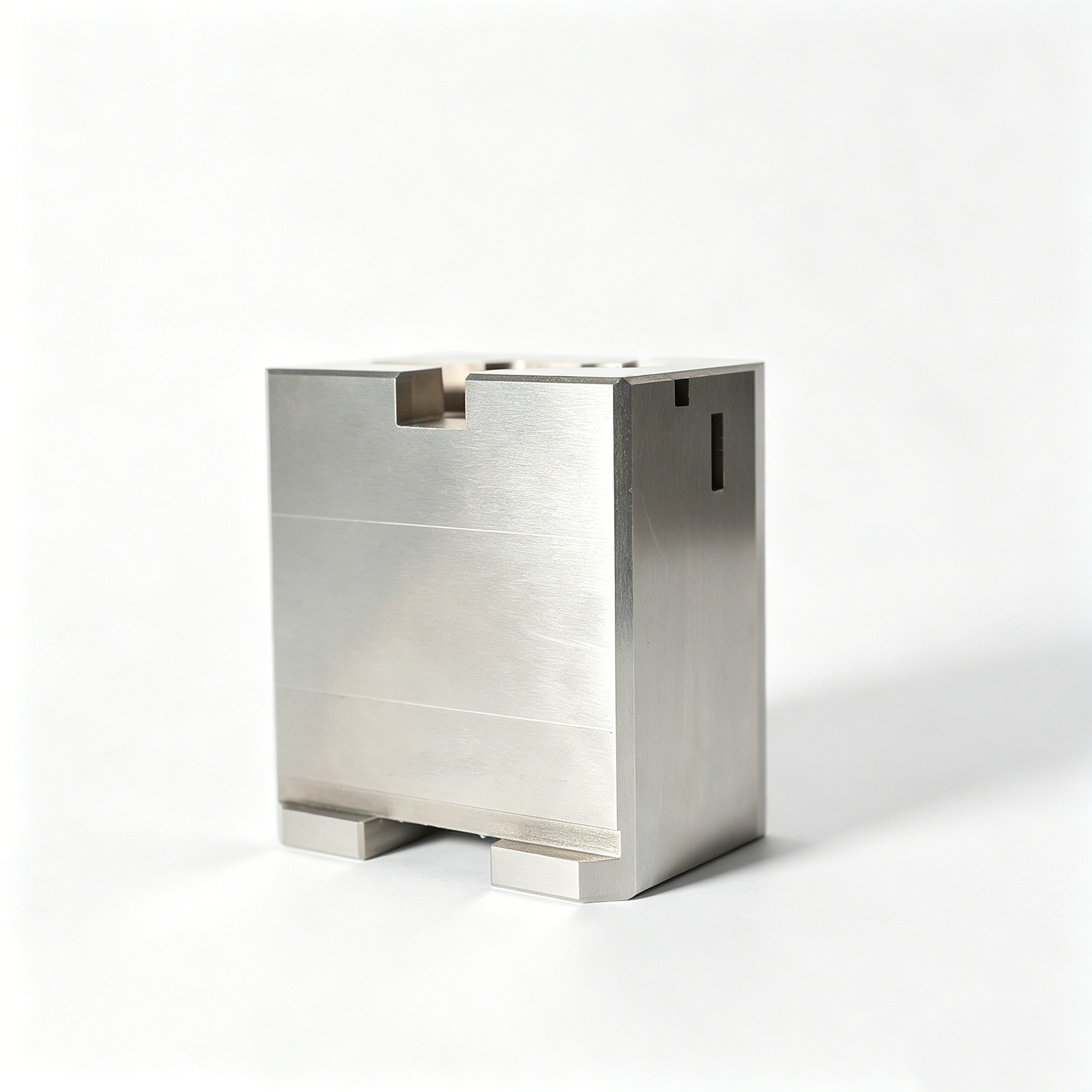
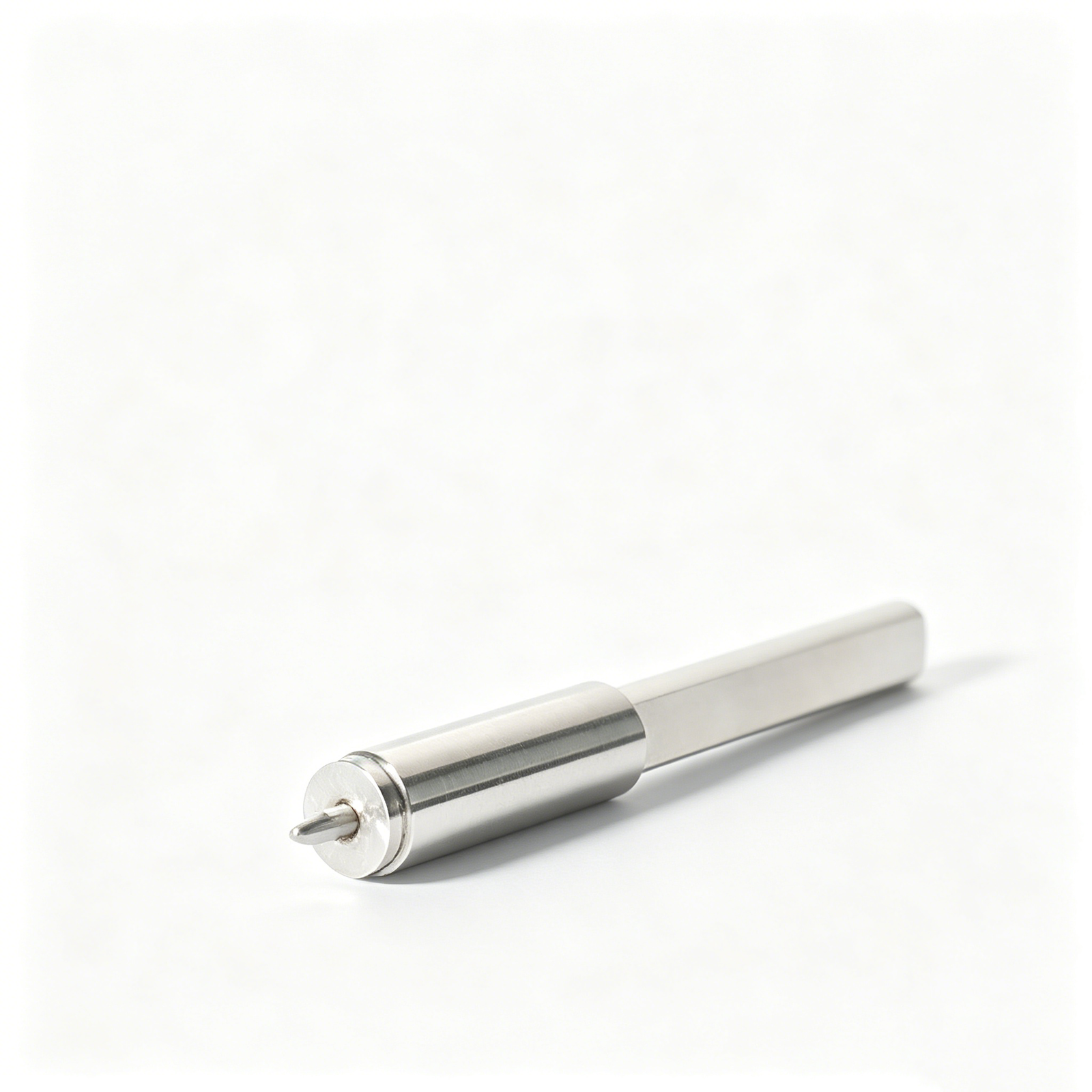
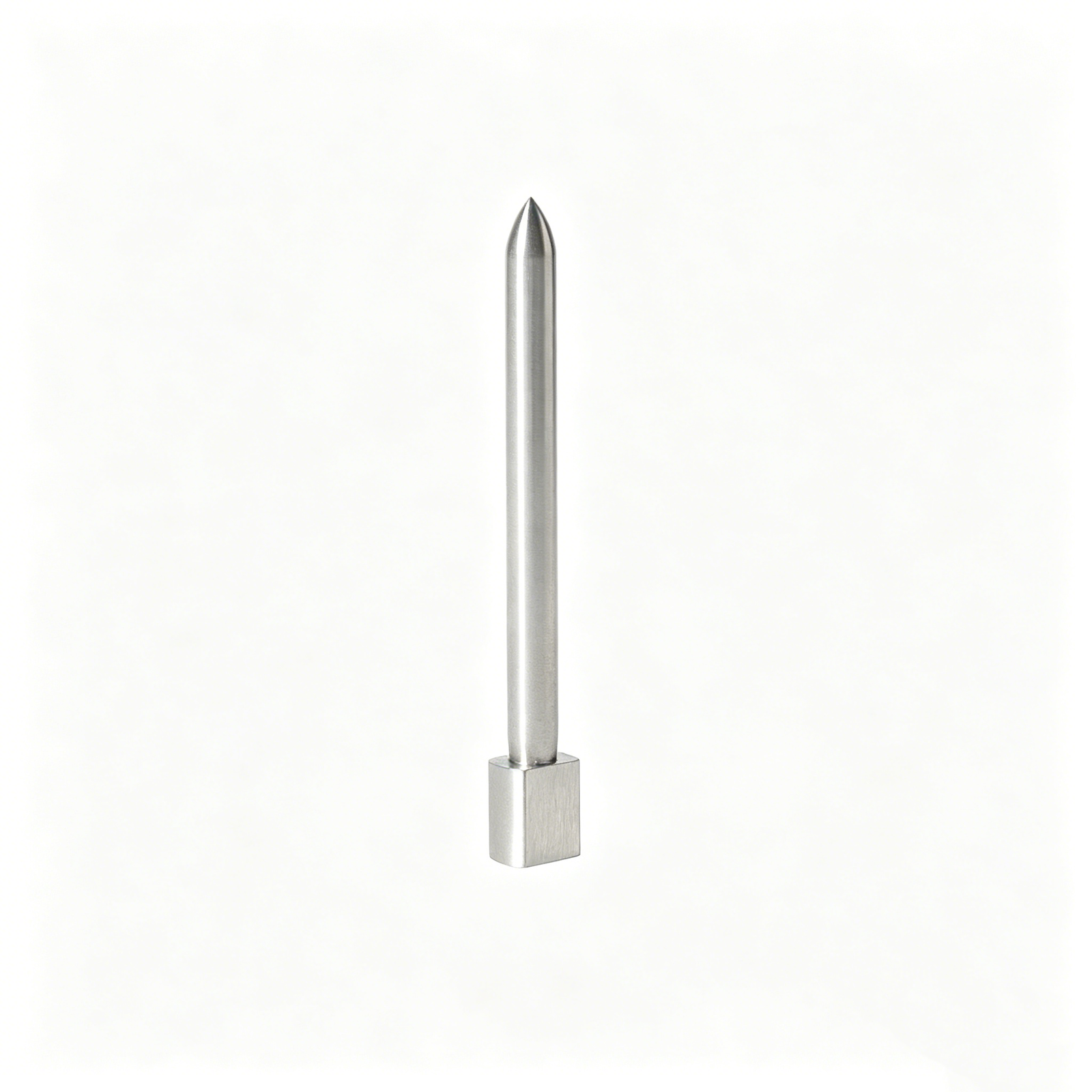
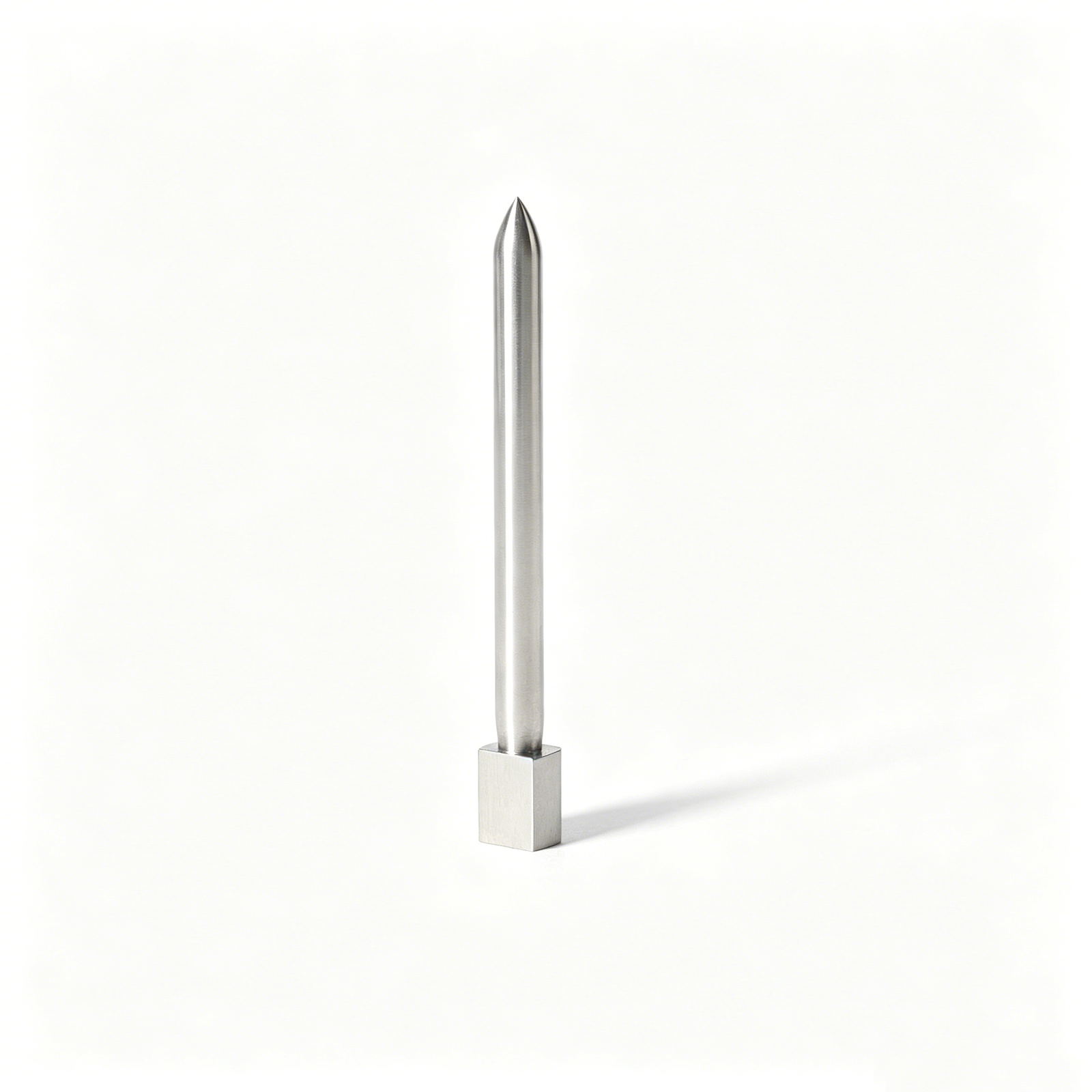
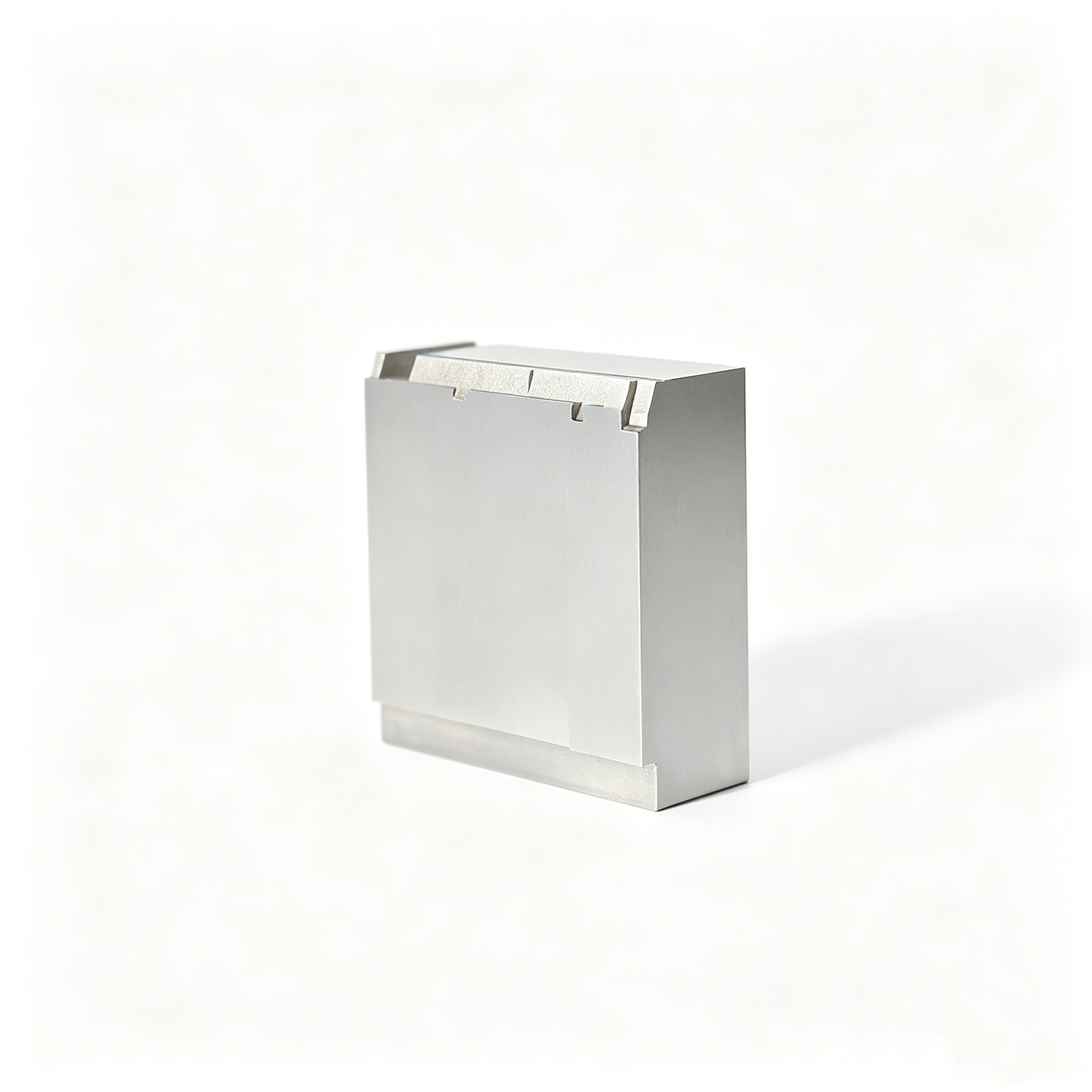
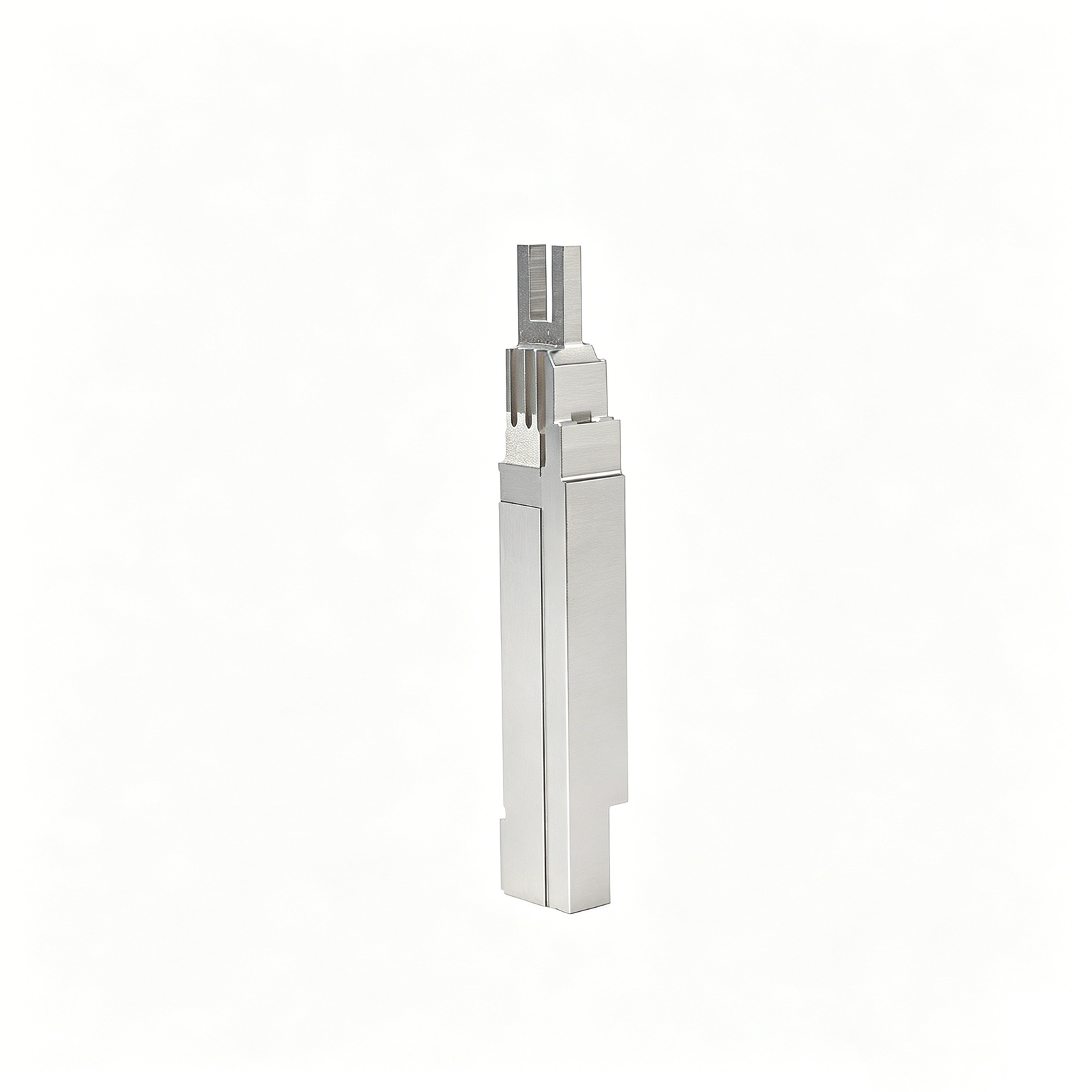
Representative Precision Parts and Tooling Components




Related Drawing-Based Manufacturing Families



Why Powder Coating Requirements Need Early Review
Clarify the finish before machining so drawing details, masking, routing, and inspection expectations can be reviewed against the actual part geometry.
Drawing Callout Review
Review finish notes, covered surfaces, cosmetic zones, and revision details before quotation so the powder coating requirement is interpreted consistently.
Critical-Dimension Protection
Identify dimensions, threads, bores, and datum features that may require masking, allowance planning, or post-finish inspection before process routing begins.
Masking Strategy
Discuss plugs, caps, tape boundaries, and contact areas early to prevent coating buildup from affecting mating interfaces, assembly function, or electrical contact.
Practical Process Routing
Coordinate machining, EDM, grinding, heat treatment, cleaning, powder coating, and handling in an order suited to the drawing and functional priorities.
Inspection Plan Alignment
Define the required inspection method, reporting scope, acceptance criteria, and finish-related checks so delivered documentation matches the verified project plan.
Precision Parts and Tooling Families
Drawing-driven manufacturing families for critical dimensions, process planning, inspection requirements, and controlled revisions.
CNC Machining Services
Precision CNC machining services for drawing-based components requiring coordinated milling, turning, EDM, grinding, and inspection. We review critical dimensions, datums, material requirements, quantity, and quality expectations before confirming an appropriate process route.
Upload a Drawing
CNC Milling
Custom CNC milling services for prismatic parts, plates, inserts, pockets, and complex machined features. Drawing review considers tool access, clamping strategy, tolerances, surface requirements, and machining allowance so the process supports the intended functional dimensions.
Upload a Drawing
CNC Turning
Precision CNC turning services for shafts, sleeves, pins, bushings, and rotational features. We assess concentricity, runout, datum references, thread requirements, material condition, and inspection methods before production planning.
Upload a Drawing
5-Axis Machining
5-axis CNC machining supports complex geometry where multiple faces, angled features, or reduced setups affect accuracy and handling. Process planning evaluates tool reach, fixture access, datum transfer, critical surfaces, and whether subsequent EDM or grinding is required.
Upload a Drawing
Swiss & Micro Machining
Swiss machining and micro machining support small, detailed components where diameter control, feature spacing, burr management, and handling matter. Share drawings, material, quantity, and critical inspection requirements for review within verified production scope.
Upload a Drawing
Wire & Sinker EDM
Wire EDM and sinker EDM services support hardened materials, narrow slots, sharp internal geometry, precision profiles, and features inaccessible to conventional cutting tools. Electrode strategy, wire path, corner requirements, recast considerations, and finishing allowances should be defined early.
Upload a Drawing
Precision Grinding
Precision surface and profile grinding supports controlled flatness, parallelism, profile accuracy, and final stock removal on critical mold and die components. Planning accounts for heat-treatment condition, grinding stock, datum strategy, surface requirements, and inspection criteria.
Upload a Drawing
Mold Core & Cavity Inserts
Precision mold core and cavity inserts are produced from customer drawings and specifications for injection-mold applications. Review covers parting surfaces, shutoffs, cooling-related features where applicable, material and heat treatment, EDM needs, critical dimensions, and fitting requirements.
Upload a Drawing
Ejector & Ejection Components
Ejector pins, sleeves, and ejection components require attention to diameter, clearance, straightness, surface condition, and mating relationships. Provide component drawings, material and hardness requirements, quantity, and the functional context needed to assess manufacturability.
Upload a Drawing
Core Pins, Guide & Locating Components
Core pins, guide pins, and locating components are manufactured against drawing-defined dimensions and mating conditions. We review tolerances, datum relationships, wear surfaces, heat-treatment sequence, grinding needs, and inspection requirements before committing to a route.
Upload a Drawing
Slides, Lifters, Gates & Mold Accessories
Mold slides, lifters, gates, and accessories are configurable tooling components rather than assumed stock items. Manufacturing review addresses travel and mating interfaces, shutoff geometry, tool access, material condition, EDM or grinding requirements, and fitting expectations.
Upload a Drawing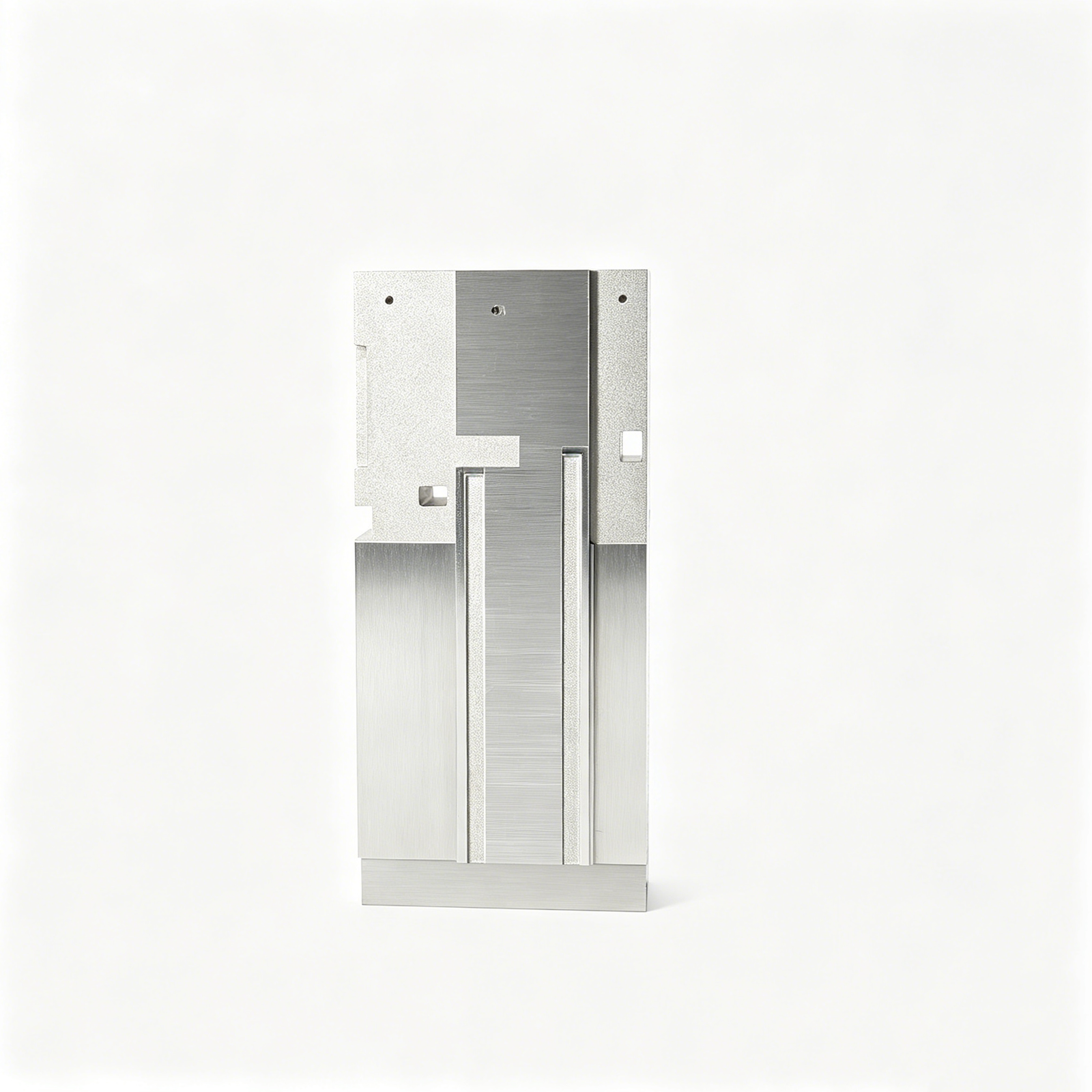
Connector Mold Components
Precision connector mold components support tooling features where fine pitch, cavity alignment, pin-related geometry, and repeatable datum control are important. Drawing review should identify critical dimensions, material and hardness, surface needs, mating interfaces, and inspection expectations.
Upload a Drawing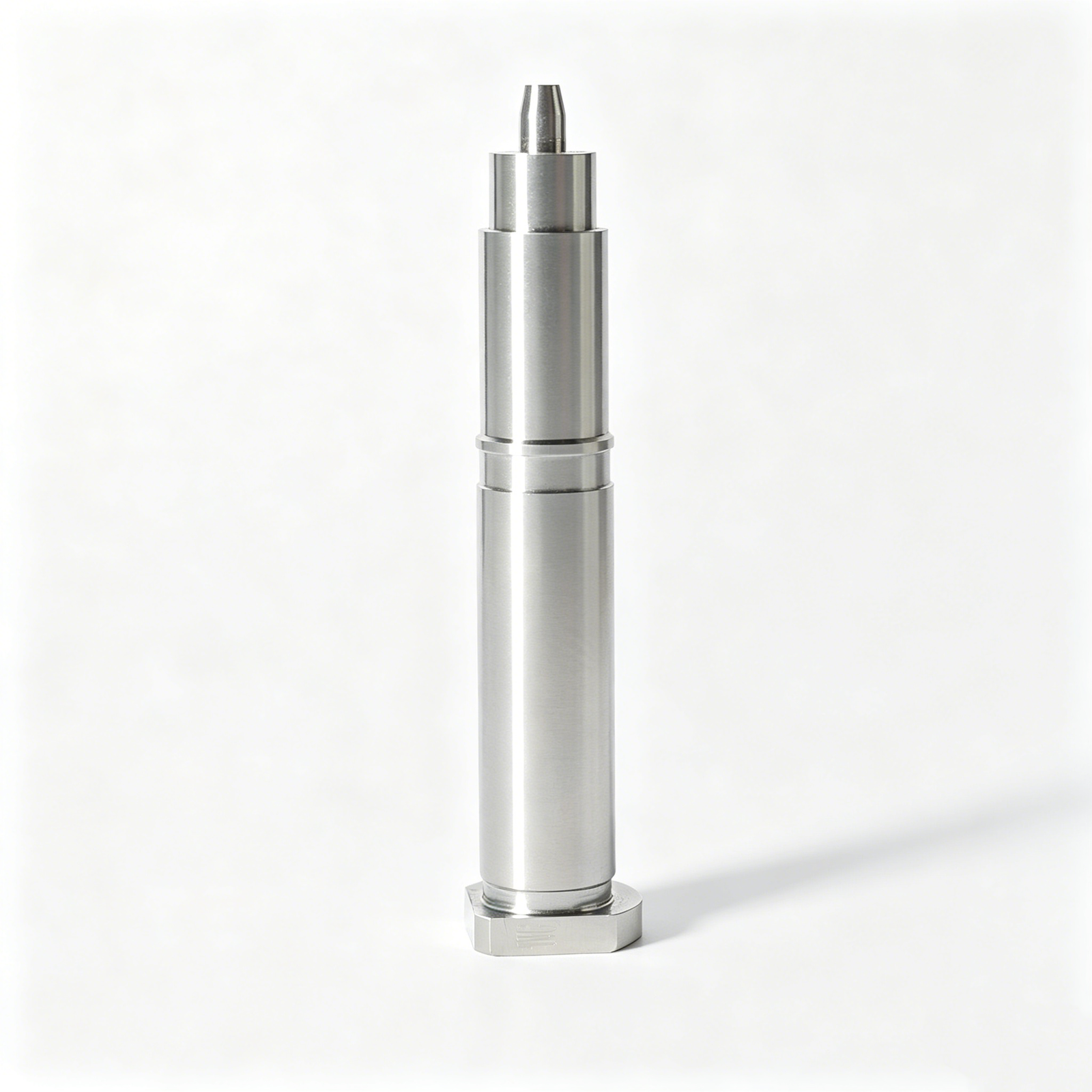
Stamping Die Components
Precision stamping die components are planned around drawing-defined profiles, clearance relationships, material condition, heat treatment, and wear requirements. CNC machining, EDM, grinding, and fitting can be combined according to the verified needs of the component.
Upload a Drawing
Injection, MIM, CIM & Overmolding Tooling
Injection, MIM, CIM, and overmolding tooling work is evaluated by the component’s drawing, material, geometry, application, and quality requirements. We assess applicable mold features, machining access, EDM needs, fitting, and inspection before accepting the production scope.
Upload a Drawing
Machining Materials
CNC machining materials are selected against the supplied drawing and functional requirements, including machinability, strength, corrosion resistance, wear, hardness, heat-treatment condition, and inspection needs. Material availability and suitability are confirmed for each project rather than assumed.
Upload a Drawing
Surface Finishes & Heat Treatment
Surface finishing and heat treatment are specified according to functional surfaces, corrosion or wear requirements, dimensional risk, and post-process inspection needs. Sequence matters: machining allowance, distortion considerations, grinding, and final documentation should be agreed before production.
Upload a Drawing
Quality, Metrology & Documentation
Precision inspection, metrology, and quality documentation are planned around critical dimensions, datums, tolerances, surface requirements, and the order’s reporting needs. Customers should identify required records, sampling expectations, revision status, and any application-specific verification criteria.
Upload a Drawing
Prototyping & Low-Volume Production
Rapid prototyping and low-volume manufacturing support drawing-based development, qualification, and controlled production needs. Submit the 2D drawing, 3D model when available, material, quantity, delivery target, and inspection requirements so manufacturability and process routing can be reviewed.
Upload a DrawingPowder Coating Substrates and Material Conditions

Carbon Steel Parts
Common for brackets, frames, and industrial hardware. Powder coating can provide a uniform decorative or protective finish when rust, scale, weld condition, edge preparation, and pretreatment requirements are defined before production.

Stainless Steel Parts
Used for corrosion-sensitive housings, fixtures, and machine components. Review the alloy grade, surface condition, weld discoloration, and intended appearance, since pretreatment and texture selection influence adhesion and cosmetic consistency.

Aluminum Alloy Parts
Suitable for lightweight enclosures, covers, and structural components. Alloy grade, machining marks, porosity, sharp edges, and oxide removal should be reviewed to align pretreatment, film build, color expectations, and critical dimensions.

Zinc Alloy Castings
Often specified for formed housings, handles, and hardware with complex contours. Casting porosity, parting lines, surface defects, and cure exposure require early evaluation because they can affect outgassing, coverage, and final appearance.

Pre-Finished Assemblies
For parts with inserts, threads, seals, or mating faces, drawing review should identify mask zones and temperature-sensitive features. Define protection methods, contact surfaces, and handling requirements before powder coating process planning.
Powder Coating Process Routes for Precision Parts


Masking Strategy
Define threads, bores, datums, mating faces, and electrical-contact areas that must remain uncoated. Early masking review helps protect functional dimensions and prevents finishing buildup from creating assembly, fit, or inspection issues.

Coating Coordination
Coordinate color, texture, gloss, coverage zones, and any customer-specified coating system with the approved process route. Requirements are checked against part geometry, access constraints, handling needs, and the available project evidence.

Curing Review
Assess curing considerations alongside material condition, heat treatment sequence, dimensional priorities, and protected features. The route should account for whether thermal exposure could affect fit, surface requirements, or downstream assembly performance.

Final Inspection
Confirm inspection points for coated surfaces, protected features, visual acceptance, and critical dimensions where applicable. Final documentation follows the agreed inspection plan, with revision control and order-specific requirements kept visible throughout coordination.
Powder Coating Masking, Protection, and Handling Accessories
Thread Protection Plugs
Silicone or high-temperature plugs can protect internal threads and precision bores from coating buildup, helping preserve assembly fit and allowing inspection requirements to be evaluated against the drawing.

Precision Masking Caps
Reusable caps can cover pins, studs, bosses, and locating features where finished dimensions or electrical contact surfaces must remain accessible after powder coating and subsequent handling.
High-Temperature Tapes
Heat-resistant masking tapes define coating boundaries on datum faces, mating lands, and cosmetic transitions. Their use should be reviewed with coating thickness, edge condition, and removal access in mind.

Hanging Hooks
Hooks provide a controlled suspension point during finishing and curing. Identifying acceptable contact locations early helps prevent visible witness marks on critical cosmetic or functional surfaces.

Coating Racks
Purpose-selected racks support part orientation, grounding, spacing, and safe transfer through the finishing route. Racking locations should be coordinated with geometry, masking needs, and inspection access.

Protective Packaging
Protective separators, caps, and packing materials help preserve coated surfaces, precision edges, and datum features during post-finish inspection, packing, and shipment to the receiving assembly location.
About SUUXIANG Powder Coating Support
SUUXIANG is the sole public-facing brand of Dongguan SuuXiang Precision Mold Co., Ltd., established in 2010 in Chang’an Town, Dongguan, Guangdong, China. XiaoCheng Huang is the founder and legal representative. We help international engineering, sourcing, and quality teams convert drawings and specifications into inspected precision parts, mold components, connector tooling, and related custom manufacturing work.
Our drawing-driven workflow connects DFM and critical-dimension review with CNC milling and turning, multi-axis machining, EDM, precision grinding, fitting, and inspection. Powder coating requirements are reviewed alongside substrate condition, masking needs, dimensional priorities, and handling considerations before production commitments are made.
What distinguishes SUUXIANG is disciplined project coordination: datum strategy, machining access, EDM or grinding allowances, inspection methods, revision control, and delivery expectations remain visible throughout the work. We focus on evidence appropriate to each order, helping buyers make practical manufacturing decisions before releasing parts for production.
Powder Coating Within a Controlled Manufacturing Workflow
Review Finish Callouts Early
Powder coating requirements are reviewed alongside the drawing, model, substrate condition, cosmetic zones, threads, fits, and mating surfaces. This early DFM discussion helps identify masking needs, coating-sensitive dimensions, edge conditions, and finish questions before production commitments are made.
- Confirm finish designation, color, texture, and cosmetic expectations
- Identify threads, bores, datums, and contact faces requiring protection
- Review part geometry for coating access, racking, and handling risks

Protect Critical Dimensions
Coating thickness can affect functional dimensions, assemblies, and clearances. SUUXIANG separates critical-to-quality features from cosmetic surfaces, then aligns machining allowances, masking strategy, and inspection criteria with the drawing and application context supplied for the order.
- Define dimensions that must remain uncoated or controlled after finishing
- Evaluate tolerance stack effects at bores, threads, fits, and locating faces
- Clarify datum references for dimensional and visual inspection

Coordinate the Process Sequence
The manufacturing route is planned across CNC machining, EDM, grinding, fitting, and powder coating requirements. Sequence decisions account for heat treatment, grinding stock, surface preparation, and protection of precision features so finishing does not undermine the intended part function.
- Set machining and grinding stages around material-condition requirements
- Identify EDM or finishing features that need protection or post-process work
- Coordinate surface preparation and handling with the approved part condition
Maintain Revision Traceability
Production and inspection records should reflect the current approved drawing revision and agreed inspection plan. SUUXIANG keeps revision, quality, and delivery discussions visible during drawing-based work, helping teams compare finished-part evidence with the requirements that governed manufacture.
- Link inspection expectations to the applicable drawing revision
- Confirm reporting needs before production begins
- Record change communication that affects process or delivery coordination
Powder Coating Drawing Review: Why Choose SUUXIANG
Compare a drawing-led manufacturing workflow with a typical generic sourcing route before committing parts to production.
← Swipe left or right to view →
Powder Coating Production and Inspection Workflow
A drawing-driven sequence for coordinating part manufacture, finish requirements, inspection evidence, and delivery communication.
Review RFQ Package
We review drawings, models, quantities, material requirements, target dates, and reporting needs, identifying critical dimensions, datums, coating exclusions, and mating features before quotation.
Plan Process Route
The project team aligns machining, EDM, grinding, heat-treatment sequence, surface preparation, masking, powder coating coordination, and inspection methods with the drawing and application context.
Machine Critical Features
CNC machining, EDM, grinding, and fitting are planned around tolerances, tool access, machining allowance, and features that require protection from coating build or handling damage.
Coordinate Finish Requirements
Before powder coating, finish requirements are checked against surface condition, masked areas, threads, sealing faces, dimensional priorities, and the selected external finishing route when applicable.
Inspect, Pack, and Communicate
Final inspection follows the verified plan, with documentation matched to the order. Parts are protected for shipment, while revision status and delivery information remain visible.
How to Start a Powder Coating Review
Share the drawing package early so coating requirements, protected features, and inspection expectations can be reviewed before production commitments are made.
Submit Your Drawing Package
Provide 2D drawings, 3D models when available, material condition, quantity, finish requirements, critical dimensions, and target delivery date for an informed initial review.
Review DFM and Quotation
Confirm coating-related masking, thread protection, mating surfaces, datum priorities, process access, inspection needs, revision status, and the proposed manufacturing route before quotation acceptance.
Approve Production Details
Approve samples or documented production details where applicable, including finish expectations, protected areas, dimensional priorities, packaging requirements, and any required inspection reporting.
Track Production and Inspection
Receive controlled project updates as machining, finishing coordination, inspection, and delivery progress, with final documentation aligned to the agreed order and verified inspection plan.
Certifications and Quality Documentation
Powder Coating Project Feedback and Case Reviews
Relevant project references are discussed only when customer approval and supporting project records permit disclosure. Submit your drawing to review applicable inspection and delivery-coordination requirements.
Drawing review, revision control, and inspection planning are assessed against the part, material condition, finish requirement, and order documentation before quotation and production planning.
Delivery coordination depends on the approved drawing revision, process route, inspection plan, quantity, and required documentation. Share these details with your RFQ so the manufacturing team can assess the work using current project evidence.
Powder Coating FAQ for Engineering Buyers
Clarify finish requirements, dimensional risks, documentation, and RFQ inputs before production planning begins.
What information should I provide for a powder coating RFQ?
Which materials are suitable for powder coating?
How does powder coating affect critical dimensions and threads?
Can SUUXIANG review masking requirements before production?
Can I request a powder coating sample or color approval?
What determines powder coating lead time for custom machined parts?
What inspection evidence can be requested for finished parts?
How are drawing revisions, shipping protection, and IP handled?
The Complete Buyer’s Guide to powder coating
Use this decision framework to specify powder coating for CNC parts, evaluate finish suppliers, compare resin and substrate choices, control tolerance risks, and avoid costly drawing, masking, curing, and quality-inspection mistakes.
1. What Is powder coating?
Powder coating is a dry finishing process that deposits polymer-based powder, then heat-cures it into a protective and decorative film. Unlike liquid paint, it is not applied as wet droplets that evaporate solvent; charged powder is attracted to a grounded workpiece before curing.
Four controlled stages determine the result: clean and prepare the surface, electrostatically apply powder, cure to the specified metal-temperature/time profile, then inspect coverage, appearance, and masked functional features. For precision CNC, tooling, and low-volume parts, choose powder coating when corrosion resistance or durable cosmetics matter and the drawing can accommodate film build, curing heat, and masking on datums, fits, threads, bearing seats, or electrical contact surfaces. Treat it as a finish decision made during drawing review—not a post-machining default.
2. powder coating: History and Industry Adoption
1960s: powder coating entered North America as a dry industrial finishing process and has since grown into a widely specified option for protective and decorative metal finishes (https://www.powdercoating.org/page/whatispc). Its adoption followed resin systems that could melt, flow, and cross-link into durable films rather than simply air-dry.
1980s onward: improved pigments, flow modifiers, and controlled electrostatic application made repeatable color, texture, and film build more practical on production lines. Automated guns and powder-recovery systems also made transfer efficiency, housekeeping, and high-volume color programs more manageable, subject to supplier process controls.
110–250 °C curing ranges are still common, while lower-temperature and UV-cure developments expand options for heat-sensitive assemblies and energy-conscious programs. For B2B buyers, powder coating remains practical when the drawing identifies masked fits, threads, datum surfaces, color standard, gloss or texture, corrosion expectations, and allowable film thickness before quotation.
3. Types of powder coating
Five common families address different exposure risks; select resin for service conditions before color or gloss. Most production powders are thermosets that cross-link during cure; thermoplastics melt and flow without irreversible cross-linking.
| Family | Corrosion/Chemical | UV/Weathering | Appearance | Cure | Typical Use |
|---|---|---|---|---|---|
| Epoxy | High chemical; strong corrosion | Poor outdoors | Smooth | Thermoset bake | Indoor tooling, cabinets |
| Polyester | Good corrosion | Good UV | Broad colors | Thermoset bake | Outdoor enclosures |
| Epoxy-polyester | Balanced corrosion | Moderate UV | Decorative | Thermoset bake | Indoor equipment |
| Polyurethane | Good chemical | Good UV | Smooth, durable | Thermoset bake | Wheels, industrial parts |
| Fluoropolymer | High chemical | Excellent UV | Premium weathering | Specified cure | Architectural components |
Family Comparison
Resin chemistry, pretreatment, film build, and cure schedule must be specified together. Supplier data sheets—not generic family names—control final acceptance.
Cure And Selection
110–250 °C is a reported thermal-curing range, but part mass and formulation determine time at metal temperature. https://www.tiger-coatings.com/us-en/blog/powder-coating-process
Corrosion, outdoor UV exposure, chemical contact, and coating thickness should be ranked before appearance. Masked fits, threads, and electrical grounds require separate drawing review.
RFQ Inputs
2D drawings should identify coated zones, masking boundaries, cosmetic faces, and mating surfaces. State the service fluid, temperature, UV exposure, and any corrosion test or inspection requirement.
4. powder coating Substrates and Part Geometry
Steel, stainless steel, aluminum, zinc-based alloys, and castings can be candidates only after pretreatment and cure-temperature compatibility are confirmed. Part geometry must be reviewed before coating is released to production.
| Substrate | Pretreatment Focus | Geometry Risk |
|---|---|---|
| Steel | Clean and conversion treat | Edges and weld defects |
| Stainless steel | Validate cleaning route | Recessed coverage |
| Aluminum | Validate oxide preparation | Thin-wall heat exposure |
| Zinc alloys/castings | Trial for outgassing | Porosity and pits |
Match Pretreatment To Substrate
Steel requires cleaning and a conversion-treatment route appropriate to its corrosion requirement; stainless steel and aluminum need their own validated preparation. Zinc-based alloys and porous castings require early trials because entrapped gas can outgas during cure.
Nonmetal alternatives require low-temperature or UV-curing compatibility and a controlled trial; conventional oven cure can distort heat-sensitive parts.
Design Geometry For Coverage
Sharp edges receive less retained film than radiused edges, while weld spatter, pores, and recessed areas can disrupt appearance. Internal corners and partially enclosed pockets can show Faraday-cage undercoverage during electrostatic application.
Hubs identifies internal-corner Faraday effects and high-temperature masking constraints: https://www.hubs.com/knowledge-base/what-is-powder-coating
Protect Functional Surfaces
Coating thickness adds material on every coated face, changing clearance, press fits, threads, grounding lands, and datum-related critical dimensions. Specify masking on the drawing for mating faces, tapped holes, electrical contacts, and inspection datums before quotation.
SUUXIANG should review masking, hang points, coating boundaries, and post-coat measurement method against the released revision.
5. Color, Texture, and Marking Options
RAL 9016 alone is not a finish specification. State color system, gloss level, texture, metallic or clear-coat requirement, viewing condition, and an approved boundary sample before release.
| Option | Drawing Requirement | Approval Evidence |
|---|---|---|
| RAL or custom color | Code and supplier/sample | Labeled panel |
| Gloss or texture | Gloss angle and texture grade | Visual standard |
| Metallic or clear coat | Layer sequence and visible faces | Coated sample |
| Laser marking | Datum, content, contrast | Marked sample |
Write The Appearance Callout
RAL or custom color calls should name the powder supplier or retained sample, nominal gloss, texture, and permitted visual variation. Matte, satin, smooth, fine texture, metallic, and clear coat are separate selectable variables.
60-degree gloss readings and a labeled control panel make acceptance more objective than color names. Define the viewing distance, lighting, visible faces, and whether hooks or racking marks are permitted.
Control Small-Batch Matching
One approved first-article panel should accompany low-volume or repeat orders. Metallic pigments, texture, substrate condition, film build, cure profile, and lot changes can shift perceived color between batches.
Delta-E limits require an agreed instrument, illuminant, geometry, and sample orientation. Without those details, specify only visual matching to the signed sample.
Sequence Marks And Labels
Laser marks applied after powder coating remain readable only when contrast, depth, and coating response are validated on samples. Logos, serials, labels, and masked bare-metal marks need a defined location datum and durability requirement.
2D drawing notes should state marking method, character height, data format, and whether the mark may cross a cosmetic face. Approve marked coated samples before production.
6. powder coating Quality Requirements
A drawing callout of ‘powder coat’ is incomplete. Record measurable acceptance criteria before release so the finisher, inspector, and receiving team evaluate the same condition.
Surface Preparation
100% of coated surfaces should have defined cleaning and pretreatment requirements, including allowed blast profile where applicable. Identify areas requiring bare-metal conductivity or corrosion protection.
0 mm ambiguity is acceptable at masking boundaries. Dimension masked faces, threads, bores, and mating lands from established datums.
- State substrate cleaning method
- Name conversion-coating requirement
- Define mask edge and tolerance
Film And Cure Controls
60–100 µm is a common planning range, but the drawing must state the approved film-build range for the selected powder. Measure representative locations with a calibrated dry-film thickness gauge.
110–250 °C is a broad industry curing range; require the powder supplier’s time-at-metal-temperature profile instead of an oven setpoint. Document cure verification for the production lot. https://www.tiger-coatings.com/us-en/blog/powder-coating-process
- Specify measurement locations
- Define edge-coverage expectation
- Record cure-profile evidence
Appearance And Adhesion
ASTM-style visual standards should define color, gloss, texture, coverage, and permissible defects under stated lighting and viewing distance. Approve a retained color/gloss sample when appearance is critical.
1 agreed adhesion method, such as cross-hatch testing, should be listed with pass criteria and sampling frequency. Specify protective packaging to prevent rub marks, chips, or thread damage after inspection.
- Set defect-size limits
- Name adhesion test method
- Define packaging separators
7. How to Choose a Finishing Supplier
A drawing-based finishing supplier should review the part before quoting, not merely select a color. Request evidence that links finish requirements to datums, fit functions, handling, inspection, and revision control.
Start With Drawing Review
2D drawings should identify masked threads, bearing fits, sealing faces, and cosmetic zones before routing.
3D models should expose blind pockets and inside corners where electrostatic deposition can be uneven; ask for the proposed masking and fixture plan.
Verify Process Control
110–250 °C is a published curing range; request the powder technical data sheet, oven-temperature record, and part-temperature method for the specified system. https://www.tiger-coatings.com/us-en/blog/powder-coating-process
Pretreatment records should state substrate cleaning, conversion treatment, rinse control, and drying sequence for each lot.
Audit Evidence And Communication
1 first-article sample should confirm film buildup does not close tight tolerances or compromise mating surfaces.
Lot records should connect incoming parts, masking fixtures, powder batch, cure cycle, visual checks, thickness results, packaging, and shipment. Ask whether finishing is outsourced, who owns nonconformance communication, and how parts are protected between machining and coating.
8. Common powder coating Buyer Mistakes
Seven recurring RFQ omissions create avoidable rework after powder coating. Put each finish requirement on the drawing, RFQ, or inspection plan before approving production.
Define Appearance And Zones
RAL 9005 alone does not define appearance; state the color standard, gloss range, texture, and approved cosmetic faces. Mark non-cosmetic faces and allowable hooks, racks, or contact marks on the drawing.
One representative sample is inadequate if it does not match the substrate, geometry, pretreatment, and production finish. Approve a labeled first-article panel or part against stated acceptance criteria.
Protect Fits And Threads
0.001 in of coating can change a threaded or sliding interface; do not leave mating features unaddressed. Identify every mask area, post-coat chase operation, and functional gauge in the inspection plan.
Two tight parts can bind when coating build accumulates on both surfaces. Specify finished dimensions, datum-based fit checks, and whether dimensions apply before or after coating.
Specify Exposure And Process
3 resin decisions—epoxy, polyester, or hybrid—must follow the service environment, not color availability. State UV, chemical, temperature, humidity, salt exposure, and required test method in the RFQ.
110–250 °C curing ranges vary by powder system and part mass; cure is not irrelevant. Require the supplier to document pretreatment type, cure schedule, and coating-thickness measurement plan; source: https://www.tiger-coatings.com/us-en/blog/powder-coating-process
9. Launching a Powder-Coated Part Program
Before lot 1, define the service environment, corrosion exposure, temperature, handling, and cosmetic viewing distance. Record every coating-sensitive interface before the drawing release, because film build can affect fits and grounding-dependent coverage.
Set Engineering Requirements
Engineering identifies CTQ dimensions, datums, resin family, color, gloss, texture, cure limits, and uncoated functional zones. Issue a controlled 2D drawing, 3D model, and masking map that names threads, bores, mating faces, and electrical contacts.
Validate The Finish
For the first article, obtain coated coupons or representative parts under the intended pretreatment and cure route. Supplier quality compares appearance, film thickness, adhesion, masked edges, and critical dimensions against the approved inspection plan.
Release Future Lots
After first-article acceptance, retain a signed golden sample with revision, powder identification, and inspection record. Procurement controls the purchase specification; supplier quality owns acceptance evidence; engineering approves any resin, color, pretreatment, masking, or process change before production.
10. powder coating Pricing and Cost Drivers
3 quantity tiers clarify the pricing structure: fixed handling is spread across more parts as volume rises, while variable work follows coated surface area and process complexity. Larger parts, difficult racking, pretreatment, masking of threads or datum faces, color changes, inspection, and rework allowance should be quoted as separate drivers.
8 RFQ inputs make supplier comparisons meaningful: drawing and model, material, quantity, finish specification, color, masked zones, inspection requirement, and target date. State whether cosmetic acceptance samples, packaging protection, or revision-controlled reports are required before comparing totals.
| Quantity tier | Main cost drivers | Setup burden | Lead-time impact |
|---|---|---|---|
| Prototype, 1–10 | Racking design, masking, color change, first-article inspection | High per part | Scheduling and setup dominate |
| Low volume, 11–100 | Surface area, pretreatment, batch size, inspection sampling | Shared across batch | Batch consolidation can help |
| Repeat production, 100+ | Stable racking, color continuity, packaging, rework controls | Lower per part after validation | Depends on line capacity and release timing |
Upload Your Drawing for a Powder Coating Review
Send your 2D drawing, 3D model where available, material, quantity, surface, quality, and delivery requirements for a scoped RFQ discussion.