
Sandblasting for Drawing-Driven Precision Parts
Define sandblasting requirements alongside critical dimensions, materials, and inspection needs before quotation for custom CNC parts, mold components, connector tooling, and die components.
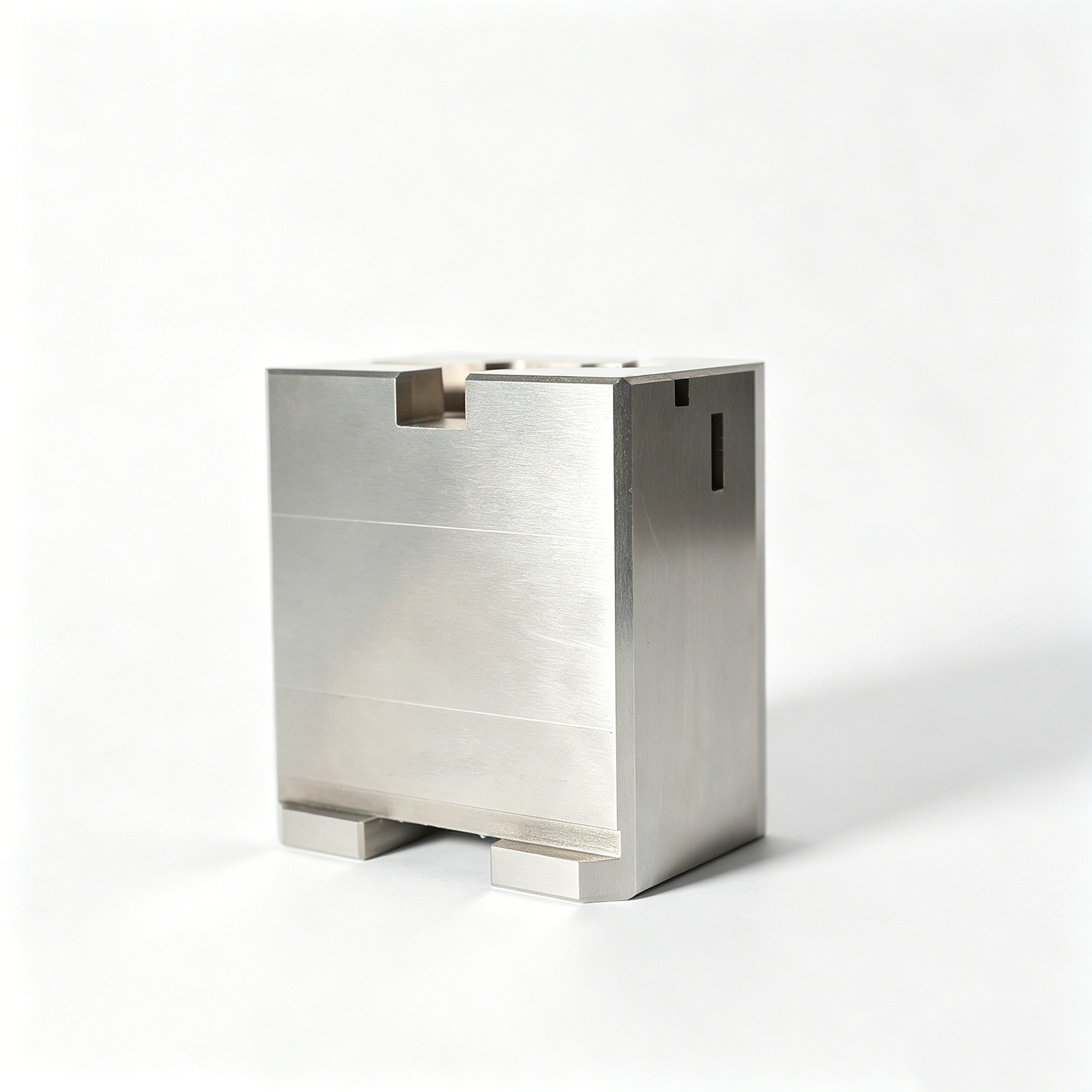
Representative Precision Components for Sandblasting Planning




Related Drawing-Based Components and RFQs



Why Engineering Teams Choose SUUXIANG for Sandblasting
Drawing review, process coordination, and inspection planning keep sandblasting requirements connected to the dimensions and interfaces that matter.
Drawing-Led Review
We review drawings, models, material requirements, and application context before discussing a sandblasting route or production commitment.
Critical Dimension Planning
Critical dimensions, datums, masking needs, and mating surfaces are identified early to limit unintended effects from surface finishing.
Coordinated Process Routing
Sandblasting is considered alongside CNC machining, EDM, grinding, heat treatment, fitting, and required finishing sequence.
Inspection Plan Alignment
Inspection methods and reporting expectations are discussed against drawing requirements, surface priorities, and the verified order scope.
Revision-Controlled Communication
Visible revision information helps keep drawing updates, manufacturing decisions, inspection expectations, and delivery coordination aligned throughout the project.
Precision Parts for Surface Preparation
Drawing-driven CNC, tooling, and component families planned around material condition, critical dimensions, and specified surface-finish requirements.
CNC Machining Services
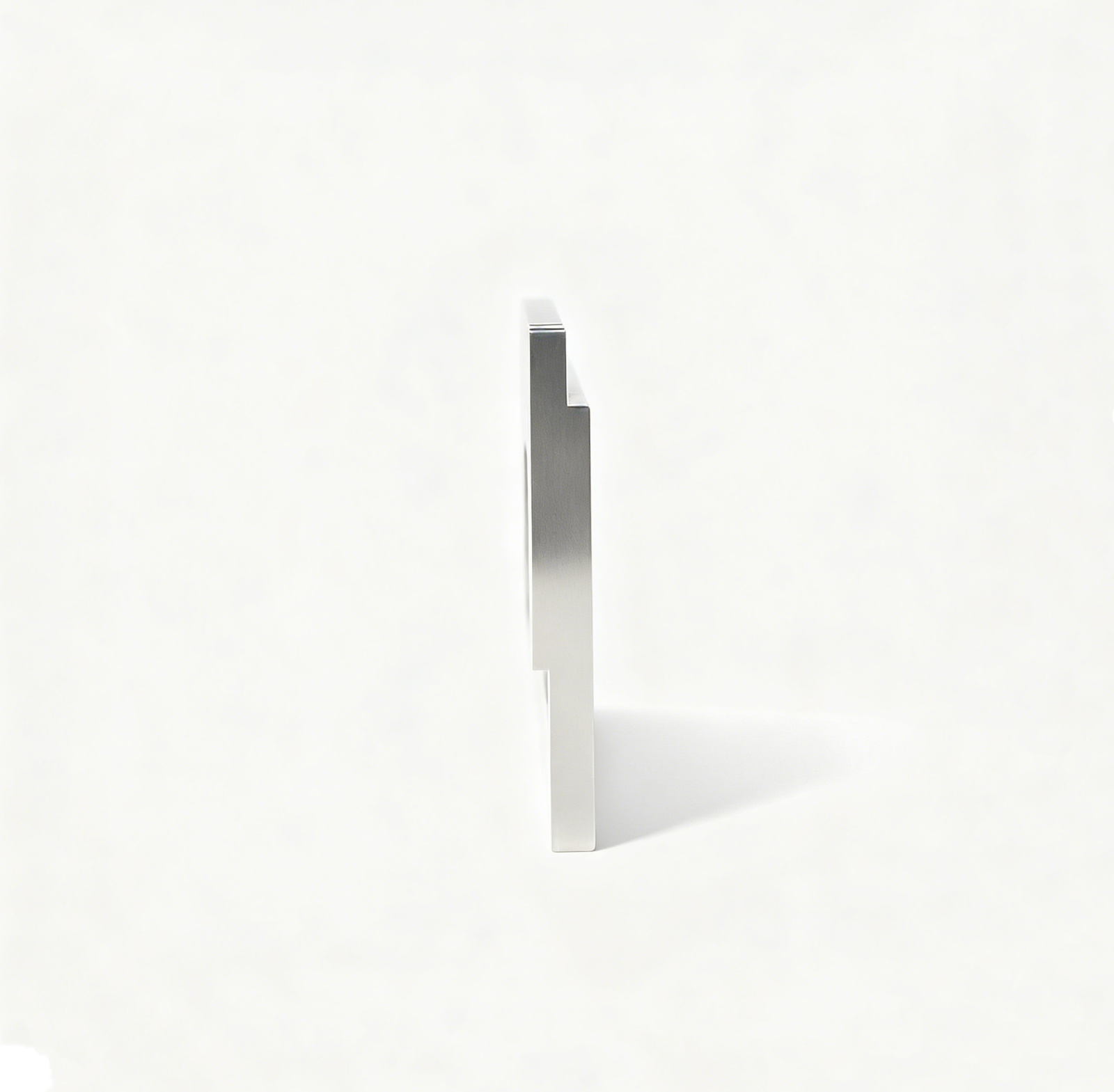
Precision CNC machining services for custom machined parts and precision mold components requiring a defined surface condition before or after sandblasting. Drawing review addresses material, functional datums, masked areas, edge condition, machining marks, and inspection criteria before a process route is proposed.
Upload a Drawing
CNC Milling
Custom CNC milling services for plates, housings, inserts, and prismatic components. Tool access, cutter direction, corner geometry, and specified blasted areas are reviewed so the final finish does not conflict with mating surfaces or critical dimensions.
Upload a Drawing
CNC Turning
Precision CNC turning services for shafts, sleeves, bushings, pins, and other rotational parts. The drawing review considers concentricity, surface requirements, thread protection, and whether sandblasting is appropriate for functional diameters, sealing areas, or bearing fits.
Upload a Drawing
5-Axis Machining
5-axis CNC machining supports complex contours, angled features, deep cavities, and multi-face parts with fewer setups. Process planning evaluates tool reach, workholding, datum retention, and the accessibility of surfaces designated for blasting or other finishing.
Upload a Drawing
Swiss & Micro Machining
Swiss machining and micro machining support small, detailed turned components where feature geometry and handling demand controlled process planning. Surface preparation requirements are assessed alongside diameter tolerances, burr control, fine threads, cross holes, and inspection access.
Upload a Drawing
Wire & Sinker EDM
Wire EDM and sinker EDM services support hardened, intricate, and difficult-to-machine features in tooling components. Electrode strategy, wire path, EDM surface condition, recast-layer considerations, and any subsequent blasting or polishing requirements should be defined on the drawing.
Upload a Drawing
Precision Grinding
Precision surface and profile grinding supports flatness, parallelism, profiles, and tightly controlled functional surfaces. Grinding stock, heat-treatment sequence, protected fit areas, and the effect of surface preparation on finished dimensions are reviewed before processing.
Upload a Drawing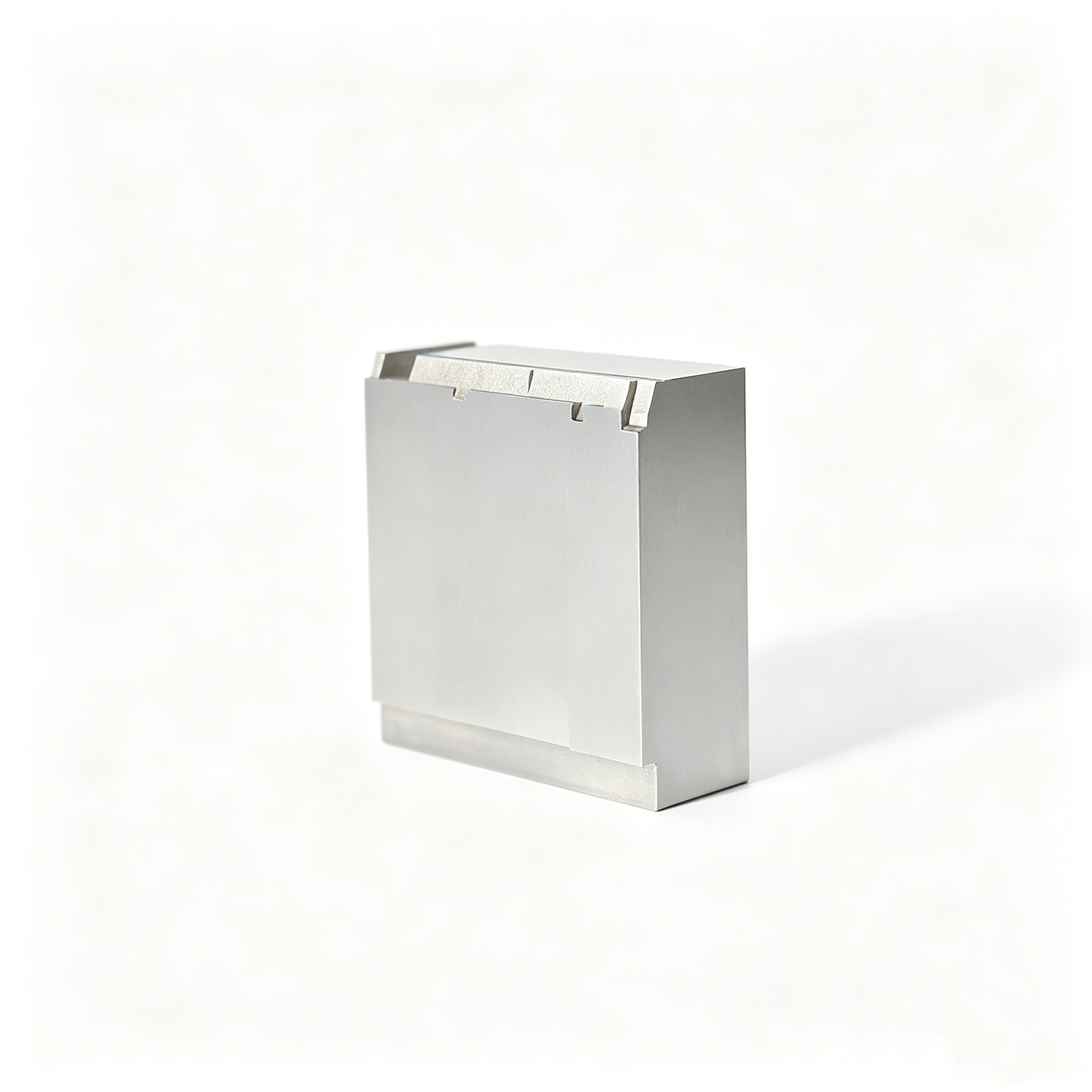
Mold Core Inserts & Mold Cavity Inserts
Precision mold core and cavity inserts are manufactured from customer drawings with attention to parting surfaces, cavity detail, cooling interfaces, and fit relationships. Surface preparation can be planned for non-functional external areas while critical molding surfaces follow their specified finish route.
Upload a Drawing
Ejector & Ejection Components
Ejector pins, sleeves, and ejection components require controlled geometry for movement, guidance, and repeatable fit within the mold. Material condition, heat treatment, working diameters, lubrication-related surfaces, and any non-functional blasted finish need clear definition.
Upload a Drawing
Core Pins, Guide & Locating Components
Core pins, guide pins, bushings, and locating components are produced around datum relationships and mating-fit requirements. The review identifies functional diameters, locating faces, hardness sequence, and surfaces that must remain protected from abrasive finishing.
Upload a Drawing
Slides, Lifters, Gates & Mold Accessories
Mold slides, lifters, gates, and accessories are configured from drawings and mold-function requirements. Machining, EDM, grinding, fitting interfaces, wear surfaces, and surface-preparation boundaries are planned to preserve travel, sealing, alignment, and assembly performance.
Upload a Drawing
Connector Mold Components
Precision connector mold components support fine-pitch, multi-cavity, and alignment-sensitive tooling applications. Designs are reviewed for pin geometry, insert interfaces, EDM requirements, polishing or texture needs, and finish restrictions that could affect connector-forming features.
Upload a Drawing
Stamping Die Components
Precision stamping die components include punches, dies, plates, guides, and custom wear components made to drawing-defined material and functional requirements. Process planning considers cutting-edge condition, clearance relationships, heat treatment, grinding, and any specified exterior finish.
Upload a Drawing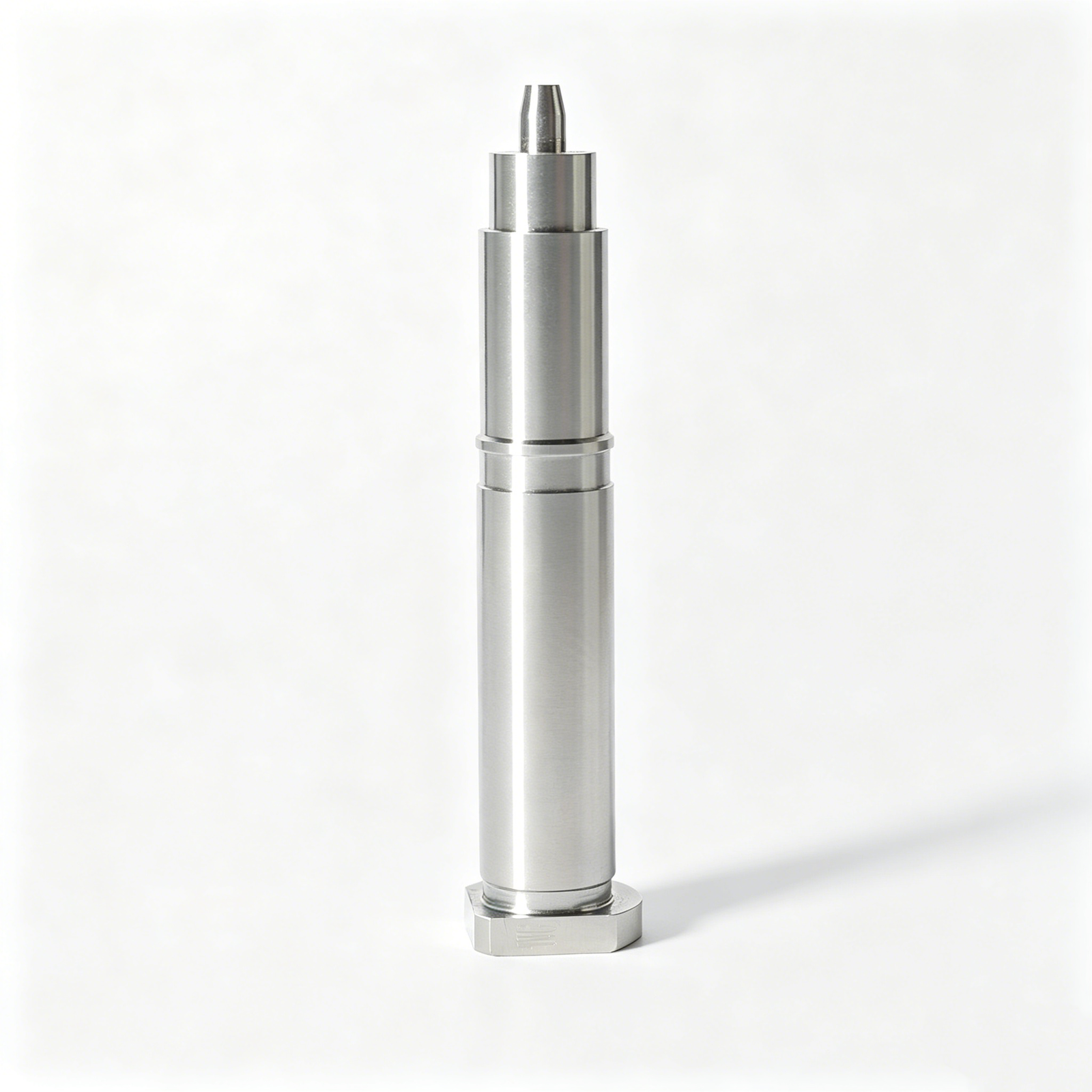
Injection Mold Components, MIM, CIM & Overmolding Tooling
Injection, MIM, CIM, and overmolding tooling components are evaluated within SUUXIANG’s verified production scope. Drawings should identify molding surfaces, flow-related features, insert and shutoff interfaces, material requirements, and any blasting, texture, or polishing expectations.
Upload a Drawing
Machining Materials
CNC machining materials are selected from the customer’s drawing and application requirements, including machinability, heat-treatment response, corrosion needs, and intended surface treatment. Material availability and certification expectations should be confirmed for each project before production commitment.
Upload a Drawing
Surface Finishes & Heat Treatment
Surface finishing and heat treatment are specified according to functional need, not as a default add-on. Sandblasting, polishing, coating preparation, hardness sequence, masking, dimensional allowance, and post-treatment inspection requirements should be documented before release.
Upload a Drawing
Quality, Metrology & Documentation
Precision inspection, metrology, and quality documentation are aligned to the approved drawing and inspection plan. Critical dimensions, datums, surface requirements, measurement methods, report format, revision status, and traceability expectations are clarified before production begins.
Upload a Drawing
Prototyping & Low-Volume Production
Rapid prototyping and low-volume manufacturing support drawing-based validation, tooling development, and controlled production quantities. Each request is reviewed for material, process route, critical dimensions, finishing needs, inspection level, revision maturity, and target delivery requirements.
Upload a DrawingMaterials Reviewed for Sandblasting Requirements

Tool Steel
Used for mold cores, cavity inserts, and die components where hardness and wear resistance matter. Heat-treatment condition, grinding stock, and masked critical surfaces should be defined before sandblasting is planned.

Stainless Steel
Common for corrosion-resistant precision parts, connector tooling, and fixtures. Alloy grade, prior machining marks, and the required visual finish affect media selection and whether blasted areas need protection from critical interfaces.

Aluminum Alloys
Suitable for lightweight fixtures, housings, and prototype components. The relatively soft substrate can show an aggressive blast profile, so surface expectations, wall geometry, and subsequent coating requirements need early review.

Copper Alloys
Considered for conductive inserts, electrical-contact tooling, and specialized EDM-related applications. The material’s soft surface and functional contact areas require a controlled finish plan that distinguishes cosmetic treatment from mating surfaces.

Engineering Plastics
Used in selected fixtures, guides, and low-volume functional components. Resin type, wall stiffness, and cosmetic expectations determine whether a gentle surface treatment is appropriate without changing edges, fit, or critical dimensions.
Sandblasting and Precision Process Routes


Wire EDM
Wire EDM creates precise profiles, slots, and internal features where conventional cutting access is limited. The wire path, corner condition, and finish requirement are planned with adjacent surfaces in mind before any applicable surface treatment is considered.

Sinker EDM
Sinker EDM supports detailed cavities, deep features, and complex mold geometry using an electrode strategy suited to the drawing. Electrode marks, recast-layer considerations, and finishing allowances require review when surface appearance or mating performance matters.

Precision Grinding
Precision grinding controls flatness, parallelism, diameter, and surface condition on features that need a defined final state. Grinding stock and datum protection are evaluated before sandblasting or other finish steps are approved for the part.

Sandblasting Review
Sandblasting may be evaluated for cleaning, texture, or surface-preparation requirements when the drawing and application support it. Media, pressure, masking, and sequence must be confirmed against critical dimensions, surface priorities, and inspection expectations.

Final Inspection
Inspection verifies the order-specific dimensions, surface requirements, and documentation defined during drawing review. Measurement method, reporting needs, revision status, and any finish-related acceptance criteria should be agreed before production is released.
Sandblasting Accessories and Component Details
Locating Features
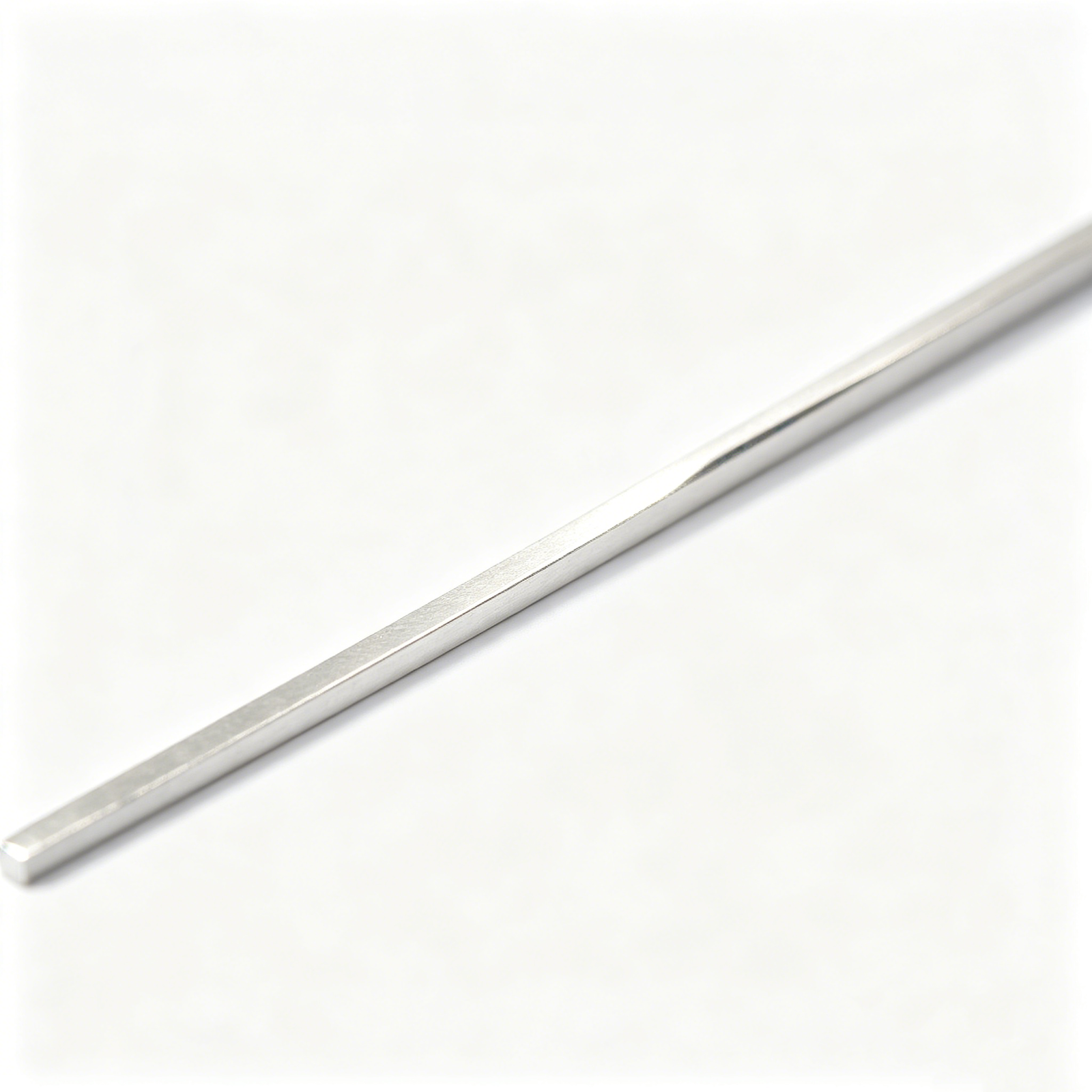
Dowel bores, locating faces, and orientation marks can be planned around critical datums so sandblasting does not obscure functional references or interfere with assembly alignment. Feature geometry requires drawing review before commitment.

Guide Elements
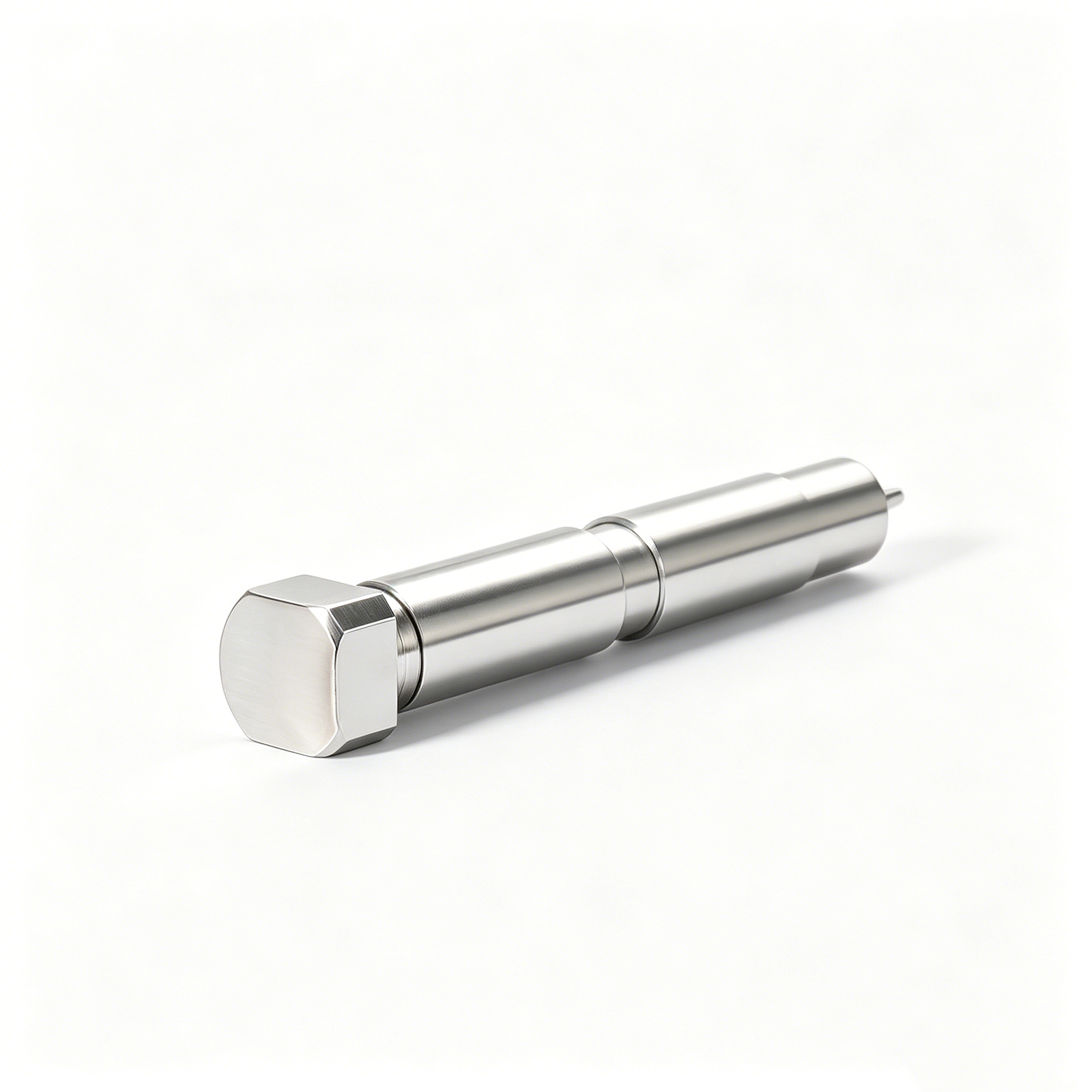
Guide pins, bushings, sleeves, and mating guide interfaces can be supplied as drawing-defined component details for mold and connector tooling assemblies. Fit, hardness, finish, and protected surfaces should be identified during the RFQ review.
Precision Inserts
Core inserts, cavity inserts, wear inserts, and replaceable tooling details can be coordinated with the selected machining, EDM, grinding, and sandblasting route. Critical sealing, shutoff, and datum surfaces require clearly defined finishing boundaries.

Part Identification Labels
Part numbers, revision marks, orientation identifiers, and packaging labels can support traceable delivery when required by the order. The marking method, location, legibility requirement, and any surface-finish restrictions should be confirmed in the drawing package.

Protective Packaging
Protective packing can be specified for finished precision parts, especially where sandblasted surfaces, sharp edges, critical faces, or matched components need controlled handling. Define quantity per pack, corrosion protection, separation needs, and delivery documentation requirements.
About SUUXIANG Precision Manufacturing
SUUXIANG is the sole public-facing brand of Dongguan SuuXiang Precision Mold Co., Ltd., established in 2010 in Chang’an Town, Dongguan, Guangdong, China. Founded by XiaoCheng Huang, the company’s legal representative, we help international engineering, sourcing, and quality teams turn controlled drawings and specifications into inspected precision components.
Our work is drawing-driven: CNC milling and turning, multi-axis machining, EDM, precision grinding, fitting, inspection, and sandblasting are planned around the part’s critical dimensions, datums, material condition, surface requirements, and application context. The appropriate route is defined through DFM review before quotation or production commitments.
What distinguishes SUUXIANG is disciplined project control rather than broad, unsupported promises. We review machining access, grinding allowance, EDM needs, surface-finish priorities, inspection methods, revisions, and delivery expectations with the customer. Capability, tolerance, material, and lead-time commitments remain specific to the verified requirements of each project.

Sandblasting Planning Within a Controlled Process Route
DFM Before Surface Treatment
Sandblasting requirements should be reviewed against critical dimensions, datums, masking needs, surface callouts, and mating interfaces before production is committed. SUUXIANG uses the drawing review to identify areas where blast exposure could affect function, fit, appearance, or later finishing operations.
- Identify critical-to-quality surfaces and protected zones
- Review datum strategy and functional mating interfaces
- Clarify required texture, coverage, and cosmetic priorities
- Confirm drawing revisions before route planning
Route the Part Intentionally
For surface-sensitive precision parts, sandblasting is considered within the full machining route rather than as an isolated finishing step. CNC machining, EDM, grinding, heat treatment, fitting, and finishing sequence must preserve required geometry while allowing appropriate access to the specified surfaces.
- Assess machining access before final surface treatment
- Plan EDM and grinding allowances around finished surfaces
- Review heat-treatment sequence and distortion risk
- Define where masking or controlled exposure is needed

Plan Inspection Around Function
Inspection planning should reflect how the part will be used, not only its general appearance after sandblasting. SUUXIANG aligns measurement methods with drawing-defined dimensions, surface priorities, datums, and reporting requirements so the final documentation follows the agreed inspection plan.
- Match inspection methods to critical dimensions
- Confirm cosmetic and surface-condition acceptance criteria
- Define required reports before production begins
- Keep inspection records aligned with the order

Maintain Revision Traceability
A surface-finishing change can affect process sequence, protection requirements, and inspection expectations. SUUXIANG keeps revision information visible through project coordination, helping engineering, sourcing, and quality teams verify that the released drawing and current manufacturing instructions remain aligned.
- Track drawing and specification revisions
- Communicate changes affecting process sequence
- Align inspection requirements with current revisions
- Coordinate delivery information with project status
Why Choose SUUXIANG for Sandblasting and Drawing-Based Work
Compare a disciplined drawing-to-inspection workflow with generic quote-first sourcing for precision parts and tooling components.
← Swipe left or right to view →
Sandblasting Production Workflow From Drawing to Inspection
A controlled, drawing-led route that aligns surface-finish requirements with machining, EDM, grinding, fitting, inspection, packing, and delivery coordination.
RFQ and Drawing Review
We review drawings, models, material, quantity, application, delivery target, and reporting needs to establish the information required for a responsible quotation discussion.
DFM and Finish Planning
Critical dimensions, datums, surface requirements, machining access, sandblasting intent, masking needs, and downstream allowances are reviewed before the process route is confirmed.
Machine Critical Features
CNC milling, turning, multi-axis work, EDM, or grinding are planned as applicable to create required geometry while protecting dimensions affected by surface finishing.
Finish, Fit, and Verify
Sandblasting and related finishing are applied only to the agreed requirement, followed by fitting checks where relevant and verification against the defined inspection plan.
Inspect and Document Results
Inspection focuses on agreed critical dimensions, surface priorities, and order-specific reporting, with revision information and traceability maintained through the project workflow.
Pack and Coordinate Delivery
Parts are packed according to the order’s handling needs, and delivery coordination is kept visible so the receiving team can plan inspection and assembly.
Start Your Sandblasting RFQ
Provide the drawing, finish priorities, and quality requirements so the proposed process route can be reviewed before production release.
Submit Your Drawing Package
Send the 2D drawing and available 3D model with revision status, quantity, application context, and target delivery date for an initial technical review.
Define Critical Requirements
Identify material, heat treatment, critical dimensions, surface-finish expectations, masking areas, inspection needs, and any mating-component constraints that influence the sandblasting route.
Review the Proposed Plan
Review the quotation or sample plan covering manufacturability findings, process sequence, inspection approach, documented assumptions, and items requiring confirmation before work begins.
Release Production With Confidence
Confirm the approved revision, commercial requirements, and quality plan. Production proceeds through the agreed machining, finishing, inspection, and delivery coordination workflow.
Sandblasting Certificates and Quality Documentation
Customer Evidence: Publication Pending Approval
Customer case study pending approval. This slot will document the drawing scope, sandblasting requirement, inspection evidence, delivery outcome, and measurable engineering result once verified customer permission is available.
Customer case study pending approval. This slot will summarize the critical dimensions, surface-finish decision, revision-control process, and quality documentation required for the completed precision-part program.
Customer case study pending approval. This slot will record the RFQ inputs, process route, inspection plan, and confirmed sourcing or delivery outcome without publishing unverified figures or claims.
Sandblasting and Precision-Part RFQ FAQ
Practical answers for engineering and sourcing teams planning drawing-driven parts with controlled surface-finish requirements.
What information should I provide for a sandblasting RFQ?
Can sandblasting be applied to custom CNC parts and mold components?
Does sandblasting affect critical dimensions or surface roughness?
Is there a minimum order quantity for sandblasting parts?
Can I order samples before a production batch with sandblasting?
How should I plan lead time for parts requiring sandblasting?
How are drawings, revisions, and IP handled during an RFQ?
What payment and shipping details should be confirmed before ordering?
The Complete Buyer’s Guide to Sandblasting
Use this decision framework to specify surface finish requirements, compare sandblasting methods and media, qualify capable suppliers, control cost and lead time, and avoid drawing, masking, cleanliness, and inspection mistakes.
1. What Is Sandblasting?
Common shop-floor uses of sandblasting include removing light burrs or contamination and creating a uniform matte or coating-preparation texture on a precision surface. The process directs abrasive media through a nozzle at controlled pressure, distance, angle, and dwell time; impact changes the outer surface rather than correcting a dimensional error.
Terminology matters in an RFQ: “sandblasting” is often used broadly for abrasive blasting, while silica-sand blasting specifically uses silica sand. Modern specifications should name the actual medium and process intent because media hardness, particle size, and blast energy affect edge break, texture, cleanliness, and risk to fine details.
Common part families needing this clarification include CNC-machined housings, mold and stamping-die components, and connector tooling. Specify required visual uniformity, permitted masking areas, a target texture or comparison sample, any burr-removal requirement, and all dimensional, datum, thread, sealing, or mating surfaces that must remain protected.
2. Sandblasting Evolution and History
1870s patents associated with Benjamin Chew Tilghman formalized abrasive cleaning after observations of wind-driven sand wear; Thomas Wesley Pangborn later developed compressed-air blasting in 1904. That change made surface treatment faster and more controllable than manual abrasion, while retaining the broad name sandblasting. Source: https://fractory.com/sandblasting-explained
Since the mid-20th century, industrial practice has increasingly avoided free-silica sand because respirable crystalline silica can cause silicosis. Purpose-selected media—such as aluminum oxide, glass bead, steel grit, or non-silica mineral abrasives—allows the process to be matched to removal rate, substrate sensitivity, and specified texture. Source: https://fractory.com/sandblasting-explained
Modern enclosed cabinets and blast rooms combine controlled air pressure, media recovery, containment, and dust collection. For a precision-part RFQ, the relevant legacy is not the process name: require approved media identification and condition, masking and datum protection, a dimensional-risk review, and documented finish acceptance using an agreed sample, roughness method, or visual standard. Source: https://en.wikipedia.org/wiki/Sandblasting
3. Types of sandblasting Processes
Six common sandblasting routes differ mainly in propulsion, media impact, and access. Specify the functional objective before selecting a process; compressed-air and wheel systems are not interchangeable (https://fractory.com/sandblasting-explained).
| Process | Propulsion | Typical Finish | Removal | Best Geometry | Limitation |
|---|---|---|---|---|---|
| Dry air | Compressed air | Clean to matte | Medium | Accessible external faces | Dust; can erode edges |
| Wet blast | Air plus water slurry | Satin, uniform | Low-medium | Complex exposed forms | Drying and corrosion control |
| Vapor honing | Water-cushioned slurry | Fine satin | Low | Precision cosmetic faces | Not for aggressive stripping |
| Bead blast | Usually compressed air | Soft matte | Low | Housings, inserts | Can close fine details |
| Wheel/shot | Centrifugal wheel | Peened or cleaned | Medium-high | Robust, open parts | Poor access to recesses |
| Micro-abrasive | Fine media, small nozzle | Localized matte | Very low | Small features, delicate areas | Slow; strict masking needed |
Choose By Functional Need
Cleaning and coating preparation tolerate more profile change than cosmetic or sealing surfaces. For mold inserts, identify datums, shutoffs, polished zones, and bores that must be masked before blasting.
Control Localized Effects
Micro-abrasive blasting gives the smallest targeting area, but nozzle dwell can round edges or alter fit surfaces. Vapor honing and wet blasting reduce dry dust, yet require prompt drying and corrosion control.
Confirm The Process Route
A drawing note should state the process, media, masked features, target appearance, and inspection method. SUUXIANG should review that requirement against material, heat-treatment state, geometry, and downstream coating or assembly needs.
4. Sandblasting Media by Part Material
Six media families cover most precision-part work, but media selection follows substrate, required profile, and cleanliness—not a generic finish name. Protect datums, bores, threads, sealing lands, and mating faces before blasting.
| Media | Best Materials | Aggression | Reuse | Profile | Cleaning |
|---|---|---|---|---|---|
| Glass bead | Stainless, aluminum, brass | Low | High | Satin | Remove dust |
| Aluminum oxide | Tool steel, titanium | High | Moderate | Angular | Wash thoroughly |
| Ceramic | Tool steel, stainless | Medium | High | Uniform | Remove residue |
| Steel shot or grit | Tool steel | High | High | Textured | Ferrous separation |
| Plastic | Engineering plastics, aluminum | Low | Moderate | Low-cut | Air clean |
| Walnut shell | Plastics, copper alloys | Low | Low | Minimal | Remove organic dust |
Material And Media Match
Glass bead suits stainless steel, aluminum, brass, copper alloys, and titanium where a satin, low-cut finish is required. Aluminum oxide or ceramic media suits tool steel and harder surfaces needing a stronger anchor profile.
Plastic media and walnut shell suit engineering plastics, soft alloys, or delicate parts when coating removal or cleaning must limit substrate removal. Steel shot or grit is best reserved for ferrous work with compatible contamination controls.
Media Comparison
Six media types differ materially in cutting action, reuse potential, and cleaning burden. Confirm the specified medium, mesh range, pressure, and test coupon before releasing cosmetic or critical components.
Contamination And Dimensions
Ferrous media can embed residue on stainless steel, aluminum, titanium, brass, and copper alloys, creating corrosion or appearance risk. Use segregated equipment, documented media control, and nonferrous cleaning for these parts.
Critical bores and datum faces require masking or a process allowance because blasting changes edges and surface texture. Define post-blast cleaning, inspection method, and acceptance sample in the RFQ.
5. Sandblasting Finish and Custom Options
A sandblasting callout should define the intended function before appearance. Media, grit, pressure, nozzle distance, dwell, masking, and approved samples together control the result.
| Finish intent | Control emphasis | Approval evidence |
|---|---|---|
| Cosmetic matte | Fine media and consistent coverage | Limit sample |
| Paint preparation | Profile and cleaned surface | Coating trial |
| Masked logo | Artwork and boundary control | Oriented sample |
Write a Controllable Callout
An RFQ should identify media, grit range, pressure window, nozzle distance, dwell, and blast direction.
A drawing should state the masked zones, datum-sensitive faces, and allowable edge change rather than request a generic matte finish.
Specify Selective Visual Effects
Selective blasting can create matte panels while protecting sealing lands, threads, and precision bores.
Logo or pattern masking needs artwork, mask boundaries, and an approved part orientation; visual uniformity requires a physical limit sample.
Coordinate Subsequent Finishes
Anodizing, passivation, plating, and painting require the blast profile to suit the next process.
Coating-prep requirements should name the finish sequence, cleaning restrictions, and acceptance sample; terms such as satin or even are insufficient alone.
6. Critical Quality Controls for Blasted Parts
Production approval requires the blasted condition to be defined before parts enter the finish cell. For precision mold and connector components, the finish specification must protect datums, fits, threads, bores, and functional edges.
Mask Functional Features
Threads, bores, sealing lands, bearing fits, and datum faces require positive masking or documented exclusion. Sharp edges and thin sections need a reduced-intensity trial because blasting can round edges or alter mating behavior.
- Identify CTQ features on the drawing
- Specify protected zones and masking method
- Verify masks before and after blasting
Control Media And Cleanliness
Media type, particle condition, and segregation should match the part material and required appearance. Residual abrasive must be removed from cavities, cross-holes, and connector features before handling or assembly.
- Use clean, controlled media
- Inspect recesses and blind holes
- Prevent cross-contamination between alloys
Approve Finish Evidence
Approved samples establish visual consistency for color, coverage, texture, and protected areas. Where roughness is specified, measure the agreed location and direction; verify cleanliness and re-inspect critical dimensions after blasting.
- Retain an approved visual standard
- Record roughness when required
- Use final inspection matched to the control plan
7. How to Select a sandblasting Supplier
Select sandblasting suppliers through the drawing-review record, not a finish photograph alone. For precision parts, the RFQ must connect media, mask lines, datums, inspection, and downstream processing.
Validate The DFM Review
One RFQ review should identify material, hardness, thin sections, internal passages, critical datums, and surfaces excluded from blasting.
Two controlled samples—one reference coupon and one production-representative part—should define acceptable texture, coverage, edge change, and cosmetic limits.
- 2D drawing and 3D model
- Finish note with media and mask boundaries
- Part photos showing cosmetic faces
- Quantity, revision, and target date
Audit Process Controls
One enclosed blast system with dust extraction and media segregation reduces cross-contamination risk; request the supplier’s control method and cleaning sequence. https://en.wikipedia.org/wiki/Sandblasting
Two masking checks matter: fixture repeatability and post-blast verification of protected threads, bores, sealing faces, and mating features.
- Media identification and changeover controls
- Masking material and removal method
- Sample-to-production approval record
Confirm Records And Handoffs
One inspection plan should name the measured features, instruments, sampling basis, acceptance criteria, and required report format.
Three handoffs require ownership: blasting after machining, inspection before secondary finishing, and revision-controlled packing. Request lot traceability, photos, and acceptance-sample retention before release.
- Material and heat-treatment evidence
- First-article or agreed sample record
- Packing and revision traceability
8. Common sandblasting Sourcing Mistakes
A drawing note that says only ‘sandblasted’ leaves media, pressure, coverage, and acceptance criteria undefined. For precision parts, those omissions can change fit, cleanliness, and the apparent finish.
Define The Blast Requirement
One finish note should identify the approved media, size range, process area, and target visual standard. Selecting media by appearance alone can alter cutting action, embed residue, or conflict with the base material.
An RFQ should also mark tolerance-sensitive dimensions, datums, and edges as no-blast or limited-blast zones. Otherwise, material removal and edge rounding can complicate mating fits.
Protect Functional Surfaces
All threads, bores, sealing lands, and contact faces need explicit masking instructions or a post-process plan. Unprotected surfaces may retain media, lose thread quality, or develop a texture that prevents sealing.
Deep pockets and recesses rarely receive identical impact to exposed faces. State the required coverage area, permitted variation, and any inaccessible zones on the drawing.
Approve Cleaning And Limits
A post-blast cleaning requirement should name the method and inspection expectation, especially for connector or mold-component interfaces. Residual abrasive can contaminate assemblies, coating steps, or precision sliding surfaces.
One limit sample, approved before production, converts subjective texture into a controlled reference. Include sample retention, comparison conditions, and rejection criteria in the inspection plan.
9. From RFQ to Production Approval
One controlled RFQ prevents a cosmetic finish from obscuring functional risk. Submit the 2D drawing, 3D model, material, quantity, application, required finish objective, and target delivery date together.
Define Functional Requirements
Three feature groups should be marked: cosmetic faces, sealing or mating faces, and critical datums. State whether sandblasting must clean, create coating adhesion, reduce glare, or provide a specified appearance.
- Identify masked threads, bores, and precision fits.
- Call out allowable edge rounding or material removal.
- Specify the required condition before assembly.
Review Route And Samples
Two process decisions require written agreement: blast before or after heat treatment, and blast before or after anodizing, plating, coating, or final machining. Request DFM feedback on access, masking, media, sequence, and protection of datum surfaces.
One representative coupon or approved sample should define media, coverage, texture, color change, and acceptable variation. Record its revision with the drawing.
Approve Inspection And Changes
First-article approval should verify critical dimensions after the complete process route, not only after machining. Lock the inspection method, sampling expectation, surface reference, traceability record, and packing protection before production release.
Any change to material, heat treatment, media, masking, route, coating supplier, or drawing revision needs impact review and written approval. SUUXIANG can coordinate this evidence against the agreed order and inspection plan.
10. Sandblasting Pricing and Cost Drivers
Key cost inputs in a precision blasting quote usually include handling and masking labor, blast exposure area, and finish verification. SUUXIANG should quote against the released drawing, material condition, masking map, media specification, target texture, and inspection plan—not generic online rates.
Practical savings levers include standardizing the approved media and finish target across a part family and placing nonfunctional surfaces outside tight masking boundaries. Do not relax protected datums, mating surfaces, thread protection, or cosmetic acceptance criteria merely to reduce blasting cost.
| Quantity tier | Setup / geometry | Media and finish control | Inspection requirement | Indicative lead-time effect |
|---|---|---|---|---|
| 1–10 pieces | High masking; deep pockets or internal features | Specified media; sample approval | Visual plus critical-surface protection check | Setup can govern; add 1–3 working days |
| 11–50 pieces | Repeatable fixturing; moderate masking | Defined media and coverage | First-piece check; documented sampling as agreed | Usually improves scheduling efficiency |
| 51+ pieces | Stable handling and reusable masks | Controlled media replenishment and finish limits | Lot plan and traceable records when specified | Capacity and batch size determine timing |
| Any quantity | Large, thin, or complex parts | Multiple media trials or narrow appearance limits | Expanded measurement or customer reporting | Engineering review may extend approval time |
Submit Your Sandblasting RFQ for Technical Review
Upload your drawing with material, quantity, critical dimensions, surface requirements, inspection needs, and target delivery date for a disciplined manufacturing review.