
Stainless Steel Passivation for Precision Parts
Submit drawings for DFM-led machining, surface-treatment coordination, and inspection planning aligned to your material, critical dimensions, and documentation requirements.
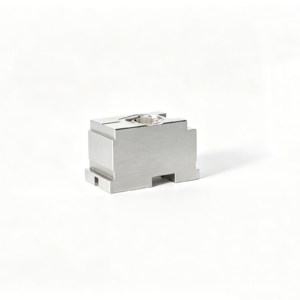
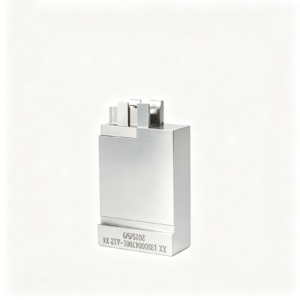
Representative Precision Components for Passivation Planning


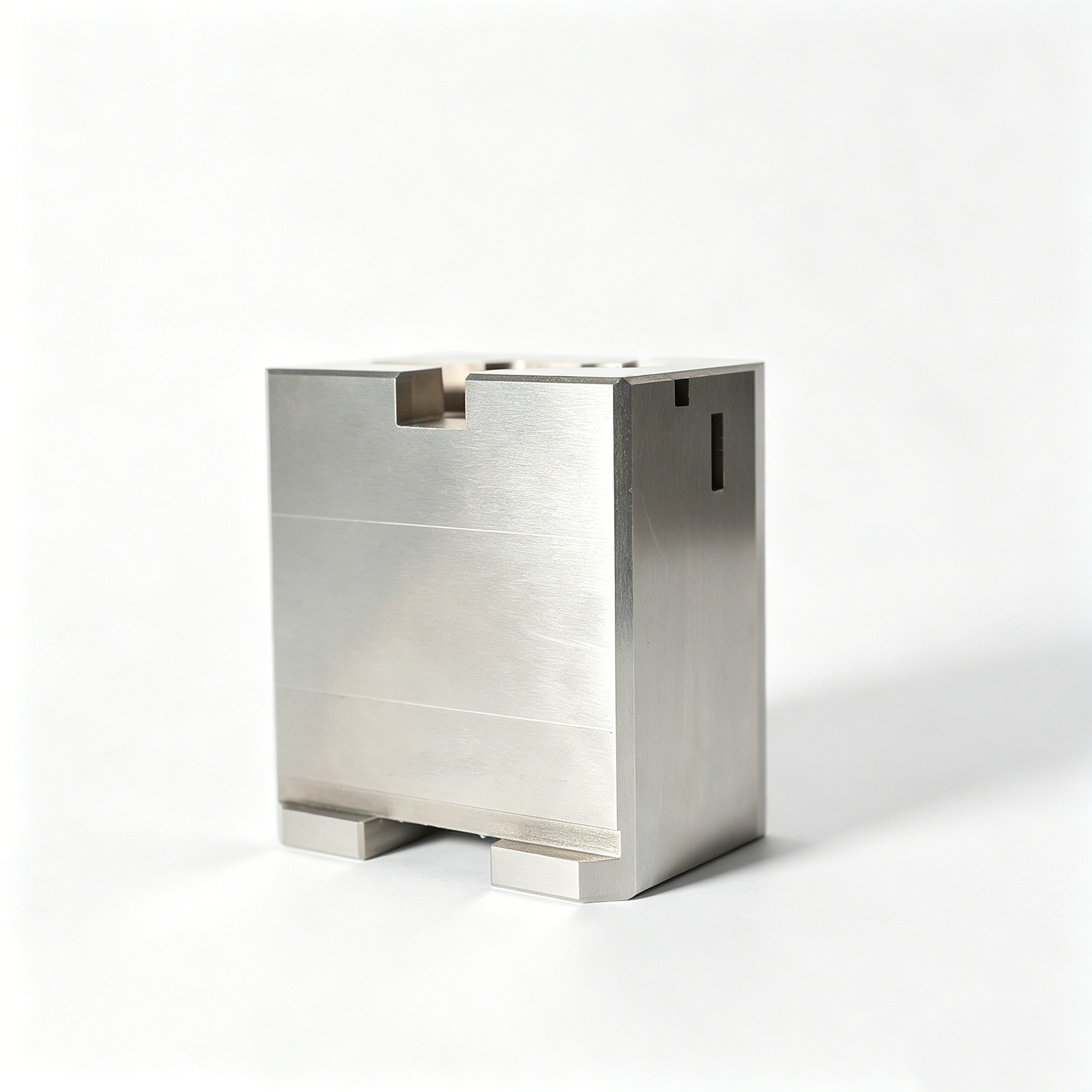


Related Drawing-Based Part Families







Stainless Steel Passivation Needs Process Control
Align surface-treatment requirements with the drawing, machining route, critical dimensions, inspection plan, and controlled revisions before production commitments.
DFM Before Quotation
Review geometry, material, surface condition, and treatment requirements early to identify access, cleaning, masking, and handling considerations before quotation.
Critical Dimensions Protected
Define datums and critical-to-quality features so machining, grinding, treatment, and final inspection can be sequenced around functional requirements.
Planned Process Sequence
Coordinate machining, EDM, grinding, heat treatment, cleaning, and passivation in a route appropriate to the drawing and verified project needs.
Inspection Matched to Risk
Agree measurement methods, reporting requirements, and acceptance criteria for critical features, surface condition, and documentation before production begins.
Visible Revision Control
Keep drawing revisions, technical clarifications, and delivery information visible throughout the project to reduce mismatched assumptions between teams.
RFQ Evidence First
Submit drawings, models, material requirements, quantity, delivery targets, and inspection expectations for a more informed manufacturing review.
Precision Part Families for Production Planning
Drawing-driven component families organized by process route, functional requirements, and the manufacturing evidence needed before production.

CNC Machining Services
Precision CNC machining services for drawing-based custom parts requiring coordinated milling, turning, EDM, grinding, and inspection. Review critical dimensions, datums, material, heat treatment, surface requirements, quantity, and delivery priorities before selecting a process route.
Upload a Drawing
CNC Milling
Custom CNC milling services for prismatic parts, plates, inserts, housings, and features requiring controlled tool access. Drawings should identify datum surfaces, pocket geometry, thin-wall risks, tolerance relationships, surface requirements, and any finishing or inspection priorities.
Upload a Drawing
CNC Turning
Precision CNC turning services for shafts, pins, sleeves, bushings, threaded forms, and rotational features. Define critical diameters, concentricity or runout requirements, datum references, material condition, surface finish, and downstream grinding or heat-treatment sequence.
Upload a Drawing
5-Axis Machining
5-axis CNC machining for complex geometry where multiple feature orientations, compound angles, or reduced setups affect accuracy and access. A drawing review should confirm fixture strategy, tool reach, collision risk, datum transfer, finish requirements, and inspection approach.
Upload a Drawing
Swiss & Micro Machining
Swiss machining and micro machining for small, slender, or detail-intensive components where support, tool geometry, and inspection access are decisive. Provide critical dimensions, material, burr limits, surface requirements, quantity, mating context, and measurement expectations.
Upload a Drawing
Wire & Sinker EDM
Wire EDM services and sinker EDM services for hardened features, fine slots, sharp internal geometry, deep cavities, and profiles beyond conventional tool access. Process planning should address wire path or electrode strategy, recast-layer expectations, corner conditions, allowances, and finish requirements.
Upload a Drawing
Precision Grinding
Precision surface and profile grinding for flatness, parallelism, profile accuracy, and controlled stock removal after machining or heat treatment. Specify datum faces, grinding stock, material condition, critical dimensions, surface requirements, and the intended inspection method.
Upload a Drawing
Mold Core & Cavity Inserts
Precision mold core inserts and mold cavity inserts configured from approved drawings for injection-mold tooling. Review parting geometry, shutoffs, cooling or feature access, material and heat-treatment requirements, EDM strategy, grinding allowances, critical dimensions, and fitting relationships.
Upload a Drawing
Ejector & Ejection Components
Ejector pins, sleeves, and ejection components produced to drawing-defined fit, alignment, travel, and surface requirements. Clarify mating bores, clearance conditions, hardness or coating needs, wear areas, burr control, and any dimensional records required for assembly.
Upload a Drawing
Core Pins, Guide & Locating Components
Core pins, guide pins, and locating components for repeatable alignment, positioning, and molded-feature control. Drawings should establish datum logic, mating fits, hardness and finish requirements, working length, concentricity, and inspection priorities before production planning.
Upload a Drawing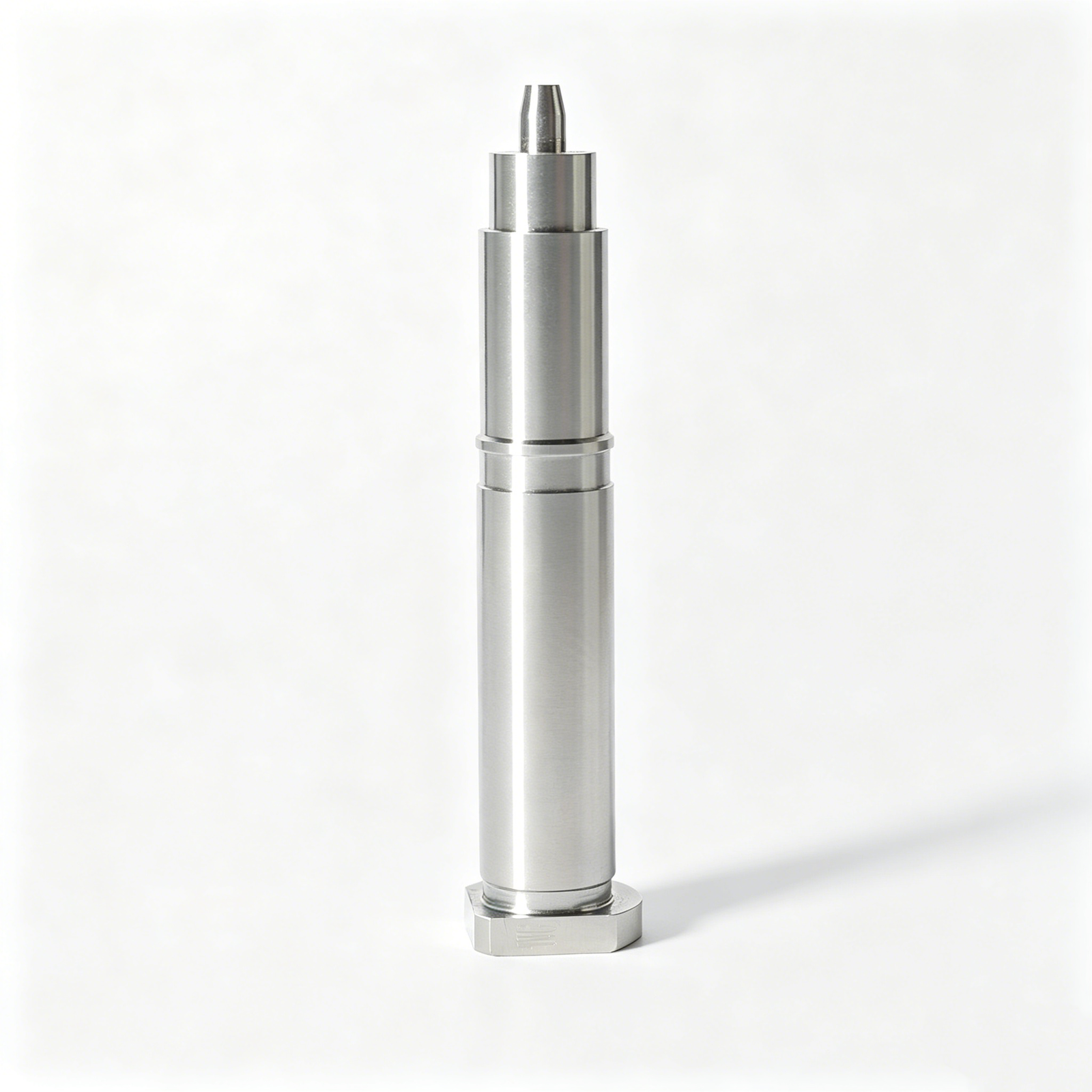
Slides, Lifters, Gates & Mold Accessories
Mold slides, lifters, gates, and accessories for moving, guiding, feeding, or supporting mold functions. Manufacturing review addresses motion interfaces, fit conditions, wear surfaces, tool access, heat-treatment sequence, EDM or grinding needs, and assembly-critical dimensions.
Upload a Drawing
Connector Mold Components
Precision connector mold components for tooling that forms connector features with demanding pitch, alignment, and mating requirements. Define critical-to-quality dimensions, datum strategy, material condition, electrode or wire-EDM needs, surface requirements, and inspection evidence.
Upload a Drawing
Stamping Die Components
Precision stamping die components for punch, die, guide, wear, and forming functions defined by tool design. A responsible review considers material and hardness, clearance relationships, edge condition, grinding stock, EDM details, mating parts, and inspection requirements.
Upload a Drawing
Injection, MIM, CIM & Overmolding Tooling
Injection mold components and tooling components for MIM, CIM, and overmolding, planned around the applicable molding process and verified production scope. Share cavity details, material and heat-treatment requirements, shrinkage-related context, gate or ejection interfaces, critical dimensions, and quality expectations.
Upload a Drawing
Machining Materials
CNC machining materials selected against drawing requirements, application conditions, machinability, heat treatment, corrosion needs, and inspection priorities. Confirm the specified grade, material condition, traceability needs, substitute policy, and any requirements affecting process planning.
Upload a Drawing
Surface Finishes & Heat Treatment
Surface finishing and heat treatment planned as controlled steps that can affect dimensions, surface condition, hardness, and inspection timing. Define the specified treatment, masking or functional surfaces, dimensional priorities, post-process stock, and documentation requirements.
Upload a Drawing
Quality, Metrology & Documentation
Precision inspection, metrology, and quality documentation aligned to the order and verified inspection plan. Identify critical dimensions, datums, sampling or reporting expectations, measurement methods, material records, revision status, and any traceability required before production.
Upload a Drawing
Prototyping & Low-Volume Production
Rapid prototyping and low-volume manufacturing for drawing-based parts that require practical DFM, revision control, and delivery coordination. Submit the 2D drawing, 3D model when available, material, quantity, critical dimensions, inspection needs, and target delivery date.
Upload a DrawingMaterials Considered for Stainless Steel Passivation

304 Stainless Steel
A common austenitic choice for precision brackets, housings, and general industrial components. Its corrosion behavior depends on the finished surface, contamination control, and service environment, which should be defined in the RFQ.

316 Stainless Steel
Often evaluated for parts facing more demanding chloride or chemical exposure. The drawing review should confirm the application environment, machining features, surface condition, and required stainless steel passivation verification before processing.

303 Stainless Steel
A free-machining austenitic grade considered for turned pins, fittings, and detailed CNC components. Sulfur-bearing composition can affect corrosion expectations, so material selection and post-machining surface requirements need project-specific review.

17-4 PH Stainless
A precipitation-hardening stainless option for strength-focused shafts, inserts, and tooling components. Heat-treatment condition, dimensional movement, grinding allowance, and corrosion requirements should be coordinated before passivation planning.

420 Stainless Steel
A martensitic stainless material considered for wear-oriented mold and tooling details. Hardness condition, heat-treatment sequence, surface preparation, and corrosion exposure require confirmation because passivation treatment suitability is application-dependent.
Supported Process Routes for Stainless Steel Passivation


EDM Processing
Wire and sinker EDM create fine features or hard-material details where conventional tools cannot reach. Electrode strategy, wire path, recast-layer considerations, and cleanup requirements are evaluated before a passivation route is considered.

Precision Grinding
Grinding controls critical size, flatness, and surface finish on functional features. Grinding stock, abrasive carryover, and cleaning requirements are reviewed so the final surface condition aligns with drawing and inspection expectations.

Passivation Coordination
When stainless steel passivation is specified and supported by the project route, treatment requirements, rinsing, verification expectations, and traceability are reviewed against the drawing. Final commitments depend on verified material and process evidence.
Stainless Steel Passivation Component Details We Can Coordinate

Precision Inserts
Specify stainless inserts, threaded features, or replaceable wear elements with material, fit, datum, and surface requirements. SUUXIANG reviews installation access and critical interfaces before coordinating the machining and finishing sequence.
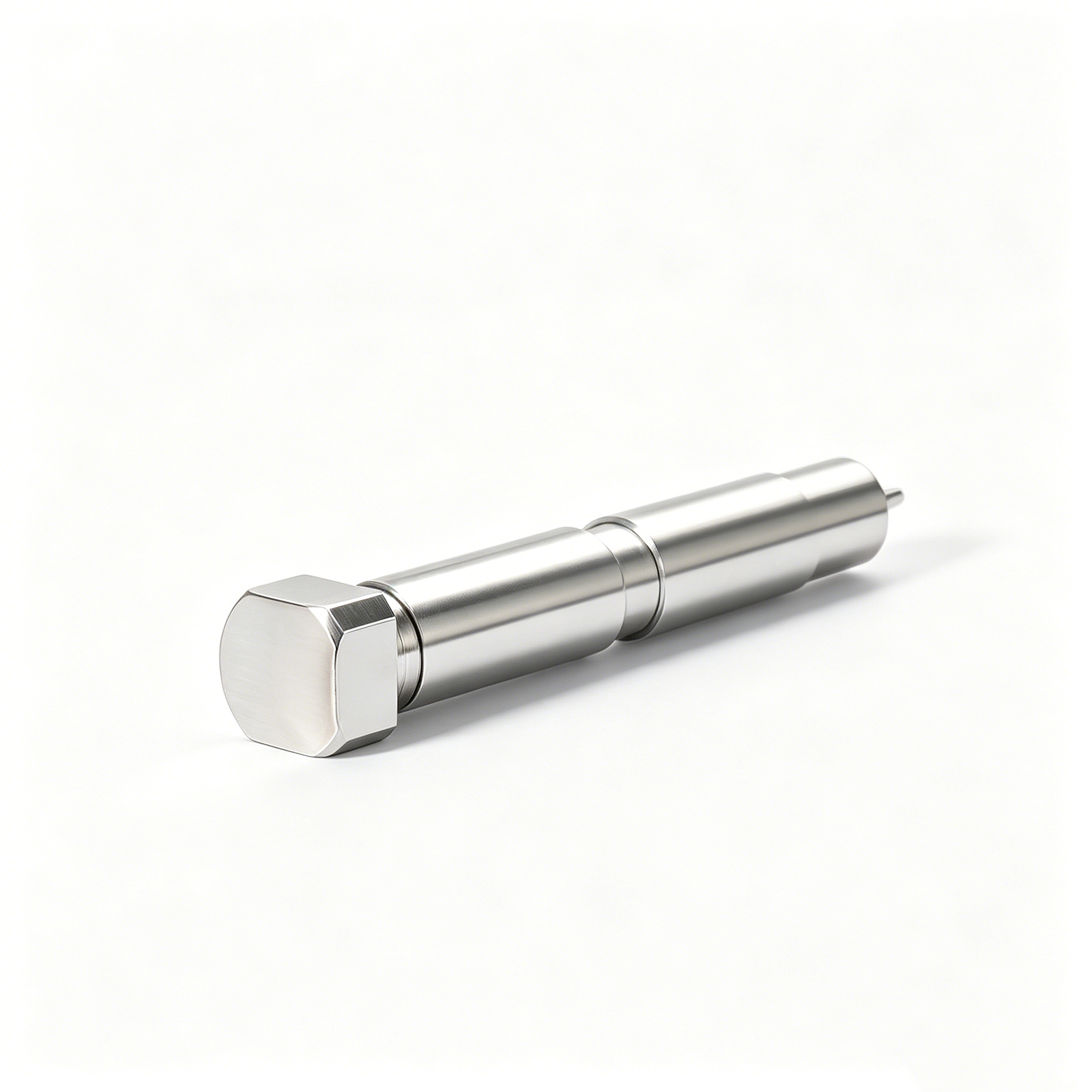
Custom Pins
Core pins, locator pins, ejector pins, and special-diameter pins can be defined by drawing. Include material, hardness, geometry, mating condition, and critical dimensions so machining, grinding, and applicable surface-treatment requirements are assessed together.

Guide Elements
Guide pins, bushes, locating blocks, and alignment features require clear fit classes, datum relationships, and lubrication or protection expectations. These details help prevent tolerance-stack issues across mold, connector-tooling, and die-component assemblies.

Part Identification
Coordinate laser marking, part numbers, revision identifiers, orientation marks, or traceability labels where the drawing permits. Marking location, legibility, and surface-condition constraints should be agreed before final inspection and packaging.

Protective Packaging
Define cleaning, corrosion protection, individual wrapping, separation methods, and shipment labeling for finished components. Packaging requirements should reflect the part geometry, surface condition, handling risk, and destination requirements stated in the RFQ.
About SUUXIANG
SUUXIANG is the sole public-facing brand of Dongguan SuuXiang Precision Mold Co., Ltd. Established in 2010 in Chang’an Town, Dongguan, Guangdong, China, the company was founded by and is legally represented by XiaoCheng Huang. We help international engineering, sourcing, and quality teams turn drawings and specifications into inspected custom CNC parts, precision mold components, connector tooling, and stamping-die components.
Our workflow brings CNC milling and turning, multi-axis machining, EDM, precision grinding, fitting and inspection into a controlled production plan. Before quotation or production commitments, we review critical dimensions, datums, machining access, material and heat-treatment requirements, surface priorities and the inspection evidence required for the order.
For stainless steel passivation projects, SUUXIANG treats the surface requirement as part of the complete manufacturing route, not an isolated finish. We coordinate drawing review, machining and surface-treatment considerations, inspection expectations, revision control and delivery communication so buyers can make informed decisions before production begins.
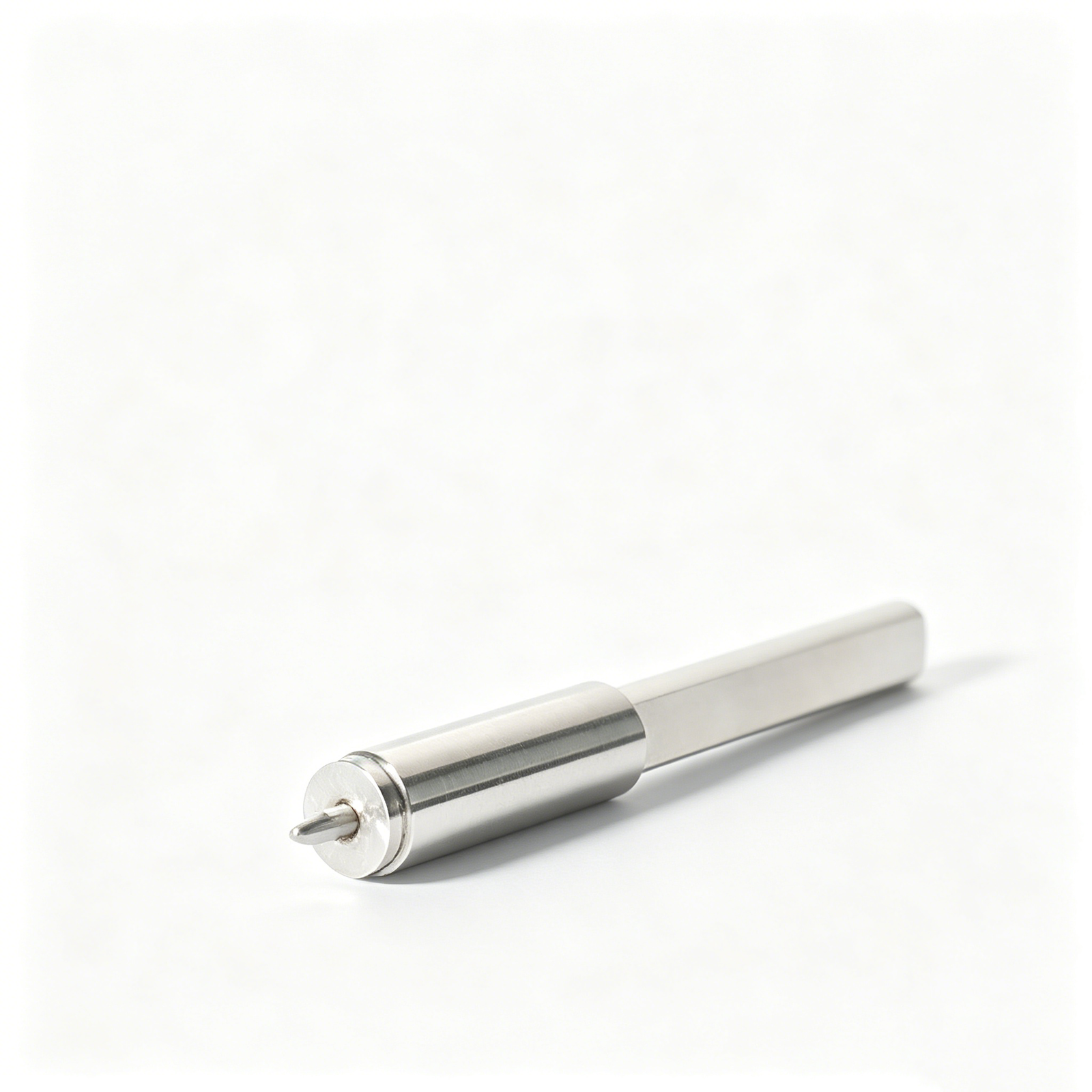
Stainless Steel Passivation Planning Beyond the Surface
DFM Before Surface Treatment
Stainless steel passivation planning starts with the drawing: identify critical dimensions, datums, surface requirements, material condition, and areas susceptible to contamination. This review helps separate finish requirements from geometry that must remain stable through machining and subsequent handling.
- Confirm drawing revision and critical-to-quality features
- Define datums for machining and inspection
- Identify surface zones requiring protection or masking
- Review material and heat-treatment sequence

Sequence Machining, EDM, and Grinding
A credible route considers tool access, wire path, electrode strategy, grinding stock, and final surface condition before passivation is coordinated. Passivation removes surface contamination; it is not a substitute for removing scale or correcting an unsuitable preceding process.
- Plan CNC access before tight features are created
- Allow grinding stock where final geometry requires it
- Assess EDM and finishing effects by functional surface
- Avoid treating passivation as a dimensional correction

Plan Inspection With the Part
Inspection planning should follow the drawing and the functional risk of the part. Agree measurement methods, report content, sampling expectations, and any corrosion-related acceptance evidence before production. Final documentation should match the purchase order, approved revision, and verified inspection plan.
- Link measurement methods to critical dimensions
- Define required inspection reports before release
- Record material, revision, and traceability needs
- Clarify finish and corrosion-test expectations
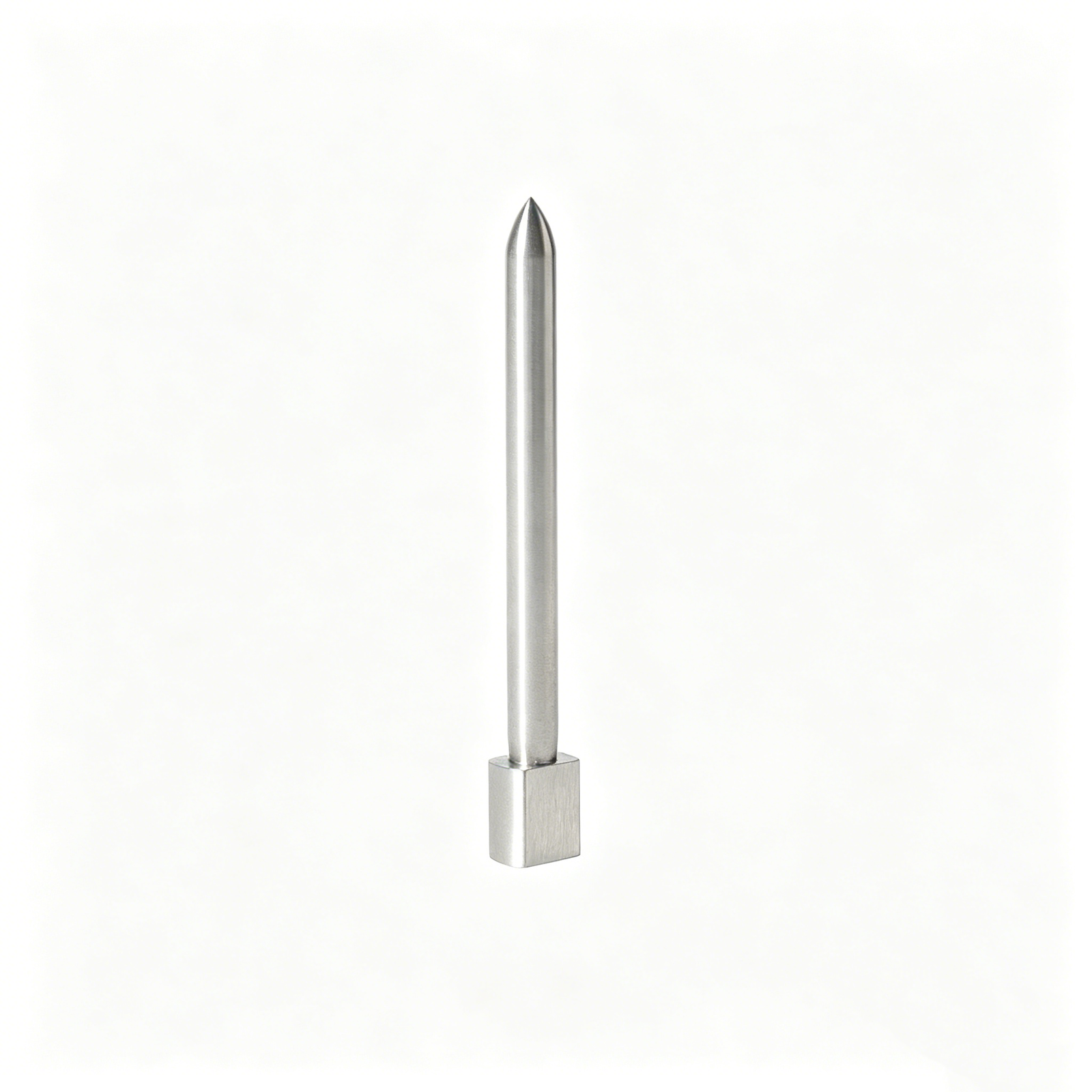
Keep Revisions Visible
Revision-controlled coordination protects the process route when designs, quantities, or acceptance requirements change. SUUXIANG keeps drawing questions, manufacturing decisions, inspection expectations, and delivery information visible so the quoted scope can be reviewed against the current technical package.
- Submit 2D drawings and available 3D models
- State quantity and target delivery date
- Flag mating-part and application context
- Include quality and reporting requirements
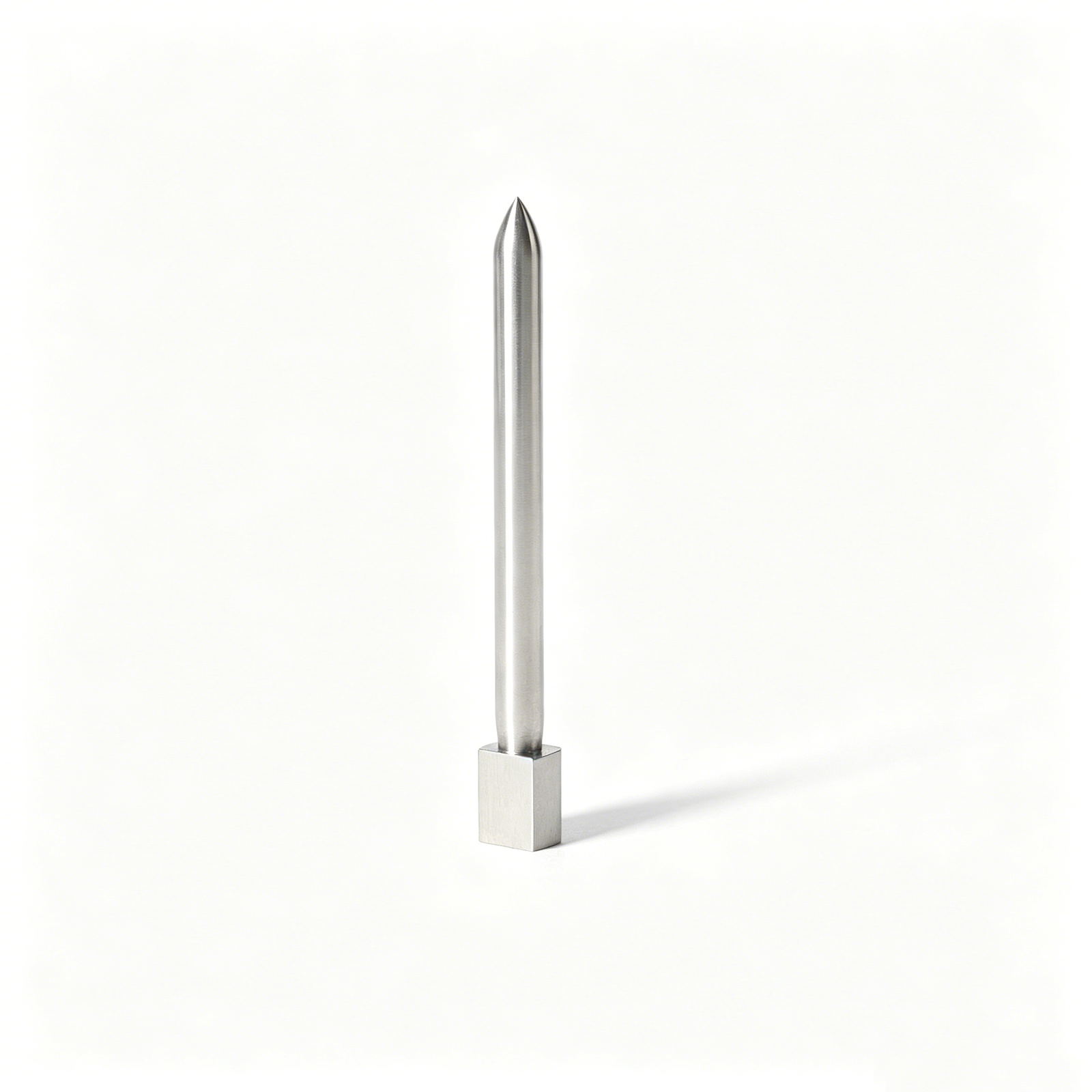
Plan Stainless Steel Passivation Projects With Drawing Review
Compare documented drawing review and inspection planning with generic quoting approaches before production commitments.
← Swipe left or right to view →
Stainless Steel Passivation Production and Inspection Workflow
A drawing-led path that aligns machining, finishing coordination, inspection, packing, and documentation before shipment.
Review RFQ Requirements
Share the 2D drawing, model, material, quantity, application, delivery target, and reporting needs. SUUXIANG reviews critical dimensions, datums, surface requirements, and revision status.
Confirm Process Route
The team evaluates machining access, tolerance stack, heat-treatment sequence, grinding stock, EDM needs, and the required stainless steel passivation or finishing coordination route.
Machine Critical Features
Approved work proceeds through the applicable CNC, EDM, grinding, and fitting operations, with process planning focused on controlled stock, functional interfaces, and drawing-defined requirements.
Coordinate Surface Finishing
Before finishing, verify masking, handling, cleanliness, surface condition, and required documentation. Confirm that the selected treatment aligns with material, application, and customer-specified acceptance criteria.
Inspect, Pack, and Document
Inspection follows the agreed plan for critical dimensions and specified reporting. Parts are protected for shipment, while order documentation is matched to the verified revision and requirements.
Start Your Stainless Steel Passivation Project
Move from drawing review to controlled production with clear requirements, documented decisions, and inspection planning aligned to the order.
Submit Your Drawing Package
Provide 2D drawings, 3D models when available, material, quantity, surface requirements, delivery target, and inspection expectations for an informed stainless steel passivation review.
Review DFM and Quotation
Confirm critical dimensions, datums, machining access, heat-treatment sequence, cleaning or passivation requirements, inspection method, revision status, and the proposed manufacturing route before commitment.
Approve Samples When Needed
For projects requiring validation, review agreed samples or first-article evidence against the drawing, functional context, surface condition, and defined inspection criteria before production release.
Release Controlled Production
Proceed through planned machining, EDM, grinding, fitting, surface-treatment coordination, and inspection with revision and delivery information kept visible throughout the manufacturing workflow.
Stainless Steel Passivation Inspection and Documentation
Customer Evidence Is Published Only After Verification
Approved customer testimonial required before publication. SUUXIANG does not publish unverified sourcing, inspection, delivery, or stainless steel passivation outcomes without customer authorization and supporting project records.
An anonymized project case may be published only after the relevant drawing revision, inspection evidence, process route, and measurable outcome have been reviewed and cleared for external use.
No customer performance claim is included here until SUUXIANG has verified the applicable material, passivation requirement, quantity, quality documentation, and delivery result for the specific project.
Stainless Steel Passivation FAQ for B2B Buyers
Prepare a clearer drawing-based RFQ by defining the material condition, surface-treatment requirement, inspection evidence, quantity and delivery priorities before production planning begins.
What should I include in an RFQ for stainless steel passivation?
Does stainless steel passivation remove machining marks or change dimensions?
Is stainless steel passivation the same as pickling or electropolishing?
Which material condition should be specified before passivation?
Can SUUXIANG quote low-volume parts or samples requiring stainless steel passivation?
How should I plan lead time for machined parts with a passivation requirement?
What inspection reports can I request for passivated stainless parts?
How are drawings, revisions and shipping instructions handled?
The Complete Buyer’s Guide to stainless steel passivation
Use this decision framework to specify stainless steel passivation, evaluate process controls and supplier documentation, compare treatment options, and avoid costly corrosion, dimensional, and compliance mistakes in drawing-based component sourcing.
1. What Is stainless steel passivation?
Chromium-rich oxide is stainless steel’s natural corrosion-resistant surface film when clean metal has access to oxygen. Stainless steel passivation is a controlled cleaning treatment that removes free iron and other surface contaminants, allowing that protective film to reform; ASTM A380 addresses cleaning, descaling and passivation practice (https://www.astm.org/a0380_a0380m-17.html).
Machining, grinding, welding, and contact with carbon-steel fixtures or handling tools can leave embedded iron, residues, or heat-affected surface conditions that create localized corrosion risk. The British Stainless Steel Association notes that passivation promotes passive-film formation on freshly machined, ground, or mechanically damaged surfaces (https://bssa.org.uk/bssa_articles/passivation-of-stainless-steels).
Passivation improves resistance to corrosion initiated by surface contamination; it does not add a barrier coating, correct unsuitable alloy selection, remove weld scale, or guarantee performance in every service environment. It normally produces no marked cosmetic change, so specify it as a corrosion-control process with defined cleaning, treatment, rinsing, and verification requirements—not as a decorative finish.
2. Evolution of stainless steel passivation
Mid-1800s chemist Christian Friedrich Schönbein described iron rendered comparatively unreactive after concentrated nitric-acid treatment as ‘passive,’ linking surface condition to corrosion behavior (https://www.besttechnologyinc.com/passivation-systems/what-is-passivation).
1900s industrial nitric-acid processing made that observation a repeatable finishing route, but machining, grinding, and handling could leave free iron or other contamination. Buyers therefore moved from simply requesting passivation to defining cleaning, acid treatment, thorough rinsing, and the surface condition to be achieved; passivation is not a substitute for removing heat scale or chromium-depleted material (https://www.assda.asn.au/stainless-steel/surface-finishes/pickling-and-passivation).
ASTM A967 recognizes nitric and citric treatment routes and verification practices, including water immersion, humidity, salt-spray, copper-sulfate, and potassium-ferricyanide–nitric-acid tests (https://bssa.org.uk/bssa_articles/passivation-of-stainless-steels). A drawing-ready specification should consequently identify the governing revision, alloy and pre-cleaning condition, approved treatment parameters, rinse/dry controls, selected acceptance test, sampling, and required process record—not merely state stainless steel passivation.
3. Types of stainless steel passivation
Three routes are commonly specified: nitric acid, citric acid, and electropolishing followed by passivation. Select the route from surface condition, geometry, corrosion need, and the governing specification—not a generic ‘passivate’ note.
| Approach | Typical Use | Handling And Removal |
|---|---|---|
| Nitric acid | Free-iron removal on clean parts | Oxidizing-acid controls; minimal intended removal |
| Citric acid | Clean machined parts where specified | Simpler waste profile; minimal intended removal |
| Electropolishing-associated | Smoothing and enhanced cleanability | Electrical process; controlled metal removal |
Chemical Route Comparison
ASTM A967 may govern nitric or citric treatment; the supplier must confirm grade compatibility, bath concentration, temperature, time, rinsing, and test method.
Immersion Or Local Treatment
Immersion treats all wetted surfaces and suits discrete machined parts. Local paste or gel treatment can address accessible weld zones, but coverage, residues, and rinse access need agreement.
Scale Requires Descaling
Heat tint and oxide scale require pickling, mechanical descaling, or electropolishing as validated; passivation alone is not a scale-removal substitute. Electropolishing deliberately removes metal and can alter edges or critical dimensions.
4. Stainless Steel Grades and Surface Conditions
Grade family and surface history determine whether stainless steel passivation is an appropriate final step. Drawing review should identify sulfur-bearing free-machining grades, heat treatment, welding, roughness, and prior media before a process is selected.
| Family | Planning Focus | Potential Pre-Step |
|---|---|---|
| Austenitic | Free iron, weld tint | Clean; pickle if scale |
| Martensitic | Hardness, acid compatibility | Engineering review |
| PH stainless | Heat-treatment sequence | Clean; confirm route |
| Ferritic | Surface contamination | Clean; review finish |
| Duplex | Grade and exposure | Engineering review |
Alloy Family Review
304/316 austenitic grades commonly need contamination control after machining; duplex grades require chemistry and exposure review. Ferritic, martensitic, and precipitation-hardening grades need grade-specific process confirmation, especially after hardening.
Surface Condition Comes First
Weld heat tint and heat-treatment scale can contain a chromium-depleted layer; passivation alone does not remove it. Pickling or electropolishing may be considered after compatible cleaning and engineering review.
Machining And Finishing History
303 and other sulfur-modified free-machining alloys require explicit review because inclusions can affect corrosion performance. Grinding debris, embedded iron, oils, abrasive residue, and rough surfaces must be addressed before treatment.
5. Specify stainless steel passivation Correctly
A drawing note must define stainless steel passivation as a controlled corrosion-cleanliness process, not an appearance request. State the alloy, service environment, and the evidence required before purchase-order release.
Name The Governing Standard
ASTM A967 is commonly used for chemical passivation of stainless parts; cite the edition required by your contract and identify the permitted treatment class. https://www.astm.org/a0967-25.html
AMS 2700 may apply where aerospace or customer-flowdown requirements control; do not substitute a generic ‘passivate’ note for either specification.
Define Process Boundaries
100% of wetted or exposed surfaces should be identified, along with masked threads, sealing lands, press fits, laser marks, and cosmetic faces. State whether nitric, citric, or another approved route is allowed.
0.000 mm dimensional change should never be assumed: flag critical bores, fits, edge conditions, and surface roughness for supplier review before treatment.
- Cleanliness before treatment
- Masking locations and materials
- Post-treatment rinse and dry handling
Set Acceptance Evidence
ASTM A967 lists water immersion, humidity, salt spray, copper sulfate, and potassium ferricyanide-nitric acid test practices; select one compatible with alloy and application. https://bssa.org.uk/bssa_articles/passivation-of-stainless-steels
1 certificate of conformance should identify part number, revision, lot, standard, treatment method, test method, result, and date. Define acceptance as no specified test indication, with sampling plan and retest disposition stated.
6. Quality Controls for Passivated Parts
ASTM A967 acceptance is only meaningful when the cleaning, treatment, rinsing, and handling records identify the same production lot. For precision components, controls must prevent corrosion risk without altering critical dimensions, edges, fits, or surface condition.
Traceability And Pre-Cleaning
Each lot should link material certificate, heat or batch identity, drawing revision, quantity, and process traveler before cleaning begins. Alkaline or detergent cleaning removes oil; passivation is not a substitute for scale removal or degreasing.
Separate stainless fixtures, baskets, and work areas from carbon-steel handling to avoid free-iron transfer. Masking, racking, and loading should protect datum faces, sharp edges, small bores, and mating features.
Bath And Rinse Control
Every bath record should state chemistry concentration, solution age or replenishment status, temperature, immersion time, and operator. Use only the treatment range and sequence approved by the applicable specification and part material.
Final-rinse water quality and complete drying matter because retained acid, water spots, or recontamination can defeat an otherwise valid cycle. Lot segregation must continue through rinse, dry, packaging, and inspection.
Specification-Selected Verification
ASTM A967 identifies water immersion, high-humidity, salt-spray, copper-sulfate, and potassium-ferricyanide-nitric-acid practices; select only the test named by the purchase order or governing specification. A test detects residual iron-related performance risk; it does not prove every service environment.
Copper-sulfate or ferroxyl-style checks can be unsuitable for some alloys, finishes, or component geometries, so confirm applicability before release. Record sample identity, test condition, result, nonconformance disposition, and inspection report with the lot.
7. Choosing a Passivation Supplier
Before award, require the supplier to review the released drawing, grade, surface condition, geometry, quantity, and corrosion exposure. Ask which operations remain under its control and which require a qualified external finisher.
Match Grade And Geometry
440C is one grade that merits explicit chemical-route review; ask whether hardness, blind features, threads, EDM surfaces, and crevices affect cleaning, drainage, or treatment selection.
100% of critical surfaces should be identified on the drawing or inspection plan, including masked, mated, and cosmetic areas.
Verify Process Evidence
ASTM A967 can be named only when the purchase order states the applicable treatment and acceptance test. Ask for process qualification, bath-control records, selected test method, and a certificate tied to the lot.
1 certificate should identify part number, revision, material heat or lot when required, quantity, date, and any deviations.
Control Handoffs And Launch
2 handoffs—machining to finishing and finishing to packing—can introduce mix-ups or handling damage. Ask how lots are labeled, protected from ferrous contamination, dried, packaged, and retained through shipment.
First-article and production parts should use the same approved route; require written notification before any finishing source, chemistry, test, or packaging change.
8. Common stainless steel passivation Mistakes
ASTM A967-type passivation requirements fail most often at the RFQ stage, when surface condition and acceptance evidence are left implicit. State the starting surface, critical features, and required records before any stainless steel passivation route is selected.
Confusing Surface Treatments
Pickling removes heat scale and chromium-depleted metal; passivation removes surface contamination and promotes the passive film. Neither is a coating, so specify ‘pickle weld heat tint’ separately when scale is present.
ASTM A380 guidance distinguishes cleaning, descaling, and passivation. Attach the weld, machining, or heat-treatment condition to the drawing.
Skipping Cleaning And Rinsing
Oil, polishing compound, and shop dirt can block a consistent treatment result. Require a defined pre-clean, compatible handling, and documented final rinse and dry.
Acid residues can cause corrosion; thorough rinsing is essential. Require the processor to control acid handling and waste treatment under applicable site rules.
Using One Rule Everywhere
440C and other high-carbon martensitic grades may be unsuitable for some acid passivation routes. Identify grade, hardness, weld scale, and any hydrogen-embrittlement concern; require the supplier to confirm a compatible route.
Tight fits, threads, and sealing surfaces need dimensional protection. State masked features, allowable material removal, test method, sampling, and certificate fields rather than requesting a generic salt-spray test.
Accepting Undocumented Processing
A certificate without lot linkage cannot prove the processed parts match the order. Require part number, revision, material, process specification, test result, date, and traceable lot identification.
SUUXIANG should review these requirements against the drawing and inspection plan before routing outsourced or in-house finishing work.
9. Launching a Passivated Part Program
Three controlled handoffs reduce launch risk: design confirms the drawing and material; quality defines acceptance evidence; procurement aligns the approved route, quantity, and delivery requirement. Start stainless steel passivation with a representative prototype, not an assumed repeat process.
Define The Release Package
One RFQ package should include the current 2D drawing, 3D model when available, stainless grade, heat-treatment state, finish callout, critical datums, quantity, and application exposure.
Two owners should sign the requirement: design approves functional and mating constraints, while quality approves the test method, sampling basis, report format, and rejection criteria.
Approve Representative Evidence
First-article approval should compare measured critical dimensions and surface condition against the released drawing before repeat lots are authorized.
One sample set should represent the production cleaning, passivation, rinsing, drying, handling, and packaging sequence. Manufacturing records deviations; quality reviews results; procurement releases the purchase order only after documented disposition.
Lock And Monitor Repeat Lots
Each repeat lot needs traceable linkage to material identification, drawing revision, process route, passivation record, inspection result, quantity, and shipment date.
Thirty-day, or application-defined, field-feedback reviews help identify staining, corrosion, fit, packaging, or documentation issues early. Design, quality, procurement, and manufacturing should close each finding through controlled revision or corrective action.
10. stainless steel passivation Pricing Factors
3 quote structures are common: passivation priced as an added manufacturing operation, a standalone batch operation, or a rework operation. The comparable unit is not simply part count; basket loading, envelope size, geometry, and handling determine process capacity.
1 drawing package should state alloy, condition, quantity, passivation specification, required test, and certificate content. Add masked surfaces, cleanliness limits, packaging, target date, and whether machining and passivation remain under one controlled route.
0 assumed market prices belong in an RFQ comparison because chemical route, testing, documentation, and expedite needs vary by project. Integrated machining can avoid extra handling, while late rework can add cleaning, inspection, packaging, and schedule risk.
| Cost driver | Lower-complexity condition | Higher-cost condition |
|---|---|---|
| Quantity and loading | Full, compatible batch | Small or mixed batch |
| Part geometry | Open, easily drained surfaces | Blind features or handling-sensitive geometry |
| Preparation | Standard cleaning | Masking or contamination removal |
| Verification | No special test requested | Specified test and traceable report |
| Schedule | Planned production slot | Expedited turnaround |
Start Your Stainless Steel Passivation Drawing Review
Submit your 2D drawing, 3D model, material, quantity, quality requirements, and target delivery date for a technical quotation review.