
Wet Painting Support for Precision Parts
Send drawings, material requirements, and surface priorities for wet painting-related parts; SUUXIANG reviews manufacturability, critical dimensions, and inspection needs before quotation.
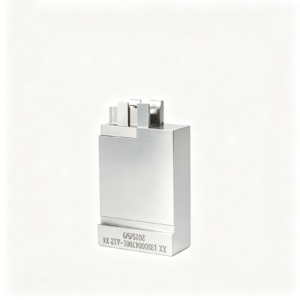
Representative Precision Parts for Wet-Painting Review


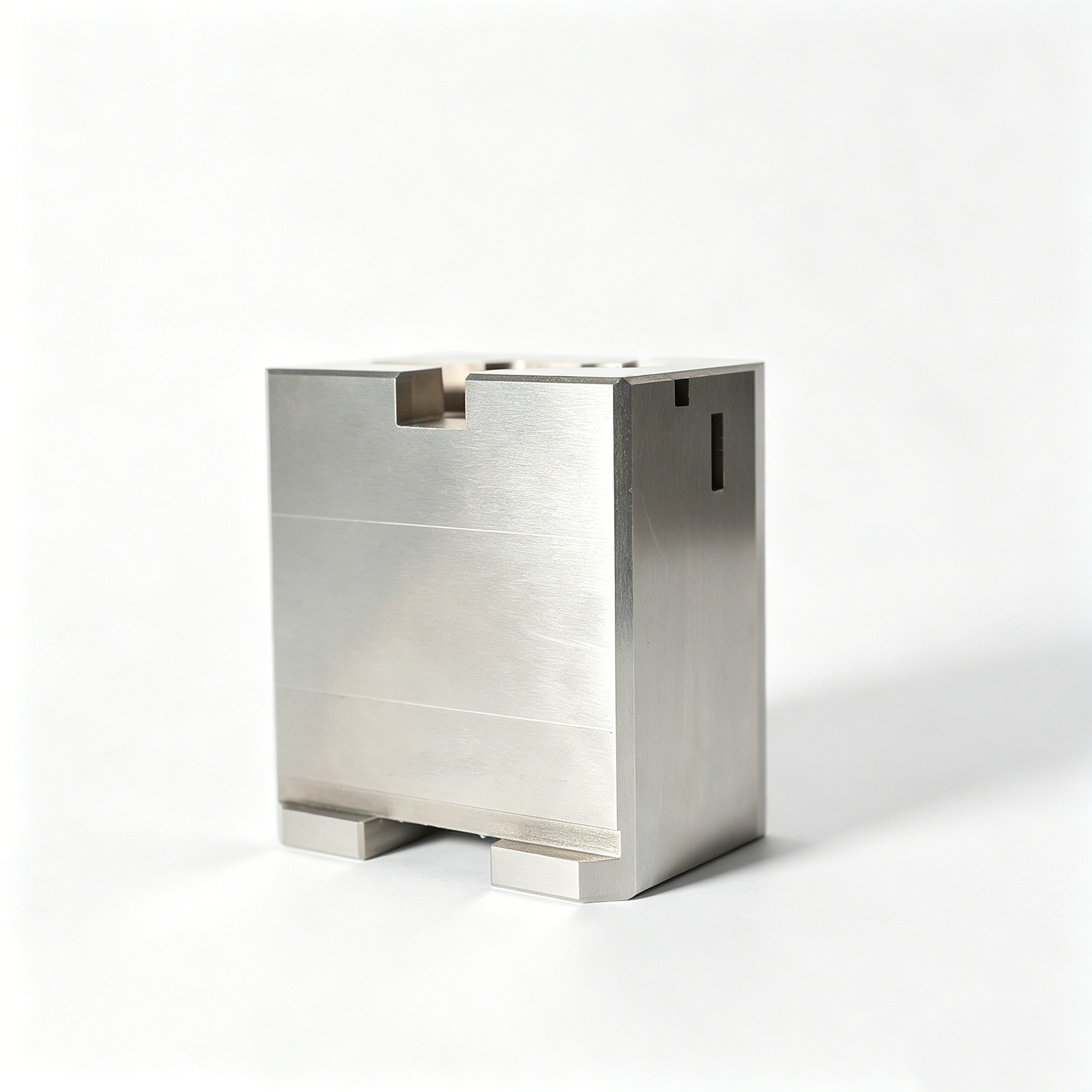


Related Precision Parts and RFQ Support



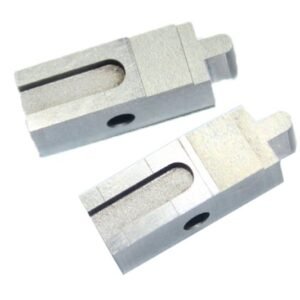



Wet Painting Advantages for Controlled Surface Requirements
Structured engineering discussion helps align surface requirements, critical dimensions, process choices and inspection expectations before production commitments.
DFM Before Quotation
Review drawing details, surface requirements and machining access early to identify questions before a wet painting project moves forward.
Critical Dimension Focus
Define critical dimensions, datums and tolerance priorities so manufacturing and inspection attention follows the functional requirements of the part.
Planned Process Routes
Evaluate CNC machining, EDM, grinding, fitting and finishing requirements as a coordinated route based on the submitted drawing.
Inspection Planning
Discuss measurement methods, reporting needs and acceptance criteria before production, aligning final documentation with the verified inspection plan.
Revision Visibility
Keep drawing revisions and project information visible throughout coordination, helping teams confirm the current production requirements before release.
Traceable Communication
Share material, quantity, quality and delivery inputs in a structured RFQ discussion that supports clearer manufacturing decisions.
Materials and Surface-Preparation Considerations for Wet Painting
Configurable manufacturing categories for parts where geometry, finish, fit, and inspection requirements must be reviewed before production.
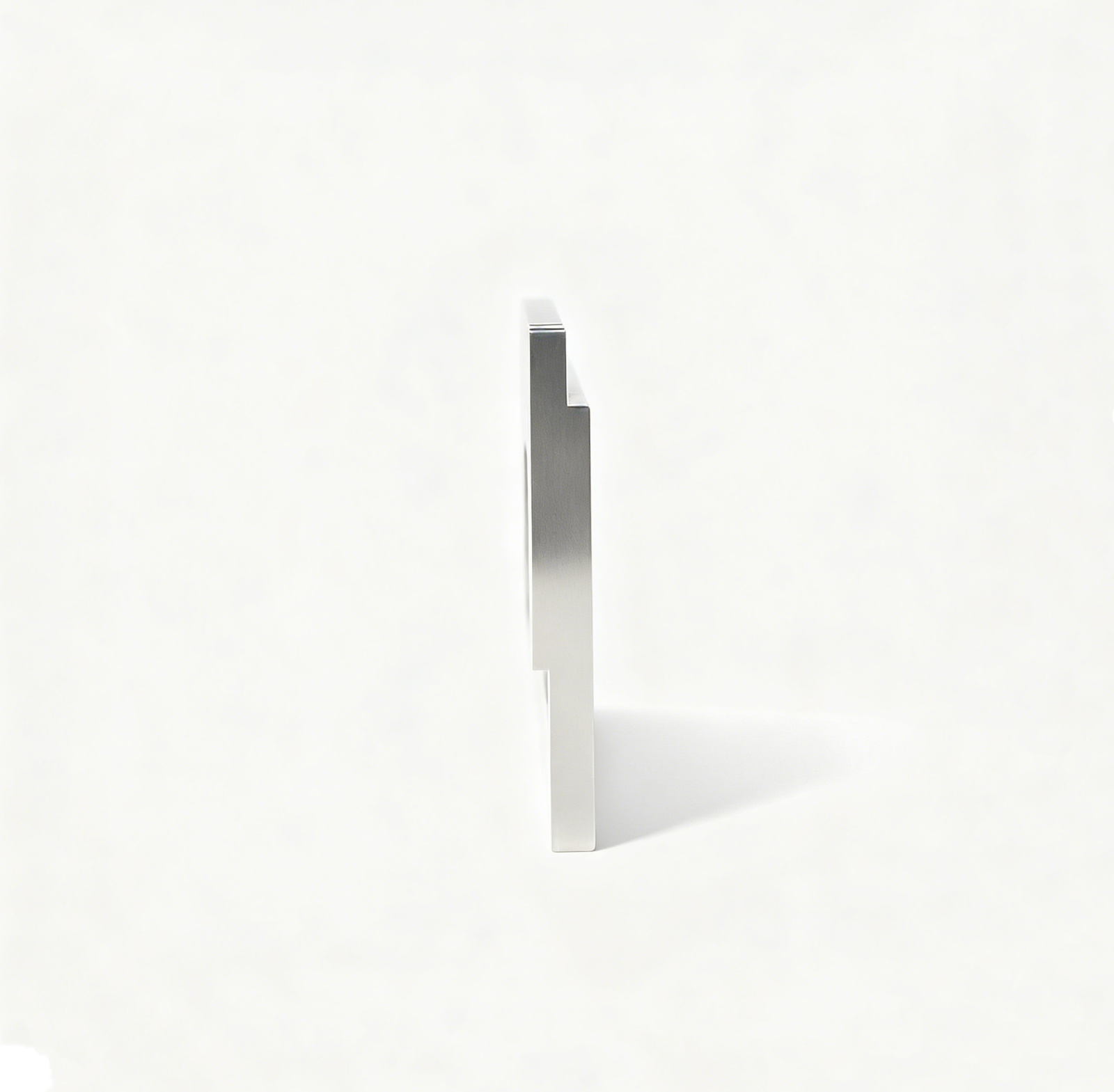
CNC Machining Services
Precision CNC machining services for custom components requiring controlled dimensions, surface preparation, and documented inspection. Drawings are reviewed for critical features, material condition, machining access, and finish requirements before a process route is proposed.
Upload a Drawing
CNC Milling
Custom CNC milling services for plates, inserts, housings, and complex prismatic parts. Tool access, datum relationships, wall rigidity, corner conditions, and machining allowance are evaluated to support the specified geometry and surface-ready condition.
Upload a Drawing
CNC Turning
Precision CNC turning services for shafts, pins, sleeves, collars, and rotational components. The review considers concentricity, runout, thread requirements, bearing or mating fits, surface condition, and inspection points needed for reliable assembly.
Upload a Drawing
5-Axis Machining
5-axis CNC machining supports multi-face features and contoured geometries that benefit from fewer setups. Fixture strategy, tool reach, collision clearance, datum transfer, and surface blending requirements are assessed from the drawing and model.
Upload a Drawing
Swiss & Micro Machining
Swiss machining and micro machining address small, slender, or feature-dense parts where handling and concentricity matter. Material behavior, unsupported length, micro-feature access, burr control, and inspection method should be defined before production.
Upload a Drawing
Wire & Sinker EDM
Wire EDM and sinker EDM services support hardened materials, narrow slots, sharp internal geometry, fine details, and features with limited conventional-tool access. Wire path, electrode strategy, EDM allowance, surface requirements, and downstream finishing are planned together.
Upload a Drawing
Precision Grinding
Precision surface and profile grinding is used when flatness, parallelism, profile accuracy, or controlled surface condition is critical. Grinding stock, heat-treatment sequence, datum protection, and measurement method are reviewed before the grinding route is confirmed.
Upload a Drawing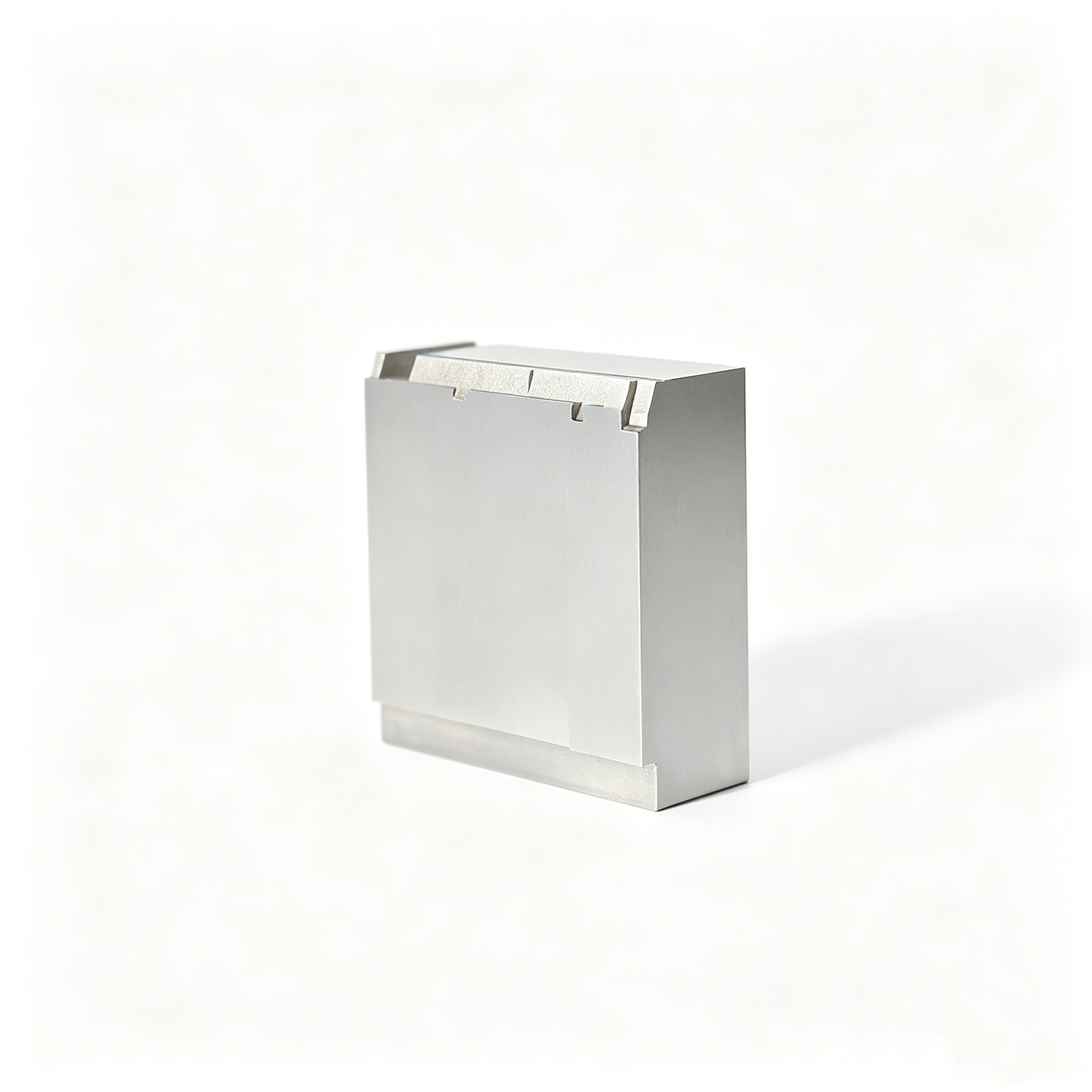
Mold Core & Cavity Inserts
Precision mold core and cavity inserts are manufactured from customer drawings for molding-tool assemblies. Critical shutoff geometry, cavity detail, cooling interfaces, heat-treatment sequence, EDM needs, and final fitting expectations should be clearly identified.
Upload a Drawing
Ejector & Ejection Components
Ejector pins, sleeves, and ejection components are made for movement, guidance, and release functions within a mold. Buyers should specify fit relationships, hardness, surface requirements, lubrication considerations, and any mating core or plate context.
Upload a Drawing
Core Pins, Guide & Locating Components
Core pins, guide pins, and locating components require controlled relationships with their mating features. Drawing review focuses on functional diameters, locating datums, engagement length, wear conditions, heat treatment, and inspection criteria for repeatable assembly.
Upload a Drawing
Slides, Lifters, Gates & Mold Accessories
Mold slides, lifters, gates, and accessories are configurable tooling components for mold motion, part release, and material flow. Functional interfaces, travel geometry, shutoffs, wear surfaces, fitting allowance, and assembly context guide the manufacturing plan.
Upload a Drawing
Connector Mold Components
Precision connector mold components support high-density features and repeatable alignment in connector tooling. Pin geometry, cavity spacing, fine-feature EDM strategy, material and hardness requirements, mating-component context, and measurement approach require early review.
Upload a Drawing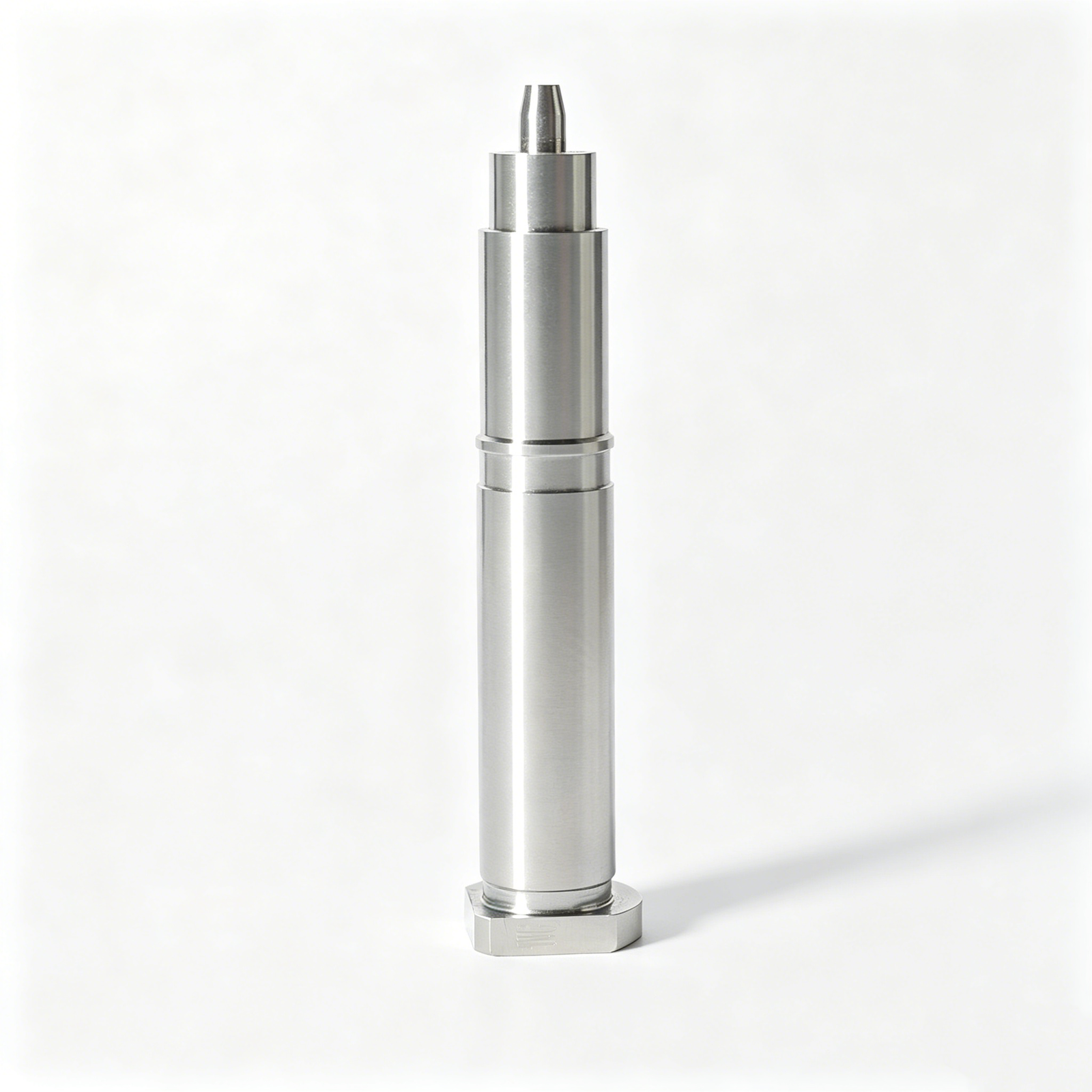
Stamping Die Components
Precision stamping die components are produced for cutting, forming, guiding, and locating operations. Strip material, working clearances, wear zones, heat treatment, grinding stock, and mating die-set relationships should be exchanged with the RFQ.
Upload a Drawing
Injection, MIM, CIM & Overmolding Tooling
Injection, MIM, CIM, and overmolding tooling components are evaluated as drawing-driven manufacturing work within verified scope. Parting lines, shutoffs, ejection, material flow, insert interfaces, thermal conditions, and required inspection evidence shape the process plan.
Upload a Drawing
Machining Materials
CNC machining materials are selected against the drawing, application, mechanical requirements, corrosion exposure, heat-treatment needs, and finishing route. Material grade, condition, source expectations, and substitution rules should be stated before quotation.
Upload a Drawing
Surface Finishes & Heat Treatment
Surface finishing and heat treatment must be defined alongside dimensional requirements because both can change surface condition and final size. Specify coating or finish type, masking needs, hardness target, distortion risk, post-process grinding, and acceptance criteria.
Upload a Drawing
Quality, Metrology & Documentation
Precision inspection, metrology, and quality documentation are planned around critical dimensions, datums, tolerances, and order requirements. RFQs should identify required reports, measurement methods, sampling expectations, revision status, and traceability needs.
Upload a Drawing
Prototyping & Low-Volume Production
Rapid prototyping and low-volume manufacturing support drawing-led validation, bridge quantities, and controlled production releases. Quantity, material, critical dimensions, surface requirements, inspection level, revision maturity, and target delivery date determine the appropriate route.
Upload a DrawingProcess Planning for Parts Requiring Wet Painting

Tool Steel
Used for mold cores, cavity inserts, and wear-sensitive tooling where stability matters. Grade selection, heat-treatment sequence, grinding stock, and coating preparation must be reviewed to control hardness, distortion, and final surface condition.

Stainless Steel
Chosen for corrosion-sensitive components, connector tooling, and applications requiring durable surfaces. Alloy grade, passivation or wet painting requirements, machining access, and post-treatment dimensional effects should be confirmed during drawing review.

Aluminum Alloys
Often specified for lightweight fixtures, prototypes, and selected mold components where machining efficiency is important. Alloy temper, porosity risk, surface preparation, and paint adhesion requirements influence the machining route and finishing plan.

Copper Alloys
Applied to inserts and tooling features where thermal behavior or electrical performance is relevant. Material grade, electrode use, machining support, surface cleanliness, and any wet painting requirement need application-specific review before production.

Engineering Plastics
Suitable for selected fixtures, prototype parts, and nonmetal components with application-dependent surface needs. Resin grade, dimensional stability, chemical exposure, machining method, and paint compatibility should be evaluated from the drawing and operating context.
Tooling Features to Define Before Wet Painting


Wire EDM
Wire EDM supports intricate through-profiles, narrow slots and hardened features where conventional cutting access is limited. Wire path, corner conditions and datum relationships are planned to protect critical geometry and downstream fitting needs.

Sinker EDM
Sinker EDM forms cavities, deep features and complex internal geometry using an electrode strategy matched to the part requirement. Electrode wear, finishing allowance and subsequent inspection points should be agreed during drawing review.

Precision Grinding
Precision grinding refines critical surfaces, diameters and mating relationships after the appropriate machining or heat-treatment stages. Grinding stock, datum control and surface targets are evaluated so the process supports the required fit and measurement method.

Component Fitting
Fitting verifies how related precision components assemble and function at their intended interfaces. Clearance, movement, contact areas and drawing-defined relationships are checked as applicable, with revision information kept visible throughout project coordination.
Final Inspection
Inspection is planned around the order’s critical dimensions, datums, surface priorities and reporting expectations. SUUXIANG aligns final documentation with the verified inspection plan, providing traceable evidence appropriate to the submitted requirement.
SUUXIANG: Drawing-Driven Precision Manufacturing

Guide Elements
Guide pins, bushings and related alignment elements can be reviewed for fit, datum relationship and service access where repeatable mold movement or component positioning is required.
Locating Features
Dowel holes, keys, reference faces and other locating features help establish assembly position. Their size, tolerance, mating-part relationship and inspection approach should be defined on the drawing.

Gate Features
Gate inserts and gate-related features can be planned around material flow, machining access, EDM needs and finishing requirements when the project drawing establishes the applicable tooling geometry.

Ejection Parts
Ejector pins, sleeves, return features and related ejection components are reviewed for clearance, alignment, wear considerations and interface dimensions before production planning begins.

Part Identification
Labels, markings, revision identifiers and traceability requirements can be incorporated where specified, helping teams distinguish parts, control revisions and align supplied documentation with the order.
Wet Painting Project Support at SUUXIANG
Established in 2010 in Chang’an Town, Dongguan, China, SUUXIANG is the public-facing brand of Dongguan SuuXiang Precision Mold Co., Ltd. We help international engineering, sourcing and quality teams move from drawings and specifications to inspected custom CNC parts, precision mold components, connector tooling and die components.
For wet painting-related projects, our role begins with a drawing-led review of critical dimensions, datums, material, surface requirements, mating context and inspection needs. Project feasibility is confirmed against current evidence before quotation or production commitments, then planned through the appropriate CNC machining, EDM, grinding, fitting and inspection workflow with visible revision control.
Drawing Review Criteria for Surface-Finish Requirements
DFM and Datum Review
Before quotation, SUUXIANG reviews the drawing, model, critical dimensions, datum scheme, surface requirements, material and application context. For wet painting-related parts, this discussion clarifies masking interfaces, cosmetic zones and dimensions that must remain stable through downstream processing.
- Identify critical-to-quality dimensions and functional datums
- Review tool access, wall geometry and machining sequence
- Clarify surface zones, masking boundaries and mating interfaces
- Record revision status before production planning

Machining and EDM Strategy
Process planning considers whether CNC milling, turning, multi-axis work, wire EDM or sinker EDM best supports the specified geometry. Electrode strategy, wire path, feature access and heat-treatment sequence are reviewed against the drawing rather than assumed from a generic part category.
- Match process route to geometry and access
- Assess EDM needs for internal corners and complex features
- Plan machining allowances around later operations
- Confirm material and heat-treatment requirements early

Grinding and Fitting Allowances
Where precision faces, sliding relationships or datum-controlled fits are required, grinding stock and fitting sequence need definition before release. SUUXIANG reviews which surfaces require controlled finishing and how preceding operations may affect the final dimensional relationship.
- Define grinding stock on controlled surfaces
- Sequence fitting around functional relationships
- Protect datums through machining and finishing
- Flag tolerance-stack risks for project discussion
Inspection and Documentation Planning
Inspection planning begins with the drawing’s critical features, specified methods and reporting needs. For wet painting projects, the plan can distinguish functional dimensions from surface-related acceptance criteria, while keeping revision information and final documentation aligned with the agreed order requirements.
- Link critical dimensions to practical inspection methods
- Confirm report and traceability expectations
- Separate functional and surface acceptance criteria
- Keep order revisions visible through delivery coordination
Why Choose a Drawing-Led Wet Painting Manufacturing Partner
Compare the review and evidence exchanged before drawing-based production decisions are made.
← Swipe left or right to view →
Wet Painting Production Planning Workflow
A conditional, drawing-based route from RFQ review through controlled manufacturing, inspection, packing, and delivery coordination.
Review RFQ Inputs
Submit drawings, models, material requirements, quantities, surface priorities, delivery targets, and inspection needs. SUUXIANG reviews wet painting-related requirements alongside the component’s functional interfaces.
Confirm DFM Strategy
The project discussion identifies critical dimensions, datums, tolerance stack risks, machining access, surface requirements, and any required heat-treatment sequence before quotation or production commitments.
Plan Process Route
Based on verified requirements, the team defines an appropriate route combining CNC machining, EDM, grinding, fitting, and controlled sequencing for the requested component geometry.
Machine Critical Features
Production follows the approved drawing revision, using the selected machining, wire EDM, sinker EDM, or grinding operations where geometry, access, and finish requirements warrant them.
Inspect And Document
Inspection planning focuses on agreed critical features, measurement methods, and reporting requirements. Final documentation is matched to the order and verified inspection plan.
Pack And Coordinate Delivery
After inspection, parts are packed according to project needs and delivery coordination remains visible, with revision and order information maintained for traceable communication.
Quality Documentation and Certification Verification
Move from drawing review to controlled production with clear requirements, documented decisions, and coordinated delivery.
Submit Your Drawing
Send the 2D drawing, available 3D model, quantity, application context, and target delivery date so SUUXIANG can begin a practical technical review.
Define Critical Requirements
Confirm material, heat treatment, wet painting surface requirements, critical dimensions, datums, inspection needs, and any mating-component conditions that influence the process route.
Review Scope and Quotation
Evaluate the proposed DFM feedback, manufacturing route, inspection plan, quotation scope, and sampling requirements before releasing the order for production coordination.
Coordinate Production and Delivery
Track approved revisions, production milestones, inspection documentation, and delivery details with SUUXIANG while machining, finishing, fitting, and final verification proceed.
How SUUXIANG Publishes Customer Evidence
Wet-Painting Requirements FAQ
Verified customer testimonial pending written approval and supporting project documentation. SUUXIANG publishes outcome statements only when the customer attribution, scope, and measurable result can be confirmed.
Verified customer case example pending documentation. Any published result will identify the drawing scope, critical dimensions, inspection requirements, quantity, and confirmed production outcome without disclosing protected project details.
Verified customer feedback pending release approval. SUUXIANG will not substitute unverified claims for evidence on wet painting-related precision-part projects, tooling components, or drawing-driven manufacturing work.
Buyer’s Guide to Wet Painting for Precision Parts
Prepare a clearer drawing package and confirm project requirements before production planning.
What should I include in a wet painting RFQ?
Can SUUXIANG quote wet painting from an incomplete drawing?
Is there a minimum order quantity for wet painting parts?
Can I request samples before placing a production order?
Which materials and surface requirements should I specify?
How is lead time confirmed for a custom part order?
What payment and shipping information should I provide?
How does SUUXIANG handle drawing confidentiality and IP?
What inspection evidence can be supplied with my order?
The Complete Buyer’s Guide to wet painting
Use this decision framework to specify wet painting for precision parts, compare coating systems and suppliers, control quality risks, and avoid RFQ, substrate, color, masking, and lead-time mistakes.
1. What Is wet painting?
One production finish, wet painting, applies a liquid coating by spray or a related controlled method to a prepared part, then dries or cures it into a specified film. On drawing-based components, it is selected when the finish must deliver a defined appearance, corrosion barrier, or electrical/environmental performance while reaching geometry that suits the spray process. The coating specification should identify substrate preparation, color or gloss, masked areas, film requirement, cure condition, and acceptance criteria.
Two terms must stay separate: industrial wet painting is not artistic wet-on-wet painting, where fresh paint is placed on a wet painted surface (https://en.wikipedia.org/wiki/Wet-on-wet). It also differs from powder coating, which deposits powder before baking; plating and anodizing, which create metallic or conversion layers; and e-coating, which uses an electrically assisted immersion process. Wet painting is appropriate when the part material, geometry, service exposure, masking needs, and specified liquid-coating system have been reviewed together before release.
2. Evolution of wet painting
19th-century production relied heavily on brush application and solvent-borne coatings, where operator technique and drying conditions could produce visible variation. Mechanized spray equipment improved coverage rate and access around contours, recesses, and assembled geometries, but introduced new variables in atomization, viscosity, and film build.
1920s automotive finishing helped establish enclosed spray booths, controlled airflow, and more disciplined color matching as industrial expectations rose. These controls made repeatability more achievable across batches, provided the applicator, material mix, cure schedule, and part preparation were held to the same documented route.
40 CFR Part 63 illustrates the modern compliance direction: low-VOC and waterborne systems reduce some solvent exposure and emissions concerns, yet remain sensitive to surface cleanliness, humidity, flash time, and cure conditions. Current wet painting specifications therefore need traceable controls for approved coating, color standard, pretreatment, spray parameters, thickness checks, cure record, and revision status. https://www.ecfr.gov/current/title-40/chapter-I/subchapter-C/part-63
3. Types of wet painting
Liquid systems differ chiefly by carrier, resin chemistry, and cure route. Select the system against corrosion exposure, appearance, substrate preparation, masking geometry, and the inspection criteria stated on the drawing.
| System | Cure Mechanism | Strength | Limitation | Finish / Specification |
|---|---|---|---|---|
| Solvent-borne | Evaporation or bake | Good flow and appearance | VOC controls | Define film build and ventilation rules |
| Waterborne | Water evaporation then cure | Lower solvent content | Humidity-sensitive application | Define substrate cleanliness and bake |
| One-component | Air dry or bake | Simple processing | Lower resistance in some chemistries | State cure schedule and service exposure |
| Two-component | Chemical crosslinking | Durable film | Pot life and mix control | State ratio, cure, and test method |
| Primer-plus-topcoat | Separate layer cures | Adhesion and protection | More process steps | Define each layer and recoat window |
| Clear-coat | Air dry, bake, or crosslink | Gloss and protection | Adds thickness | Define gloss, build, and masking |
Single- And Two-Component Systems
One-component coatings cure by evaporation, oxidation, or a supplied bake cycle; they simplify handling but may have narrower chemical resistance.
Two-component coatings crosslink after resin and hardener mixing. They generally suit higher durability requirements, but pot life, mix ratio, and cure record belong in the specification.
Layered Finish Systems
Primer-plus-topcoat systems separate adhesion or corrosion protection from color and appearance. Specify surface preparation, primer type, dry-film thickness, recoat window, and each cure step.
Clear-coat systems add gloss, depth, or wear protection over a color layer. Define gloss target, color standard, total film build, and areas excluded from coating.
Spray Coverage Considerations
Air spray can reach complex profiles but requires controlled overlap to avoid thin edges and runs. Electrostatic spray may improve transfer on conductive parts, yet recesses and masked datum surfaces still require verification.
Critical bores, threads, connector interfaces, and fit surfaces need explicit masking instructions. Measure coating where functional clearance is affected.
4. Wet painting substrates and materials
Six substrate families require different cleaning, pretreatment, primer, and cure windows. Material grade, prior processing, and cosmetic expectations must be confirmed before a wet painting quote or process route is selected.
| Substrate | Preparation | Primer Focus | Main Risk |
|---|---|---|---|
| Aluminum | Degrease, treat oxide | Aluminum-compatible | Oxide or oil |
| Steel | Clean, coat promptly | Corrosion resistance | Flash rust |
| Stainless steel | Abrade, degrease | Adhesion promoter | Low surface energy |
| Zinc alloy | Clean, seal porosity | Compatible barrier | Outgassing |
| Plastics | Clean, test solvent | Low-temperature system | Warping |
| Engineering polymers | Validate resin and cure | Resin-specific | Cracking or distortion |
Preparation Controls Adhesion
Aluminum benefits from oxide-compatible pretreatment after machining oils are fully removed.
Steel requires prompt coating after cleaning because flash rust can form before primer application.
Cure Limits And Geometry
Plastics and engineering polymers require compatibility checks because solvent exposure and curing temperature can cause distortion, cracking, or poor adhesion.
Sharp edges need controlled break radii; thin paint films commonly pull back from corners.
RFQ Material Disclosure
Buyers should state alloy or resin grade, temper or heat treatment, and whether the part is machined, cast, molded, or previously coated.
Required disclosures include service environment, masking areas, color standard, gloss target, cure limit, and inspection criteria.
5. Wet painting colors and customization
RAL or Pantone references can define target color, but the RFQ should also state substrate, coating system, viewing conditions, and approved sample-panel status. Color alone does not define a repeatable wet painting appearance.
| Finish | Buyer Specification | Geometry Constraint |
|---|---|---|
| Matte | Color and 60° gloss range | Edges may appear lighter |
| Metallic | Master panel and orientation | Spray direction affects uniformity |
| Clear-coated | Base color and clear requirement | Mask lines need defined boundaries |
Define The Appearance
60° gloss is commonly used to distinguish matte, satin, and gloss finishes; specify the target gloss unit and allowable range. State texture, metallic orientation, clear-coat requirement, and the standard or physical master used for color matching.
- RAL or Pantone reference
- Gloss angle and acceptance range
- Texture or metallic description
- Clear-coat requirement
Control Selective Areas
2D drawings should identify mask lines, uncoated interfaces, logo locations, and permitted overspray boundaries. Fixture contact points, deep recesses, sharp edges, threads, sealing lands, and tolerance-critical fits may require exclusion or a revised coating strategy.
Approve Samples And Criteria
1 approved sample panel provides a cosmetic reference, while measurable criteria make inspection repeatable. Define color method, gloss measurement, film-build location, visual distance, lighting, defect limits, and marking legibility before release.
6. Key wet painting quality elements
Three acceptance layers protect wet painting: functional coverage, bonded film integrity, and a defined cosmetic standard. SUUXIANG should translate the drawing, application, and mating-part risks into an agreed inspection plan before release.
Surface Preparation And Adhesion
Before coating, the control plan should define cleaning, pretreatment, permitted substrate condition, and adhesion test method. A representative coupon or agreed noncritical area should establish pass/fail criteria without damaging finished functional surfaces.
- Identify oils, oxide, fingerprints, and moisture risks
- Specify adhesion method, sampling, and acceptance threshold
- Record substrate, pretreatment, and coating batch traceability
Film Build And Edge Coverage
Each drawing should state the required dry-film-thickness range, measurement locations, and any masked or uncoated zones. Edges, corners, recesses, threads, and mating faces need explicit coverage rules because nominal thickness on an open face does not prove protection there.
- Measure dry film with a suitable calibrated gauge
- Inspect edges under controlled lighting and magnification
- Protect fits, threads, datums, and electrical contact areas
Appearance, Cure, And Handling
Color and gloss require an approved master sample or defined color target, viewing conditions, and allowable variation. Cure verification, dust control, masking removal, and protected packing should be documented so handling does not create scratches, print-through, or exposed boundaries after inspection.
- Approve color, gloss, texture, and defect limit samples
- Define cure record and final-inspection timing
- Check masking lines, debris, scratches, and packaging protection
7. How to choose a wet painting manufacturer
Two preproduction gates—drawing review and finish approval—should precede a purchase order. A capable wet painting supplier documents how the specified coating system fits the substrate, geometry, cure limits, and inspection plan.
| Qualification Area | Evidence To Request | Decision Question |
|---|---|---|
| Drawing review | Marked-up drawing and exception log | Are critical faces paintable? |
| Color control | Approved sample and batch record | What is the acceptance reference? |
| Curing | Recorded cure parameters | Is the substrate compatible? |
| Final release | Inspection and packing record | Can finished parts remain traceable? |
Review The Drawing
One controlled drawing review should identify masked faces, cosmetic zones, edges, threads, datums, coating thickness, and post-paint mating risks. Ask the supplier to record inaccessible spray areas and any proposed exception before release.
Validate Process Evidence
Three process records matter: booth cleanliness and filtration, coating mix identification, and curing parameters. Request substrate-preparation steps, adhesion-test method, sample-panel results, and the actual inspection record format—not an assurance that paint can be added after machining.
Control Samples And Delivery
One approved color sample or panel should define the acceptance reference under an agreed viewing condition. Confirm lot traceability, packing that protects cosmetic faces, available capacity, lead-time assumptions, and the escalation path for color, adhesion, or handling exceptions.
8. Common wet painting buyer mistakes
Seven recurring omissions cause most wet painting rework: an incomplete finish definition, unclear part condition, unmanaged critical features, weak approval criteria, missed assembly context, and unequal quote scope. Resolve them before releasing production drawings.
Define The Finish Standard
One color name is not a specification. Omitting a color reference, gloss target, and approved visual standard can produce acceptable-but-different batches; provide a controlled color standard, gloss range, and viewing conditions.
State Substrate And Pretreatment
One coating system cannot be assumed across bare metal, plated parts, or molded polymers. Unstated substrate, cleaning, masking, and pretreatment requirements can cause adhesion failures; identify the base material and required preparation.
Protect Critical Features
0.01 mm-scale fits and datum surfaces may be affected by coating build-up or overspray. Missing mask boundaries and tolerance-critical areas invites assembly rejection; mark no-paint zones and define allowable coating on functional features.
Approve Samples And Scope
One approved sample converts subjective appearance into an inspection reference. Vague defect language and quotes with different masking, preparation, inspection, or packing scope create disputes; approve a sample, set defect criteria, and compare like-for-like scope.
9. Steps to launch a wet painting project
One controlled launch package turns a specified finish into repeatable supplied parts. Start with the revision-controlled drawing, 3D model, quantity, application, target date, and required inspection evidence.
Confirm Substrate And Finish
Step 1 confirms substrate grade, surface condition, masking areas, color standard, gloss target, texture, and cure constraints. Record the approved color reference and define whether visual approval occurs under a specified light source.
Approve Samples And Controls
Step 2 uses a labeled sample or first article to approve appearance, coverage, adhesion test method, critical dimensions, and defect limits. Freeze the inspection plan, sample-retention requirement, and acceptance record before pilot production.
Validate Pilot And Release
Step 3 validates pilot parts, rack or fixture marks, protection, packaging, labeling, and transport handling. Release production only after packaging approval; route every color, paint supplier, pretreatment, cure, or process change through written change control and reapproval.
10. wet painting pricing and cost
1 quote is driven first by fixed setup: part racking, cleaning, masking plans, color mixing, spray trials, and inspection criteria are spread across the order quantity. A complete drawing package lets SUUXIANG review substrate, finish zones, mating surfaces, and revision-controlled requirements before confirming the process route.
2 cost pressures rise with complex geometry, deep recesses, tight cosmetic zones, multiple colors, edge masking, special primers, and inspection reporting. Expedited delivery can add cost when it changes batching, cure scheduling, or verification capacity.
3 cost reductions usually come from grouping compatible parts, limiting cosmetic finish to functional visible areas, defining an accepted color standard, and avoiding unnecessary masking boundaries. Specify coating system, substrate condition, gloss or texture target, thickness requirement where applicable, and inspection needs in the RFQ.
| Quote driver | Lower-cost condition | Higher-cost condition | Buyer action |
|---|---|---|---|
| Quantity tier | Repeat batch with shared setup | Prototype or small lot | Batch compatible revisions |
| Part geometry | Open, accessible faces | Recesses, threads, blind features | Identify no-paint surfaces |
| Color and masking | One approved color | Color changes or complex masks | Provide color standard and mask drawing |
| Preparation and coating | Known substrate and standard system | Repair, primer, special coating | State material and pre-finish condition |
| Inspection and lead time | Standard visual check and scheduled run | Added records or expedited slot | Define acceptance criteria early |
Start Your Wet Painting Drawing Review Today
Upload your drawing with material, quantity, critical dimensions, surface priorities, delivery target, and inspection needs for a disciplined project review.