
Request a Manufacturing Quote for Precision CNC and Tooling Parts
Request a manufacturing quote with drawings, material, quantity, critical dimensions, and inspection requirements for disciplined DFM review and process planning.
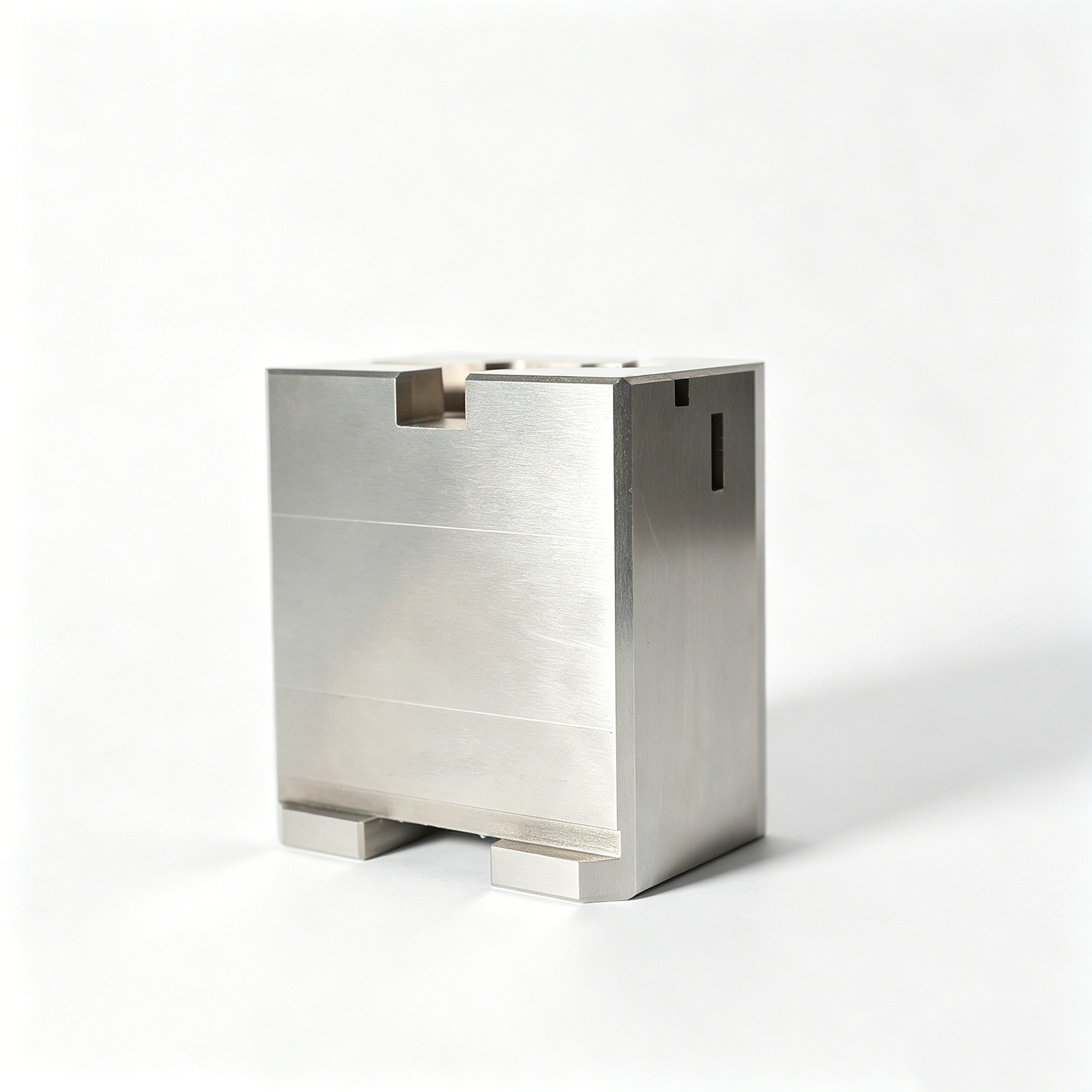
Representative Precision Mold and Connector Components




Request a Manufacturing Quote for Related Product Families


Request a Manufacturing Quote with Engineering Controls
Each inquiry is reviewed around the drawing, critical dimensions and the production evidence needed for a responsible quotation.
Drawing-Led Review
We review 2D drawings, available 3D models, materials, quantities and application context before defining a practical quotation path.
DFM Before Commitment
Early DFM discussion identifies machining access, datum strategy, tolerance risks and process constraints that can affect cost, timing or inspection.
Critical Dimension Focus
Critical-to-quality dimensions, surface requirements and functional interfaces are prioritized so manufacturing decisions reflect the features that matter most.
Planned Process Route
CNC machining, EDM, grinding and fitting are considered together to align stock allowance, electrode strategy and finishing sequence.
Inspection Planning
Inspection expectations are discussed with the order, helping define suitable measurement methods, reporting needs and traceable acceptance criteria.
Revision Visibility
Controlled project communication keeps drawing revisions, open questions and delivery information visible as the quotation moves toward production.
Precision Manufacturing Categories We Support
Drawing-driven process routes for custom components, tooling work, and inspection requirements—not off-the-shelf product inventory.
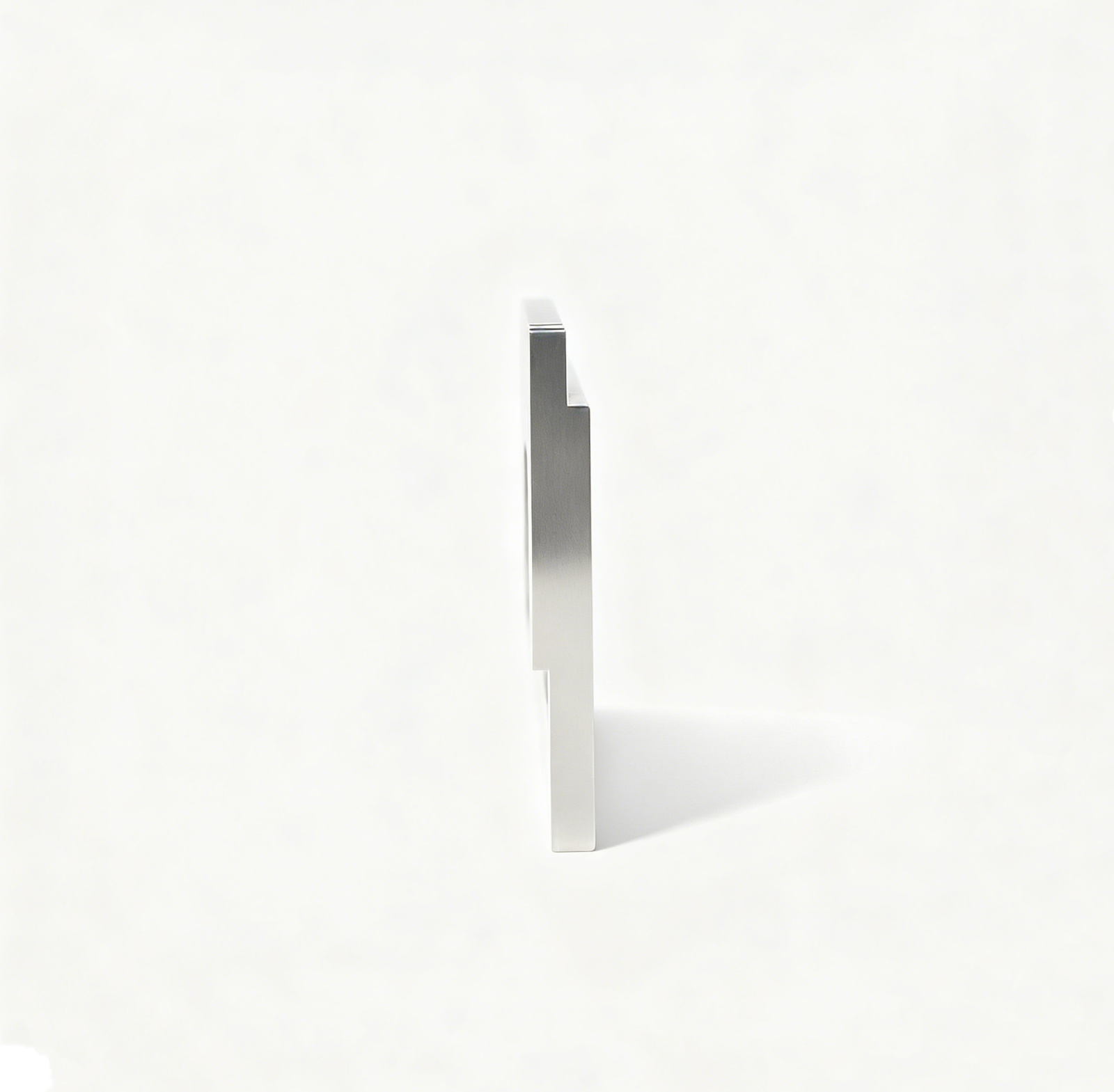
CNC Machining Services
Precision CNC machining services for drawing-based parts requiring coordinated milling, turning, EDM, grinding, fitting, and inspection. Review critical dimensions, datum strategy, material, quantity, and reporting needs before confirming a practical manufacturing route.
Upload a Drawing
CNC Milling
Custom CNC milling services for prismatic parts, inserts, plates, and features requiring controlled tool access. DFM review addresses datums, pocket geometry, wall conditions, machining allowance, surface requirements, and critical dimensions before production planning.
Upload a Drawing
CNC Turning
Precision CNC turning services for rotational and threaded features where concentricity, runout, diameter control, and surface requirements matter. Provide drawings, material, heat-treatment sequence, and mating-part context so the turning route and inspection method can be evaluated.
Upload a Drawing
5-Axis Machining
5-axis CNC machining supports complex profiles, angled features, and multi-face parts where additional setup changes may introduce risk. Process planning considers tool reach, clamping, datum transfer, finishing access, and inspection of critical geometry.
Upload a Drawing
Swiss & Micro Machining
Swiss machining and micro machining support small, detailed components where feature access, concentricity, and handling require focused process planning. Evaluate material, dimensions, tolerances, quantity, and inspection requirements against the verified project scope.
Upload a Drawing
Wire & Sinker EDM
Wire EDM and sinker EDM services address hardened materials, sharp internal geometry, narrow features, and inaccessible profiles. Electrode strategy, wire path, flushing, recast-layer considerations, finishing allowance, and required dimensional evidence should be defined early.
Upload a Drawing
Precision Grinding
Precision surface and profile grinding is applied where flatness, parallelism, profile control, or finished size require a grinding route. Grinding stock, heat-treatment movement, datum condition, surface requirement, and inspection approach guide process planning.
Upload a Drawing
Mold Core & Cavity Inserts
Precision mold core and cavity inserts are produced from customer drawings with attention to shutoff geometry, cooling interfaces, datum relationships, material, heat treatment, EDM needs, and finishing sequence. Requirements are treated as configurable tooling work, not standard stock inserts.
Upload a Drawing
Ejector & Ejection Components
Ejector pins, sleeves, and ejection components require review of fit, clearance, hardness, surface condition, and movement within the mold assembly. Drawings should identify critical dimensions, mating relationships, material, and any inspection or traceability expectations.
Upload a Drawing
Core Pins, Guide & Locating Components
Core pins, guide pins, and locating components are planned around functional alignment, fit, wear conditions, and datum control. Manufacturing review considers material, heat treatment, grinding and EDM requirements, mating parts, and the inspection evidence needed for the order.
Upload a Drawing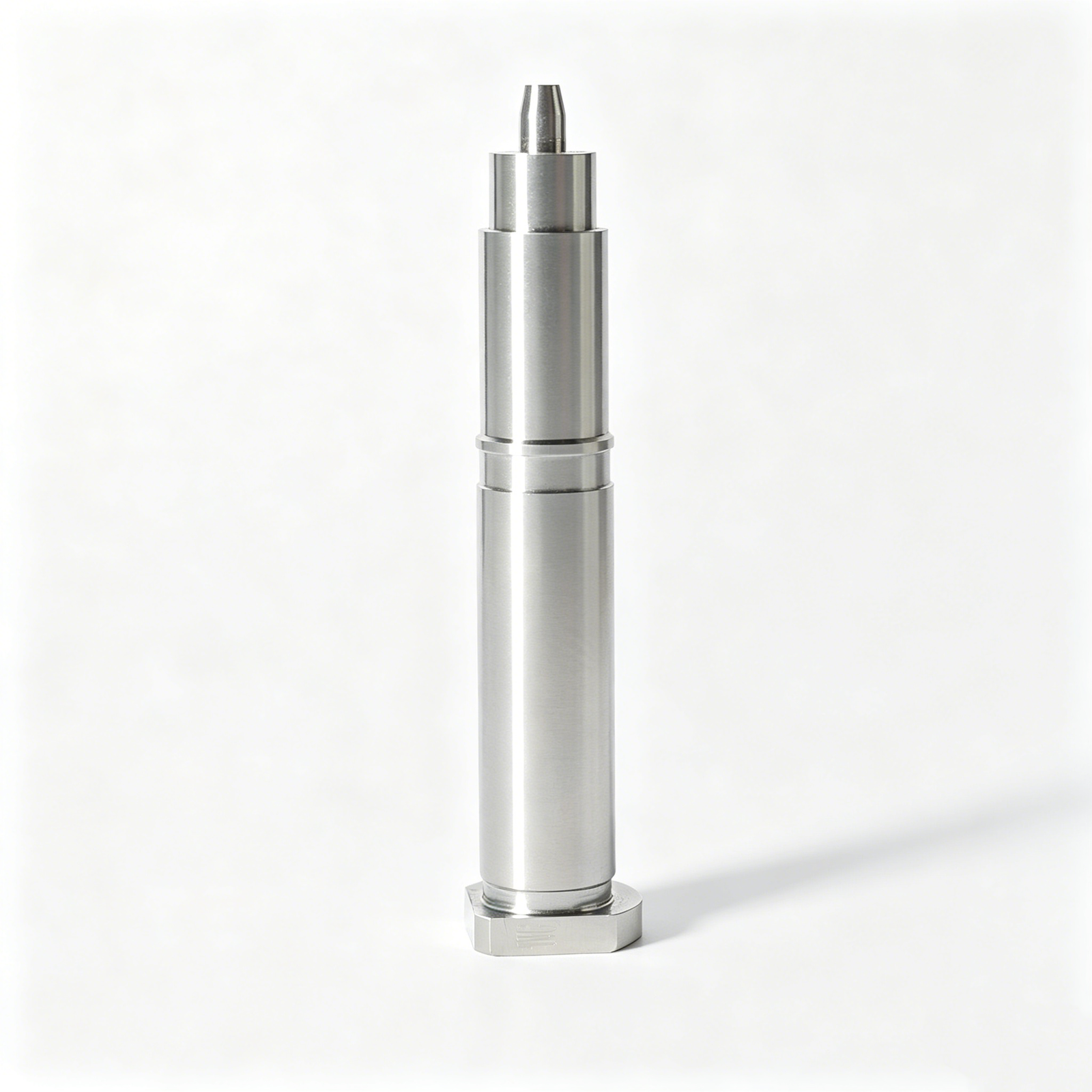
Slides, Lifters, Gates & Mold Accessories
Mold slides, lifters, gates, and accessories are configured from tooling drawings rather than supplied as a universal catalog. Review travel interfaces, shutoffs, wear surfaces, material, heat treatment, machining access, fitting requirements, and assembly-critical dimensions.
Upload a Drawing
Connector Mold Components
Precision connector mold components support tooling features where pin geometry, cavity alignment, fine details, and repeatable datum control are significant. Provide part drawings, material and hardness requirements, mating-component context, quality priorities, and requested documentation.
Upload a Drawing
Stamping Die Components
Precision stamping die components are planned around die-set interfaces, punch and die geometry, clearance, wear conditions, material treatment, and grinding or EDM sequence. A drawing review helps identify functional dimensions and manufacturing risks before quotation.
Upload a Drawing
Injection, MIM, CIM & Overmolding Tooling
Injection, MIM, CIM, and overmolding tooling work is evaluated within verified production scope. Drawings should clarify material behavior, parting and shutoff conditions, insert interfaces, surface requirements, critical dimensions, and any process-specific tooling constraints.
Upload a Drawing
Machining Materials
CNC machining materials are selected against function, machinability, stability, corrosion resistance, wear, and downstream heat treatment or finishing. State the specified grade, material source requirements, hardness condition, and application context in the RFQ.
Upload a Drawing
Surface Finishes & Heat Treatment
Surface finishing and heat treatment requirements affect dimensions, wear behavior, corrosion resistance, and process sequence. Identify finish type, target condition, cosmetic priorities, masking needs, hardness requirements, and dimensions requiring stock allowance or post-treatment inspection.
Upload a Drawing
Quality, Metrology & Documentation
Precision inspection, metrology, and quality documentation are planned against the drawing and agreed critical-to-quality features. Define datums, measurement methods, reporting format, revision status, material or treatment evidence, and traceability expectations before production begins.
Upload a Drawing
Prototyping & Low-Volume Production
Rapid prototyping and low-volume manufacturing support drawing-driven evaluation, bridge requirements, and controlled repeat orders. Quantities, revision maturity, material, functional dimensions, surface needs, target date, and inspection expectations determine the appropriate route.
Upload a DrawingMaterials Review for Drawing-Based Manufacturing

Tool Steels
Commonly considered for mold cores, cavity inserts, slides and wear-critical tooling components. Alloy grade, supply condition and planned heat treatment affect machinability, EDM strategy, grinding stock and dimensional stability after hardening.

Stainless Steels
Often specified for corrosion-sensitive mold components, precision pins and custom CNC parts. Grade selection, heat-treatment condition and surface requirements guide tool selection, machining sequence and the inspection approach for critical features.

Alloy Steels
Used for robust die components, guide elements and structural custom parts where strength and wear resistance matter. Drawing review considers material condition, heat-treatment timing, machining allowance and tolerance risk across fitted interfaces.

Aluminum Alloys
Suitable for prototypes, fixtures, lightweight machined parts and selected tooling applications. Alloy choice influences cutting behavior, surface-finish expectations, thread design and whether the application requires protective treatment or controlled mating conditions.

Copper Alloys
Considered for electrodes, conductive components and applications requiring thermal performance. The quoted route depends on the specified alloy, feature geometry, handling needs and whether EDM electrode production, finishing or dimensional inspection is required.
Process Routes for Drawing-Based Parts

CNC Machining
CNC milling, turning, multi-axis, Swiss, and micro-machining establish primary geometry from the drawing. Tool access, datum strategy, material condition, and machining allowance are reviewed to support practical dimensions and controlled downstream finishing.

Wire EDM
Wire EDM produces detailed profiles, narrow features, and hardened-tooling contours where a conventional cutter cannot reach. The wire path, start-hole access, corner requirements, and datum relationship are evaluated against the drawing and inspection plan.

Sinker EDM
Sinker EDM forms deep cavities, sharp internal details, and complex tool-steel features using planned electrodes. Electrode strategy, flushing access, surface requirements, and subsequent finishing needs are considered before this route is included in a quote.
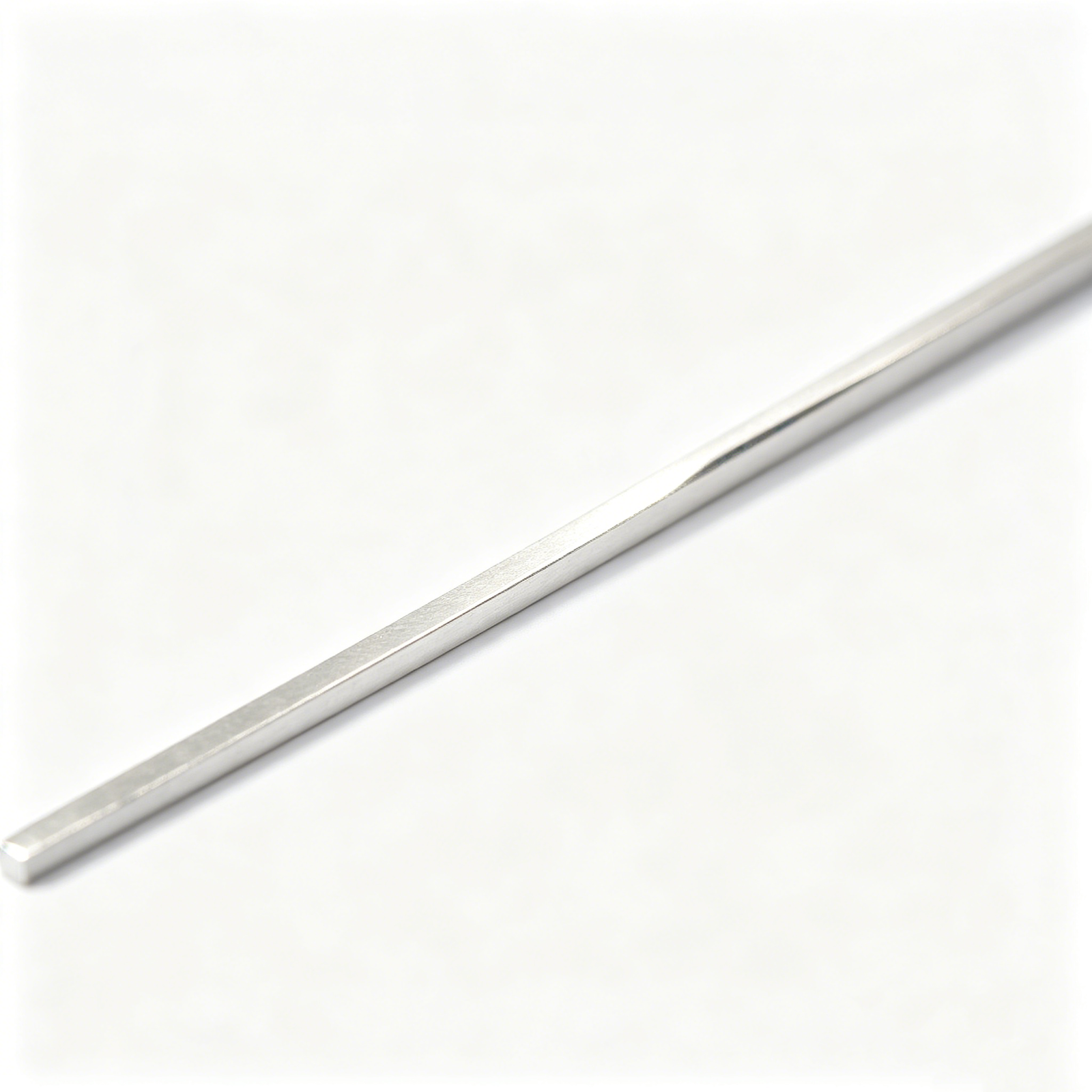
Precision Grinding
Precision grinding controls critical flatness, parallelism, diameter, and surface requirements after machining or heat treatment. Grinding stock, datum sequence, material condition, and inspection method must be defined so the finished feature can be evaluated correctly.

Component Fitting
Fitting addresses the functional relationship between mating mold, connector-tooling, or die components. Engineers review assembly context, clearance, locating features, and adjustment needs so individual part dimensions support the intended interface rather than isolated geometry.
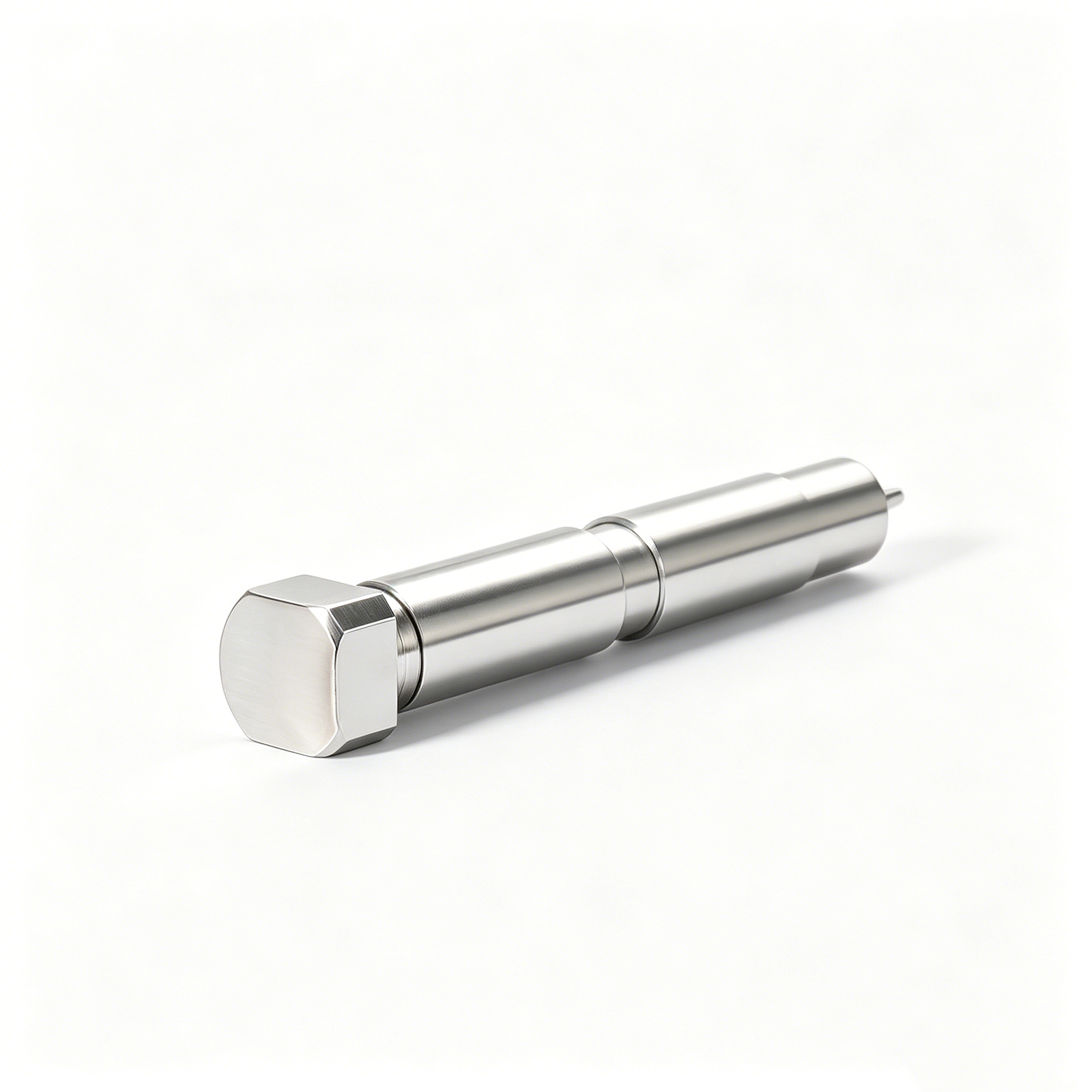
Final Inspection
Final inspection follows the agreed drawing revision and verified inspection plan. Critical dimensions, datums, surface priorities, and requested reporting are aligned before release, helping the delivered documentation match the order’s defined quality requirements.
Component Features and Supporting Hardware

Guide Elements
Guide pins, bushings and related alignment elements can be evaluated for fit, clearance, material and surface requirements where their location affects mold alignment, repeatability or assembly performance.

Locating Features
Datums, locating holes, keys and reference surfaces help establish part orientation during machining, fitting and inspection. Identify mating relationships and critical dimensions so the locating strategy can be reviewed before production.

Gate Components
Gate inserts, sprue-related details and flow-path components may require coordinated CNC, EDM and finishing decisions. Include application context, material requirements and surface priorities for a practical manufacturing review.
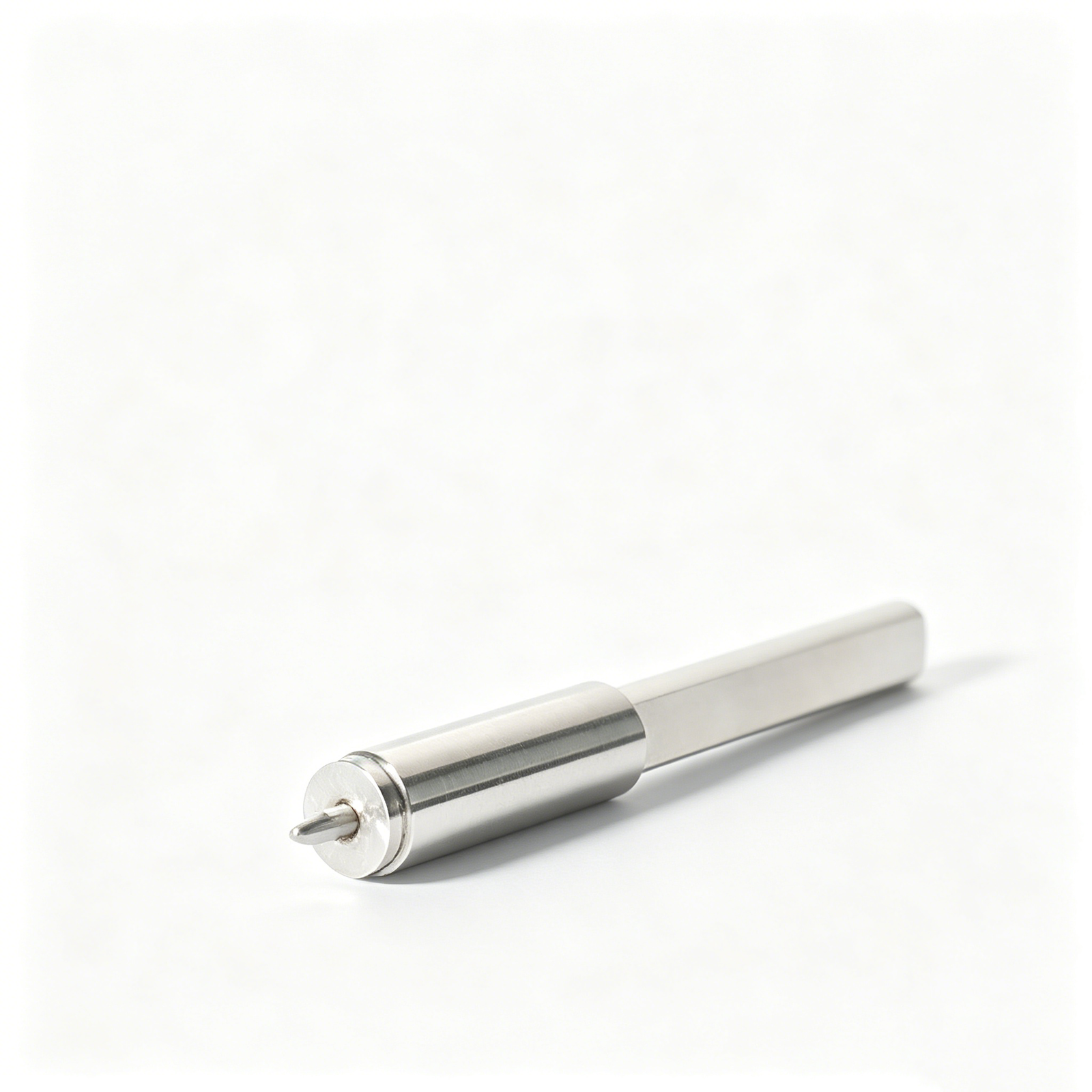
Ejection Parts
Ejector pins, sleeves, return components and related ejection features are assessed for fit, working clearances, hardness requirements and grinding needs. Provide mating-part information when functional movement or sealing is critical.

Traceability Marking
Part identification, revision marks and inspection-report requirements can be planned with the RFQ. State marking location, format and documentation expectations to avoid conflicts with functional surfaces, dimensions or assembly interfaces.
Request a Manufacturing Quote From SUUXIANG
SUUXIANG is the sole public-facing brand of Dongguan SuuXiang Precision Mold Co., Ltd., established in 2010 in Chang’an Town, Dongguan, Guangdong, China. Founded by XiaoCheng Huang, the company helps global engineering, sourcing and quality teams turn drawings and specifications into inspected custom CNC parts, precision mold components, connector tooling and stamping-die components.
When you request a manufacturing quote, our discussion starts with the information that governs production: drawings, models, material, quantity, critical dimensions, datum strategy, surface requirements, heat treatment, inspection needs and delivery expectations. DFM review comes before production commitments, helping identify machining access, EDM needs, grinding allowance and revision risks.
Our working method combines CNC milling and turning, multi-axis machining, EDM, precision grinding, fitting and inspection within a controlled project workflow. What distinguishes SUUXIANG is traceable communication from drawing review through inspection planning, so the agreed documentation and evidence align with the order’s verified requirements.

Engineering Review Before Production Commitment
DFM Before Cost Commitment
When you request a manufacturing quote, SUUXIANG begins with the drawing, model, material, quantity, application, and quality requirements. The review identifies manufacturability questions before pricing or production commitments are made, so technical assumptions can be resolved visibly.
- Review critical-to-quality dimensions and tolerance stack
- Confirm datums, surfaces, and machining access
- Identify material and heat-treatment dependencies
- Record revision status and open technical questions
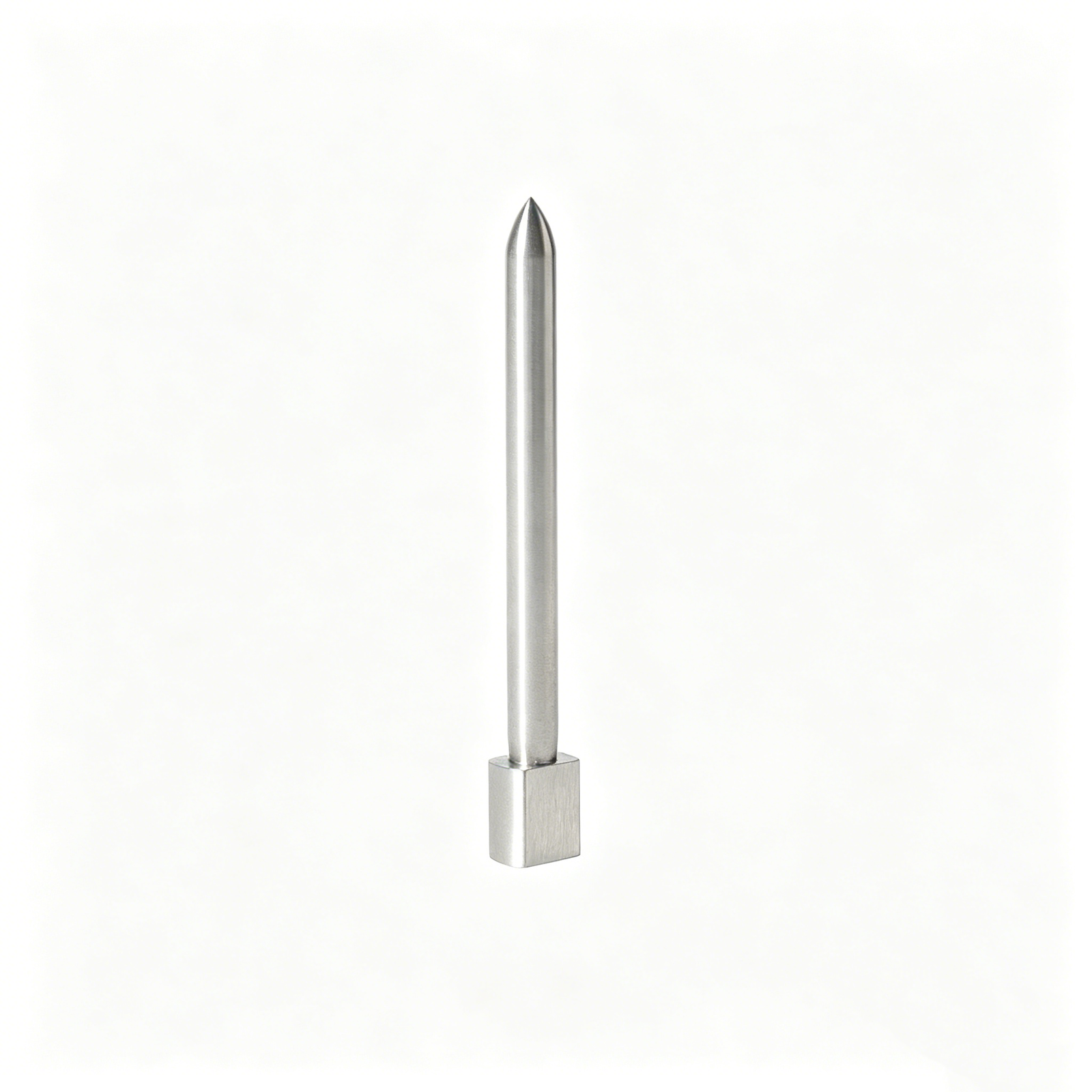
Integrated CNC and EDM Planning
Complex mold and connector-tooling components may require more than one process. SUUXIANG evaluates where CNC machining, wire EDM, sinker EDM, and multi-axis access fit the geometry, helping the quote reflect a considered manufacturing route rather than an isolated operation.
- Assess tool reach and internal-feature accessibility
- Determine wire paths and EDM starting conditions
- Plan electrode needs for enclosed geometry
- Coordinate process sequence around critical features
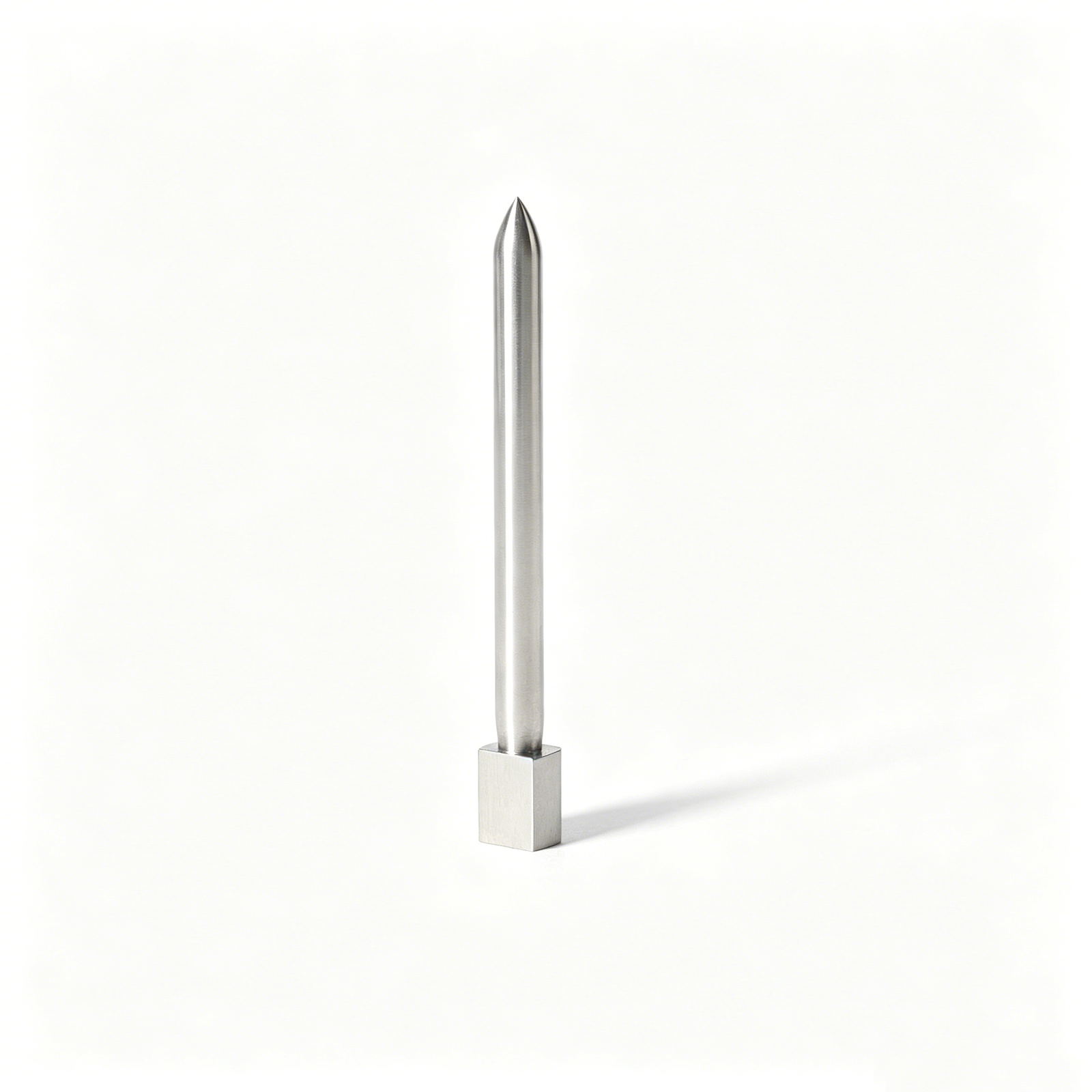
Grinding and Fitting Strategy
Precision interfaces depend on controlled stock removal and the right sequence. Grinding allowance, heat-treatment effects, mating relationships, and fitting needs should be reviewed together, especially for cores, inserts, slides, guide elements, and other functional tooling components.
- Define grinding stock before final-size operations
- Consider distortion risk after heat treatment
- Review mating surfaces and functional clearances
- Separate finish-critical features from roughing stages

Inspection Documentation Alignment
A useful quote connects the drawing to an inspection plan. SUUXIANG clarifies critical dimensions, measurement methods, reporting expectations, and traceability needs so final documentation can align with the order, approved revision, and verified inspection requirements.
- Prioritize dimensions that drive function and acceptance
- Discuss measurement method and reporting needs
- Maintain visibility of drawing and revision changes
- Align final records with the agreed inspection plan

Request a Manufacturing Quote With Engineering Review Built In
Compare a controlled, drawing-led quotation approach with the information gaps common in generic workflows.
← Swipe left or right to view →
Controlled Workflow From RFQ to Delivery
A drawing-driven route from technical review through production, inspection, packing, and delivery coordination.
Review Drawing Package
We review drawings, models, material, quantity, critical dimensions, datums, surface requirements, inspection needs, and target delivery information before confirming a feasible manufacturing route.
Plan Process Route
The team aligns machining access, machining allowance, heat-treatment sequence, electrode strategy, wire path, grinding stock, and revision controls with the project’s technical requirements.
Machine Critical Features
Production follows the appropriate CNC milling, turning, multi-axis machining, EDM, grinding, and fitting sequence for the part geometry and specified functional features.
Inspect Against Requirements
Inspection is planned around agreed critical dimensions, datum references, surface priorities, and reporting requirements so final documentation matches the verified order and inspection plan.
Pack and Coordinate Delivery
After final review, parts are prepared for shipment with order-specific packing, revision visibility, and delivery coordination based on the confirmed project requirements.
How to Request a Manufacturing Quote From SUUXIANG
Provide a complete technical package so feasibility, process planning, inspection expectations, and delivery coordination can be reviewed before production commitments are made.
Submit Your Technical Package
Upload 2D drawings and available 3D models with material, quantity, heat treatment, critical dimensions, surface requirements, inspection needs, application context, and target delivery date.
Review Feasibility and DFM
SUUXIANG reviews datums, tolerance stack, machining access, EDM or grinding requirements, process sequence, and inspection approach to identify open technical questions before quotation.
Confirm Quote and Controls
Review the proposed manufacturing route, commercial scope, revision status, quality documentation, and delivery assumptions; resolve required changes before approving samples or production.
Coordinate Production and Delivery
Production follows the confirmed drawing and inspection plan through machining, EDM, grinding, fitting, and final verification, with revision and delivery information kept visible.
Certification and Quality Documentation
Request a Manufacturing Quote With Documented Project Feedback
Approved customer testimonial pending. Publish this space only after the customer has approved attribution and SUUXIANG has verified the project outcome, including the relevant revision, inspection, delivery, or quantity record.
Approved customer testimonial pending. Use a documented statement describing a specific result, such as the number of revised dimensions reviewed or the quantity accepted against the agreed inspection plan.
Approved customer testimonial pending. Include only a customer-approved outcome supported by project records, with clear context for the drawing revision, component type, inspection requirement, and completed manufacturing scope.
Customer Feedback
Practical answers for drawing-driven CNC parts, precision mold components, connector tooling and die-component inquiries.
What should I include when I request a manufacturing quote?
Can I request a manufacturing quote before my drawing is fully released?
How do I request a manufacturing quote for a prototype or low-volume order?
Can SUUXIANG quote CNC parts, mold components and connector tooling from the same RFQ?
How are sample timing and production timing evaluated?
Can I request inspection reports with my manufacturing quote?
How does SUUXIANG handle drawing revisions and change control?
What information is needed for shipping, payment and IP-related requirements?
How to Request a Manufacturing Quote With Confidence
Use this decision framework to prepare a quote-ready technical package, compare capable suppliers, understand cost drivers, and avoid the specification, quality, and delivery mistakes that slow drawing-based manufacturing programs.
1. What Does Request a Manufacturing Quote Mean?
One manufacturing RFQ is a formal request asking suppliers to price and commit to delivery for a defined part or assembly requirement. Unlike an early budgetary estimate, its response should be tied to the submitted revision, scope, quantity, and commercial assumptions.
Two files—the controlled 2D drawing and, when available, the 3D model—give suppliers a common basis for evaluating geometry, datums, tolerances, material, heat treatment, surface requirements, and feasible process routes. The buyer should also state inspection documentation, acceptance criteria, packaging, destination, and required delivery date.
Three comparable quotes require the same technical package and the same requested quantities, so price differences can be traced to route, risk, capacity, or stated exclusions rather than missing information. Before SUUXIANG issues a production-oriented quotation, drawing review should identify critical dimensions, machining access, EDM or grinding needs, and revision-control questions; see https://www.neuralconcept.com/post/rfq-manufacturing-what-is-it-and-how-to-optimize-it for general RFQ context.
2. How Manufacturing RFQs Evolved
2D paper drawings, telephone calls, and established supplier relationships once carried much of the sourcing context. That model could work for familiar parts, but important decisions about datums, tolerances, materials, and inspection were often retained in emails, marked prints, or individual memory.
3D CAD files and controlled document packages made the RFQ a technical handoff rather than a simple price inquiry. A current drawing, model, revision identifier, quantity, and acceptance requirements give suppliers a common basis for process planning; large-package RFQs commonly include CAD, drawings, PDFs, and related specifications (https://www.xometry.com/how-xometry-works/request-a-quote).
24-hour quote expectations reported by one manufacturing-industry survey illustrate why informal clarification loops now create schedule risk (https://www.neuralconcept.com/post/rfq-manufacturing-what-is-it-and-how-to-optimize-it). Global sourcing and tighter component interfaces make revision control, explicit acceptance criteria, and documented supplier communication necessary to preserve traceability from quote review through inspection and delivery.
3. Types of Requests for Manufacturing Quotes
Five RFQ formats require different evidence and commercial assumptions. Select the format before you request a manufacturing quote so drawing review matches the production decision.
| Request Format | Core Inputs | Review Depth | Commercial Basis | Supplier Fit |
|---|---|---|---|---|
| Prototype | Drawing, model, test goal | DFM and access | One-time setup | Fast technical iteration |
| Low-volume | Quantity bands, inspection needs | Process repeatability | Batch price breaks | Flexible machining route |
| Repeat production | Released revision, forecast | Control and traceability | Release schedule | Stable process support |
| Tooling component | Mating context, fits, hardness | EDM, grinding, datums | Process-route dependent | Mold-component expertise |
| Multi-part package | BOM, assembly, deliveries | Interface and revision review | Package and shipment scope | Coordinated project handling |
Prototype And Low Volume
One-off prototypes prioritize design learning; state revision level, test purpose, and acceptable substitutions. Low-volume requests add quantity bands, repeatability expectations, and a target delivery window.
Repeat Production
Recurring orders need the released drawing, forecast range, packaging requirement, and change-control owner. Review should confirm stable datums, inspection method, material traceability, and whether pricing assumes batch releases.
Tooling And Multi-Part Packages
Mold-component RFQs need mating-part context, hardness sequence, EDM or grinding allowances, and critical fits. Multi-part packages require a BOM, part identifiers, assembly sequence, and shipment split assumptions.
4. Request a Manufacturing Quote: Required Technical Package
A complete RFQ lets SUUXIANG review manufacturability, plan inspection, and quote the correct process route. Submit one controlled package rather than separate files with unclear authority.
| Quantity Tier | Pricing Basis | Lead-Time Input |
|---|---|---|
| Prototype | Setup and inspection dominate | Required date and destination |
| Pilot Run | Process validation and quantity | Inspection-report scope |
| Production Break | Cycle time and repeatability | Forecast and shipment schedule |
Controlled Design Files
2D PDF drawings control dimensions, GD&T, notes, material grade, finish, and revision status.
Native CAD or STEP supports machining review; the released 2D drawing controls any model conflict.
- Include part number and revision
- Attach BOM for assemblies
- Mark critical dimensions and datums
Quality And Compliance
An inspection plan should identify CTQ features, measurement method, report format, sampling, and acceptance criteria.
State applicable compliance needs, certificates, packaging protection, and traceability expectations before quoting.
- Specify heat treatment requirements
- Define surface-finish callouts
- Name required inspection records
Commercial Delivery Inputs
Quantity breaks should separate prototype, pilot, and production volumes because setup, tooling, inspection, and logistics change.
Provide shipping destination, Incoterms if applicable, required delivery date, and split-shipment requirements.
- State annual forecast separately
- Identify target delivery date
- List packaging and labeling rules
5. Materials, Processes, and Finish Choices
Two drawings with identical geometry can require different routes when steel grade, stock form, hardness, or finish changes. State these choices before comparing a manufacturing quote, because each changes setup, tool wear, inspection, and schedule risk.
| Choice | Quote Effect | Risk To Clarify |
|---|---|---|
| Pre-hardened steel | Lower route complexity | Final hardness requirement |
| Annealed tool steel | Heat treat and finish allowance | Distortion after treatment |
| EDM detail | Electrode or wire planning | Recast-layer acceptance |
| Ground fit surface | Extra stock and inspection | Datum after grinding |
Specify Material And Stock
AISI P20, H13, D2, stainless, aluminum, and copper alloys machine, heat treat, and finish differently. Name the governing standard, condition, stock form, and any approved equivalent.
One approved alternative is not the same as unrestricted substitution. List acceptable grades, required certificates, and whether the supplier must obtain written approval before changing source or material.
Match Process To Features
Three process families often overlap: CNC removes accessible bulk material, EDM forms deep or sharp internal detail, and grinding controls critical flats, diameters, or fits. Stamping requires its own die concept, strip condition, and production-volume assumptions.
0.01 mm features should trigger a DFM discussion when access, electrode strategy, wire path, post-heat-treatment movement, or grinding stock is uncertain. Request the proposed sequence, not merely a process label.
Define Heat Treatment And Finish
HRC targets, nitriding depth, coating type, texture, and corrosion protection can alter dimensions or mask surface defects. Specify whether dimensions apply before or after treatment and which surfaces require masking.
Two finish callouts may look equivalent yet demand different preparation and inspection. Ask for DFM recommendations when a finish conflicts with fit, sealing, electrical contact, mold release, or cosmetic requirements.
6. Customization and Quality Requirements
A quote must price every acceptance-affecting customization, not only the machined geometry. When you request a manufacturing quote, identify each deliverable that changes handling, verification, or release.
| Requirement | Define Explicitly | Acceptance Evidence |
|---|---|---|
| Marking | Method, content, location | Visual record |
| Packaging | Separation, corrosion protection | Pack-out check |
| First article | Quantity and approval gate | Dimensional report |
| Traceability | Lot or serial requirement | Material and inspection linkage |
| Restricted materials | Applicable restriction and declaration | Supplier documentation |
Make CTQs Measurable
Each CTQ should state a nominal value, tolerance, datum, measurement method, sampling rule, and acceptance criterion.
One requirement, such as ‘mark legibly,’ is ambiguous; specify laser mark content, location, character height, and contrast standard.
Separate Requirements From Methods
Buyer must-haves include material restrictions, approved marking, protective packaging, labeling, assembly state, traceability level, inspection report, and first-article approval.
Supplier-proposed choices include fixture design, CNC sequence, electrode strategy, grinding stock, and inspection equipment, provided they meet the stated CTQs.
7. How to Choose a Manufacturing Partner
Score technical compliance before comparing price. A low quote is not comparable if the supplier has not confirmed the drawing, critical dimensions, process route, inspection method, and revision basis.
| Evaluation Area | Evidence To Request | Score Priority |
|---|---|---|
| Technical compliance | Process plan and DFM response | Gate before price |
| Quality evidence | Inspection plan and measurement records | High |
| Capacity and communication | Schedule commitment and revision workflow | High |
| Landed cost | Freight, duties, packaging, rework risk | Compare last |
Screen Process Fit
First, match the part to the actual route: CNC access, wire EDM path, electrode strategy, grinding stock, heat-treatment sequence, and fitting needs. Ask for comparable precision mold or connector-tooling work, not a generic process list.
Test Engineering Response
One drawing review should identify datum ambiguity, tight-feature risk, tool access, and proposed inspection points. A useful response records assumptions and questions before release rather than silently pricing an interpretation.
Verify Delivery Control
Two controls matter after technical fit: revision traceability and shipment coordination. Confirm how the supplier identifies the released revision, reports deviations, protects parts in transit, and calculates total landed cost including freight, duties, packaging, and rework exposure.
8. Common Request a Manufacturing Quote Mistakes
Most RFQ errors are released before machining starts. When teams request a manufacturing quote, a controlled package lets SUUXIANG review drawing intent, inspection needs, and delivery assumptions before pricing.
Control Revision And Tolerances
One missing revision, or conflicting PDF and model, can produce parts to an obsolete definition. Before release, identify the governing file, revision, date, and change notes; state dimensions with explicit tolerances and datum references.
Define Material And Scope
Two unit systems on one package can cause conversion errors, while an unspecified material condition leaves hardness, heat treatment, and machining allowance unresolved. Before release, declare mm or inch, material grade and condition, quantity breaks, finish, and post-process sequence.
Document Acceptance And Delivery
One absent inspection requirement turns acceptance into supplier interpretation; an untested delivery promise can disrupt launch scheduling. Before release, specify CTQ features, measurement method, report format, sampling, target date, shipment needs, and compare like-for-like process, quality, quantity, and lead-time assumptions.
9. From Quote Request to Production Launch
One quoted route should become one controlled technical baseline before release. SUUXIANG should record every exception to the drawing, commercial scope, and requested delivery plan for buyer approval.
Close Technical Deviations
Each deviation needs a disposition: accept, revise, or remove. The buyer’s engineering owner should approve DFM changes affecting datums, tolerance, tool access, heat treatment, EDM, or grinding stock.
One revision-controlled drawing package must identify the released model and drawing revision. Procurement should ensure the purchase order matches that package and the agreed inspection deliverables.
Set First-Part Gates
First article or sample acceptance should be defined before machining begins when risk warrants it. The inspection plan should name critical dimensions, measurement method, datum setup, sample quantity, and report format.
One written acceptance decision prevents production from advancing on assumptions. Any nonconformance requires documented disposition by the authorized quality or engineering owner.
Control Production Changes
After release, one change-control path should cover drawing updates, material substitutions, process-route changes, and schedule impacts. SUUXIANG should communicate the proposed effect before implementing a customer-controlled change.
Final shipment records should align with the released revision and inspection plan. Production release follows only after scope, quality gate, and delivery coordination are confirmed.
10. Request a Manufacturing Quote: Pricing and Lead Time
1 approved technical package is the pricing baseline: drawing revision, 3D model, material, heat treatment, quantity, inspection scope, and delivery destination must align before comparison.
2 separate decisions determine lead time: engineering release and shop routing. SUUXIANG should confirm CNC, EDM, grinding, fitting, inspection, and shipment assumptions through supplier review rather than quote from generic promises.
| Quantity tier | Setup or tooling effect | Unit-price trend | Typical lead-time drivers | Buyer action |
|---|---|---|---|---|
| 1–5 prototypes | Programming, workholding, electrodes, and inspection setup dominate | Highest | DFM questions, material availability, complex EDM or grinding | Provide complete models, datums, and priority dimensions |
| 6–50 low-volume parts | Setup spreads across more pieces; repeat fixtures may be justified | Declines materially | Machine capacity, heat-treatment sequence, inspection sampling | Freeze revision and identify repeat-order potential |
| 51+ repeat parts | Validated process route and reusable tooling can reduce setup burden | Lowest when design is stable | Capacity reservation, batch size, delivery schedule | Request a scheduled release plan and approved sample criteria |
Request a Manufacturing Quote With Your Drawing
Upload 2D drawings and 3D models with material, quantity, quality requirements, and target date for a disciplined manufacturing review.