
Copper Alloys CNC Machining for Precision Parts and Tooling
Send your drawing for DFM review, process planning, and inspection planning for copper alloys used in custom parts, mold components, and connector tooling.
Representative Copper-Alloy Component Families




Related Product Catalogue and Quotation




Why Engineering Teams Source Copper Alloys with SUUXIANG
Structured review, process planning, and inspection visibility for custom parts and tooling.
Drawing-Led DFM
DFM review identifies feature access, wall conditions, datum relationships, and manufacturability questions before a process route or production commitment is defined.
Critical Dimension Planning
We align critical dimensions with datum strategy, machining allowance, finishing sequence, and appropriate inspection methods before work begins.
CNC, EDM, Grinding
Integrated planning coordinates CNC machining, EDM, grinding, and fitting where geometry, hardness, surface requirements, or access constraints call for combined processes.
Inspection Planning
Inspection planning links drawings, critical features, measurement methods, and reporting expectations so final documentation matches the agreed verification plan.
Revision Visibility
Traceable communication keeps drawing revisions, open questions, quality expectations, and delivery coordination visible throughout the manufacturing workflow.
Precision Parts, Molds and Tooling
Drawing-driven process routes for configurable components, from DFM review through machining, inspection and controlled delivery.

CNC Machining Services
Precision CNC machining services for drawing-based custom parts, combining milling, turning, EDM, grinding and inspection according to geometry, material, critical dimensions and documentation requirements.
Upload a Drawing
CNC Milling
Custom CNC milling services for prismatic, contoured and fixture-sensitive parts. Drawing review addresses datum selection, tool access, wall geometry, machining allowance and inspection points before the process route is defined.
Upload a Drawing
CNC Turning
Precision CNC turning services for shafts, sleeves, pins, threaded features and rotational components. Requirements are reviewed for concentricity, runout, surface finish, datum relationships and material or heat-treatment sequence.
Upload a Drawing
5-Axis Machining
5-axis CNC machining supports complex multi-face geometry where fewer setups can improve feature relationships and tool access. Feasibility depends on part geometry, clamping strategy, tolerance requirements, material and inspection method.
Upload a Drawing
Swiss & Micro Machining
Swiss machining and micro machining support small, slender or feature-dense components requiring controlled handling. Review focuses on diameter-to-length ratios, workholding, burr control, critical features and practical inspection methods.
Upload a Drawing
Wire & Sinker EDM
Wire EDM and sinker EDM services support hardened materials, narrow slots, sharp internal geometry and features inaccessible to conventional cutting. Electrode design, wire path, flushing, recast-layer considerations and finishing requirements are evaluated by application.
Upload a Drawing
Precision Grinding
Precision surface and profile grinding supports controlled flatness, parallelism, profiles and finishing allowances after machining or heat treatment. The route considers grinding stock, datum stability, wheel access and the required inspection approach.
Upload a Drawing
Mold Core & Cavity Inserts
Precision mold core and cavity inserts are manufactured from customer drawings for injection-mold tooling applications. Reviews address steel selection, heat-treatment sequence, cooling or detail features, EDM strategy, fitting interfaces and critical cavity geometry.
Upload a Drawing
Ejector & Ejection Components
Ejector pins, sleeves and ejection components are produced as configurable mold-component families. Requirements should define working diameters, fit relationships, surface condition, hardness, stroke environment and any mating core or plate context.
Upload a Drawing
Core Pins, Guide & Locating Components
Core pins, guide pins and locating components require controlled relationships to their mating features. Drawing review covers datum strategy, engagement length, fit class, wear considerations, heat treatment and inspection requirements.
Upload a Drawing
Slides, Lifters, Gates & Mold Accessories
Mold slides, lifters, gates and accessories are planned around movement, interfaces and mold assembly context. Buyers should provide mating geometry, travel or clearance requirements, material specification, surface needs and critical functional dimensions.
Upload a Drawing
Connector Mold Components
Precision connector mold components support fine-pitch, multi-cavity and interface-sensitive tooling. Production planning considers pin and insert geometry, alignment features, EDM access, wear surfaces, material requirements and inspection of critical connector-forming details.
Upload a Drawing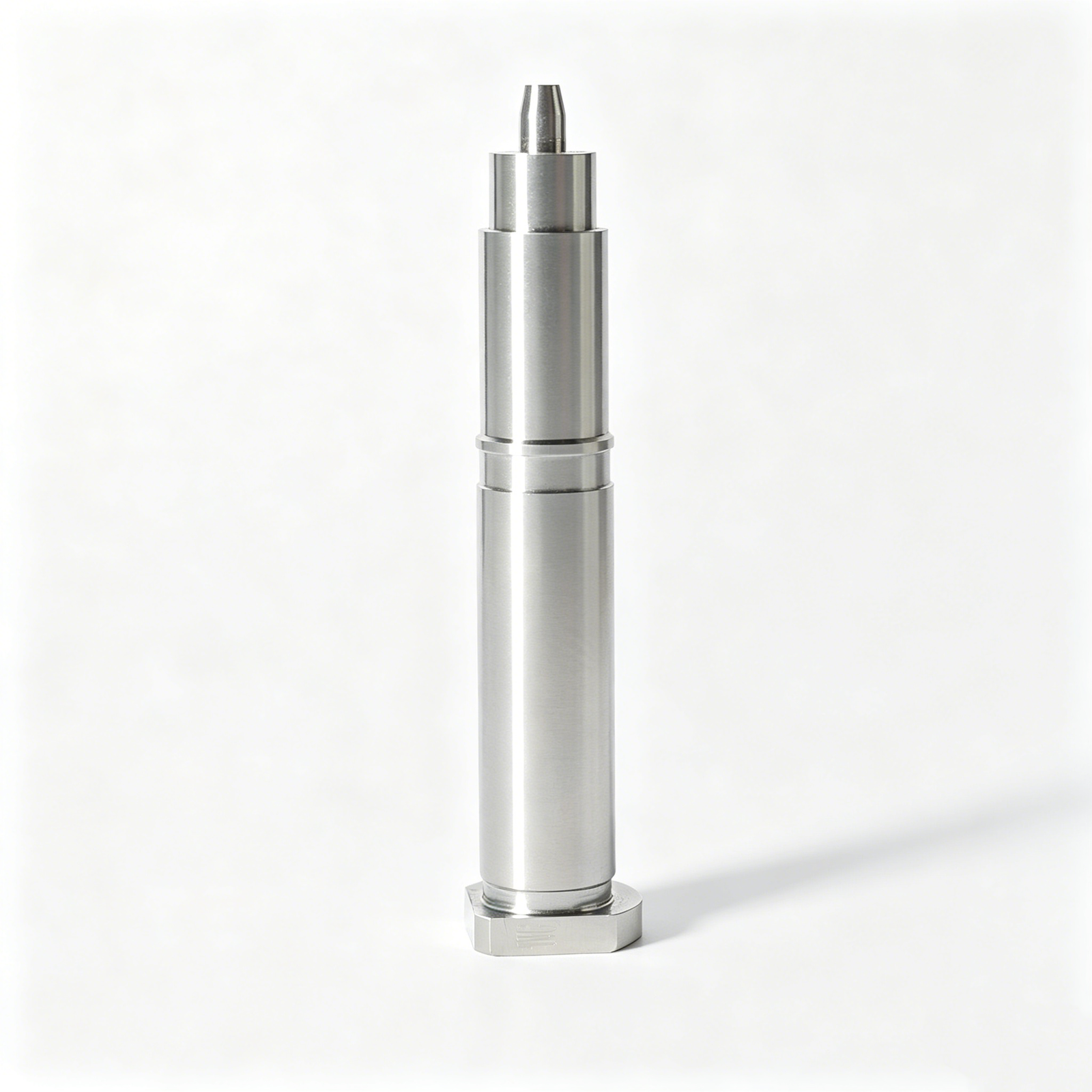
Stamping Die Components
Precision stamping die components are manufactured for drawing-based die assemblies and forming applications. Evaluation includes material and hardness requirements, cutting or forming edges, clearance relationships, grinding allowances and mating-component data.
Upload a Drawing
Injection, MIM, CIM & Overmolding Tooling
Injection, MIM, CIM and overmolding tooling components are assessed within verified production scope. Useful RFQs identify molding process, material behavior, cavity or core requirements, inserts, interfaces, surface needs and validation expectations.
Upload a Drawing
Machining Materials
CNC machining materials are selected against the drawing, application and downstream process requirements. Specify grade, condition, traceability needs, corrosion or wear exposure, heat treatment and any customer-approved material source requirements.
Upload a Drawing
Surface Finishes & Heat Treatment
Surface finishing and heat treatment are coordinated with dimensional priorities and functional surfaces. Define finish type, roughness or appearance criteria, masking needs, hardness target where applicable, post-treatment grinding allowance and inspection expectations.
Upload a Drawing
Quality, Metrology & Documentation
Precision inspection, metrology and quality documentation are planned from critical dimensions, datums and acceptance criteria. RFQs should identify reporting needs, measurement methods where specified, traceability expectations and revision-controlled drawing requirements.
Upload a Drawing
Prototyping & Low-Volume Production
Rapid prototyping and low-volume manufacturing support drawing revisions, functional evaluation and controlled early production. Feasibility depends on geometry, material, quantity, quality documentation, inspection priorities and target delivery requirements.
Upload a DrawingCopper Alloys Considered for Drawing-Based Part Programs


Phosphor Bronze
Commonly evaluated for spring contacts, connector elements, wear-sensitive components, and formed details. This copper-tin family balances strength, fatigue behavior, and corrosion resistance; temper, forming needs, and critical dimensions should be defined on the drawing.

Beryllium Copper
Considered for high-performance springs, contacts, and tooling details requiring strength after an approved heat-treatment route. Material handling, condition, heat-treatment sequence, and inspection criteria require project-specific review before SUUXIANG confirms manufacturability.

Aluminum Bronze
Suitable for selected wear-resistant, corrosion-exposed, or heavily loaded precision components. Its higher-strength copper-alloy family may influence cutter access, machining allowance, and finishing strategy, so the exact grade and mating conditions should accompany the RFQ.

Copper Nickel
Evaluated for components exposed to demanding corrosion environments or requiring stable service performance. Grade selection depends on the operating medium, dimensional priorities, and joining or finishing needs; provide application context with the drawing for review.
Copper Alloys Precision Manufacturing Processes

CNC Milling
CNC milling creates prismatic copper-alloy parts, pockets, features, and mold-component details from drawing data. Tool access, chip control, clamping, and surface priorities are reviewed to support stable machining and inspectable critical dimensions.

CNC Turning
CNC turning produces rotational features such as pins, sleeves, bushings, inserts, and connector-related components. The route is selected around stock form, concentricity, thread requirements, surface finish, and the dimensions that require documented inspection.

Multi-Axis Machining
Multi-axis machining supports angled features, compound profiles, and complex tool-access conditions in fewer setups where appropriate. Setup strategy is evaluated against datum transfer, part rigidity, machining access, and the risk of tolerance stack variation.

Wire EDM
Wire EDM is considered for narrow slots, sharp internal profiles, precision contours, and hardened or difficult-access features. The wire path, start-hole location, datum relationship, and finishing passes should be defined around the drawing’s critical geometry.

Sinker EDM
Sinker EDM addresses deep cavities, fine internal detail, and feature geometry beyond practical cutter access. Electrode design, spark allowance, surface requirement, and subsequent fitting or polishing needs are reviewed as part of the manufacturing route.
Precision Grinding
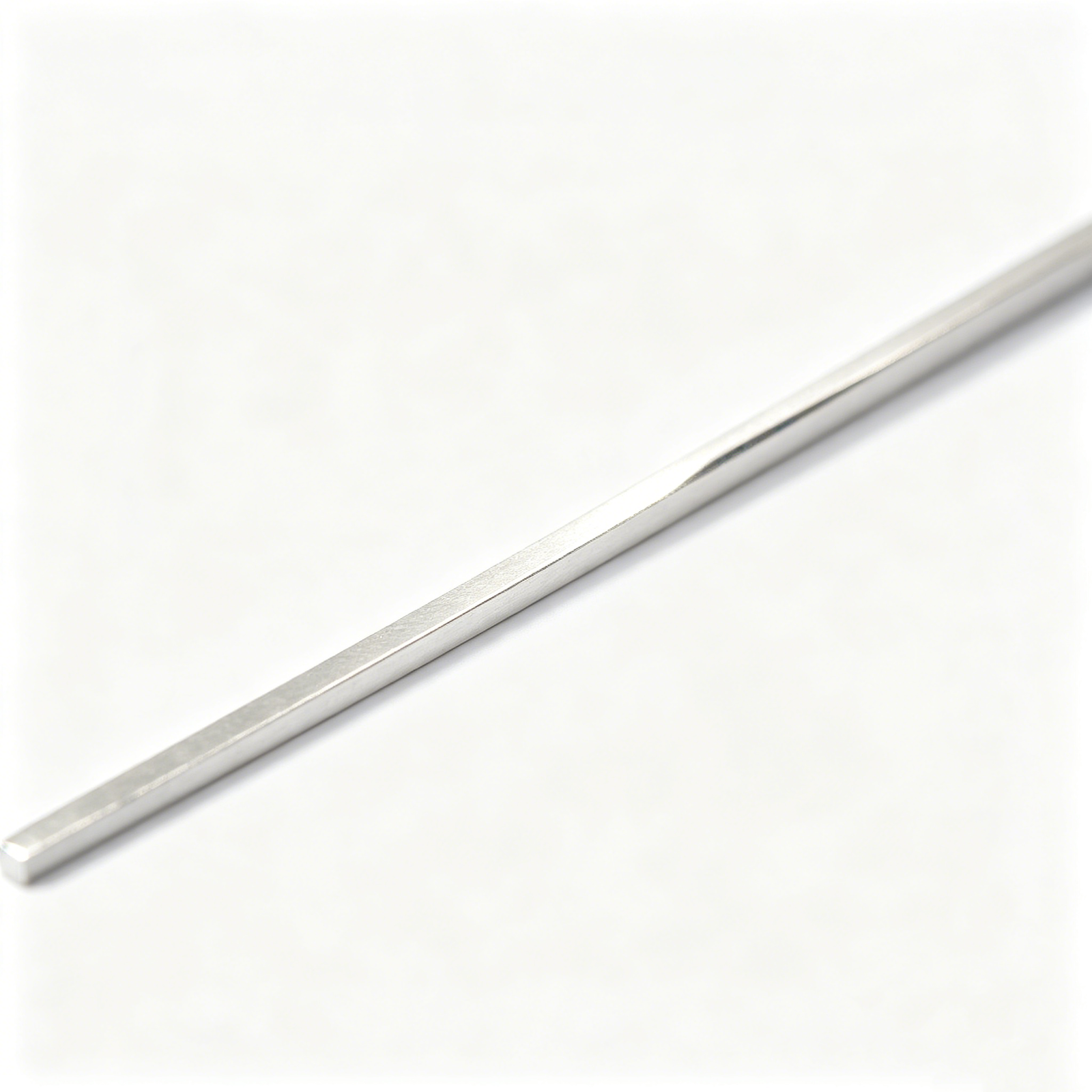
Precision grinding refines flatness, parallelism, diameter, and controlled surface conditions after machining or heat-treatment sequences where applicable. Grinding stock, datum selection, workholding, and inspection method are planned around the specified functional dimensions.
Supporting Mold and Tooling Components for Copper Alloys

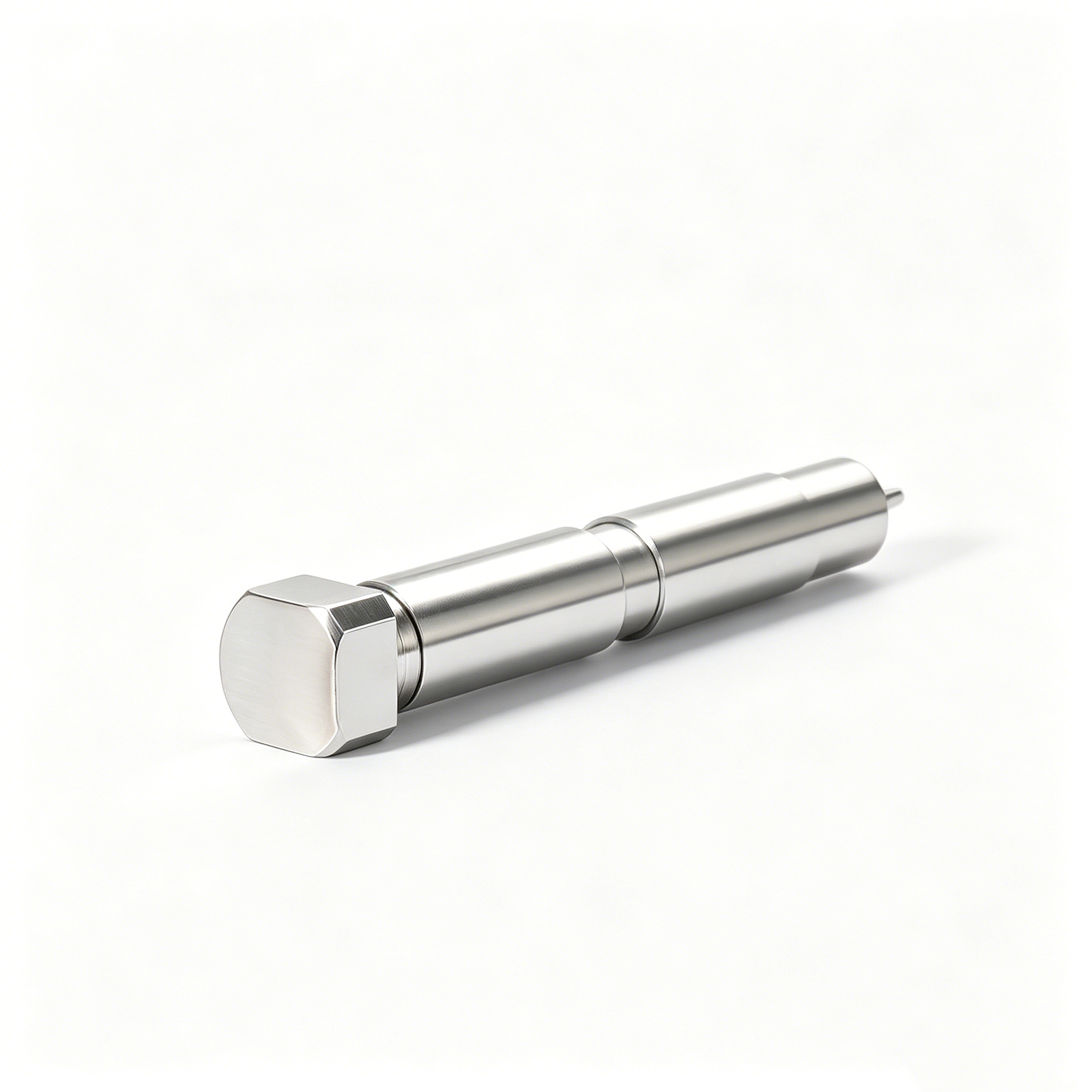
Locating Pins
Locating pins establish repeatable position between mold plates, inserts, or fixture elements. Define diameter, datum relationship, fit class, engagement length, and material requirements to control assembly alignment and replacement interchangeability.
Guide Components
Guide pillars, bushings, and related elements support controlled mold or die movement. Selection depends on stroke, side load, lubrication, clearance, mounting geometry, and the required relationship to critical copper-alloy inserts.

Ejection Elements
Ejector pins, sleeves, blades, and return components release molded parts while protecting cavity details. Drawings should identify ejector locations, tip geometry, clearance, surface condition, and any fitting requirements near copper-alloy features.

Fastening Hardware
Custom screws, dowel interfaces, clamps, and retention features secure inserts and tooling assemblies. Specify thread standard, seating condition, access direction, preload considerations, and serviceability requirements before machining and fitting are planned.

Identification Marking
Part numbers, revision marks, cavity identifiers, and orientation references support traceability through assembly and inspection. Define marking method, location, character size, and depth so identification does not interfere with functional surfaces.
About SUUXIANG Precision Manufacturing
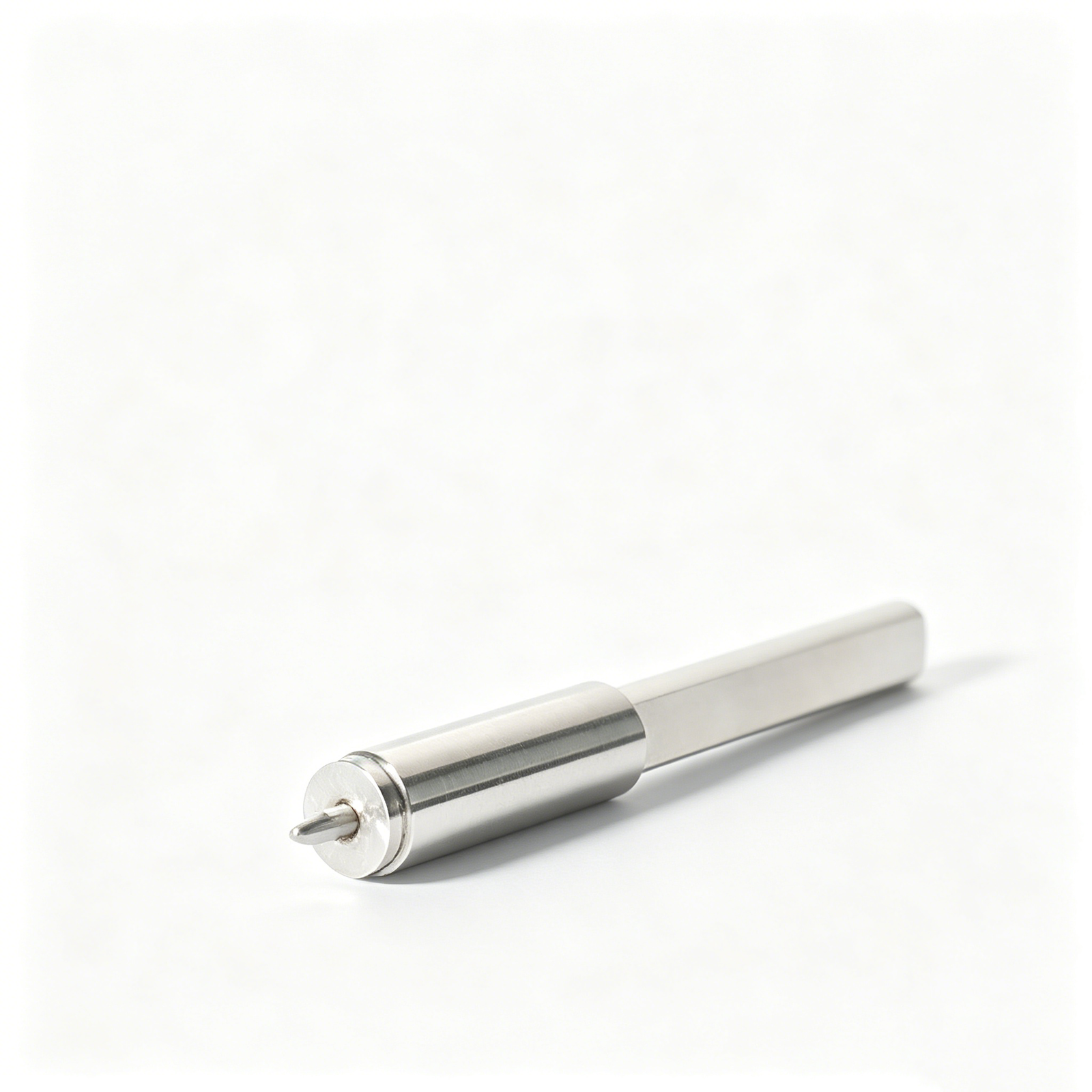
SUUXIANG is the international-facing brand of Dongguan SuuXiang Precision Mold Co., Ltd., established in 2010 in Chang’an Town, Dongguan, Guangdong, China. XiaoCheng Huang is the founder and legal representative. We help engineering, sourcing, and quality teams convert drawings and specifications into inspected custom parts, precision mold components, connector tooling, and related manufacturing work.
Our workflow brings CNC milling and turning, multi-axis machining, EDM, precision grinding, fitting, and inspection into a controlled process route. For copper alloys and other specified materials, review begins with drawing interpretation, critical dimensions, datum strategy, machining access, heat-treatment sequence, surface requirements, and inspection expectations.
What differentiates SUUXIANG is disciplined coordination before production commitments. We use DFM discussion, revision control, process planning, and inspection planning to surface manufacturing risks early. Share the 2D drawing, 3D model when available, material, quantity, quality requirements, and target delivery date for a project-specific review.
From DFM Review to Inspected Copper Alloys Components
Review the Drawing First
SUUXIANG reviews copper alloys part drawings, models, material condition, quantity, and application context before production planning. The discussion identifies critical dimensions, datums, surface requirements, tool access, and features that may require a revised machining route or clarified acceptance criteria.
- Confirm grade and supplied material condition
- Identify datums and critical-to-quality dimensions
- Check wall geometry, tool access, and burr risks
- Align revision status before quotation

Plan CNC, EDM, and Grinding
The manufacturing route is selected around geometry, material behavior, tolerance relationships, and finish requirements. CNC milling or turning may establish primary features, while EDM and precision grinding are planned where access, hardened-condition work, profile detail, or controlled stock removal makes them appropriate.
- Sequence machining around datum stability
- Assess wire path and electrode requirements
- Define grinding allowance and finish sequence
- Review heat-treatment timing when specified

Control Critical Feature Relationships
For copper alloys components with mating, sealing, locating, or conductive functions, individual dimensions do not tell the whole story. SUUXIANG focuses the review on positional relationships, tolerance stack effects, edge conditions, and the inspection method needed to evaluate the features that govern assembly performance.
- Prioritize functional dimensions over nominal-only checks
- Review positional and profile requirements
- Clarify thread, radius, and edge-break callouts
- Match measurement approach to feature geometry
Prepare Inspection Documentation
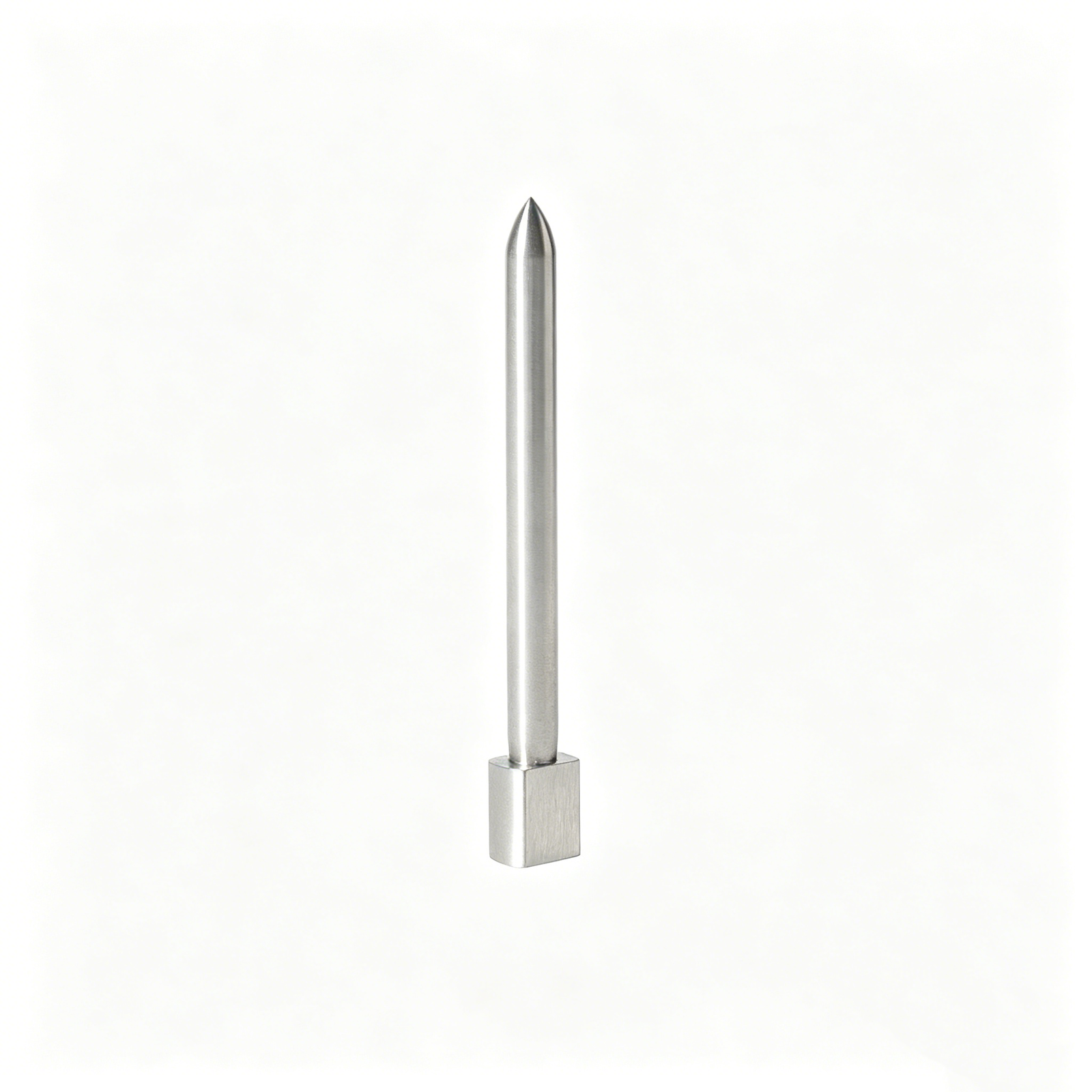
Inspection planning is defined against the drawing, approved revision, and order-specific quality expectations. Before release, the customer should confirm required reports, sampling or full-inspection needs, material or treatment documentation, packaging priorities, and delivery information so final records match the agreed production plan.
- Define report and traceability requirements
- Confirm inspection points and acceptance criteria
- Keep drawing revisions visible through production
- Align documentation with shipment needs
What to Verify in a Copper-Alloy Manufacturing Workflow
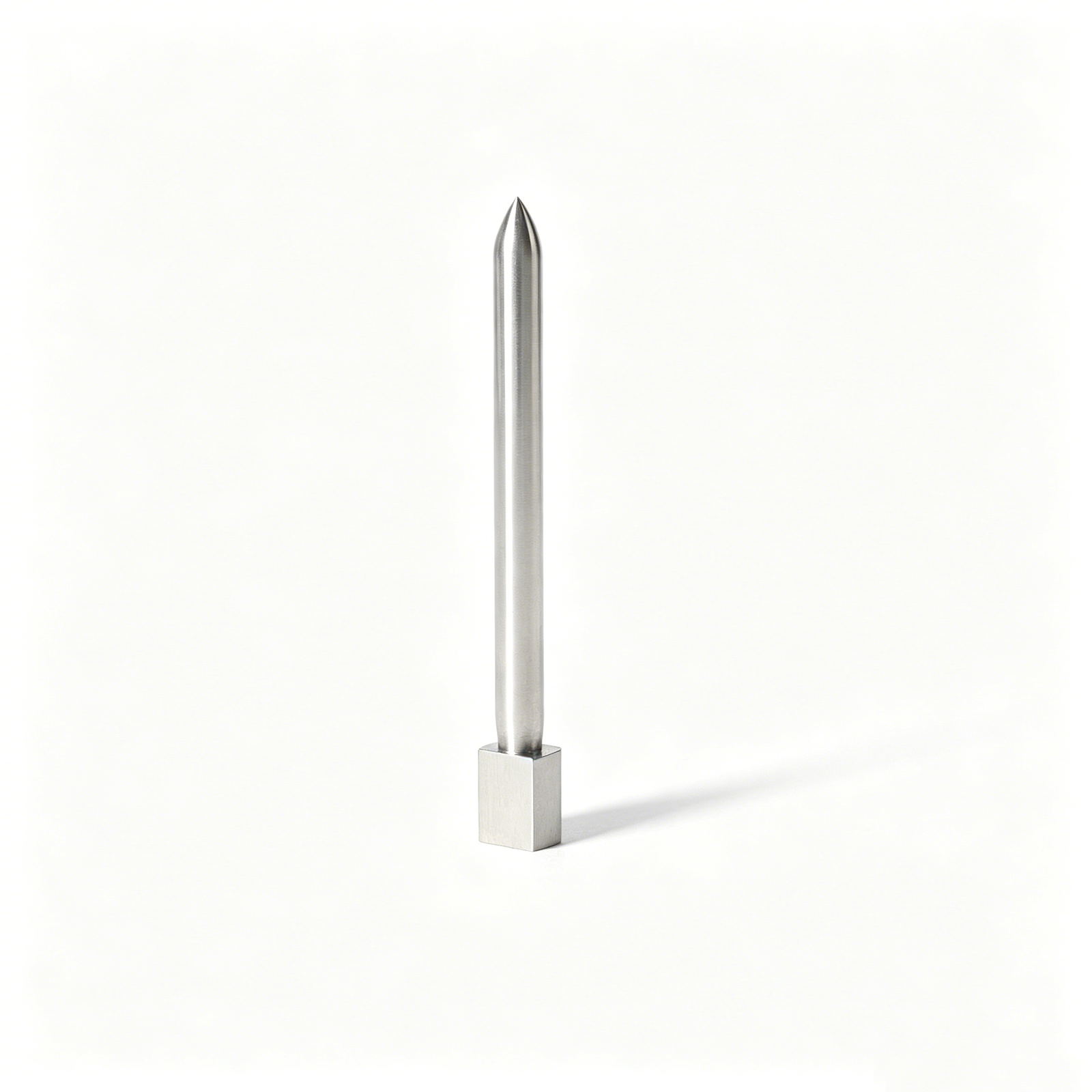
A drawing-driven workflow keeps material, datum, process, inspection, and revision decisions visible before production.
← Swipe left or right to view →
Copper Alloys Production Workflow
A controlled project path for drawing-based components, with material, process, inspection, and delivery requirements reviewed before production commitments.
Review RFQ Package
SUUXIANG reviews the 2D drawing, 3D model, alloy requirement, quantity, application context, delivery target, and requested inspection documentation before preparing a project response.
Confirm DFM Priorities
Project discussion identifies critical dimensions, datums, surface requirements, tool access, tolerance stack risks, heat-treatment sequence, and the practical process route for the requested copper alloy.
Plan Manufacturing Route
The team defines machining operations, fixturing, machining allowances, electrode strategy, wire paths, grinding stock, and checkpoints needed to control the approved drawing revision.
Machine Critical Features
CNC milling, turning, multi-axis work, EDM, and precision grinding are applied as required by geometry, material condition, functional surfaces, and accessible datum references.
Fit And Inspect
Where applicable, components are fitted and inspected against the agreed plan, with critical dimensions, surface requirements, and order-specific documentation checked before release.
Pack And Coordinate Delivery
Accepted parts are packed for the order and delivery coordination remains visible, helping the customer align shipment details, revision status, and required accompanying records.
Work with SUUXIANG on Copper Alloys
Move from drawing review to documented delivery with requirements, revisions and inspection expectations visible at each decision point.
Upload Your Drawing
Submit the 2D drawing and available 3D model with application context, quantity, target delivery date, and the copper alloy grade or approved material alternatives.
Define Critical Requirements
Confirm critical dimensions, datums, surface requirements, heat treatment, inspection reporting, mating conditions, and revision status before SUUXIANG develops a manufacturability review and quotation basis.
Review Process Proposal
Evaluate the proposed process route, including CNC machining, EDM, grinding, allowances, inspection approach, commercial scope, and any questions requiring clarification before sample or production approval.
Approve Production Release
Release the confirmed drawing revision and order requirements after technical and commercial alignment, allowing production planning, material control, machining, fitting, and in-process quality checks to proceed.
Receive Documented Parts
Receive completed copper alloy components with documentation aligned to the order and verified inspection plan, plus visible delivery coordination for the agreed shipment requirements.
Customer Evidence Published Only with Verified Approval
Verified Copper Alloys Project Examples and Customer Feedback
Customer testimonial pending verified project outcome, written approval, and confidentiality review. No performance, tolerance, delivery, or quality result is published until the program record supports it.
Customer testimonial pending verified project outcome, written approval, and confidentiality review. SUUXIANG will publish only evidence aligned with the approved drawing revision and inspection documentation.
Customer testimonial pending verified project outcome, written approval, and confidentiality review. Case details will identify the manufacturing scope and measured result without disclosing protected program information.
Copper Alloys CNC Machining FAQ
Practical answers for drawing-based sourcing, quality planning, and controlled production discussions.
What is the MOQ for custom copper alloys CNC machining?
What do I need to submit for a copper alloys machining quote?
Can SUUXIANG make prototype samples in copper alloys before a production order?
How do you confirm the correct copper alloy material for my part?
Can I request inspection reports for copper alloys CNC parts?
How are drawing revisions controlled during production?
How are payment terms and international shipping handled?
How is my drawing and project information protected?
The Complete Buyer’s Guide to copper alloys
Use this decision framework to compare copper alloy families, specify drawing-ready parts, evaluate machining suppliers, control cost and quality risk, and avoid material, tolerance, compliance, and sourcing mistakes before production.
1. What Are copper alloys?
Copper alloys are copper-base engineering materials whose properties are deliberately altered with zinc, tin, nickel, aluminum, silicon, chromium, or beryllium. Standard designations span hundreds of recognized compositions, so ‘copper’ alone does not identify the material behavior required for a drawing-based part (https://www.xometry.com/resources/materials/copper-alloy).
One selection decision balances electrical and thermal conductivity against strength, corrosion and wear resistance, formability, machinability, and material cost; no single grade maximizes every property. Brass may favor economical machining, while precipitation-hardenable or corrosion-focused families can change the process route and purchase risk.
Two drawing fields—exact alloy grade and temper—are essential because nominally similar copper alloys can arrive annealed, cold-worked, or heat-treated with materially different hardness, spring response, dimensions after machining, and forming behavior. State the governing standard or UNS designation, product form, temper, critical properties, and any required heat-treatment condition before quotation.
2. Evolution of copper alloys
Bronze—copper strengthened primarily with tin—preceded brass as an early engineering family; brass later made copper-zinc combinations practical for formed and machined components. Those families established the central trade-off still used in design reviews: alloy additions exchange some conductivity for strength, wear resistance, corrosion behavior, or machinability.
C10000 through C99000 now organize more than 400 recognized copper-alloy designations under the Unified Numbering System, separating wrought and cast compositions. https://www.xometry.com/resources/materials/copper-alloy European drawings may instead use CW designations or symbolic names such as CuZn37 and CuNi10Fe1Mn. https://www.weerg.com/guides/copper-alloys
C11000 supports electrical conductors, copper-nickel grades address seawater exposure, and precipitation-hardenable CuCrZr or CuBe grades serve thermal tooling and demanding connector applications. https://www.xometry.com/resources/materials/types-of-copper Today, specify the recognized grade, product form and temper or heat-treatment condition—not only a family name—and retain mill and heat traceability through machining and inspection.
3. Types of copper alloys
Copper families differ first by conductivity, corrosion exposure, strength, and forming route. Specify the exact grade and temper before comparing quotes; family names alone are insufficient.
Pure And Low-Alloy Copper
C101/C110 are predominantly copper. They maximize conductivity but are soft; use bus bars or thermal inserts. First question: is conductivity more critical than wear resistance?
Brass
Brass combines copper and zinc. It machines readily but can be unsuitable for aggressive media; use fittings, terminals, and turned details. First question: are machining speed and lead restrictions defined?
Tin And Phosphor Bronze
Tin bronze adds tin; phosphor bronze also adds phosphorus. They provide spring and wear performance but cost more than brass; use contacts, bushings, and springs. First question: is fatigue life required?
Aluminum And Silicon Bronze
Aluminum bronze uses aluminum; silicon bronze uses silicon. Both offer corrosion resistance, while machining behavior varies; use marine hardware and wear parts. First question: what environment and joining method apply?
Copper-Nickel
Copper-nickel contains nickel, often with iron or manganese. It resists seawater corrosion but has lower conductivity; use heat-exchanger tubing and piping components. First question: is seawater exposure continuous?
Precipitation-Hardening Grades
Beryllium copper and CuCrZr gain strength through heat treatment. They suit springs, electrodes, and mold inserts but require defined temper and controlled processing. First question: must strength coexist with conductivity?
4. Comparing copper alloys for CNC parts
Four representative grades show why selection starts with function, not alloy family. Conductivity, wear demand, forming route, and machining strategy must be evaluated together.
| Grade | Conductivity / Strength / Hardness | Corrosion | Machinability | Wear / Formability | Common Forms / Applications |
|---|---|---|---|---|---|
| C11000 | Very high / low / soft | Good | Fair; gummy chips | Low wear / excellent | Bar, sheet, plate / busbars, contacts |
| C36000 brass | Moderate / moderate / moderate | Good, environment-dependent | Excellent | Moderate / limited cold forming | Bar / turned fittings, connector bodies |
| CuCrZr | High / moderate-high / moderate | Good | Moderate | Good wear / limited after aging | Bar, plate / mold inserts, electrodes |
| C17200 beryllium copper | Moderate / high / high after aging | Good | Moderate; control dust | High wear / good before aging | Strip, bar / springs, connector contacts, wear inserts |
Selection Matrix
C11000 favors electrical paths; CuCrZr balances conductivity with heat-resistant strength. C17200 requires controlled machining and heat-treatment planning, while C36000 favors efficient turned features.
Drawing Controls
Exact properties vary by grade, temper, product form, and governing standard. The drawing and material certificate must govern final selection, including required hardness, conductivity, and traceability.
5. Copper alloys: finishes and customization
Two drawing-controlled decisions govern customization: protect critical geometry first, then specify the finish by function. For copper alloys, machining, finishing, marking, and packing should be planned as one controlled route.
| Requirement | Functional Effect | Inspection Focus |
|---|---|---|
| Plating and masking | Fit, contact resistance, corrosion | Thickness and coverage |
| Polishing and deburring | Edge safety, surface condition | Burr limit and roughness |
| Laser marking and packaging | Traceability, cosmetic protection | Location, label, separation |
Geometry Before Finish
Two or more datums should locate threads, grooves, and cooling channels before surface treatment is released. State tolerances, thread class, burr limits, and inaccessible edges on the drawing.
One post-machining operation can alter a seating face or sharp edge. Define deburring, polishing direction, and any protected contact zones in the RFQ.
Functional Surface Treatments
Plating thickness adds material to diameters, threads, press fits, and connector contact surfaces. Specify nominal thickness, permitted range, masking boundaries, and where thickness is measured.
Three functions require different checks: corrosion protection, electrical contact, and appearance. Passivation is alloy-dependent and should be specified only when applicable to the selected grade and process.
Identification And Packing
Laser marking is cosmetic identification unless its location, depth, and contrast are controlled. Keep marks away from sealing lands, contact interfaces, thin walls, and fatigue-sensitive areas.
Each packaging instruction should prevent part-to-part abrasion, moisture exposure, and mixed revisions. Request lot labels, revision identification, inspection records, and protected orientation for polished or plated surfaces.
6. Quality requirements for copper alloys
A procurement package should turn functional requirements into measurable acceptance criteria before material is released. For copper alloys, alloy identity and supply condition are inseparable: a near-equivalent grade or undefined temper can change machining response, strength, and conductivity.
Material Identity And Condition
Specify the governing standard, full alloy designation, temper or heat-treatment condition, product form, and permitted substitutions. The UNS designation uses a C-prefixed five-digit number; grade and supply condition should be stated together (https://www.weerg.com/guides/copper-alloys).
Require mill certificate review against the purchase order, including chemistry and condition. Do not approve substitutions based only on a similar trade name or nominal copper percentage.
Drawing Acceptance Criteria
Identify CTQ dimensions, datum scheme, GD&T controls, surface roughness, burr limit, edge break, thread class, and any no-damage surfaces. State units, sampling plan, and measurement method for each characteristic.
Define cleanliness limits where assemblies carry current, seal, plate, or bond. For threads, specify gauge type, engagement requirement, and whether post-plating verification is required.
Properties And Traceability
Set hardness, conductivity, plating thickness, adhesion, and finish requirements only when the application needs them. Name the test method, test location, acceptance limit, and reporting format rather than requesting a generic certificate.
Maintain lot-to-part traceability through material receipt, machining, finishing, inspection, and shipment. Match first-article, in-process, and final inspection records to the current drawing revision.
7. Choosing a copper alloys manufacturer
Two supplier screens prevent avoidable launch risk: technical fit and controlled execution. For drawing-based copper alloys parts, evaluate evidence tied to the specified grade, temper, geometry, and inspection plan.
Verify Alloy And Process Fit
First, ask for comparable machining evidence for the named alloy and condition. Soft, gummy copper needs chip-control and workholding discipline; high-strength grades need proven tool, EDM, and grinding routes.
- Confirm grade, temper, and material form.
- Review tool-access and datum assumptions.
- Identify heat-treatment sequence and allowances.
Audit Material And Inspection Control
Each lot should remain linked to its material certificate and receiving record. Incoming verification, in-process checks, and final inspection should reference the drawing revision, critical dimensions, and agreed reporting method.
- Lot identification through packing
- Defined sampling or 100% checks
- First-article or sample approval
Test Project Control
Before release, confirm capacity against the required quantity and delivery window. A capable supplier documents drawing changes, nonconformities, disposition, protective packaging, and shipment information rather than managing them only by email.
- Named revision-control path
- Written nonconformity response
- Part-specific packaging plan
8. Common copper alloys sourcing mistakes
A family label such as brass or bronze does not define machining behavior, conductivity, corrosion response, or inspection limits. Most sourcing escapes begin before quotation, when the drawing leaves material condition, interfaces, or acceptance evidence undefined.
Specify Grade And Temper
A full designation needs the applicable grade, product form, temper, heat treatment, and governing standard. Ask: Which exact designation and supply condition must the supplier quote against?
A low unit price can conceal extra setups, scrap risk, or unsuitable stock. Ask: What process route, yield risk, and inspection scope are included in this price?
Design For Service And Processing
Galvanic couples, humidity, chemicals, and temperature can change the required alloy or finish. Ask: What mating metals and service exposures must this part withstand?
Machining can leave burrs or release stress into thin sections; plating also adds thickness on functional surfaces. Ask: Which edges require deburring, what distortion limit applies, and what plating buildup is allowed?
Qualify Production Evidence
One prototype may prove geometry but not repeatability across material lots, fixtures, operators, or production quantities. Ask: What production-representative trial and control plan will confirm capability?
Measurable acceptance criteria prevent subjective disputes after delivery. Ask: Which dimensions, datums, surface requirements, sampling plan, reports, and revision level define acceptance?
9. Launching a copper-alloy part program
A controlled launch converts a material choice into a repeatable manufacturing plan. Engineering, quality, procurement, and manufacturing should review the same revision before SUUXIANG prices or schedules work.
Define Function And Grade
Stage 1 records the electrical, thermal, wear, corrosion, and mating requirements. The team also identifies service environment, load direction, and production quantity.
Stage 2 shortlists named grades and supply conditions against those requirements. Engineering owns function; procurement confirms acceptable sourcing alternatives.
Review Drawings And DFM
Stage 3 reviews 2D drawings, models, datums, critical dimensions, surface callouts, and tolerance stacks. Manufacturing checks tool access, clamping, machining allowance, and EDM or grinding needs.
Stage 4 requests DFM feedback and a traceable quotation. The quote should state revision, material, process assumptions, quantity, inspection scope, and exceptions.
Approve And Stabilize Production
Stage 5 approves material evidence and first articles before repeat release. Quality validates measurement results while engineering verifies fit, mating behavior, and application performance.
Stage 6 locks the inspection plan, acceptance criteria, packaging, and change-control route. Repeat production starts only after procurement and manufacturing align delivery requirements with the approved revision.
10. Copper alloys pricing and cost
1 RFQ should identify the exact UNS or EN grade, temper, stock form and required quantity before cost can be compared. Mill availability and the difference between bar, plate, sheet or near-net stock can change both purchase cost and material yield.
2 hours of spindle, EDM, grinding and fitting time can outweigh raw-material value on a small precision part. Tight tolerances, inaccessible features, thin walls, finishing and expanded inspection increase cycle time, scrap exposure or inspection effort.
3 repeat orders can reduce setup and programming burden when the released drawing, revision, inspection plan and material source remain unchanged. SUUXIANG should quote from the current drawing and confirm any material, tolerance, heat-treatment or documentation assumptions before release.
| Production scenario | Setup burden | Unit-cost trend | Lead-time factors |
|---|---|---|---|
| Prototype: 1–5 pieces | High: programming, setup and first-article checks spread across few parts | Highest relative unit cost | Grade/temper availability, stock cutting, complex machining and inspection planning |
| Low volume: 10–100 pieces | Moderate: setup shared across the run | Falls as quantity rises; scrap rate still matters | Material procurement, fixture need, EDM/grinding sequence, finishing and report scope |
| Repeat order: 100+ pieces | Lower when revision and process route are unchanged | More stable; yield and cycle time drive savings | Reorder stock availability, approved inspection method, capacity scheduling and delivery split |
Send Your Copper Alloys Drawing for Manufacturing Review
Include your drawing, model, material, quantity, quality priorities, delivery target, and inspection requirements for a focused RFQ review.