
CNC Machining ABS for Inspected Precision Parts
Submit your drawing for CNC machining ABS with DFM review, critical-dimension planning, and inspection aligned to your requirements.
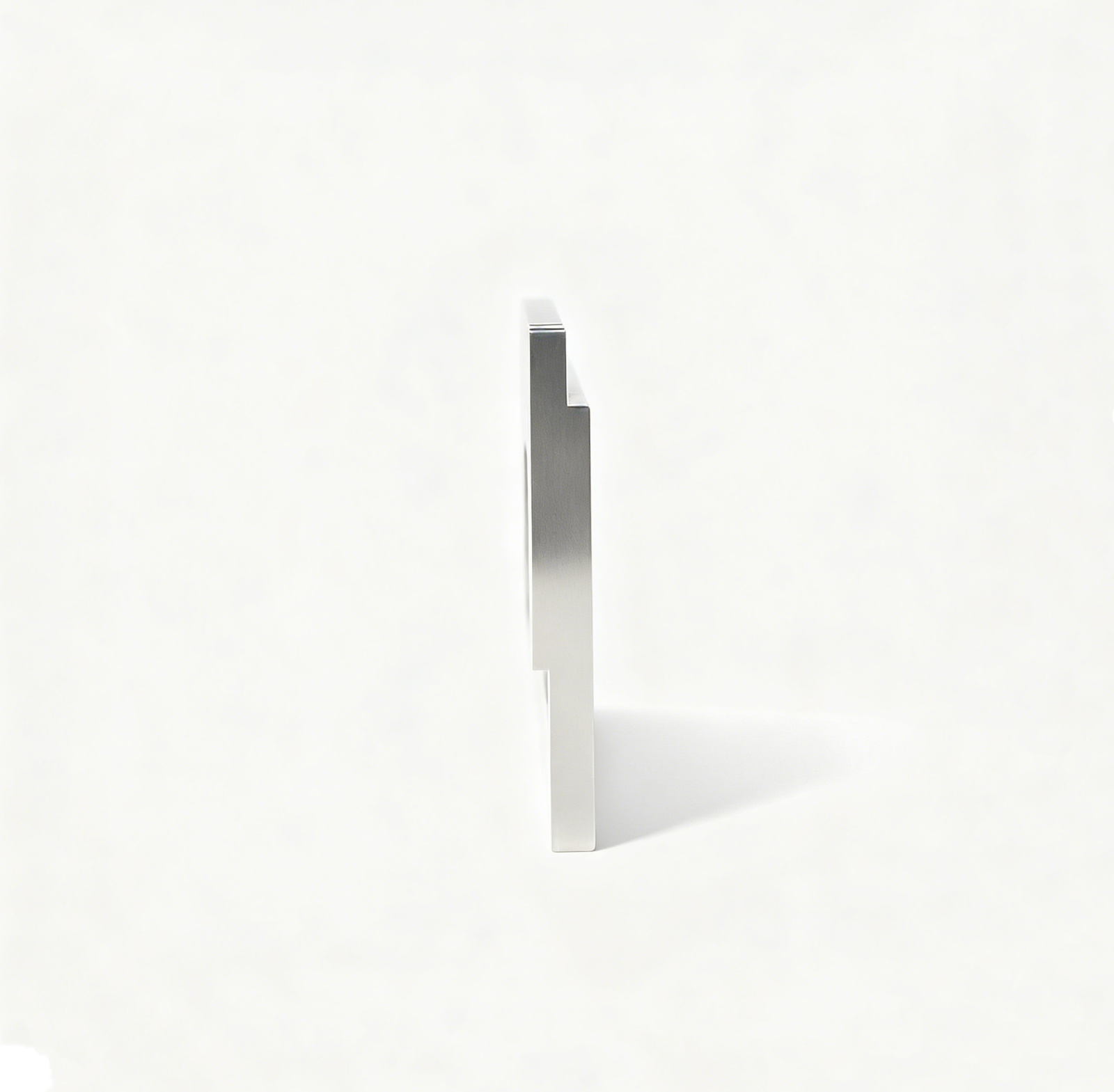
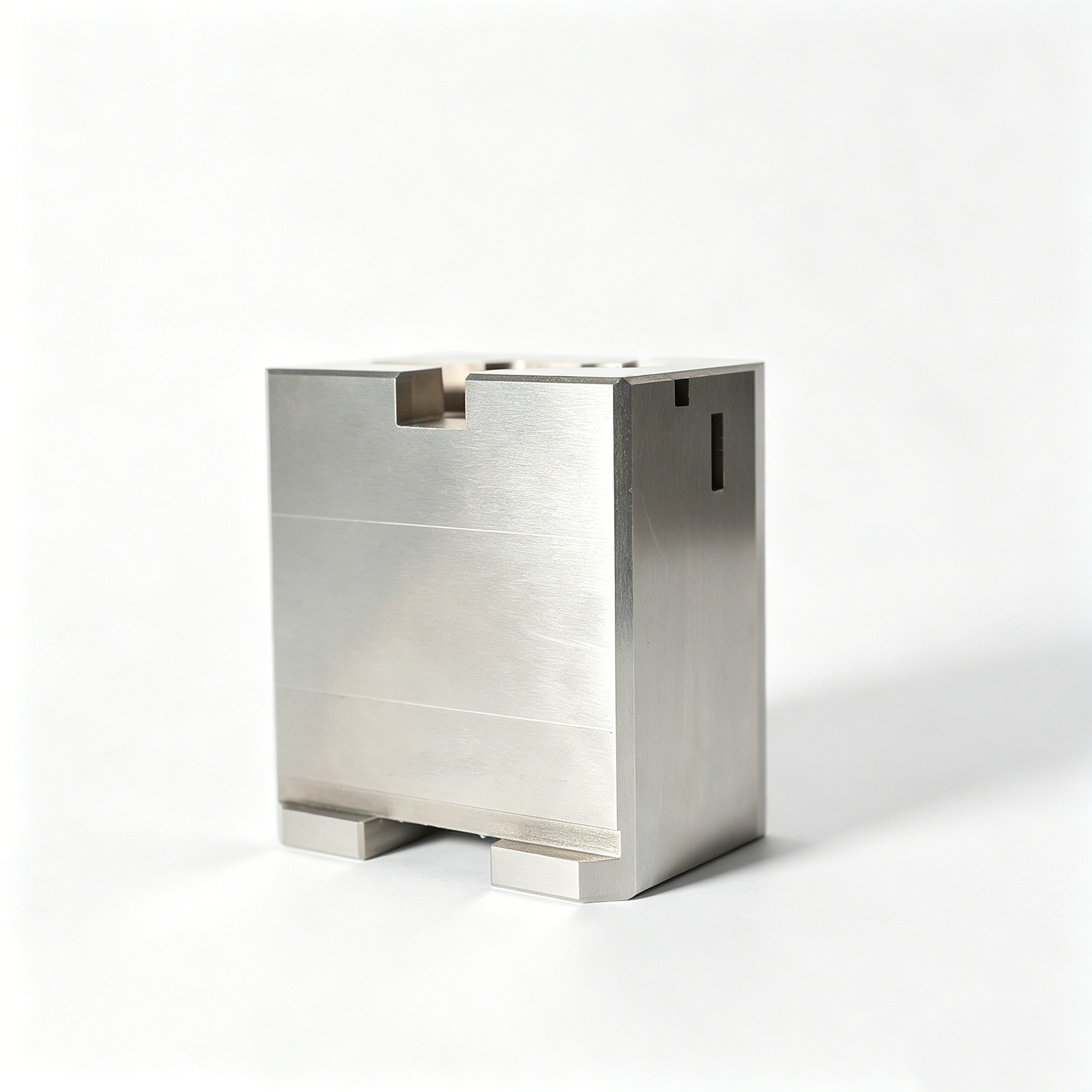
Representative ABS Machining and Tooling Components



Request a Quote for CNC Machining ABS




Why Engineers Choose SUUXIANG for CNC Machining ABS
A drawing-led workflow that keeps manufacturability, critical dimensions, inspection expectations, and revisions visible before production decisions are made.
DFM Before Quotation
We review geometry, tool access, wall conditions, datum strategy, and material requirements to identify manufacturability questions before quoting.
Critical Dimensions Planned
Critical-to-quality features are discussed with their datums, tolerance relationships, surface priorities, and suitable inspection methods before machining begins.
Coordinated Process Routes
CNC machining ABS can be planned alongside EDM, grinding, fitting, and secondary operations when the drawing and project requirements justify them.
Inspection Aligned Early
Inspection planning follows the approved drawing and identified critical features, helping ensure reported results correspond to the order requirements.
Revision Control Visible
Drawing revisions, specification changes, and production decisions are kept visible throughout project coordination to reduce avoidable interpretation risk.
Traceable Communication
Engineering and sourcing teams receive disciplined communication around material requirements, open questions, inspection expectations, and delivery coordination.
Precision Part and Tooling Families
Explore configurable manufacturing families organized around the component, process route, and inspection evidence required for your drawing-based program.

CNC Machining Services
Precision CNC machining services for drawing-based custom parts requiring coordinated milling, turning, EDM, grinding, fitting, and inspection. Submit critical dimensions, material, quantity, and application context so the process route can be reviewed before quotation.
Upload a Drawing
CNC Milling
Custom CNC milling services for prismatic parts, plates, inserts, housings, and complex machined features. Drawing review considers datum structure, tool access, internal geometry, surface requirements, machining allowance, and inspection points before production planning.
Upload a Drawing
CNC Turning
Precision CNC turning services for shafts, sleeves, pins, bushings, threaded features, and rotational components. A viable route depends on diameter relationships, runout requirements, material condition, secondary features, heat-treatment sequence, and the dimensions that require inspection.
Upload a Drawing
5-Axis Machining
5-axis CNC machining for parts with compound angles, contoured surfaces, and features that benefit from fewer setups. Review access, workholding, datum transfer, tool reach, surface requirements, and inspection strategy before committing to the machining route.
Upload a Drawing
Swiss & Micro Machining
Swiss machining and micro machining for small, slender, or detail-intensive components where support, concentricity, and feature sequence matter. Provide dimensional priorities, material, burr limits, mating context, and inspection expectations with the RFQ.
Upload a Drawing
Wire & Sinker EDM
Wire EDM and sinker EDM services for hardened materials, narrow slots, sharp internal forms, deep ribs, and features beyond conventional cutter access. Electrode strategy, wire path, corner conditions, recast considerations, and finishing requirements should be defined during review.
Upload a Drawing
Precision Grinding
Precision surface and profile grinding for dimensions, flatness, parallelism, profiles, and finishes that require controlled stock removal. Planning should confirm heat-treatment condition, grinding allowance, datum surfaces, critical geometry, and the applicable inspection method.
Upload a Drawing
Mold Core & Cavity Inserts
Precision mold core and cavity inserts manufactured from customer drawings for injection-mold tooling applications. Process planning addresses material, heat treatment, cavity geometry, cooling interfaces, EDM requirements, shutoff conditions, grinding stock, and critical dimensions.
Upload a Drawing
Ejector & Ejection Components
Ejector pins, sleeves, and related ejection components produced to drawing-defined dimensions and functional interfaces. Review includes fit relationships, hardness requirements, surface condition, lubrication or venting features, length control, and mating-component context.
Upload a Drawing
Core Pins, Guide & Locating Components
Core pins, guide pins, bushings, and locating components for mold assemblies where alignment and fit affect repeatable operation. Drawings should identify datum references, interface tolerances, material and heat treatment, wear considerations, and inspection priorities.
Upload a Drawing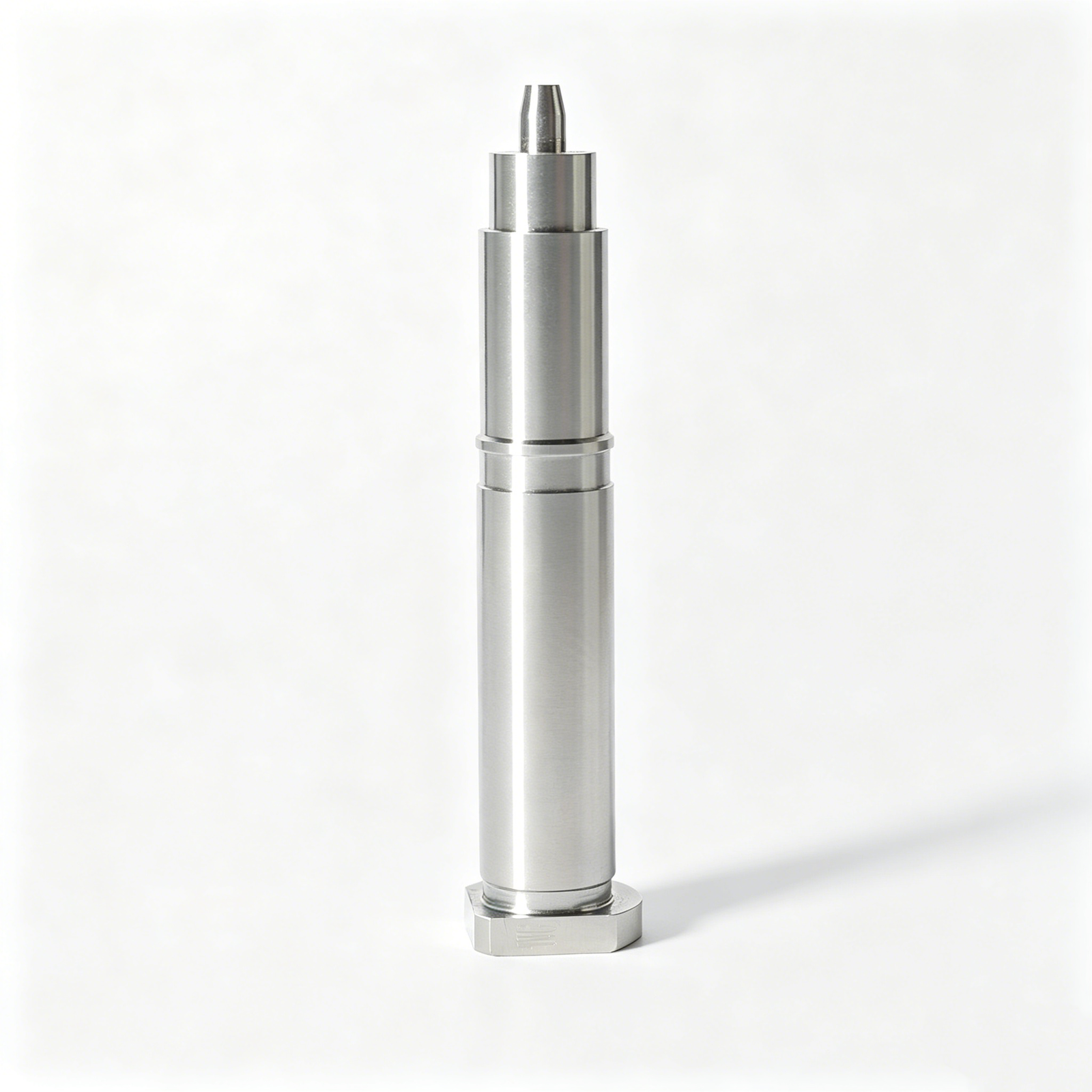
Slides, Lifters, Gates & Mold Accessories
Mold slides, lifters, gates, and accessories manufactured as configurable tooling components rather than assumed stock items. Review travel interfaces, shutoff surfaces, angled features, material condition, EDM or grinding needs, assembly fits, and revision-controlled mating details.
Upload a Drawing
Connector Mold Components
Precision connector mold components for tooling that forms high-density, fine-pitch, or geometry-sensitive connector features. Provide product geometry, cavity layout context, material and heat-treatment requirements, critical dimensions, surface expectations, and inspection documentation needs.
Upload a Drawing
Stamping Die Components
Precision stamping die components for drawing-based forming, cutting, and progressive-die applications. Manufacturing review considers material condition, wear surfaces, clearance-sensitive geometry, heat-treatment sequence, grinding requirements, assembly interfaces, and dimensional verification.
Upload a Drawing
Injection, MIM, CIM & Overmolding Tooling
Injection, MIM, CIM, and overmolding tooling components supported within verified production scope. Provide molding process context, part geometry, material system, tool interfaces, critical features, expected quantities, and quality requirements for an appropriate manufacturing review.
Upload a Drawing
Machining Materials
CNC machining materials selected against drawing requirements, part function, machinability, heat treatment, corrosion exposure, and inspection needs. Specify grade, condition, approved alternatives, traceability expectations, and any material certification requirement in the RFQ.
Upload a Drawing
Surface Finishes & Heat Treatment
Surface finishing and heat treatment planned around functional requirements such as wear resistance, corrosion behavior, friction, appearance, or mating fit. Identify required specification, sequence constraints, masking needs, post-process dimensions, and verification expectations before production.
Upload a Drawing
Quality, Metrology & Documentation
Precision inspection, metrology, and quality documentation aligned to the order and verified inspection plan. Identify critical-to-quality dimensions, datum scheme, reporting format, sampling expectations, material records, revision level, and any customer-specific documentation requirements.
Upload a Drawing
Prototyping & Low-Volume Production
Rapid prototyping and low-volume manufacturing for programs that need drawing review before production commitments. Share model and drawing files, quantity range, material, critical dimensions, surface needs, target date, and inspection requirements to assess a practical route.
Upload a DrawingCNC Machining ABS Grades and Engineering Materials

Machine Grade ABS
A practical choice for prototypes, housings, fixtures, and nonstructural assembly components. Machine-grade ABS balances toughness with straightforward milling and turning; tool access, wall thickness, and thermal control should be reviewed against drawing tolerances.

Flame Retardant ABS
Used where an application specifies a flame-retardant ABS grade for enclosures or electrical-adjacent components. Grade documentation, color, machining response, and required compliance evidence must be confirmed before quotation and inspection planning.

Glass-Filled ABS
Selected when added stiffness is more important than surface appearance or easy finishing. Glass reinforcement can affect tool wear, edge quality, and directional stability, so machining allowances and critical dimensions require project-specific review.

PC-ABS Blend
A tougher engineering-plastic option for impact-prone covers, functional prototypes, and equipment housings. PC-ABS can offer a useful balance of toughness and heat performance, while section thickness, residual stress, and finish needs guide process planning.

Nylon PA
Often considered for wear-oriented parts, guides, and functional fixtures where toughness matters. Nylon’s moisture response can influence dimensional stability, so the specified grade, conditioning state, datums, and inspection timing should be defined in the RFQ.

Acetal POM
A common option for low-friction components, locating elements, and precision mechanical parts. Acetal machines cleanly and offers useful dimensional behavior, but fit requirements, operating environment, and any surface or assembly constraints need verification first.
CNC Machining ABS: Applicable Process Routes

CNC Milling
CNC milling creates pockets, profiles, holes, and planar features in ABS. Tool access, workholding, chip evacuation, and heat control are reviewed to help protect edge quality, flatness, and critical dimensions.

CNC Turning
CNC turning supports rotational ABS features such as sleeves, spacers, bushings, and threaded forms where the drawing suits a turning setup. The route considers concentricity, clamping force, wall thickness, and finish requirements.
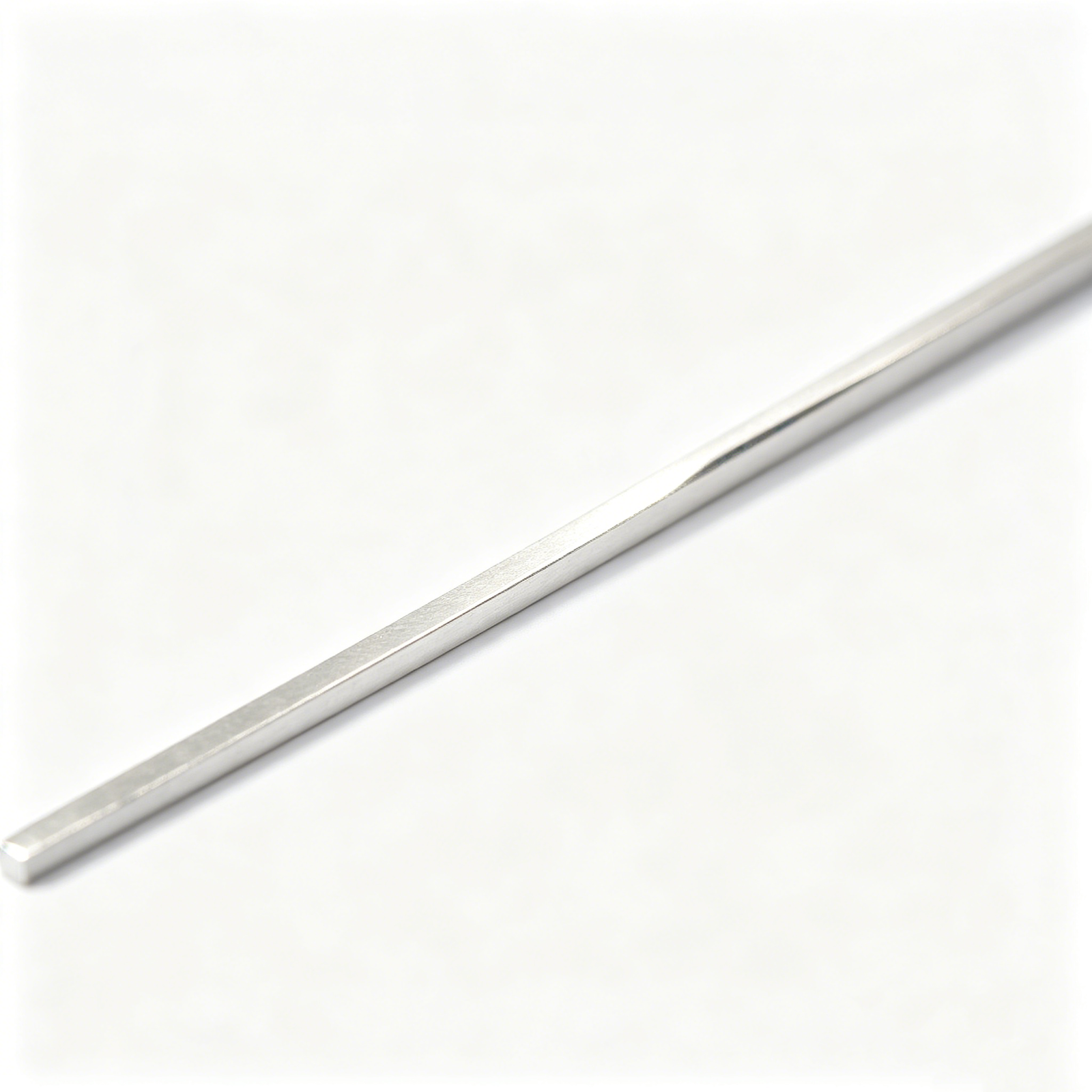

EDM and Grinding
EDM or precision grinding may be considered when a project includes tooling-related features, hardened mating components, or specified surfaces beyond the ABS part itself. Applicability depends on the component material and drawing requirements.
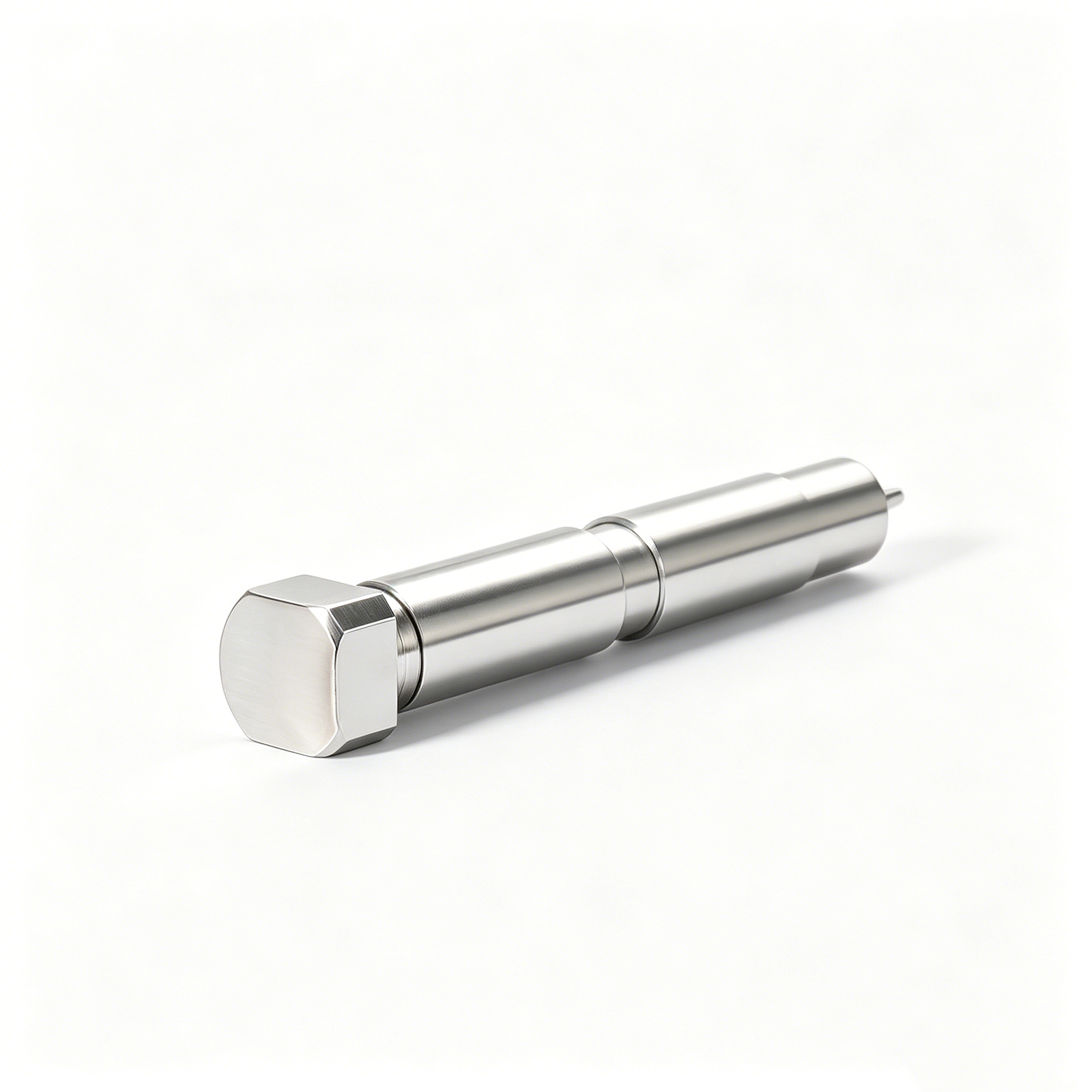
Fitting and Inspection
Fitting and inspection confirm functional interfaces, critical dimensions, and drawing-defined requirements. Measurement methods, reporting needs, revision status, and any mating-component context are aligned before final documentation and delivery coordination.
CNC Machining ABS Features and Applied Accessories

Threaded Inserts
Heat-set or press-fit insert requirements can be reviewed for ABS housings and assemblies where repeated fastening needs stronger, more durable thread engagement than a directly machined plastic thread.

Machined Threads
Tapped holes, external threads and threaded interfaces can be planned around wall thickness, engagement length, tool access and mating hardware to support practical CNC machining ABS part design.

Locating Features
Dowel holes, datum pads, shoulders and registration pockets help establish repeatable position between parts, fixtures or tooling. Their relationship to critical dimensions should be defined clearly on the drawing.
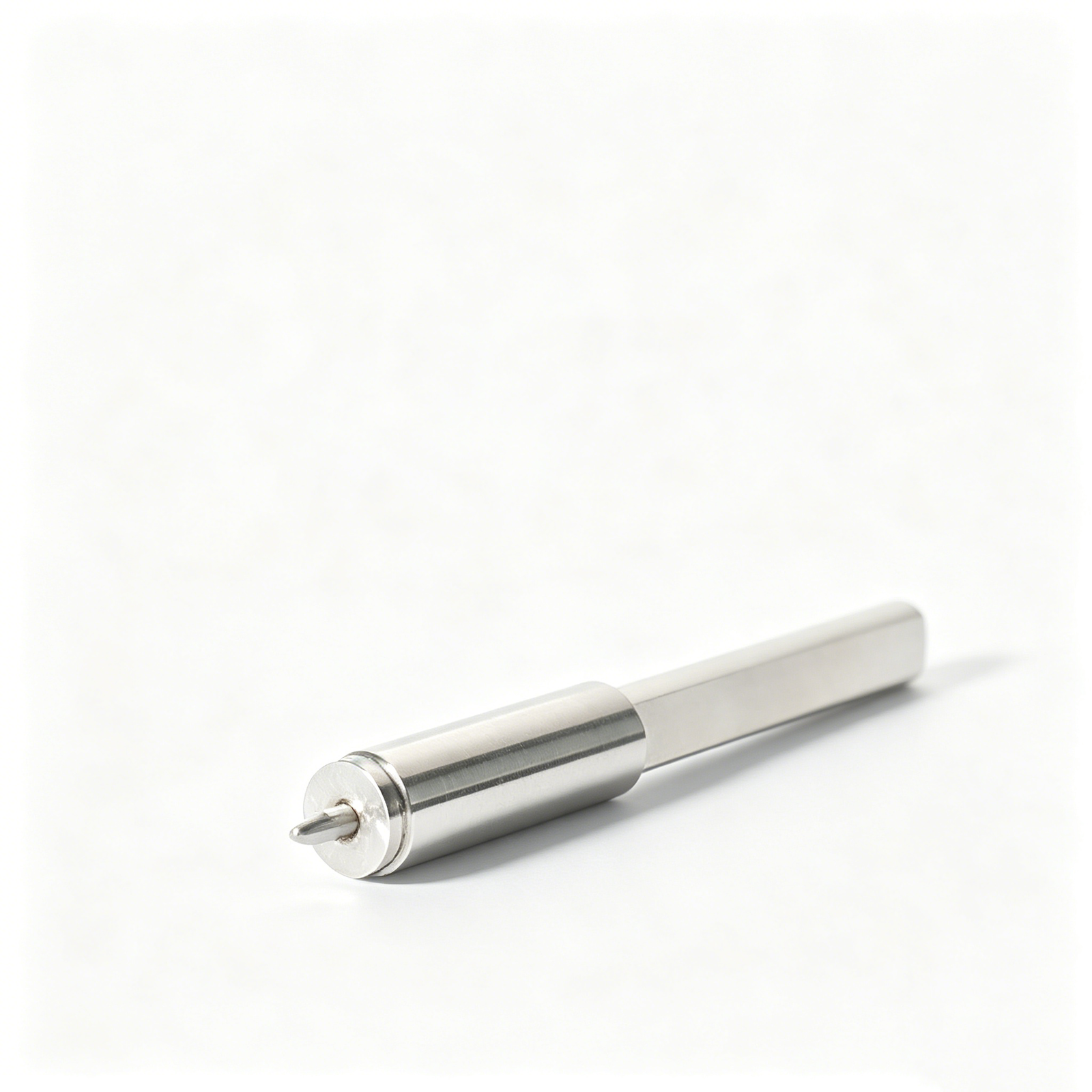
Identification Labels
Part markings, label recesses or identification areas can be incorporated where revision recognition, assembly guidance or traceability needs are specified. Provide marking content, location and durability expectations with the RFQ.

Mating Interfaces
Connector openings, snap-fit-adjacent geometry, sealing lands and assembly faces require review of mating-component context, tolerance stack and surface priorities before the machining route and inspection method are confirmed.
About SUUXIANG and CNC Machining ABS
SUUXIANG is the sole public-facing brand of Dongguan SuuXiang Precision Mold Co., Ltd. Established in 2010 and based on the 2nd Floor of Sanhe Industrial Park in Chang’an Town, Dongguan City, Guangdong, China, the company was founded by and is legally represented by XiaoCheng Huang. We help international engineering, sourcing, and quality teams convert drawings and specifications into inspected custom parts, precision mold components, connector tooling, and die components.
Our work combines CNC milling and turning, multi-axis machining, EDM, precision grinding, fitting, and inspection. For cnc machining abs and other drawing-led projects, the process begins with a practical review of material requirements, critical dimensions, datums, surface needs, tool access, and inspection expectations.
What differentiates SUUXIANG is disciplined project communication before production commitments. We use DFM discussion, process planning, revision control, and inspection planning to make manufacturing decisions visible, helping buyers align the machining route and documentation with the actual application, quantity, quality priorities, and delivery requirements.

CNC Machining ABS: From DFM to Inspection
Drawing Review Before Quotation
CNC machining ABS begins with the drawing, not a generic price. SUUXIANG reviews critical dimensions, datum references, wall conditions, internal features, tolerances, material callouts, and revision status so the quotation reflects the actual part requirement and known manufacturing risks.
- Identify critical-to-quality dimensions and functional datums
- Review tool access, clamping points, and thin-wall risk
- Confirm material grade, quantity, and surface priorities
- Flag missing models, notes, or revision conflicts early
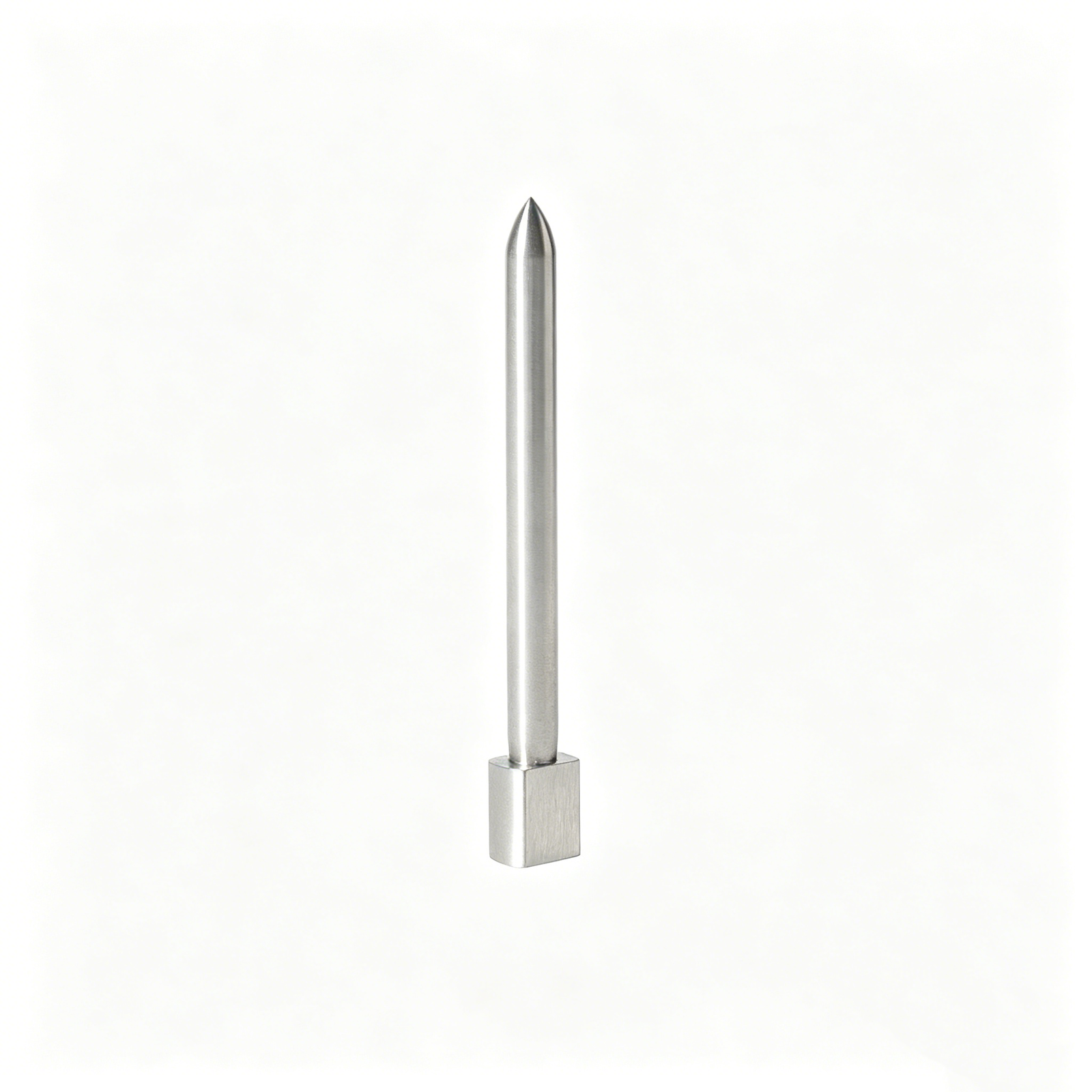
Heat-Aware Process Planning
ABS requires a process route that balances material removal, part support, and heat control. SUUXIANG plans machining sequence around geometry, stock condition, fixturing, and finishing needs, helping buyers evaluate whether a feature should be milled, drilled, turned, or produced through a secondary operation.
- Sequence operations to protect thin and flexible features
- Define holding strategy before releasing critical surfaces
- Assess drilled holes, threads, pockets, and deep features
- Discuss design changes when tolerance and geometry conflict
Functional Surface Control
Precision finishing for ABS is defined by the part’s function, not appearance alone. SUUXIANG aligns machining allowance, edge condition, surface requirement, and mating context with the drawing review, so housings, fixtures, covers, and prototype components can be evaluated against practical assembly needs.
- Specify surfaces that locate, seal, mate, or slide
- Review edge-break requirements and cosmetic boundaries
- Protect reference faces through later operations
- Clarify whether finish is functional, visual, or both

Inspection Evidence That Matches
For CNC machining ABS parts, inspection planning should follow the agreed critical features and documentation requirements. SUUXIANG confirms the inspection method, report expectations, part identification, and revision traceability before production, giving sourcing and quality teams a clearer basis for acceptance and follow-up.
- Match measurement methods to critical dimensions
- Define report scope before production begins
- Keep drawing revisions visible through the project
- Provide order-aligned inspection documentation when agreed

CNC Machining ABS: Production-Readiness Checklist
Confirm these engineering and documentation controls before ABS parts move into production.
← Swipe left or right to view →
CNC Machining ABS Project Timeline
A controlled workflow that aligns drawing review, ABS material planning, machining, inspection, and delivery requirements before production commitments.
Review the RFQ Package
We review drawings, models, quantity, application, critical dimensions, surface priorities, material requirements, inspection needs, and requested delivery timing before preparing a process route.
Plan Material and Process
The team confirms the specified ABS grade and evaluates datum strategy, workholding, tool access, heat sensitivity, machining allowance, and any required EDM or grinding sequence.
Machine Critical Features
CNC milling, turning, multi-axis work, or micro machining are applied according to the approved drawing and revision, with attention to deformation risk and feature access.
Finish Complex Details
Where the drawing requires it, wire EDM, sinker EDM, precision grinding, fitting, and controlled finishing address inaccessible geometry, fine features, and functional mating conditions.
Inspect Pack and Coordinate
Parts are inspected against the agreed plan, documented as required by the order, protected for shipment, and coordinated with visible revision and delivery information.
How CNC Machining ABS Moves From Drawing to Delivery
Provide the technical inputs early so SUUXIANG can review manufacturability, define inspection expectations, and coordinate a controlled production path.
Submit Your Technical Package
Send the 2D drawing, available 3D model, ABS grade or approved material alternative, quantity, application context, and target delivery date for initial review.
Review Critical Requirements
Align on critical dimensions, datums, surface requirements, tolerance priorities, machining access, inspection method, revision status, and any reporting or traceability requirements before quotation.
Confirm the Production Route
Review the proposed CNC machining ABS process route, workholding approach, finishing needs, sampling expectations, and delivery coordination before releasing the order to production.
Approve Inspection and Delivery
Receive parts and documentation aligned with the agreed inspection plan, while keeping revision and delivery information visible throughout the project coordination process.
Customer-Reference Publication Controls
CNC Machining ABS: Quality Documentation
Pending verified customer approval. Publish this case only after the customer confirms the final part quantity, critical-dimension inspection result, delivery timing, and approved wording for the CNC machining ABS project.
Pending verified customer approval. This testimonial requires documented DFM changes, the measured outcome against the drawing, production quantity, and customer-approved language before publication as a CNC machining ABS case.
Pending verified customer approval. Before publication, confirm the revision-control outcome, inspection documentation provided, accepted lot quantity, and any delivery metric directly with the customer for this CNC machining ABS program.
CNC Machining ABS FAQ
Practical answers for drawing-led ABS prototypes and low-volume parts.
What is the MOQ for cnc machining ABS parts?
What files should I send for cnc machining ABS?
Is cnc machining ABS suitable for functional prototypes?
Can SUUXIANG provide a first article or sample before production?
How should I plan lead time for ABS machined parts?
Can ABS parts hold tight tolerances?
What inspection documentation can be requested for CNC machining ABS?
How are shipping, payment, and IP handled for a drawing-based RFQ?
The Complete Buyer’s Guide to cnc machining abs
Use this decision framework to specify ABS parts, compare machining and finishing options, vet qualified suppliers, control cost, and avoid design, tolerance, and quality risks before production.
1. What Is cnc machining abs?
ABS stands for acrylonitrile butadiene styrene, a thermoplastic commonly valued for toughness, low cost and machinability. In cnc machining abs, a CNC mill or lathe removes material from ABS stock to produce the geometry defined by the controlled drawing and model; Xometry identifies prototypes, jigs, fixtures and low-volume parts as common uses: https://www.xometry.com/capabilities/cnc-machining-service/abs
Injection molding forms molten ABS in a dedicated mold, so it can suit repeatable production after tooling is justified. CNC starts without that mold, allowing engineers to revise housings, fixtures and functional parts directly from a new file, but each part carries machining time and material-removal cost.
FDM printing deposits ABS layer by layer, whereas machining cuts from solid stock and avoids printed layer structure. ZMorph notes that ABS can be used for both 3D printing and CNC milling: https://zmorph3d.com/blog/abs-cnc-machining-materials-overview; choose machining when controlled features, mating interfaces or a production-like prototype matter more than the lowest initial part cost.
2. How ABS Machining Became a Prototype Standard
1940s commercial development made ABS a broadly available thermoplastic rather than a specialty polymer. Its balance of toughness, stiffness, readily available sheet or bar stock, and practical coloring gave development teams a material that could support appearance models and functional checks without committing to dedicated injection-mold tooling. Source: https://www.britannica.com/science/acrylonitrile-butadiene-styrene
3-axis CNC prototyping expanded the value of that availability: a drawing revision could be machined from stock instead of waiting for a mold change. For cnc machining abs, clean cutting with suitable tools also made housings, fixtures, covers, and short-run fit-check parts credible candidates where molded cosmetic texture was not the primary requirement.
2026 sourcing should not treat ABS as an automatic low-risk default. Grade, stock form, wall thickness, clamping strategy, datum scheme, finish expectation, and mating features still govern distortion, surface quality, and inspection method; a legacy prototype assumption may fail when heat exposure, chemical resistance, flame behavior, regulatory needs, or production-equivalent appearance matters.
3. Types of cnc machining abs Parts
Six drawing-led categories cover most cnc machining abs requests before tooling release. Each should be evaluated against loading, heat exposure, mating interfaces, datum scheme, and inspection needs.
Functional Prototypes
Early prototypes verify fit, motion, and assembly handling before production tooling. ABS suits moderate-load concepts when wall thickness, bosses, and internal radii are accessible to cutters.
Enclosures And Covers
Electronic covers require controlled openings, fastener locations, and consistent mating edges. ABS is appropriate for non-high-temperature housings; specify cosmetic faces and datum-based gap checks.
Jigs And Fixtures
Shop fixtures need repeatable locating, clamp clearance, and wear-aware contact points. ABS can serve light-duty assembly aids, while metal inserts or another material may suit loaded interfaces.
Inspection Aids
Gauge aids establish nominal position, clearance, or go/no-go relationships. ABS is suitable for low-force checking fixtures when critical features are dimensioned from functional datums.
Low-Volume End-Use Components
Small-batch parts need documented revision control and application-specific acceptance criteria. ABS can be appropriate for moderate-duty end use after confirming environmental exposure, fastening method, and tolerance priorities.
4. ABS Grades for cnc machining abs
ABS is a family of compounded materials, not one machining specification. For cnc machining abs, select the resin grade against the part’s impact, heat, electrical, cosmetic, and documentation priorities before releasing stock.
| Grade | Buyer Priority | Machining Implication | Typical Application |
|---|---|---|---|
| General-purpose | Balanced cost and stiffness | Baseline machining review | Prototype housings |
| High-impact | Impact resistance | Check burrs and surface finish | Protective covers |
| Flame-retardant | Electrical and compliance needs | Verify additive-specific datasheet | Electrical enclosures |
| Machine-grade | Dimensional stability | Prefer identified billet or sheet | Precision fixtures |
| Plating-grade | Downstream plating | Validate finishing route | Decorative components |
Match Grade To Function
General-purpose ABS suits balanced prototype housings; high-impact ABS favors shock-loaded covers. Flame-retardant compounds require the exact grade and compliance documentation, since additive packages can affect machining behavior.
Machine-grade sheet or billet is often chosen where stability and clean cutting matter. Plating-grade ABS is selected only when downstream electroplating adhesion and the specified finishing route are confirmed.
Control The Grade Record
Each supplier datasheet defines grade-specific properties, color availability, regulatory status, and conditioning requirements. Submit the manufacturer, trade name, color, revision, and required certificates with the RFQ.
Finished appearance is grade-dependent: pigment, FR additives, and plating formulations can change chip formation and surface response. Confirm the datasheet before machining rather than approving material by the generic name ABS.
5. Finishes and Customization Options
ABS finish selection starts with the part’s function, grade, and drawing datums. Cosmetic treatments can change appearance while also affecting edges, fit, and inspection access.
| Option | Primary Purpose | Drawing Control |
|---|---|---|
| As-machined | Functional economy | Tool-mark limit and critical faces |
| Polishing | Cosmetic refinement | Sample standard and edge protection |
| Bead blasting | Low-gloss appearance | Media, coverage, and masked datums |
| Printing or marking | Identification | Artwork, position datum, durability test |
| Inserts or plating | Assembly or function | Grade compatibility and acceptance test |
Cosmetic Surface Choices
As-machined surfaces retain tool marks and are often appropriate for concealed or functional faces. Polishing reduces visible marks; bead blasting produces a matte appearance but can soften sharp edges and obscure fine texture.
Marking And Coatings
Painting, pad printing, and laser marking require sample approval on the specified ABS grade. Define color reference, artwork revision, location datum, coverage boundary, adhesion method, and allowable cosmetic defects before release.
Inserts And Plating
Metal inserts require hole geometry, installation method, pull-out or torque criteria, and mating-part context. Plating is conditional: confirm that the selected ABS grade and plating route are compatible before committing the drawing.
6. Quality Factors in Precision ABS Parts
ABS quality is set by the drawing’s load paths, datum scheme, and machining plan before the first chip is cut. For cnc machining abs, dimensional acceptance should reflect the part’s function, assembly interfaces, and inspection method.
Geometry That Stays Stable
Uniform wall transitions reduce localized cooling and machining-stress effects; use ribs to support broad walls without creating abrupt heavy sections. Internal radii must match available cutter access, while thin tabs and deep pockets need explicit stiffness and cosmetic-risk review.
Heat, Holding, And Chips
Low-distortion workholding supports the part without over-compressing it, especially near thin features and finished faces. Sharp tooling, controlled cutting heat, and reliable chip evacuation help prevent smeared surfaces, heat buildup, and shape change after unclamping.
Release Evidence Checklist
First-article approval should compare the agreed revision against functional datums, not convenient machine edges. Identify critical dimensions, insert-interface locations, visual limits, measurement methods, and any warpage checks before production release.
- Define primary, secondary, and tertiary inspection datums.
- Mark critical-to-quality dimensions and mating features.
- Specify acceptable scratches, tool marks, and edge break.
- Confirm insert type, engagement, and interface requirements.
- Approve first-article results against the drawing revision.
7. How to Evaluate an ABS Machining Supplier
Awarding cnc machining abs work should follow evidence, not a capability list. Procurement, quality, and engineering should align the drawing, material grade, inspection plan, revision route, and shipment condition before release.
Material Traceability
1 question: can the supplier identify the ABS grade, stock form, lot record, and any specified compliance document? Require that evidence to follow the part number and revision through inspection and packing.
DFM And Workholding Review
2 inputs—the 2D drawing and 3D model—should trigger a documented review of datums, thin walls, tool access, clamp locations, and distortion risk. Ask for the proposed setup count and any tolerance or geometry concerns before machining.
Quality Evidence
3 records matter: the inspection plan, measured first-article report, and instrument traceability evidence. For critical programs, approve a sample or first article before the balance quantity is released.
Change And Shipment Control
4 controls should be visible: revision acknowledgment, deviation approval, packaging method, and shipment identification. Confirm how the supplier prevents mixed revisions, protects cosmetic surfaces, and communicates a delivery risk.
8. Common cnc machining abs Buying Mistakes
Two documents—the RFQ and first-article record—prevent most avoidable ABS purchasing failures. Treat each requirement as a testable acceptance criterion, not an assumption carried from a metal part.
Environment Before Price
One application review must state service temperature, chemicals, UV exposure, electrical needs, and mating loads. Choosing ABS from unit price alone can produce premature cracking, discoloration, or an unsuitable grade; confirm the grade and color designation on the RFQ.
Tolerances Need Plastic Logic
One tolerance scheme cannot be copied blindly from steel drawings. Tight, un-datumed dimensions and sharp internal corners raise distortion and tooling risk; during DFM, define functional datums, realistic limits, and internal radii sized for available cutters.
Cosmetics And Warpage
One cosmetic callout should identify visible faces, texture or gloss target, fixture-witness limits, and allowable tool marks. Wide or thin sections can move after material removal; review clamping, machining sequence, flatness, and inspection support before first article.
Approve Evidence Not Assumptions
One first-article review should compare critical dimensions, color and grade traceability, cosmetic criteria, and flatness against the drawing. A low quotation without an inspection plan, revision control, or risk discussion shifts cost into rework; release only after recorded acceptance.
9. From RFQ to Production Release
A complete RFQ prevents late assumptions in cnc machining abs programs. International teams should release one controlled package, then convert DFM findings and inspection expectations into the production record.
Release Controlled Design Data
1 controlled package should include a 2D drawing, current 3D model, revision identifier, quantity, and target date. State model-versus-drawing precedence before quotation.
- Include mating-part or assembly context
- Mark units and datum scheme
- Attach approved deviation history
Define Material And Finish
1 material callout should identify the ABS grade, color requirement, and any finish standard. Specify whether cosmetic surfaces, hidden surfaces, and gate or fixture witness areas differ.
Prioritize Critical Features
3 feature classes clarify inspection planning: critical-to-function, interface, and cosmetic. Flag datums, hole locations, wall thickness, flatness, and surface requirements instead of applying tight tolerances globally.
Close DFM And Quote Assumptions
2 reviews should precede release: DFM and quotation assumptions. Confirm workholding, tool access, machining sequence, inspection method, exclusions, and sample or first-article approval criteria.
- Record accepted DFM changes
- Approve price and lead-time basis
- Define inspection-report format
Control Revisions And Reorders
1 release record should freeze the approved revision, inspection plan, and replenishment trigger. Change requests need a new revision, impact review, and written approval before repeat production.
10. cnc machining abs Pricing and Cost Drivers
Two quotation stages are prudent: first screen manufacturability, then price the released revision. For cnc machining abs, material grade, blank size and stock yield, setups, tool access, cycle time, tolerance burden, secondary operations, and inspection documentation all change the quotation.
Six RFQ inputs support an accurate supplier quote: 2D drawing, 3D model, grade or approved alternative, quantity, finish, and delivery target. Add CTQ dimensions, inspection-report requirements, revision status, and mating-part context before production release.
| Quantity tier | Geometry and finish | Inspection and urgency | Indicative cost effect |
|---|---|---|---|
| 1–5 | Multi-face features; as-machined | Basic dimensional checks; standard lead time | Setup and programming dominate unit cost |
| 10–50 | Moderate pockets; deburr | CTQ checks; standard lead time | Setup spreads across more parts |
| 50–200 | Repeatable geometry; cosmetic finish | Defined sampling report; planned delivery | Material yield and cycle time drive cost |
| Any tier | Thin walls, tight tolerances, secondary operations | First-article or full report; expedited delivery | Extra fixturing, machining, documentation, and schedule capacity increase cost |
Start Your CNC Machining ABS Drawing Review
Upload your drawing with material, quantity, critical dimensions, inspection needs, and target delivery date for a focused technical quotation review.