
CNC, EDM and Grinding Combination Machining for Precision Parts
SUUXIANG reviews critical dimensions, datum strategy and process sequence before CNC, EDM and grinding combination machining begins.
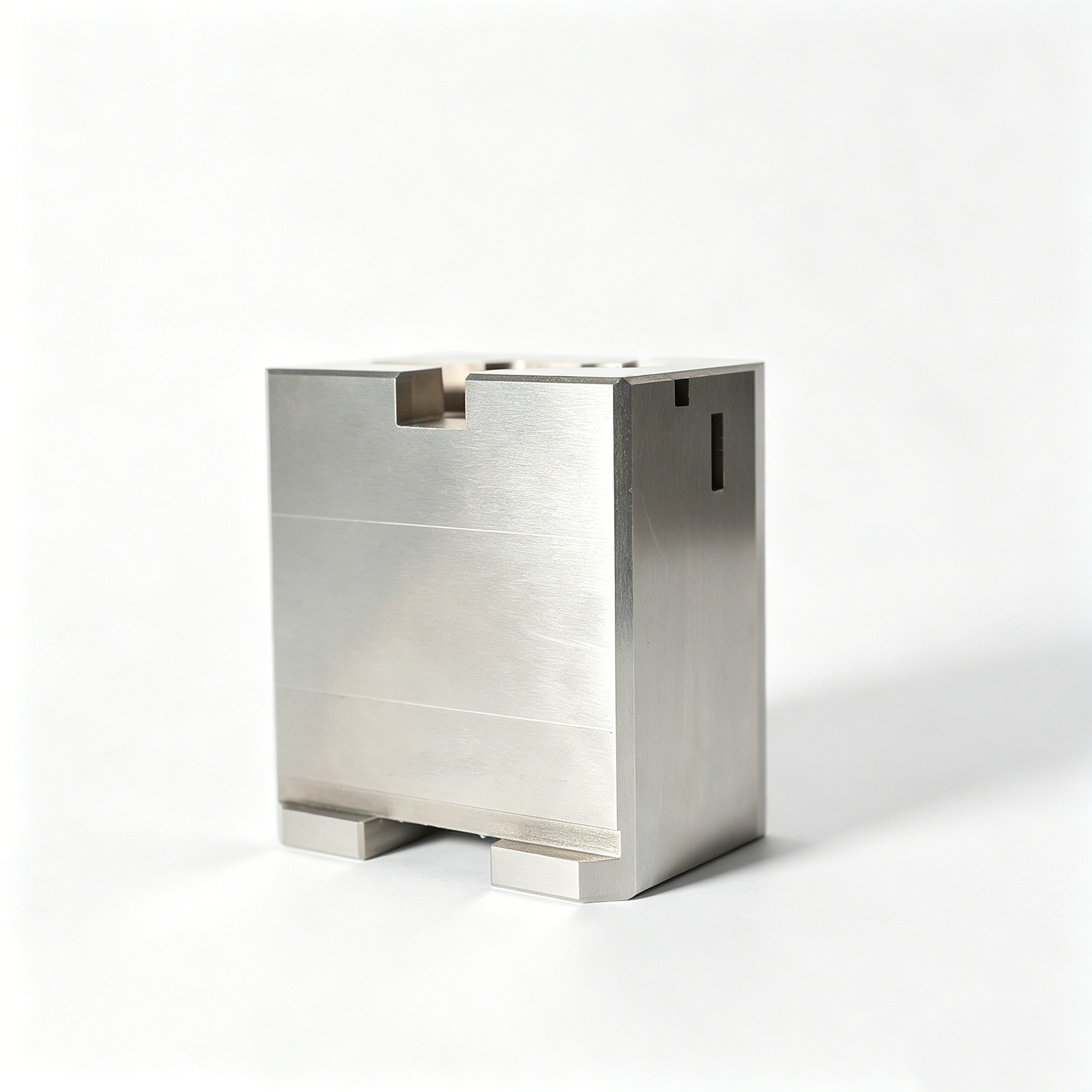
Representative Components for Combination-Machining Review




Related Configurable Component Families



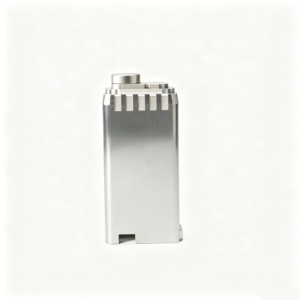


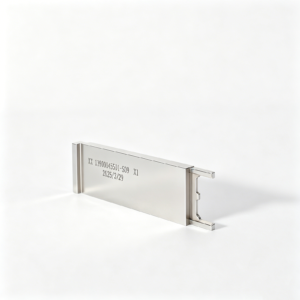
Why Choose CNC, EDM and Grinding Combination Machining?
SUUXIANG reviews feature access, critical dimensions, finishing sequence, inspection needs and revisions before production commitments.
Feature Access Review
Evaluate cutter reach, wire paths and electrode access early to select practical routes for internal profiles, corners and difficult geometries.
Critical Dimension Strategy
Identify datums, tolerance relationships and critical features so machining, EDM and grinding operations support the intended measurement approach.
Controlled Finishing Sequence
Plan machining allowance, heat-treatment sequence and grinding stock to protect functional surfaces while avoiding unnecessary rework between operations.
EDM Where It Fits
Use wire or sinker EDM when geometry, material condition or tool access makes conventional cutting less suitable for the specified feature.
Inspection Planned Upfront
Align inspection methods and reporting expectations with critical dimensions, surface priorities and order requirements before manufacturing begins.
Visible Revision Control
Keep drawing revisions, process decisions and delivery information visible, helping teams maintain traceability as requirements develop during the project.
Precision Part and Tooling Families
Configured from your drawings, models, quality requirements, and application context—not from an assumed catalog.
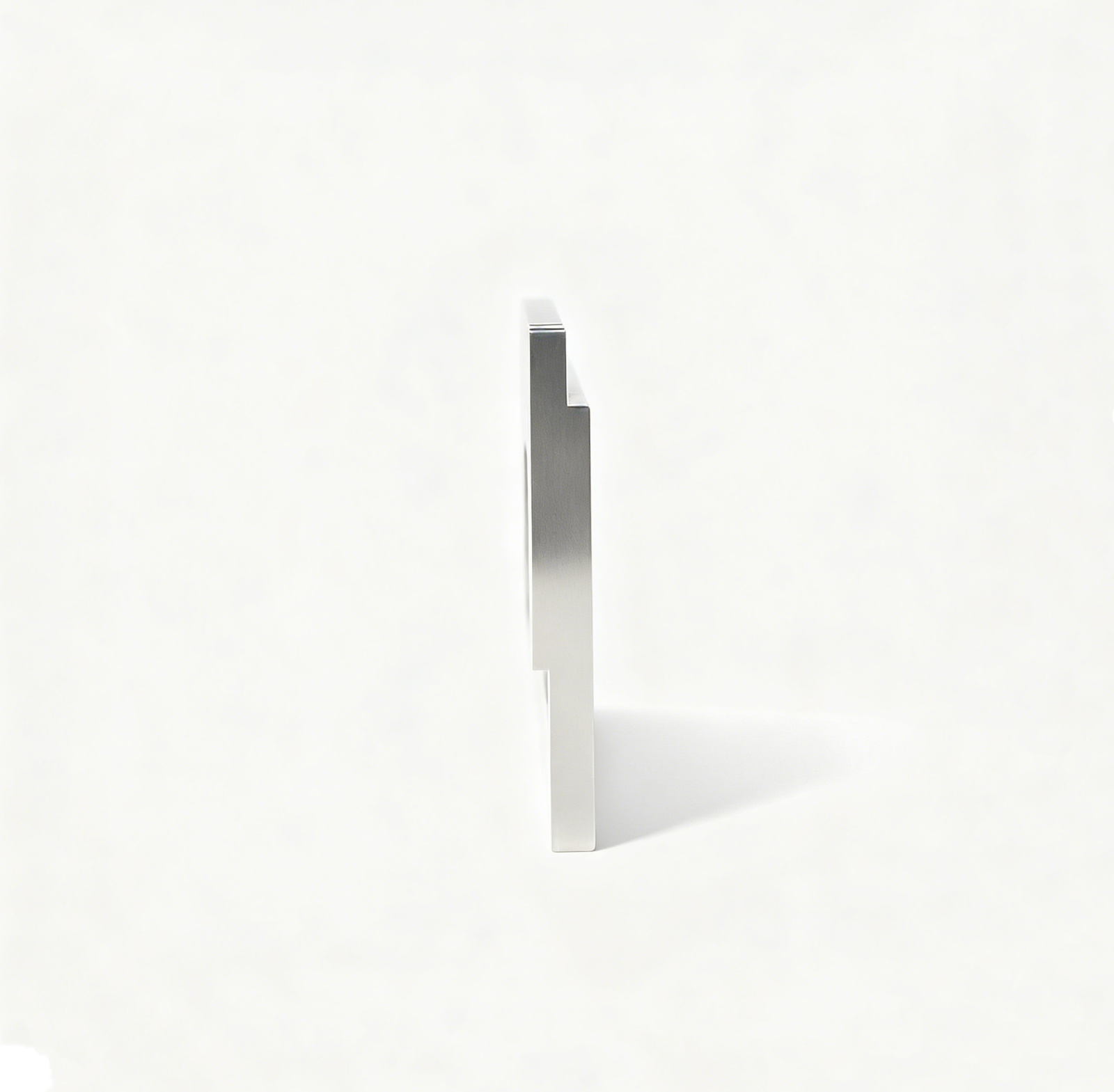
CNC Machining Services
Precision CNC machining services for drawing-based parts requiring a defined process route, critical-dimension review, material control, and inspection planning before production commitments are made.
Upload a Drawing
CNC Milling
Custom CNC milling services for prismatic, plate, and complex-feature parts. We review tool access, datum strategy, machining allowance, surface requirements, and tolerance priorities against the supplied drawing and model.
Upload a Drawing
CNC Turning
Precision CNC turning services for rotational parts with controlled diameters, concentric features, threads, grooves, and sealing interfaces. Quote review should identify datums, material condition, critical tolerances, and inspection requirements.
Upload a Drawing
5-Axis Machining
5-axis CNC machining for parts whose angled, contoured, or multi-face features benefit from fewer setups. Process planning considers tool reach, workholding, datum transfer, surface access, and inspection of critical geometry.
Upload a Drawing
Swiss & Micro Machining
Swiss machining and micro machining for small, slender, and detailed components where support, runout, feature access, and measurement method require early review. Final process selection depends on drawing requirements, material, quantity, and verified capability.
Upload a Drawing
Wire & Sinker EDM
Wire EDM and sinker EDM services for hardened features, narrow slots, internal profiles, sharp-corner requirements, and geometry inaccessible to conventional tools. Electrode strategy, wire path, recast considerations, and finishing requirements are reviewed per project.
Upload a Drawing
Precision Grinding
Precision surface and profile grinding for controlled flatness, parallelism, profiles, and final-size features. Planning addresses heat-treatment sequence, grinding stock, datum condition, surface requirements, and practical inspection methods.
Upload a Drawing
Mold Core & Cavity Inserts
Precision mold core and cavity inserts produced from customer drawings and mold-function requirements. Reviews focus on parting geometry, cooling or feature access where applicable, material and heat treatment, EDM strategy, fitting interfaces, and critical dimensions.
Upload a Drawing
Ejector & Ejection Components
Ejector pins, sleeves, and ejection components configured for the mold’s stroke, guidance, wear conditions, and mating features. Drawings should define material, hardness or treatment requirements, diameters, clearances, surface needs, and inspection priorities.
Upload a Drawing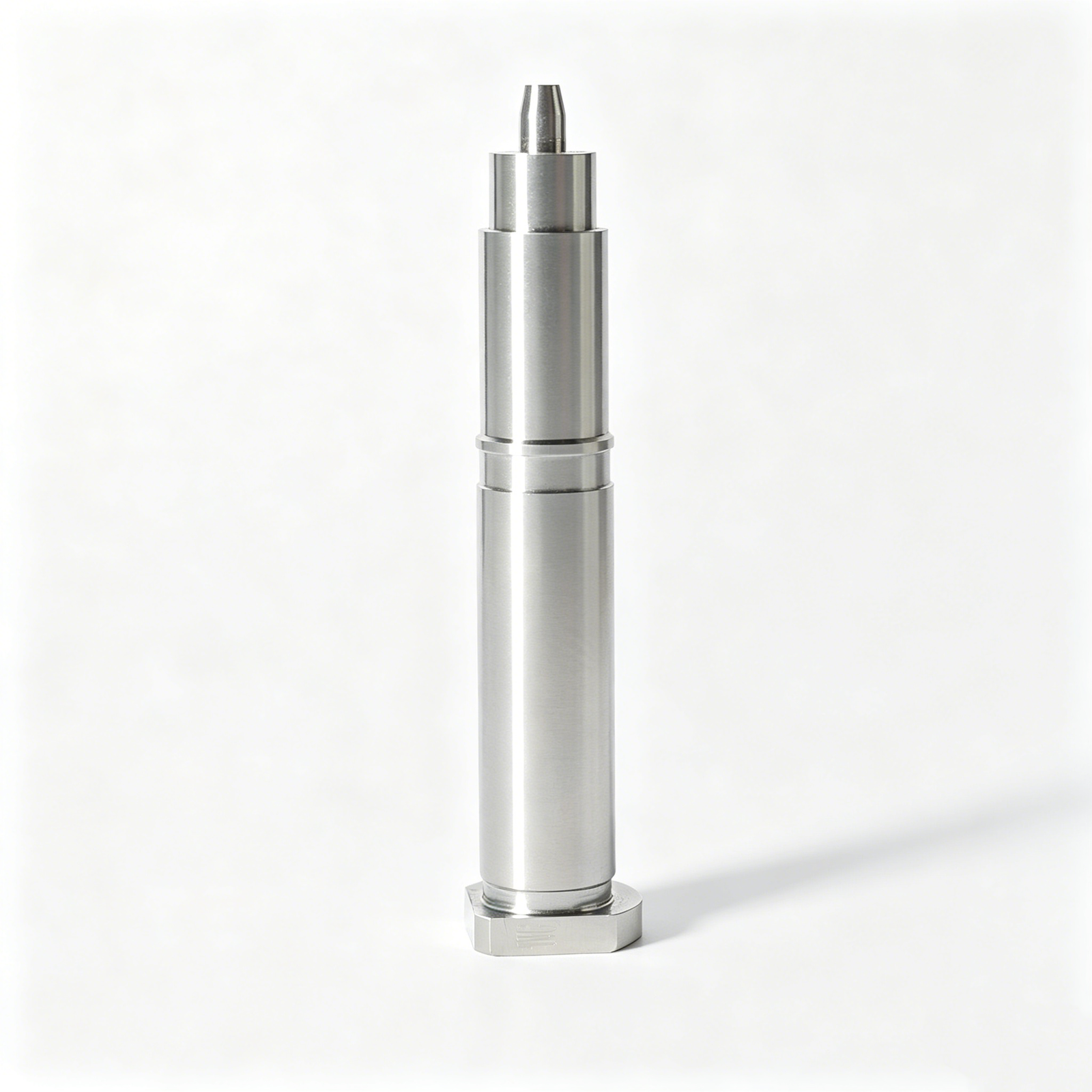
Core Pins, Guide & Locating Components
Core pins, guide pins, and locating components for repeatable mold alignment and feature formation. Manufacturing review considers datum relationships, fit classes, wear surfaces, material condition, heat-treatment sequence, and mating-component context.
Upload a Drawing
Slides, Lifters, Gates & Mold Accessories
Mold slides, lifters, gates, and accessories made to drawing-defined functional interfaces. We assess travel geometry, contacting faces, tool access, EDM or grinding needs, fitting allowance, material treatment, and the dimensions that affect mold operation.
Upload a Drawing
Connector Mold Components
Precision connector mold components for fine-pitch, multi-feature tooling where alignment, pin geometry, mating interfaces, and surface condition influence repeatability. Provide assembly context, critical dimensions, material and heat-treatment requirements, and inspection expectations.
Upload a Drawing
Stamping Die Components
Precision stamping die components for punch, die, guide, and locating applications. Process planning accounts for working edges, clearance relationships, material hardness, grinding stock, EDM needs, surface requirements, and dimensions tied to die performance.
Upload a Drawing
Injection, MIM, CIM & Overmolding Tooling
Tooling and component work supporting injection molding, metal injection molding, ceramic injection molding, and overmolding within verified production scope. Quote review requires the drawing, application context, material, molding conditions, quality priorities, and delivery requirements.
Upload a Drawing
Machining Materials
CNC machining materials selected against the drawing, functional environment, machining route, dimensional stability, and required treatment. Submit the specified grade, material standard, condition, and any traceability or documentation requirements with the RFQ.
Upload a Drawing
Surface Finishes & Heat Treatment
Surface finishing and heat treatment requirements are planned with dimensional change, masking needs, corrosion or wear function, surface texture, and inspection criteria in view. State the required process, standard, sequence, and acceptance method on the drawing.
Upload a Drawing
Quality, Metrology & Documentation
Precision inspection, metrology, and quality documentation aligned with the order and verified inspection plan. Identify critical dimensions, datum scheme, reporting format, sampling or full-inspection needs, material evidence, revision status, and traceability expectations before release.
Upload a Drawing
Prototyping & Low-Volume Production
Rapid prototyping and low-volume manufacturing for drawing-based evaluation, bridge needs, and controlled production quantities. Early review clarifies material availability, process route, critical features, inspection scope, revision control, and target delivery date.
Upload a DrawingMaterials Considered During Drawing Review

Tool Steels
Common for mold cores, cavity inserts, slides and die components where wear resistance and heat treatment affect the process route. Drawing review confirms grade, hardness condition, machining allowance, EDM strategy and post-treatment grinding requirements.

Stainless Steels
Used for corrosion-sensitive mold components, fixtures and custom precision parts. Grade selection is evaluated for machining behavior, heat-treatment or passivation needs, critical surface requirements and inspection methods specified by the drawing.

Tungsten Carbide
Selected for high-wear pins, punches and forming details where exceptional hardness changes machining access. Review focuses on conductive grade confirmation, EDM feasibility, grinding stock, edge condition and verification of critical geometry.

Aluminum Alloys
Suitable for lightweight fixtures, prototype tooling and machined components requiring efficient material removal. The review checks alloy temper, thread and wall-feature design, surface-finish needs, datum control and handling precautions before machining.

Copper Alloys
Often considered for EDM electrodes, thermal-transfer inserts and specialized tooling details. Material review addresses alloy conductivity, electrode wear expectations, feature geometry, machining stability and the dimensional checks needed for the intended application.
CNC, EDM and Grinding Combination Machining Processes

CNC Milling and Turning
CNC milling and turning establish primary geometry, datums and material removal strategy. Tool access, clamping positions and remaining machining allowance are reviewed to support stable downstream EDM, grinding and inspection.

Wire EDM Cutting
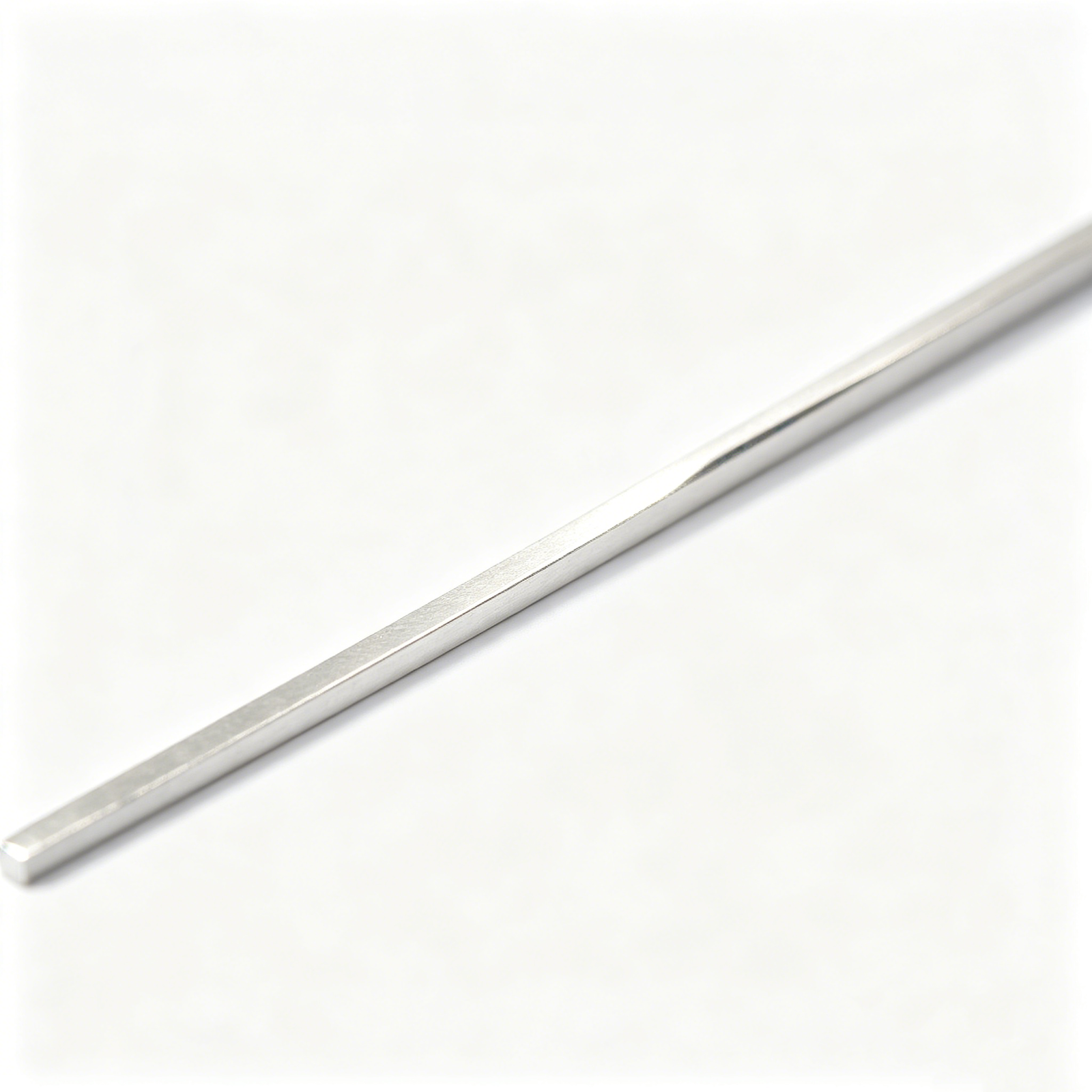
Wire EDM is planned for accurate through profiles, narrow slots and hardened-tooling details where conventional cutter access is limited. Wire path, start-hole requirements, corner conditions and finishing passes are defined from the drawing.

Sinker EDM Forming
Sinker EDM supports internal cavities, sharp-detail regions and formed features that require an electrode strategy. SUUXIANG reviews electrode access, spark allowances, surface requirements and subsequent finishing needs before selecting the operation.
Precision Grinding
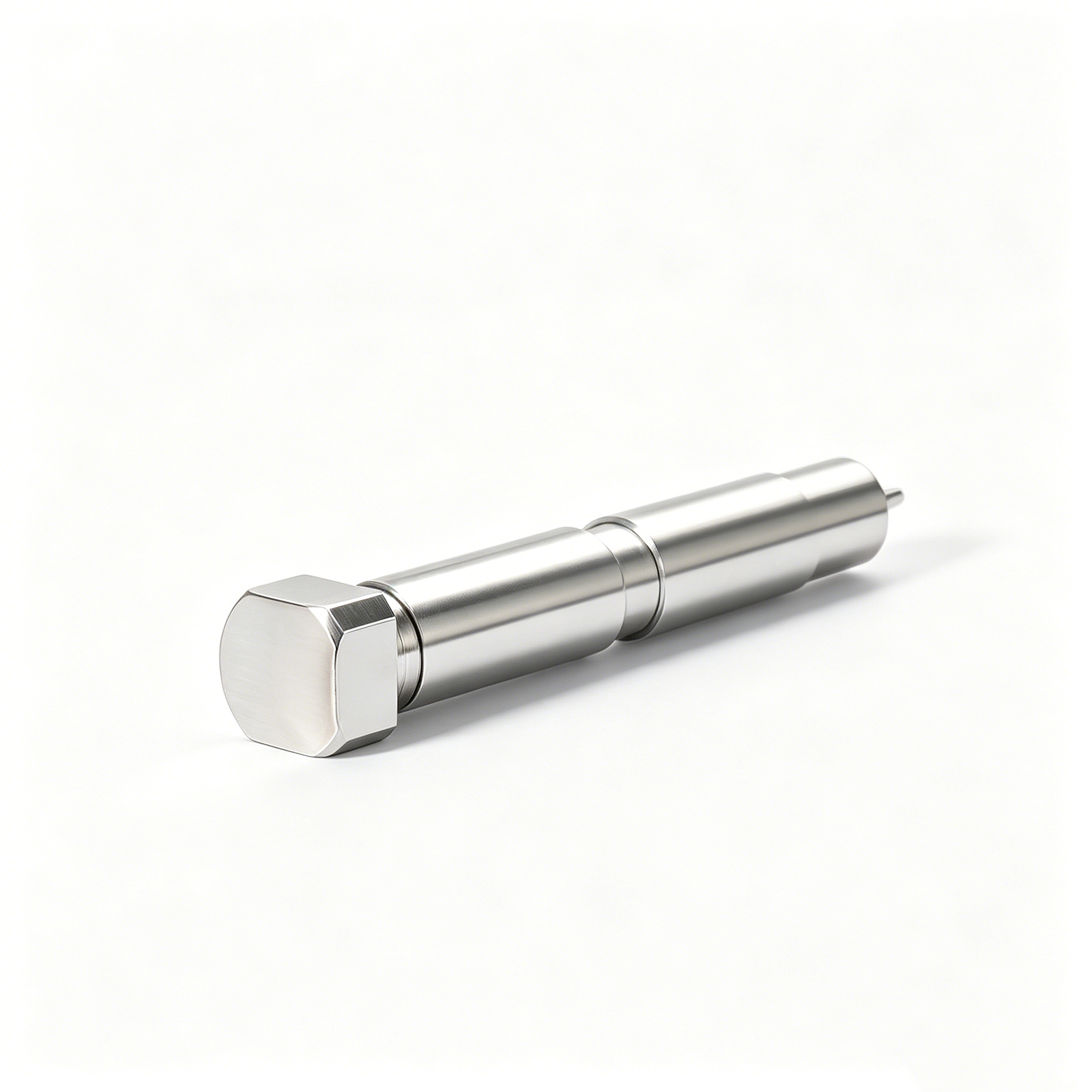
Precision grinding refines critical flatness, parallelism, profile and dimensional conditions after the appropriate machining or heat-treatment sequence. Grinding stock, datum protection and measurement method are planned to reduce finishing risk.

Fitting Inspection
Fitting and inspection confirm the relationship between mating features, critical dimensions and the agreed revision. Inspection planning follows the drawing priorities so final documentation aligns with the order and verified quality expectations.
Supporting Features for CNC, EDM and Grinding Combination Machining

Fitting Interfaces
Specify mating dimensions, datums, engagement direction and any required hand-fitting relationship for slides, inserts, pins or connector-tooling elements. These details guide access planning, sequence decisions and the inspection approach.

Surface Requirements
Identify functional faces, finish expectations, texture callouts and areas that must remain free of machining marks. SUUXIANG reviews whether CNC, EDM, grinding or a controlled follow-up operation suits the specified surface.
Part Markings
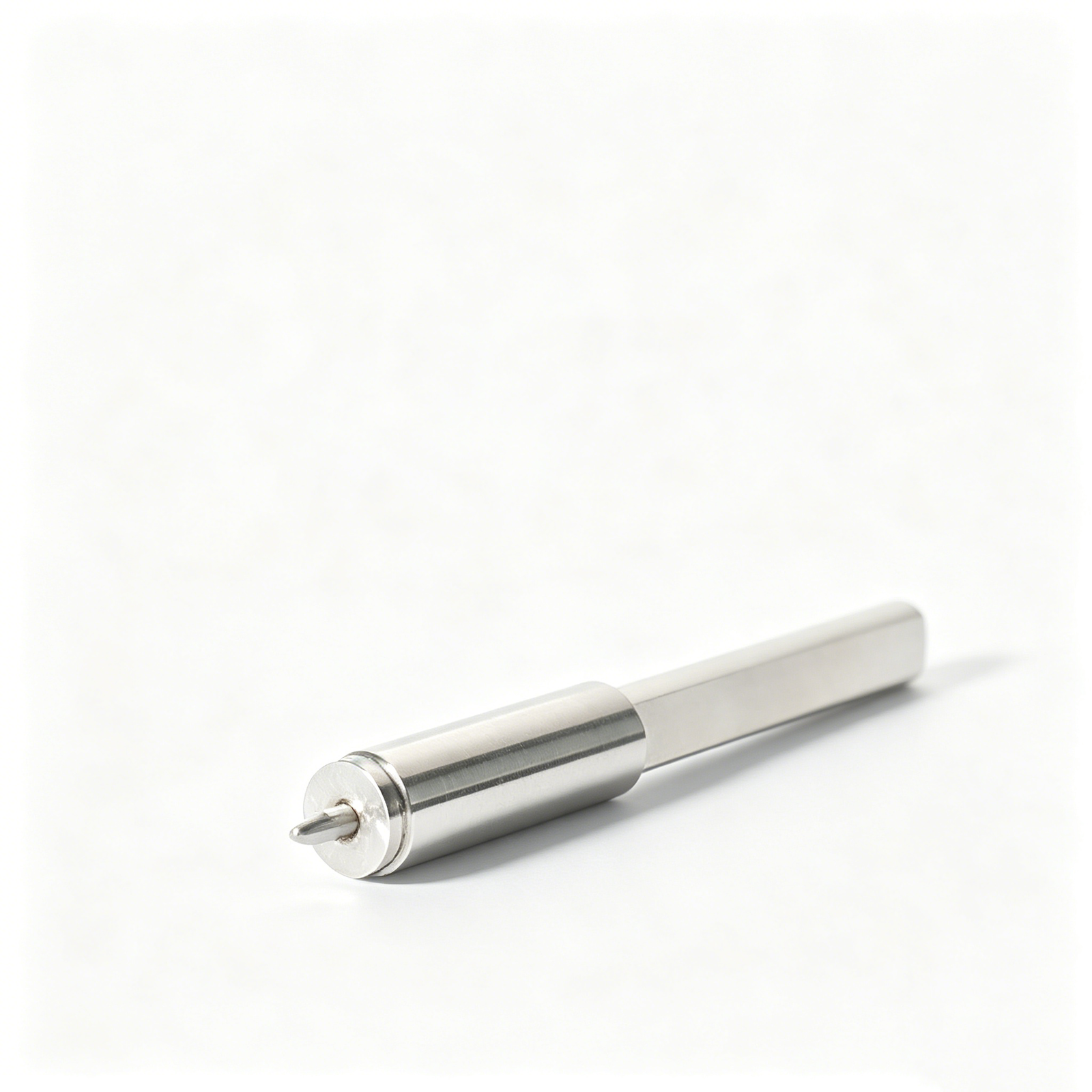
Provide marking content, location, orientation and permanence requirements when identification is needed. Revision identifiers, cavity references or assembly labels should be reviewed against available space, material condition and downstream use.

Mating Components
Share relevant dimensions or models for mating parts, especially where clearance, alignment, sealing or connector engagement matters. Assembly context helps identify tolerance-stack risks before machining and fitting decisions are finalized.

Inspection Documentation
State critical dimensions, measurement methods, reporting format and traceability needs with the RFQ. A clear inspection plan aligns drawing priorities with practical checkpoints through CNC, EDM, grinding, fitting and final verification.
About SUUXIANG Precision Manufacturing
SUUXIANG is the sole public-facing brand of Dongguan SuuXiang Precision Mold Co., Ltd., established in 2010 in Chang’an Town, Dongguan, Guangdong, China. Founded and legally represented by XiaoCheng Huang, the company helps global engineering, sourcing and quality teams translate drawings and specifications into inspected custom CNC parts, precision mold components, connector tooling and stamping-die components.
Our work integrates CNC milling and turning, multi-axis machining, wire and sinker EDM, precision grinding, fitting, and inspection. For cnc, edm and grinding combination machining, we review critical dimensions, datums, tool access, EDM needs, grinding allowance, material requirements, and inspection expectations before production commitments are made.
What distinguishes SUUXIANG is disciplined coordination around the drawing rather than a generic quotation. Each project calls for clear revision control, a practical process route, and inspection documentation aligned to the order. Share your 2D drawing, 3D model when available, material, quantity, and delivery requirements for a focused manufacturing review.
CNC, EDM and Grinding Combination Machining: Capability in Detail
Drawing-Led DFM Review
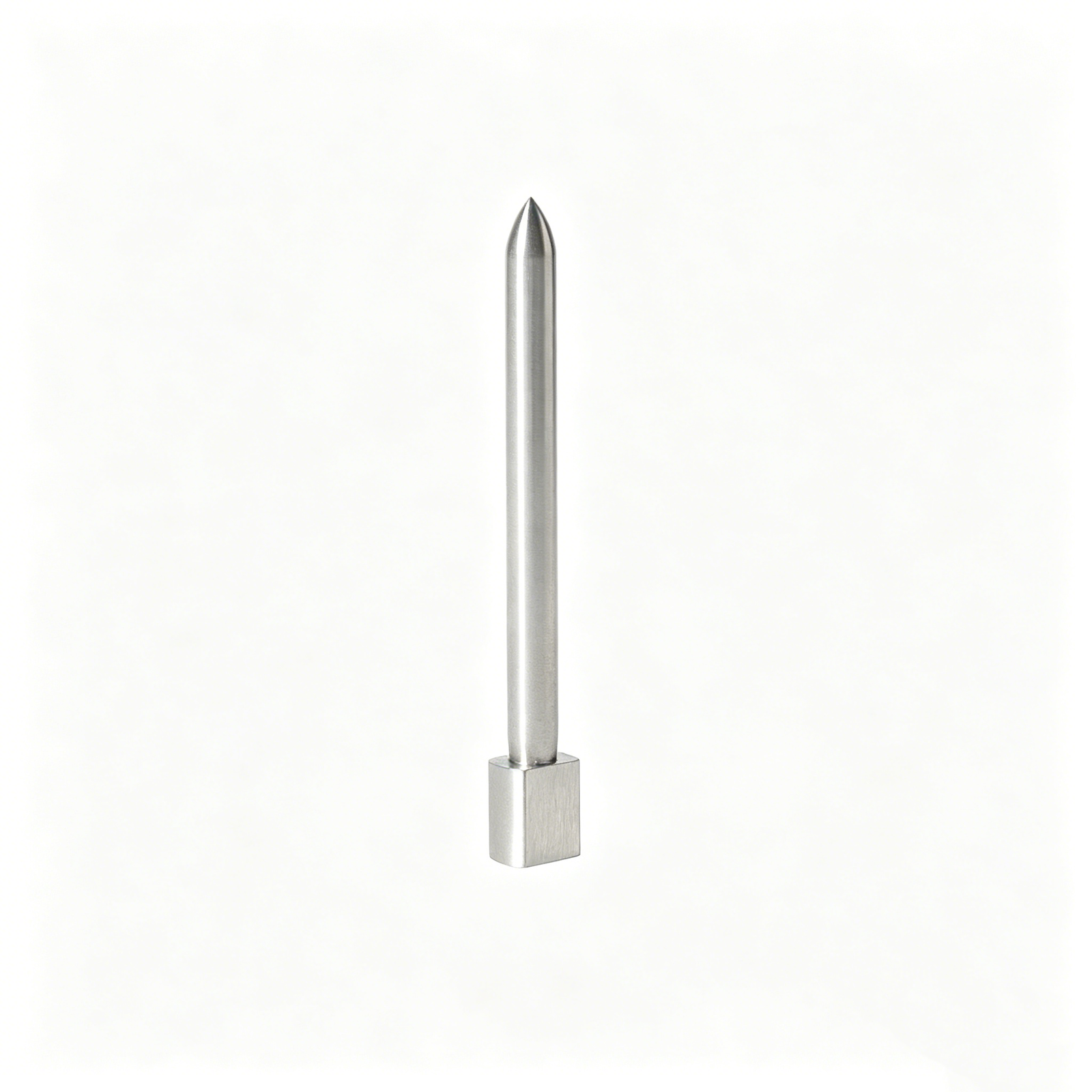
SUUXIANG reviews drawings and models before commitments are made, identifying critical dimensions, datum relationships, tool access, material condition, and process dependencies. This DFM step helps define a practical CNC, EDM and grinding combination machining route aligned with the part’s functional requirements.
- Identify critical-to-quality dimensions and datum references
- Review machining access, feature sequence, and tolerance stack
- Confirm material, heat-treatment, and surface requirements
- Document questions and revisions before production planning
EDM Strategy by Feature
Wire EDM and sinker EDM are considered where internal profiles, hardened material, sharp geometry, or limited cutter access affect the route. Electrode design, wire path, flushing access, and later finishing steps are reviewed against the drawing rather than assumed from a generic process plan.
- Assess wire-cut paths for profiles and narrow features
- Plan electrode geometry for inaccessible cavities or details
- Consider EDM sequence relative to heat treatment
- Protect datums and critical surfaces for downstream finishing

Grinding Allowance Control
Grinding is planned as a controlled finishing operation when critical size, flatness, parallelism, or surface requirements require it. SUUXIANG evaluates available grinding stock, fixture references, heat-treatment movement, and prior machining condition so final dimensions are approached through a defined sequence.
- Reserve appropriate stock before precision grinding
- Use stable datum surfaces for setup and verification
- Review heat-treatment effects before final finishing
- Align surface requirements with the inspection method

Inspection Plan Traceability
Inspection planning links the drawing’s critical dimensions to suitable measurement methods, reporting needs, and revision status. For cnc, edm and grinding combination machining, this keeps dimensional evidence connected to the agreed process route and supports clear communication from drawing review through inspected delivery.
- Define measurement priorities for critical dimensions
- Match inspection records to order requirements
- Maintain visible drawing and revision control
- Coordinate documentation with delivery expectations

CNC, EDM and Grinding Combination Machining: SUUXIANG vs. a Generic Quote
Compare the planning evidence needed before a drawing-driven precision part moves into production.
← Swipe left or right to view →
CNC, EDM and Grinding Combination Machining: From Drawing Review to Inspected Delivery
Each phase confirms the drawing, process route, critical dimensions, and inspection expectations before parts progress to the next operation.
Review RFQ Inputs
We review drawings, models, material, quantity, application, delivery target, and reporting needs to identify missing information before quotation or production planning.
Define DFM and Datums
Critical dimensions, datum strategy, tool access, tolerance stack, heat-treatment sequence, and machining allowances are discussed to establish a practical, traceable process route.
Machine Controlled Features
CNC milling, turning, multi-axis, Swiss, or micro-machining operations create accessible geometry while preserving stock and references required for subsequent finishing.
Apply EDM and Grinding
Wire EDM, sinker EDM, and precision grinding address intricate profiles, hardened features, surface requirements, and final critical dimensions according to the agreed plan.
Fit, Inspect, Coordinate Delivery
Parts are fitted where required, inspected against the verified plan, documented to order requirements, then packed with revision and delivery coordination kept visible.
How CNC, EDM and Grinding Combination Machining Moves from Drawing to Delivery
Give SUUXIANG the technical and commercial context needed to review feasibility, define the process route, and plan inspected production.
Submit Complete Technical Inputs
Provide the 2D drawing, available 3D model, material and heat-treatment requirements, quantity, critical dimensions, surface priorities, inspection needs, application context, and target delivery date.
Review DFM and Risks
SUUXIANG reviews datums, tolerance stack, tool access, machining allowance, electrode or wire path requirements, grinding sequence, and inspection method before commitments are made.
Confirm Process and Quote
Align on the proposed CNC, EDM and grinding combination machining route, revision status, quality documentation, commercial scope, and delivery expectations before quotation or production authorization.
Approve Samples or Production
Where the project requires it, review sample expectations and inspection evidence; then release controlled production with visible revision coordination and agreed checkpoints.
Receive Inspected Parts
Completed parts are checked against the verified inspection plan, with final documentation aligned to the order before delivery coordination and shipment preparation.
Quality Documentation and Certification Evidence
Project Evidence and Process Documentation
Project-specific process evidence and inspection documentation are shared only when approved for the relevant customer and order. Submit a drawing to discuss the documentation appropriate for your part.
No customer-specific delivery or dimensional result is published without an approved source record. A drawing review can define the process evidence and inspection documentation needed for your requirement.
Project outcomes are not attributed to customers without approval. A project-specific review can define CNC, EDM, grinding, inspection, revision-control and delivery-communication requirements before production commitments.
CNC, EDM and Grinding Combination Machining FAQ
Practical answers for teams preparing drawing-based precision-part, mold-component and connector-tooling RFQs.
What should I include in an RFQ for cnc, edm and grinding combination machining?
When does a part need cnc, edm and grinding combination machining?
How do you determine whether cnc, edm and grinding combination machining is suitable for my drawing?
Is there a minimum order quantity for custom precision parts?
How is lead time assessed for a CNC, EDM, and grinding combination machining project?
Can I request samples before a larger order?
How should material and heat treatment be specified?
What inspection reports can be requested with an order?
How are shipping, payment, and IP protection handled?
Complete Buyer’s Guide to cnc, edm and grinding combination machining
Use this decision framework to match processes to drawings, evaluate supplier capability and inspection controls, compare cost drivers, and avoid sourcing mistakes in precision tooling, mold, connector, and low-volume component programs.
1. What Is cnc, edm and grinding combination machining?
Three complementary processes define CNC, EDM and grinding combination machining: CNC milling or turning removes accessible bulk material and establishes datums; EDM forms electrically conductive features where cutter access or internal geometry is limiting; precision grinding finishes controlled faces, diameters, geometry and surface condition.
One drawing can therefore require a planned sequence rather than a single machine setup. For example, CNC may create reference surfaces and electrode access before heat treatment, wire or sinker EDM may produce sharp internal corners or deep profiles afterward, and grinding may remove planned stock to bring critical datums and mating faces into final relationship.
For drawing-based work, request one coordinated route when feature accuracy depends on shared datums, process order, heat-treatment distortion management or an inspection plan spanning multiple operations. Separate suppliers can add handoff risk because each must interpret revision status, remaining allowance and acceptance responsibility independently.
2. How Combination Machining Evolved
Milling, EDM and grinding were often planned as separate operations, allowing datum transfer, stock allowance and inspection decisions to drift between steps. A coordinated route instead starts from a shared drawing and model review that assigns datums, remaining stock and measurement points before cutting begins.
Wire EDM is suited to through profiles, while sinker EDM is suited to cavity detail where cutter access is limited. Electrode geometry, spark allowance and subsequent grinding stock should therefore be defined together.
A controlled process plan links CNC reference surfaces, EDM features, grinding finishes and inspection checkpoints. During DFM review, require the supplier to identify the datum used at every transfer, the electrode or wire path, heat-treatment sequence and inspection method for each critical dimension; repeatability depends on that plan, not on a process list alone.
3. Types of cnc, edm and grinding combination machining
Five route families cover most drawing-led decisions in cnc, edm and grinding combination machining. Feature accessibility, hardened condition, datum geometry, and finish callouts determine the sequence before quotation.
| Route | Typical Trigger | Order | Benefit | Limit |
|---|---|---|---|---|
| CNC + wire EDM | Through contour; narrow slot | CNC, wire EDM | Hard-material profiles | Needs wire access |
| CNC + sinker EDM | Blind rib; deep cavity | CNC, electrode, EDM | Complex internal form | Electrode planning |
| CNC + surface grinding | Flat datum; parallel faces | CNC, grind | Flatness and finish | Wheel access |
| CNC + cylindrical grinding | Journal; pin diameter | CNC, cylindrical grind | Roundness control | Centering required |
| Full tooling route | Mating inserts; critical stack | CNC, EDM, grind, fit | Controlled relationships | More handoffs |
Wire EDM Routes
2D through-profiles, narrow slots, and internal corners commonly trigger CNC roughing followed by wire EDM.
1 start hole or accessible edge is required; the wire path limits fully enclosed features without an entry.
Sinker EDM Routes
3D ribs, blind sharp corners, and deep cavities commonly require CNC roughing, electrode manufacture, then sinker EDM.
1 electrode strategy must account for wear, flushing, and inaccessible cutter paths.
Grinding And Tooling Routes
Flat datum faces favor CNC, heat treatment where specified, then surface grinding; journals favor cylindrical grinding.
Multiple interacting mold features usually need CNC, EDM, grinding, fitting, and inspection under one revision plan.
4. Materials for cnc, edm and grinding combination machining
Material selection sets the feasible route before CAM begins. In cnc, edm and grinding combination machining, electrical conductivity enables EDM, while hardness, heat-treatment condition and distortion risk determine when grinding follows.
| Material Family | Suitable Processes | Caution | Typical Tooling Use |
|---|---|---|---|
| Pre-hardened tool steel | CNC, grinding | Allow for final stock | Mold inserts |
| Hardened tool steel | EDM, grinding | Heat-treatment distortion | Cores, punches |
| Stainless steel | CNC, grinding | Work hardening | Corrosion-resistant parts |
| Aluminum alloy | CNC | EDM is usually not the preferred route | Fixtures, prototypes |
| Copper or graphite | CNC, EDM electrode | Wear and dust control | EDM electrodes |
| Cemented carbide | EDM, diamond grinding | Conductive grade required | Wear pins, dies |
| Conductive alloys | CNC, EDM, grinding | Verify alloy and condition | Custom components |
Route Selection By Condition
Pre-hardened tool steel usually permits milling before finish grinding; hardened steel often shifts intricate profiles to wire or sinker EDM. Stainless may work-harden, so controlled cutting conditions and stock allowance matter.
Heat treatment can move datums and critical geometry. Define the heat-treatment state, post-treatment grinding stock and inspection datum on the drawing.
Electrode And Carbide Considerations
Copper and graphite are electrode materials, not interchangeable finished-part materials; electrode wear, feature size and finish target guide selection. Carbide is conductive but difficult to cut conventionally, making EDM plus diamond grinding a considered route.
5. Drawing Features and Customization Options
A production drawing should define the functional geometry, while the CAD model communicates nominal shape. For cnc, edm and grinding combination machining, specify which surfaces control fit before discussing cosmetic details.
Geometry And Access
Cavities, deep ribs, micro features, and sharp internal corners need explicit dimensions and section views. Identify where cutter access is restricted and where wire EDM or sinker EDM is permissible.
Threads, profiles, and mating bores belong on the drawing with callouts, thread standard, class, depth, and applicable datum references.
- Show cavity floor and wall requirements
- Dimension micro features from stable datums
- State internal-corner radius or EDM requirement
Datums And Tolerance Notes
Three datum references can establish a repeatable inspection and assembly scheme. Apply geometric tolerances to the features that affect location, sealing, motion, or interchangeability; avoid tightening all dimensions by default.
Surface texture, burr direction, edge breaks, and coating allowance belong in drawing notes. State whether final dimensions apply before or after coating.
- Define primary assembly datum
- Identify critical-to-quality features
- State coating thickness allowance
Identification And Inspection
Part numbers, revision marks, and traceability engraving require location, character height, depth limit, and prohibited surfaces. Put visual placement in the CAD model and controlled requirements on the drawing.
Inspection plans should name the critical dimensions, measurement method, sampling expectation, and report format. SUUXIANG can review these inputs against machining access and the proposed process route before production.
- Keep marks clear of sealing faces
- Link inspection records to drawing revision
- Provide mating-component context
6. Quality Elements in Combined Machining
Two datum families—functional and process—should never be conflated. In cnc, edm and grinding combination machining, each transfer must preserve the drawing’s primary, secondary, and tertiary references.
Datum And Sequence
Three datum references should govern setups, electrode locations, and final inspection. Machine rough stock first, stabilize heat treatment where specified, then EDM and grind from controlled references.
One revision-controlled setup plan should identify which operation establishes each critical feature. This prevents a wire path or ground face from masking an earlier location error.
Allowance And Thermal Control
0.02 mm of final grinding stock is not a universal rule; the drawing review must define stock by material, geometry, and distortion risk. Insufficient stock leaves EDM texture or heat-treatment movement; excess stock raises grinding heat and cycle time.
One documented electrode offset and wear-compensation method is required for critical cavities. Coolant condition, spark strategy, wheel dressing, and dwell time should be controlled where they affect burn, taper, or profile.
Measurable Acceptance Criteria
Five acceptance items commonly need explicit limits: size, flatness, parallelism, profile, and surface finish. Define measurement datum, instrument, sampling quantity, and report requirement with each critical-to-quality feature.
100% inspection may be appropriate only for identified critical features, not assumed for every dimension. Require burr limits, edge-break definition, and evidence that mating faces remain free of damaging recast, grinding burn, or raised material.
- Datum-referenced flatness and parallelism
- Profile tolerance with inspection method
- Ra target and measurement direction
- Burr height or approved edge condition
7. Choosing a cnc, edm and grinding combination machining Supplier
A supplier for cnc, edm and grinding combination machining should be evaluated through job-specific evidence, not a machine list. Ask whether one accountable team can control datums, allowances, revisions, and inspection across the complete tolerance chain.
| Evaluation Area | Evidence To Request | Generic Claim Is Insufficient |
|---|---|---|
| DFM response | Marked-up drawing review | Machine inventory |
| Quality release | First-article report and method | Inspection capability list |
| Change control | Revision log and approval path | Email-only confirmation |
| Capacity planning | Schedule and bottleneck review | Stated lead time |
DFM And Process Ownership
Before quotation, request a marked-up drawing review identifying tool access, electrode strategy, wire path, grinding stock, datums, and unresolved tolerances.
One supplier can own the tolerance chain only when it plans each handoff and verifies the final features against the same revision.
Engineering And Material Evidence
For each order, request programming controls, electrode drawings where applicable, material certificates, and the proposed heat-treatment sequence.
Generic statements about CNC, EDM, or grinding do not prove that hardened-state distortion and finishing allowance were considered.
Inspection And Program Control
At first article, request the inspection plan, measurement method, report format, and disposition route for nonconforming results.
Capacity discussions should identify loading assumptions, critical-machine dependencies, revision communication, and escalation contacts before release.
8. Common Buyer Mistakes to Avoid
Eight recurring RFQ errors create avoidable rework after routing begins. Before purchase-order release, convert each assumption into a drawing note, process owner, or inspection requirement.
Define Functional Datums
Datum A must reflect the mating or assembly surface, not merely the easiest face to measure. Unclear datums can shift a tolerance stack; identify functional datums and measurement alignment on the drawing.
Specify Only Necessary Precision
±0.01 mm tolerances and unspecified finish requirements can add grinding operations without improving function. Assign tight limits and Ra values only to critical features, with permissible alternatives elsewhere.
Plan EDM And Heat Treatment
Wire EDM leaves an inside corner radius related to wire size, while sinker EDM requires an electrode strategy. State minimum internal radii, heat-treatment sequence, and machining or grinding allowance before release.
Keep Process Ownership Connected
One owner must control CNC, EDM, grinding, fitting, and revision status when dimensions cross processes. Separating them obscures responsibility; approve a linked routing, inspection plan, and report format before comparing piece price.
9. Launching a Combination-Machining Program
Two controlled records—a released drawing and revision-controlled 3D CAD—anchor a combination-machining launch. Each approval gate should match the current specification, inspection plan, packaging need, and delivery cadence.
RFQ And DFM Gate
Step 1: submit 2D drawings, CAD, quantity, material grade, heat-treatment state, application context, and target date.
Step 1: agree CTQ dimensions, datums, surface requirements, machining access, EDM strategy, grinding stock, and measurement method before quoting.
Prototype And First Article
Step 2: approve a prototype sample against the released revision, especially for core inserts, pins, electrodes, or connector-tooling details.
Step 2: review first-article results, deviations, inspection records, fit evidence, and corrective actions before pilot authorization.
Pilot To Production Release
Step 3: pilot builds confirm repeatable routing, inspection frequency, approved material evidence, packing protection, and shipment batch size.
Step 3: release production only after revision ownership, change notification, delivery cadence, traceability records, and improvement feedback are defined.
10. cnc, edm and grinding combination machining Pricing
2D drawings, 3D models, material condition, critical tolerances, EDM cut time, grinding stock, inspection scope, and quantity determine a usable quotation; a unit price alone hides the setup burden.
SUUXIANG should review the specified route before pricing: CNC removal, wire or sinker EDM access, post-heat-treatment grinding, fitting, and reporting can each change cost and schedule. Shared datums, realistic tolerances, and clear revision status reduce avoidable rework.
| Order scenario | Primary cost drivers | Setup intensity | Lead-time influence | Buyer cost controls |
|---|---|---|---|---|
| Prototype | Programming, fixturing, electrodes, first-piece inspection | High per part | Engineering release and EDM/grinding queues matter most | Provide complete 2D/3D data; identify CTQ features |
| Low volume | Repeated setups, EDM hours, grinding passes, inspection sampling | Moderate | Batching similar operations can help | Standardize material; consolidate revisions and delivery lots |
| Repeat order | Cycle time, wear items, inspection frequency, logistics | Lower per part after validated setup | Capacity planning and release timing matter | Reuse approved revision, fixtures, and inspection plan |
Start CNC, EDM and Grinding Combination Machining Review
Upload your drawing with material, quantity, critical dimensions, inspection needs, and target delivery date for a disciplined process review.