
Fine-Rib Connector Mold Insert for Drawing-Based RFQ
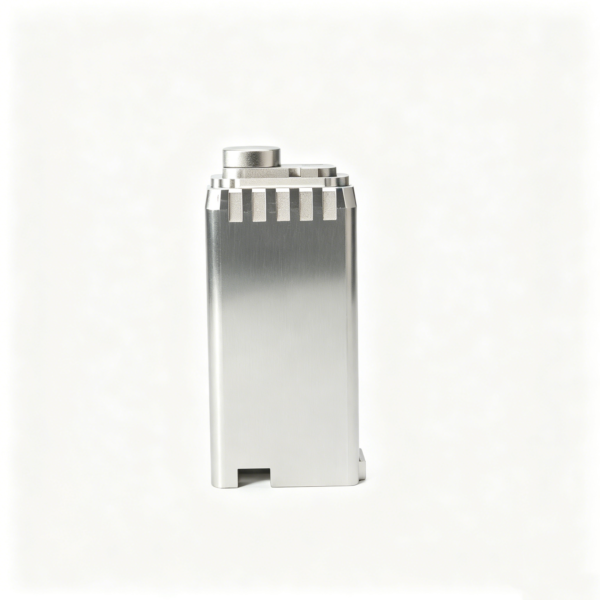
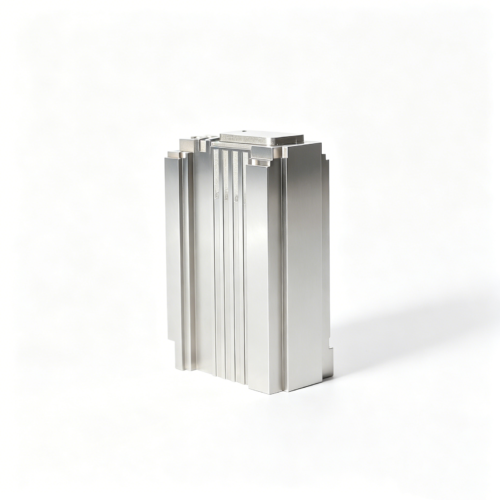
This custom insert is intended for projects where a closely spaced rib field must be produced, located and inspected against a released customer drawing. The reviewed reference shows fine ribs with mounting and reference faces. It is a manufacturing discussion point, not proof of a standard stocked item. Final material, dimensions, tolerances, heat-treatment condition and finish remain subject to engineering review and written drawing approval.
Geometry Reviewed for This Insert
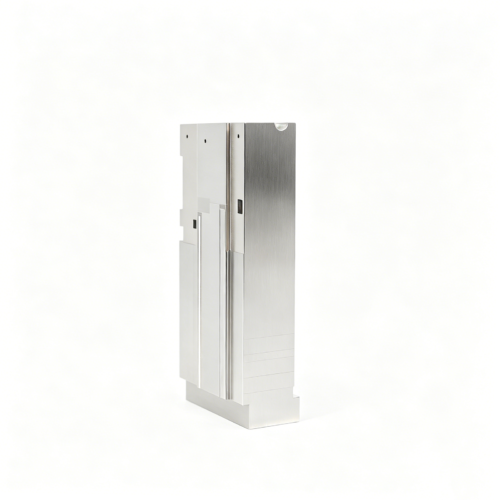
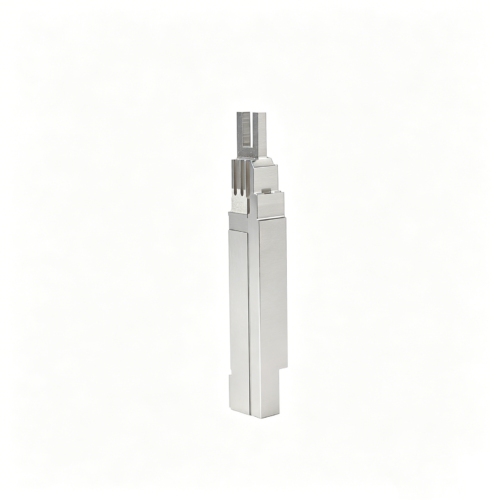
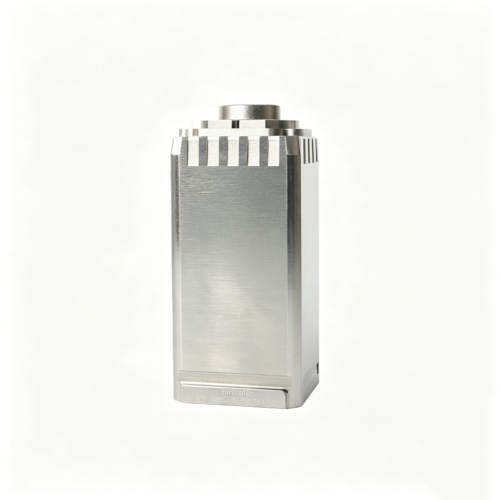
The visually reviewed geometry is defined by a fine-rib working field and surrounding faces used for mounting or reference. The photograph helps identify the component, but it does not establish rib pitch, width, depth, corner form, relief, wall thickness or the relationship of the patterned area to any datum. The useful RFQ question is whether the rib field can be made repeatedly without losing its relationship to the mounting faces.
Thin ribs can distort during machining, stress release, heat treatment or handling. Deep, narrow spaces may restrict tool access, flushing, burr removal and optical visibility. Review should therefore consider feature slenderness, open access, corner requirements, support condition and the order in which reference faces and fine details will be created.
Drawing Package and Datum Decisions
Please provide the latest controlled drawing, model, revision identifier and applicable inspection notes. The package should identify functional mounting faces, locating features, rib-field datums, critical sections and permitted edge conditions. If a profile or position tolerance applies to the rib pattern, its datum frame should be explicit. If the drawing is silent, SUUXIANG can flag the gap for engineering disposition rather than selecting an interpretation.
A stable datum strategy normally begins with faces that can be securely located and protected throughout processing. The quotation should distinguish manufacturing datums from inspection datums where they differ. Fit decisions should state whether the insert seats against a parent component, aligns with a mating insert or preserves a clearance condition. These decisions affect setup design, grinding allowance and final inspection.
Conditional Process Route
A candidate route may establish stable datums, rough the body with controlled stock and manage stress before fine work. Heat treatment should be included only when specified or approved, because condition changes may influence distortion, hardness and subsequent finishing. Depending on accessibility, electrode-based EDM may be considered for deep or narrow details that conventional cutting cannot reach reliably. Grinding can establish reference faces where the drawing requires a controlled flat or parallel relationship.
The rib field should generally be finished after the supporting geometry is stable, with suitable support and a sequence that limits deflection. Cutting direction, remaining stock, flushing and burr-removal access require review against the actual section geometry. This is a conditional route, not a promise of a fixed process, machine or result. Final selection depends on material condition, geometry, tolerance stack and approved process review.
Rib Integrity and Handling Controls
Fine ribs need protection from clamping loads, impacts and aggressive manual deburring. The RFQ should identify prohibited contact zones, required protective packaging and whether a temporary support or sacrificial allowance is acceptable during processing. Narrow spaces should be checked for trapped debris, rollover, burrs and visibility limitations before release.
Where the drawing permits, the team may compare a roughing and stress-management plan with a later fine-detail operation. Where it does not permit deviation, the customer should define the required sequence or approve a proposed engineering route. The objective is a rib field that remains stable while references are finished, measured and prepared for assembly.
Inspection Strategy
Inspection must relate rib pitch, width, depth, position and cumulative pattern error to the mounting or reference faces. Individually acceptable ribs may still produce an unacceptable pattern if error accumulates across the field. The inspection plan should define starting datum, measurement direction, reporting points, sampling logic and treatment of inaccessible spaces.
Drawing-agreed optical measurement, probing or comparative methods may be considered according to feature size, access and required uncertainty. Optical checks can review a repeated profile; probing can establish feature-to-datum relationships where access permits; comparative methods may help when the drawing defines a profile against approved data. The method and acceptance criteria must be agreed before production inspection.
RFQ, Fit and Revision Control
For a useful quotation, send the controlled drawing and model, material or condition requirement if known, quantity, expected repeat order, surface or edge notes, inspection documentation needs and packaging constraints. State whether the sample image represents reference geometry only or an approved design direction. Identify critical-to-fit dimensions and any mating hardware or parent insert information.
Revision control should connect the quotation, manufacturing record, inspection report and supplied model to the same revision identifier. A changed rib pitch, datum, material condition or finishing note can alter the route and price. No assumption about stock, delivery, quantity, certification or performance should be made until those commercial and technical points are confirmed in writing.
Engineering Review Before Release
Before acceptance, review rib slenderness, minimum accessible gap, edge condition, support, expected distortion and the ability to remove burrs without damaging the working field. Confirm how the insert seats, which faces establish location and whether the inspection report must include a full pattern map or selected critical sections.
The reviewed photo is useful for opening a technical conversation, but the approved drawing governs. SUUXIANG can use the RFQ stage to identify ambiguous datums, missing sections, unclear heat-treatment instructions or inspection methods that cannot reach the required details. The result should be a controlled manufacturing and inspection plan tied to the customer’s released information.
Frequently Asked Questions
Can thin ribs be quoted from the photograph alone?
No. The drawing must define geometry, datums, material condition and inspection expectations before a responsible route is selected.
Is EDM required for every narrow rib field?
No. EDM may be considered when access or depth restricts cutting, but the approved geometry and engineering review determine the method.
What should the inspection report emphasize?
It should show the rib-field relationship to mounting faces, including pitch, width, depth, position and cumulative pattern error where required.
Send the Drawing for Review
Share the controlled drawing, model and revision notes so the fine-rib insert can be evaluated for datums, process access, support and inspection before quotation.
Reviews
There are no reviews yet.