
Sinker EDM Machining for Drawing-Driven Components
Submit your drawing for sinker EDM machining review, DFM feedback, electrode strategy, and inspected custom manufacturing aligned to critical dimensions.
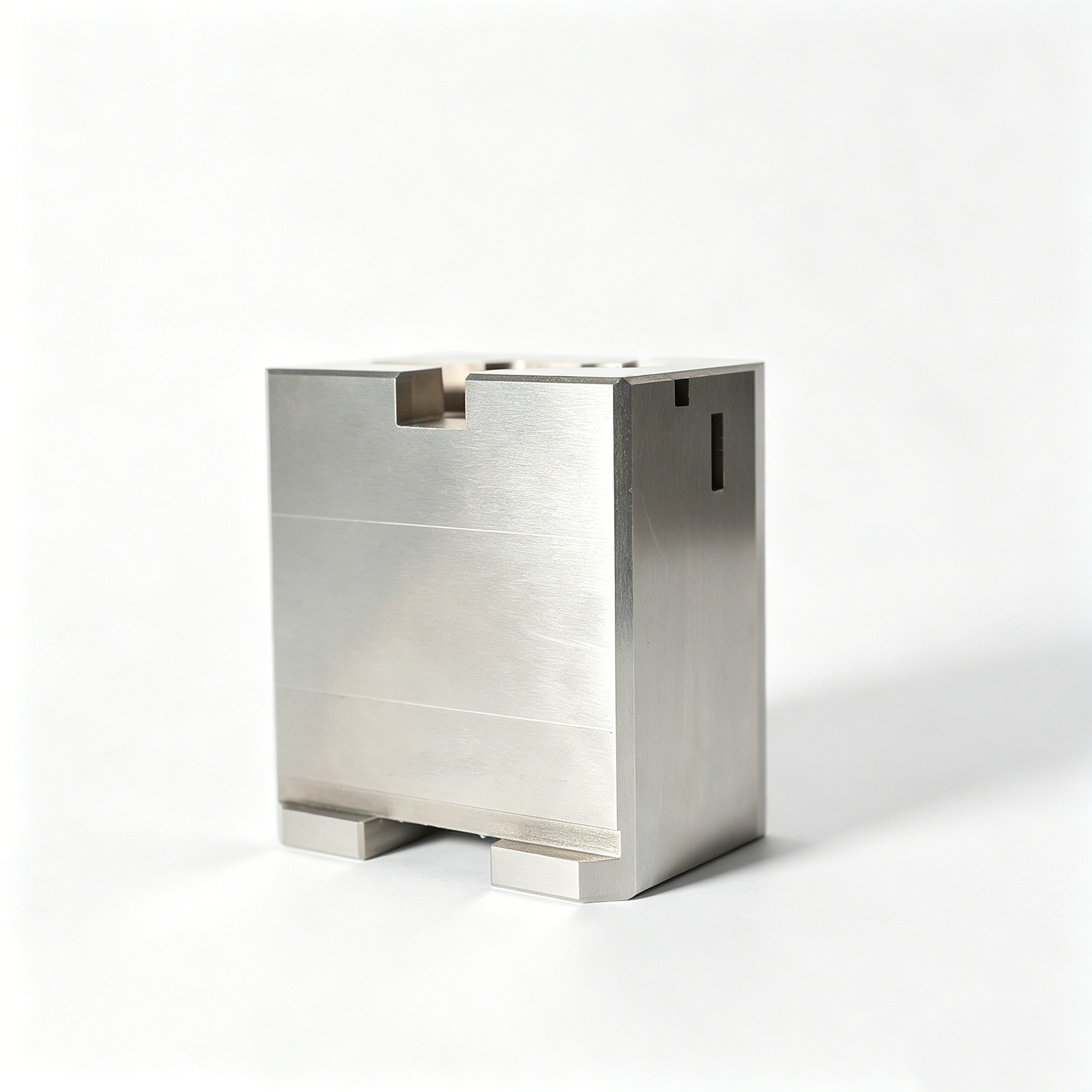
Representative Sinker EDM Tooling Components




Related Components and Drawing-Based Quotation





Sinker EDM Machining Advantages for Tooling Work
A disciplined review connects cavity geometry, electrode strategy, inspection requirements and revision control before production commitments are made.
Non-Contact Machining
Controlled electrical discharges remove material without cutting force, supporting detailed features in delicate or hardened conductive workpieces after drawing review.
Electrode-Led Planning
Cavity geometry, spark allowance, electrode wear, flushing access and finishing sequence should be reviewed together before committing to a production route.
Critical Dimension Review
Drawings are reviewed for datums, critical-to-quality dimensions, surface requirements and tolerance stack risks that affect the EDM and grinding plan.
Integrated Process Routing
CNC machining, sinker EDM, wire EDM, grinding, fitting and inspection can be sequenced around feature access, material condition and machining allowance.
Inspection Plan Alignment
Measurement methods and reporting expectations are defined against the order’s critical features, helping align final documentation with the verified inspection plan.
Revision-Controlled Execution
Visible drawing revisions, manufacturing notes and delivery information help keep engineering changes traceable throughout coordinated production and inspection activities.
Drawing-Based Machining and Tooling Applications
Evaluate configurable component families through drawing review, process planning, critical-dimension control and documented inspection requirements.
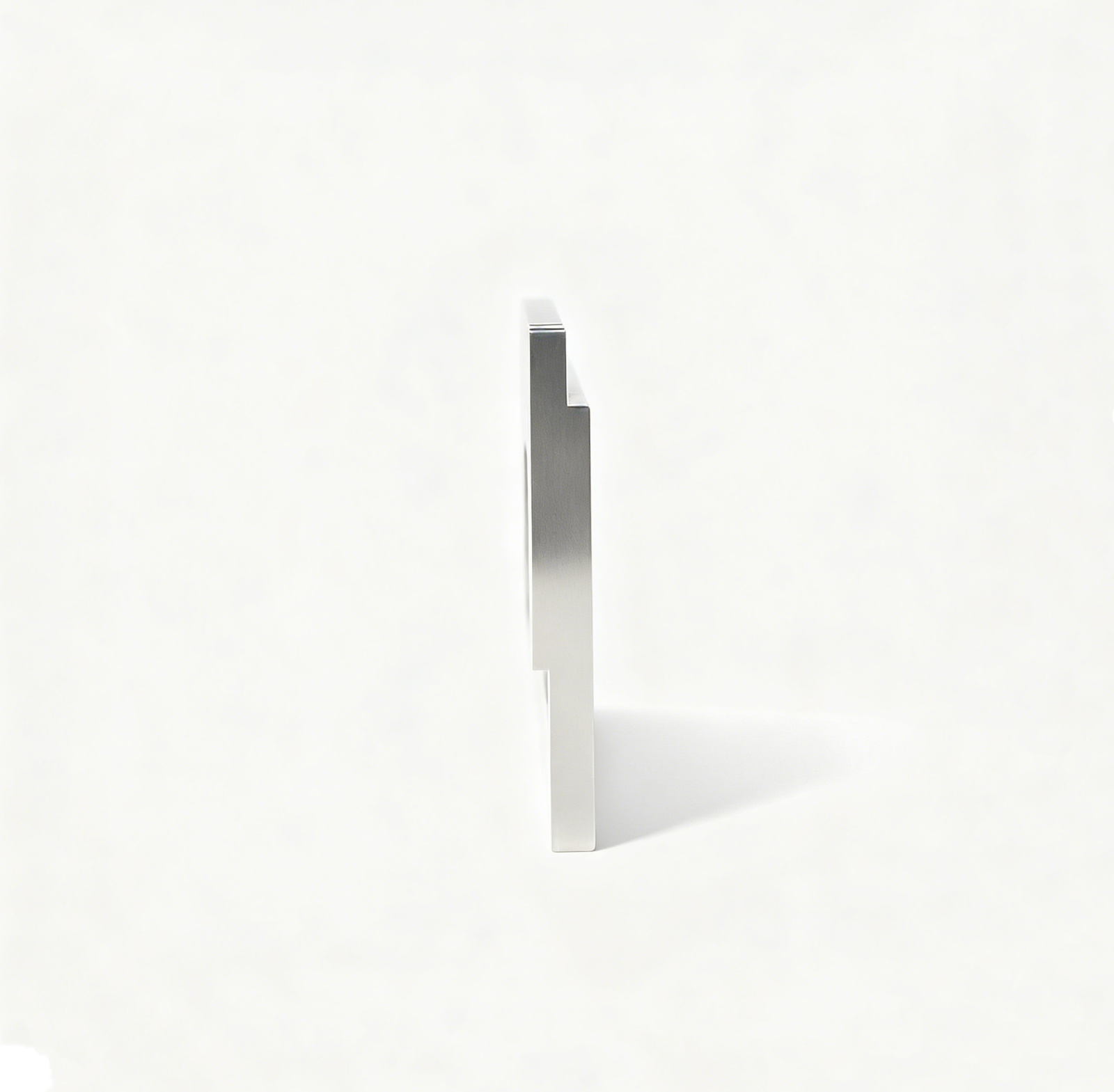
CNC Machining Services
Precision CNC machining services for drawing-defined parts requiring coordinated milling, turning, EDM, grinding and inspection. RFQ review considers material, datums, critical dimensions, tolerances, surface requirements, quantity and the process route needed to produce and verify the part.
Upload a Drawing
CNC Milling
Custom CNC milling services for prismatic, contoured and feature-rich components. Drawing review addresses tool access, workholding, datum setup, wall geometry, pocket depth, machining allowance and inspection points before a production approach is confirmed.
Upload a Drawing
CNC Turning
Precision CNC turning services for shafts, pins, sleeves, bushings and rotational components. The manufacturing review evaluates concentric features, thread details, groove geometry, runout, material condition, secondary operations and the dimensional references needed for inspection.
Upload a Drawing
5-Axis Machining
5-axis CNC machining for complex surfaces, angled features and multi-face components where fewer setups can support datum control. Feasibility depends on tool reach, clamping strategy, internal geometry, material, tolerance requirements and inspection access.
Upload a Drawing
Swiss & Micro Machining
Swiss machining and micro machining for small-diameter, detailed components with tight feature relationships. Review focuses on stock diameter, slenderness, burr control, cross holes, threads, concentricity, material behavior and practical measurement methods.
Upload a Drawing
Wire & Sinker EDM
Wire EDM and sinker EDM services for hardened details, internal profiles, fine corners and geometries with limited conventional tool access. Process planning considers wire path or electrode strategy, spark gaps, recast-layer expectations, datum references and finishing requirements.
Upload a Drawing
Precision Grinding
Precision surface and profile grinding for controlled flatness, parallelism, profile geometry and finishing stock after machining or heat treatment. The process route considers material condition, grinding allowance, wheel access, critical datums and inspection criteria.
Upload a Drawing
Mold Core & Cavity Inserts
Precision mold core and cavity inserts manufactured from drawings and models for injection-mold tooling. Review covers parting geometry, cooling interfaces, shutoffs, EDM requirements, heat-treatment sequence, fitting relationships, critical surfaces and inspection planning.
Upload a Drawing
Ejector & Ejection Components
Ejector pins, sleeves and ejection components produced to drawing-defined dimensions and mating requirements. Evaluation addresses diameter and length relationships, clearance fits, head geometry, hardness requirements, surface condition, straightness and interaction with the mold assembly.
Upload a Drawing
Core Pins, Guide & Locating Components
Core pins, guide pins and locating components for repeatable mold alignment and feature formation. Manufacturing review considers material, heat treatment, working diameter, shoulder geometry, mating fits, concentricity, wear surfaces and the datum scheme used for verification.
Upload a Drawing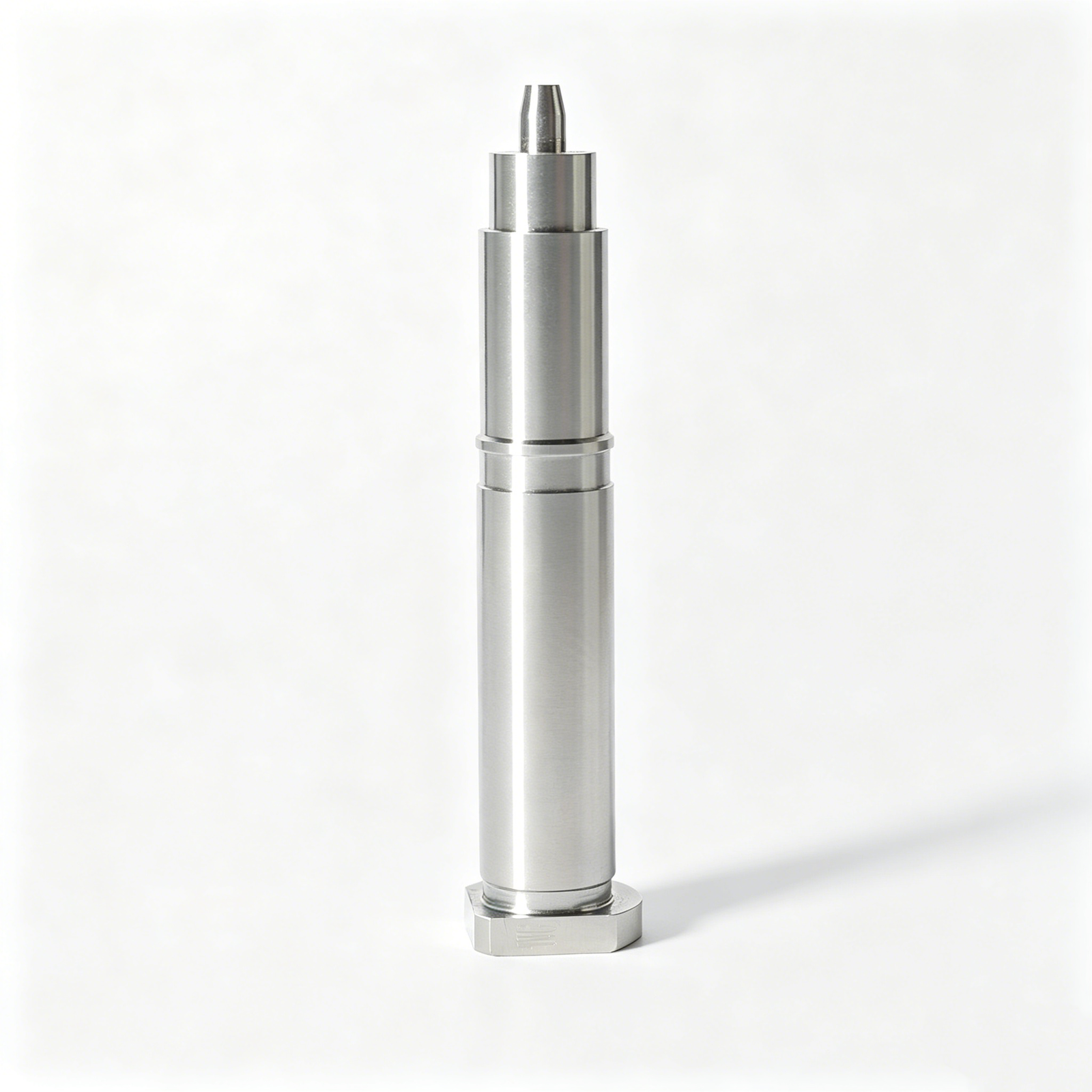
Slides, Lifters, Gates & Mold Accessories
Mold slides, lifters, gates and accessories evaluated as configurable tooling components rather than catalog stock. Drawings should clarify travel interfaces, angled geometry, wear areas, fit conditions, material and heat-treatment requirements, machining access and assembly-critical dimensions.
Upload a Drawing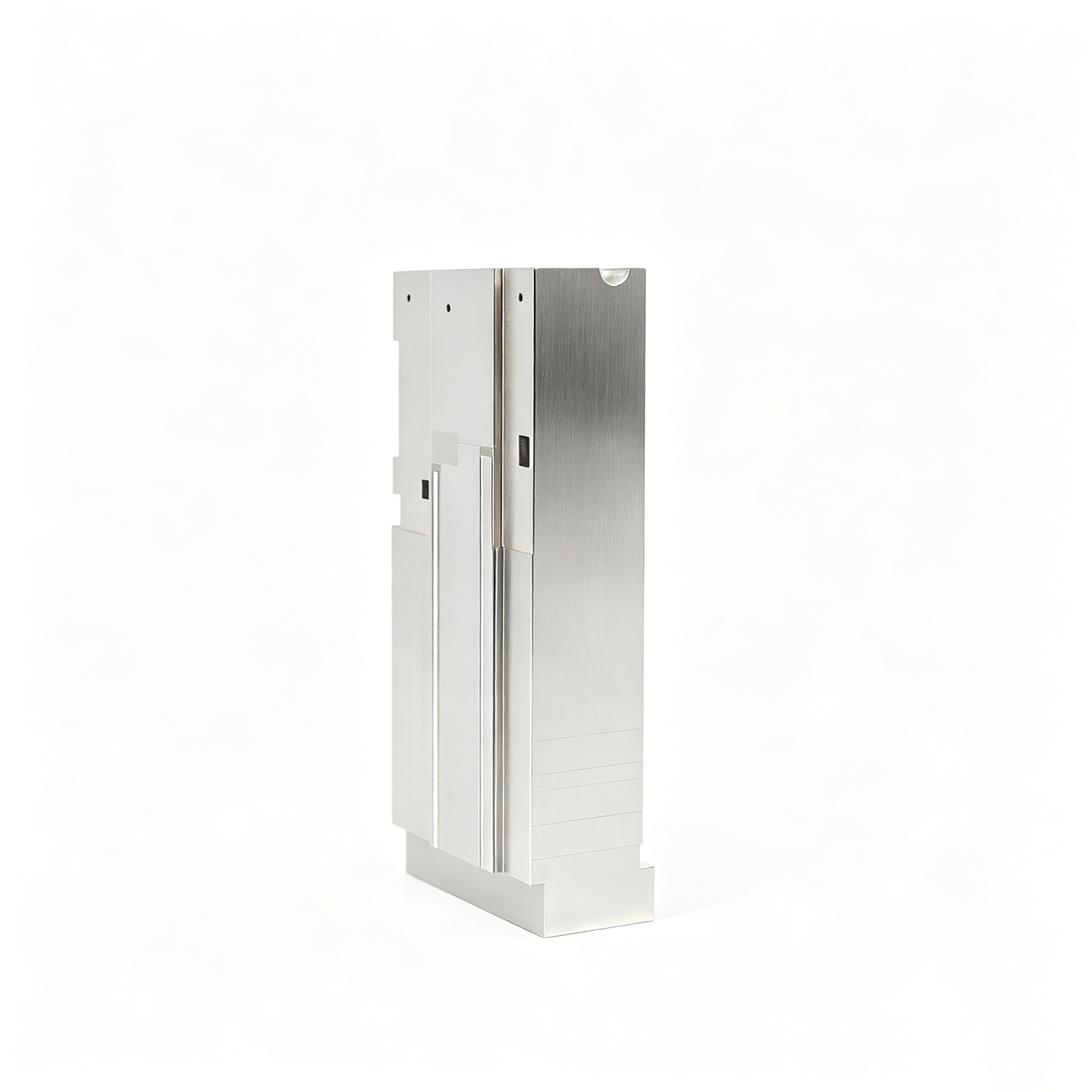
Connector Mold Components
Precision connector mold components for terminals, housings and fine-pitch connector tooling. Review emphasizes micro features, pin and cavity relationships, EDM or grinding needs, wear conditions, mating geometry, datum control and inspection methods appropriate to the feature scale.
Upload a Drawing
Stamping Die Components
Precision stamping die components for blanking, forming and progressive-die applications. Process planning considers strip-facing geometry, punch and die clearances, material and hardness, grinding sequence, EDM details, alignment interfaces and wear-related finishing requirements.
Upload a Drawing
Injection, MIM, CIM & Overmolding Tooling
Injection, MIM, CIM and overmolding tooling components evaluated within verified production scope. A useful drawing package identifies molded material, shrinkage assumptions, parting and shutoff details, core or insert interfaces, texture requirements, critical dimensions and expected inspection evidence.
Upload a Drawing
Machining Materials
CNC machining materials selected against the drawing, functional environment and planned process route. RFQs should identify specified grade, material condition, traceability needs, heat-treatment requirements, corrosion or wear exposure and any restrictions affecting machining or EDM.
Upload a Drawing
Surface Finishes & Heat Treatment
Surface finishing and heat treatment planned around functional surfaces, dimensional stability and downstream assembly. Requirements should specify finish type, coverage, roughness priorities, masking needs, hardness targets, sequence relative to grinding or EDM and any reporting expectations.
Upload a Drawing
Quality, Metrology & Documentation
Precision inspection, metrology and quality documentation aligned to drawing-critical features and the agreed inspection plan. Define CTQ dimensions, datums, measurement method, sampling expectations, material or heat-treatment records, revision status and required report format before production.
Upload a Drawing
Prototyping & Low-Volume Production
Rapid prototyping and low-volume manufacturing for drawing-driven parts and tooling components requiring controlled revision handling. Review focuses on quantity, material, critical features, process route, inspection needs, delivery target and whether the design is ready for repeat production.
Upload a DrawingSinker EDM Machining Materials We Review

Hardened Tool Steel
Common for mold cores, cavity inserts, and die components requiring wear resistance. Sinker EDM can produce detailed cavities after hardening, subject to electrode access, flushing conditions, finish requirements, and the approved drawing review.

Pre-Hardened Mold Steel
Used for mold bases, inserts, and tooling elements where machining and EDM sequencing must be coordinated. Its stable condition can support cavity work, while final feasibility depends on material grade, feature depth, and tolerance priorities.

Stainless Steel Alloys
Considered for corrosion-resistant mold and precision-component applications. Conductivity enables EDM processing, but alloy grade, heat treatment, surface condition, cavity geometry, and inspection requirements should be defined before process planning.

Copper Alloys
Suitable for conductive components and specialized tooling details where material behavior and surface requirements matter. Copper-alloy workpieces require project-specific review of geometry, datum strategy, electrode wear, and finishing expectations.

Titanium Alloys
Reviewed for conductive precision parts with demanding geometry or difficult-to-cut features. Material condition, heat-treatment history, cavity accessibility, surface integrity expectations, and inspection methods need confirmation through the drawing-led DFM review.
Sinker EDM Machining and Complementary Processes

Electrode Preparation
Copper or graphite electrodes are prepared from the approved cavity strategy, with geometry, spark allowance and expected wear considered before sinker EDM begins. This supports controlled feature reproduction and repeatable cavity detail.

Sinker EDM
Sinker EDM machining uses shaped electrodes to form blind cavities, sharp internal details and difficult-to-cut features in electrically conductive workpieces. Electrode strategy, flushing and finish requirements are reviewed against the drawing.

Wire EDM
Wire EDM cuts programmed profiles, slots and precise through-features where a wire path can access the workpiece. It is evaluated alongside sinker EDM when the required geometry is defined by contour cutting rather than cavity erosion.

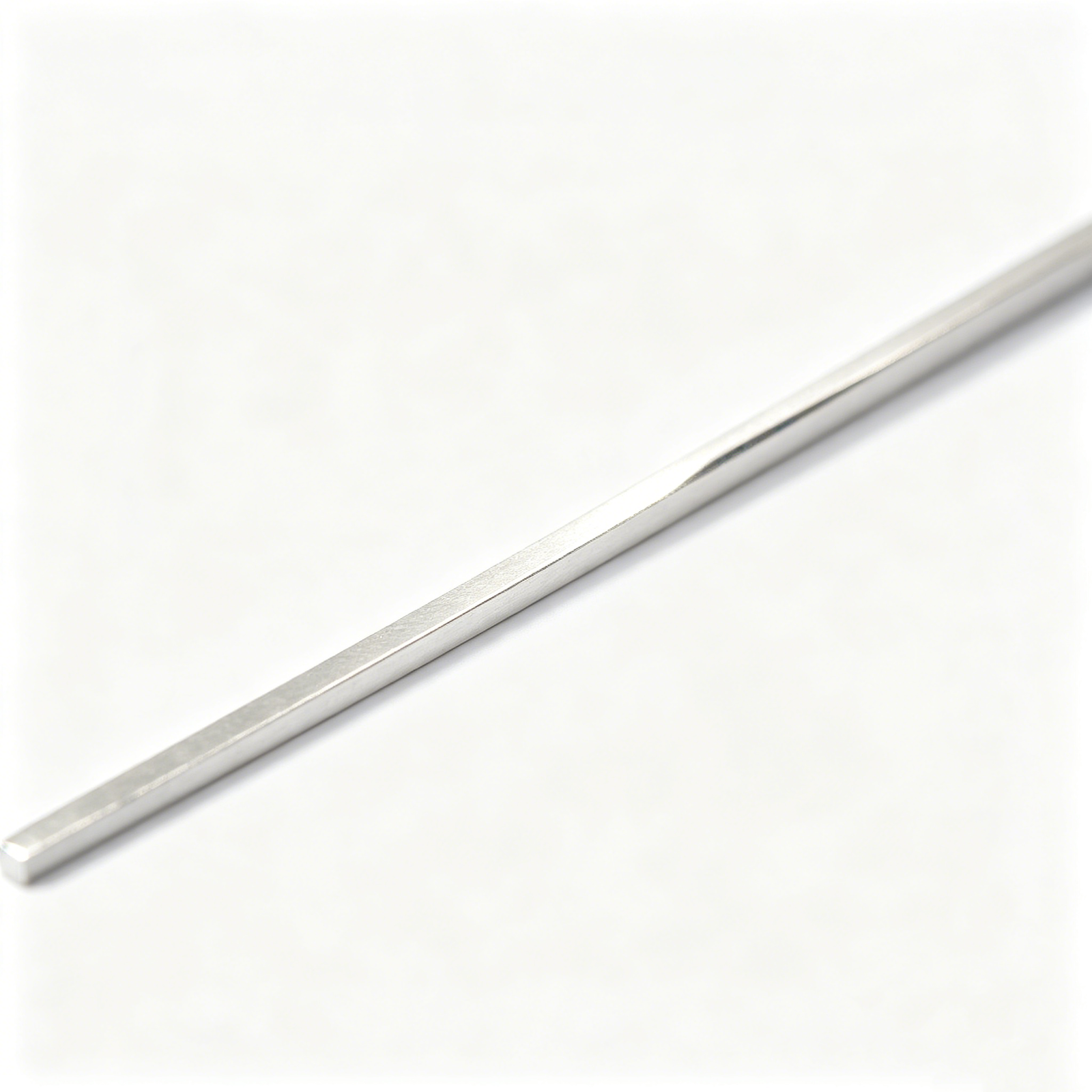
Precision Grinding
Precision grinding refines datum surfaces, controlled dimensions and functional fits after the relevant machining or heat-treatment stages. Grinding stock and inspection requirements are reviewed so finishing supports the intended tolerance strategy.

Fitting Inspection
Fitting and inspection confirm mating relationships, critical dimensions and order-specific documentation requirements. Results are checked against the approved drawing revision and inspection plan before delivery coordination.
Sinker EDM Machining Tooling Details
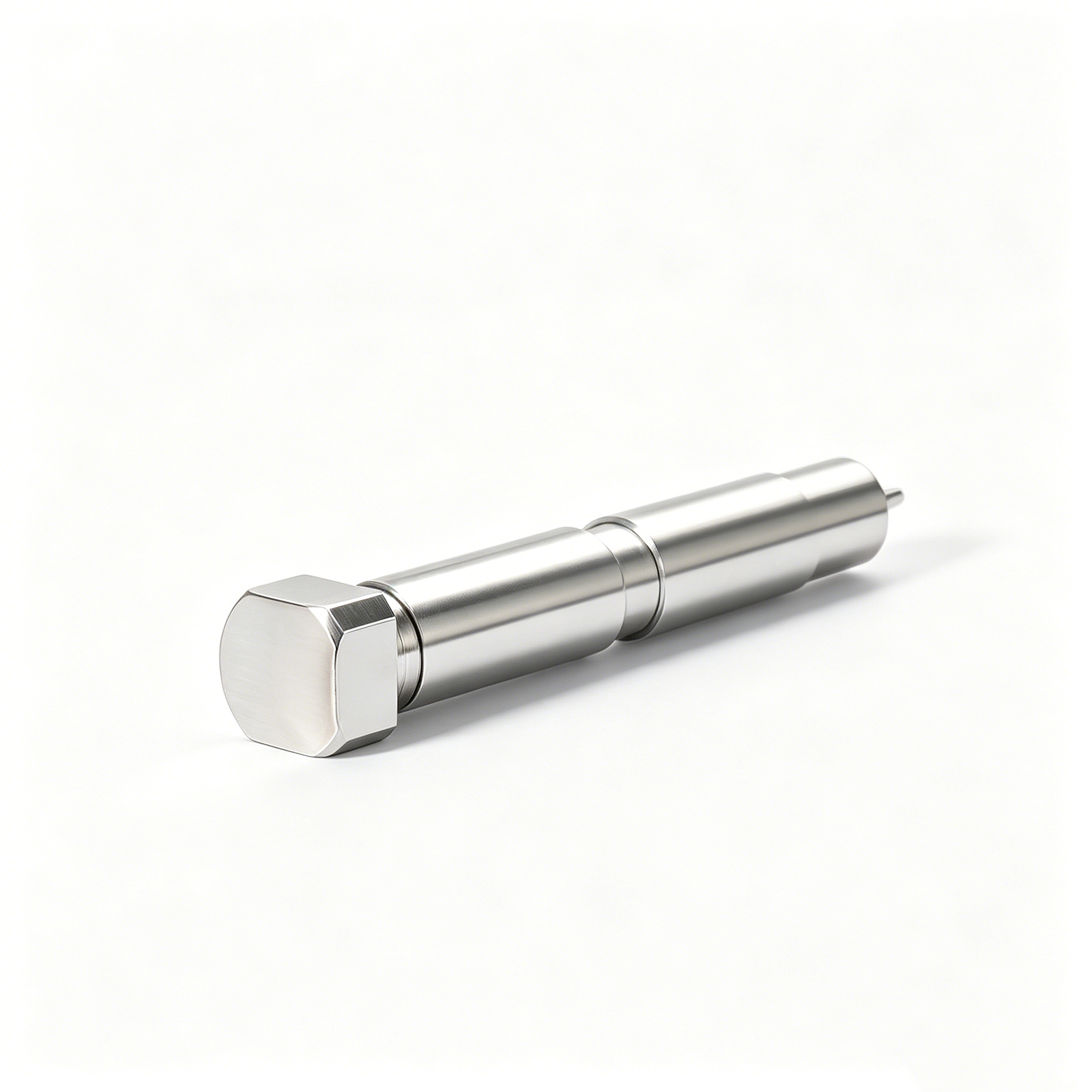
Guide Features
Guide pins, bushings, and locating interfaces are reviewed for datum relationships, fit requirements, wear considerations, and machining access before SUUXIANG selects a CNC, grinding, or EDM process route.

Gate Details
Gate inserts and related flow-control details may require fine cavity geometry, controlled transitions, and surface priorities. Drawing review clarifies electrode access, polishing allowance, mating surfaces, and inspection points.

Ejector Elements
Ejector pins, sleeves, blades, and return-related features are evaluated as configurable components. Critical fits, hardness requirements, guide relationships, and assembly clearances should be defined before production planning begins.

Slides and Lifters
Slides and lifters combine shaped interfaces with motion-critical fits. SUUXIANG reviews travel surfaces, locking geometry, lubrication provisions, datum references, and grinding or EDM allowances against the supplied assembly context.
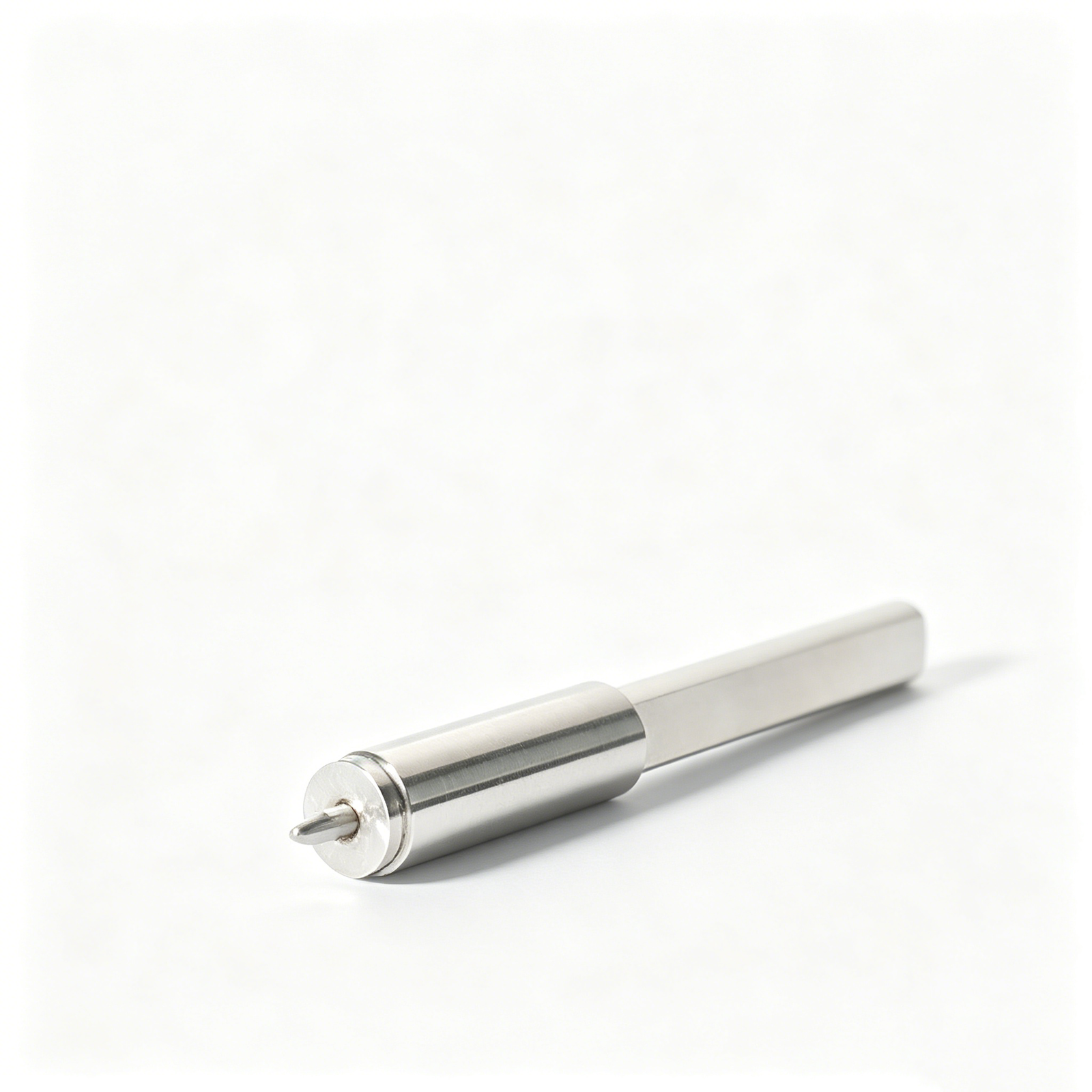
Custom Interfaces
Custom mating interfaces, connector-tooling details, and die-component features are planned from the drawing and model. Provide mating-part context, critical dimensions, surface requirements, revision status, and requested inspection documentation.
About SUUXIANG Precision Manufacturing
SUUXIANG is the sole public-facing brand of Dongguan SuuXiang Precision Mold Co., Ltd., established in 2010 in Chang’an Town, Dongguan, Guangdong, China. Founder and legal representative XiaoCheng Huang leads a business that supports international engineering and sourcing teams with drawing-driven production of custom CNC parts, precision mold components, connector tooling and die components.
Our work combines CNC milling and turning, multi-axis machining, sinker EDM machining, wire EDM, precision grinding, fitting and inspection. Each route is planned around the drawing: critical dimensions, datums, material condition, machining access, electrode strategy, grinding allowance and the inspection evidence required for the order.
What distinguishes SUUXIANG is disciplined project coordination before production commitments. We use DFM discussion and revision-controlled communication to identify process risks early, then align manufacturing and inspection plans with the approved specification. Submit the drawing, quantity, material, quality priorities and delivery requirements for a focused review.

Sinker EDM Machining, From Electrode Plan to Inspection
Drawing and DFM Review
SUUXIANG reviews the drawing, model, material, application, and critical dimensions before committing to a sinker EDM machining route. The discussion identifies datum relationships, cavity accessibility, surface priorities, heat-treatment sequence, and inspection expectations so preventable manufacturing risks are visible early.
- Confirm critical-to-quality dimensions and datum strategy
- Review cavity depth, corner geometry, and tool access
- Clarify material, heat treatment, surface, and quantity requirements
- Align revision status and inspection-report needs
- Confirm the inspection evidence required for the order
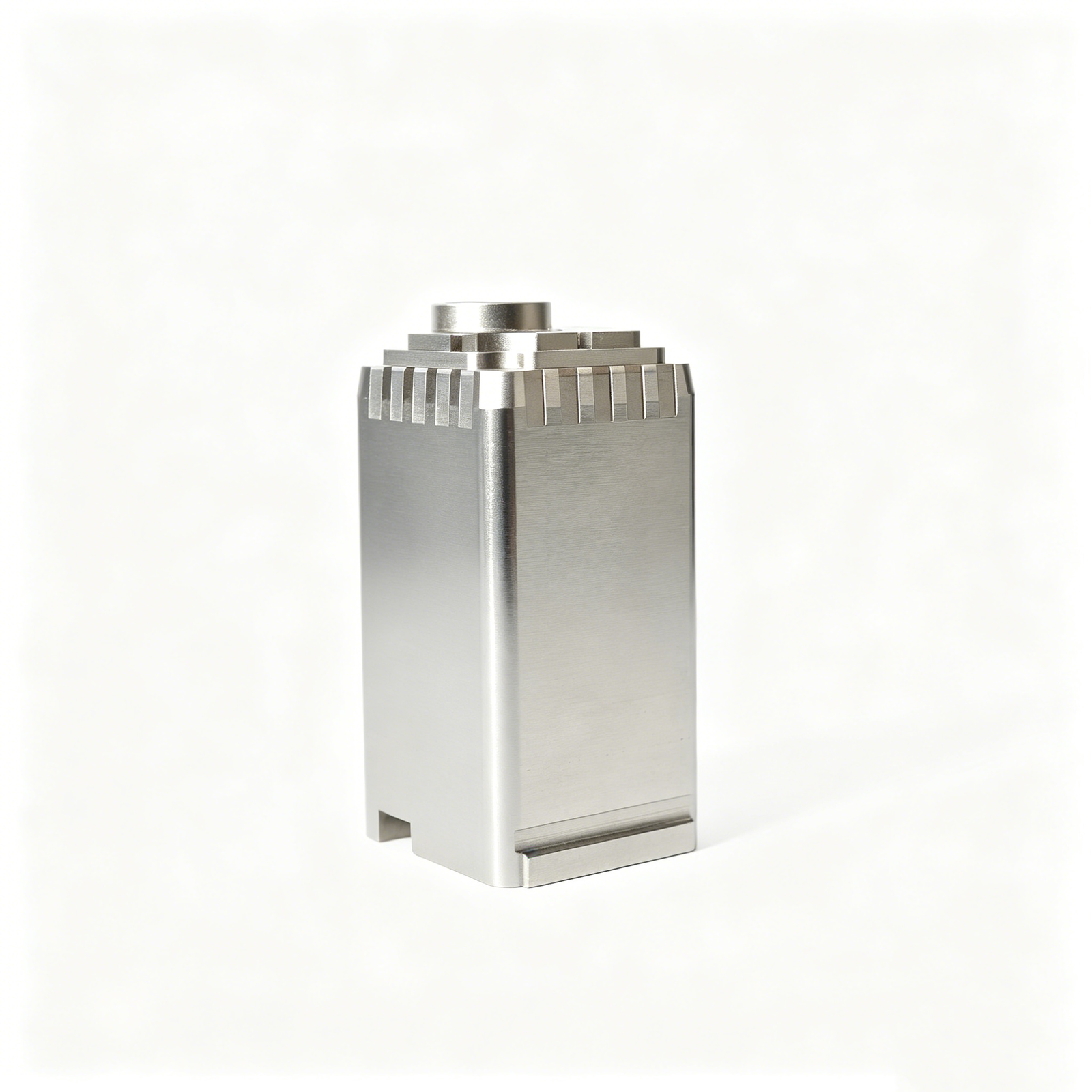
Electrode and Burn Strategy
A shaped electrode is part of the process plan, not an afterthought. SUUXIANG evaluates electrode geometry, spark allowance, wear, flushing access, and roughing-to-finishing passes against the requested feature and finish, helping customers understand the trade-offs that influence cost, timing, and cavity outcome.
- Plan electrode geometry around the required cavity form
- Account for spark gap and electrode wear
- Assess flushing paths for deep or restricted features
- Define practical roughing and finishing burn stages

CNC, EDM, and Grinding Sequence
Complex tooling components often require a controlled sequence rather than one process alone. SUUXIANG coordinates CNC machining, sinker EDM machining, wire EDM where appropriate, precision grinding, and fitting around stock allowance, hardened-condition access, and the dimensions that must be preserved through each operation.
- Set machining allowance before EDM and grinding operations
- Match the route to cavity, profile, and datum requirements
- Consider heat-treatment sequence before final feature work
- Keep fitting needs visible within the process plan
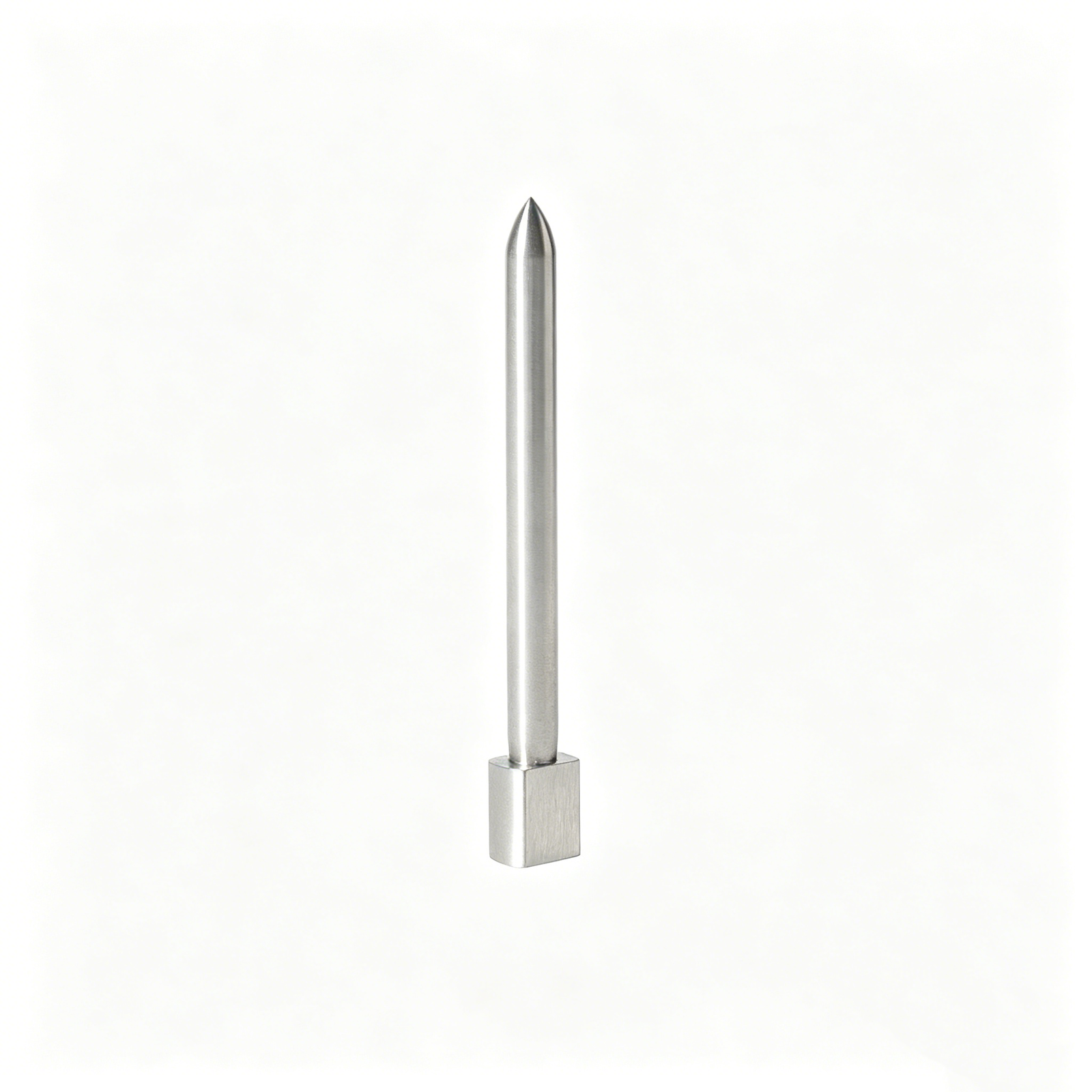
Inspection and Revision Traceability
Inspection planning is tied to the drawing and agreed quality requirements. SUUXIANG identifies measurement methods for relevant features, maintains visible revision information, and prepares final documentation to match the order and verified inspection plan, giving sourcing and quality teams a clearer basis for acceptance.
- Link inspection priorities to critical drawing dimensions
- Confirm reporting and documentation needs before production
- Maintain revision visibility through project coordination
- Match final records to the verified inspection plan
Why Choose SUUXIANG for Sinker EDM Machining
Compare a disciplined, drawing-led workflow with a quotation-only approach before committing critical cavity and tooling work.
← Swipe left or right to view →
Sinker EDM Machining, From Drawing Review to Delivery
A controlled, drawing-driven route that aligns process planning, critical dimensions, inspection requirements, and shipment coordination before production proceeds.
Review Drawings and Requirements
We review drawings, models, material, quantity, datums, critical dimensions, surface requirements, delivery target, and reporting needs to identify manufacturability questions before quotation.
Plan Process and Tooling
The team defines machining access, stock allowances, heat-treatment sequence, electrode strategy, wire paths, grinding needs, and inspection methods appropriate to the confirmed part requirements.
Machine EDM and Grind
Production follows the approved route, combining CNC machining, sinker EDM machining, wire EDM, precision grinding, and fitting where the drawing and project plan require them.
Inspect Critical Part Features
Inspection follows the agreed plan, with attention to critical dimensions, datums, surface requirements, and applicable documentation so results can be matched to the order.
Pack and Coordinate Shipment
After final verification, parts are packed for the order and shipment coordination is kept visible, including revision status and delivery information relevant to the project.
Start Your Sinker EDM Machining Project
Move from drawing review to controlled production with clear requirements, documented decisions, and inspection planning aligned to your order.
Submit Complete Drawing Package
Provide 2D drawings, available 3D models, material, quantity, critical dimensions, surface requirements, delivery target, and any mating-component or inspection-report requirements.
Review Manufacturing Requirements
Confirm DFM findings, datum strategy, machining access, electrode approach, heat-treatment sequence, grinding allowance, EDM risks, and the inspection method before quotation commitments.
Approve Quote and Controls
Review the proposed process route, revision status, commercial quotation, quality expectations, and delivery plan; clarify open technical questions before releasing the order.
Validate First Articles When Needed
For applicable projects, review agreed sample or first-article evidence against critical dimensions and functional requirements before progressing to the approved production stage.
Receive Inspected Production Parts
Production follows the confirmed drawing revision and inspection plan, with final documentation matched to the order and verified reporting requirements.
Sinker EDM Machining Certifications and Quality Documentation
Sinker EDM Machining Customer Project Feedback
Customer testimonial pending verification. SUUXIANG publishes project feedback only after customer permission and the reported production, inspection, and delivery results have been confirmed.
Customer testimonial pending verification. Any future case summary will identify the approved project scope and measured outcome without disclosing protected drawing, tooling, or supplier information.
Customer testimonial pending verification. SUUXIANG will add approved feedback when customer authorization and supporting records are available for publication.
Sinker EDM Machining FAQ for RFQ Planning
Prepare the drawing, process requirements, and inspection expectations needed for a disciplined technical review.
What files should I send for a sinker EDM machining quote?
Can sinker EDM machining be quoted for prototypes and low-volume production?
Is there a minimum order quantity for sinker EDM machining?
Do I need to provide an electrode design for sinker EDM?
What material and heat-treatment information is needed before EDM?
Can I request inspection reports with my order?
How are sample and production lead times confirmed?
How do you protect drawings and project information during quotation?
The Complete Buyer’s Guide to Sinker EDM Machining
Use this practical framework to evaluate sinker EDM applications, electrode strategy, quality controls, supplier capabilities, lead-time and cost drivers, and avoid specification mistakes before requesting drawing-based quotes.
1. What Is Sinker EDM Machining?
Sinker EDM—also called die-sinking EDM, ram EDM, or plunge EDM—is a non-contact thermal-erosion process for electrically conductive workpieces. A shaped conductive electrode approaches the part in dielectric fluid, where controlled pulsed discharges remove microscopic material without mechanical cutting (https://www.xometry.com/resources/machining/sinker-edm-machining).
The electrode geometry is reproduced as it advances, making blind cavities, deep ribs, sharp internal details, and enclosed mold or die features practical when tool access is limited. Dielectric fluid cools the spark zone and flushes eroded debris, helping maintain stable discharges and consistent cavity formation.
CNC milling remains the faster choice for accessible bulk removal, but buyers should consider sinker edm machining when rotating-tool reach, cutter radius, cutting force, or hardened material makes conventional cutting unsuitable. Provide the drawing, critical datums, cavity depth, material condition, surface requirement, and inspection priorities so electrode strategy and the combined CNC, EDM, and grinding route can be reviewed before quotation.
2. Evolution of sinker EDM Technology
1943 marked the practical emergence of electrical-discharge machining, when controlled sparking was developed as a way to erode conductive metal without cutting forces. Early spark-erosion equipment was comparatively manual and demanded close operator attention to maintain the gap, flushing, and electrode position.
1960s numerical control brought programmed axis motion and repeatable cavity paths to sinker EDM machining. Modern pulse generators then made roughing and finishing settings more controllable, helping shops balance removal rate, electrode wear, and surface condition on conductive hardened tool steels.
1980s onward, servo and adaptive controls increasingly monitored gap conditions and adjusted machining response to reduce unstable arcing. For buyers, that development means process records and inspection planning can be tied to defined stages rather than relying solely on operator judgment.
2000s automated electrode changers and pallet handling improved unattended continuity where multiple electrodes are required. They do not replace drawing review: repeatable results still depend on electrode offsets, datum transfer, flushing access, wear allowance, and a verified finishing strategy.
3. Types of sinker edm machining
Six operating modes are chosen by cavity scale, feature access, and inspection target. Shaped electrodes reproduce internal cavity geometry through controlled erosion (https://www.xometry.com/resources/machining/sinker-edm-machining).
| Mode | Best Fit | Primary Trade-Off | Buyer Question |
|---|---|---|---|
| Roughing | Large cavities | Speed versus wear | How much stock remains? |
| Semi-finishing | Controlled geometry | Time versus stability | Which datums are protected? |
| Finishing | Critical surfaces | Finish versus lead time | What surface is required? |
| Micro-EDM | Tiny features | Control versus removal rate | Can the feature be inspected? |
| Staged electrodes | Complex cavities | Setup versus risk | How many electrodes are needed? |
| Automated EDM | Repeat work | Capitalized setup versus repeatability | What evidence supports unattended runs? |
Roughing Through Finishing
Roughing removes most stock in open, flushable cavities; high removal rate increases electrode wear and leaves stock.
Semi-finishing stabilizes geometry before finishing; finishing uses lower energy for tighter form and smoother surfaces, but adds cycle time.
Micro And Staged Electrodes
Micro-EDM suits fine pins, narrow ribs, and small details; low discharge energy favors control over removal rate.
Staged or multiple electrodes divide roughing, detail, and finish burns; they reduce risk on complex cavities but add electrode design and setup lead time.
Automated Production EDM
Automated EDM suits repeat programs and planned electrode changes; unattended capability depends on validated fixturing, flushing, offsets, and inspection controls.
Buyers should ask which mode protects the critical datum, feature tolerance, and required delivery date.
4. Materials for sinker edm machining
Sinker edm machining requires an electrically conductive workpiece; nonconductive plastics and ordinary ceramics cannot sustain controlled sparking. Material grade, heat-treatment state, and cavity geometry should be fixed during drawing review.
| Workpiece | Practical EDM Consideration | Cost Driver |
|---|---|---|
| Hardened tool steel | Stable mold-cavity choice | Finishing burns |
| Stainless steel | Confirm grade and surface condition | Flushing time |
| Carbide | Use controlled energy | Electrode wear |
| Titanium or superalloy | Plan thermal surface evaluation | Cycle time |
| Copper alloy | Control geometry and finish | Electrode selection |
| Conductive ceramic | Verify conductivity first | Inspection planning |
Eligible Workpiece Materials
Hardened tool steels suit mold inserts because EDM avoids cutting-force distortion after hardening.
Stainless steels, titanium alloys, superalloys, copper alloys, carbide, and conductive ceramics require confirmed conductivity and condition. https://www.iqsdirectory.com/articles/edm/sinker-edm.html
Electrode Versus Workpiece
Graphite and copper are electrode materials, not interchangeable descriptions of the workpiece; each needs a wear allowance.
Carbide and deep narrow cavities need conservative energy, clean dielectric circulation, and planned flushing to stabilize sparking. https://www.xometry.com/resources/machining/sinker-edm-machining
Surface And Cost Effects
Each discharge creates a thermally affected surface, so finish-burn settings, stock removal, and inspection criteria should be specified.
Hardened, carbide, and high-temperature alloys generally add electrode, cycle-time, flushing, and verification cost; inspect from agreed datums.
5. Electrode Design and Feature Options
One electrode is not a finished cavity: its geometry, material, wear model, and motion define the resulting feature. For sinker edm machining, approve those choices against the drawing’s critical datums before electrode manufacture.
| Feature | Electrode Consideration | Buyer Definition Needed |
|---|---|---|
| Deep rib | Wear compensation; orbit access | Depth and datum |
| Blind cavity | Flushing and finish sequence | Bottom geometry |
| Logo or texture | Fine finishing electrode | Area and surface callout |
Choose Electrode Material
Graphite is commonly selected for intricate ribs and higher-energy roughing because it machines readily and can retain detailed geometry.
Copper can suit fine finishing, small logos, and surface-sensitive details; selection should follow feature size, finish target, and planned discharge settings.
Control Spark Gap
One specified profile is insufficient without identifying whether dimensions apply to the finished cavity or the electrode. The supplier must calculate undersize and overburn from the intended burn condition.
Two datums—primary location and orientation—should anchor electrode setup, especially for blind cavities and narrow slots.
Plan Electrode Sequence
Separate roughing and finishing electrodes are justified when stock removal, deep ribs, sharp corners, or texture preservation require different energy settings. Roughing leaves controlled stock; finishing restores detail with a wear-adjusted electrode.
Three inputs—depth, corner condition, and texture or logo location—also determine whether orbiting can improve flushing and sidewall control.
6. Quality Elements in sinker edm machining
A drawing should define acceptance before sinker edm machining begins, not after the cavity is burned. SUUXIANG reviews critical dimensions, functional datums, surface requirements, and inspection evidence against the supplied drawing and RFQ.
Datums And Tolerance Zones
2D drawings should identify the primary, secondary, and tertiary datums used to locate each critical cavity feature. State profile, position, depth, and size tolerances separately where function requires them.
Corner radii and depth-to-width ratio need explicit callouts because electrode geometry, side clearance, and flushing affect what can be held consistently. Include mating-part context where a radius or location is functional.
Surface And EDM Integrity
Ra or another agreed roughness parameter should be assigned only to surfaces whose function depends on it. Specify whether cosmetic appearance, sealing, release, friction, or subsequent polishing drives the requirement.
Recast-layer expectations should name the applicable drawing, specification, or validation method. Electrode wear compensation and rough-to-finish electrode strategy should be reviewed when fine details or tight geometry are involved.
Flushing And Verification
CMM inspection can establish datum-related coordinates, while optical measurement can help assess small visible profiles and gauges can confirm dedicated functional fits. The drawing should state which result is the acceptance record.
First-article verification should confirm revision, material condition, critical dimensions, surface requirements, and the agreed reporting format before production proceeds. Provide flushing access and any blocked-feature constraints in the model or drawing.
7. How to Choose a Sinker EDM Supplier
Three controls separate a capable sinker EDM supplier from a quotation-only shop: drawing review, controlled electrode strategy, and evidence matched to critical features. Evaluate the production route before comparing unit price.
Review The DFM Response
1 RFQ should trigger questions about datums, cavity depth, flushing access, electrode wear allowance, and post-heat-treatment stock. A useful response identifies conflicts between the 2D drawing, model, and inspection requirements.
Ask which features require CNC, grinding, wire EDM, or sinker EDM, and why. Ask for the proposed electrode count, roughing-to-finishing sequence, and unresolved assumptions.
Verify Controlled Execution
100% traceability is not a claim to accept verbally; request material certificates when specified and confirm how lot identity follows the part. Check that program revision, electrode identification, and setup records link to the released drawing revision.
Ask how CNC machining, heat treatment, EDM, grinding, fitting, and inspection are sequenced. The answer should name ownership and checkpoints, not merely available machines.
Qualify Before Release
First-article approval should define measured dimensions, datum setup, report format, cosmetic criteria, and disposition of deviations before repeat production. For international work, require a single revision-controlled communication channel and written confirmation of changes.
Ask which critical dimensions are measured after EDM, which require CMM or optical measurement, and what sample evidence accompanies shipment. SUUXIANG should align final documentation to the order and verified inspection plan.
8. Common Buyer Mistakes to Avoid
Two recurring RFQ errors are treating EDM as a substitute for milling and sending incomplete process requirements. A drawing review should turn each risk into a defined, inspectable input.
Choose The Process Route
1 process decision matters: sinker EDM forms electrode-reachable conductive cavities, while milling usually removes accessible bulk stock faster (https://www.xometry.com/resources/machining/sinker-edm-machining). Provide the cavity geometry, stock condition, volume to remove, and any post-heat-treatment sequence.
Define Geometry And Access
3 access items require definition: electrode approach, dielectric flushing path, and permitted corner radius. Provide section views, minimum internal radii, blind-depth limits, no-spark zones, and the mating-feature context; do not specify nominally zero-radius corners without confirming an electrode strategy.
Align Inspection And Quote Scope
4 controls belong on the RFQ: material grade and condition, surface-finish requirement, datum scheme, and recast-layer disposition. Provide CTQ dimensions, GD&T datums, roughness callouts, required polishing or recast removal, inspection report format, quantity, revision, and delivery target so quotations compare the same scope.
9. From CAD to Qualified Parts
One controlled release package prevents design, quality, procurement, and the manufacturer from working to different assumptions. For sinker edm machining, qualify the route before committing a prototype or low-volume release.
Release The Technical Package
Two source files should travel together: a revision-controlled 3D model and a 2D drawing. Identify datums, critical dimensions, material, heat treatment, surface requirements, quantity, mating context, and required inspection records.
One DFM response should close open items before purchase-order release. Procurement should record the agreed revision and commercial scope.
Approve The Process Route
One documented review should confirm CNC stock removal, grinding allowance, electrode access, flushing direction, and the EDM finishing plan. Design owns functional intent; the manufacturer owns process feasibility.
Two approvals may be needed when electrode geometry or burn sequence affects a critical feature: engineering approval of functional risk and quality approval of measurement method.
Qualify And Control Changes
One first-article inspection report should be checked against the released drawing and agreed datum scheme before broader production. Define acceptance criteria for each prototype or low-volume lot, including critical dimensions, cosmetic limits, documentation, and disposition of deviations.
Every revision should receive a new revision identifier, change summary, and written confirmation of affected dimensions or process steps. No verbal change should replace the controlled drawing package.
10. Sinker EDM Pricing and Lead Times
One electrode can support a simple cavity, while staged roughing and finishing electrodes add programming, manufacture, wear management, and burn time. Material condition and pre-machining matter: removing bulk stock by CNC before EDM usually avoids using a slow erosion process for volume removal.
Three requirements commonly lengthen the route: tight critical dimensions, fine finish, and expanded inspection reporting. Deep cavities also require a feasible flushing and electrode-access plan, so a drawing review should identify these constraints before the schedule is committed.
Two practical savings actions are to freeze the revision before electrode release and distinguish functional dimensions from noncritical ones. Buyers can also provide the 2D drawing, 3D model, material and heat-treatment state, quantity, datum scheme, and inspection requirements with the RFQ.
| Illustrative quote condition | Main cost driver | Schedule effect |
|---|---|---|
| One simple cavity | Setup and one electrode | Shorter route after material readiness |
| Multiple deep details | Electrode count, flushing, burn time | Additional EDM operations |
| Tight finish and reporting | Finishing passes and inspection | More verification time |
Upload Your Drawing for Sinker EDM Machining Review
Share your drawing, material, quantity, critical dimensions, inspection needs, and target delivery date for a disciplined DFM and process review.