
Small-Batch Precision Machining for Inspected Parts
SUUXIANG reviews drawings, critical dimensions, and process routes for small-batch precision machining of CNC parts, mold components, connector tooling, and die components.
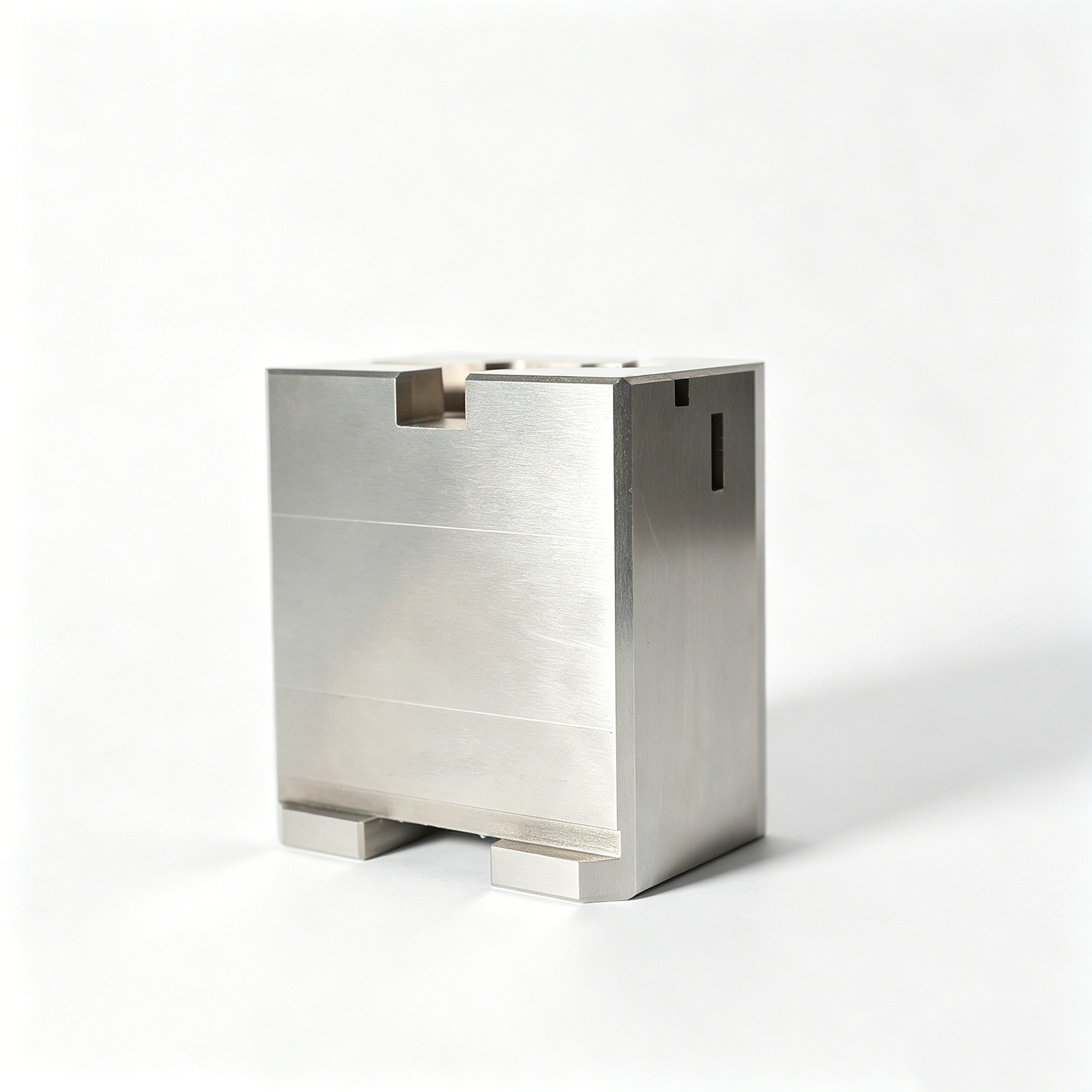
Representative Components for Prototype and Low-Volume Programs




Related Components and RFQ Requests





Small-Batch Precision Machining Engineering Advantages
Move from drawing review to an inspection-ready process route with critical features, revisions, and delivery requirements kept visible.
Drawing-Led DFM Review
Review tool access, datum strategy, thin features, and manufacturing risks before quotation assumptions become production commitments.
Critical Dimension Planning
Identify critical-to-quality dimensions, tolerance relationships, and inspection methods early to support a practical, traceable manufacturing plan.
Coordinated Process Routes
Match CNC milling, turning, EDM, grinding, and fitting operations to geometry, material condition, surface requirements, and access constraints.
Inspection Planning
Define measurement priorities and documentation expectations against the drawing, ensuring final records align with the agreed inspection plan.
Revision Visibility
Keep drawing changes, clarified requirements, and delivery information visible so production follows the current approved technical direction.
Precision Machining Product Families
Drawing-driven manufacturing routes for configurable CNC parts, tooling components and controlled low-volume builds.

CNC Machining Services
Precision CNC machining services for drawing-based parts requiring coordinated milling, turning, EDM, grinding and inspection planning. Submit critical dimensions, material, quantity and application context so the process route can be reviewed before quotation.
Upload a Drawing
CNC Milling
Custom CNC milling services for prismatic parts, plates, inserts and features requiring controlled datum setup, tool access and machining allowance. Drawings should identify critical pockets, holes, surface requirements and any downstream EDM or grinding operations.
Upload a Drawing
CNC Turning
Precision CNC turning services for shafts, pins, sleeves, bushings and rotational components. Diameter relationships, runout requirements, thread specifications, material condition and mating details should be defined before selecting the machining and inspection approach.
Upload a Drawing
5-Axis Machining
5-axis CNC machining for complex surfaces, angled features and multi-face parts where fewer setups may help control positional relationships. Feasibility depends on tool reach, fixture strategy, material condition, tolerance priorities and inspection access.
Upload a Drawing
Swiss & Micro Machining
Swiss machining and micro machining for small-diameter, high-length-to-diameter components with detailed turning, milling or cross-hole features. Provide critical dimensions, handling constraints, burr expectations, material and quantity for a practical process review.
Upload a Drawing
Wire & Sinker EDM
Wire EDM and sinker EDM services for hardened details, narrow slots, sharp internal geometry and features with limited conventional tool access. Electrode strategy, wire path, corner requirements, recast considerations and finishing expectations should be reviewed from the drawing.
Upload a Drawing
Precision Grinding
Precision surface and profile grinding for flatness, parallelism, profile control and finish-critical surfaces. Grinding stock, heat-treatment sequence, datum relationships and inspection method must be established to avoid removing required geometry during finishing.
Upload a Drawing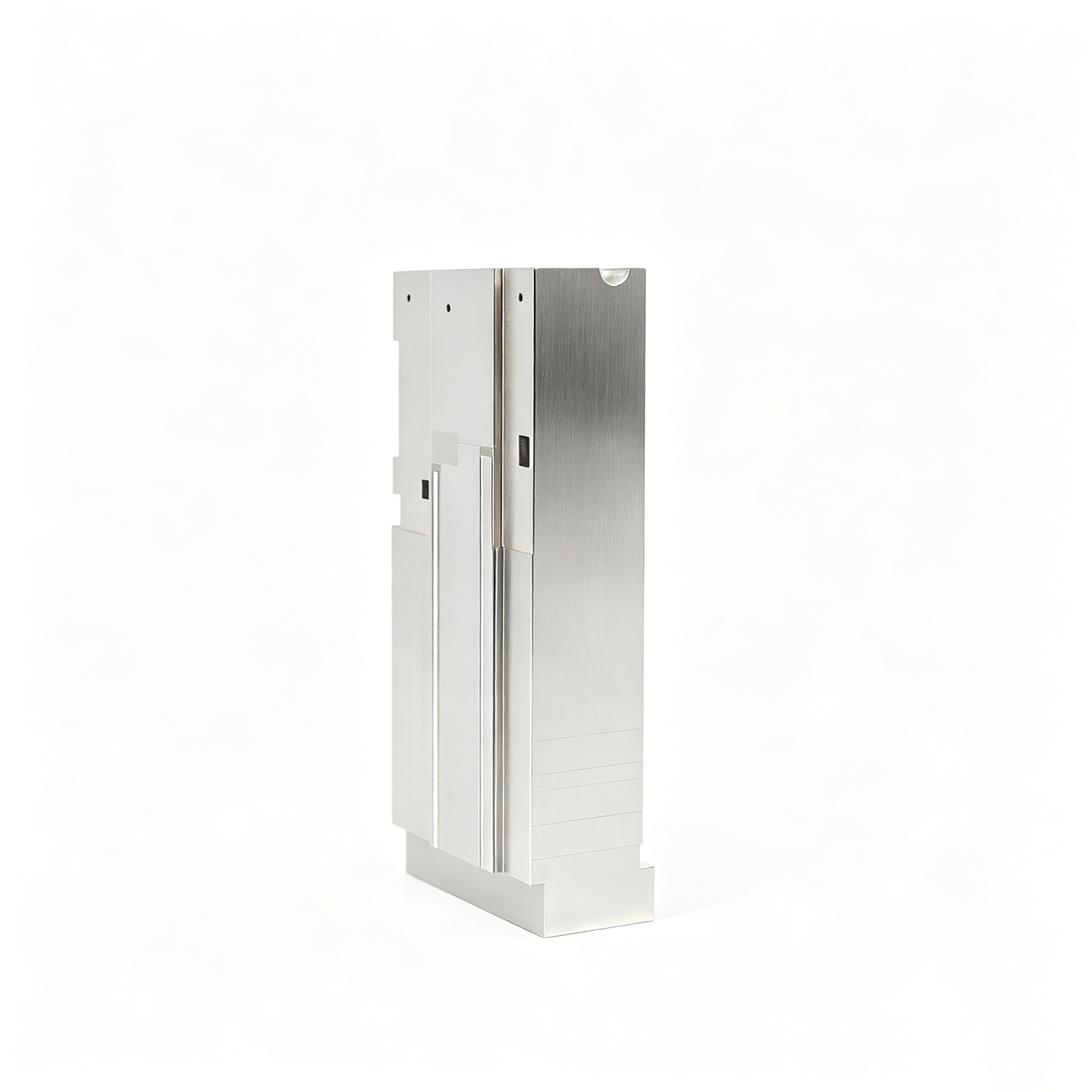
Mold Core & Cavity Inserts
Precision mold core and cavity inserts produced as configurable tooling components from customer drawings. Process planning can combine CNC machining, EDM, grinding and fitting around shutoff surfaces, cooling details, material condition and critical molded-part geometry.
Upload a Drawing
Ejector & Ejection Components
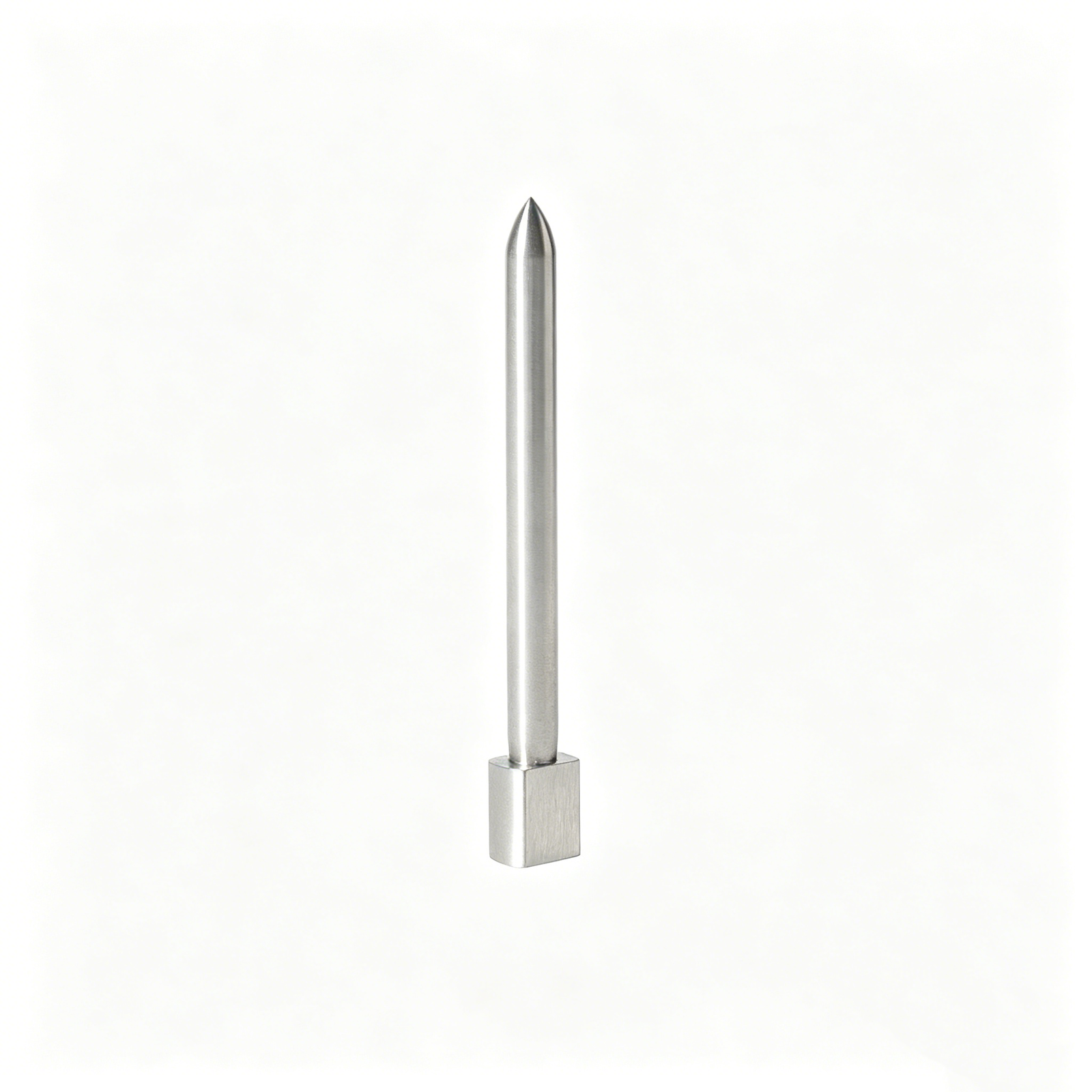
Ejector pins, sleeves and ejection components made to drawing requirements for guided, sliding or return-related mold functions. Review diameter fits, bearing lengths, surface condition, hardness needs, lubrication context and mating-component relationships before production.
Upload a Drawing
Core Pins, Guide & Locating Components
Core pins, guide pins and locating components for mold assemblies where alignment, wear surfaces and replaceability affect tool performance. Drawings should define datum references, fit classes, hardening requirements, engagement lengths and mating-part interfaces.
Upload a Drawing
Slides, Lifters, Gates & Mold Accessories
Mold slides, lifters, gates and accessories manufactured as configurable components for motion, shutoff, feeding or support functions. Manufacturing review focuses on travel interfaces, wear areas, tool access, heat treatment, fitting allowance and assembly relationships.
Upload a Drawing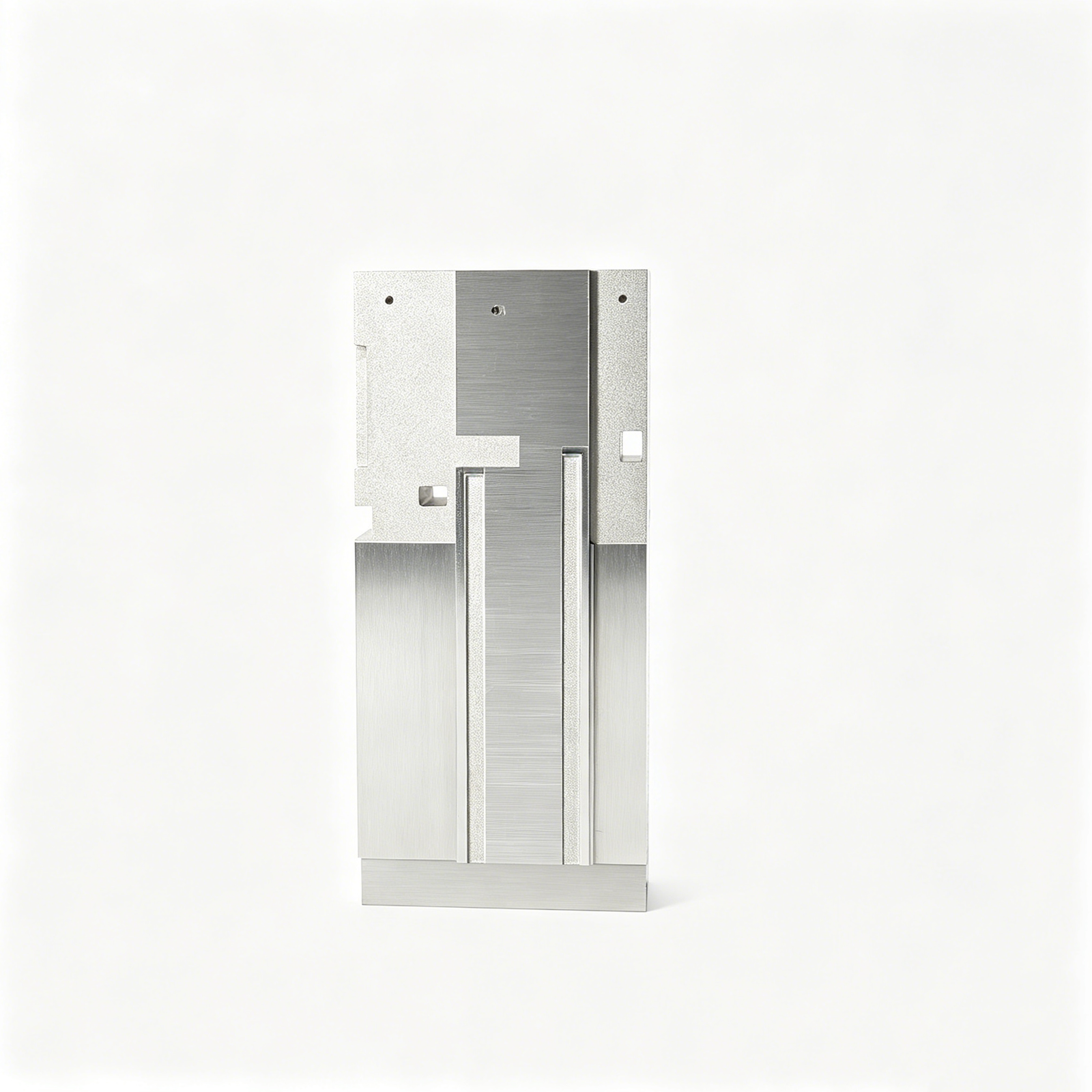
Connector Mold Components
Precision connector mold components for terminals, cavities, inserts and other geometry-sensitive tooling details. Pin spacing, datum control, fine features, EDM requirements, material condition and inspection strategy should be agreed before machining begins.
Upload a Drawing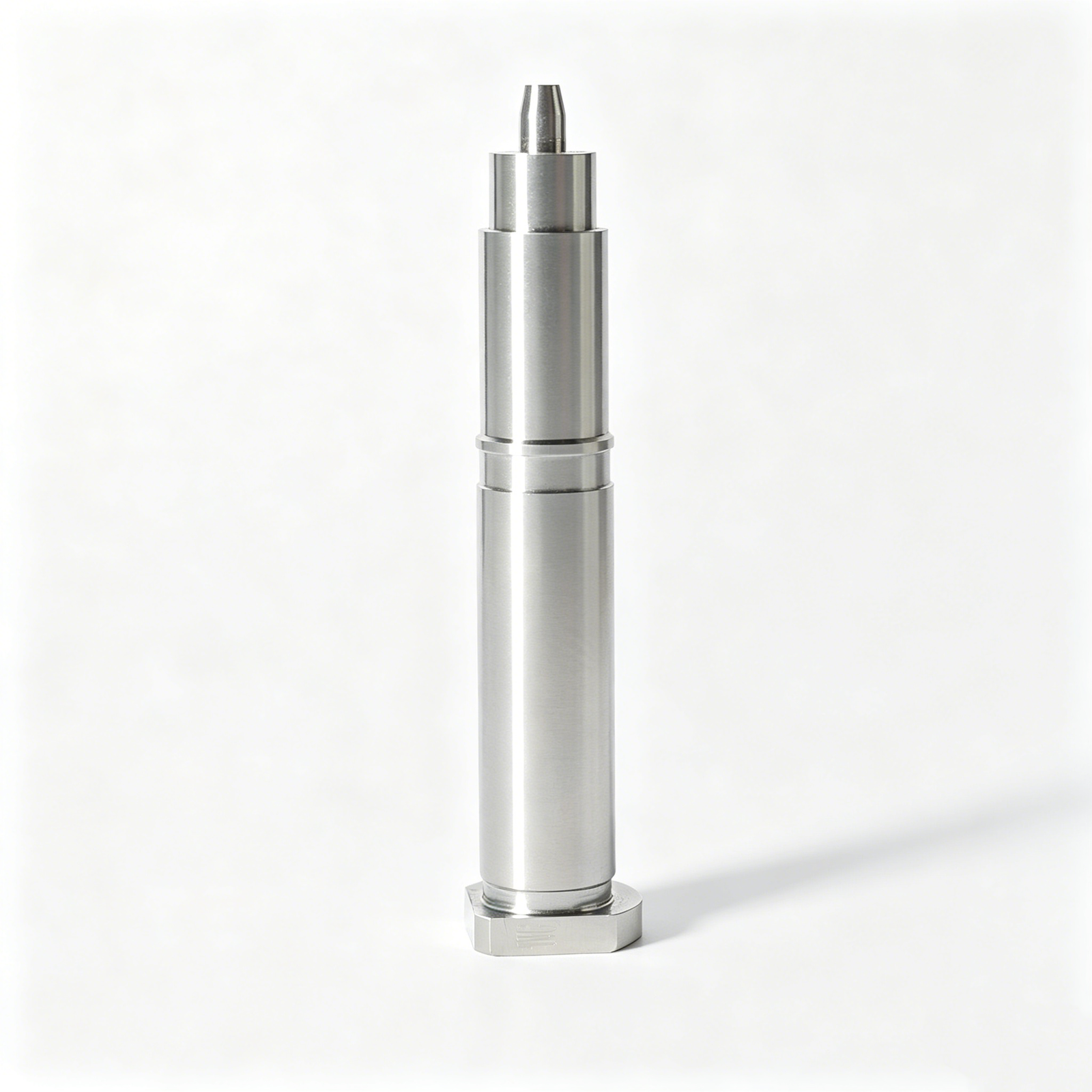
Stamping Die Components
Precision stamping die components for cutting, forming, guiding and support functions. Punch-and-die relationships, clearance, wear surfaces, hardness, grinding stock and assembly datum requirements inform the selected machining, EDM and finishing sequence.
Upload a Drawing
Injection, MIM, CIM & Overmolding Tooling
Tooling and component work for injection molding, MIM, CIM and overmolding applications when requirements fit verified production scope. Share resin or feedstock context, part geometry, molding interfaces, material requirements and inspection priorities for a responsible review.
Upload a Drawing
Machining Materials
CNC machining materials selected against drawing requirements, function, machinability, heat-treatment sequence and inspection needs. Specify material grade, supply condition, traceability expectations and any customer-approved substitution rules before quotation or production release.
Upload a Drawing
Surface Finishes & Heat Treatment
Surface finishing and heat treatment planned around functional surfaces, corrosion needs, wear requirements, dimensional change and post-process inspection. Identify finish callouts, coating thickness concerns, hardness targets, masking needs and critical dimensions requiring protection.
Upload a Drawing
Quality, Metrology & Documentation
Precision inspection, metrology and quality documentation aligned with the drawing, critical dimensions and agreed inspection plan. Define reporting format, datum scheme, sampling expectations, traceability needs and revision status so final records match the order requirements.
Upload a Drawing
Prototyping & Low-Volume Production
Rapid prototyping and low-volume manufacturing for drawing-driven parts requiring controlled revision handling before broader release. Provide 2D and 3D files, material, quantity, target date, functional priorities and inspection needs to assess a suitable production route.
Upload a DrawingMaterials Reviewed for Small-Batch Precision Machining

Tool Steels
Tool steels are considered for mold cores, cavity inserts, punches and wear-critical tooling. Grade selection, pre-hardening or post-machining heat treatment, EDM strategy and grinding allowance must be reviewed against the drawing.

Stainless Steels
Stainless steels suit corrosion-conscious mold components, connector tooling and custom machined parts. Alloy choice affects machinability, work hardening, surface condition and any heat-treatment route needed for the intended service environment.

Carbon Alloy Steels
Carbon and alloy steels are practical options for shafts, guide elements, die components and structural machined parts. The review considers required strength, hardness, machining stock, distortion risk and finishing steps after heat treatment.

Aluminum Alloys
Aluminum alloys can support lightweight fixtures, prototype housings and selected custom components. Grade choice influences cutting behavior, stiffness, thread engagement, surface-finish expectations and whether anodizing or another protective finish is specified.

Engineering Plastics
Engineering plastics may suit insulation, low-friction guides, prototype components and nonmetallic fixtures. Material selection considers thermal stability, moisture response, dimensional movement, machining support and the functional demands of mating parts.
Process Routes for Small-Batch Precision Machining

CNC Milling
Milling produces faces, pockets, slots and contoured features from a controlled datum scheme. It supports drawing-driven small-batch precision machining where tool access, setup direction and remaining stock must be reviewed before production.

CNC Turning
Turning forms concentric diameters, shoulders, bores and threaded cylindrical features. The route is evaluated against datum relationships, runout requirements and whether secondary milling or drilling is needed to complete the part.


Wire EDM
Wire EDM cuts precise internal profiles, narrow features and hardened-workpiece contours where conventional tool access is restricted. Wire path, start-hole location, corner requirements and finishing passes should be defined during drawing review.

Sinker EDM
Sinker EDM creates deep ribs, sharp internal details and cavity geometry using a planned electrode strategy. Electrode access, spark allowance, surface expectations and downstream fitting requirements guide the process decision.
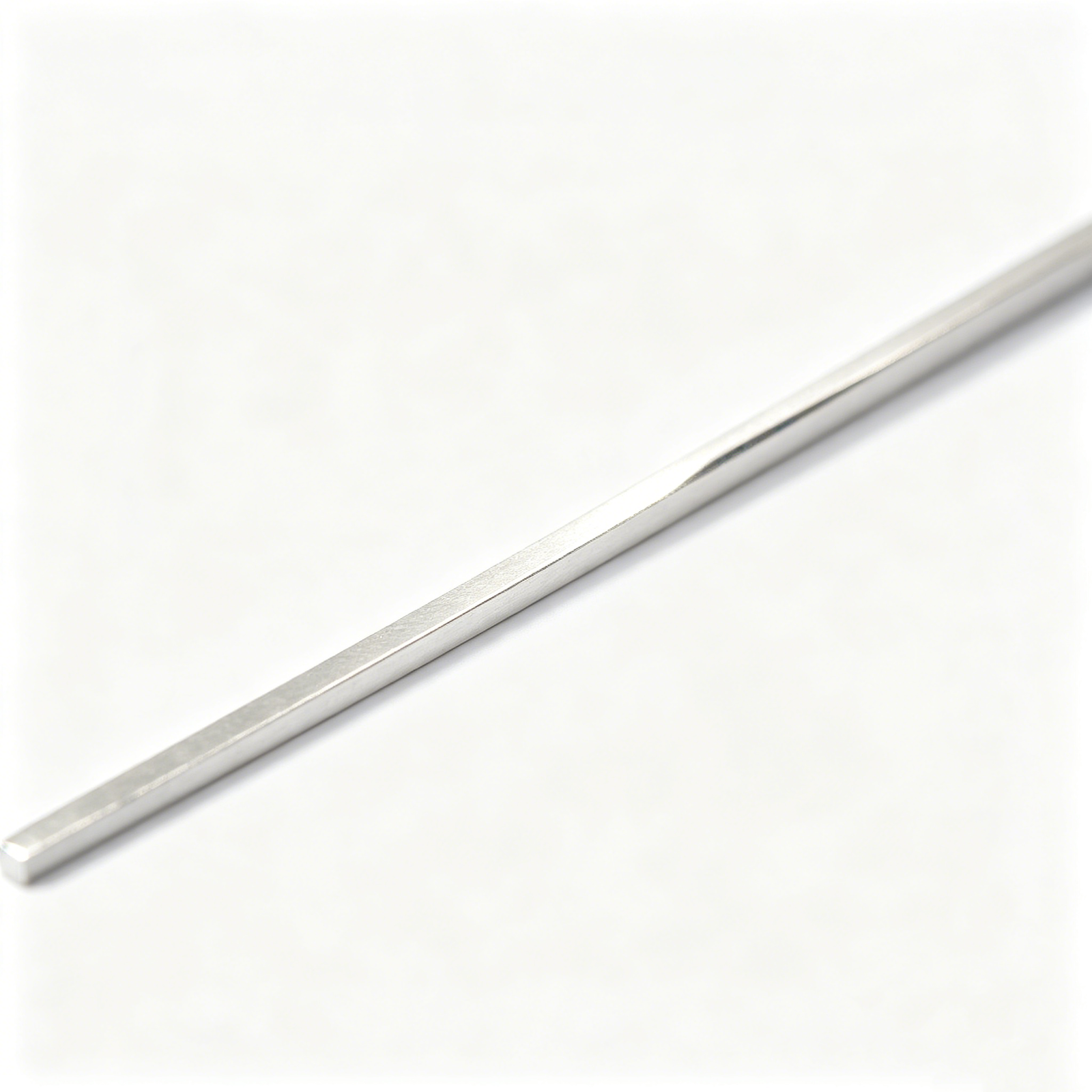
Precision Grinding
Grinding refines critical flats, diameters and mating surfaces after machining or heat treatment where controlled stock remains available. The grinding plan considers datum transfer, stock allowance, surface requirement and inspection method.
Small-Batch Precision Machining Hardware and Finishing Options

Guide Elements
Guide pins, bushings, and related alignment elements can be specified for mold and tooling assemblies. Drawing review should confirm mating relationships, hardness requirements, lubrication provisions, and the critical diameters or locations requiring inspection.
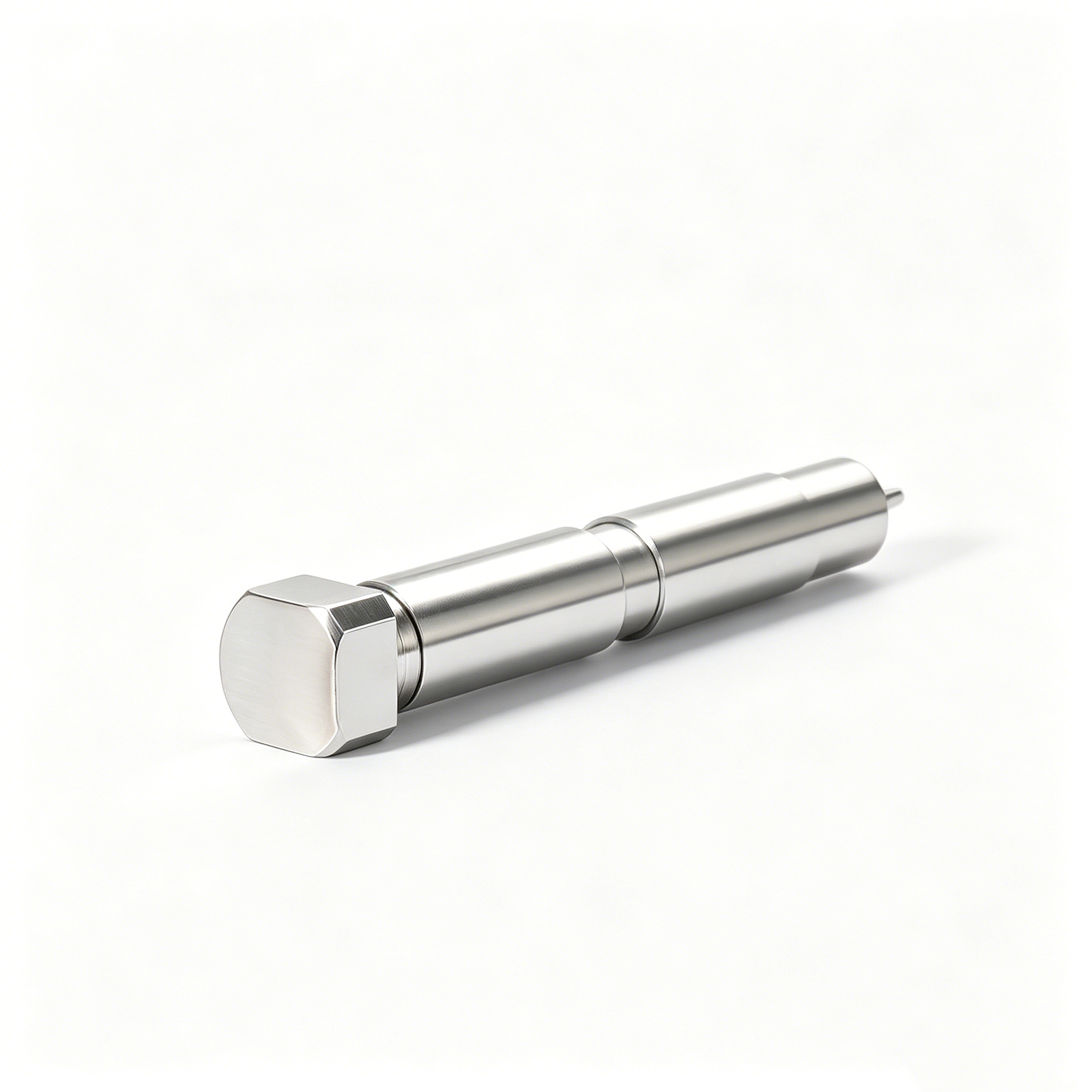
Ejector Components
Ejector pins, sleeves, blades, and return-related components support controlled part release in mold assemblies. Define working length, head form, mating clearance, surface condition, and heat-treatment requirements for application-specific process planning.

Locating Features
Dowel holes, keyways, locating shoulders, and datum features help establish repeatable assembly position. SUUXIANG reviews tolerance stack, machining access, and inspection references so these features support the intended assembly sequence.

Identification Marking
Part numbers, revision identifiers, cavity marks, and orientation references may be added where the drawing defines content and position. Marking method and depth should be reviewed against material condition, cosmetic surfaces, and traceability needs.

Surface Finishing
Grinding, polishing, deburring, and specified surface treatments can be considered when supported by the drawing and application. Review surface-critical areas alongside dimensional requirements, machining allowance, edge conditions, and downstream assembly needs.
About SUUXIANG Small-Batch Precision Machining
SUUXIANG is the sole international-facing brand of Dongguan SuuXiang Precision Mold Co., Ltd., established in 2010 and based at 2nd Floor, Sanhe Industrial Park, Chang’an Town, Dongguan City, Guangdong, China. XiaoCheng Huang is the founder and legal representative. We support international engineering, sourcing, and quality teams with drawing-driven small-batch precision machining, precision mold components, connector tooling, and die components.
Our work combines CNC milling and turning, multi-axis machining, EDM, precision grinding, fitting, and inspection. Each project begins with the drawing, 3D model when available, material, quantity, application, and quality requirements so the proposed route reflects critical dimensions, datums, tool access, and finishing needs.
What differentiates SUUXIANG is disciplined engineering communication before production commitments. We use DFM review, revision control, process planning, and inspection planning to make manufacturing risks visible early. The result is a more controlled path from technical documentation to inspected parts and delivery coordination.
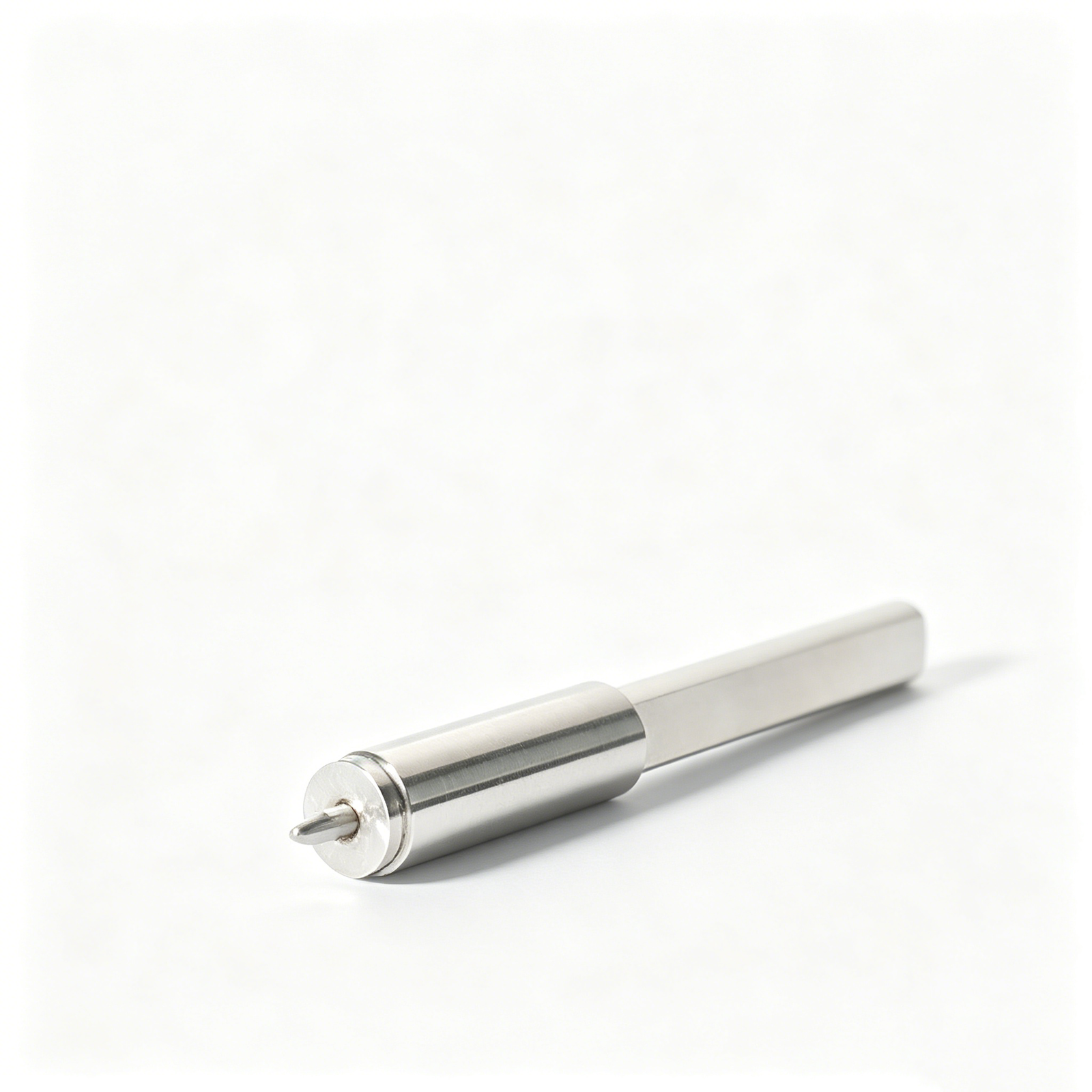
Small-Batch Precision Machining: Critical Feature Control
Drawing and DFM Review
Before quoting small-batch precision machining work, SUUXIANG reviews the drawing, model, material, quantity, and application context. The review identifies critical dimensions, datum relationships, tool access, tolerance-stack risks, and features requiring a different process route before production commitments are made.
- Confirm revision status and drawing-to-model alignment
- Identify critical-to-quality dimensions and datum strategy
- Review tool access, wall conditions, and practical machining allowances
- Clarify material, heat treatment, surface, and reporting requirements
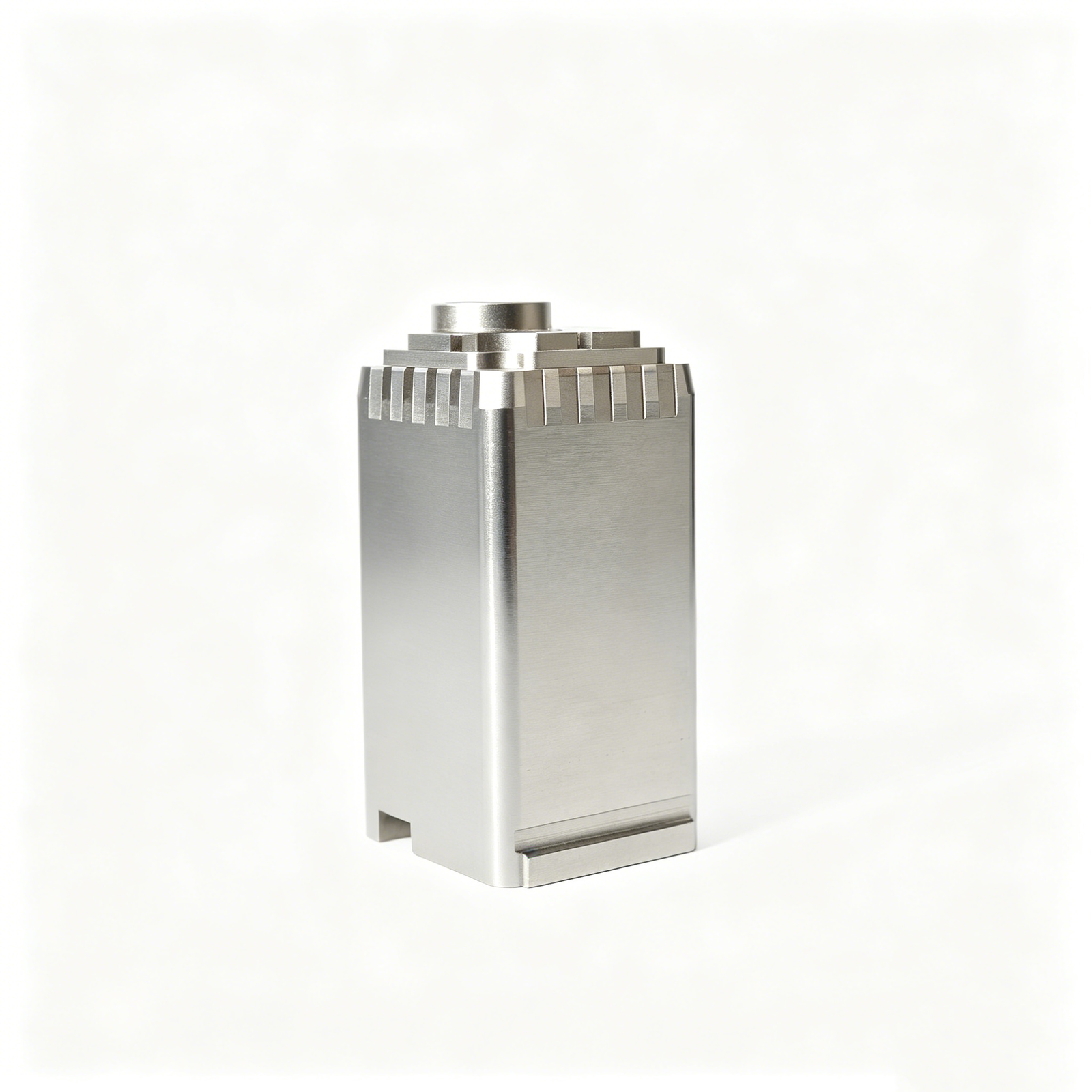
EDM and Grinding Strategy
Complex internal forms, hardened features, sharp internal geometry, and precision mating surfaces may require more than CNC cutting alone. SUUXIANG plans EDM, grinding, and fitting as linked operations, considering electrode access, wire paths, machining stock, heat-treatment sequence, and final functional surfaces.
- Evaluate wire EDM or sinker EDM where milling access is limited
- Reserve grinding stock for critical flatness, parallelism, or fit surfaces
- Plan process sequence around heat treatment and distortion risk
- Define fitting points when assembled mold components interact

Critical-Dimension Inspection
Inspection planning is built around the dimensions that affect assembly, function, and acceptance—not a generic checklist. For each drawing-based order, SUUXIANG aligns the inspection method and reporting needs with identified critical features, tolerances, datums, and the agreed documentation requirements.
- Link measurement methods to critical dimensions and geometric controls
- Review datum references before inspection begins
- Confirm inspection-report scope with the order requirements
- Keep final documentation aligned with the verified inspection plan

Revision-Controlled Coordination
Low-volume work often changes as prototypes are tested, mating parts evolve, or quality feedback is reviewed. SUUXIANG maintains visible revision and delivery coordination so production is based on the confirmed technical package, helping teams avoid ambiguity between drawing updates, process decisions, and inspection expectations.
- Use the confirmed drawing revision as the production reference
- Record clarification points that affect manufacturing decisions
- Coordinate delivery information with the agreed project requirements
- Request updated files when design changes affect critical features
Why Choose SUUXIANG for Drawing-Based Small-Batch Precision Machining
Compare a drawing-led manufacturing workflow with a typical quote-only supplier before releasing critical parts to production.
← Swipe left or right to view →
Small-Batch Precision Machining: From Drawing Review to Delivery
A drawing-led sequence that aligns process planning, critical-feature control, inspection requirements, and delivery coordination before production commitments are made.
Review RFQ Inputs
SUUXIANG reviews the 2D drawing, 3D model, material, quantity, application, target date, and inspection needs to define the technical discussion.
Plan Critical Features
The team assesses datums, tolerance stack, machining access, surface requirements, heat-treatment sequence, and appropriate CNC, EDM, grinding, or fitting routes before quotation.
Confirm Revision Requirements
Questions, DFM findings, and process assumptions are clarified against the current drawing revision so the production plan reflects agreed critical-to-quality priorities.
Machine and Finish Components
Approved work proceeds through the planned combination of CNC milling or turning, multi-axis machining, wire or sinker EDM, grinding, and fitting as required.
Inspect, Pack, and Coordinate Delivery
Finished parts are checked against the verified inspection plan, documented as required by the order, protected for shipment, and coordinated with visible delivery information.
Start Small-Batch Precision Machining With SUUXIANG
A disciplined engagement path for drawing-based parts, from technical review through controlled production and inspection.
Submit Your Drawing Package
Send a 2D drawing and, when available, 3D model, plus material, quantity, critical dimensions, surface requirements, inspection needs, delivery target, and mating-component context.
Review DFM and Quotation
Review SUUXIANG’s proposed process route, including machining access, datum strategy, EDM or grinding needs, quality expectations, quotation scope, and any identified manufacturability risks.
Approve the Production Plan
Confirm revisions, commercial details, and the agreed inspection approach. Where appropriate, approve a sample or first-piece route before the batch proceeds to full production.
Receive Inspected Parts
Production follows the approved plan through CNC machining, EDM, grinding, fitting, and inspection. Revision status and delivery coordination remain visible through final documentation.
Certification and Quality Documentation
Customer Feedback Pending Verification
Customer feedback will be published only after the customer identity, project details, and publication approval are verified.
Customer feedback will be published only after the customer identity, project details, and publication approval are verified.
Customer feedback will be published only after the customer identity, project details, and publication approval are verified.
Small-Batch Precision Machining FAQ
Practical RFQ, quality, and delivery questions for drawing-driven CNC parts, mold components, and connector tooling.
What information should I provide for a small-batch precision machining RFQ?
Is there a minimum order quantity for small-batch precision machining?
Can I order samples before placing a larger production order?
How is lead time confirmed for a custom machining order?
Which materials can SUUXIANG consider for low-volume CNC parts?
How does small-batch precision machining handle tight tolerances and inspection reports?
Can SUUXIANG ship internationally and support payment requirements?
How are drawings, revisions, and intellectual property handled during quotation and production?
Complete Buyer’s Guide to Small-Batch Precision Machining
A practical framework for specifying low-volume CNC parts, comparing capable suppliers, controlling quality and cost, and avoiding sourcing mistakes that delay prototypes, tooling, pilot builds, and replacement-component programs.
1. What Is Small-Batch Precision Machining?
One approved 2D drawing, supported where available by a 3D model, is the starting point for small-batch precision machining: drawing-based production of limited quantities of metal or engineering-plastic components. CNC programs, standard cutting tools, workholding, and inspection planning are applied to make parts without committing to production-specific molds or extensive dedicated tooling.
Five common order purposes are prototypes for fit or function testing, pilot runs for process and assembly learning, bridge production before a permanent production route is ready, replacement spares, and repeat low-volume orders for stable demand. These uses can require the same drawing discipline, material definition, critical dimensions, and revision control even when quantities are modest.
The core trade-off is simple: digital programming makes design changes and repeat ordering more flexible, but programming, setup, first-piece verification, and fixture effort are spread across fewer parts, increasing per-part cost. No universal quantity defines a small batch; geometry, tolerance, material, machining route, inspection scope, and supplier scheduling determine the practical range.
2. How Small-Batch Machining Evolved
3 stages define the shift from manual job-shop practice: machinist judgment, paper drawings, and setup-specific methods gave way to CNC programs that can be stored, reviewed, and reused. For a revised mold insert or connector component, controlled program and drawing revisions reduce the risk of rebuilding a process from memory.
CAD/CAM introduced a second practical change: 3D geometry can drive toolpaths, simulation, and setup planning before material is cut. Multi-axis machining, wire EDM, sinker EDM, and grinding can then be assigned by feature access, hardness, datum scheme, and finishing requirement rather than by a single general-purpose route.
100% digital records are not implied by using CNC; buyers should define which records are required. A DFM-led quotation should identify critical dimensions, tolerance stack concerns, tool access, electrode or wire-path needs, inspection method, and revision status, making small-batch precision machining better suited to iterative tooling, connector, and industrial-component programs.
3. Types of small-batch precision machining
Six routes cover most small-batch precision machining drawings: milling, turning, mill-turn, EDM, grinding, and hole making. The drawing’s datum, hardness, and inaccessible features determine whether one route is enough.
CNC Milling
Three- to five-axis milling suits prismatic inserts, pockets, contours, and angled faces. Ask: can cutters reach every feature, or will EDM, re-clamping, and deburring add risk?
CNC Turning
Rotating work favors shafts, bushings, pins, and concentric diameters in machinable stock. Ask: are cross-holes, flats, or threads secondary milling operations, and which diameter is the datum?
Mill-Turn
One mill-turn setup combines turned profiles with radial holes, flats, and milled features. Ask: does preserved concentricity justify the setup for connector bodies or complex drawing-based parts?
EDM And Wire EDM
Wire EDM cuts through hard conductive stock and sharp internal profiles; sinker EDM forms blind cavities. Ask: after heat treatment, do electrode strategy, wire access, and recast-layer requirements require polishing?
Precision Grinding
Grinding controls hardened mold faces, pins, and datum surfaces after rough machining. Ask: was grinding stock left before heat treatment, and which surface-finish or geometry requirement needs it?
Drilling And Boring
Drilling establishes holes; boring refines location, diameter, and straightness where required. Ask: do deep, stepped, or mating holes need reaming, honing, or inspection from a defined datum?
4. Materials for small-batch precision machining
Material selection starts with function, environment, and the drawing’s critical dimensions. For small-batch precision machining, specify the material grade, condition, heat treatment, corrosion exposure, and required evidence before quotation.
| Family | Typical Use | Trade-Off | RFQ Question |
|---|---|---|---|
| Aluminum | Fixtures, housings | Low stiffness | Alloy and finish? |
| Stainless | Corrosion-exposed parts | Tool wear | Passivation required? |
| Tool steel | Cores, inserts | Heat-treatment distortion | Hardness and sequence? |
| Copper/brass | Contacts, electrodes | Clamping marks | Conductivity requirement? |
| Titanium | High-strength parts | Slow cutting | Grade and surface? |
| Engineering plastics | Insulators, prototypes | Thermal movement | Conditioning requirement? |
Aluminum And Stainless Steels
Aluminum favors rapid milling, low mass, and anodizing; thin walls can distort during release. Stainless adds corrosion resistance and strength, but work-hardening raises tool wear and burr risk.
Tool Steels And Copper Alloys
Tool steels suit wear-loaded inserts after a defined heat-treatment route; grinding stock and EDM strategy must be planned. Copper and brass suit electrical or thermal features, while soft material requires careful clamping and deburring.
Titanium And Engineering Plastics
Titanium combines high strength with difficult heat control, increasing cycle-time cost. Engineering plastics machine readily, but moisture, thermal expansion, and datum stability can affect inspection results.
5. Finishes and Feature Customization
Finishes and added features in small-batch precision machining are functional specifications, not decoration. Define the required performance, mating condition, and verification method before selecting a process route.
| Option | Primary Function | Dimensional Control |
|---|---|---|
| Grinding | Final geometry | Allow stock after heat treatment |
| Plating | Corrosion resistance | Specify thickness and masked surfaces |
| Laser marking | Traceability | Protect critical and cosmetic faces |
GD&T And Critical Dimensions
Datums, profile controls, and positional tolerances belong on the controlled drawing. Identify critical features and the inspection method so machining, grinding, and final measurement use the same datum scheme.
General tolerances should not override tighter functional callouts. A coating or heat-treatment sequence can change size, so specify the final-condition dimension.
Threads, Inserts, And Assembly
Thread form, class, depth, relief, and gauge requirement belong on the drawing. State whether threads are cut before or after finishing and whether a mating fastener governs fit.
Insert type, installation method, torque limits, and supplied hardware belong in the purchase order or assembly specification. Assembly-ready counterbores, dowels, and witness marks require accessible inspection.
Thermal, Surface, And Identification
Heat-treatment condition, hardness requirement, and permitted distortion belong on the drawing. Plan grinding stock and inspection after thermal processing when final geometry is critical.
Finish, coating, plating, roughness, masked areas, and marking location belong on the drawing; color, packaging, and report format may sit in the purchase order. Confirm corrosion need, appearance standard, lead-time impact, and inspection plan before release.
6. Quality Elements in Precision Parts
In small-batch precision machining, quality begins with a drawing that distinguishes functional requirements from preferences. Inspection evidence should reflect the consequence of mold, connector, die, or assembly failure.
Datums And CTQs
One datum scheme should anchor setup, measurement, and mating features. Identify CTQs where fit, sealing, alignment, electrical contact, or tool life can fail.
Two linked dimensions need a stated datum relationship; isolated limits can hide stack-up risk. Avoid blanket tight tolerances when functional clearance is larger.
Geometry And Surfaces
Geometric tolerances should control orientation, position, or runout only when the function requires them. A profile callout without datum references is often ambiguous.
Surface finish and burr limits need location, direction, and acceptance criteria. Specify edge break only where sharp edges threaten assembly, handling, or molded-part release.
Evidence Matched To Risk
100% inspection suits defined CTQs whose escape could stop assembly or damage tooling. Sampling may suit noncritical features when the drawing and agreed plan define the sample basis.
Each report should link part number, revision, material traceability, measured characteristics, method, results, and disposition. Match calipers, micrometers, height gauges, CMM, optical checks, or gauges to feature geometry and required uncertainty.
7. Choosing a small-batch precision machining supplier
Two comparable RFQs reveal more than capability brochures: they show whether the supplier identifies critical dimensions, datums, access limits, and revision risks before release. For small-batch precision machining, compare documented responses to the same drawing package.
Test DFM Understanding
One drawing review should name critical-to-quality features, datum scheme, tolerance conflicts, tool access, and proposed EDM or grinding sequence.
Two suppliers may quote the same part; favor the one that records assumptions and asks how the component mates, loads, and changes.
- Request annotated drawing feedback.
- Ask for process-route rationale.
- Confirm revision acknowledgement.
Verify Process And Material
One process plan should connect geometry to milling, turning, wire EDM, sinker EDM, grinding, fitting, and workholding rather than listing machines.
Two material questions matter: source traceability and heat-treatment sequence. Ask how certificates, hardness requirements, and grinding allowance travel with the order.
- Request fixture concept.
- Confirm material-document linkage.
- Ask about post-heat-treatment stock.
Compare Inspection And Delivery
One inspection plan should identify measurement method, sampling, report format, and acceptance criteria for each critical feature.
Two sample parts can expose communication failures early. Review labels, revision status, packaging protection, shipment method, and corrective-action handling before releasing the balance.
- Review a sample inspection report.
- Confirm packaging for finished surfaces.
- Define change-control contacts.
8. Small-Batch Precision Machining Mistakes
A released drawing package is the control point for small-batch precision machining. Before PO release, resolve ambiguity while changes affect files rather than finished parts.
Control Files And Revisions
A STEP model without datums, tolerances, or feature callouts can produce a part that matches geometry but fails assembly. Release a dimensioned 2D drawing, 3D model, revision identifier, and written change log.
A superseded revision on one file can drive scrap, rework, or mismatched mating parts. Require supplier acknowledgement of the exact revision before machining and before first-article approval.
Make Requirements Manufacturable
A blanket tight tolerance increases grinding, EDM, inspection, and setup risk without improving function. Mark critical dimensions, functional datums, permissible material alternatives, heat treatment, and finish requirements.
A missing surface requirement can leave burrs, roughness, coating thickness, or masking decisions unresolved. Specify appearance, roughness where functional, edge condition, and areas excluded from finishing.
Define Inspection Evidence
A first article without an agreed inspection plan may verify the wrong features. Identify critical dimensions, measurement method, sampling expectation, report format, and material-document needs before approval.
Compare Total Program Cost
A low unit price can exclude inspection, fixture effort, finishing, packaging, or revision handling. Compare quotations against the same scope, delivery commitment, and documented assumptions.
A late design change after programming or machining starts disrupts material, tooling, and delivery. Freeze the released revision, then issue controlled written changes with cost and schedule review.
9. Launching a Low-Volume Machining Program
1 controlled launch brief prevents a prototype, mold insert, connector tool, or pilot assembly from being quoted as an undefined machining job. Buyers own the functional requirement; the supplier should clarify the feasible process route.
Define The Production Decision
1 application statement should identify mating parts, loads, temperature exposure, and the required quantity for the first build.
2 separate decisions help: buyers set acceptance needs and forecast; suppliers advise batch splits, fixturing, and process risk.
- Prototype: validate form, fit, or function.
- Mold component: define resin, shutoff, and wear context.
- Connector tooling: identify pin, cavity, and alignment interfaces.
- Pilot assembly: state build quantity and downstream test.
Freeze The Drawing Package
1 revision-controlled package should include the 2D drawing, available 3D model, datum scheme, material, heat treatment, and finish requirements.
3 feature groups deserve nomination: critical dimensions, functional surfaces, and features needing EDM, wire cutting, or grinding.
- Mark critical-to-quality characteristics.
- State measurement and reporting requirements.
- Identify mating-component references.
- Provide a single revision authority.
Close DFM And Quote Gaps
1 DFM review should address tool access, wall stiffness, machining allowance, electrode strategy, wire path, and inspection access before release.
2 aligned quotations must use the same revision, material condition, quantity, finish, inspection scope, and delivery assumption.
- Request exceptions in writing.
- Approve samples or first articles against defined criteria.
- Set change notice, approval, and traceability rules.
- Plan repeat orders using the released revision and inspection baseline.
10. small-batch precision machining pricing
1 part can carry nearly all programming, fixture planning, first-article verification, and setup time; as quantity rises, those fixed activities are allocated across more pieces. Material form, buy quantity, machining cycle time, tool access, and the selected route—milling, turning, EDM, grinding, or fitting—then drive variable cost.
2 tolerance zones should be priced by function, not applied uniformly. Tighter dimensions, surface requirements, inspection reporting, finishing, scrap exposure, protective packaging, and freight can change the total more than raw material alone.
3 quotation inputs should be approved 2D drawings, available 3D models, material and heat-treatment requirements, quantity, revision status, CTQs, inspection needs, finish, packaging, and delivery destination. SUUXIANG should confirm the feasible process plan and documentation against current project requirements before quoting.
| Illustrative quantity tier | Setup allocation | Unit-cost direction | Planning implication |
|---|---|---|---|
| 1–5 parts | High per part | Highest | Validate design before scaling |
| 6–25 parts | Shared across batch | Declines | Combine revisions before release |
| 26–100 parts | Lower per part | Further declines | Review fixtures and inspection sampling |
Start Your Small-Batch Precision Machining Review
Upload your drawing with material, quantity, critical dimensions, quality requirements, and target delivery date for a disciplined technical review.